
We recently returned from a brief trip to Athens followed by a week-long cruise on the Windstar through the Greek Islands, Ephesus and the Peloponnese. I will be posting reviews on this blog over the next few weeks covering the whole trip. Our trip started in the ancient city of Athens, where we got a small taste of its history. The ancient Greeks, who reached their Golden Age in Athens in the fifth century BC, have had a huge impact on western culture, science, literature and philosophy. These innovative thinkers lived in a small village at the base of the Acropolis.
Acropolis
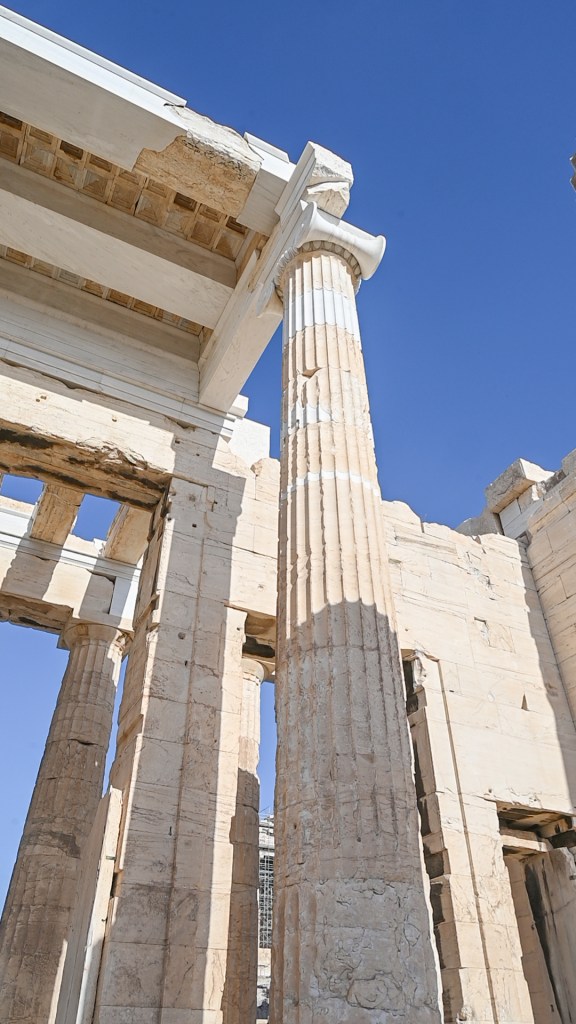
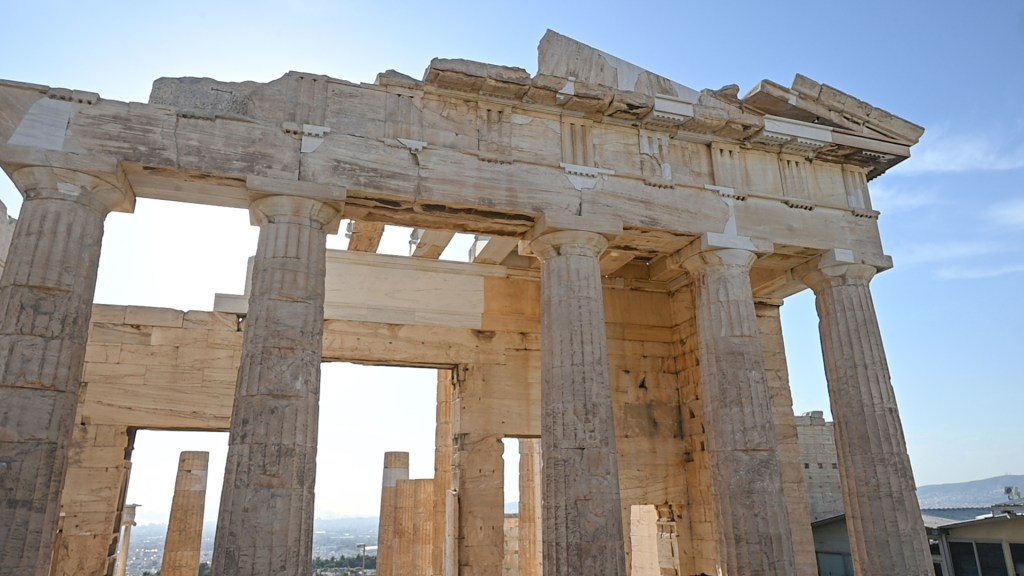
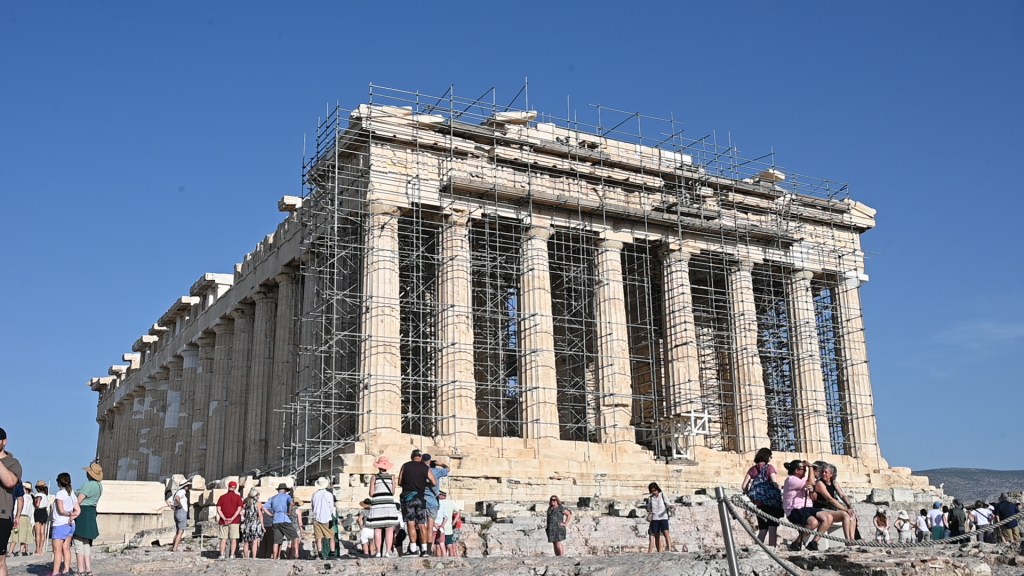
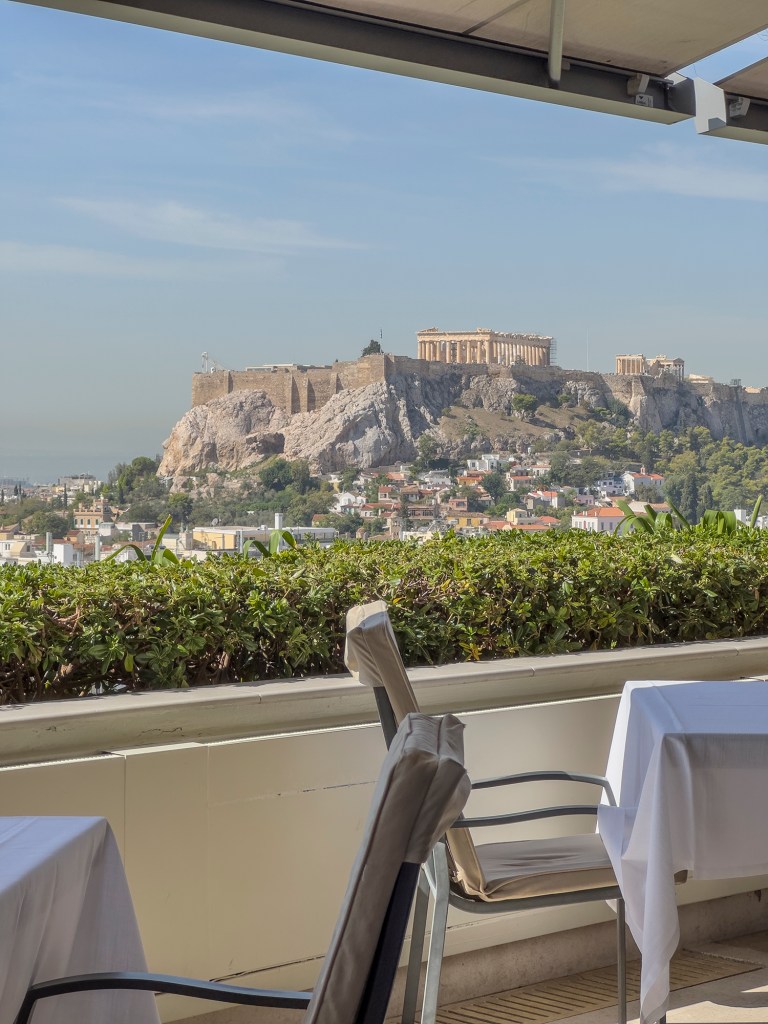
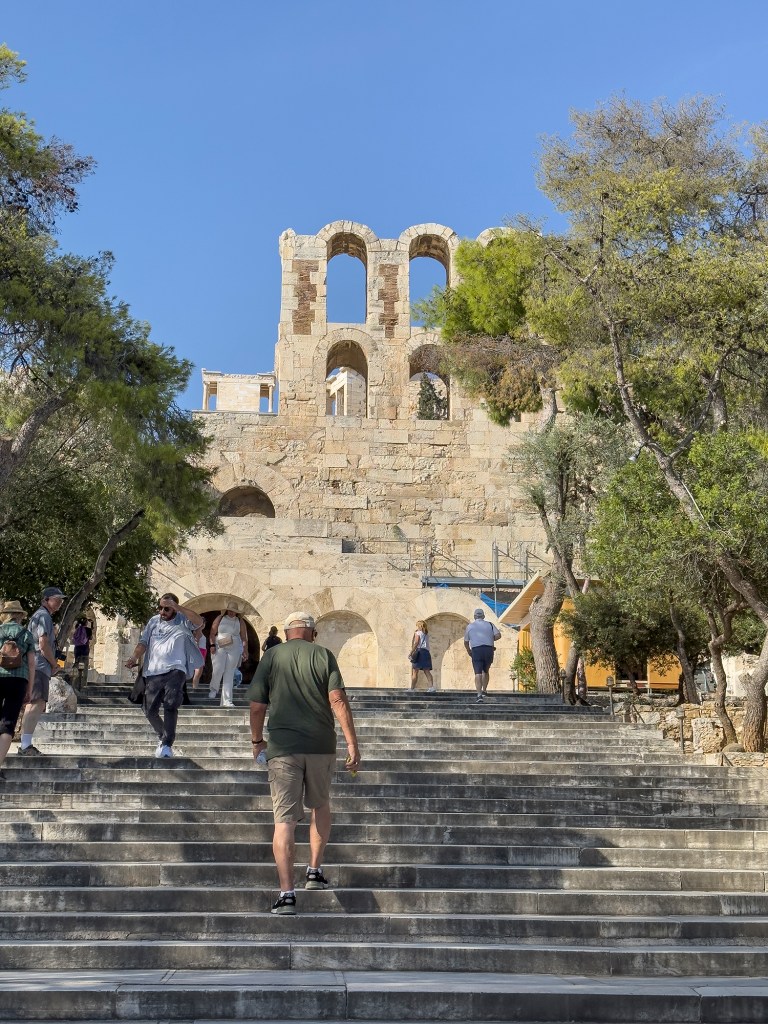
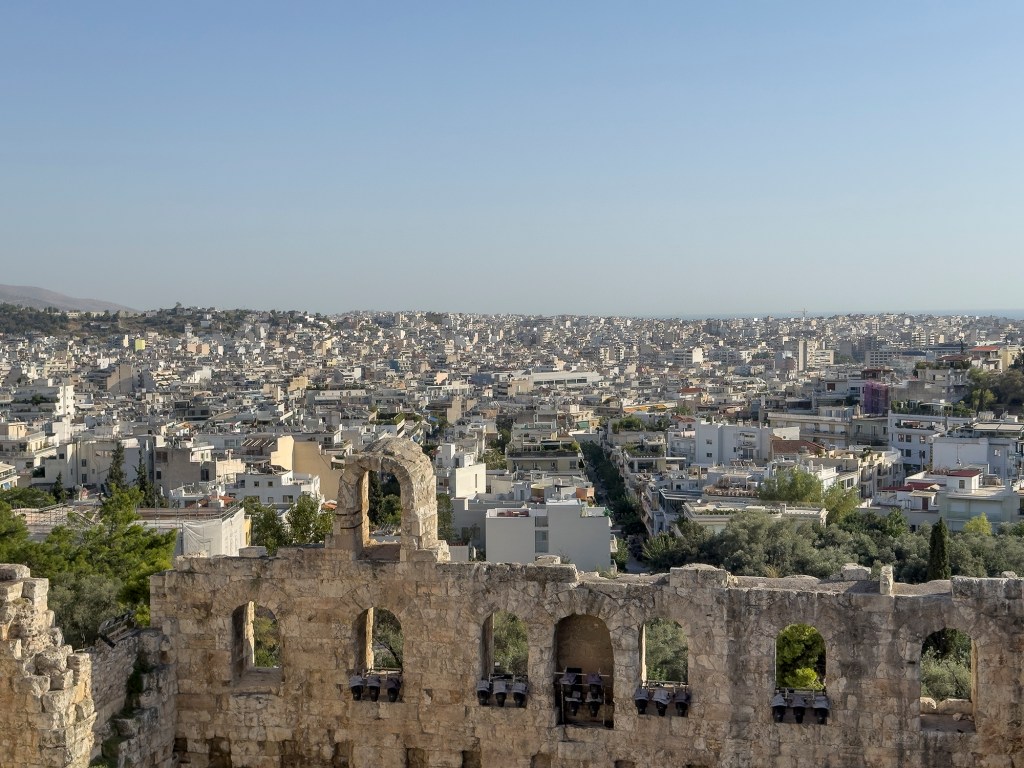
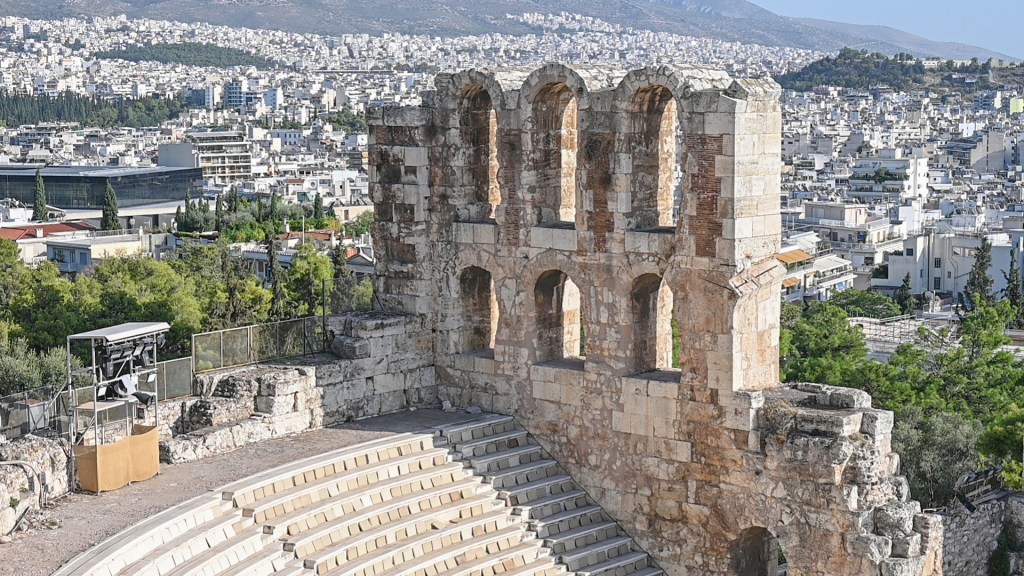
According to some the Acropolis, a limestone “mesa”, is the most important ancient site in the Western world. Occupied on and off since about 1500 BC, the complex of lavishly decorated temples dedicated to Athena was constructed in the 450-400 BC period. It was and is dominated by the Parthenon, the most famous temple on earth.





Acropolis Museum
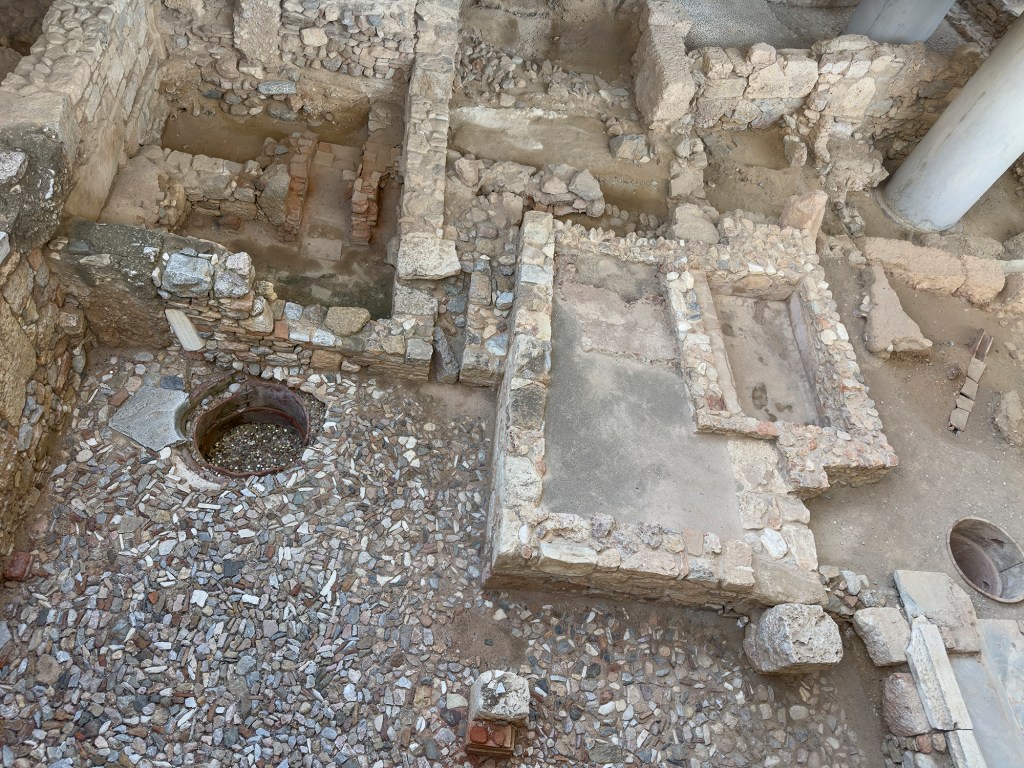
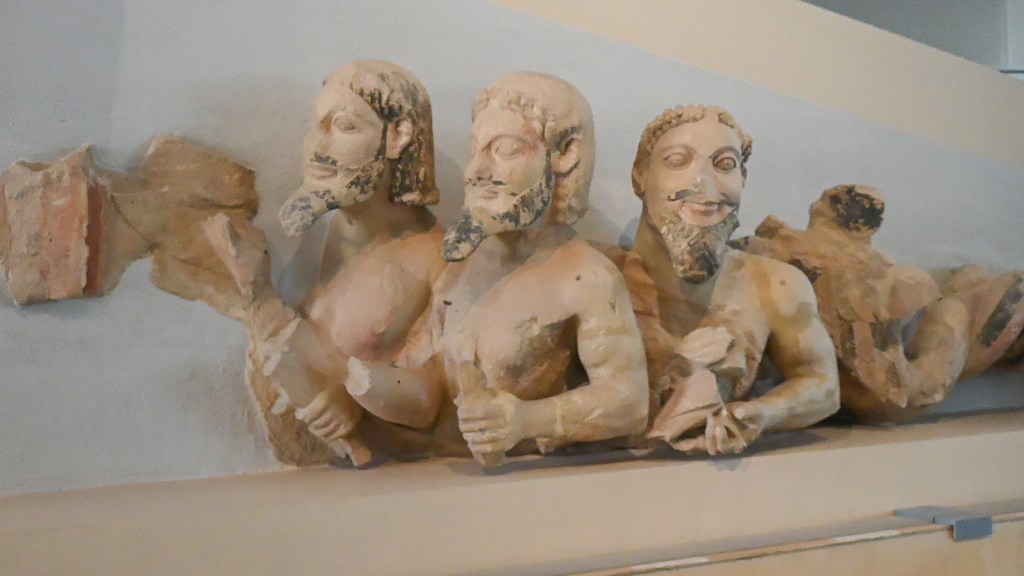
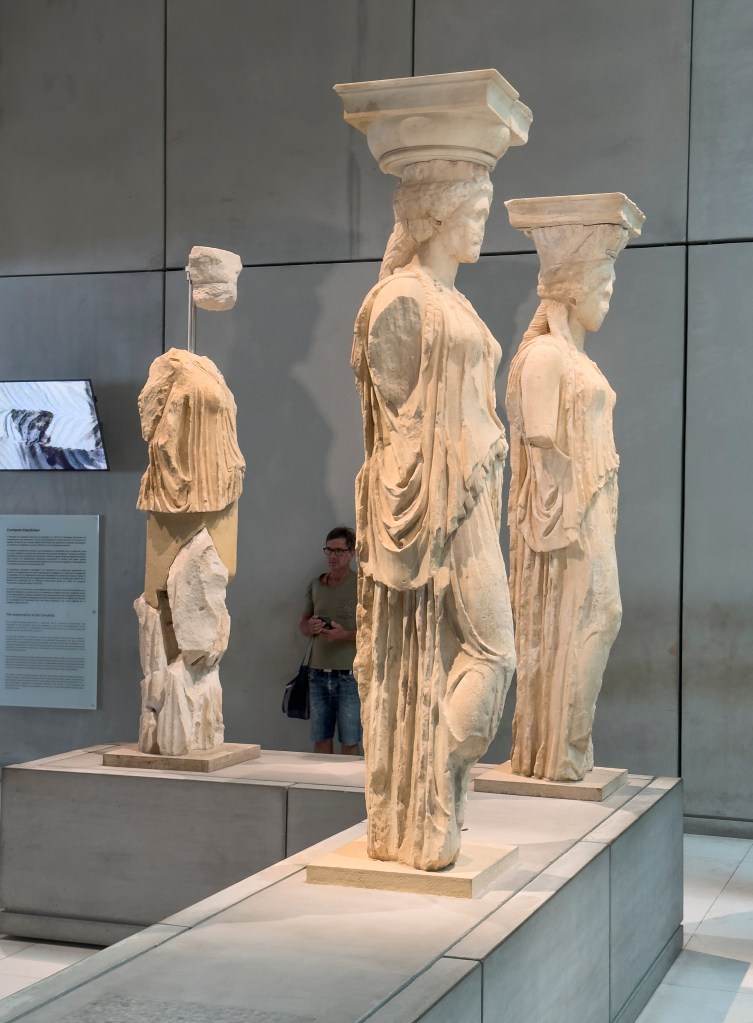
This relatively new (2009) museum is like a temple dedicated to the Acropolis. It is situated at the foot of Athen’s famous ancient hill. It contains many statues, reliefs and five of the six original Caryatids (lady-columns) that once held up the roof of the Erechtheion temple. The highlight is a life size creation of the frieze that once would around the Parthenon. The top floor mimics the Parthenon and views the actual directly.




National Archaeological Museum
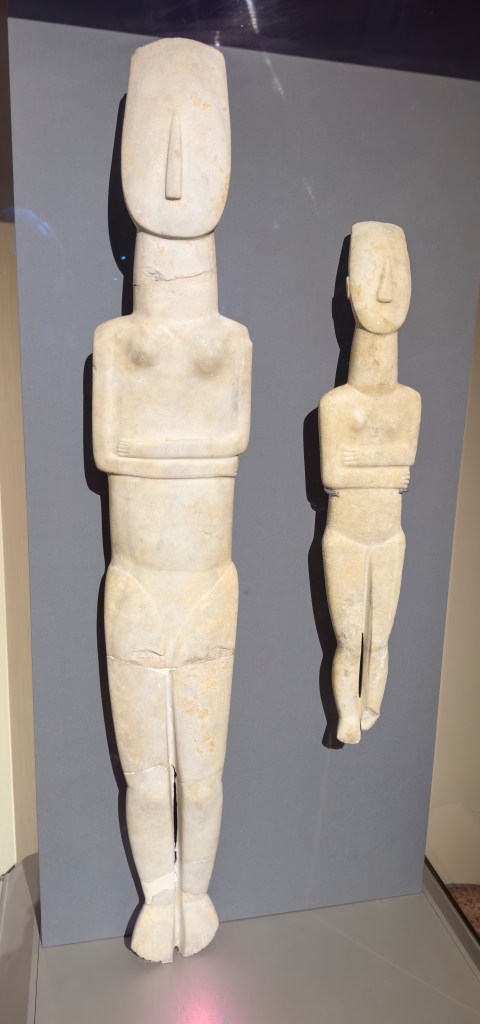
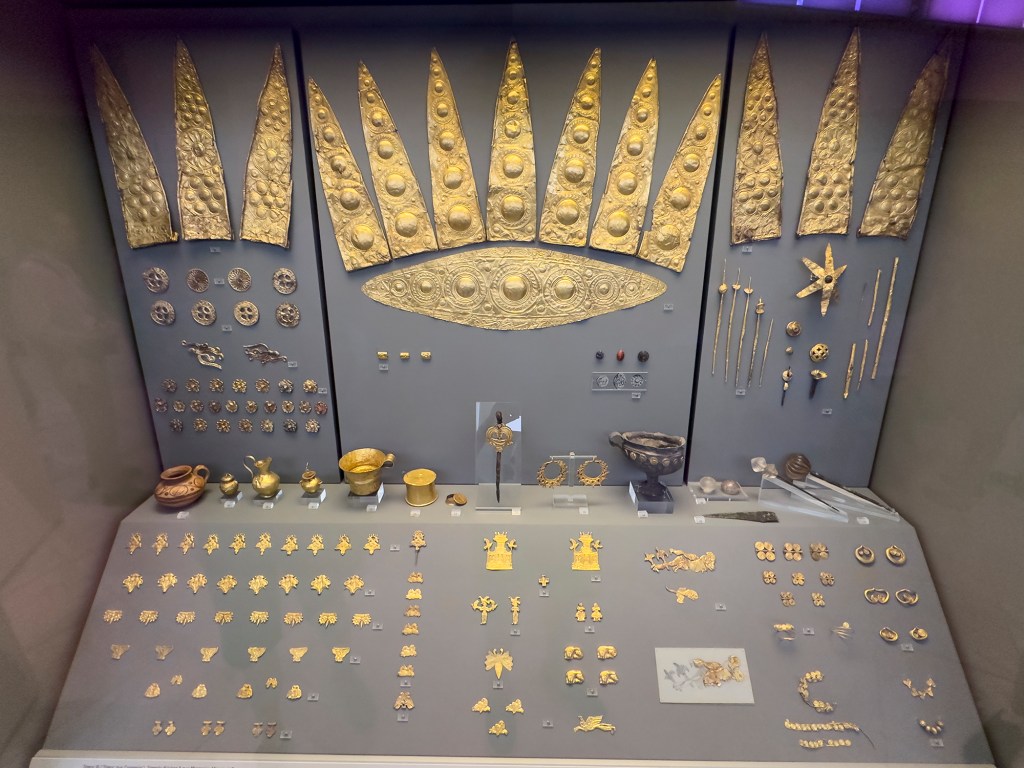
This museum is the single best place on earth to see ancient Greek artifacts. Collections date from 7000 BC to AD500. Begin with the stylized figurines from the Cycladic Islands (2800-2300 BC), on to the golden artifacts of the Mycenaeans (1600-1100 BC), to the stiff stoic kouros statues of the Archaic age. The art begins to loosen up as one proceeds, and contains an incredible number of statues, ceramics, paintings and so on.


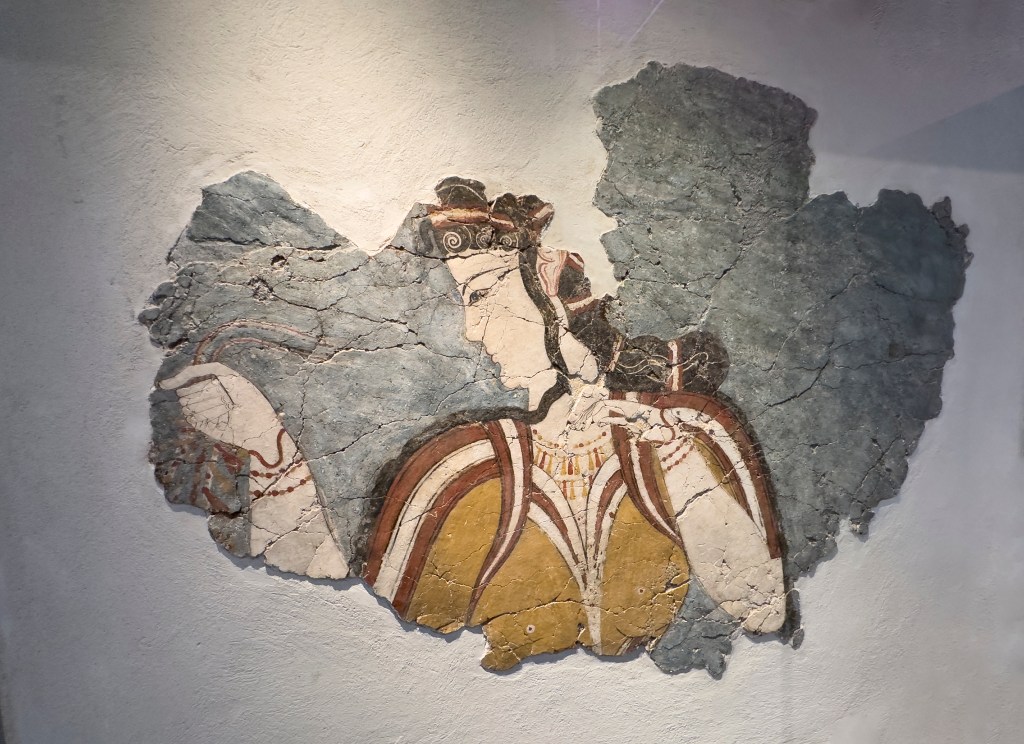
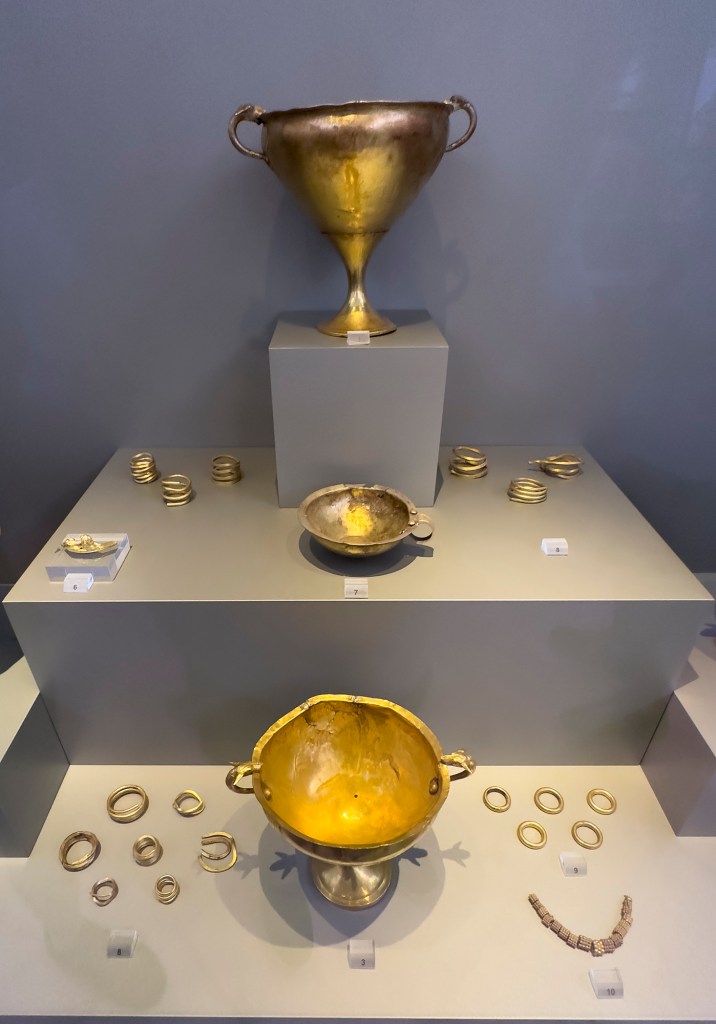

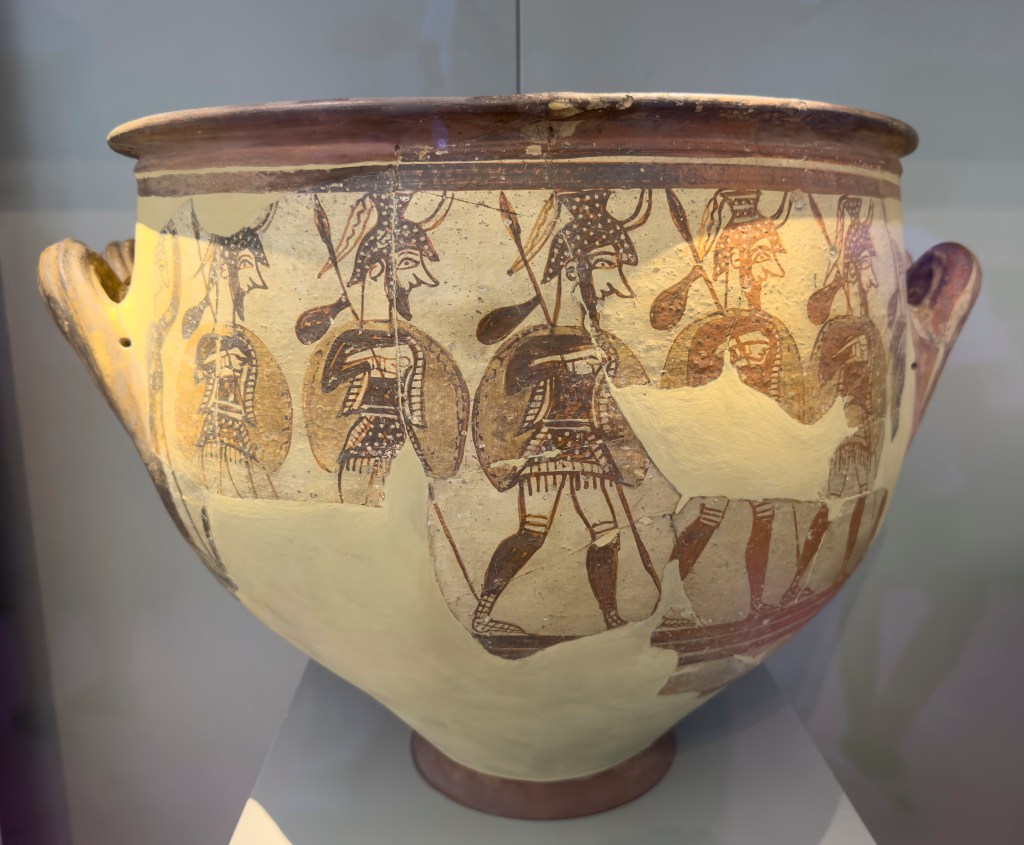


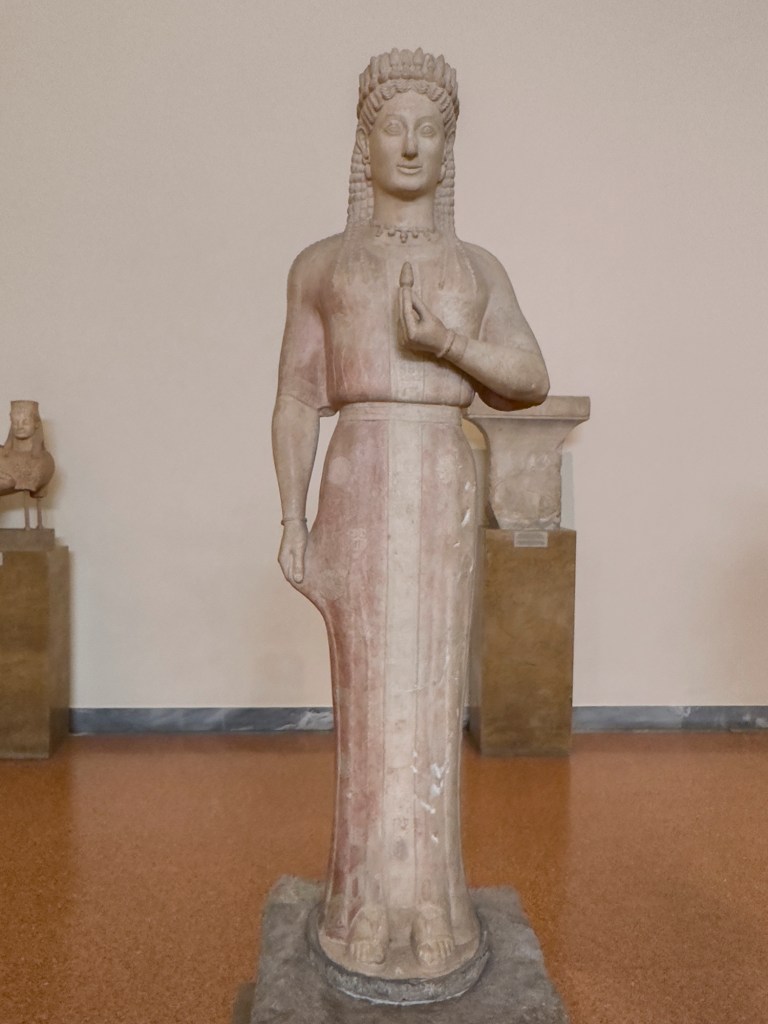
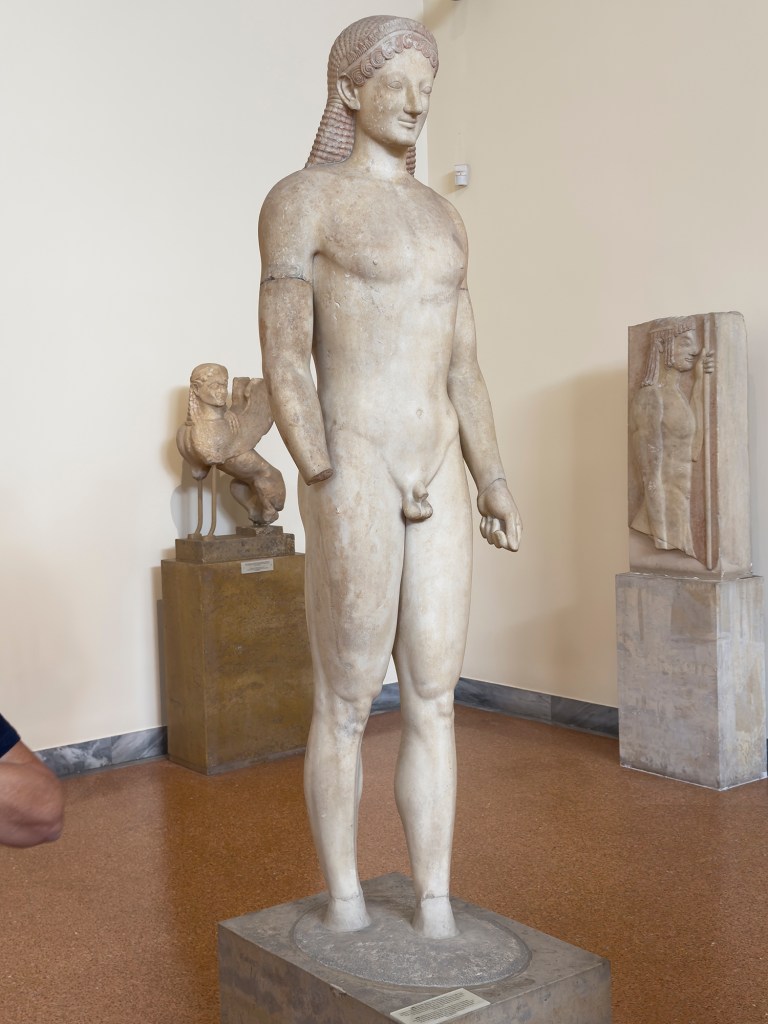

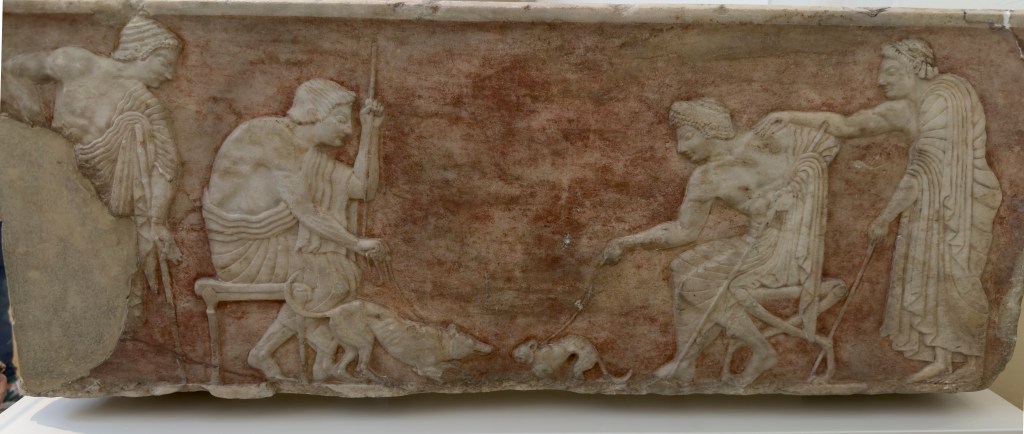
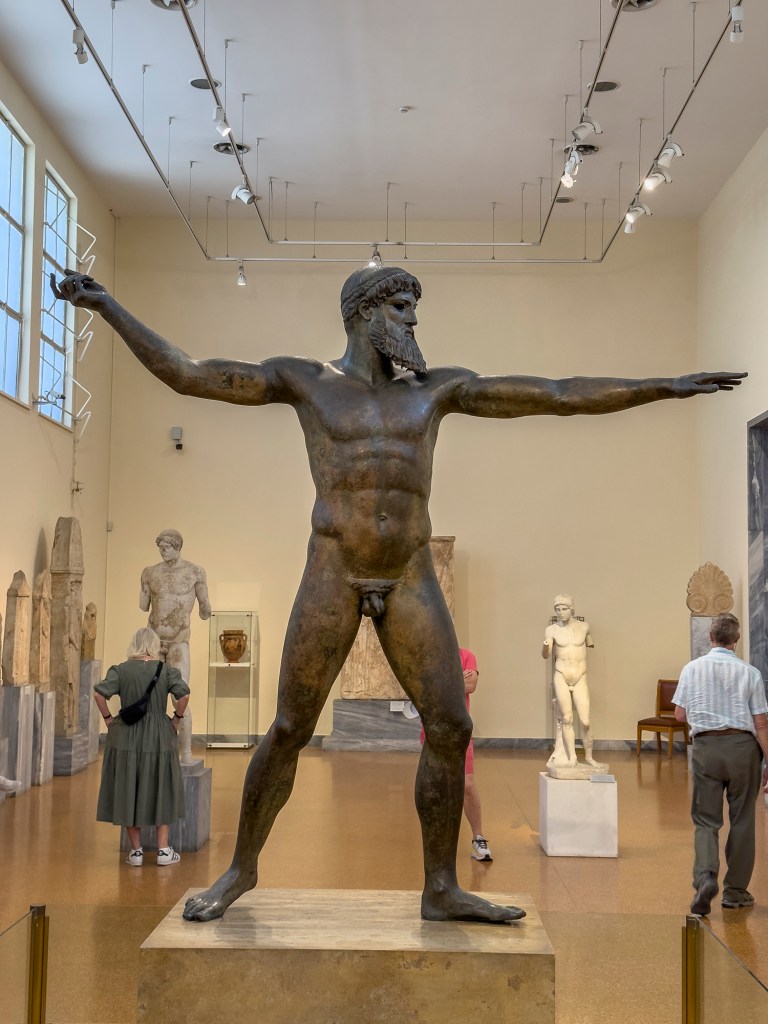
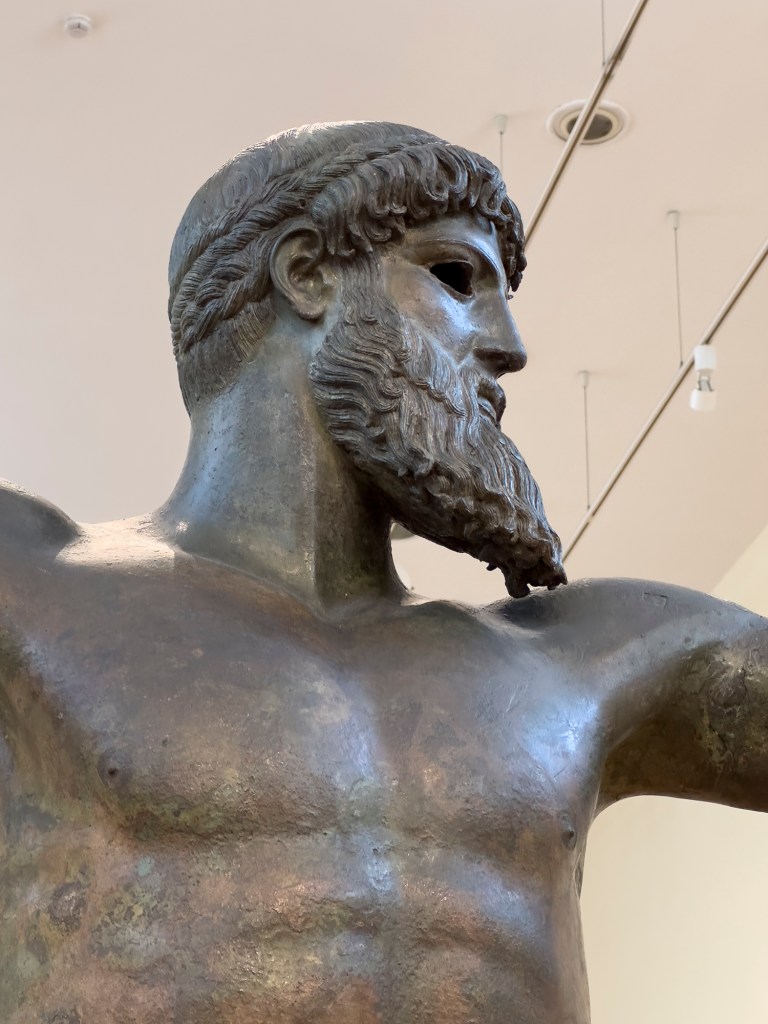


This is a must visit while in Athens.
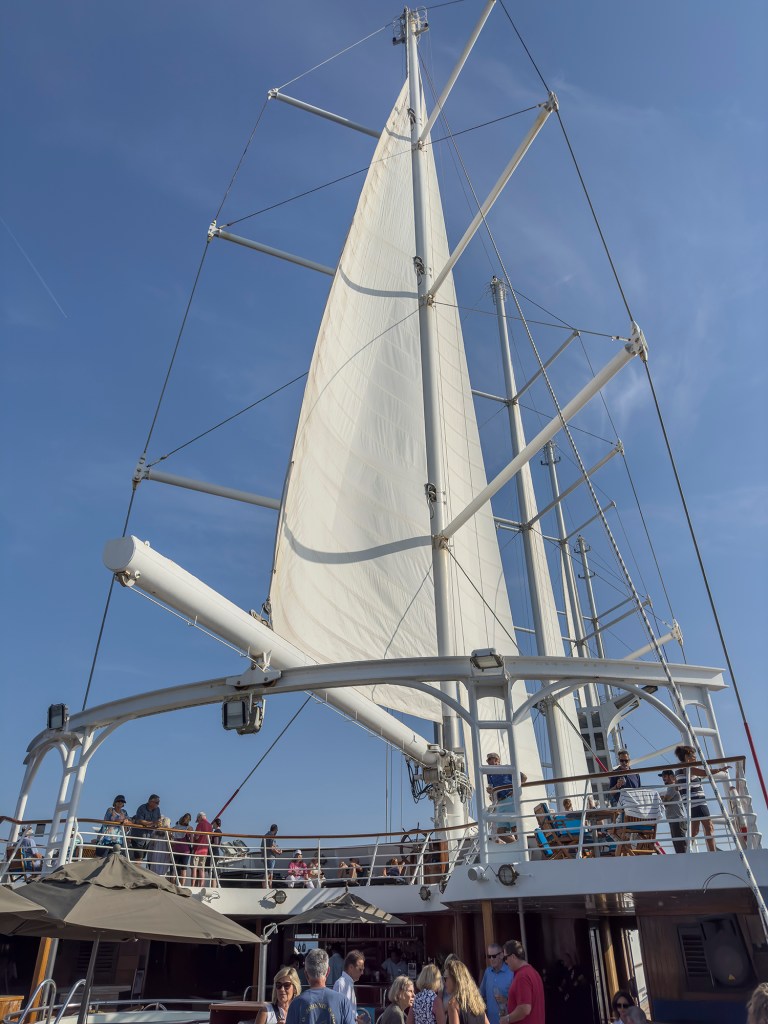
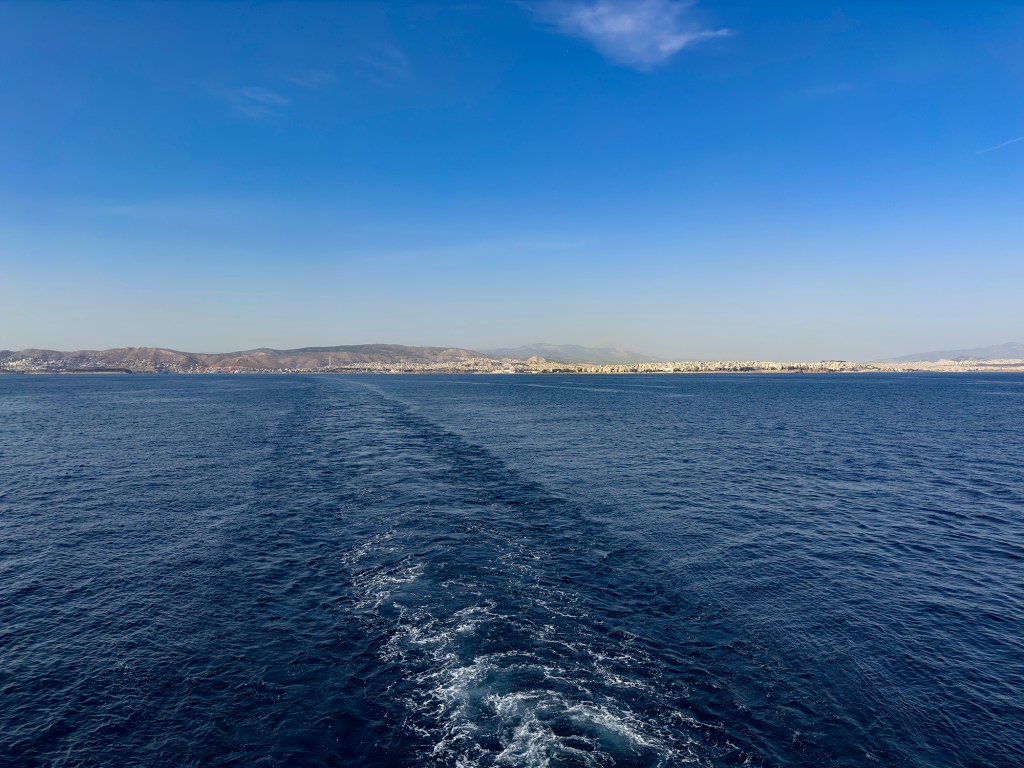
Windstar leaving Piraeus




































































 The Carefree Photographer