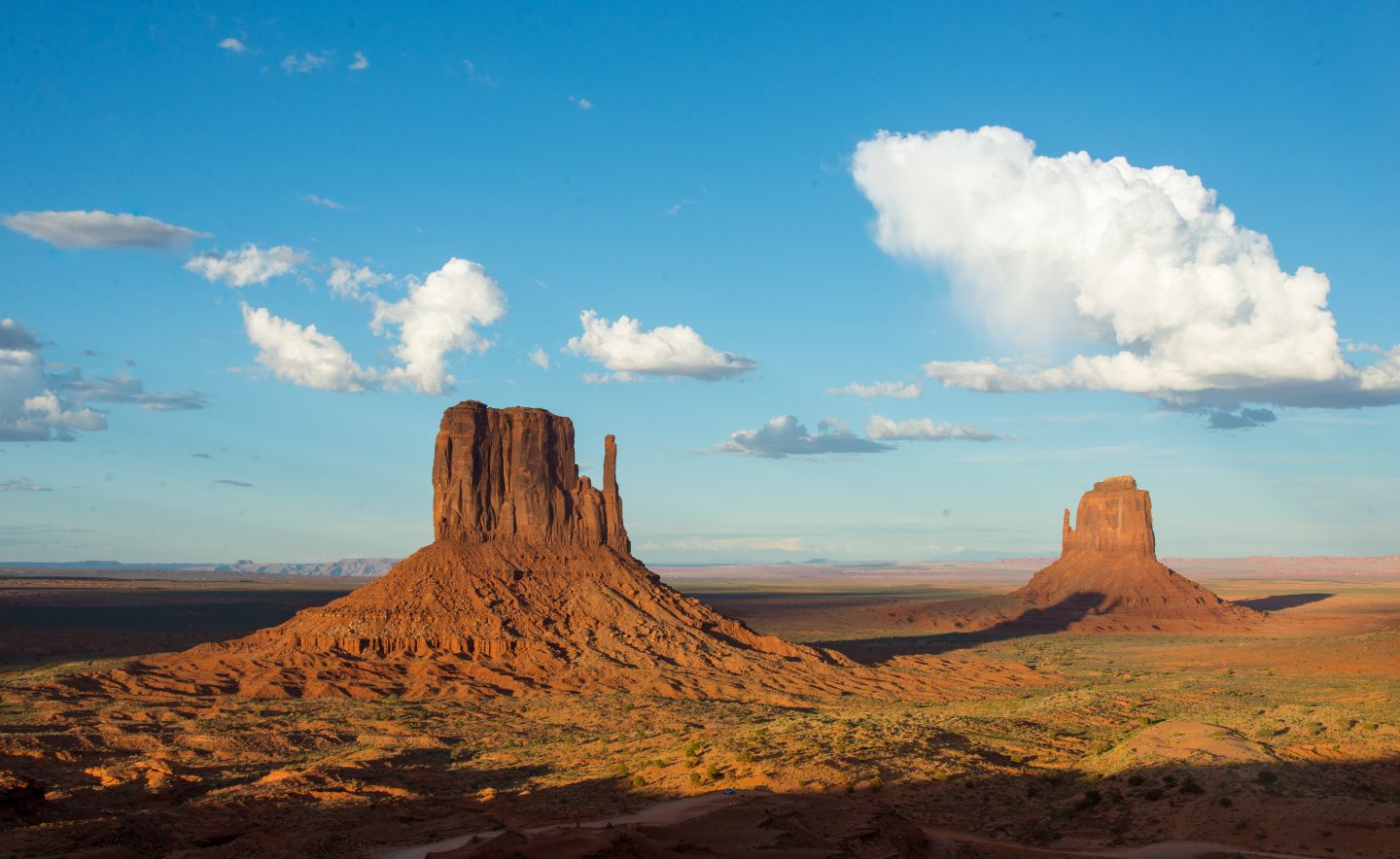
Iceland Redux

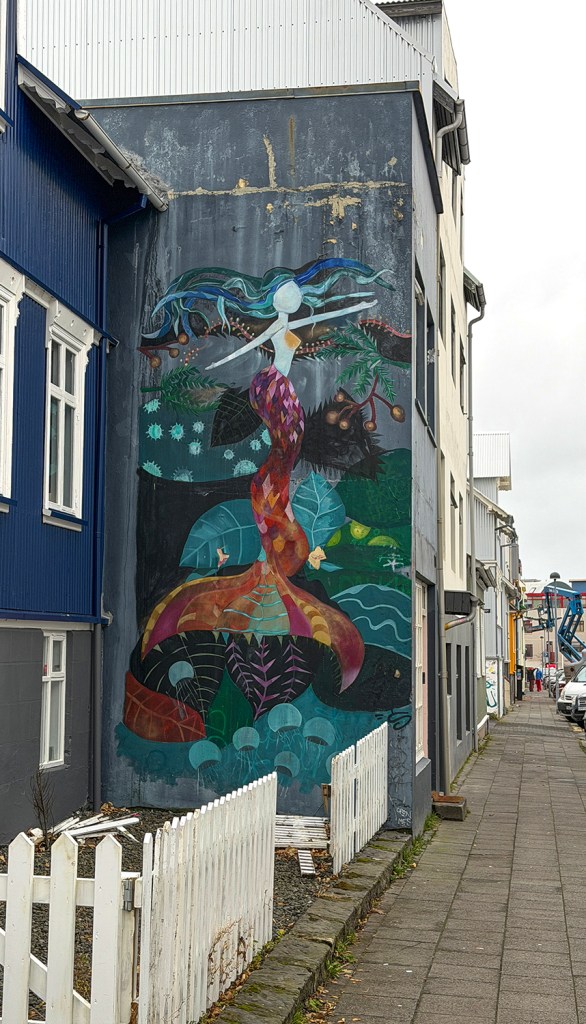
We recently spent about 12 days in Iceland, our second trip to this beautiful, unusual country since 2022. The trip itinerary was assembled by Mads Christiansen of Nordic Star, a Wendy Perrin WOW organizer. Our goal was to see Northern Lights – so we went in November. Our experience confirmed that one needs three things to see the lights – dark skies, minimal cloud cover and the relevant electrical conditions. We saw them once!

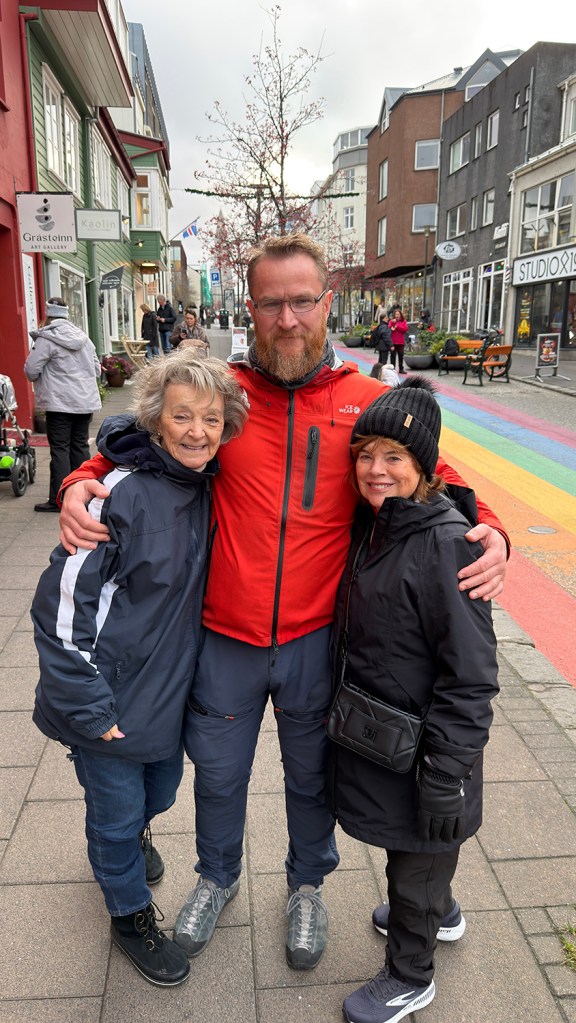
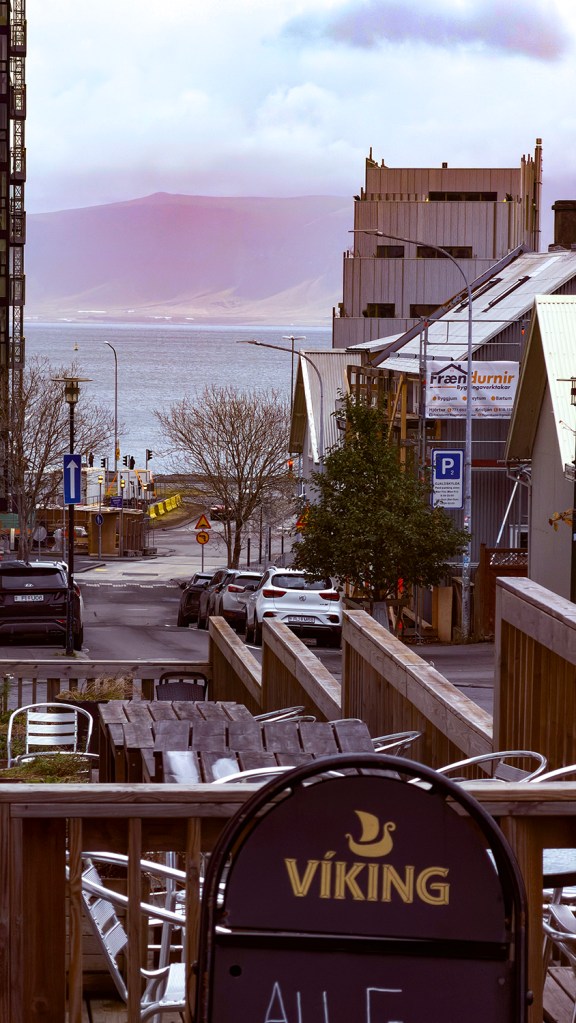
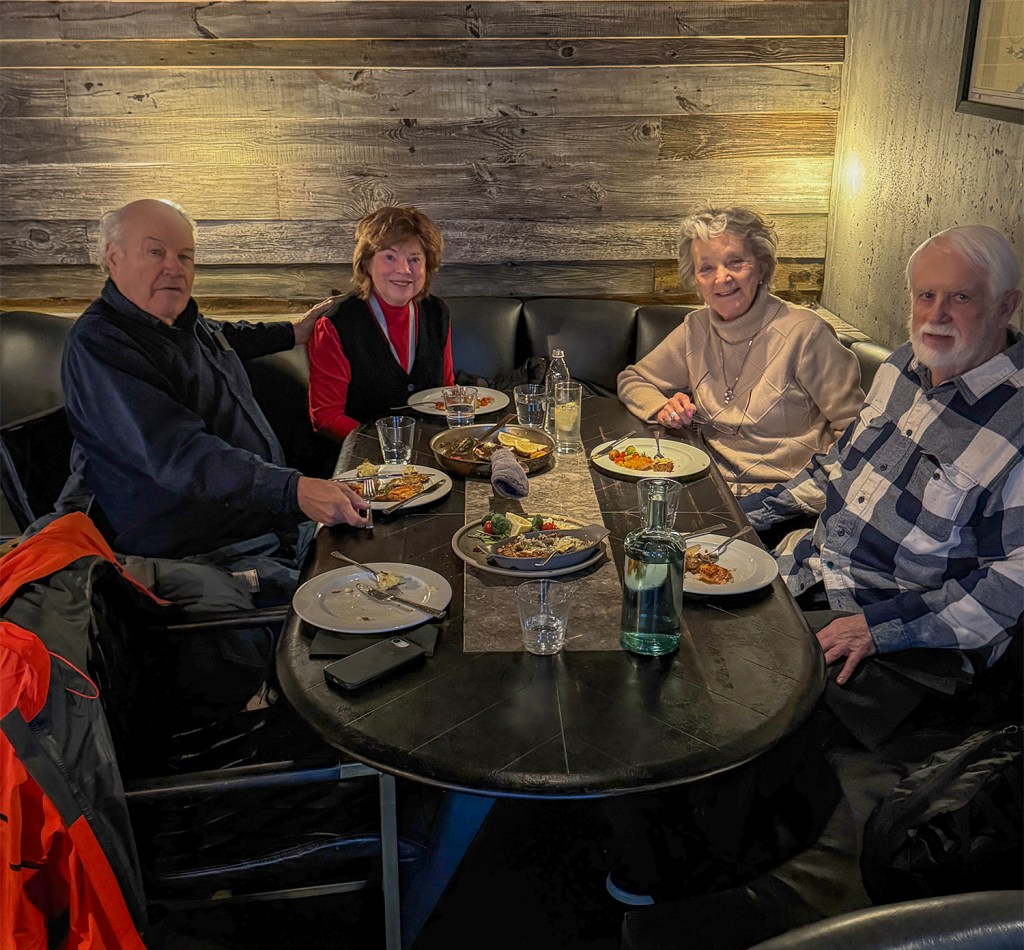
Our trip began with two nights in Reykjavik, the capital. After a travel rest at the Black Pearl, we headed down to the harbor for dinner at Hofnin. Karen and I were there with Pat and Mike Hahn four years ago. Lo and behold we end up with the same waiter! Great to see Alex again.
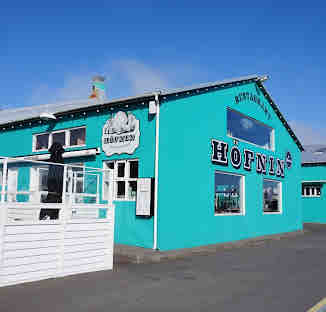
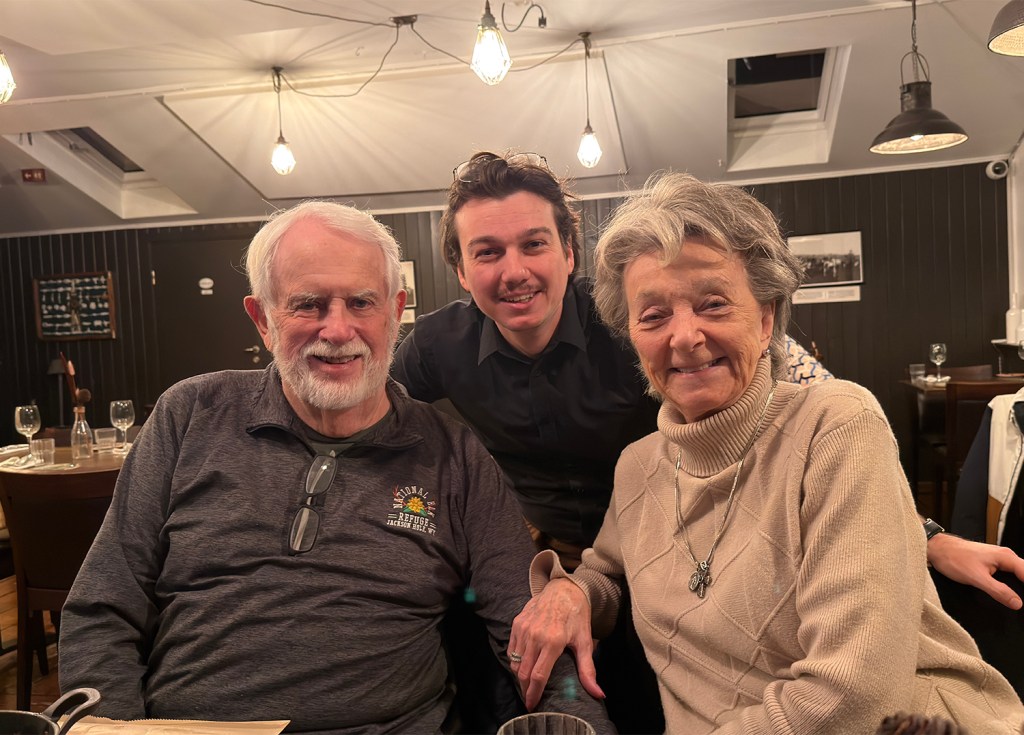
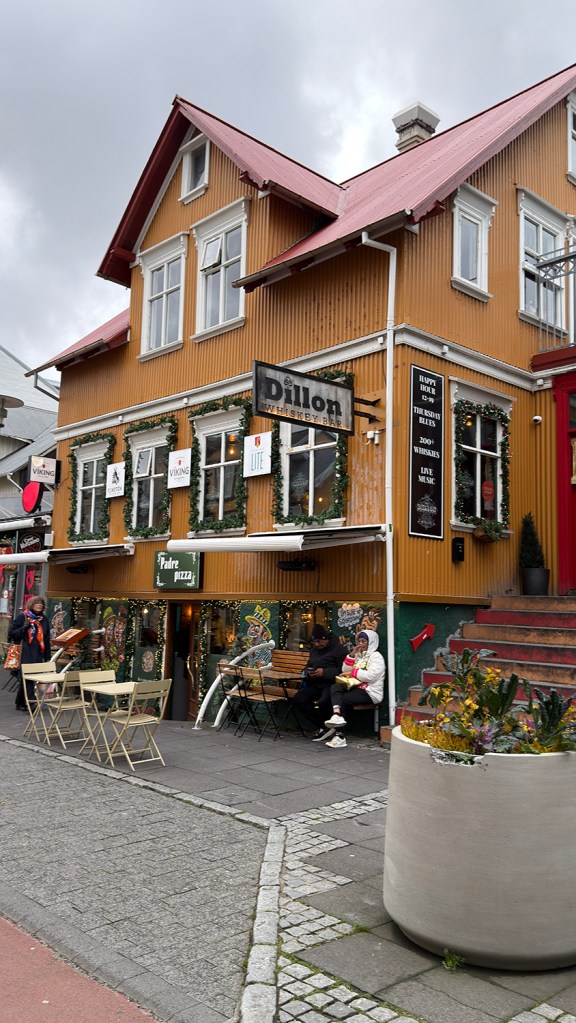
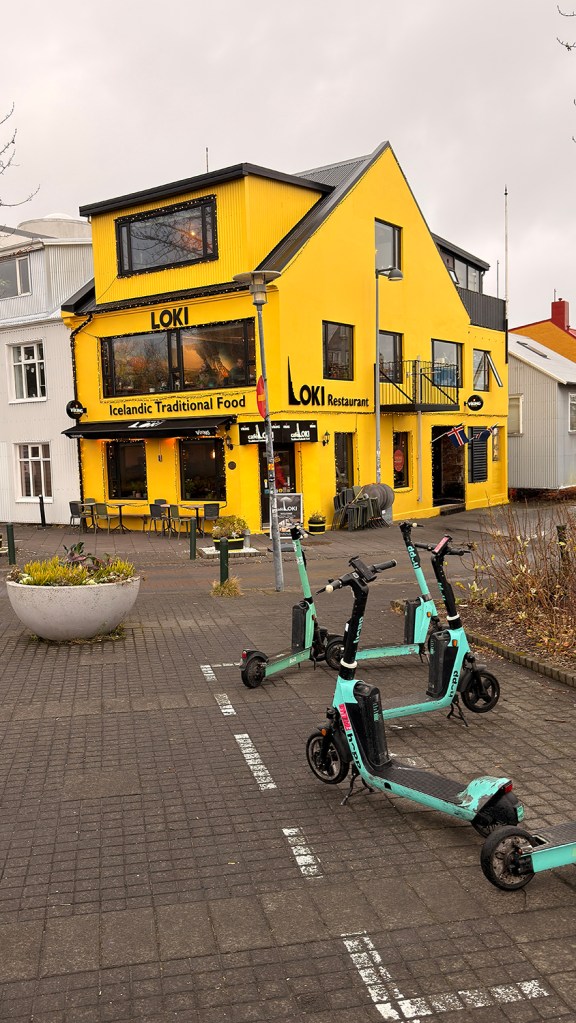
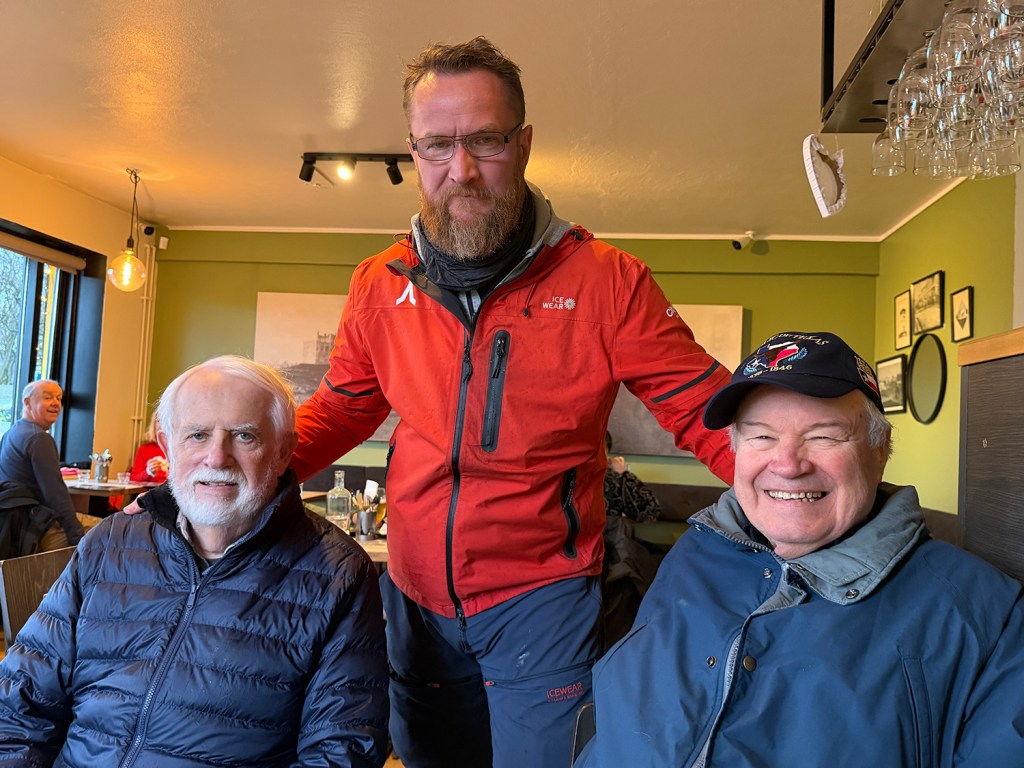
Our first full day we embarked on a walking tour of the city with a focus on Icelandic history with a sub-focus on food, guided by Thor Hjalmarsson, who is also an avid collector (and restorer) of very old Icelandic books.
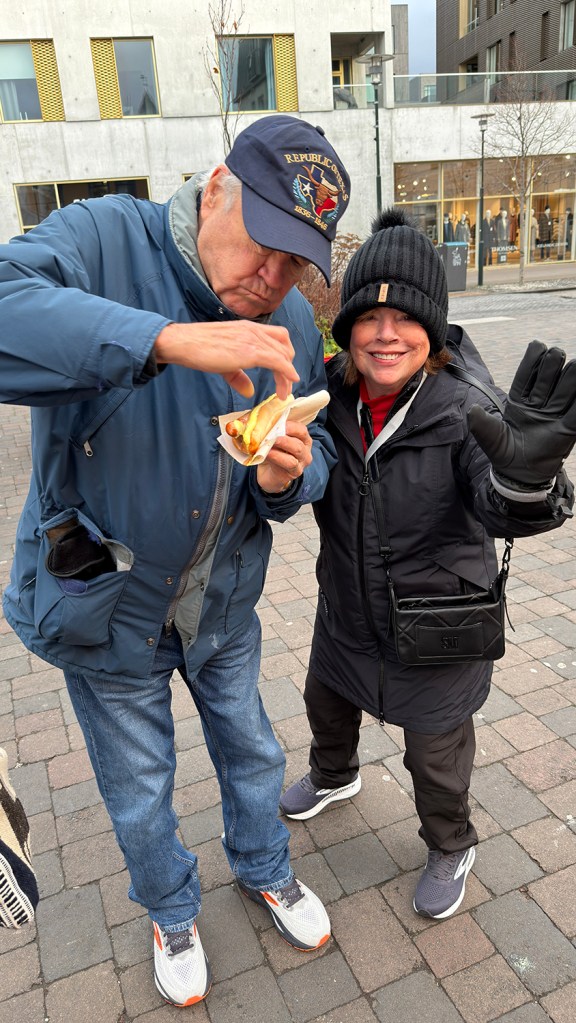
Wandering along we had the traditional hot dog, then fermented shark, grilled arctic char, cod and rye bread ice cream.
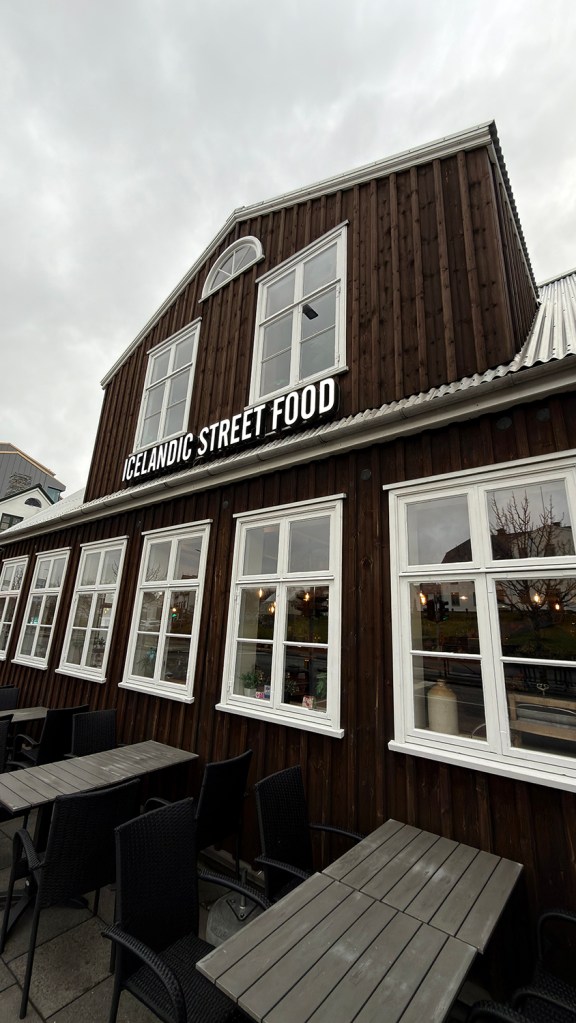
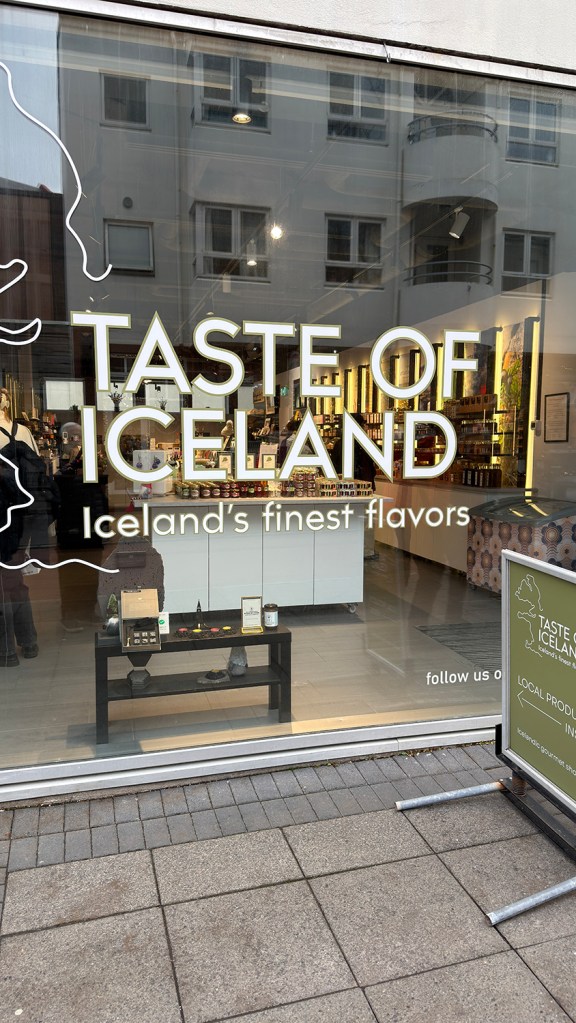
We also visited a few shops to examine Icelandic crafts, including a wide variety of knitwear – very expensive!
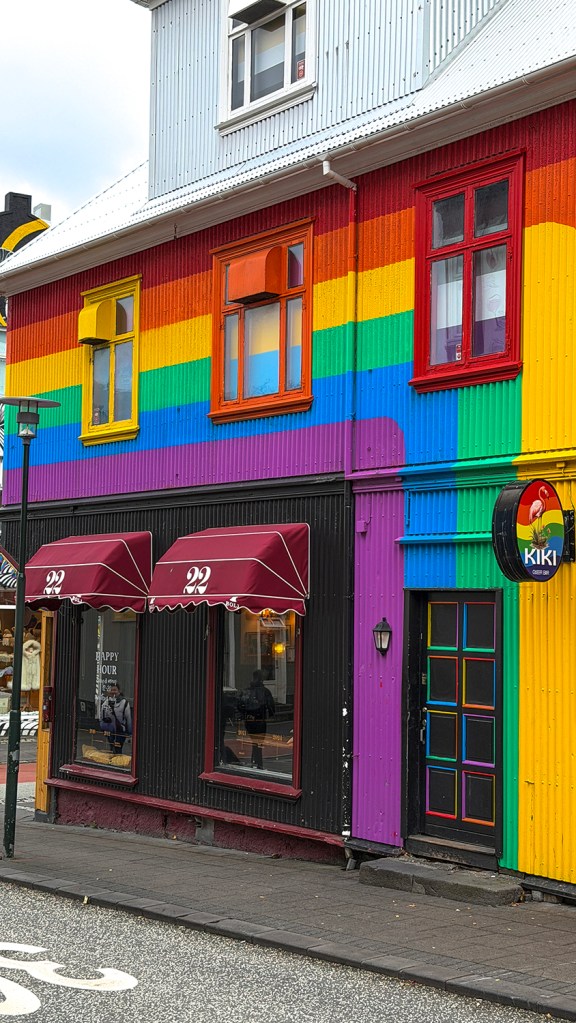
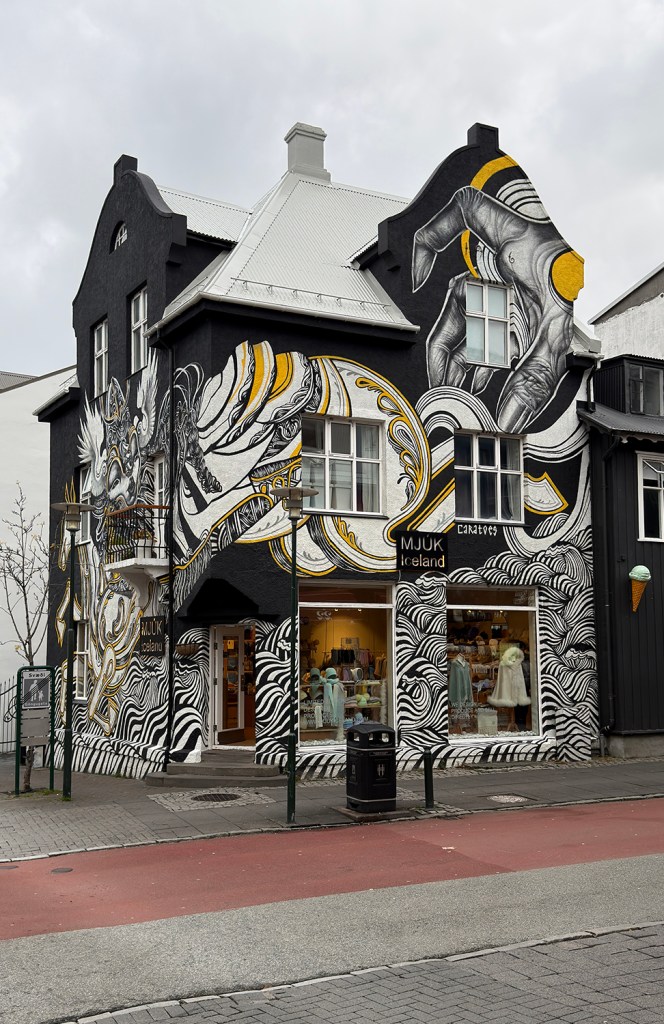
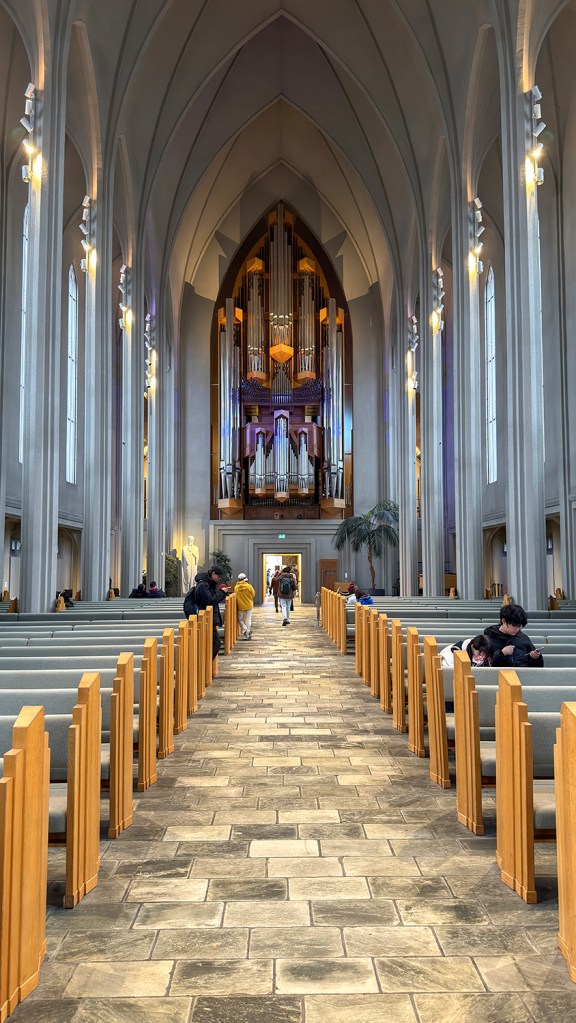
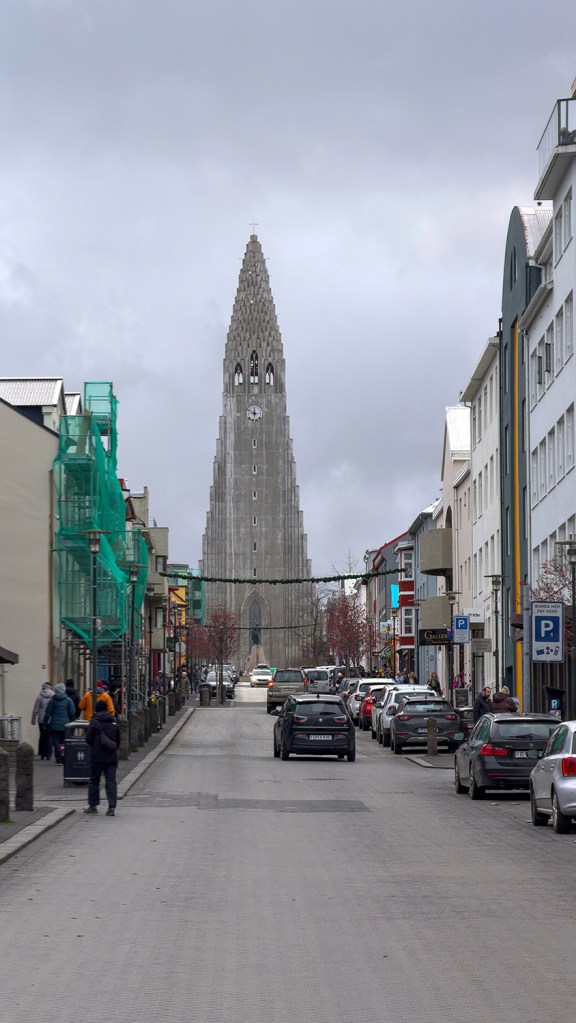
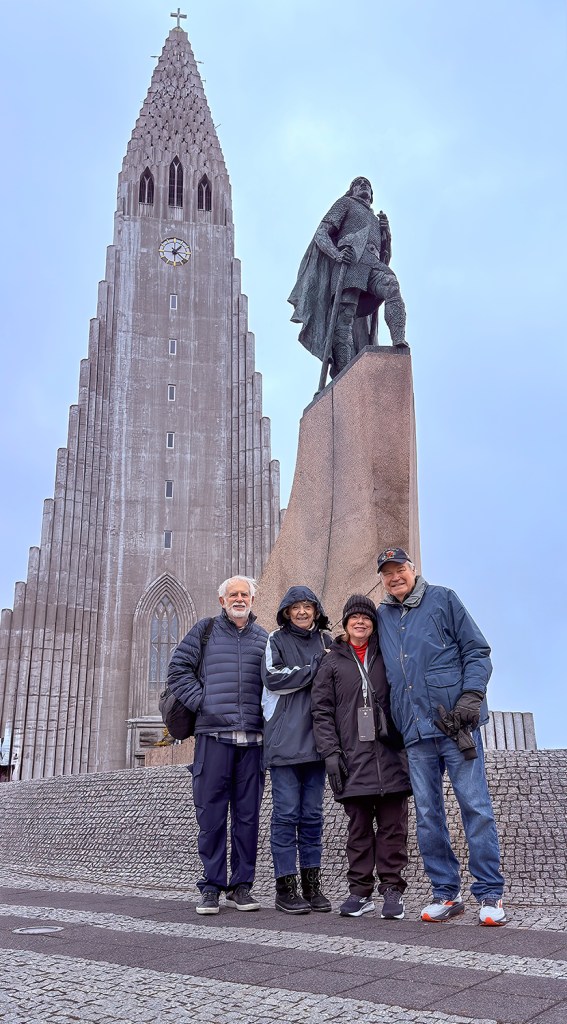
We finished our tour at Hallgrimskirkja Church, which dominates the skyline at 73 Meters high. This modern church was consecrated in 1986.
During our tour and subsequent travel, we learned a variety of facts about Iceland. Here are a few:

Energy requirements are met 95% by geothermal and hydroelectric power and steam; most homes are heated with geothermal steam. This makes Iceland a very environmentally green country.

  • Population of residents is about 400,000; tourist volume annually is over 2 million!
  • Reykjavik has about 200, 00 people, Akureryi 18000
  • There are 500,000 sheep, 300,000 cows, 90,000 horses and 1700 goats. The horses are direct descendants of those brought originally by Vikings beginning around 900 AD
  • The country was established by Norwegian Vikings in the late 800’s AD, taken over by Norway/Denmark around 1200 and gained independence in 1944.
  • The island has 130 volcanoes, 33 of which are active. The island is built on lava.
  • There are an estimated 22-25,000 waterfalls
  • Most senior government posts are currently filled by women
  • There are 366 churches, 99% Lutheran
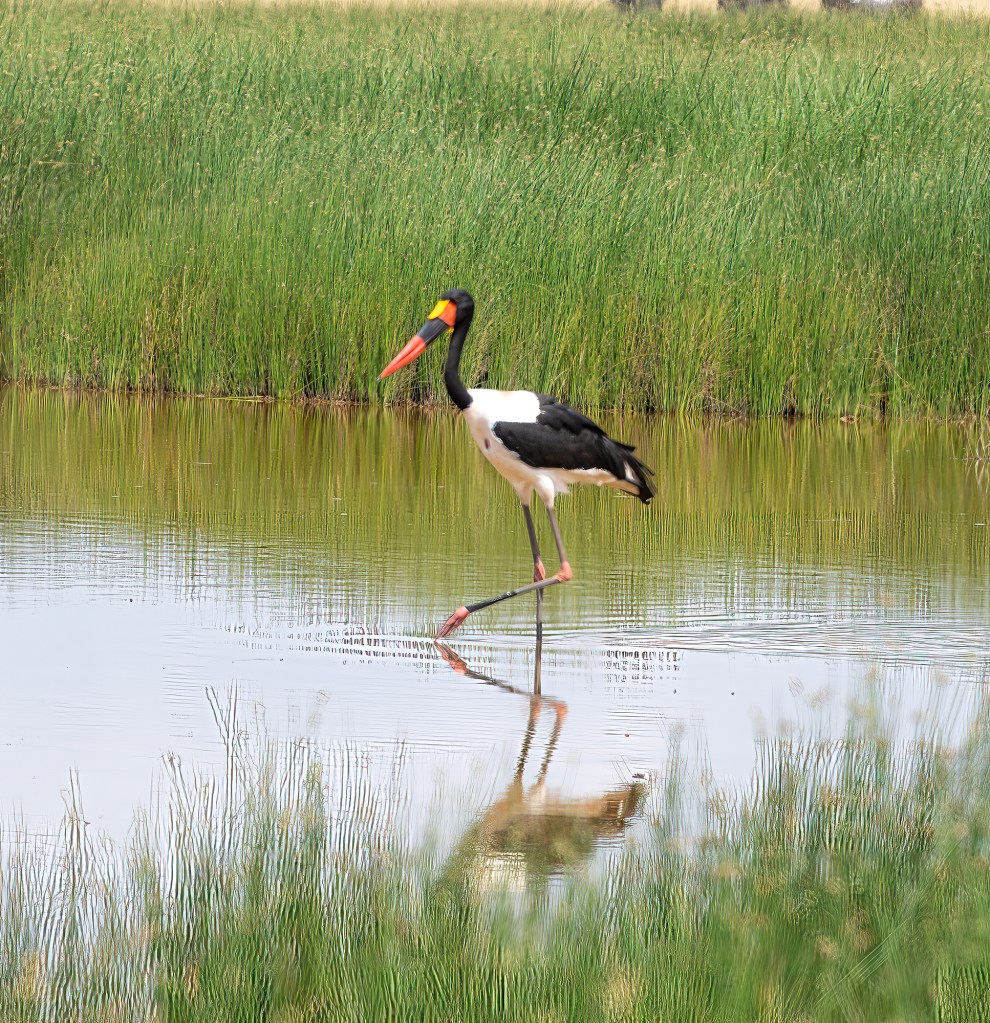
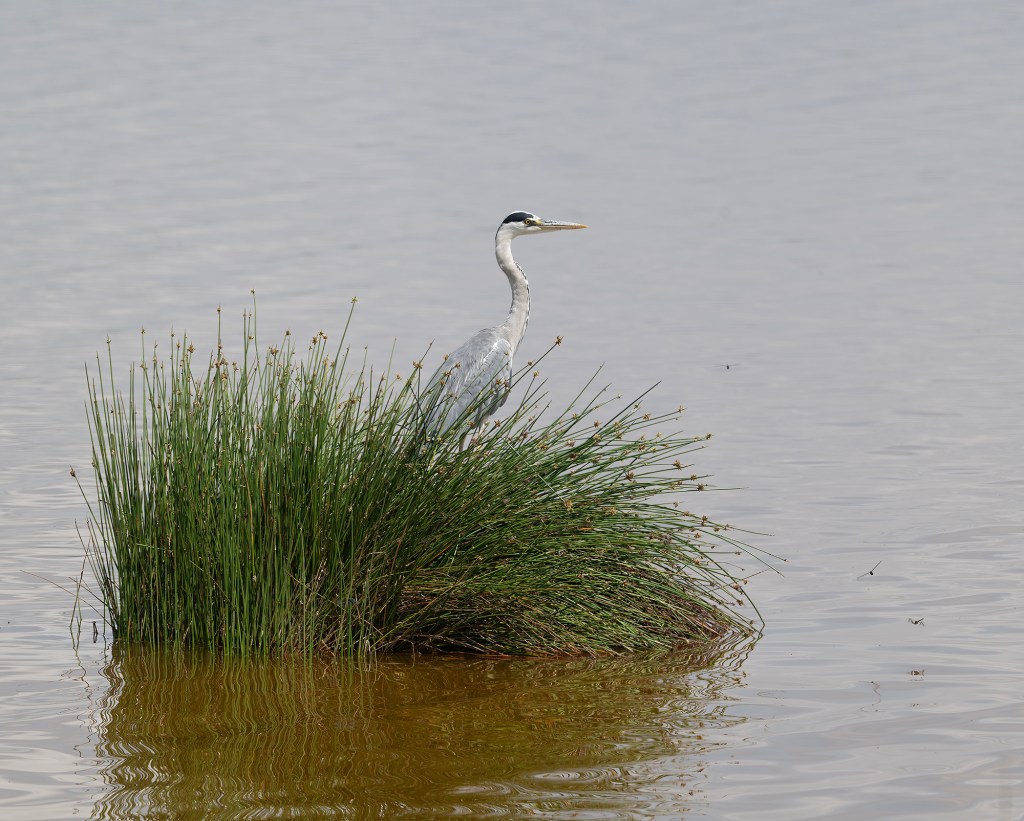
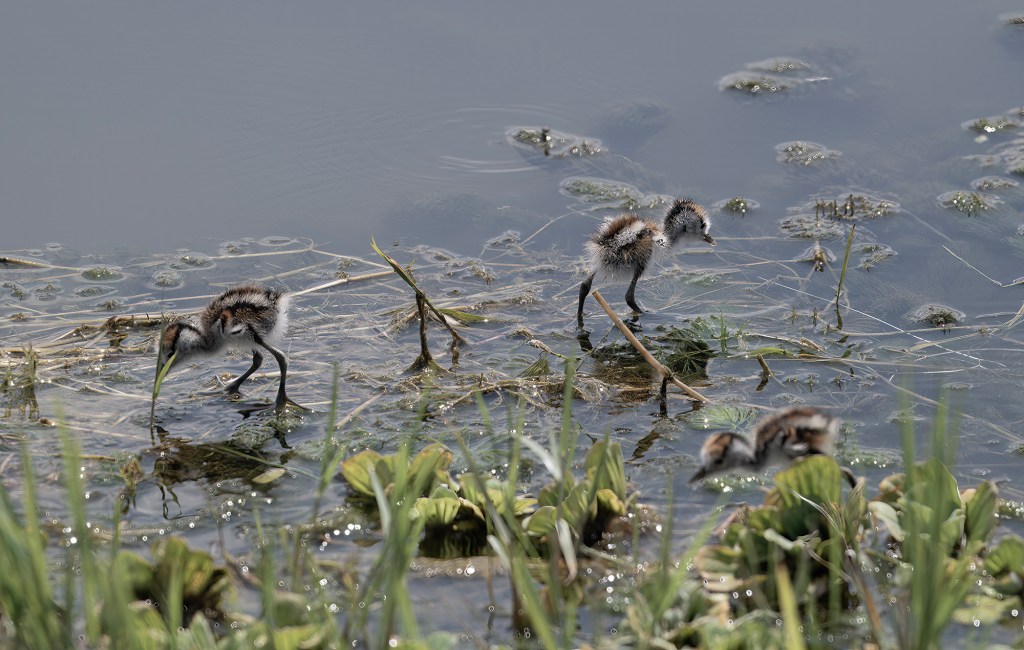
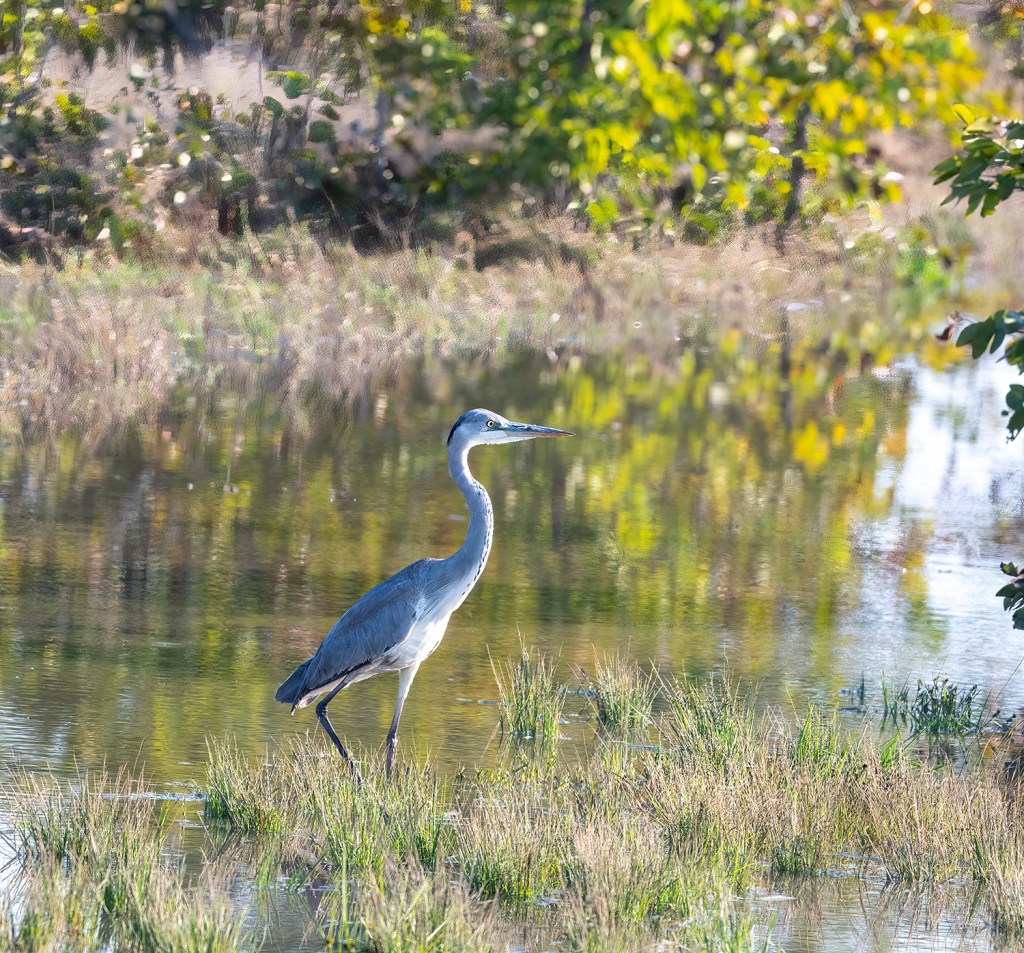
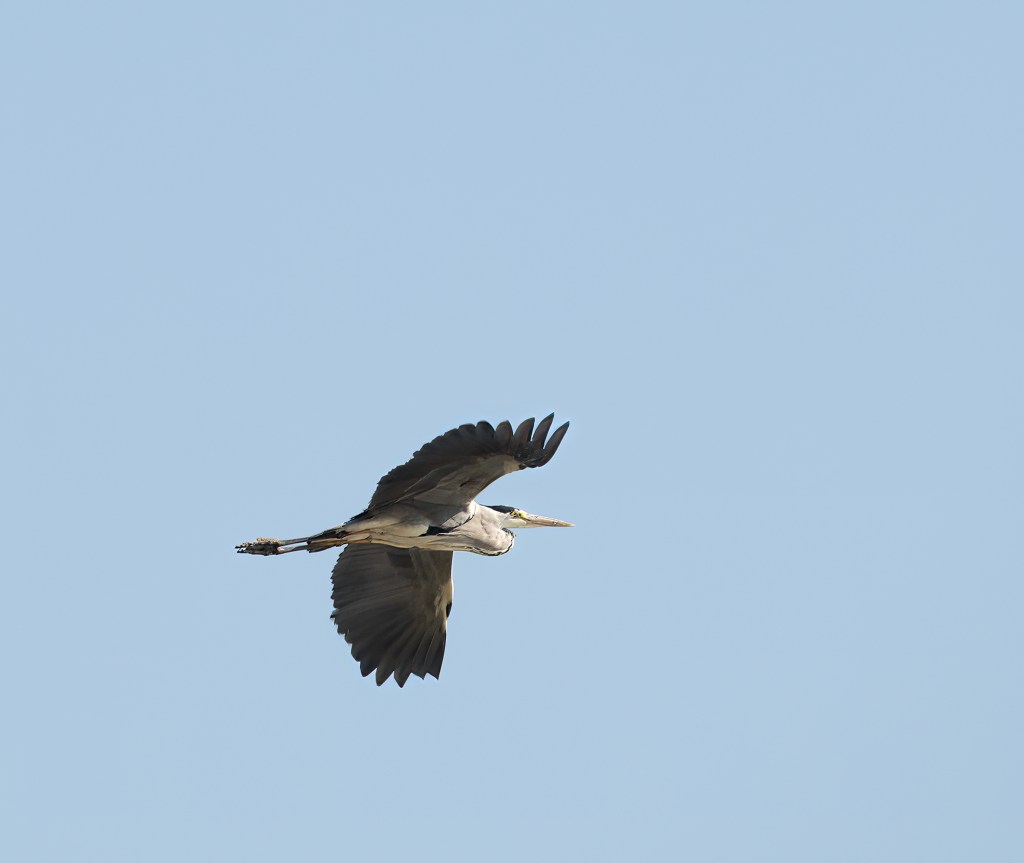
  • There are more than 300 bird species in summer
  • Iceland is becoming a hot spot for movie production (game of Thrones, Noah, Trapped, True Detectives)
Hot Air Balloon – Egypt

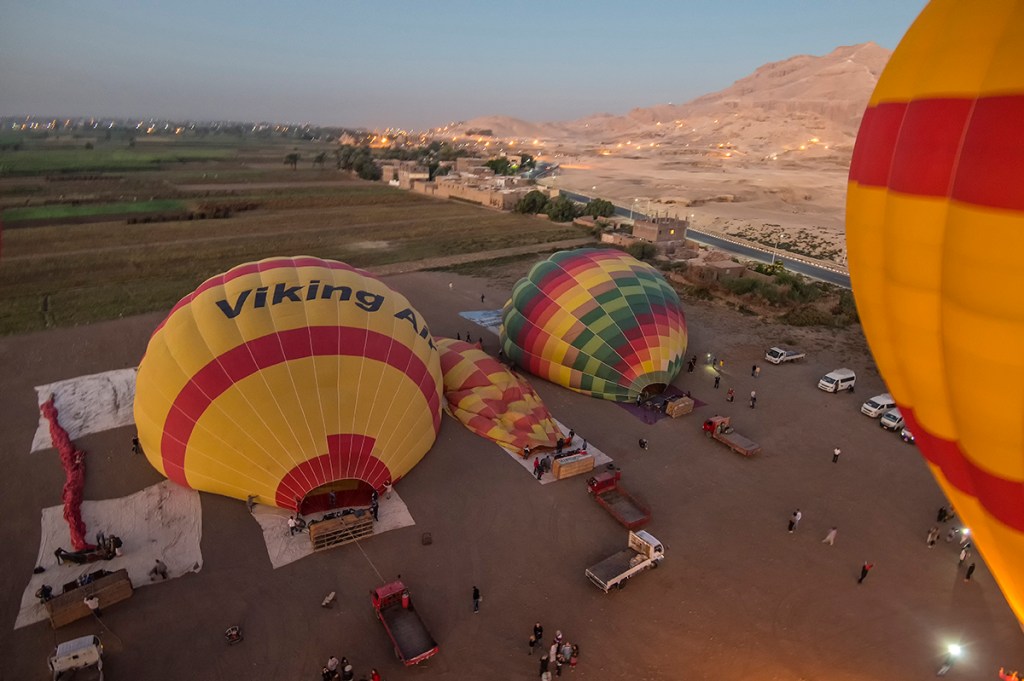
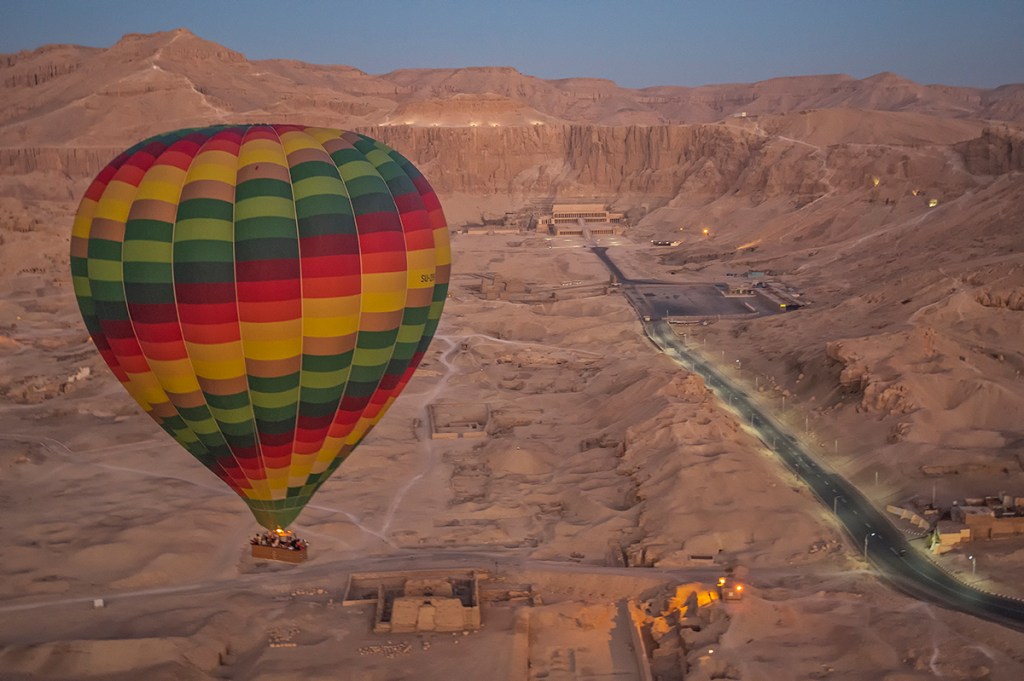
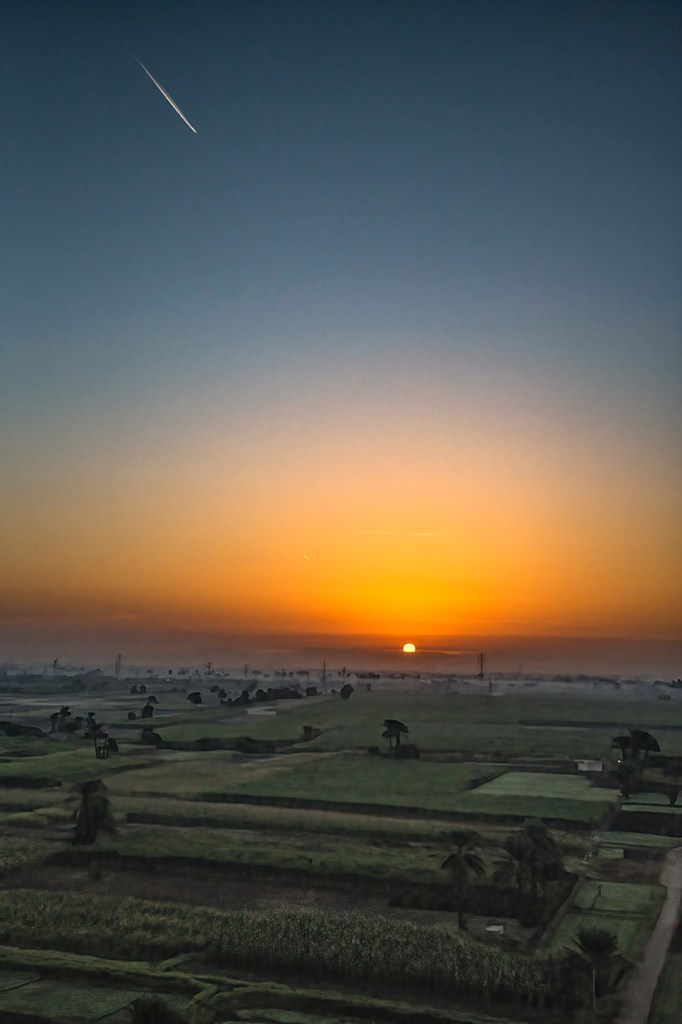
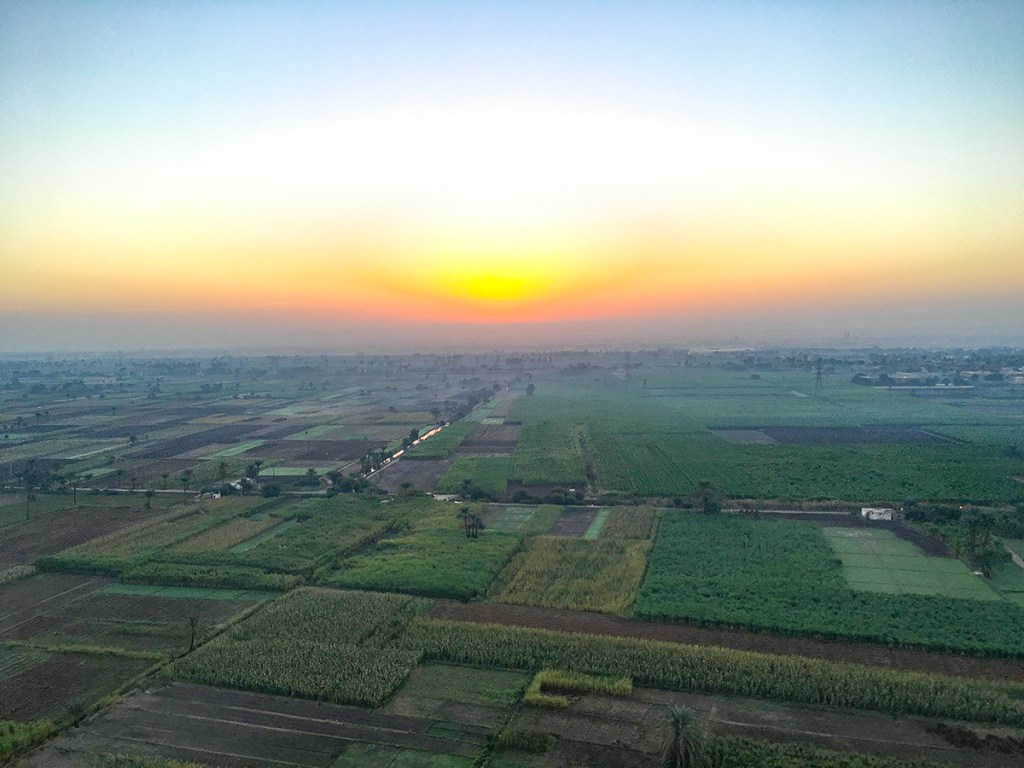
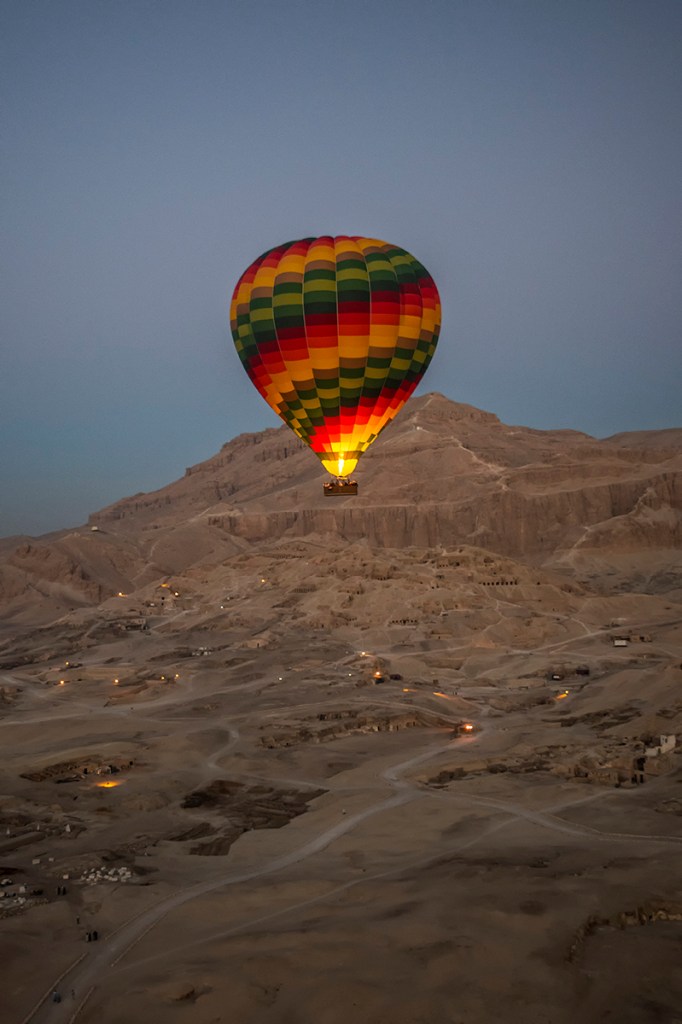
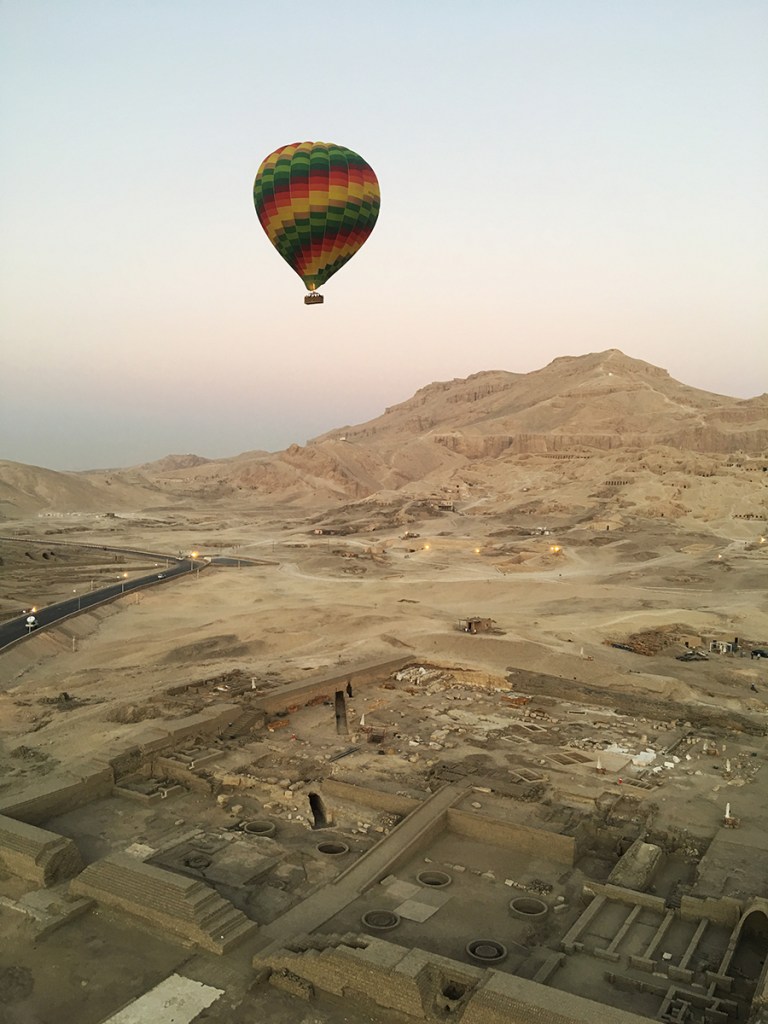
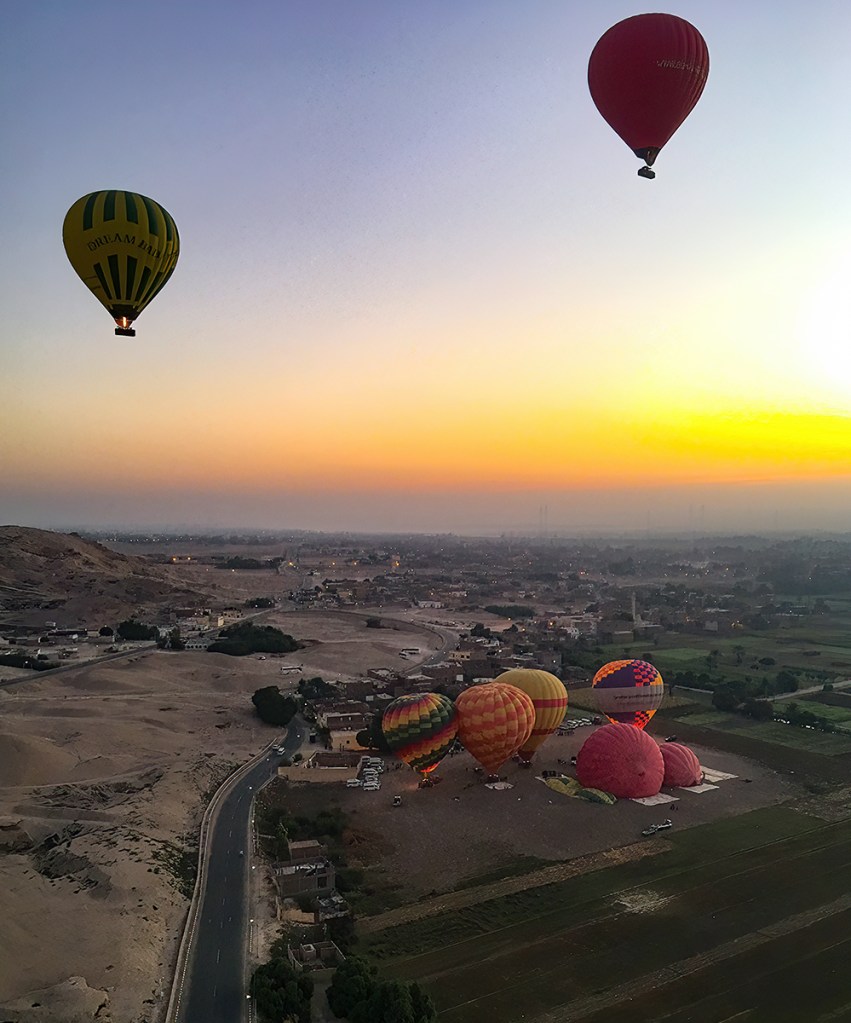
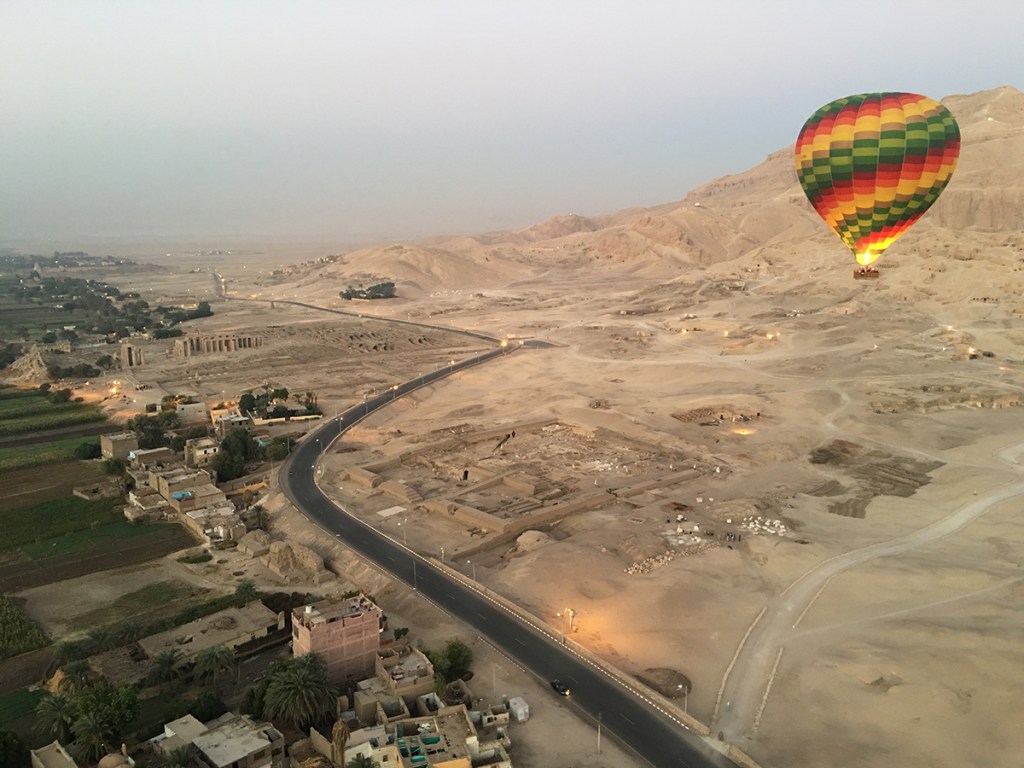
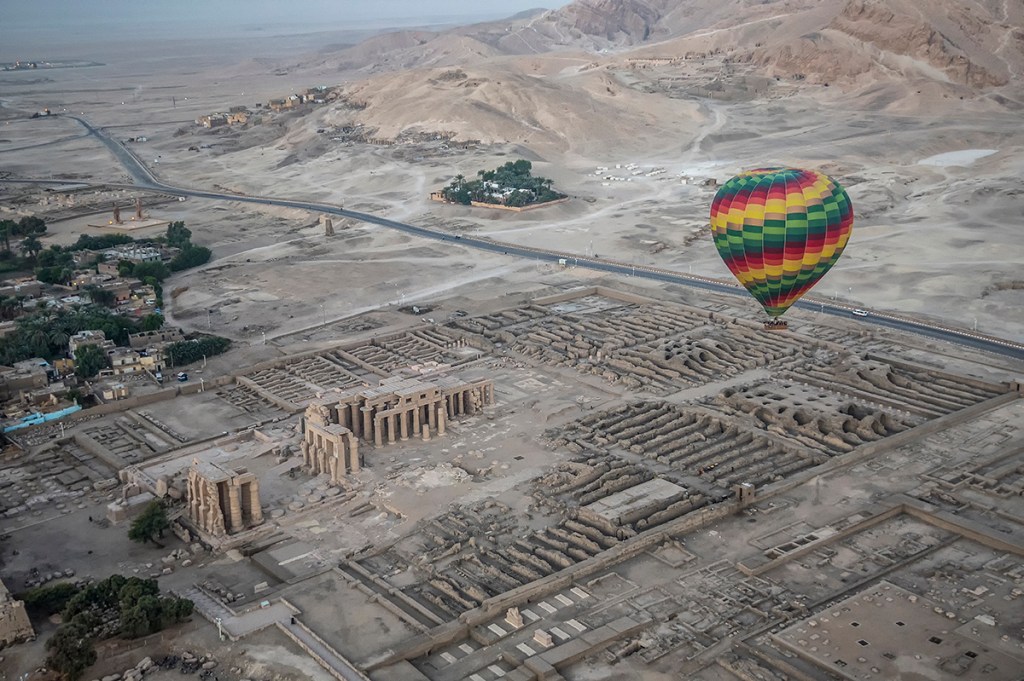
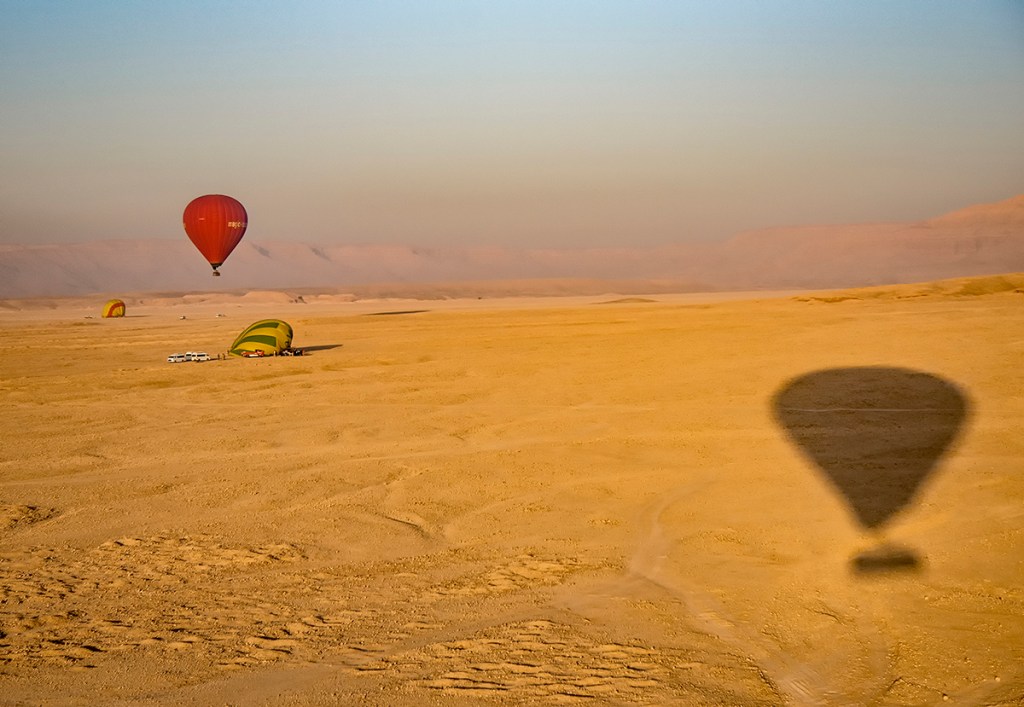
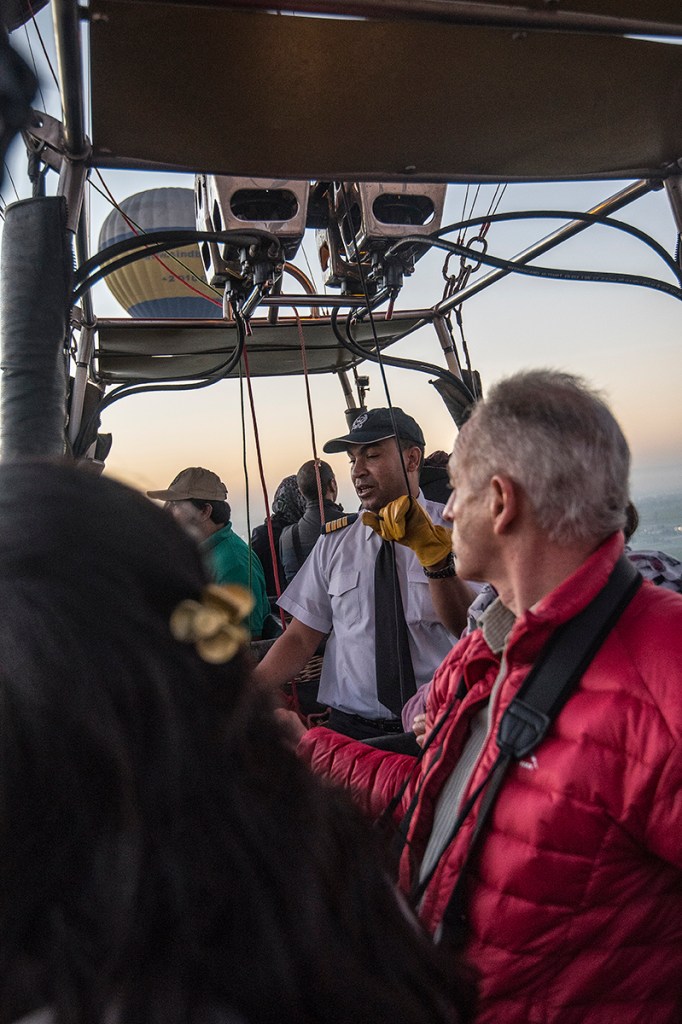
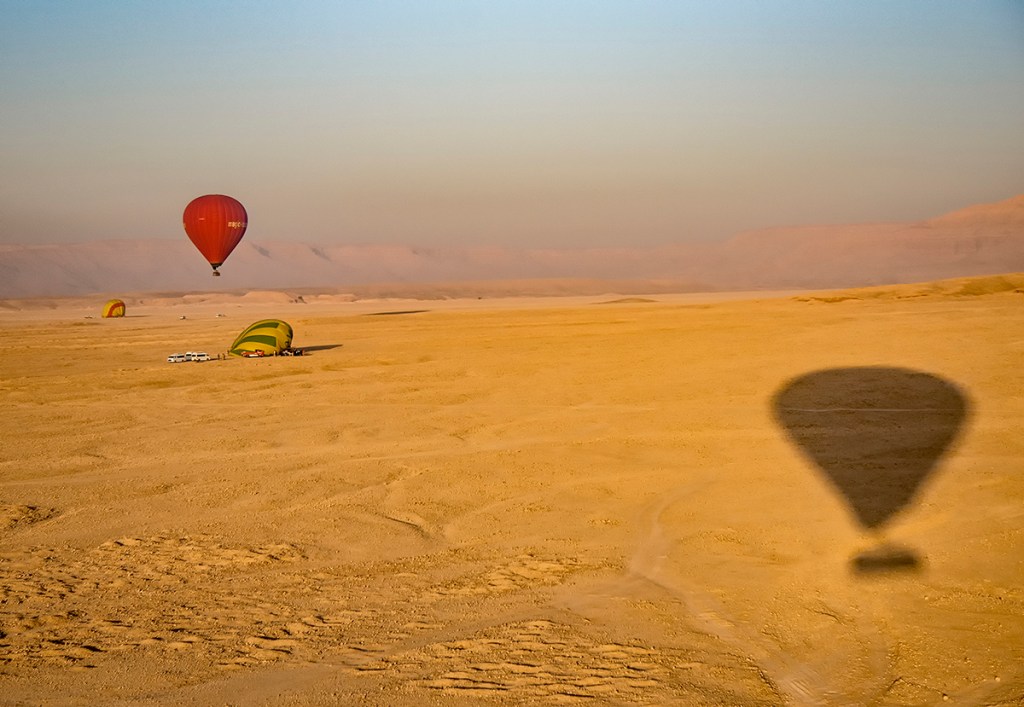
We visited Egypt about ten years ago, and thoroughly enjoyed the trip. One of many highlights was a hot air balloon ride on the west bank of the Nile across from Luxor. This is a standard offering of many tours in Egypt and is well worth doing.

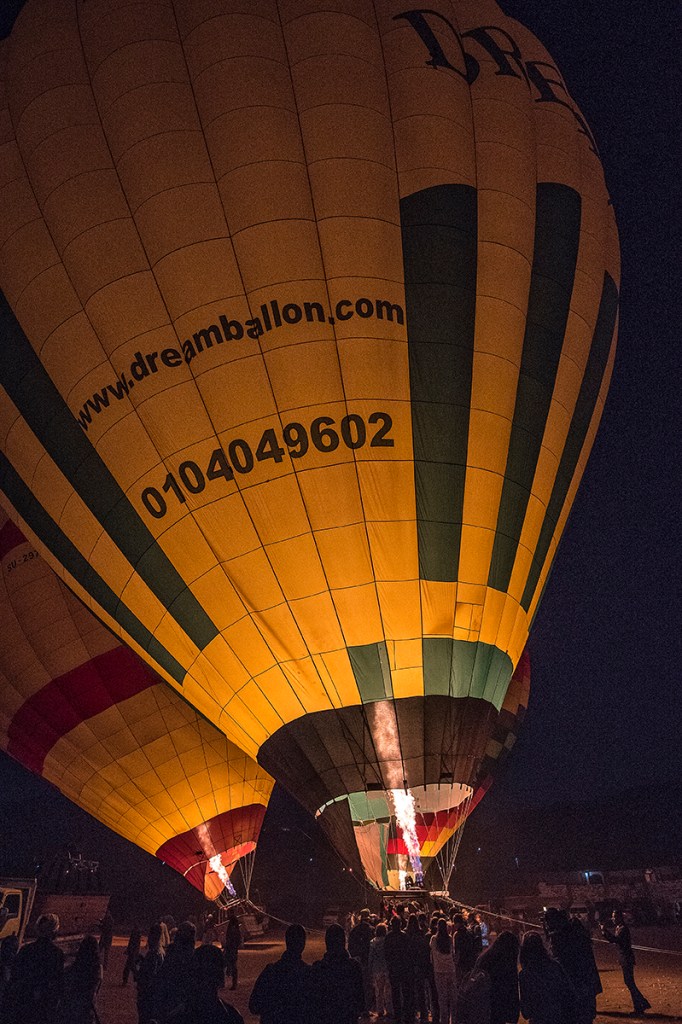
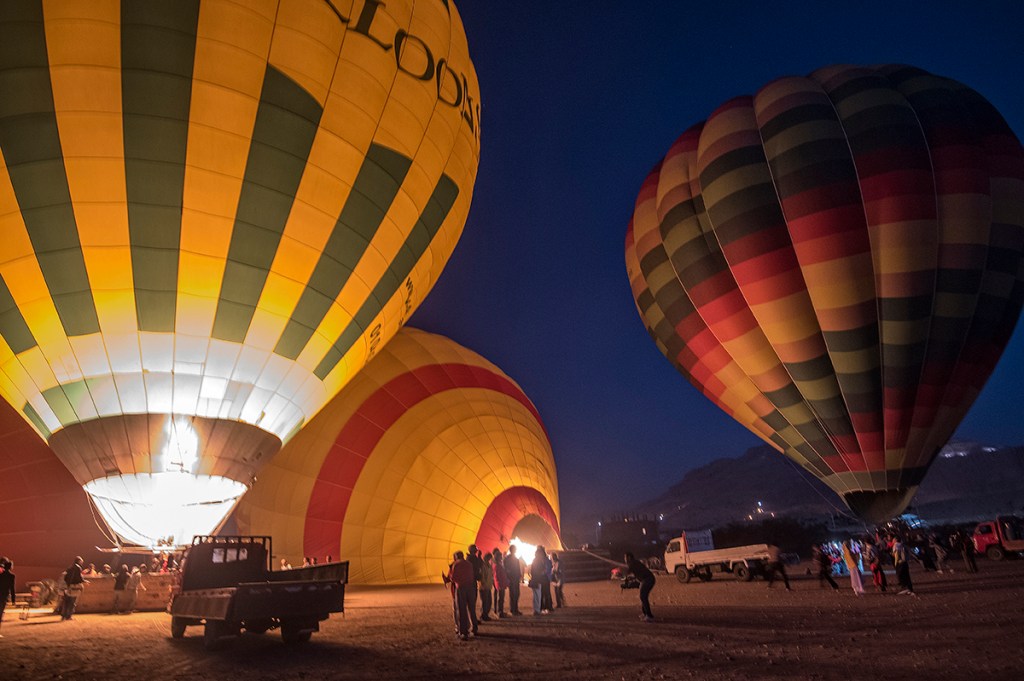
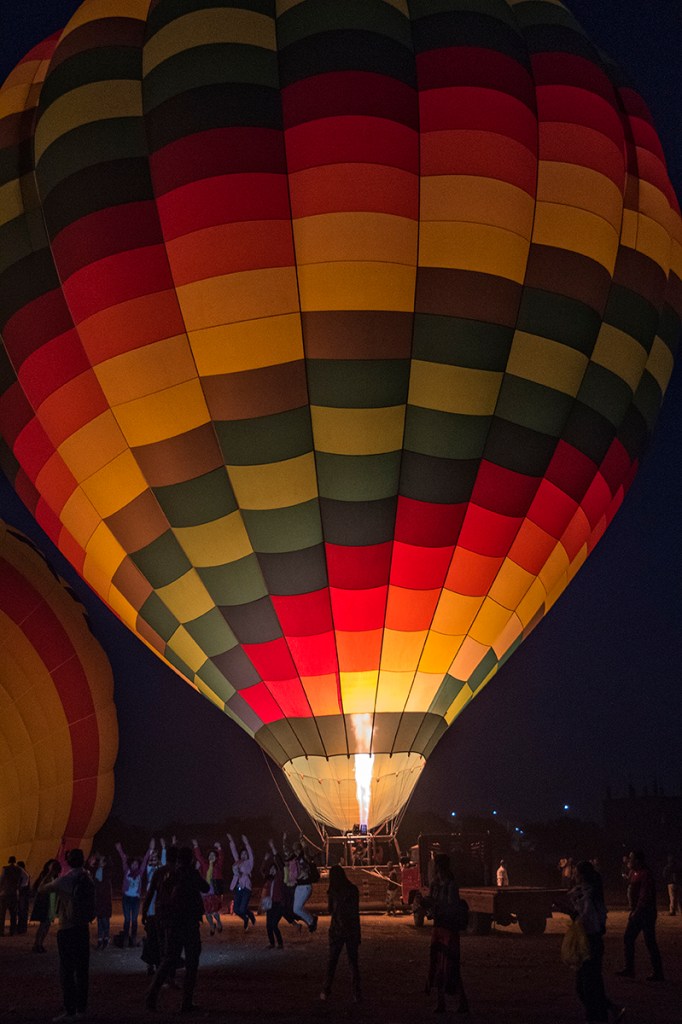
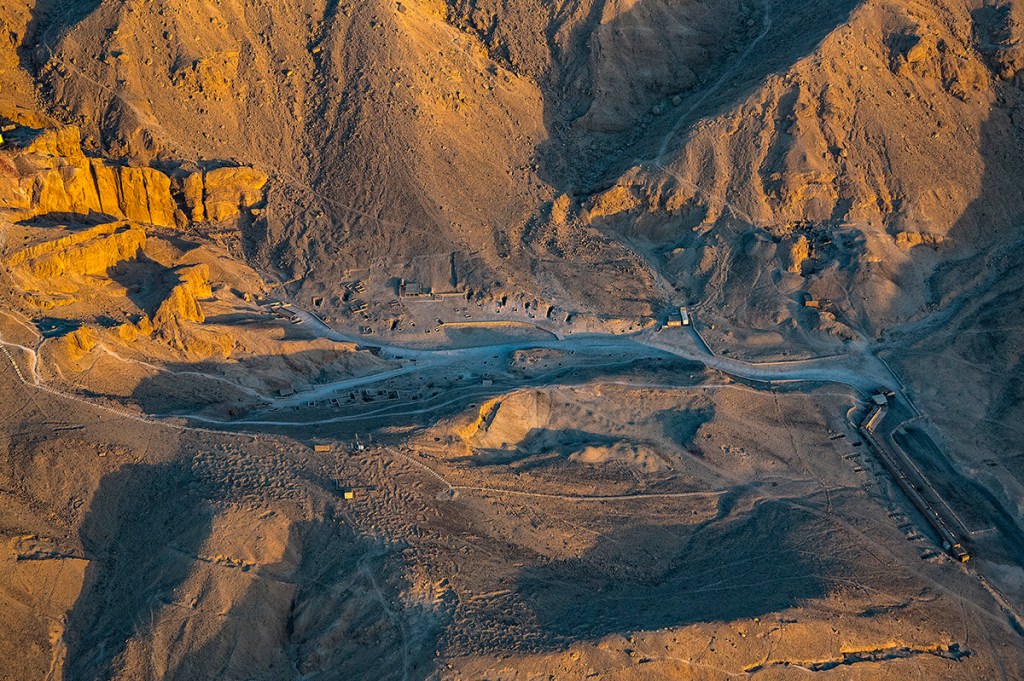
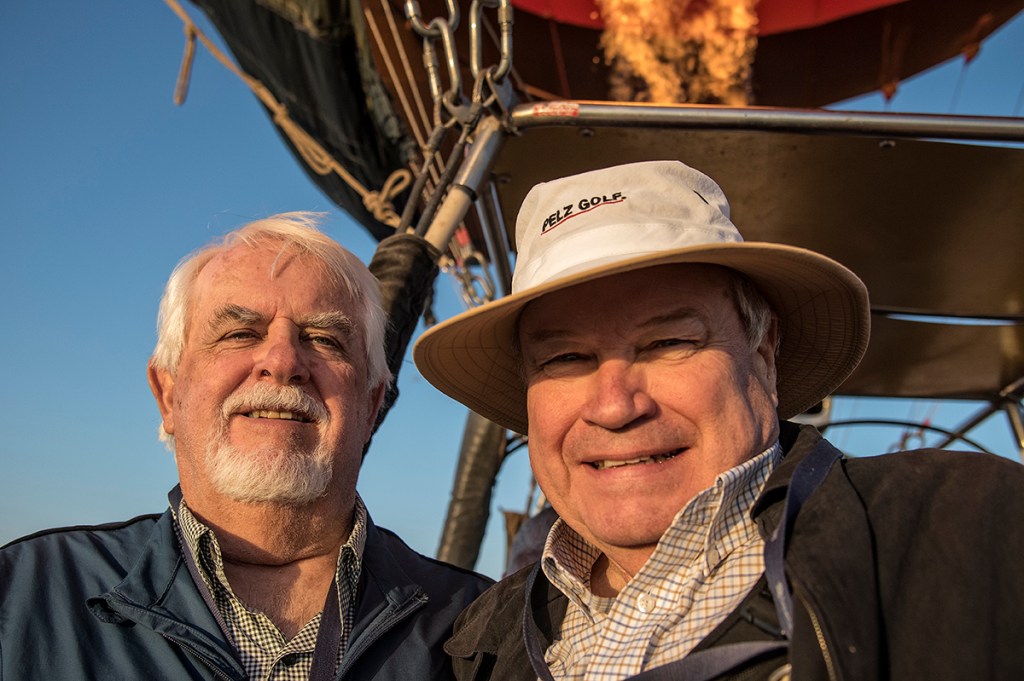
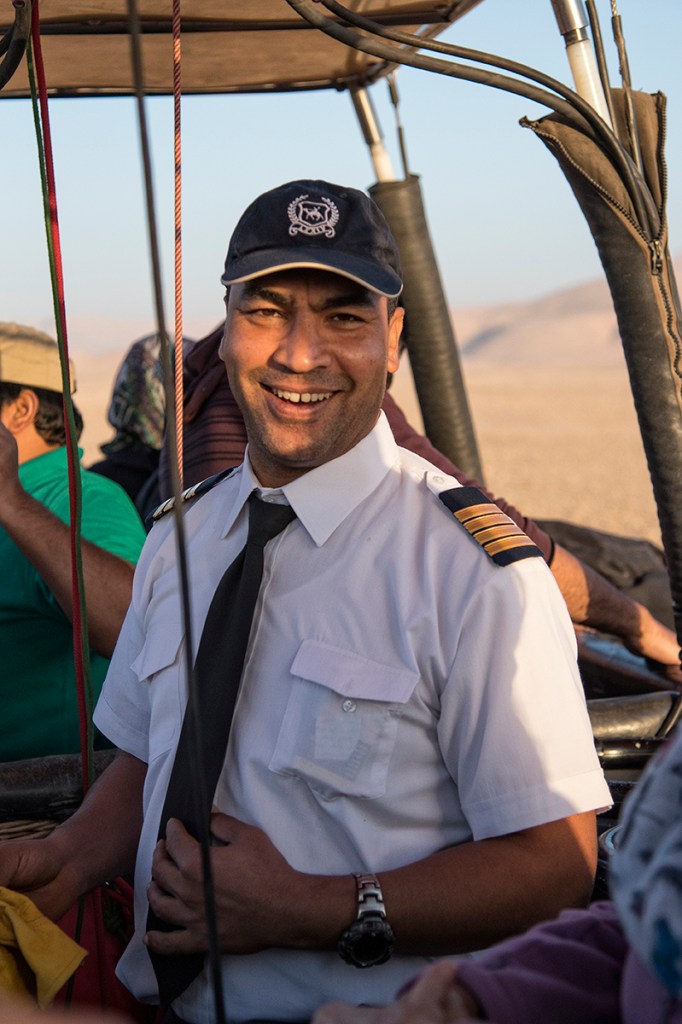
We arose in the middle of the night on our cruise boat, transferred to a craft which took us across the Nile River. We reached the launch area when it was still quite dark. But we all loaded up. Listened to instructions, the enjoyed the liftoff. There were about 20 people in the basket which was organized roughly in quarters with a spot in the middle for our pilot. He owned the balloon and many others, and was an airline pilot by vocation. Here are some shots from what was about a 45 minute ride.

Hatshepsut Temple
Valley of the Kings
The landing

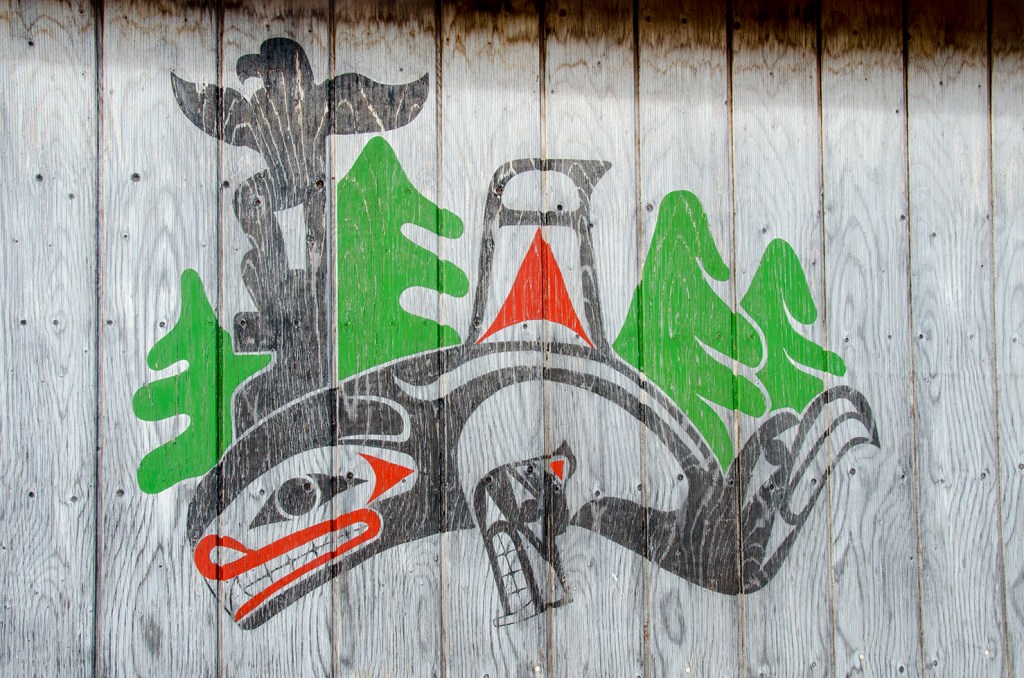
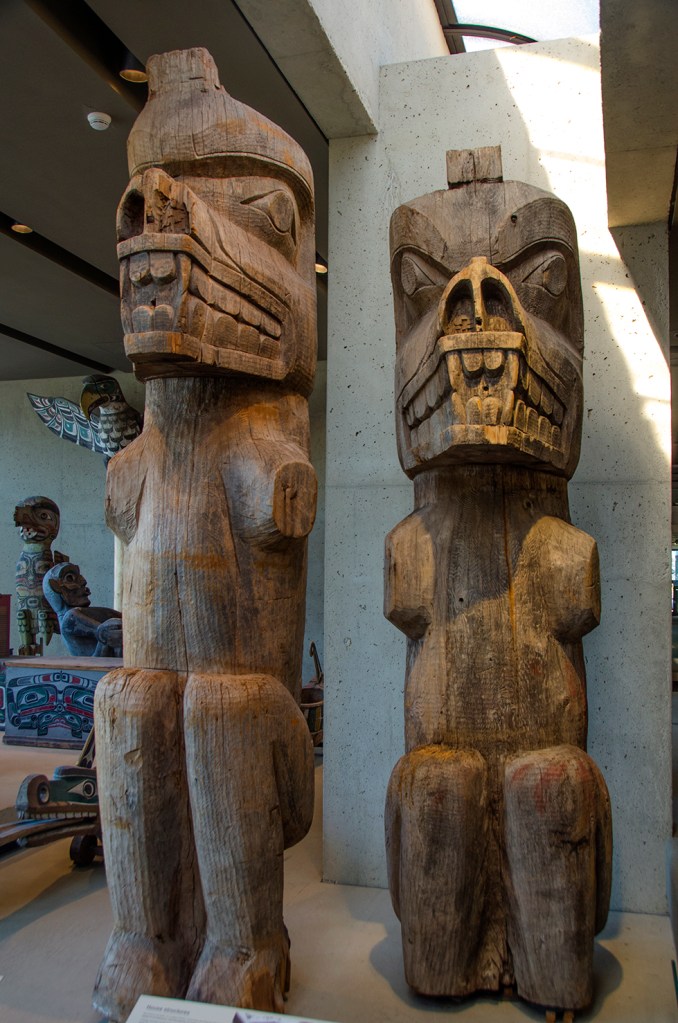
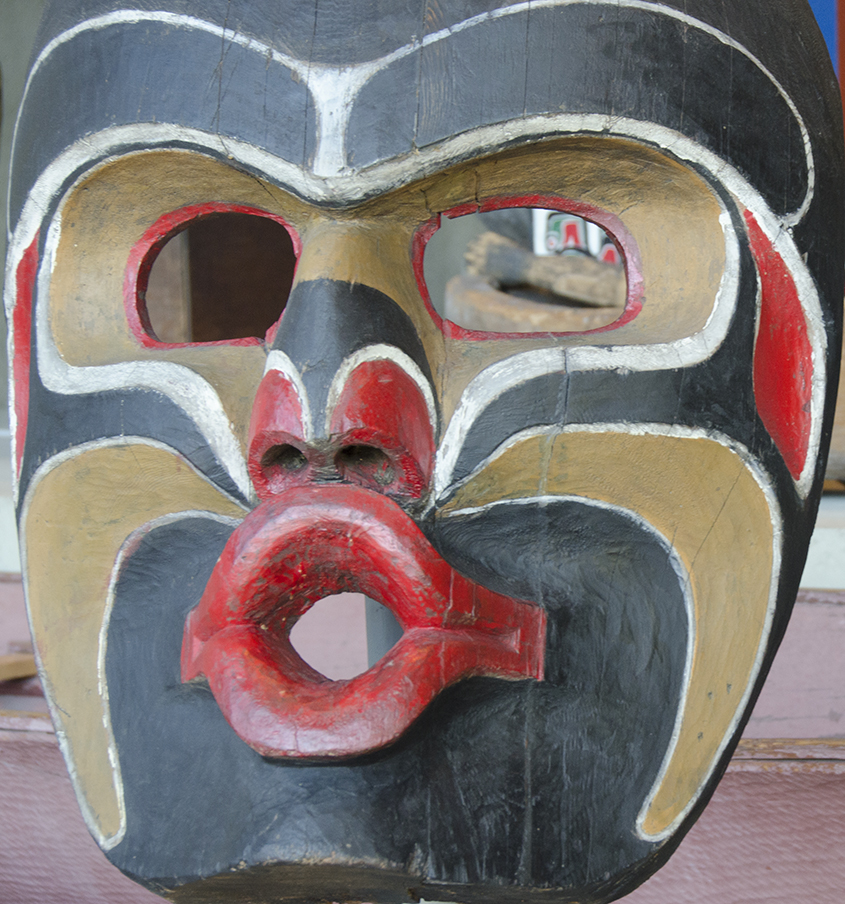
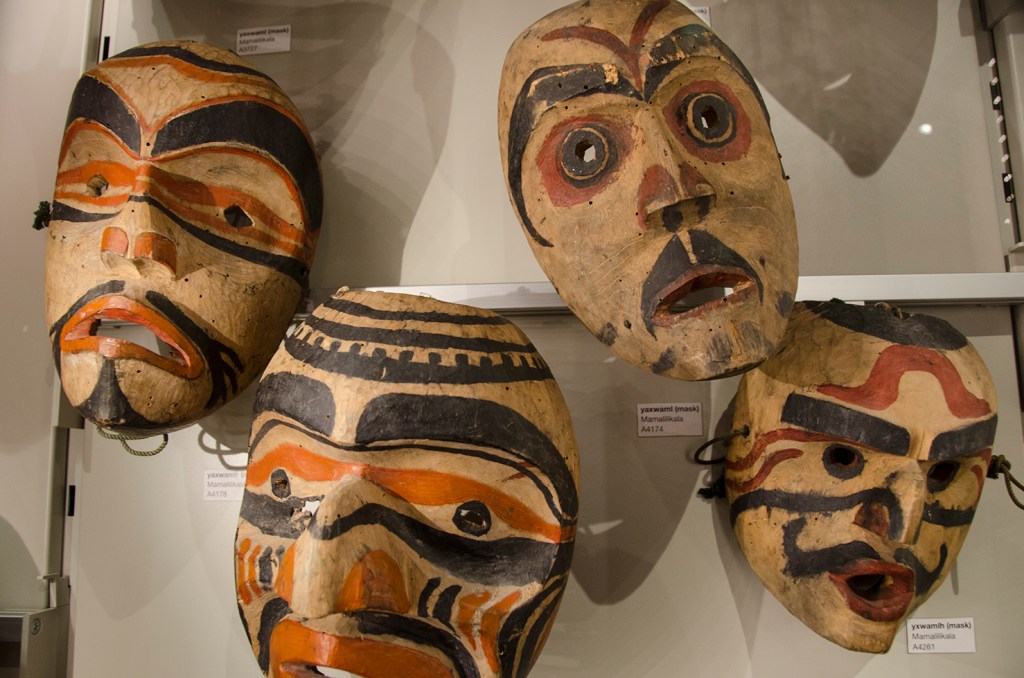
Museum of Anthropology

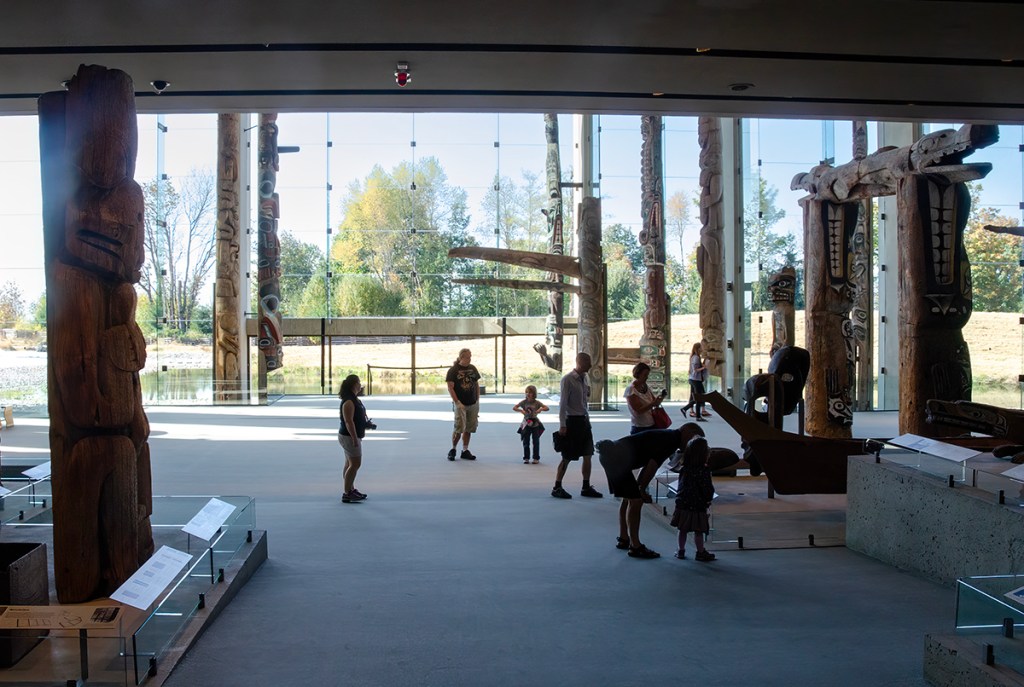
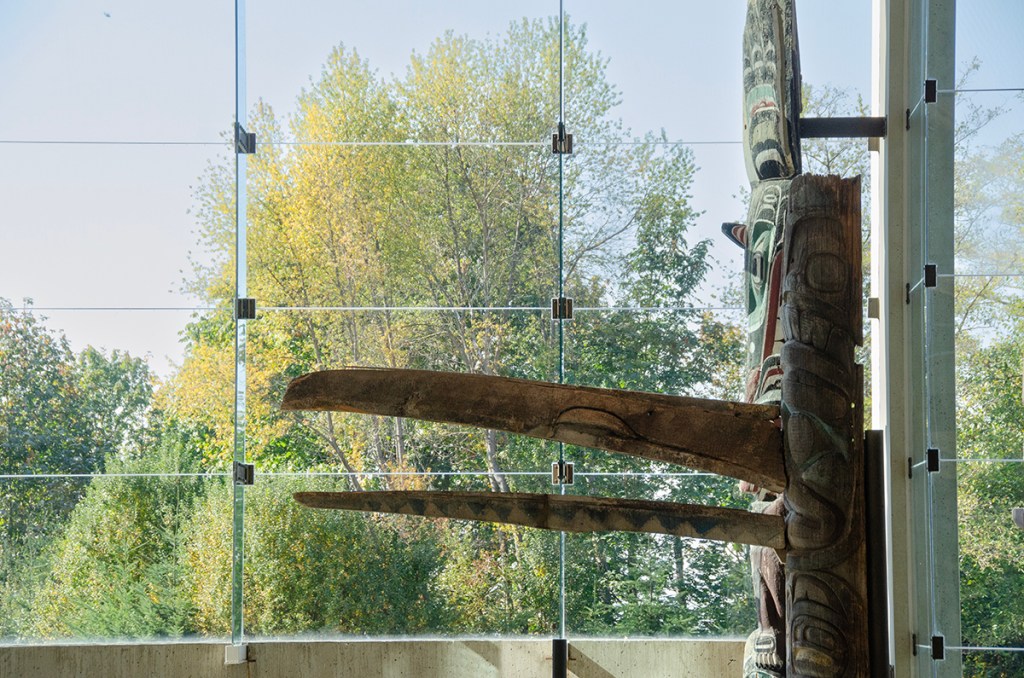
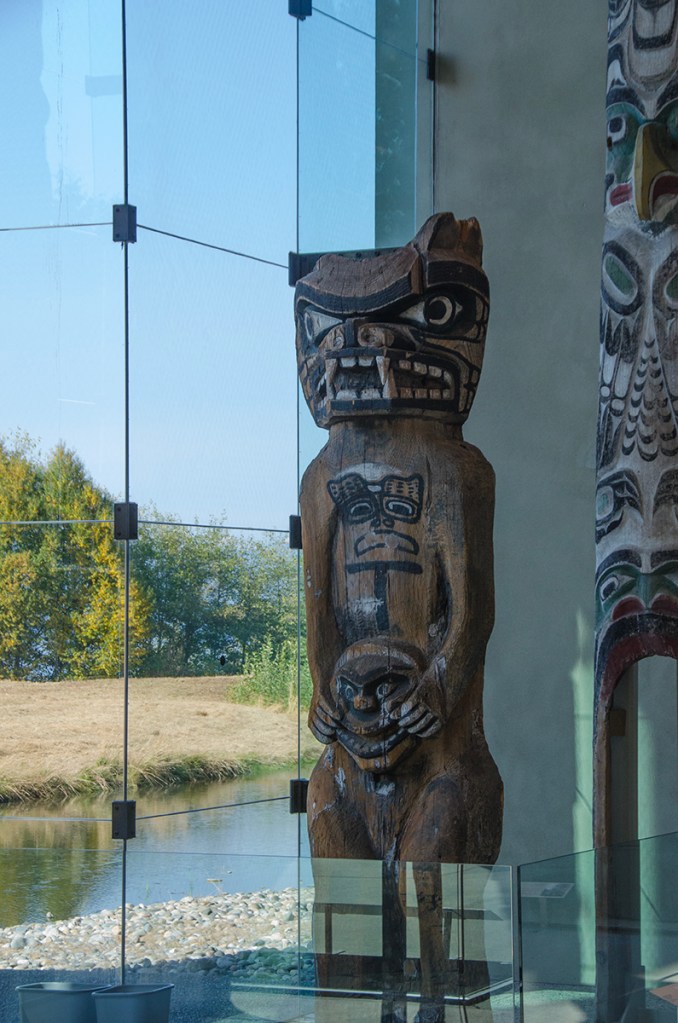
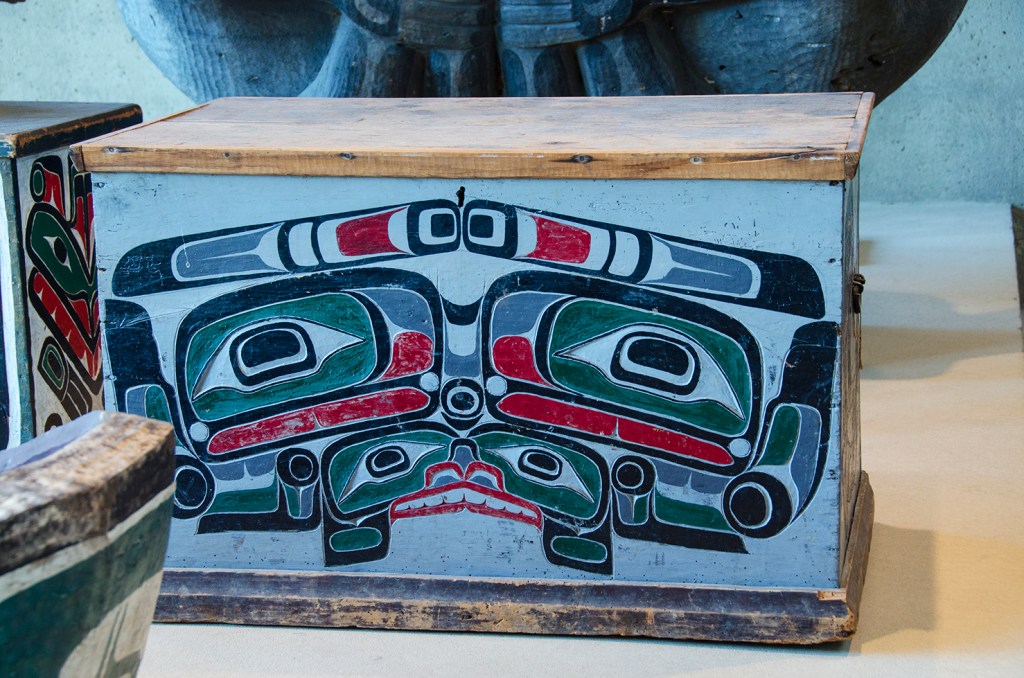
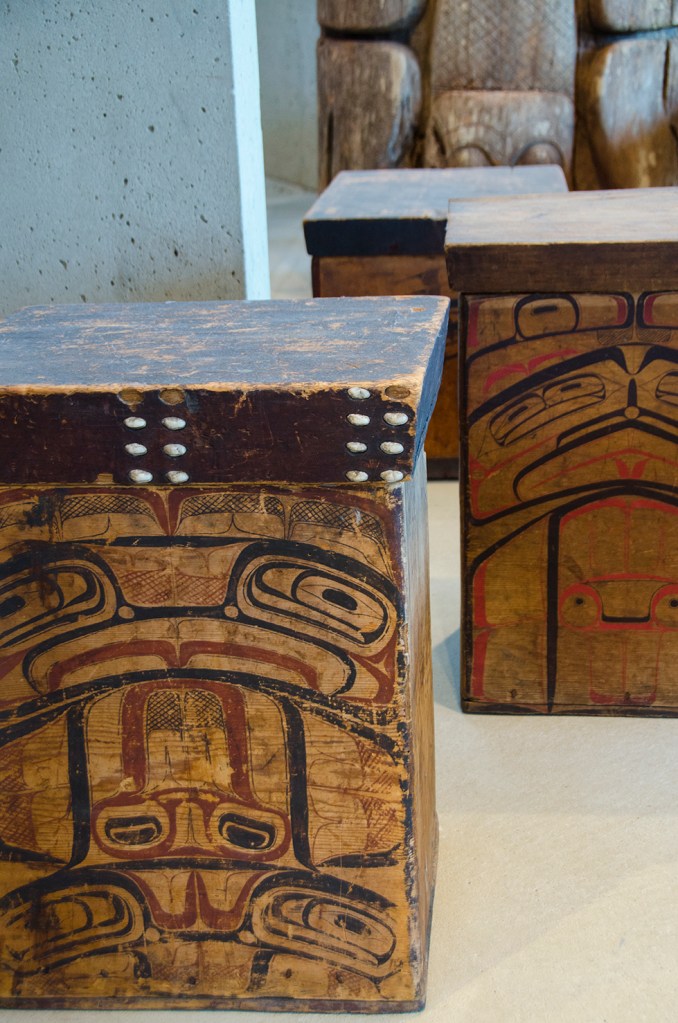
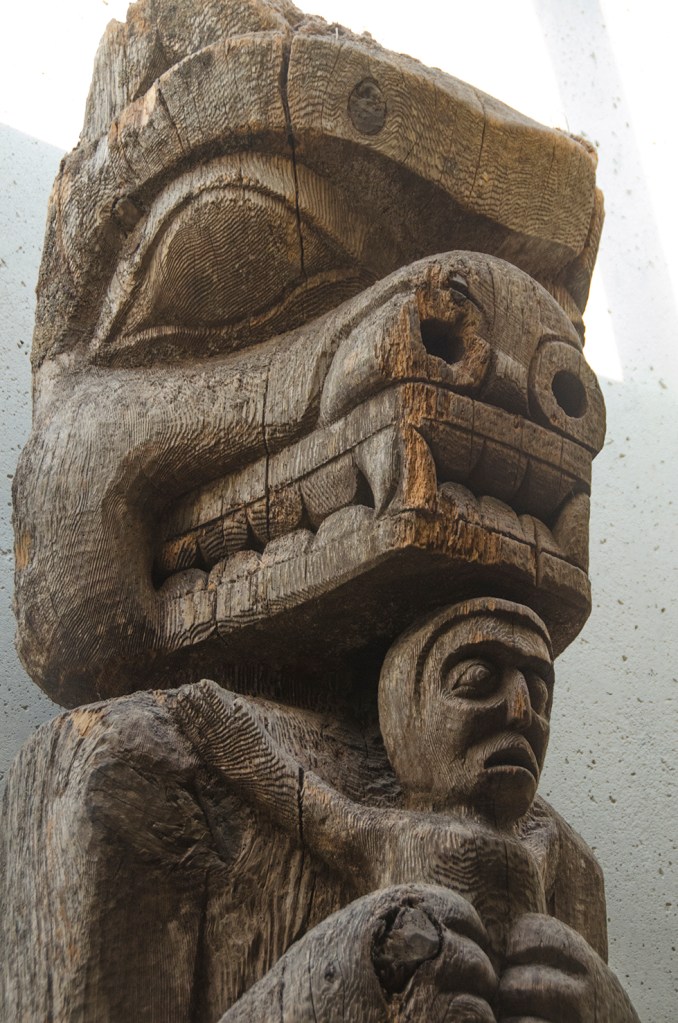
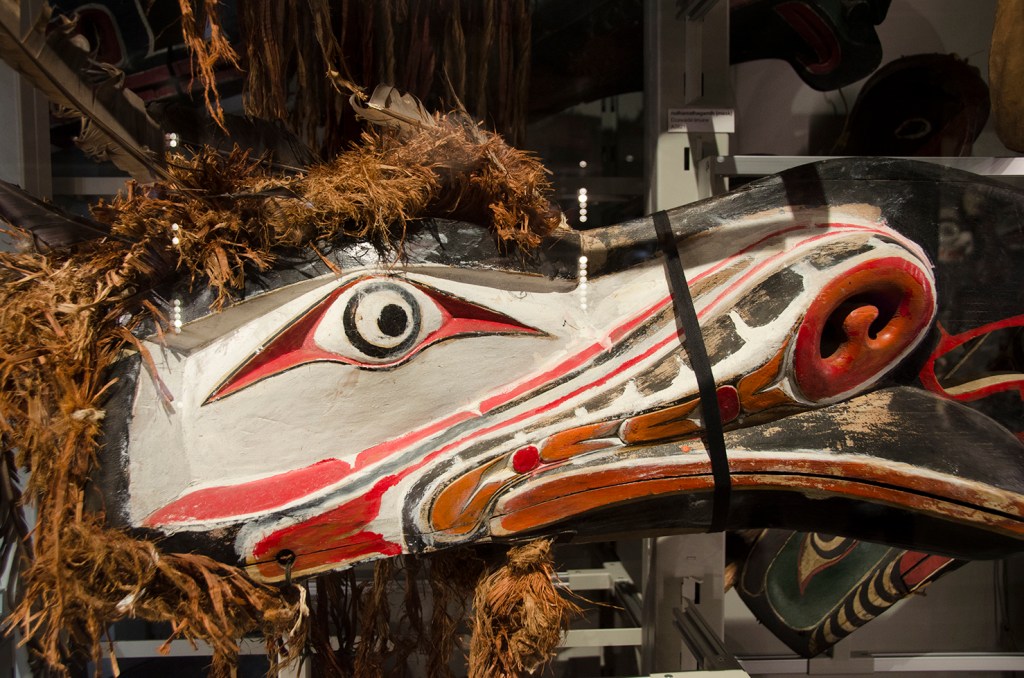
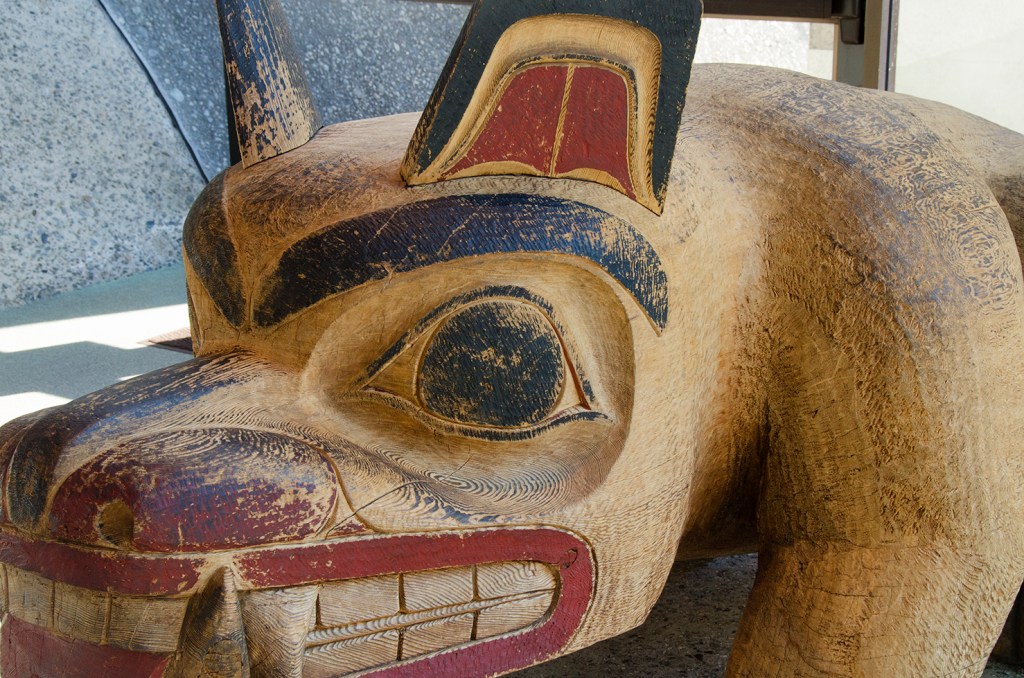
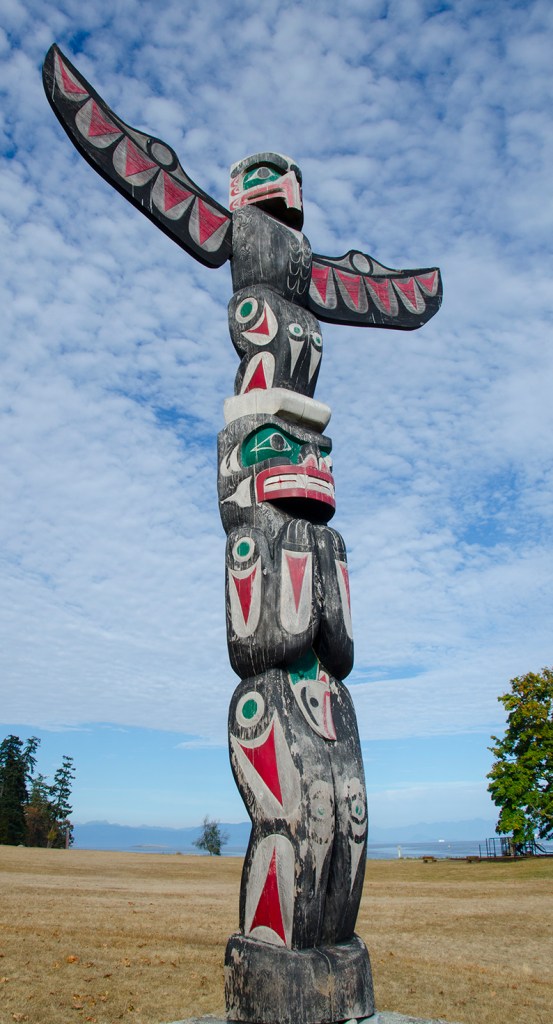
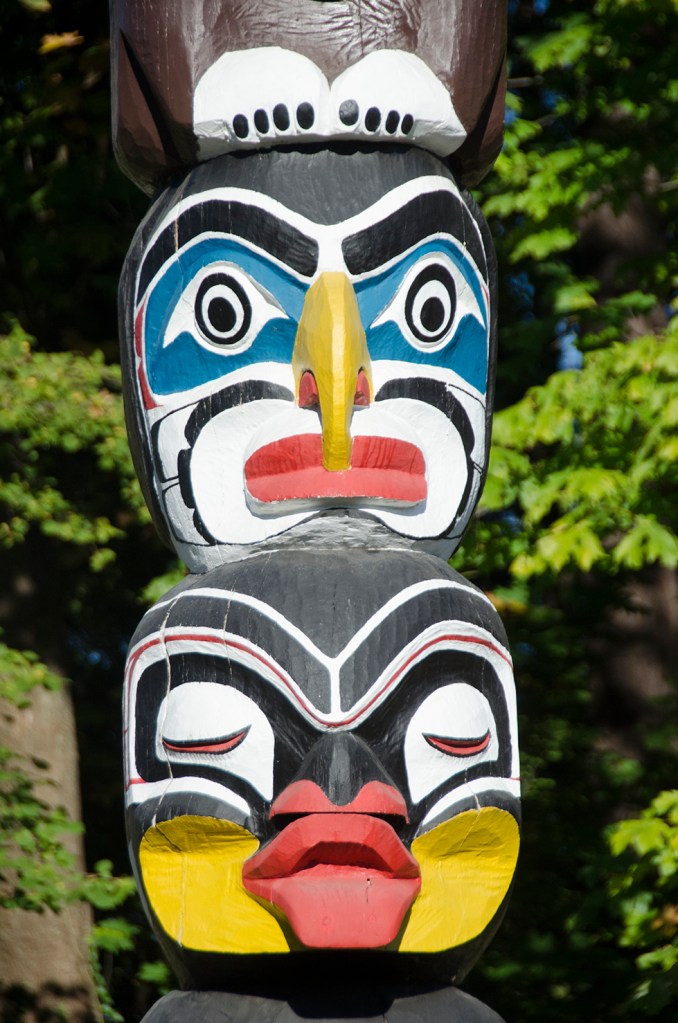
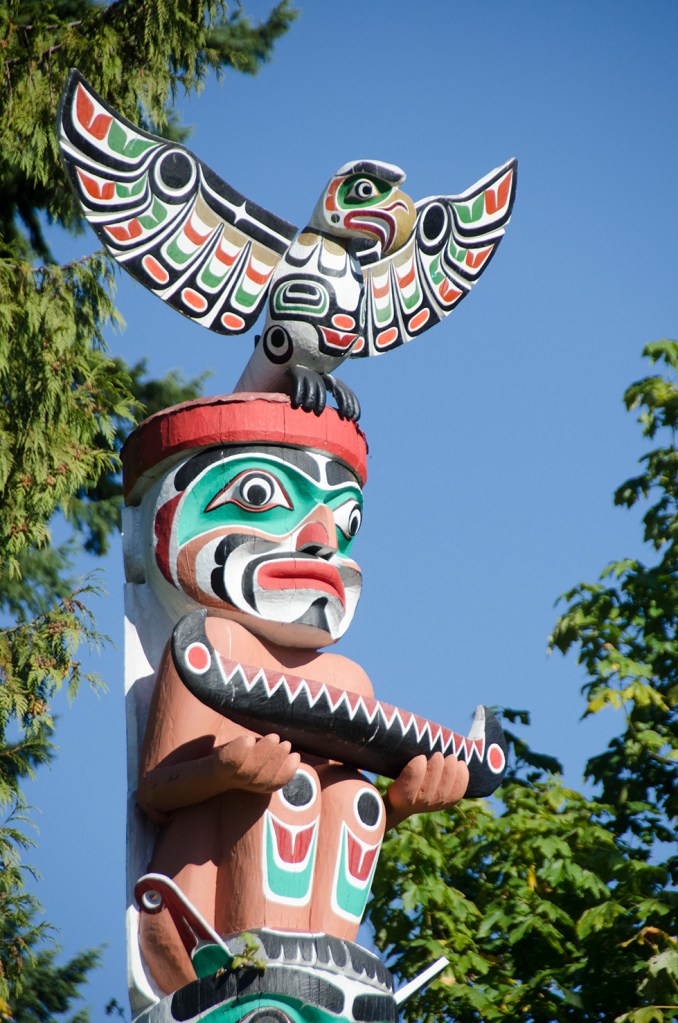
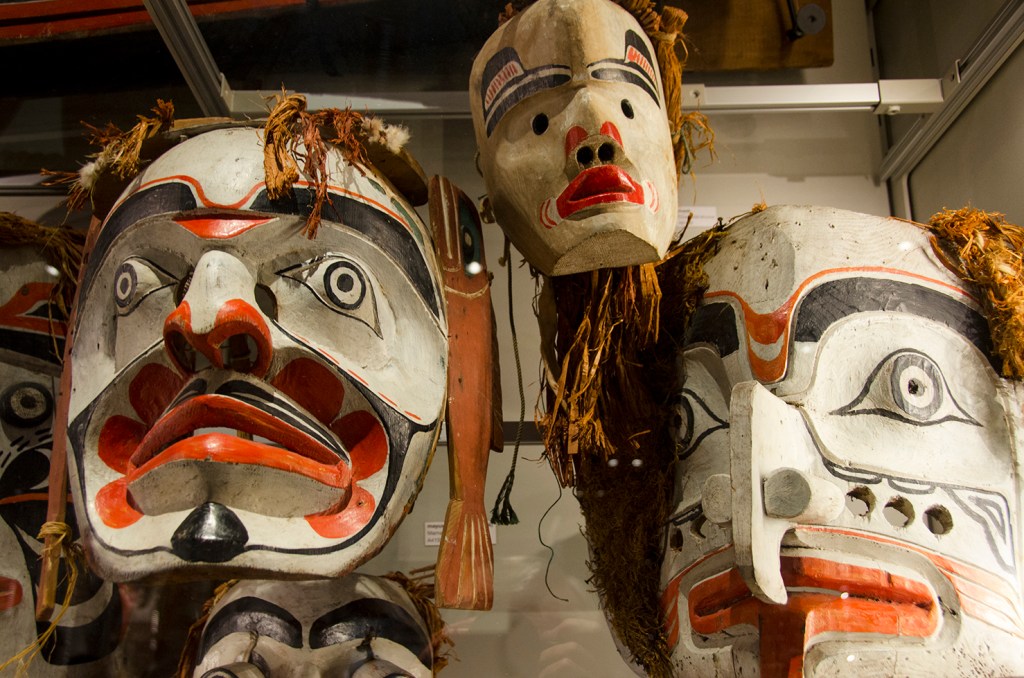
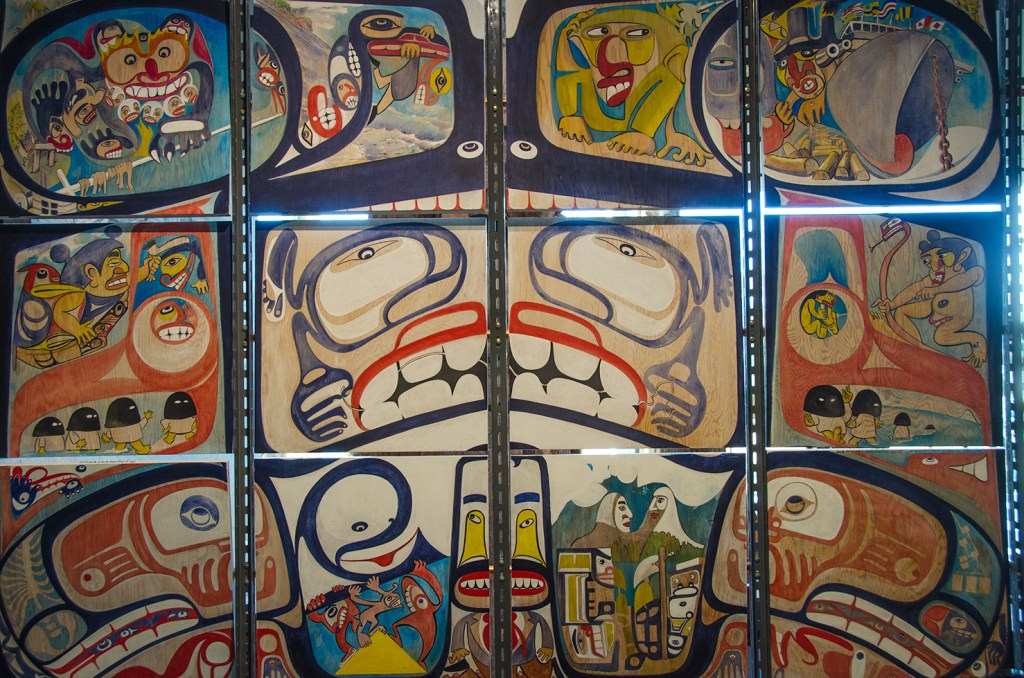
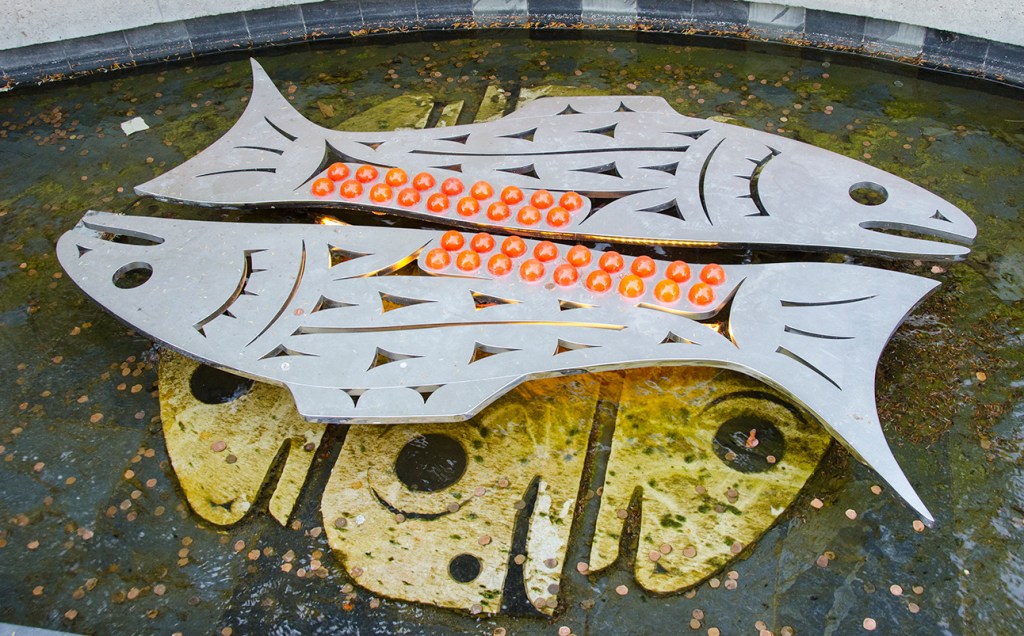
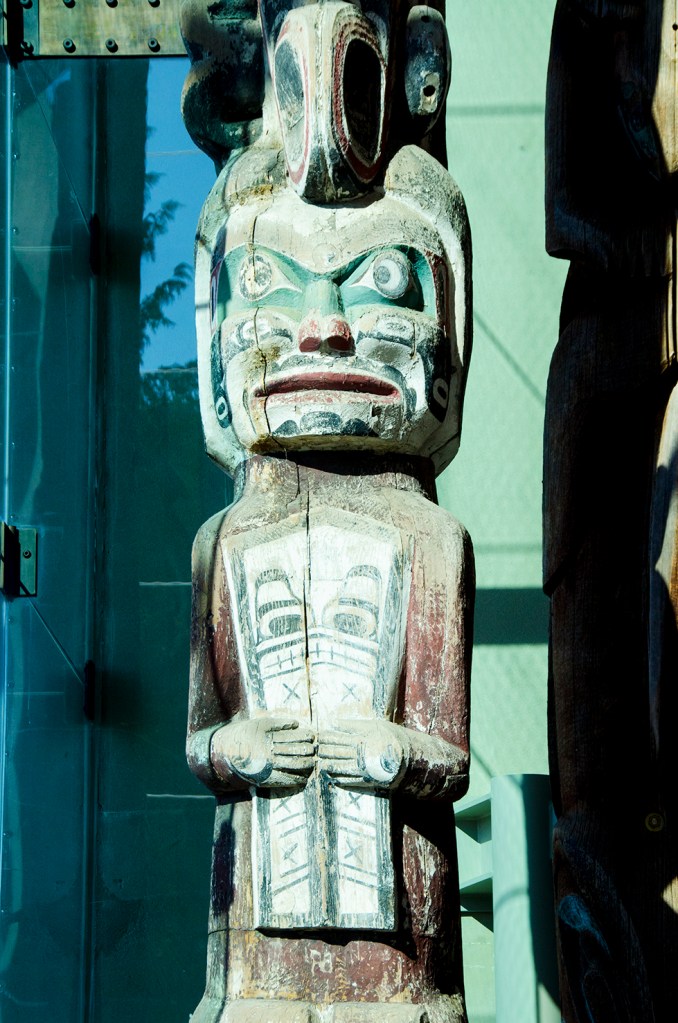
The Museum of Anthropology at the University of British Columbia campus in Vancouver displays world arts and cultures, in particular works by First Nations of the Pacific Northwest, As well as being a major tourist destination, MOA is a research and teaching museum. MOA houses close to 50,000 ethnographic objects, as well as 535,000 archaeological objects in its building alone. For Vancouver visitors the museum is a must-see.

Redoubt Mountain Lodge Part II

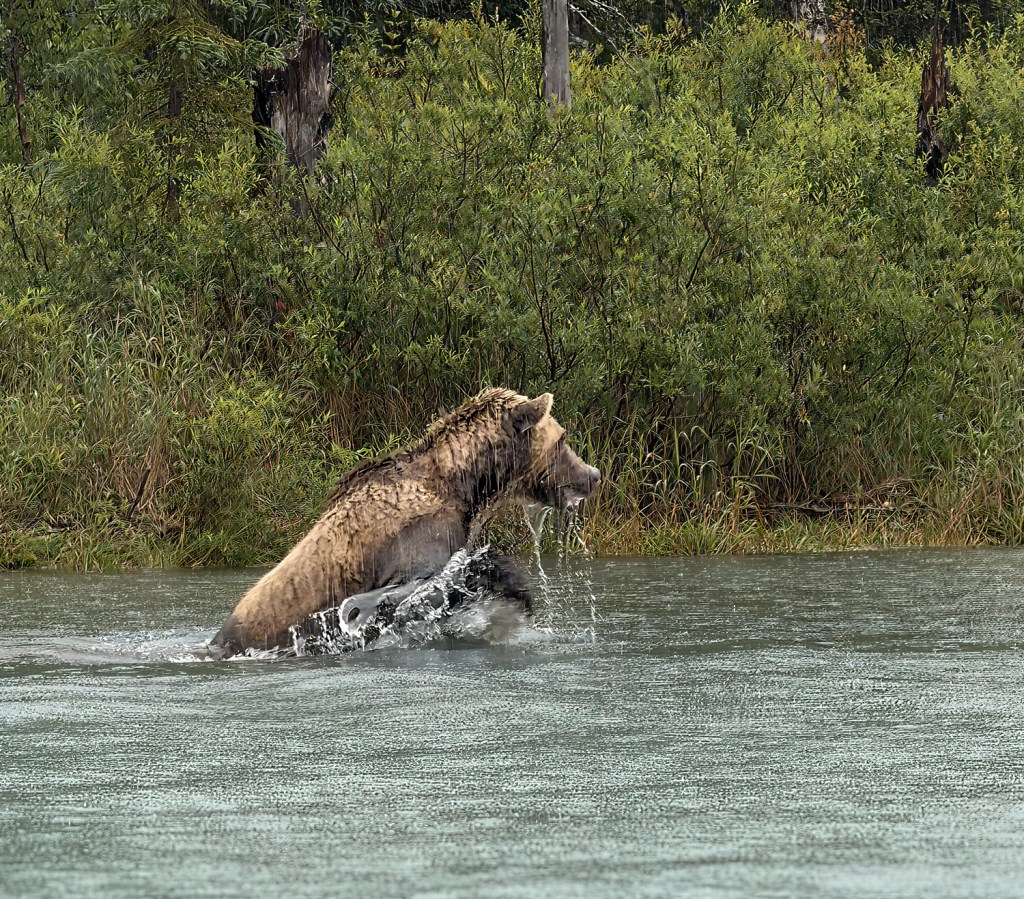
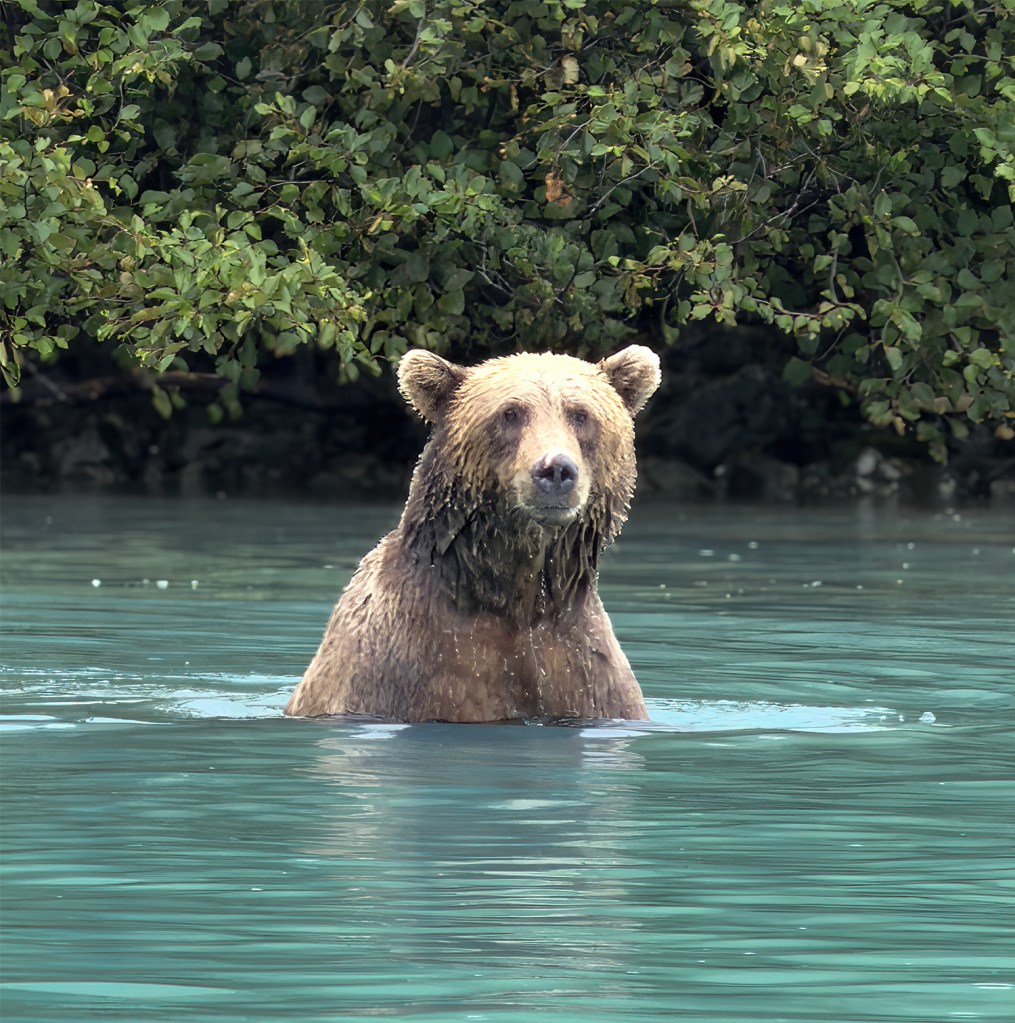
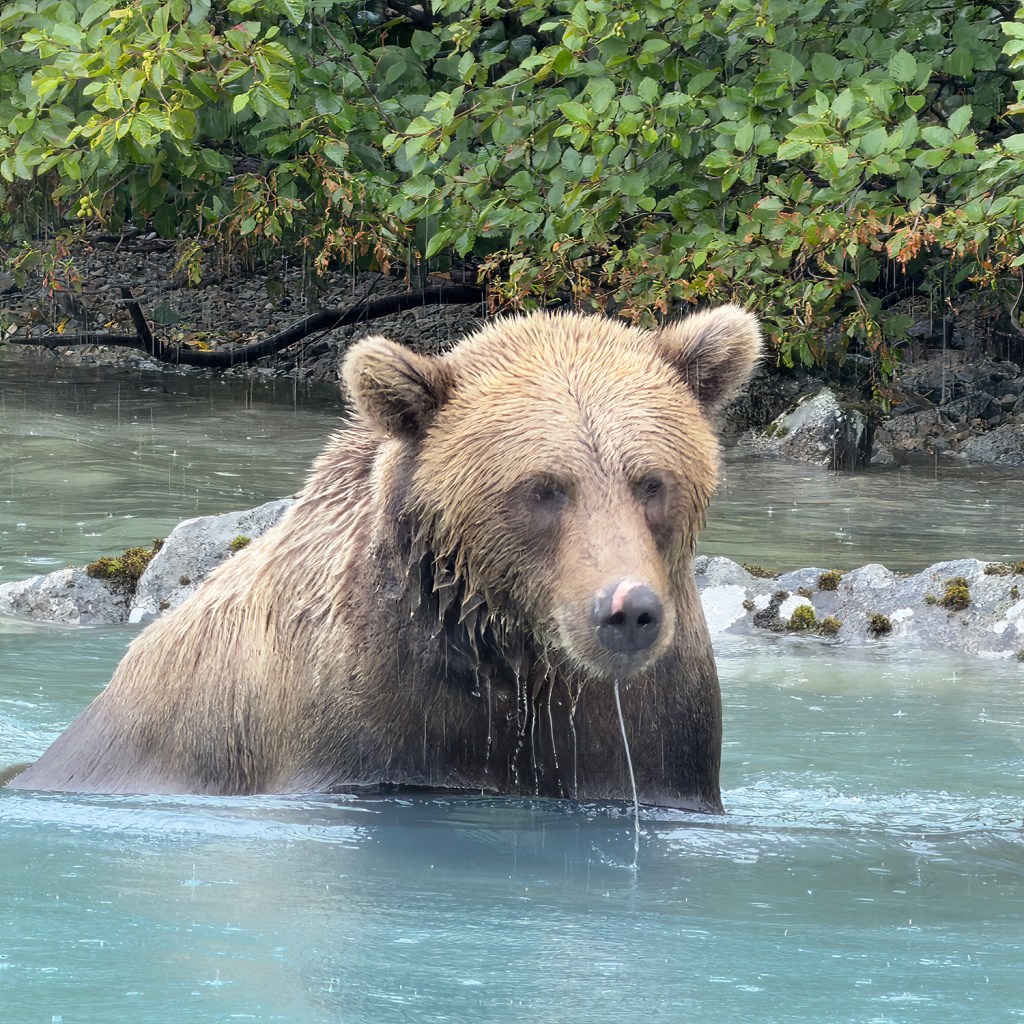
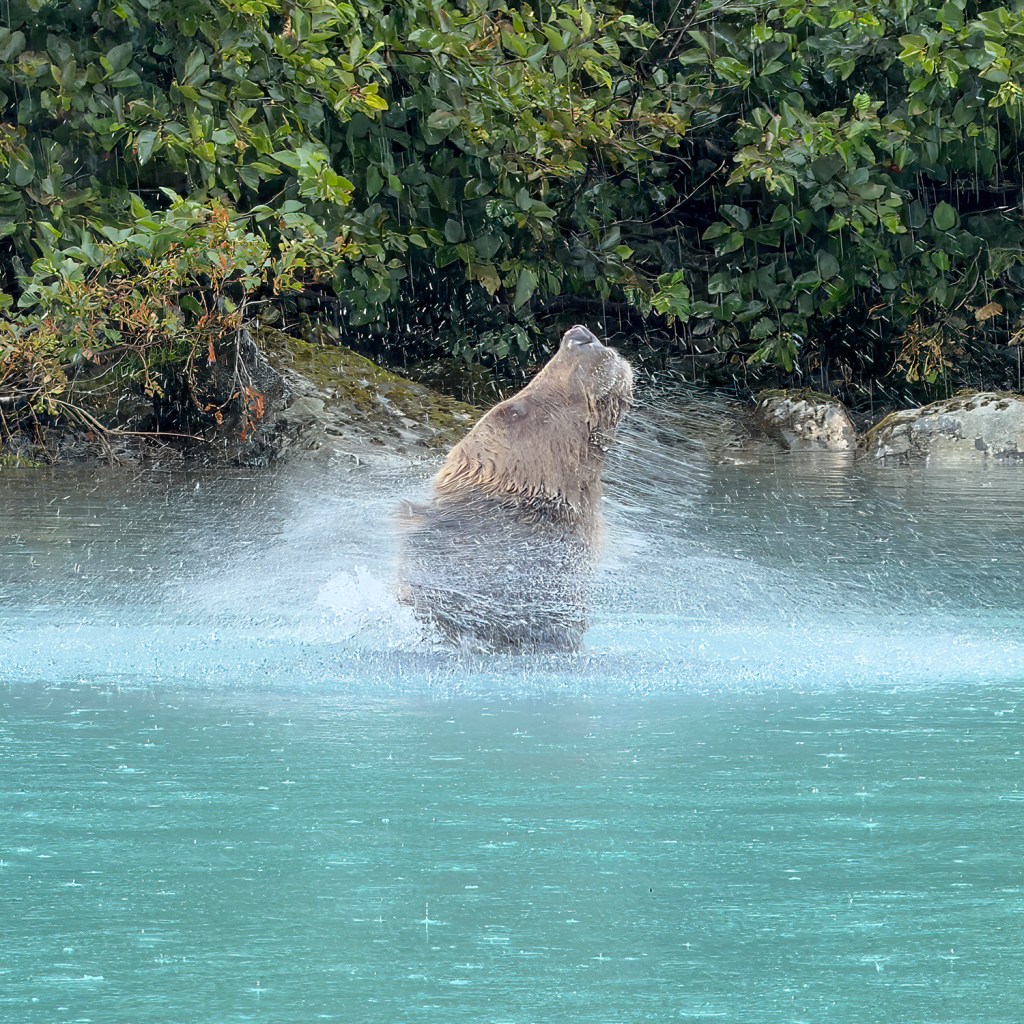
Bears

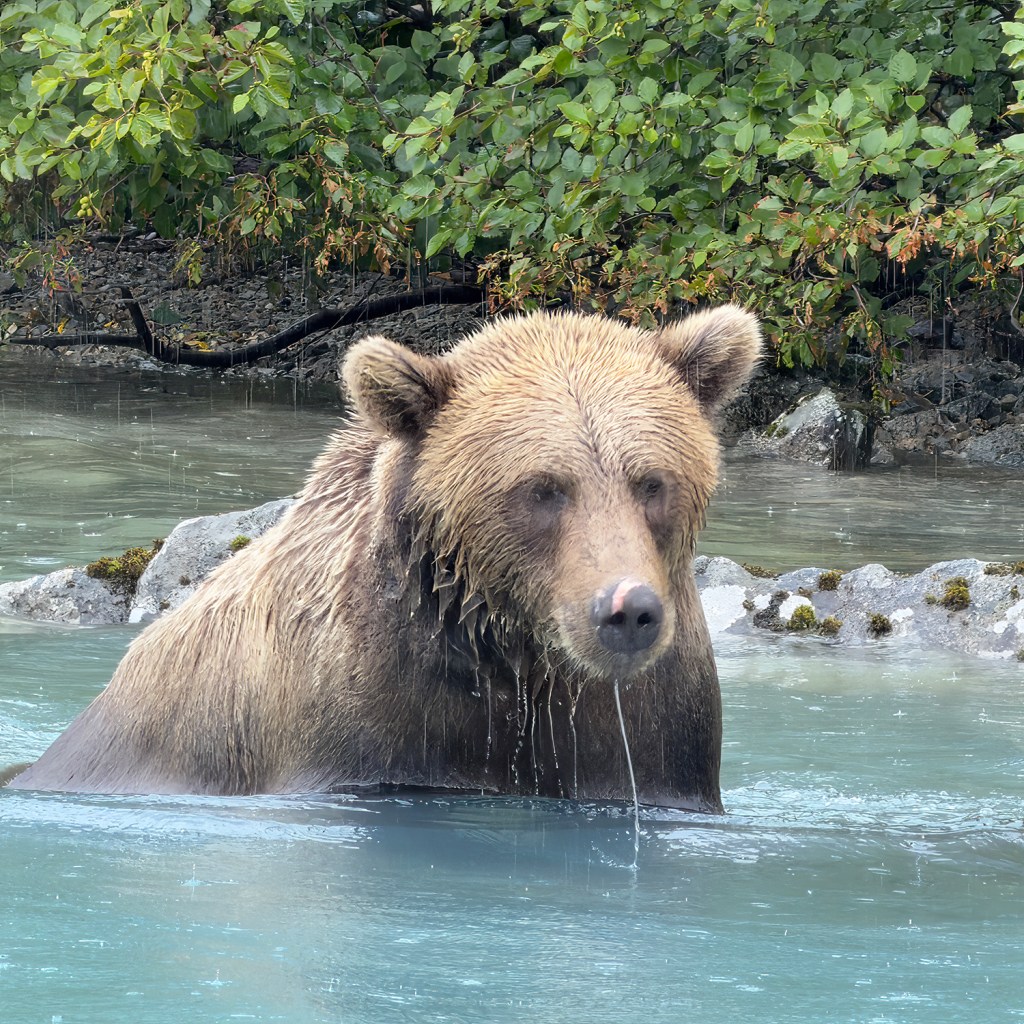
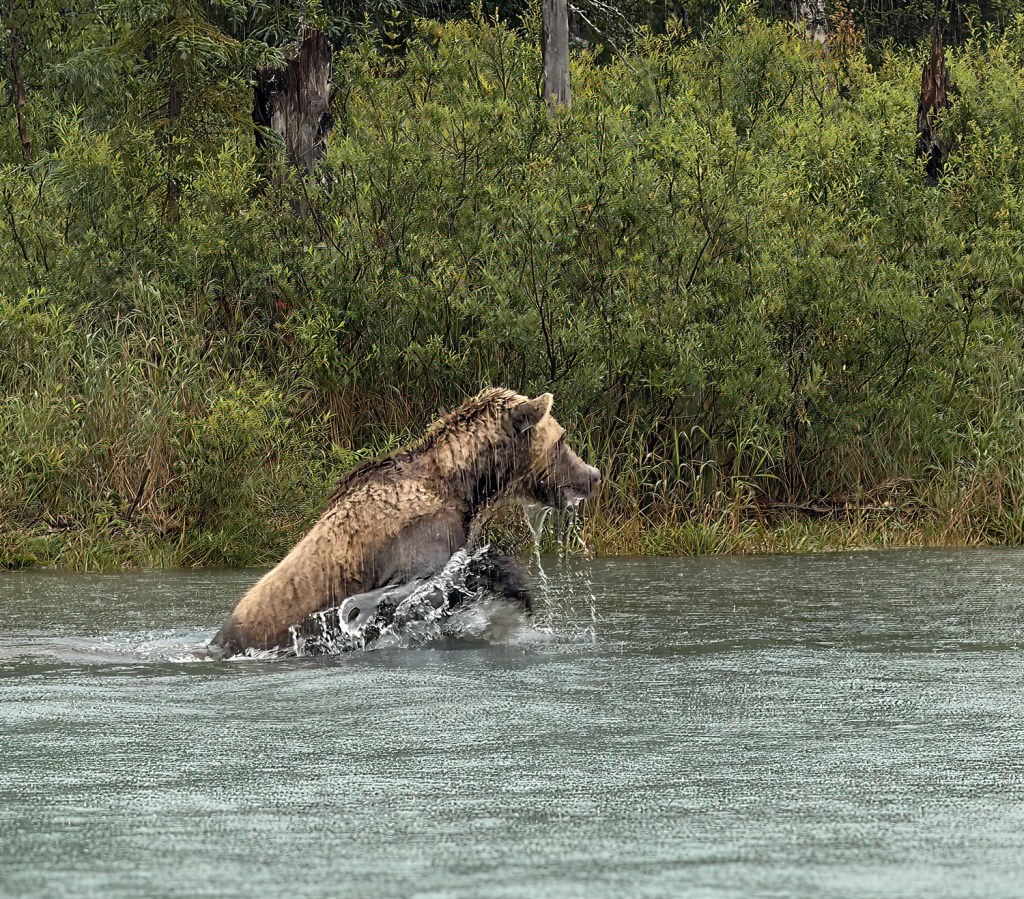
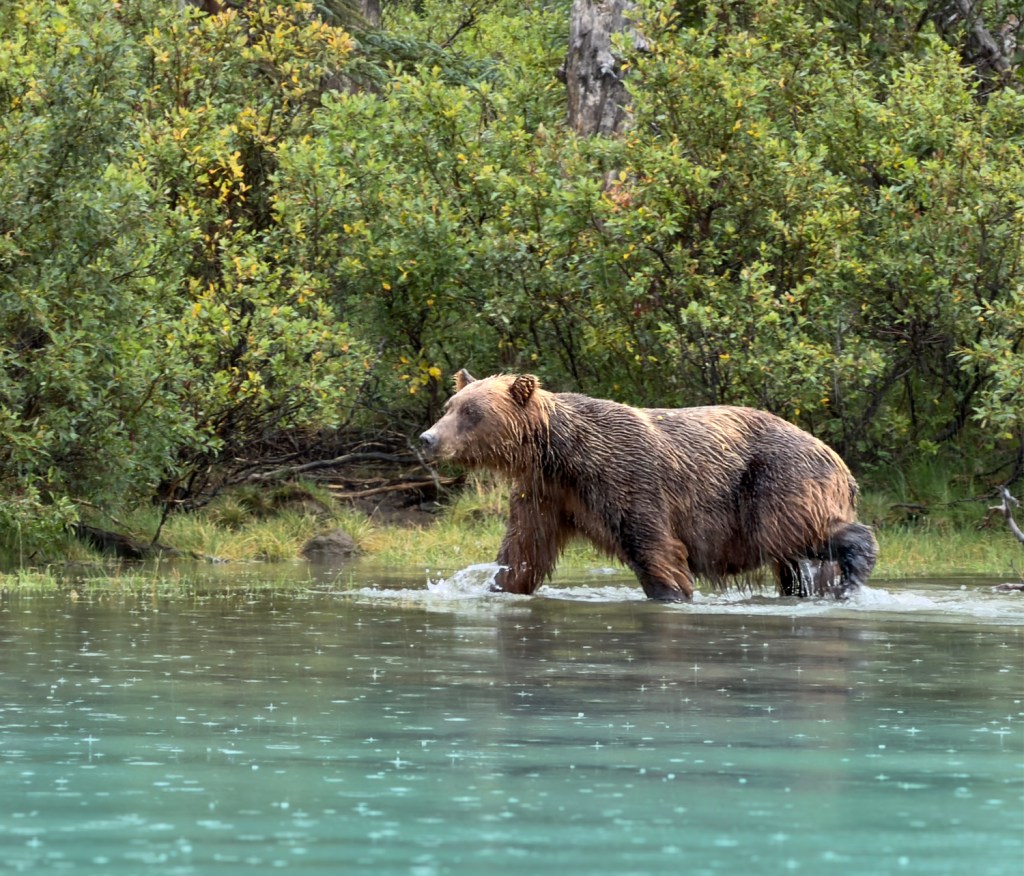
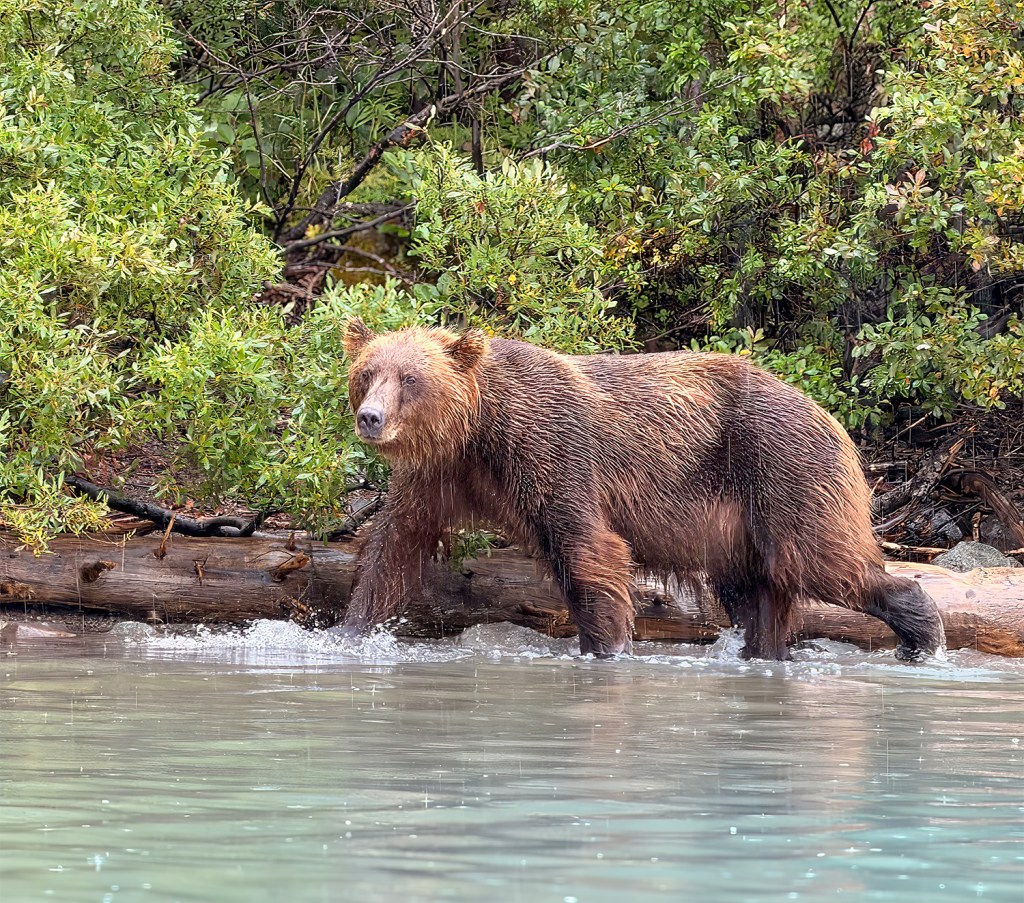
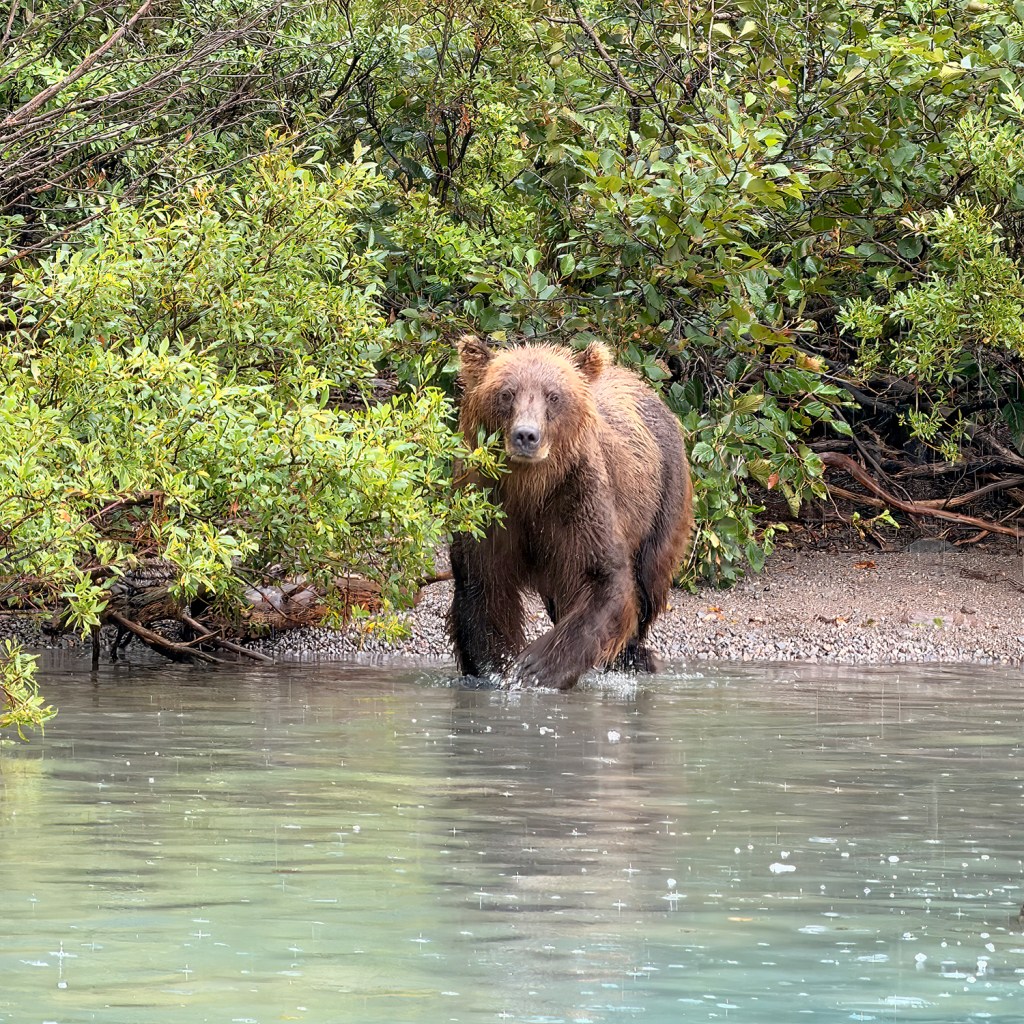
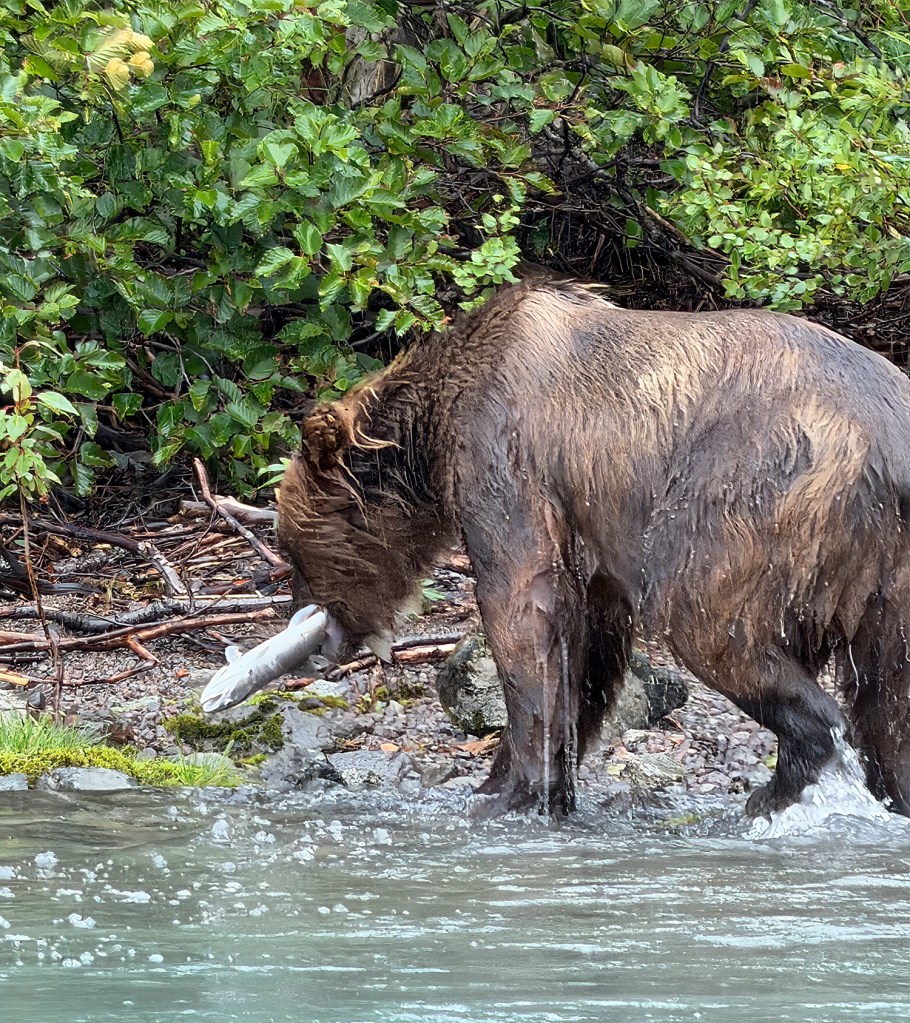
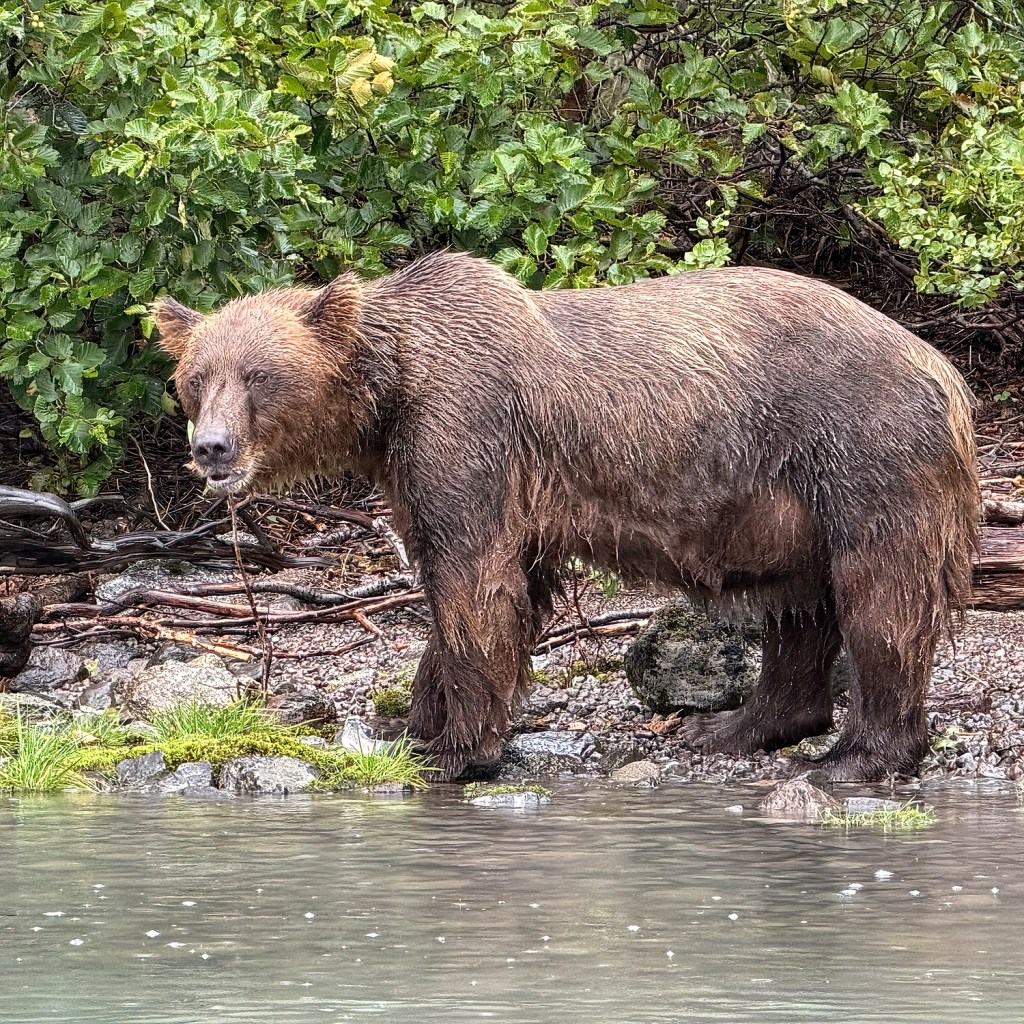
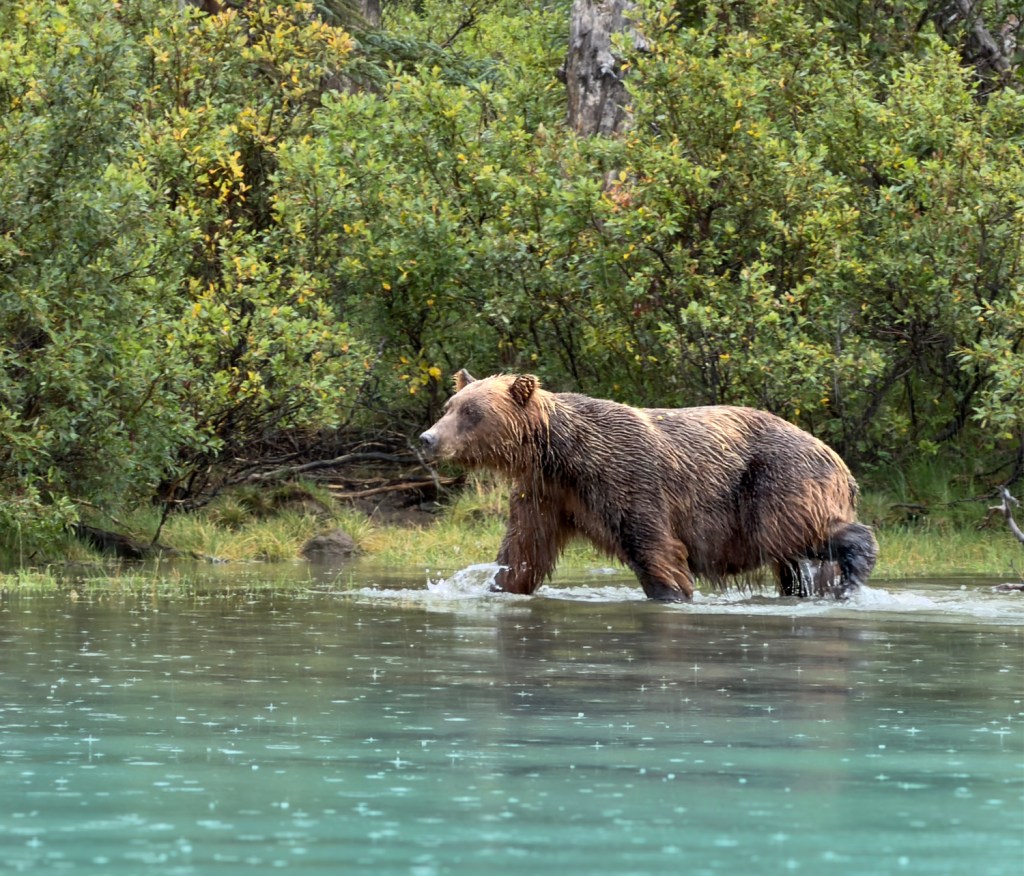
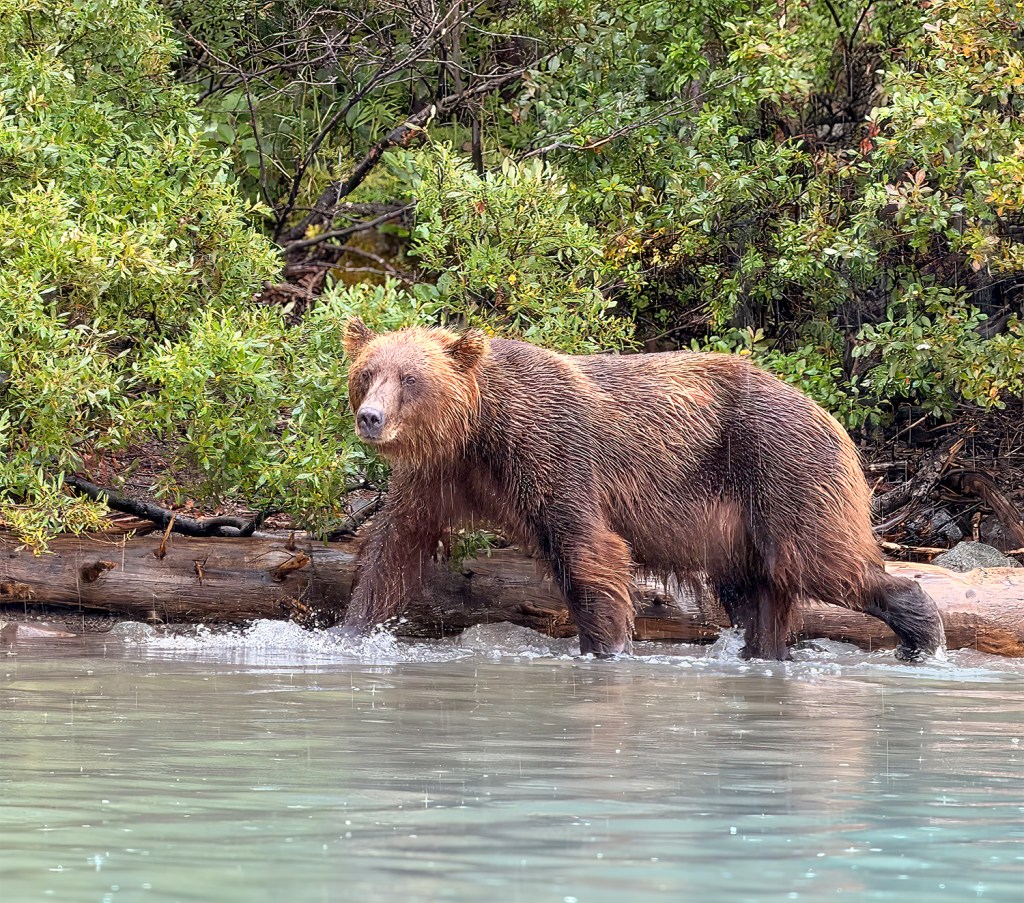
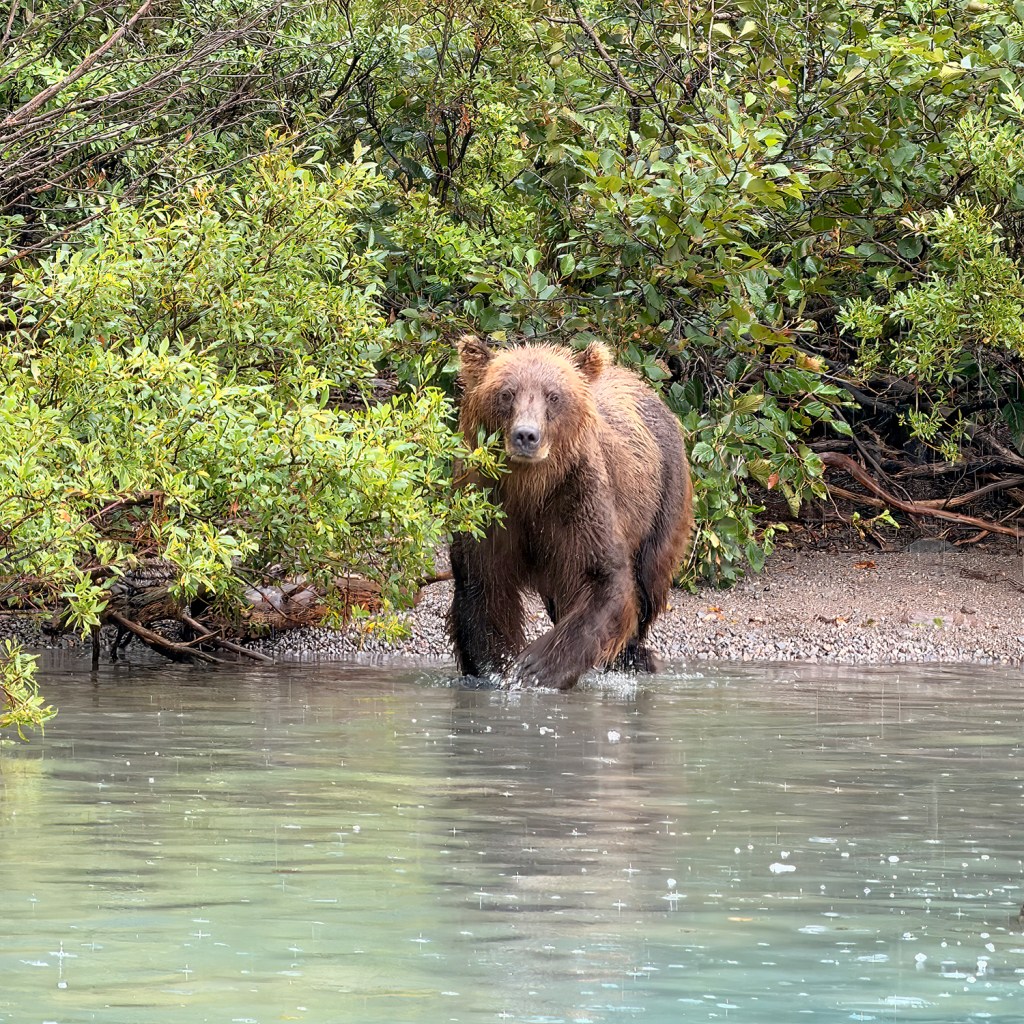
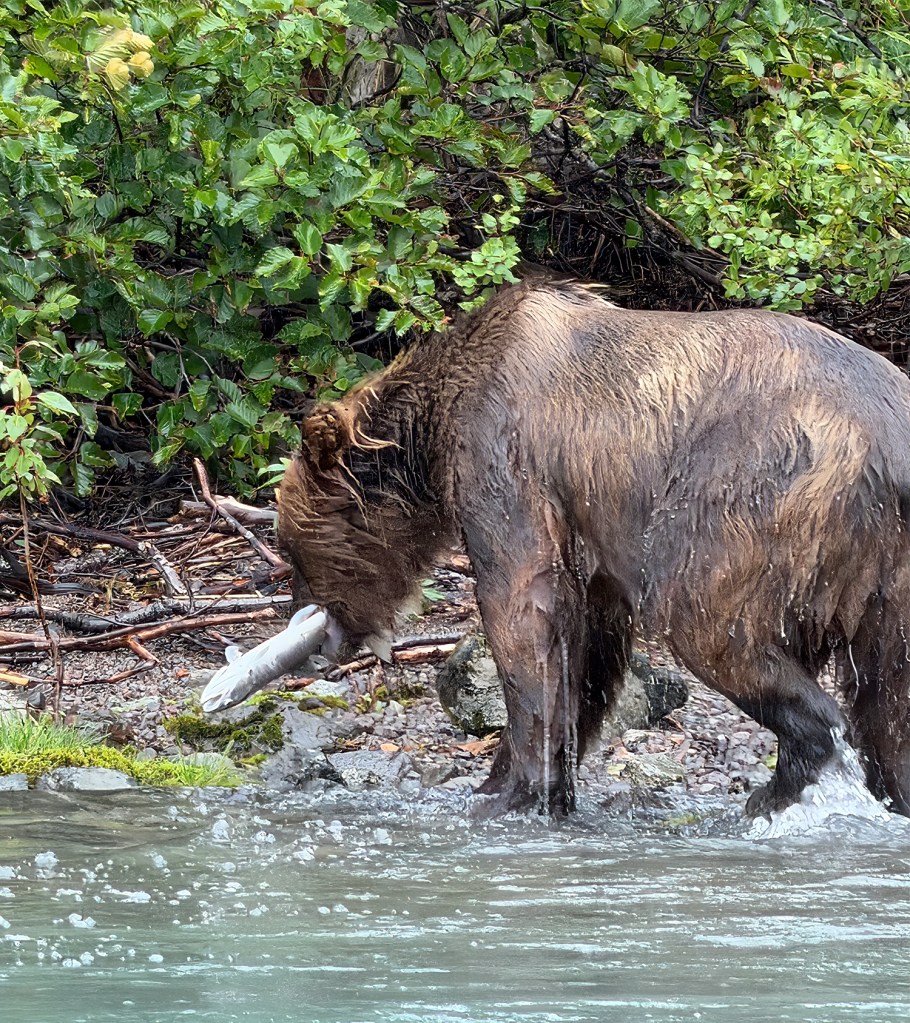
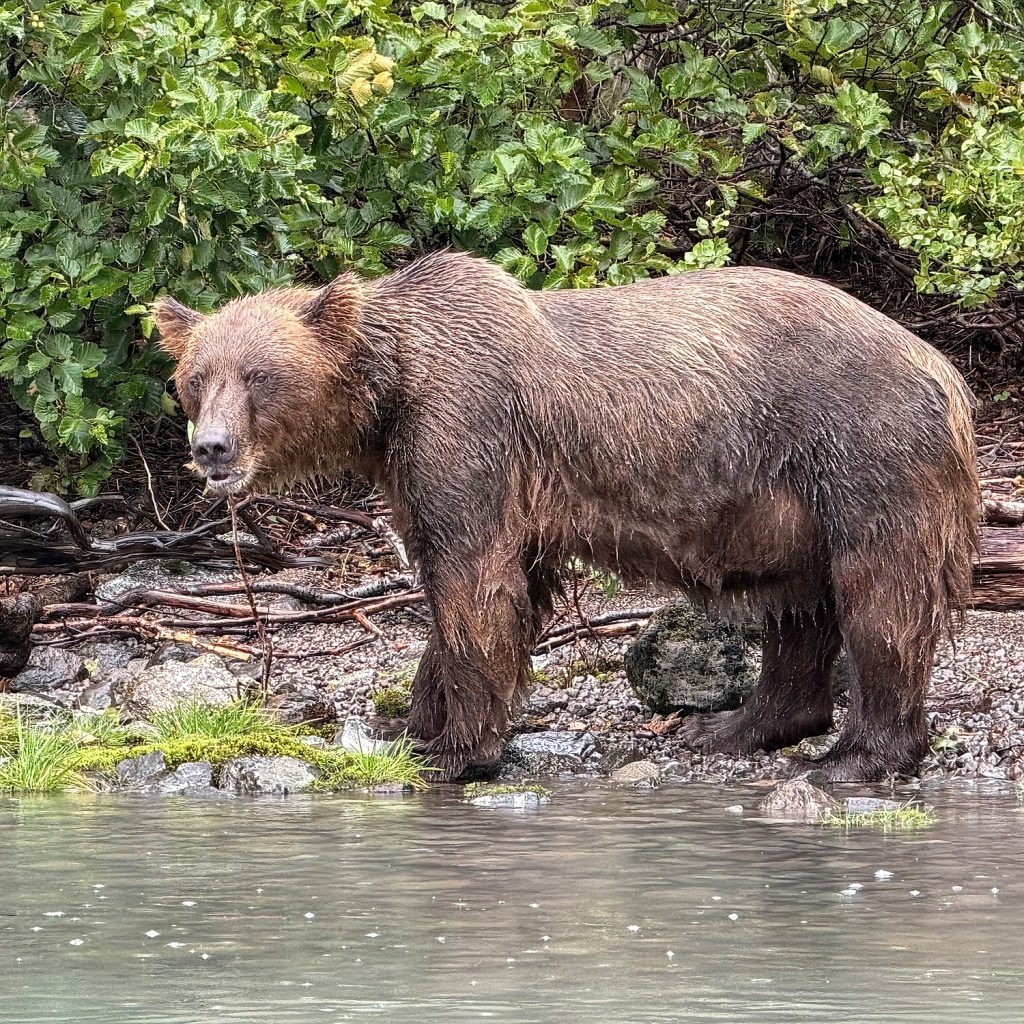
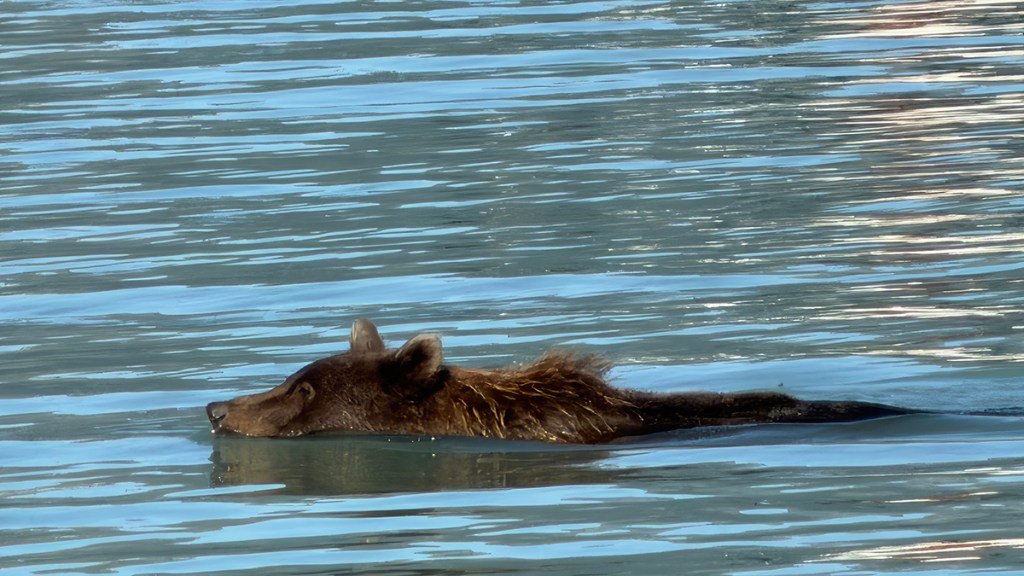
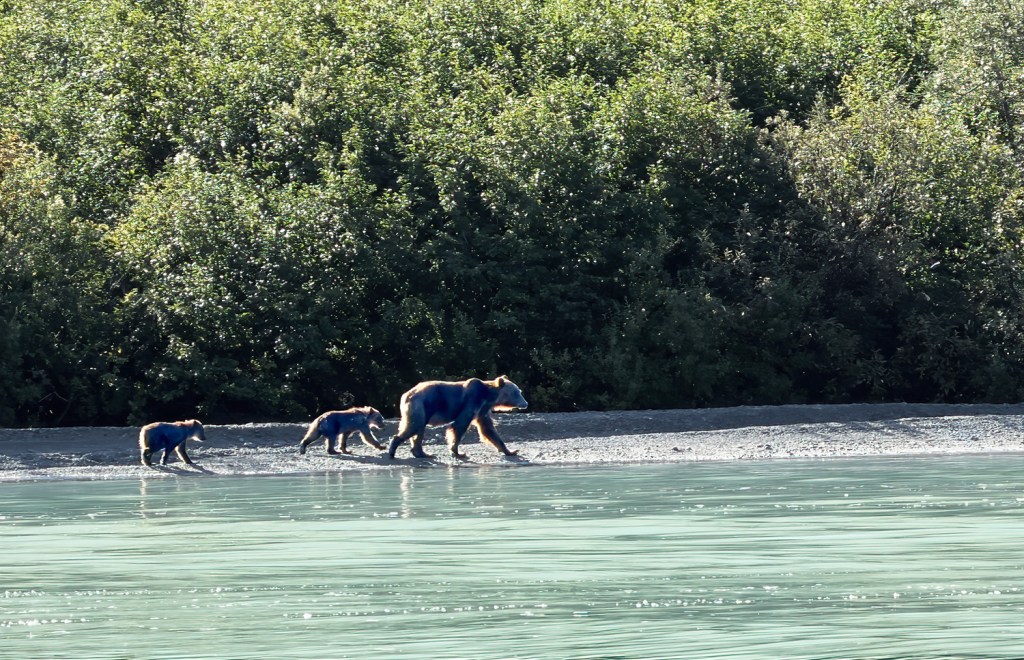
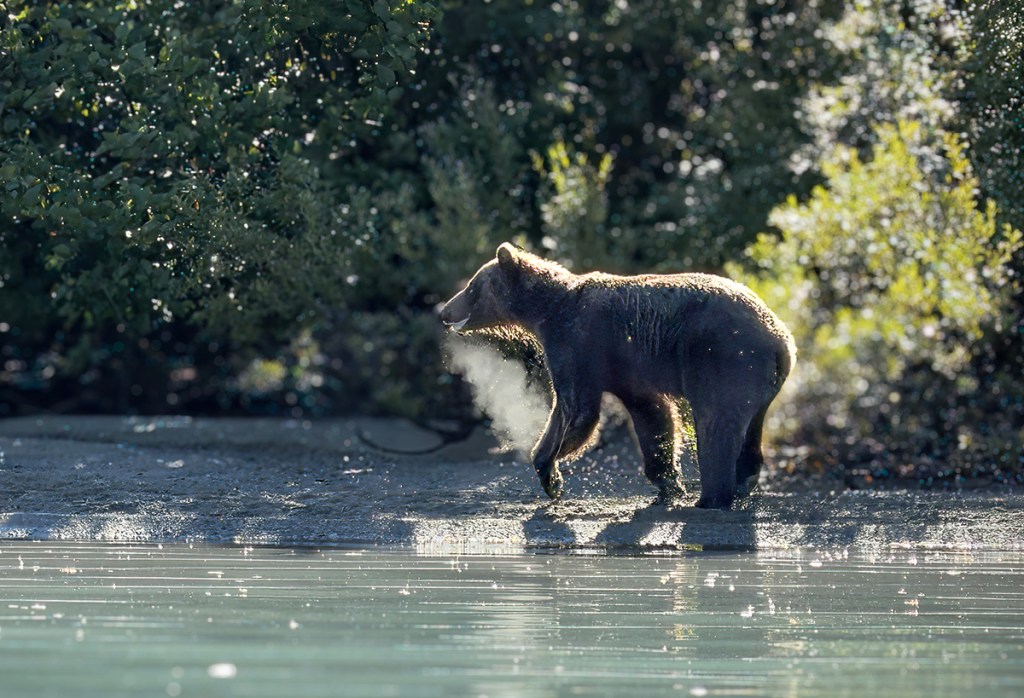
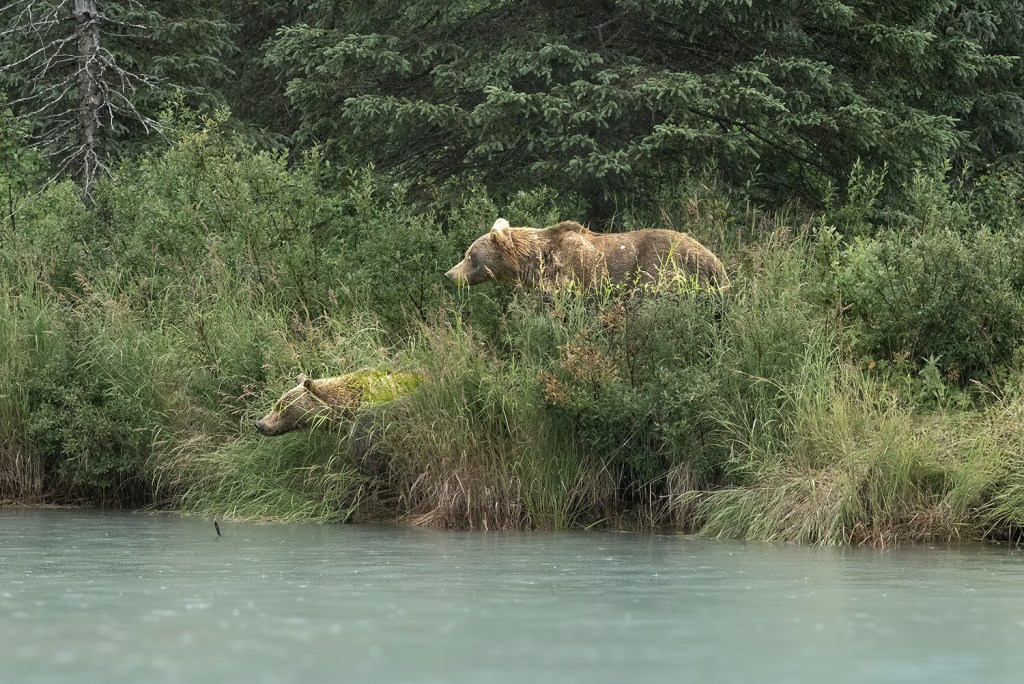
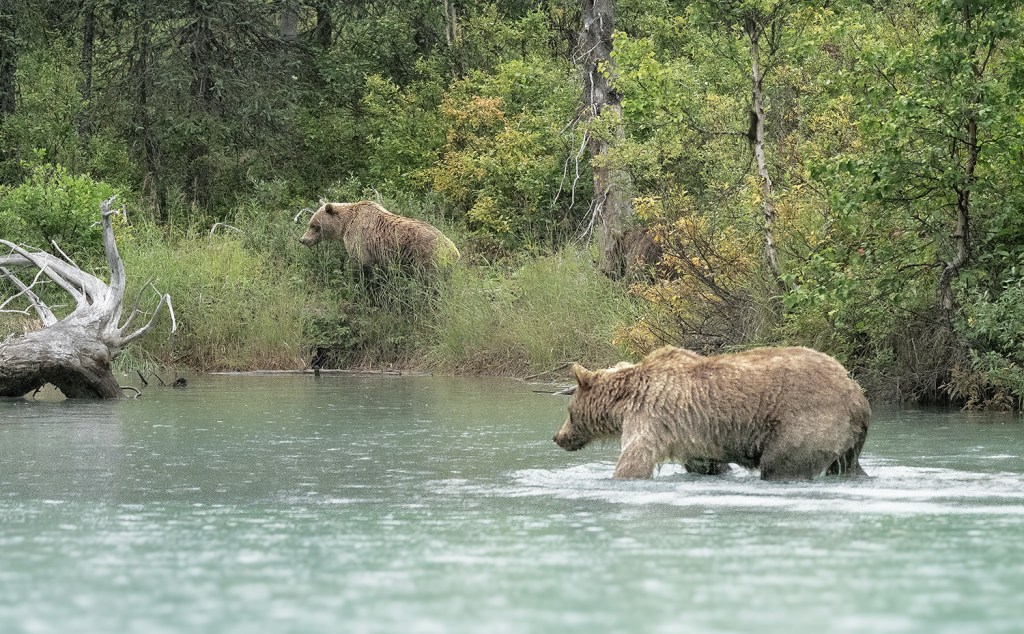
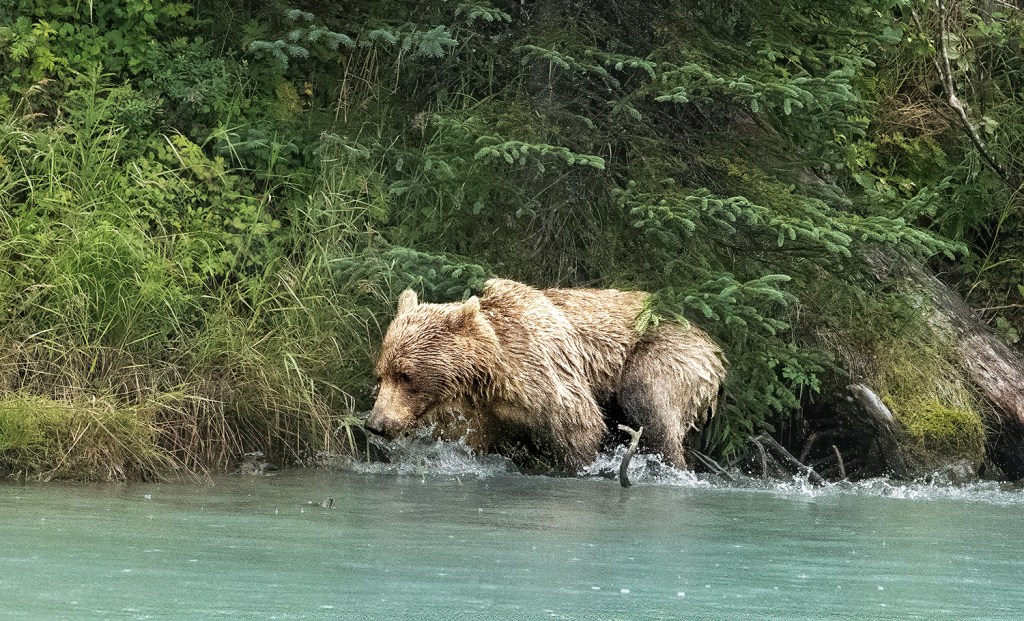
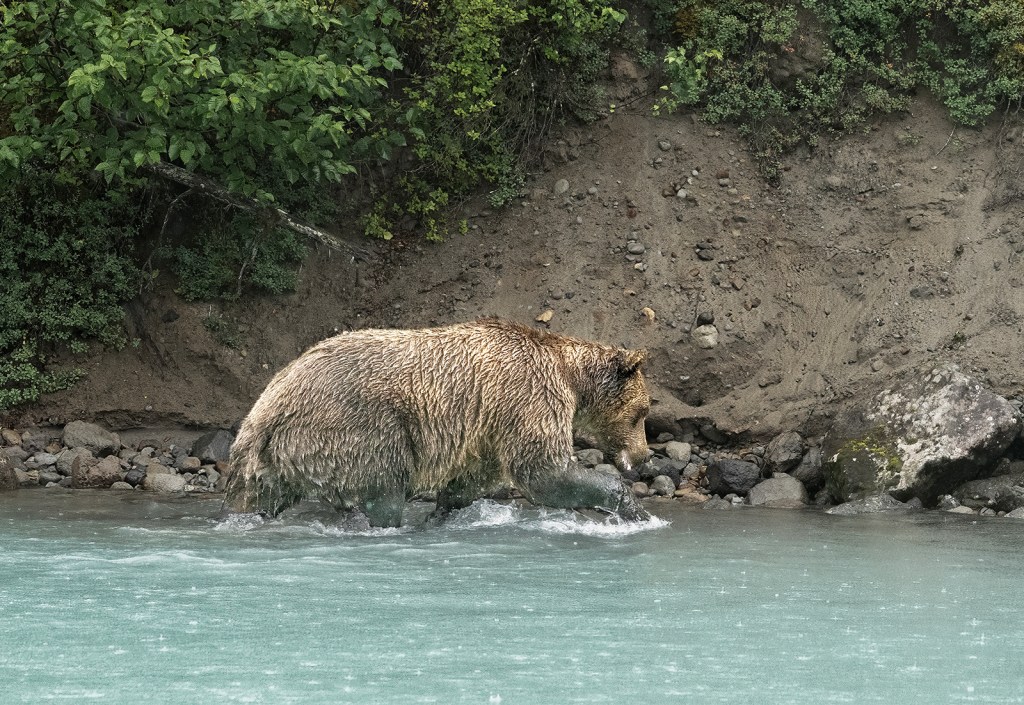
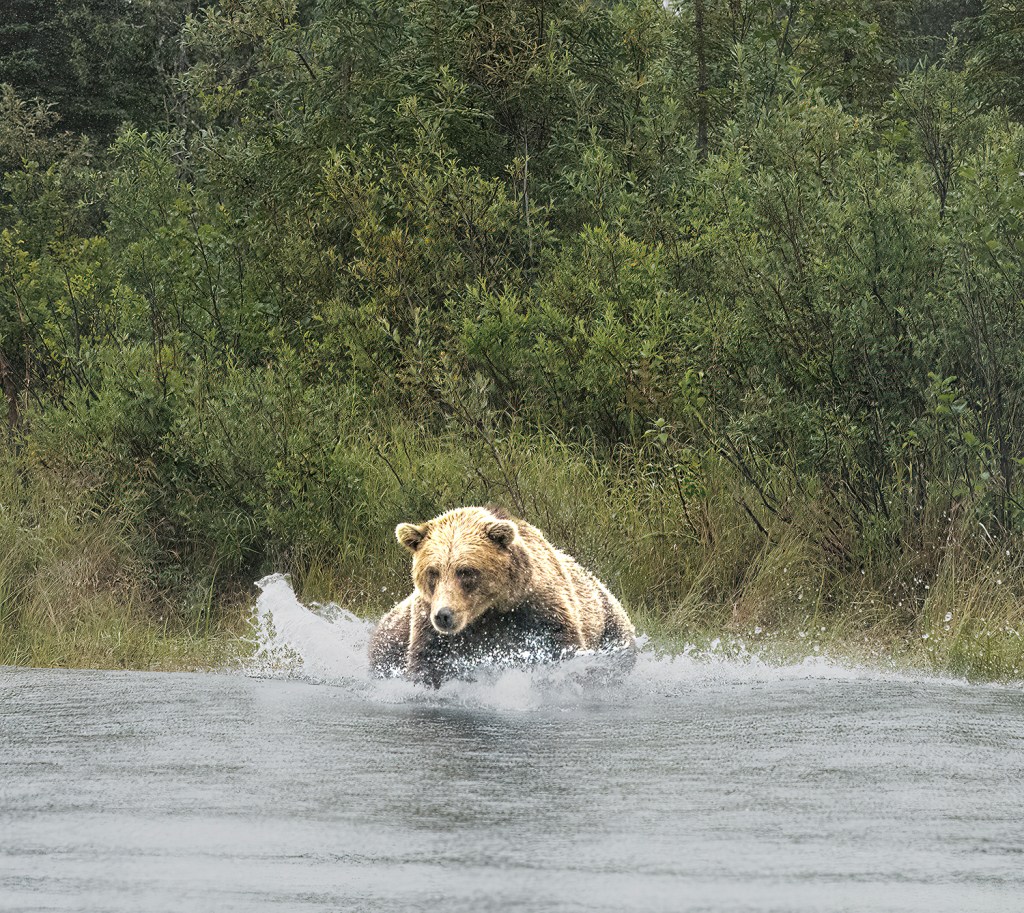
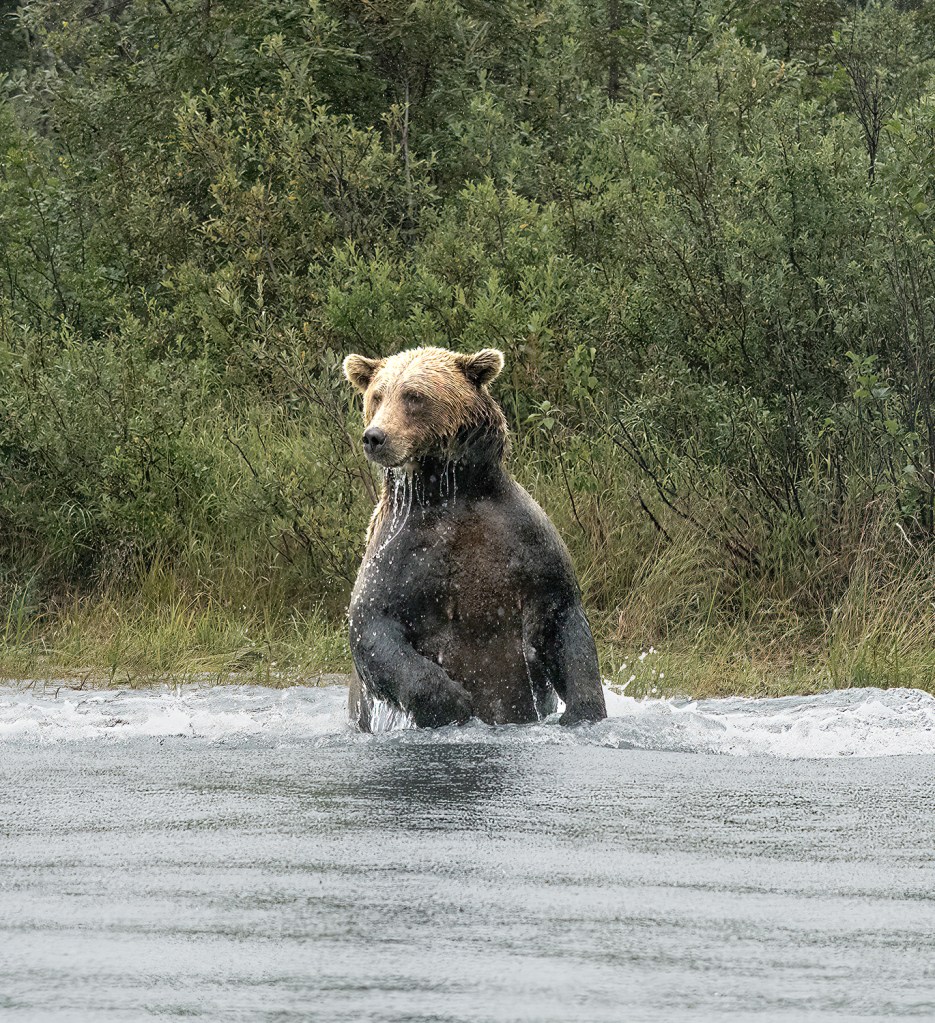
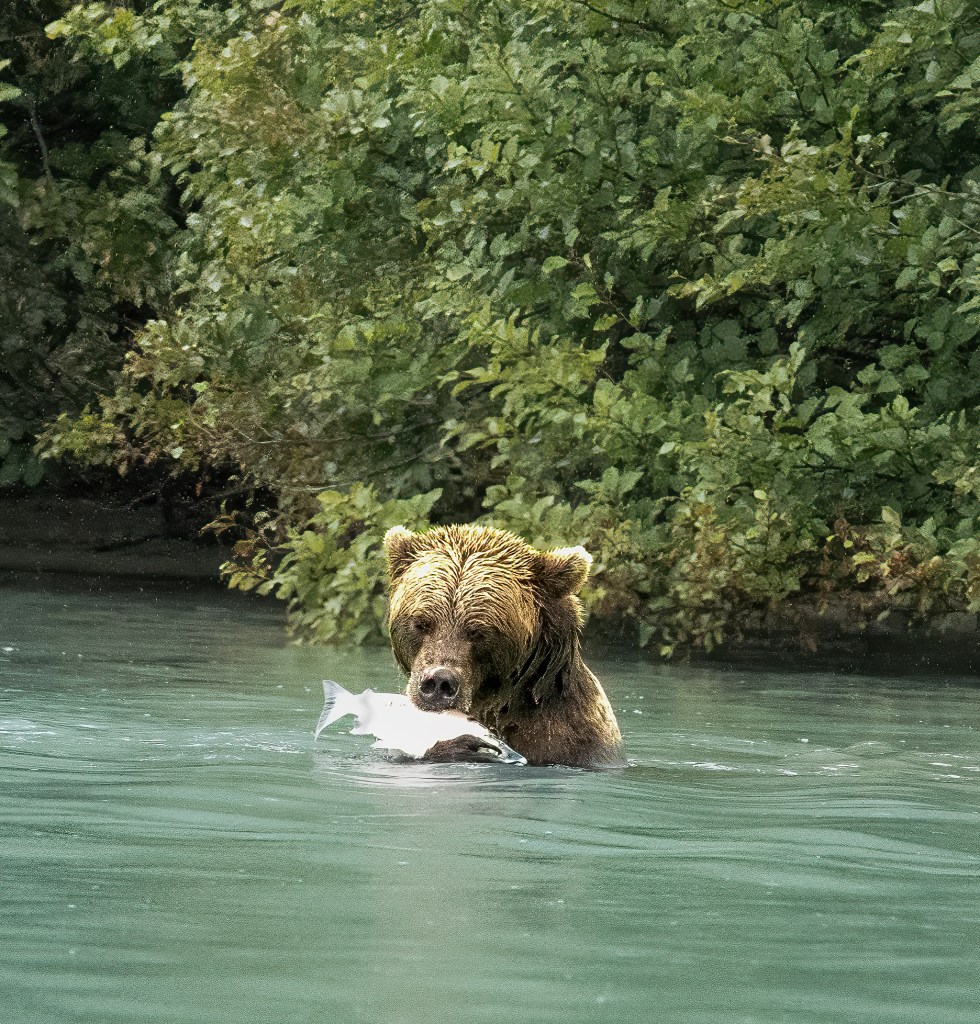
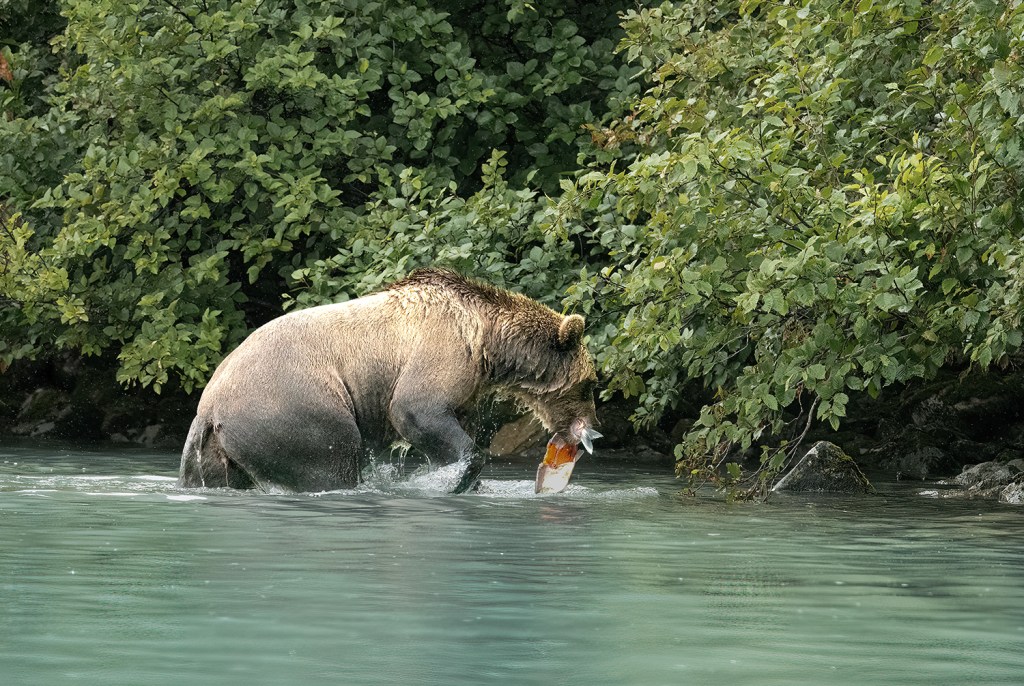
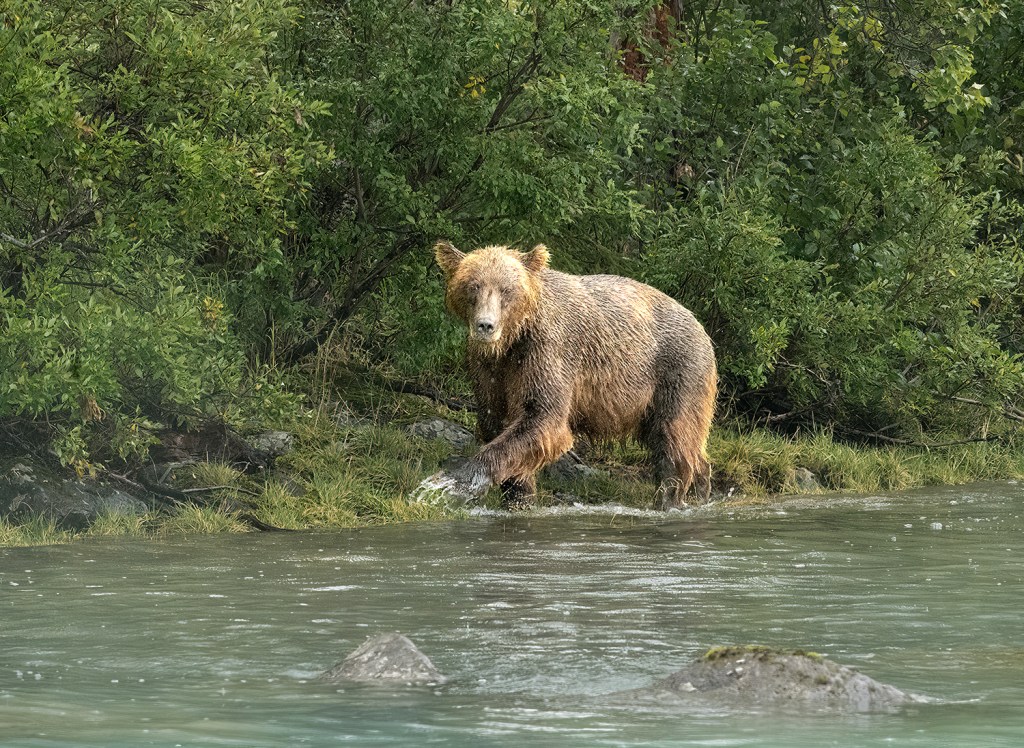
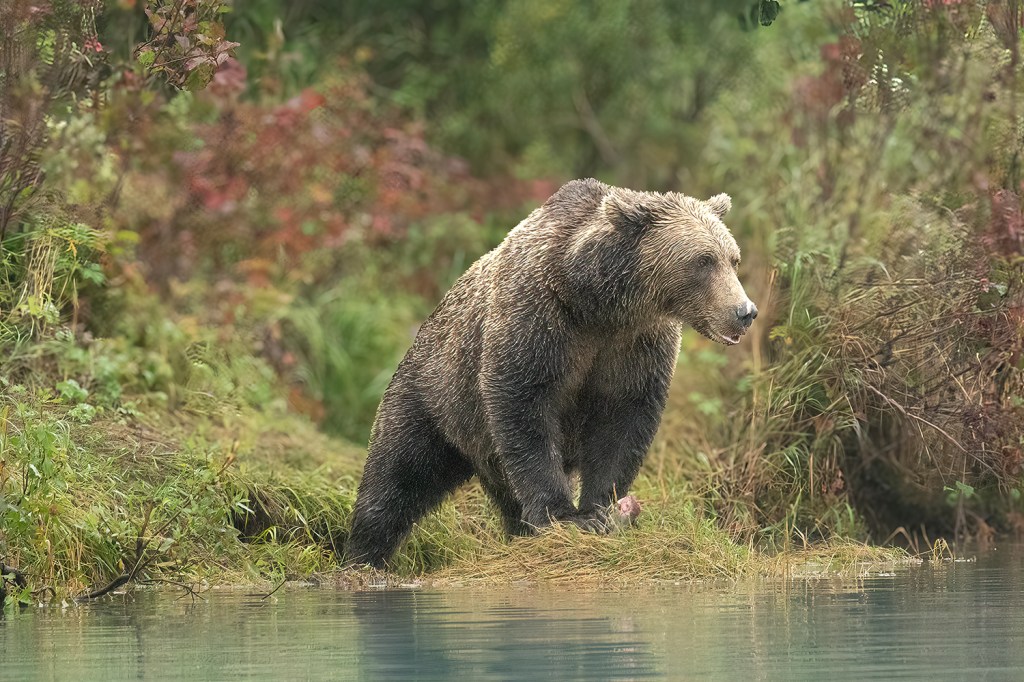
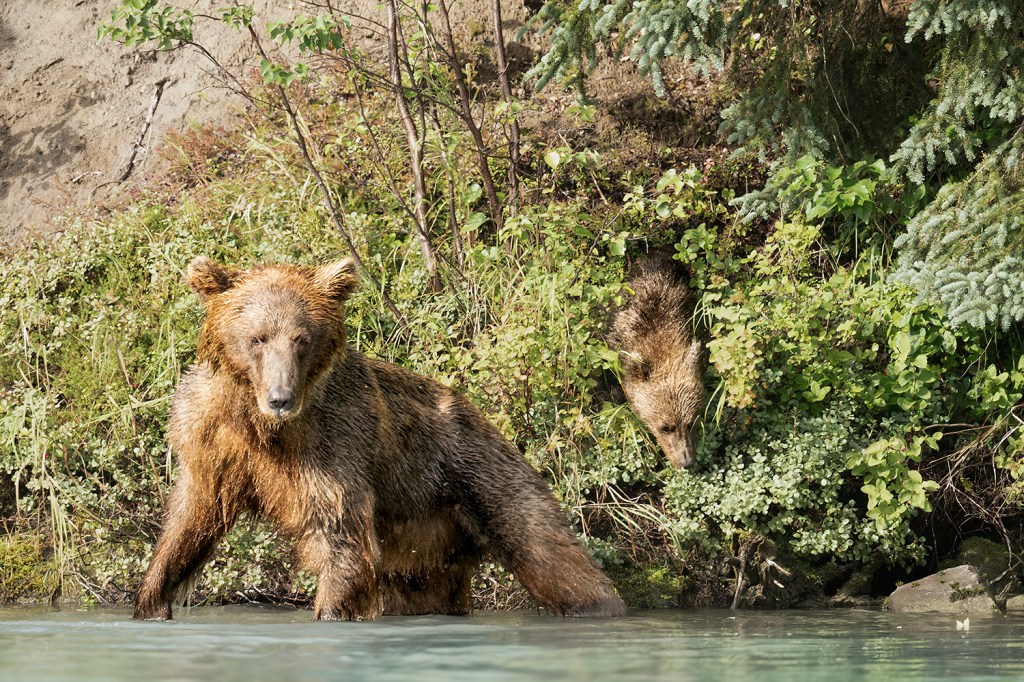
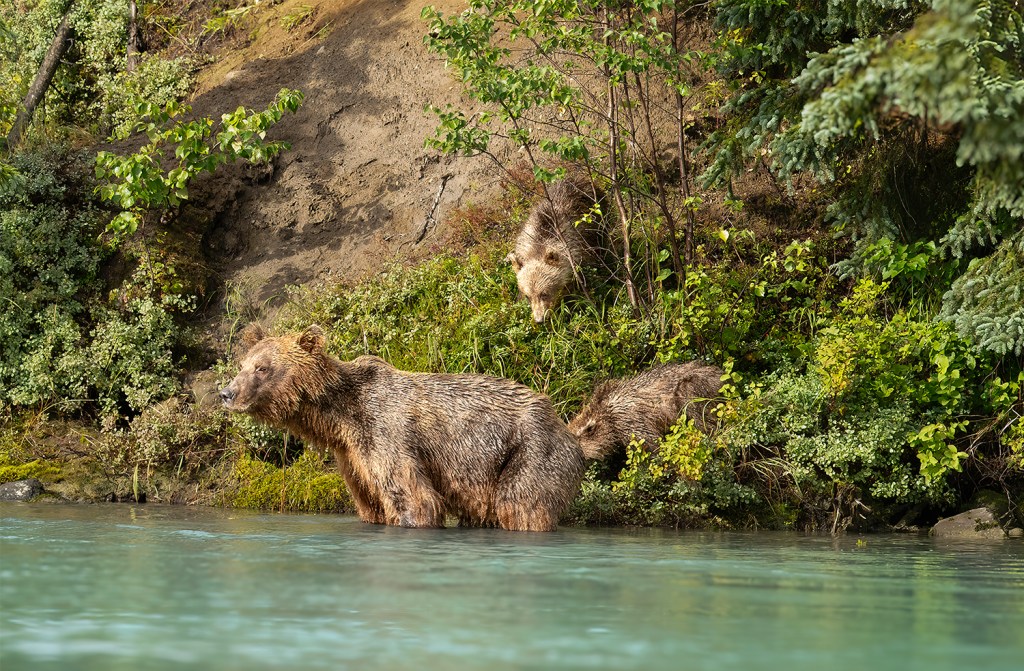
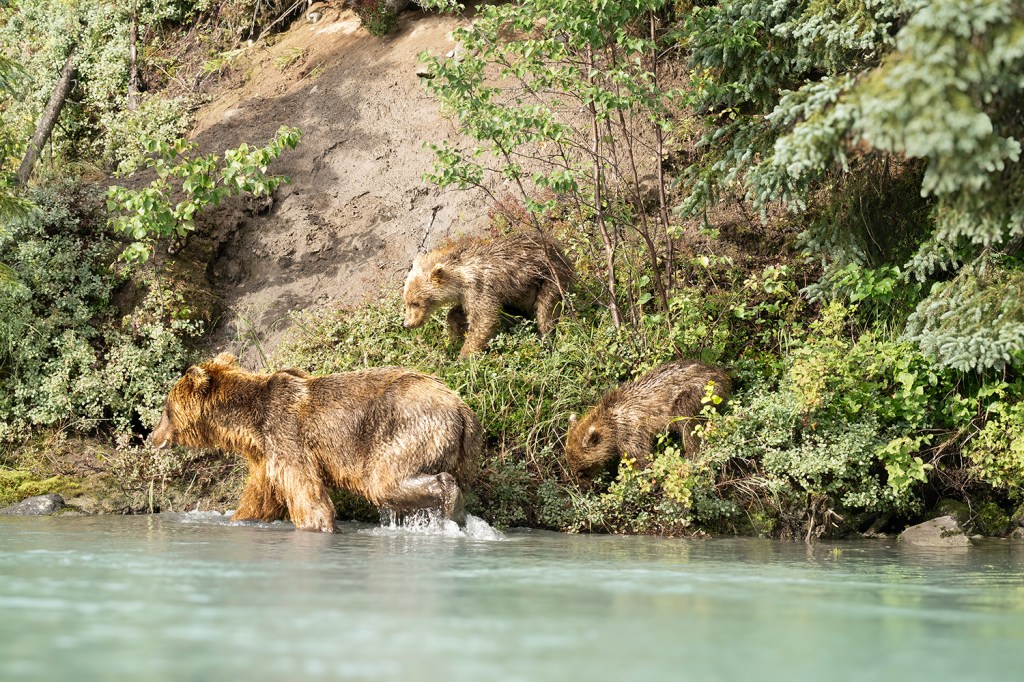
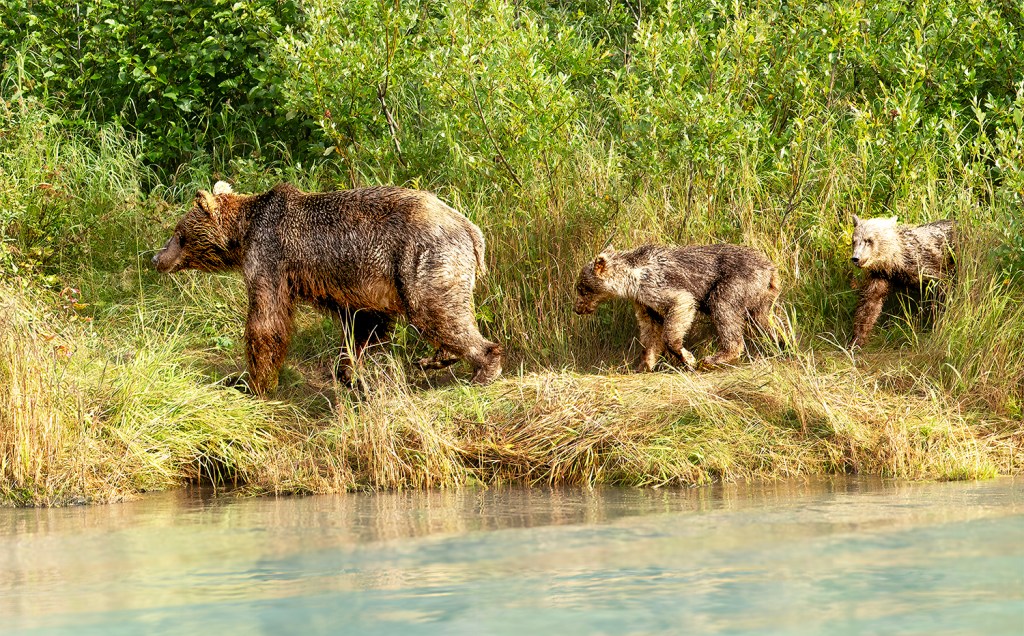
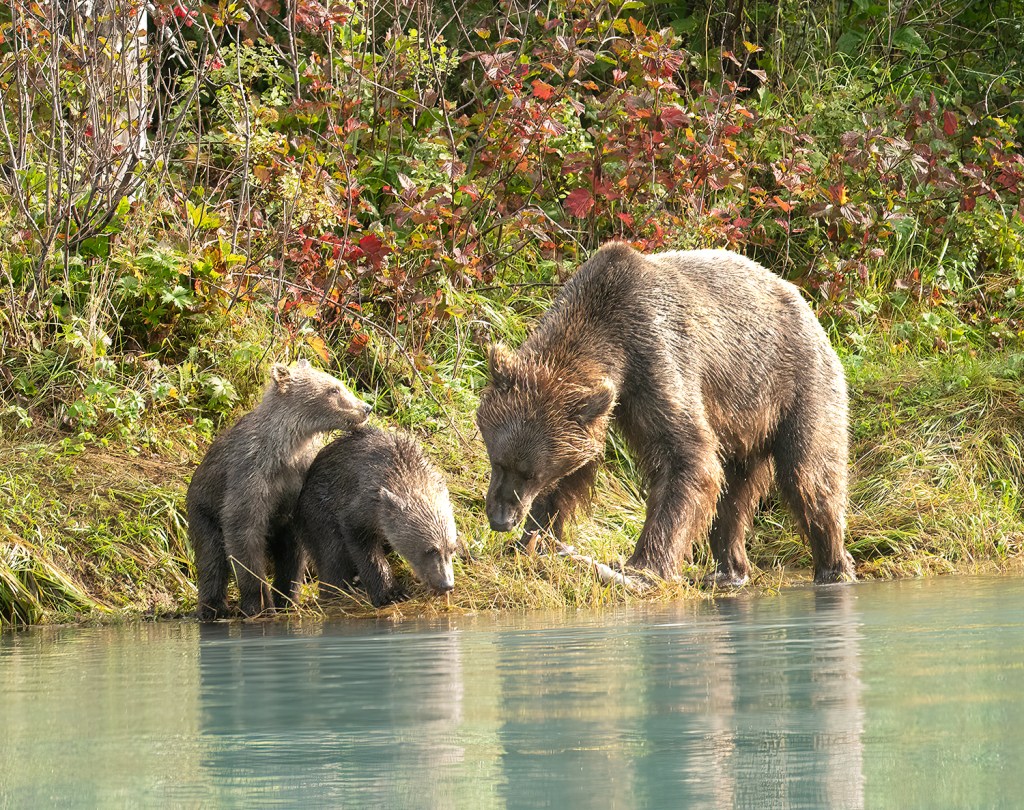
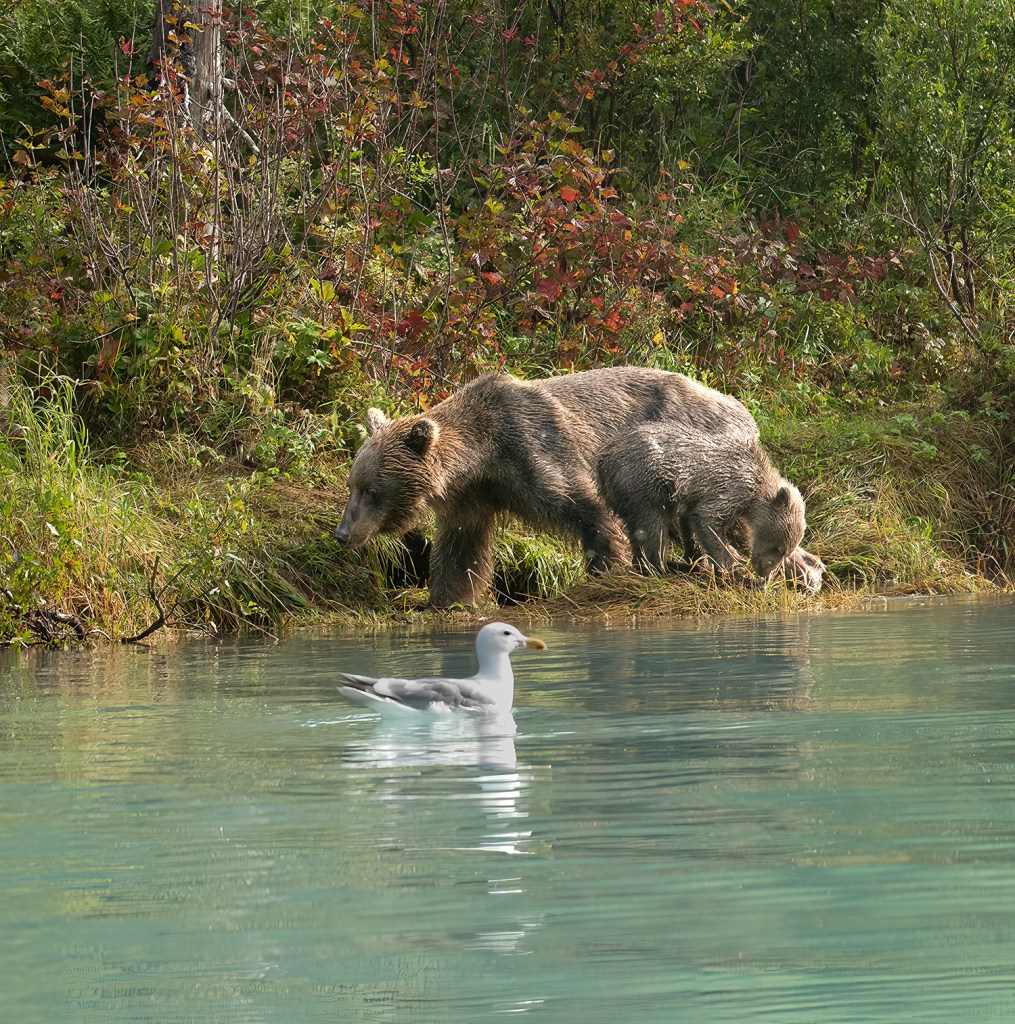
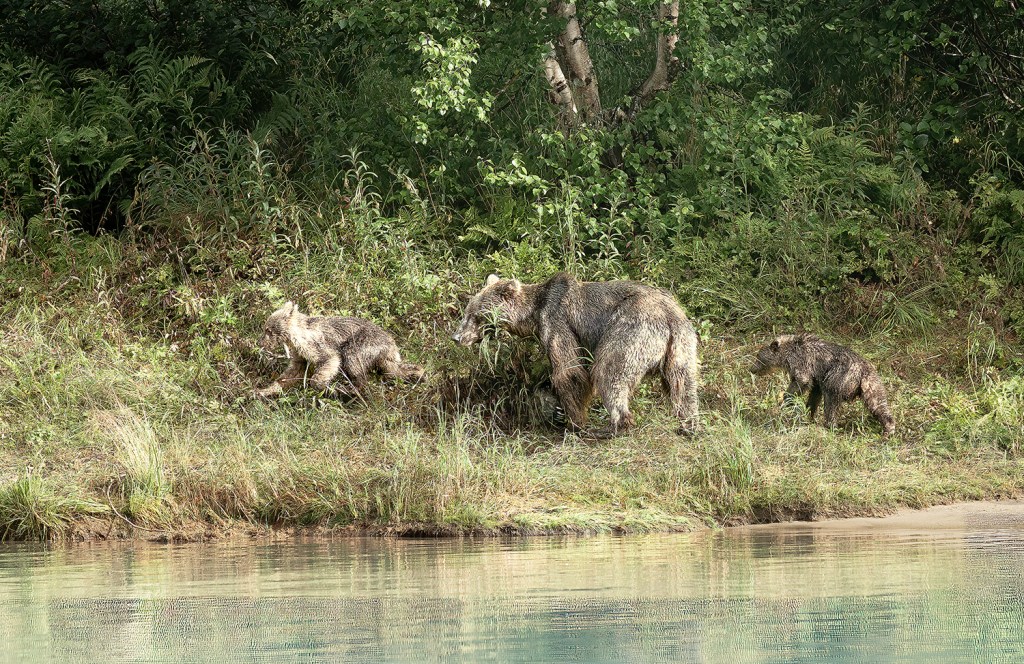
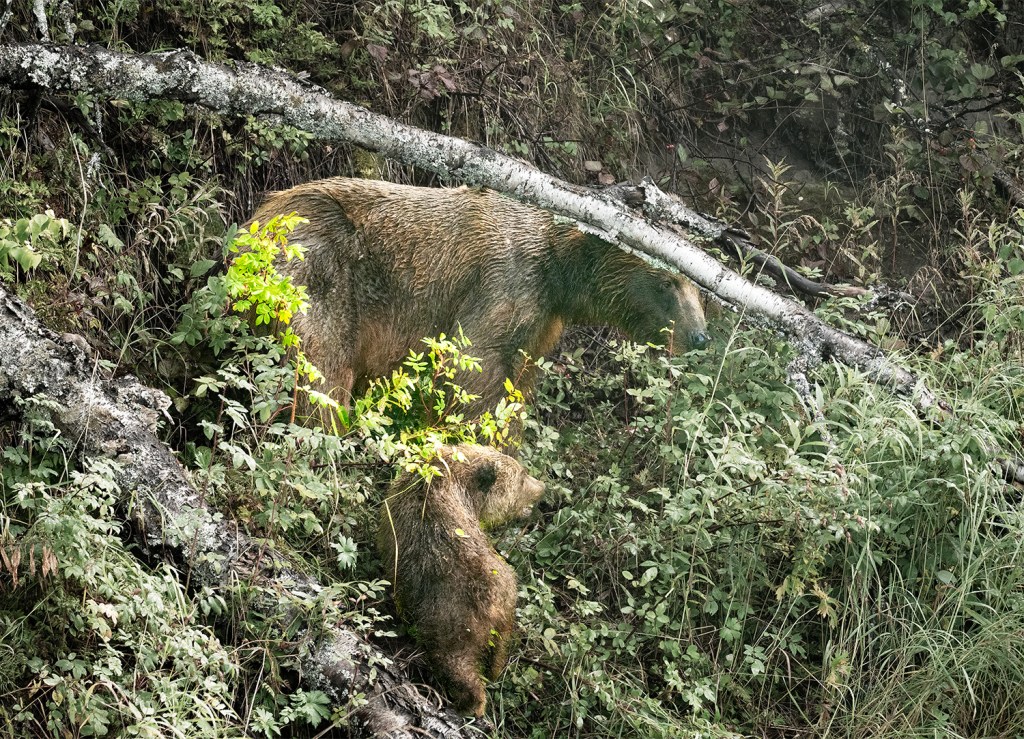
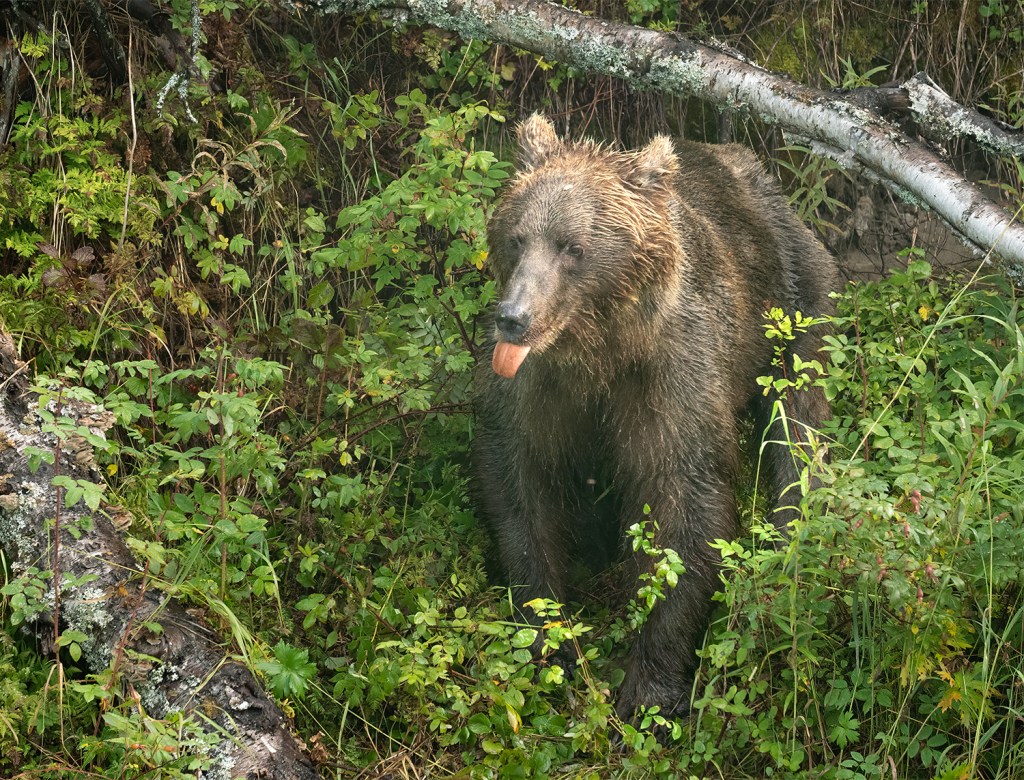
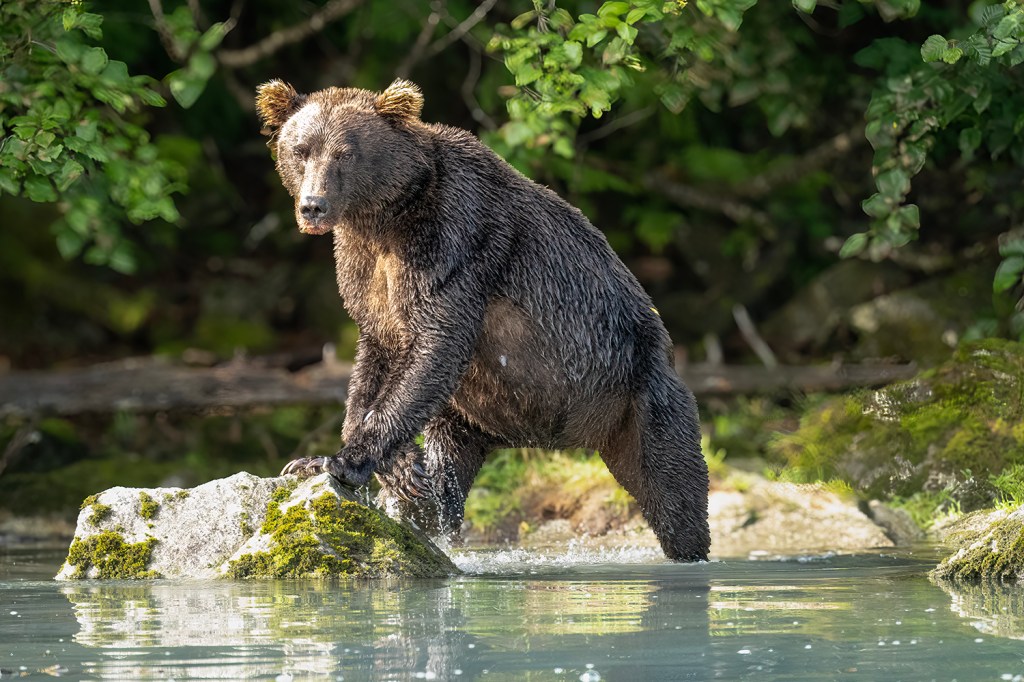
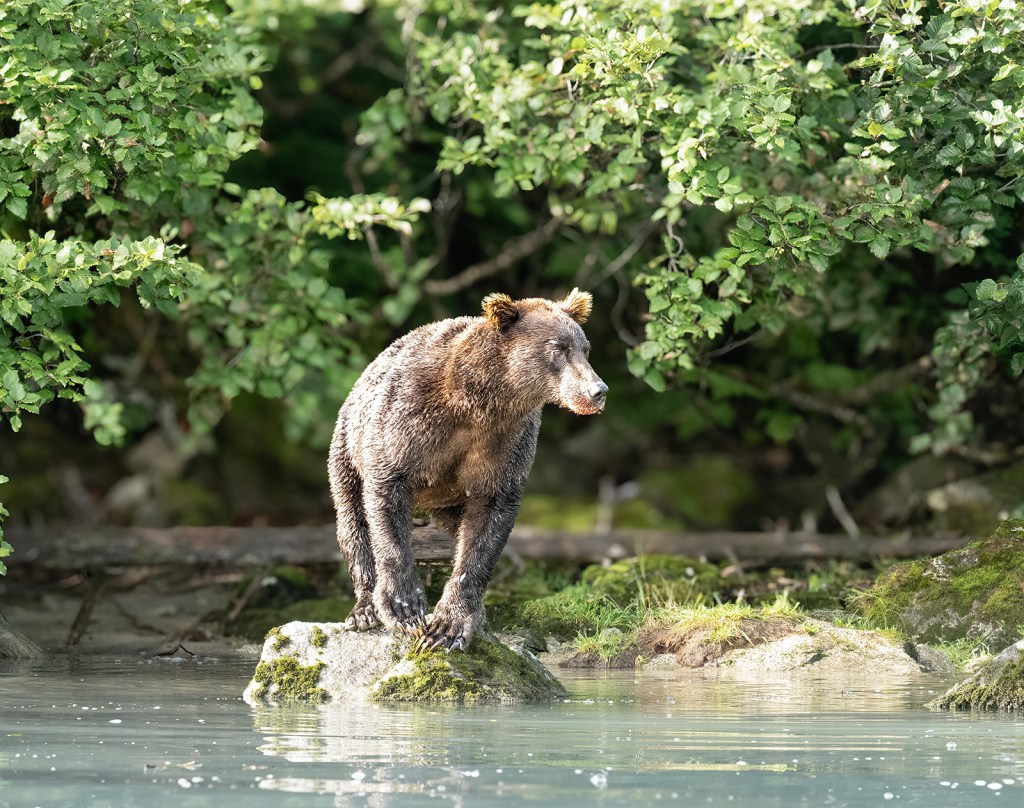
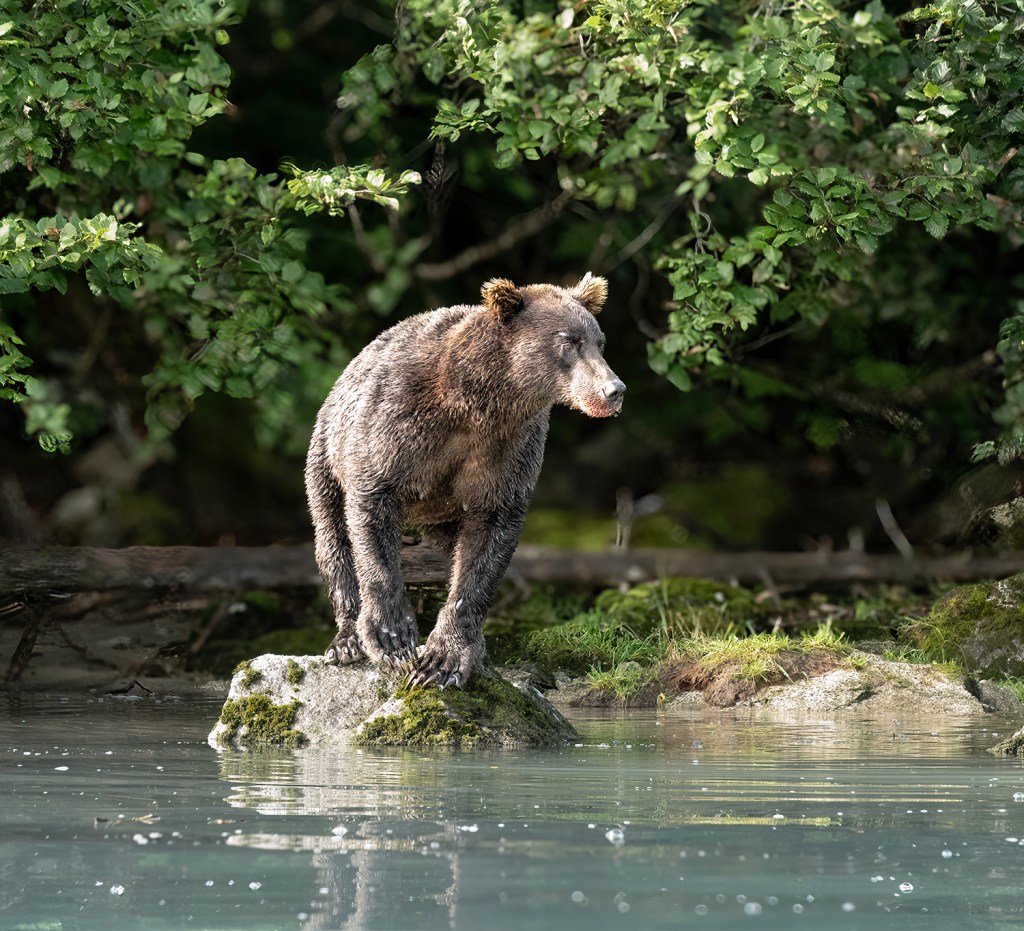
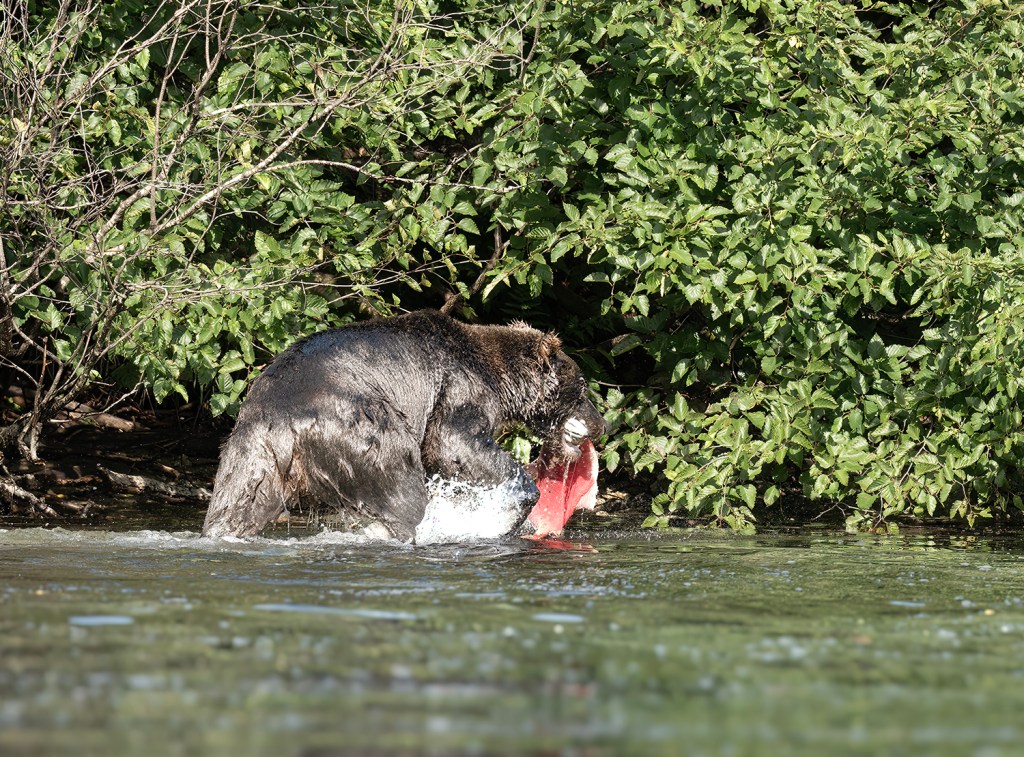
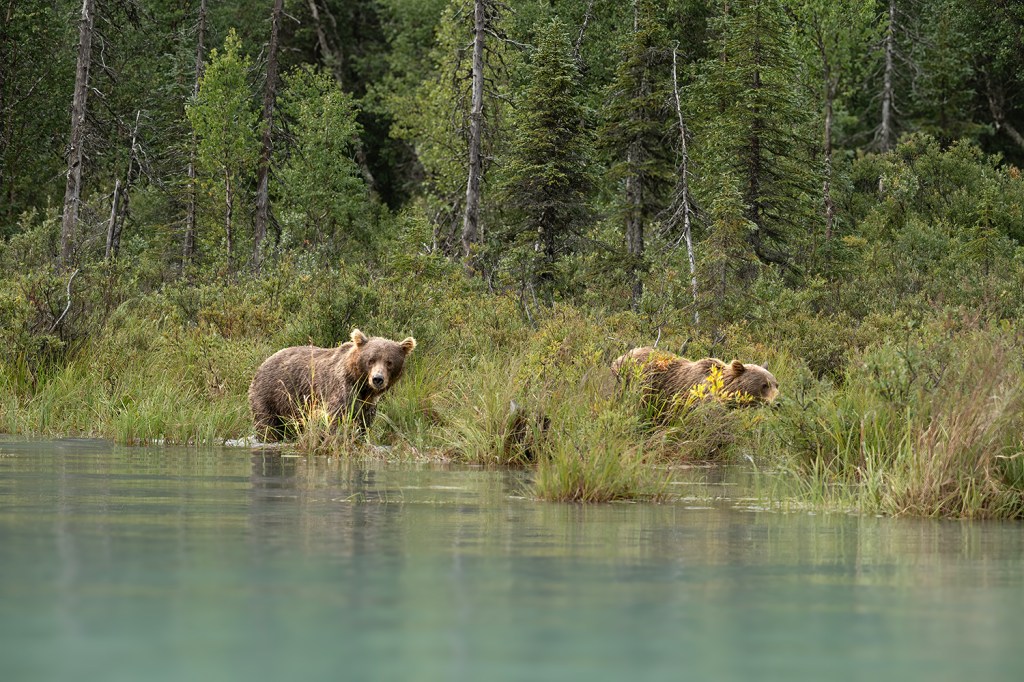
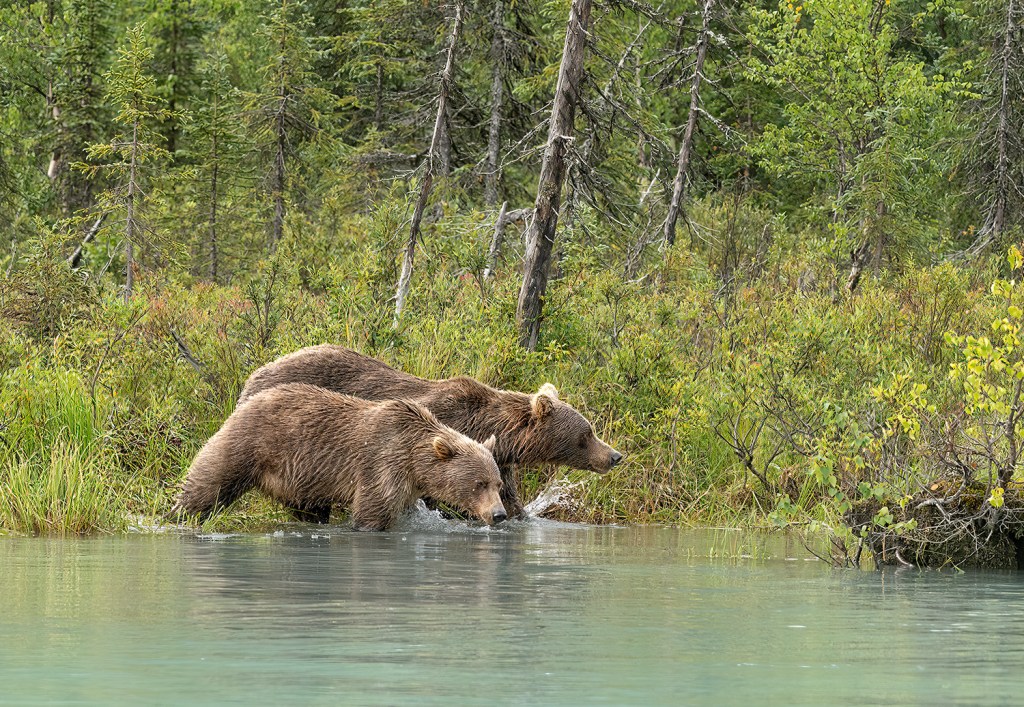
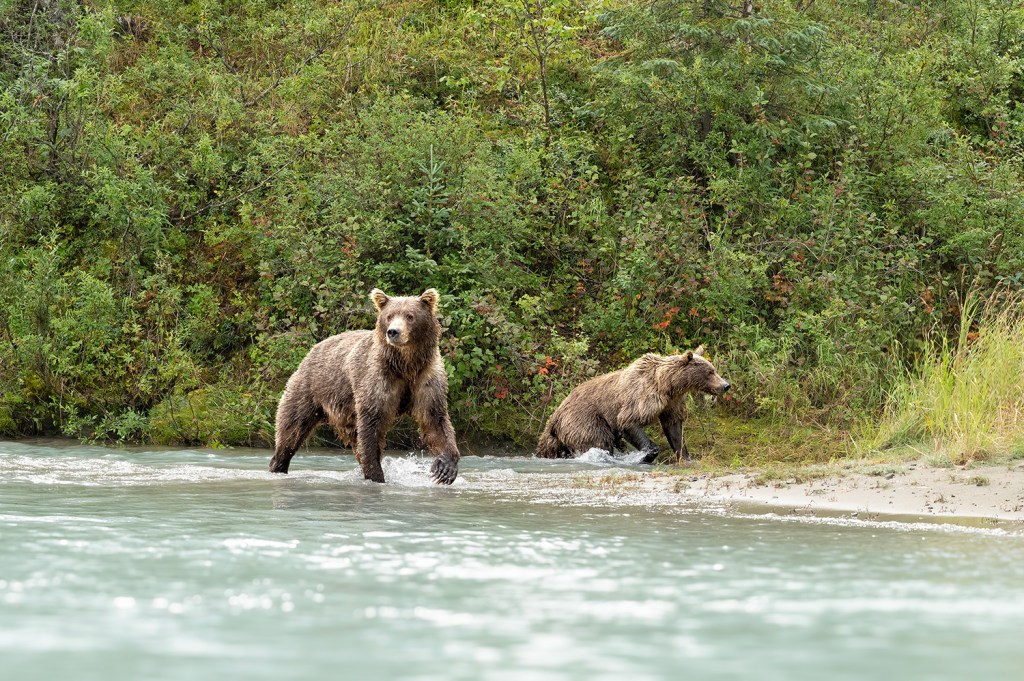
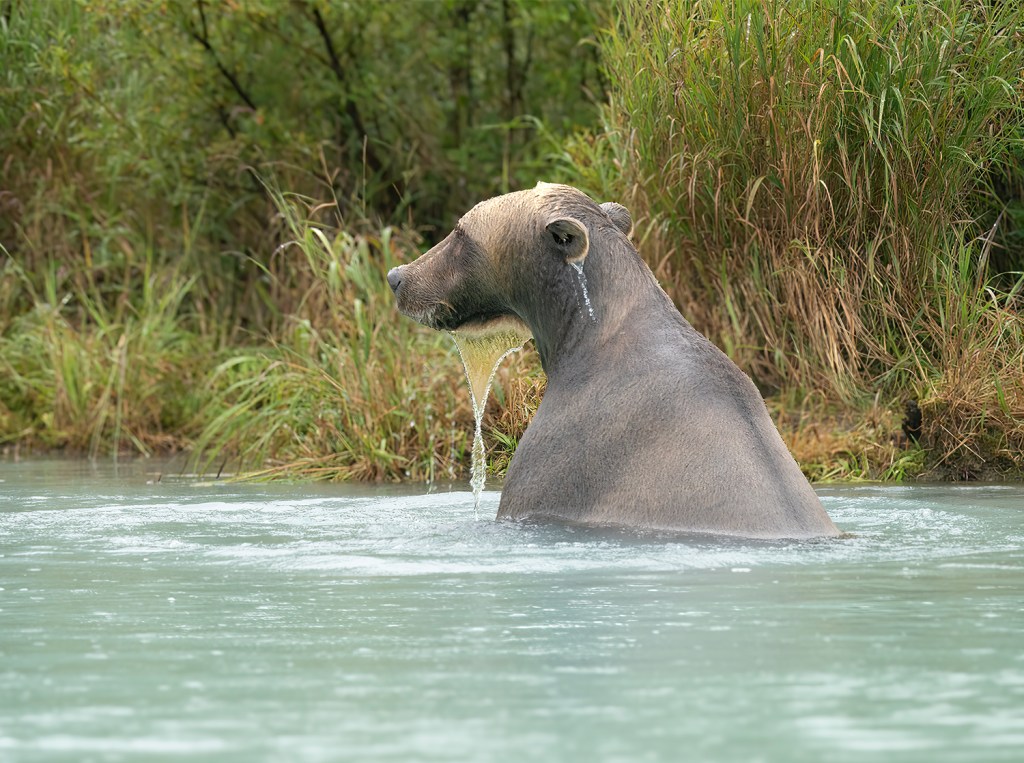
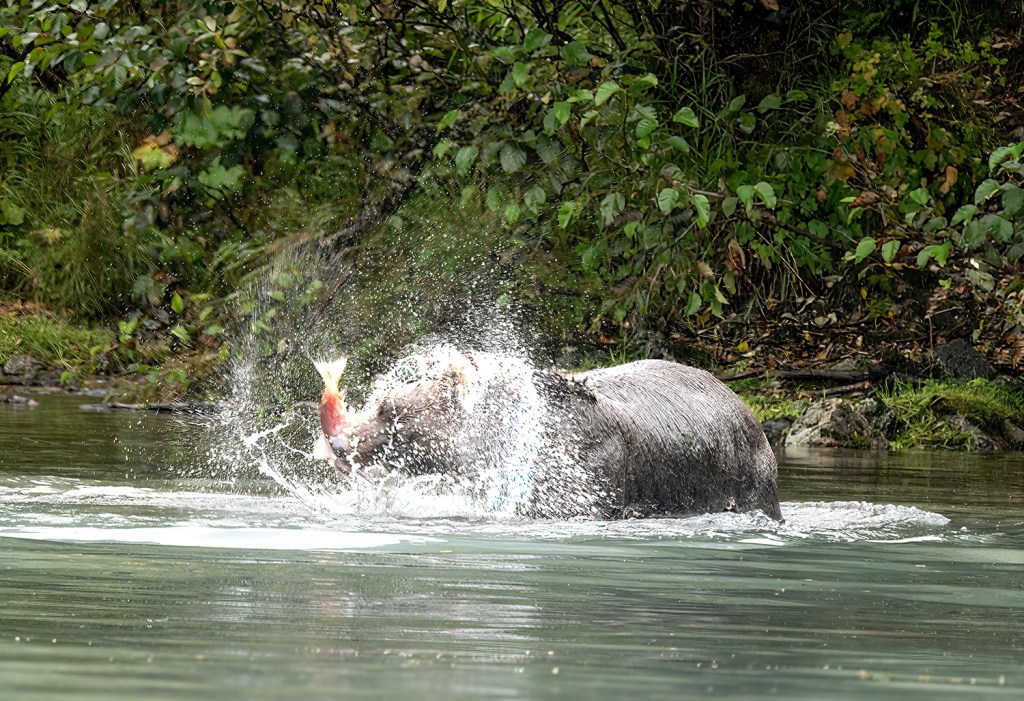
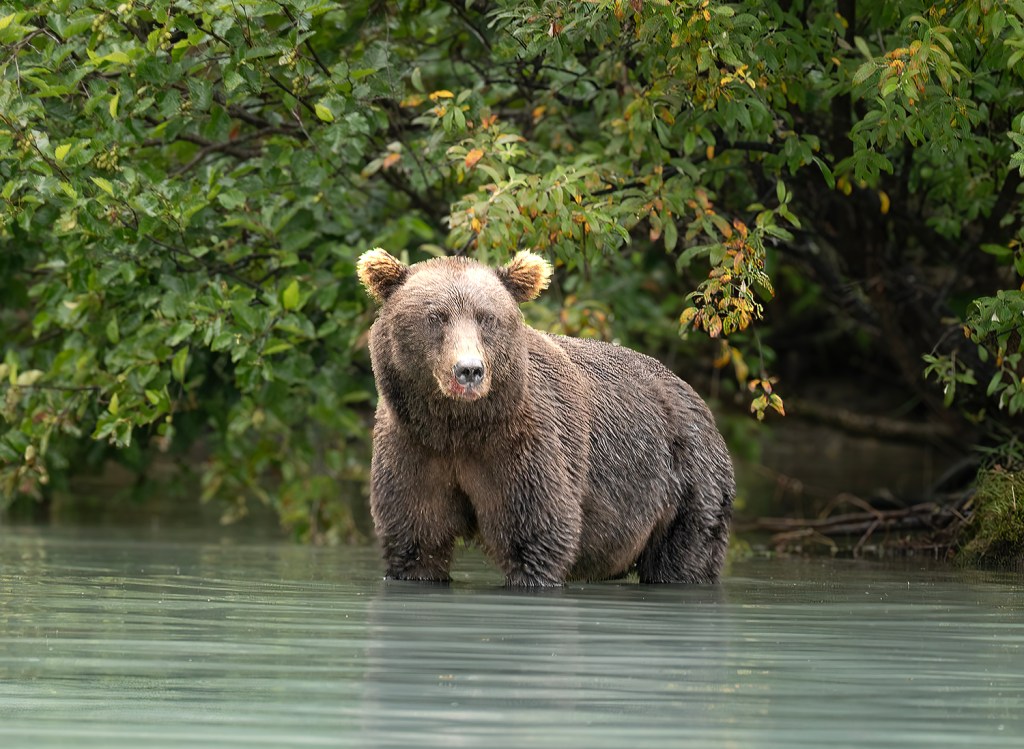
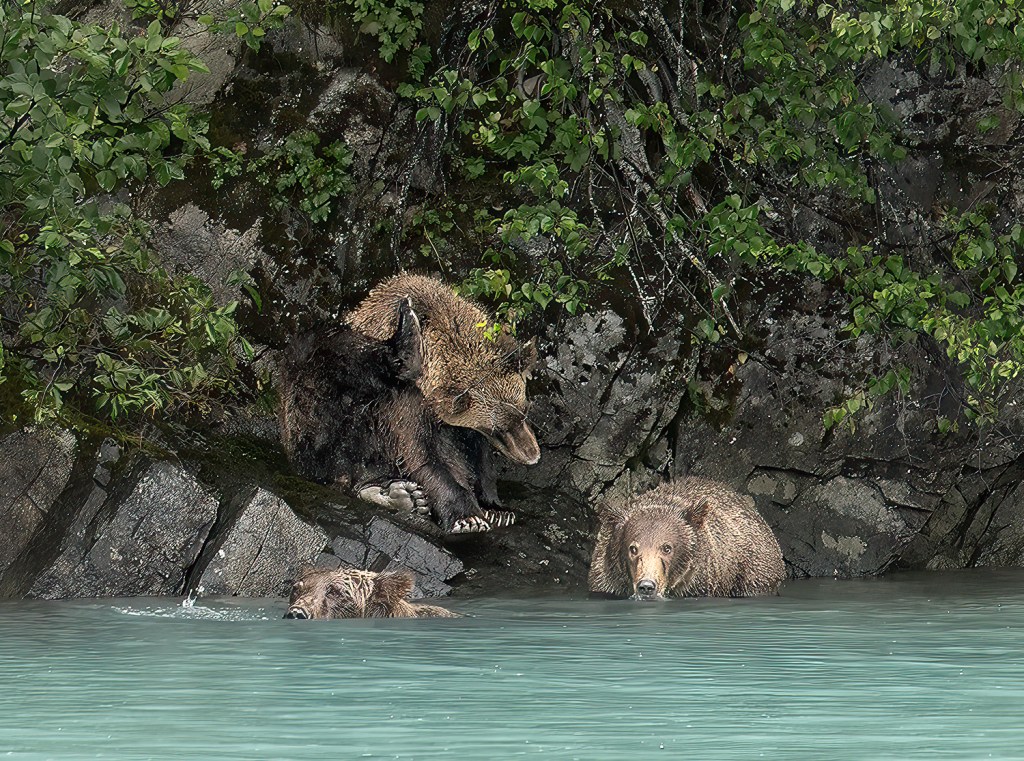
One of the main activities at Redoubt is bear watching. These ar mostly brown bears catching salmon to fatten up before the long winter. They can be seen primarily along the shoreline of the lake and the river, and being in a boat lets us get quite close.

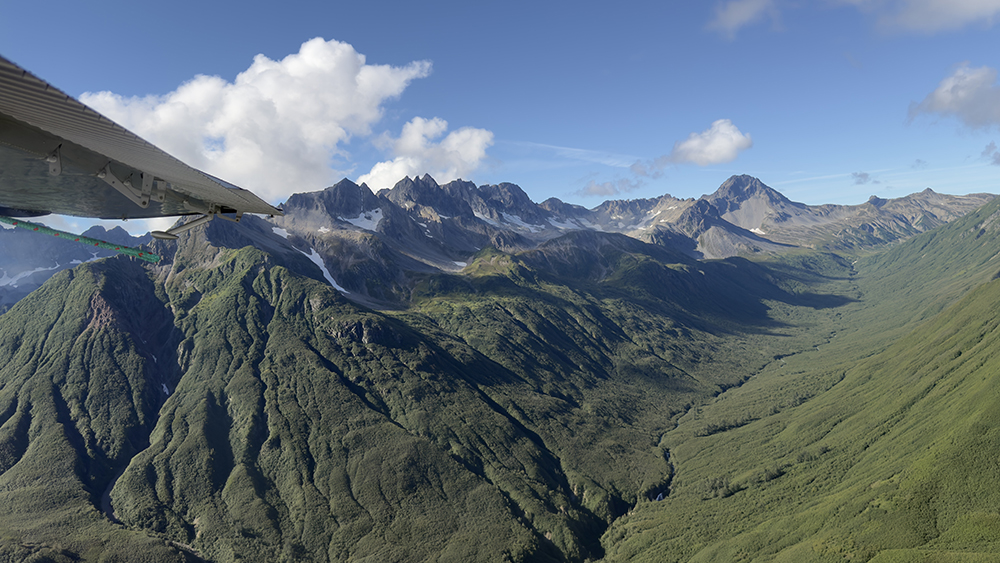
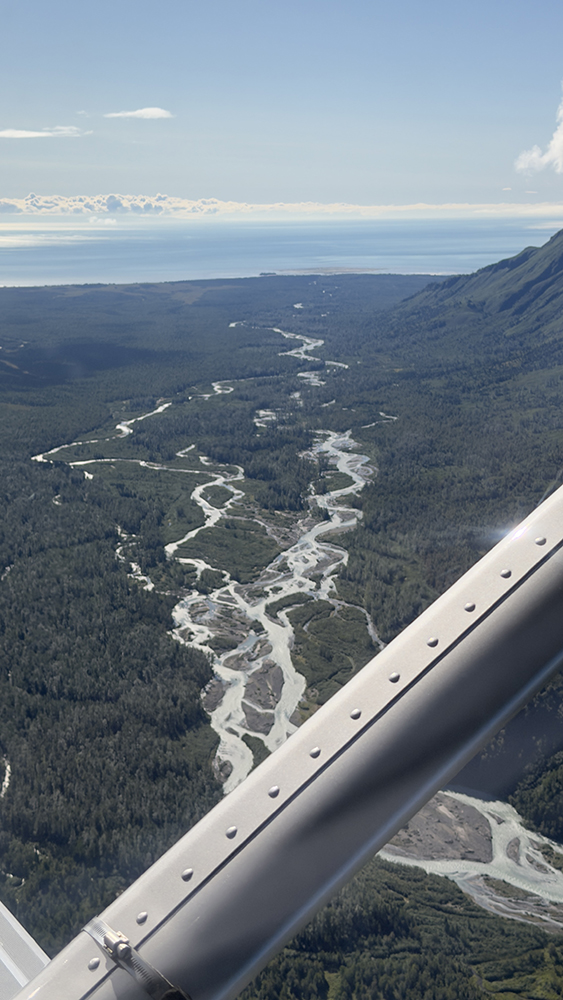
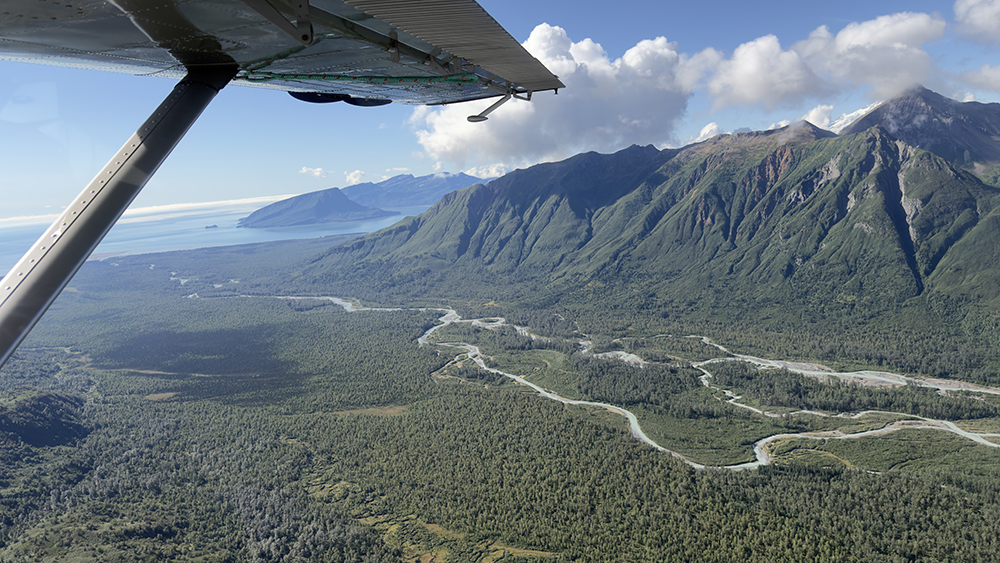
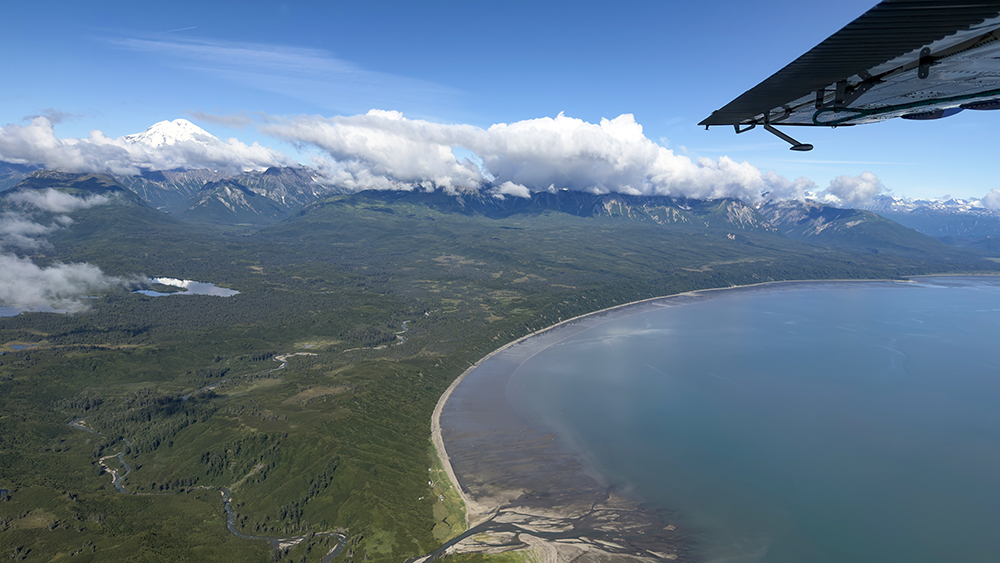
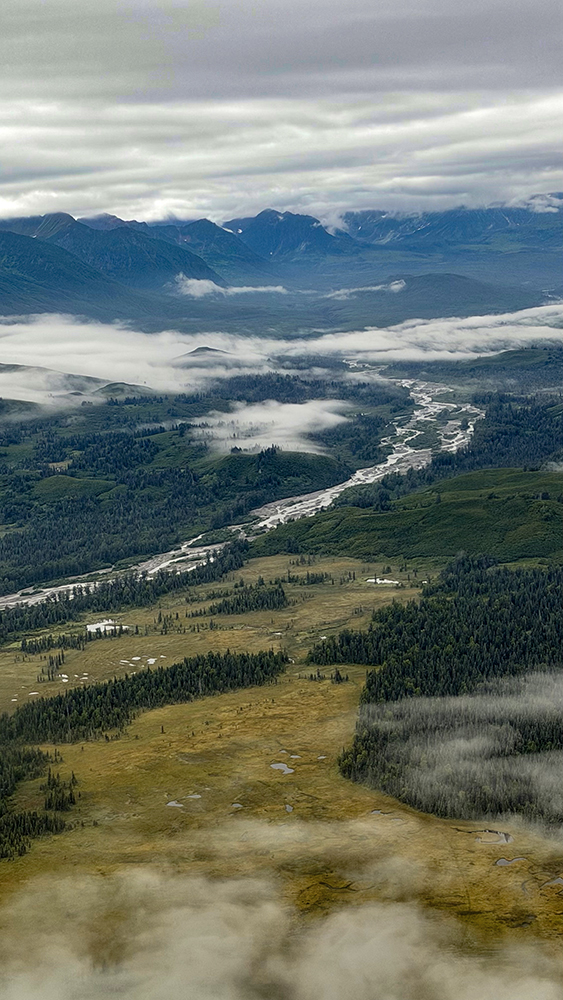
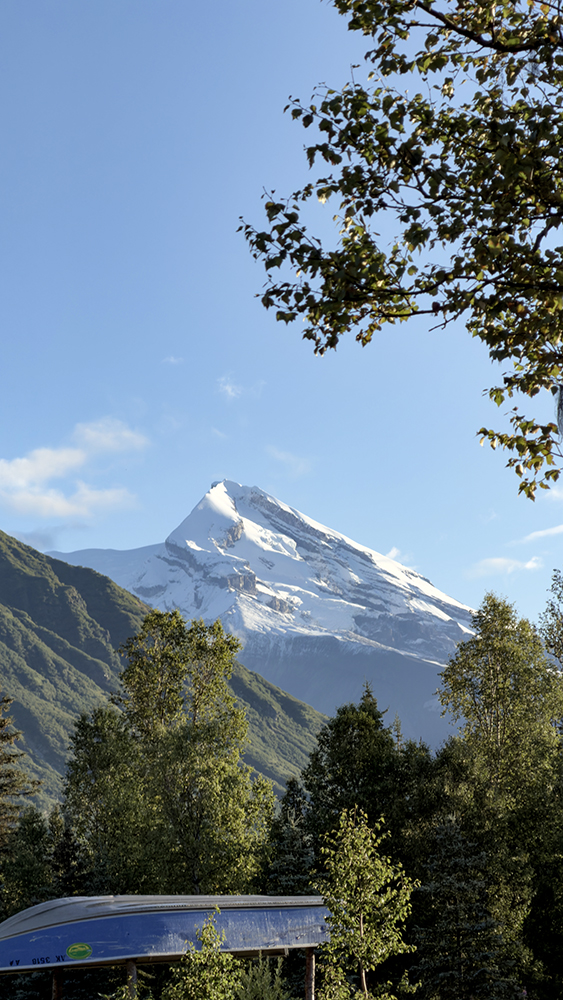
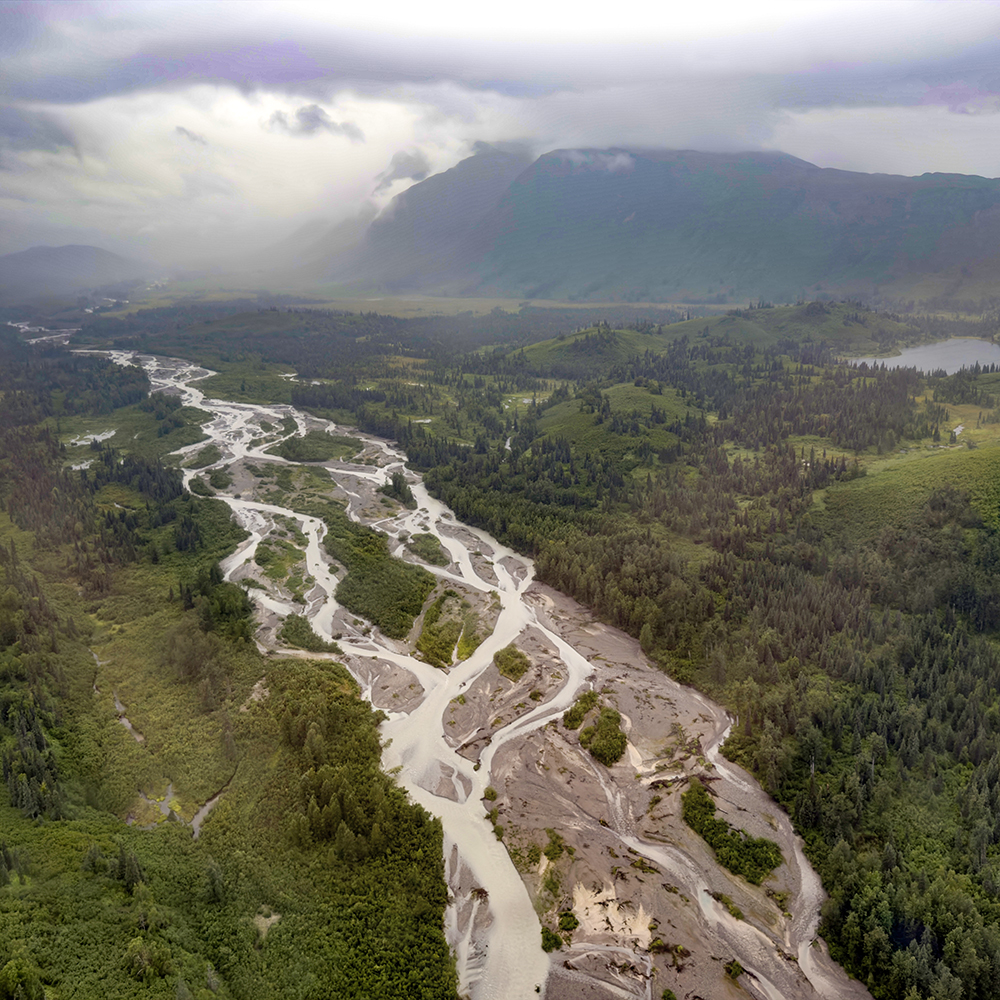
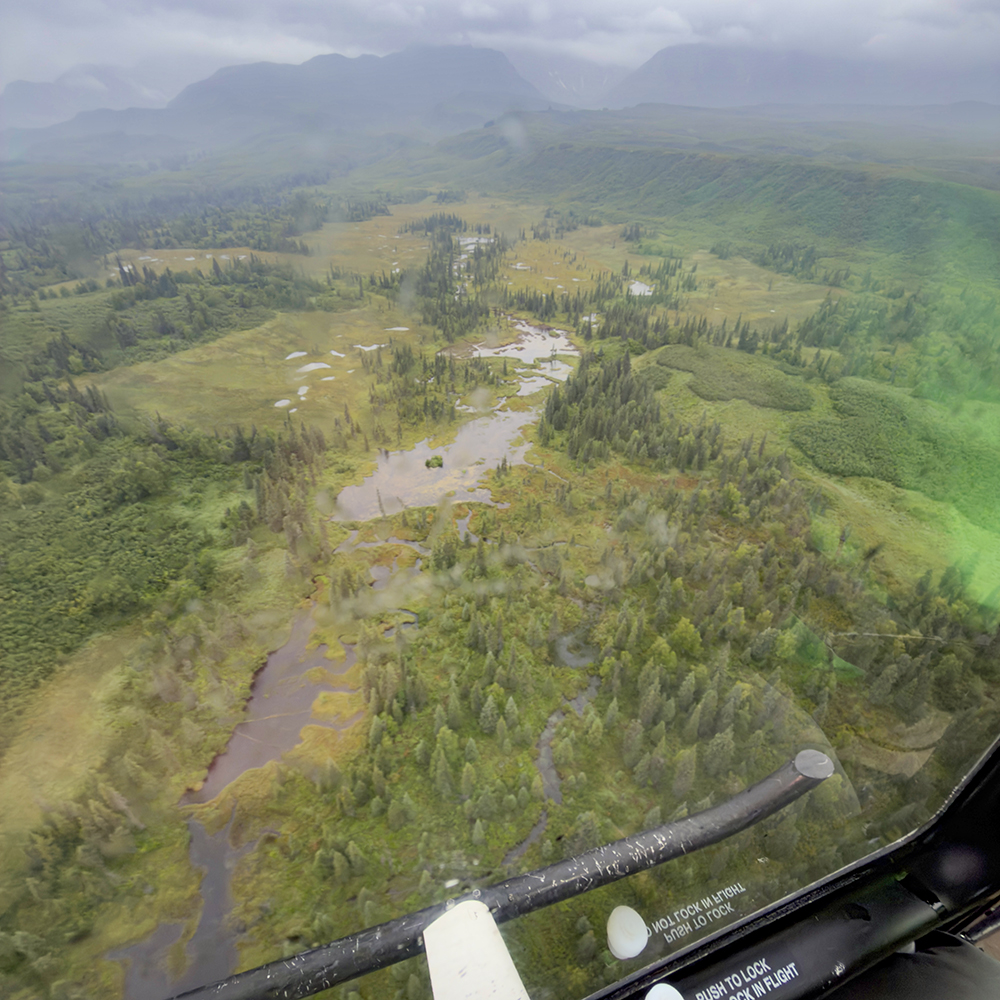
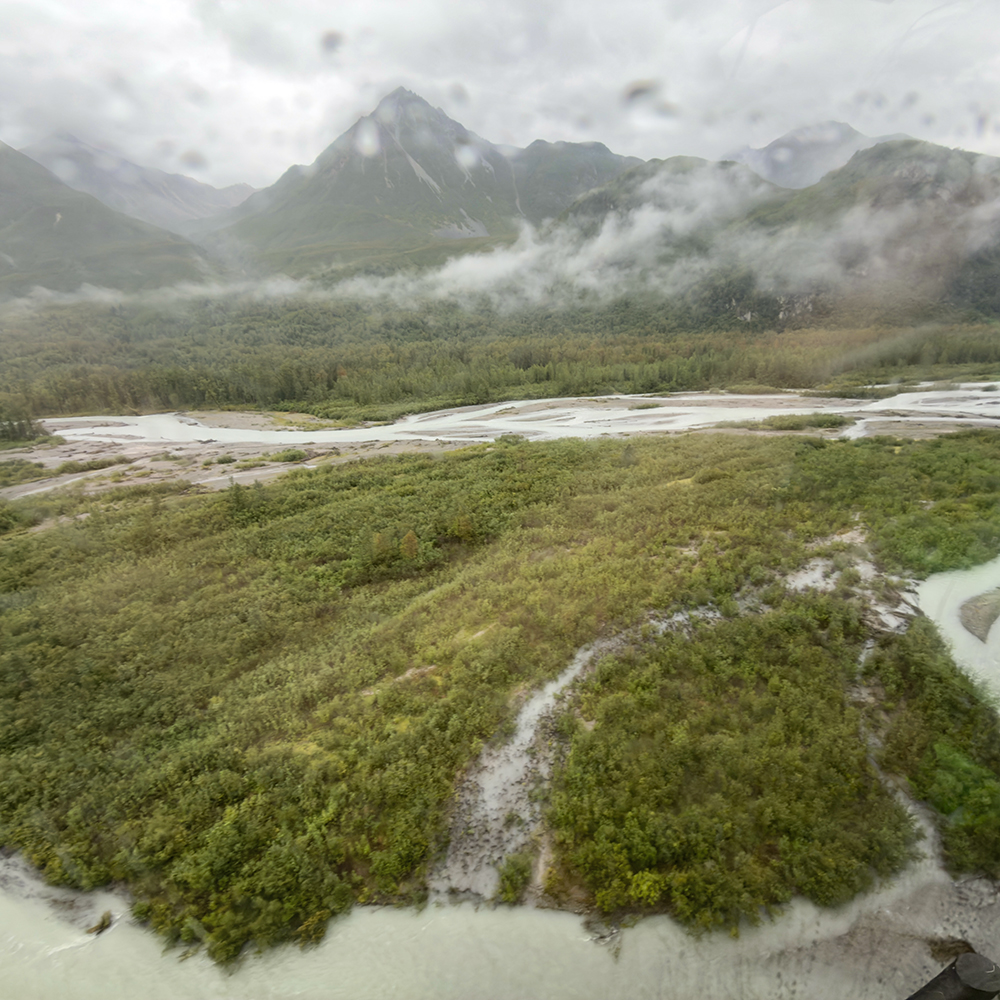
The Scenery and the Flight Out

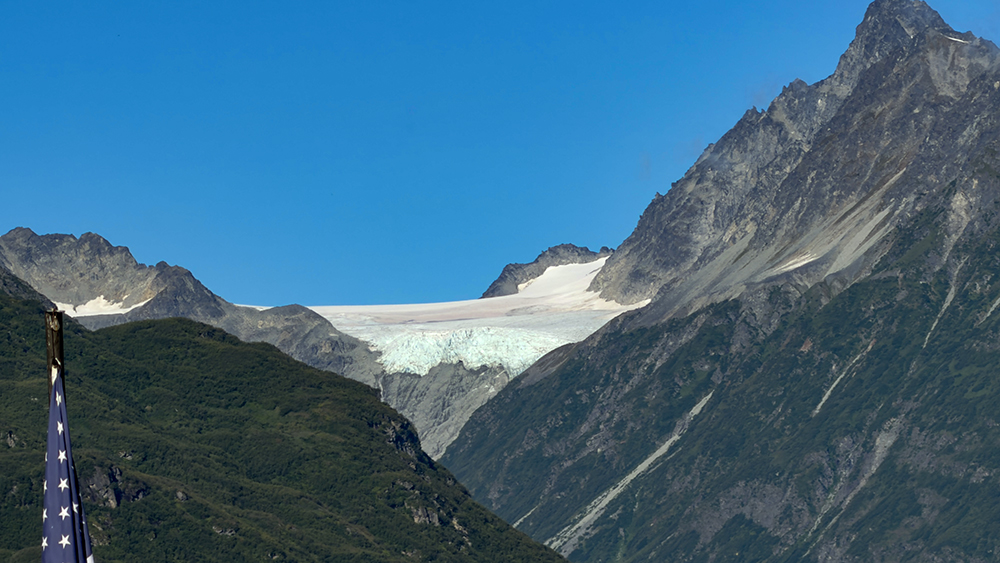
Alaska Range with Mt. Redoubt

Redoubt Mountain Lodge Part I

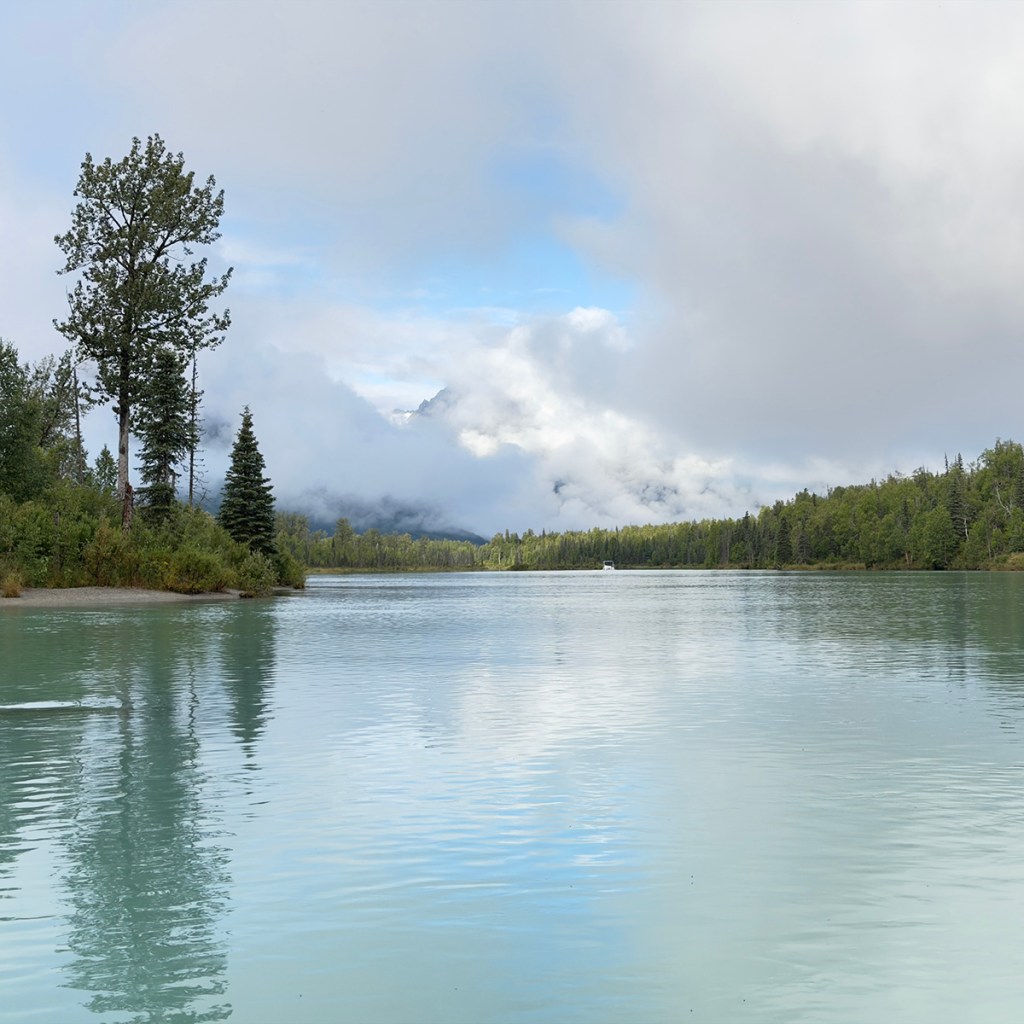
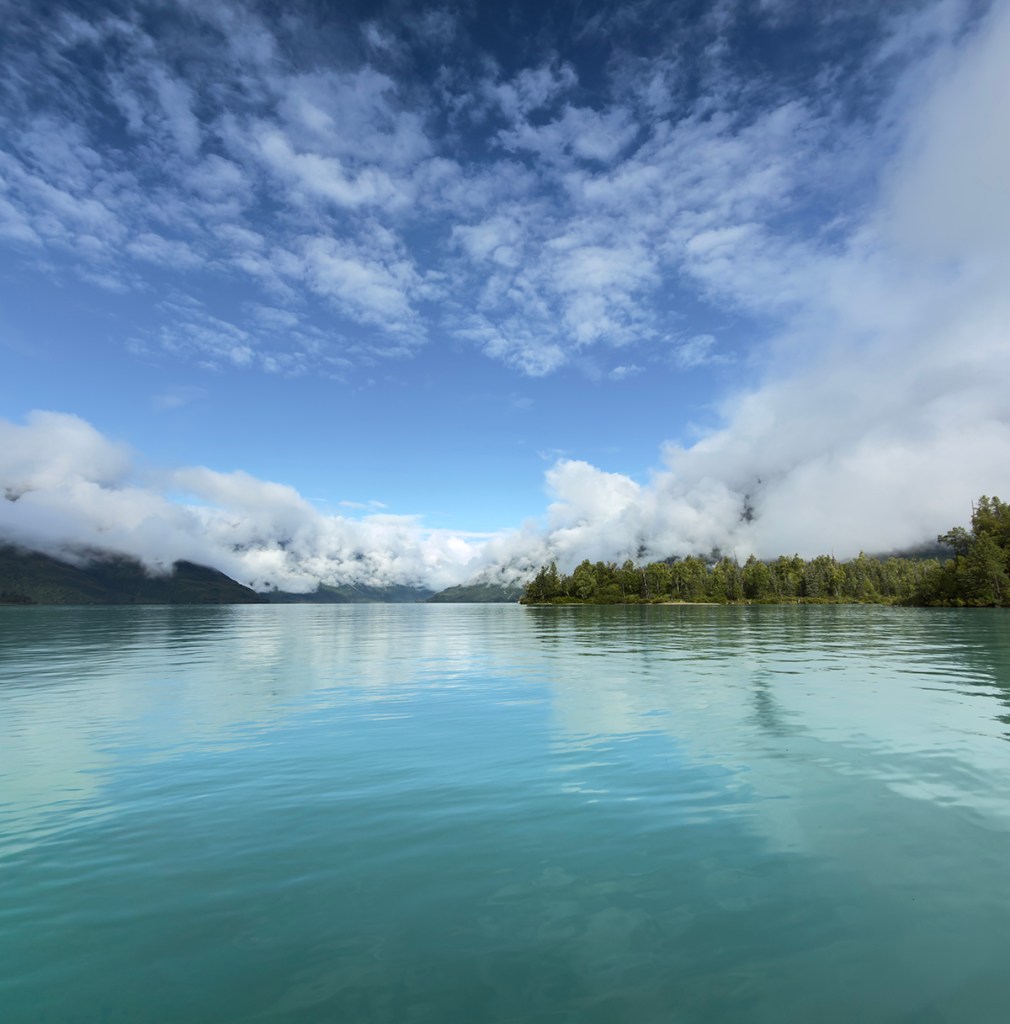
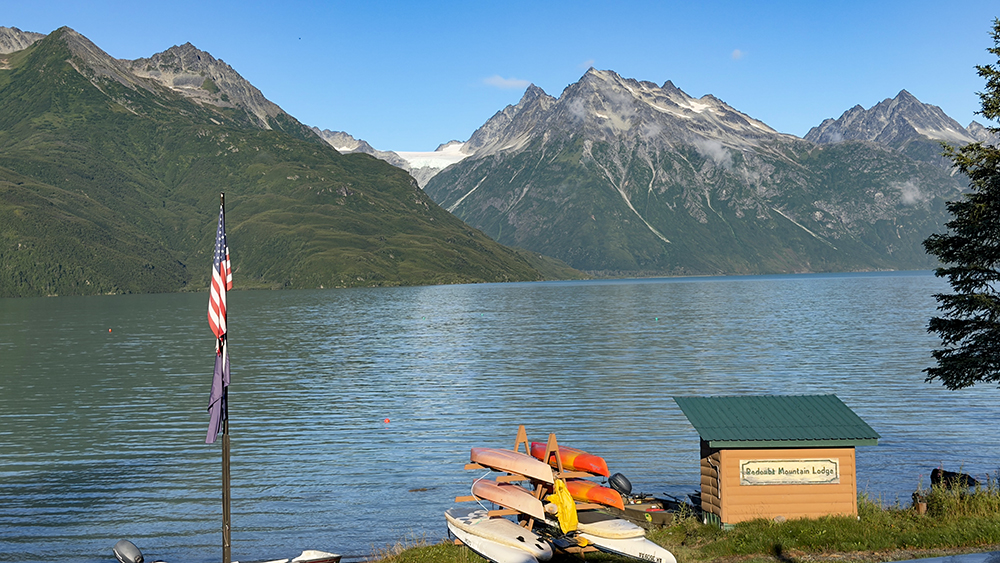
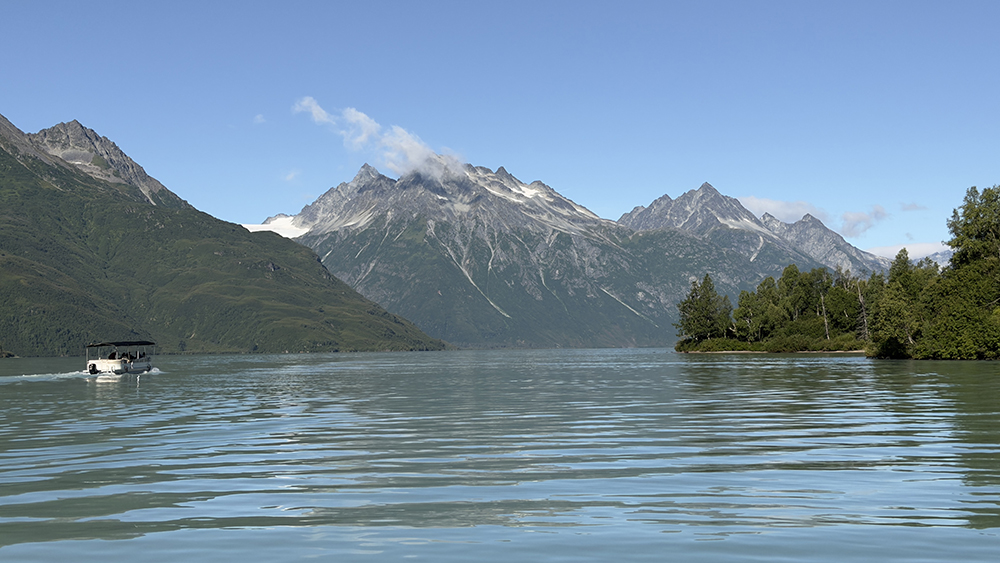
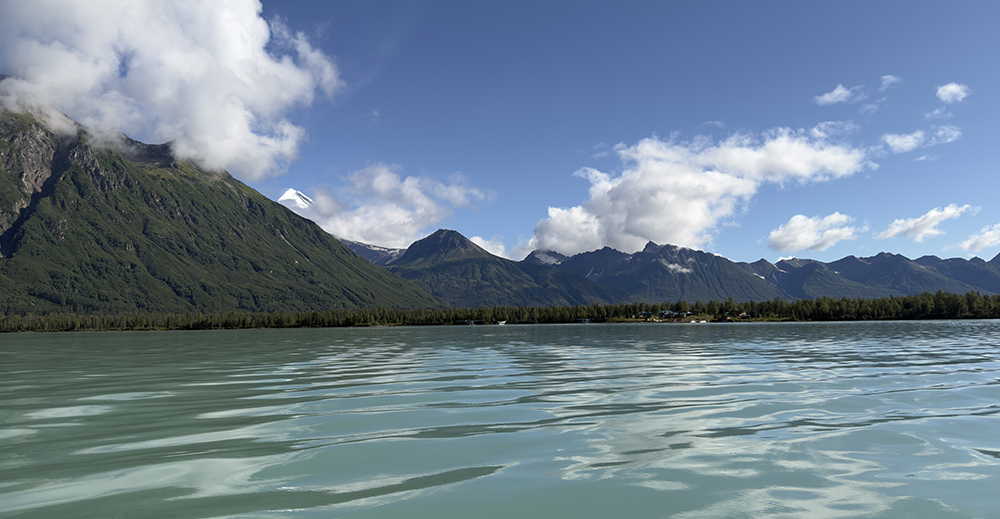
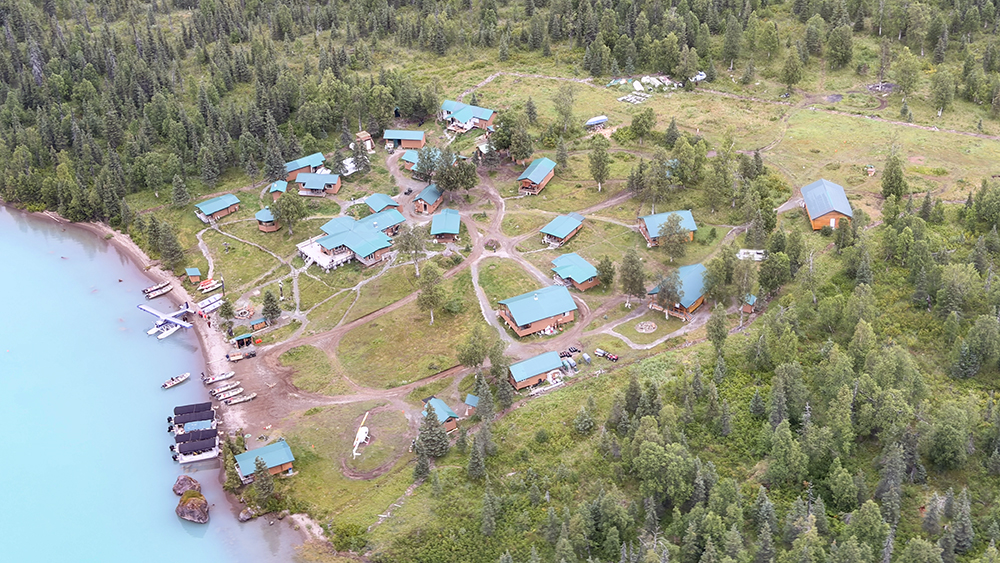
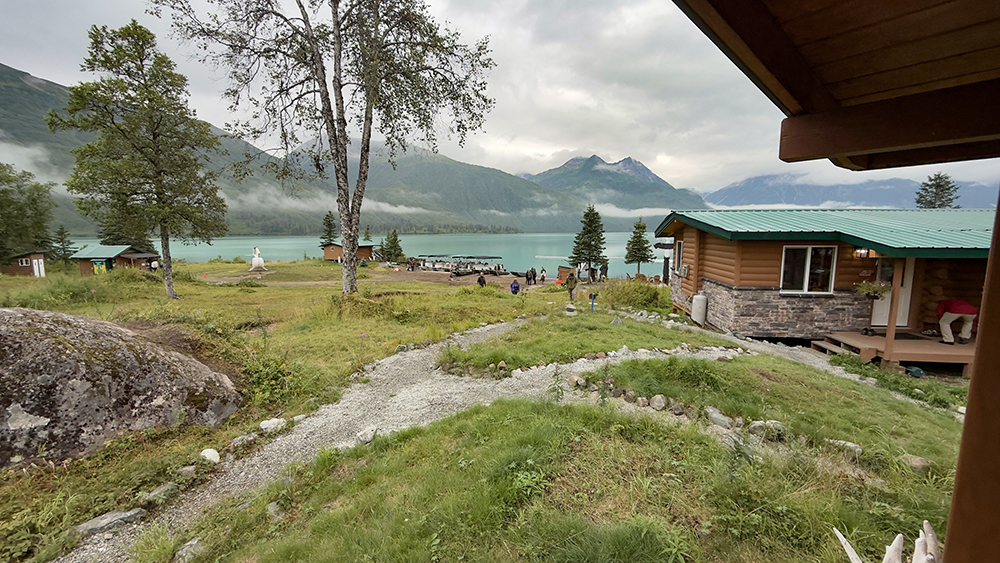
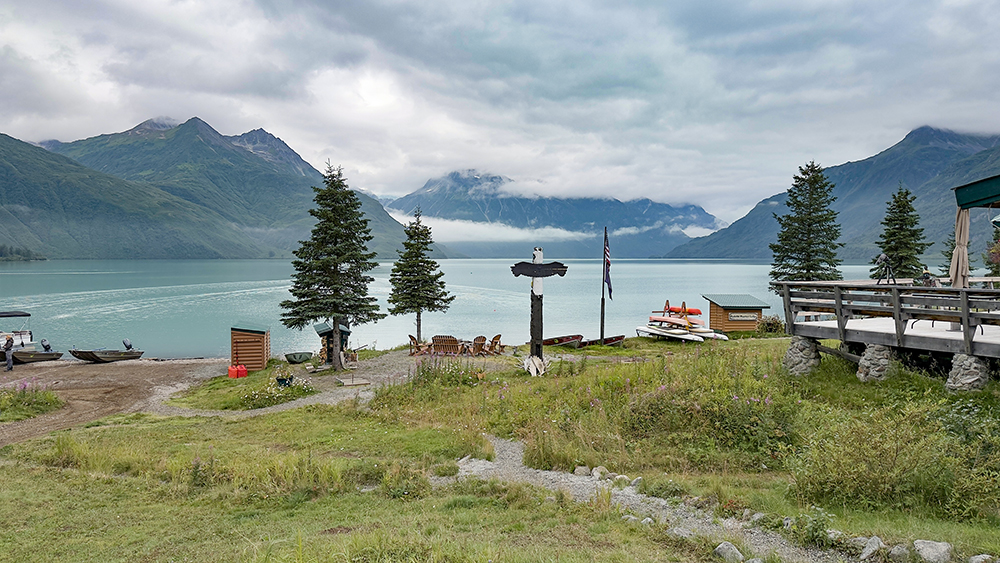
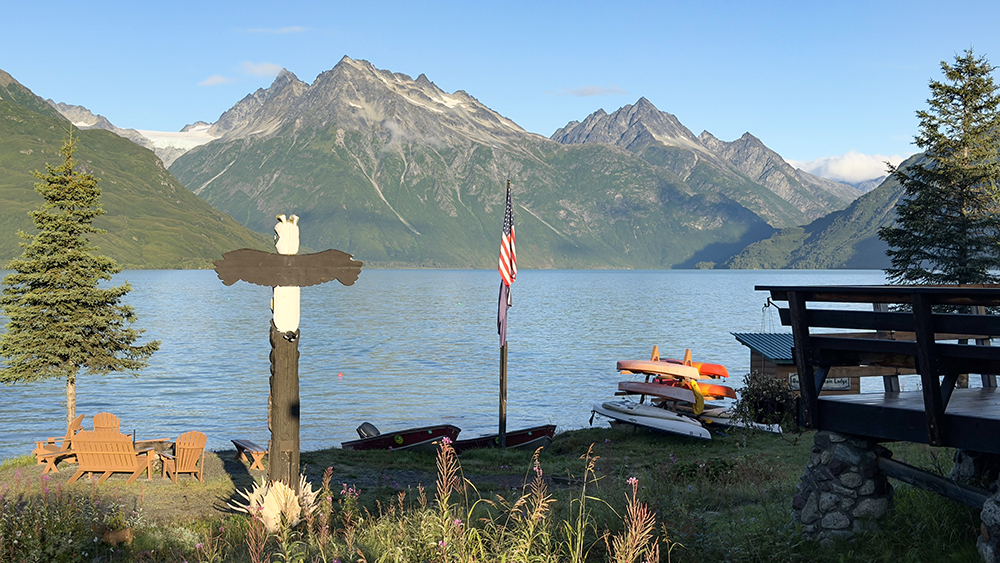
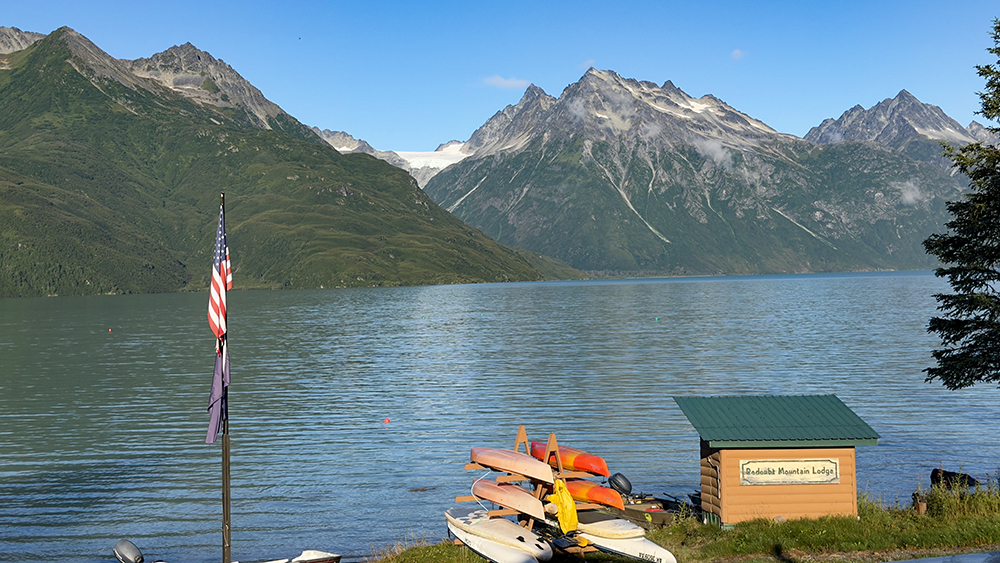
Back in 2019, Karen and I spent three nights at this remote lodge located within Lake Clark National Park in the Katmai region of Alaska. Access is by float plane, and the lodge offers lake and stream fishing, hiking, kayaking and bear watching. It is typically open June through September. It is located on Crescent Lake which is about 9 miles long, 2-4 miles wide and about 150″ deep. The lake is a turquoise-blue, caused by glacial “flour” embedded in the glacial ice.

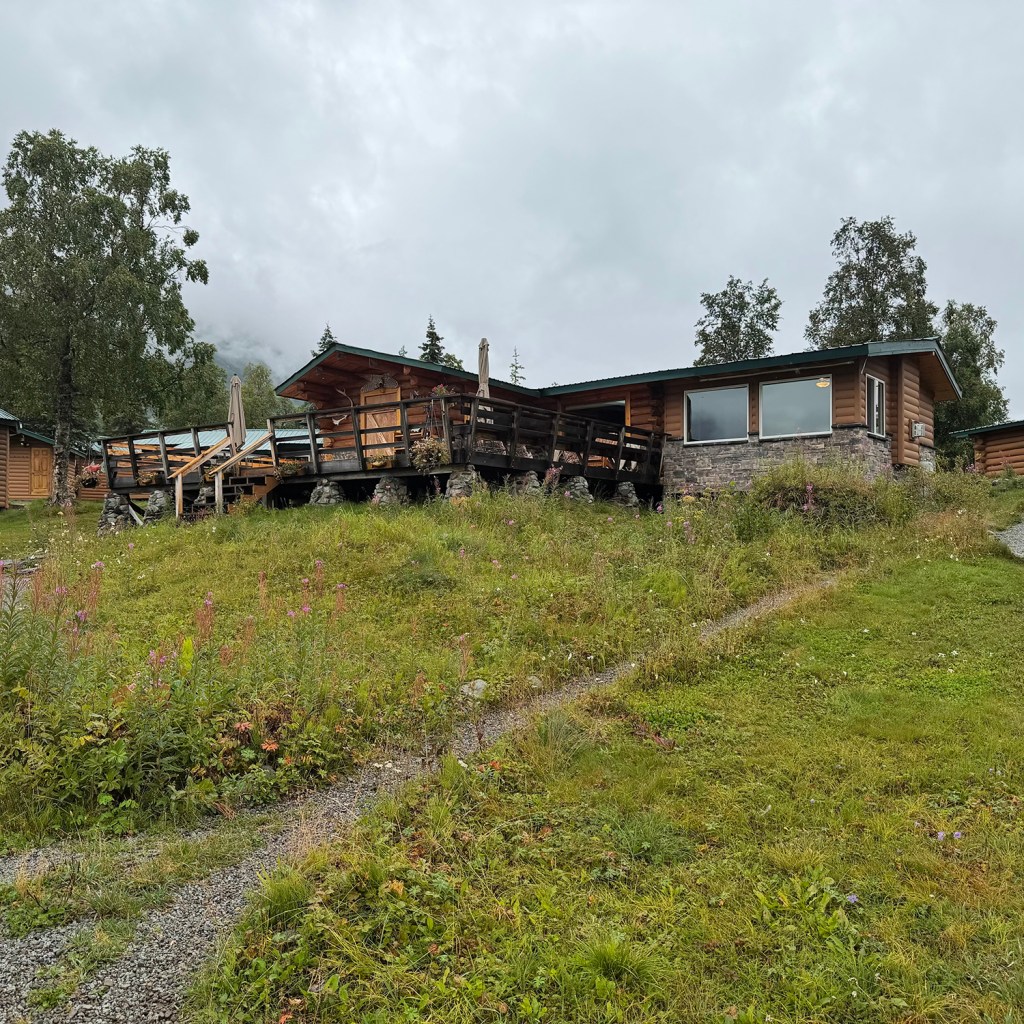
The five acre parcel was acquired in 1960 by a family from Homer, who built a small log cabin on the property (still there). In 1980 the BLM established Lake Clark NP surrounding the 5 acre property and enclosing a huge territory. A new owner in 1984 built more cabins and operating the property as a fishing destination. In 1999 Wayne and Jeannie Holm acquired it, did a major renovation and opened it as Redoubt Mountain Lodge.

So for Karen’s 80th birthday, I offered to take her back to Redoubt. She quickly accepted, not surprising giver her love of fishing. So we booked the lodge for four nights in August of this year.

Lodge from Air

Getting There

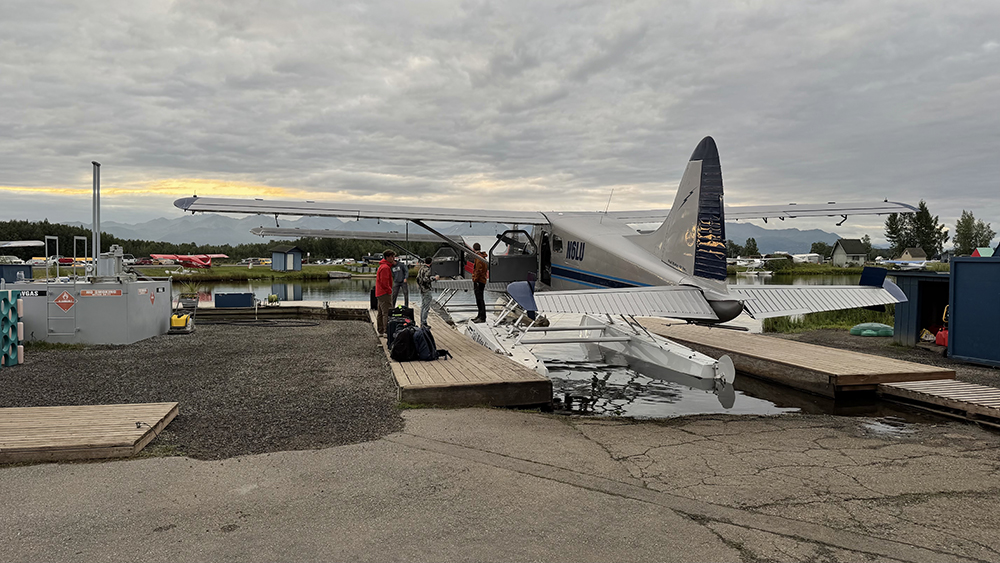
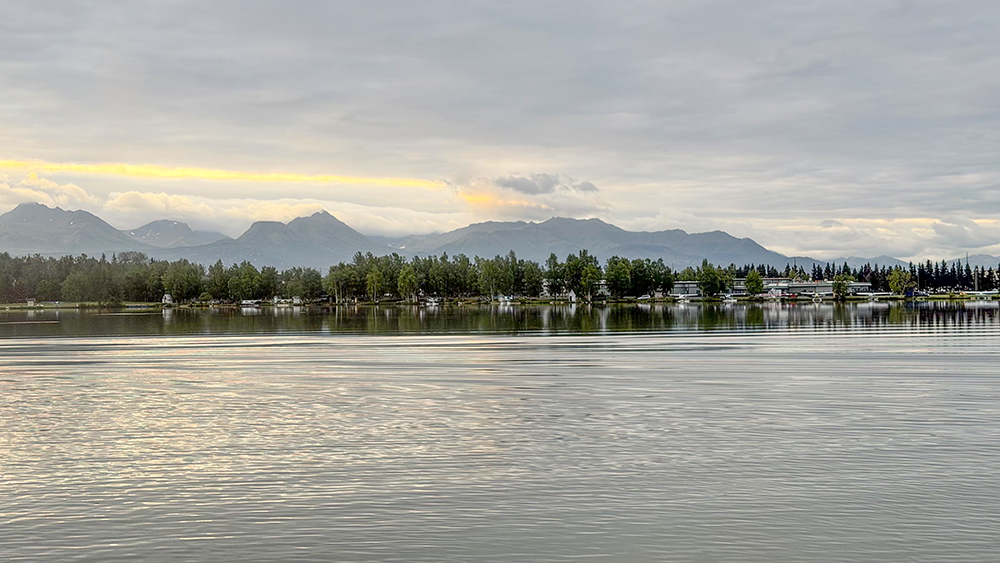
We arrived at Trail Ridge Air about 7 one morning on the Hood Canal in Anchorage and met several of our travel companions (whom we did not know yet). After a short wait they loaded us in a six person De Havilland Beaver and off we went. This and the following blogs will cover the trip in, the lodge, fishing, bear watching and the trip back, all done in four days.

The Trip In

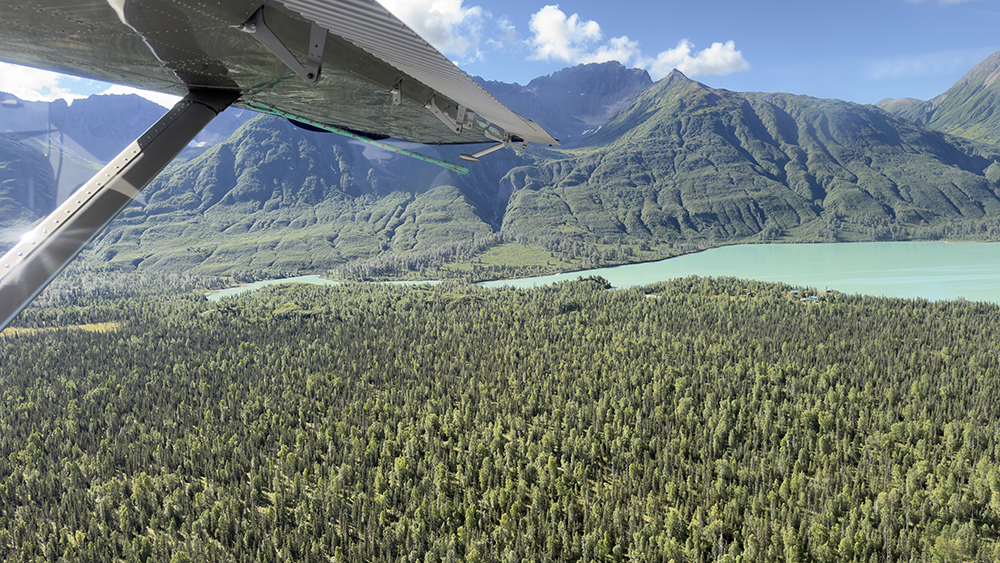
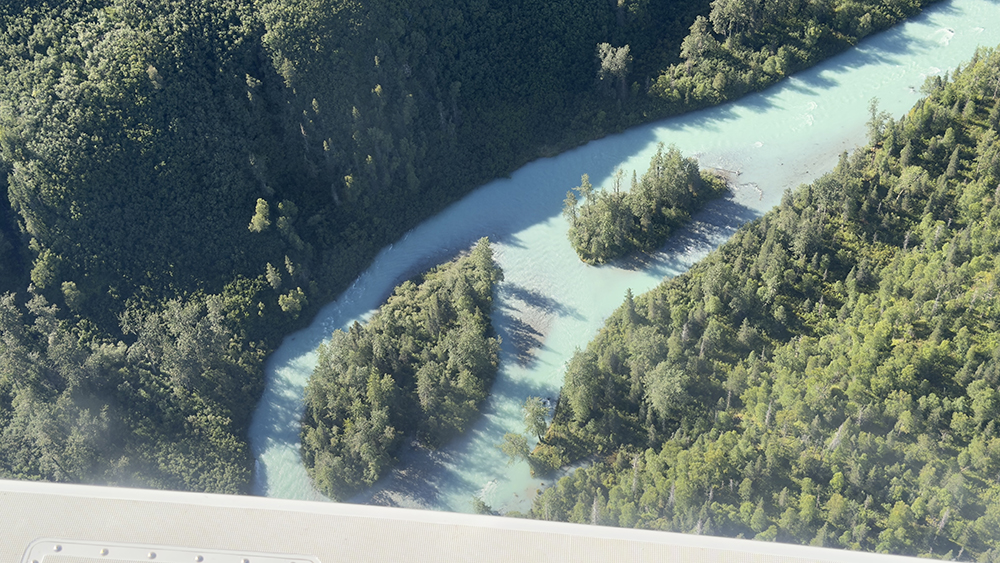
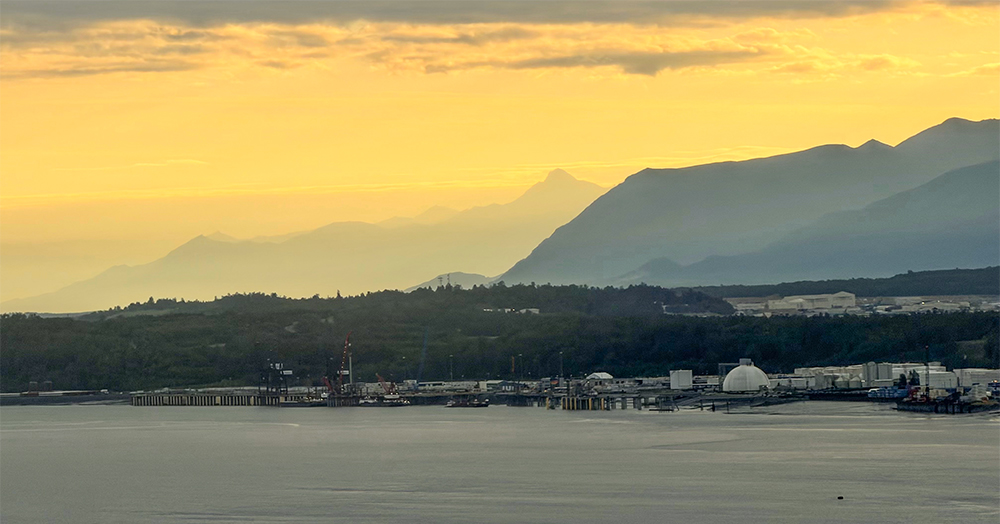
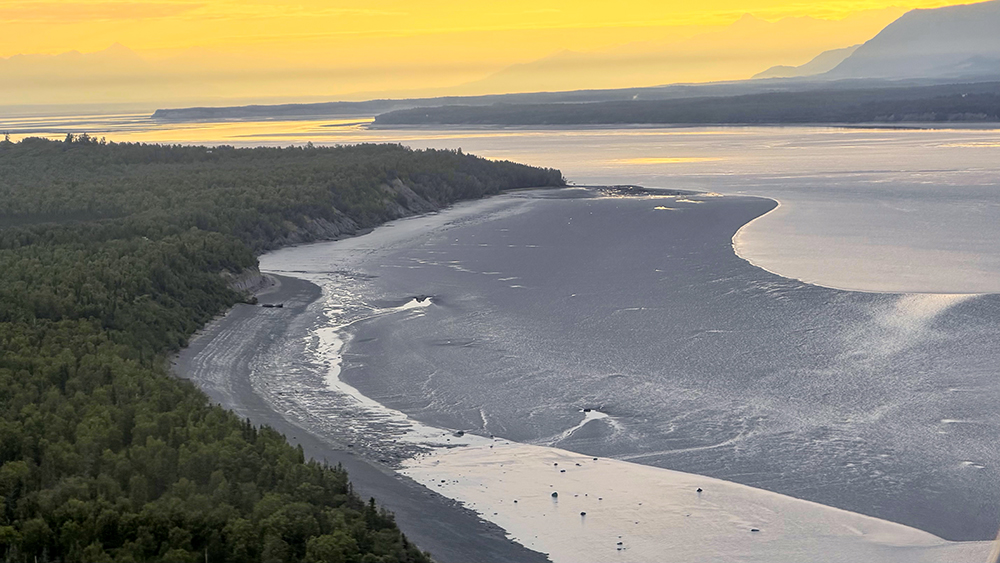
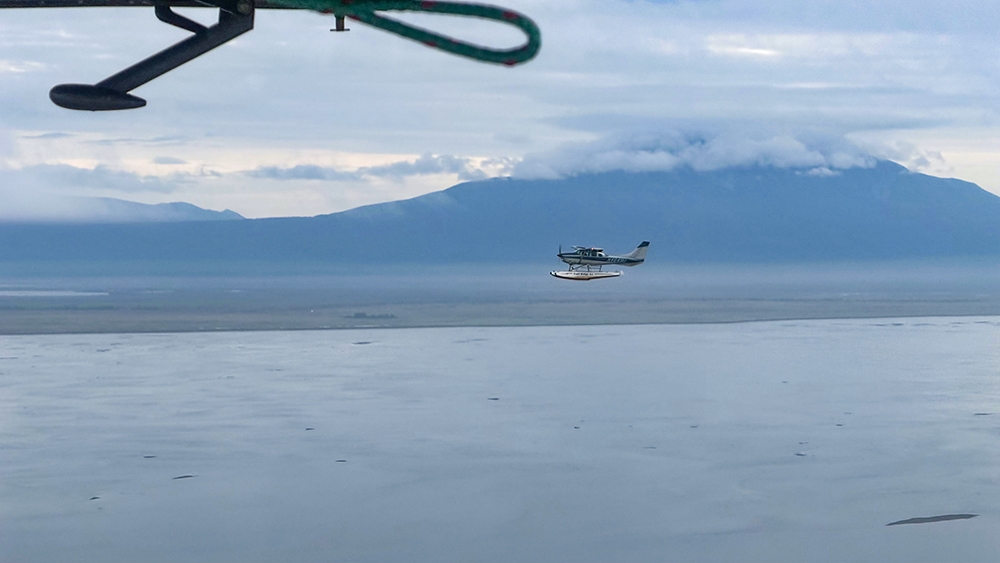
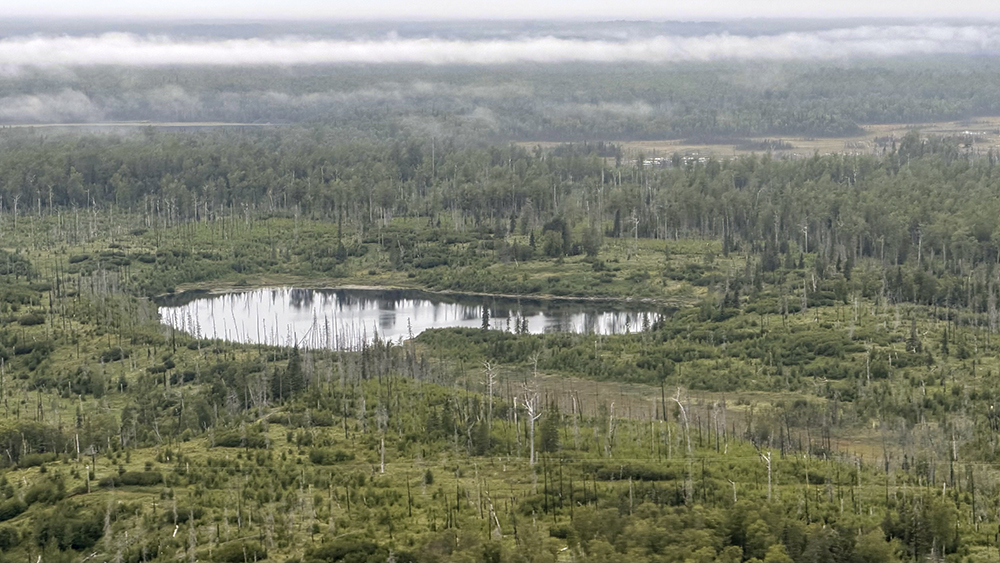
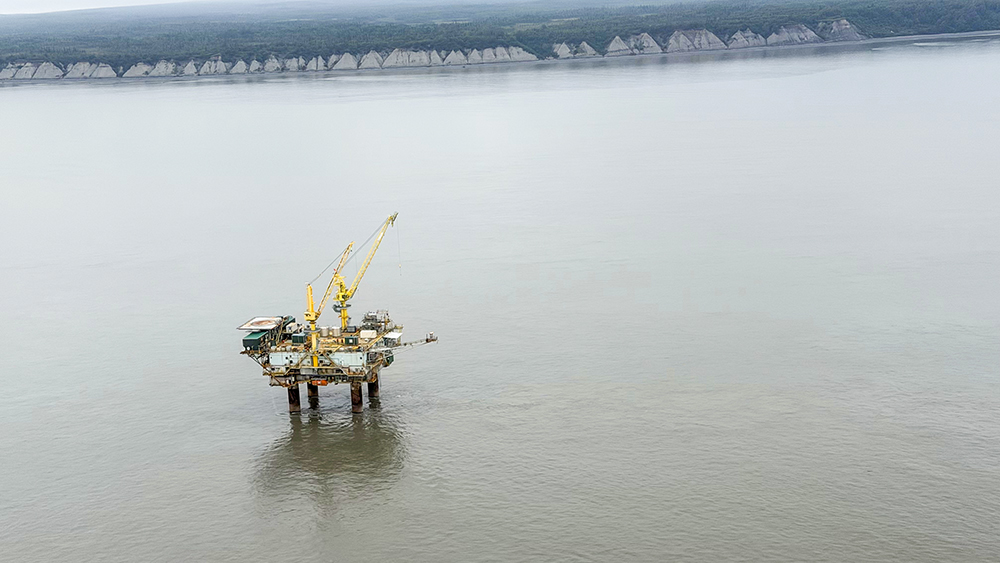
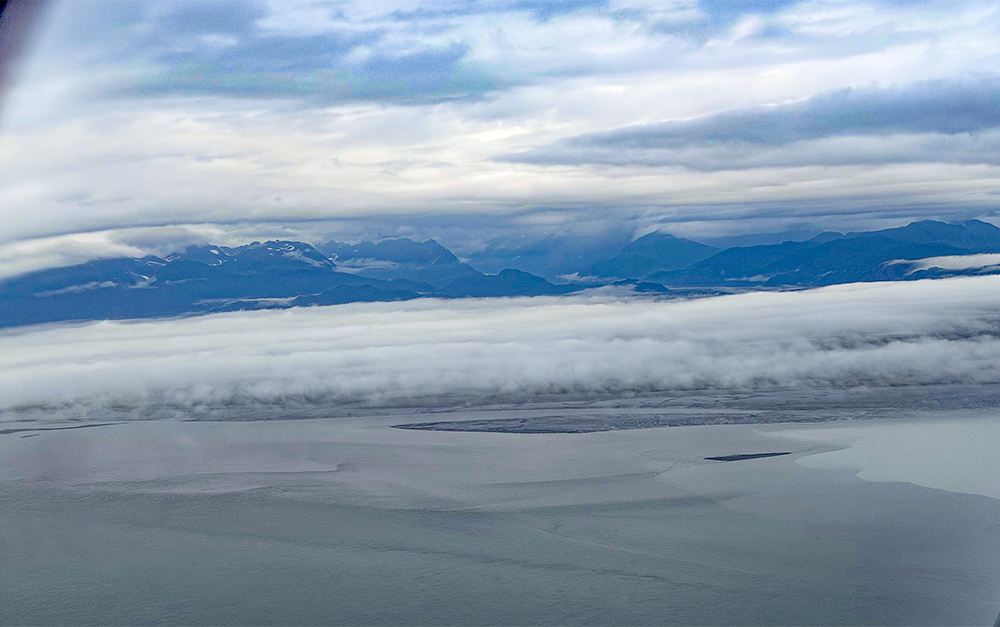
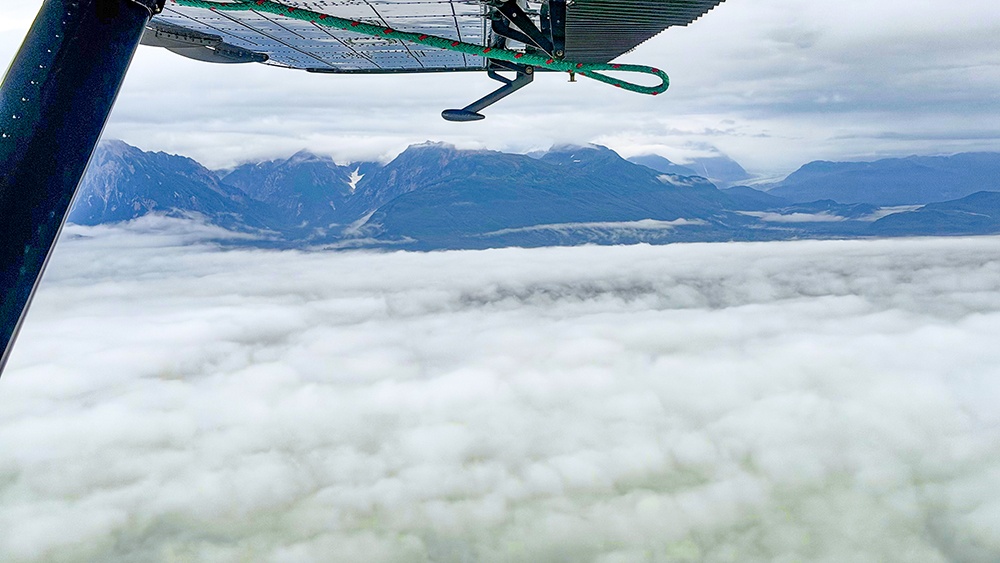
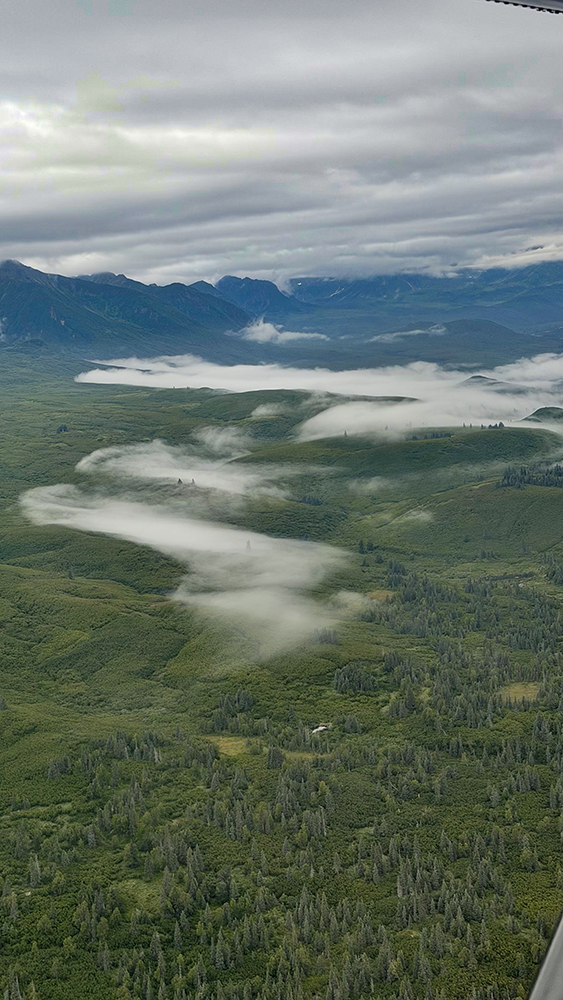
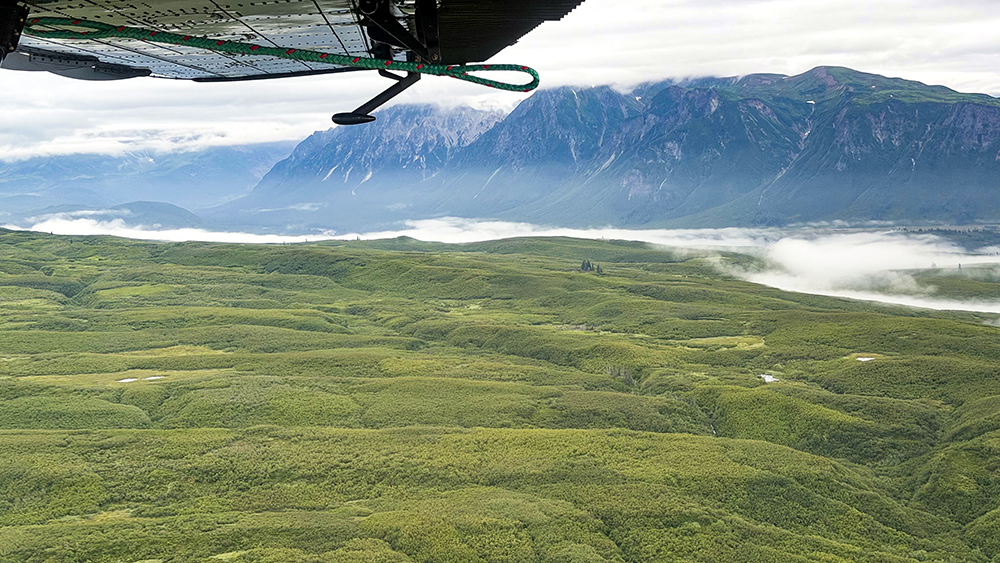
Flying in to the lodge takes about 1 1/4 hours, and the route typically goes along the Kenai for a ways, across Cook Inlet and then on to the Katmai Peninsula, ultimately up the valleys, into the Alaska Range and down onto Crescent Lake.We did see a pair of beluga whales in Cook Inlet; sorry no pictures!

Trail Ridge Air
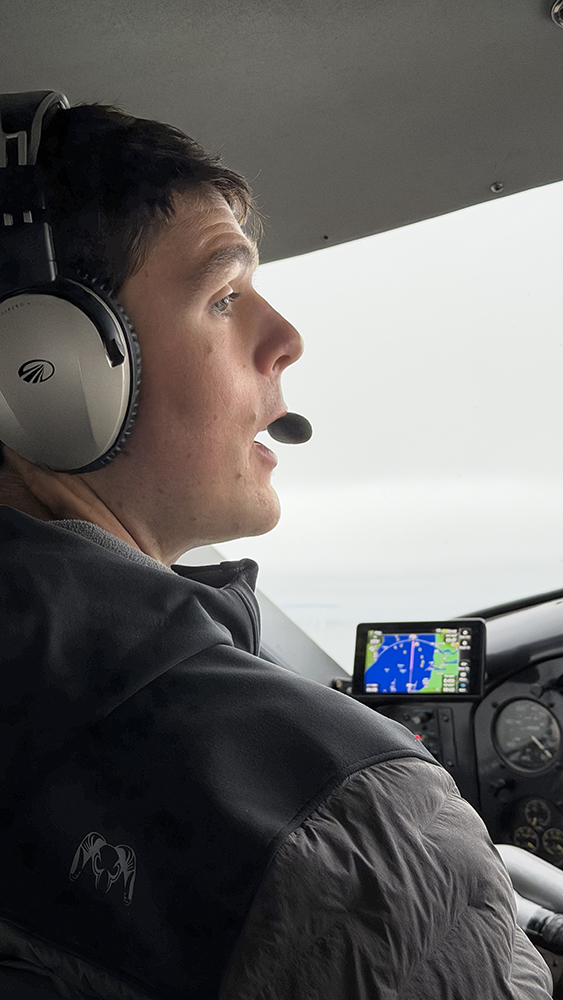
Our Pilot

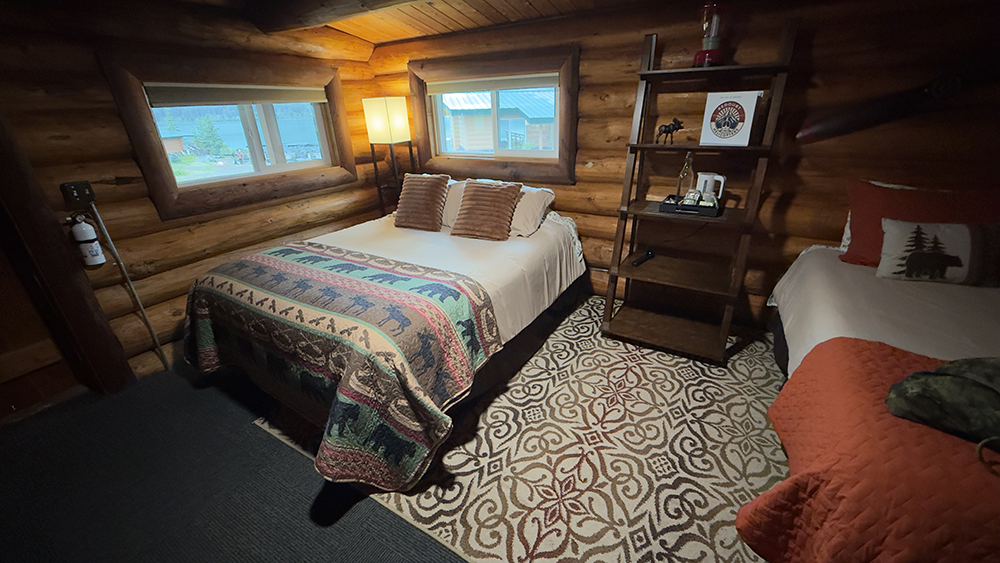
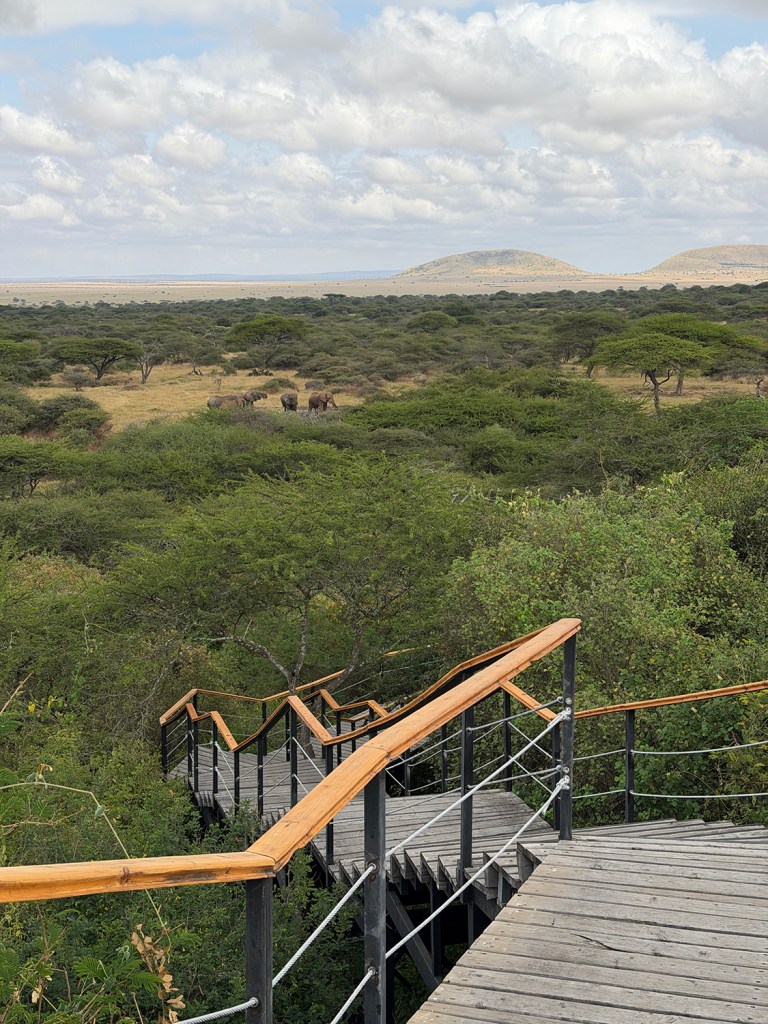
The Lodge

Fishing

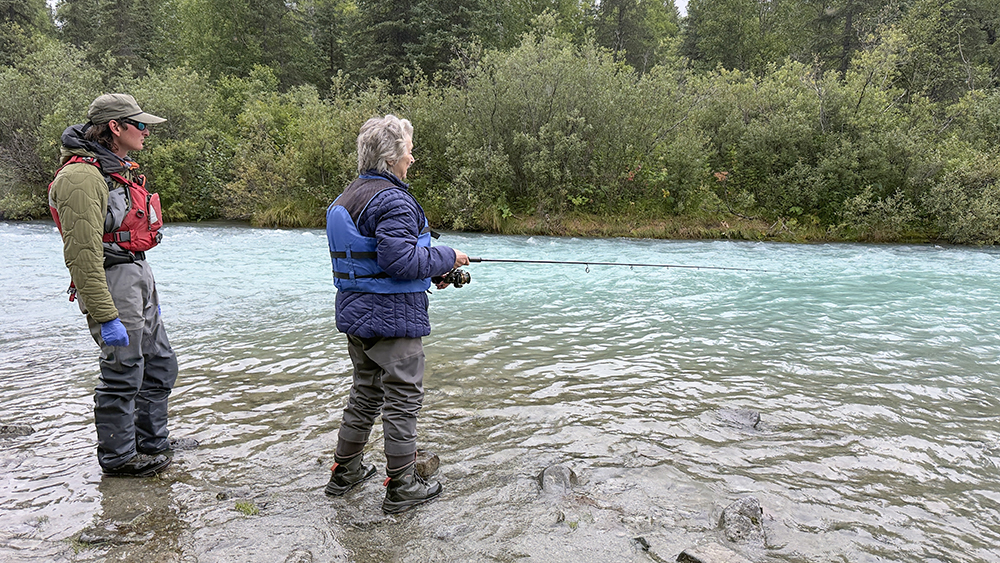
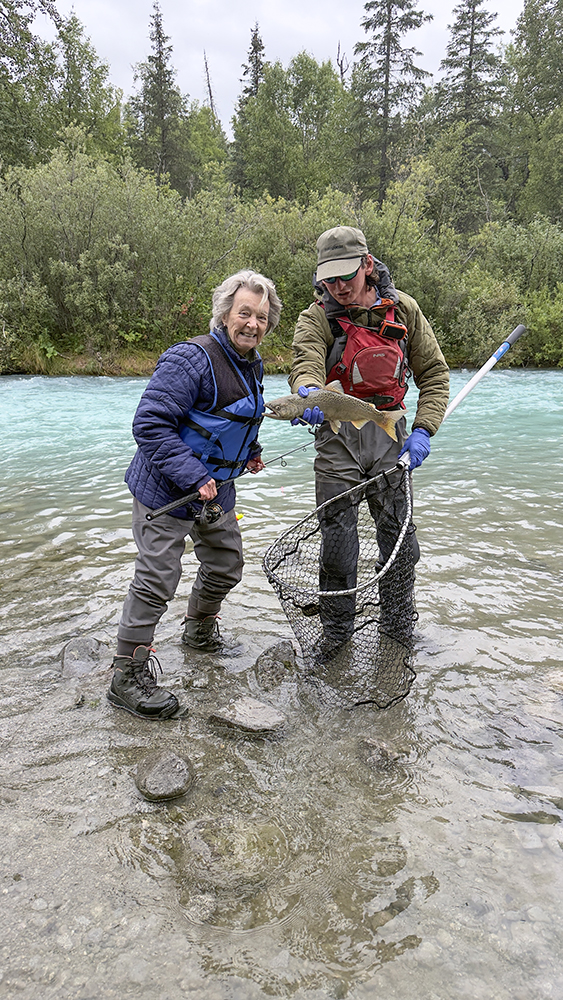
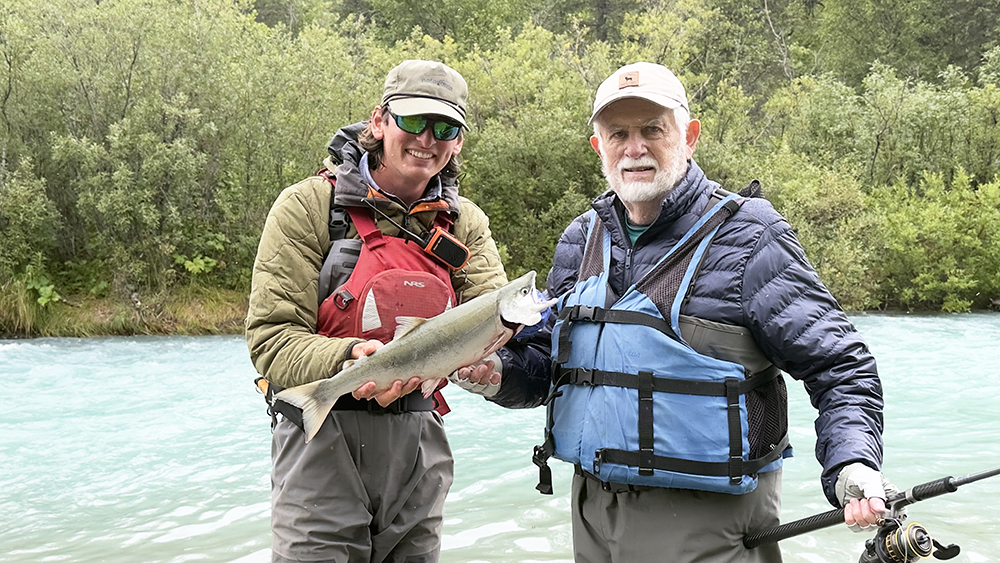
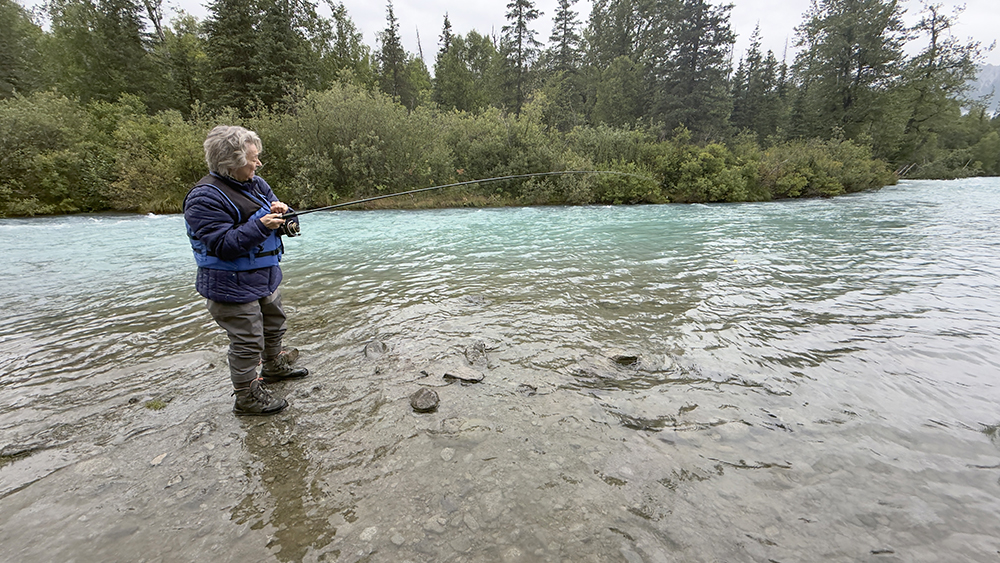
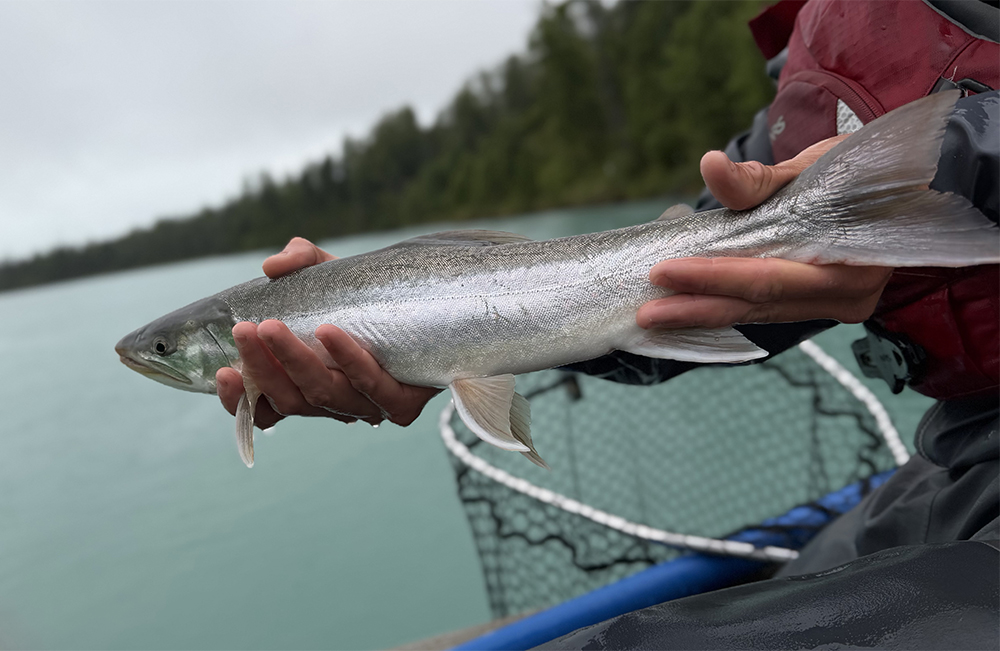
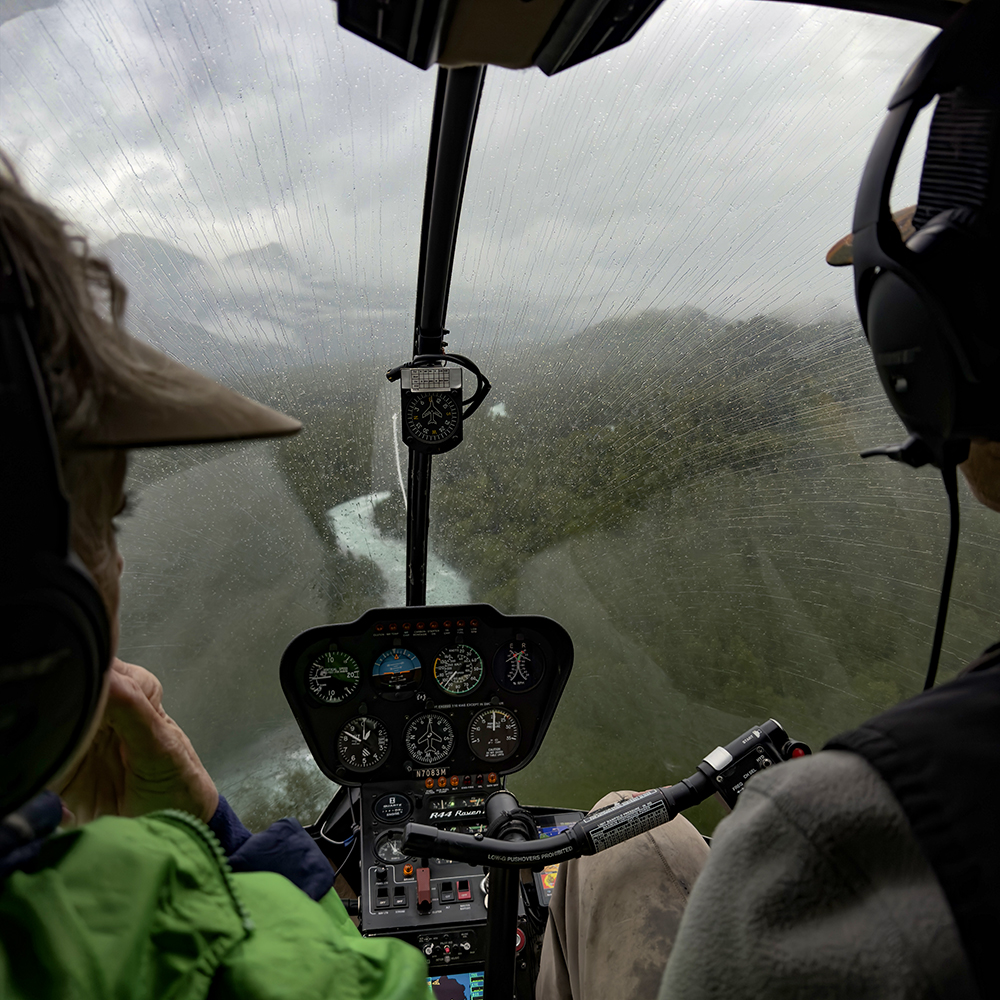
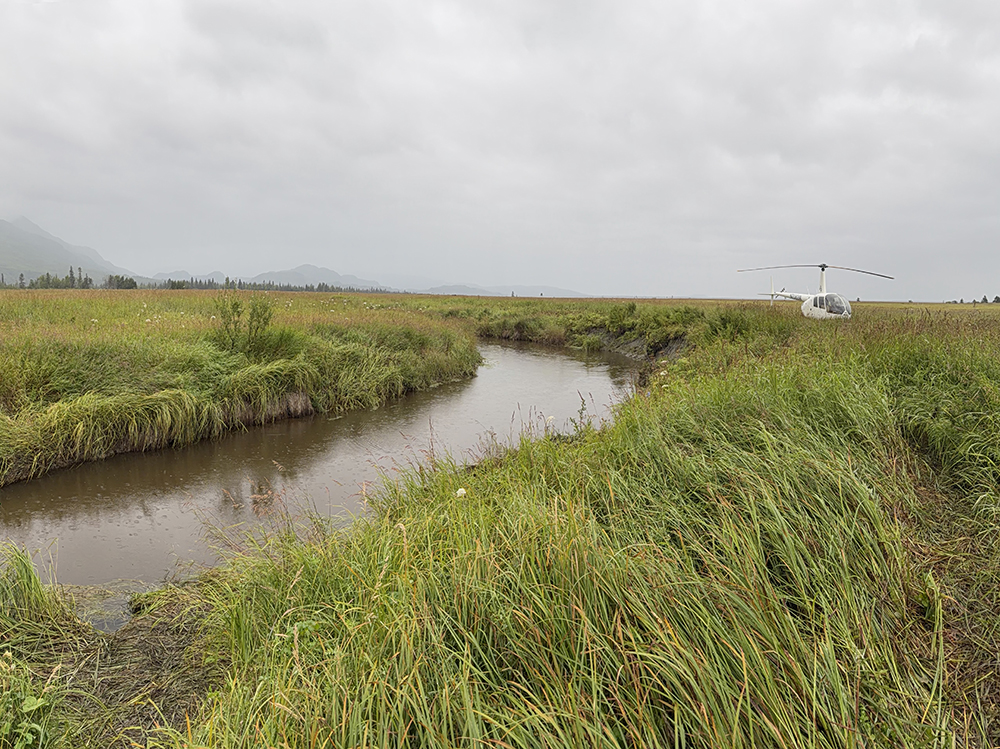
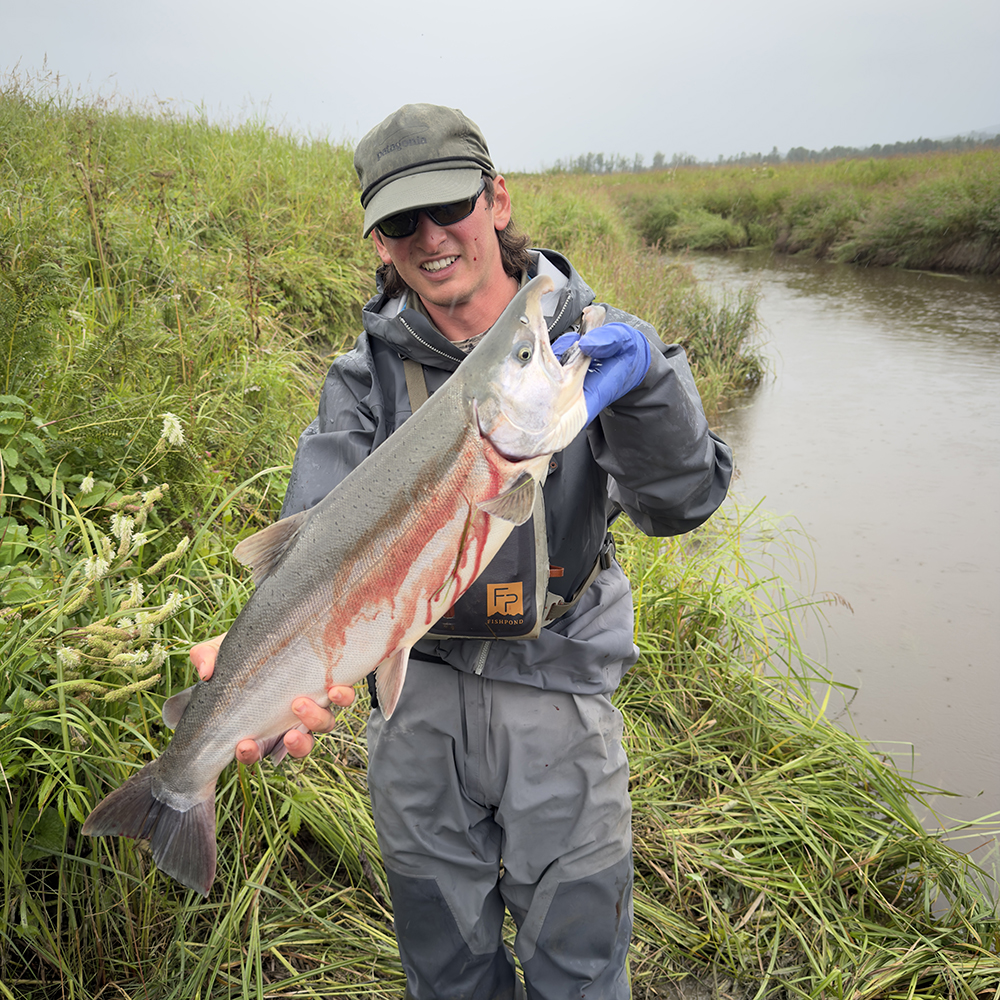
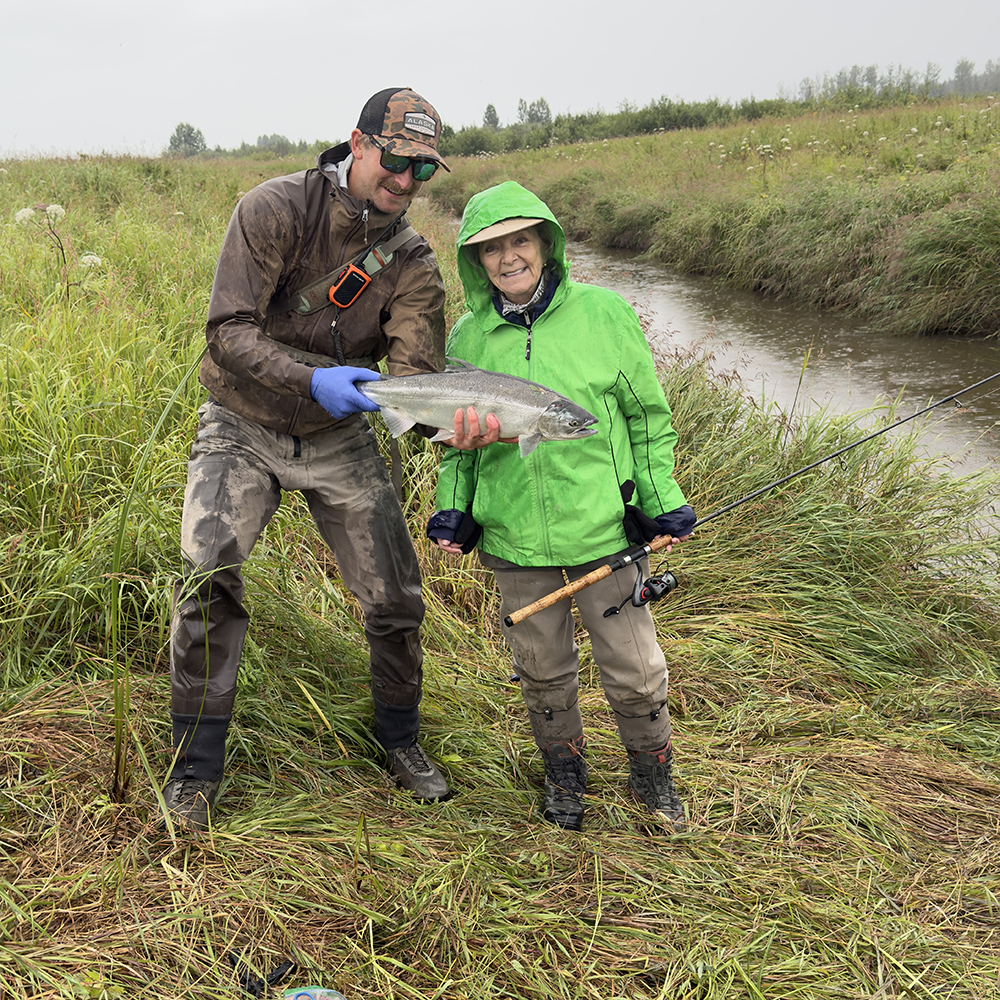
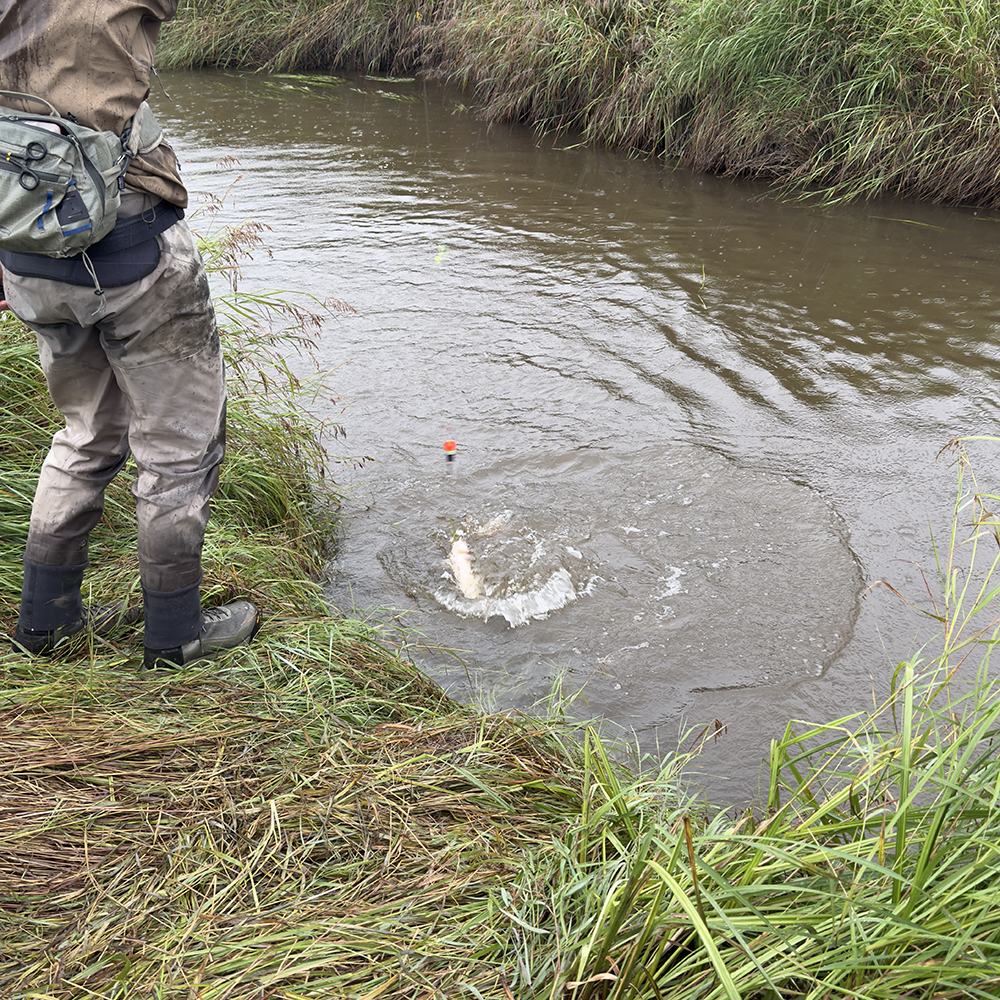
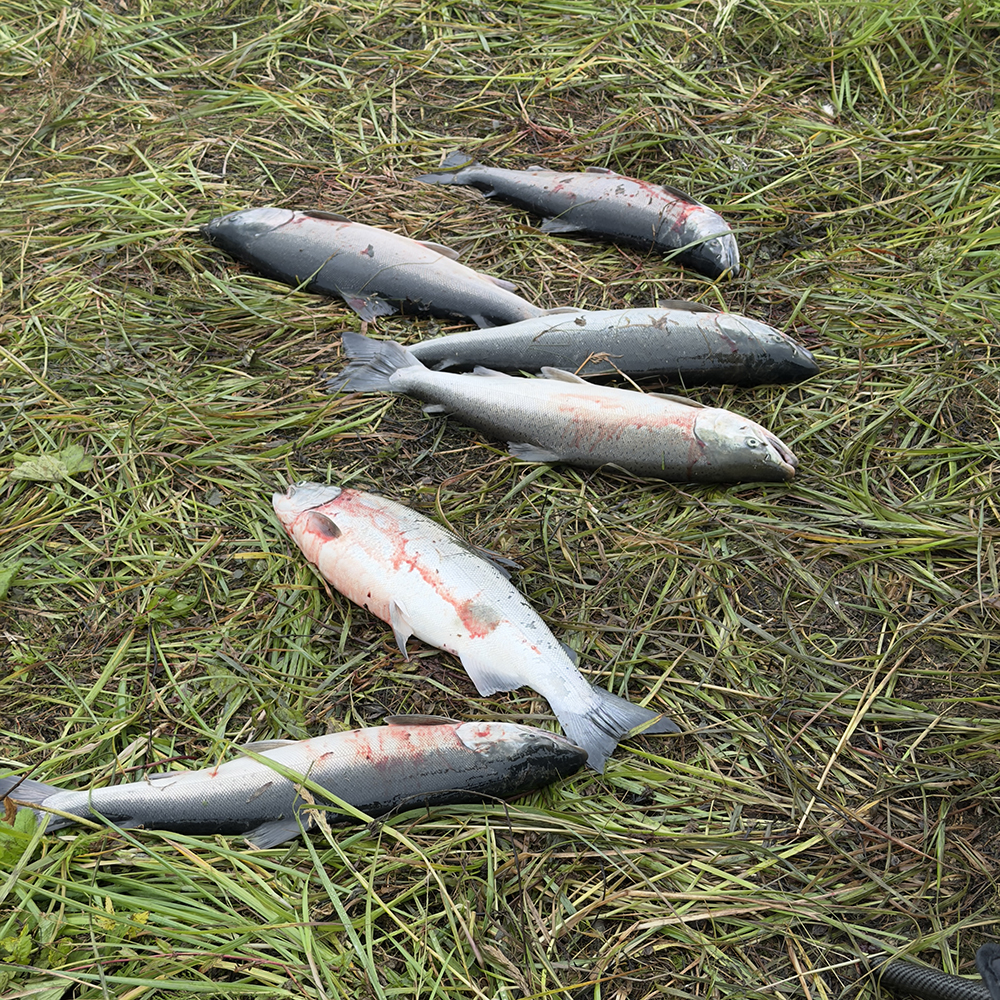
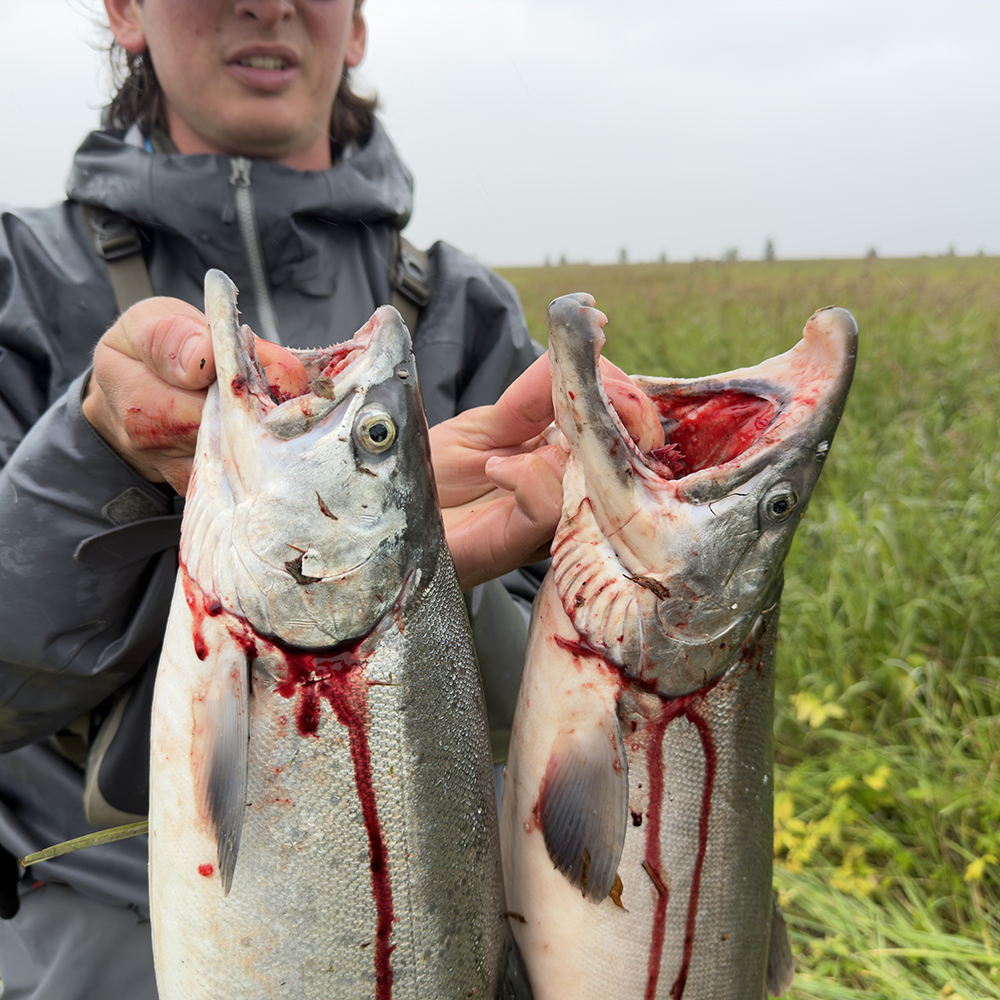
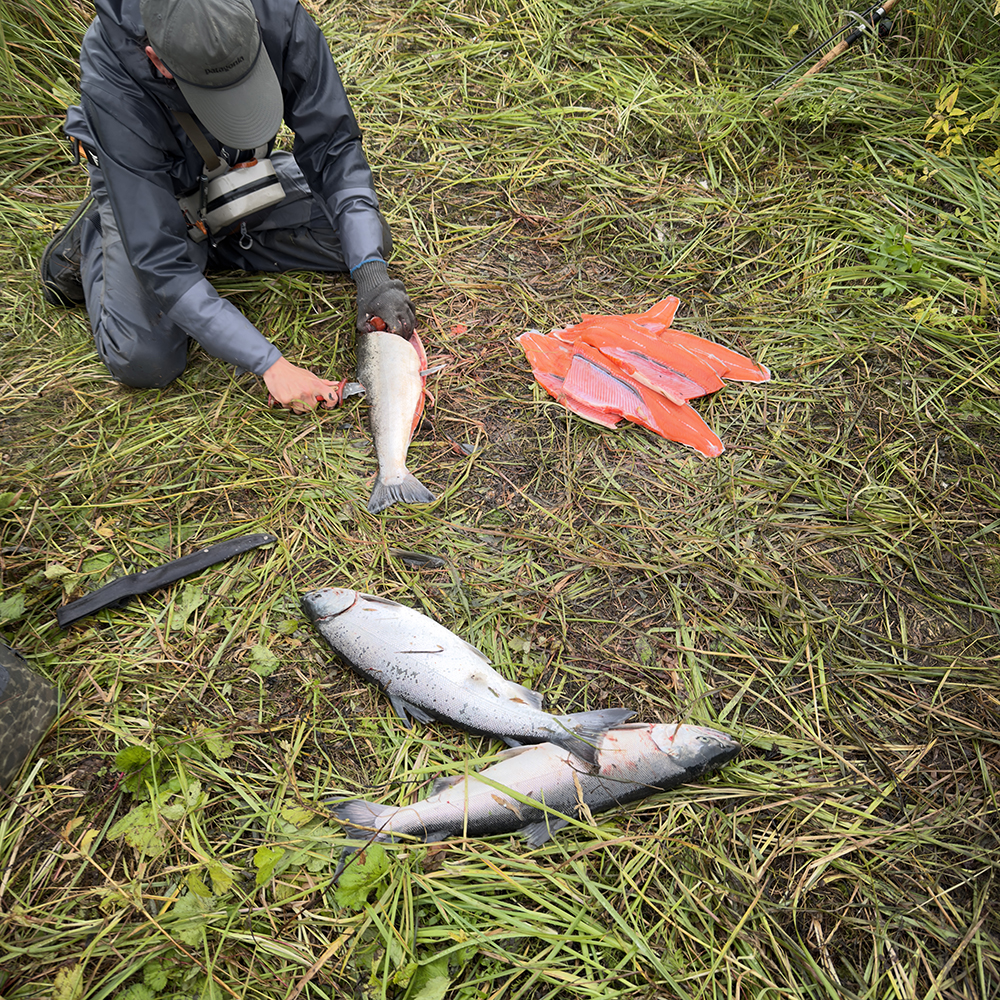
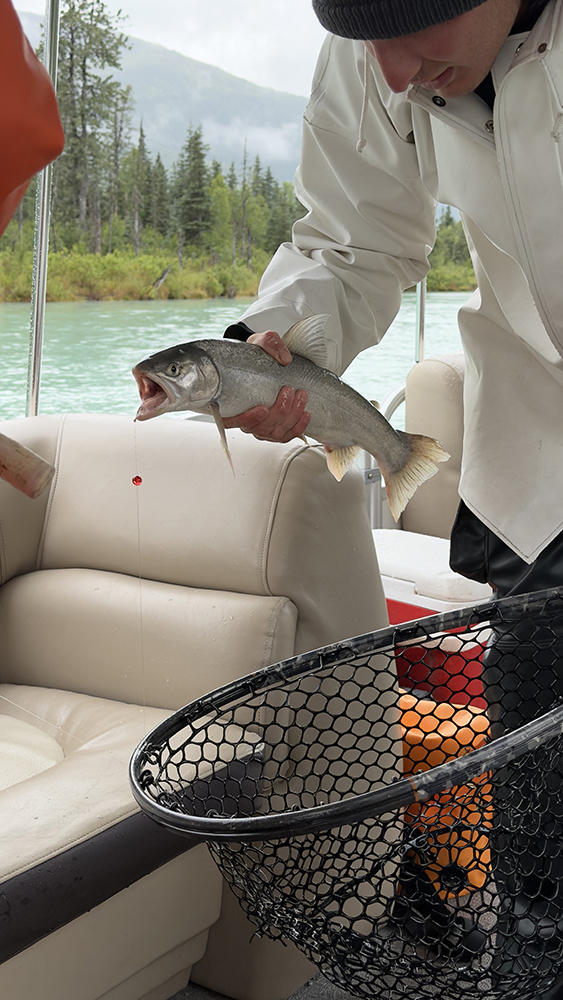
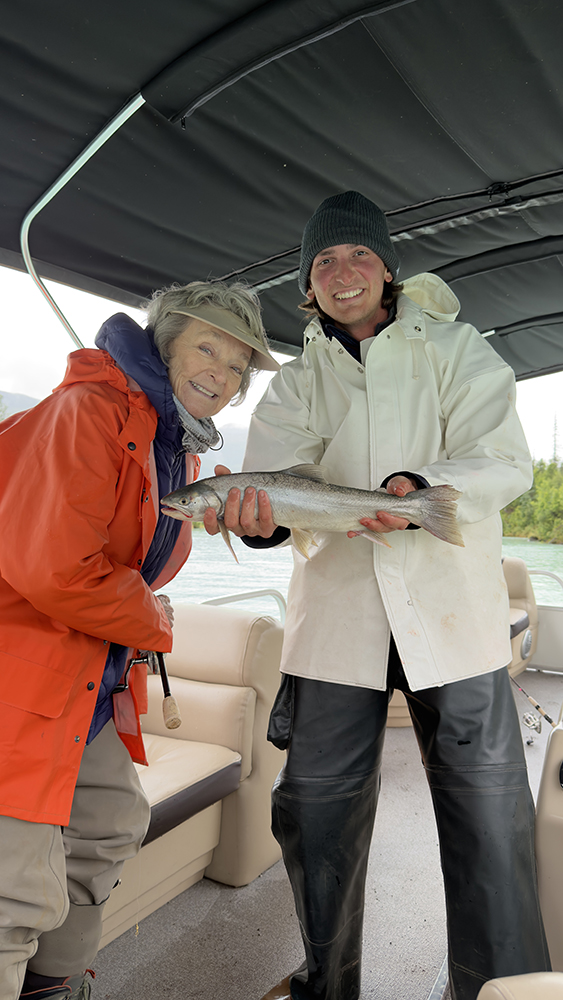
Initially we fly fished in the outgoing river while in waders; we caught a few sockeye stragglers and one keeper. We also shed just outside the lake and caught a few Dolly Vardens – no keepers but fun to catch. The second day we helicoptered down towards the coast and fished in a small stream for silver salmon. Karen and I both caught our limit of three in less than an hour. The rest of the days we returned to “the bathtub” to see if the silver were running – but too soon.

Zak and Karen at Bathtub
Heli to Fishing Stream
Zak with my Silver
Back to Lodge

Amboseli National Park

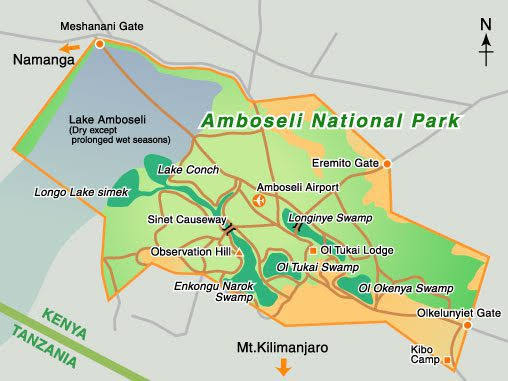
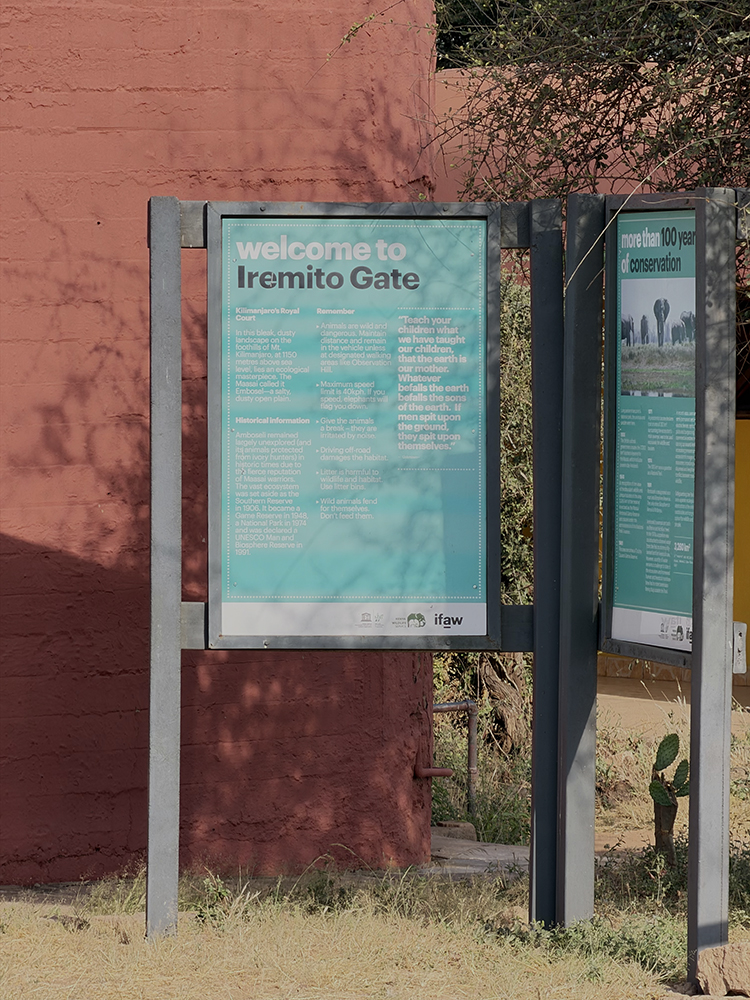
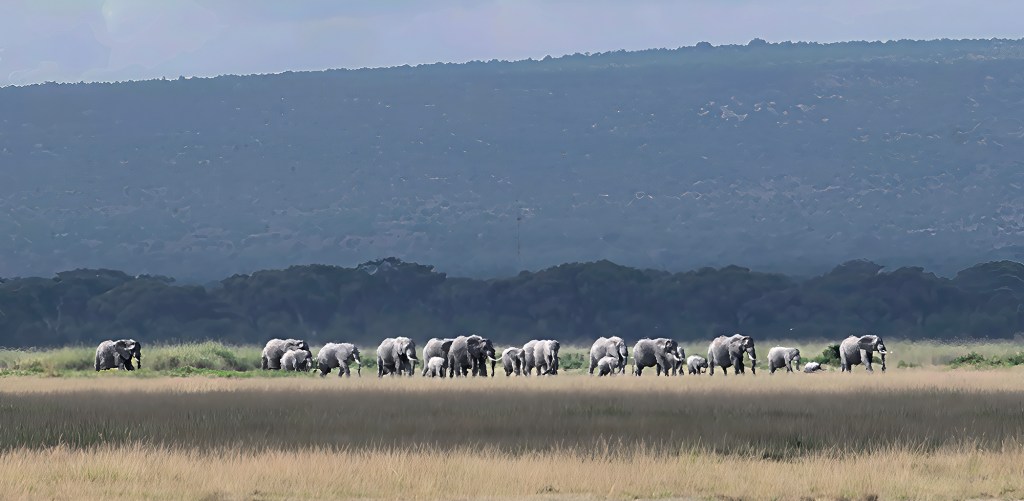
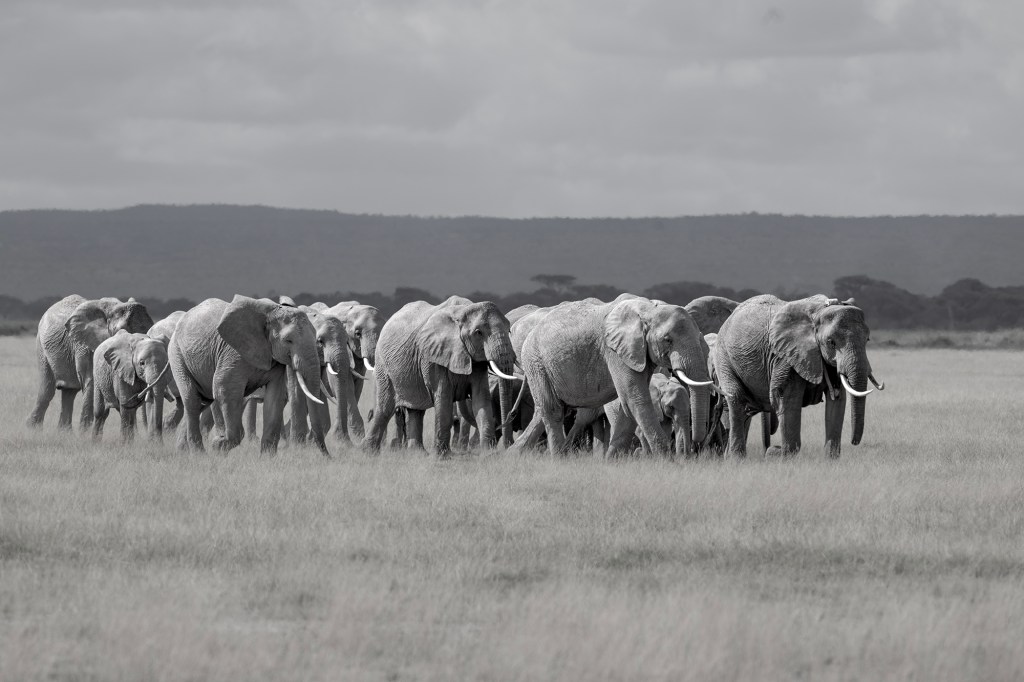
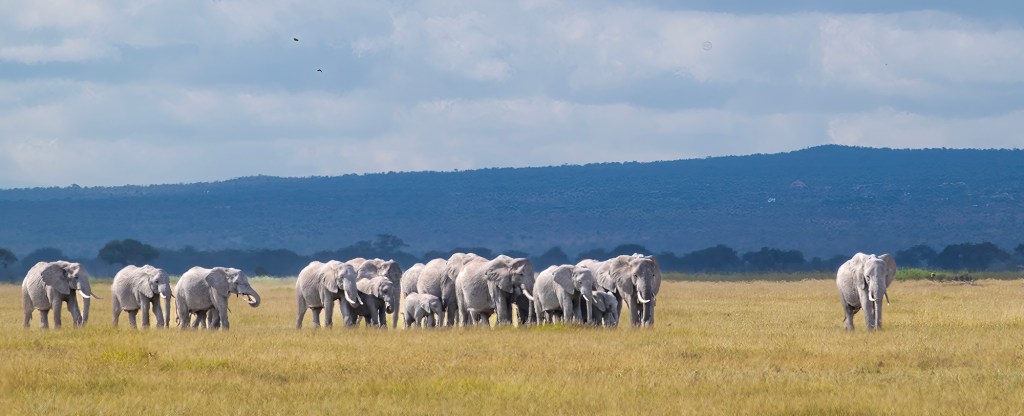
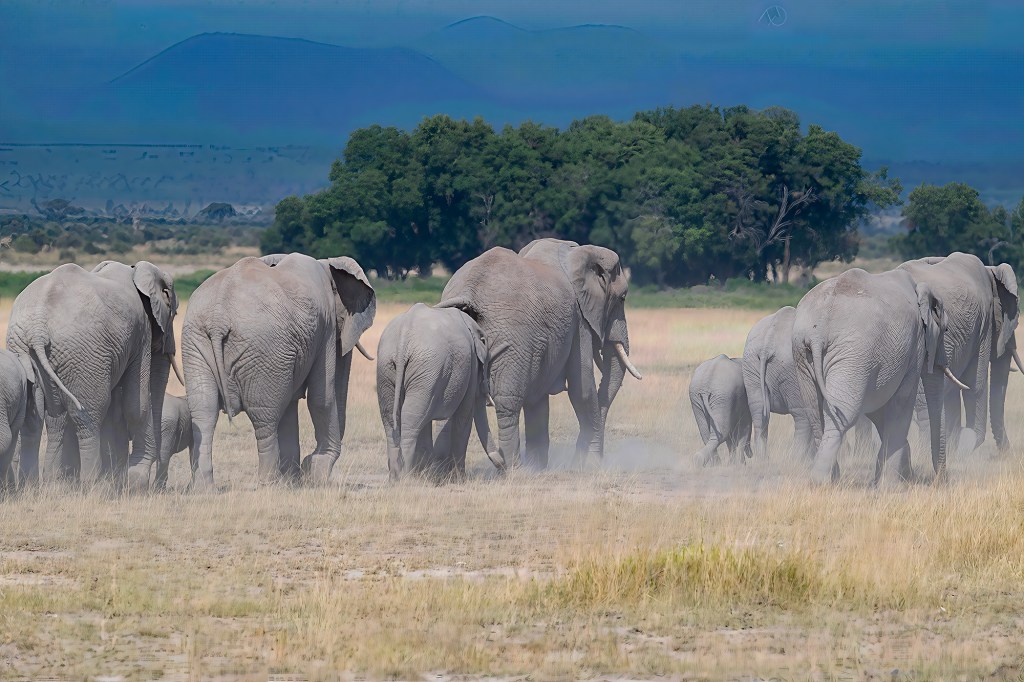
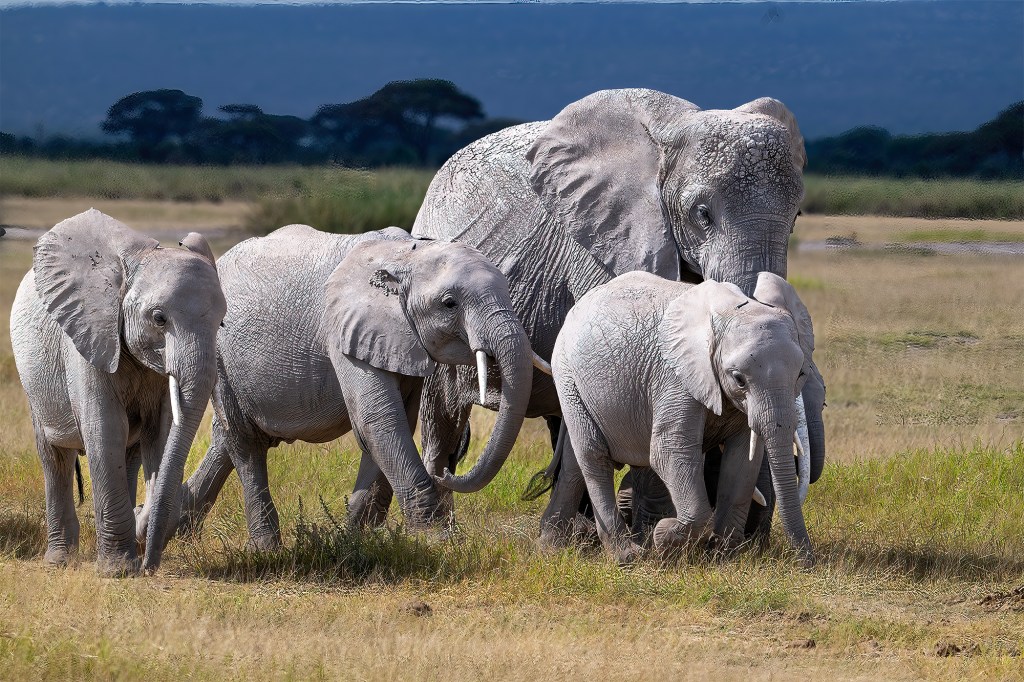
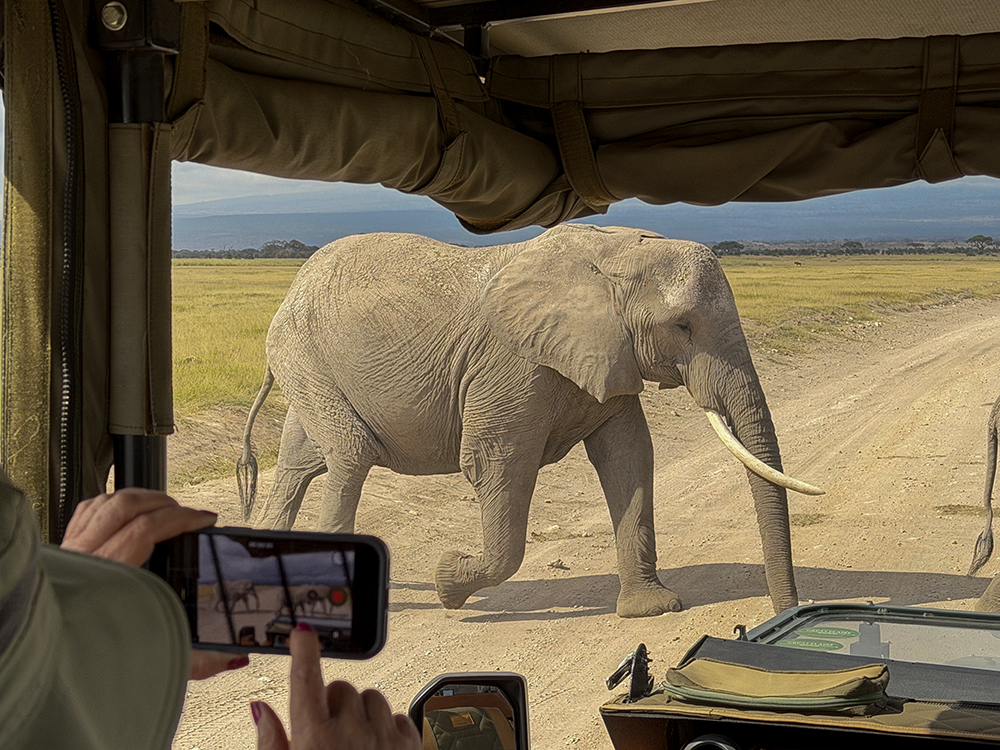
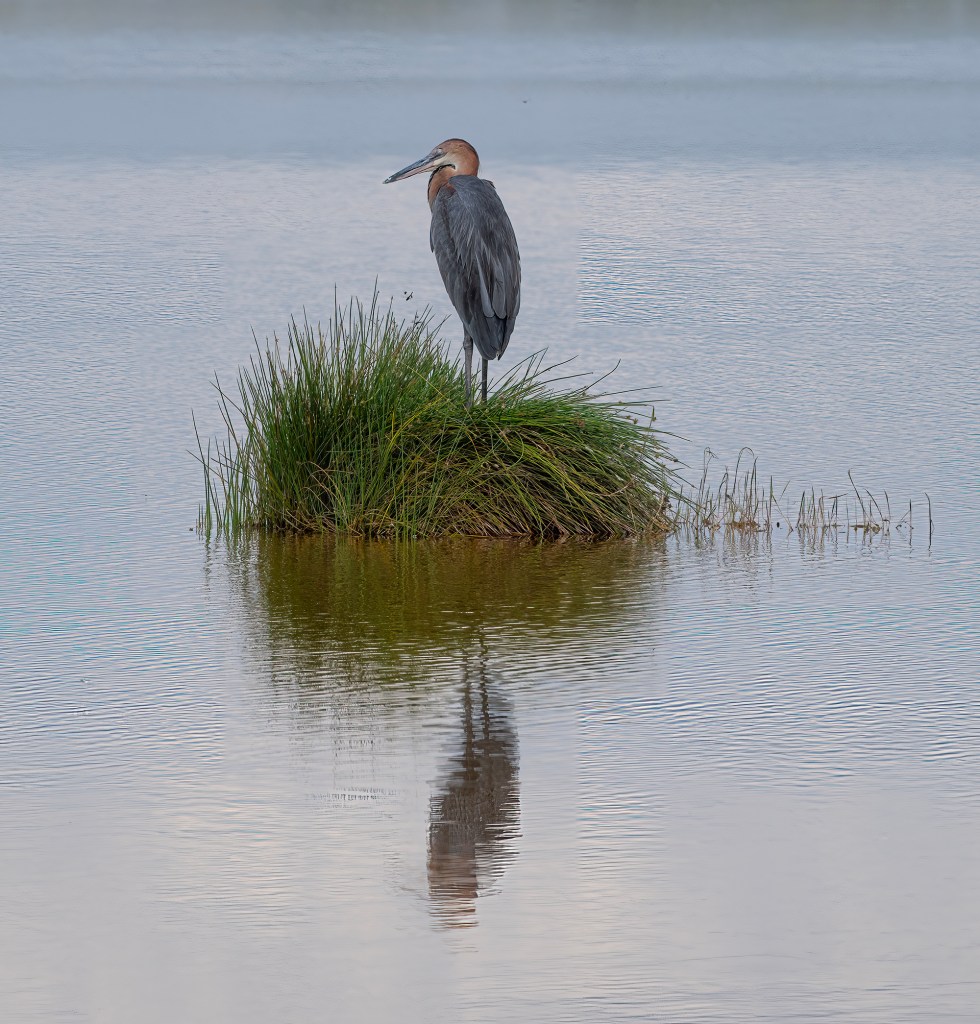
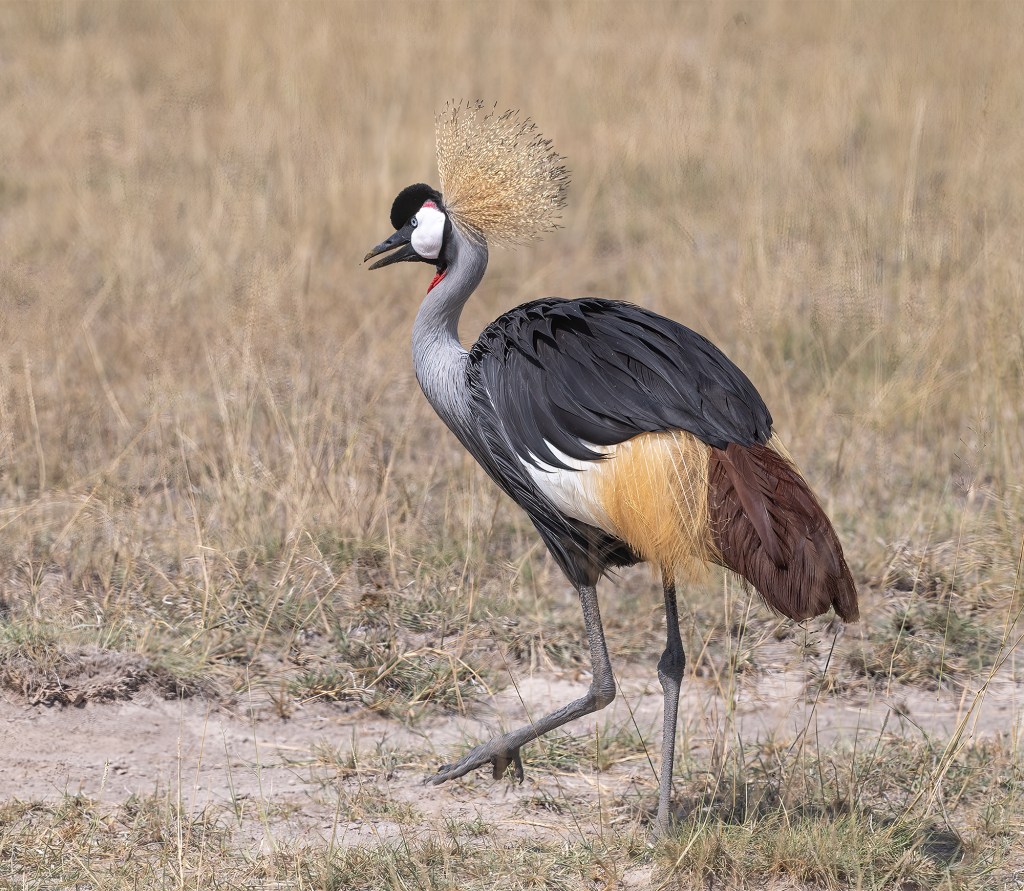
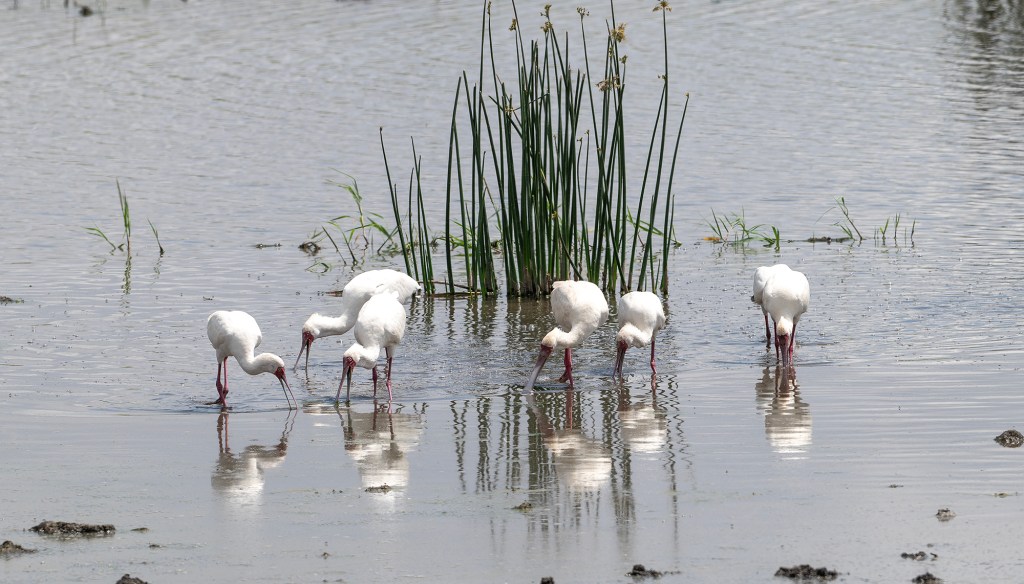
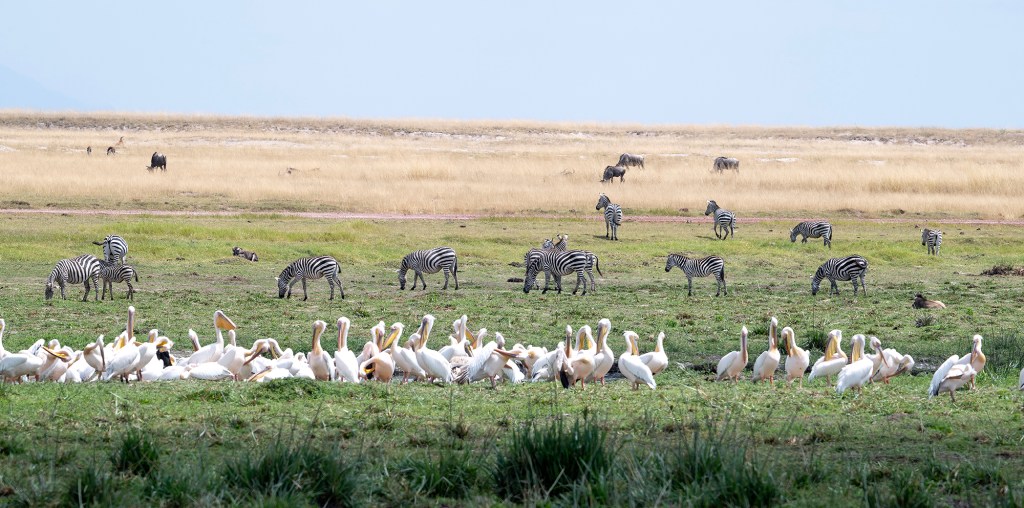
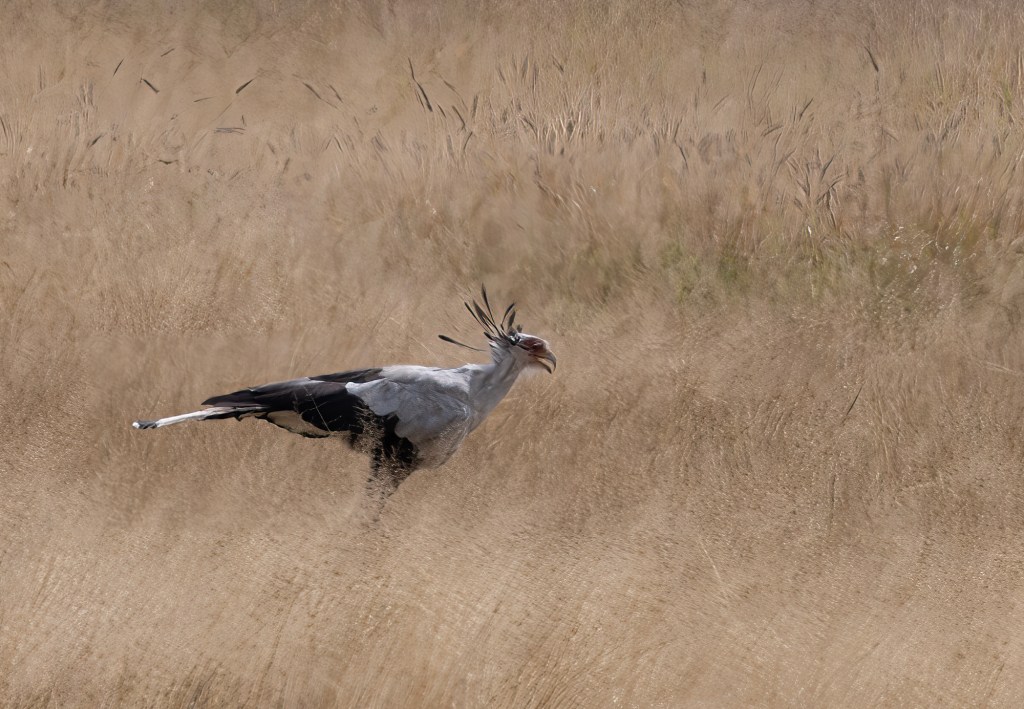
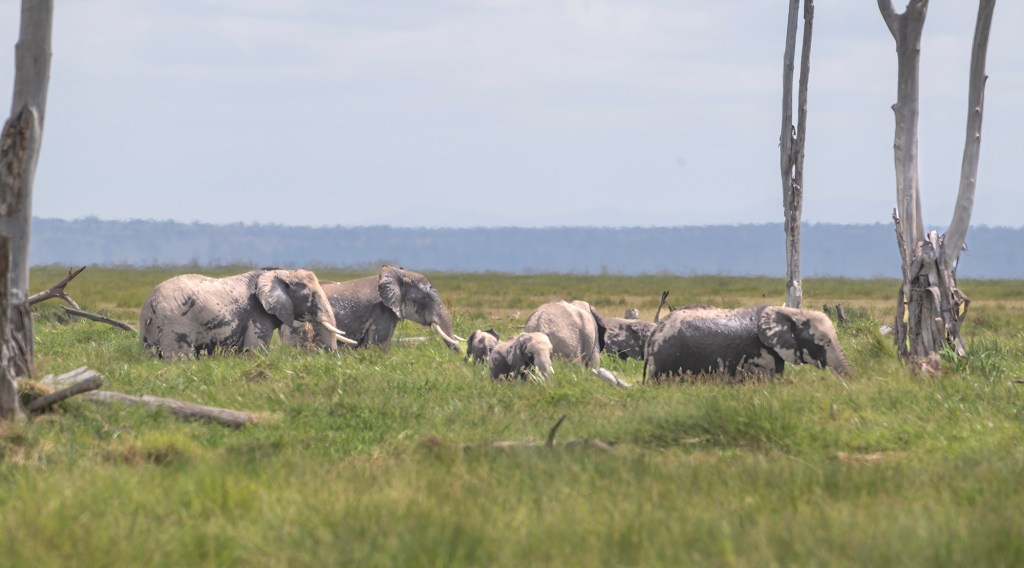
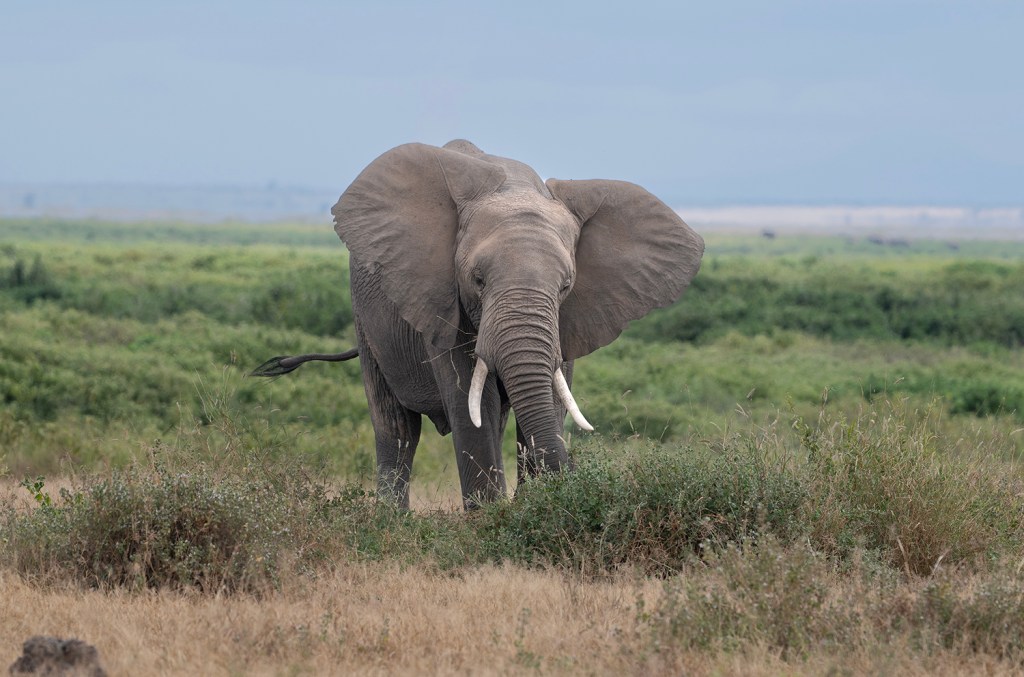
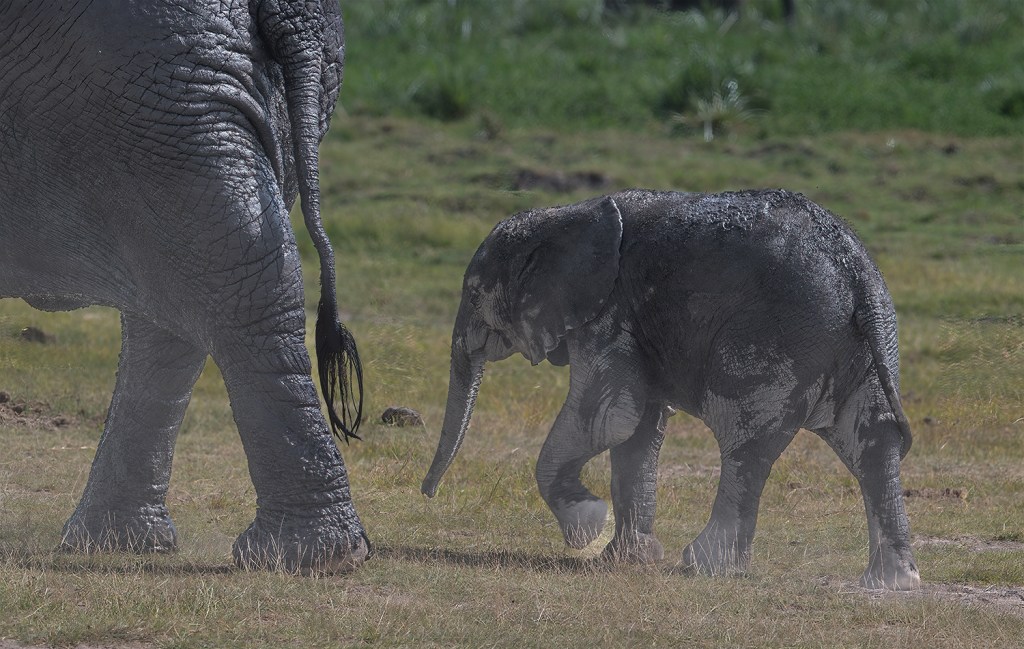
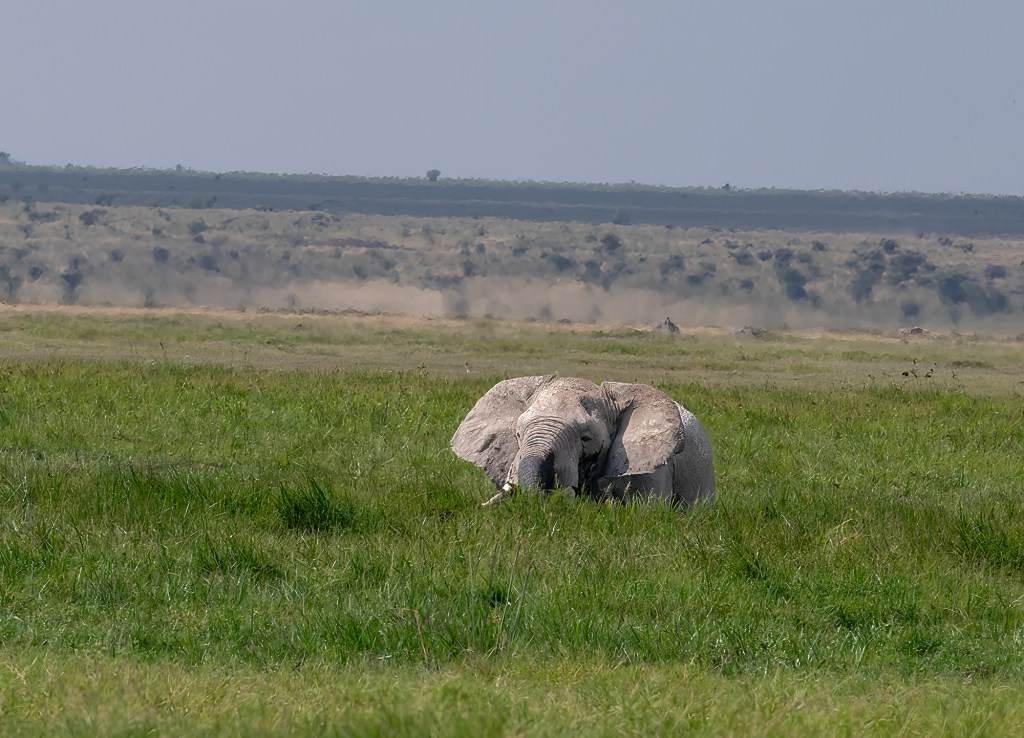
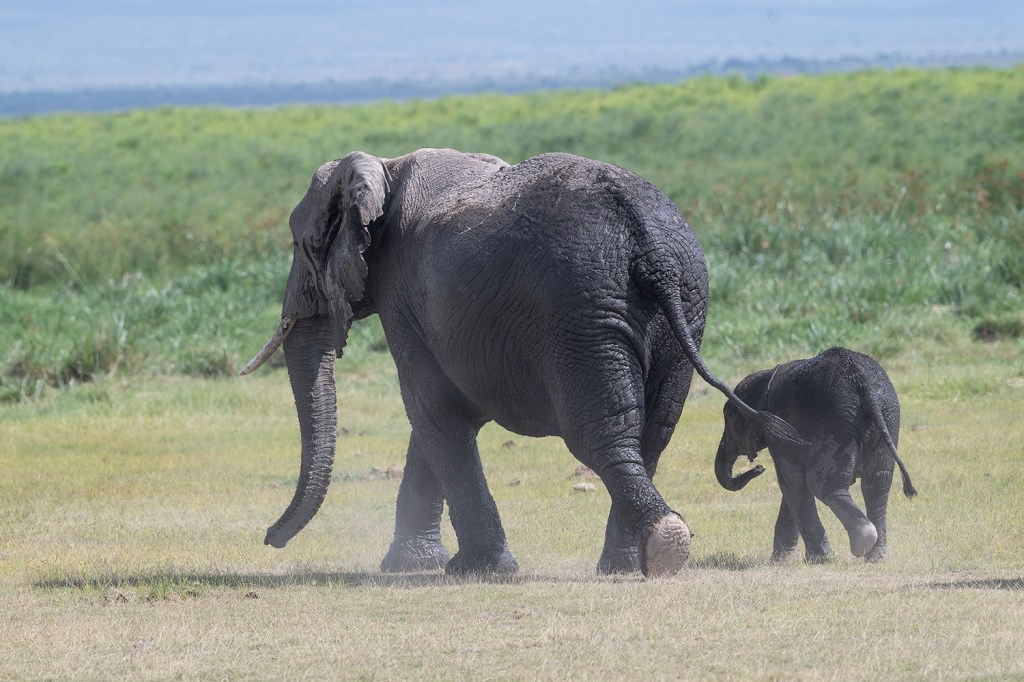
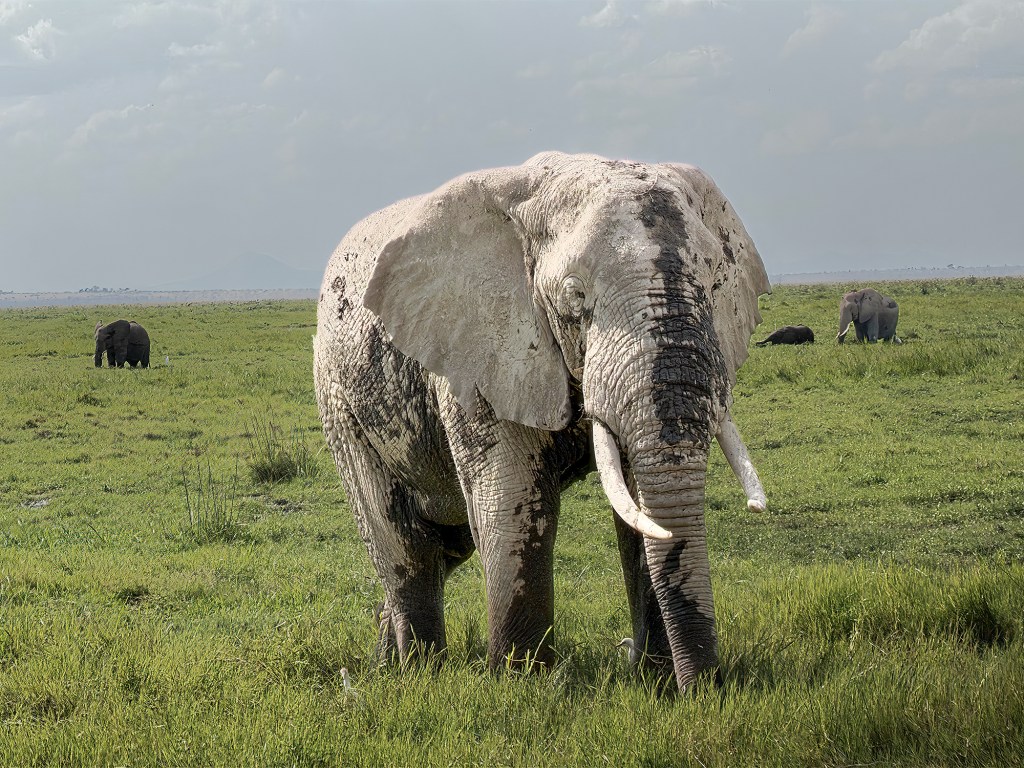
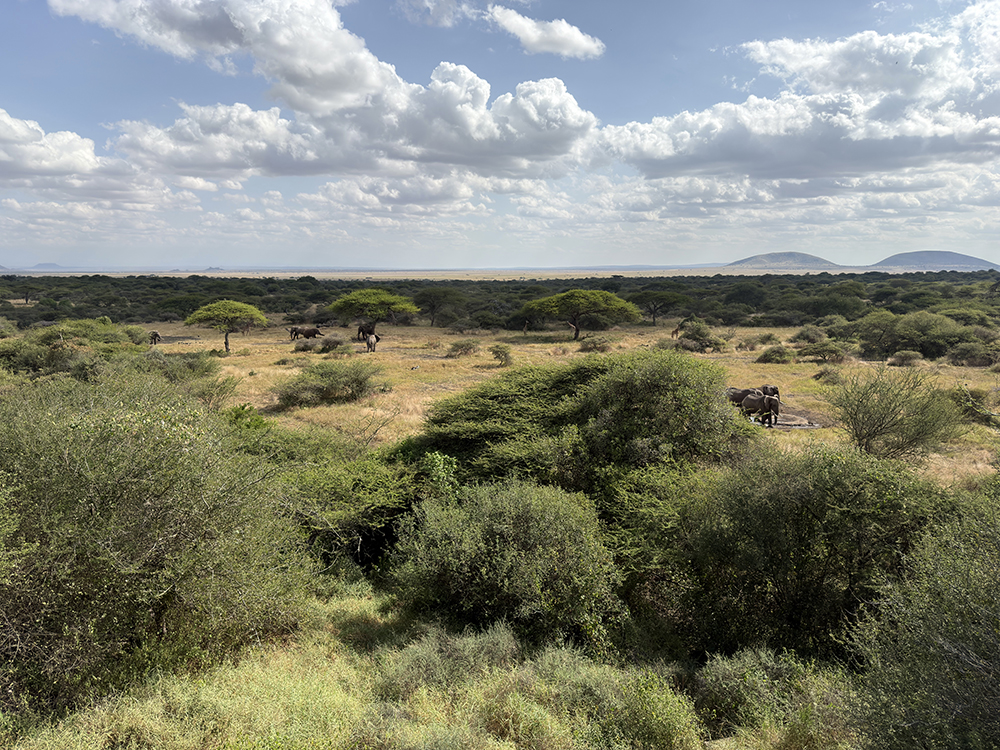
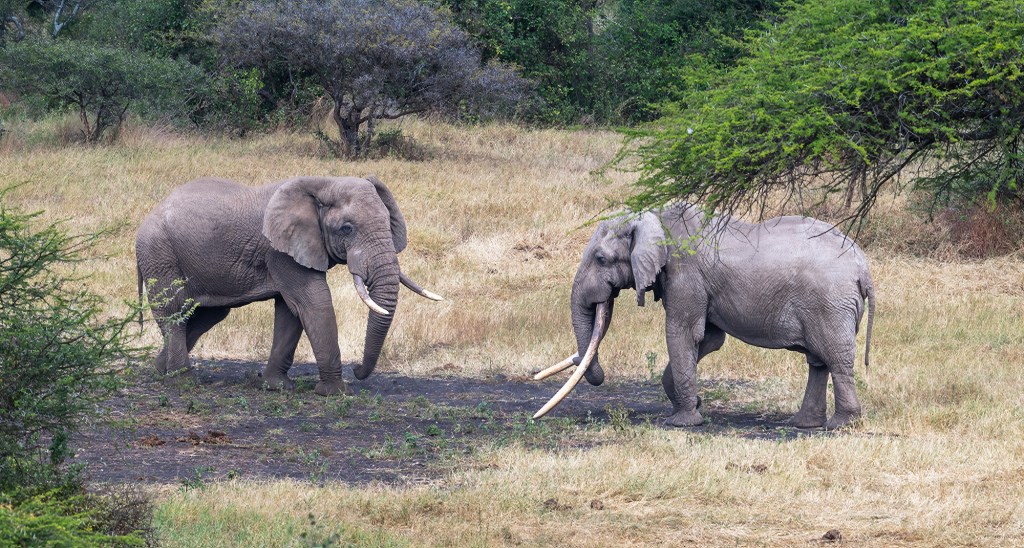
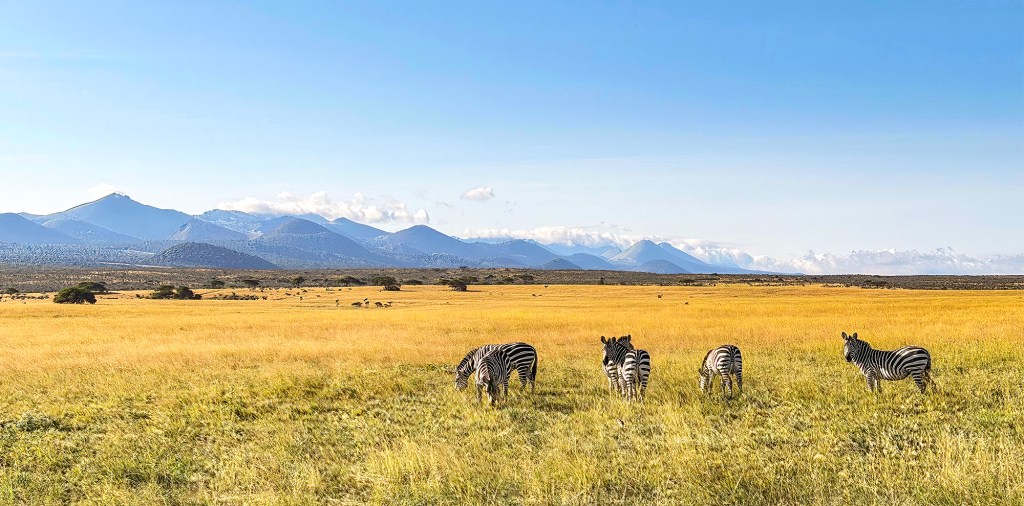
During our stay at Ol Donyo, we took a day and drove about two hours to visit Amboseli National Park. This is a large park located in SE Kenya near the Tanzania border which is known for large elephant herds – including super tuskers, over 400 species of birds, a large lake and great views (during clear weather) of Mt. Kilimanjaro. Typically the elephants arrive mid-morning in herds on their way to the grassy areas of the park, particularly near the lake.

Arriving herd
Close eh!
Secretary Bird

Okavango Explorer Camp I

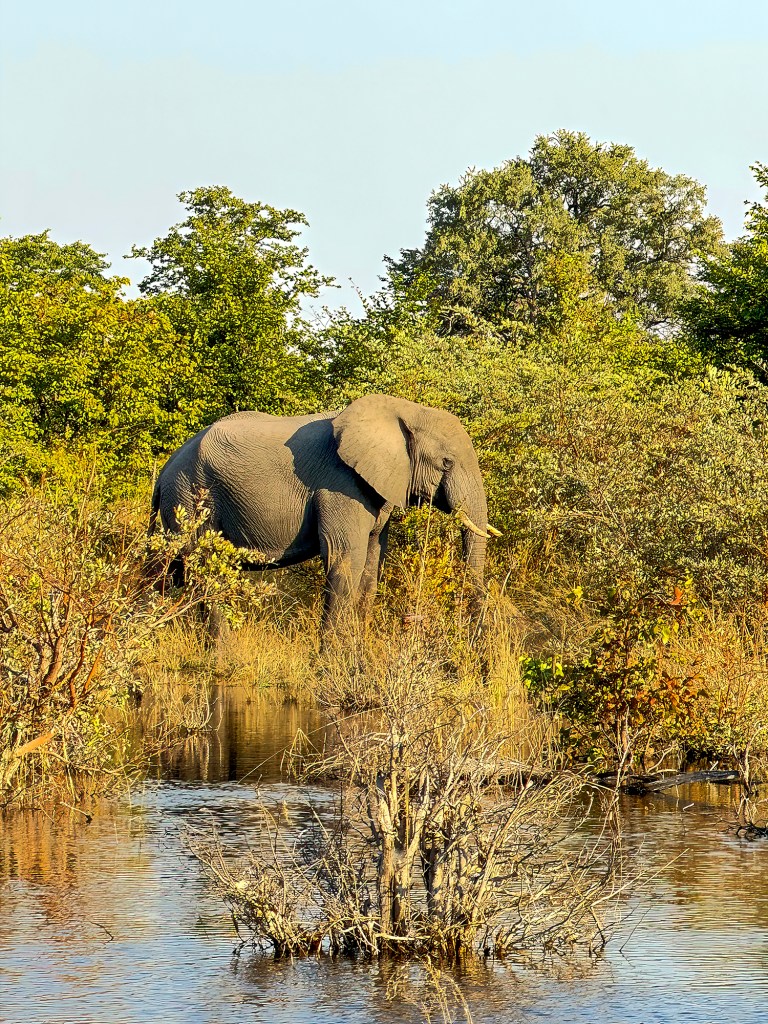
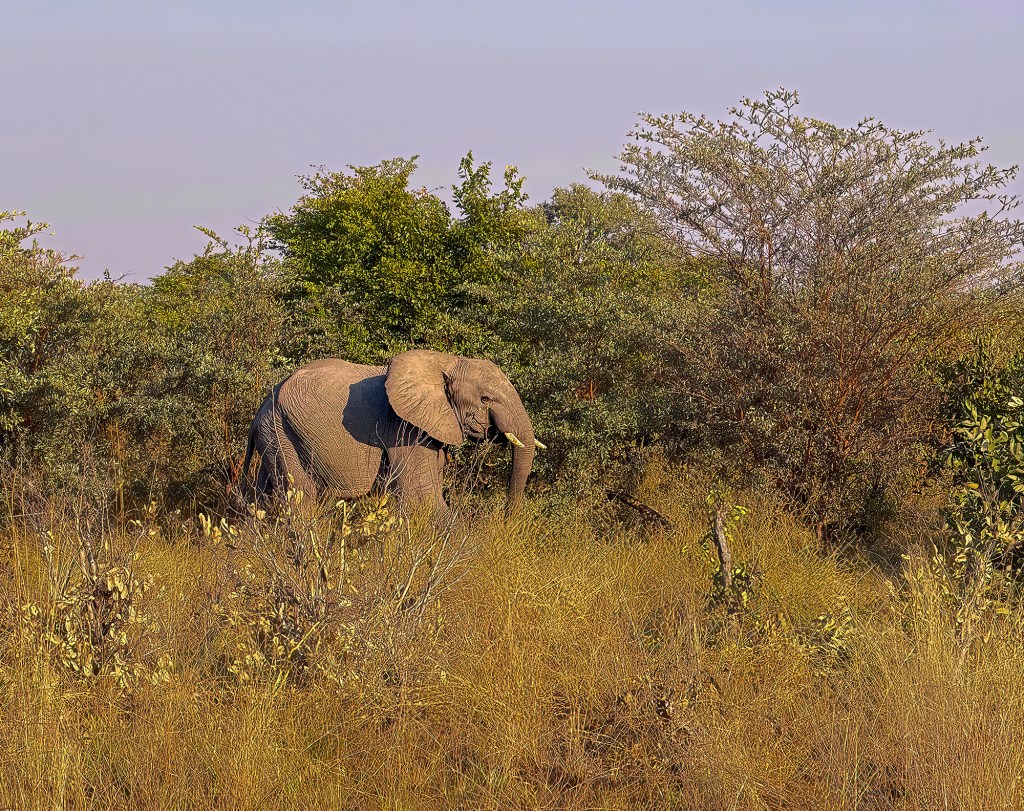
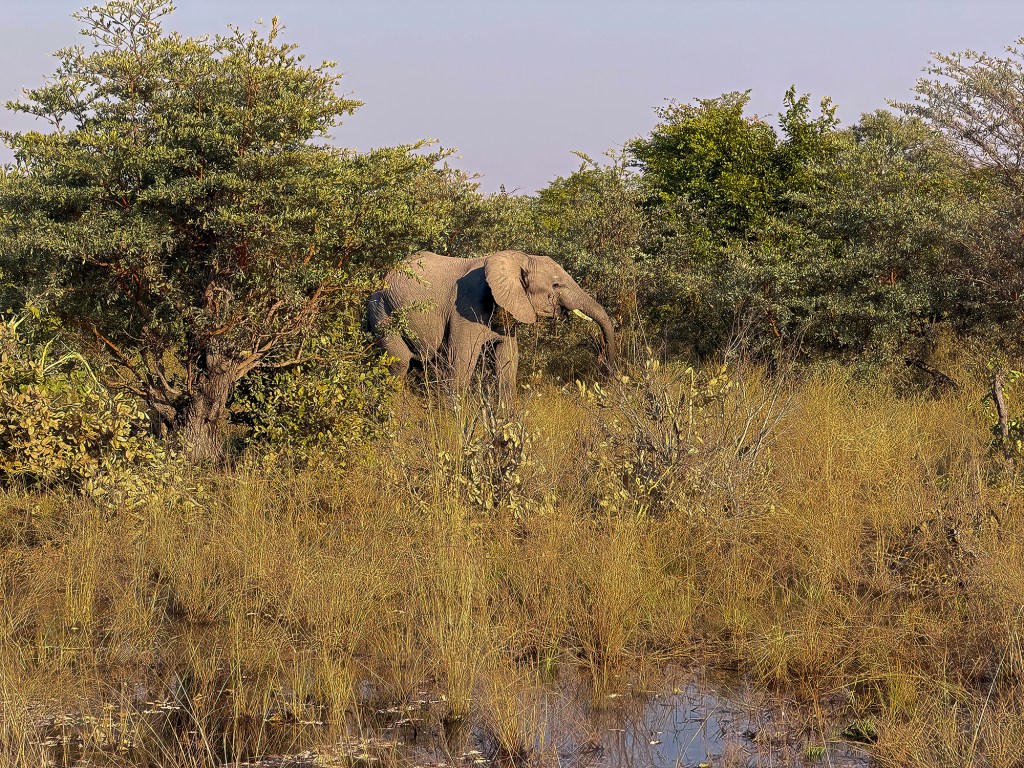
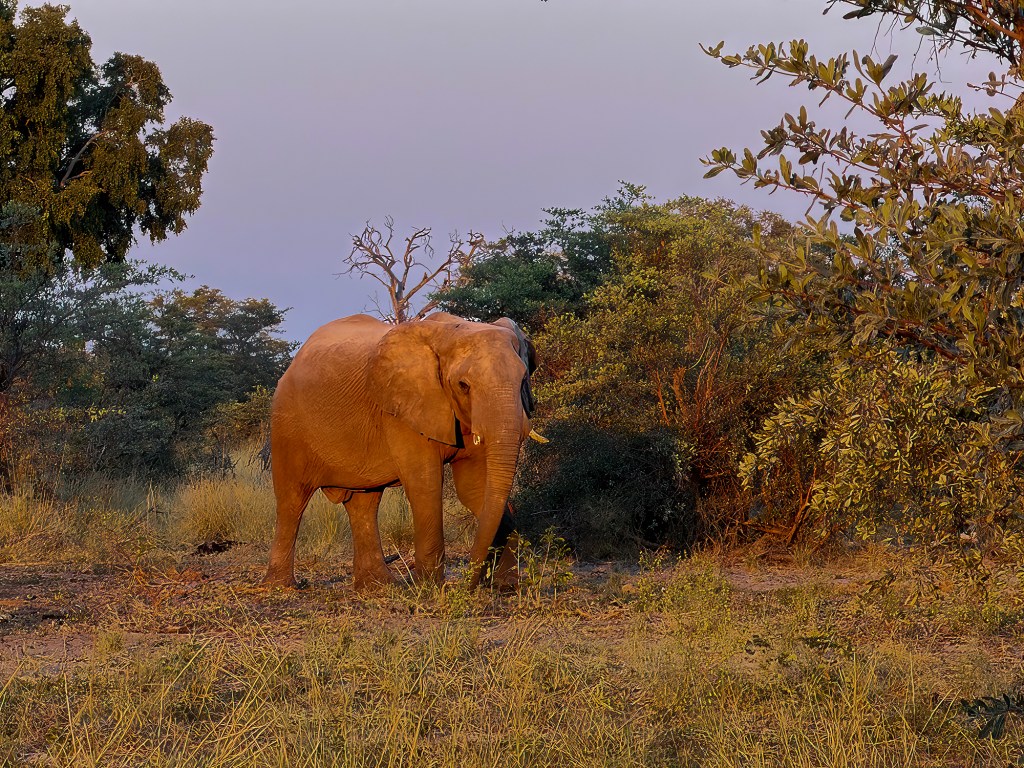
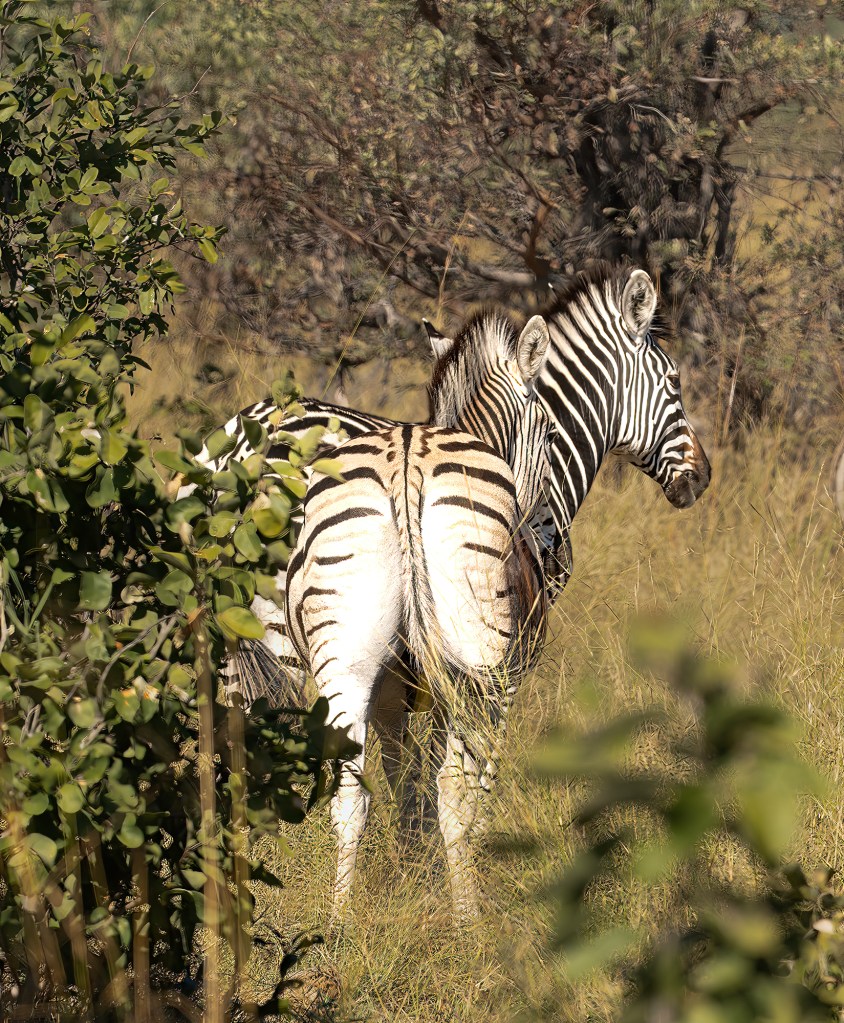
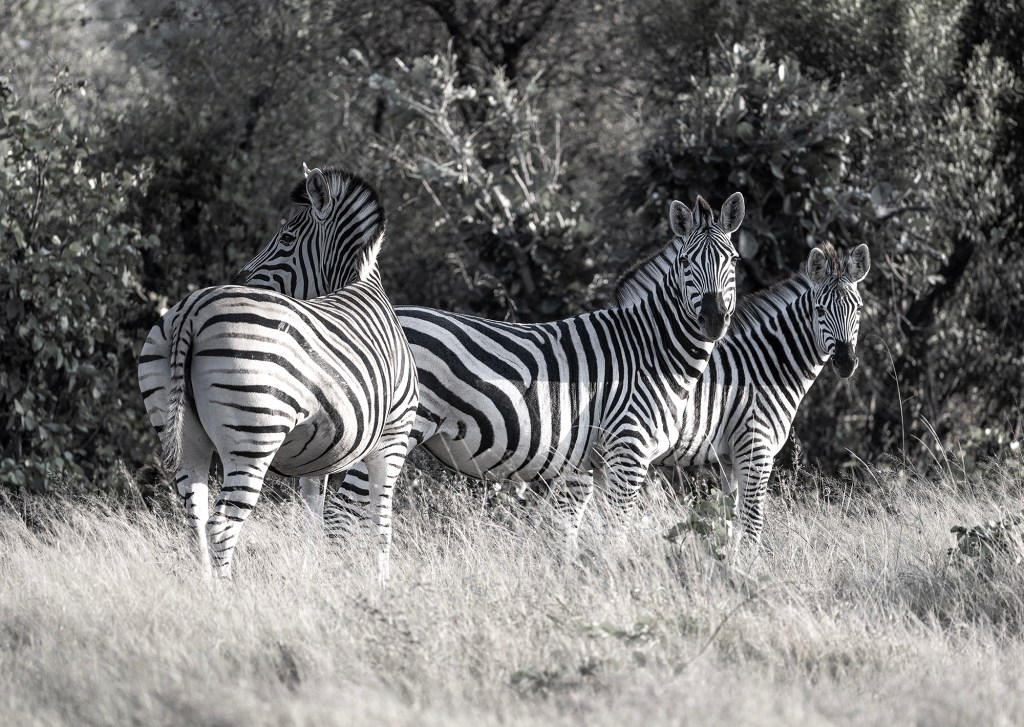
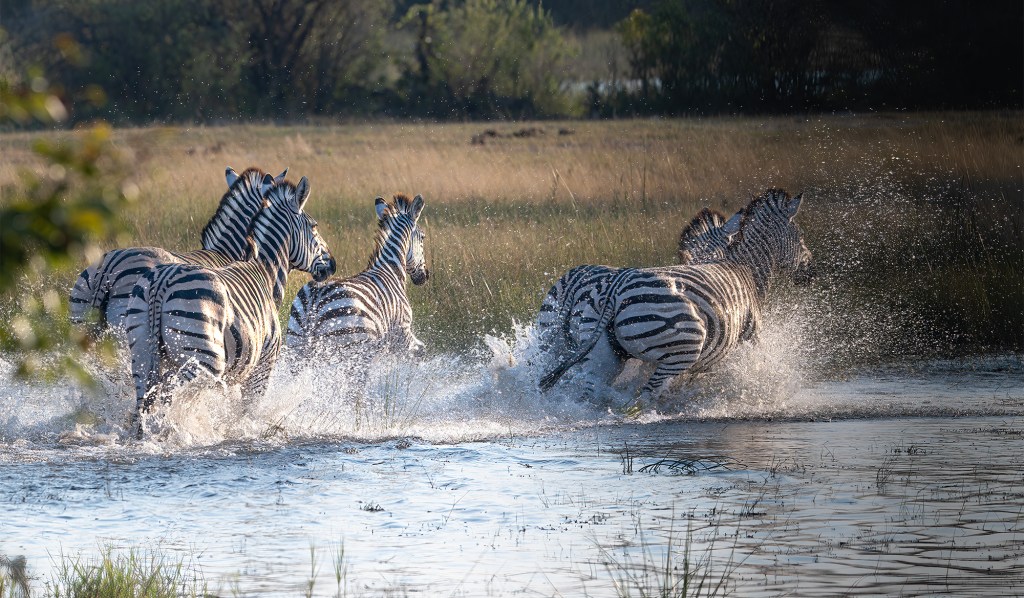
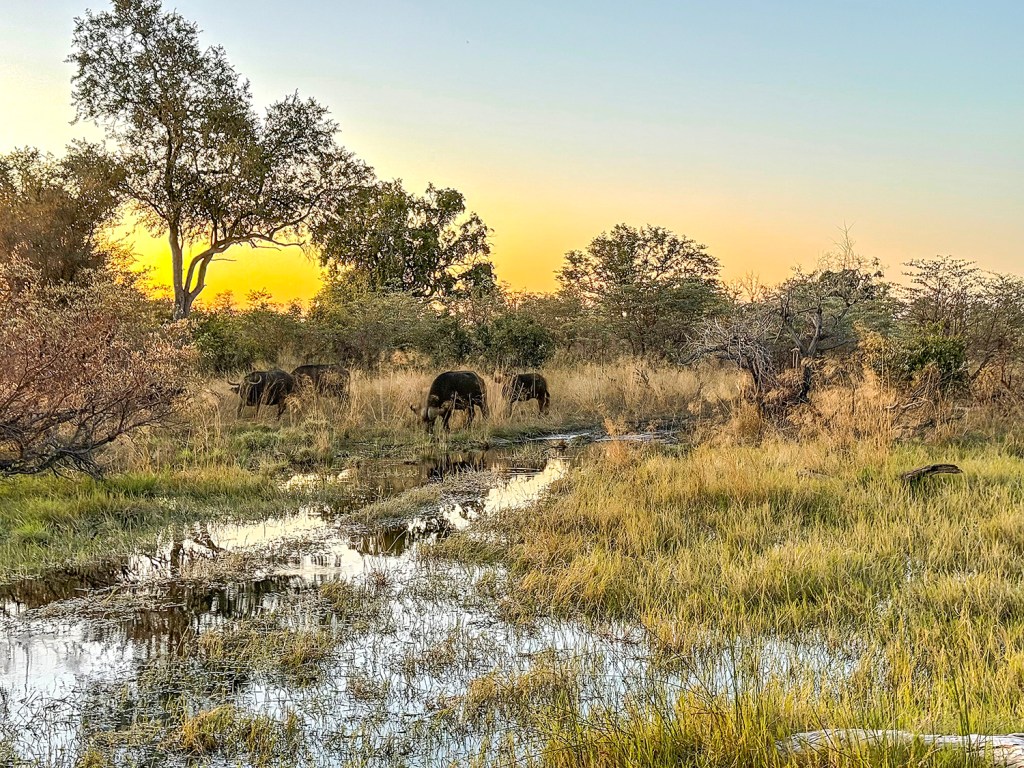
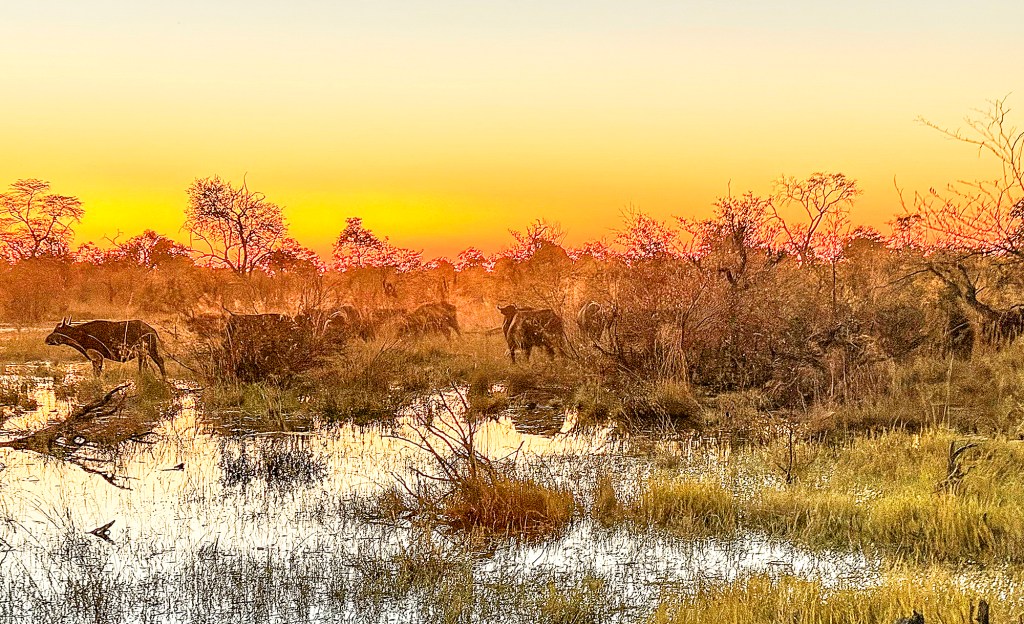
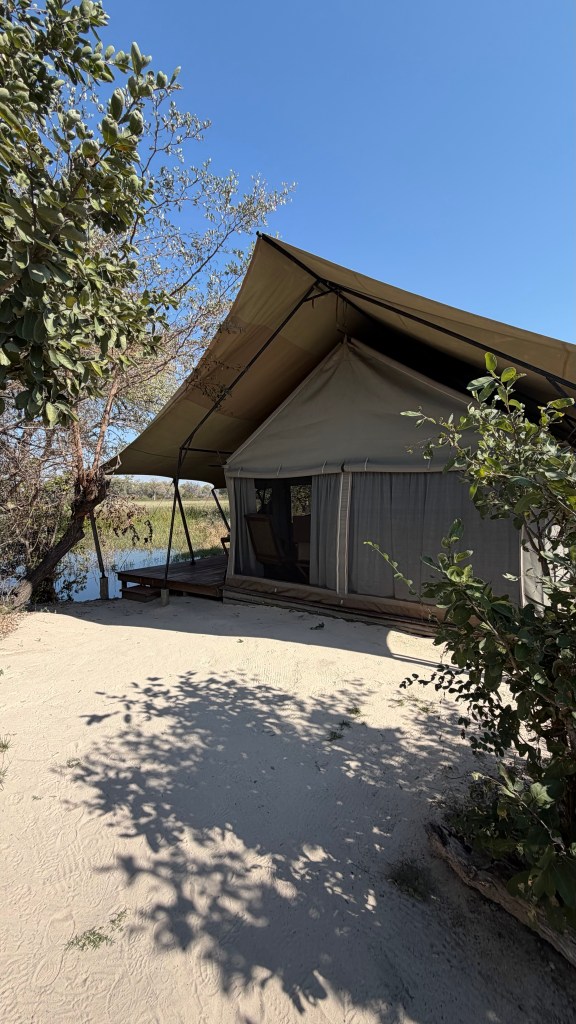
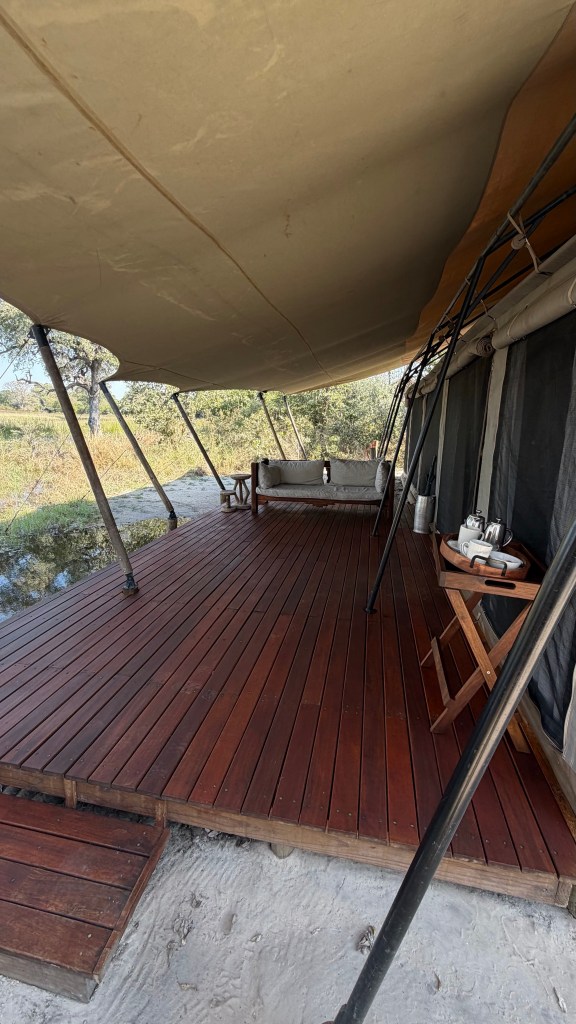
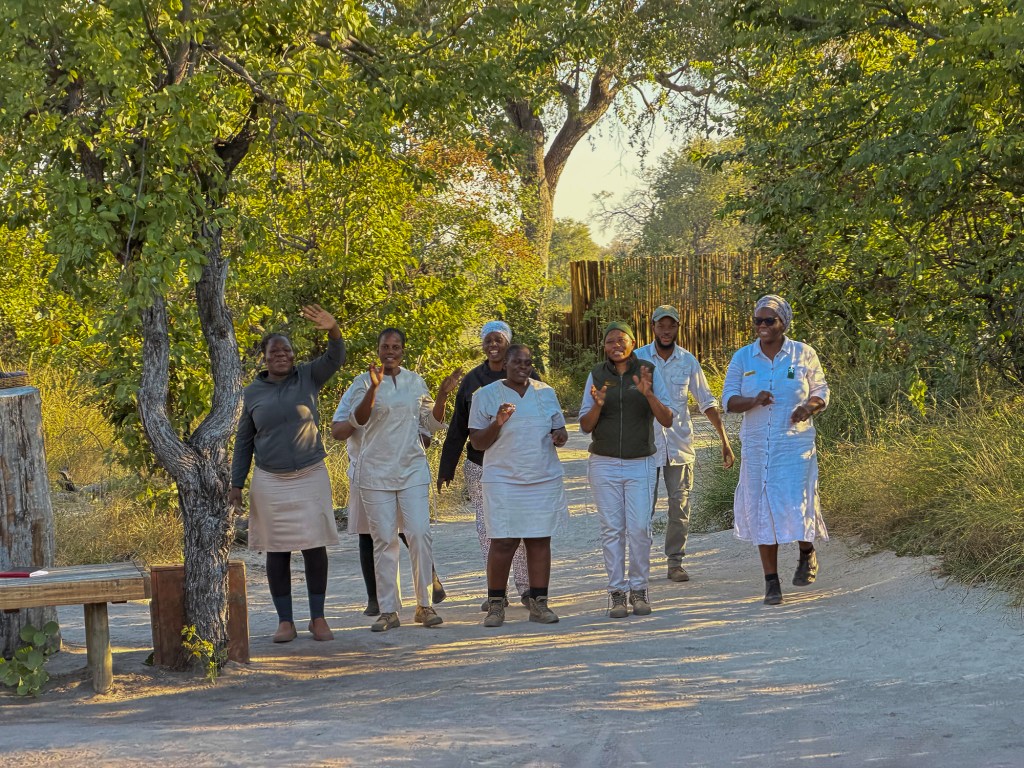
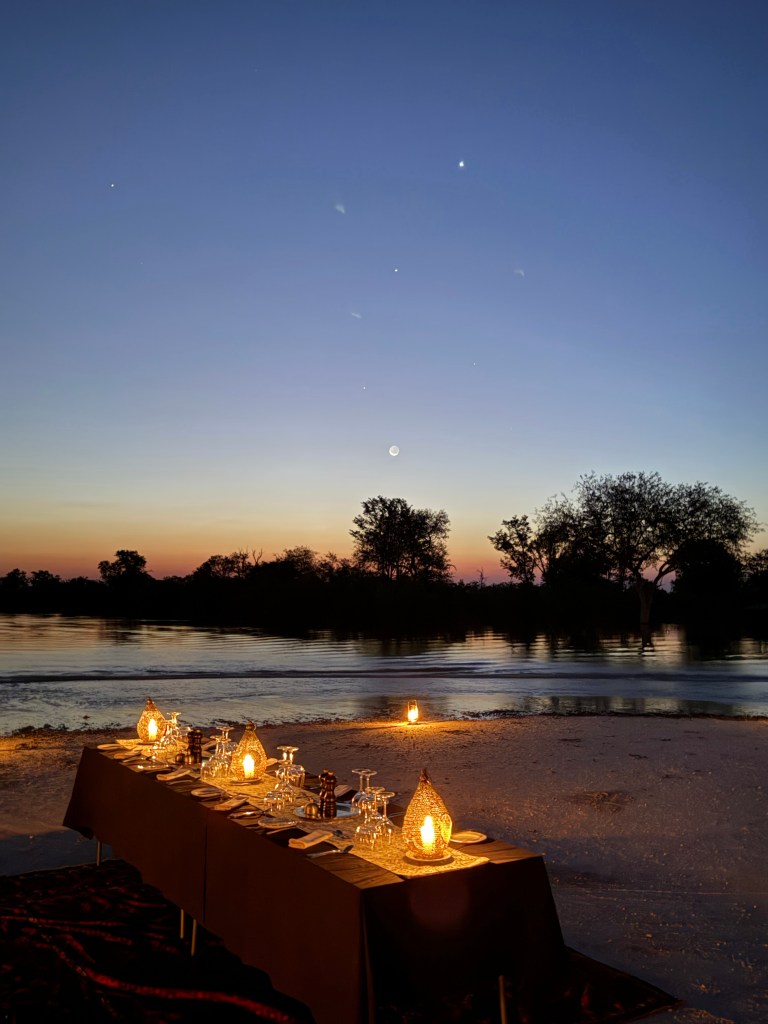
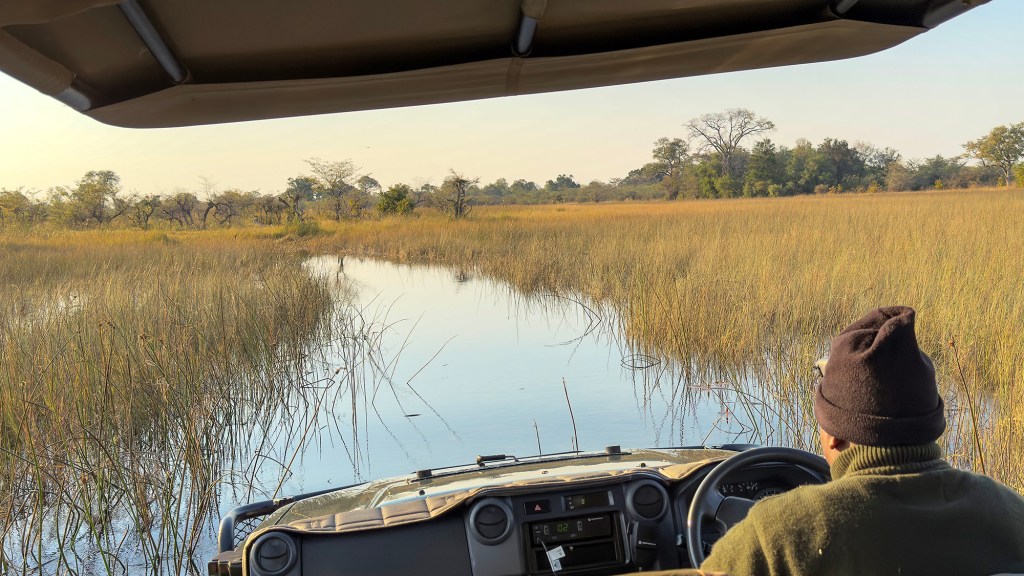
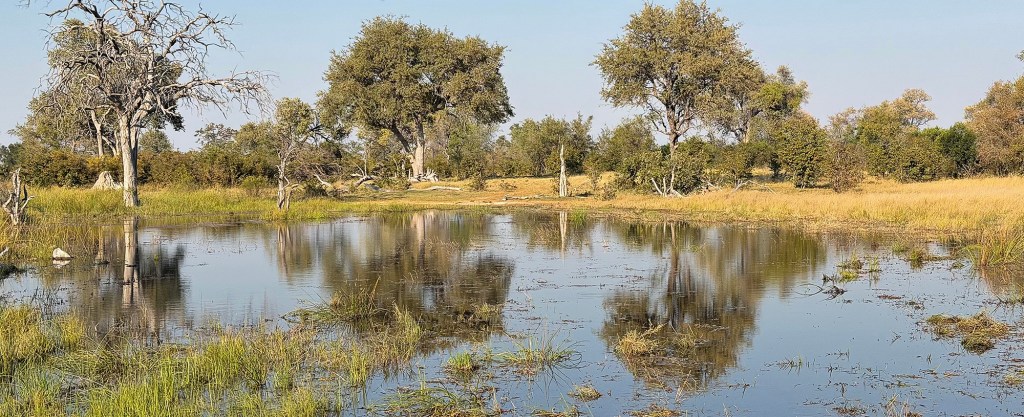
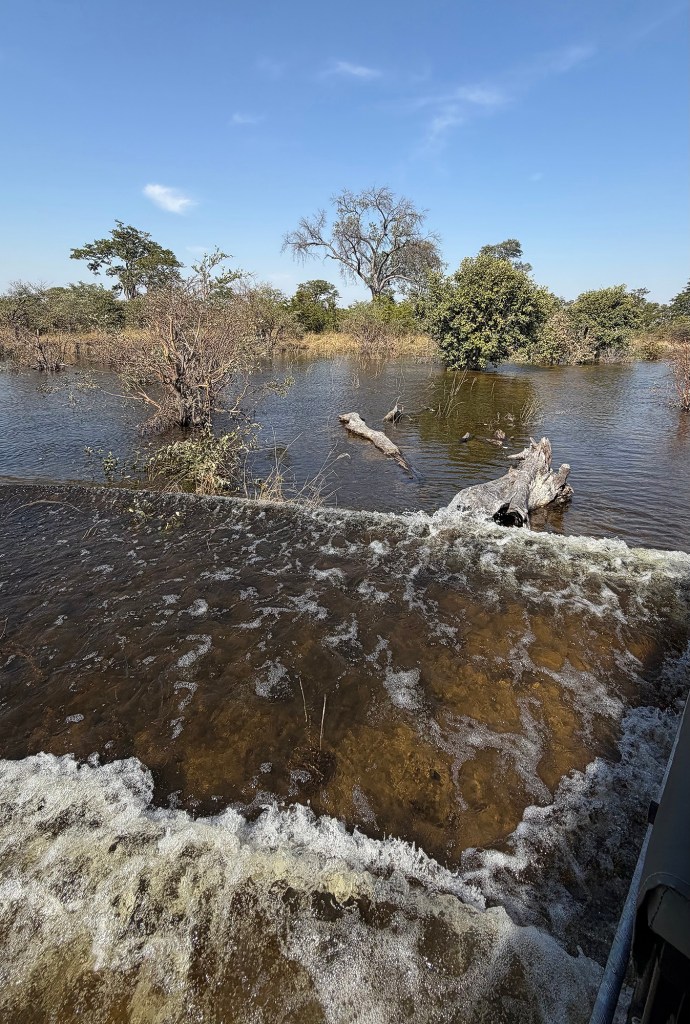
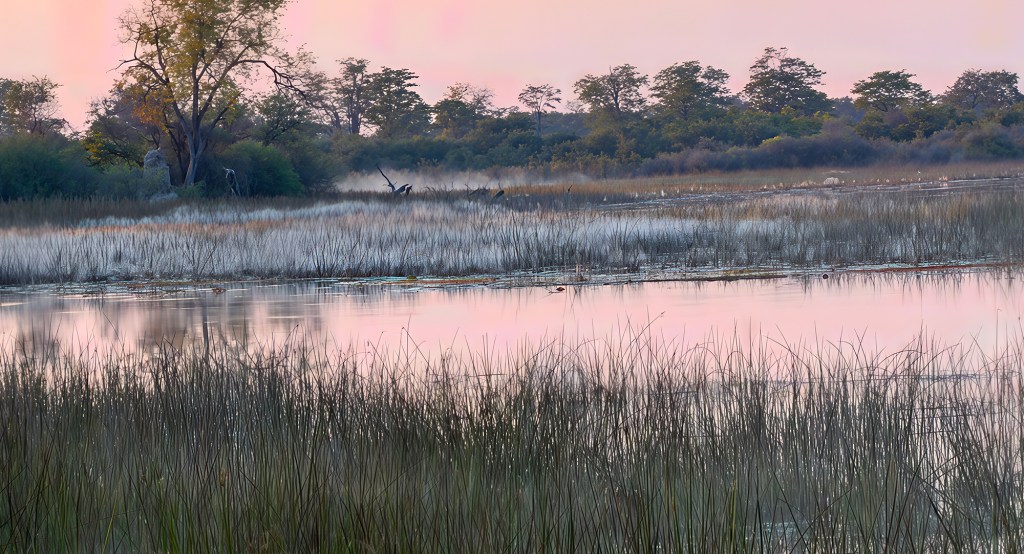
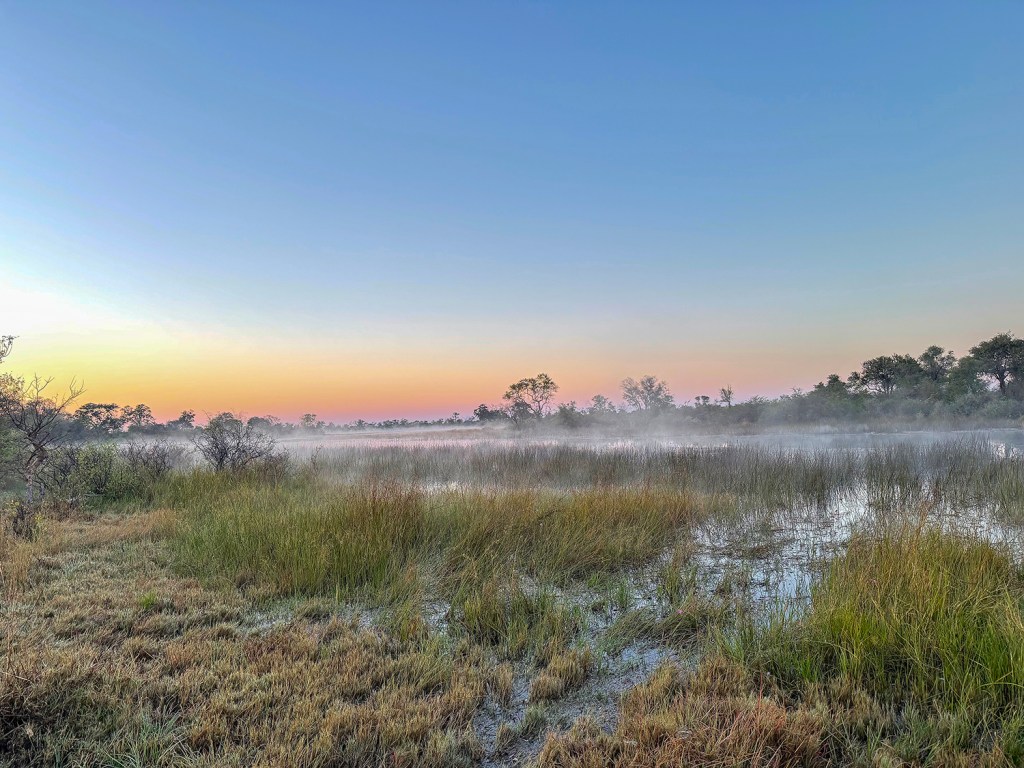
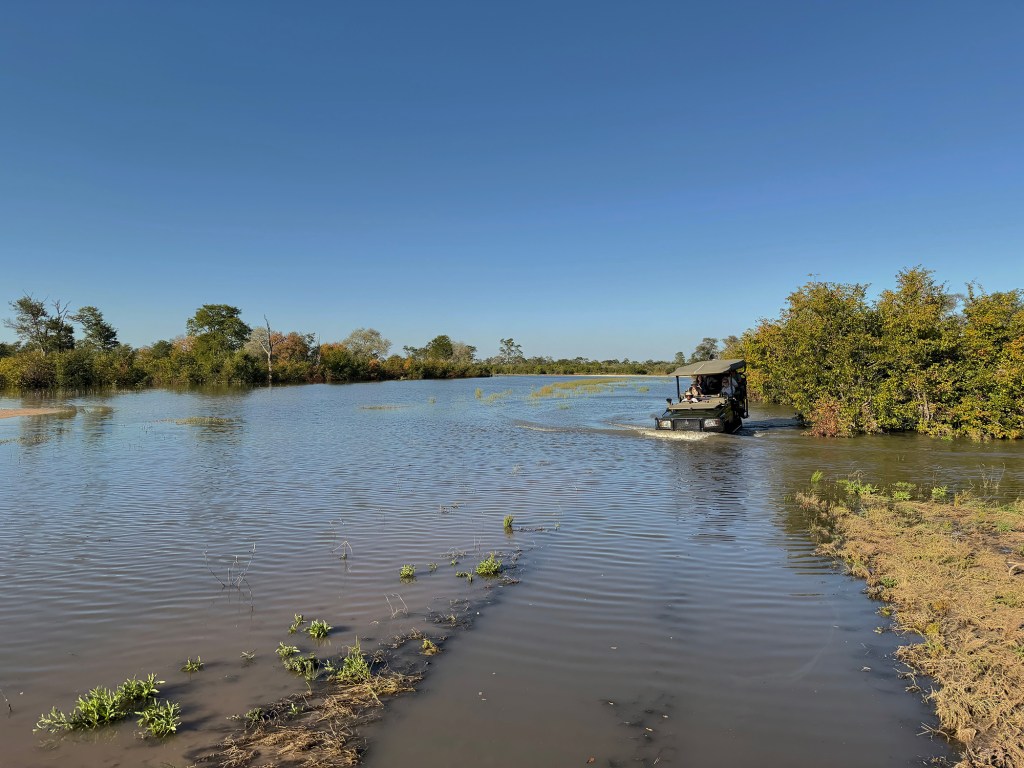
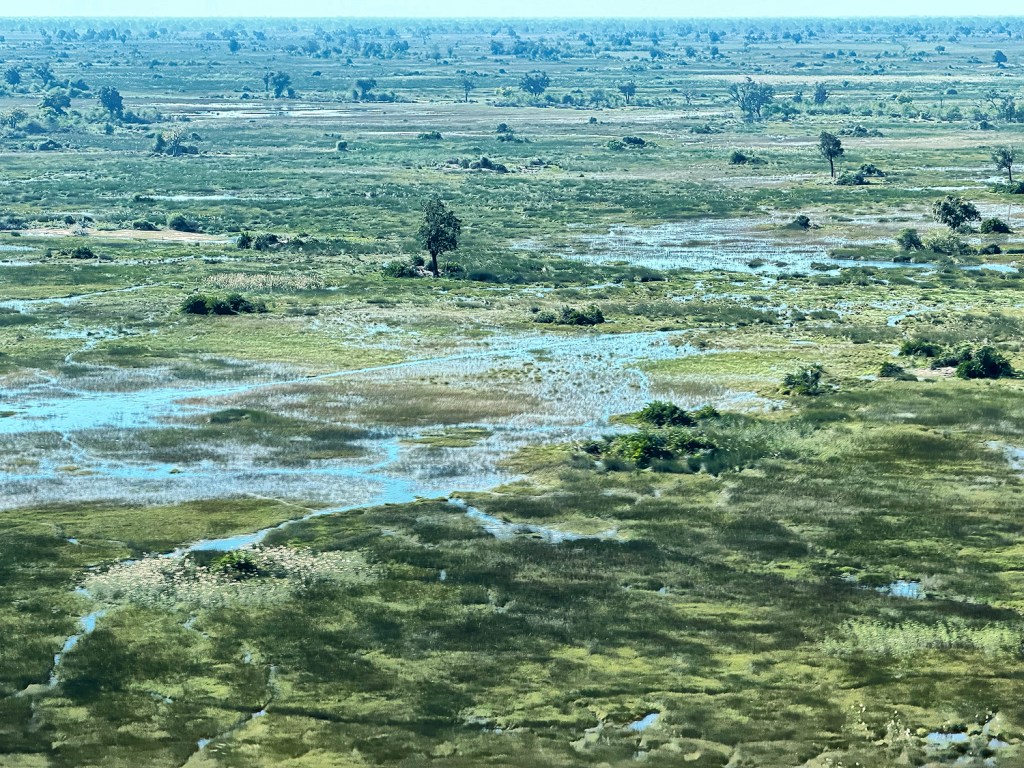
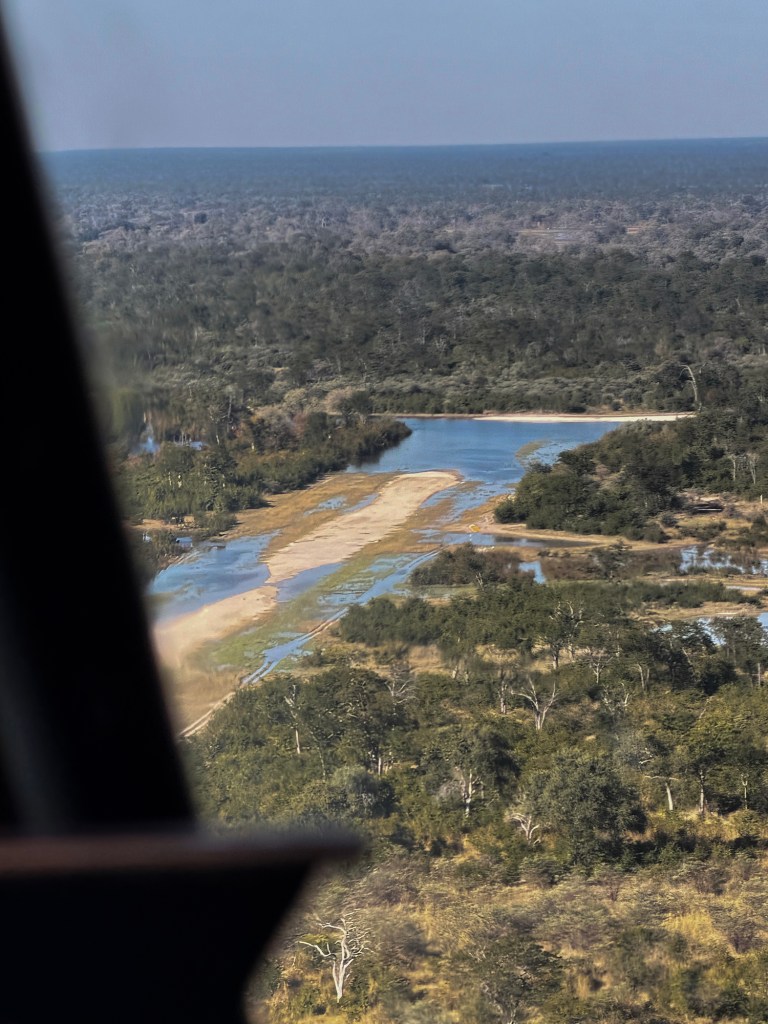
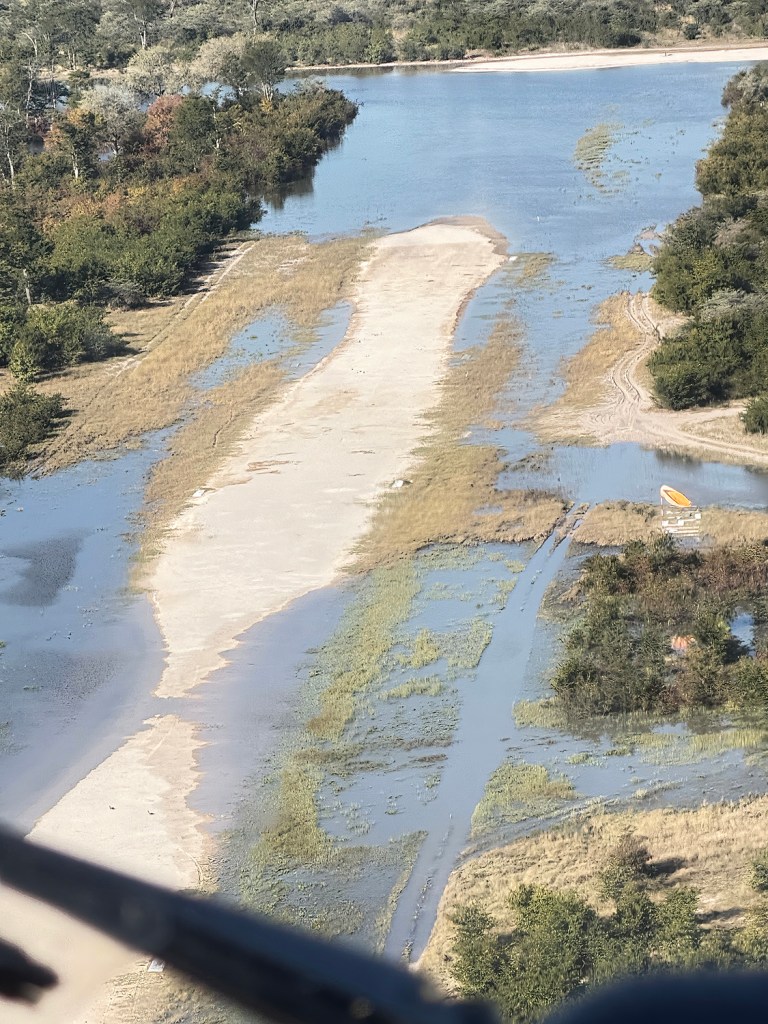
Okavango Explorer is a Great Plains Conservation safari camp located in the SW corner of the Selinda Reserve. This area is between the Delta and the Selinda Spillway, a channel which connects the Delta to the Linyanti streams. The camp is small with just six tents and done in a classic 20’s safari style with simple elegance. Situated south of the Selinda Spillway. Under normal “dry” conditions, game viewing is very good with lots of elephants. This year the area has had a full meter of rain in excess of normal, and is extremely wet. While the game viewing was fairly good, there were few if any predators during our stay. But the camp is very comfortable, the service is first-rate and the food was gourmet level.

Room
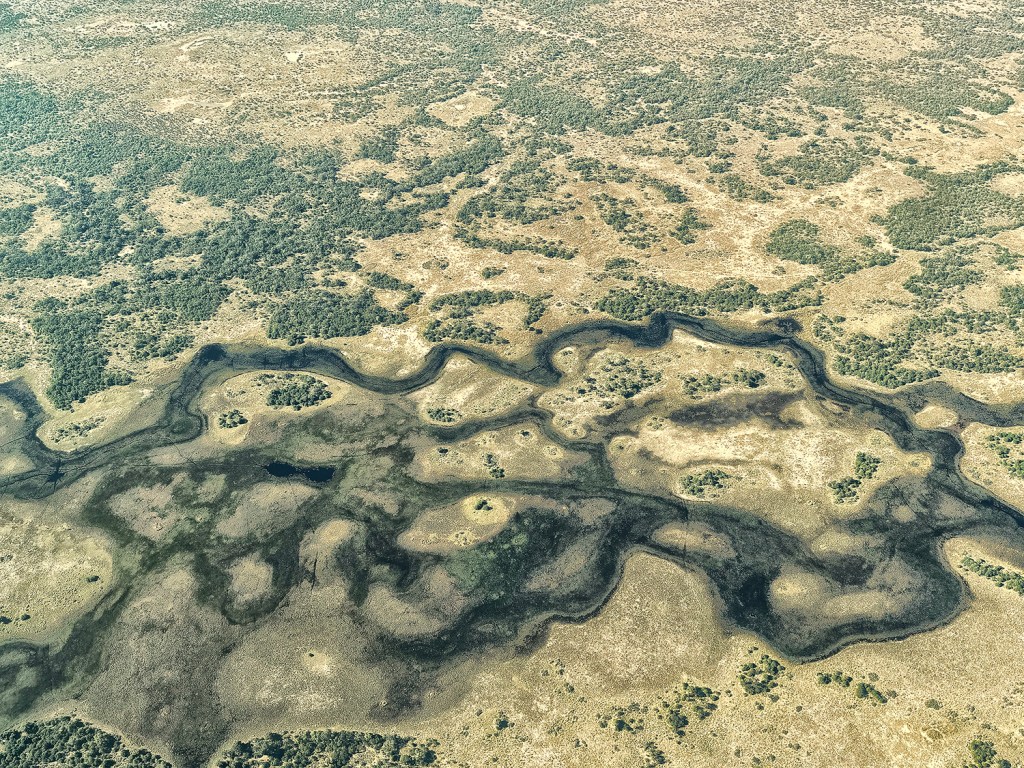
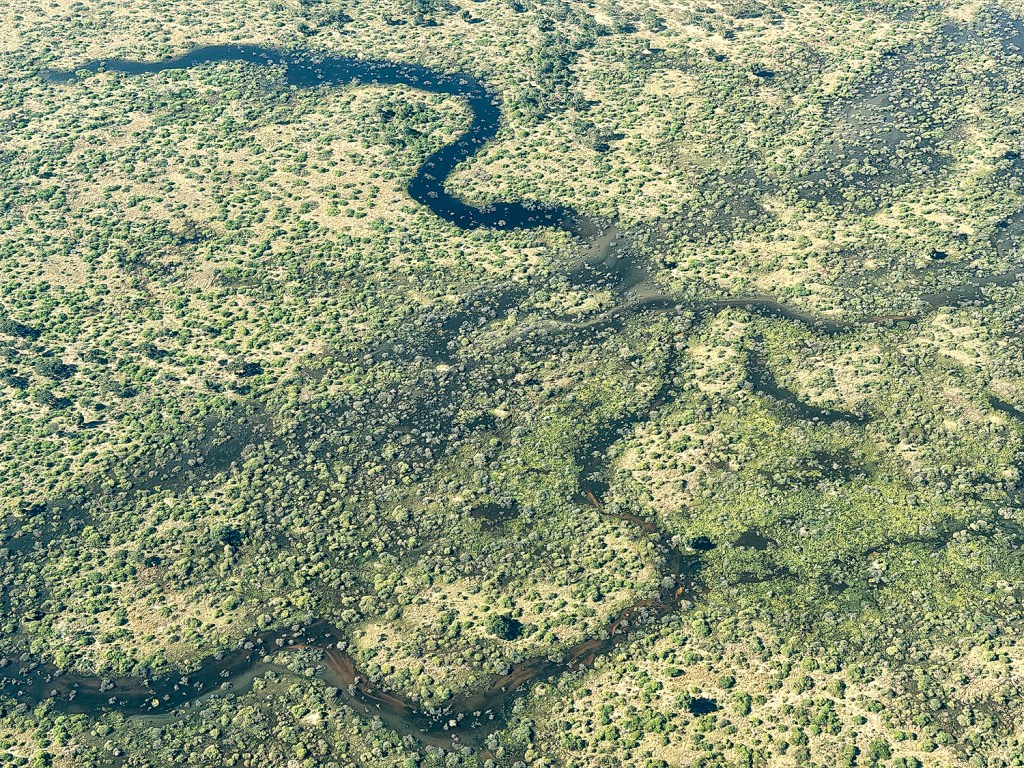
Water, water

Botswana and the Delta

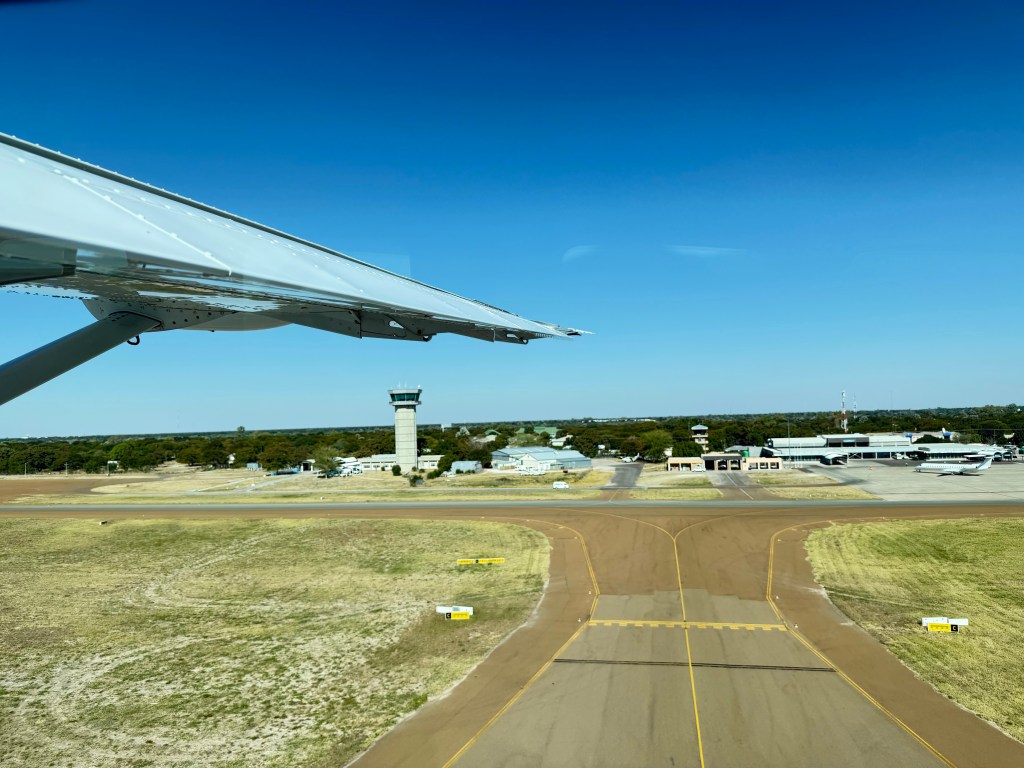
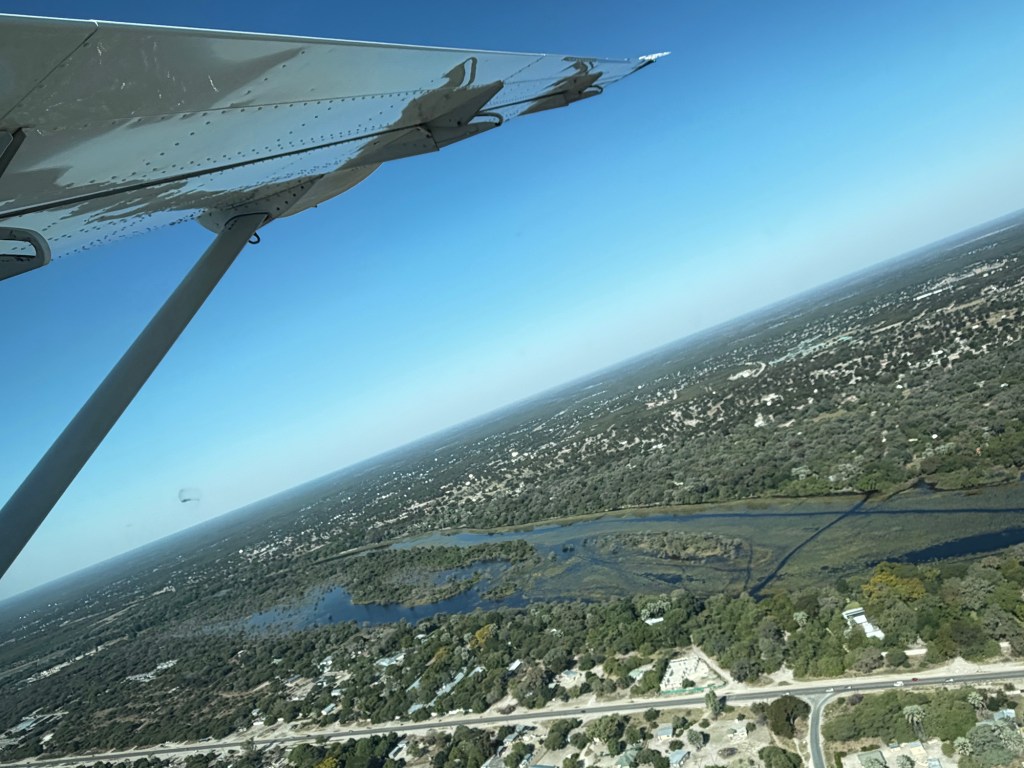
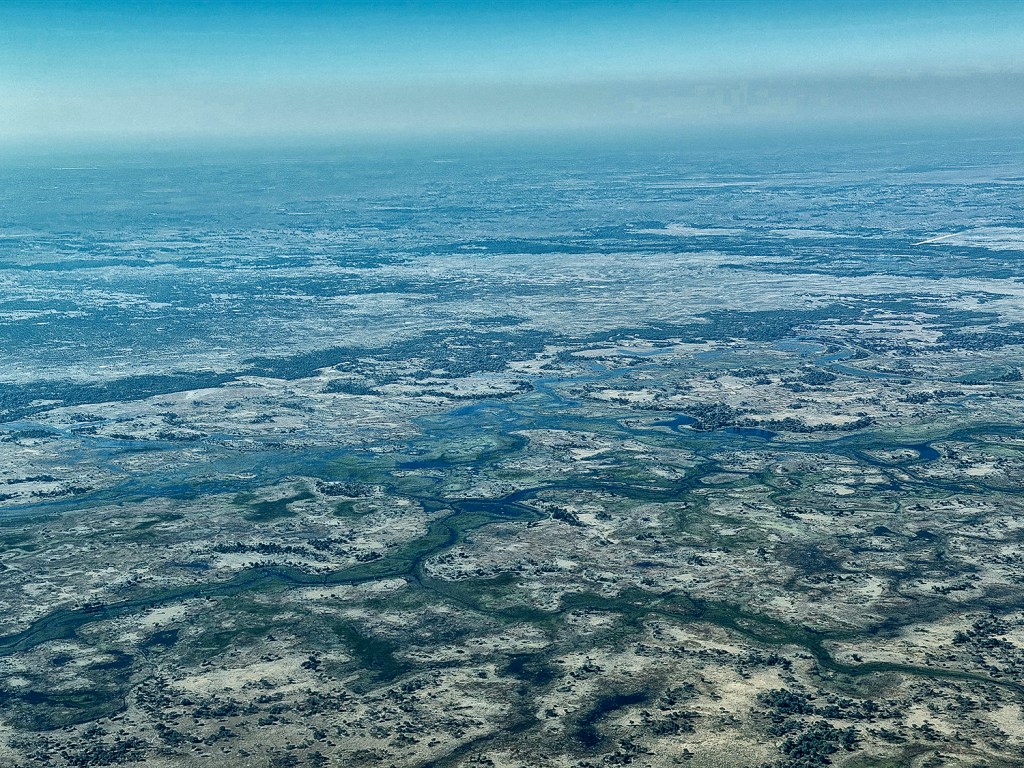
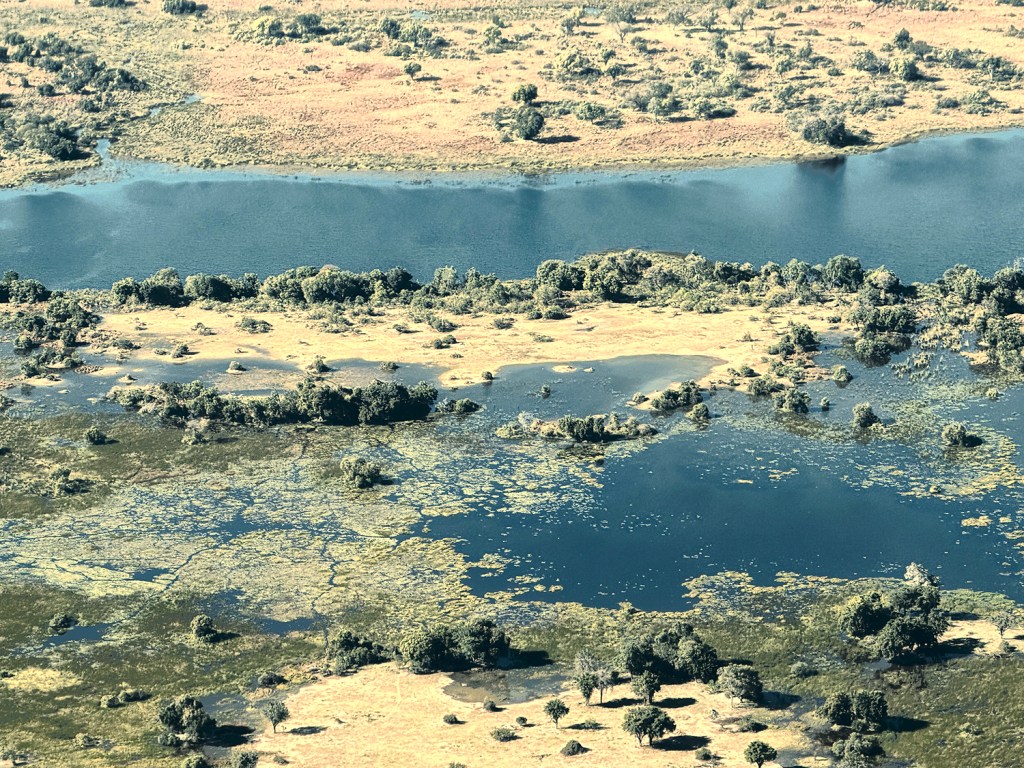
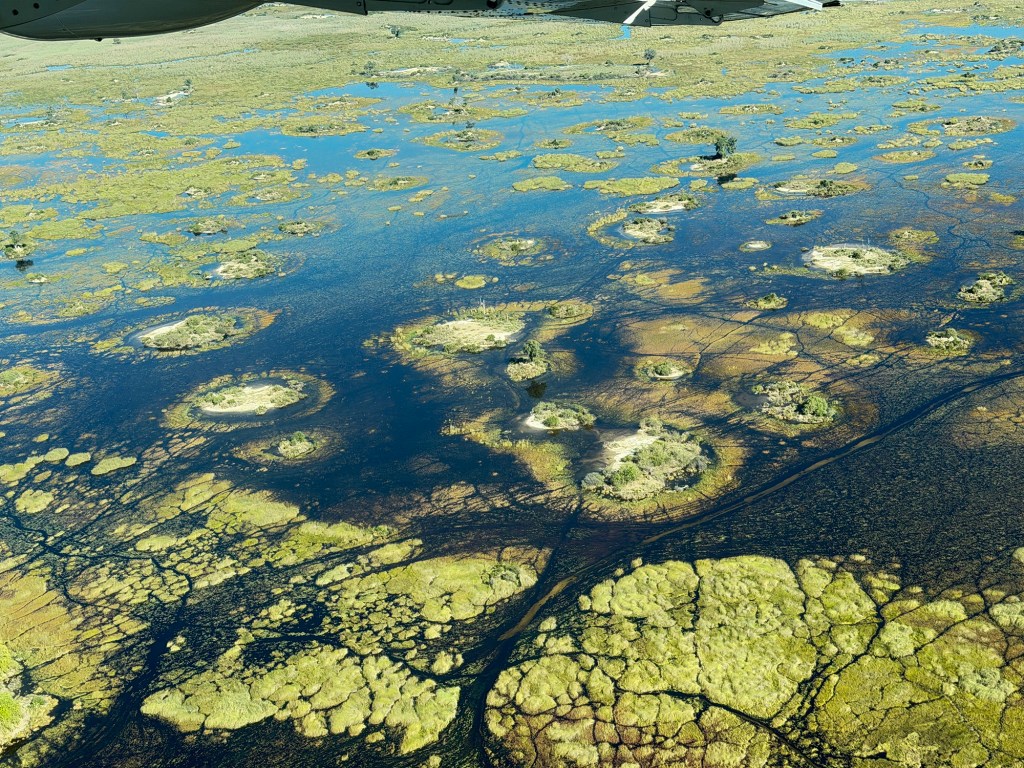
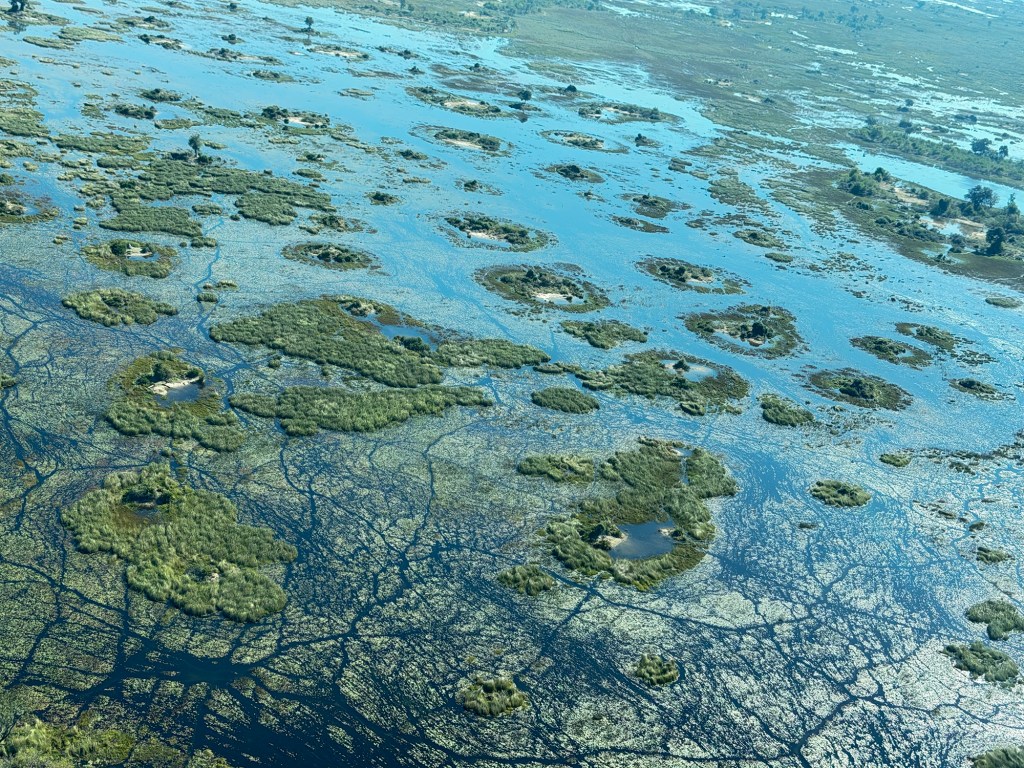
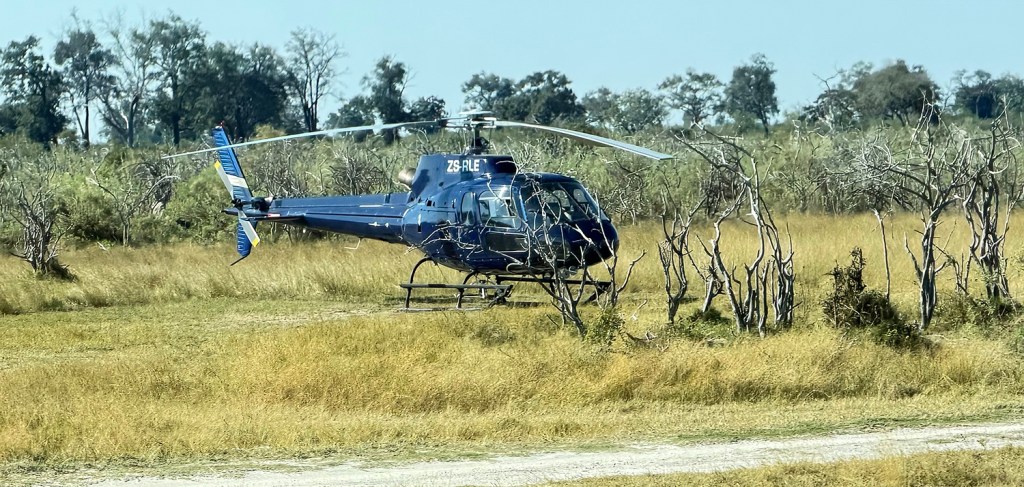
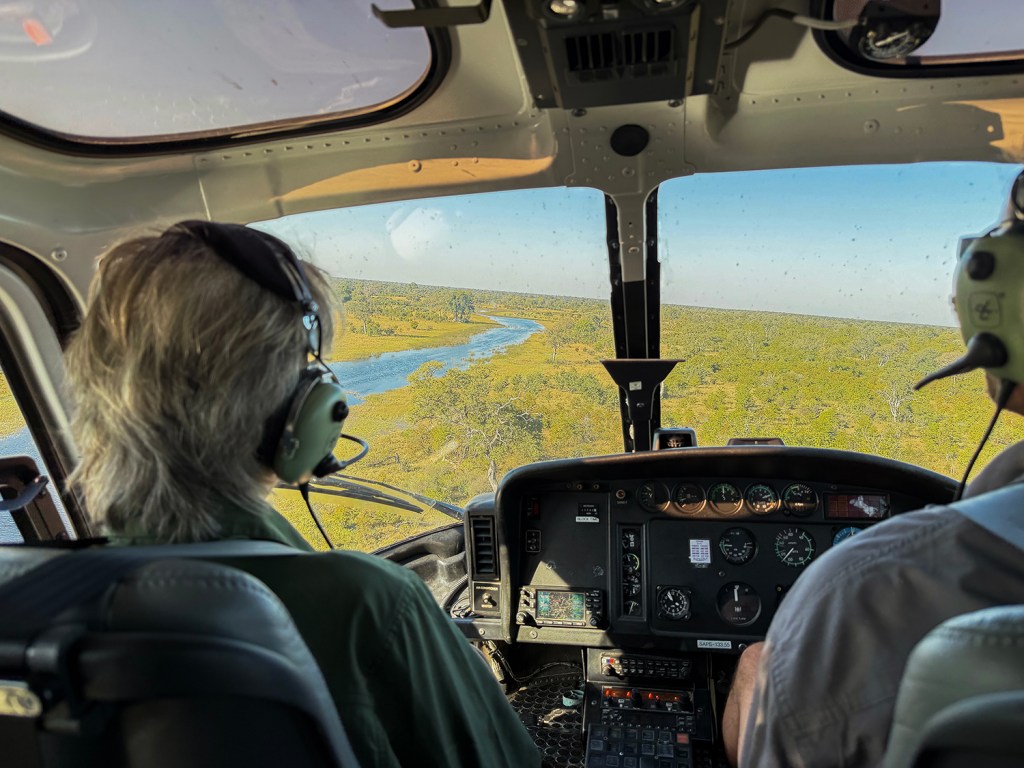
We arrived in Maun, hopped on a Plane and flew to the Duba Plains airstrip. Then we climbed into a helicopter and flew to the airstrip at Okavango Explorer. There is so much water in the Delta and beyond this year that any number of camp airstrips are not usable. So I wanted to show what the delta looks like from the air.

Leaving Maun

Old Donyo Lodge – Part II

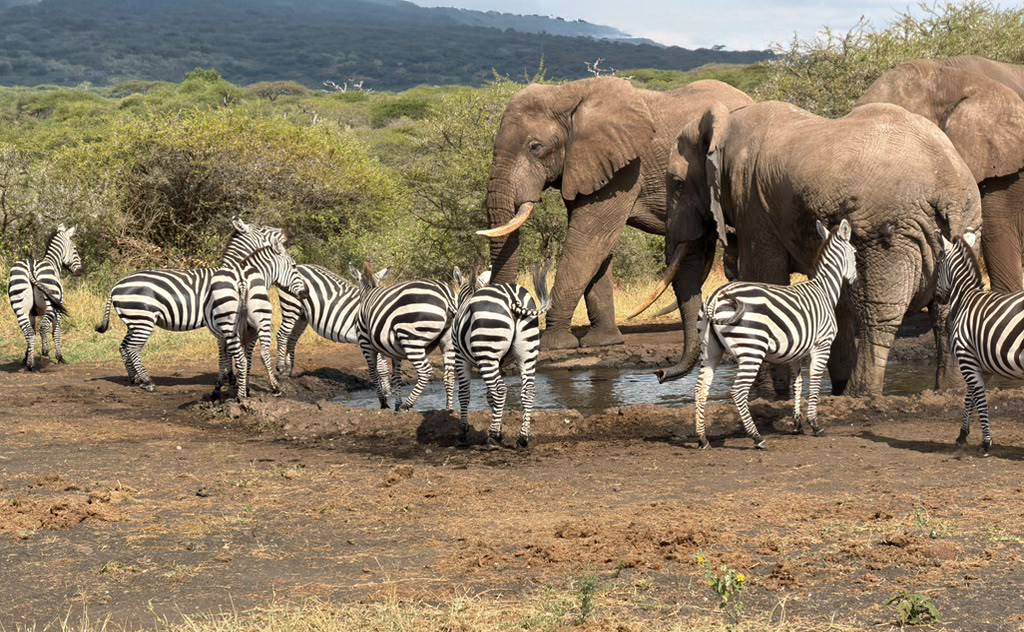
Wildlife at the Hides

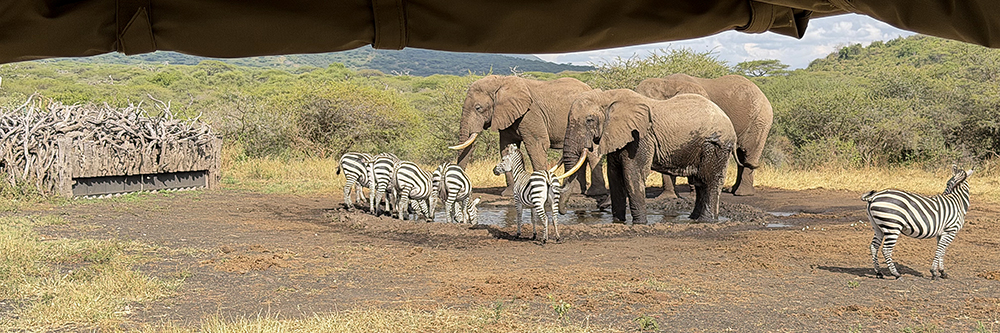
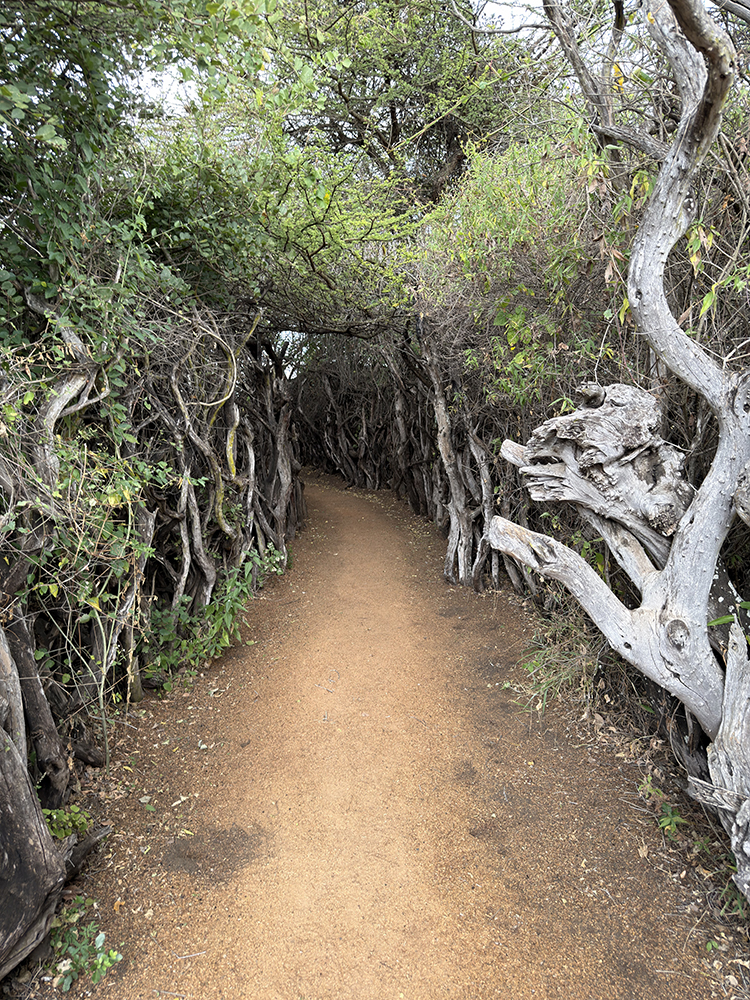
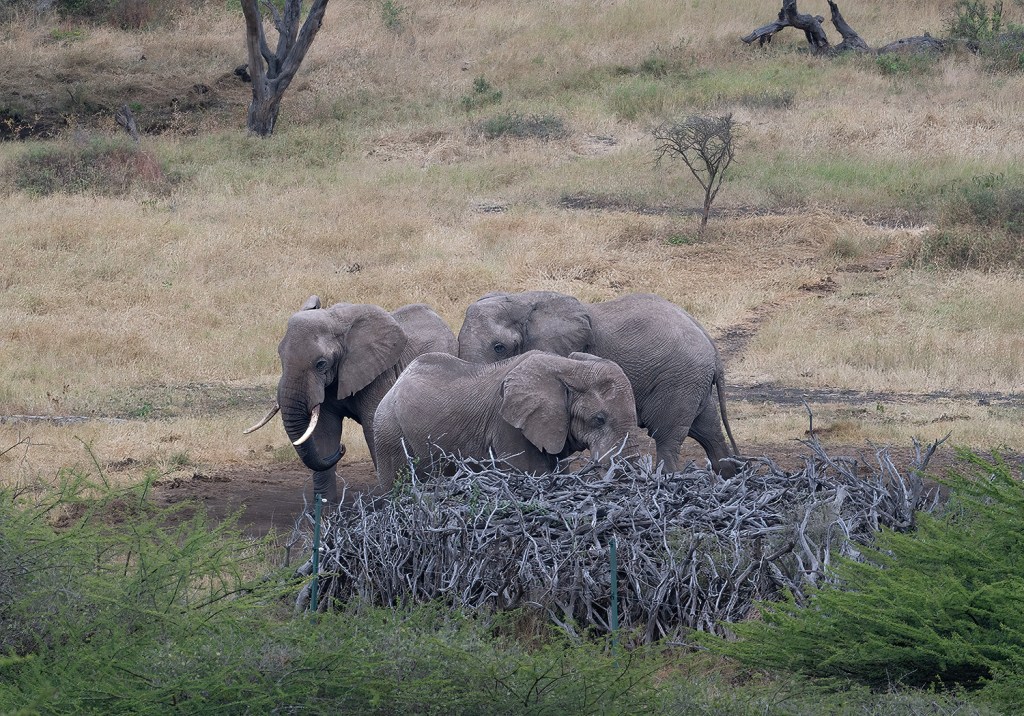
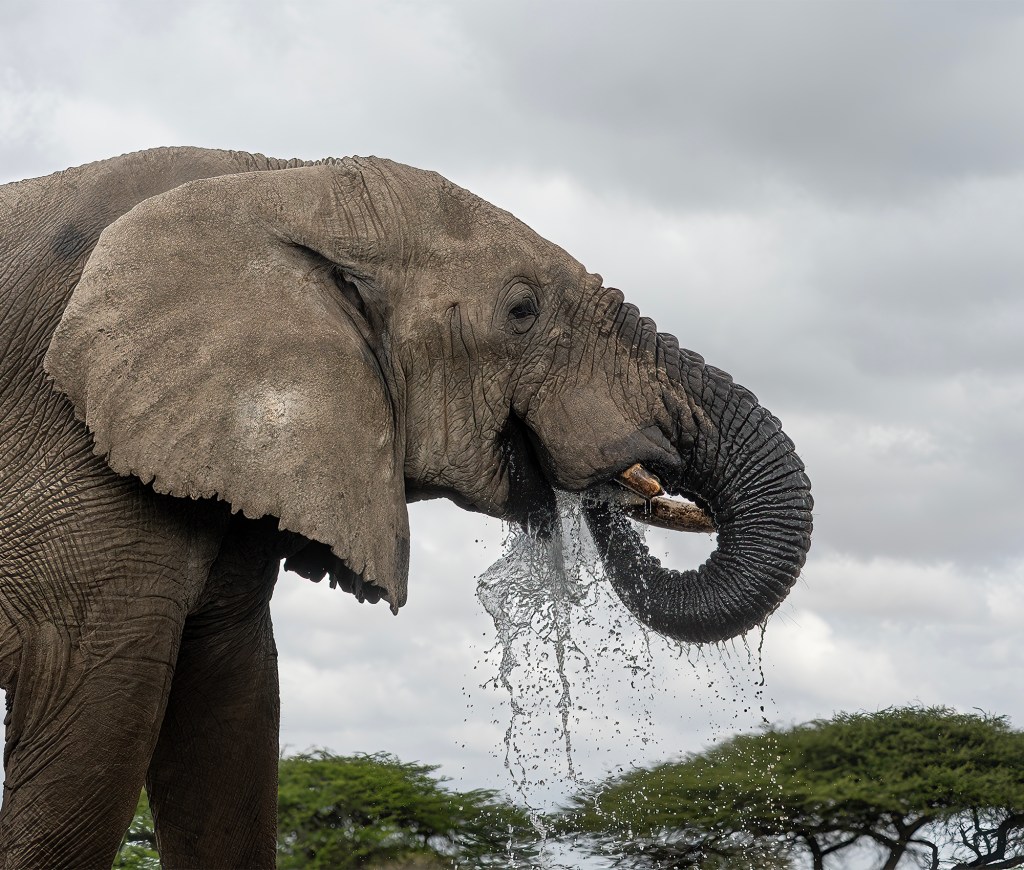
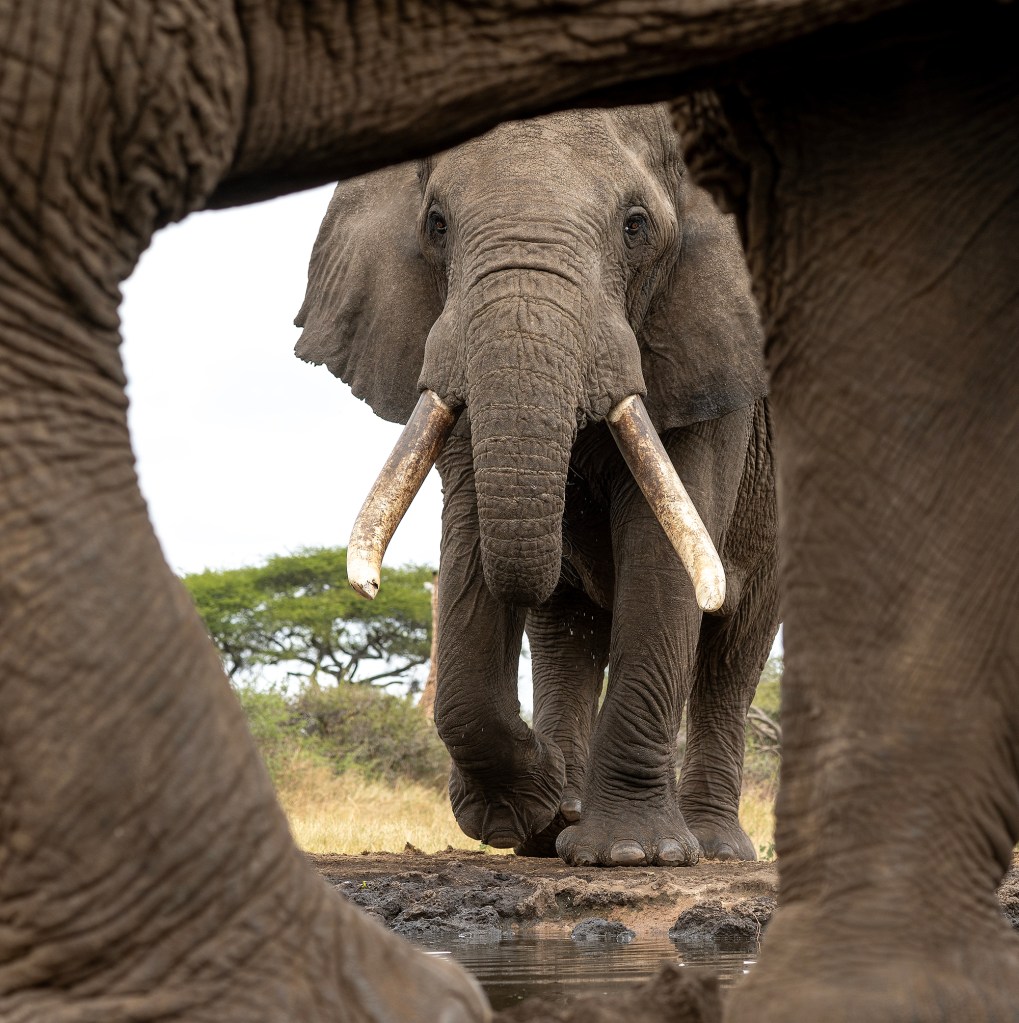
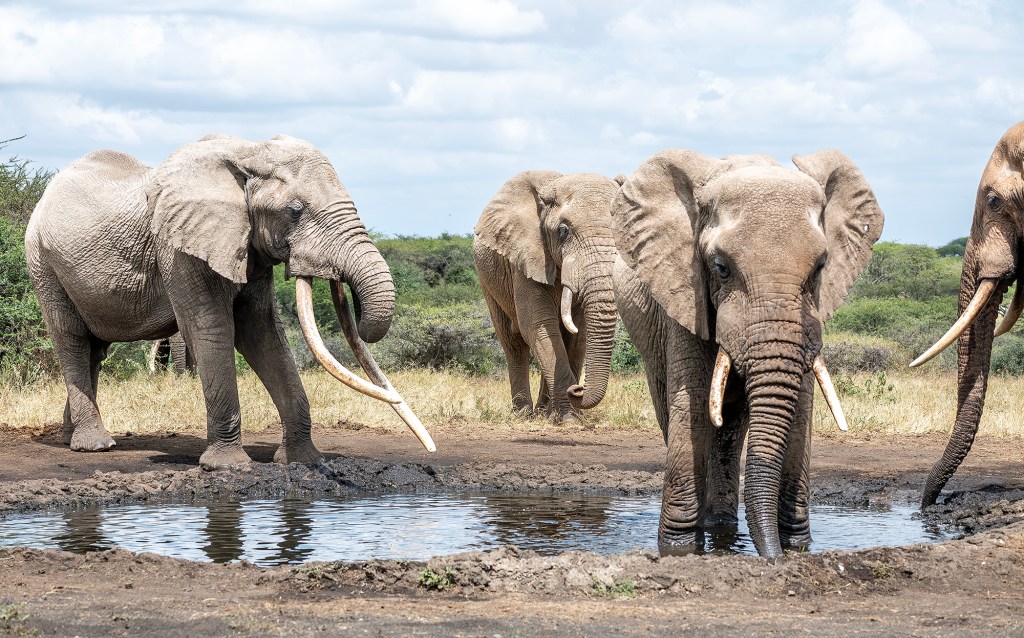
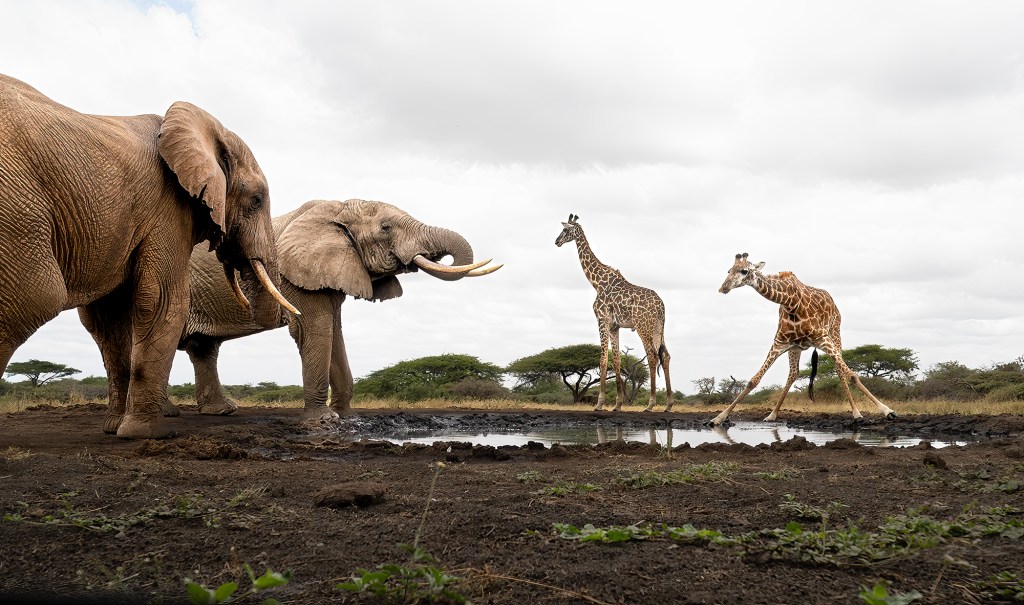
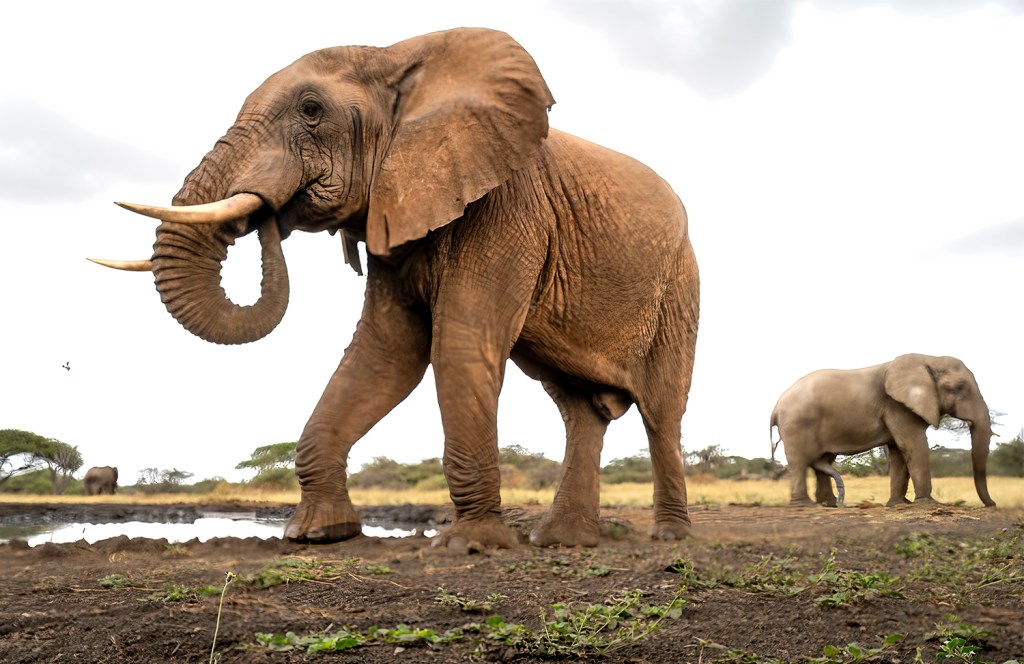
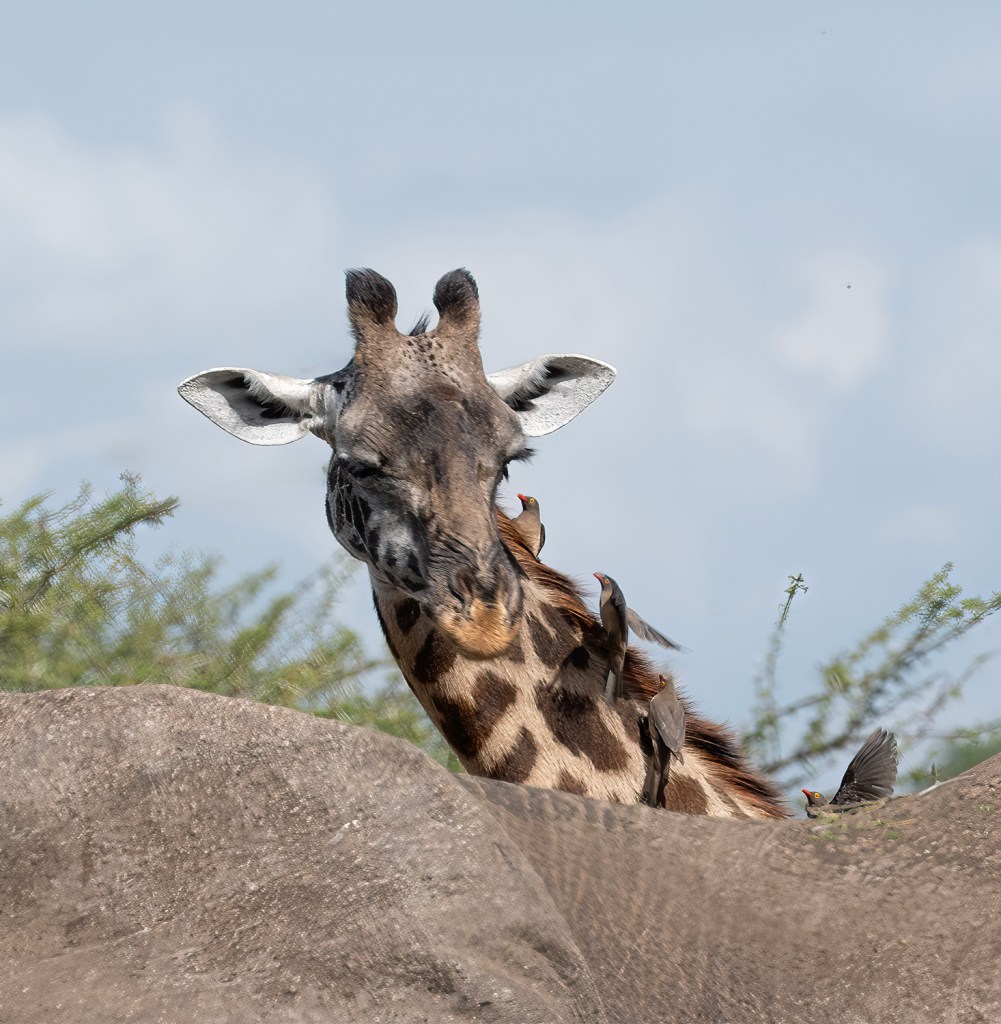
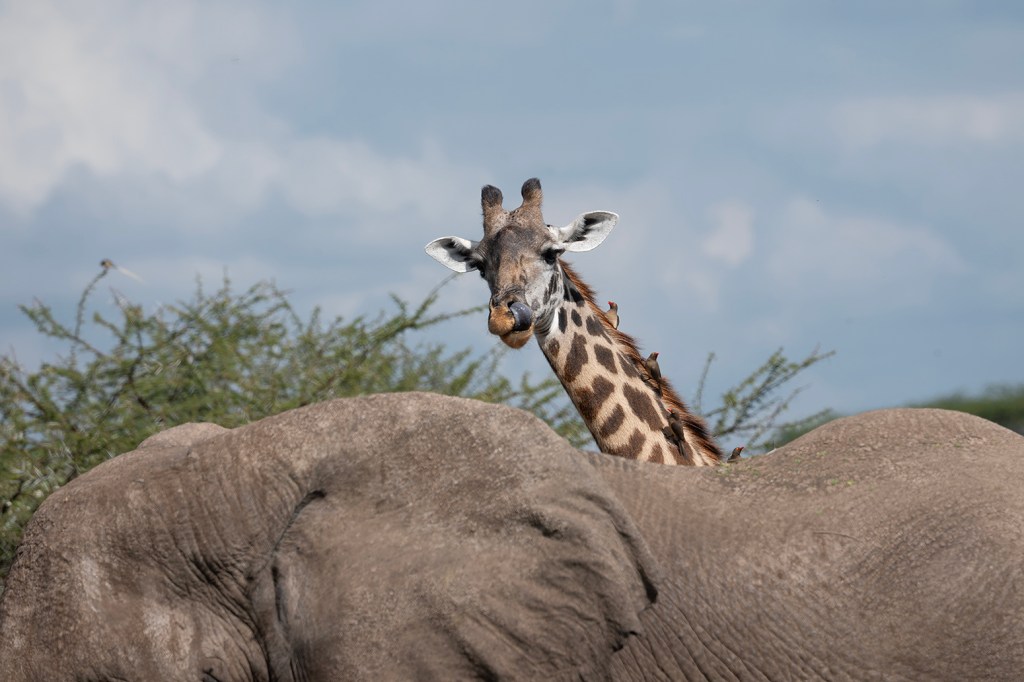
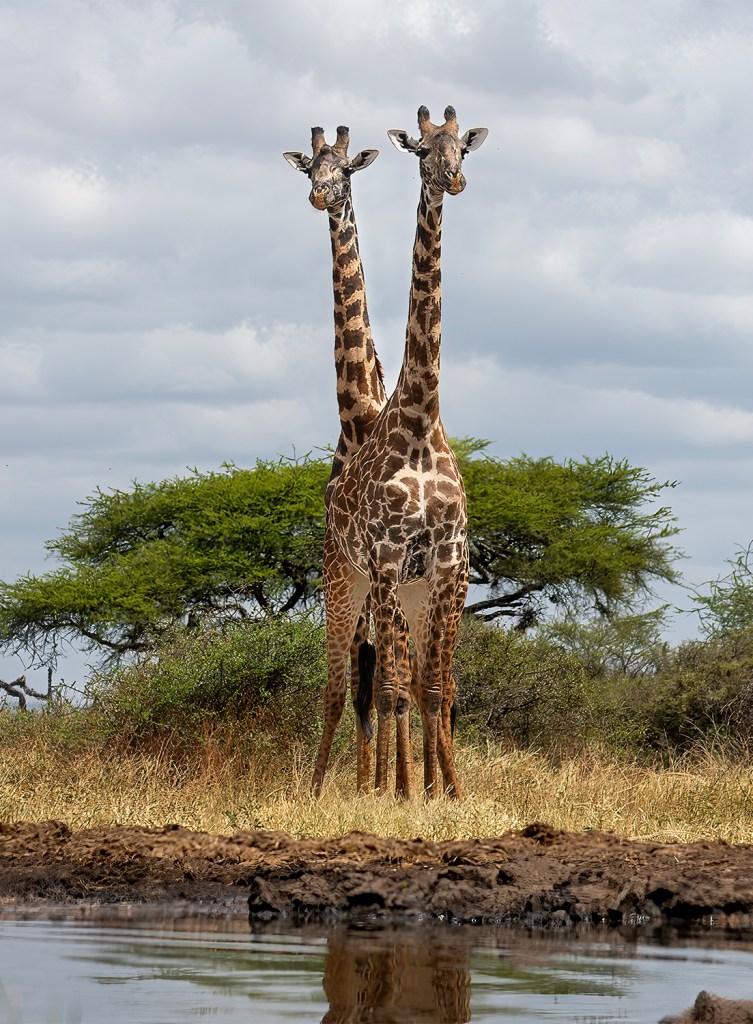
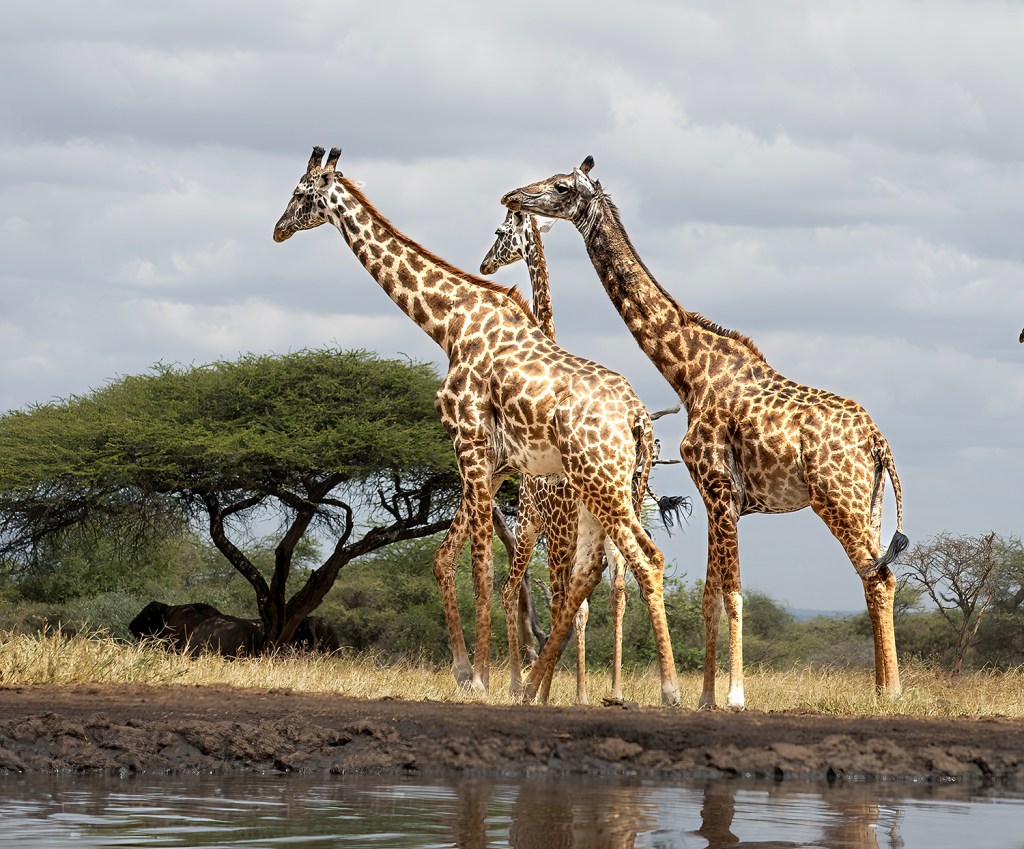
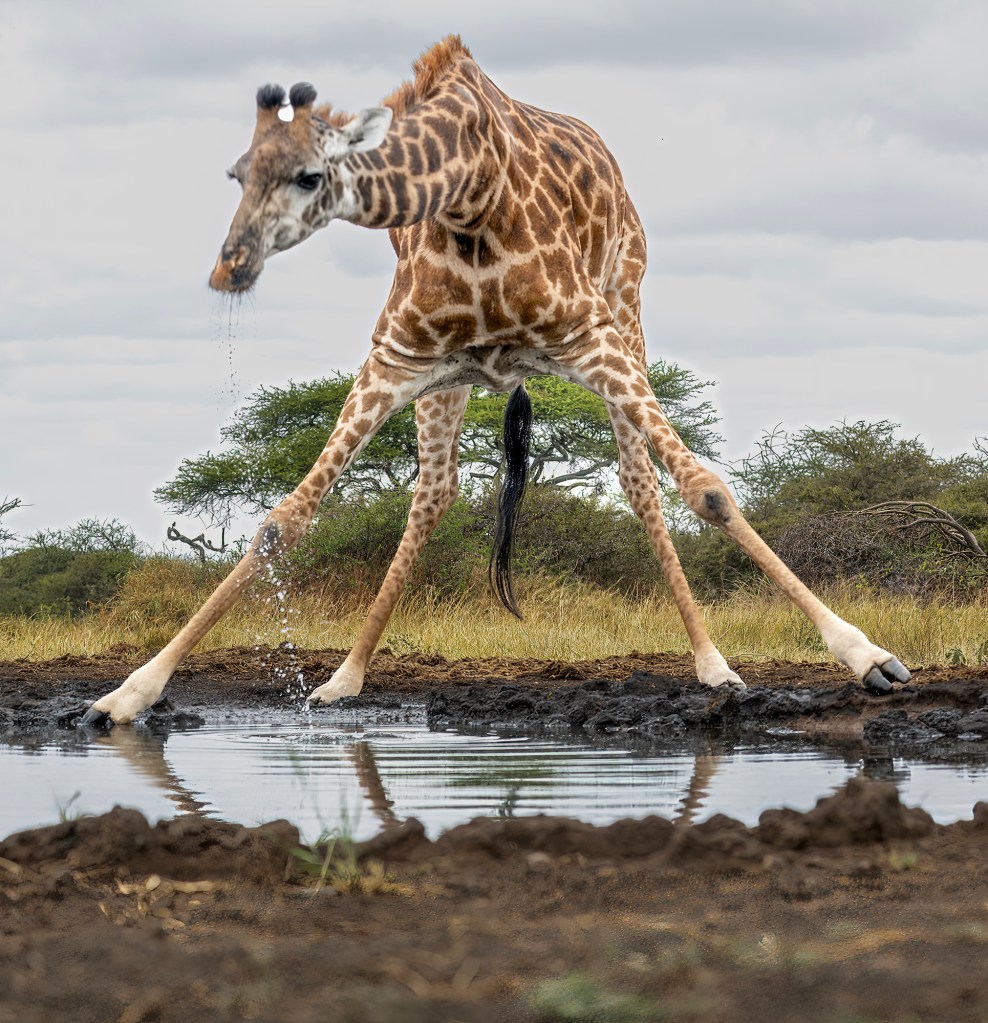
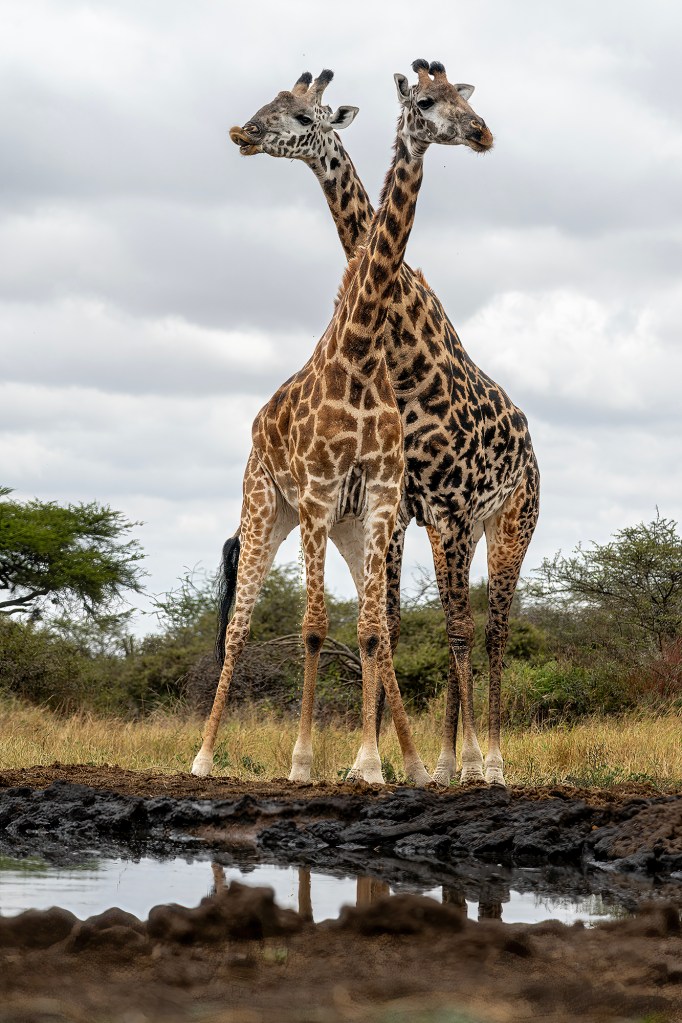
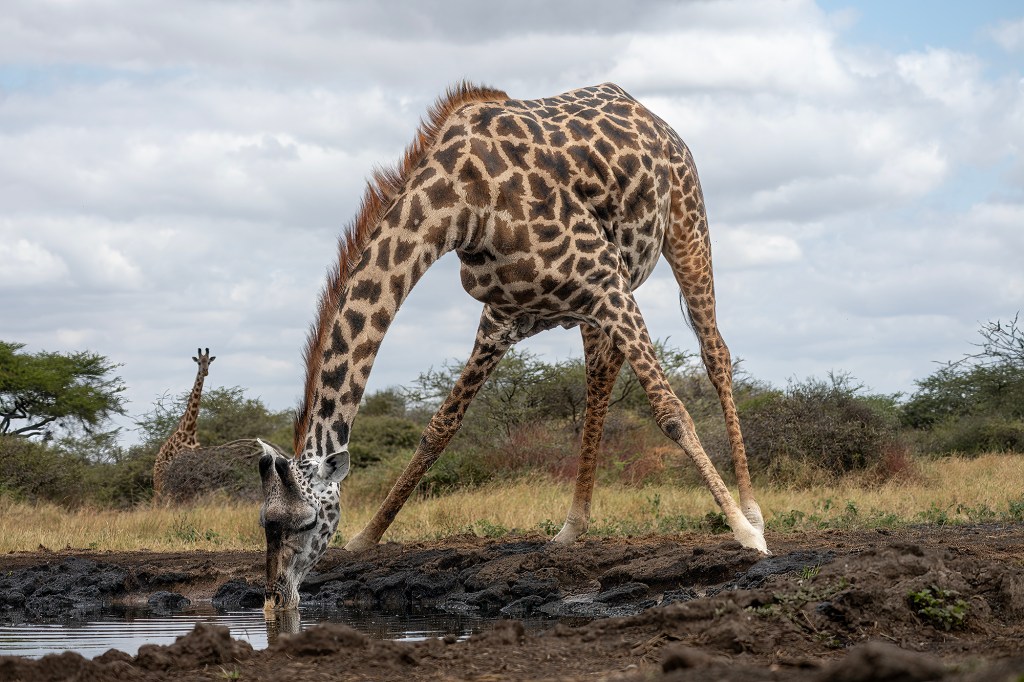
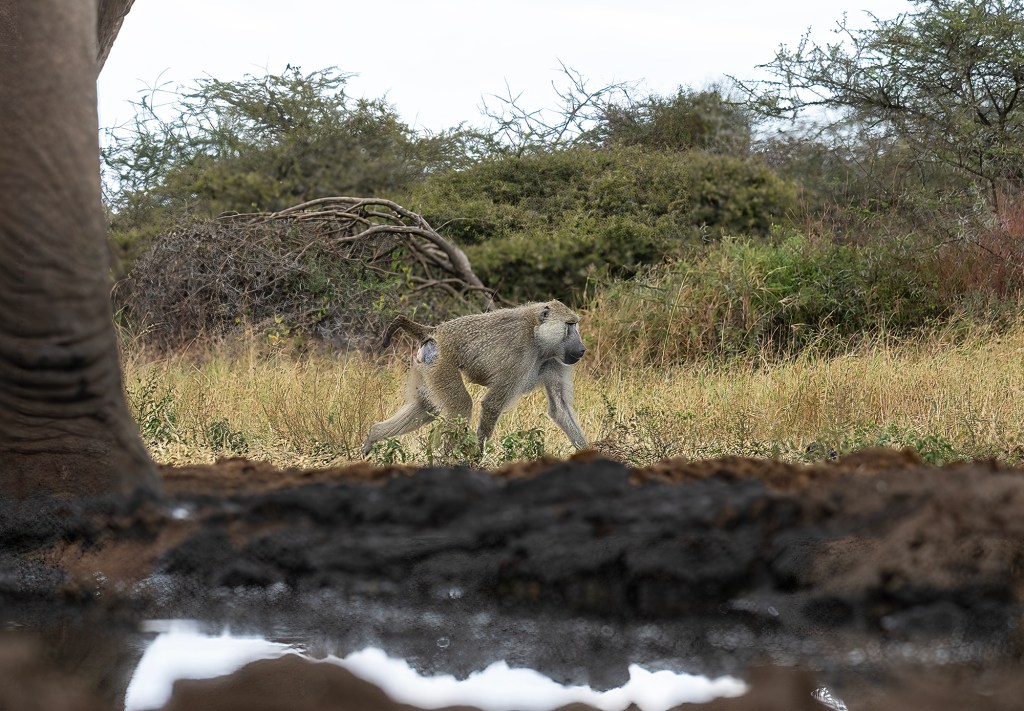
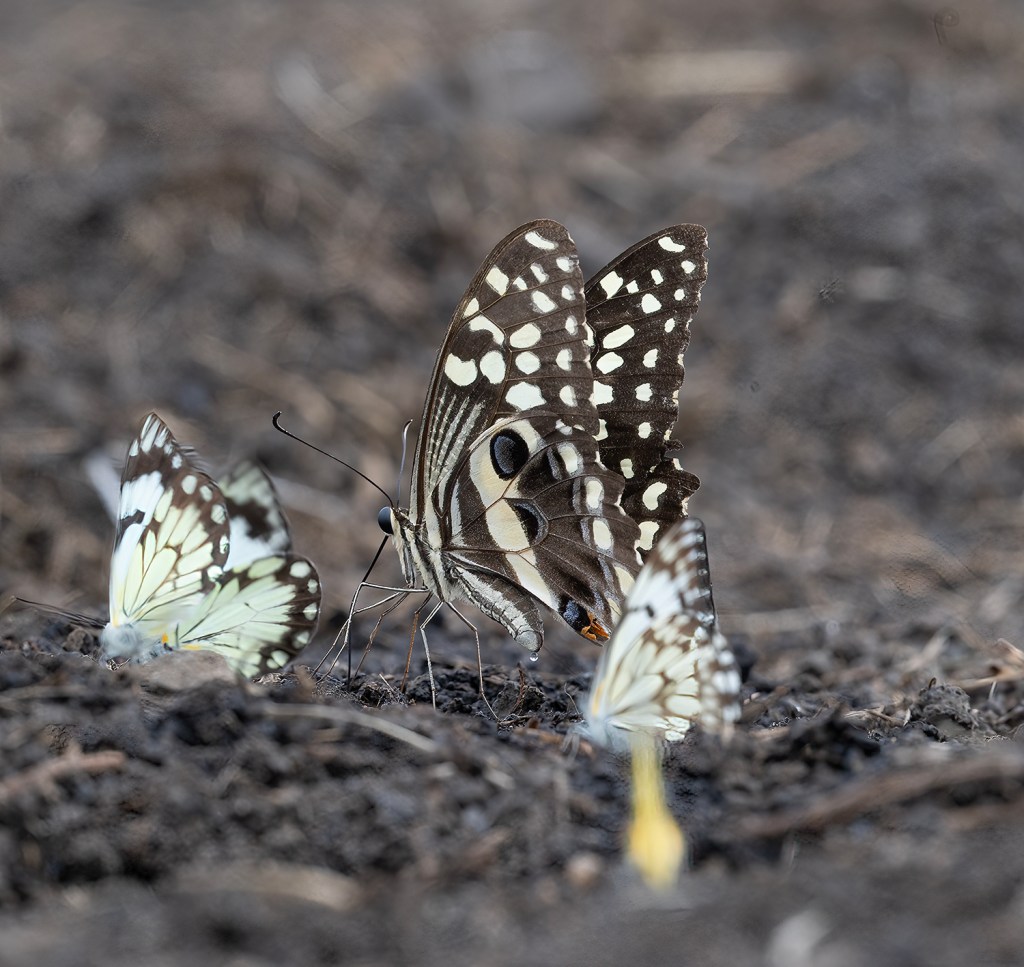
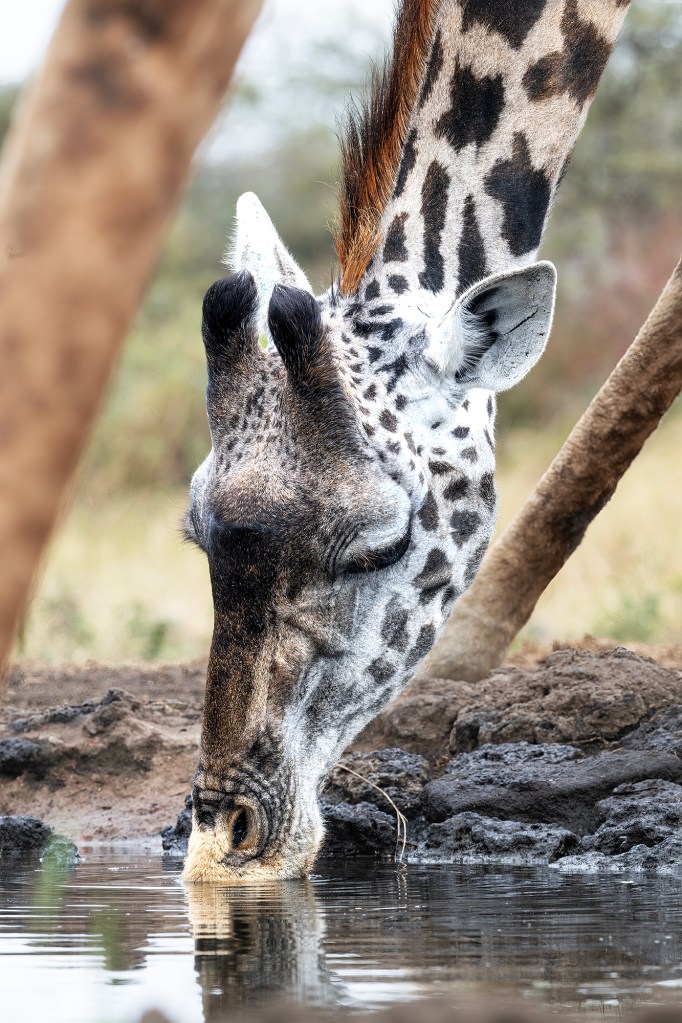
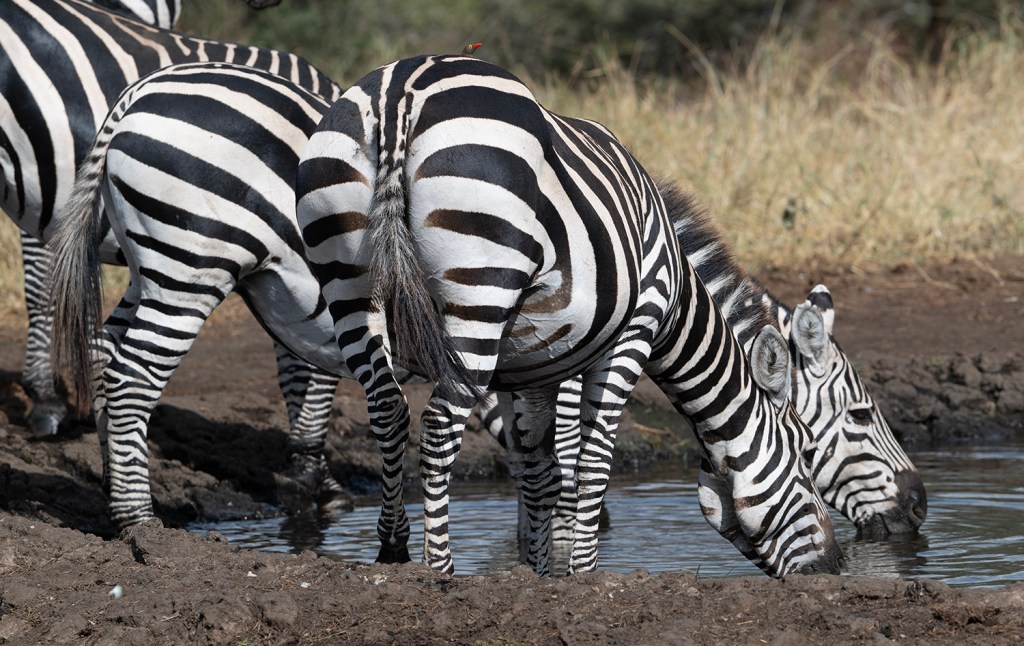
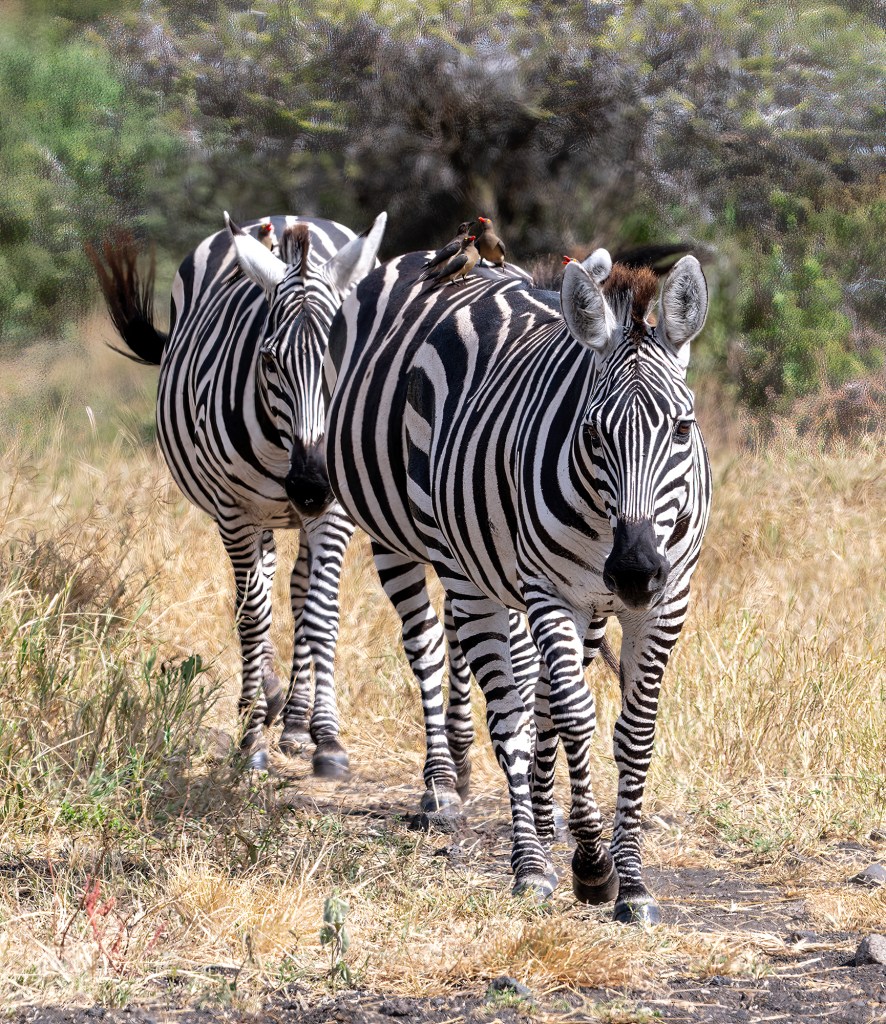
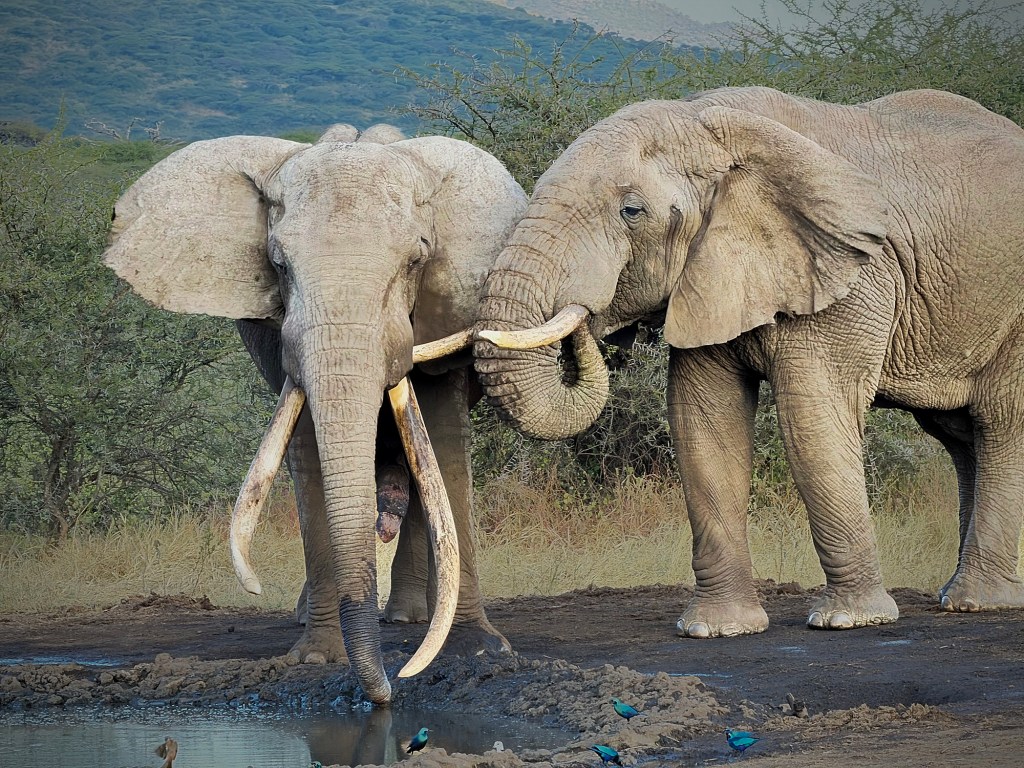
Ol Donyo has a feature unlike almost any other safari camp (Meno a Kwena has one on the Boteti River)we have been to in 12 trips. That feature is the hide – or more correctly the hides. These consist of an above ground hide with seating and a bar type counter above ground level, and a second sunken hide with the bar-type counter essentially at ground level. Both are side by side with a direct and close view (estimated about two meters) of a water hole that is basically the only water source within miles of the lodge.
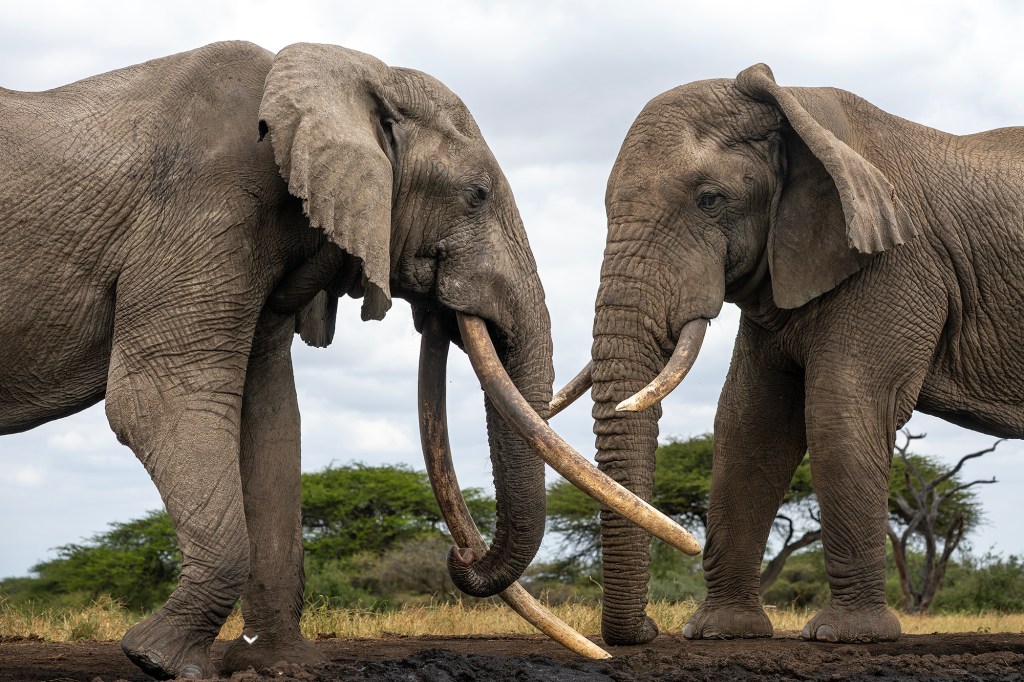
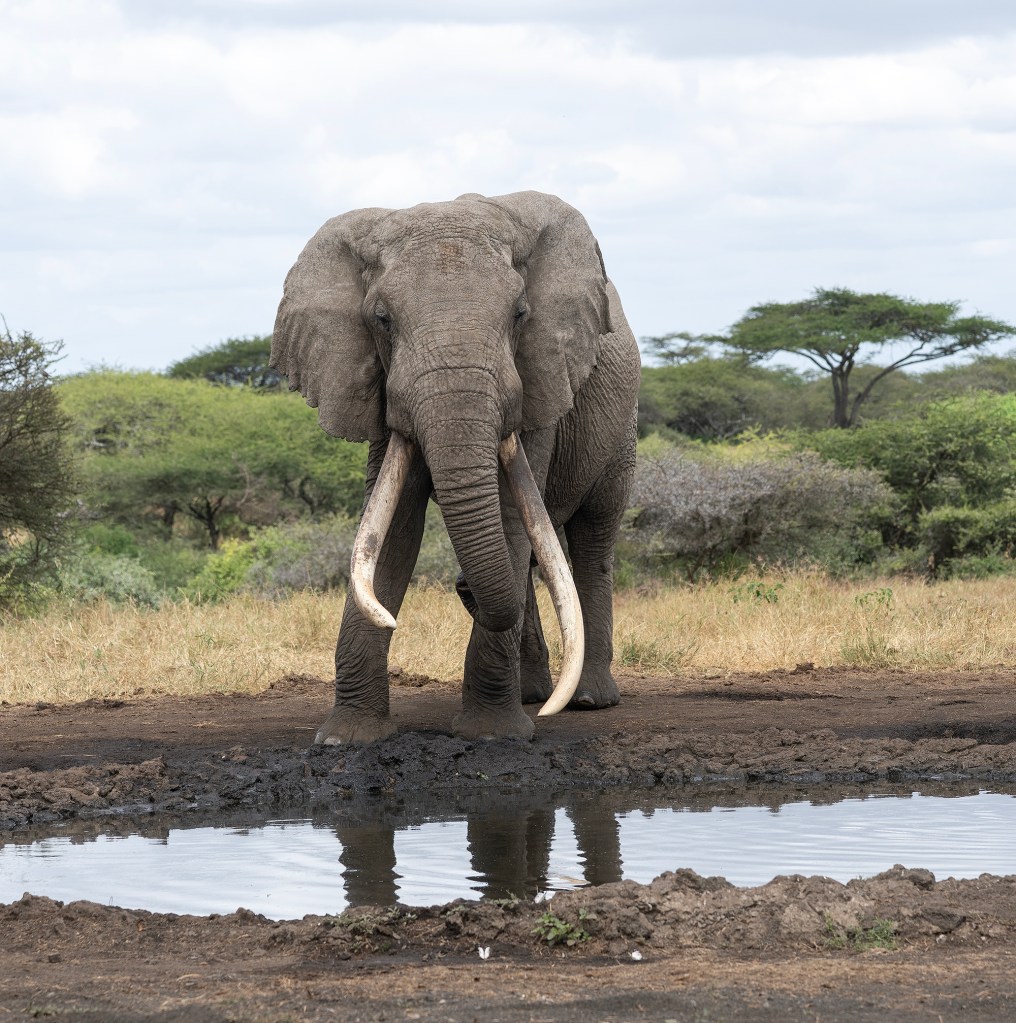
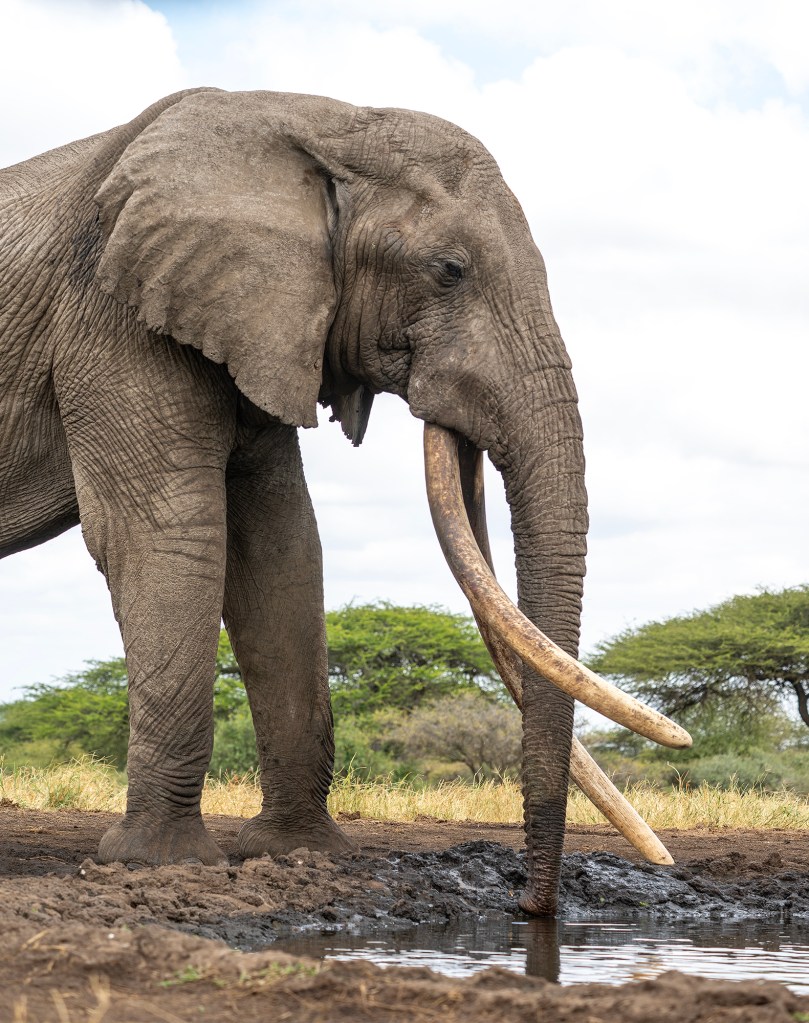
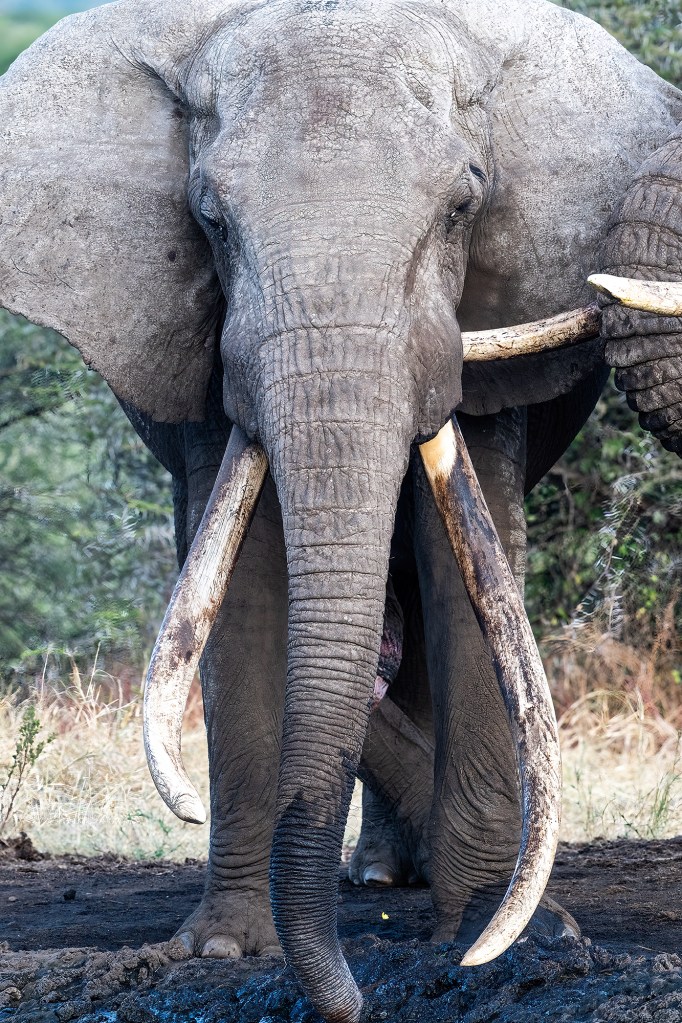
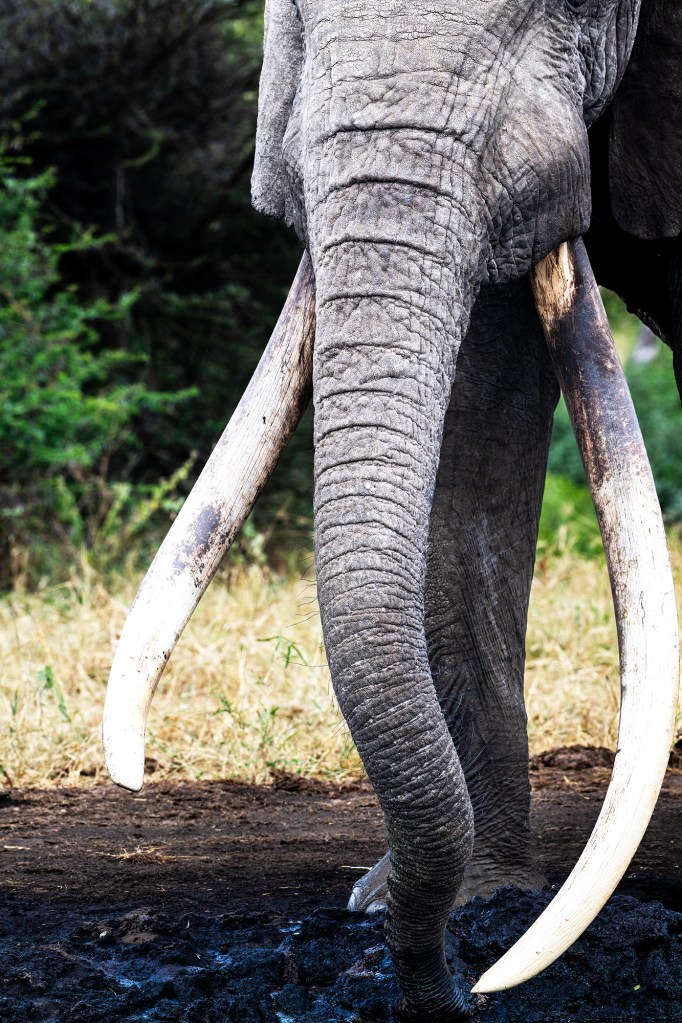
One Ton Tribute

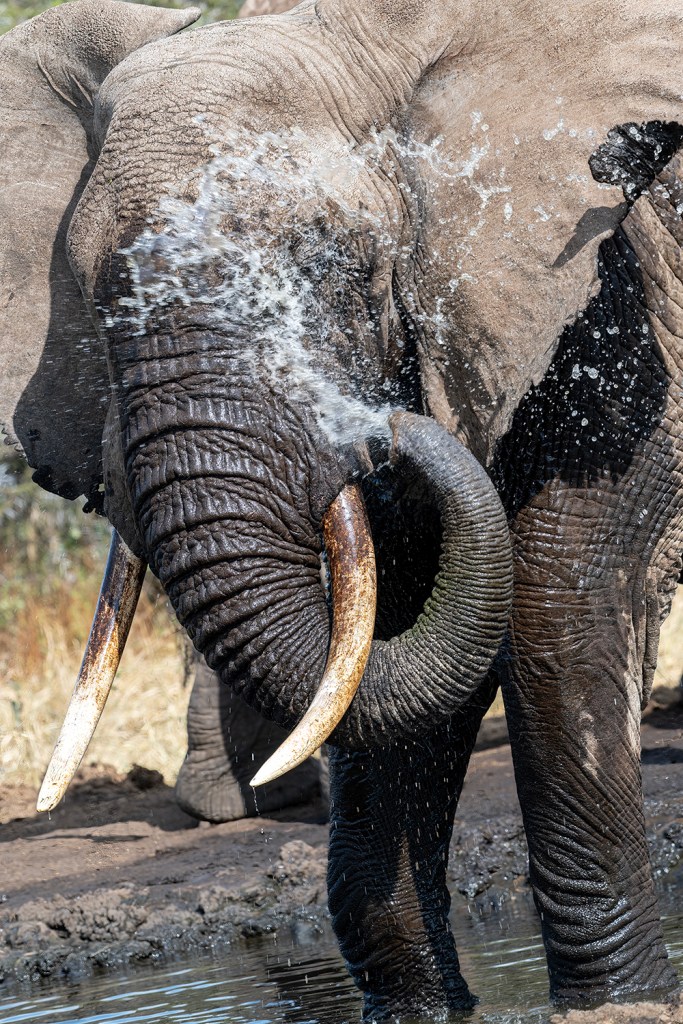
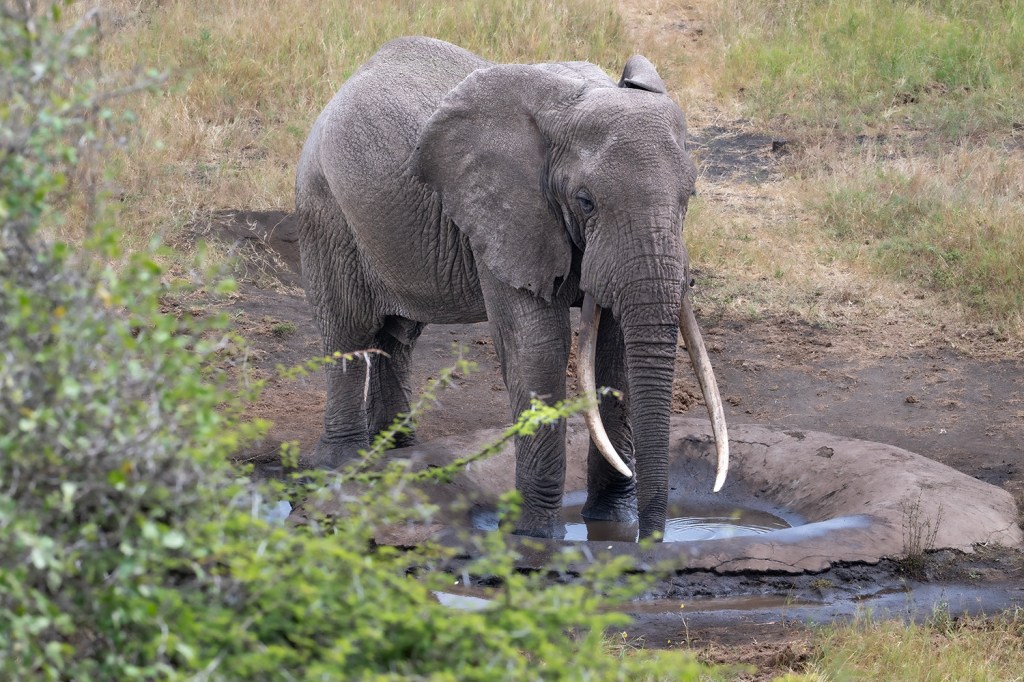
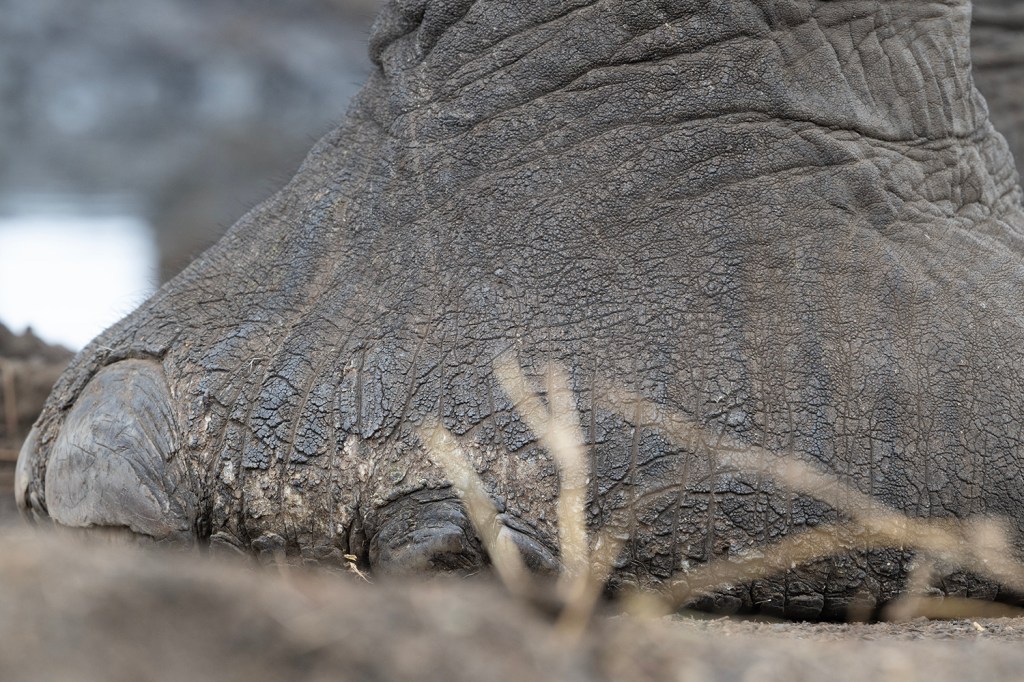
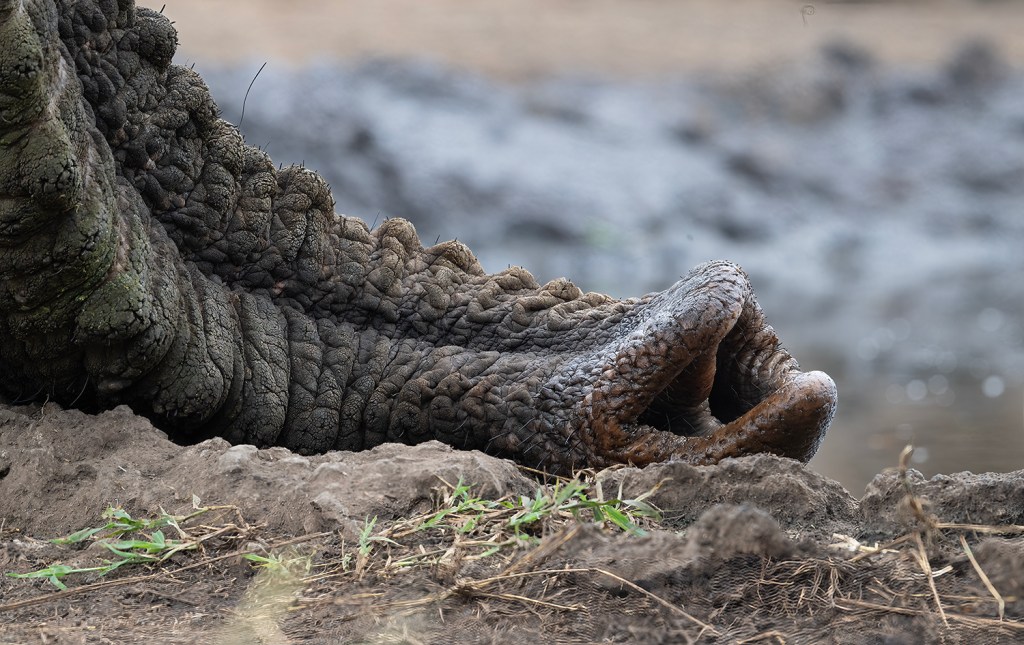
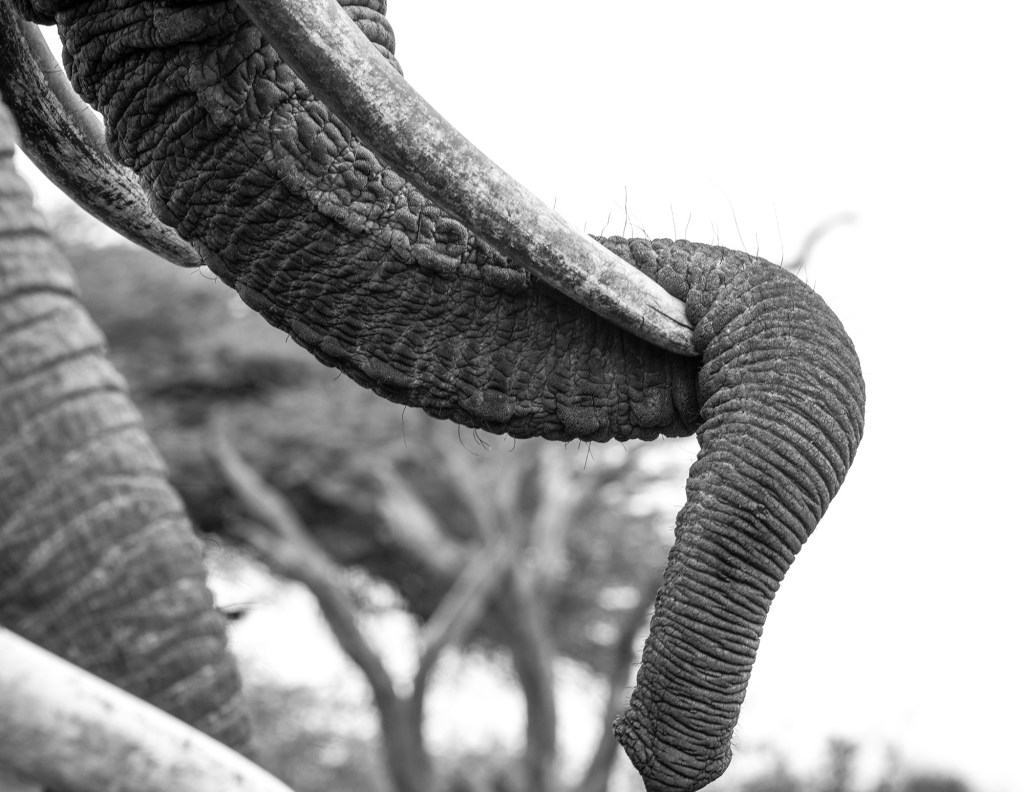
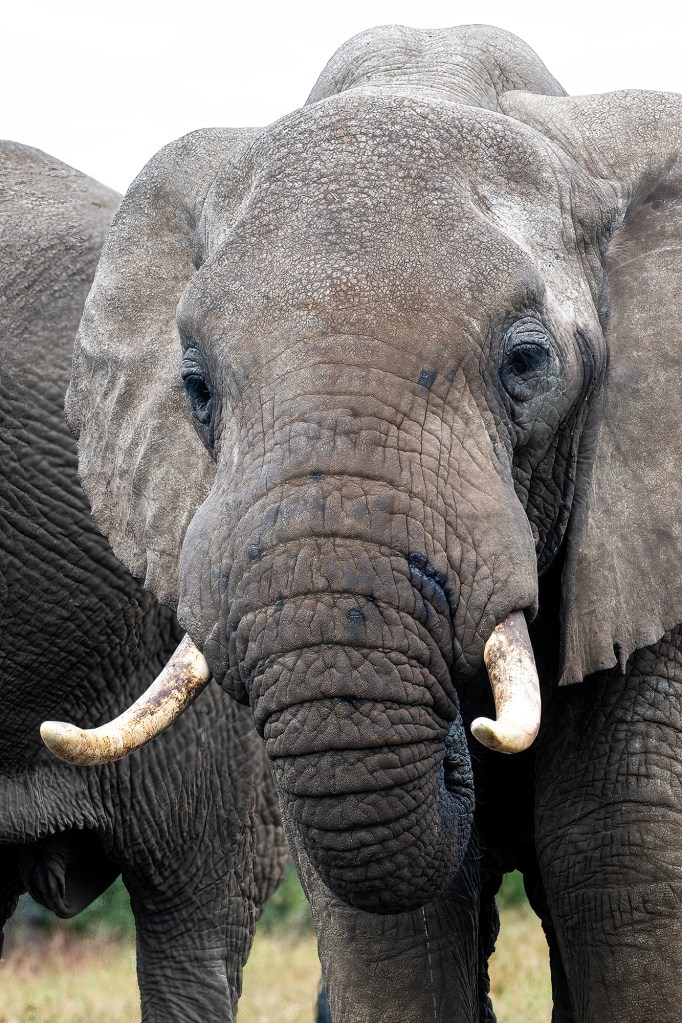
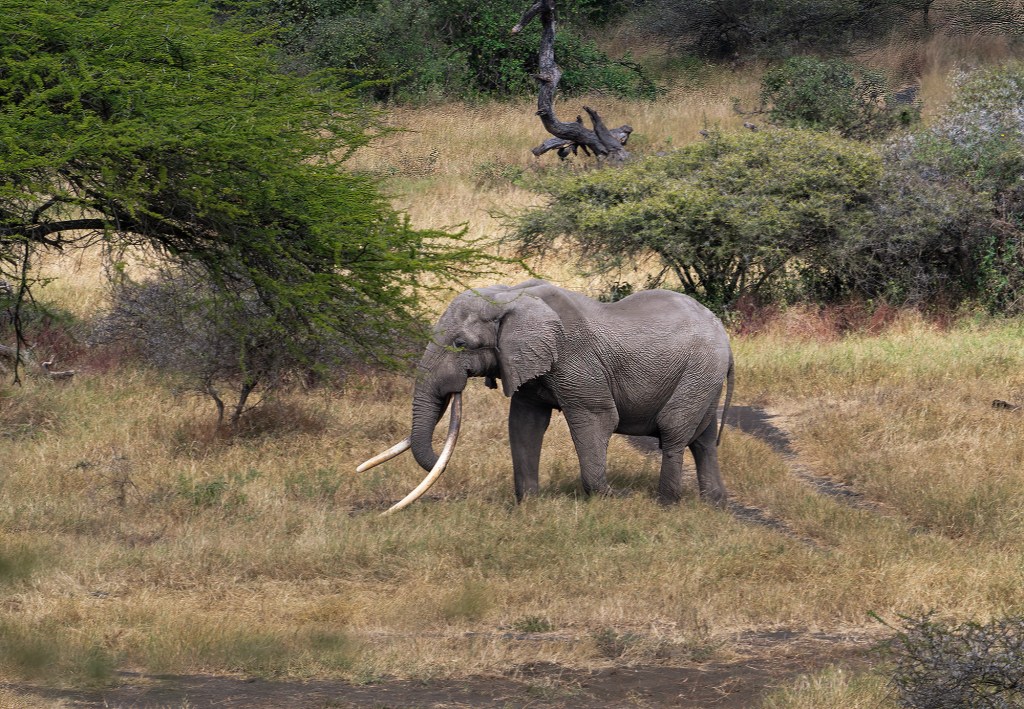
We came to see super tuskers. We saw a famous one named One Ton (and one or two others growing into the super status) virtually every day we were at Ol Donyo. He appeared to be vitally alive at the time, but within two weeks of our stay he passed away of natural causes near the Lodge. One Ton was first spotted in 1996 by conservationist Richard Bonham. Originally shy and wild, he eventually grew to trust humans. He carried massive ivory tusks and was highly prized by poachers. However decades of protection by rangers and conservation groups allowed him to live a full life, At his death his age was estimated to be in the fifties, typical for these giants. Here is a small catalog of our images of One Ton. RIP.