Impressions of Cuba – People

Eleven years ago, Karen and I visited Cuba for a week with about 15 people on a “charitable mission”. This was the only way to get there at that time. So we packed school supplies and medicines, and visited both a school and a hospital while in Havana. The rest of the time we were just tourists.

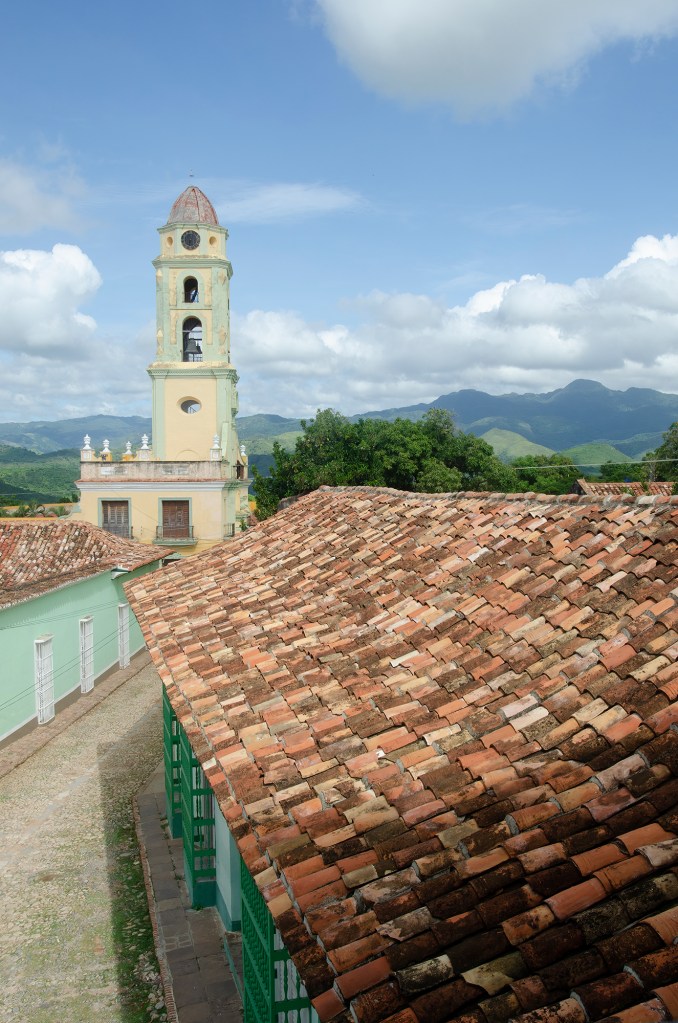
The visit was quite fascinating. Cuba is a lovely country scenically. We visited Havana, Cienfuegos, Trinidad and Santa Clara by mini-bus with a wonderful guide Osmos and an equally wonderful and hilarious driver Fernando (who was a smaller Bruce Willis and knew it!).

Fernando and Osmos

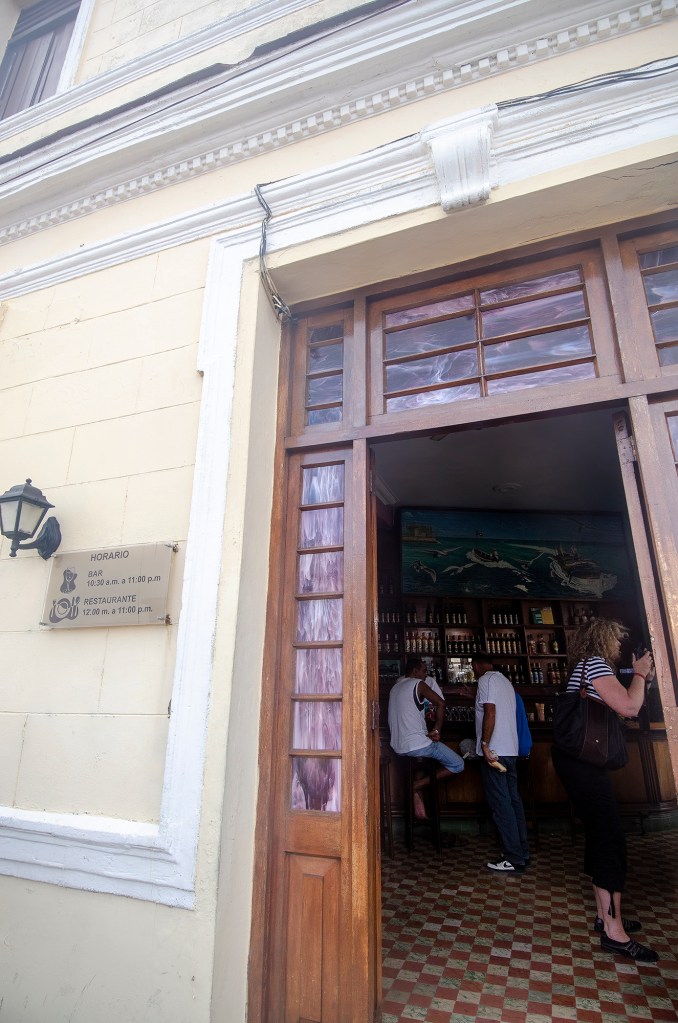
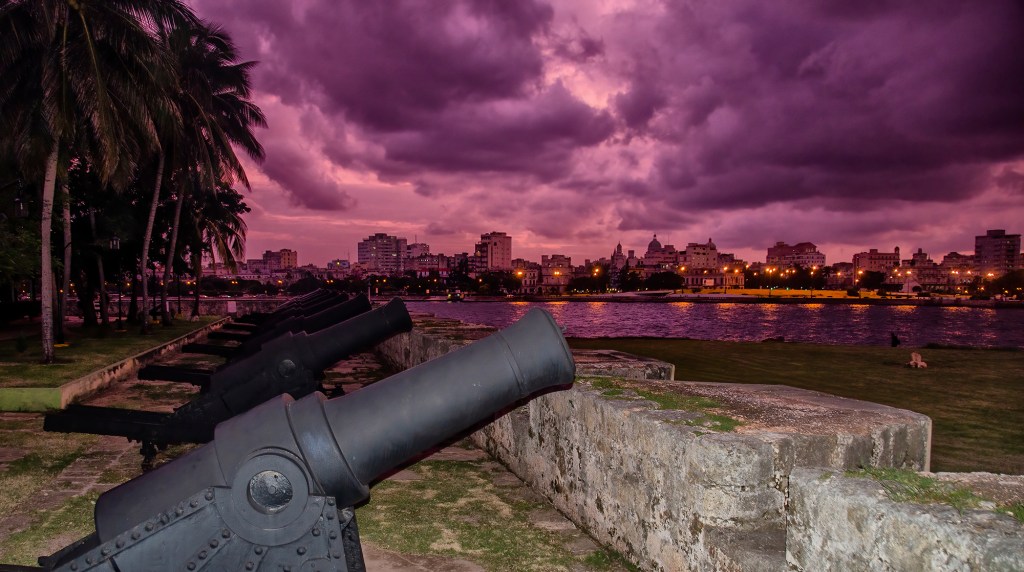
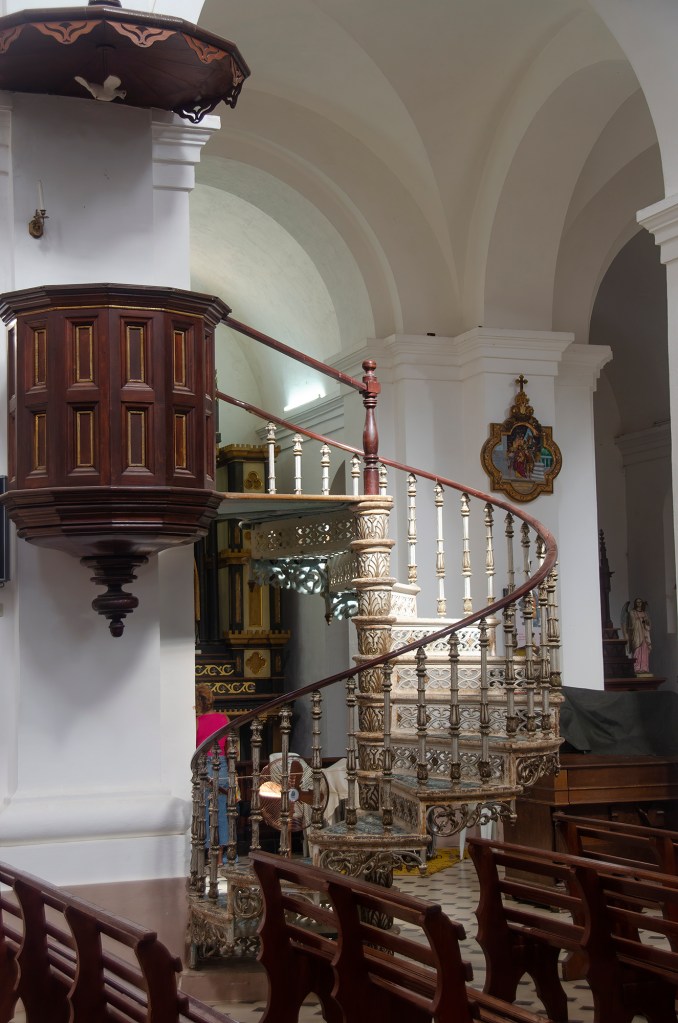
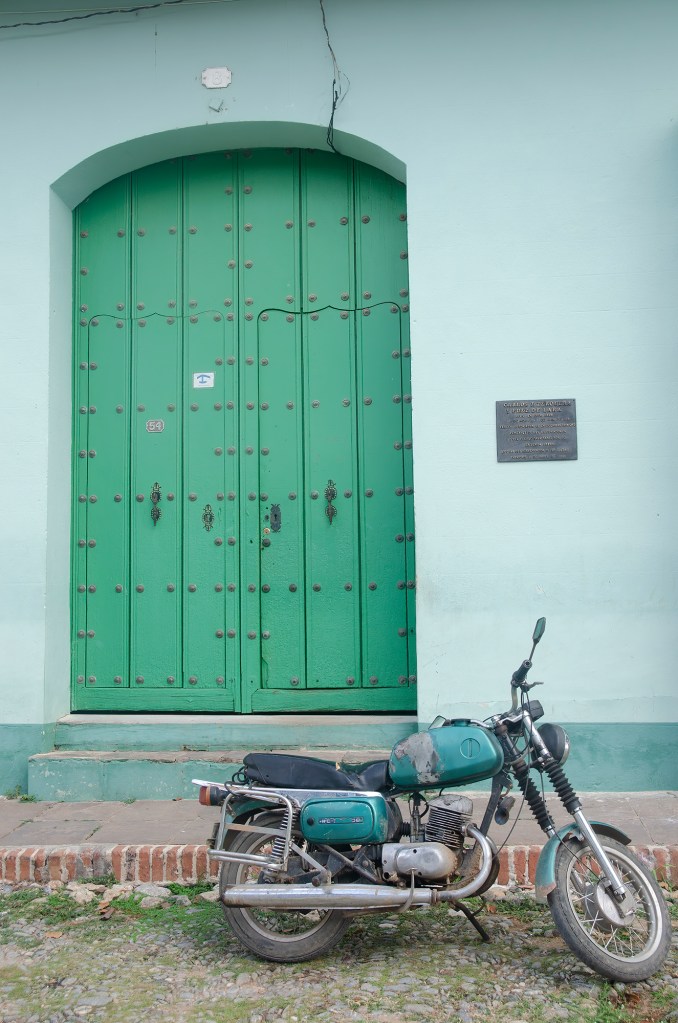
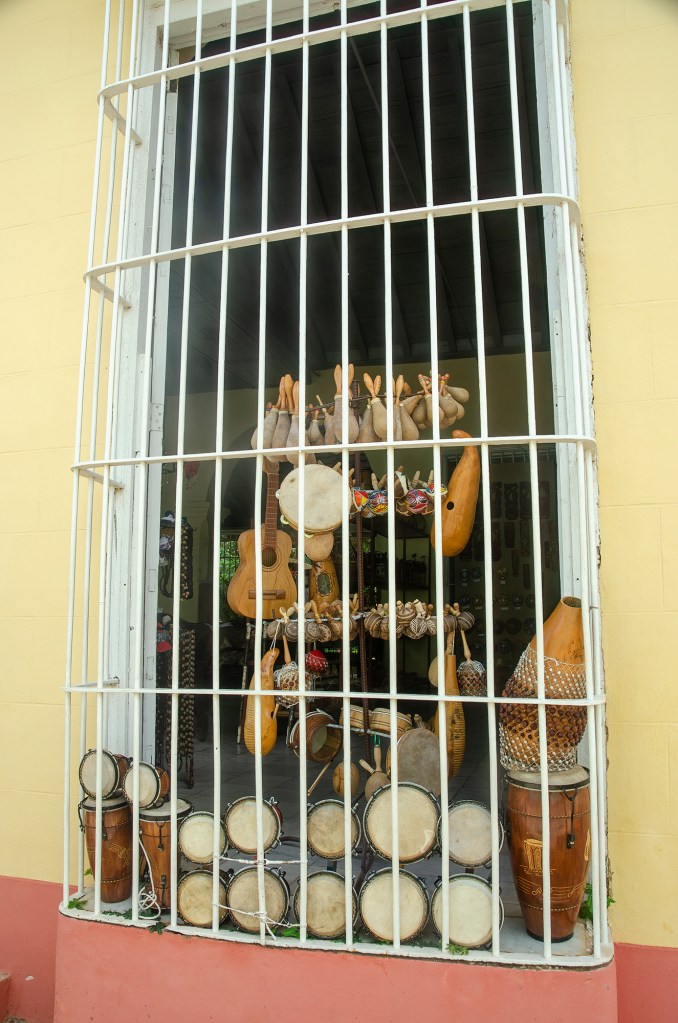
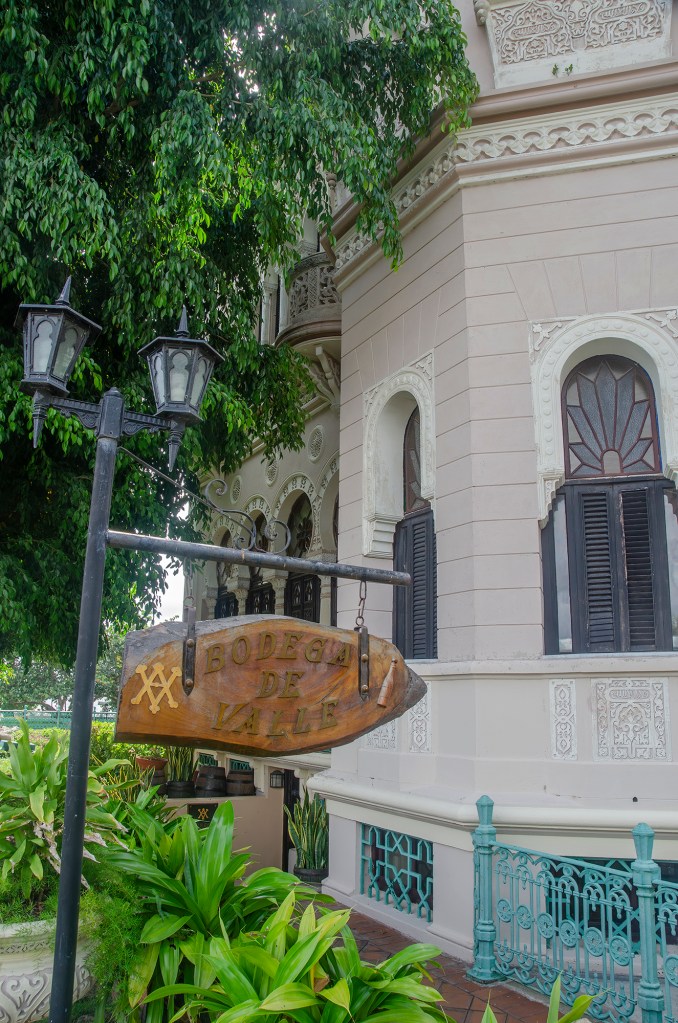
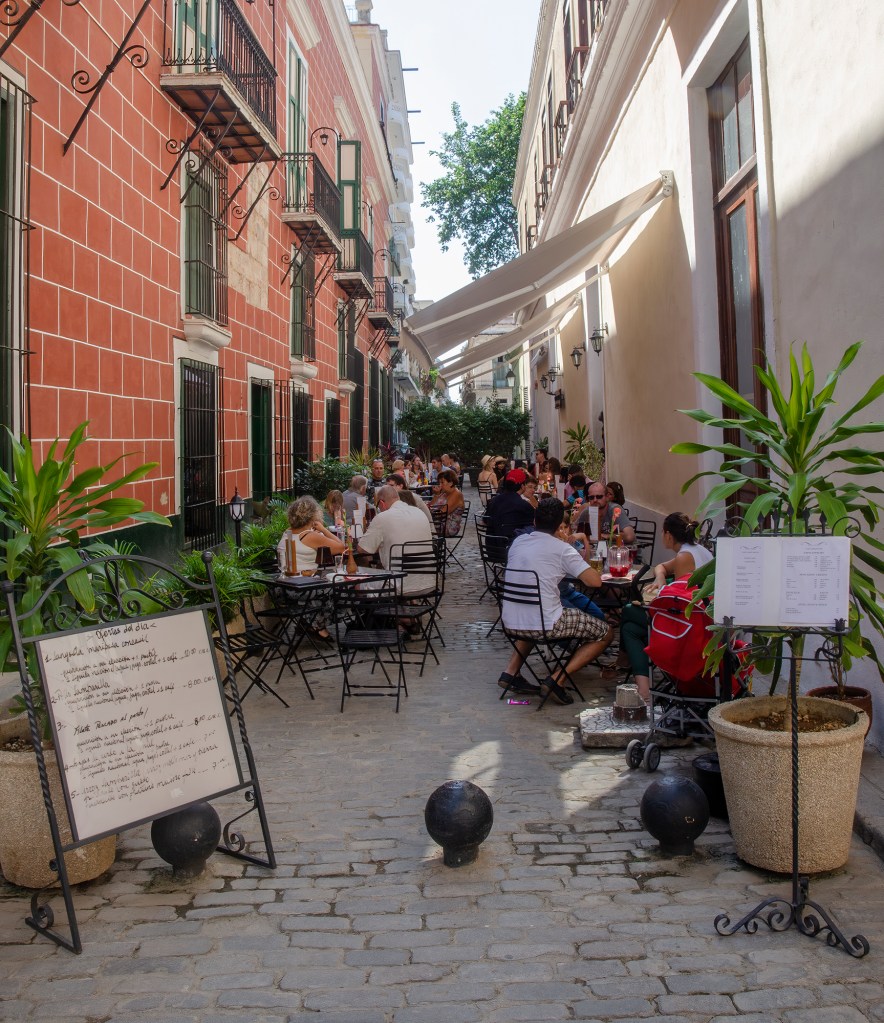
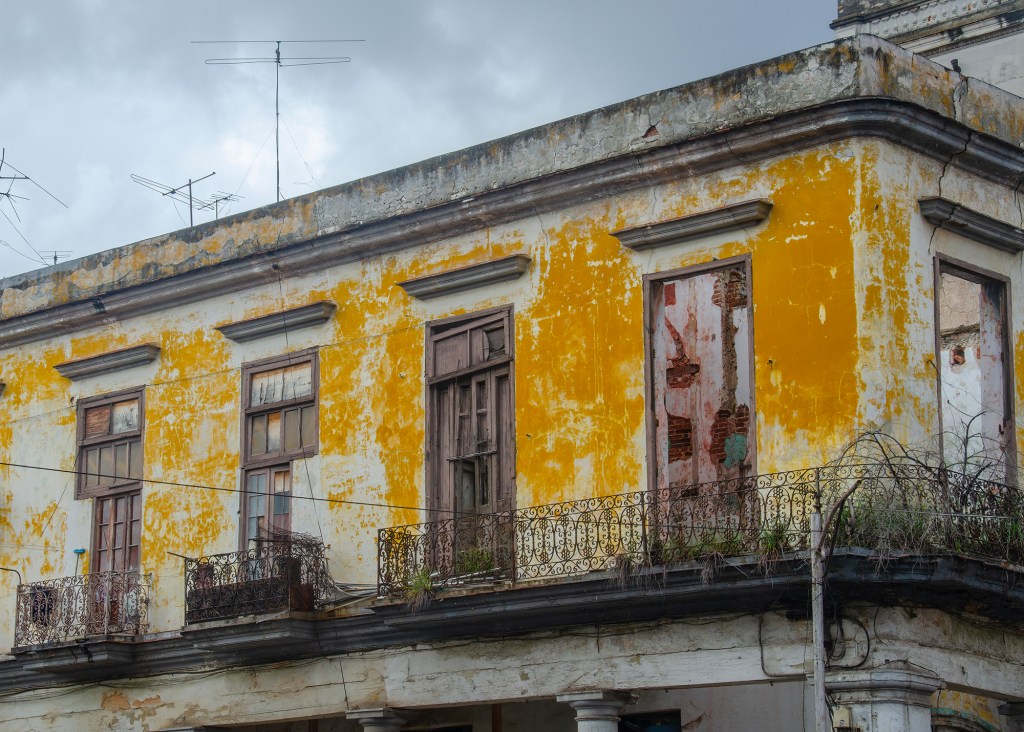
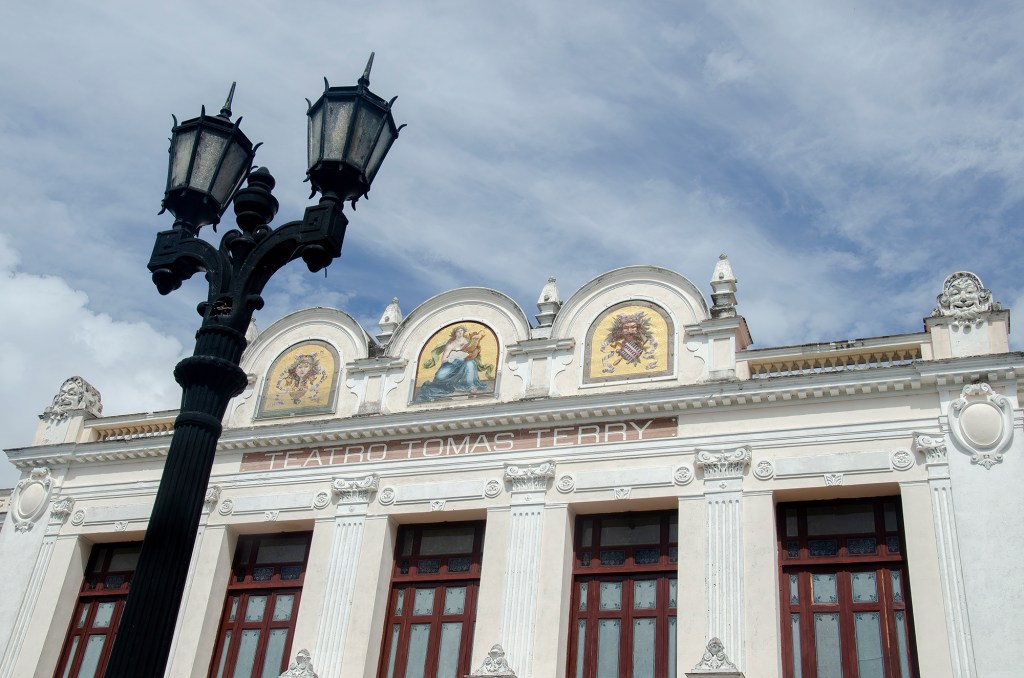
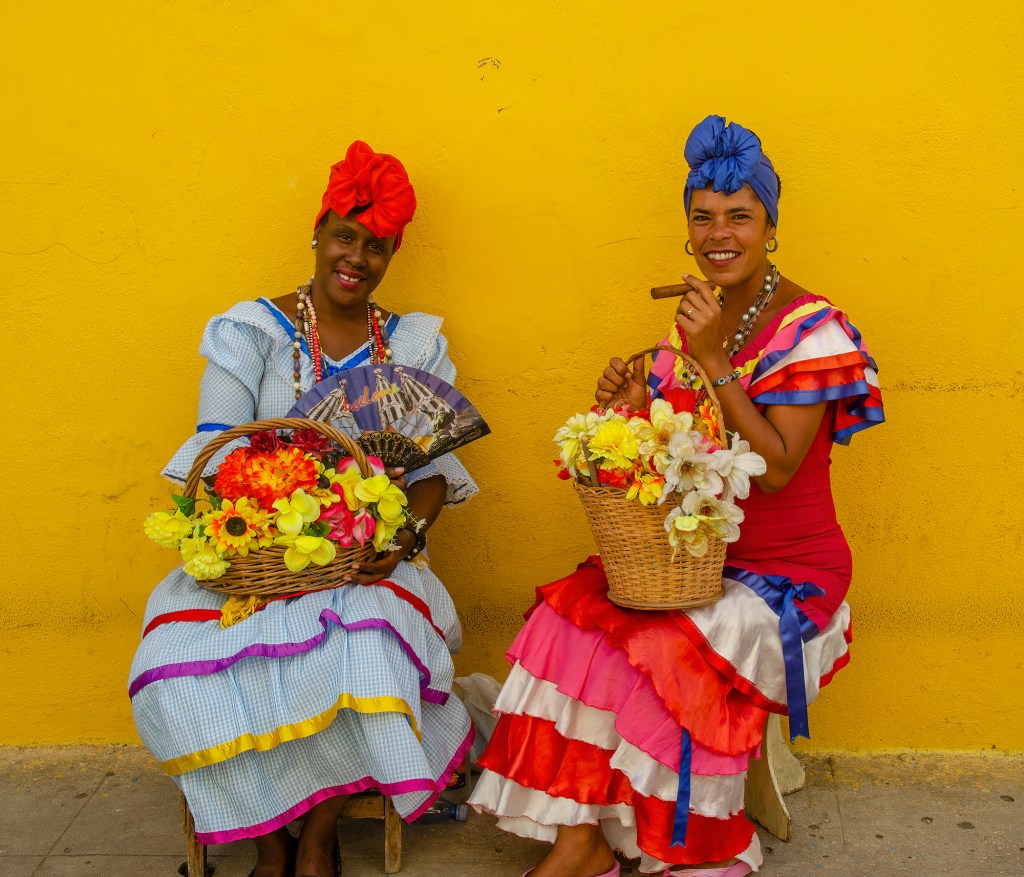
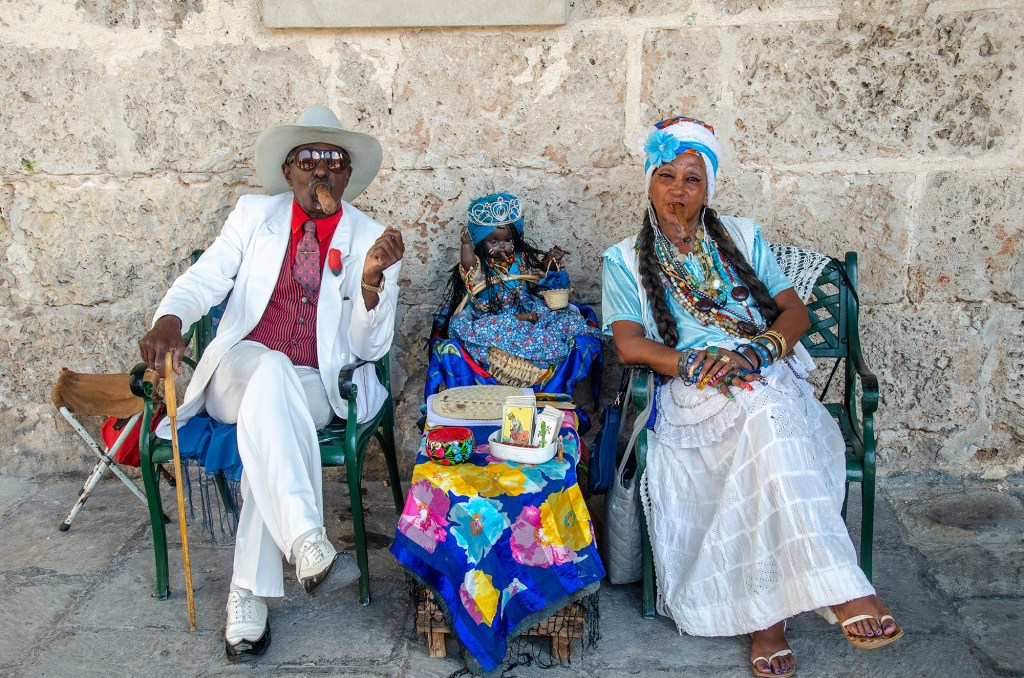
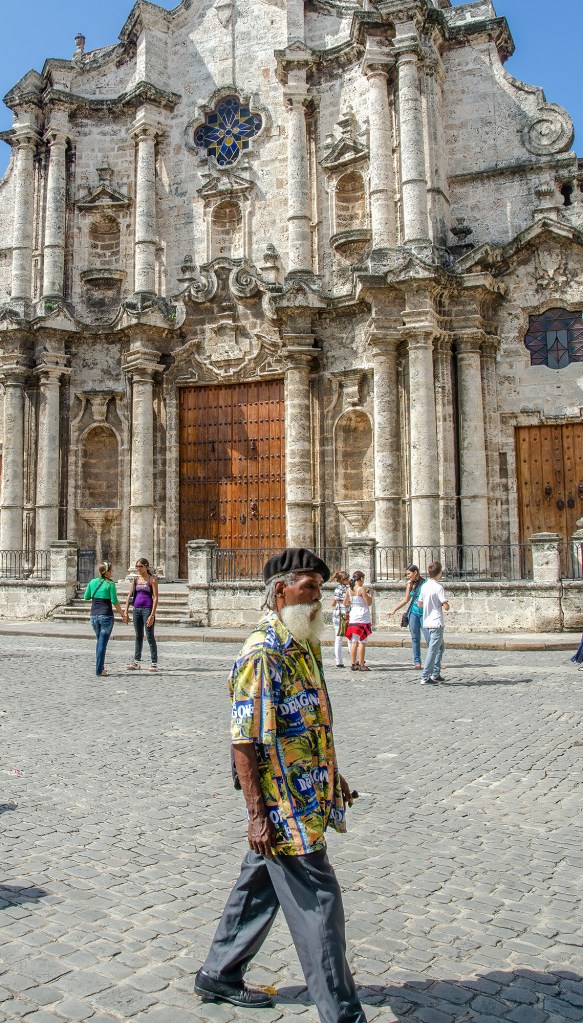
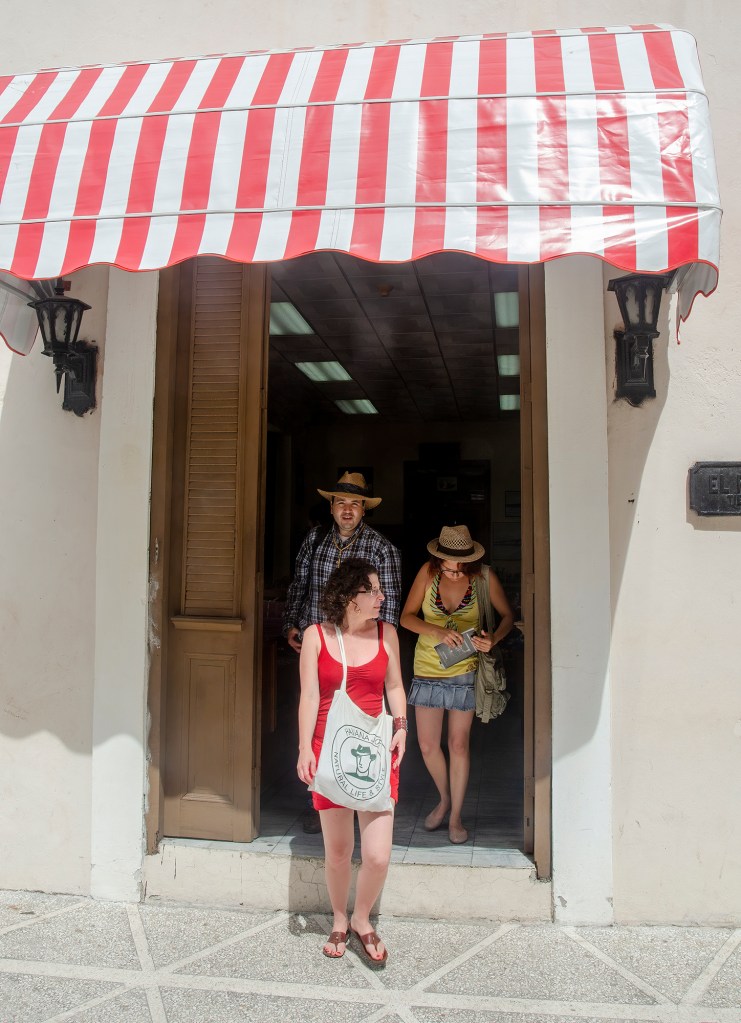
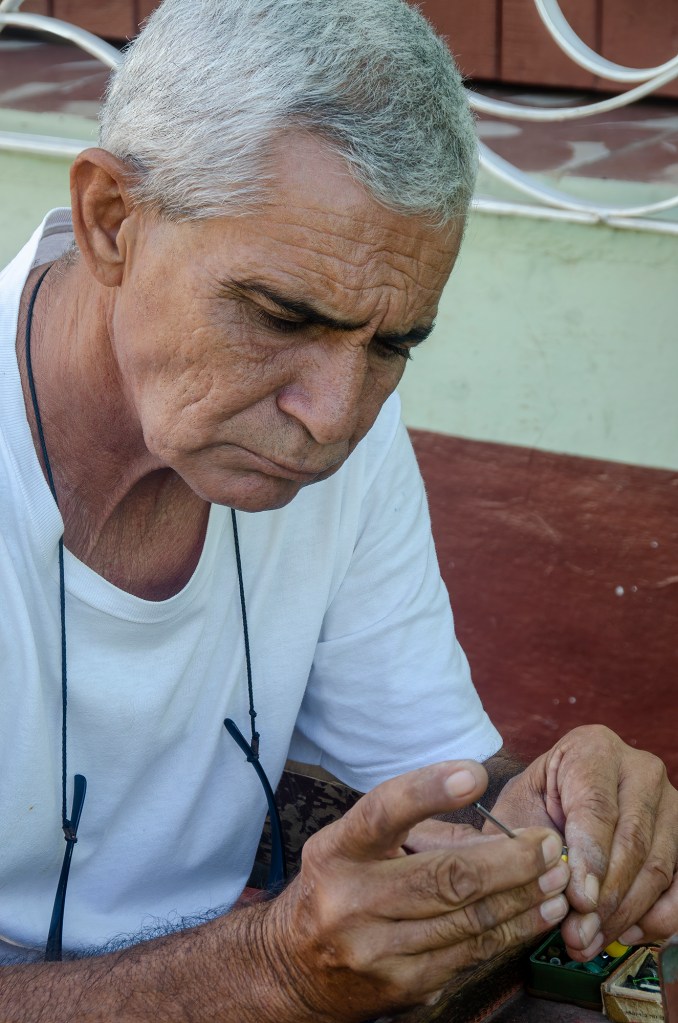
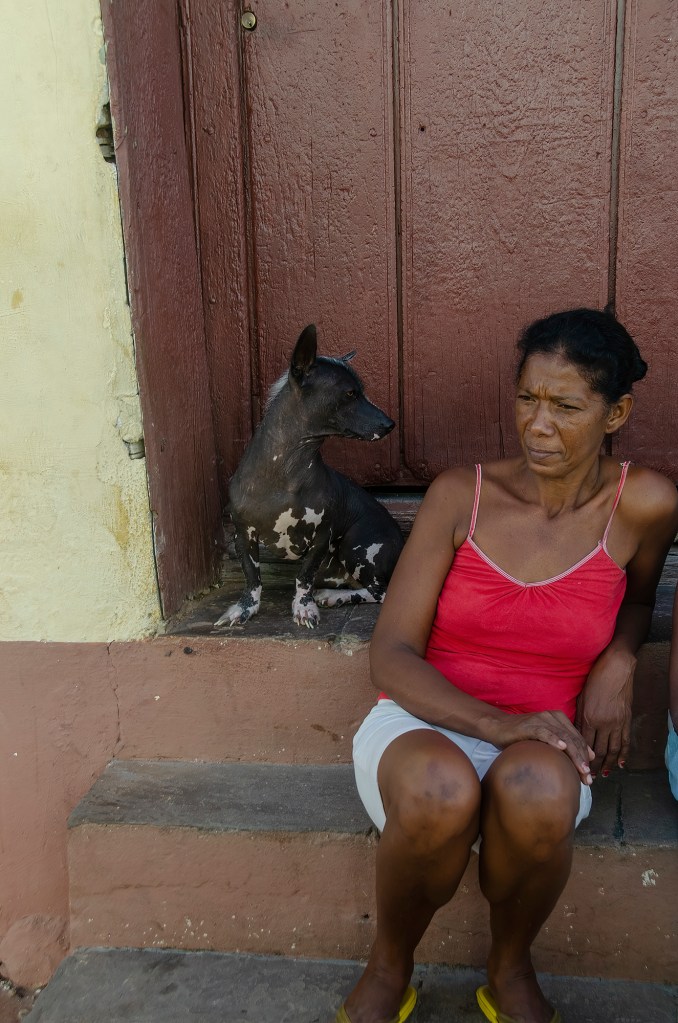
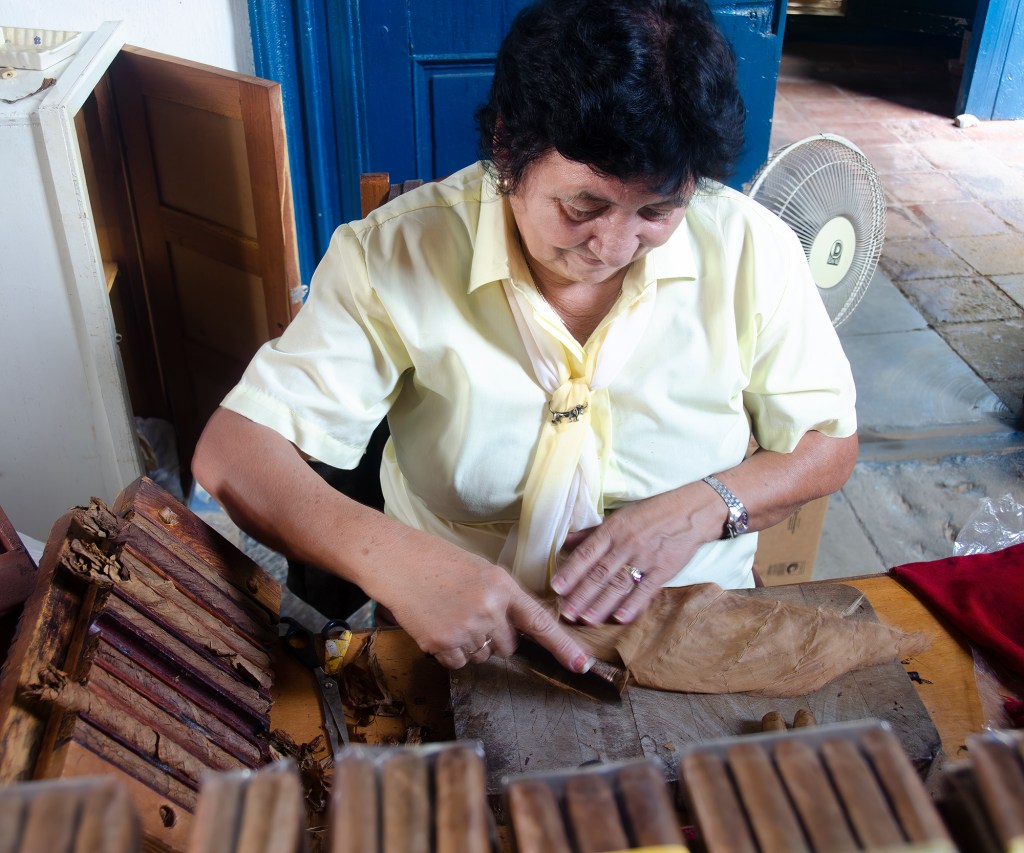
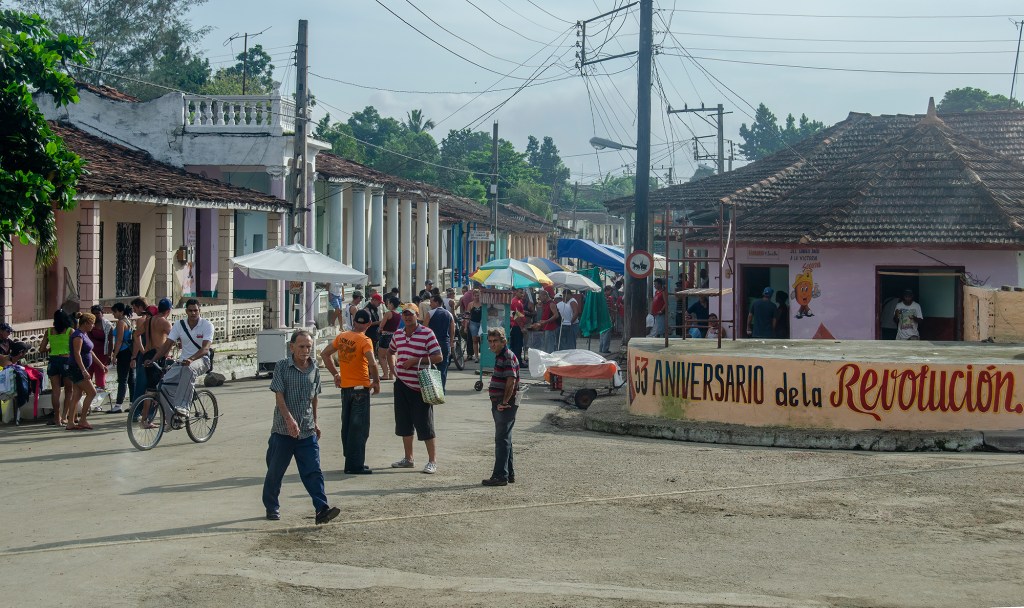
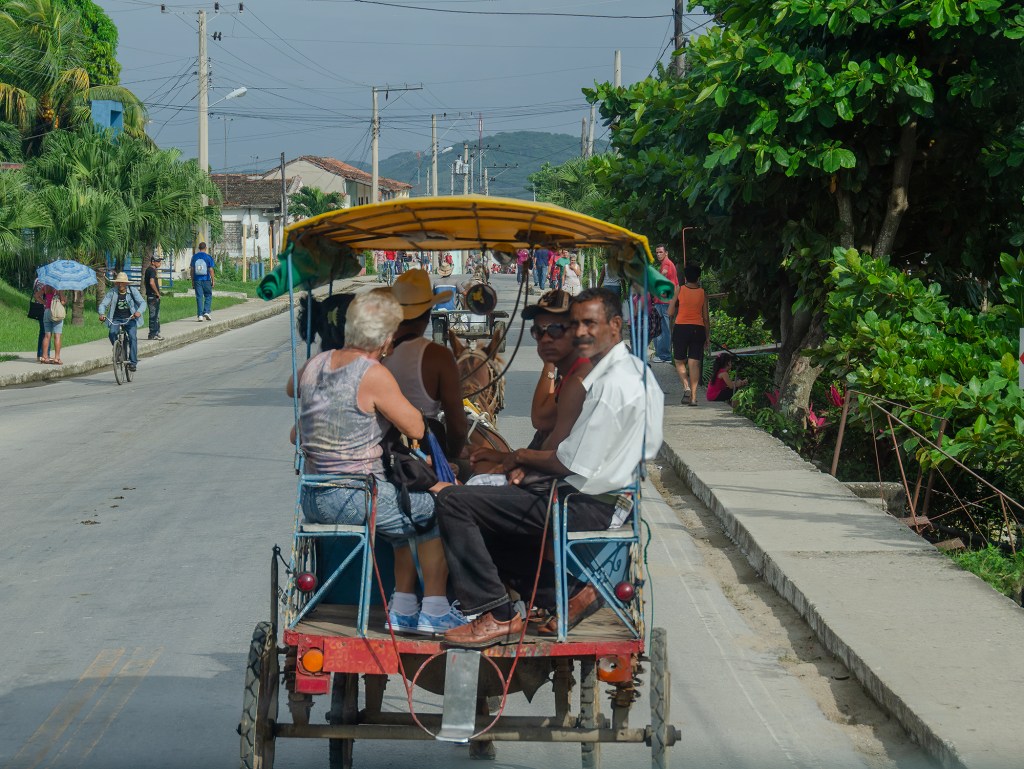
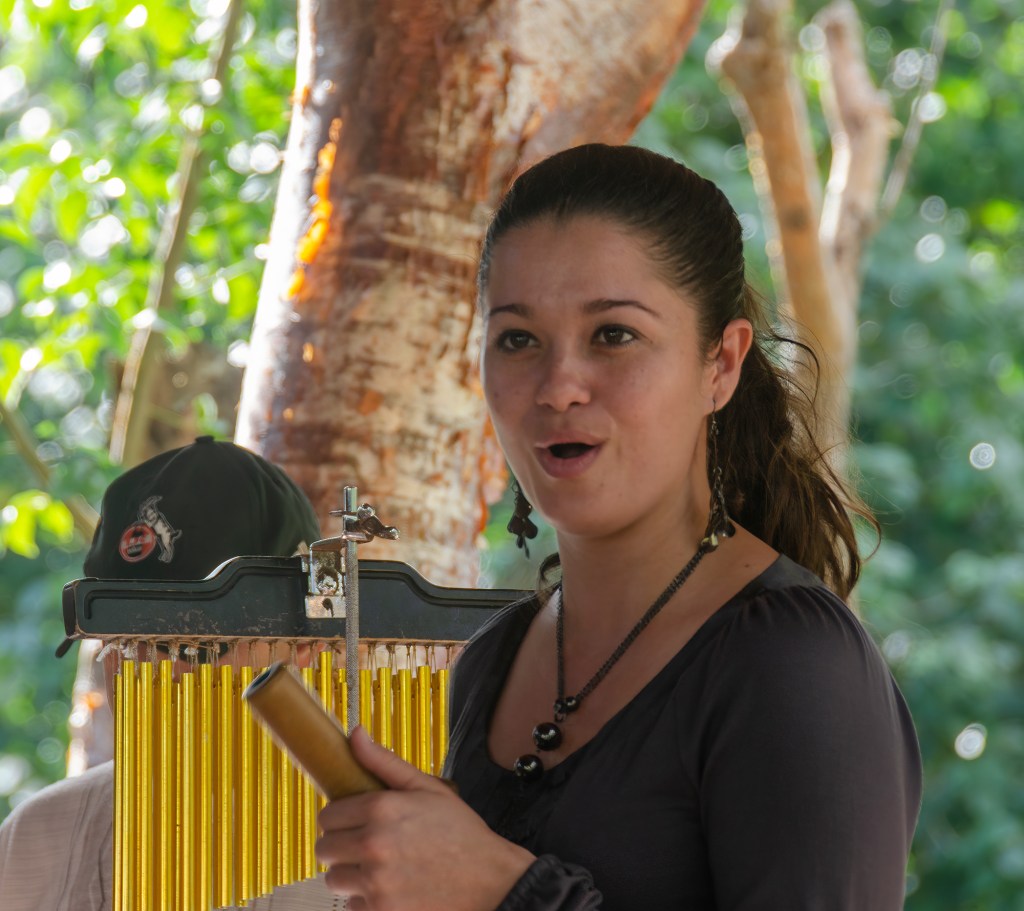
Our initial lasting impressions were of the Cuban people, who were friendly, warm, and seemingly reasonably happy. At the same time there were elements of sadness – unable to travel, relatively poor, limited futures, economic struggles and so on. Many were working, some relaxing, others in costume. Music is very popular as well. Here are a series of images from the trip.

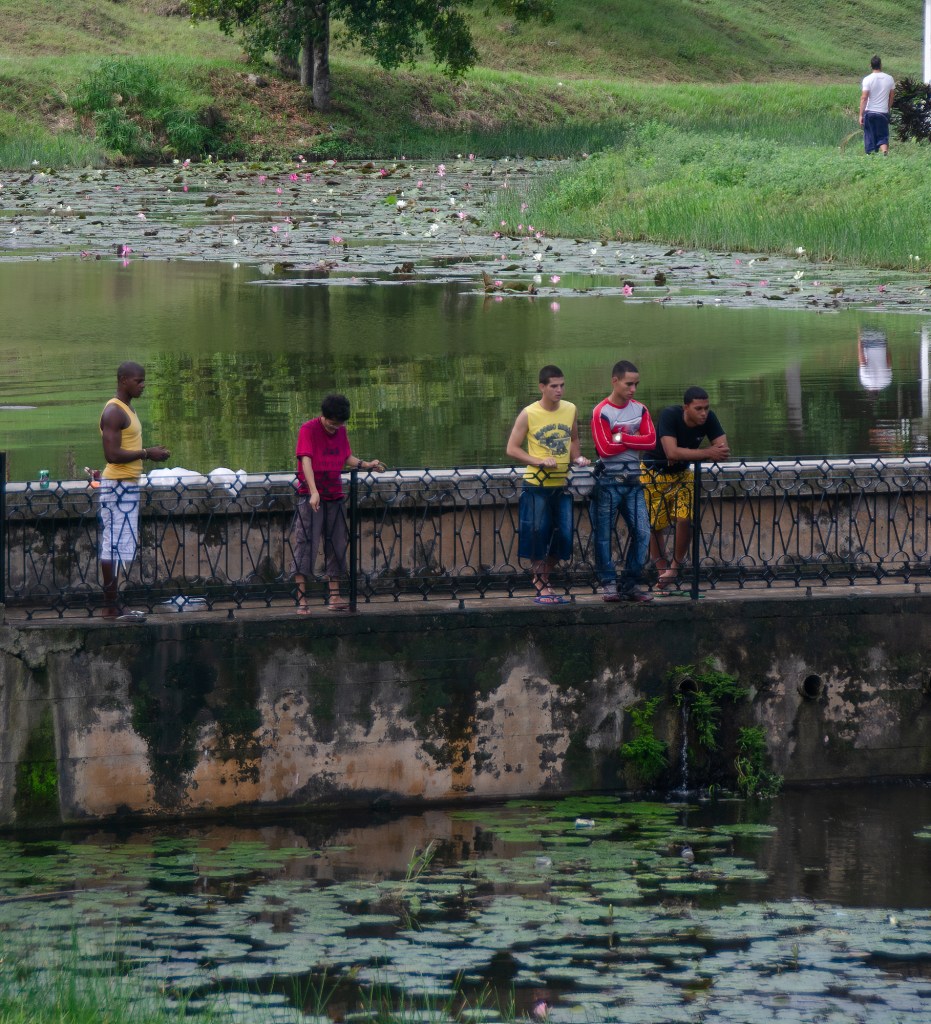
Hanging Out in Havana
Whiskered Man
Band in Restaurant
Shoppers
Food Stands in Trinidad
Lady in Trinidad
Street Band in Trinidad
Old Man with Rooster
Bar Patrons
Street on way to Santa Clara
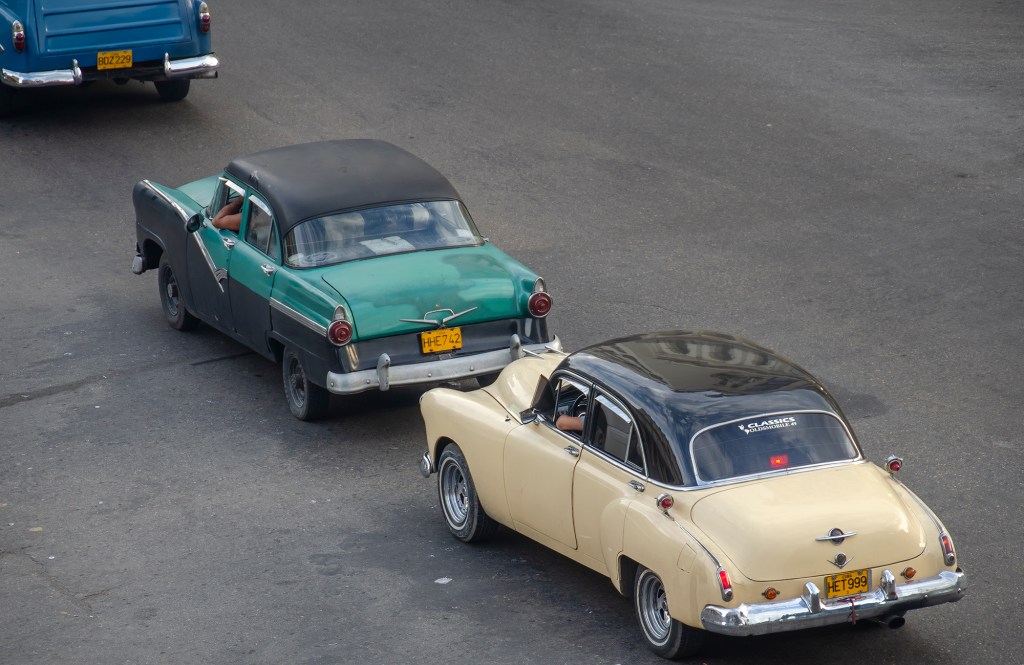
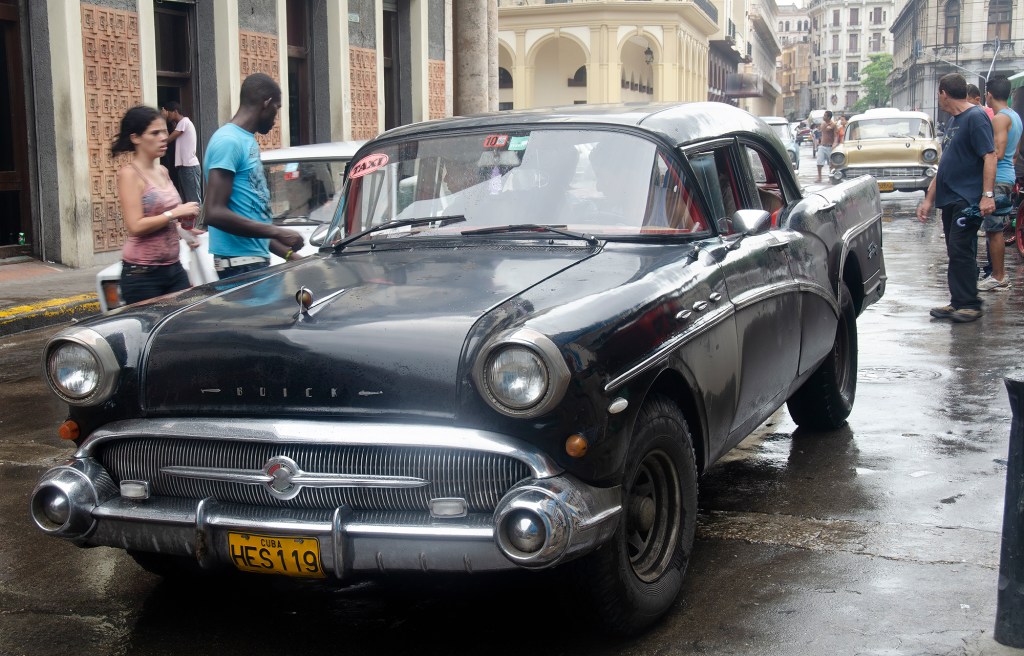
Taxi?
Singer
Band at Resort
Life Observers
Tea Lady
Buddies in Bar

Birds at Elephant Havens

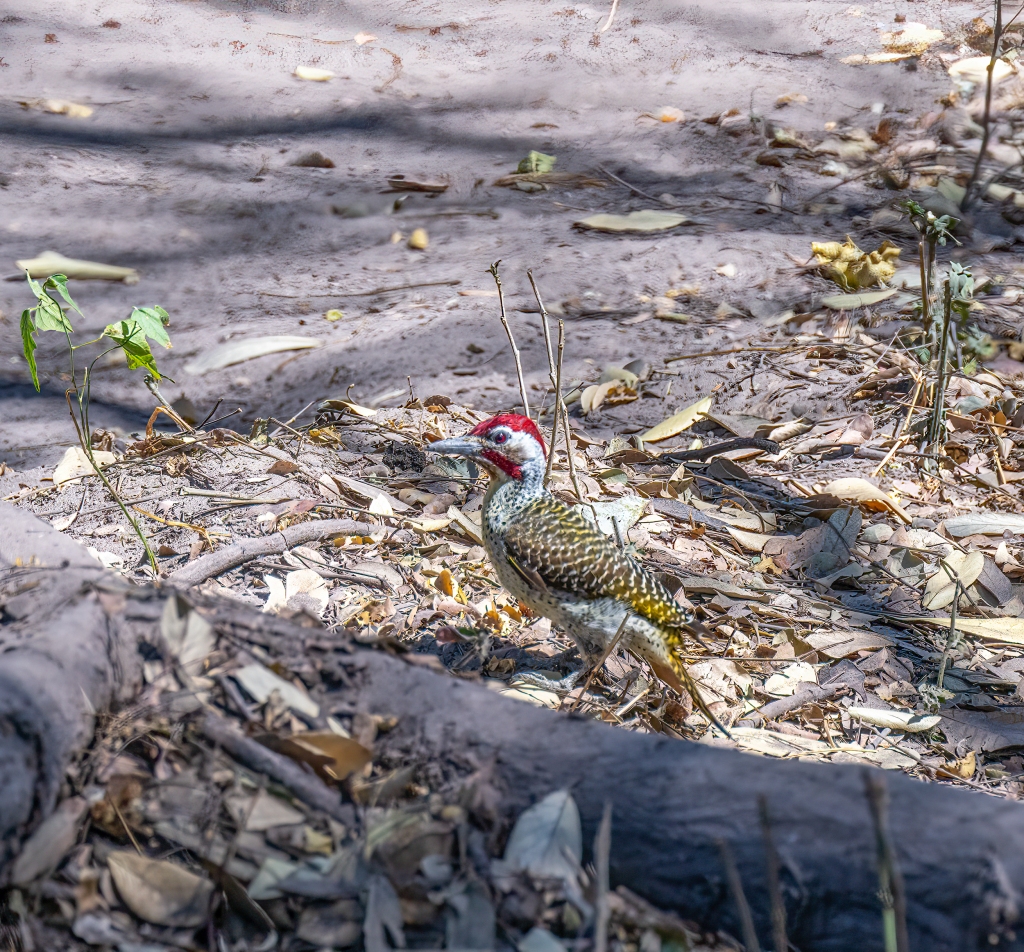
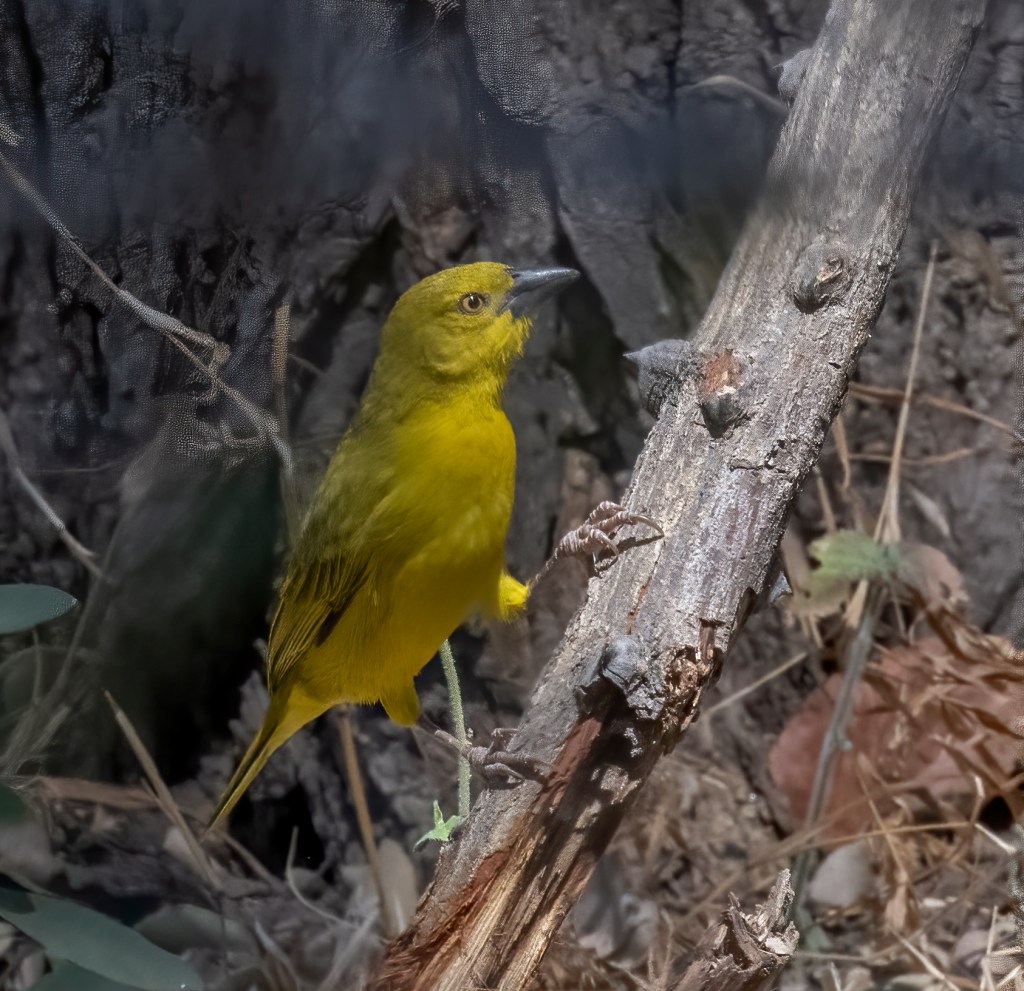
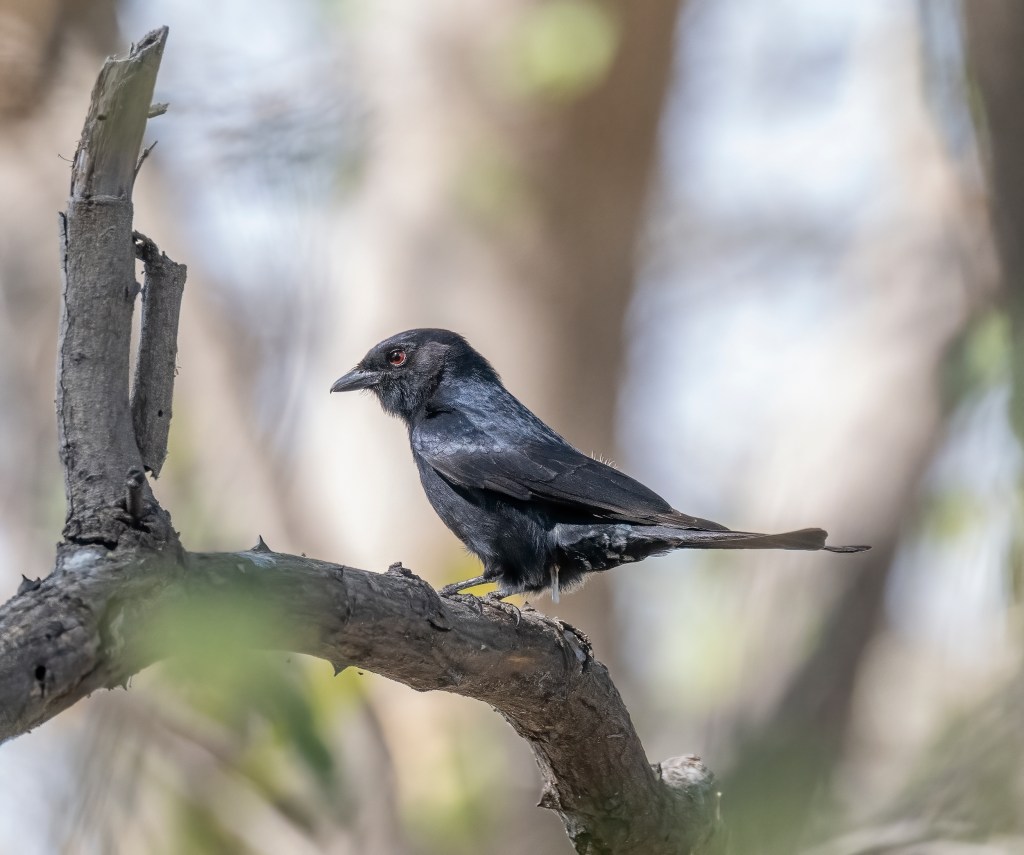
While I am normally taking pics of our dear little elephants, sometimes on hot afternoons I sit on the deck and watch for birds. Here are a few taken on the last visit.

First, a Golden-tailed Woodpecker.

And an African Golden Weaver:

Then a Kurrichane Thrush:

Next an African Hoopoe:

An African red-eyed Bulbul:

A Burchell’s Starling

And lastly, a Forktail Drongo

Some Elephant Havens Babies

We visited in August when the headcount was nine, all under about five years old. Here are a few images.

LaLomita Photography Ranch

Three of us spent a day photographing birds at the LaLomita Photography Ranch, located just west of Uvalde, TX. The ranch is 20 acres in size, fairly heavily treed, with four shooting blinds. Each blind is surrounded with vegetation and has a small pond, several stump-like wood structures, some with a drip line. The bird population is generally quite good, and the birds fairly close to the blind. Thus sharp images with suitable backgrounds are normally achieved. Here are some recent images.

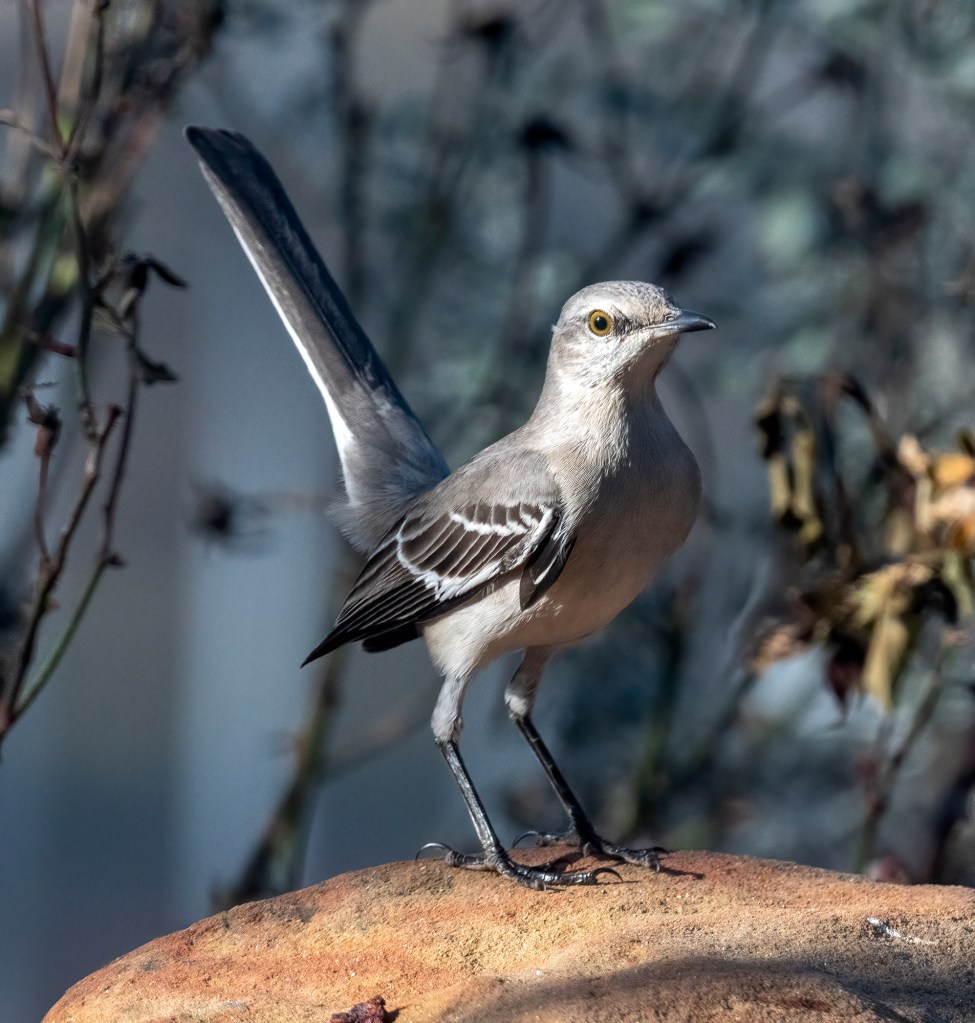
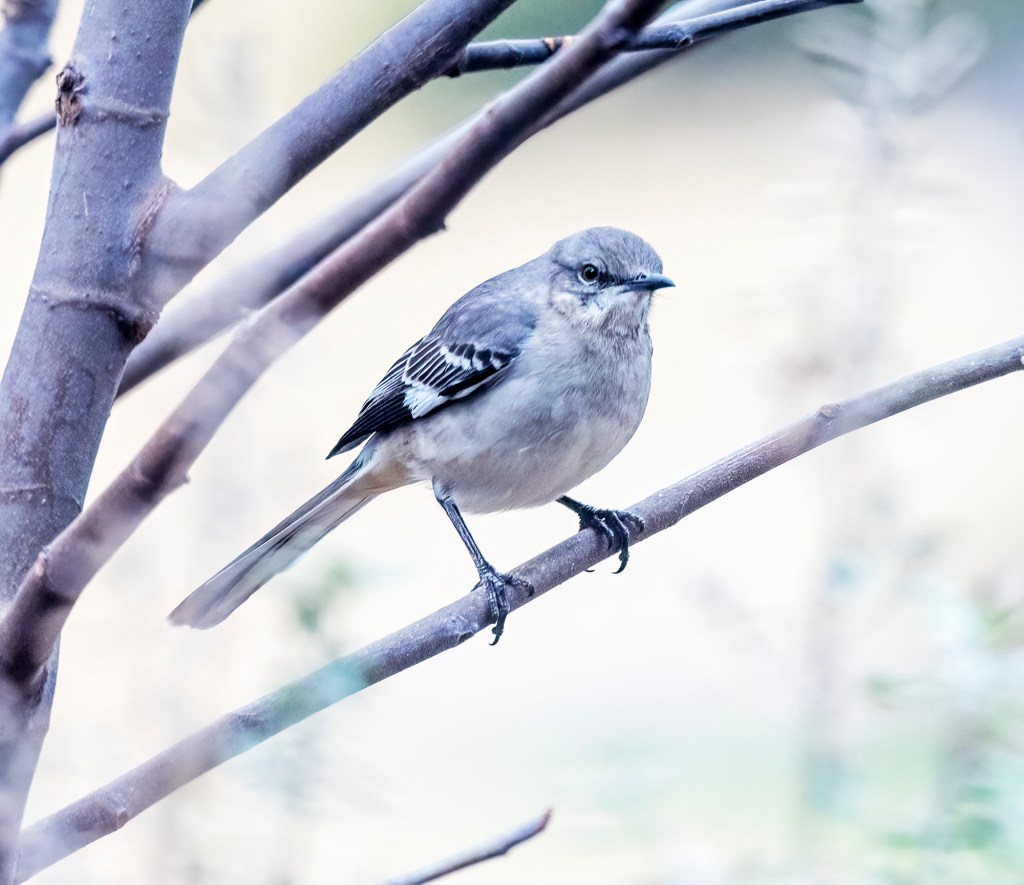
Northern Mockingbird

Green Jay

Golden-fronted Woodpecker

Orange-crowned Warbler

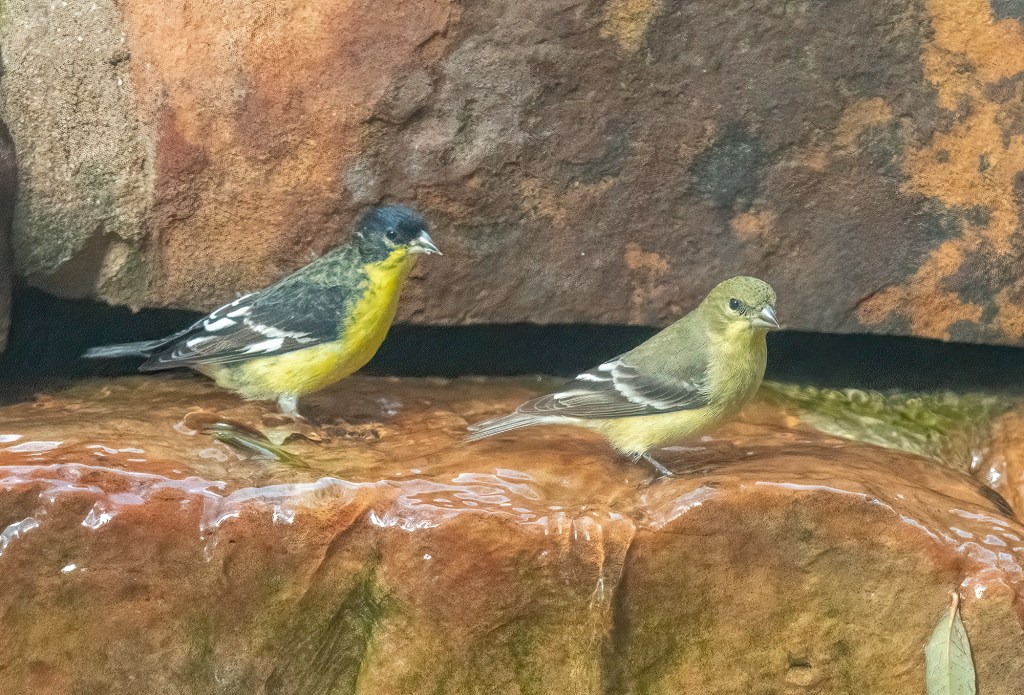
Lesser Goldfinches

Orange-crowned Warbler

Spotted Towhee

Black-crested Titmouse

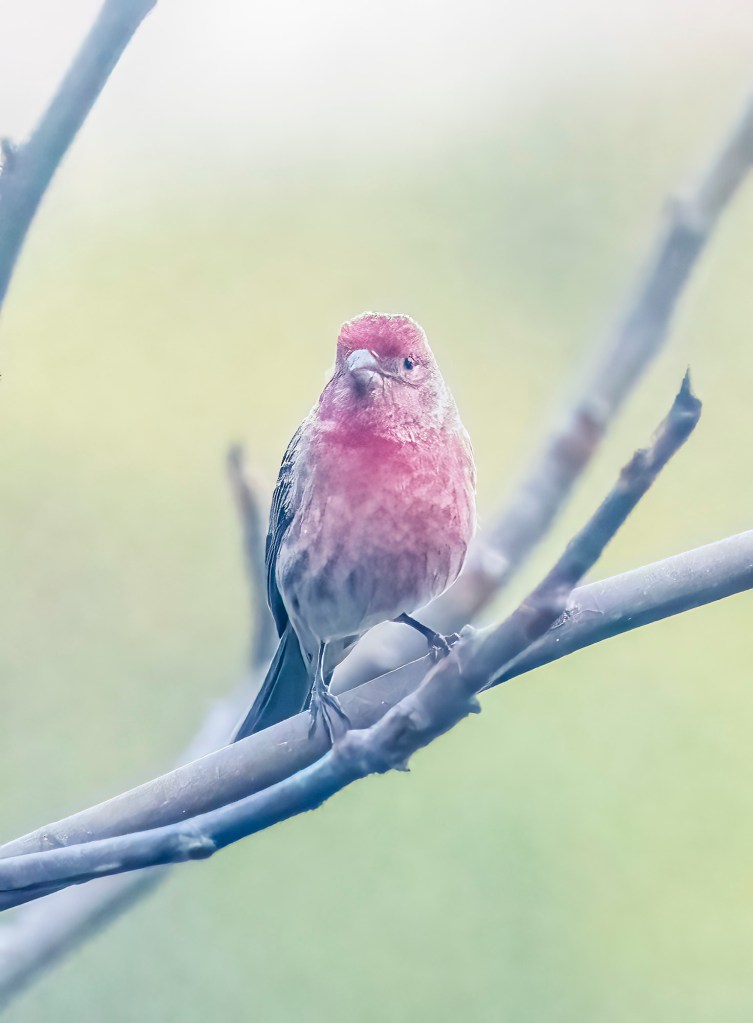
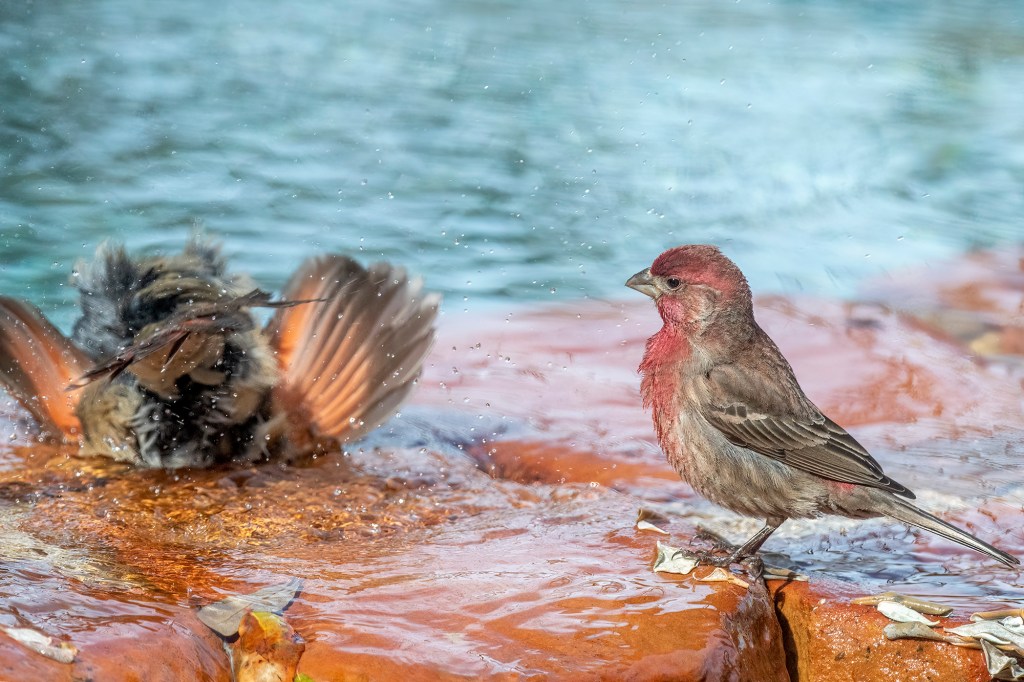
House Finches

Green Jays

Bewick’s Wren

Verdin

Verdin

Long-billed Thrasher

Barn Swallow

House Swallow

Lesser Goldfinch

Lesser Goldfinches

Pyrrhuloxia

Cardinal

House Sparrows

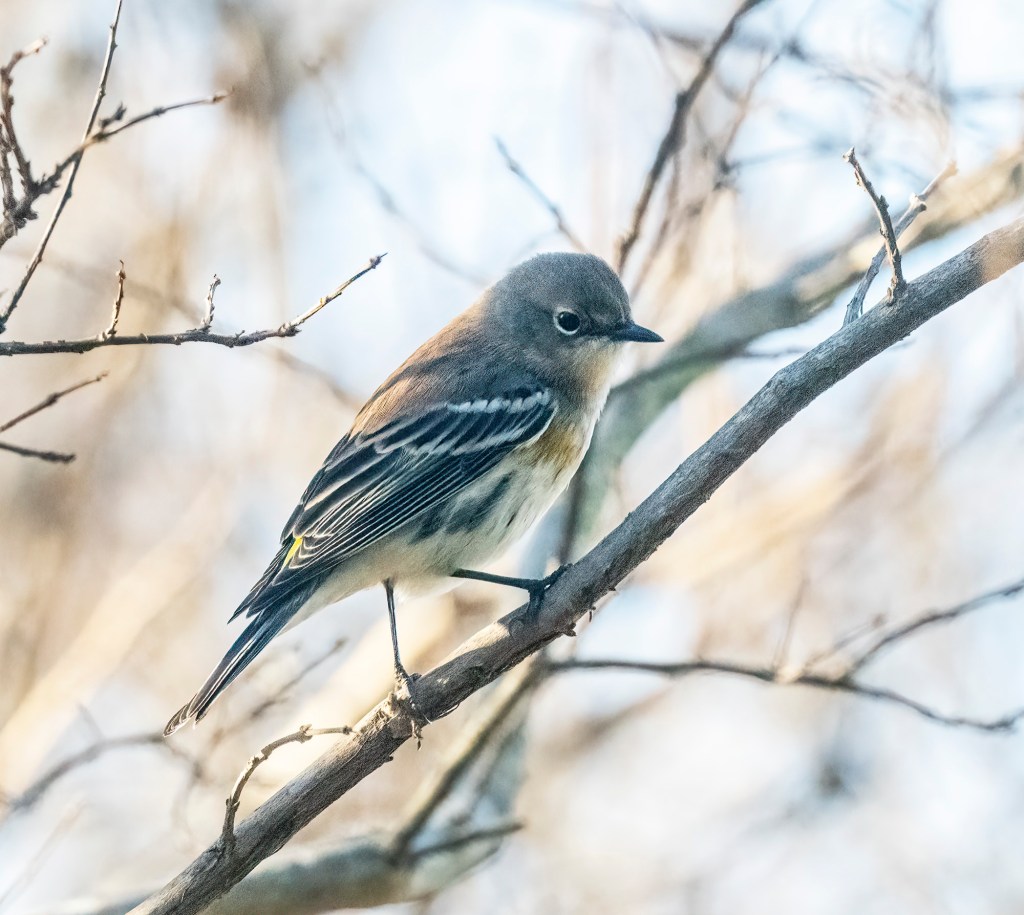
Yellow-rumped Warbler

Reykjavik

At the end of our Ring Road tour, we spent two full days in Reykjavik. We stayed at the Konsulate Hotel, located right in the center of the city’s main areas. Visitors to Iceland can read about all the best hotels and restaurants – there are many – and I am not going to get into details of the ones we visited. But I will tell you here where we ate and what we did.

Restaurants

Old Iceland – small intimate cafe located a few blocks away from our hotel. I would highly recommend this place as the food was excellent. We particularly liked the arctic char.

Kol – located near the main church. Good food, nice menu. We ate lunch there (and Hahn’s went back for dinner). Nice soups especially the carrot, and a really flavorful cod.

Hofnin – nice homey two story restaurant at the harbor. Owner always there (we ate two dinners). The langoustine with risotto was wonderful.

Baejarns Beztu Pysurg – hot dog joint beside our hotel. There since 1937 and very popular. Hot dogs with dried onions, mustard, ketsup and remoulade. Not bad.

Sights

Perlan Museum – Planetarium/museum featuring the wonders of Iceland, with great videos of the most recent volcano eruption, extensive historical and animal exhibits and a 100 m long ice cave.

Hallgrimskirkja Church – Largest in Iceland and 244′ tall, this church towers over the city and offers nice views. Inspired by the basalt columns at Svartifoss waterfall. Built 1986.

Waterfront – Typical city waterfront with commercial, fishing and tourist (whale watching) vessels. Nice to visit.

Shops and Blocks

The city has extensive shopping on interesting streets, and is worth spending time walking around.

Food Favorites

  • cod
  • arctic char
  • lamb
  • fish & chips
  • beef (OK)
  • breads
  • soups – lamb, tomato, carrot
  • langoustine
  • shrimp
  • skyr

Iceland Part 7

Our last day on the road before returning to Reykjavik. Mostly driving but we did stop to see a pair of wonderful waterfalls, and a raging stream. But first a wonderful hot spring.

Deildartunguhver is the most powerful hot spring in Europe. Billowing clouds of steam rise from scalding water bubbling from the ground. and of course a new spa Krauma nearby offers sleek hot pools, a cold pool and two steam rooms.

Then the picturesque twin waterfalls of Hraunfossar and Barnafoss. Hraunfossar is a fascinating series of waterfalls seemingly originating in a field without a river of lake. The water is actually streaming through rivulets in the Hallmundarhraun lave field. Another waterfall nearby is Barnafoss, which is more like a series of rapids caused by the water of Hvita entering a narrow passage.

Nearby we stopped to watch a raging stream run down from a nearby mountain.

Iceland Part 5

We spent two nights at the Fosshotel in Lake Myvatn, dining there both evenings. Myvatn is a calm, shallow lake at the heart of a volatile volcanic area that sits squarely on the Mid Atlantic Ridge. Nature’s violent masterpieces are everywhere: crazy colored mud pots, huge craters and jagged lava fields.. Most of the points of interest are linked by the lake’s looping road.

Morning View from Hotel

The classic tephra ring Hverfjall is an ancient and near symmetrical crater rising 452m and 1040m across. It is an awe-inspiring landmark in Myvatn.
Hverfjall

Next is the giant lava field at Dimmuborgir (literally Dark Castles). A series of walking trails runs through the landscape, utilized for some scenes in Game of Thrones. This area was created by the flow of a lava lake over a marshy area some 2300 years ago.As the hot lava spilled over the marsh, the water began to boil and the rising vapors created the area’s distinct lava pillars.

In the area is Krafla, one of Iceland’s most interesting volcanoes. The caldera is located along a 90km fissure zone in the north. It erupted nine times between 1974 and 1984. The west side is an active geothermal area, rich with fumoroles and solfataras (mud springs).

There are numerous fascinating structures and vistas around the lake. Here are a few.

After our companions enjoyed a swim in the thermal baths, we lunched at an interesting spot called the Vogafjos Cowshead Cafe. The cafe sits with a nice view in one direction, and the cowshead against the opposite wall complete with a window. The food was excellent.

Overnight Stay

We spent a second night at The Fosshotel, and enjoyed another dinner there. After dinner we were treated to a brief view of the famous northern lights, our first and only view on the trip as many nights were cloudy. The first two images were shot by Karen on her cell phone.

Iceland Part 2

Today we continued our tour eastward with a variety of stops along the south coast of Iceland. We visited the fascinating Lava Center, gazed at splendid waterfalls at Seljalandsfoss and Skogafoss and finished at the black sand beaches of Reynisfjara and the 120 meter high promontory of Dyrholaey. In the middle, we stopped for lunch at a casual cafe in the Hotel Anna, where the specialties were a very tasty lamb soup and Icelandic fish and chips.

Lava Center

The Lava Center in Hvolsvollur is an interactive high technology exhibition depicting volcanic activity, earthquakes and the creation of Iceland. One can examine eruptions and lava flows, volcanic and rift systems, faults and glacial floods. The center has an elaborate monitoring system for surveying volcanoes and earthquake zones and activity. This is a must stop for anyone interested in understanding the geological makeup of the island.

Seljalandsfoss

Next stop was this fairy tale-like waterfall – the only one in Iceland where you can walk behind the cascade on a footpath (no we did not as it was icy!). The 60m falls are part of the river Seljalandsa, and originate under the glacier Eyjafjallajokull.

Skogafoss

Near the village of Skogar lies the magnificent 62m waterfall known as Skogafoss. There is a steep staircase alongside the waterfall that one can climb for giddy views, or one can walk to the foot of the falls and become shrouded in sheets of mist and rainbows. Legend has it that a settler named Prasi hid a chest of gold behind Skogafoss.

Dyrholaey

One of the south coast’s most recognizable natural formations is the rocky plateau and huge stone arch at Dyrholaey which rises dramatically from the surrounding plain 10km west of Vik.

Reynisfjara

The black sand beach at Reynisfjara is backed by an incredible stack of basalt columns that look like a magical church organ. Immediately offshore are the towering sea stacks; tradition says they are the masts of ships that trolls were stealing when they got caught in the sun.

Dyrholaey from Reynisfjara
Volcanic Stones
Black sand beach and sea stacks
Basalt
Basalt

Vik

Icekland’s southernmost town and its’ rainiest, Vik is a booming hub for a beautiful portion of the south coast.

Vik
Vik Church

Overnight Stay

We stayed overnight at the Magma Hotel close to Kirkjubaejarklaustur, and dined at their Bistro 1783, named after the year that the volcano Lakagigar erupted. The rooms were little separate huts with grass covered roofs, each dated by a volcanic eruption; ours overlooked a small lake.

Magma Hotel
View from Room at 3 AM

Iceland

We recently returned from a trip to Iceland, long on our bucket list. The visit was not disappointing. Iceland is a beautiful country with fantastic geological features, wonderful scenery, friendly people and delicious food. Our land portion was arranged by Nordic Visitor, who provided a comfortable vehicle, a great guide/driver, hotel reservations and a planned tour of the famous Ring Road. The latter is a main highway which essentially circles the island, and provides access to a multitude of amazing sights.

We started in Reykjavik of course. Our guide was a delightful and knowledgeable gentleman and Icelandic native, Johannes Vilhjalmsson. I think the best way to describe our journey is to do a blog post covering each day of the trip around the ring road. First a few fun facts.

Iceland is an island of about 100, 000 square miles (twice Kentucky) with 360,000 people and more than 400,000 sheep. It was first settled by a Viking chieftain in 874 AD, and has had a governing parliament since 930 AD. It was under Norwegian then Danish rule until independence in 1918. Geologically the island has a tectonic plate rift down the middle between the Americas and the Eurasian. There are over 200 volcanoes on the island, some 30-40 active; one erupts about every five years. There is extensive geological activity including geysers and steam vents. The country is 96% green in the energy area with extensive hydro and geothermal plants. The only native mammal is the arctic fox. Polar bears are not native although do visit from time to time.

As one might expect, much of the island is covered in lava, there are numerous glaciers, rivers, waterfalls and so on. The beaches are primarily black volcanic sand. Thus the scenery is spectacular and volcanic in nature, although farming is very extensive as is the raising of sheep and cattle. The island is also quite populated with purebred wild horses.

Our first day of touring was the famous Golden Circle, a route running basically east from Reykjavik. We visited Pingvellir National Park, Geysir and Gullfoss.

Pingvellir

One of the iconic stops on the Golden Circle route, Pingvellir is Iceland’s most important historical site. The Vikings established the world’s first democratic parliament here in AD 930. The site has a superb natural setting, in an immense fissured valley caused by the meeting of the North American and Eurasian tectonic plates, with rivers and waterfalls. Filling much of the rift plain south of the site, Pingvallavatn is Iceland’s largest lake at 84 sq km.

Pingvallatn
Pingvallatn and Rift

Rift and Site of Parliament
Waterfall into Rift
Growth on Rift Wall

Geysir

One of Iceland’s most famous tourist attraction, Geysir is the original hot-water spout after which all geysers are named.The Great Geysir has been active for 800 years, but seldom spouts today. The current attraction is the very reliable geyser Strokkur, which spouts at least every ten minutes. The geysers are surrounded with an undulating, hissing geothermal area filled by steaming spouts.

Strokkur

Geothermal Activity at Geysir

Gullfoss

Iceland’s most famous waterfall Gullfoss is a spectacular double cascade dropping 32 m back into the Hvita River. The spray from the falls is rather intense, making timed tripod images difficult to get without the lens being covered in water droplets.

Gullfoss

During our tour of the Golden Circle, we were treated to multiple views of the beautiful countryside.

Fridheimar Tomato Farm

A side attraction on the Golden Circle is a must-stop at the Fridheimar tomato farm, where tomatoes are grown year round in a series of greenhouses heated by geothermal water. The farm also has a restaurant contained within one of the greenhouses which offers refillable bowls of – yes – tomato soup with wonderful Icelandic bread.

Overnight Stop

As a finale to each blog post I will post information on the evening stops, both hotel and restaurant. On this evening we stayed at the Hotel Grimsborger in Grimsnes, a lovely five star hotel convenient to the Golden Circle. We also dined in the hotel restaurant, also excellent.

Iceland Part Three

Our next morning began with more waterfalls, then a drive past Skaftafell and Vatnajokull National Park and then the spectacular Jokulsarlon and Diamond Beach. We then stopped in Hofn for lunch at Kaffihornid, a local cafe with great soups and fish and chips – yes again! We had intended to continue north, but found that the road – among many in Iceland – had been closed because of rain, snow and especially high winds. So we had a slow afternoon resting at the local Hotel Jokull, followed by perhaps our best meal in Iceland at Otto Natur and Drykker.

Systrafoss

This is Foss a Siou, a lovely waterfall draining from Lake Porutjorn. The rock formations are fairy talish in nature. This is located near Kirkjubaejark.

Systrafoss

This waterfall translates to Sister’s Falls, named after the nuns, and is located within a small village., It is uniquely a double waterfall (picture borrowed).

Skaftafell

After a drive we began to see a large mountain range, identifies as Skaftafell located within a very large national park. The primary glacier is known as Skaftafellsjokull. This area is a huge national recreational area, and is simply spectacular.

Jokulsarlon

The next sight was the glacier lagoon at Jokulsarlon, filled with large chunks of ice that had broken off the glacier. These floated around the lagoon, and eventually some floated into a short river, the Jokulsa, into the sea.

Diamond Beach

The icebergs are often blown back to the black sand beach by wind and tides, and form a spectacular vision of “diamonds” on the black sand.

Hof

On to Hofn and lunch. And learning of closed roads.

Overnight Stay

Hotel Jokull.

Cafe
Hotel Jokull
Otto Matur &Strykkur
Otto Natur & Drykkur