Contact

Duoro Valley

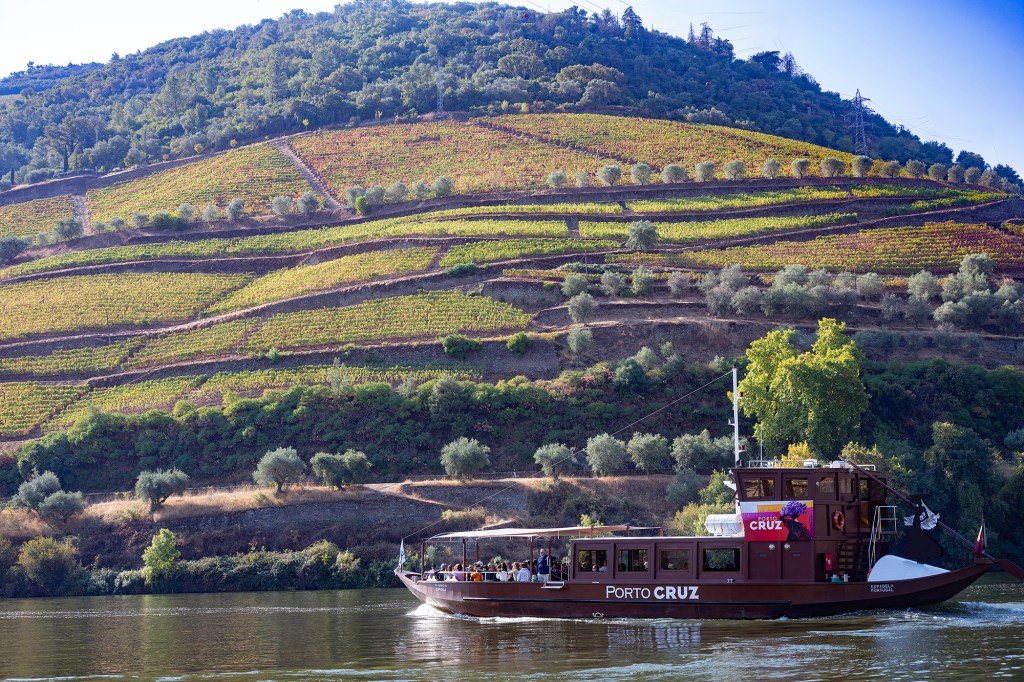
Our next stop was the little town of Pinhao right in the wine country of the Duoro Valley. The whole area is spectacular. Below is a view of the Pinhao River where it meets the Duoro River. Interestingly the Duoro has its beginnings in Spain – where there is a well known wine area called Ribera del Duoro that we visited later in the trip – and continues on the Portugal, eventually meeting the Atlantic at Porto.
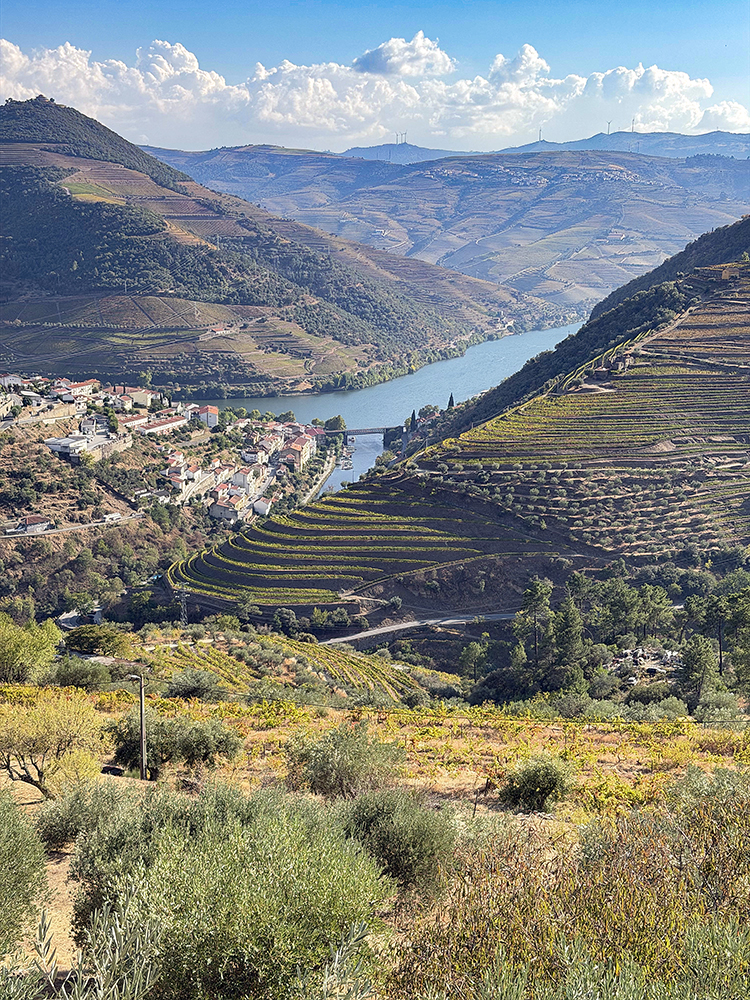
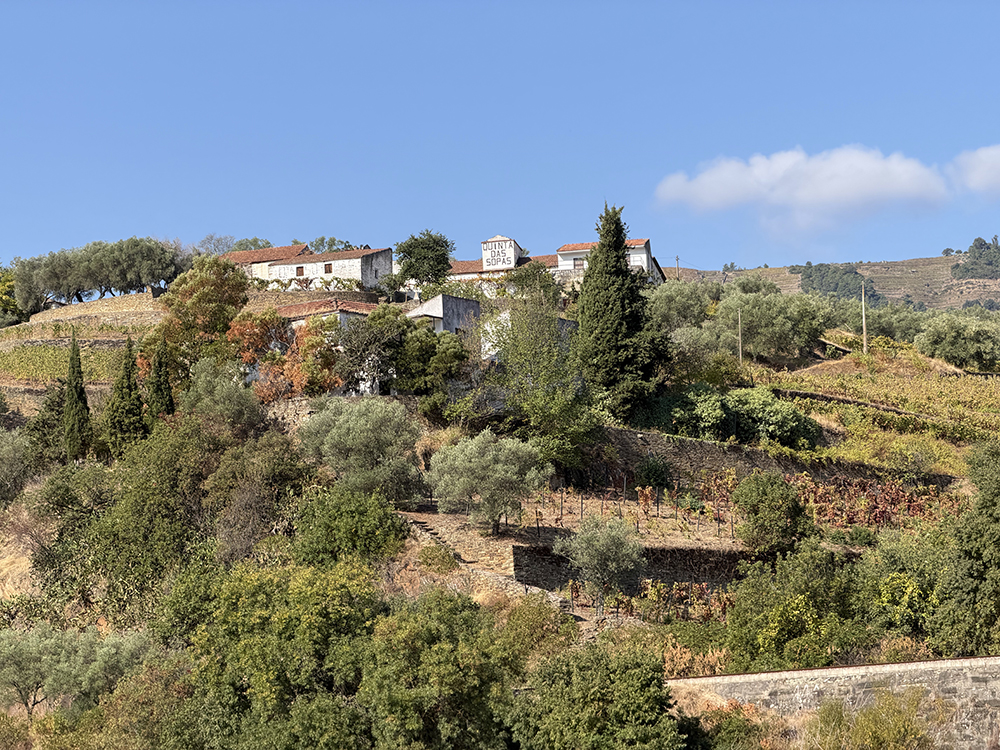
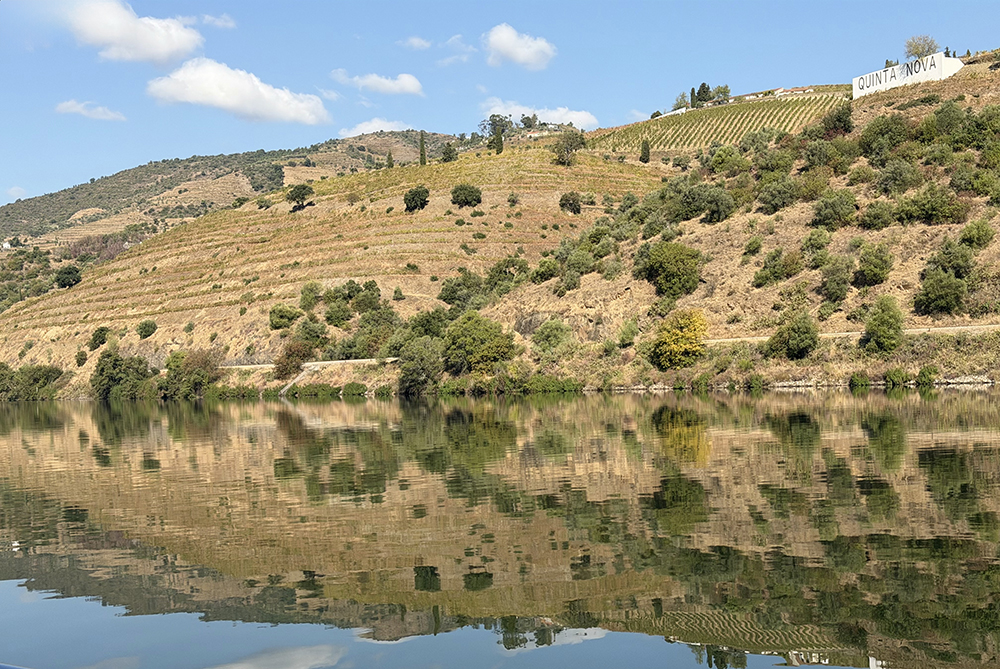
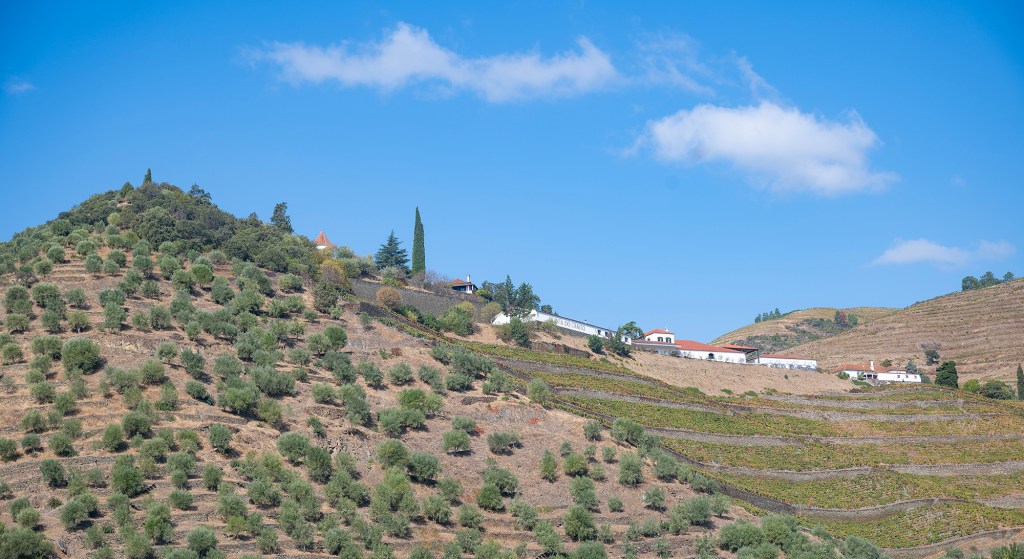
The vineyards are located on the steep banks of the river, and are by necessity all managed by hand – prepping, planting, growing and cultivating and harvesting. Typically they are built in horizontal steps, often with slate stairs between levels.

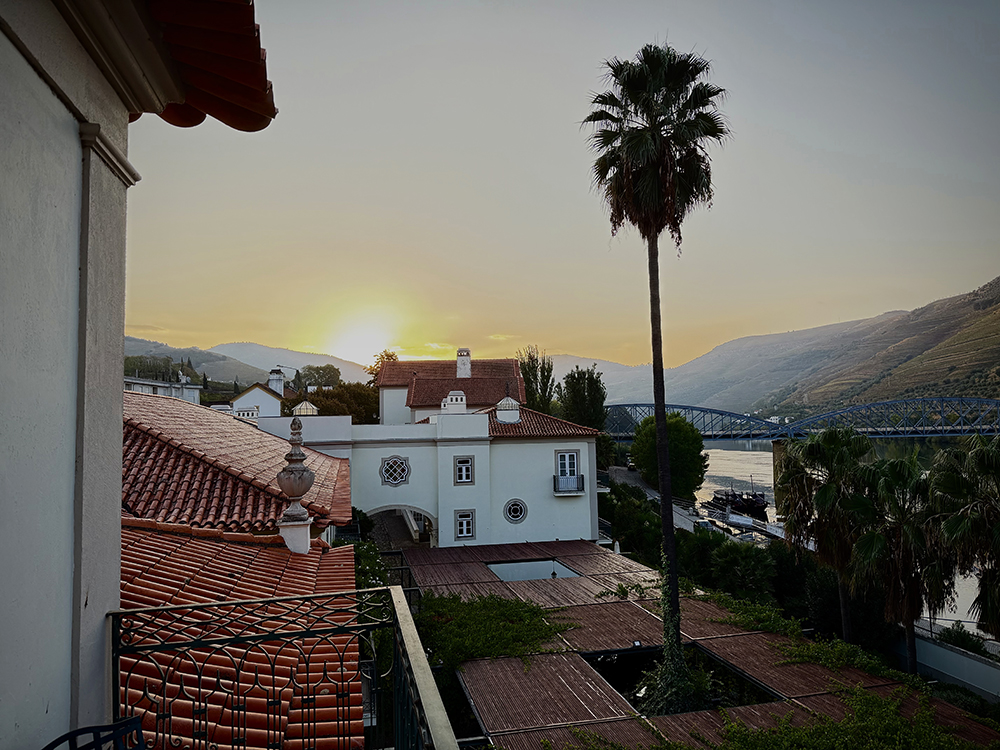
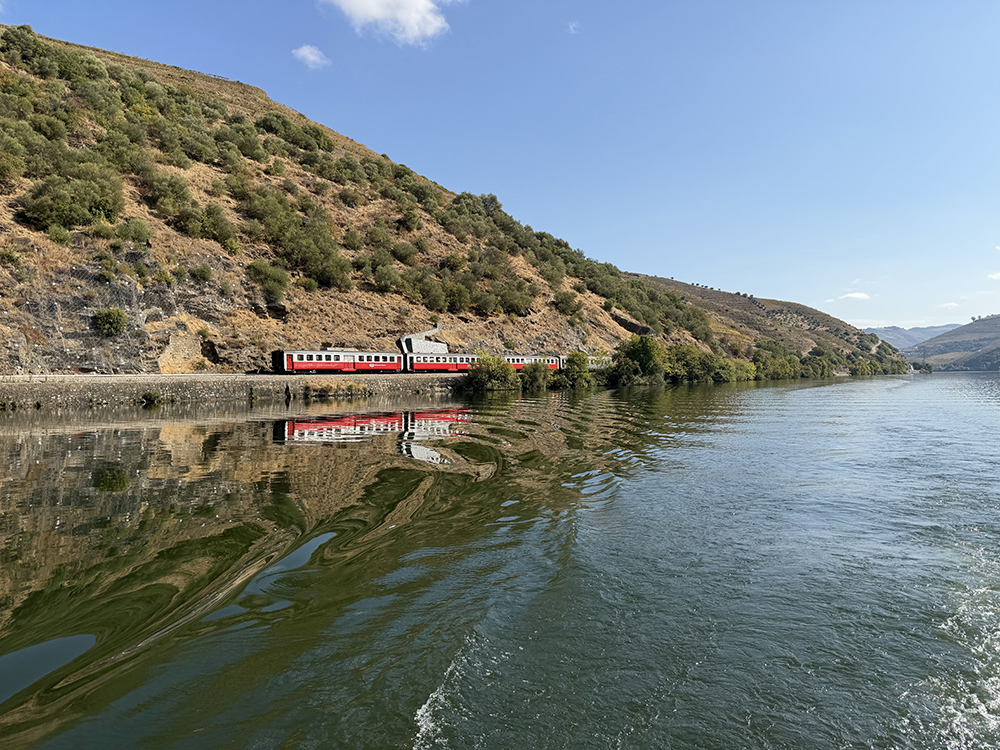
We spent two nights at the Vintage House in Pinhao, a lovely hotel right on the river; every room was on the water side, and there were two bars right on the river. Many day cruise were based in front of the hotel. Our first day started with a private two hour cruise on the Feel Duoro downstream to Folgosa. Our hostess was Carlotta and the captain was Paolo. Carlotta was very informative about the whole region, so the trip was educational as well as scenic.
We debarked at Folgosa and walked about 150 feet to the restaurant D.O.C., owned by the renowned chef Rua Paula. We enjoyed a cheese board with honey and marmalade, grilled prawns, a crisp white wine and a lovely creme brule.

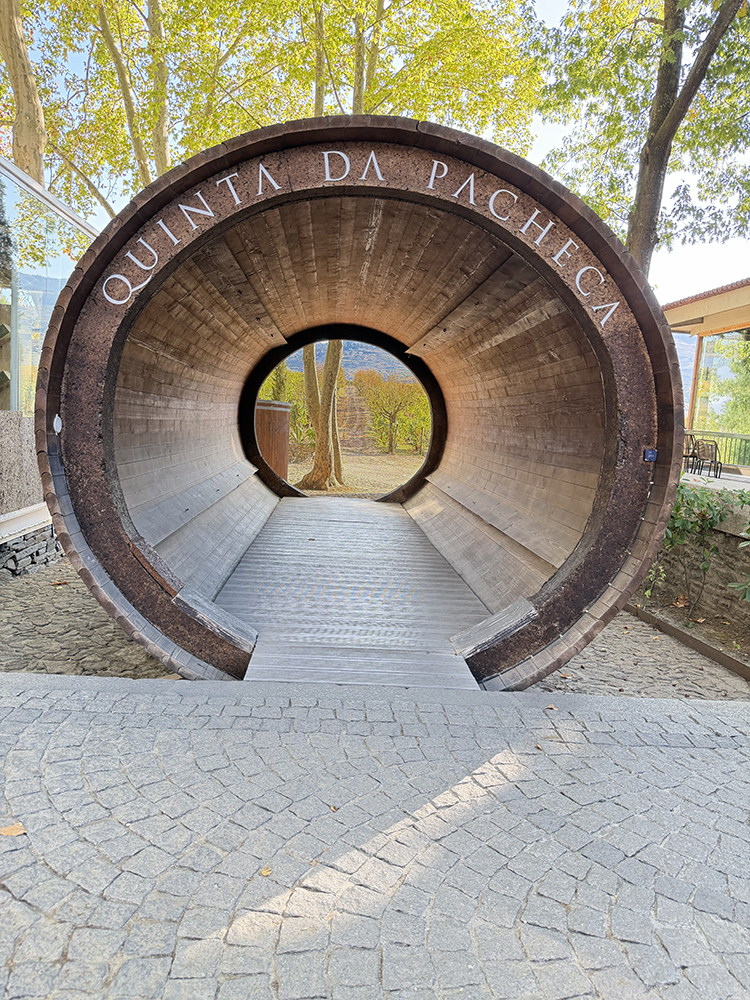
Our next stop, with Nuno our driver/guide, was the winery Pacheco. Here we sampled a white, a red and two ports. We left with two bottles of vintage port.
After a rest, Nuno took us across the street and rail tracks from the hotel to a small hole-in-the-wall restaurant, where we huddled around a small table and dined. The fare was a flaming chorizo, cheese and meat tray and sliced onions in olive oil. What fun!

Flaming chorizo

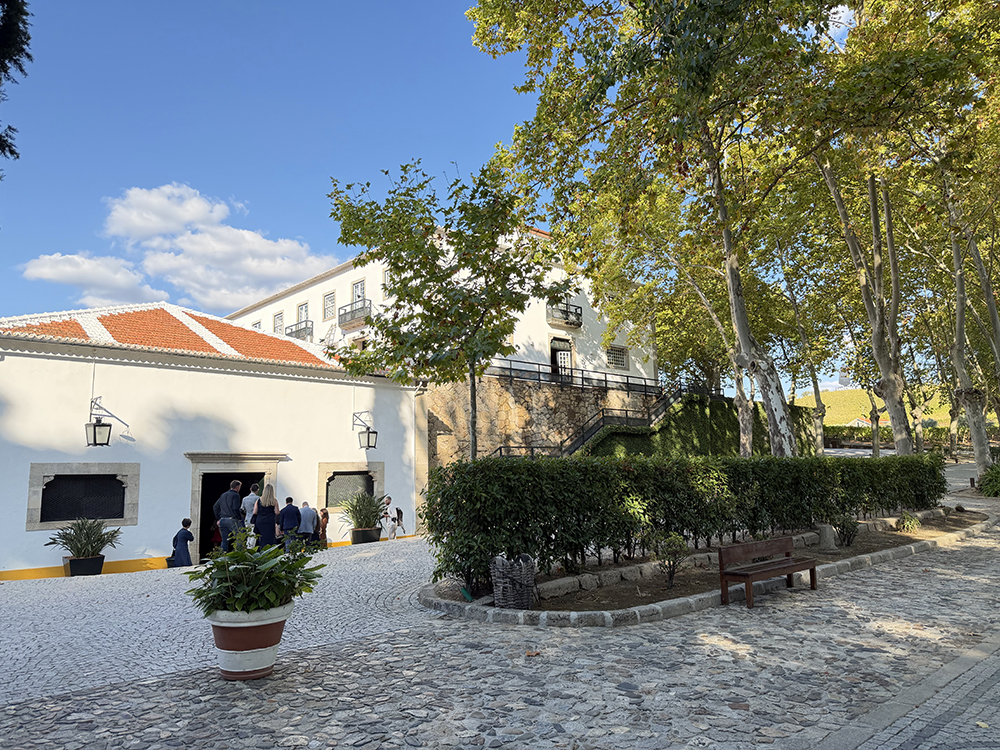
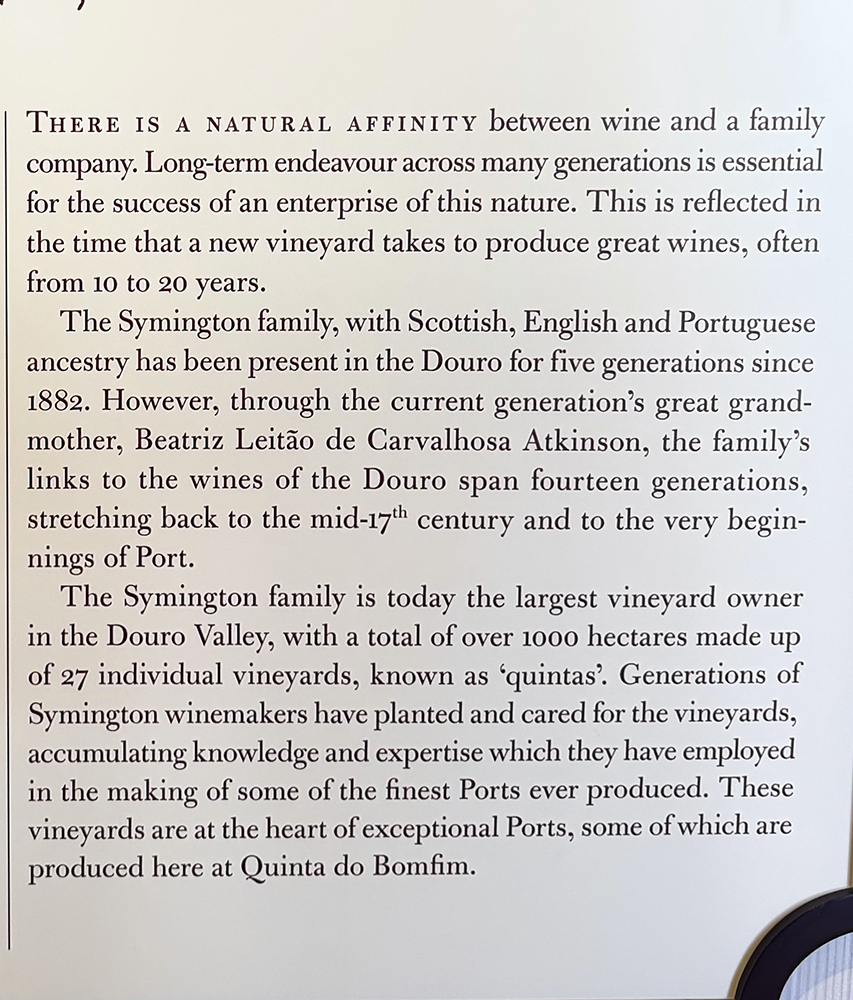
The next day we began with a nearby visit to Quinta do Bomfin, one of the Duoro Valley’s greatest vineyard and winery. This winery is part of Symington Family Estates. The family is a combination of British and Portugese origins, and the 4th and 5th h=generations are still active in the business. The firm owns several of the big names in port, including Graham’s, Dow’s, Warre’s and Cockburn’s. They also produce Douro wines in 26 different quintas in the valley.

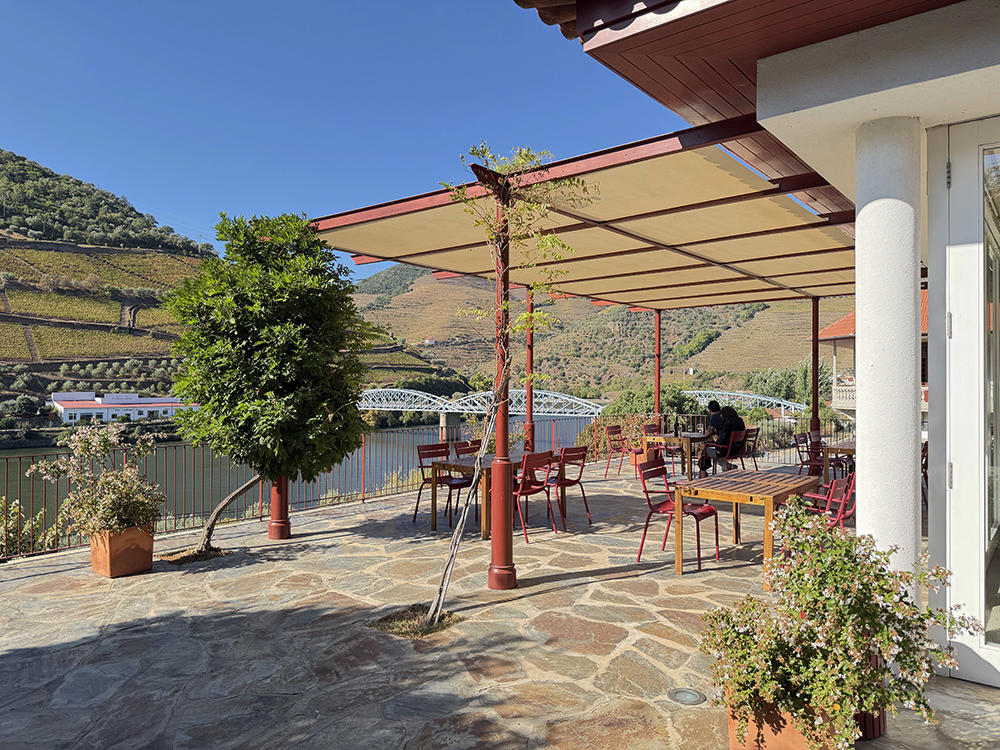
We spent some time in the visitor entrance at this quinta, which has a large display of family and business history. We then stepped out onto a lovely terrace overlooking the Douro River, and tasted a variety of wines and ports.

After a delightful tasting – and a port purchase – we headed off in the van downstream to Peso de Regua and a stop at the old train station. An old storage building has been converted to a charming restaurant, where we enjoyed another lovely meal.

We then headed on a drive into Spain and our next stop at Santiago.

Crazy Horse and Needles Highway

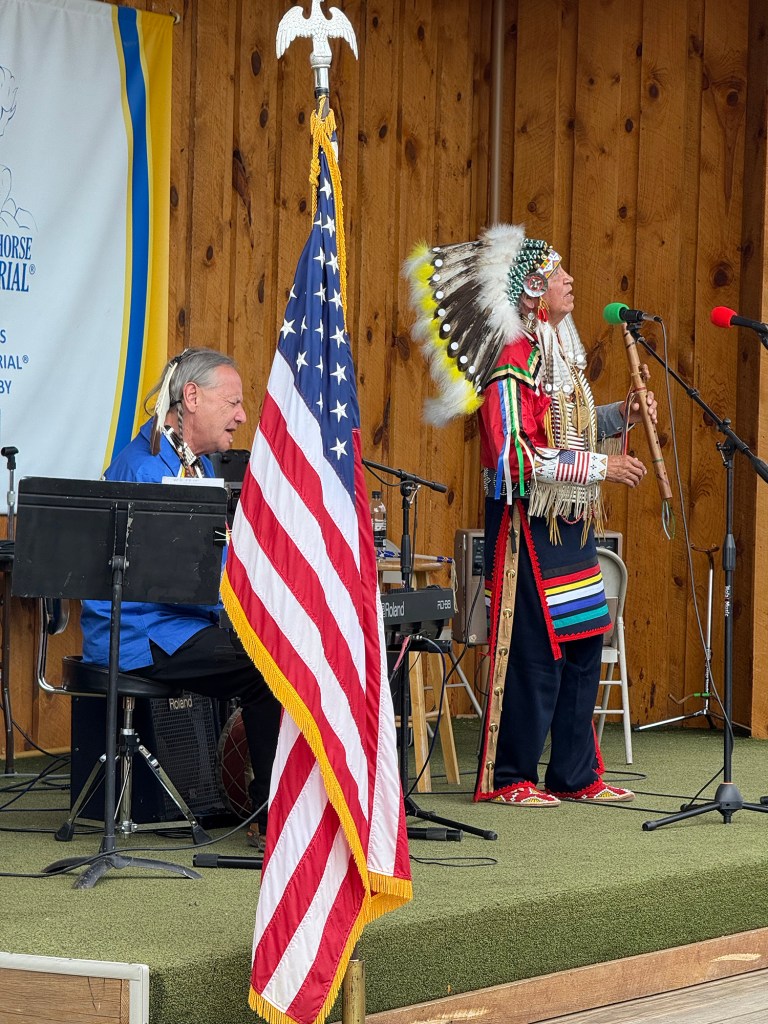
Crazy Horse Memorial

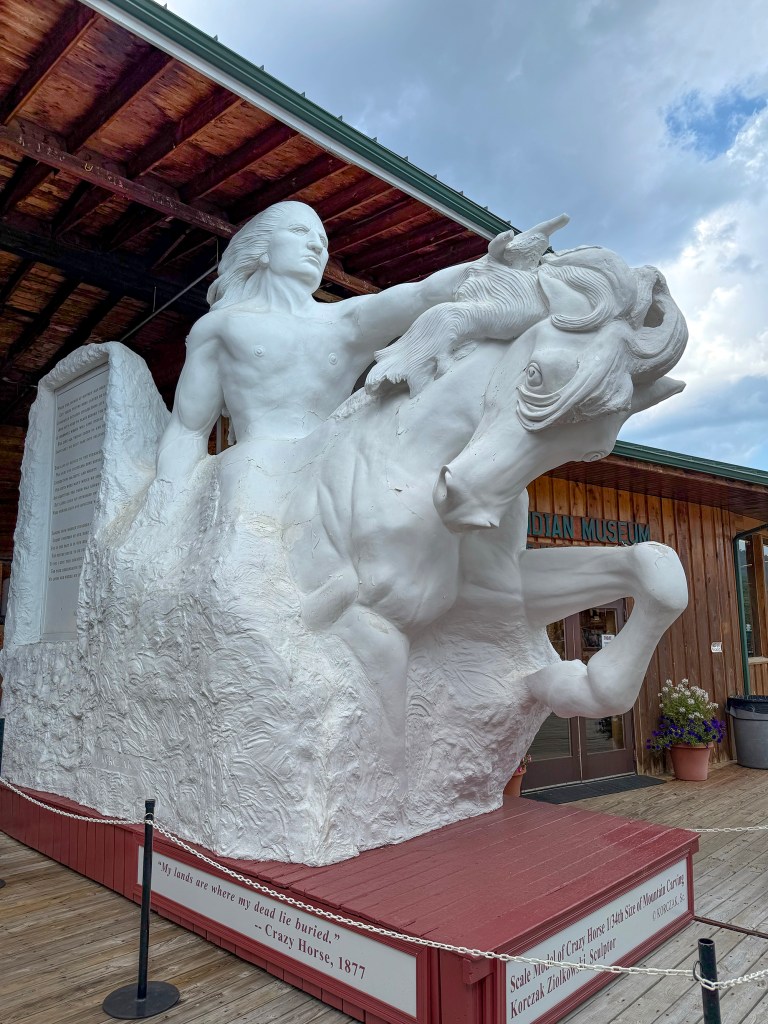
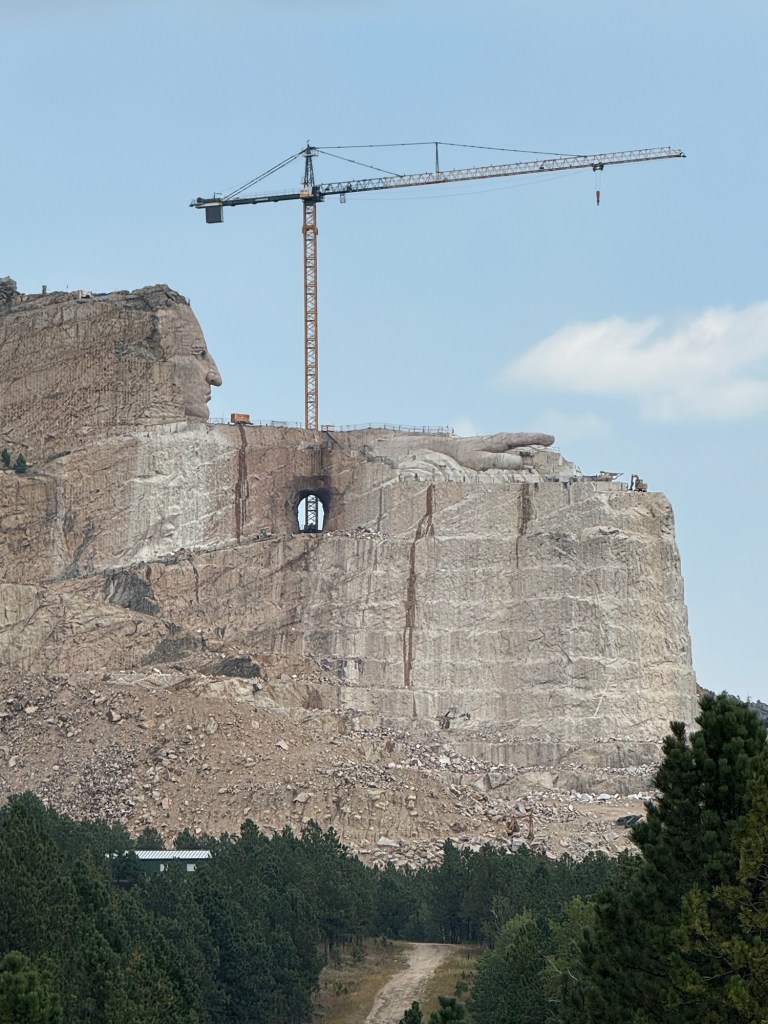
On our last day in Rapid City, we headed off to see the Crazy Horse Memorial, a mountain monument under construction in the Black Hills. It will depict the Oglala Lakota warrior Crazy Horse riding a horse and pointing to his tribal land. The memorial was commissioned by Henry Standing Bear, a Lakota elder, to be sculpted by Korczak Ziolkowski. It is operated by the Crazy Horse Memorial Foundation, a nonprofit organization.

The master plan includes the mountain carving monument, a Native American Museum and a cultural center. The monument is being carved out of Thunderhead Mountain, on land considered sacred by some Lakota, on land roughly 17 miles from Mount Rushmore. The sculpture’s final dimensions are planned to be 641 feet long and 563 feet high. The face of Crazy Horse, completed in 1998, is 87 feet high; the Presidents at Mount Rushmore are 60 feet high.

Needles Highway

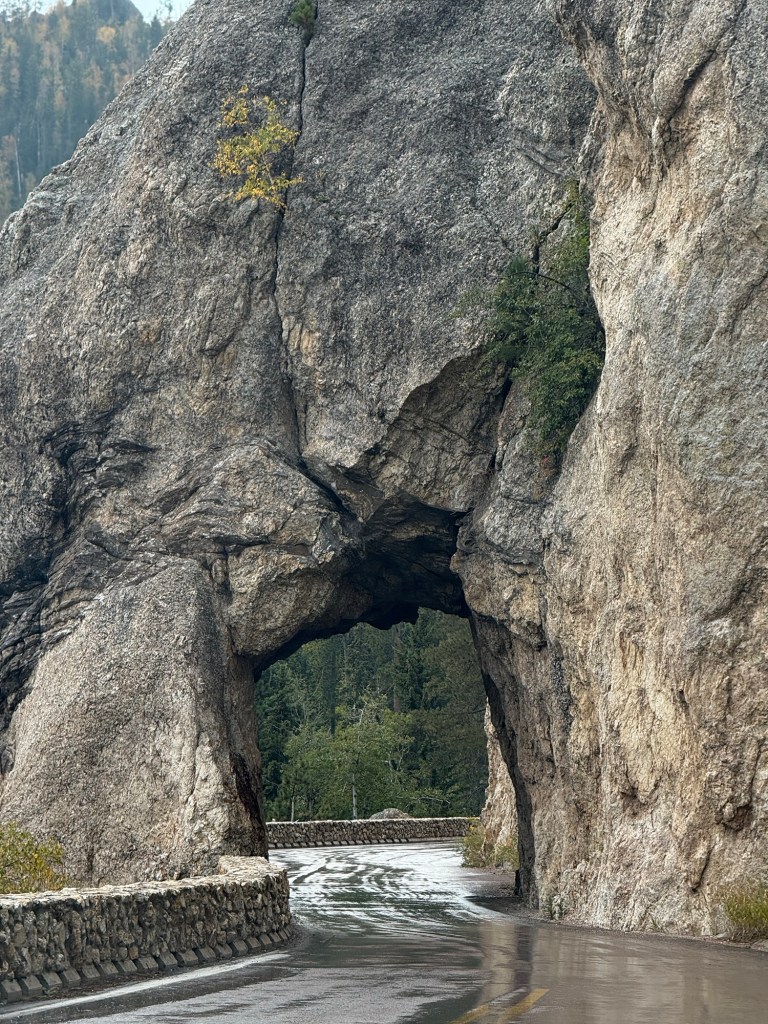
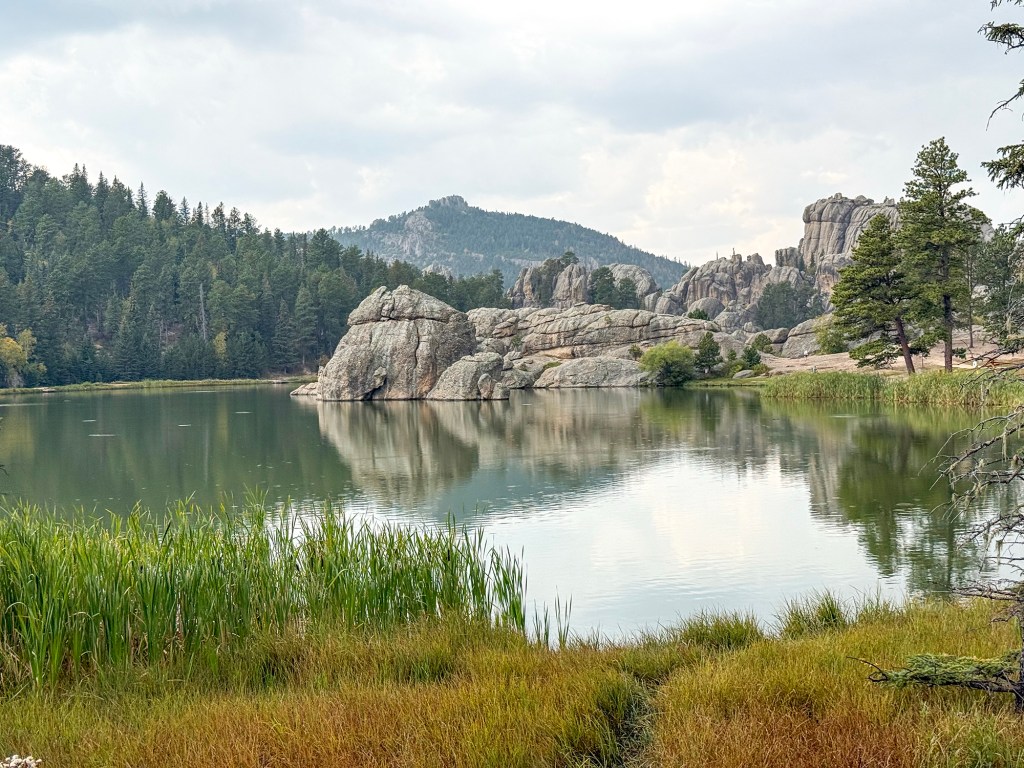
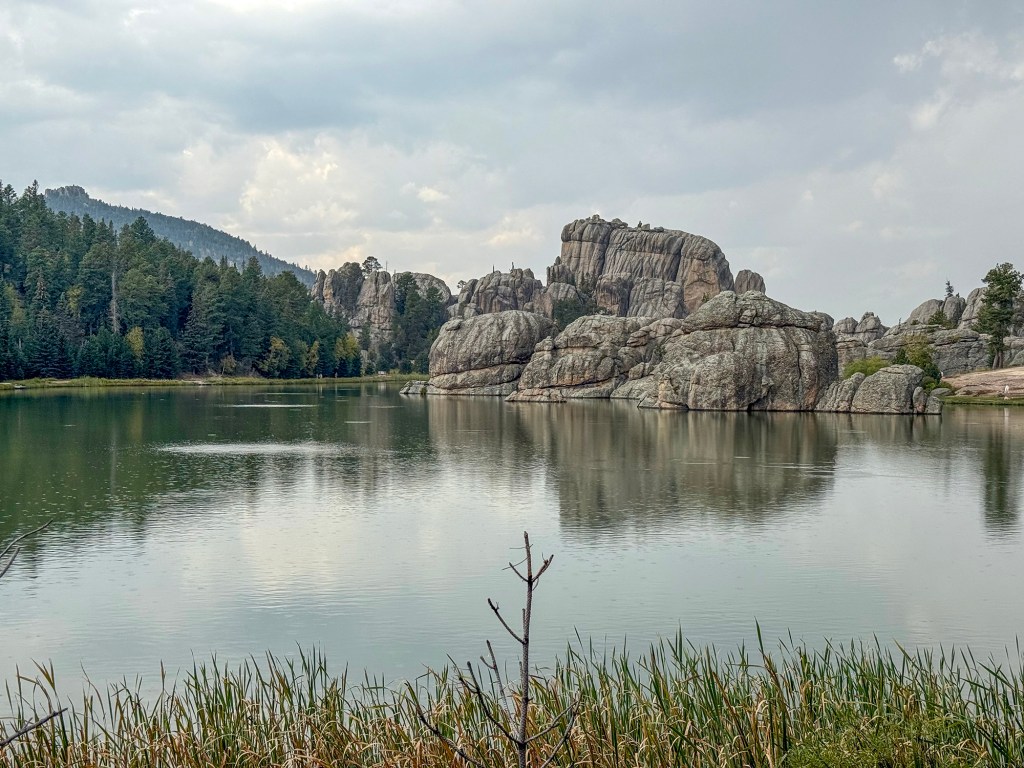
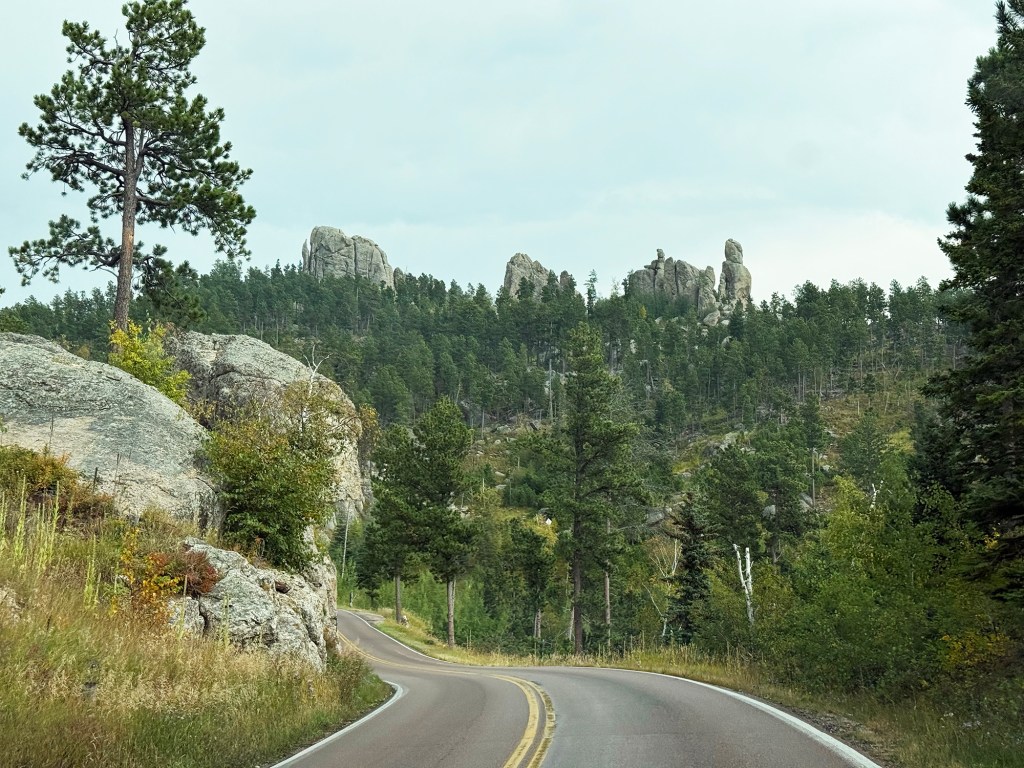
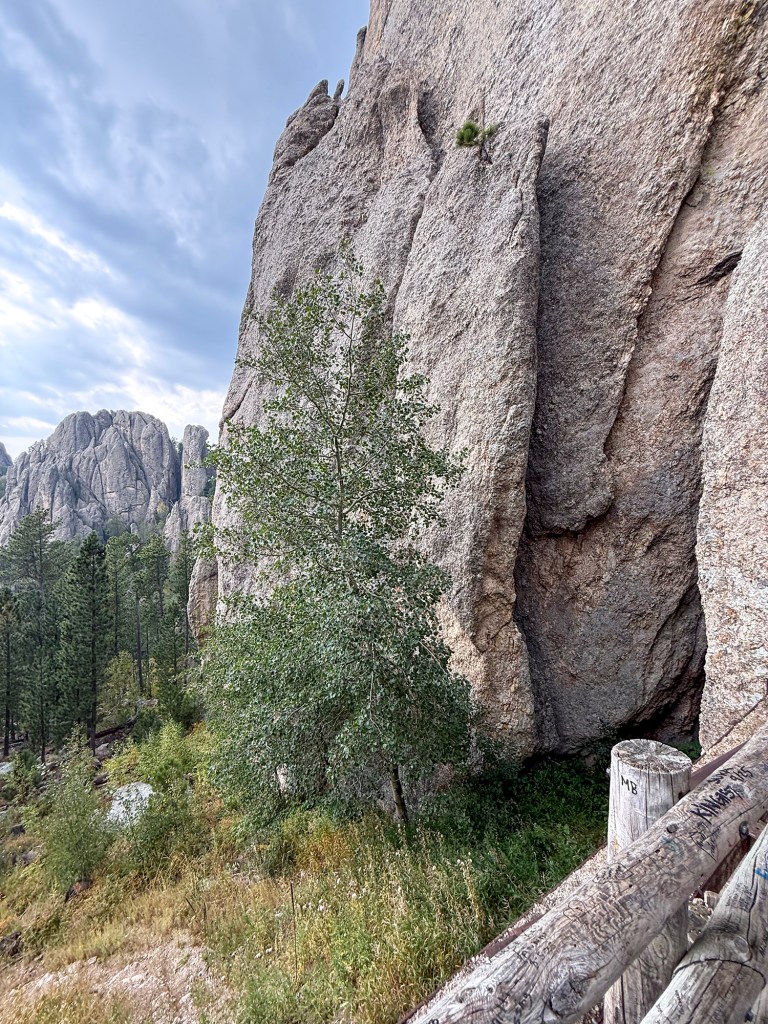
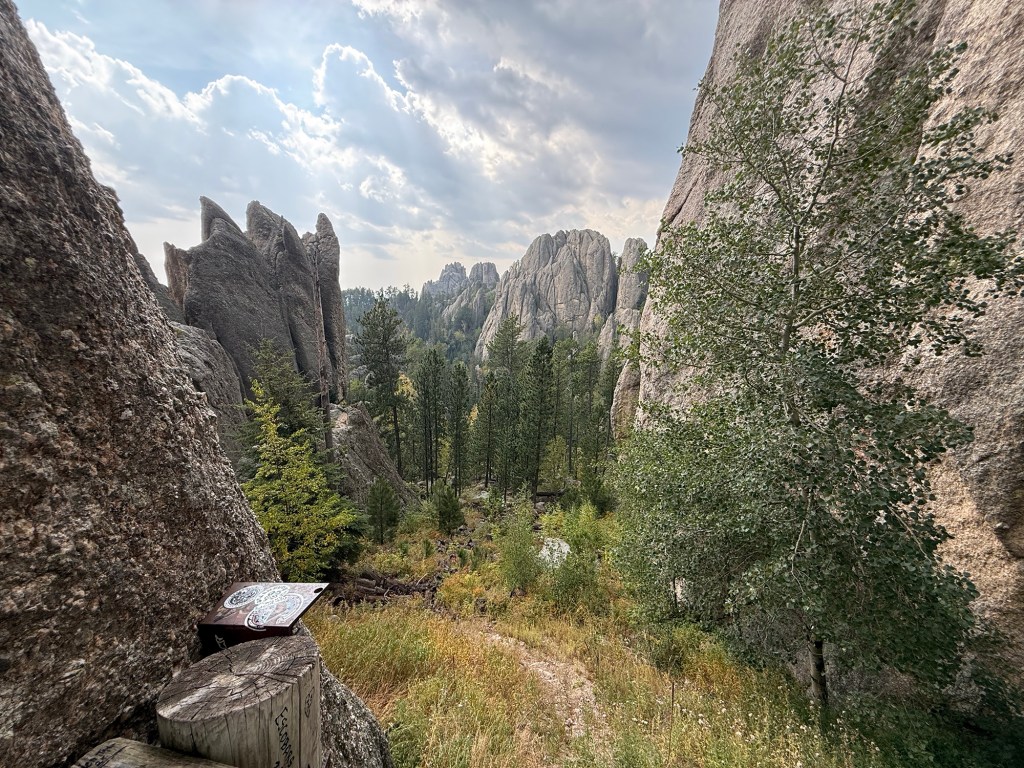
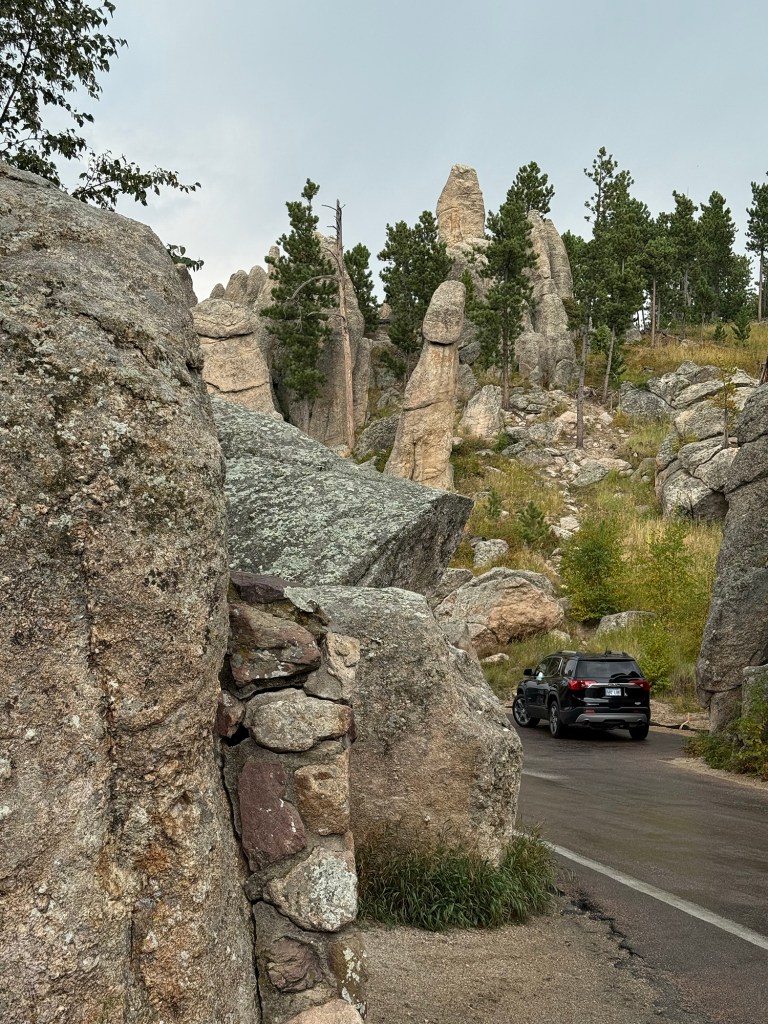
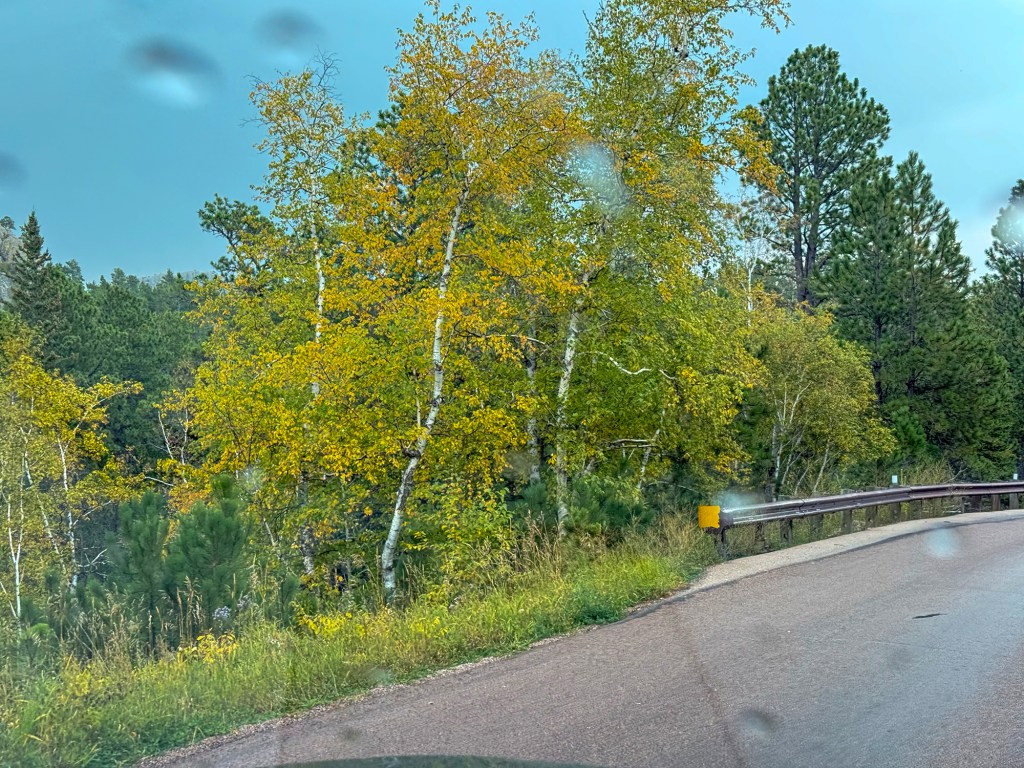
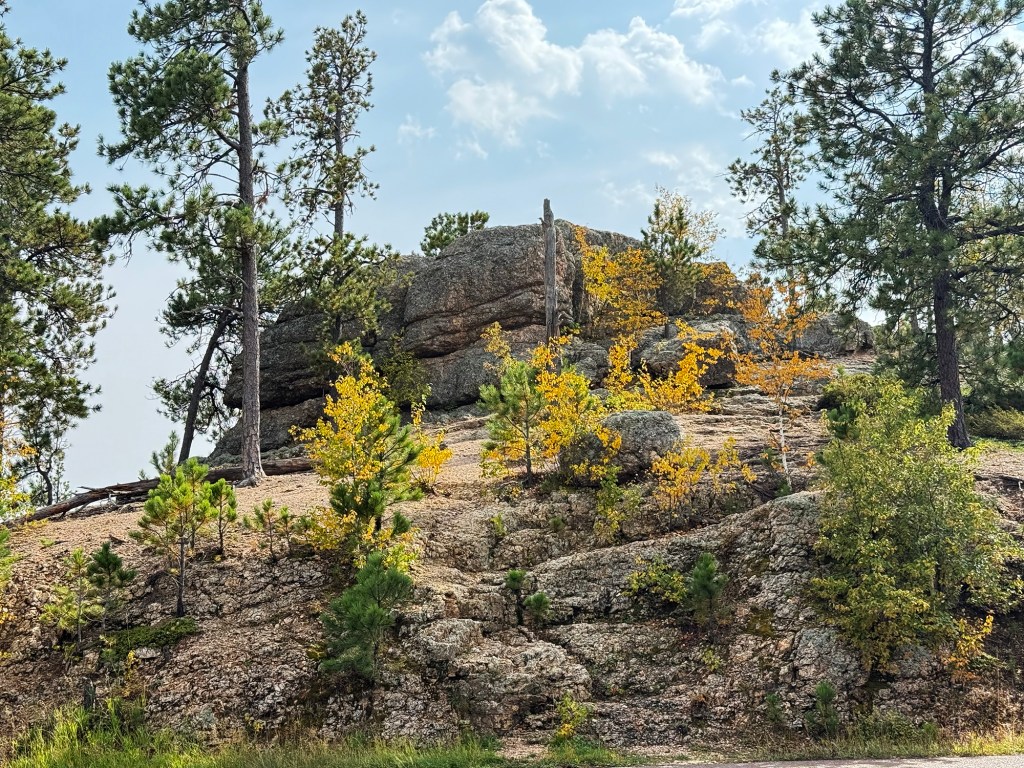
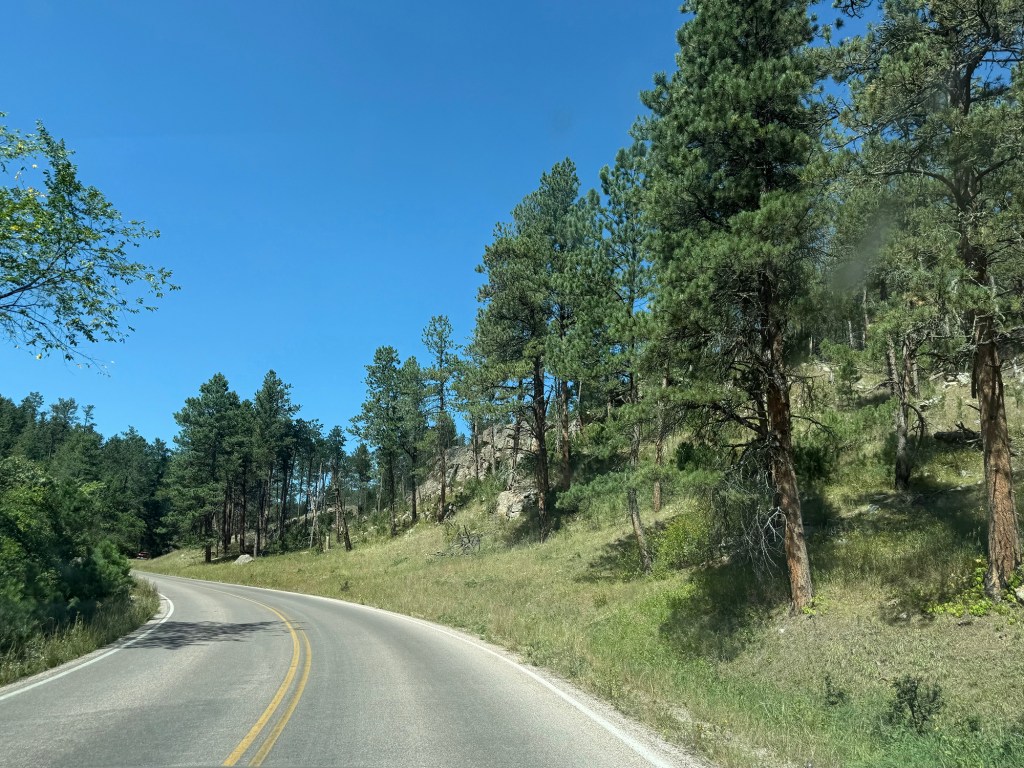
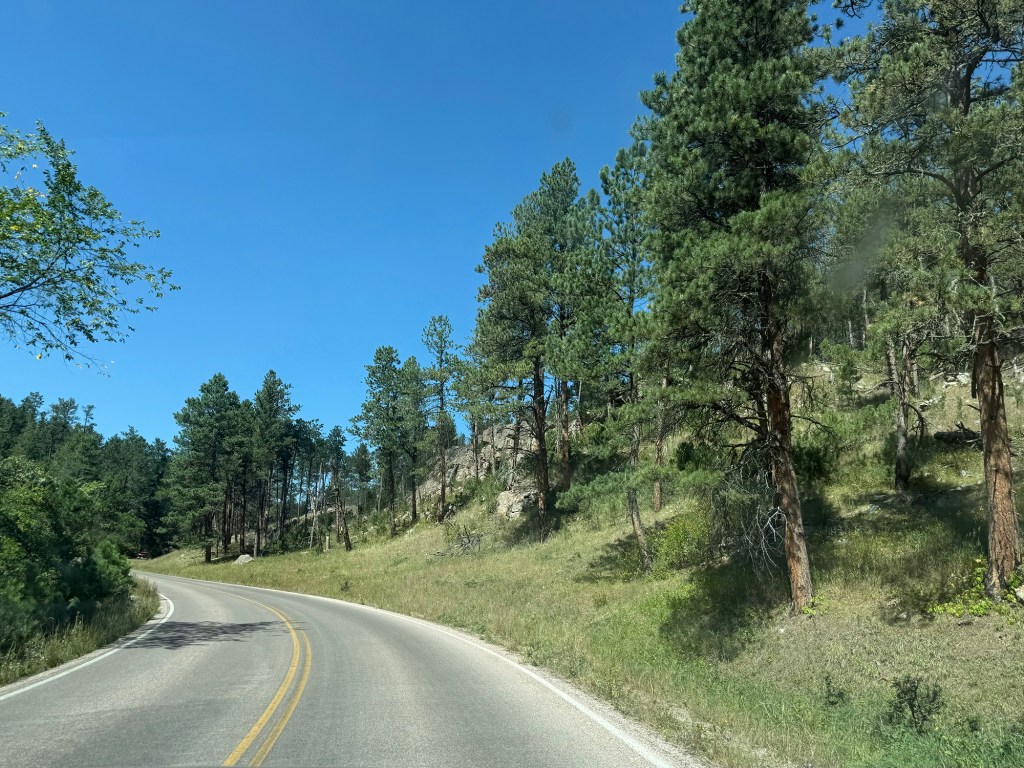
The Needles Highway is a 14 mile scenic drive within Custer State Park, featuring dramatic granite spires, narrow tunnels, and hairpin turns. Completed in 1922, thee highway is part of the peter Norbeck Scenic Byway and is known for its winding course and the stunning beauty of the Black Hills. Key features include granite formations, tunnels, curves and bridges, wildlife and Sylvan Lake.

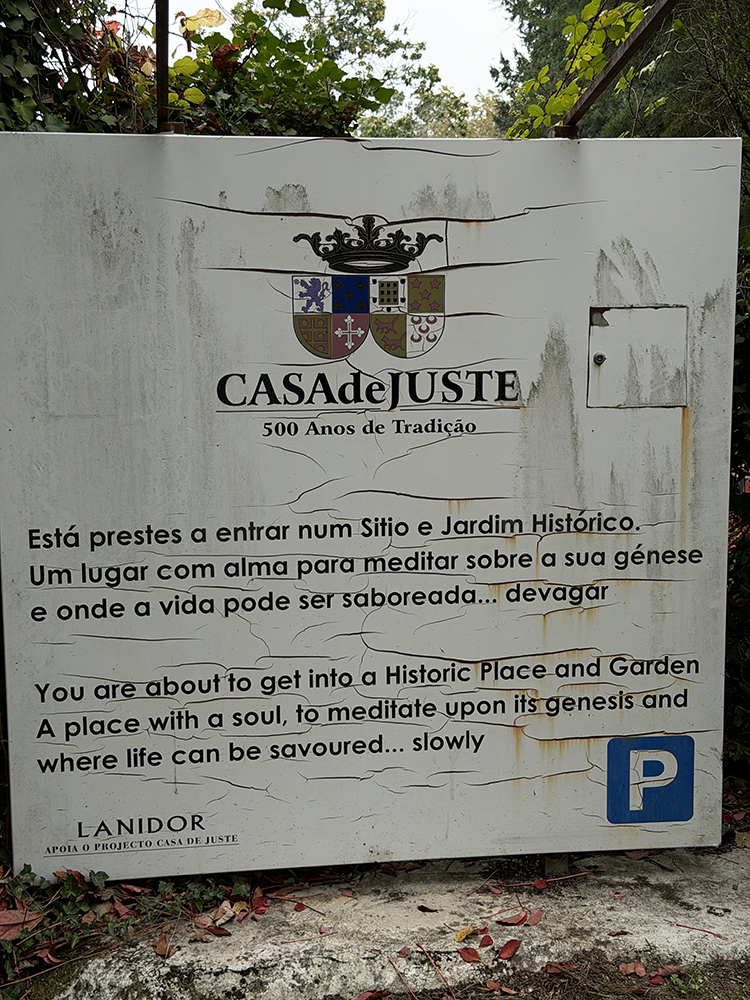
Casa de Juste

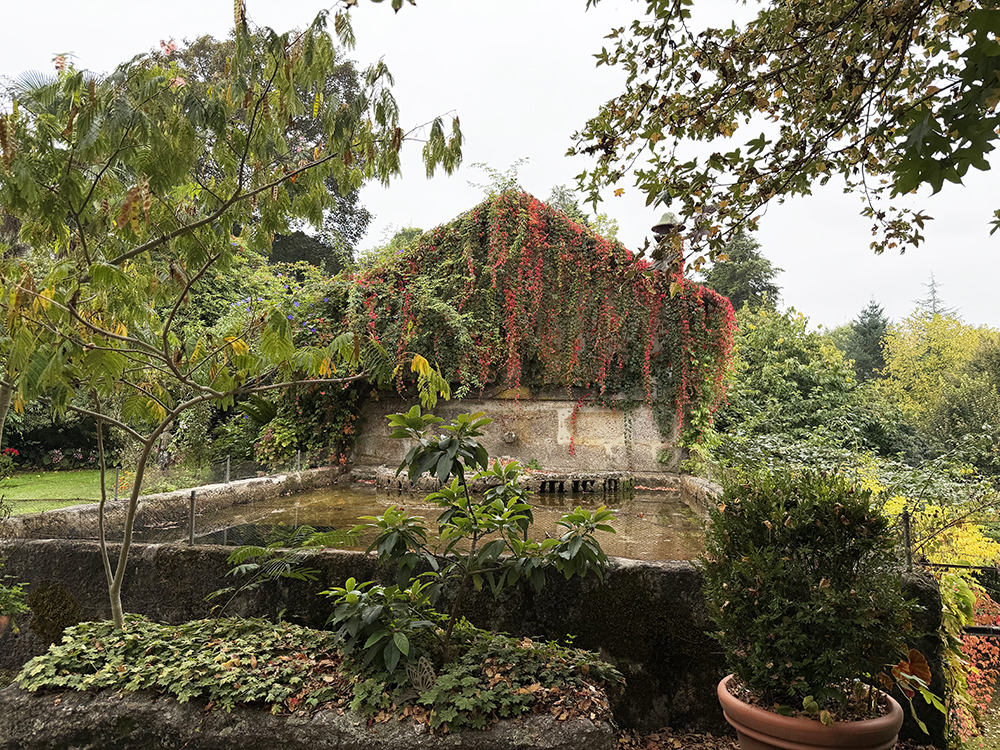
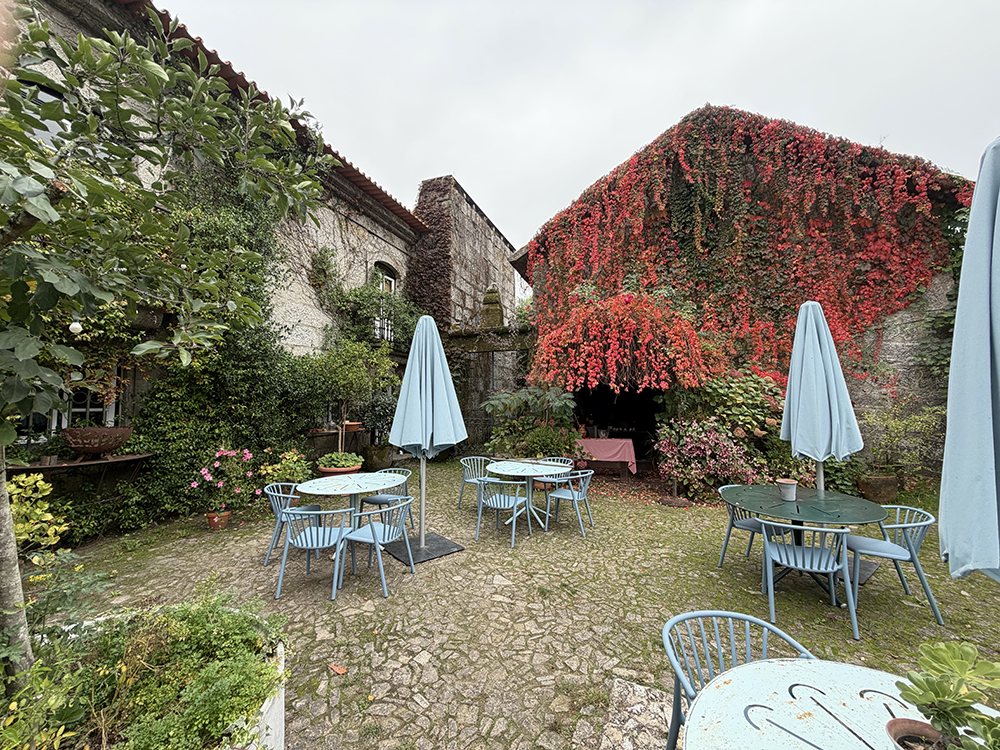
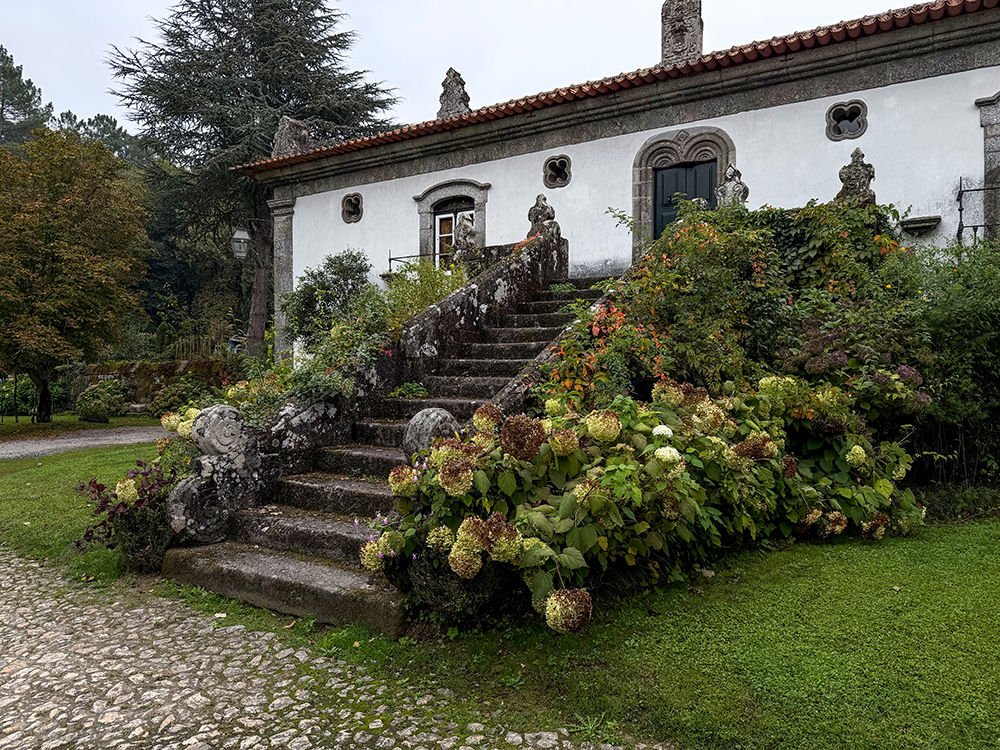
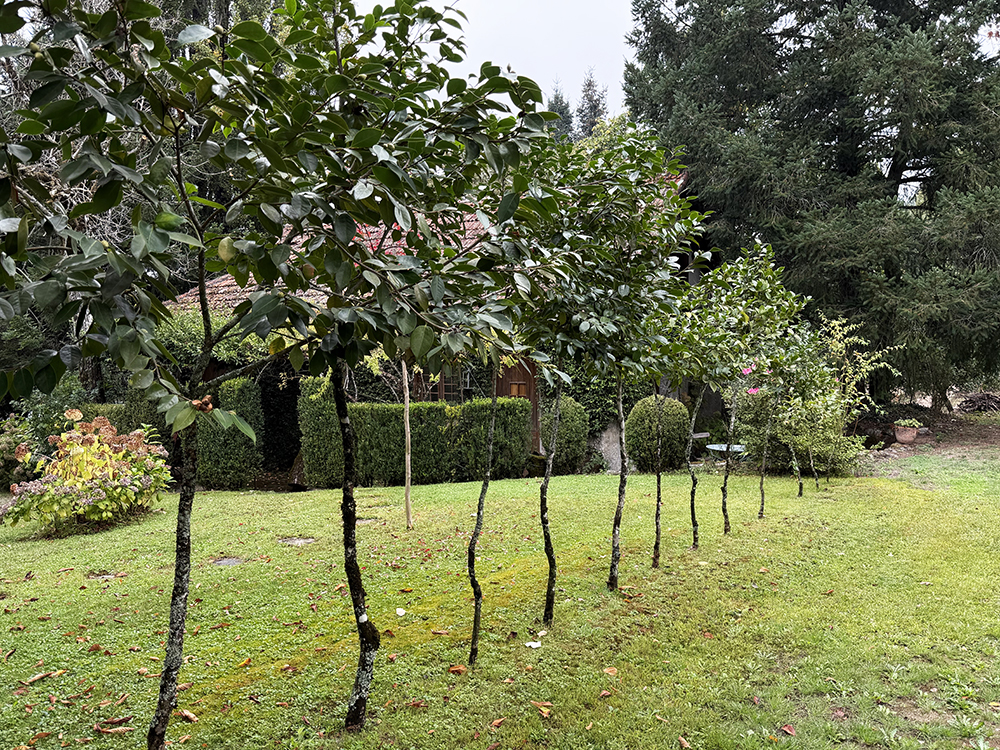
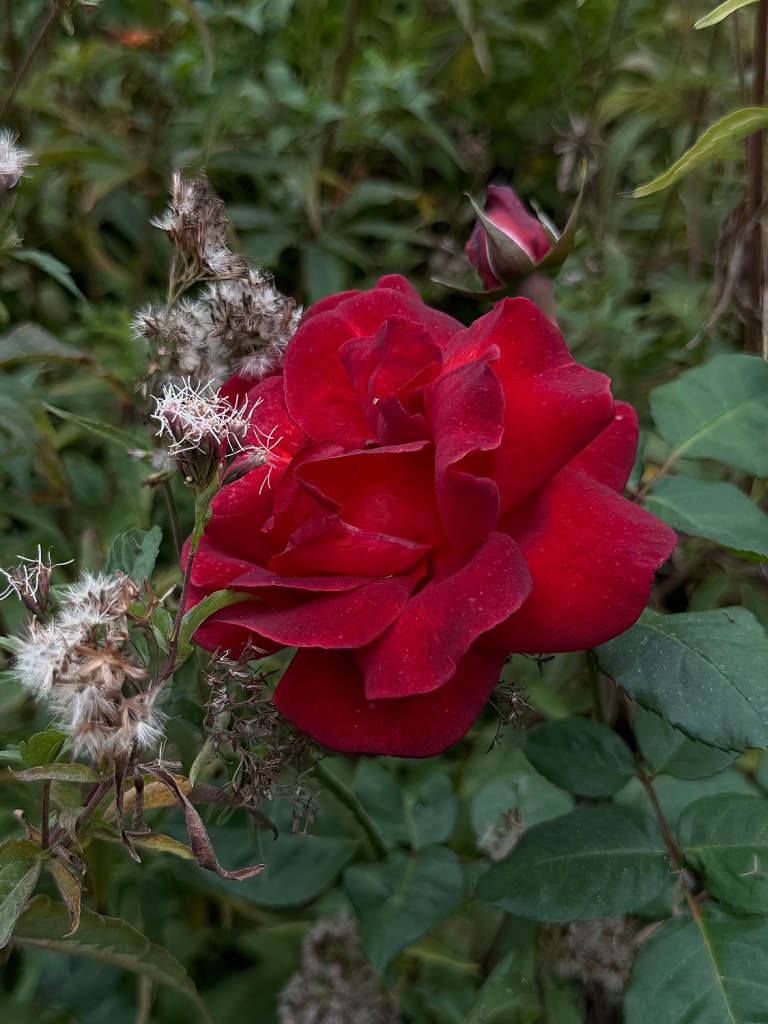
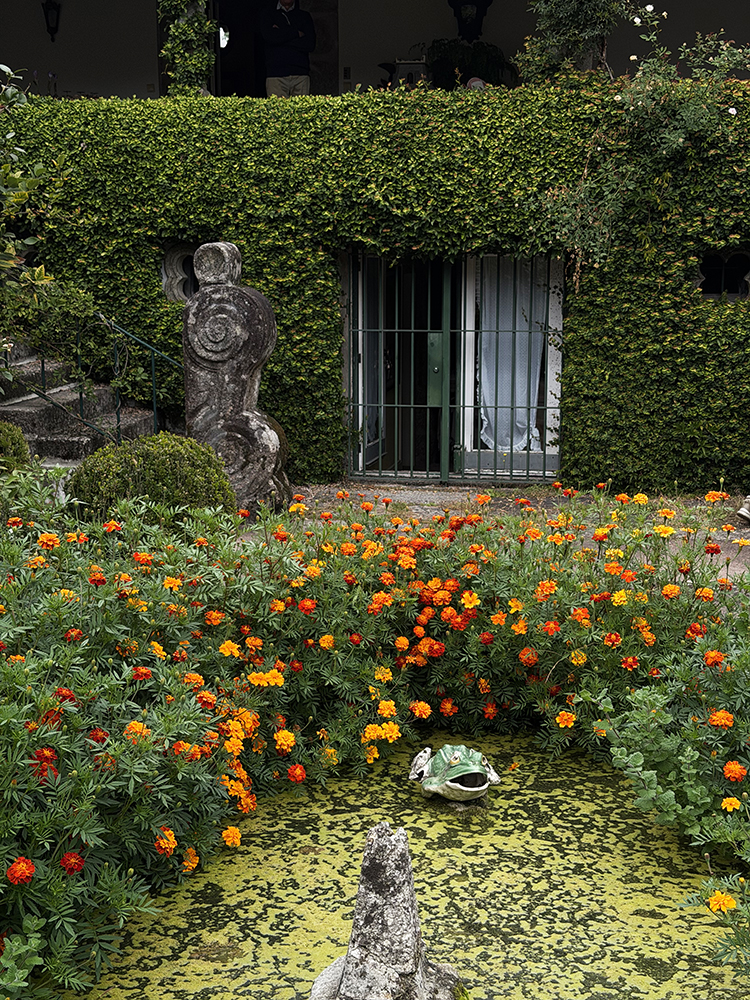
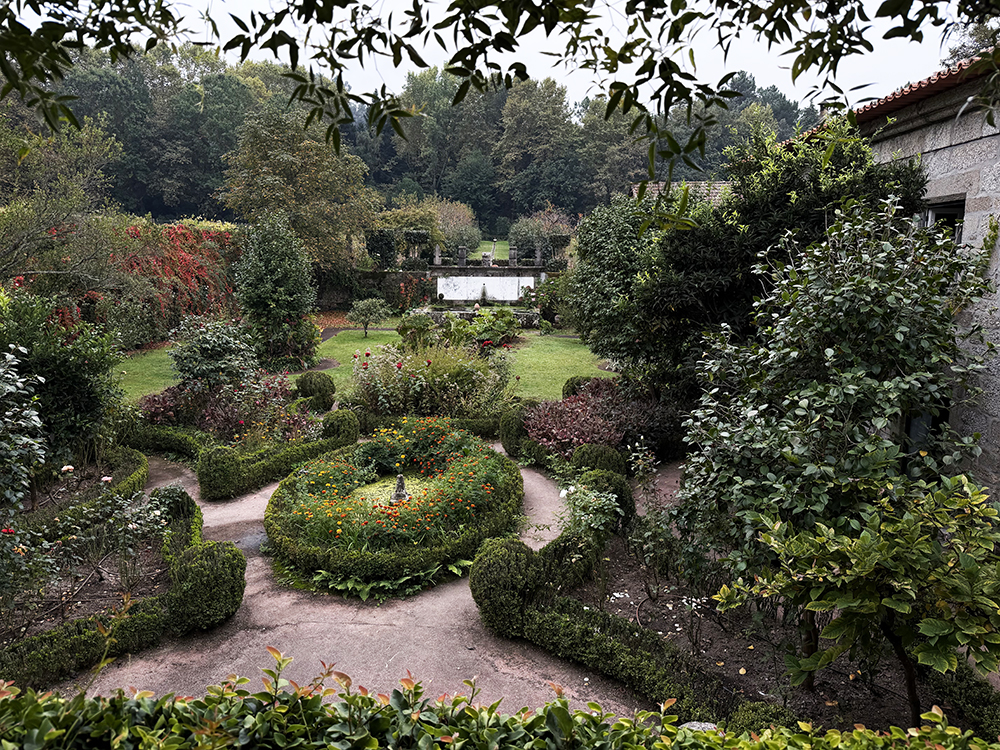
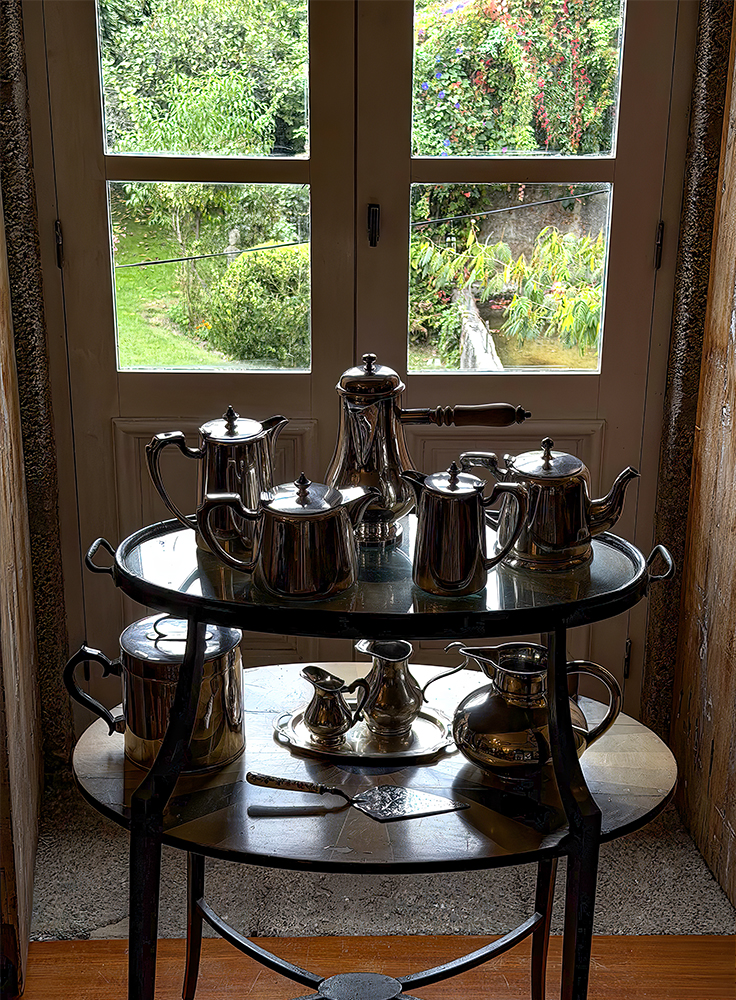
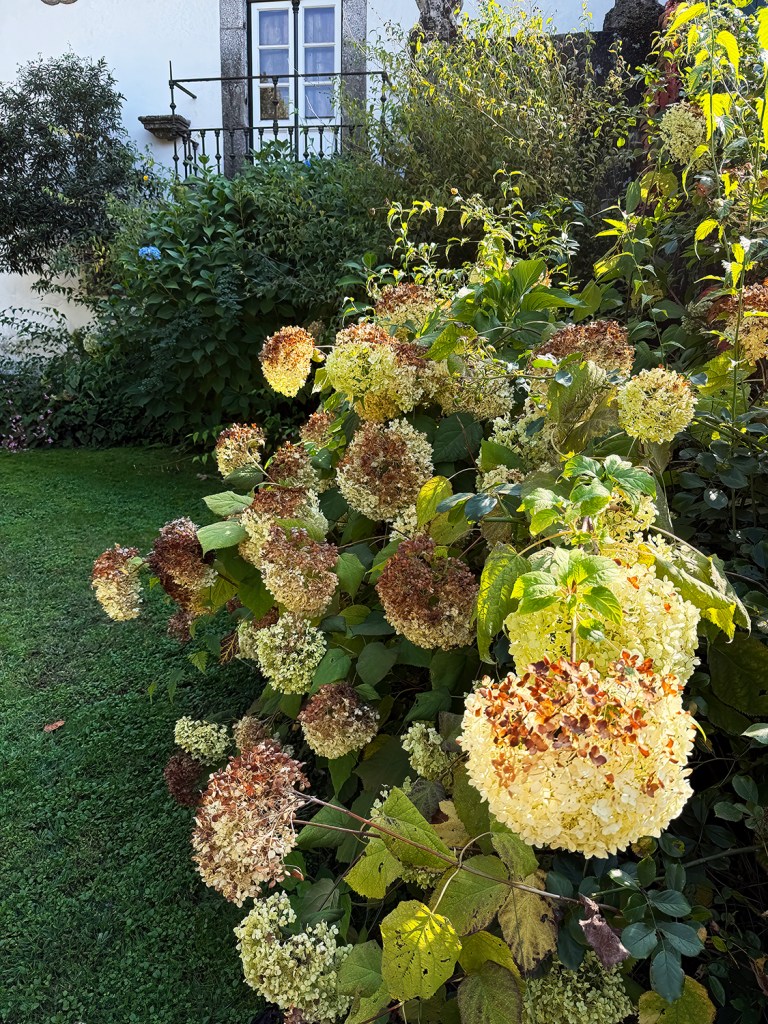
On our way from Porto to Pinhao on the Duoro River, we stopped at Casa de Juste for a tour and a cooking class. This estate is located about 60 km northeast of Porto. The manor house dates from the sixteenth century and has been in the Riba Duoro family for 18 generations. The property has a number of buildings and several acres of gardens. It is today considered a historical site by the Portugese Association of Historical Gardens. It is owned and managed today by Ana and Fernando Guedas and their family.
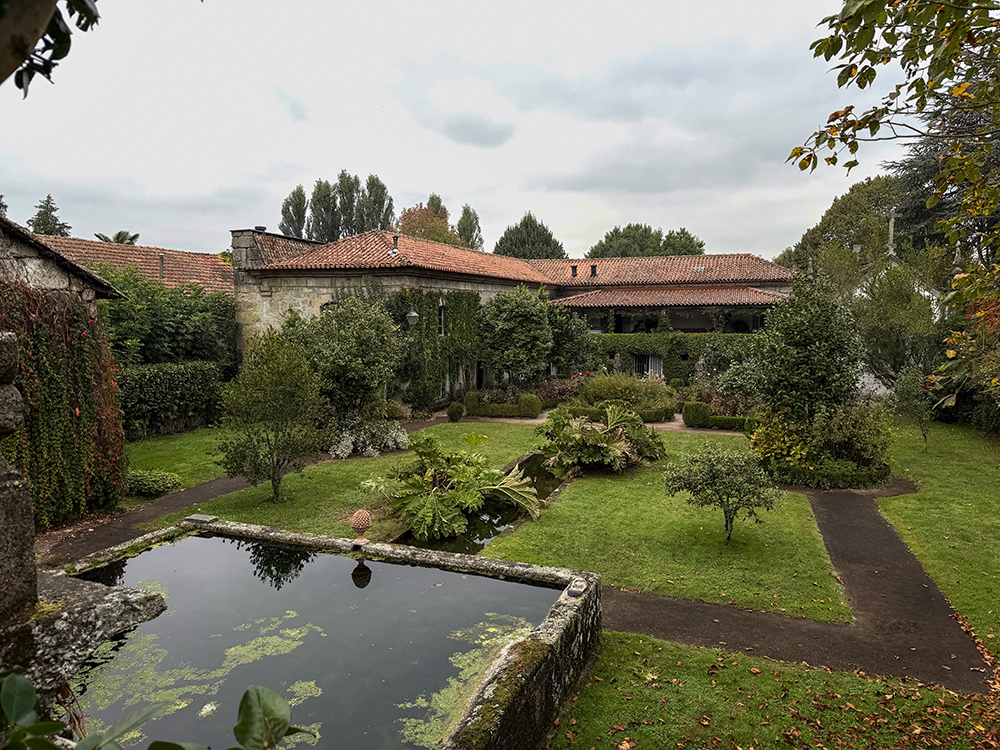
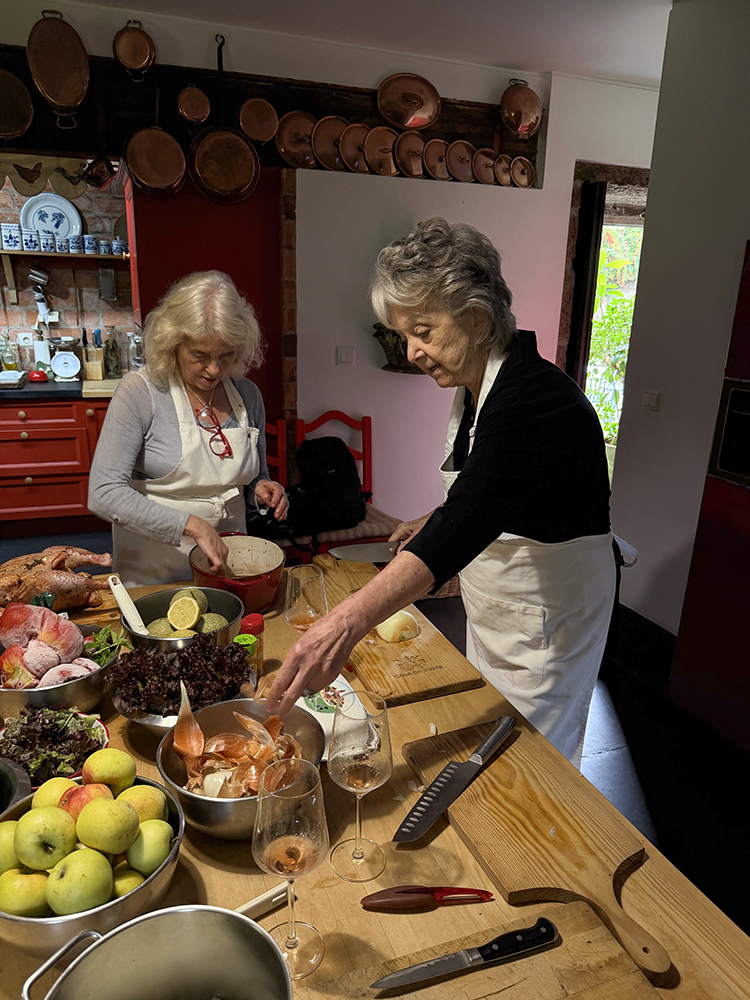
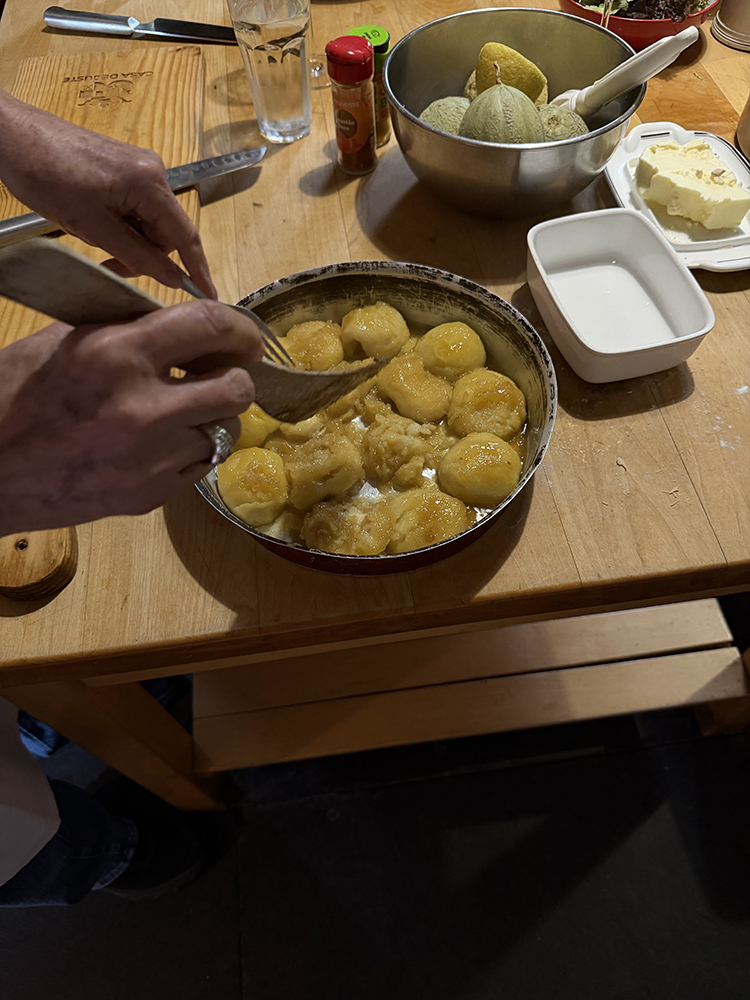
Fernando gave us a wonderful tour of the gardens, the small chapel and the main house. He is currently about to become head of the garden association. Ana helped us prepare a wonderful lunch of tomato soup with a poached egg (very Portugese), baked chicken, rice and tarte tatin for dessert. Cooking and eating was accompanied by a Casa de Juste vineyard green (young) wines – a rose and a white.

After a long visit and a great lunch, we headed over the mountains to Pinhao.
Spearfish Canyon to Deadwood

Spearfish Canyon Scenic Byway

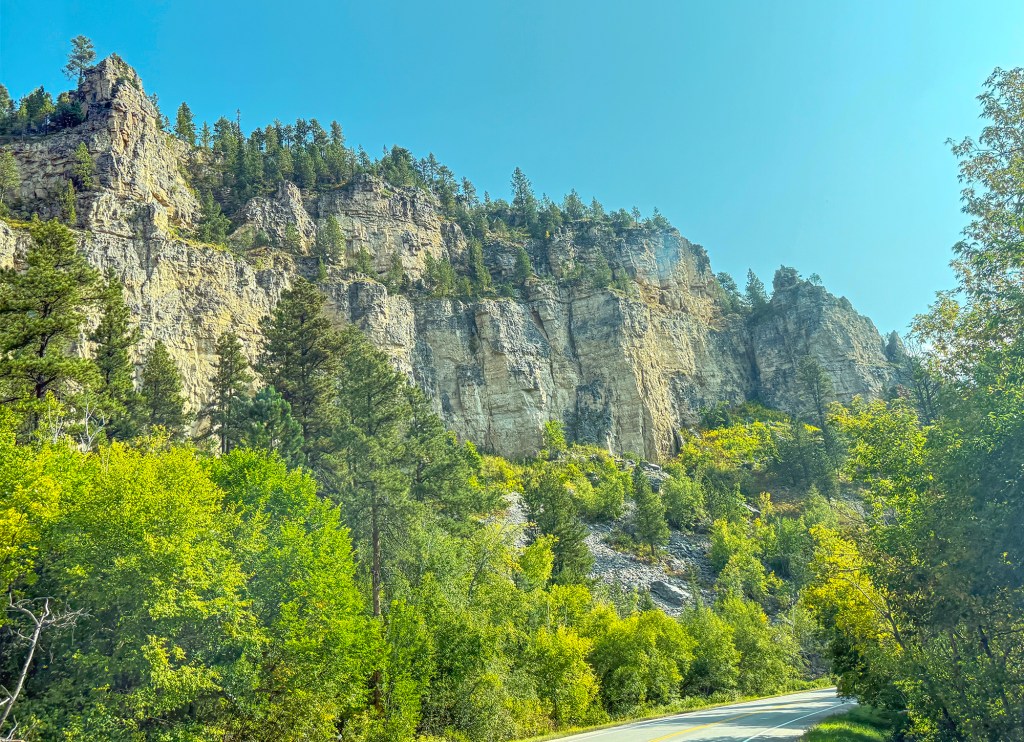
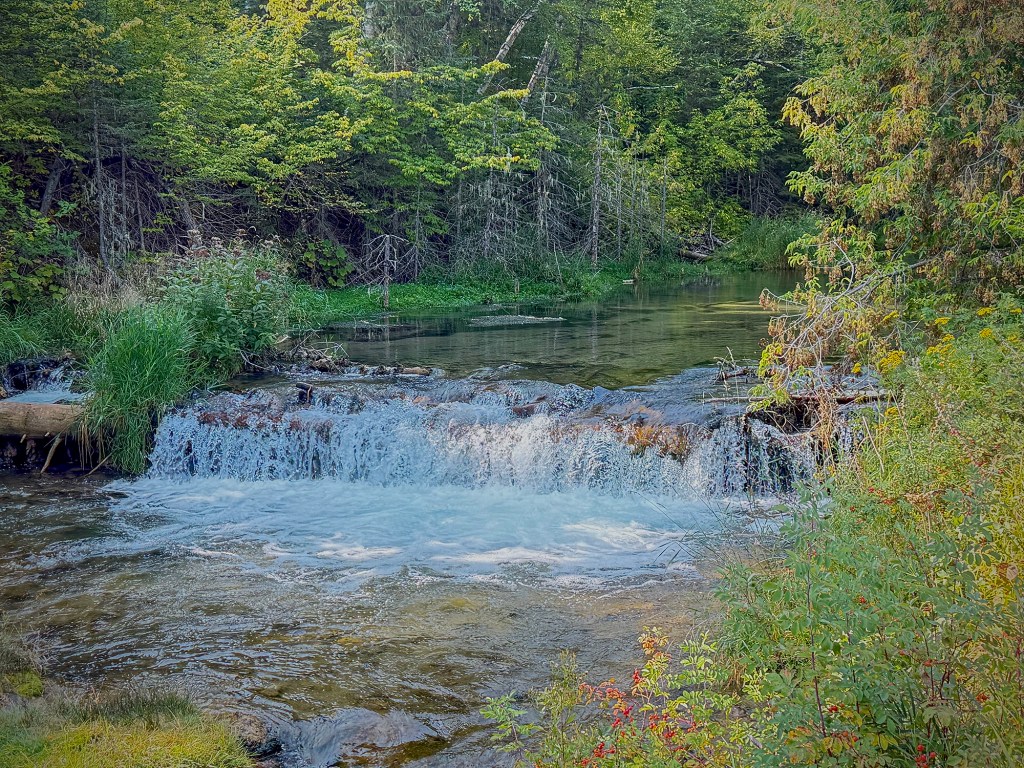
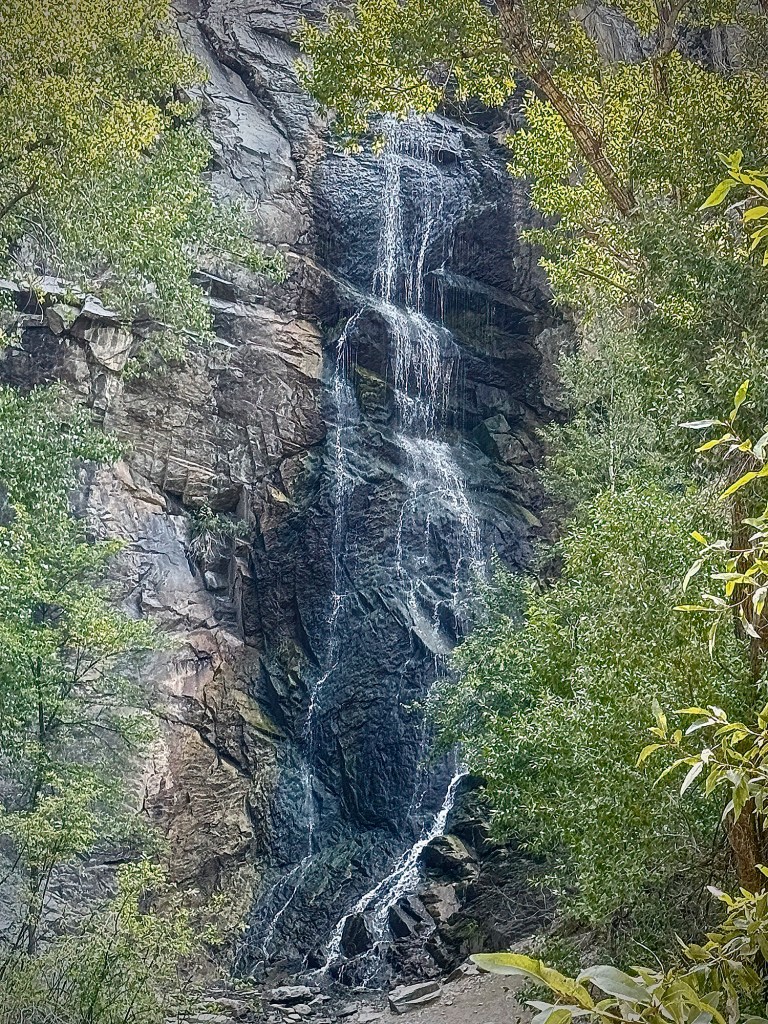
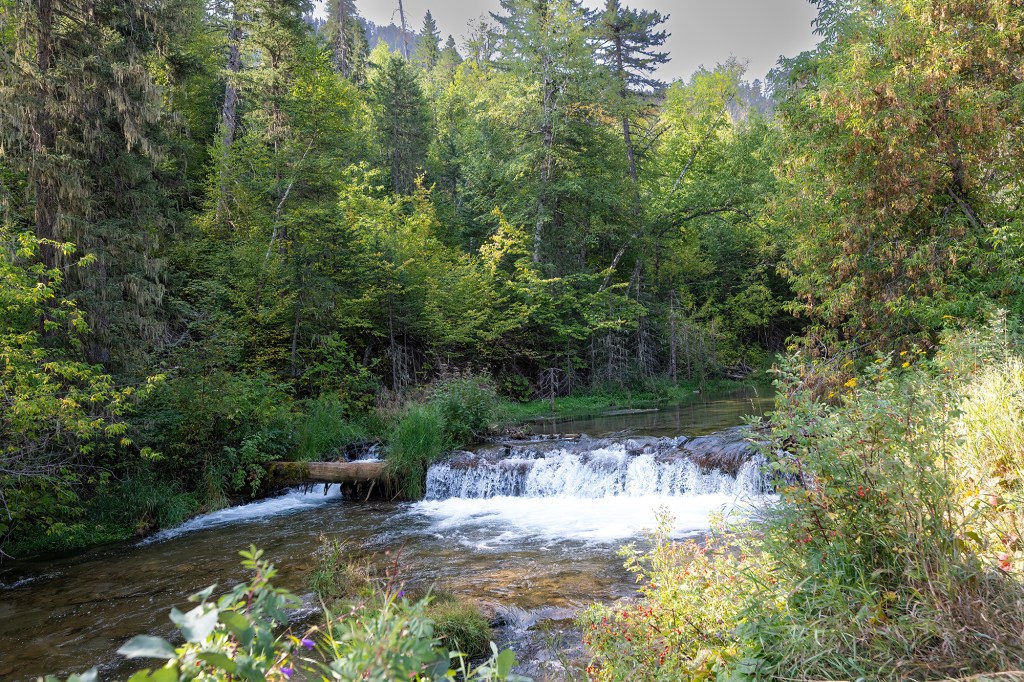
The Spearfish Canyon Scenic Byway is a 19 mile scenic drive through the Black Hills along US Route 14A. It is famous for its towering limestone cliffs, waterfalls like Bridal Veil and Roughlock Falls, and lush forest scenery. The route follows an old railroad grade, offering numerous pull-offs, hiking trails such as one to Devil’s Bathtub, and points of interest. It is a popular route for nature lovers, photographers and motorcycles, Particularly due to its proximity to Sturgis.
Deadwood

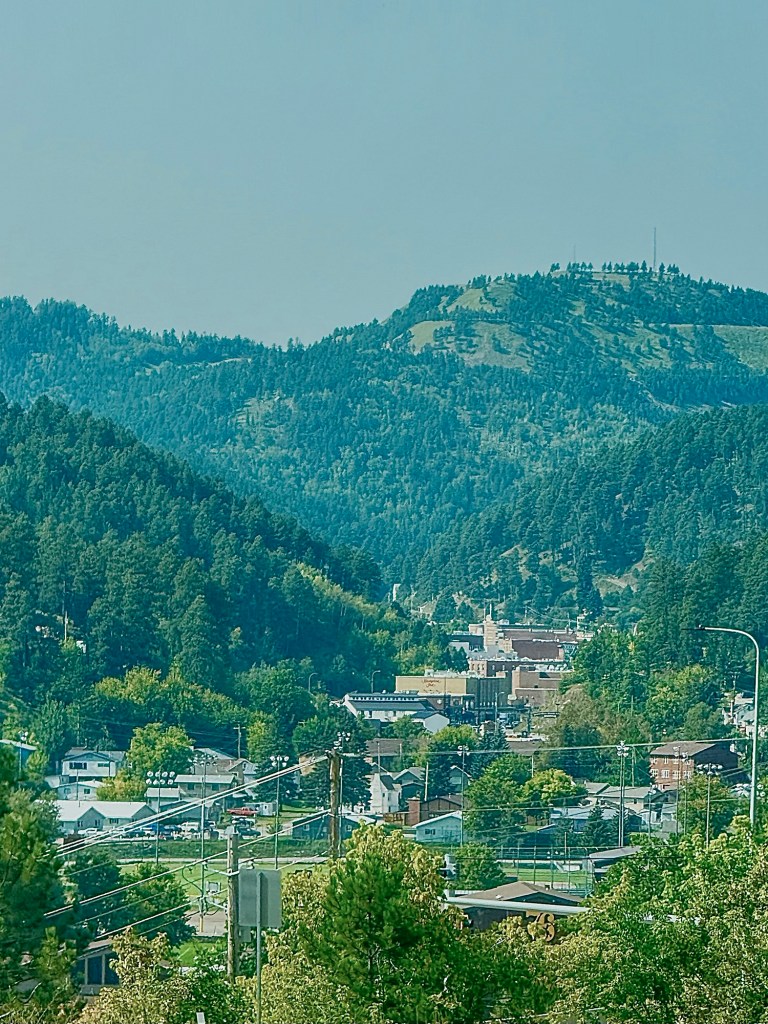
Deadwood had its heyday from 1876 to 1879 after gold was discovered there, leading to the Black Hills Gold Rush. It was named by early settlers after the dead trees found in its gulch. At its height, the city has a population of 25000, attracting Old West figures such as Wyatt Earp, Calamity Jane, Seth Bullock and Wild Bill Hickok, who was killed there.

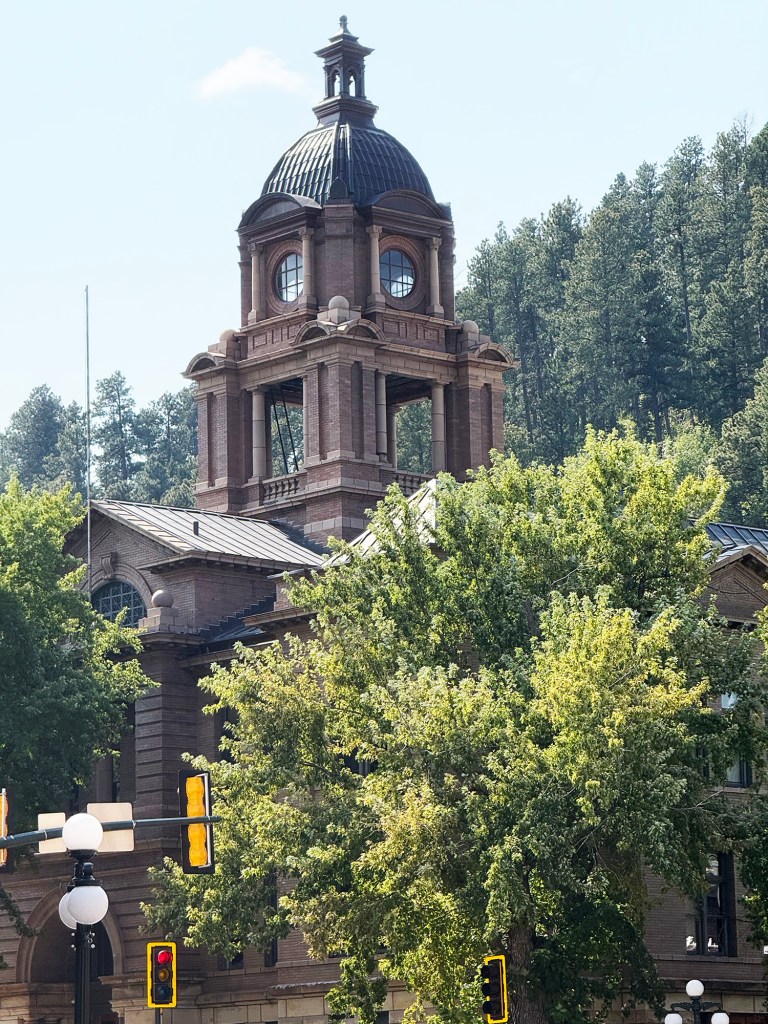
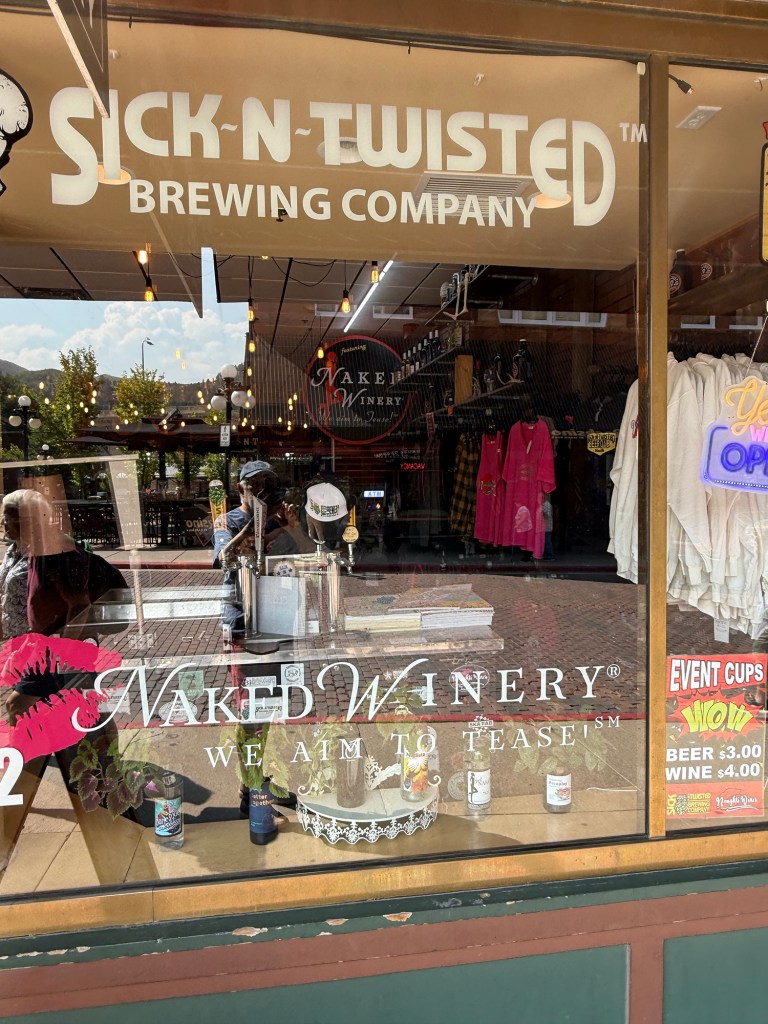
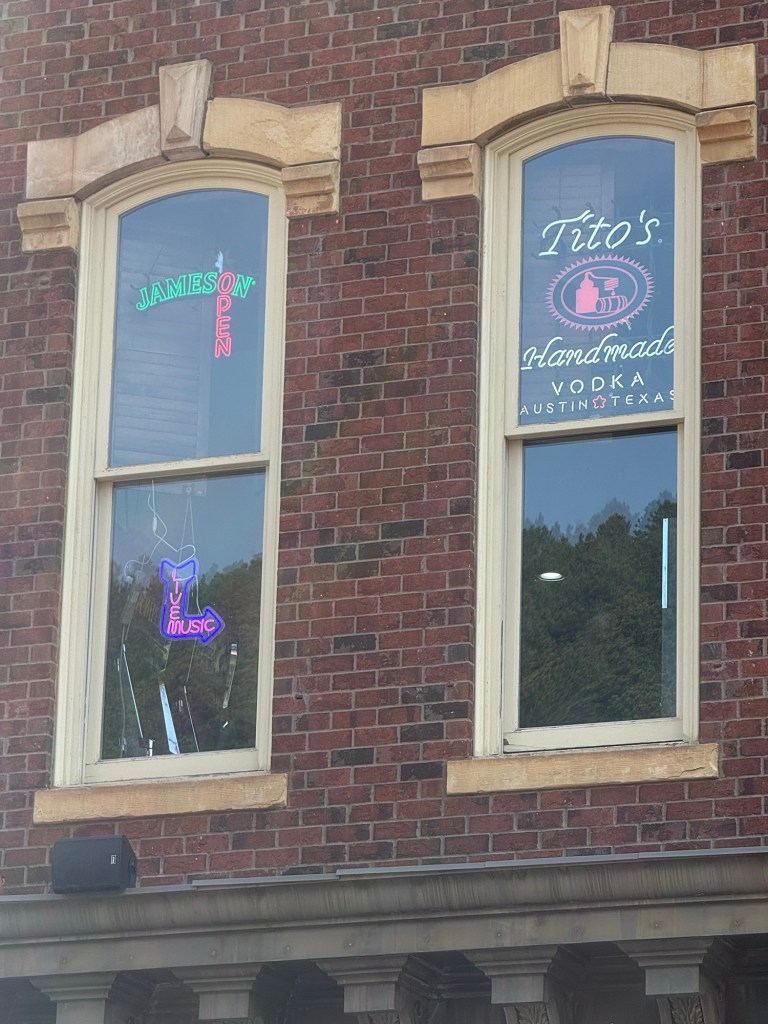
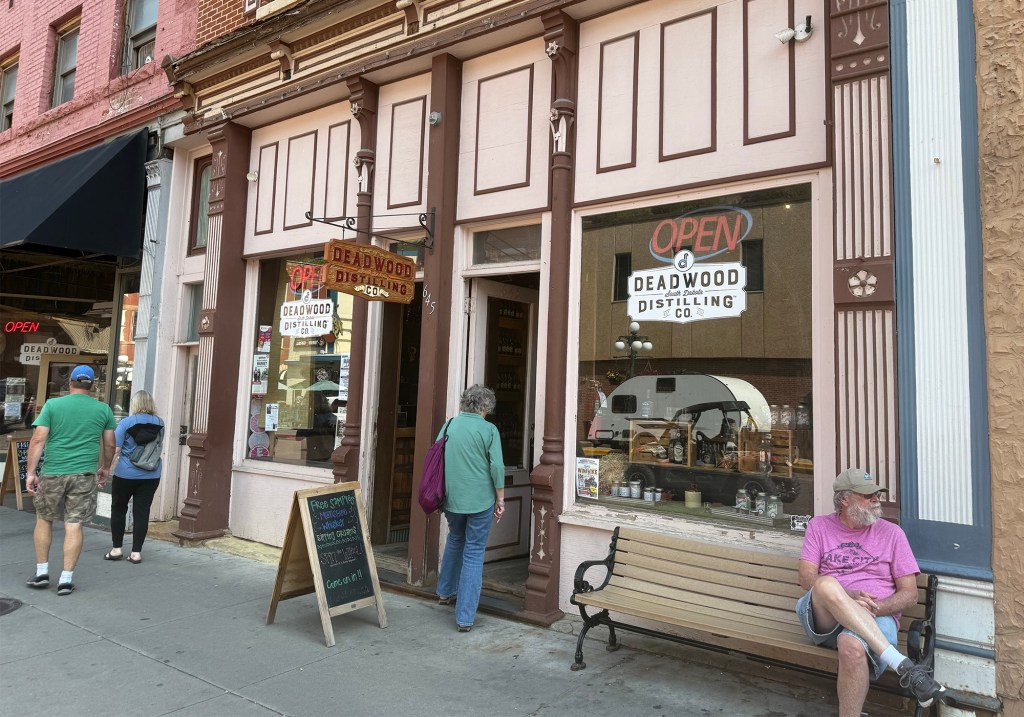
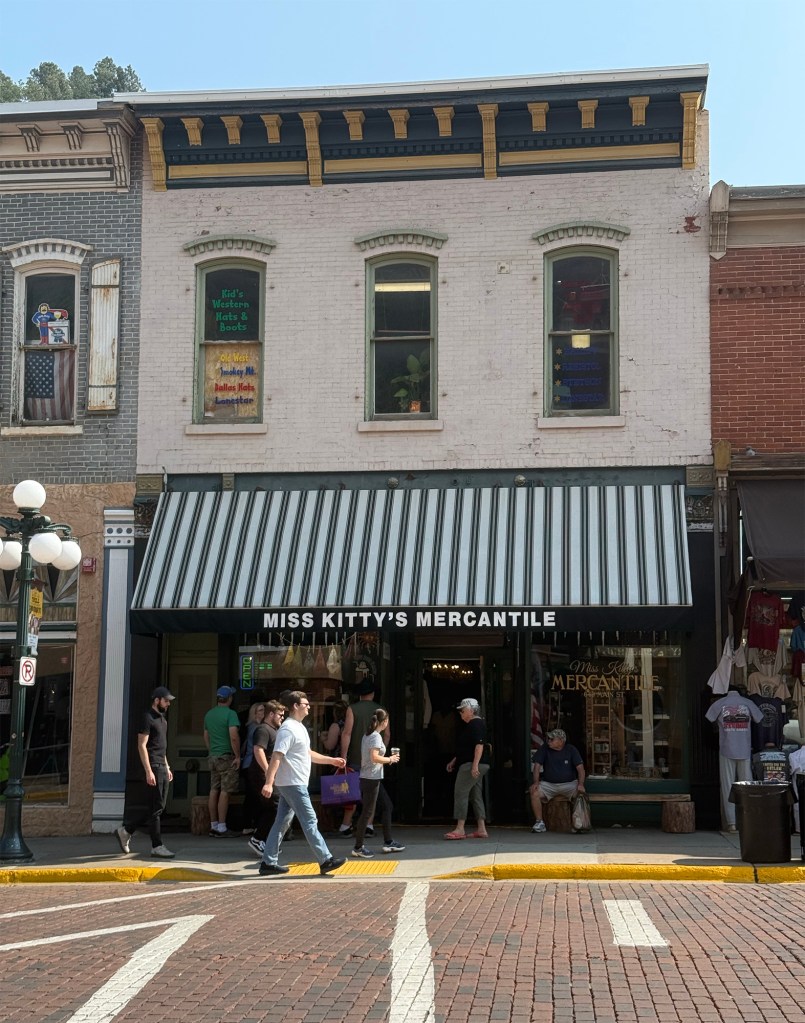
The town has been designated as a National Historic Landmark District, for its well preserved Gold Rush-era architecture. The town has five unique history museums. Current population is about 1300. Today it is a busy tourist attraction, offering the museums, shops (western wear, tee shirts, liquor, etc), staged gun fights and staged Hickok killing. The local cemetery is of interest, containing the remains of Hickok, Calamity Jane and many well known Old west figures.

Portugal and Spain

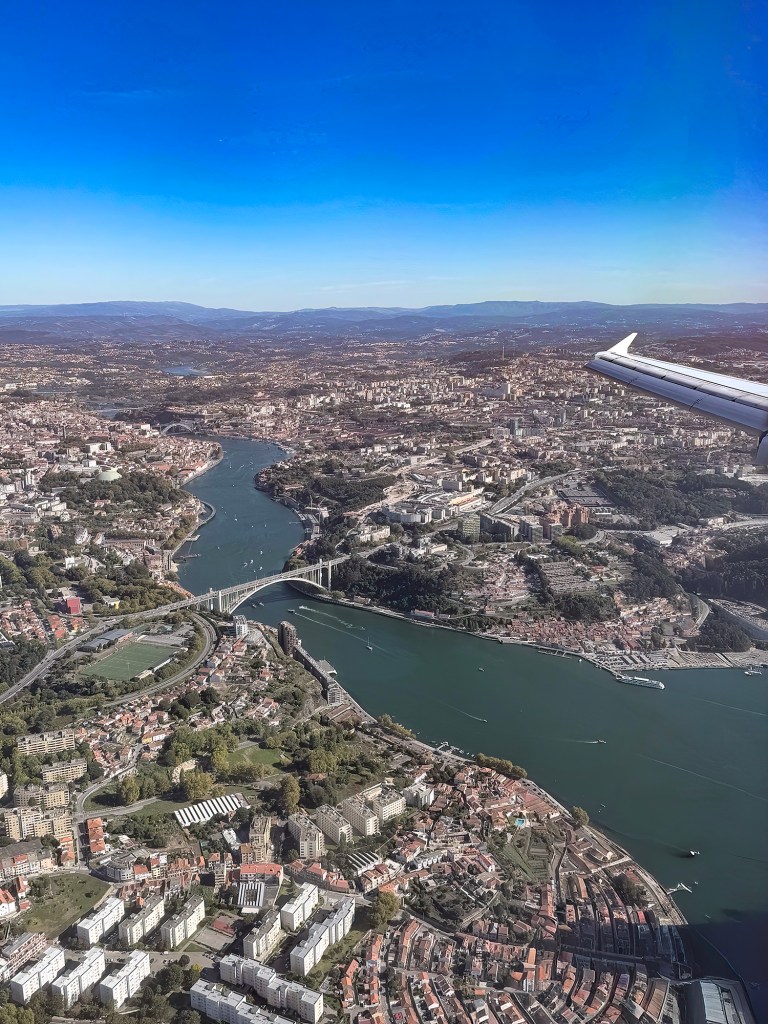
We have recently returned from a two week trip to the Iberian Peninsula. The trip was arranged by Trips for You of Lisbon; the key organizer was Joana Sousa. This was a driving trip set up by one of Wendy Perrin’s country based WOW agents. We flew into Porto and departed from Madrid after spending time in the Duoro Valley the traversing northern Spain from west to east. This post will cover the key elements of the trip, taken by driver and van plus guides as appropriate. Later posts will provide more detail on key activities along the way. First stop was the city of Porto, Portugal.

Porto

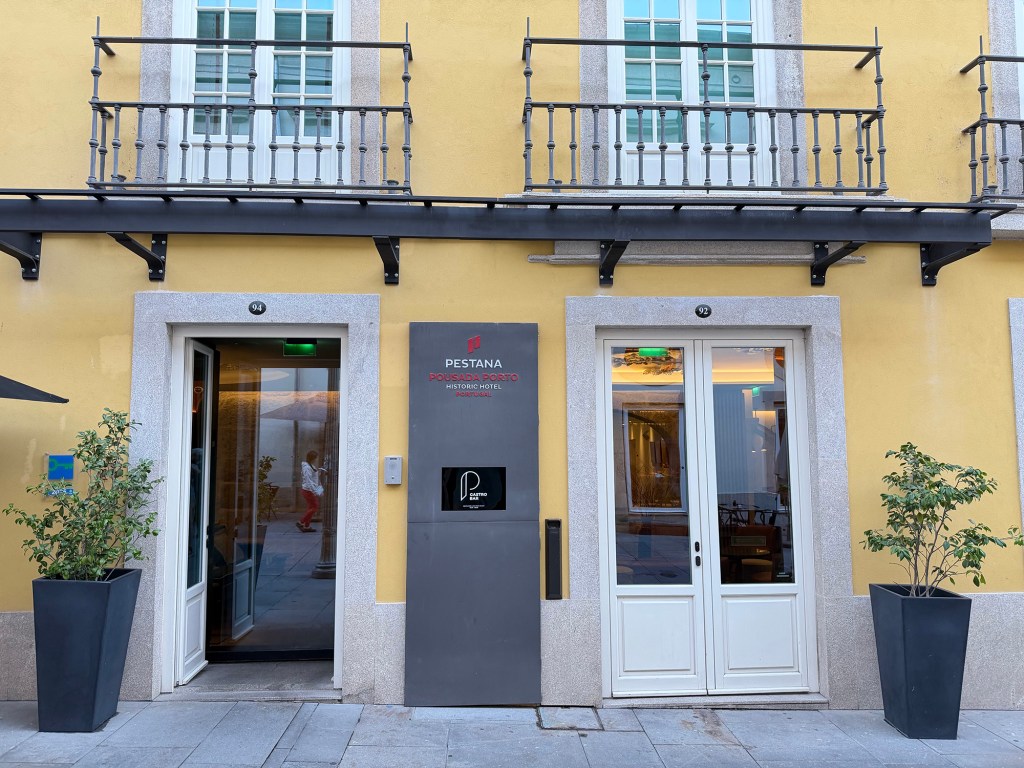
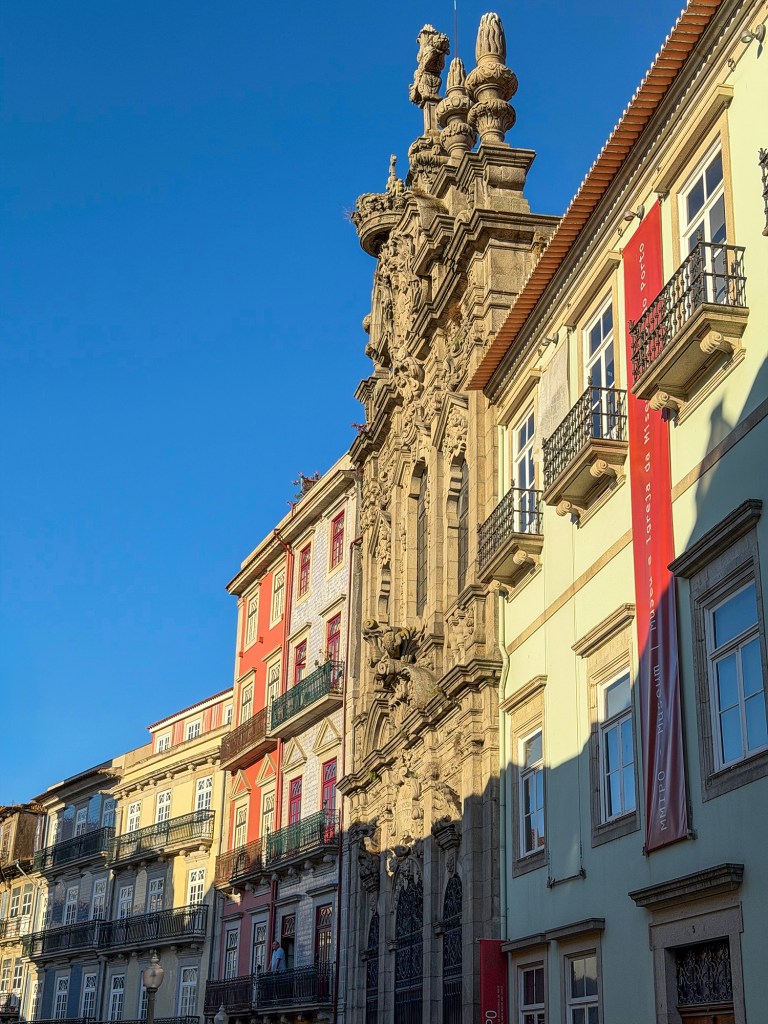
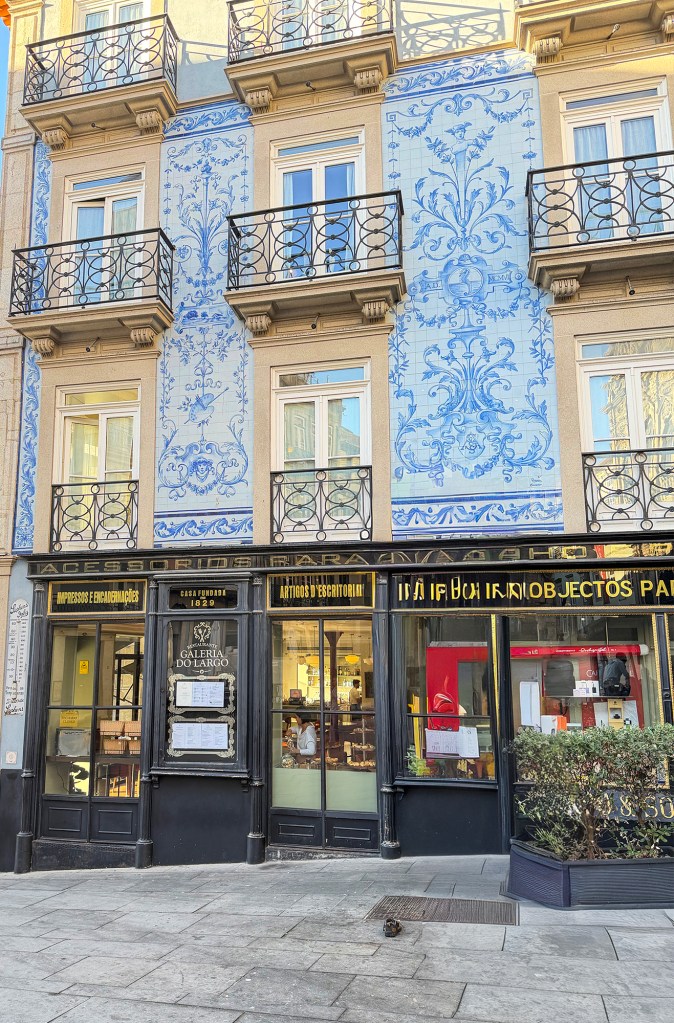
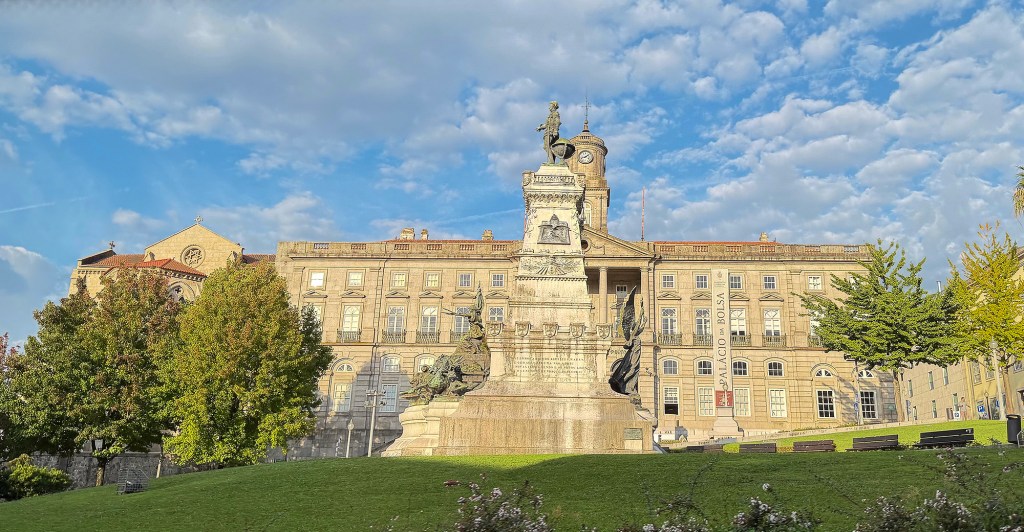
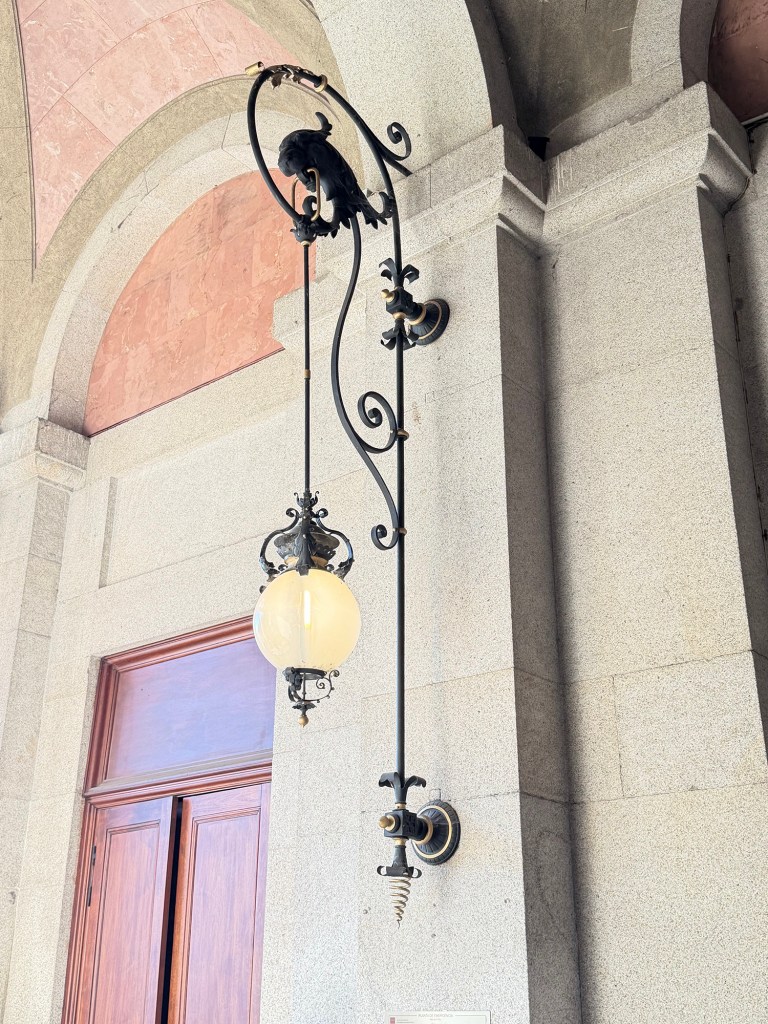
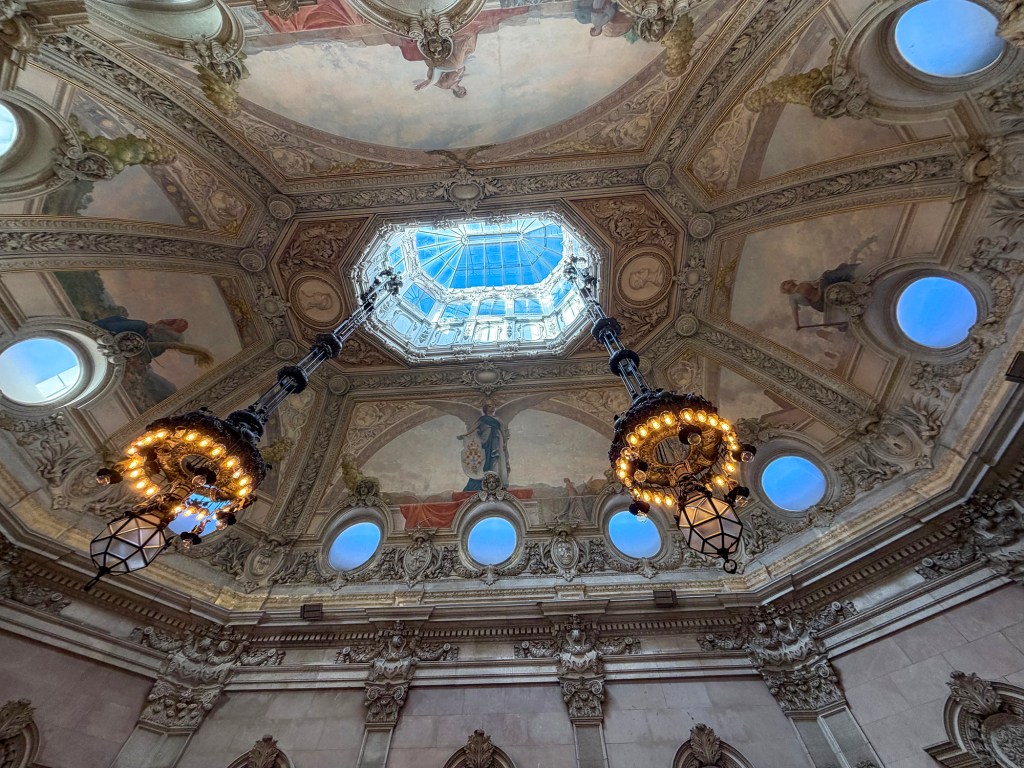
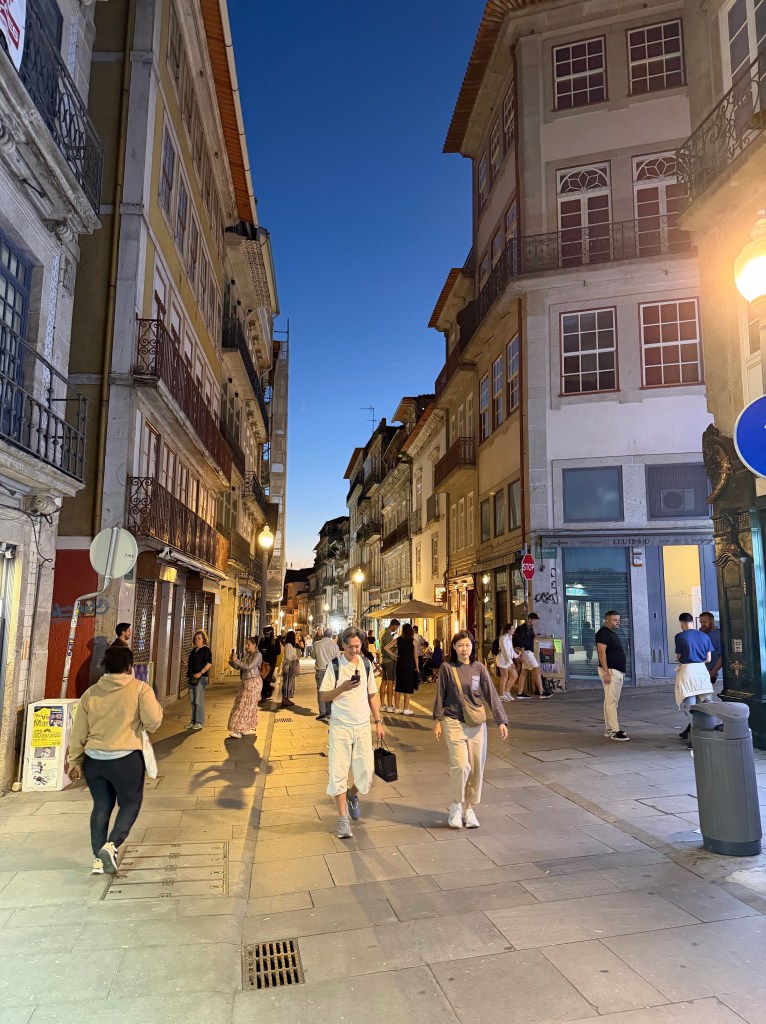
We flew into Porto via Frankfurt on Lufthansa. and stayed three nights at the Pousada do Porto on Rua das Flores. This charming little hotel was on a very busy pedestrian street just down the road from the train station. The first evening we had snacks (tapas) at a small nearby cafe. The next day our guide Sofia walked us down the street to a building known as the Stock Exchange. This building was the basic place of financial transaction in the past, and serves now as a center of cultural life in the city.

Our Hotel
The Stock Exchange

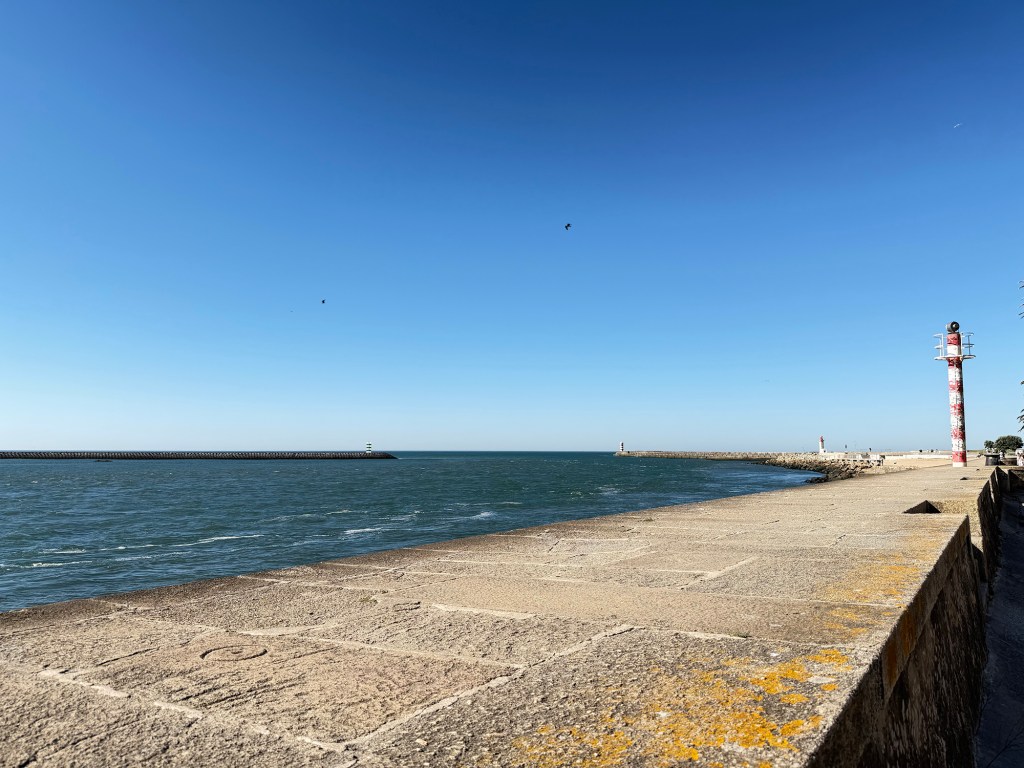
After touring this beautiful building, we drove out to the “foz”, or mouth of the river where it flows into the Atlantic.

The Foz

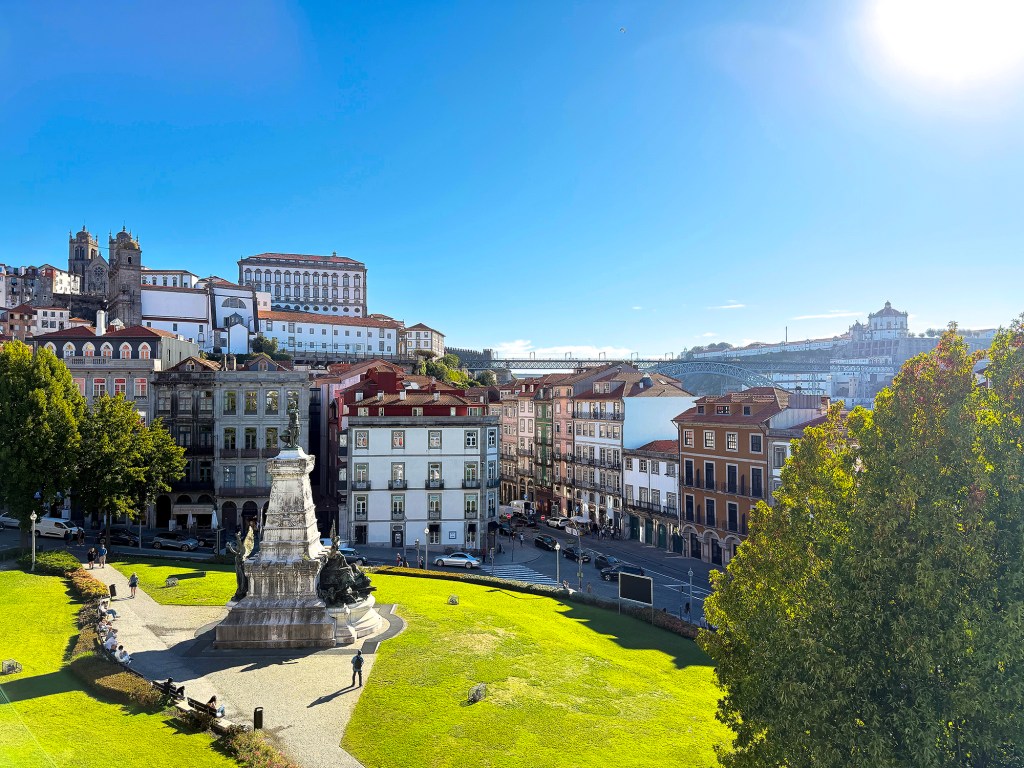
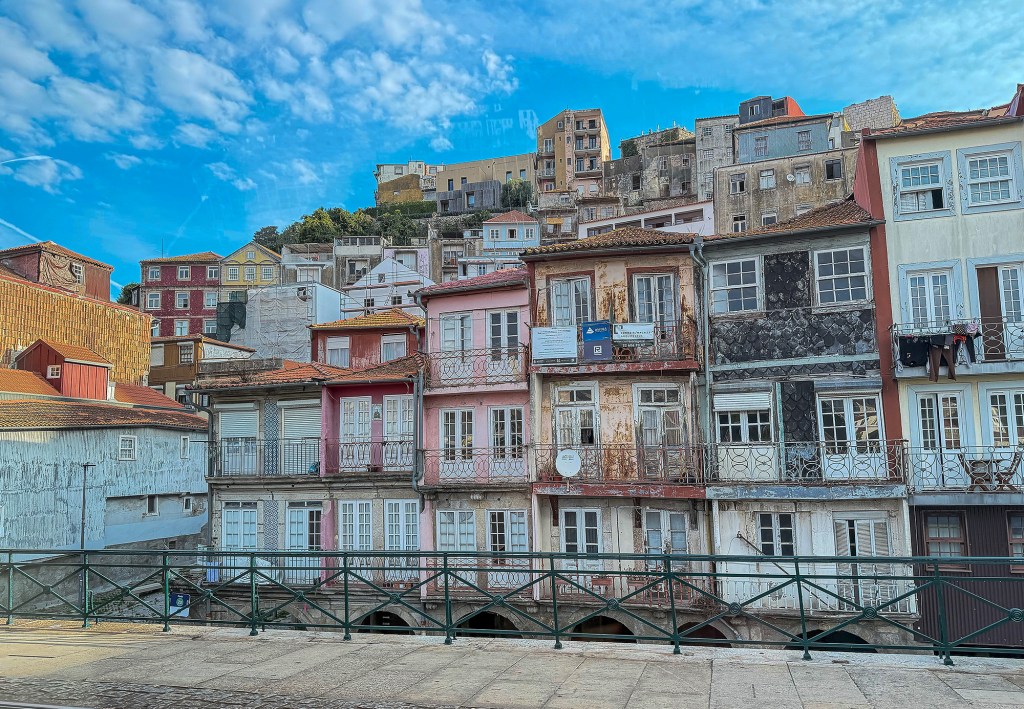
And then around town a little.

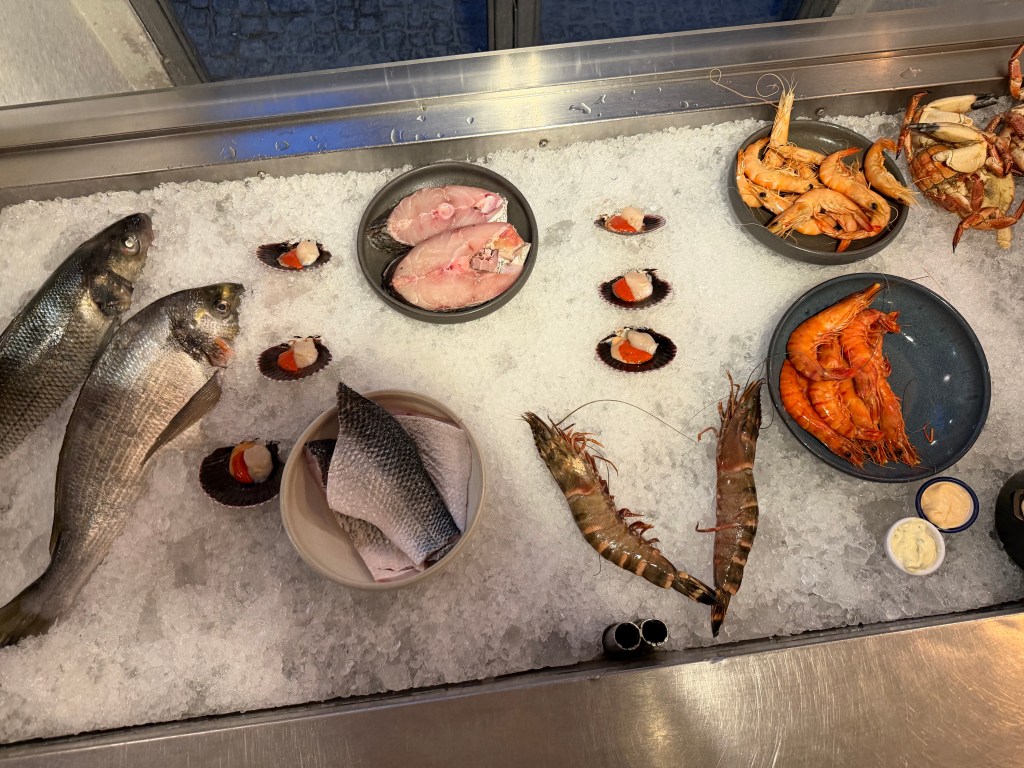
After a rest, we enjoyed a dinner at a little cafe called Ostras and Coisas, where we were served a delicious variety of fresh seafood.

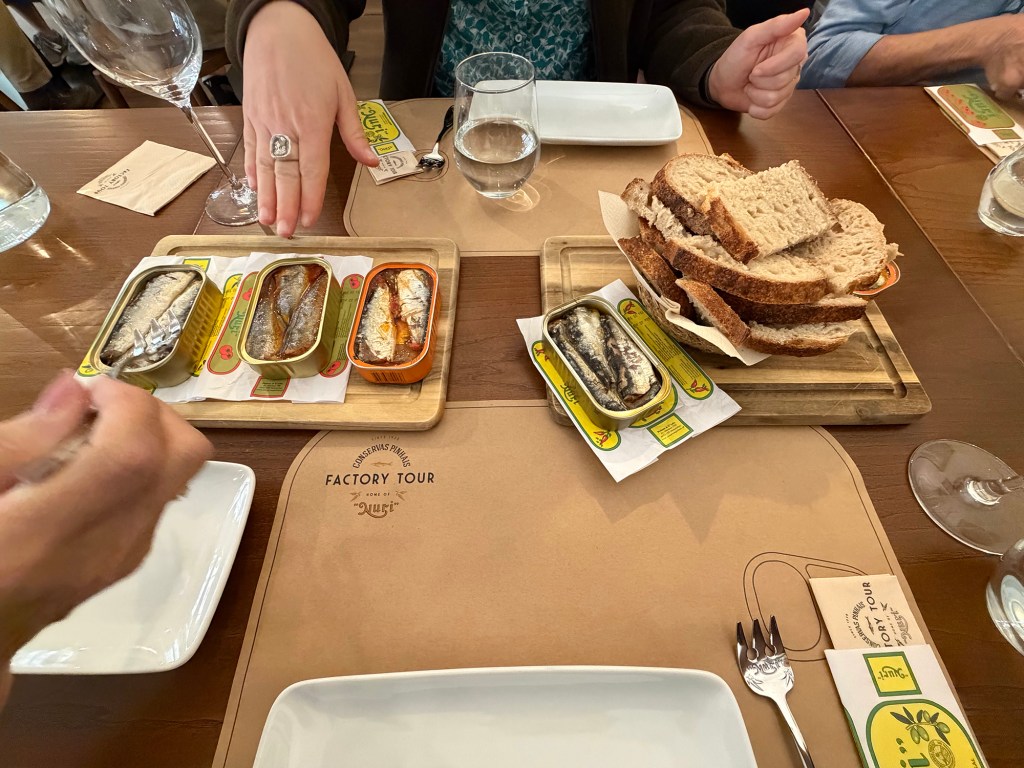
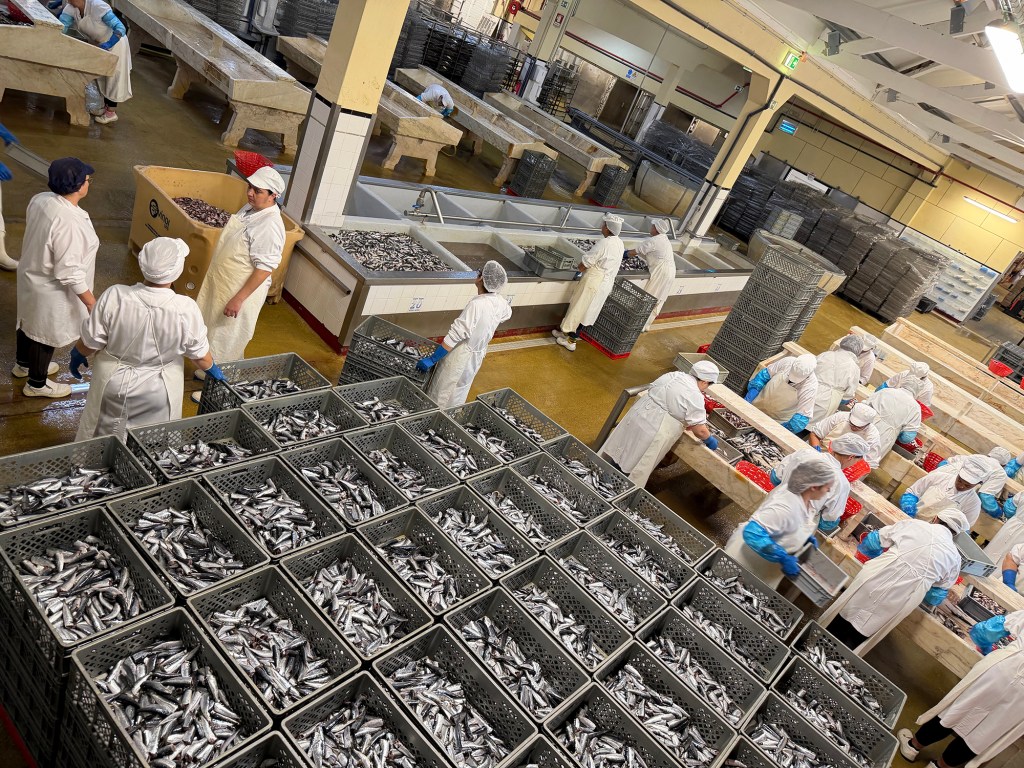
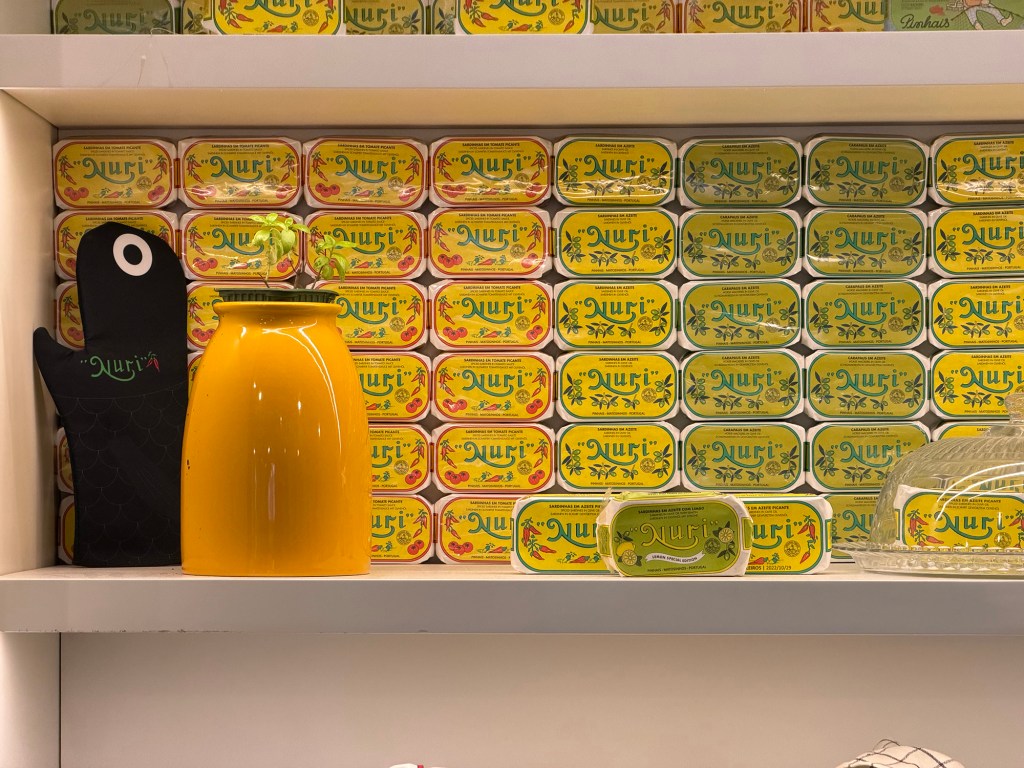
On our second day we drove to a nearby town called Matsosinhos, where we met our guide for the day, a sweet gal named Maria. She was actually a marine biologist by training and experience who has started a guiding service with her husband. She accompanied us on a tour of a sardine canning factory named Conservas Pinhais. We had the pleasure of seeing the sardine cleaning, packing and canning, all done by women. At the end we were able to taste the different sardine offerings, which were excellent given the top quality and freshness of the fish.

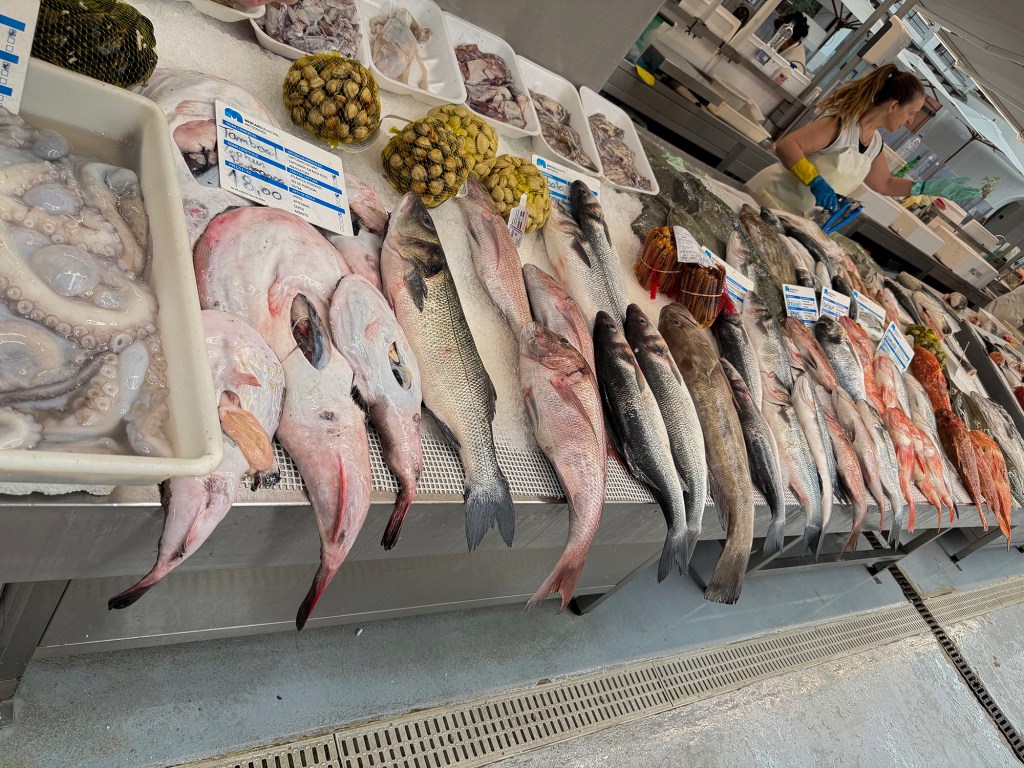
Maria then took us to a local market focused on fresh seafood and vegetables.

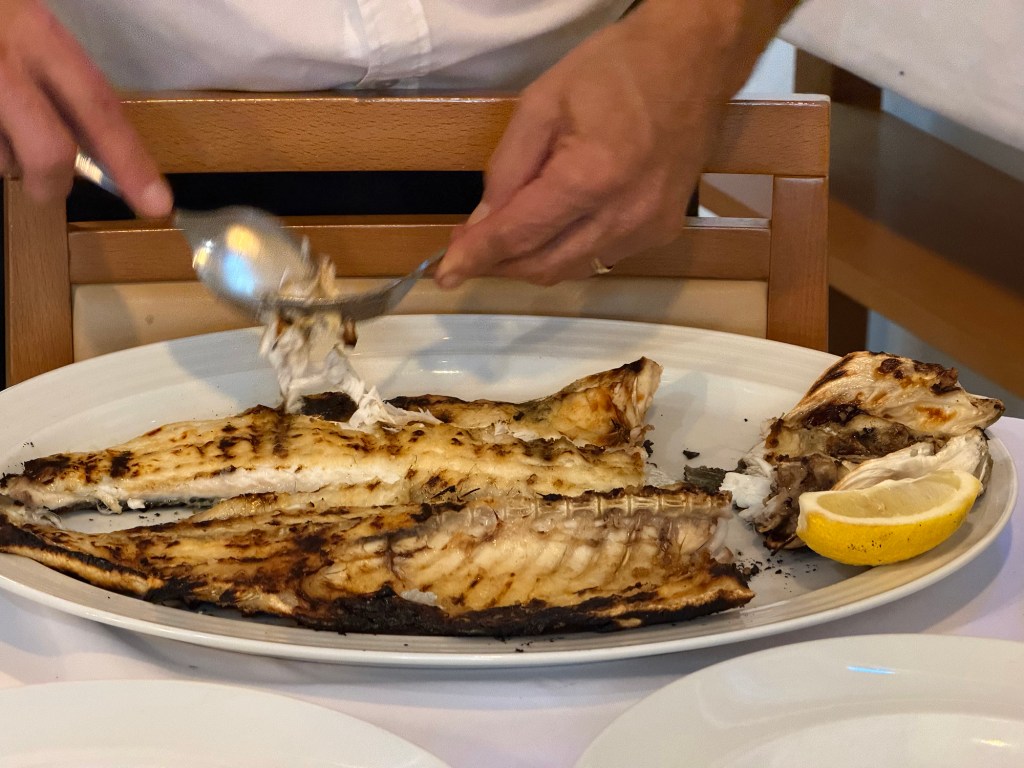
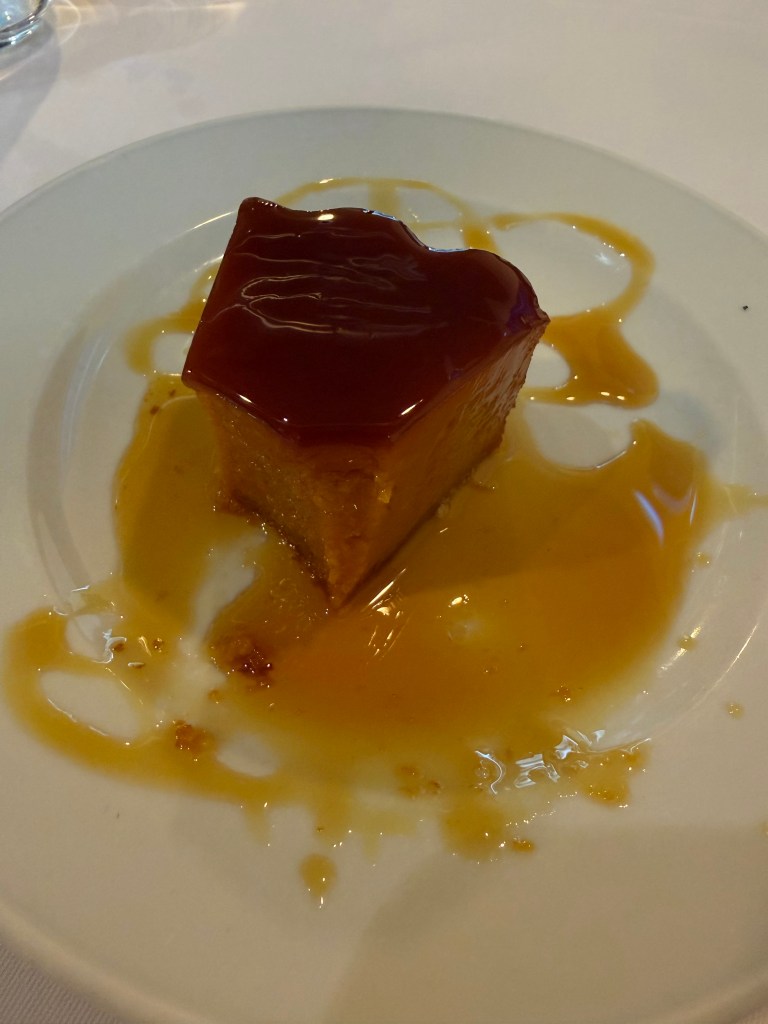
This was followed up with lunch at one of Maria’s favorites, O Valentim. This restaurant entrance was dominated by a huge grill, apparently utilized for virtually all served within. The dining was superb. A sampling:

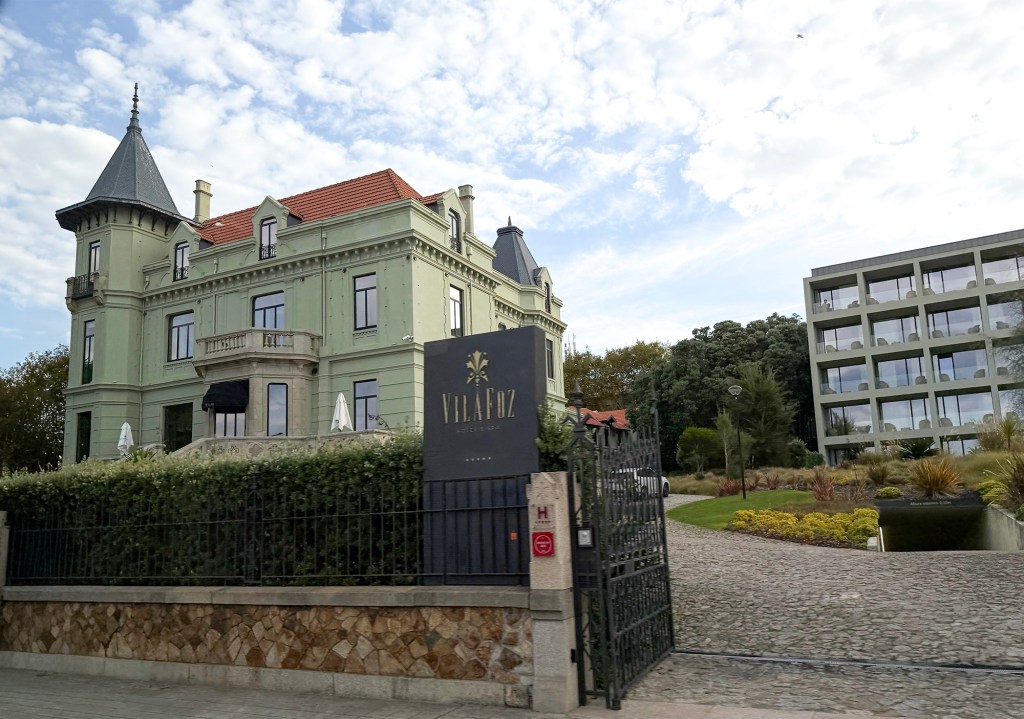
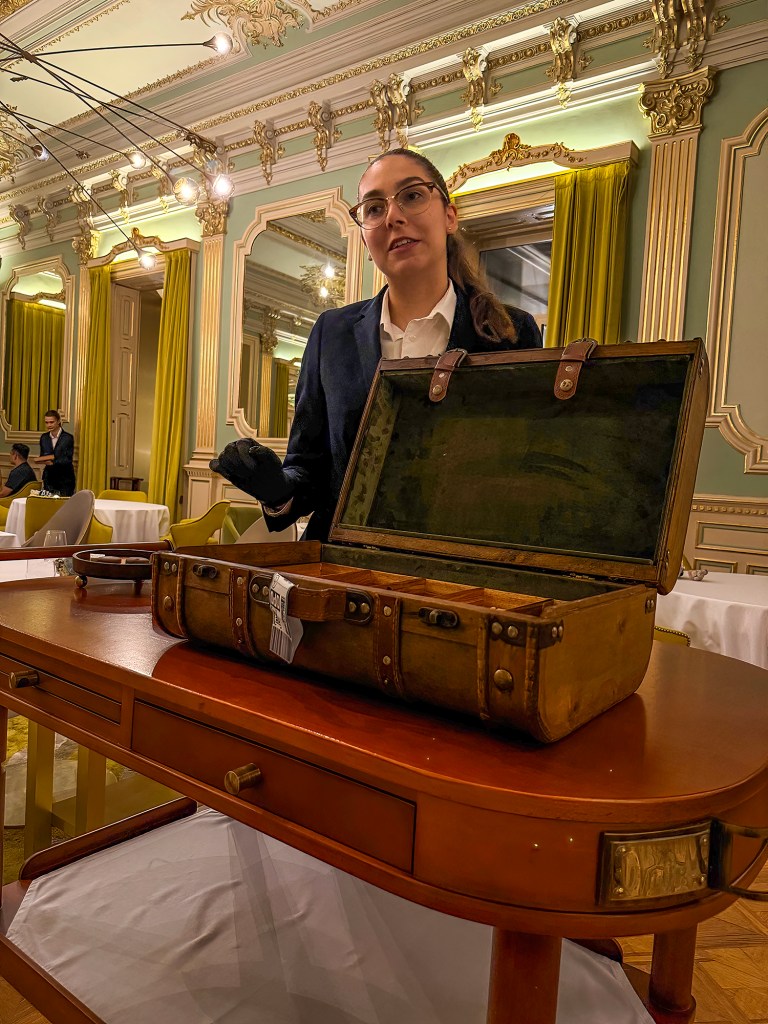
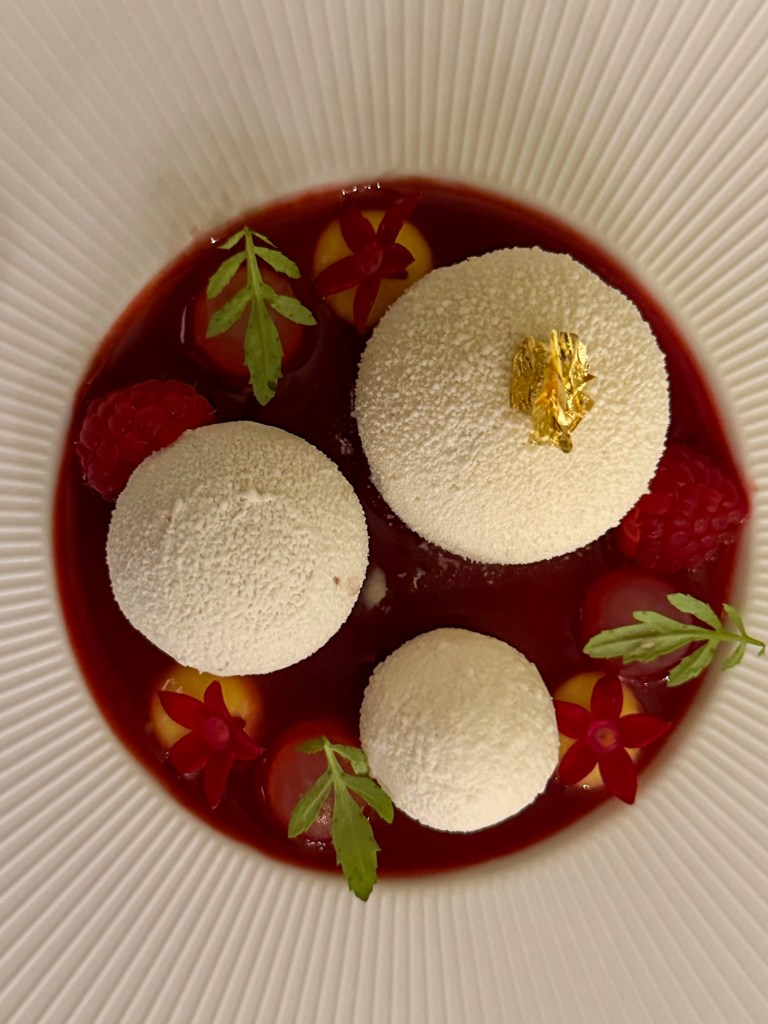
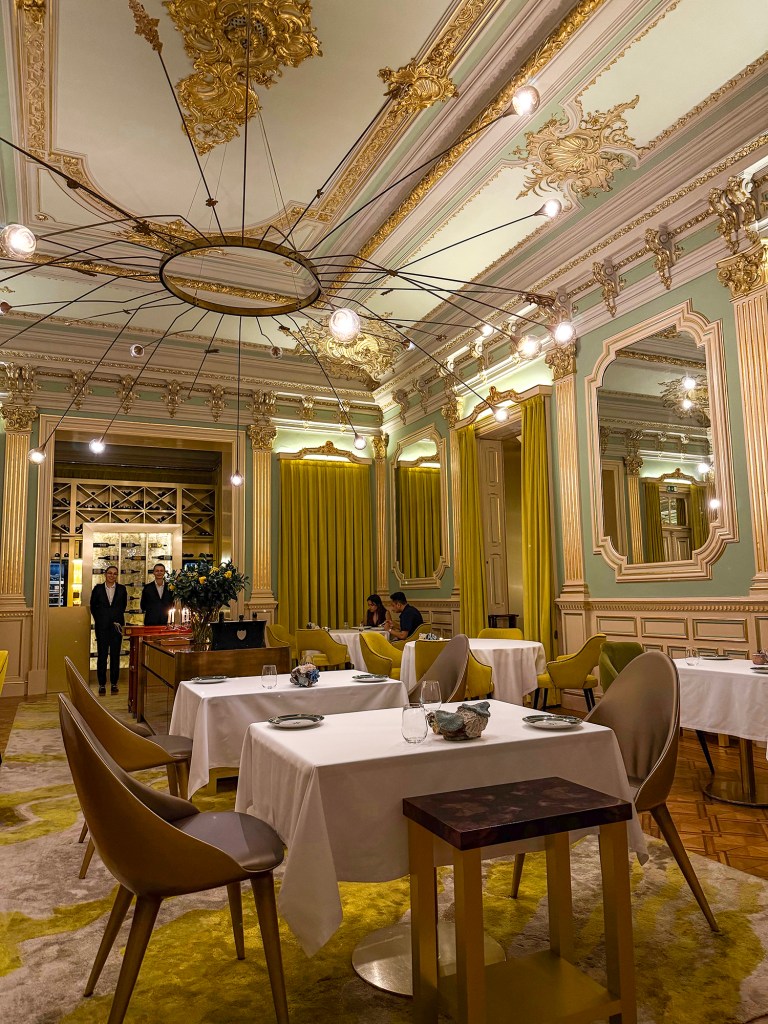
Eventually we departed, returned to the hotel and rested. We knew the evening would be long as we had reserved a 7:30 pm seating at Villa Foz for a tasting menu. This is a one star Michelin restaurant housed in an old mansion situated downstream from Porto alongside the Atlantic Ocean. The menu shows 11 entries, but the meal had several additional amuse bouches! The service and food was exceptional. We left the table at 11:30 pm after a four hour experience.

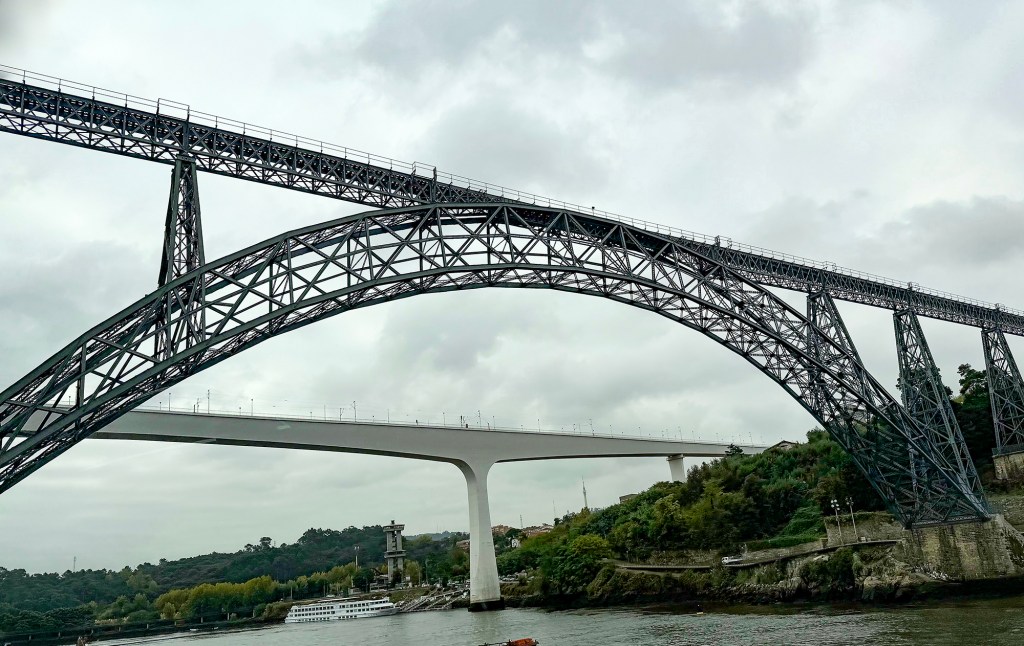
The next morning we checked out, and headed with our driver to the Duoro Valley for our next stop. Here is an image of the iron bridge built in 1887 and called the Ponte Maria Pia.; it was designed by Gustave Eiffel.

Bear Country USA

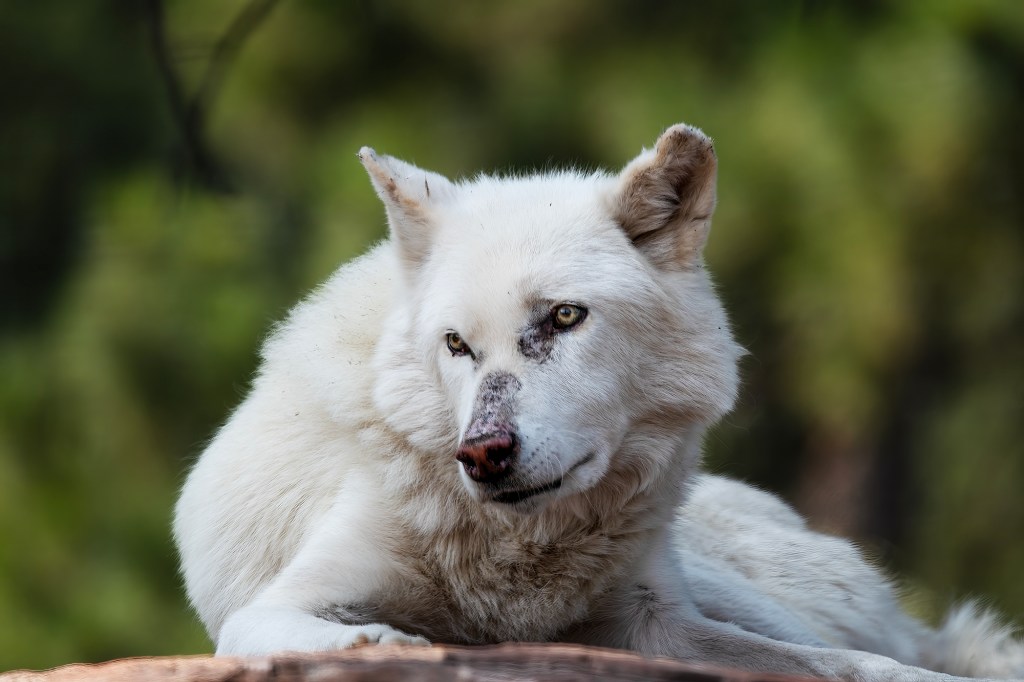
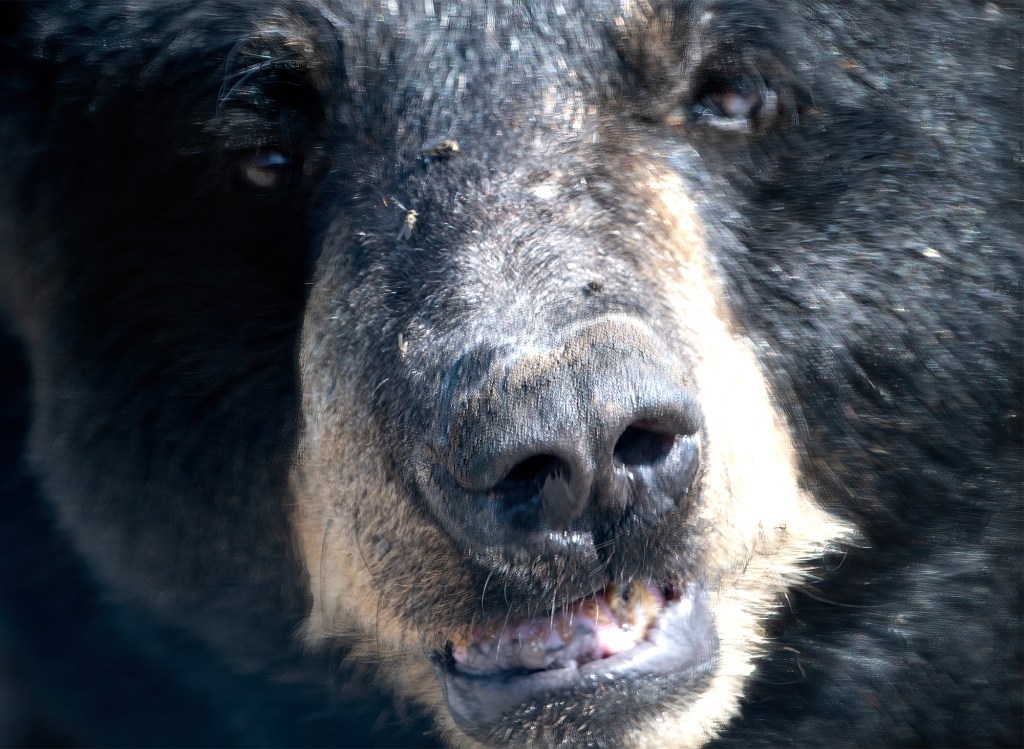
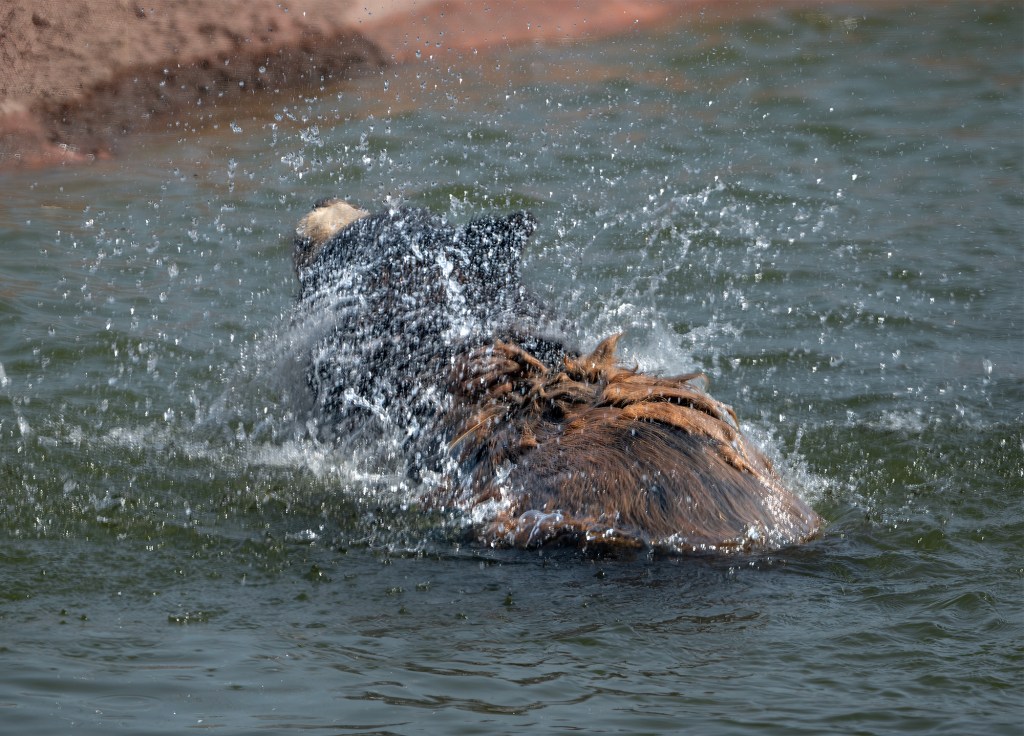
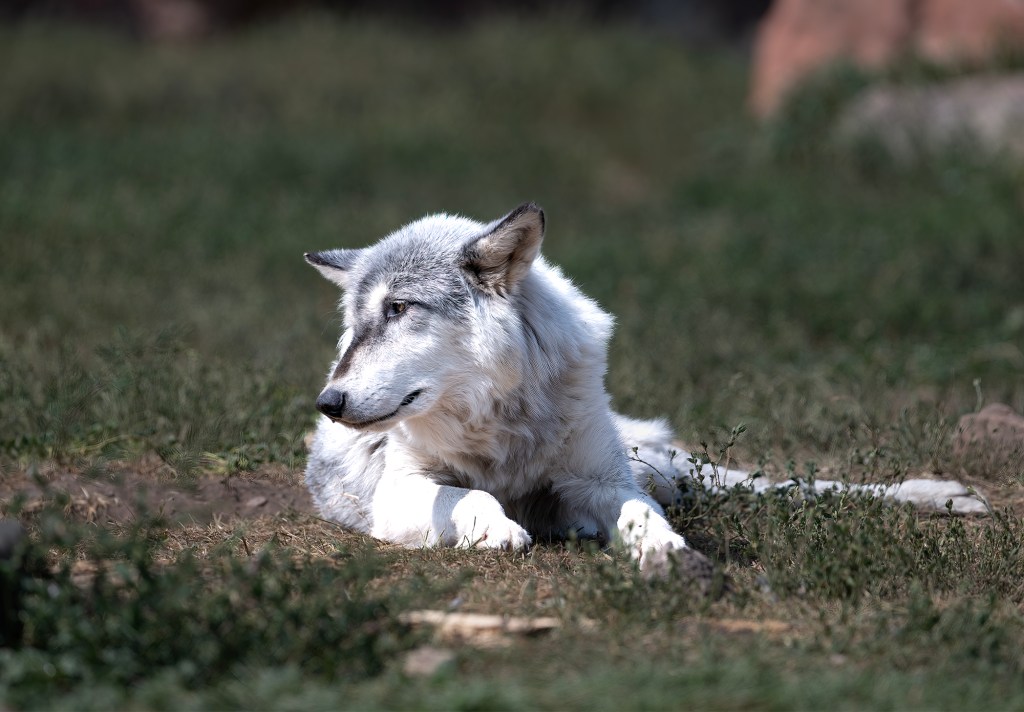
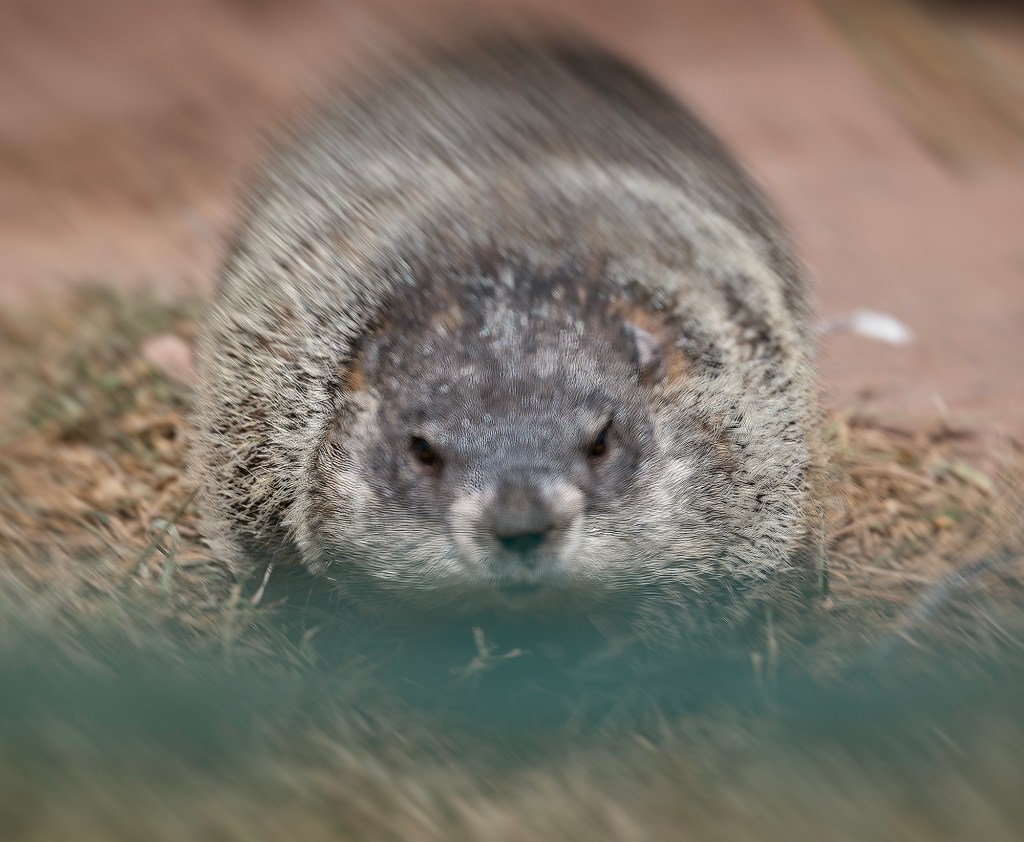
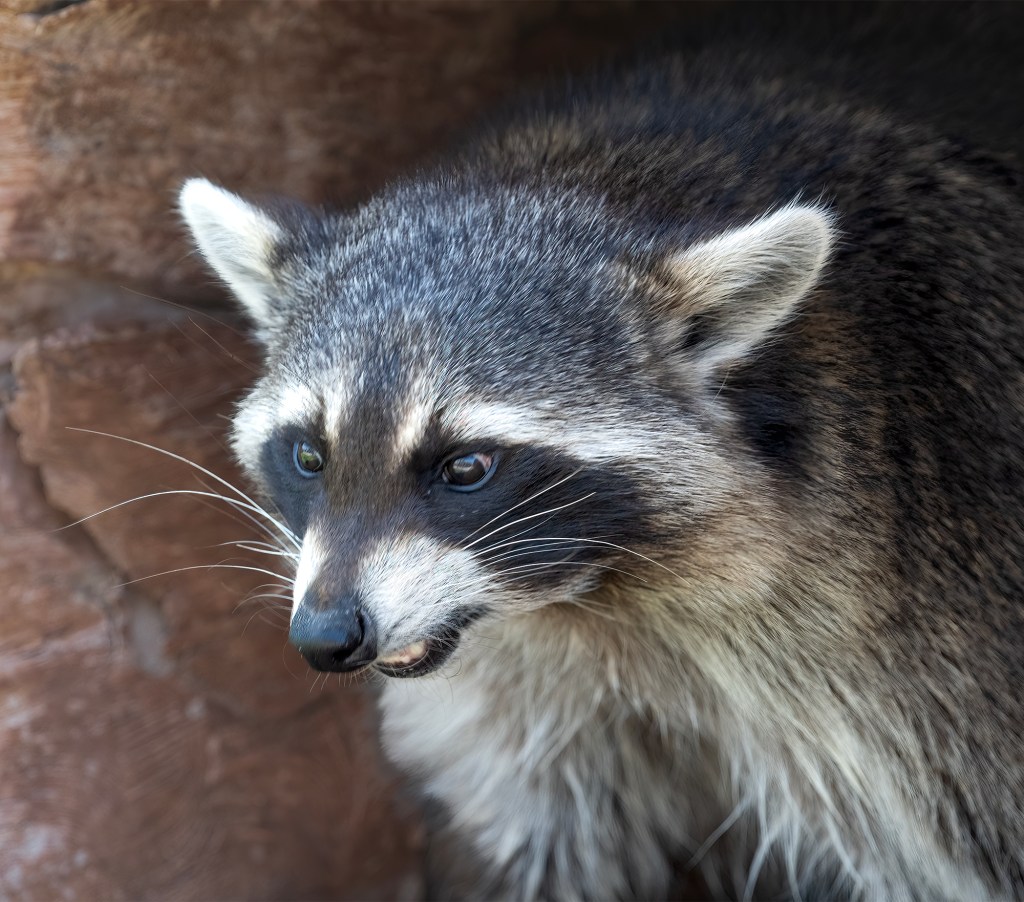
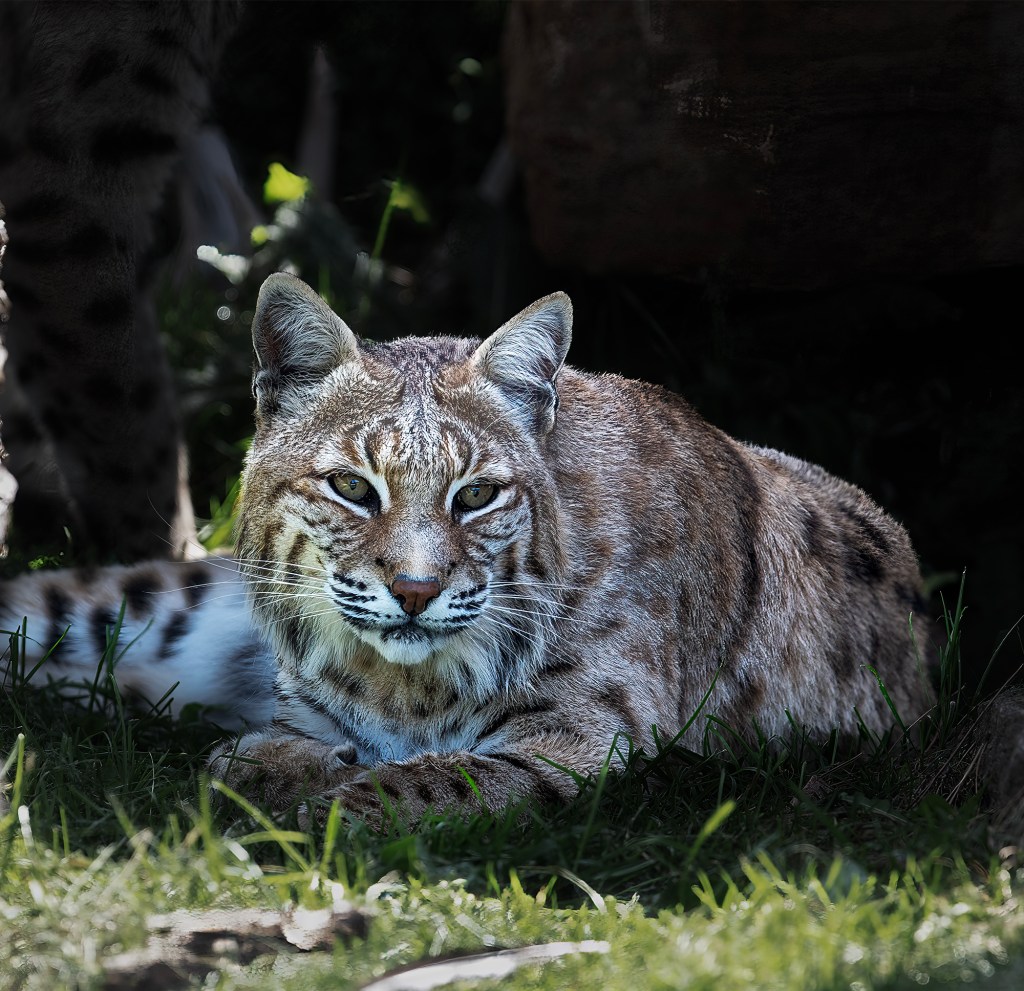
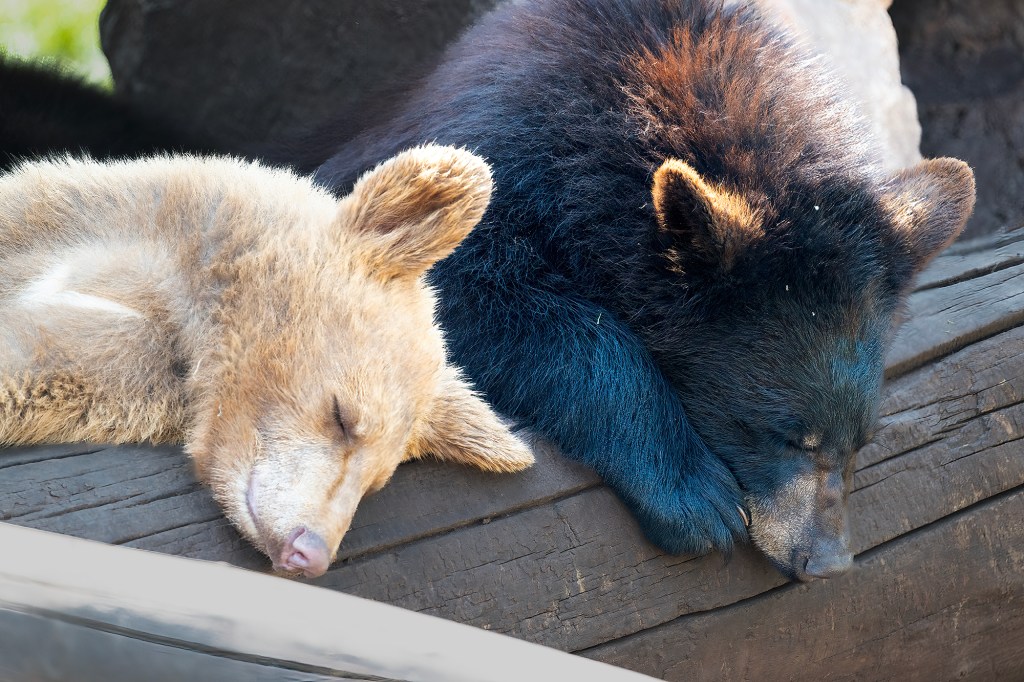
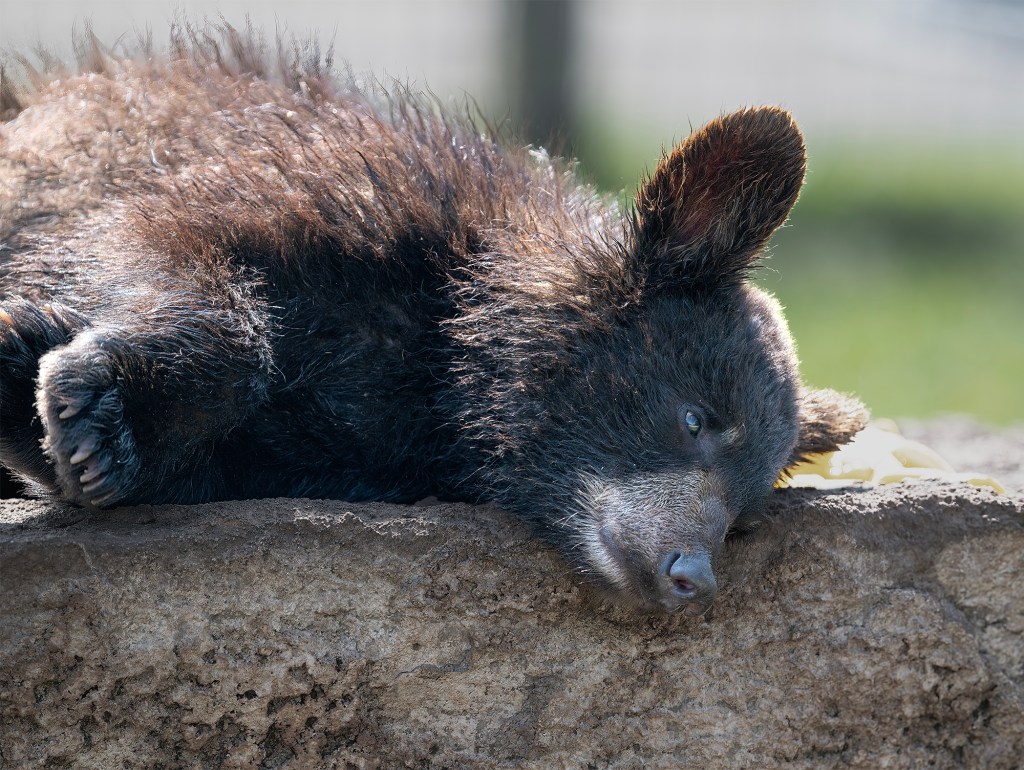
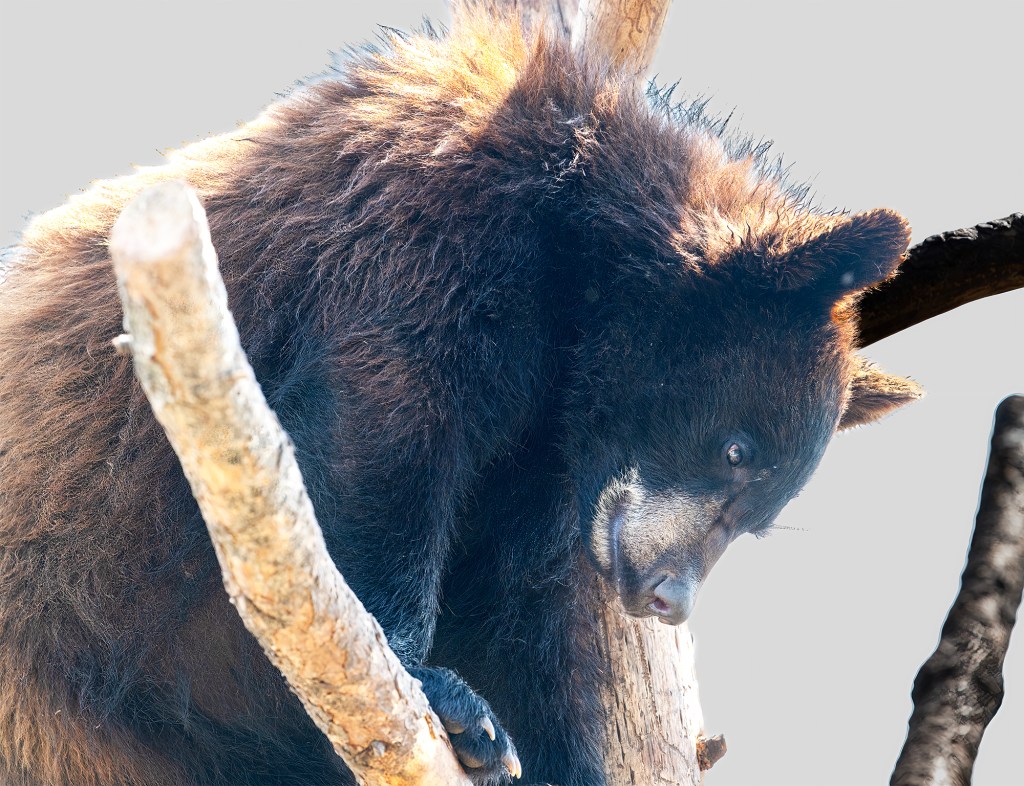
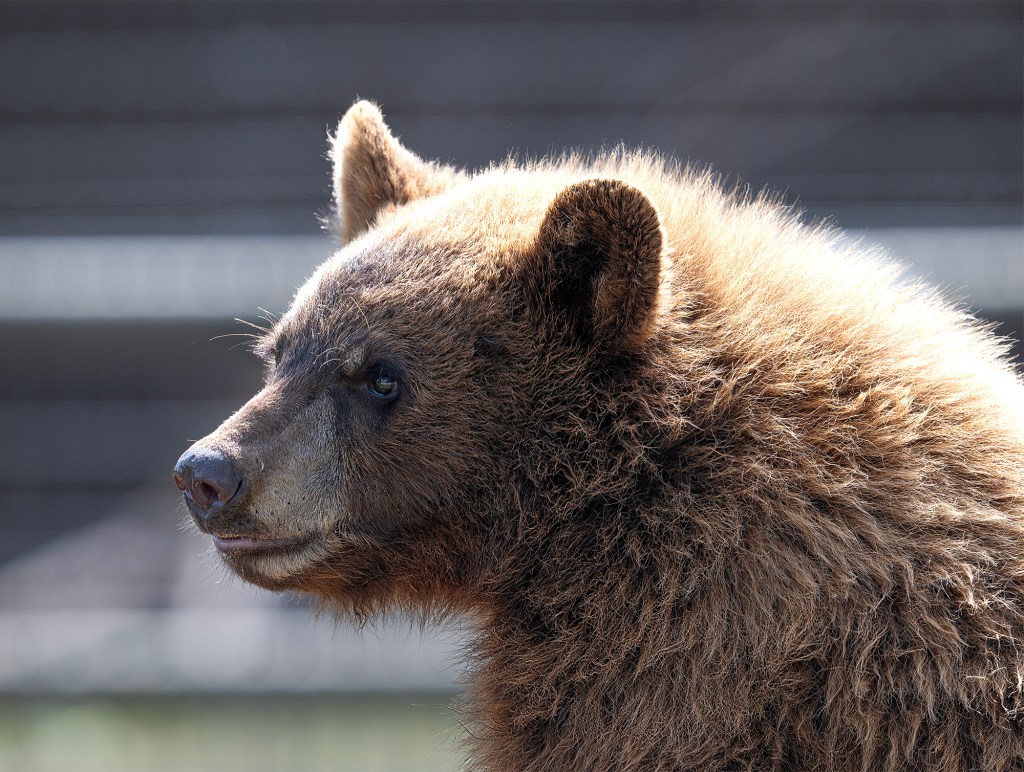
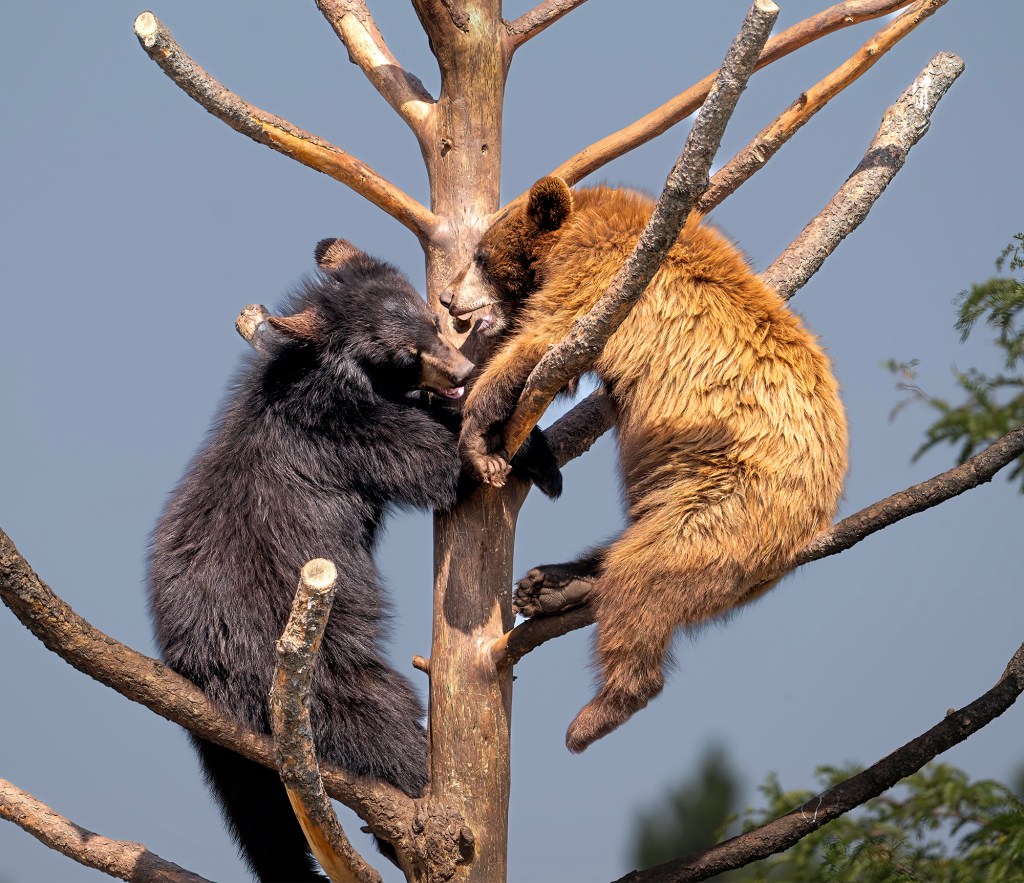
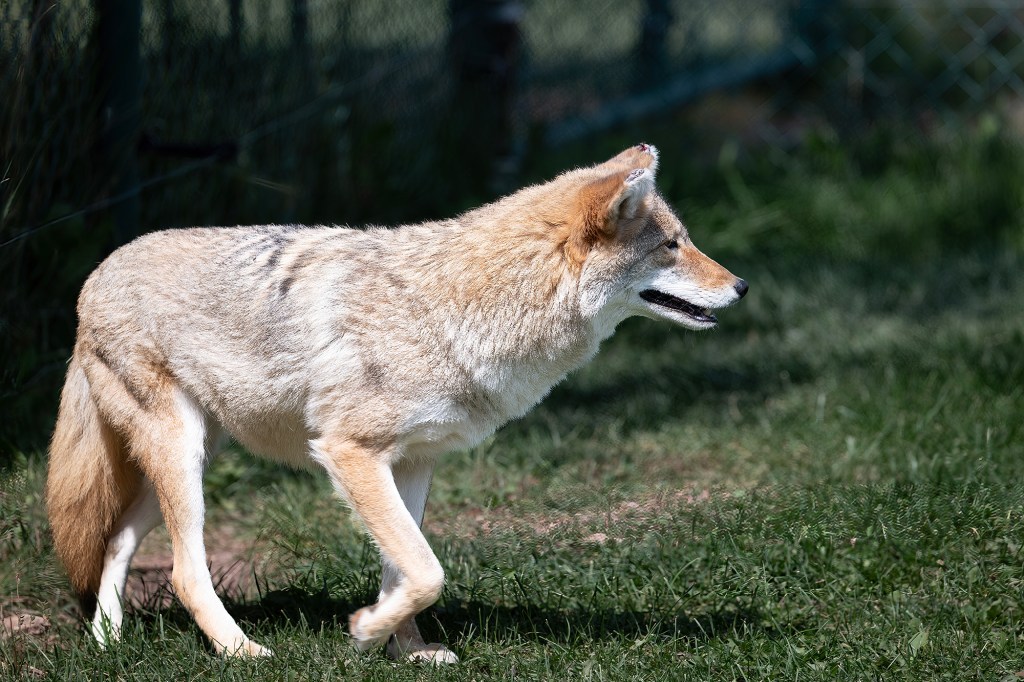
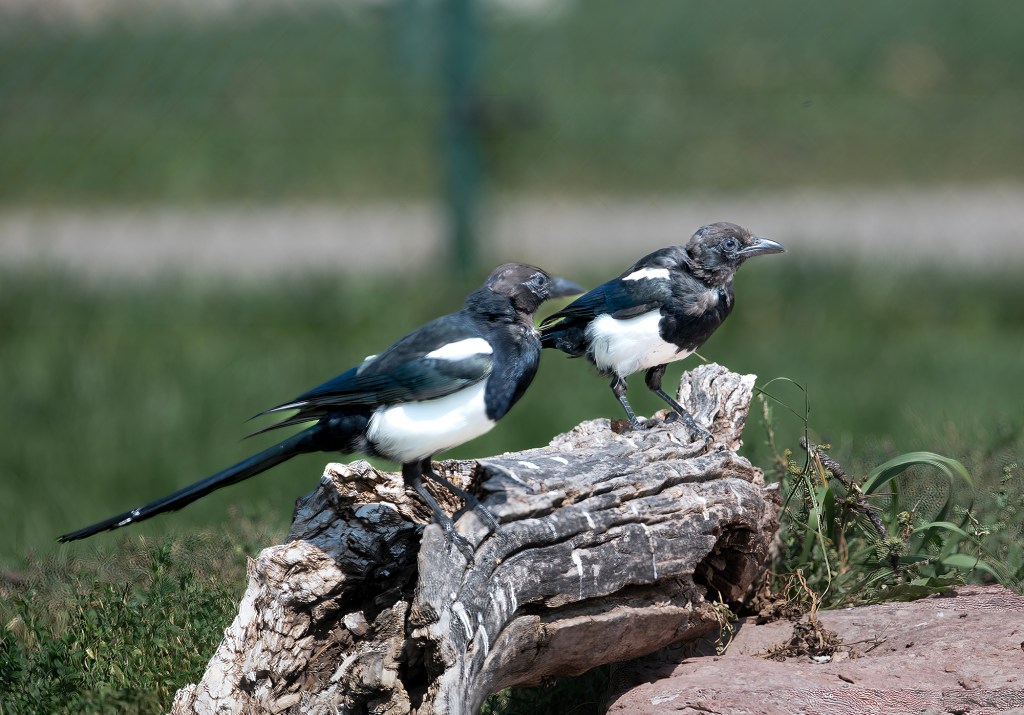
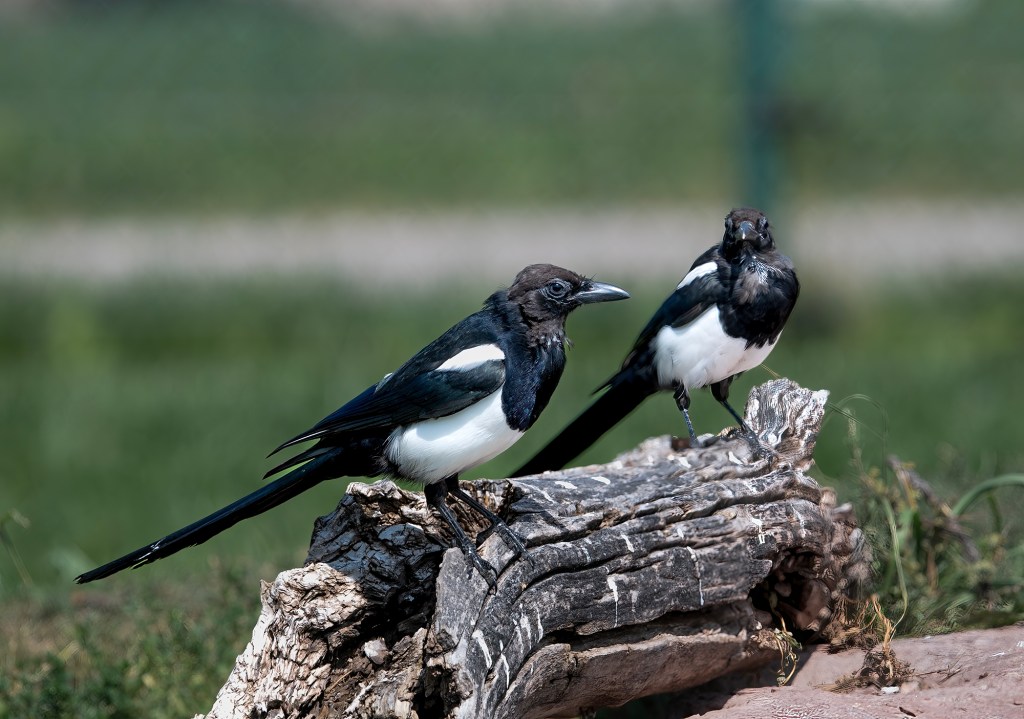
By now we needed a slow day. So we headed out to Bear Country USA, located about 10 miles south of Rapid City. This is a drive through wildlife park and zoo in the Black Hills. Founded in 1972, the park is noted for its bears, but offers other wildlife including wolves, elk, mountain lions and bison on 200 acres of rolling hills. The park is very well done. It also includes a half mile walking loop with smaller wildlife, including raccoons, skunks, bobcats, foxes, coyotes, arctic wolves and foxes, young bears and so one. Well worth a couple of hours.

Badlands National Park

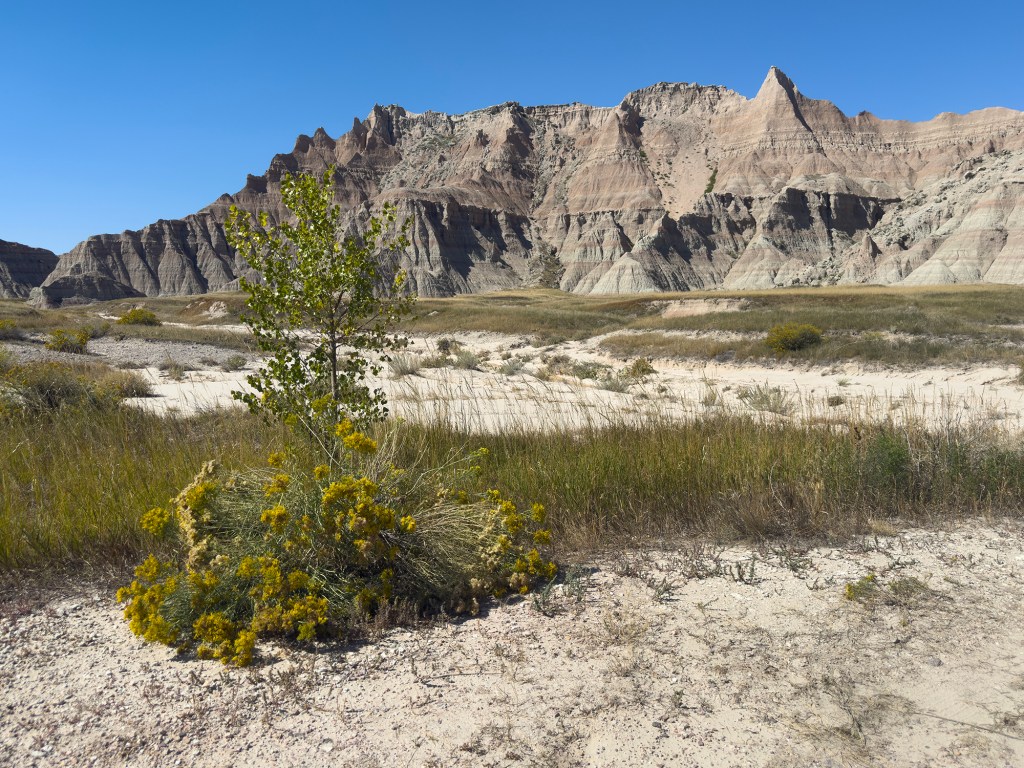
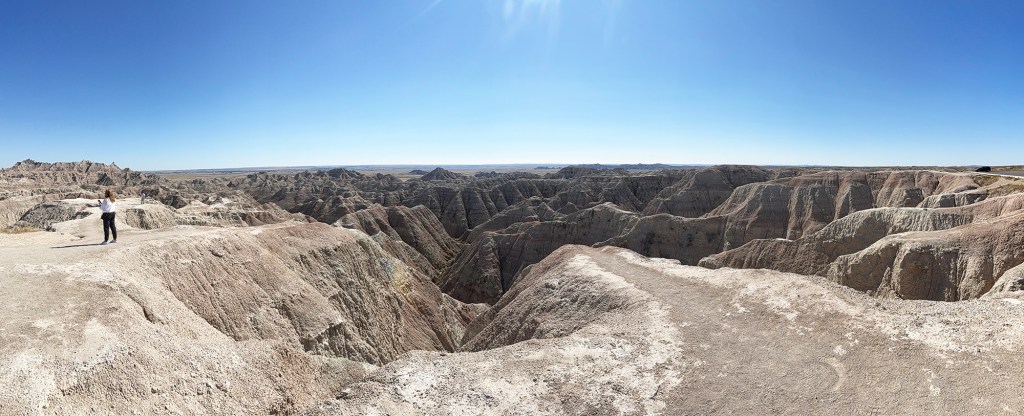
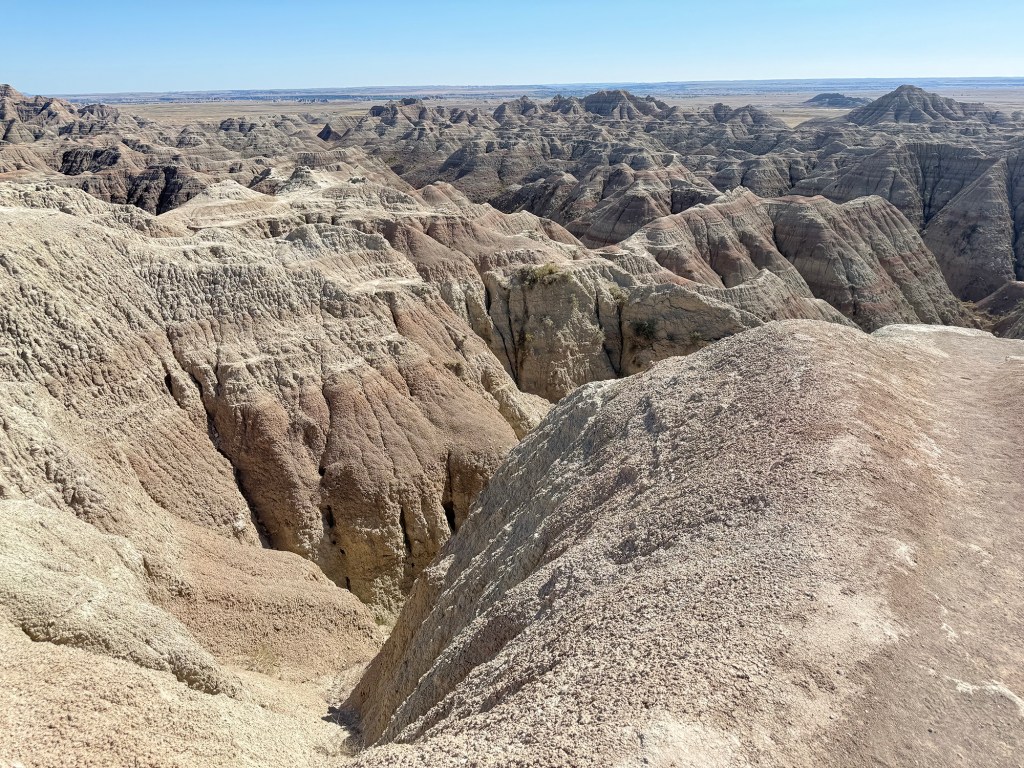
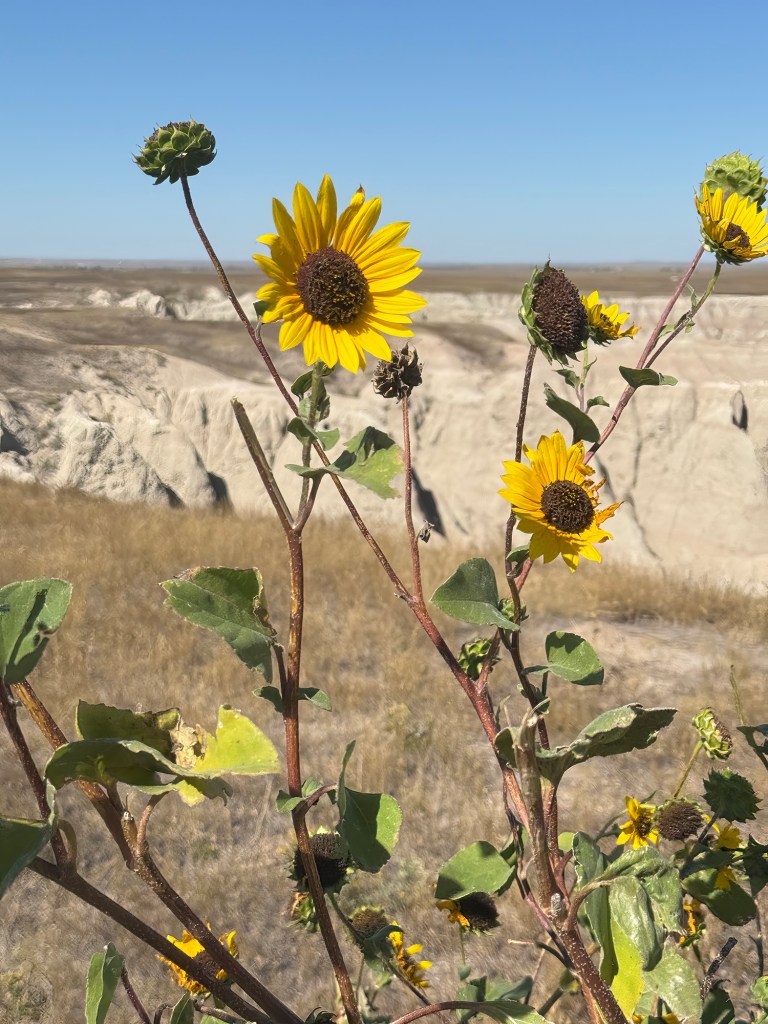
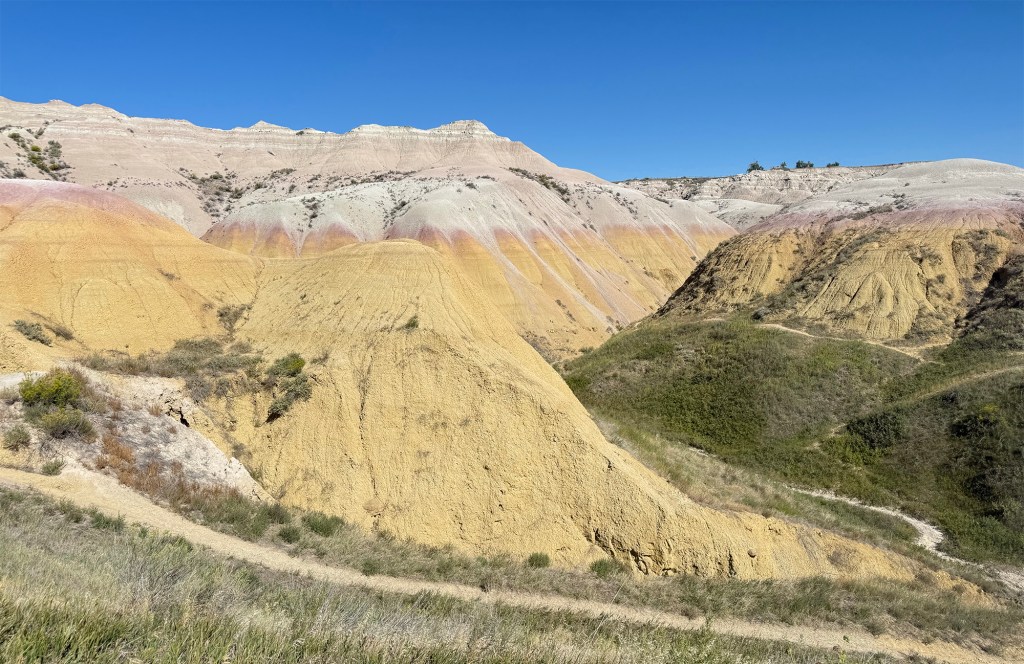
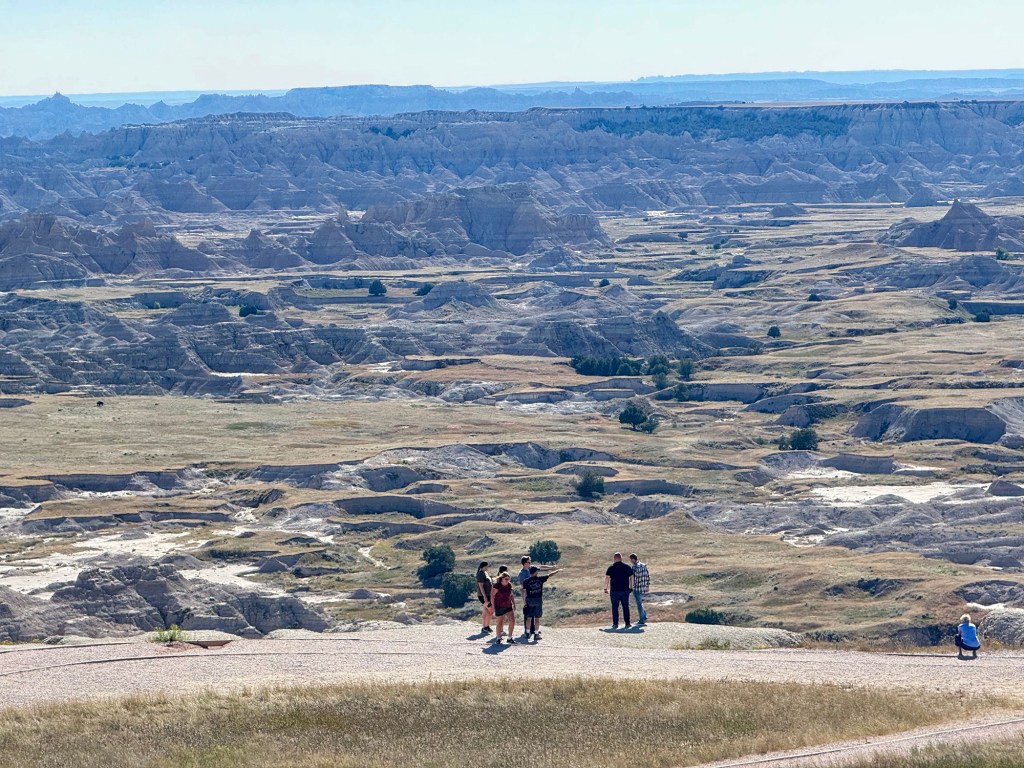
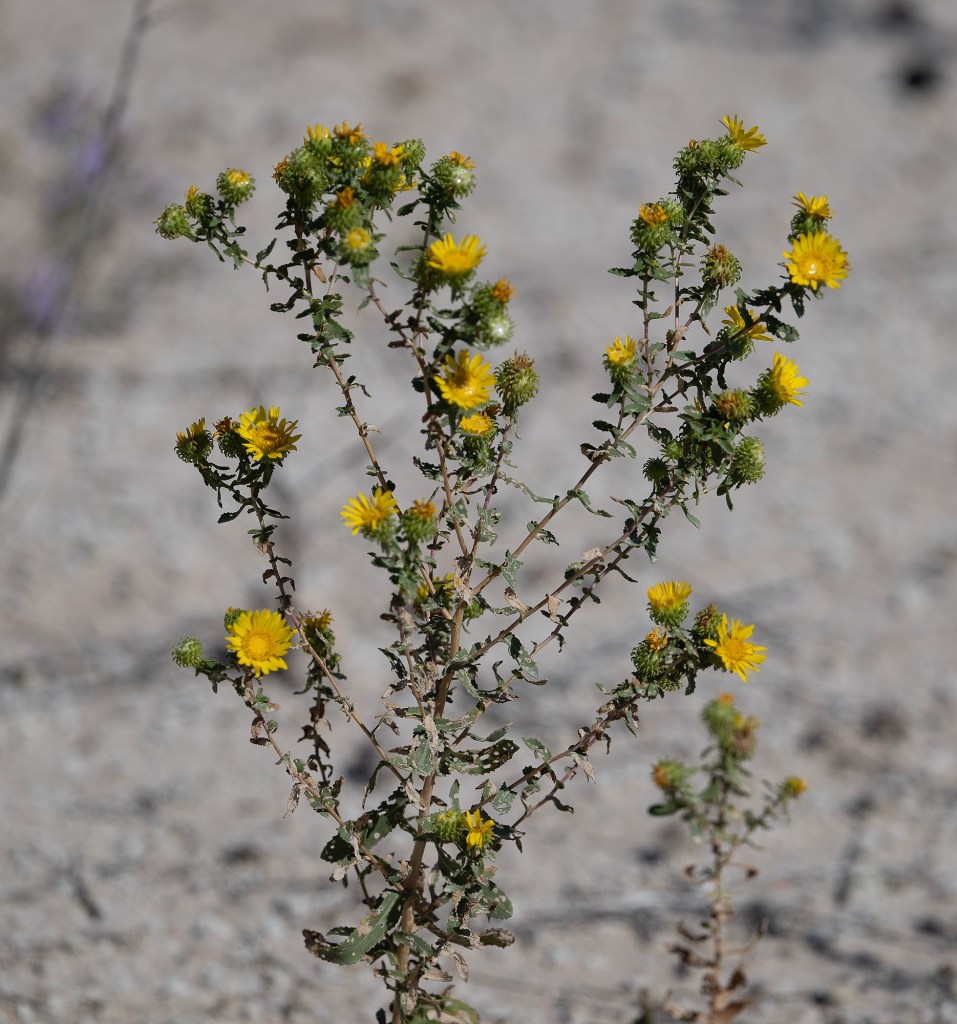
Located about an hour east of Rapid City, Badlands NP protects almost 250,000 acres of sharply eroded buttes and pinnacles, along with the largest undisturbed mixed grass prairie in the US. W The park was established in 1939. The park was originally a reservation of the Oglala Sioux Indians. The US assure the Indians that the land would forever be Sioux property, although that promise was broken in 1889.

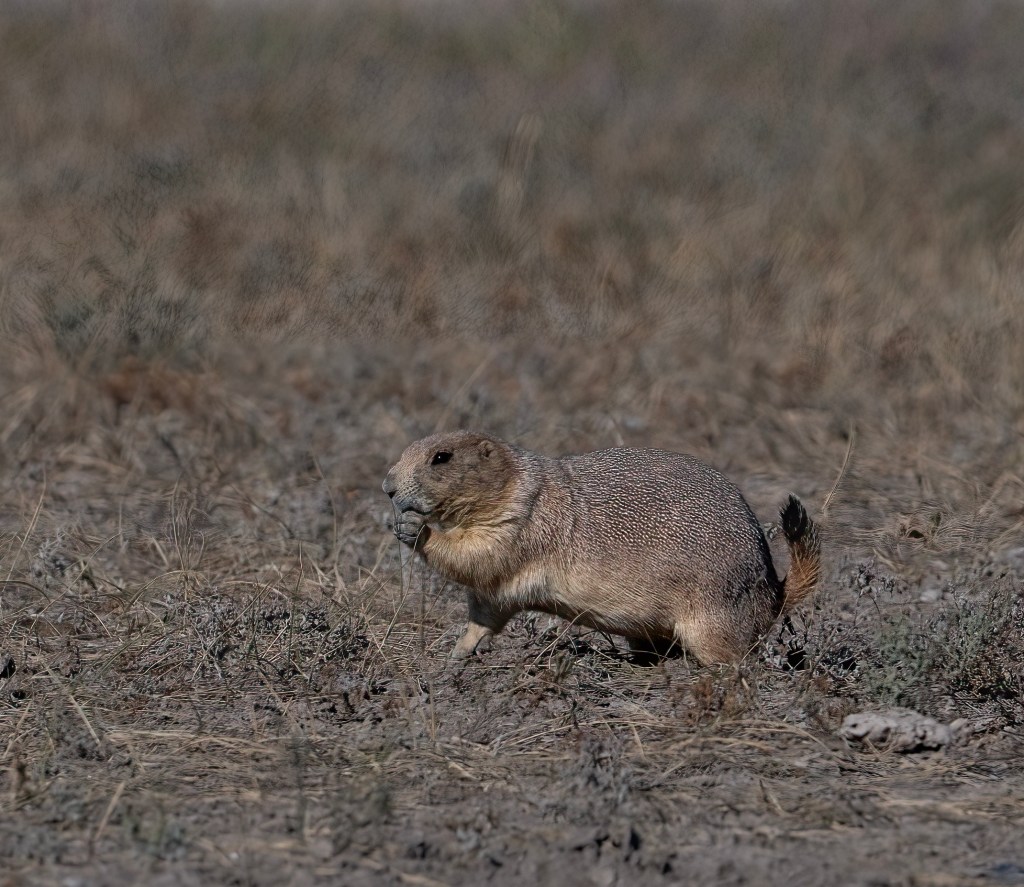
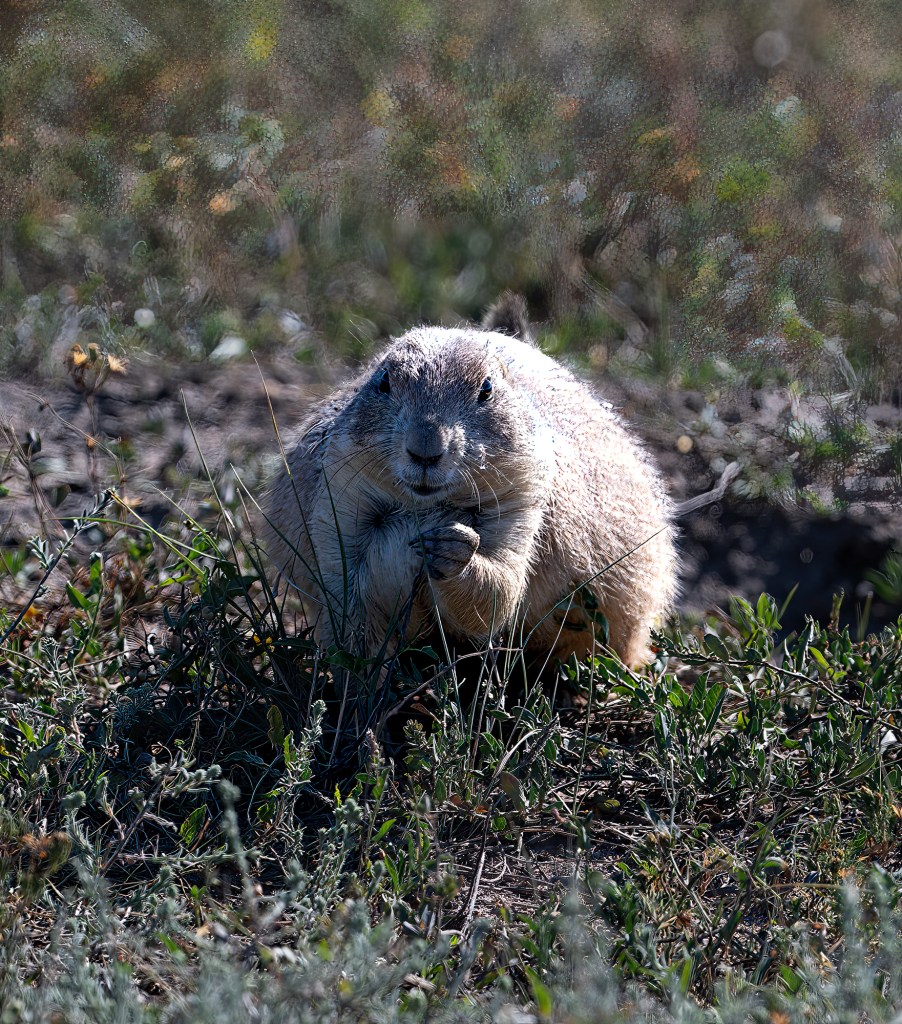
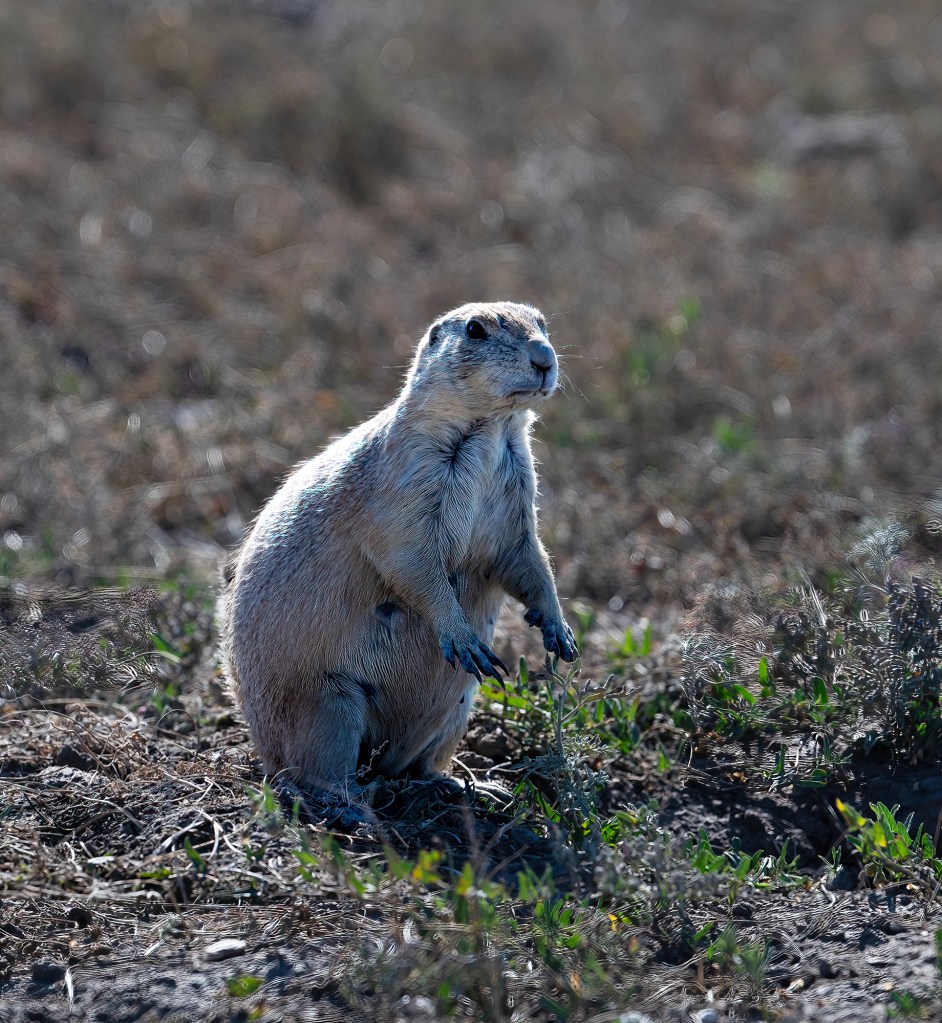
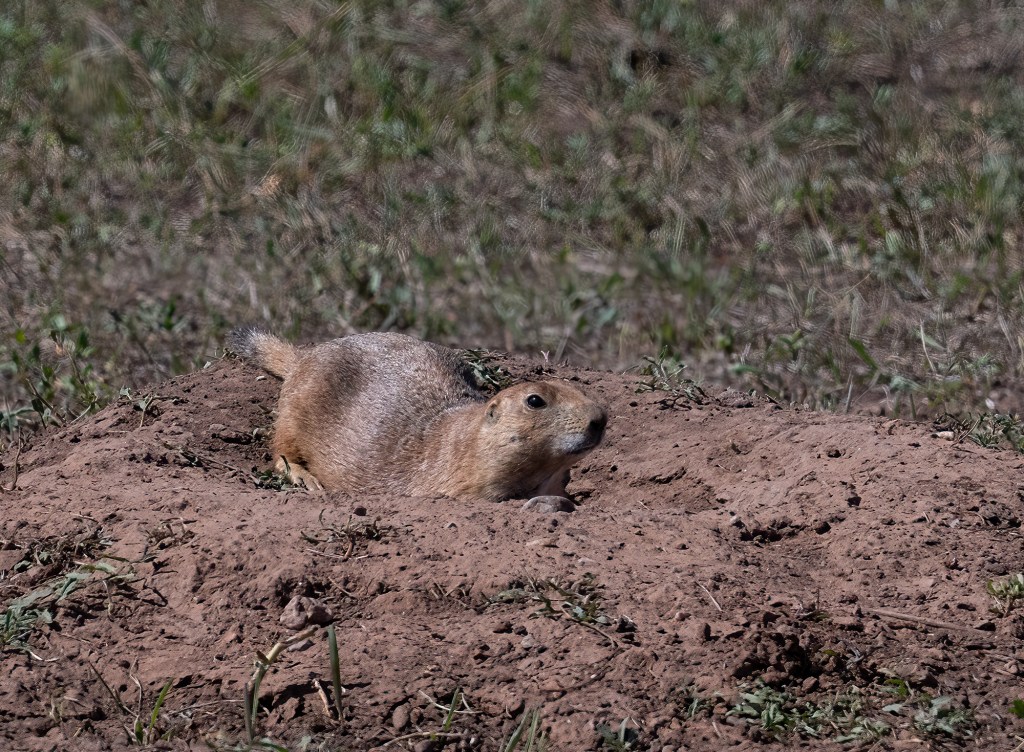
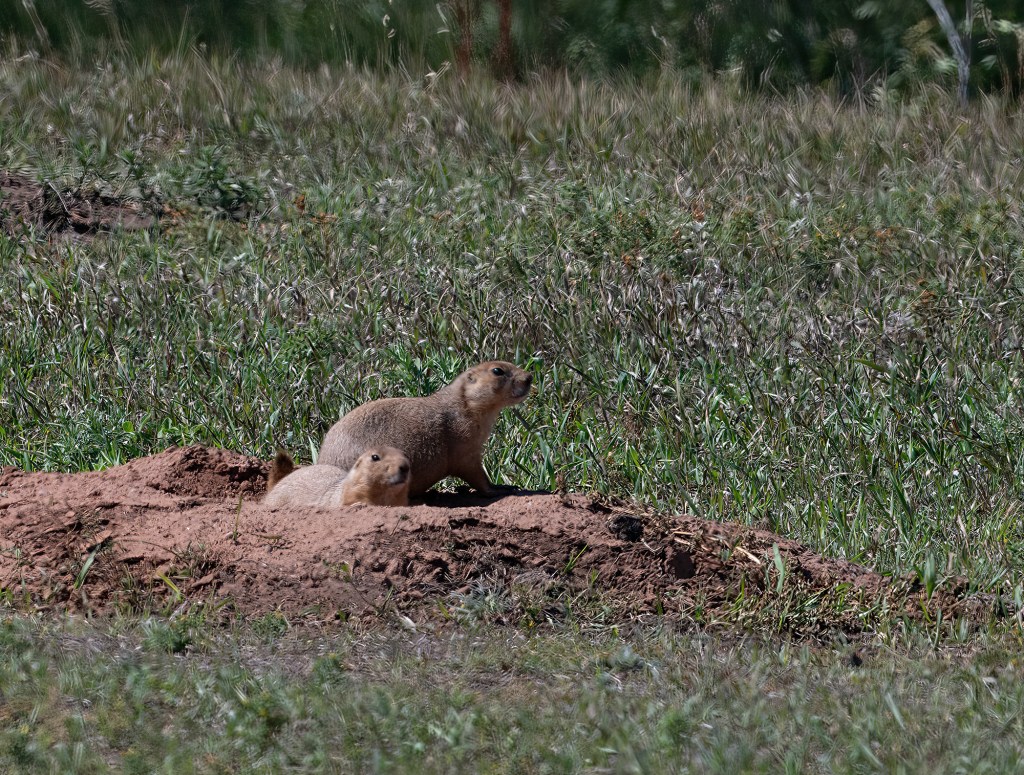
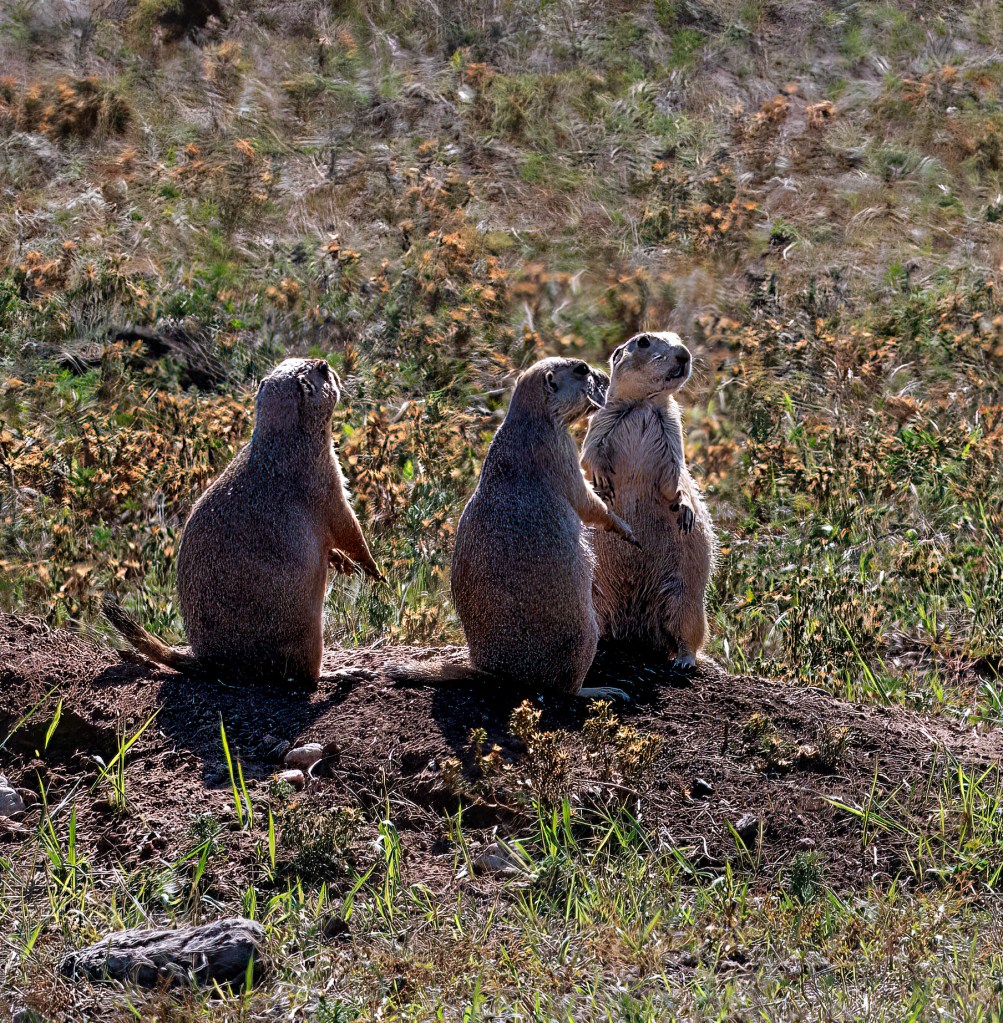
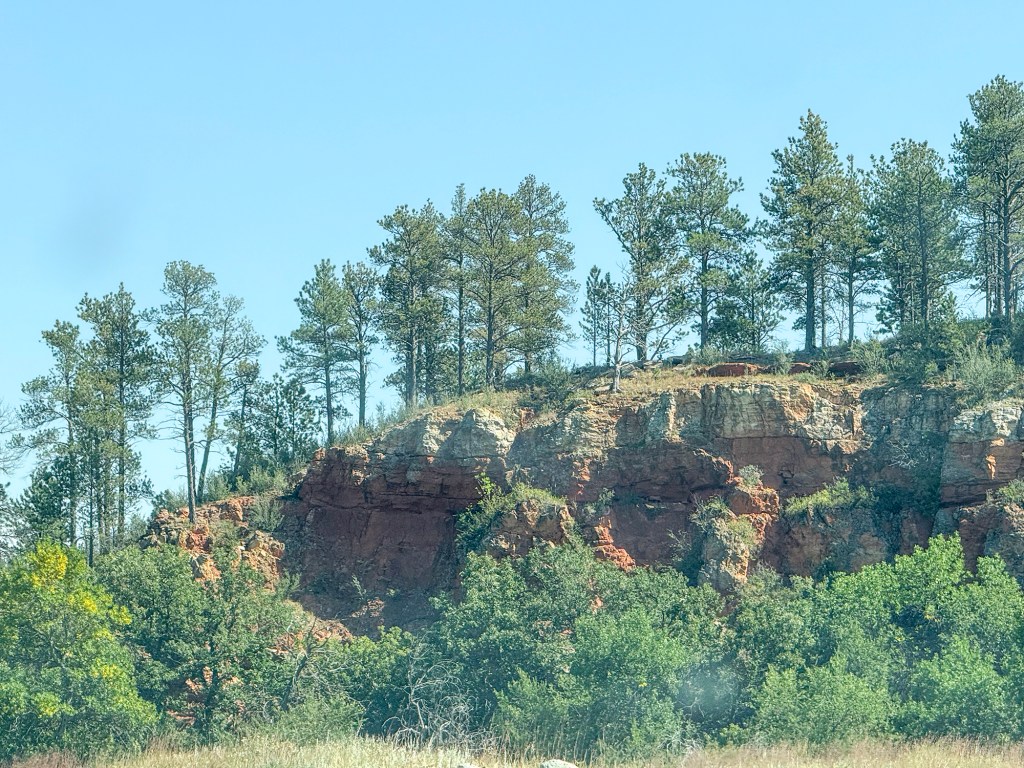
We approached the east entrance to the park by driving Route 44 from the city, and got great long views of the hills, and the resident herd of bison. We started our tour at the Ben Reifels Visitor Center, which contains a ranger station, a movie theater, a museum and a gift shop. The we drove along the Loop (SD 240) Road, which wanders along the base of the hills, the up and down through the outcroppings. The geology is quite fascinating, and the dozen or so overlooks and trailheads offer differing, unique views and a number of hiking trails. Unlike many parks, Badlands allows hiking anywhere within the park. We then drove a few miles beyond the paved area along Sage Creek Overlook road, which offers several overlooks with views of grasslands, bison and lots of prairie dogs.

Wildlife Loop Road

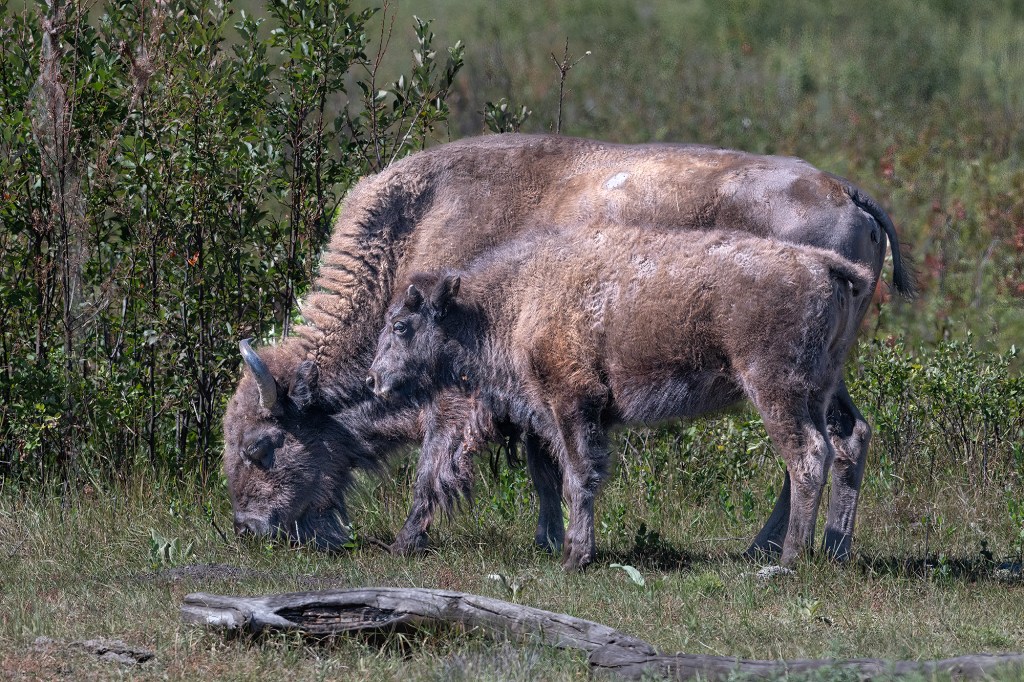
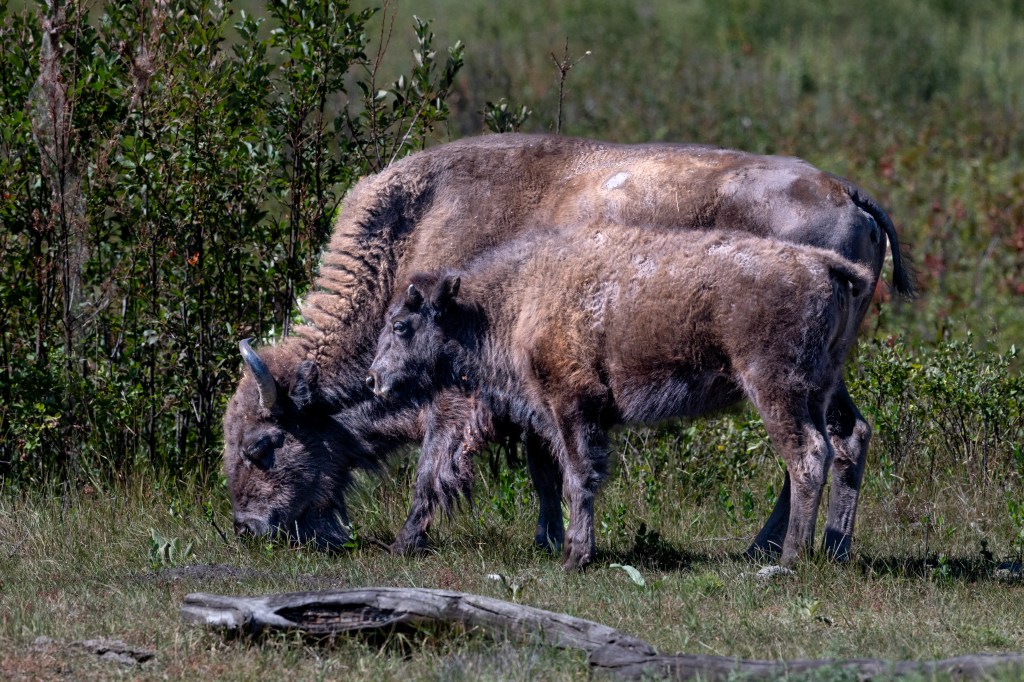
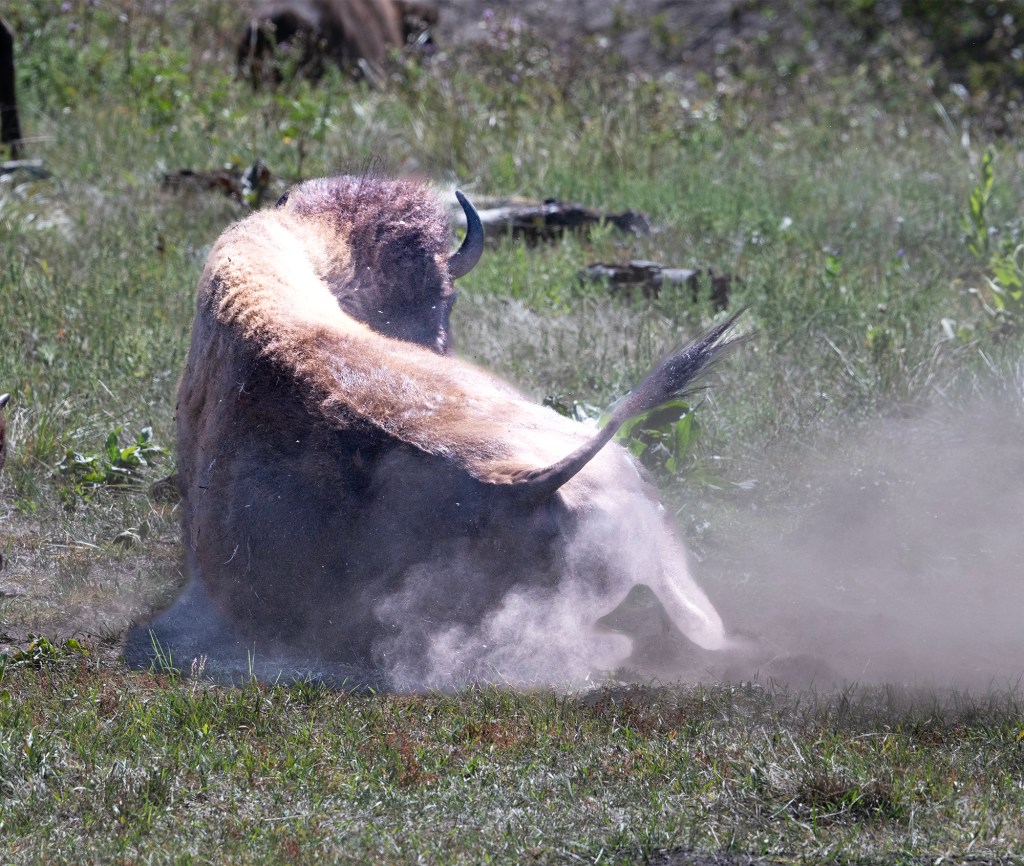
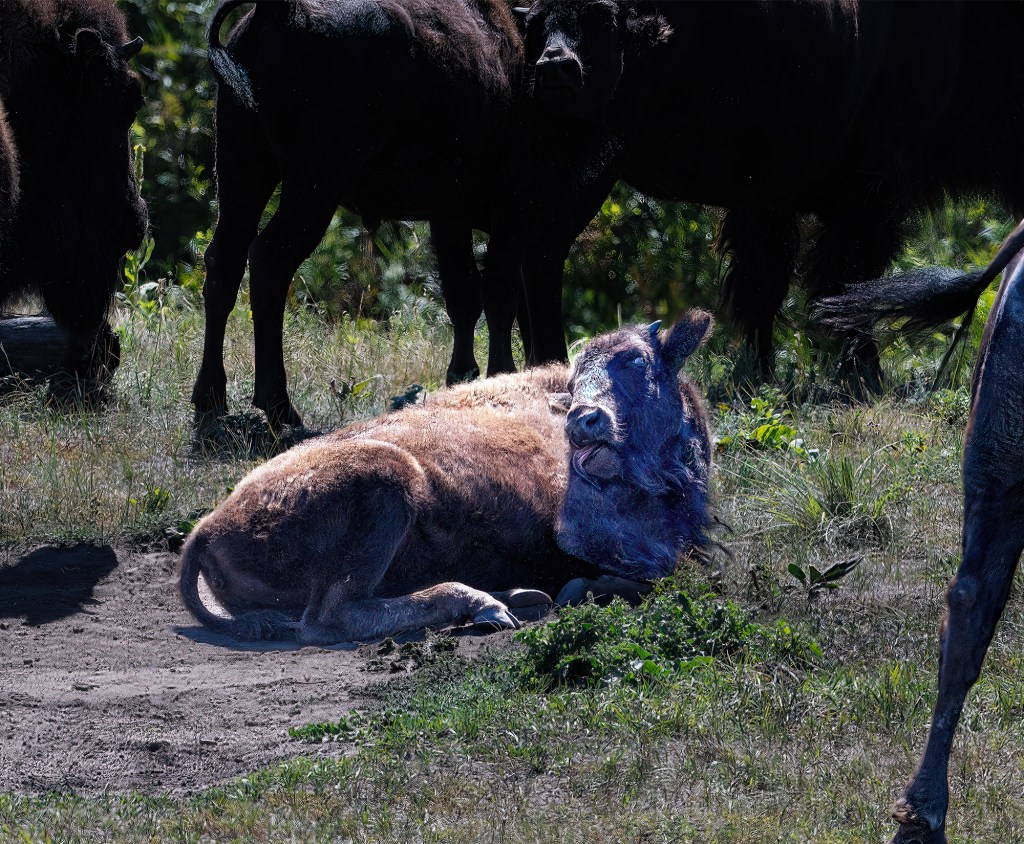
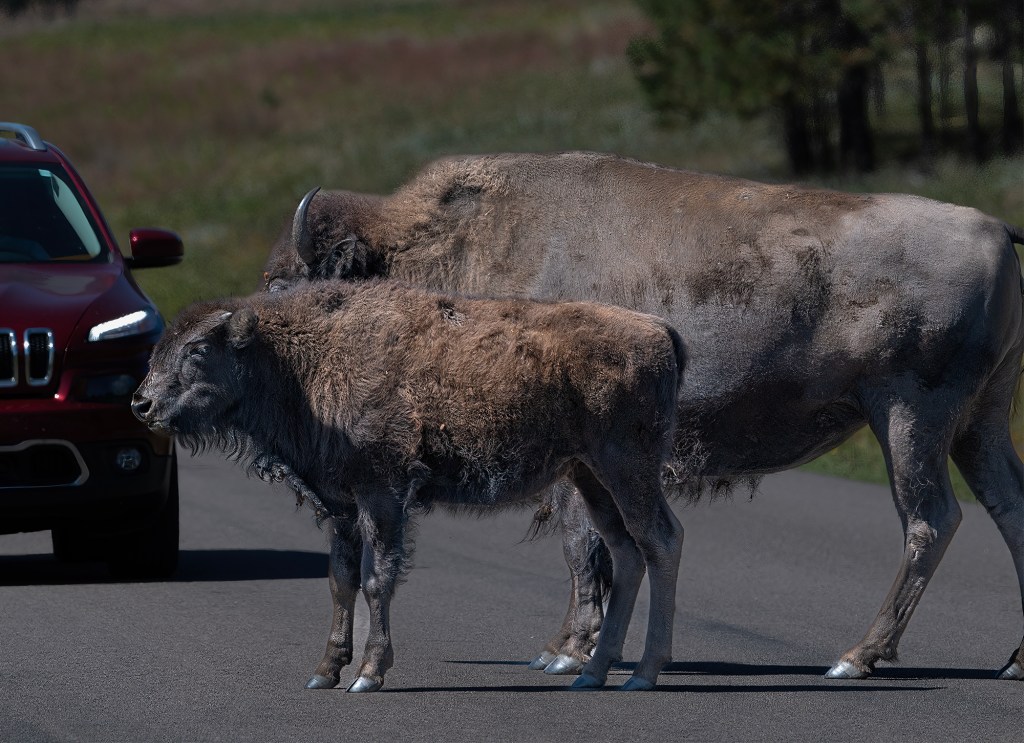
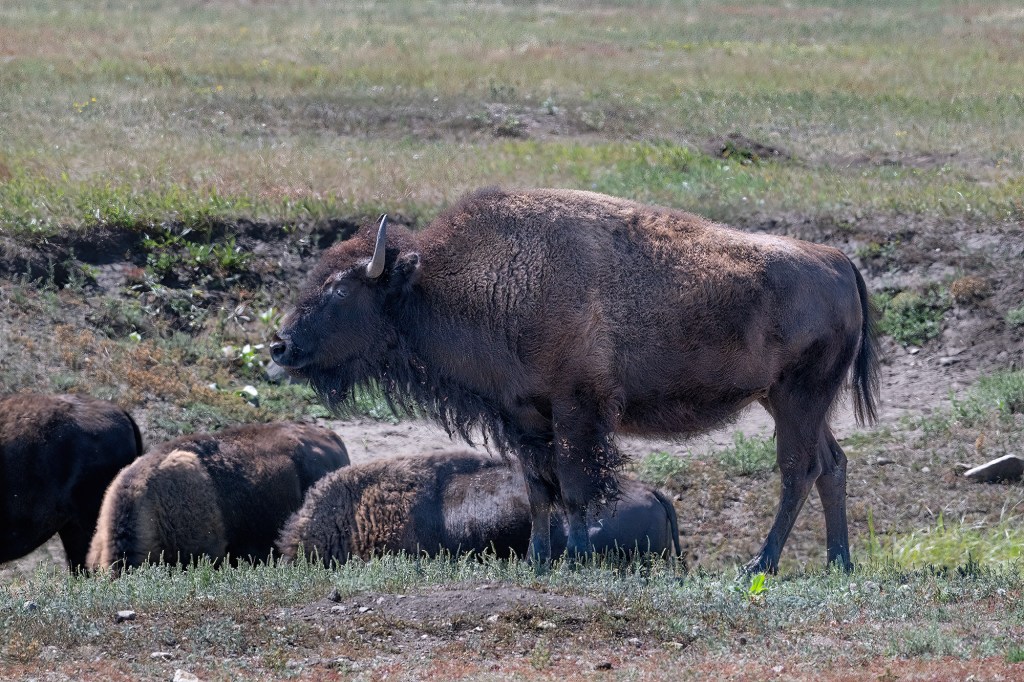
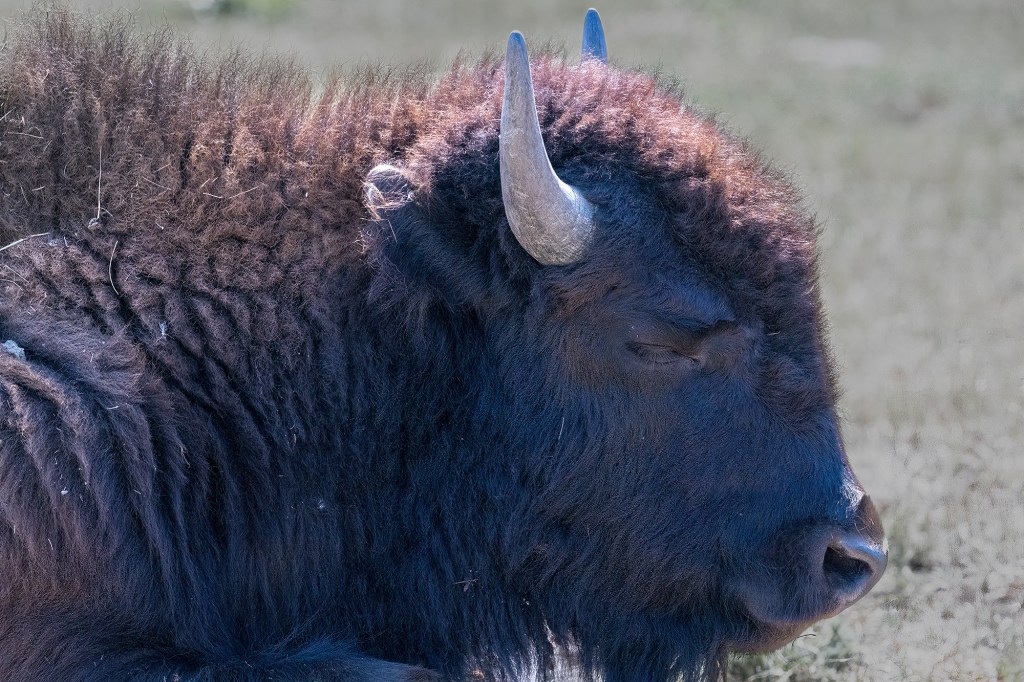
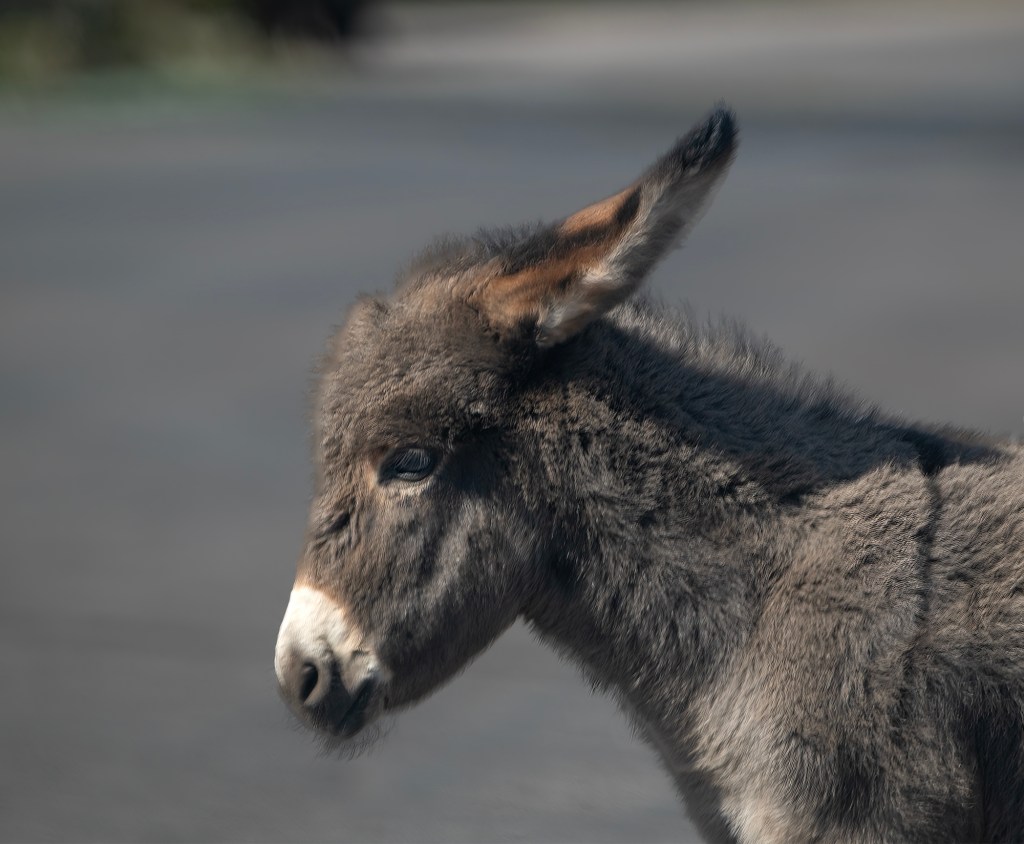
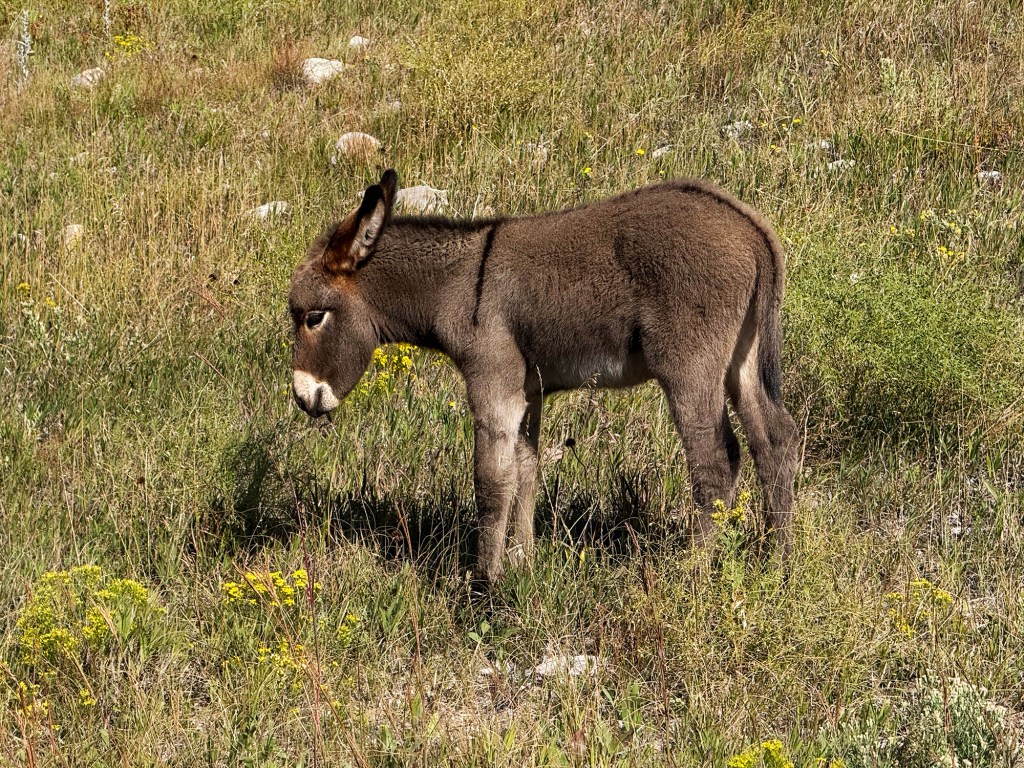
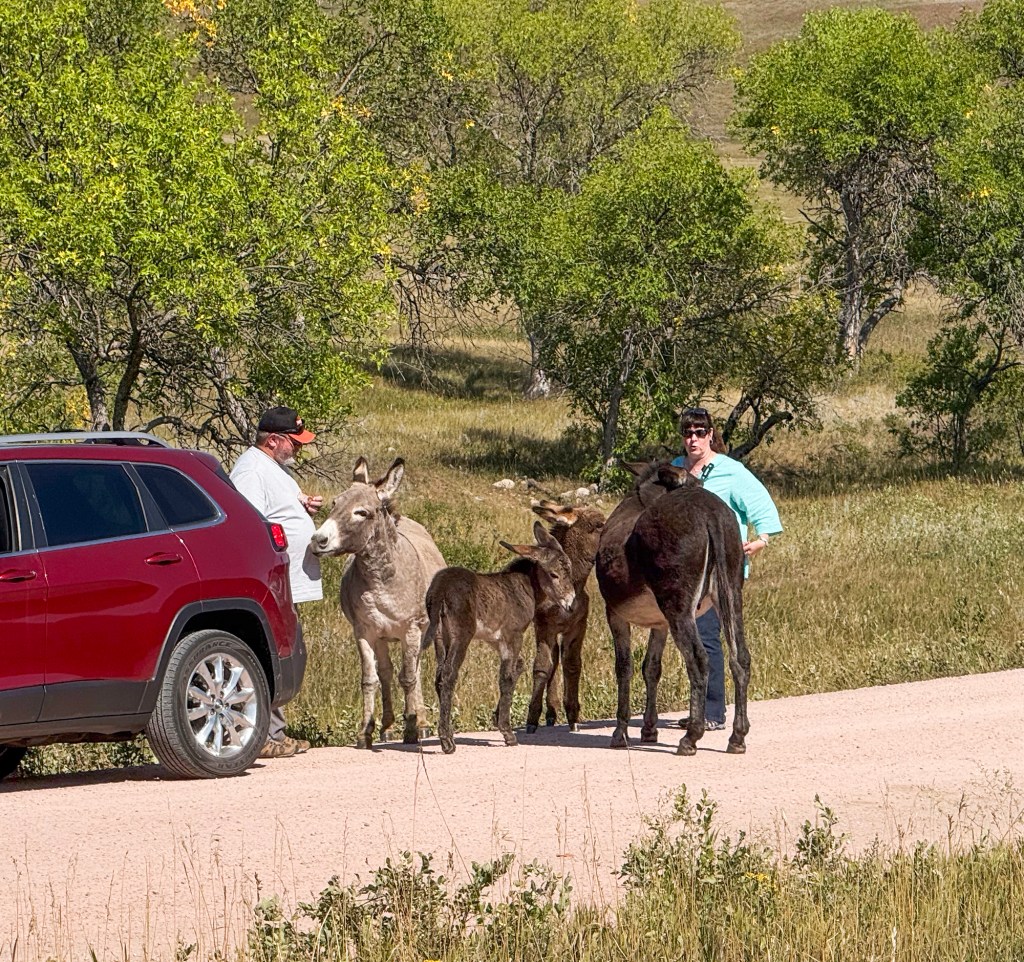
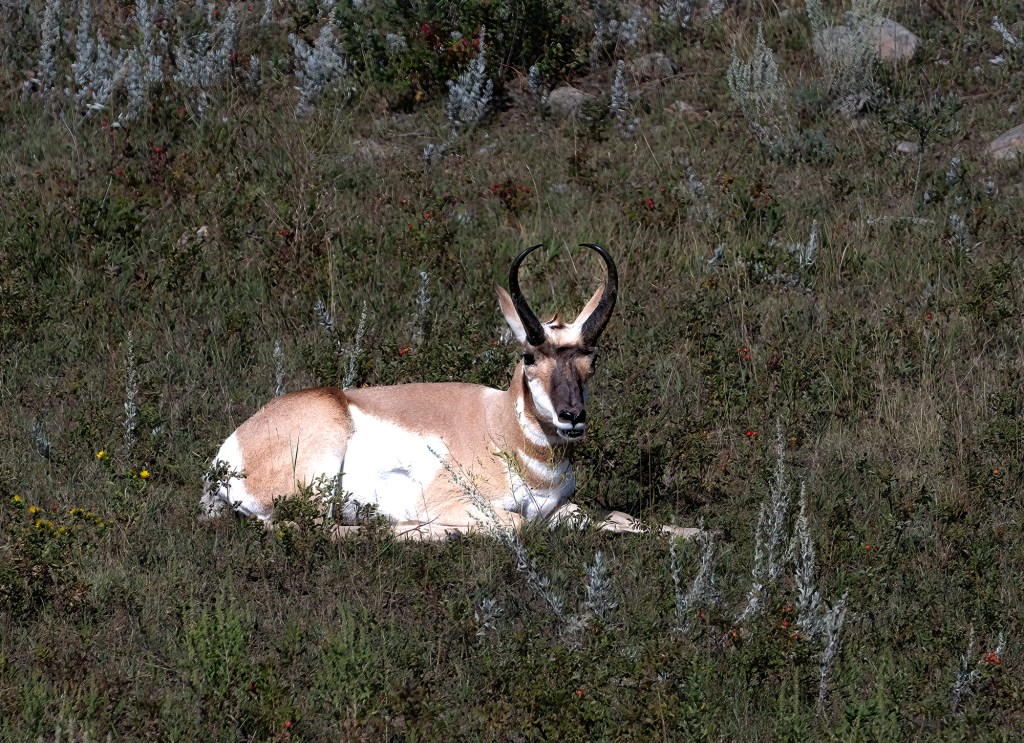
Custer State Part is famous for its abundant wildlife, including one of the world’s largest publicly owned bison herds (about 1400), and its stunning scenic drives like the Needles Highway and Wildlife Loop Road, which wind through diverse Black hills landscapes featuring towering granite spires and lush prairies. On the Wildlife Loop Road, the bison can often be seen, along with pronghorns, elk, mule deer, prairie dogs, bighorn sheep and the famous “begging” burros. The roar is an 18 mile route through open grasslands and pine-speckled hills.

Mammoth Site

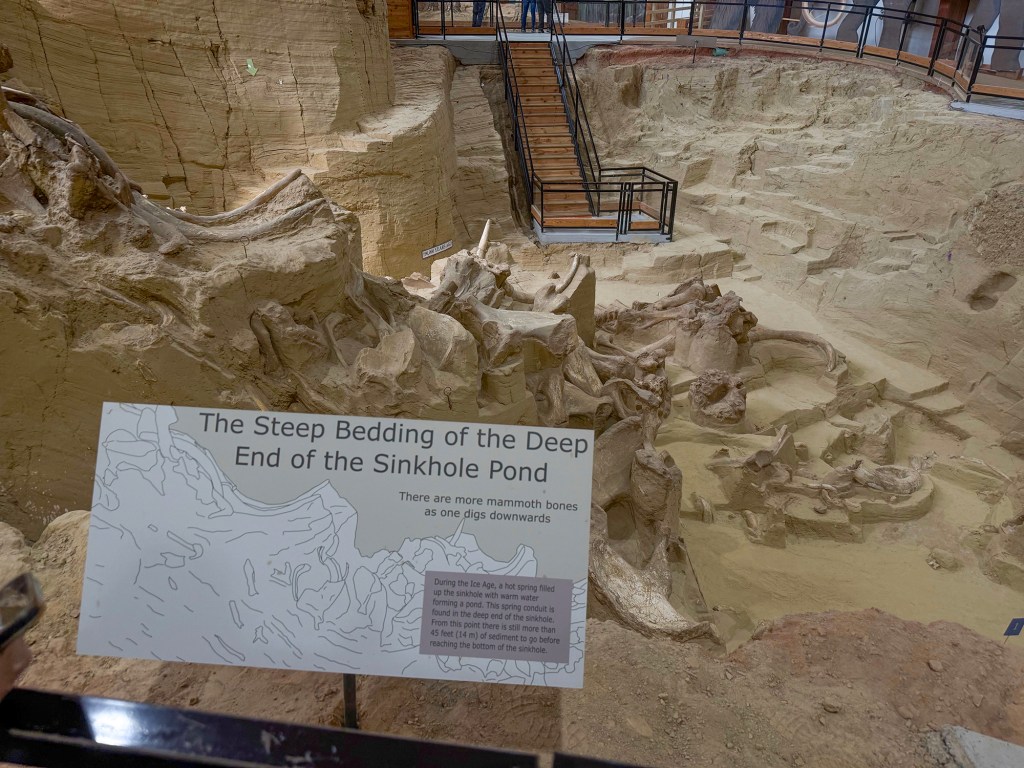
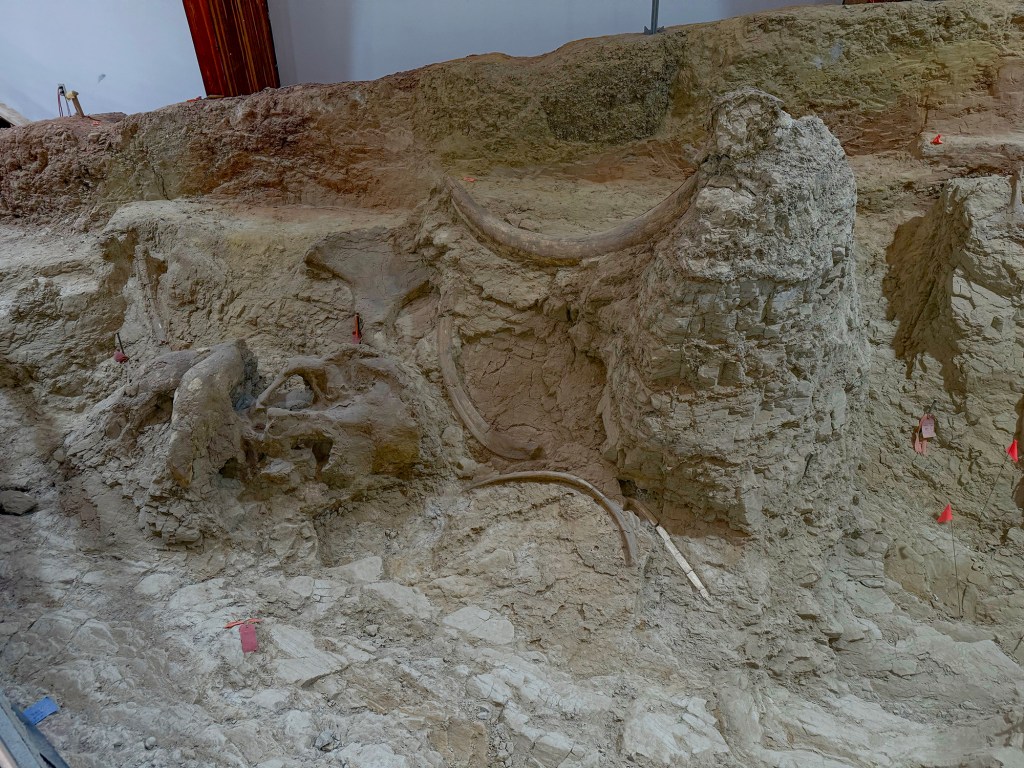
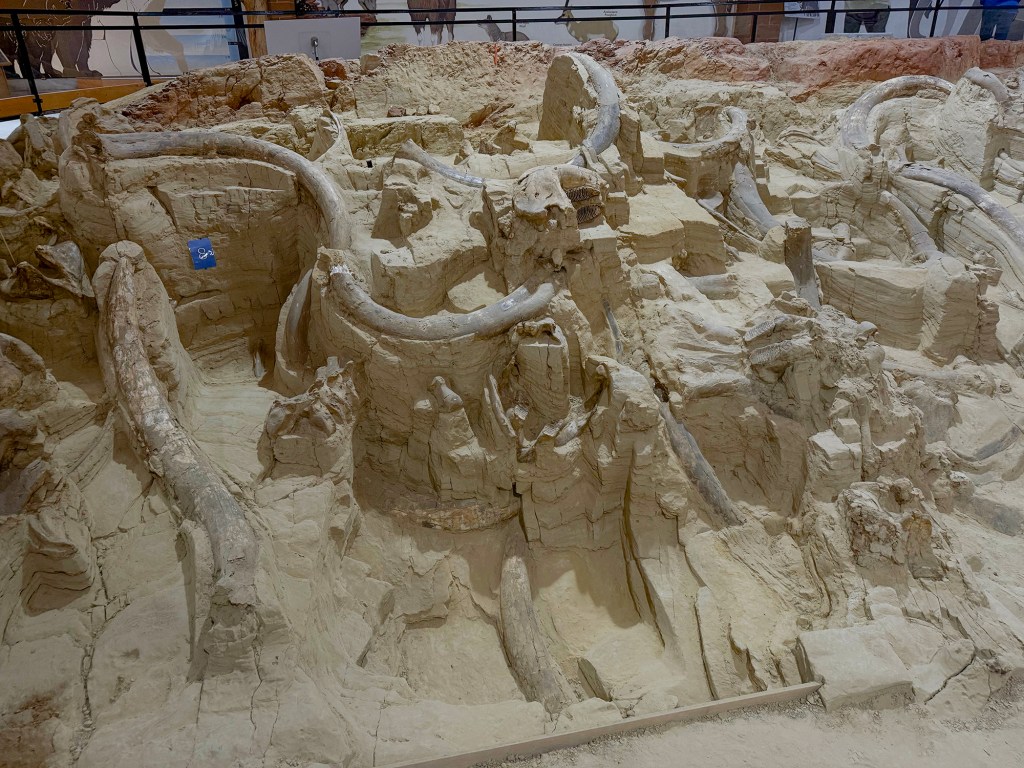
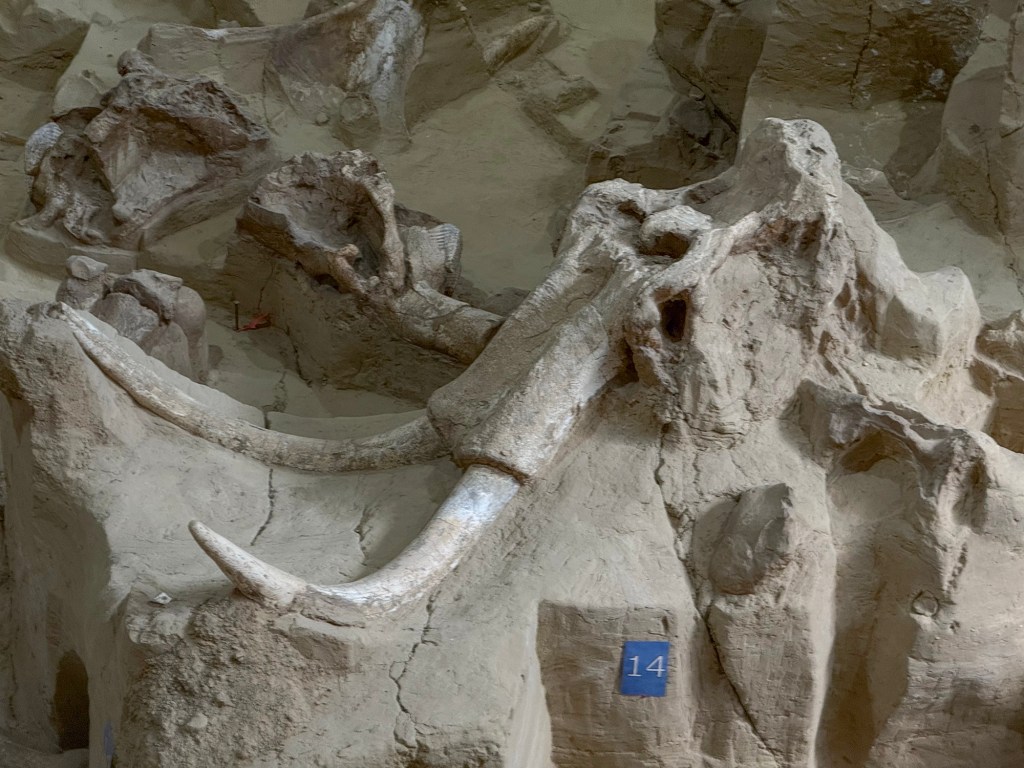
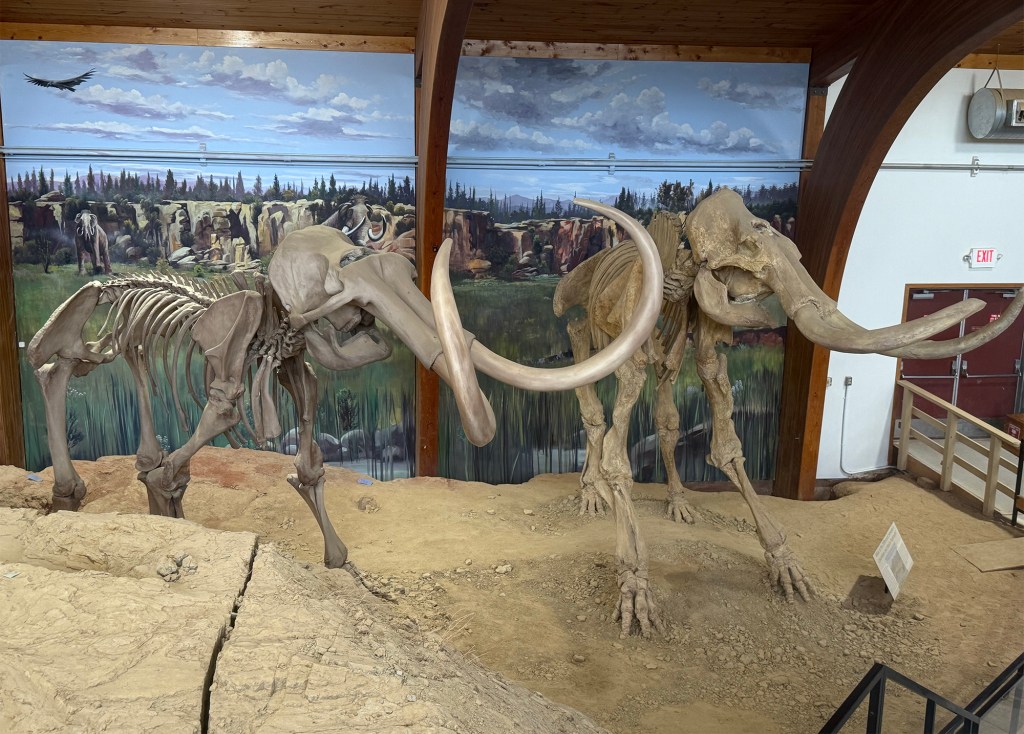
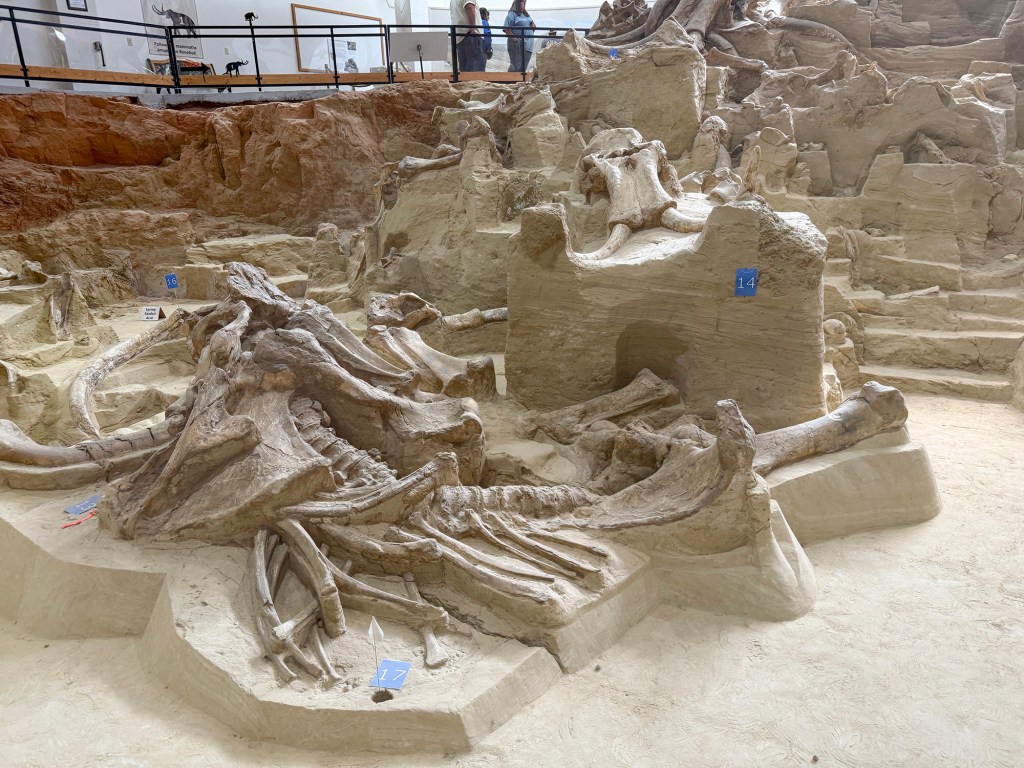
The Mammoth Site is a museum and gerontological site near Hot Springs, SD, in the Black Hills. It is an active paleontological excavation sire at which research and excavations are continuing. The facility encloses a prehistoric sinkhole that formed and was slowly filled with sediments during the Pleistocene era. The sedimentary fill of the sinkhole contains the remains of fauna and flora preserved by entrapment and burial within the sinkhole. As of 2016, the remains of 61 mammoths, including 58 North American Columbian and 3 wooly mammoths has been recovered. Mammoth bones were found at the site in 1974, and a museum and building enclosing the site were established. the museum now contains an extensive collection of mammoth remains.