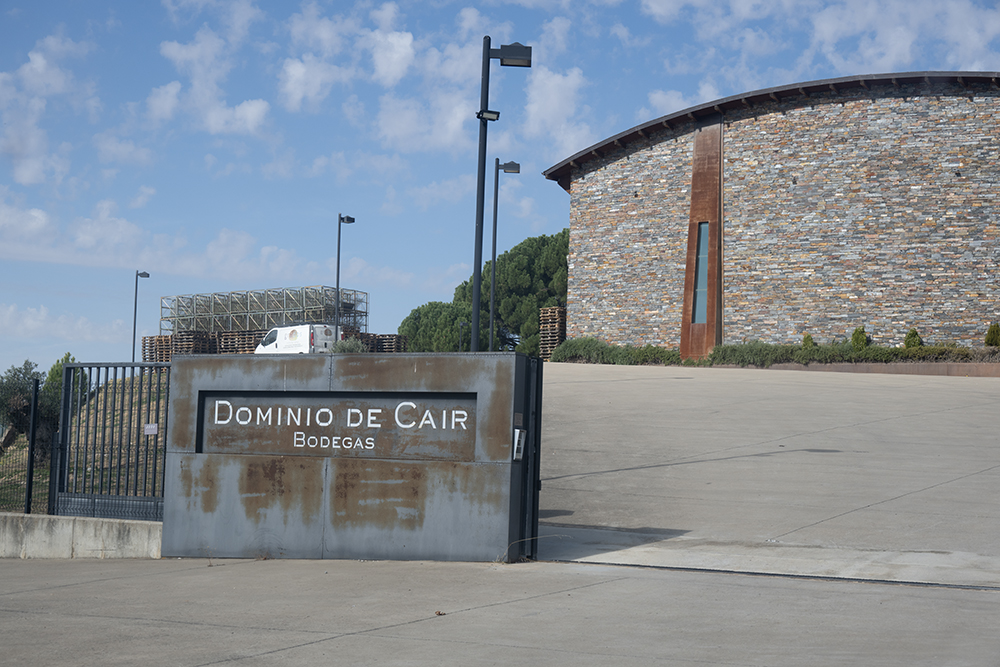
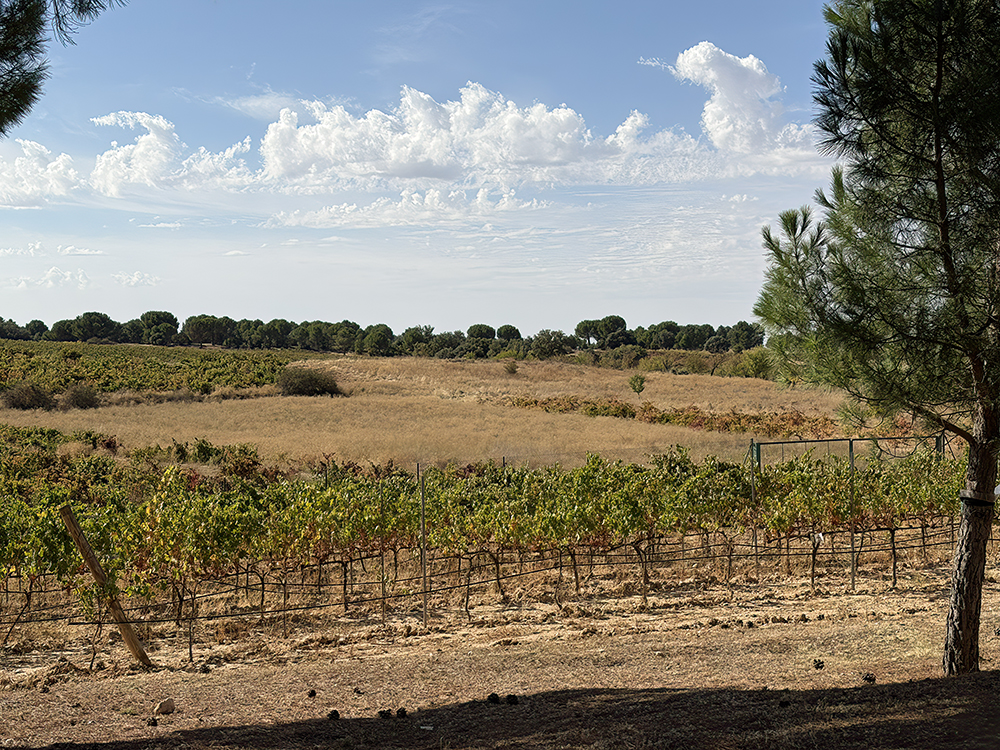
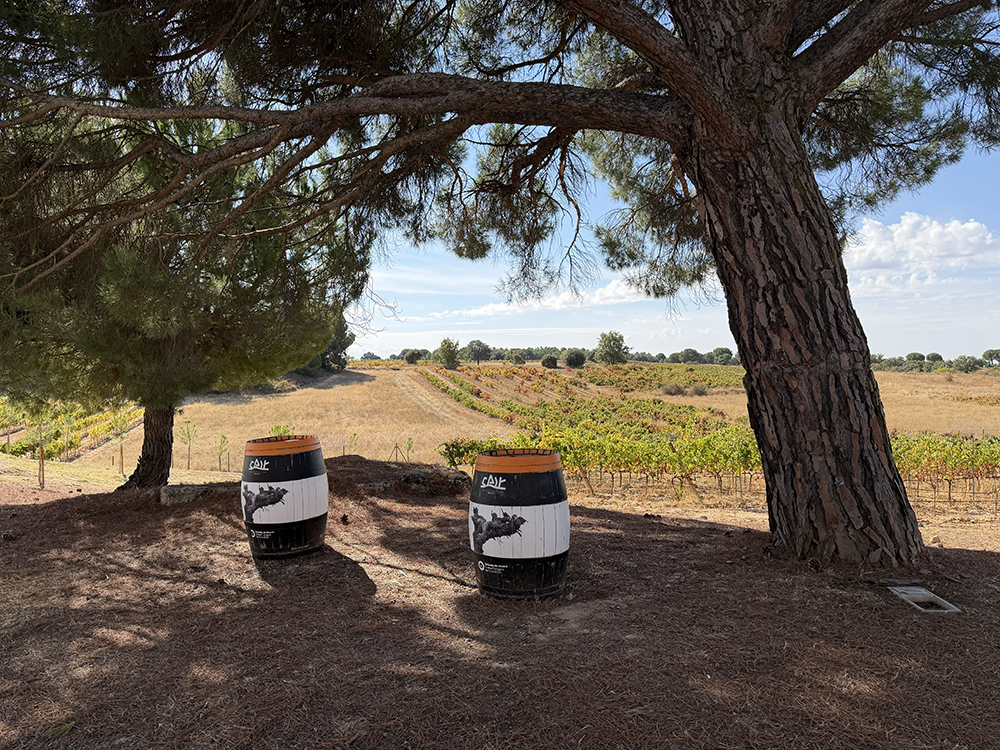
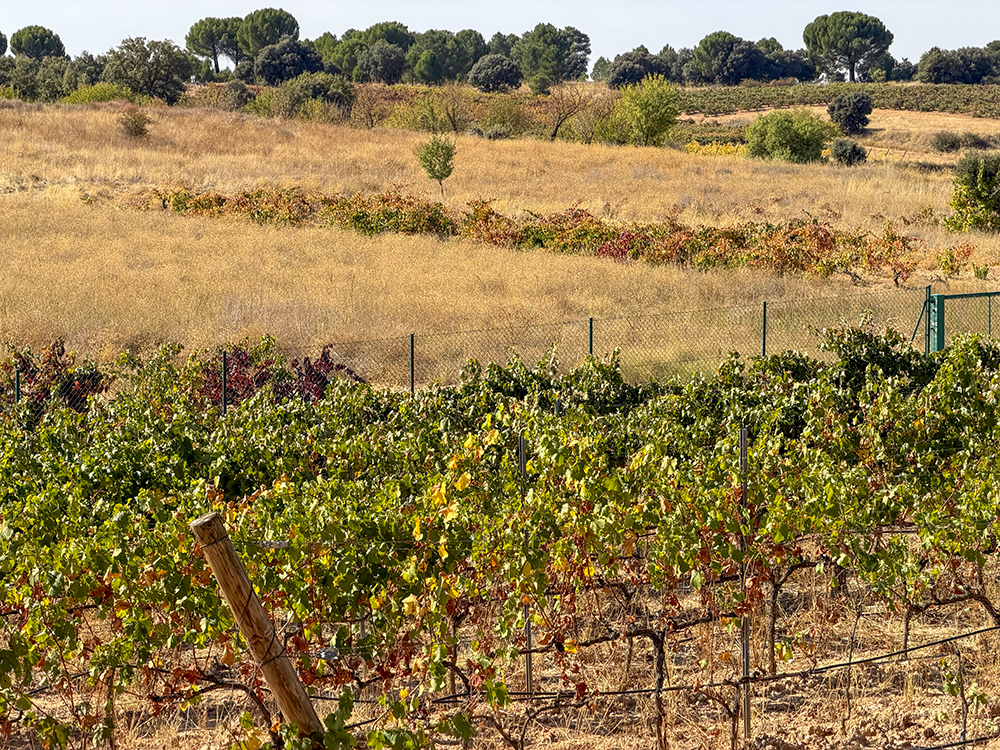
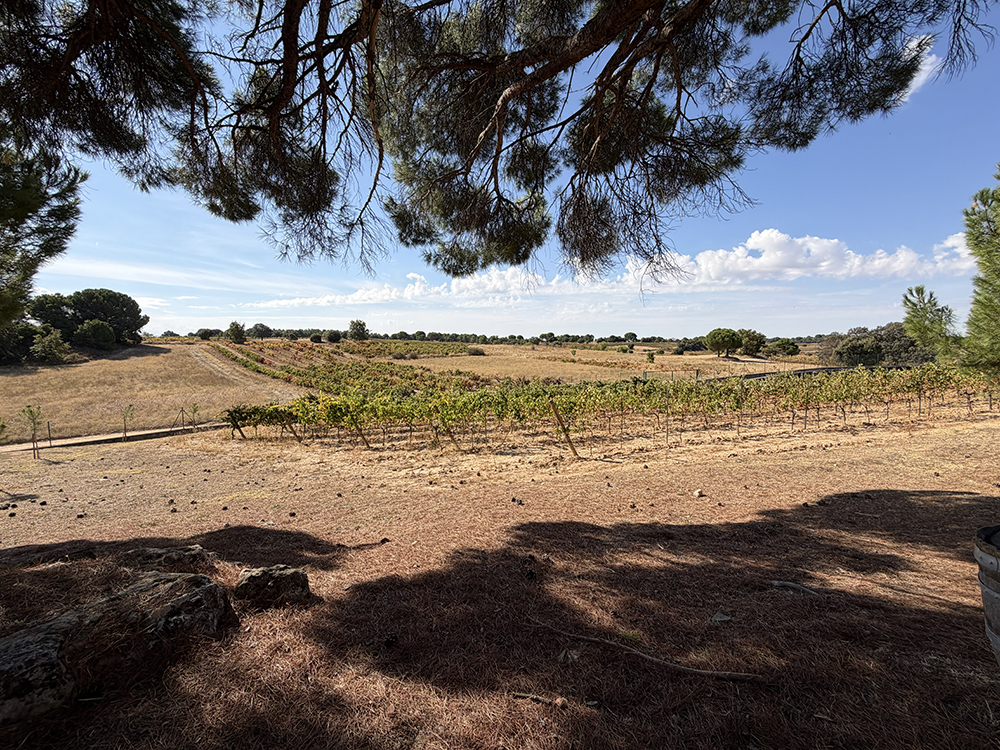
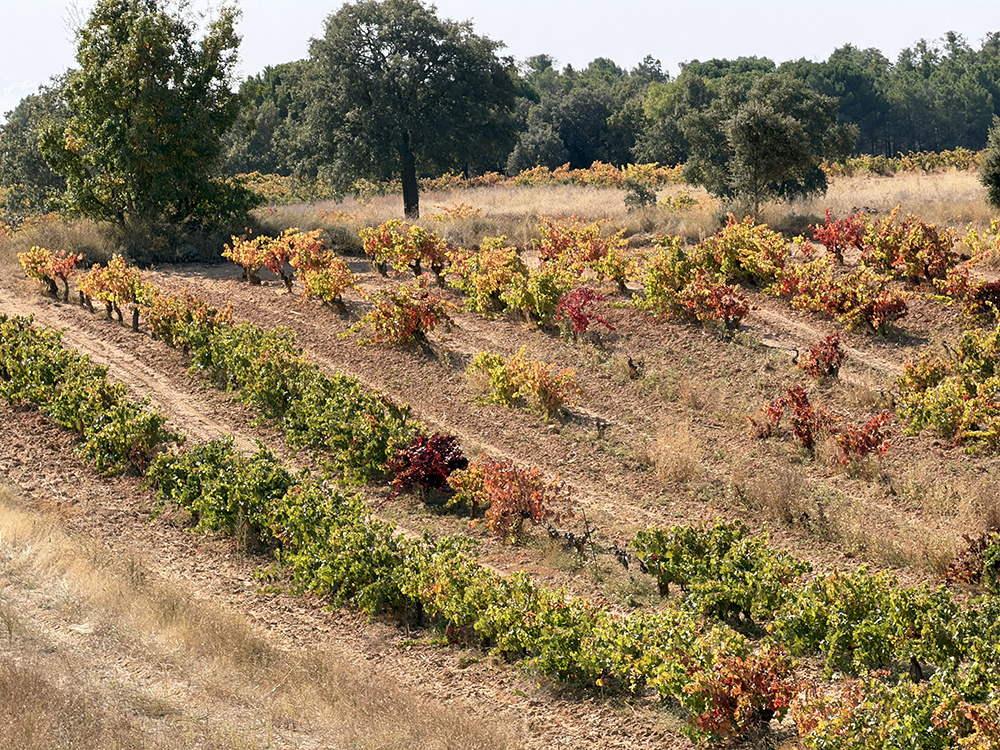
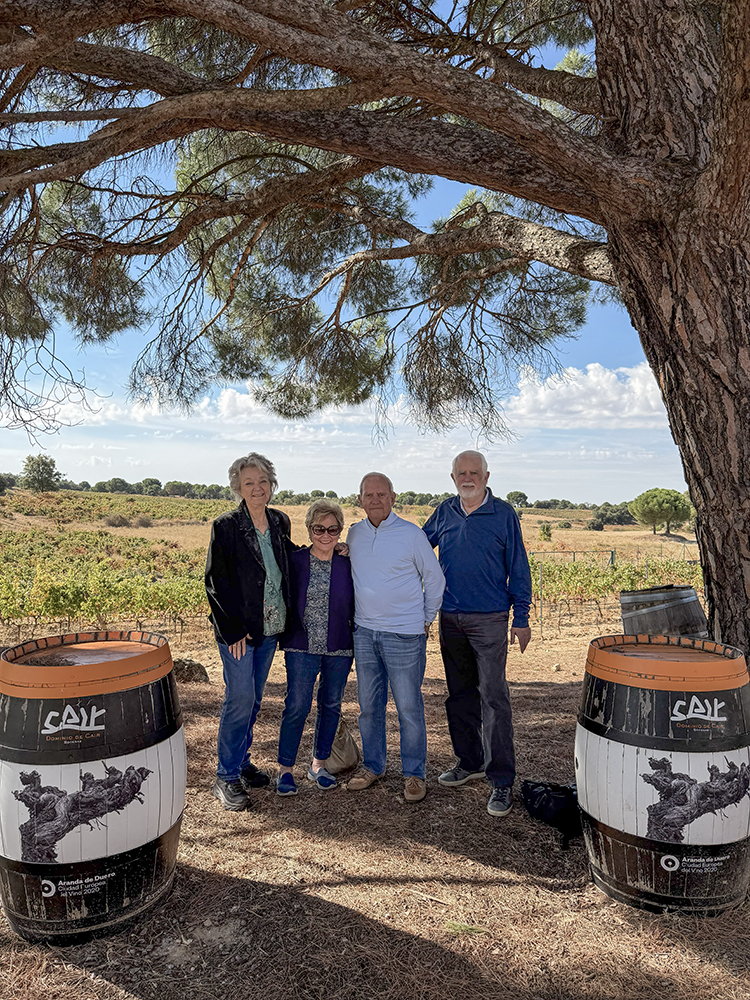
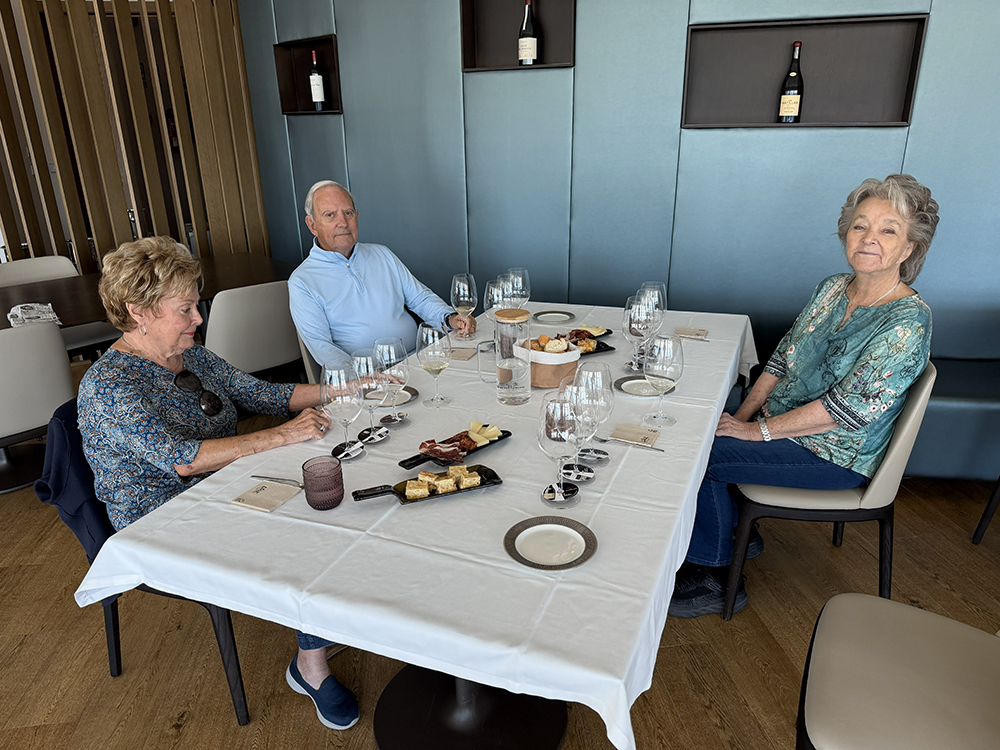
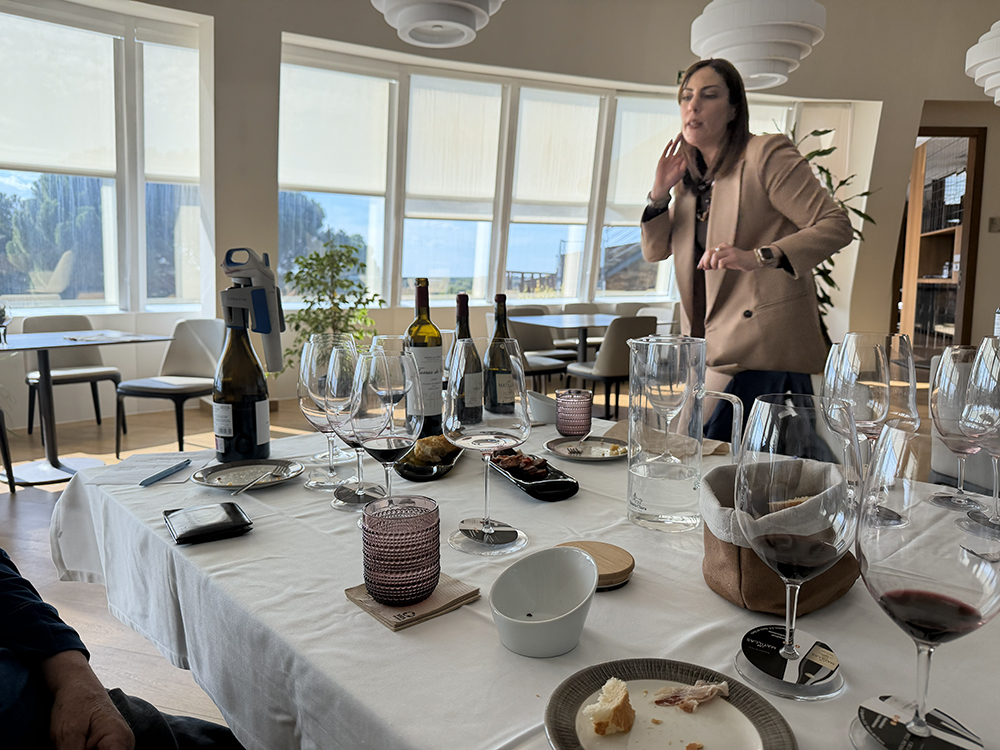
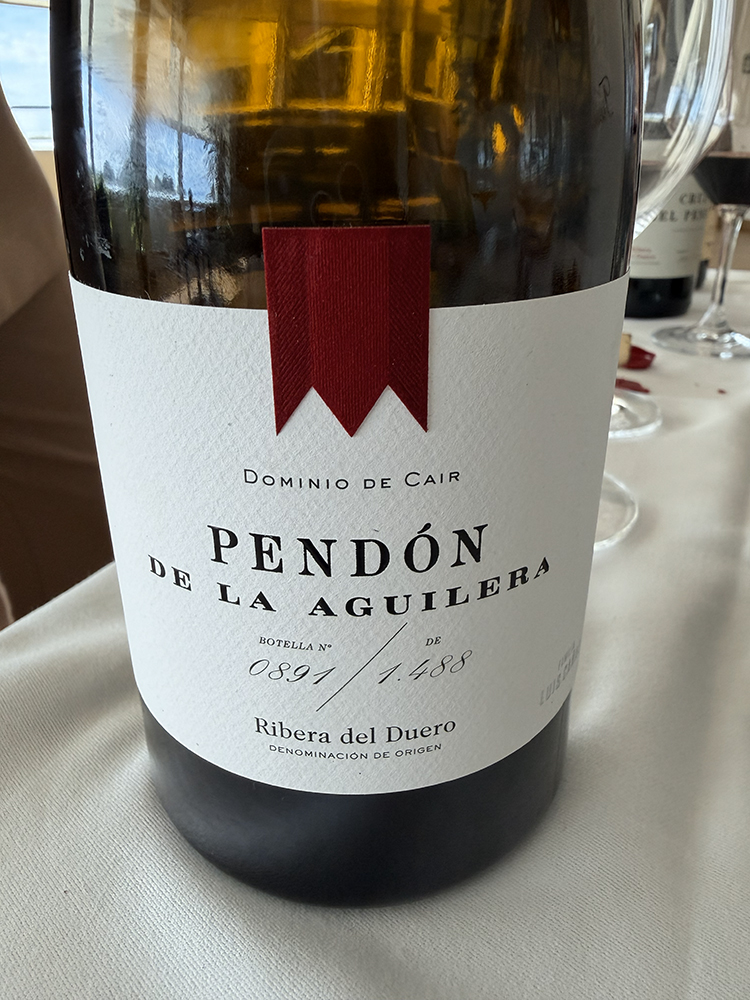
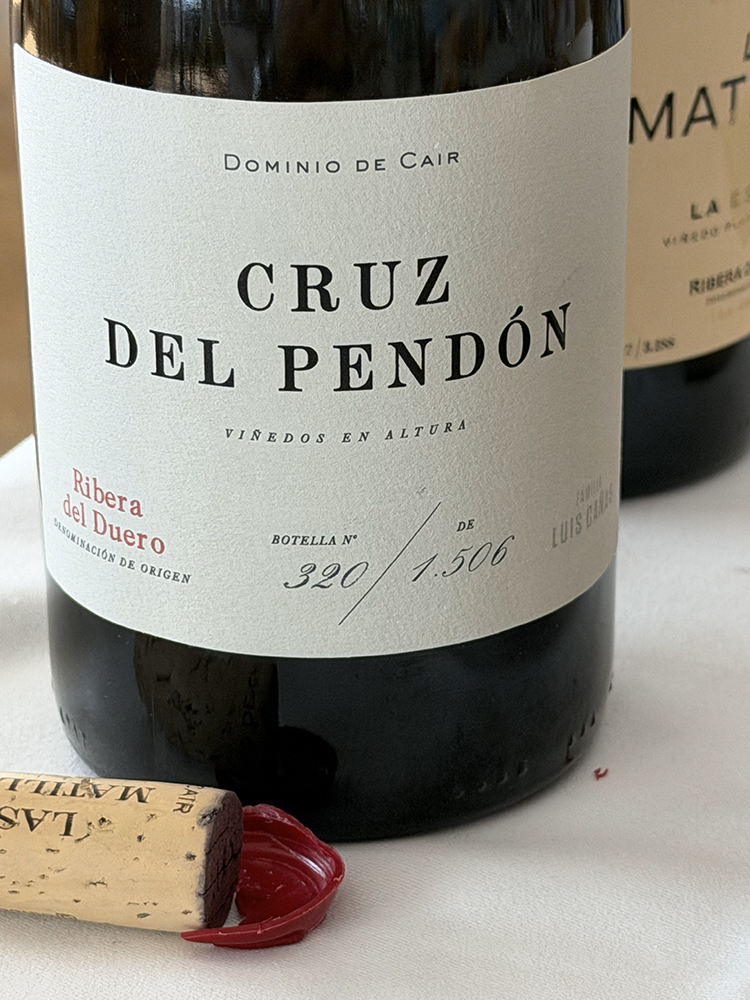
We asked our booking agent to recommend a good winery to stop at on our drive from San Sebastian to Madrid. She booked a tasting and light lunch at Dominio de Cair in Ribera del Duero wine country. The Ribera del Duero is a wine region (DO) in north central Spain, located on a plateau along the Duero River. The region is a major player in the international wine scene. The wines are high quality full bodied reds mainly from the tempranillo grape.
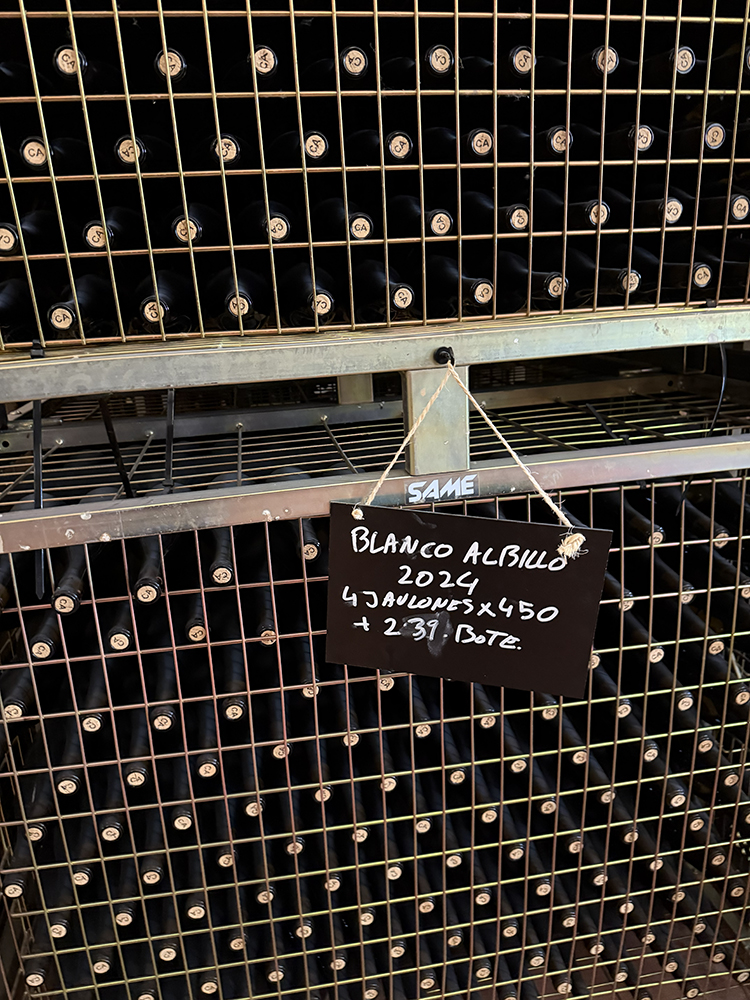
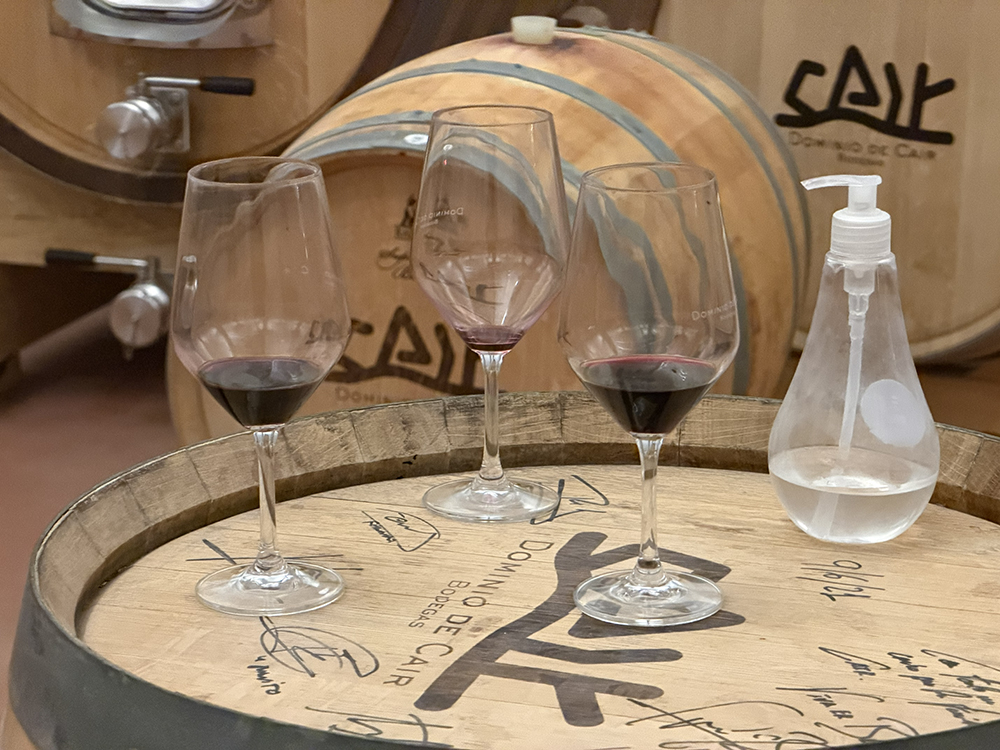
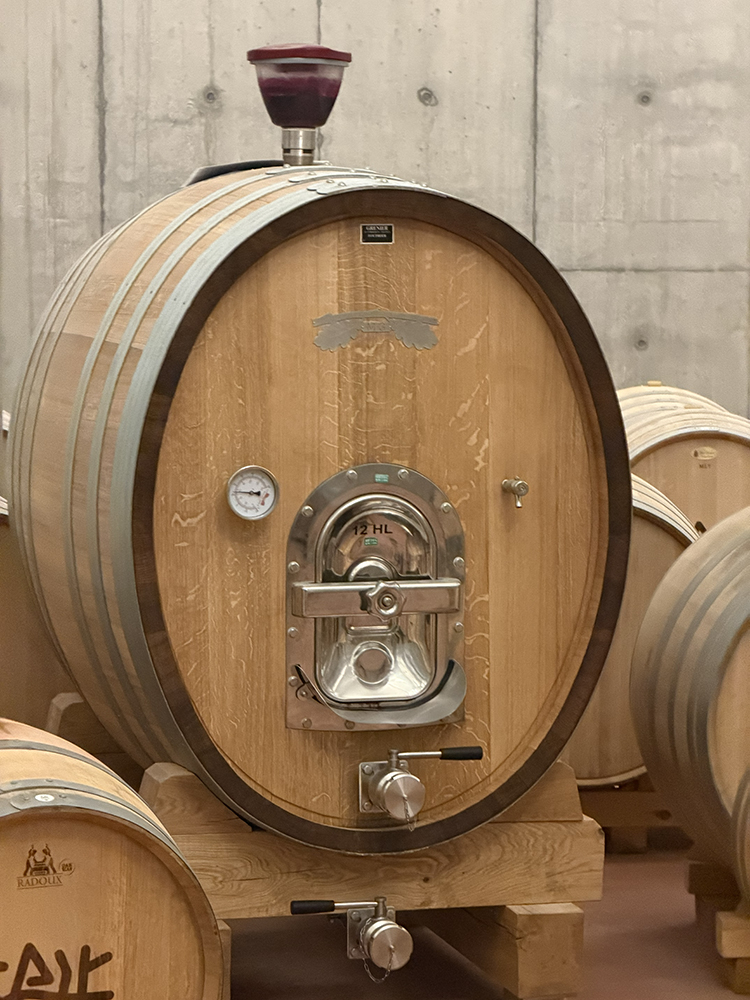
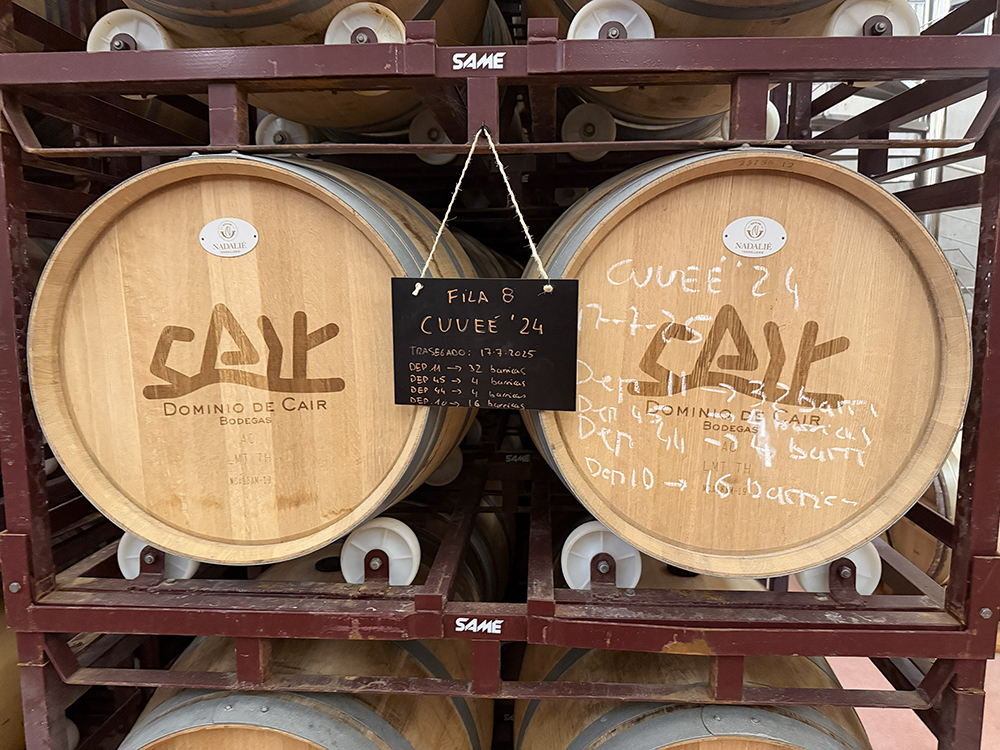
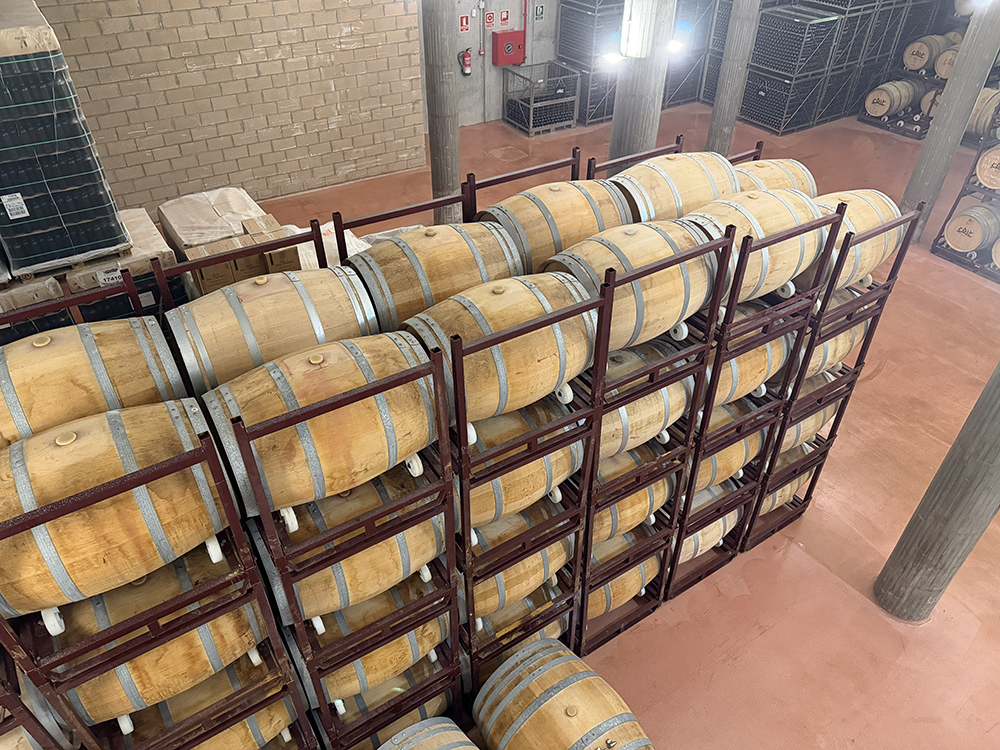
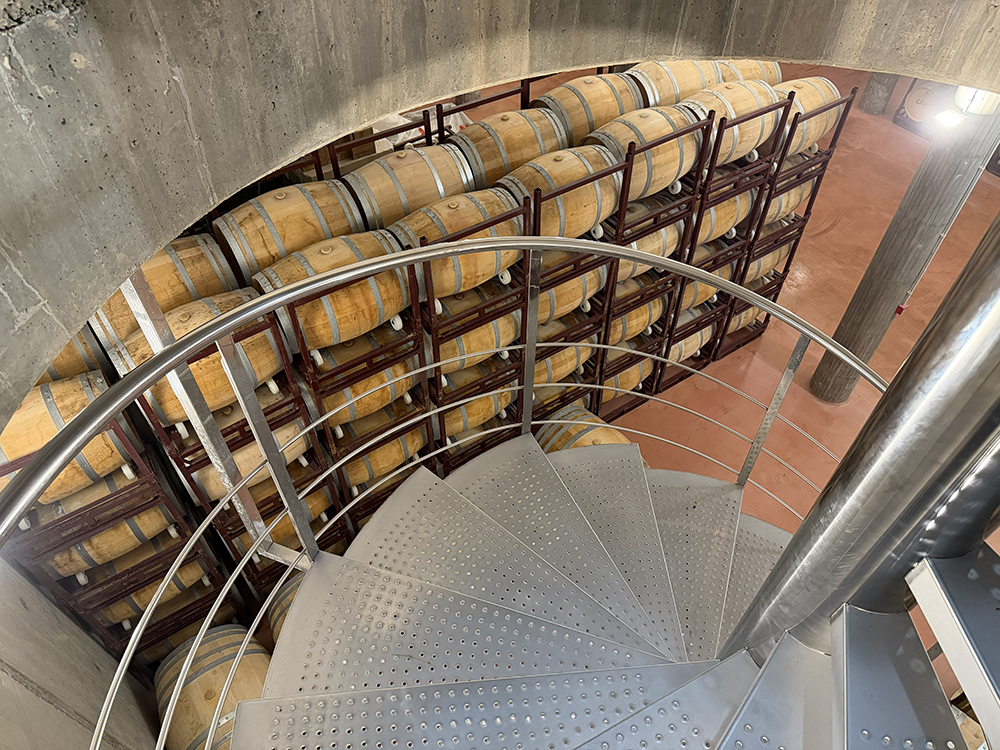
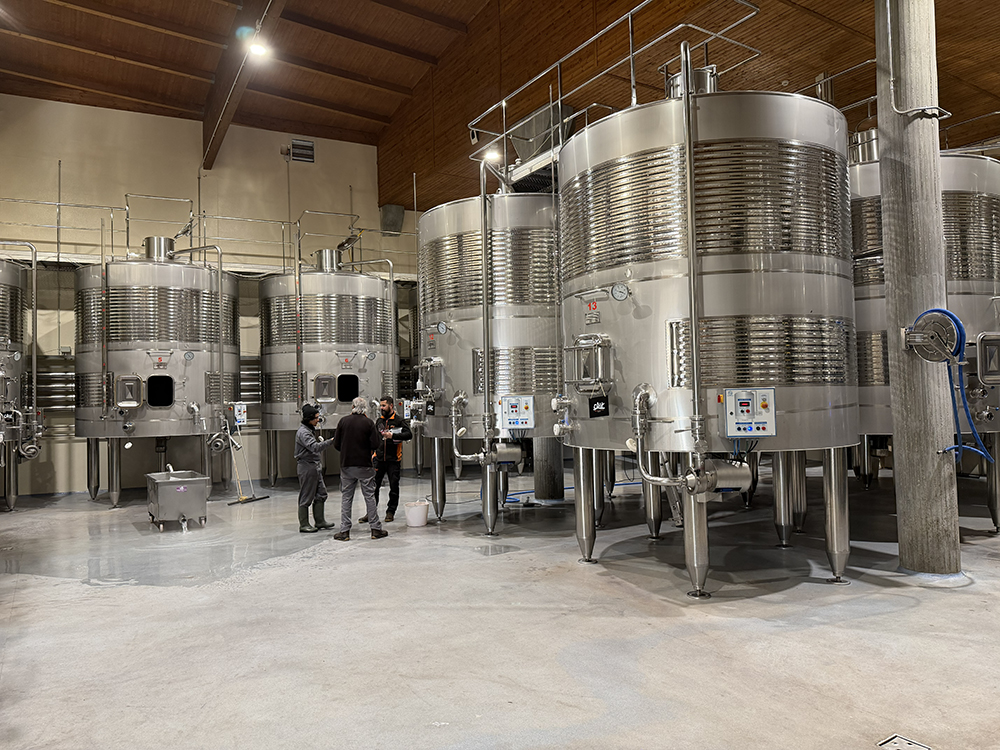
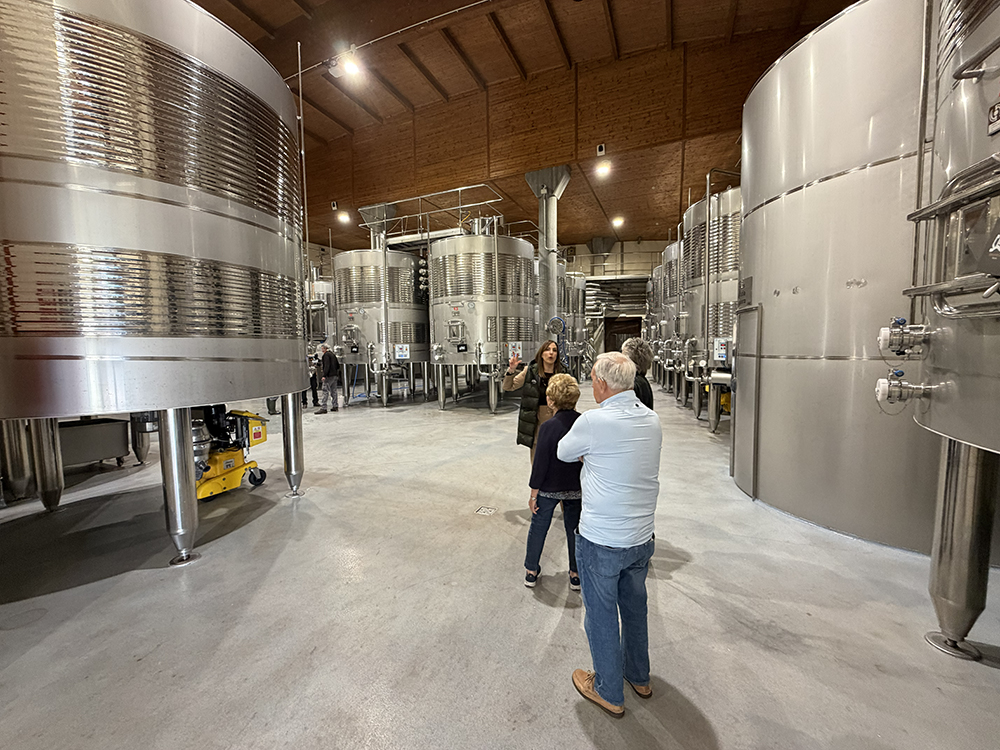
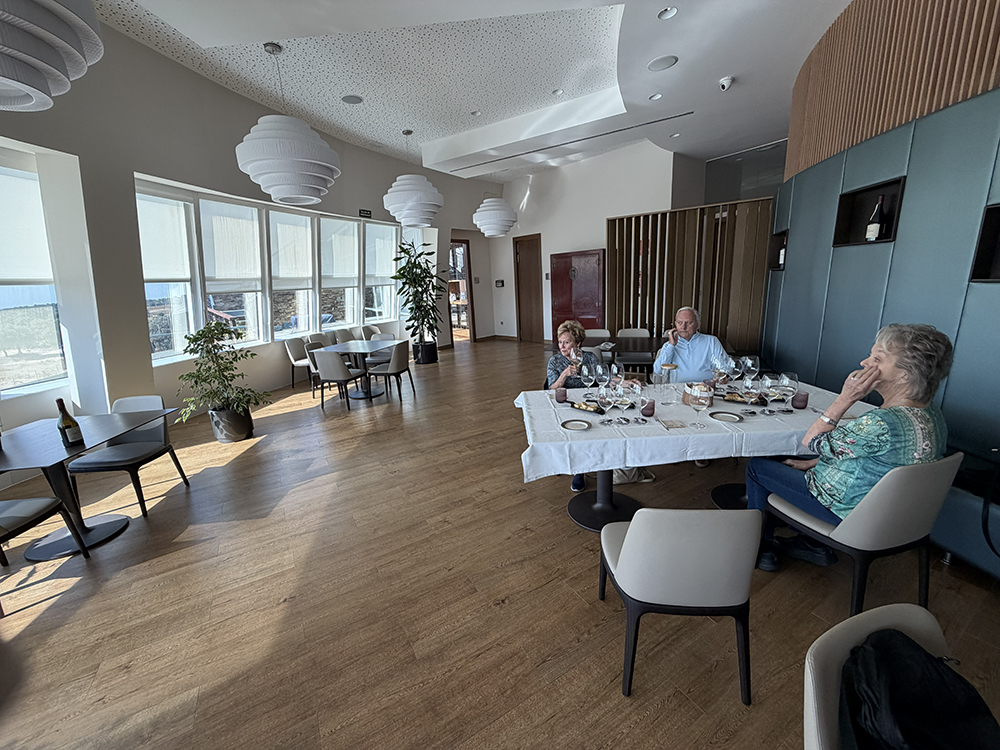
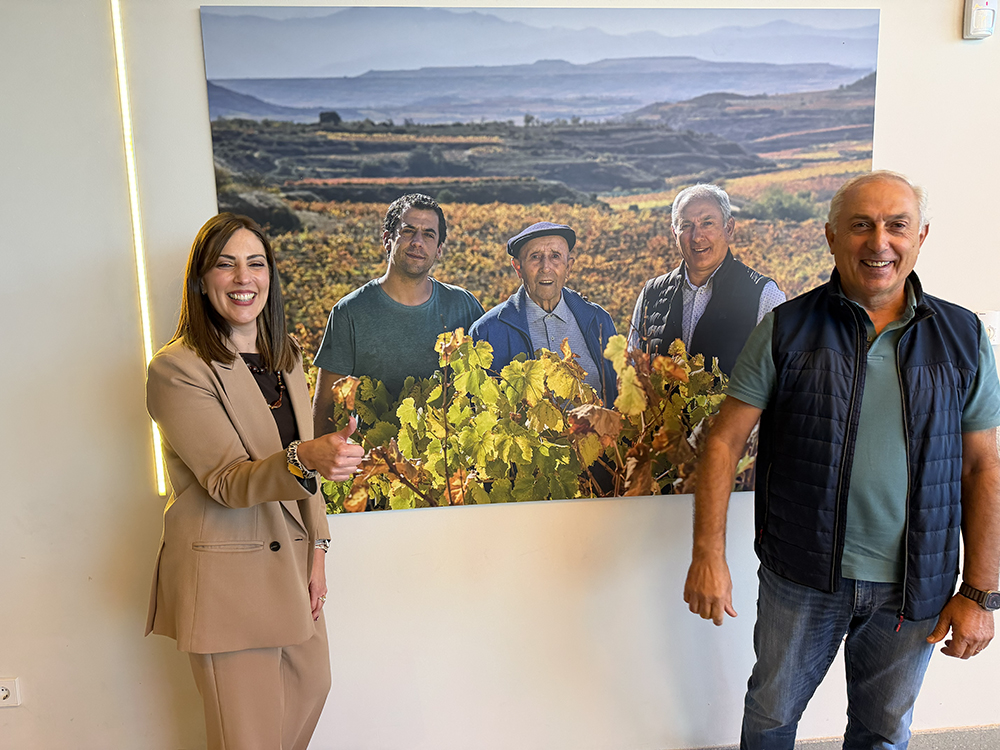
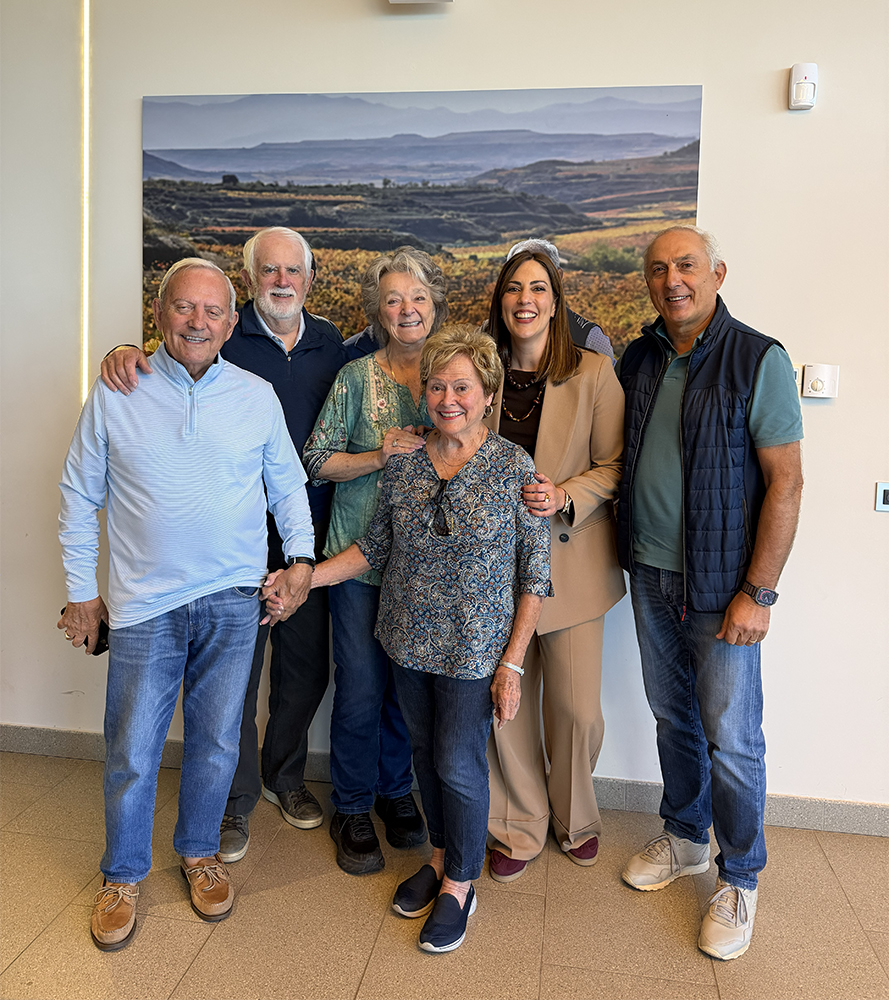
Dominio de Cair is a modern facility and very impressive. Noemi showed us through the entire facility, where we met the owner and second generation, Juan Luis Canas. The winery was established in 2008 when the original founder acquired the property containing old vines dating back more than 100 years. We followed the tour with a lovely tasting of 4-5 red wines and a special white, along with a very nice light lunch. Our favorites were the Tierra de Cair, produced in some volume, and the Cruz del Pendon (called the King). We each ordered one case.
We asked our booking agent to recommend a good winery to stop at on our drive from San Sebastian to Madrid. She booked a tasting and light lunch at Dominio de Cair in Ribera del Duero wine country. The Ribera del Duero is a wine region (DO) in north central Spain, located on a plateau along the Duero River. The region is a major player in the international wine scene. The wines are high quality full bodied reds mainly from the tempranillo grape.
Dominio de Cair is a modern facility and very impressive. Noemi showed us through the entire facility, where we met the owner and second generation, Juan Luis Canas. The winery was established in 2008 when the original founder acquired the property containing old vines dating back more than 100 years. We followed the tour with a lovely tasting of 4-5 red wines and a special white, along with a very nice light lunch. Our favorites were the Tierra de Cair, produced in some volume, and the Cruz del Pendon (called the King). We each ordered one case.
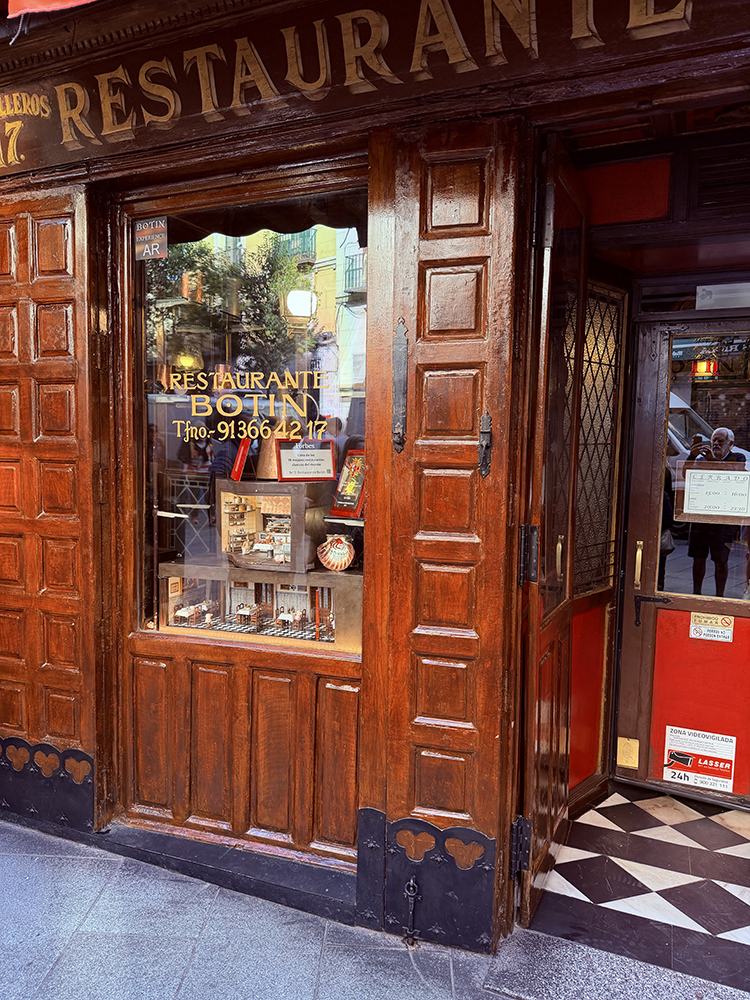
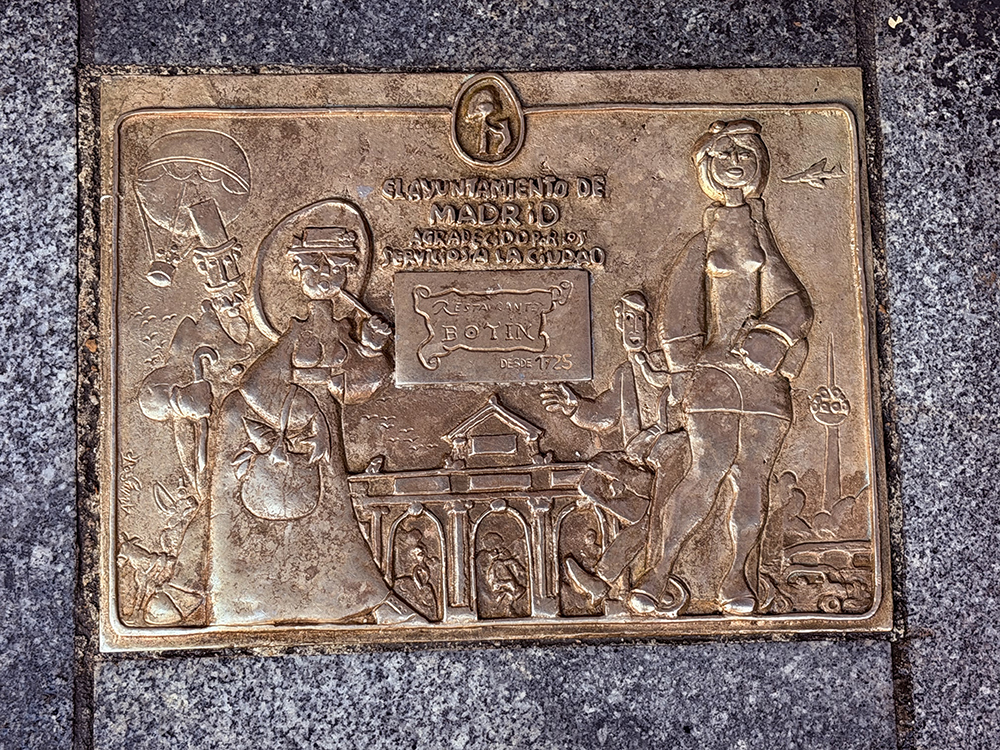
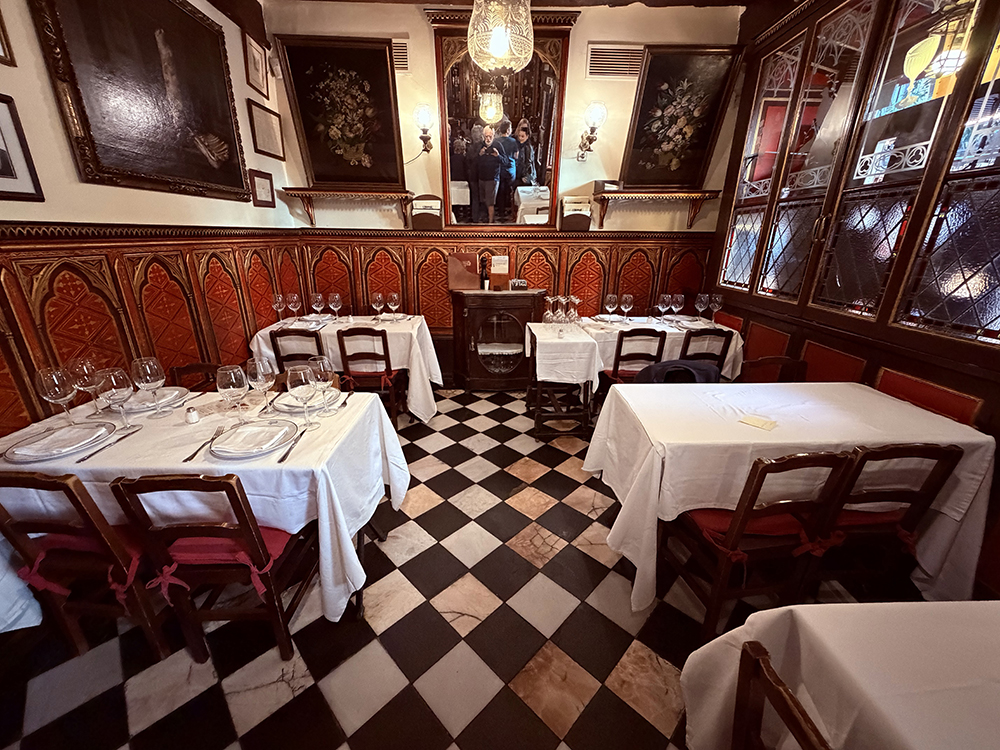
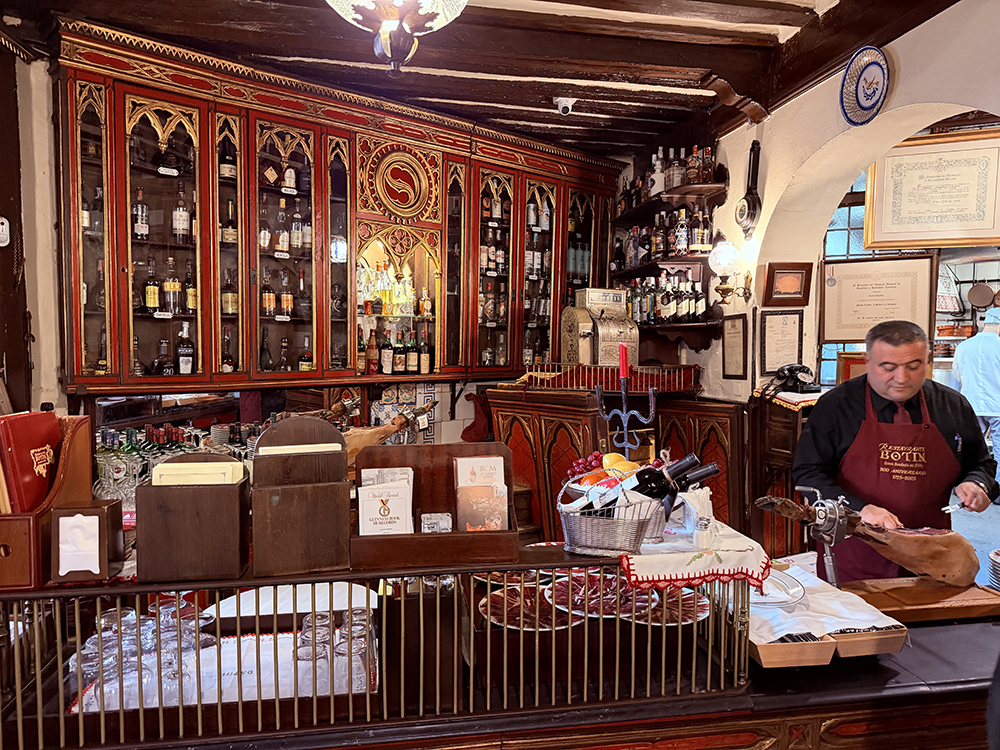
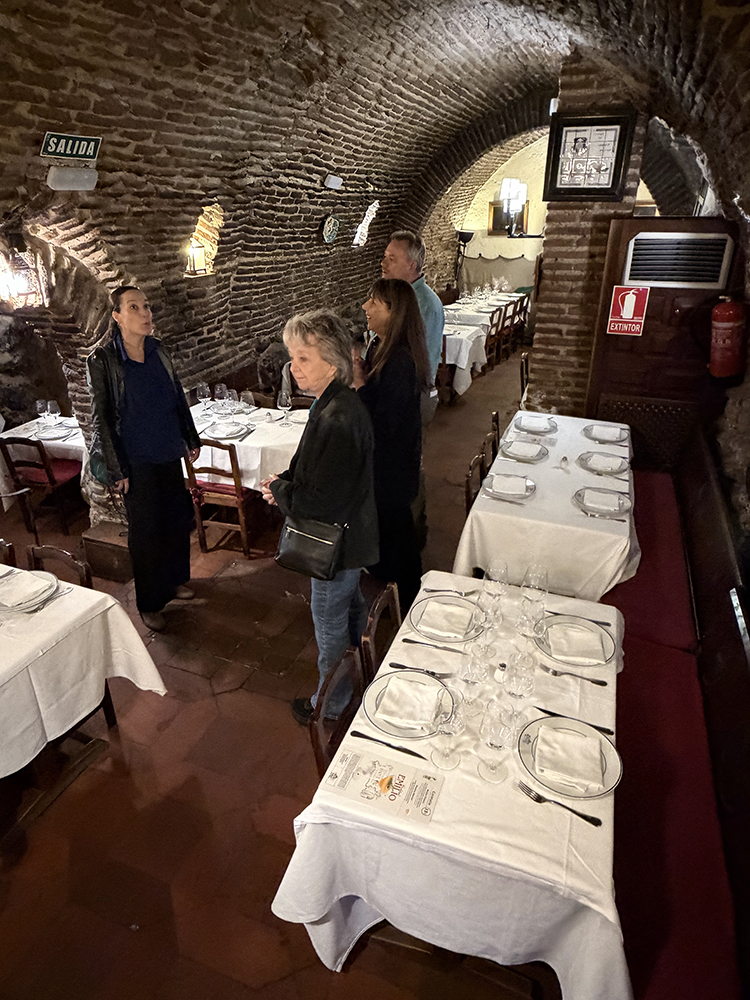
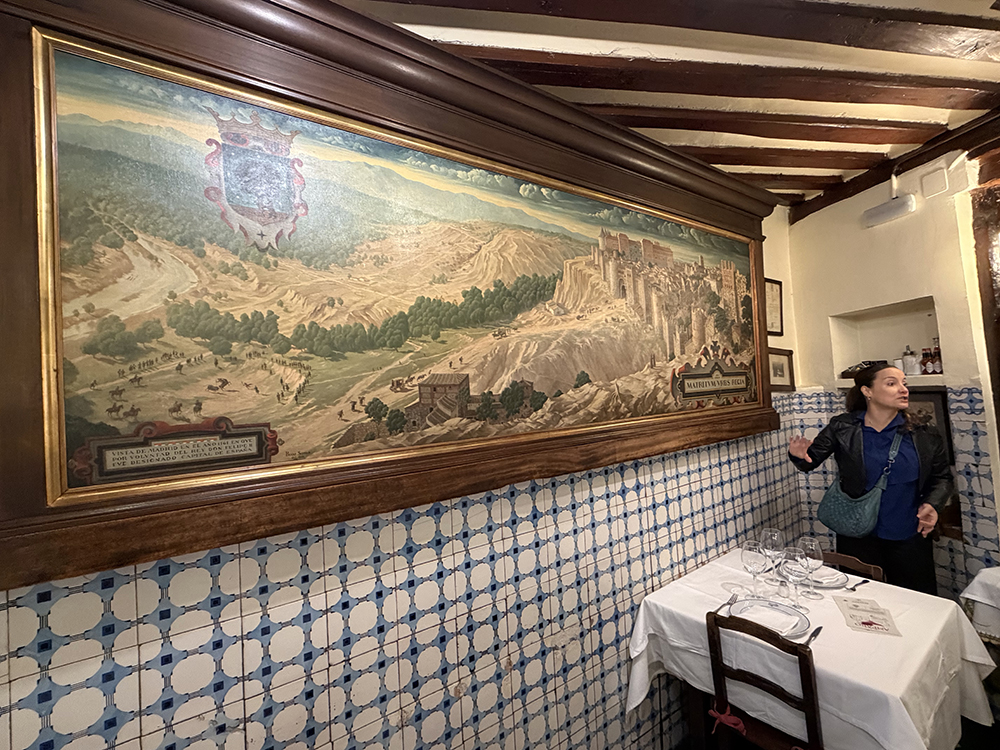
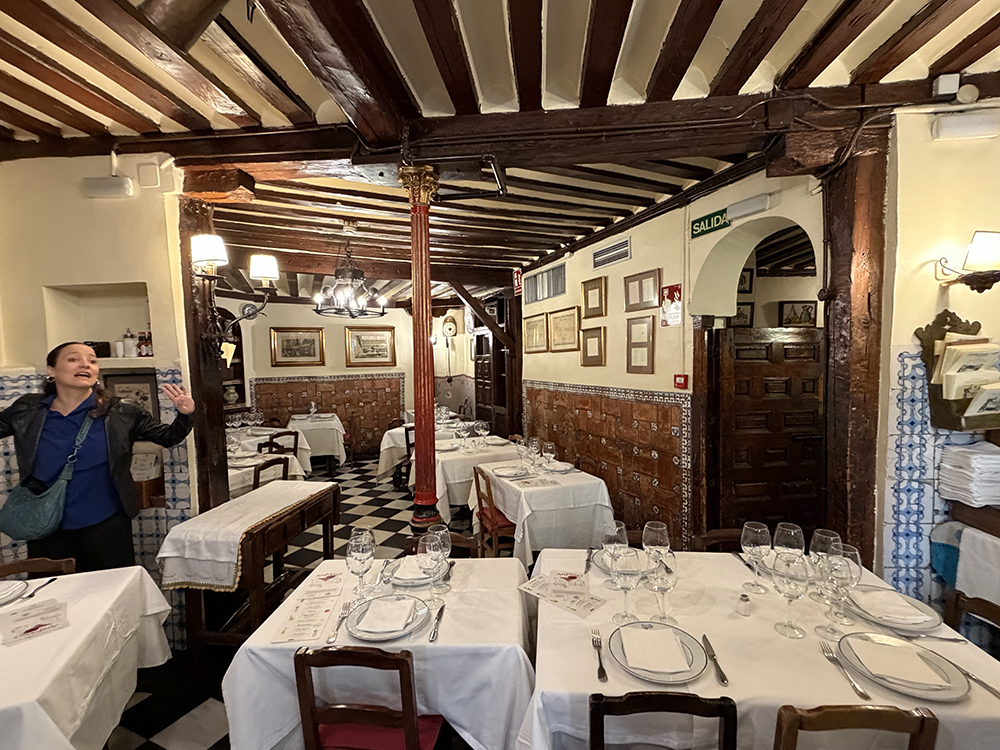
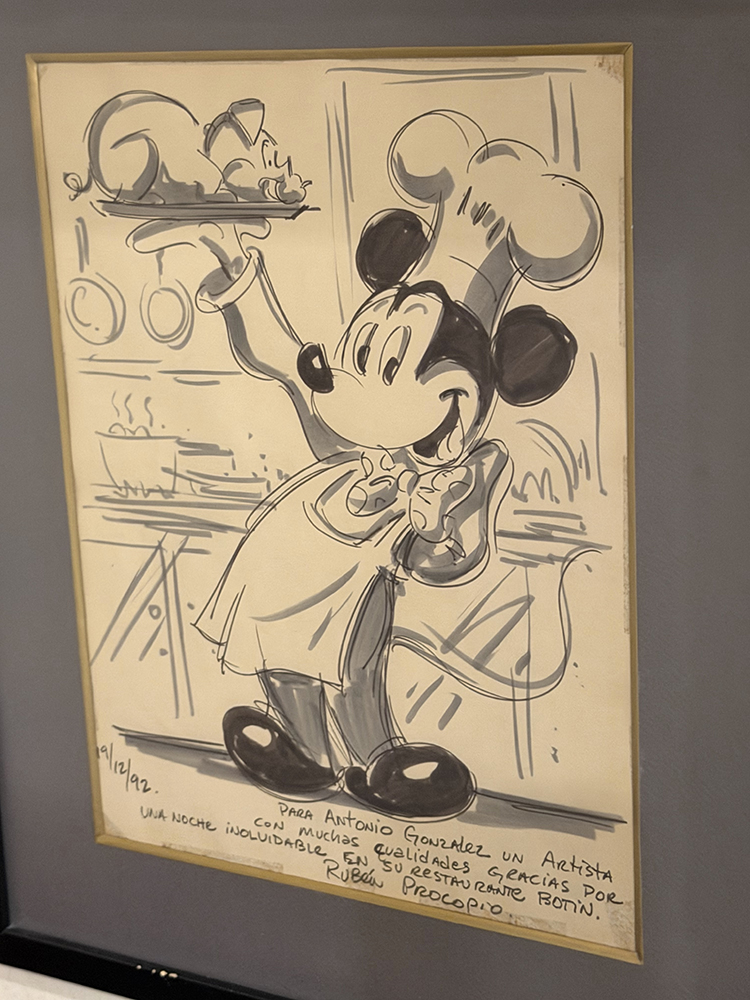
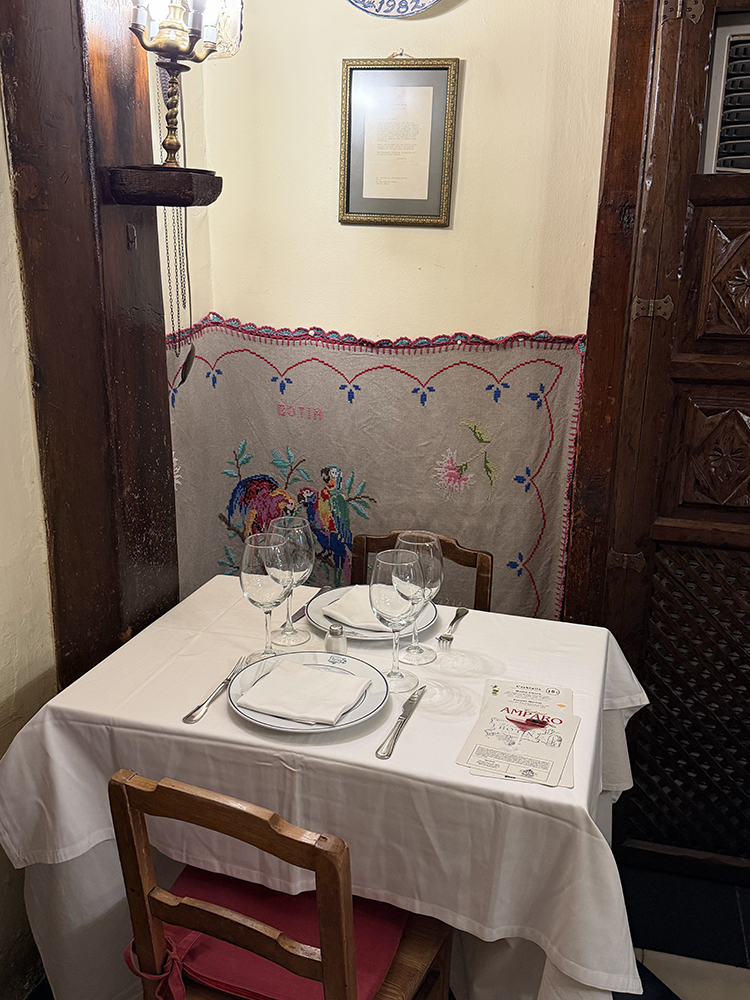
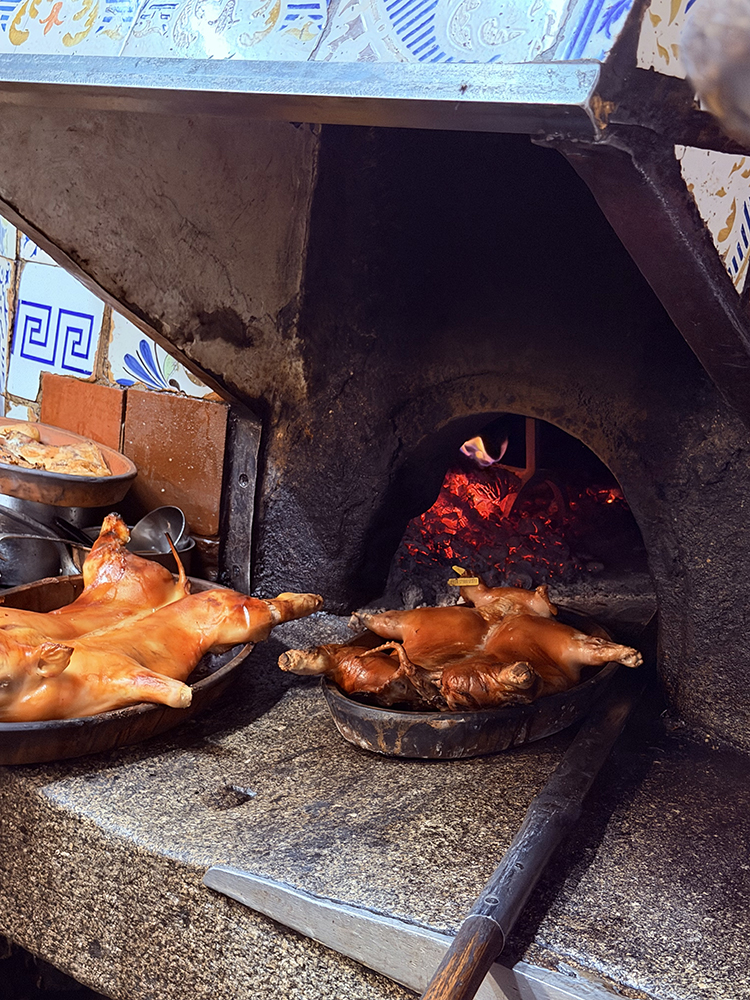
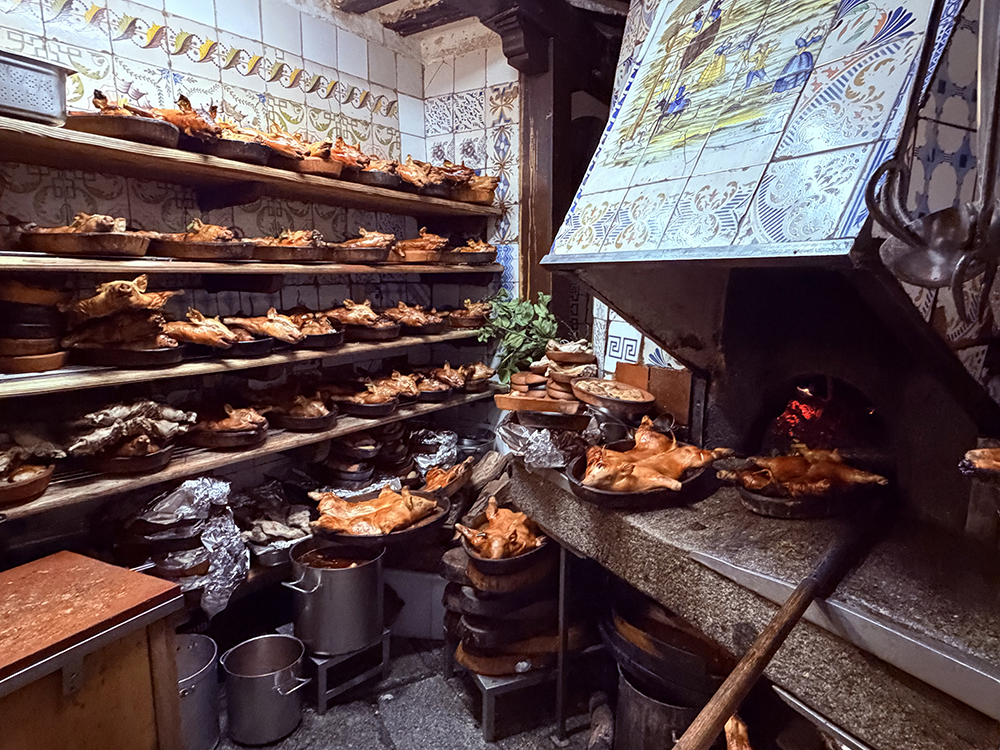
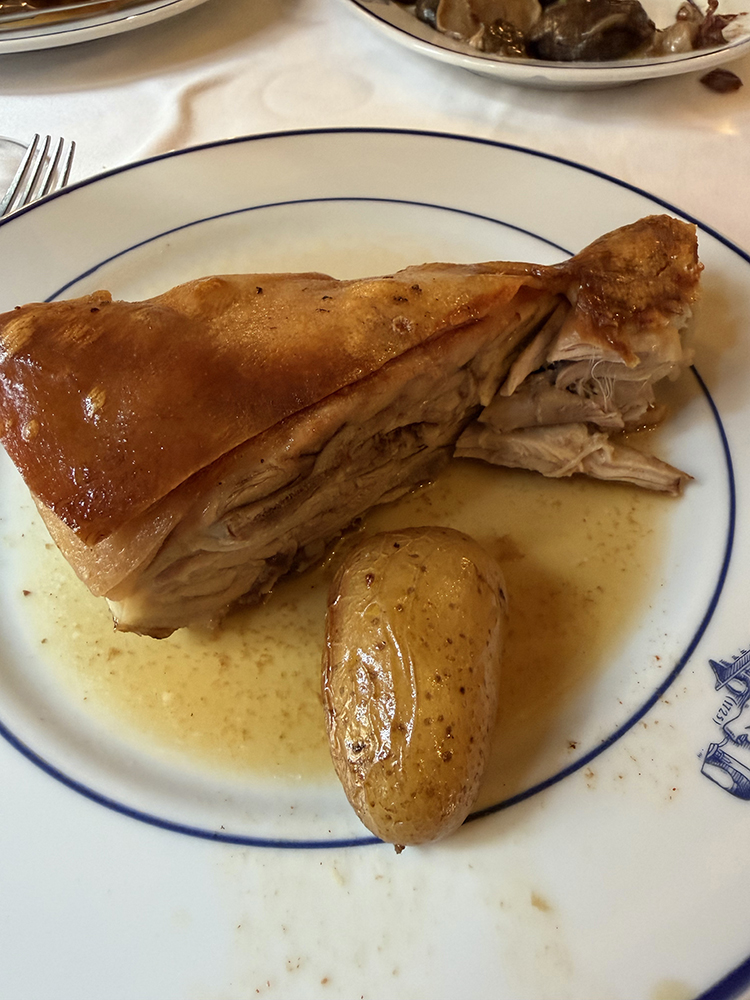
Casa Botin, founded in 1725, is the oldest restaurant in the world according to the Guinness Book of Records and one of the best traditional cuisine in Madrid. Its two specialties are the delicious suckling pig and lamb roasted in the Castilian style. The Restaurant consists of four floors, and efforts have been made to preserve the inn-like atmosphere. Located in the heart of Madrid de los Austrias, Botin enjoys a privileged setting. Over the years successive renovations have been carried out, always without altering the buildings characteristic appearance.
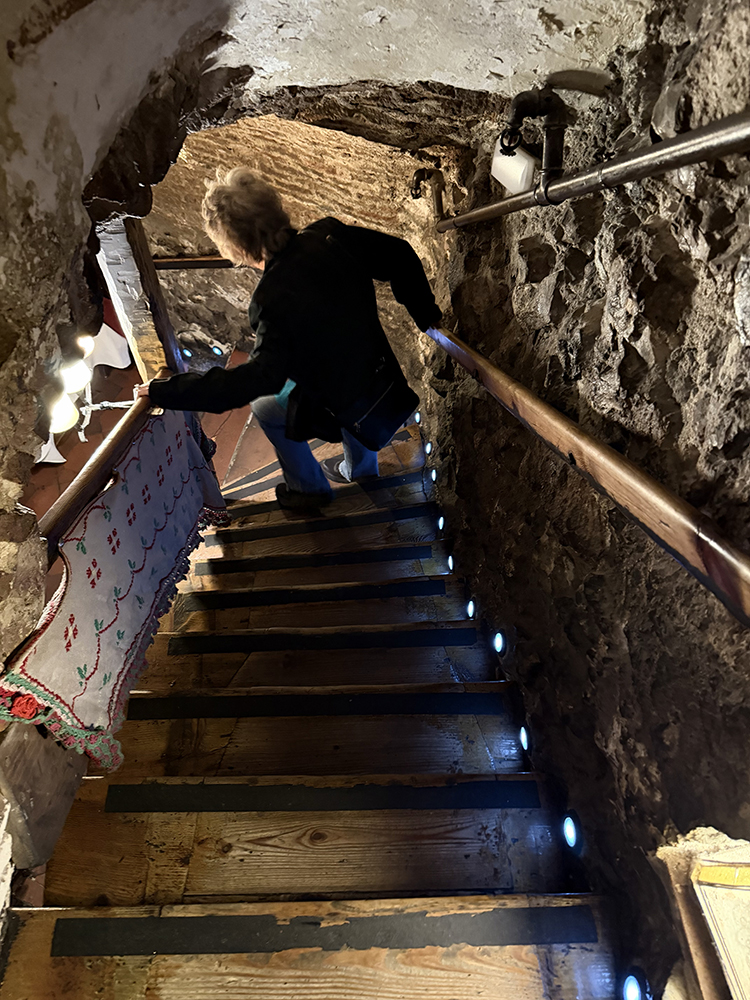
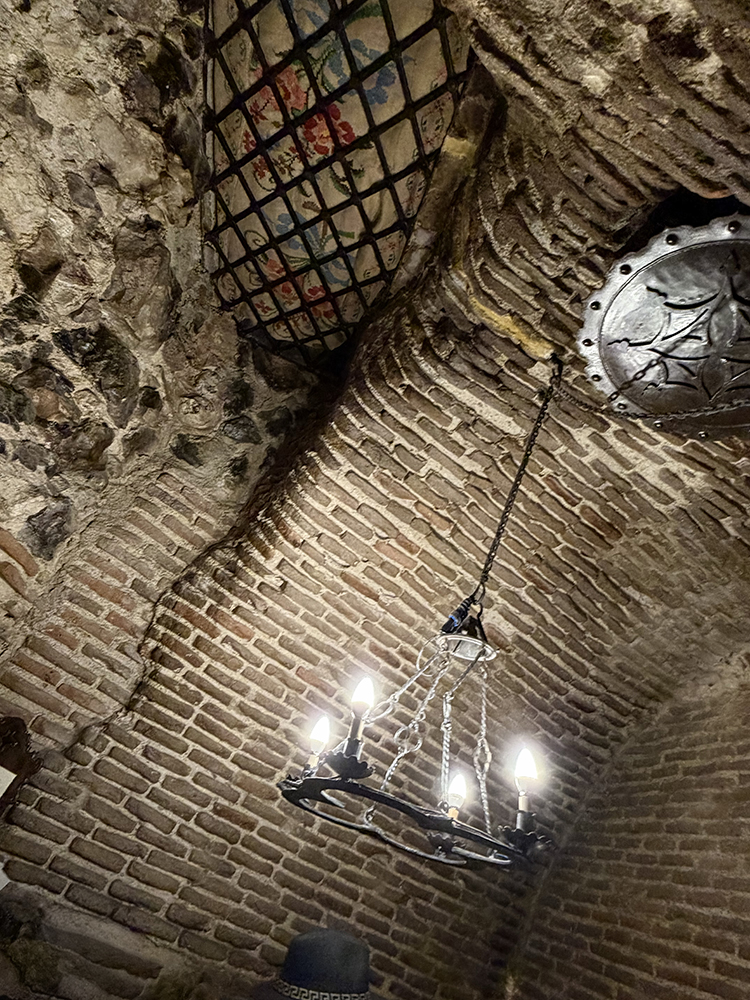
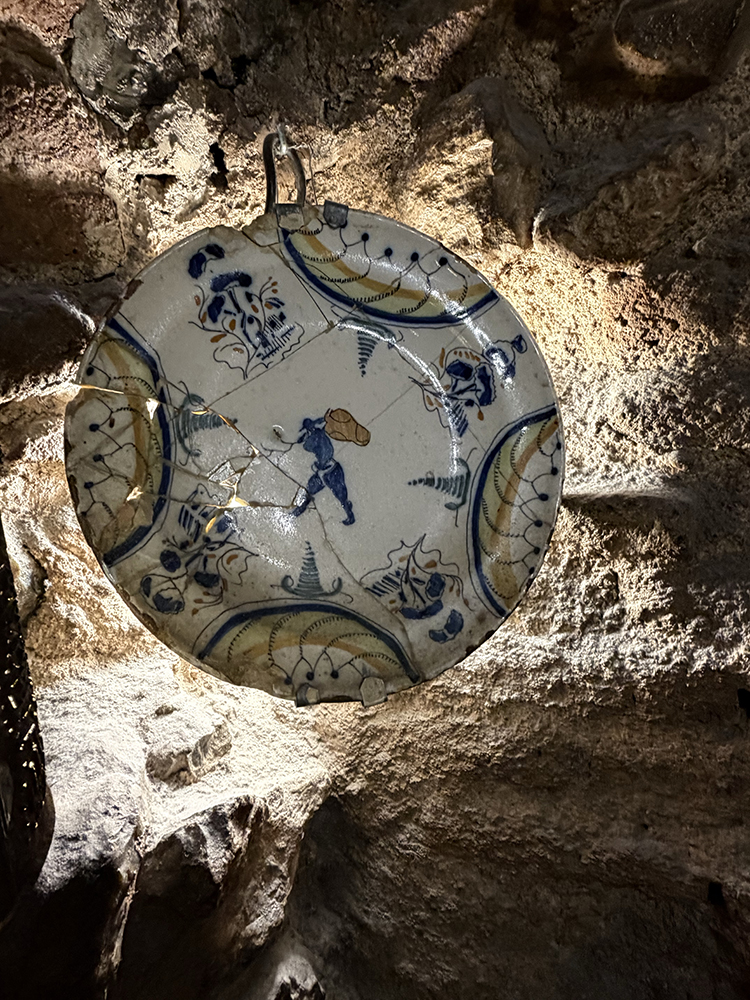
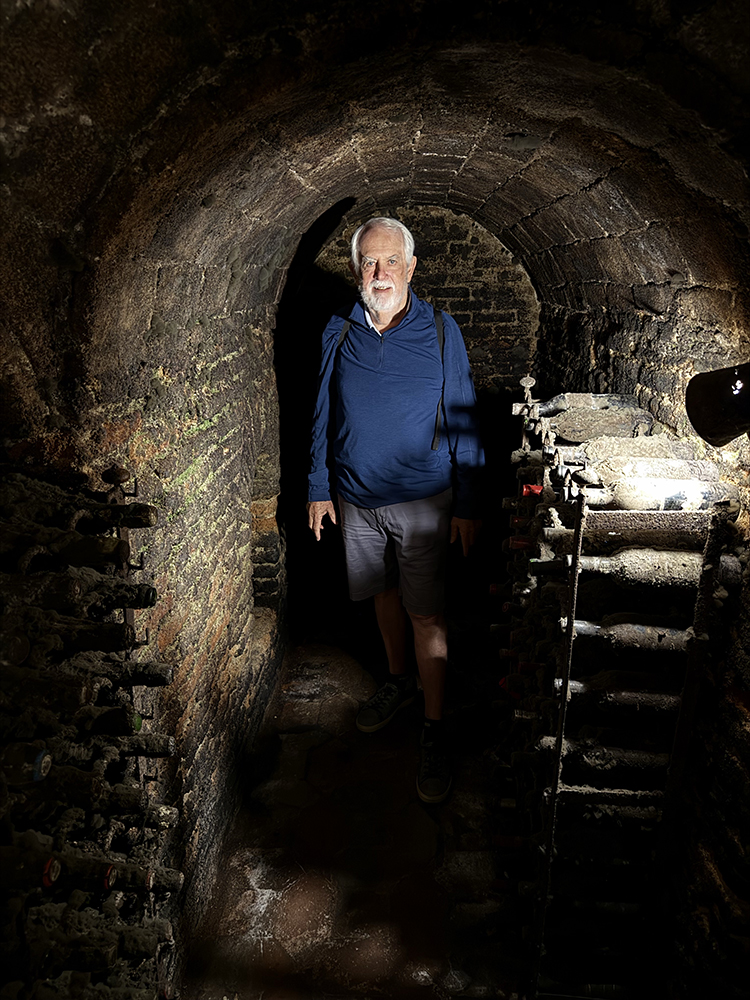
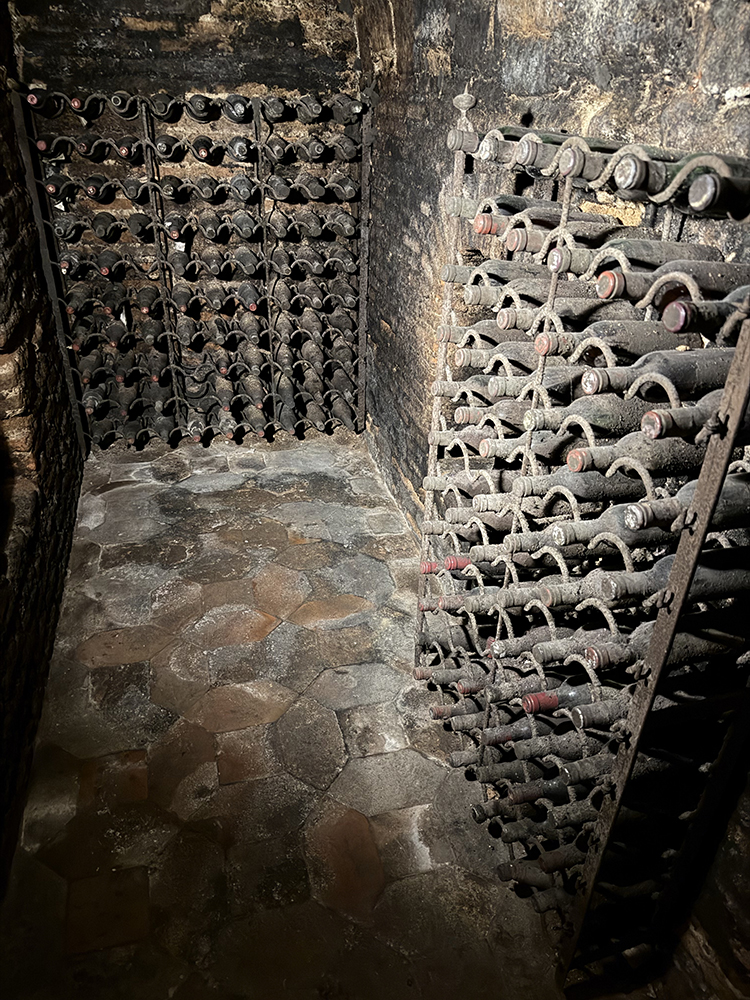
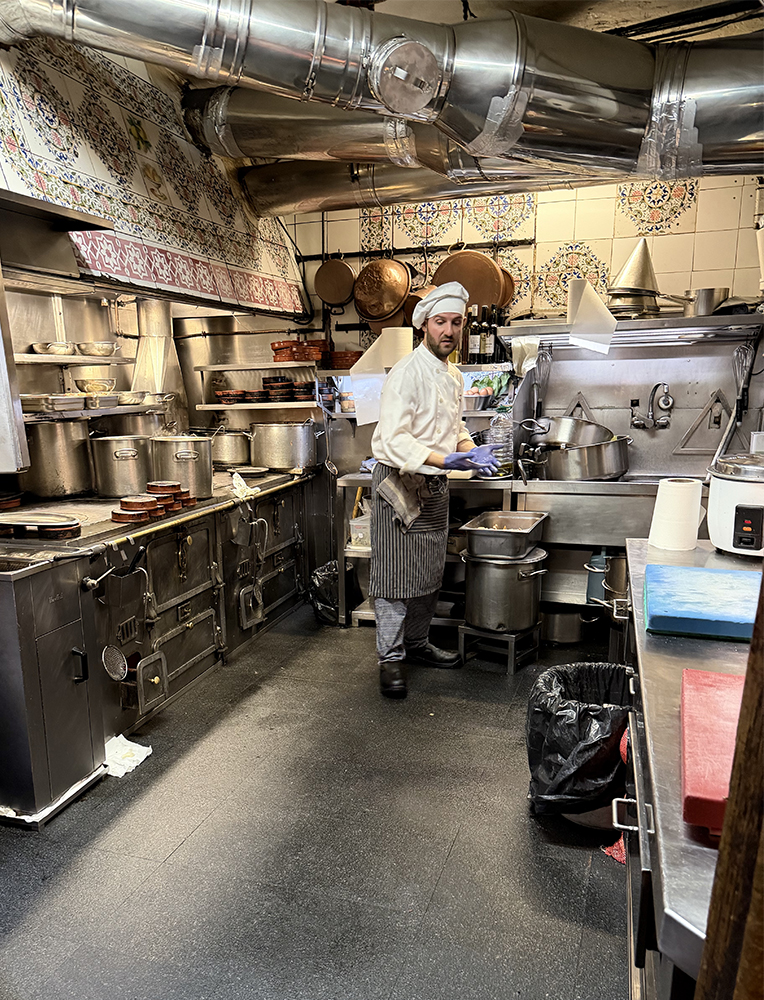
We enjoyed a lengthy tour of the whole restaurant, including the duty wine cellar, and then sat down and enjoyed the suckling pig. I enjoyed the whole experience again as Mary and I ate here back in 1999. Botin is located adjacent to Plaza Major so is easy to find. Well worth the experience.
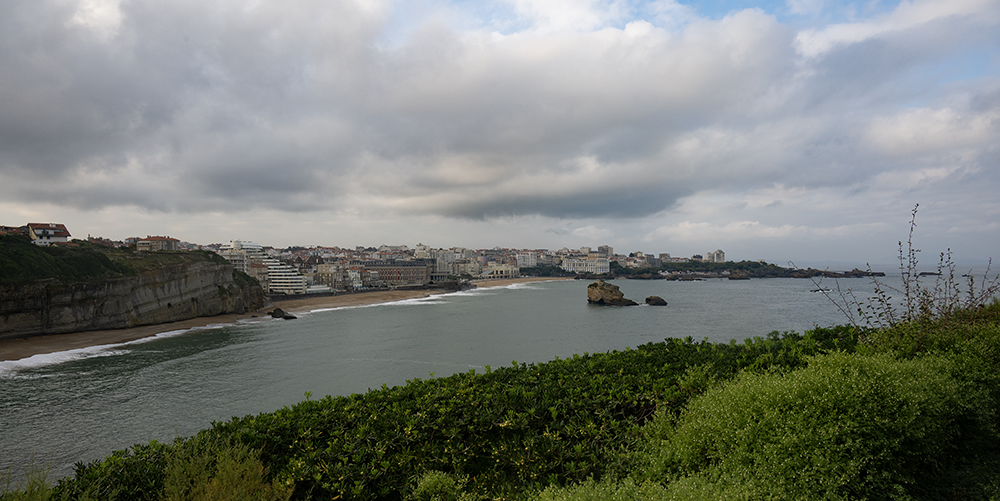
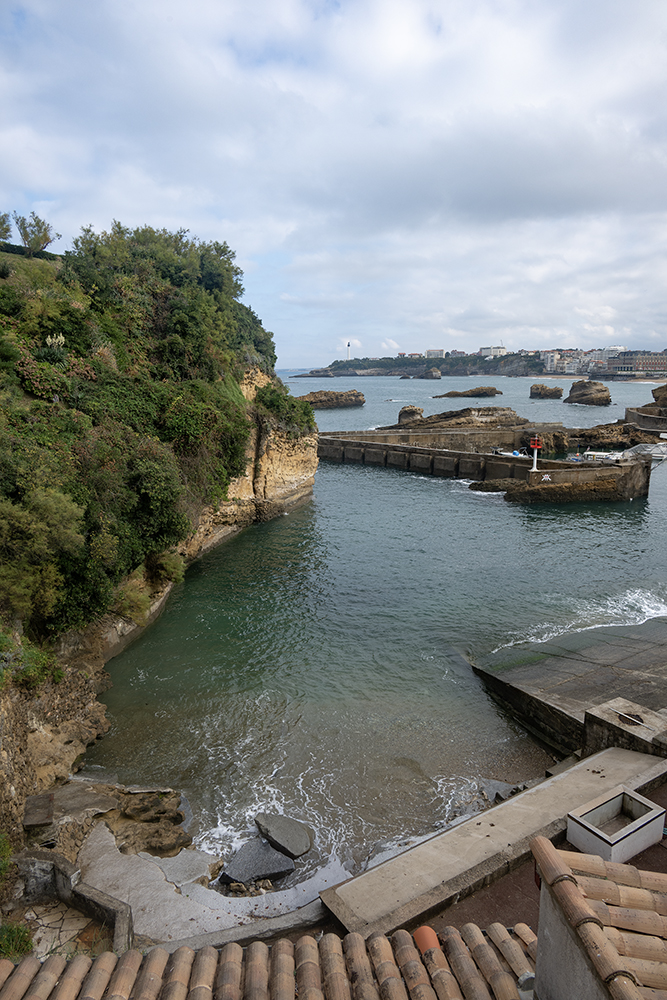
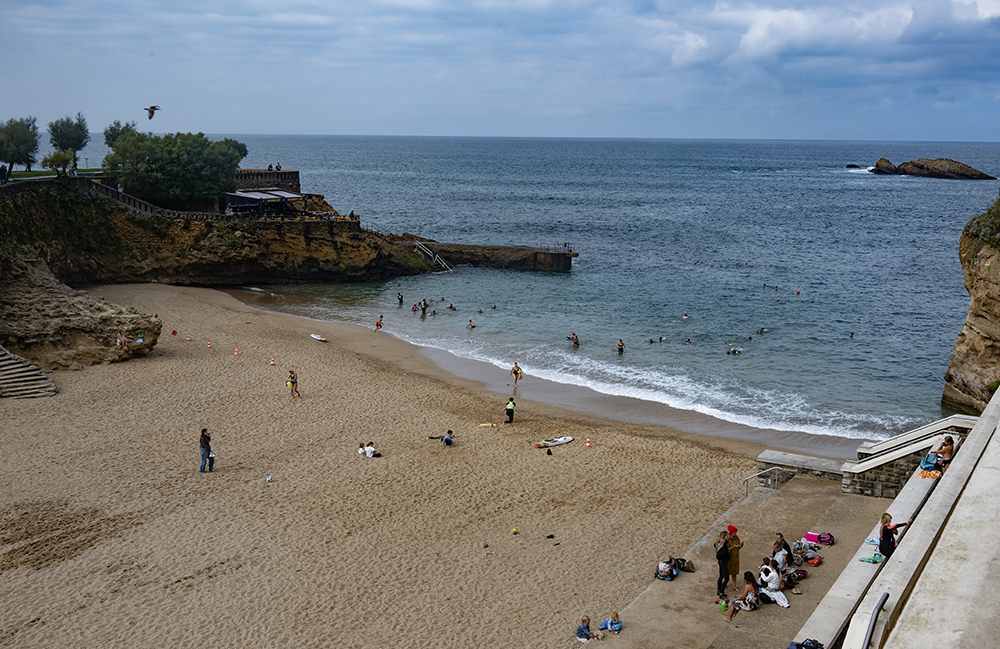
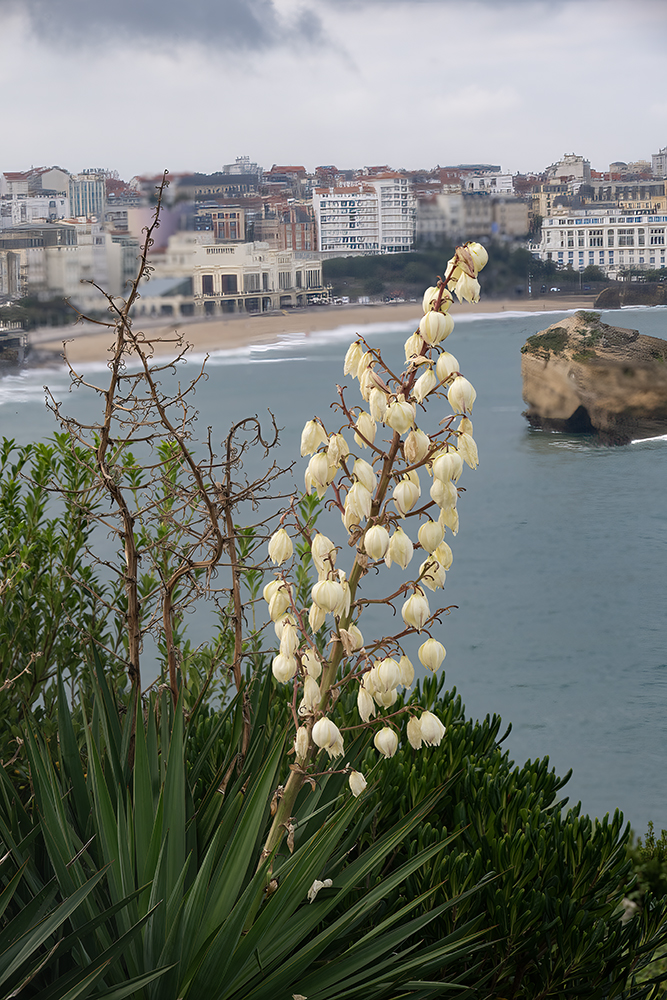
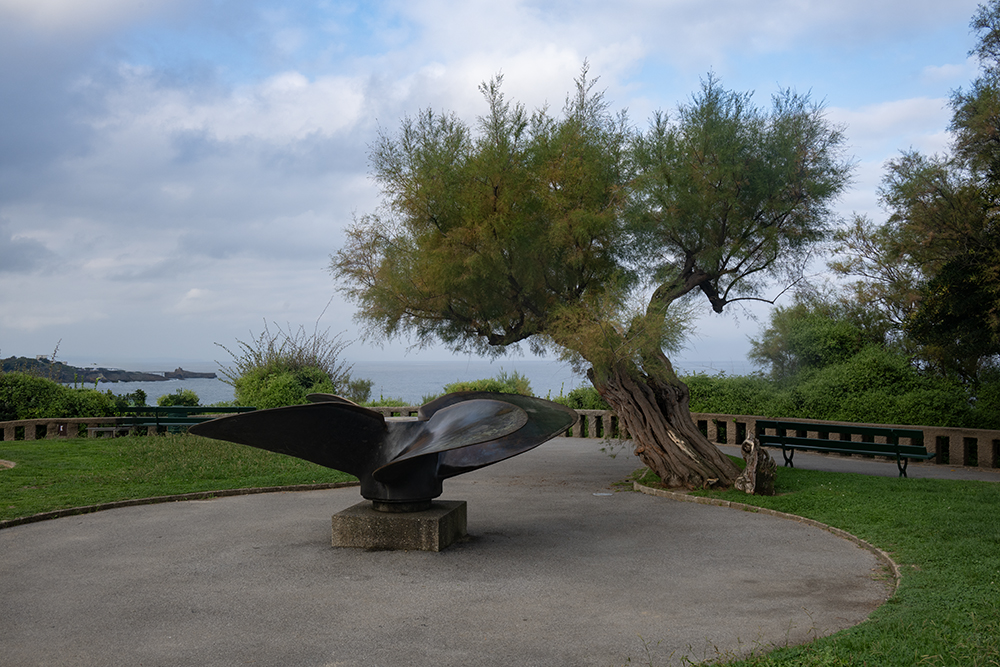
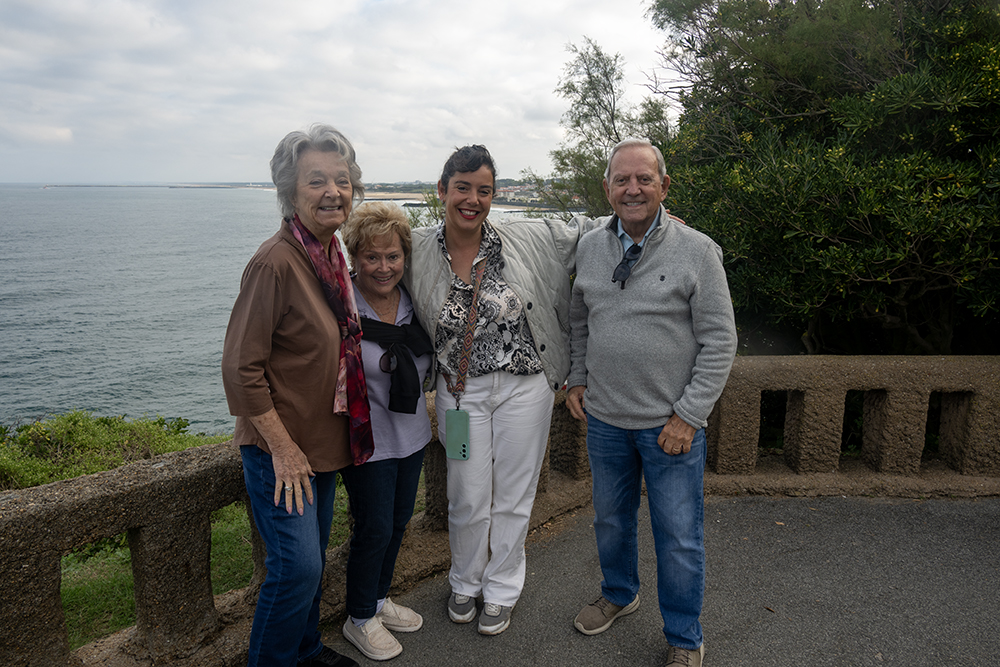
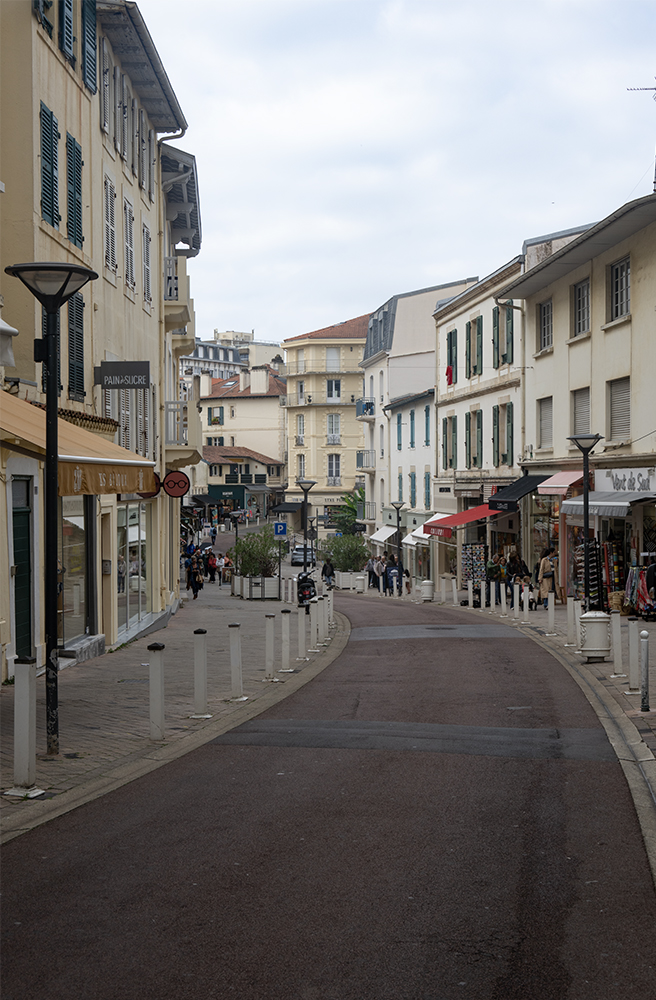
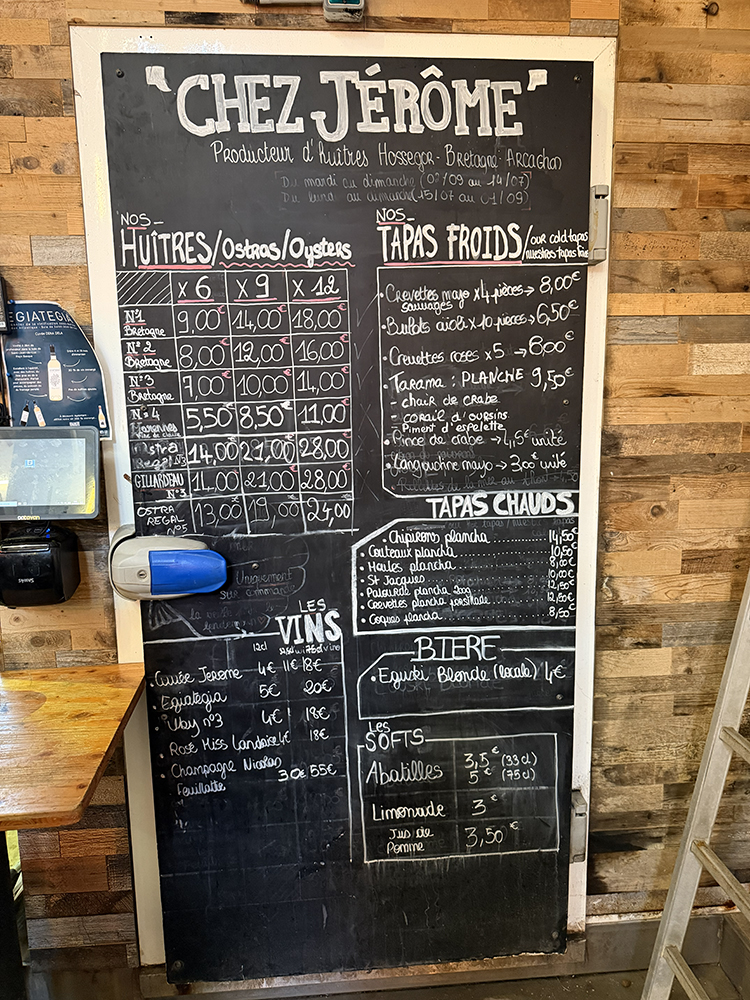
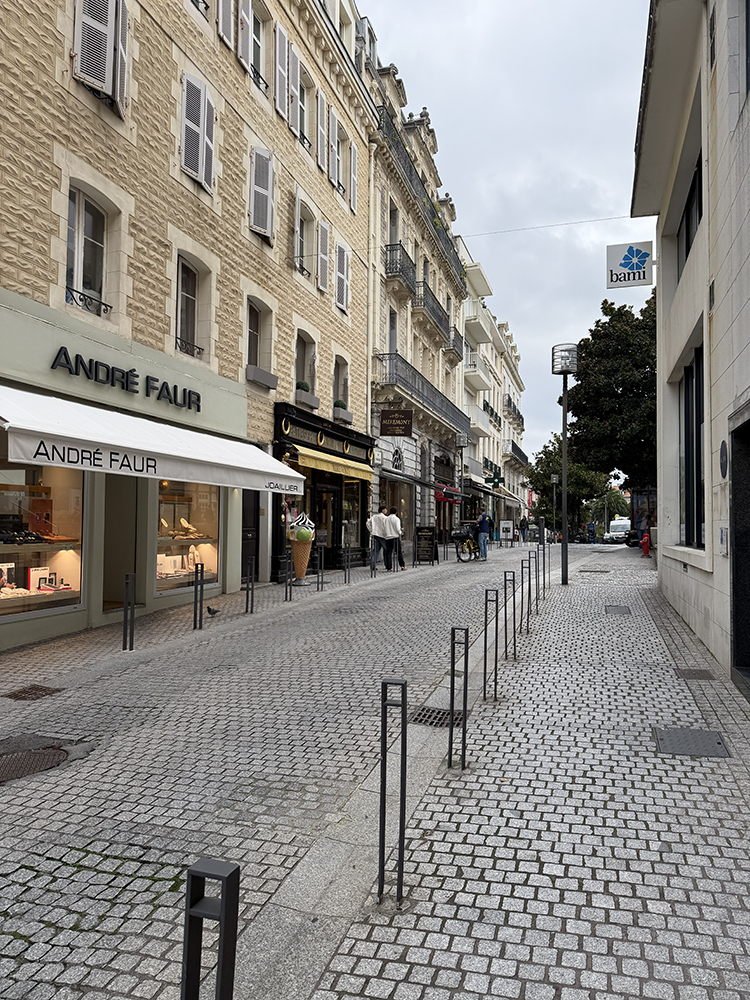
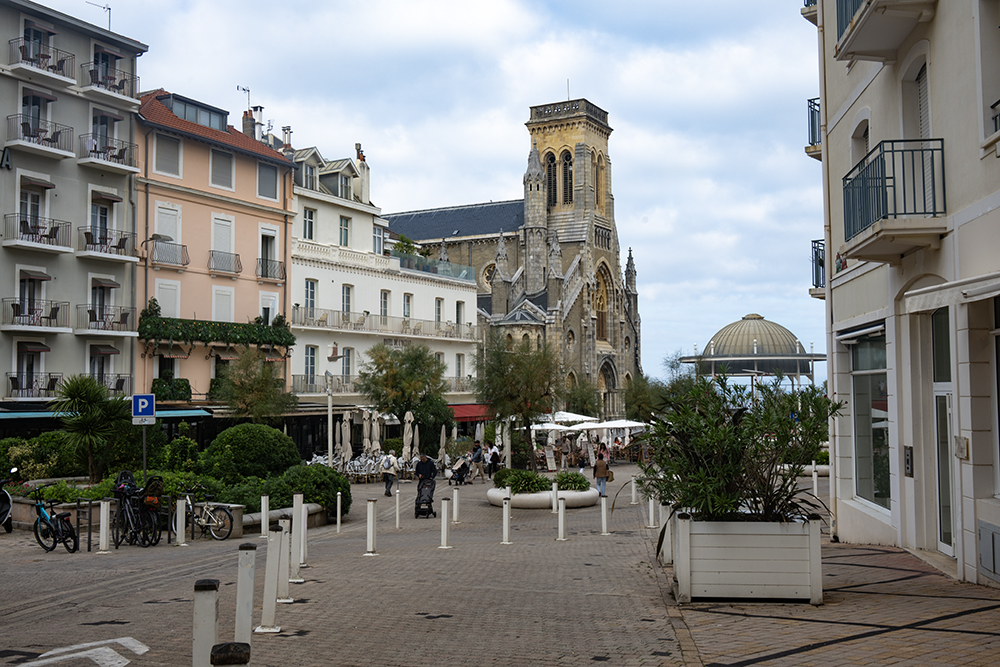
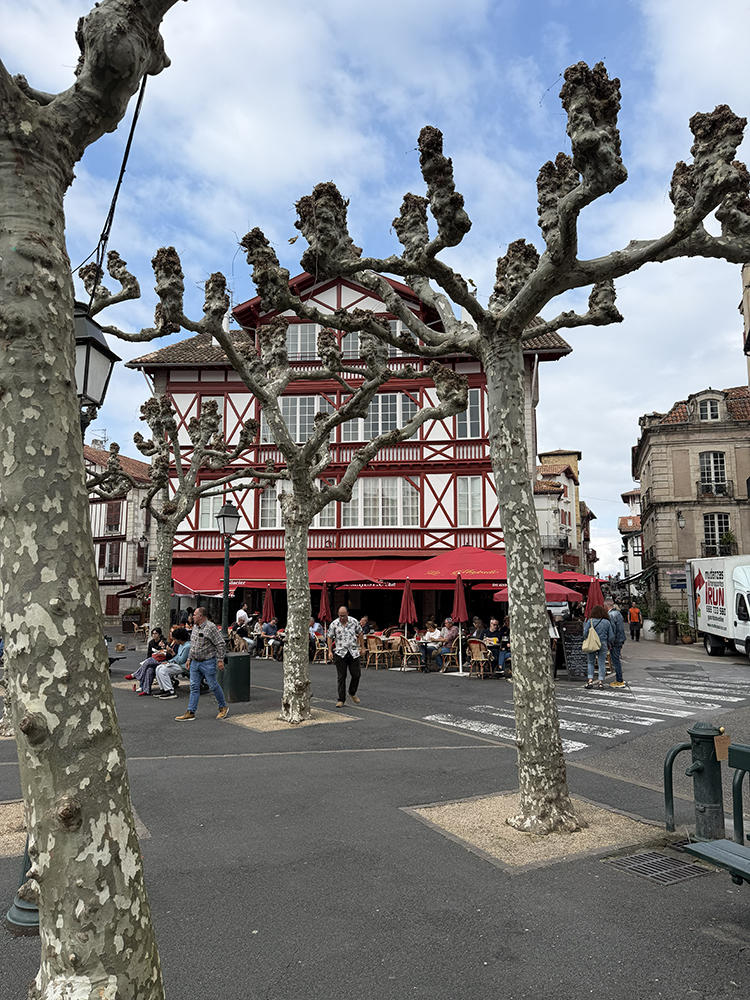
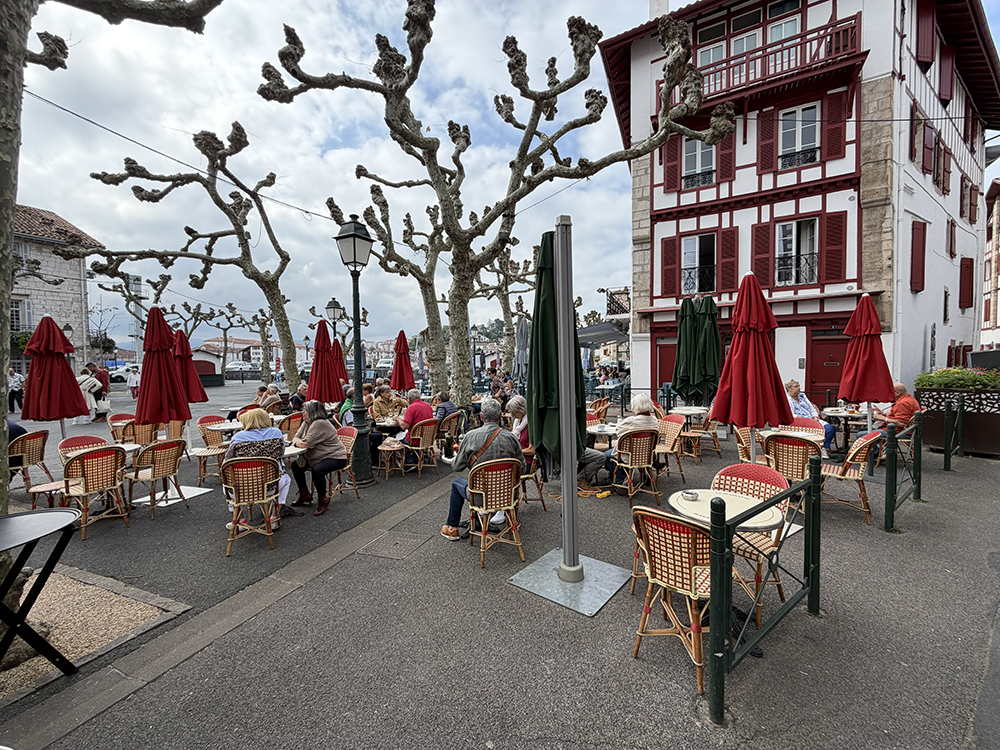
During our stay in San Sebastian, we spent most of a day with Eli visiting the Basque area of southeast France. This included Biarritz and St-Jean-de-Luz.Biarritz is a glitzy resort town steeped in the belle epoque, where the French Basques put on the ritz. In the 19th century this simple whaling harbor became a high class magnet dubbed “the beach of kings.” Its lively pedestrian streets are lined with restaurants, cafes and high-class resorty window shopping. Perched over a popular surfing beach, anchored by grand hotels and casinos, hemmed in by jagged and picturesque rocky islets at either end, and watched over by a lighthouse, Biarritz is a striking beach resort.
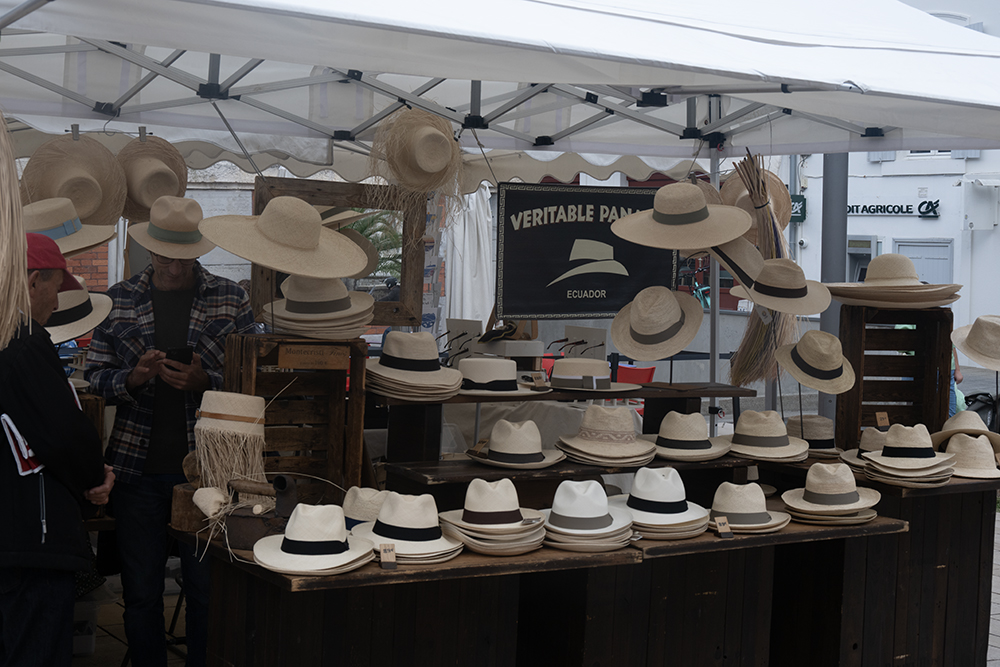
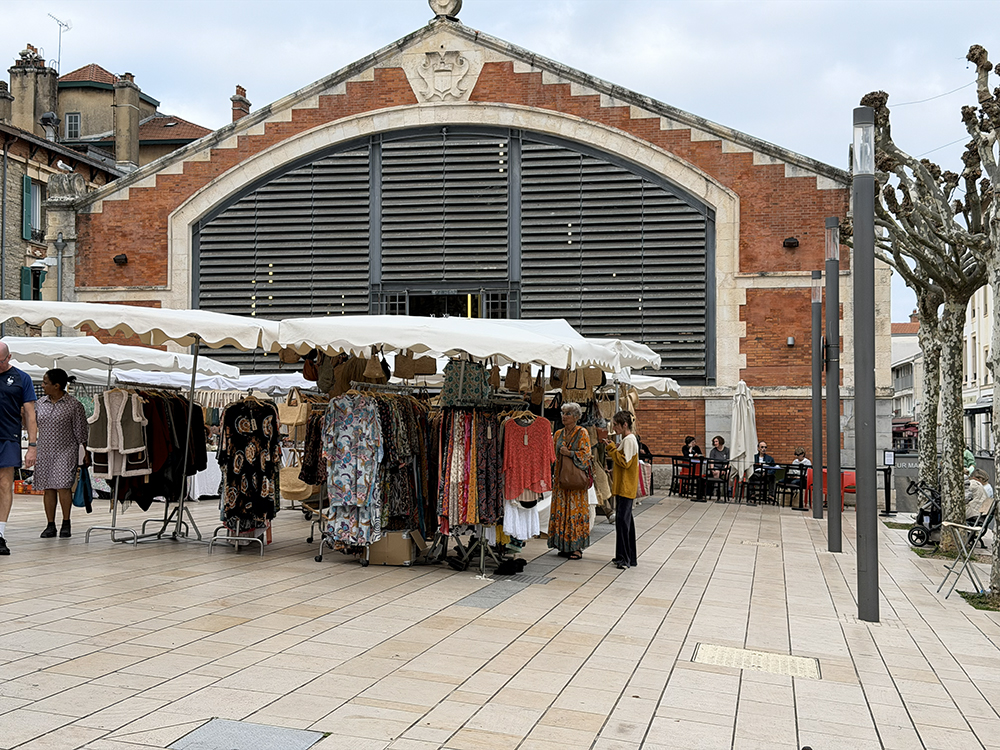
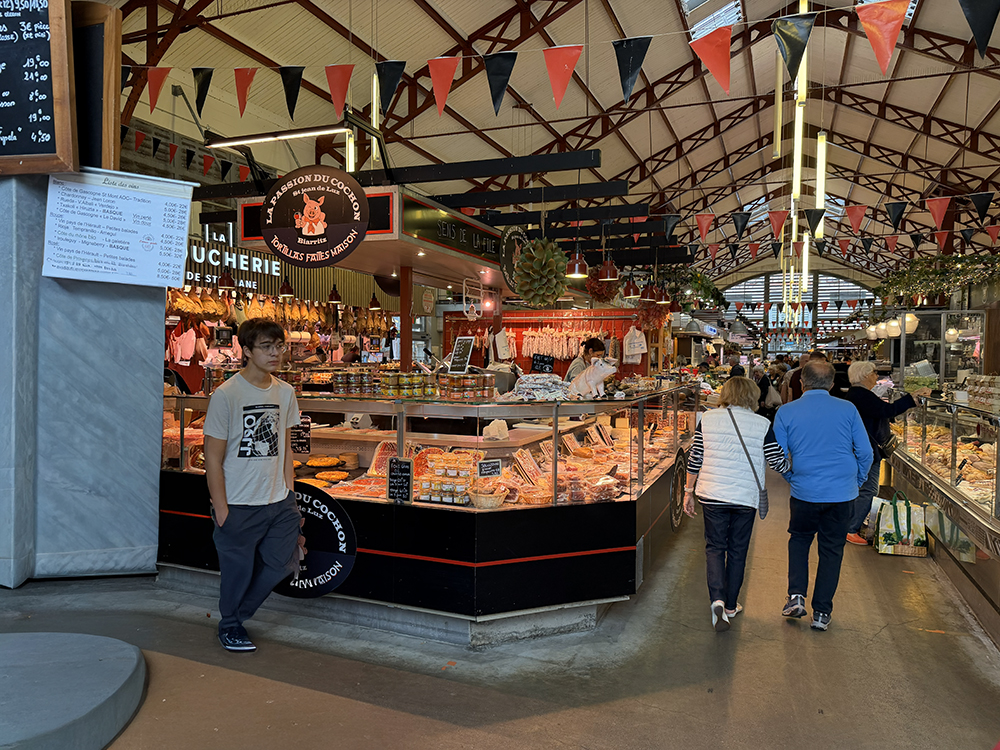
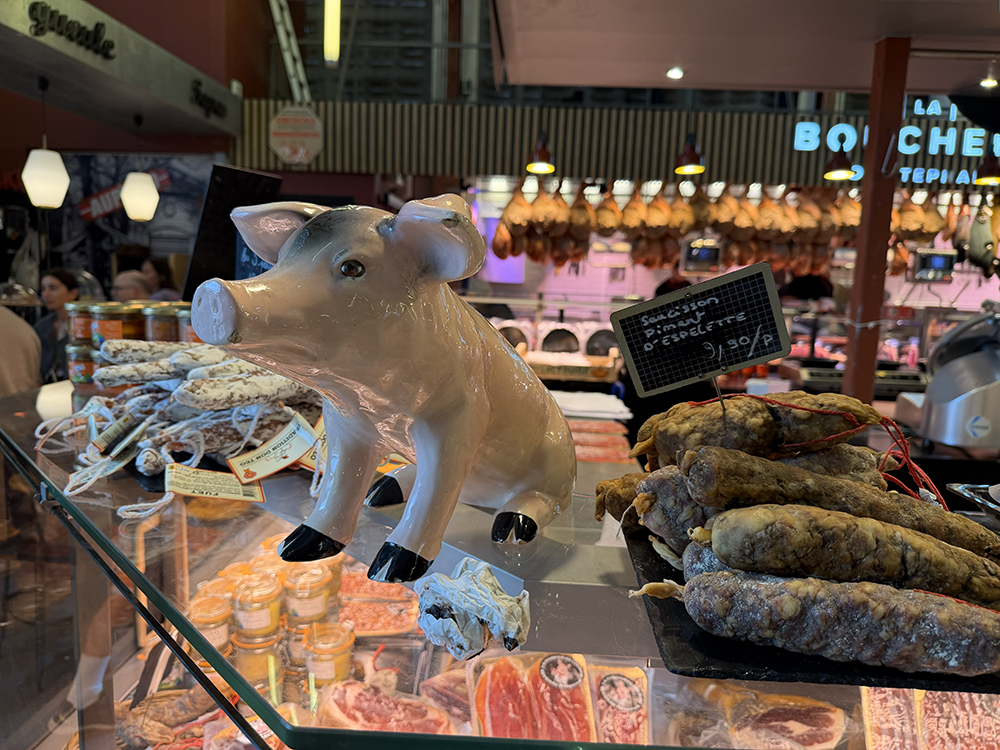
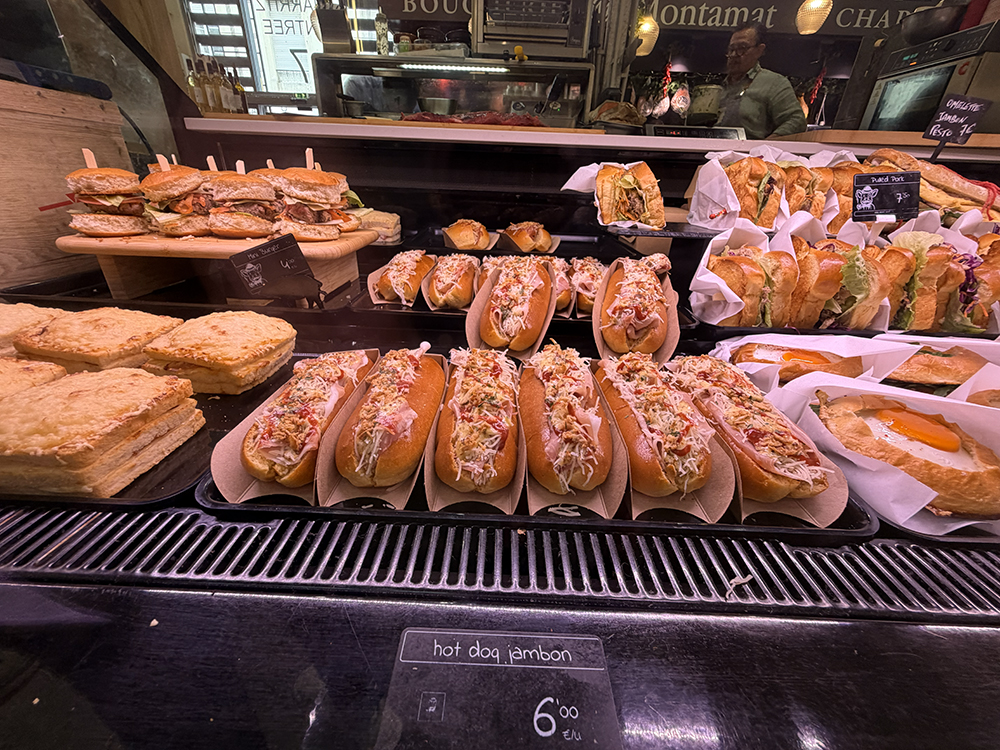
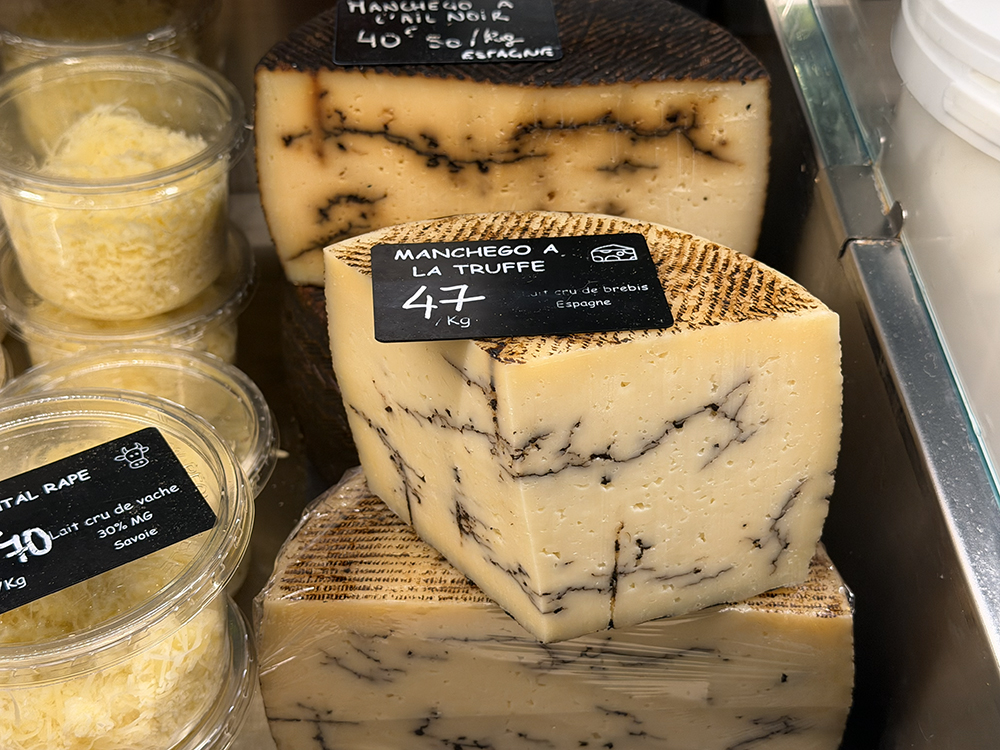
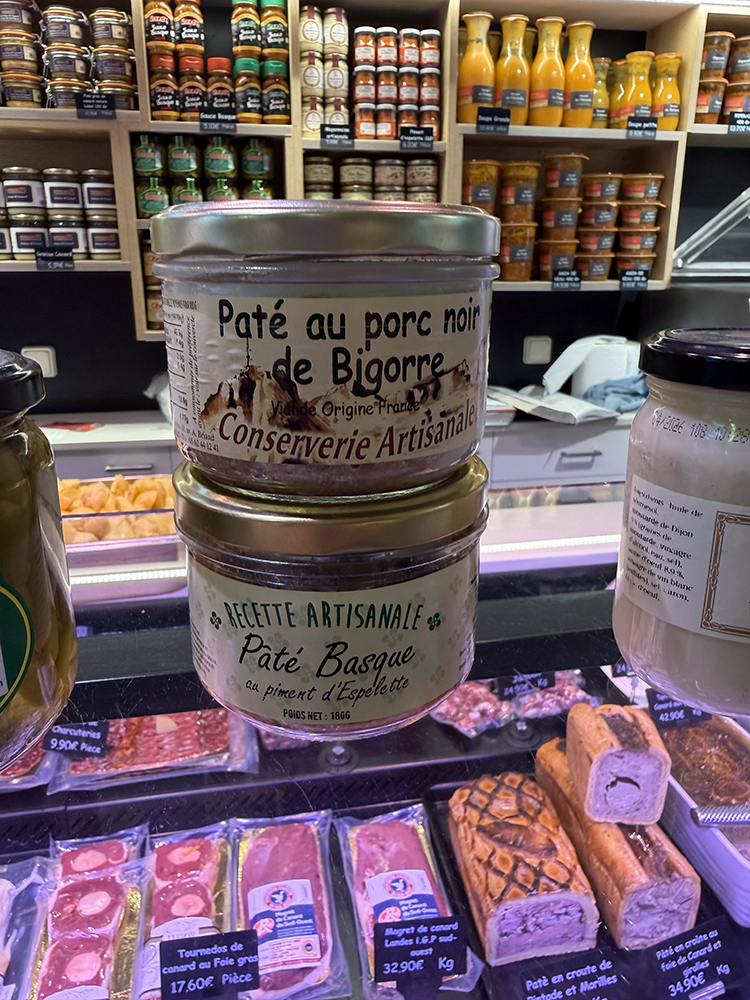
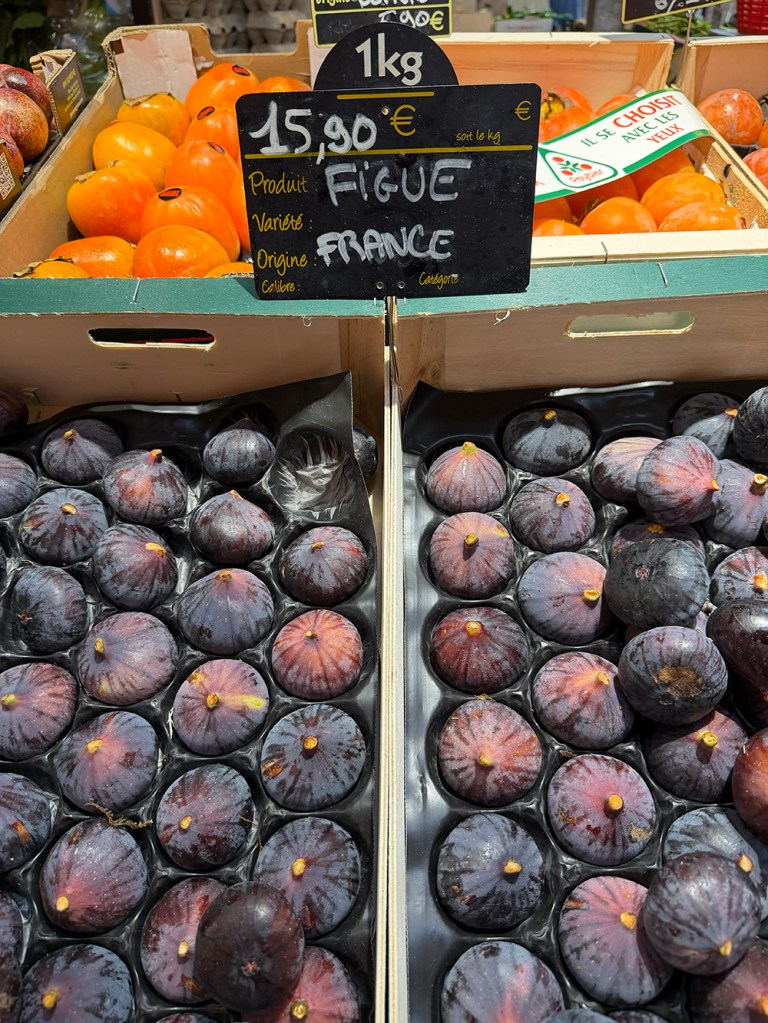
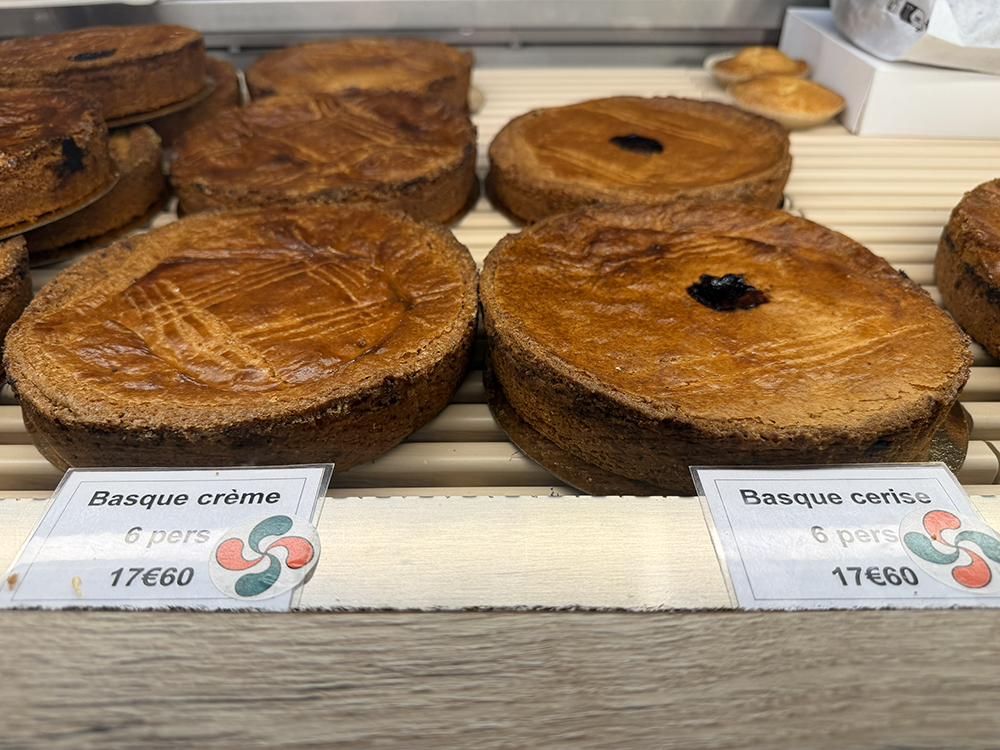
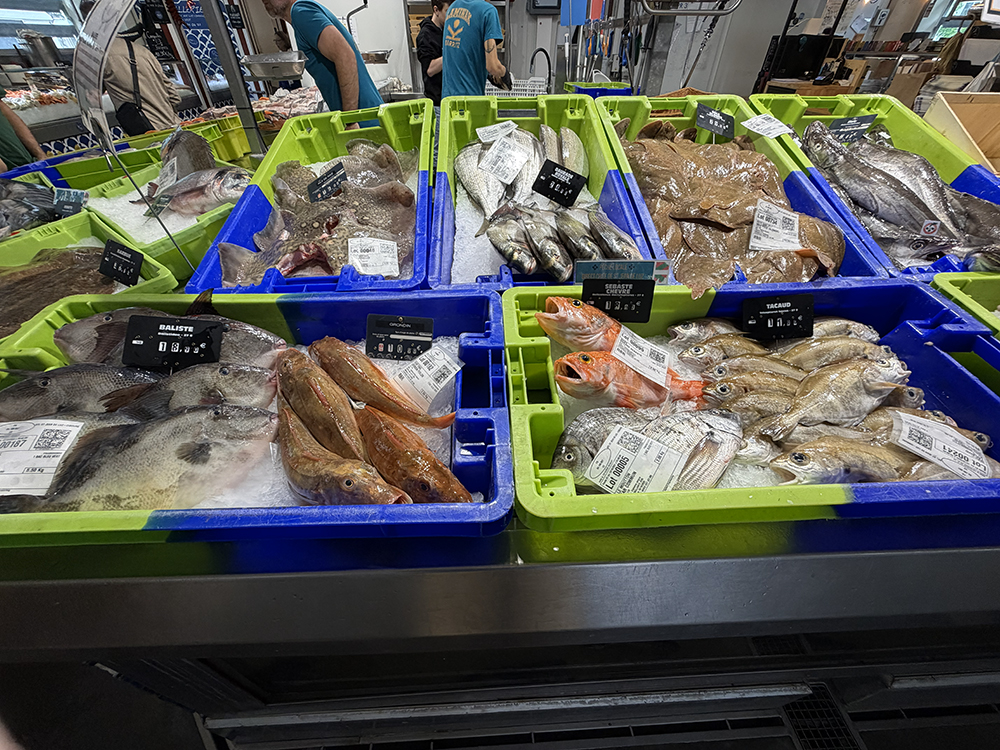
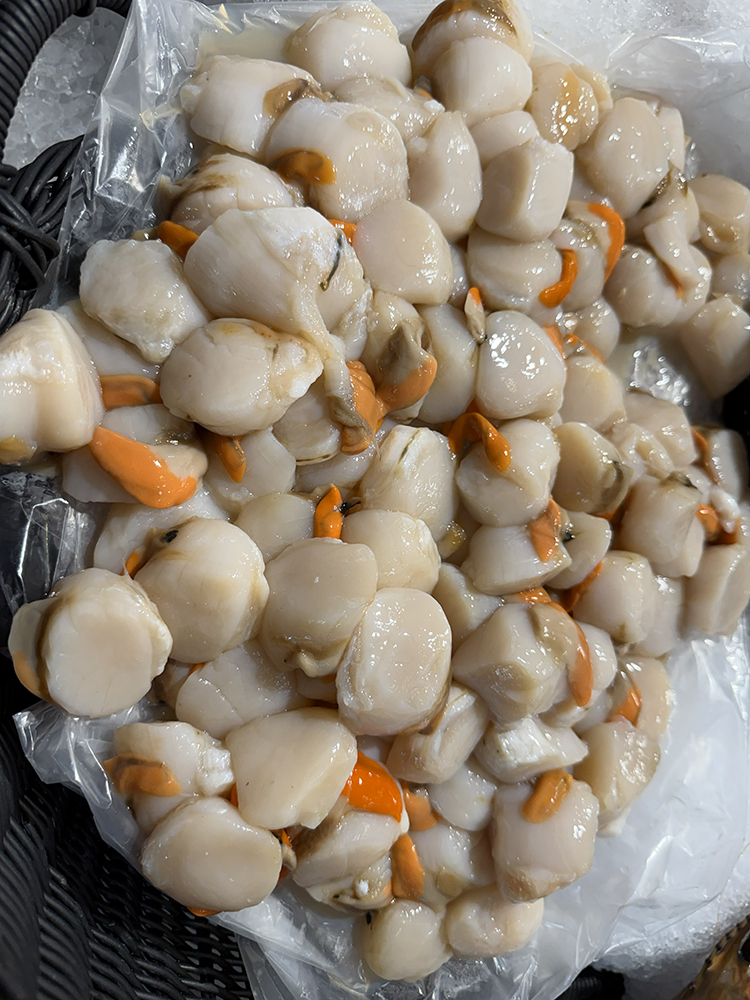
As part of our tour, we wandered around a pretty amazing market with all sorts of food goods from breads to cheeses to meats to veggies to seafood. Here are some images.
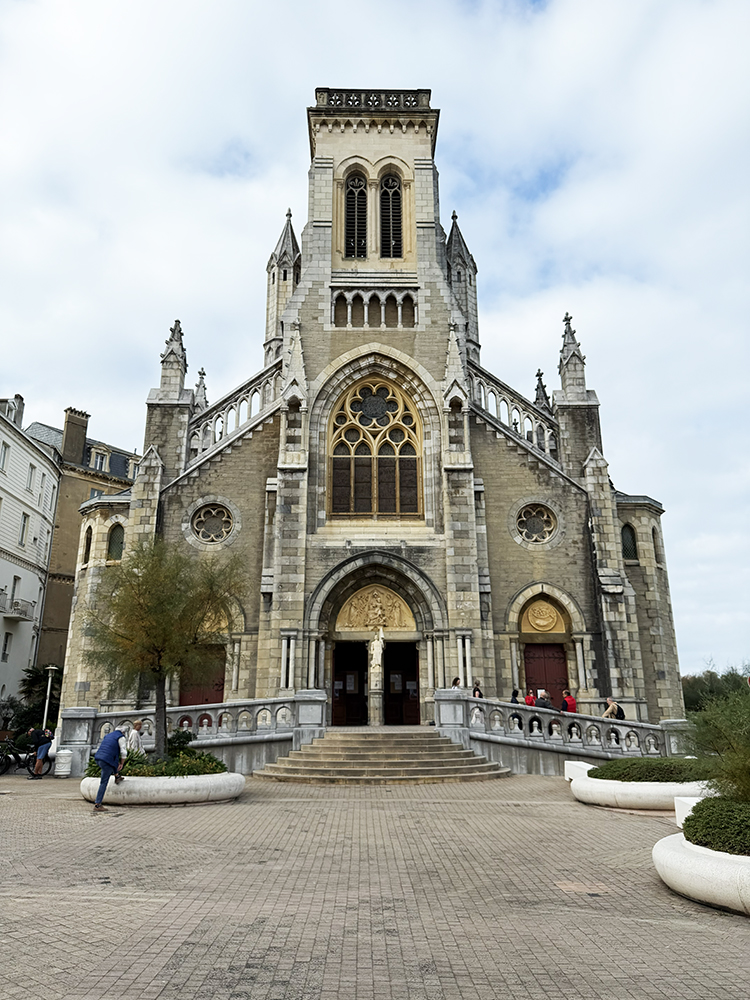
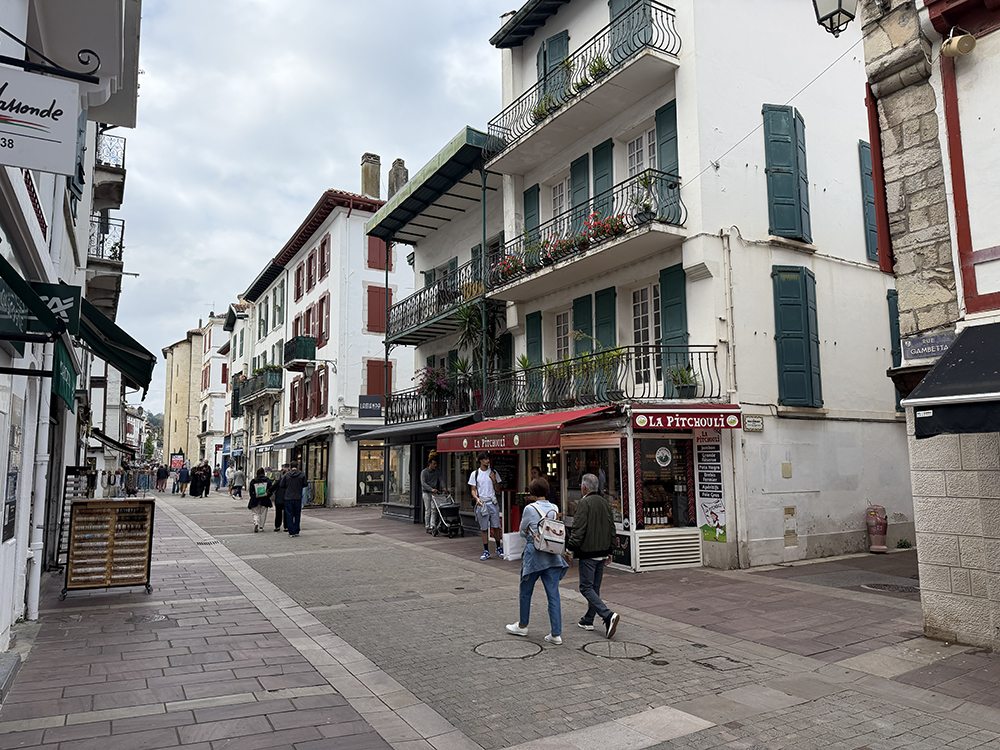
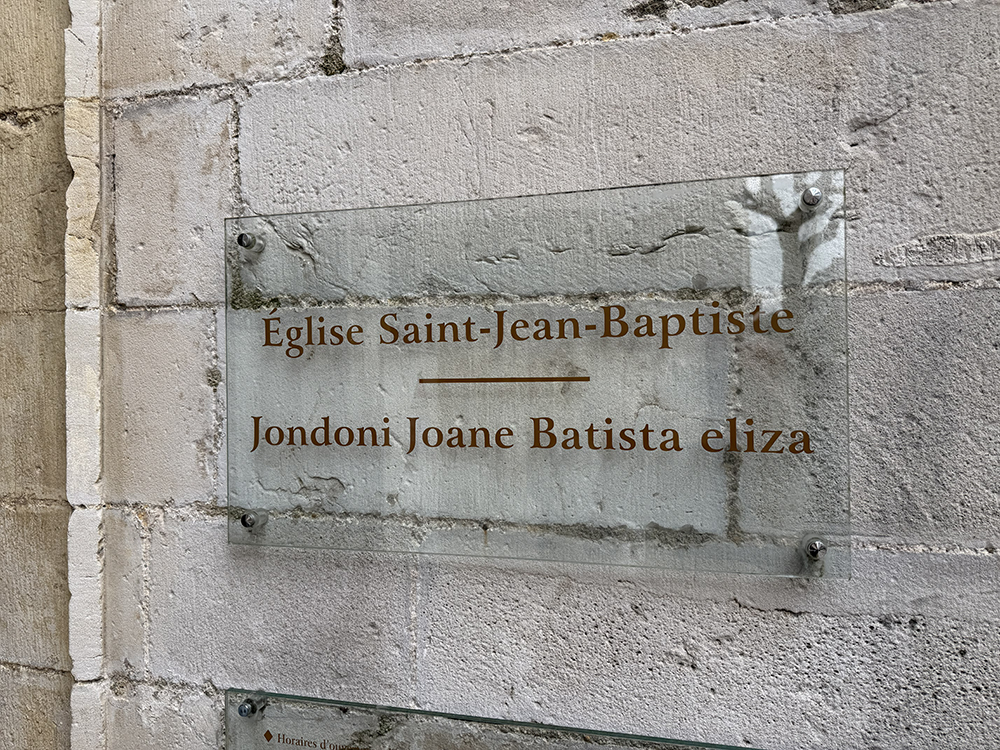
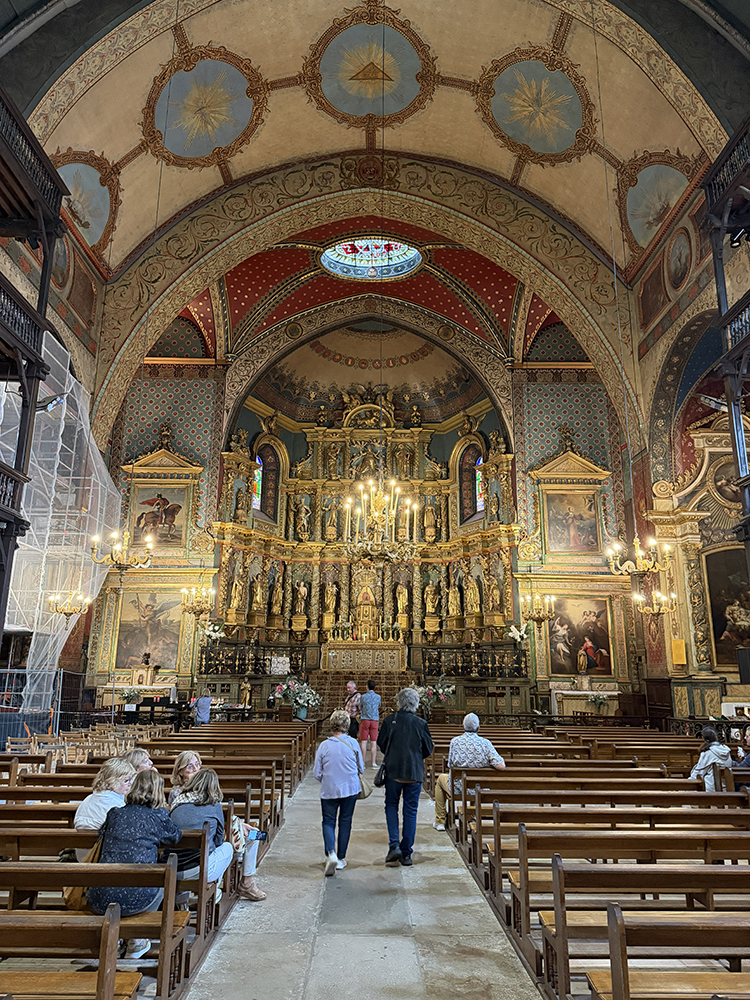
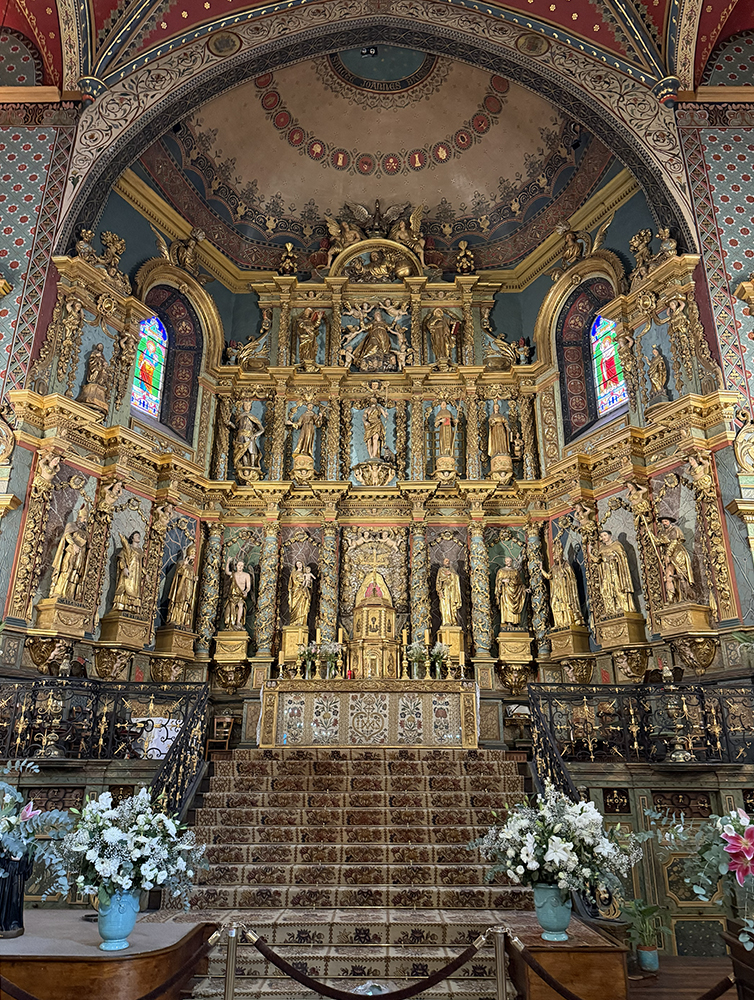
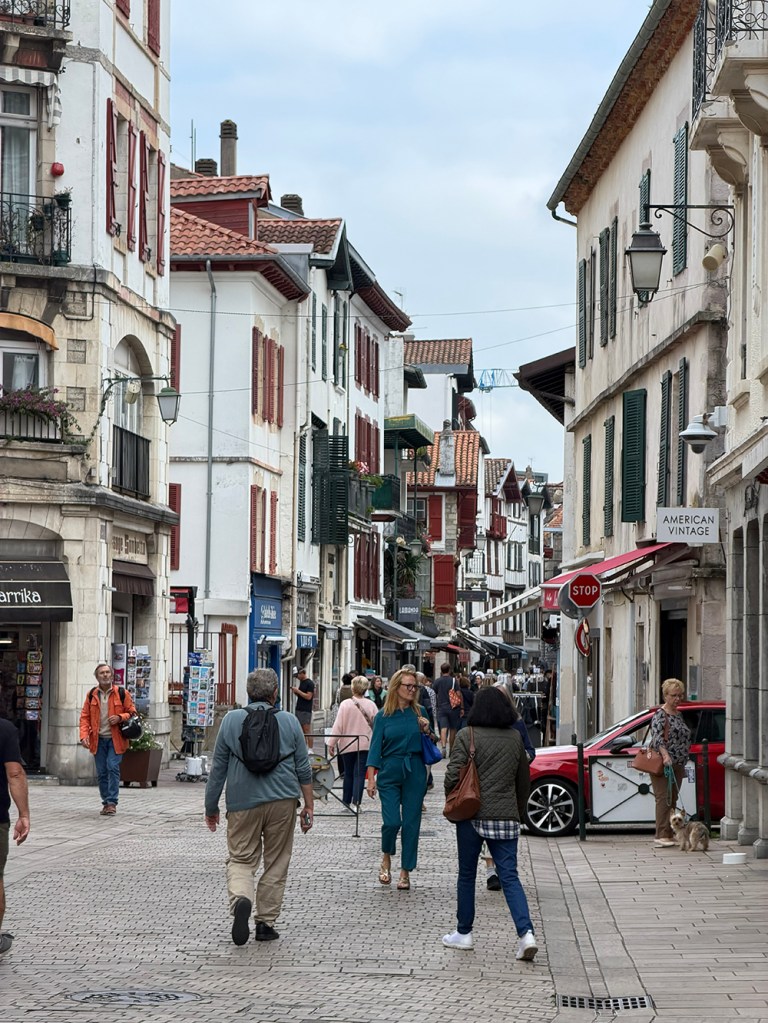
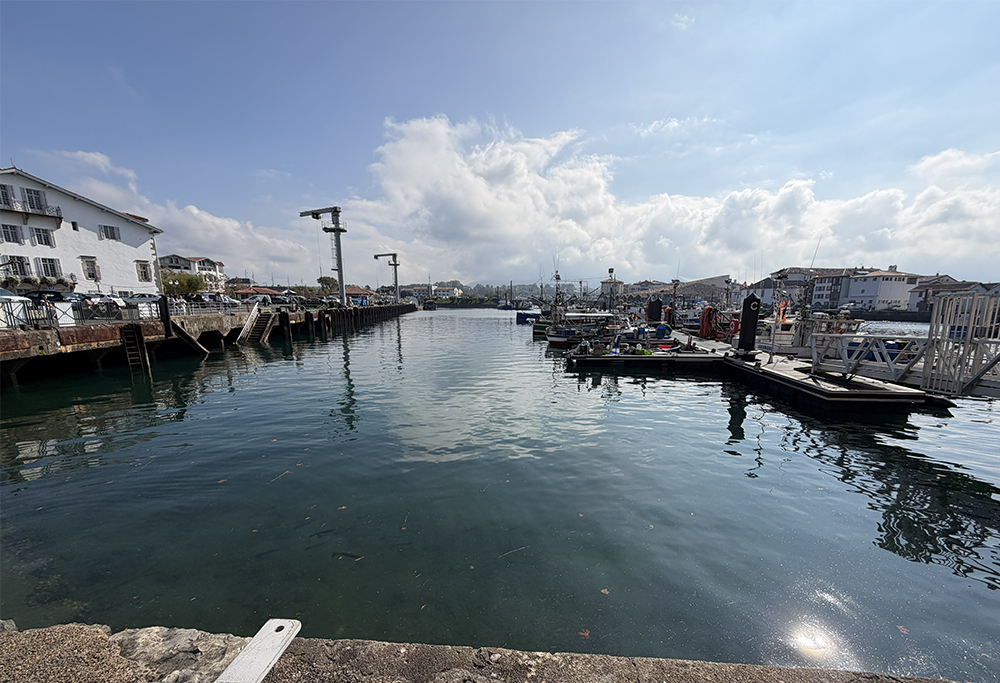
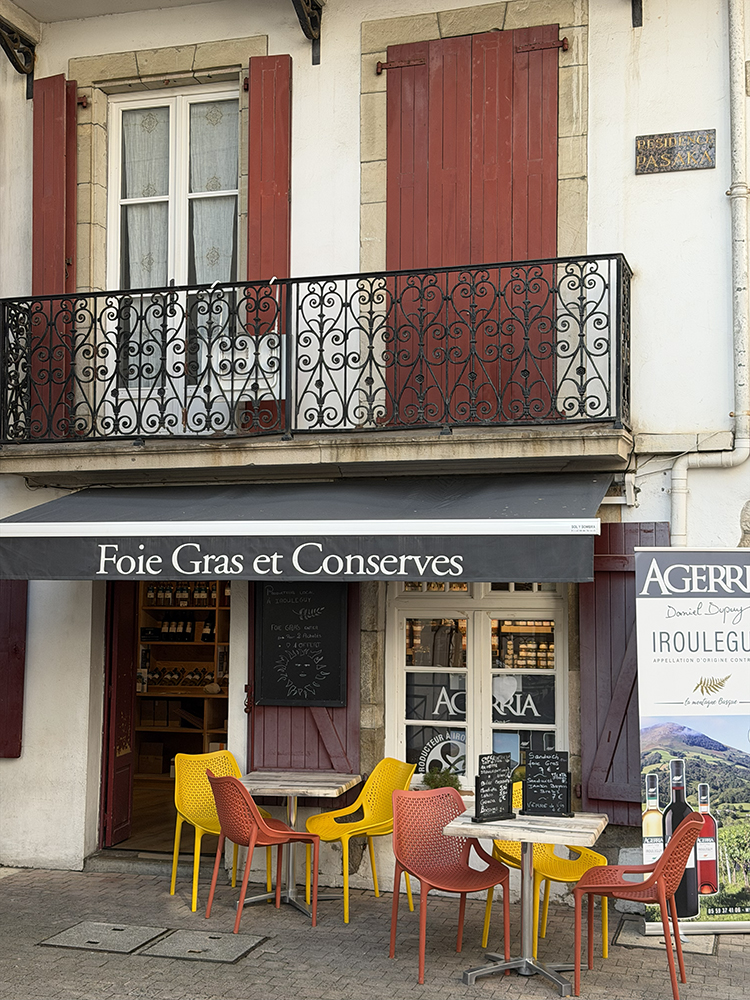
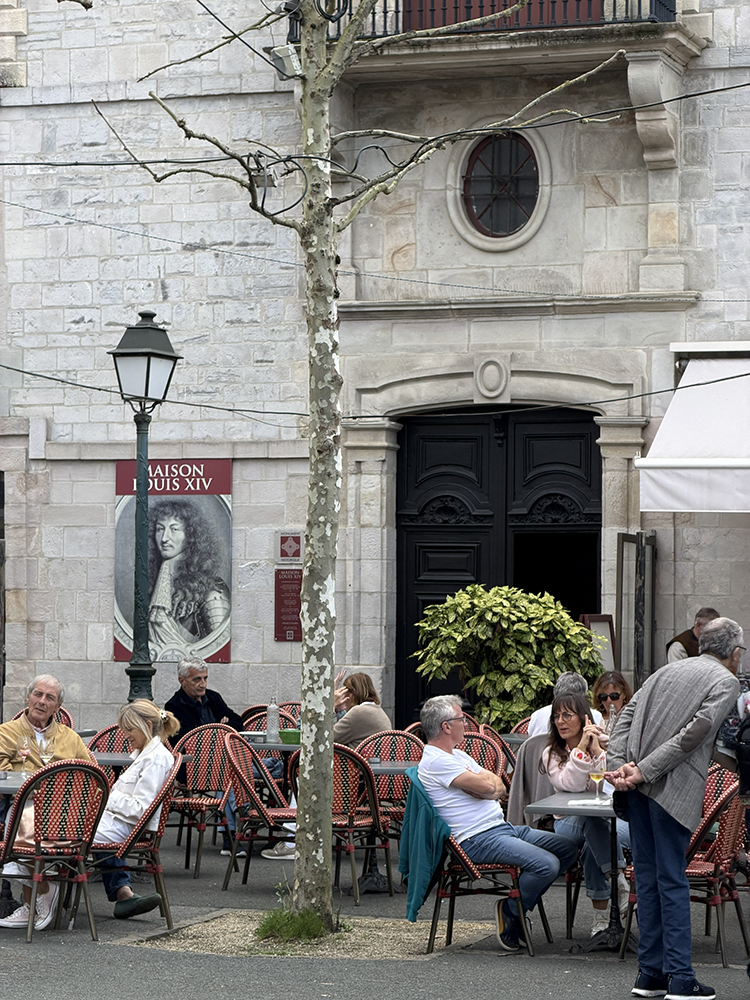
Next we drove along the water a few miles to the quaint town of St.-Jean-de-Luz. This is a charming little center, port and beach town that provides the most enjoyable dose of Basque culture. the old city lies between the train tracks, the Novelle river and the Atlantic. it has one main walking street lined with shops. The main sight worth entering is the church (Eglise St.Jean-Baptiste) where Louis IV and Marie-Therese tied the royal knot. facing the main square is the house where Louis lived for 4o days in 1660.
This scenic city provides a pleasant introduction to Spain’s Basque Country. It is considered the culinary capital of Spain. It has long been a favorite of the elite as a seaside resort. By the turn of the 20th century, San Sebastian was the toast of the belle epoque, and a leading resort for Europe’s beautiful people.
Shimmering above the breathtaking Concha Bay, the city has a favored location with golden beaches, capped by twin peaks at either end, and with a cute little island in the center. A delightful beachfront promenade runs the length of the bay, with a charismatic Old Town at one end and a smart shopping district in the center. A soaring statue of Christ gazes over the city, giving San Sebastian a mini Rio aura.
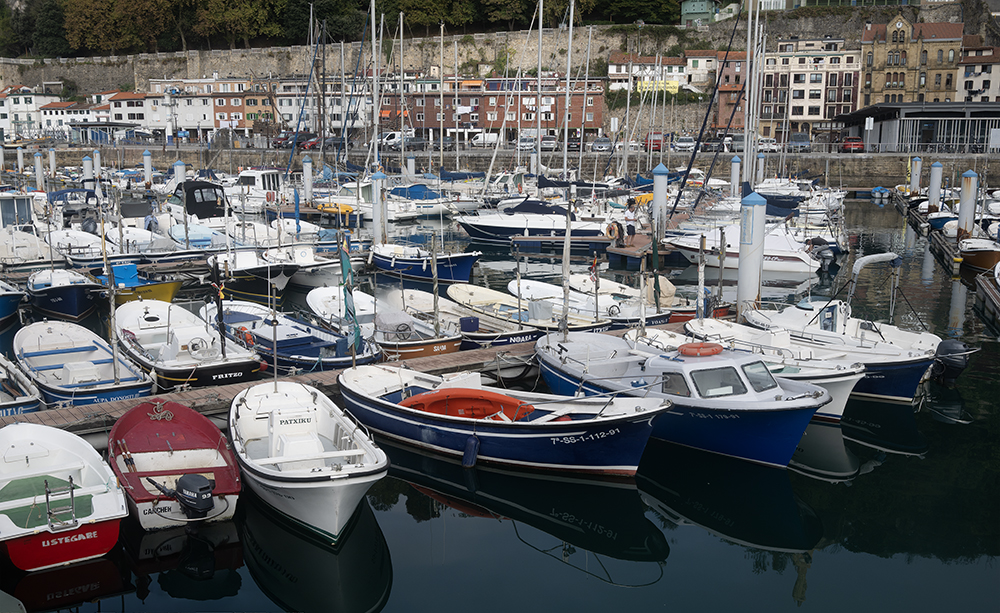
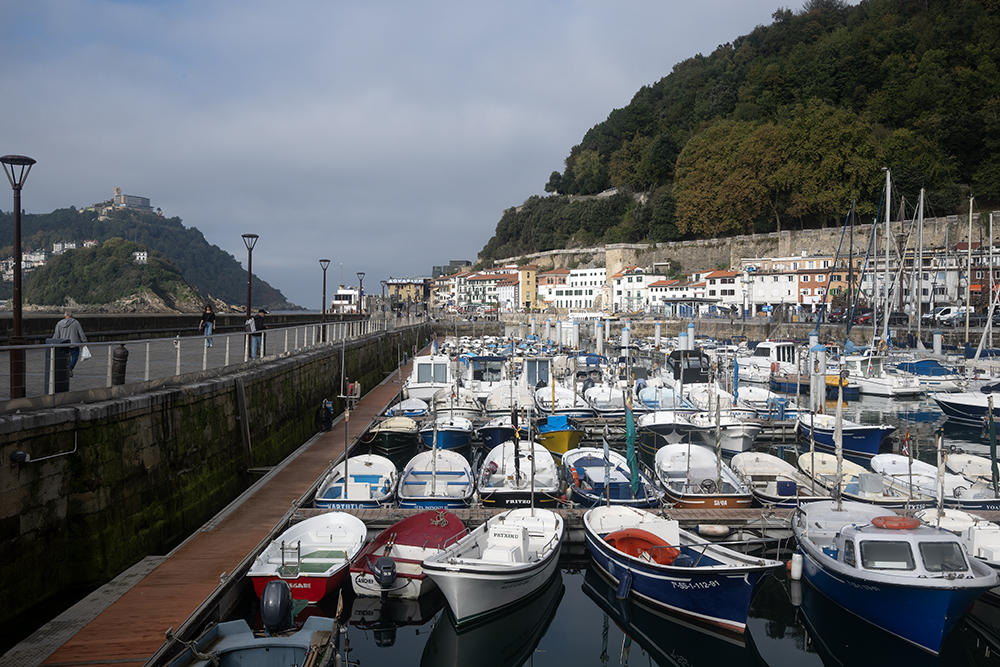
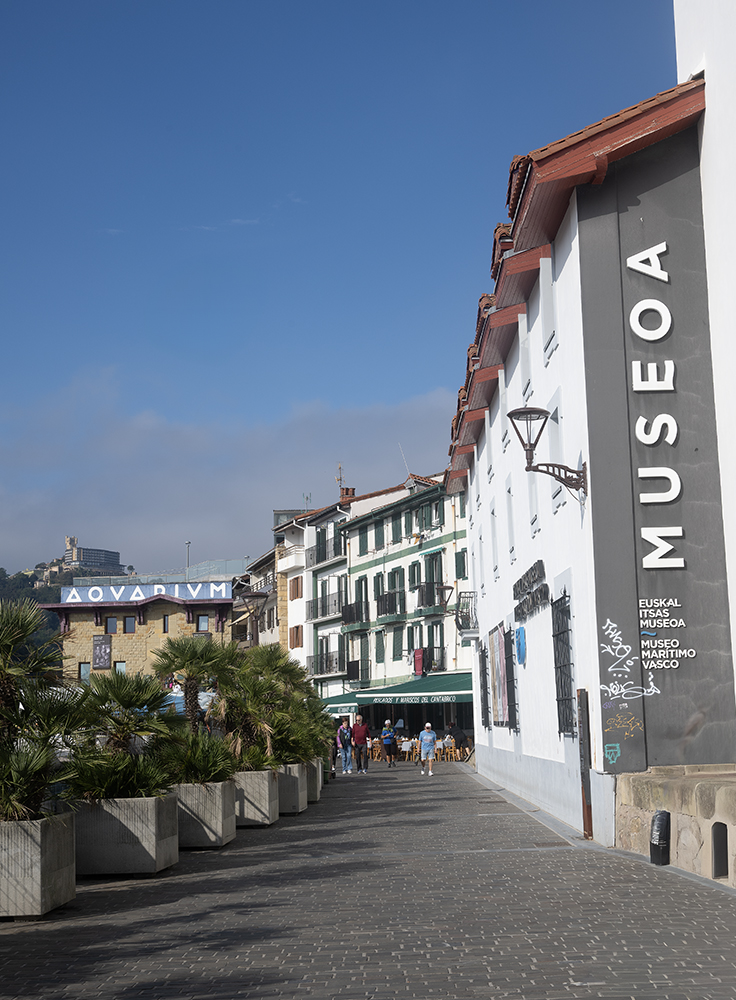
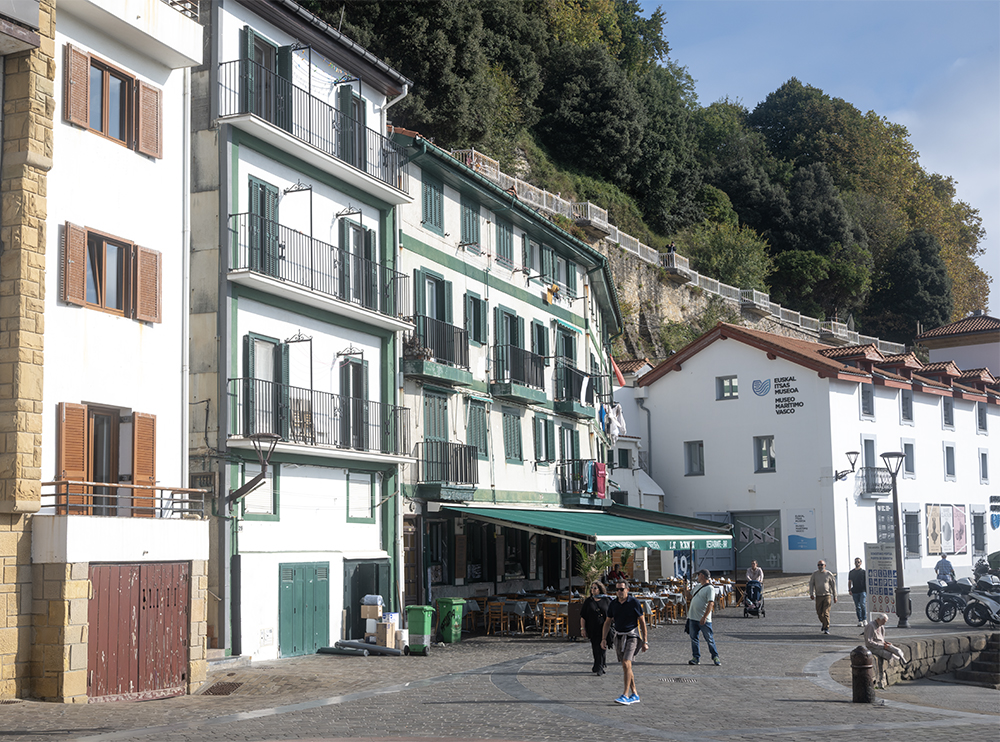
We enjoyed a lovely location at Lasala Plaza in the Old Town overlooking the bay and adjacent to the nighttime bustle. The promenade was right in front of us, with the inner harbor full of boats and the aquarium at the end.
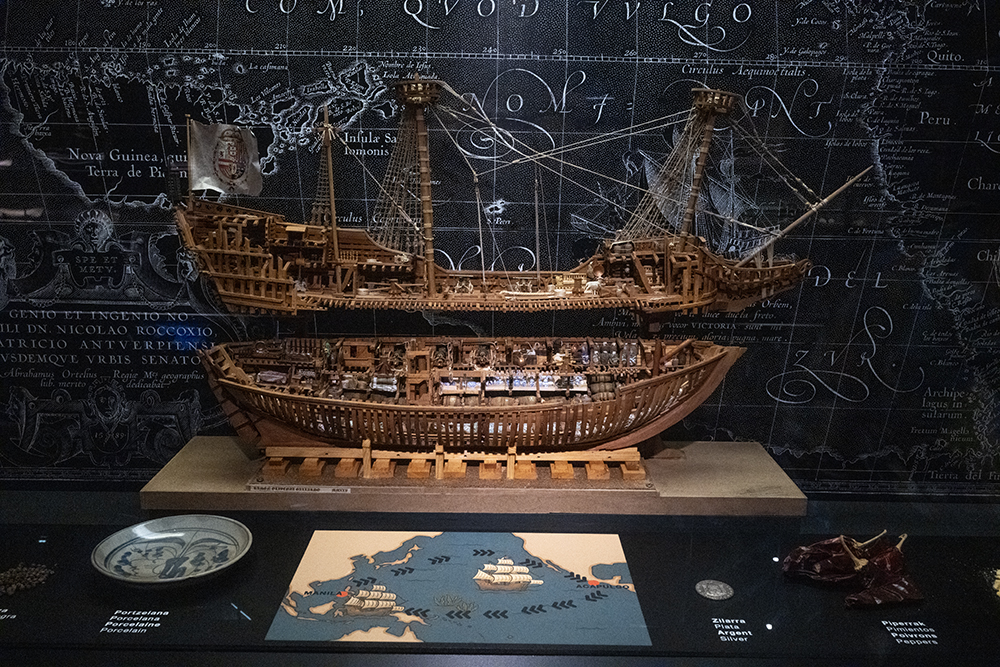
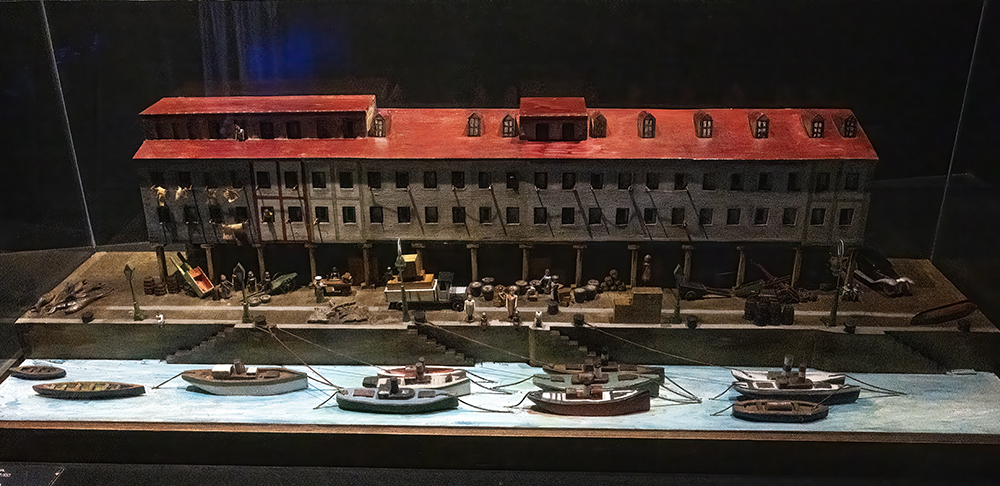
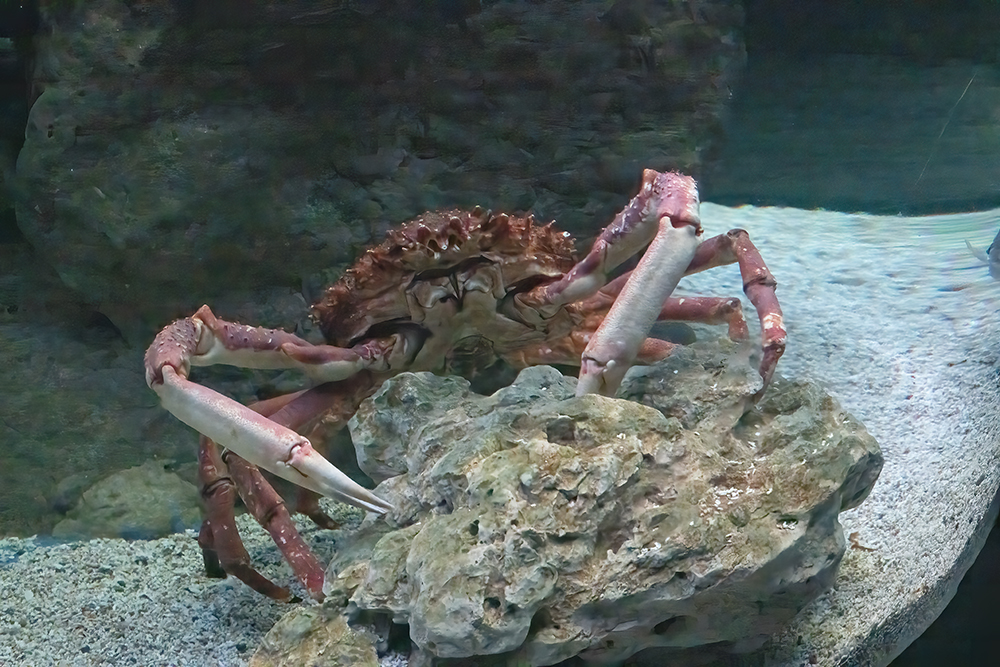
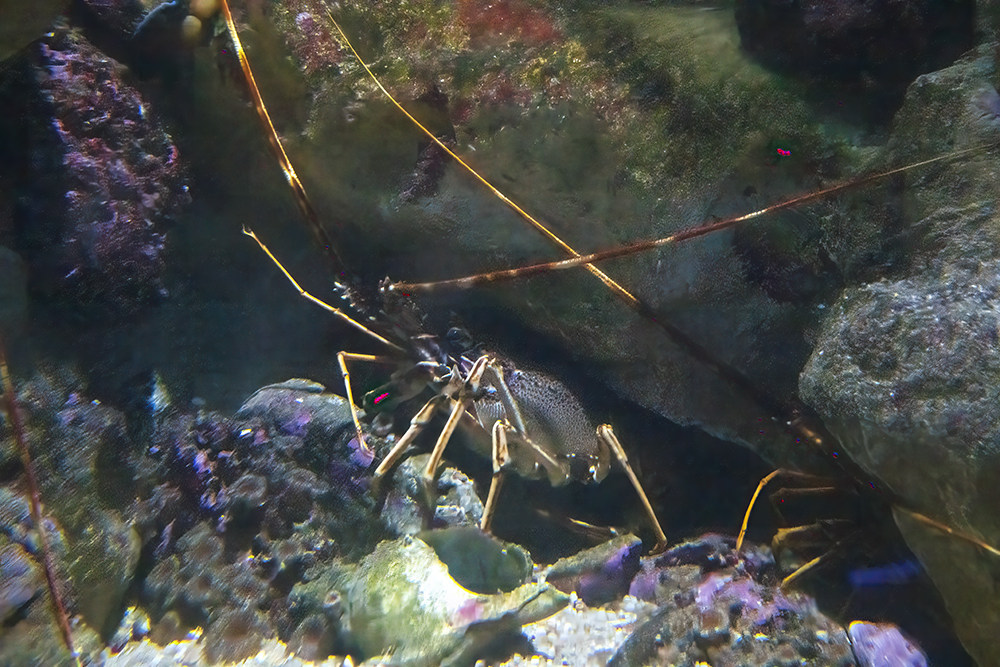
The aquarium (aovarivm) was quite interesting, containing a fairly large exhibit area featuring shipping history, and an enormous tank filling three stories filled with sealife.
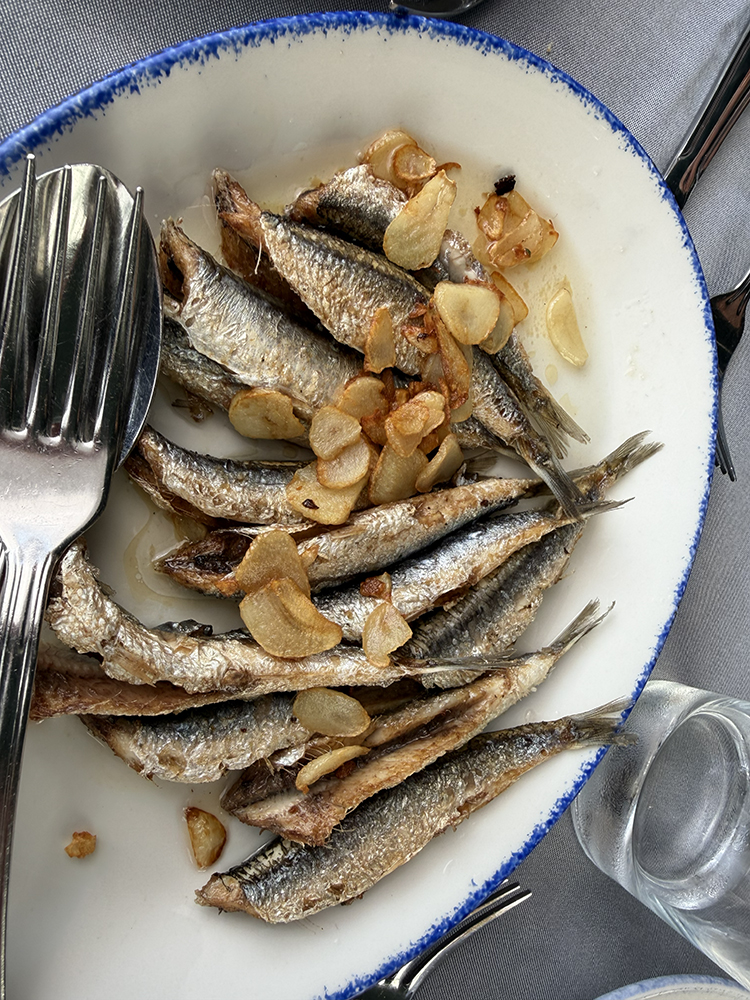
After our stroll and the aquarium, we settled into our seats at La Rampa Jatetxa for a seafood lunch including mussels, shrimp, fish and anchovies, all with bread and wine.
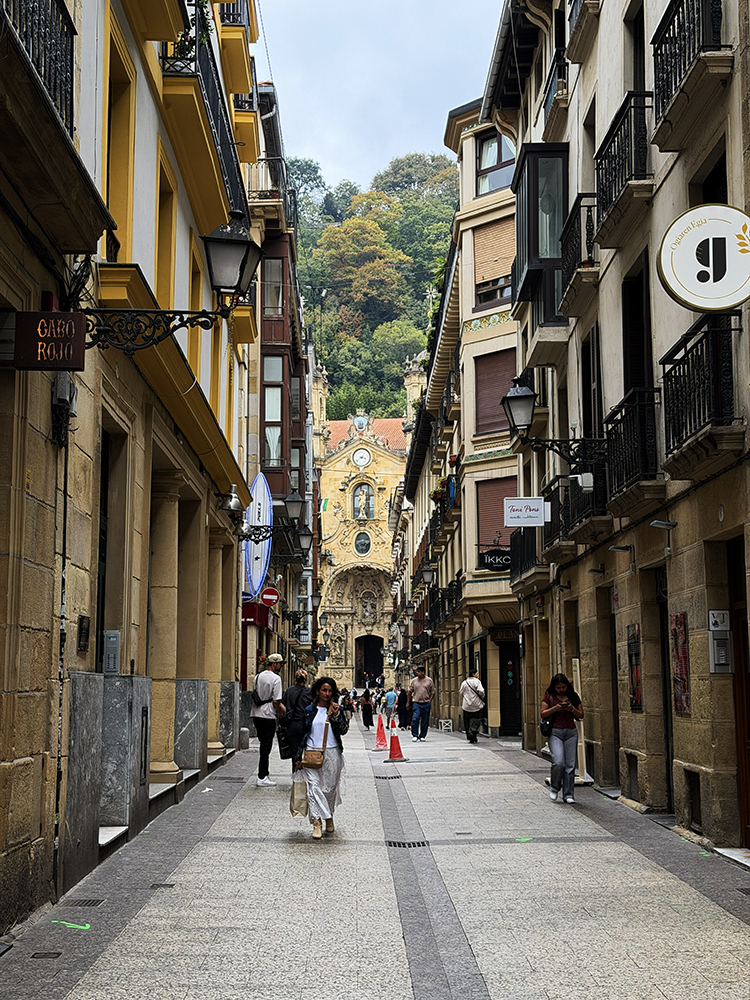
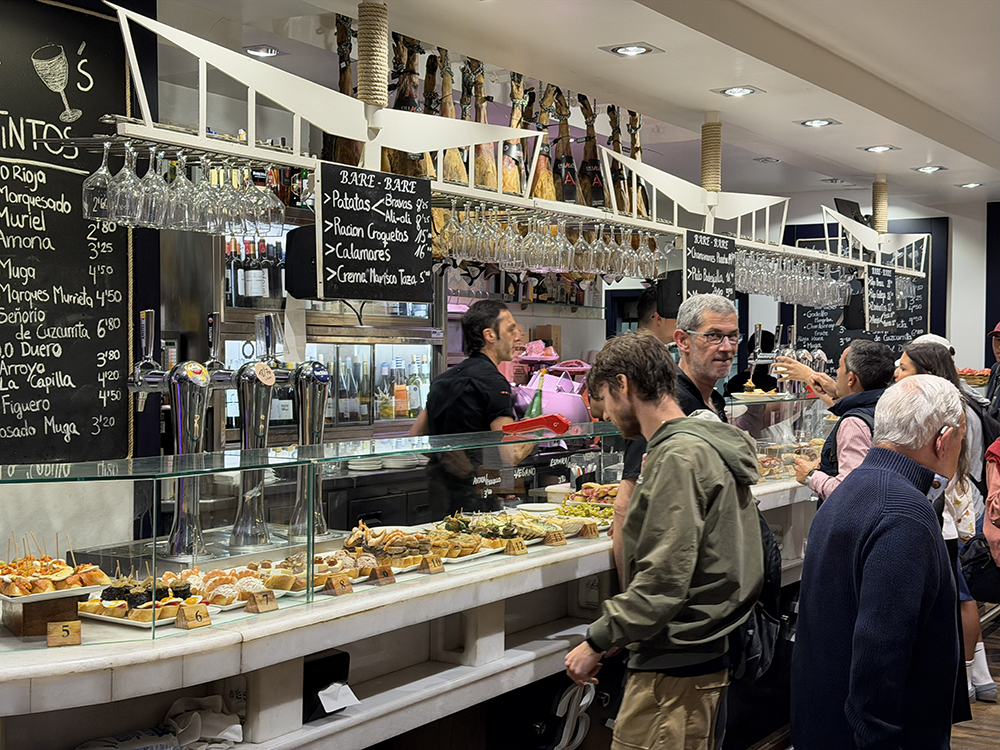
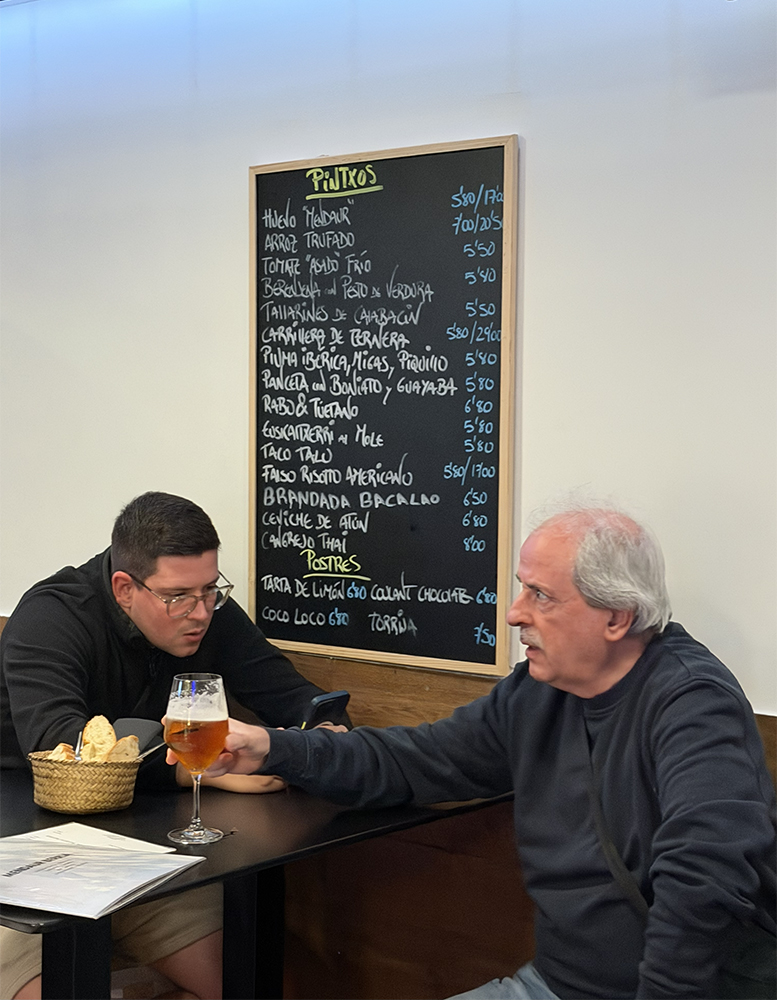
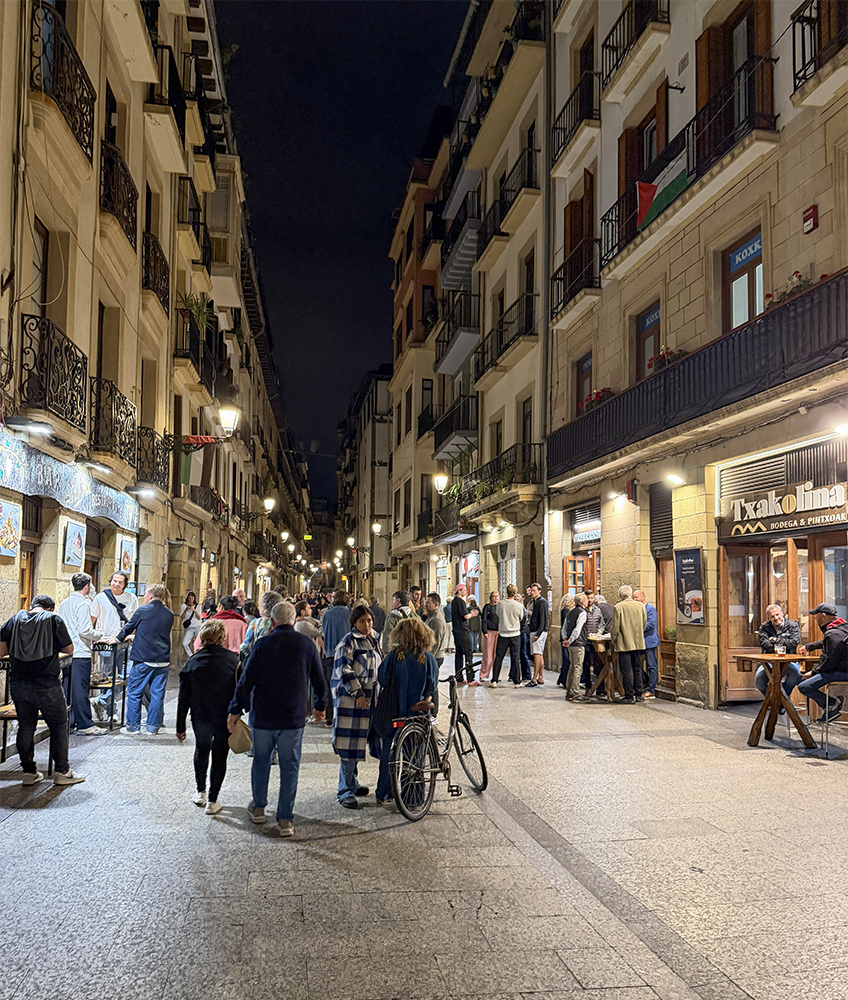
The Old Town is fun to stroll around during the day, filled with all hinds of interesting shops and narrow streets. This is where San Sebastian was born about 1000 years ago. The grid plan of streets hides heavy Baroque and Gothic churches, surprise plazas and fun little shops. Independence Square used to be the site in town for bull fights. Apartment dwellers had to allow ticket holders to occupy their balconies on such occasions. Old Town comes alive at night; the town highlight is an array of lively tapas bars – here called pintxos (peen-chos).
Independence Square
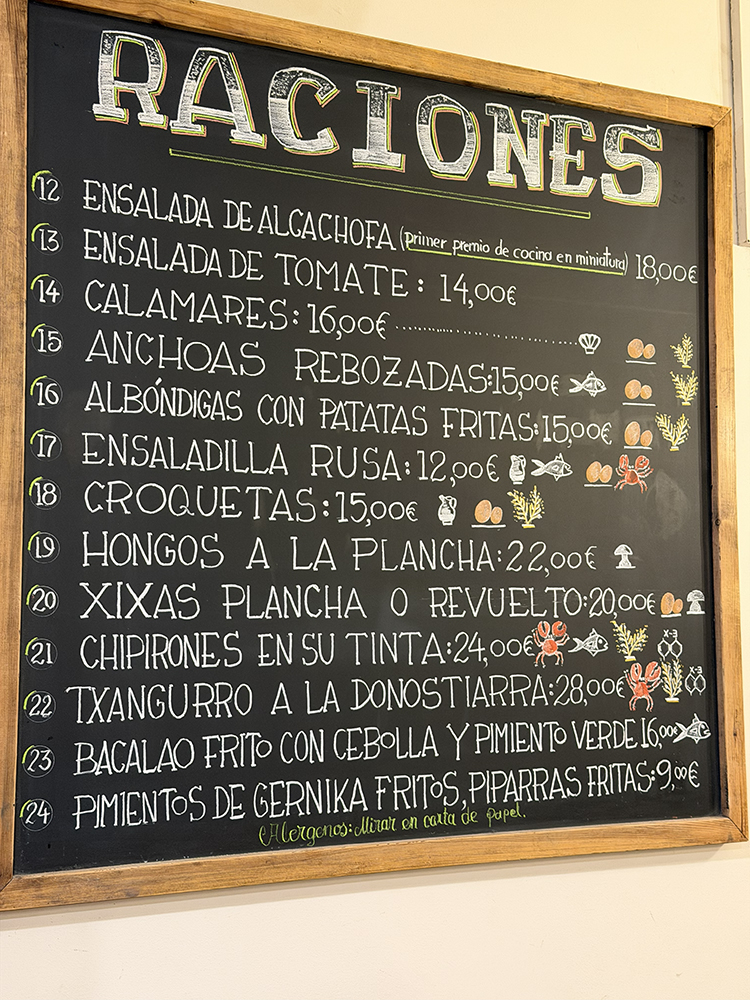
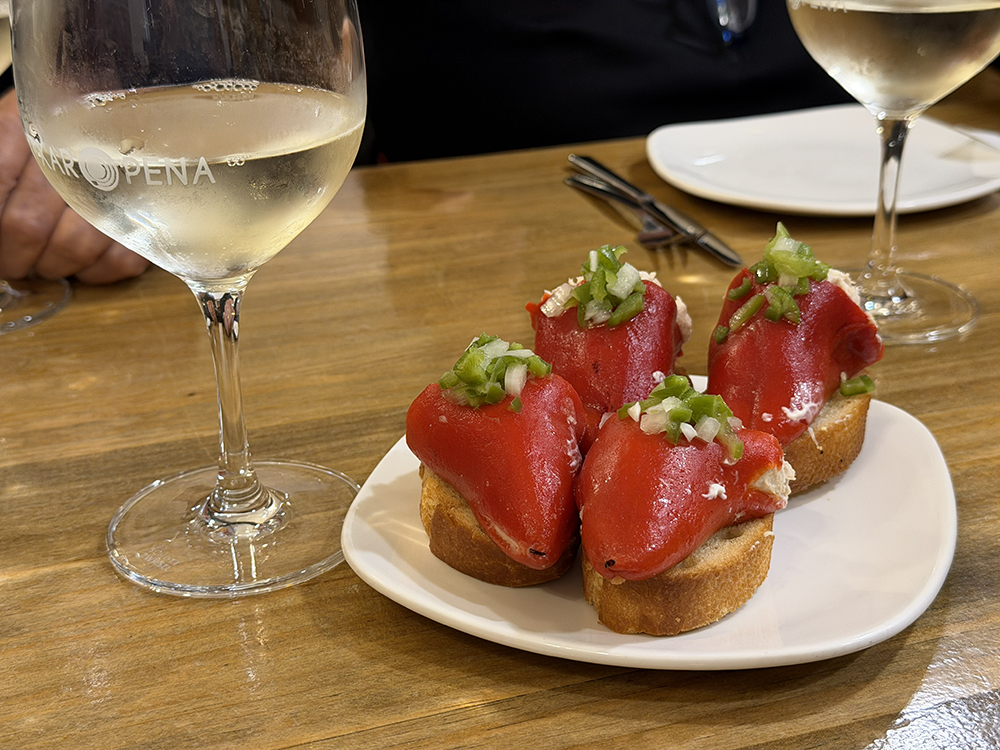
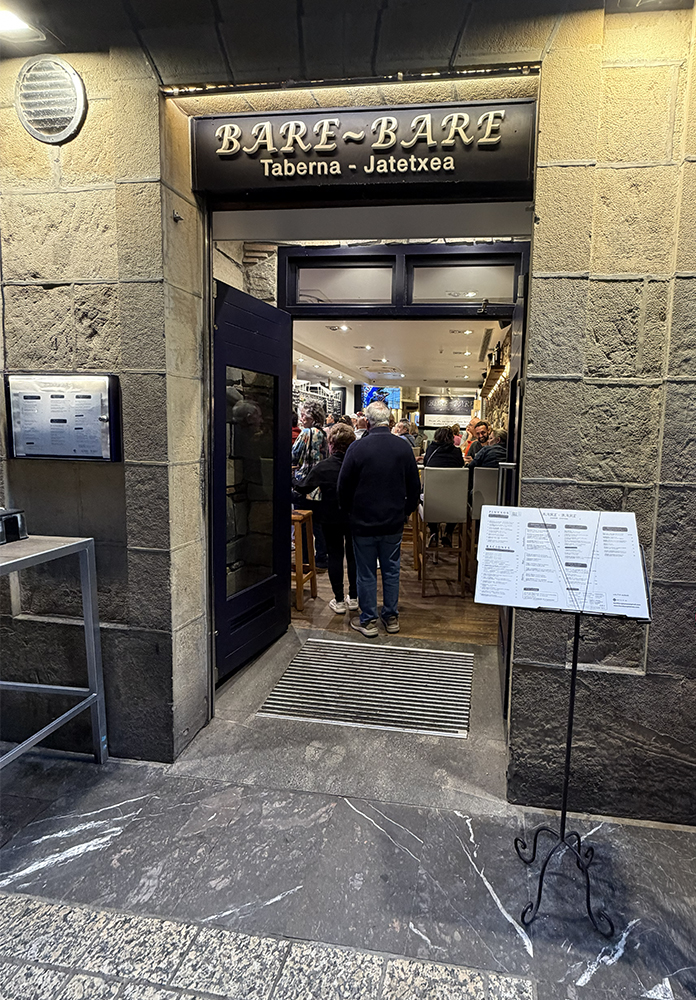
In the evening we toured the Old Town, visiting several pintxo bars. As the time grew later the streets and bars grew more lively.
We finished our trip with two days in Madrid. While there are tons of things to see, do and eat in this great city, we focused on visiting the Prado – one of the great museums of the world, eating at the world’s oldest restaurant and learning how to make paella the classic way. In this blog there are a collection of images shot during these days, except for Botin, a subject of the next posting.
Prado
The Prado is officially the Museo National del Prado, the main Spanish national art museum. It houses collections of European art, dating from the 12th century to the early 20th century, and has the single best collection of Spanish art. There re numerous works by Francisco Goya as well as Hieronymus Bosch, El Greco, Peter Paul Rubens, Titian and Diego Velasquez. The collection comprises around 8200 drawings, 7000 paintings, 4800 prints and 1000 sculptures.
The Museum
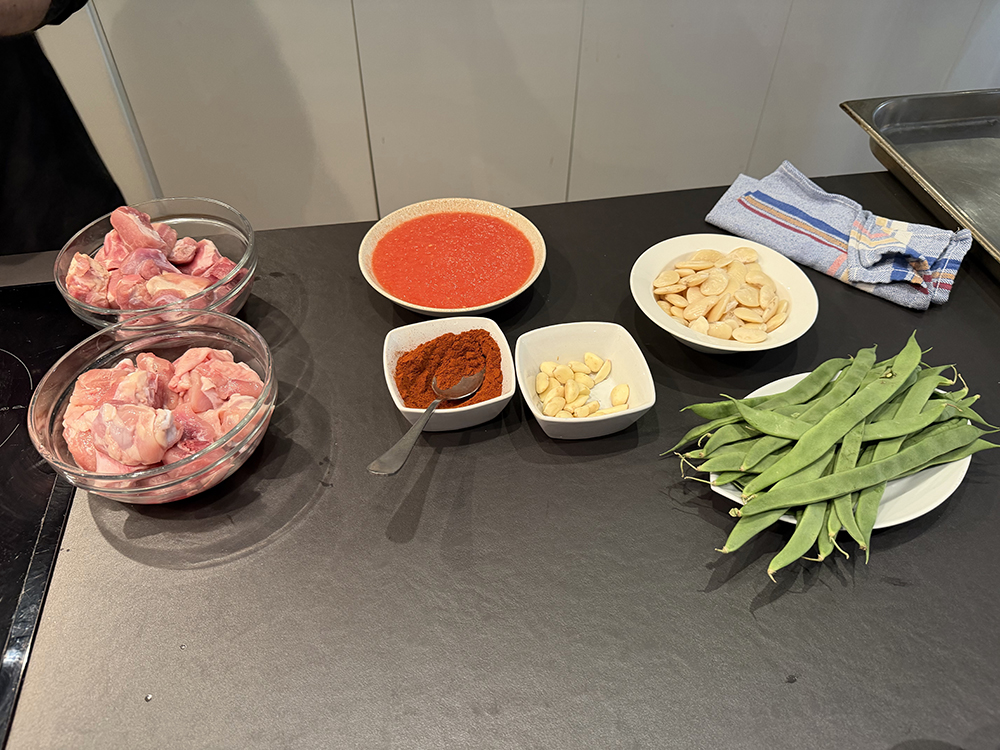
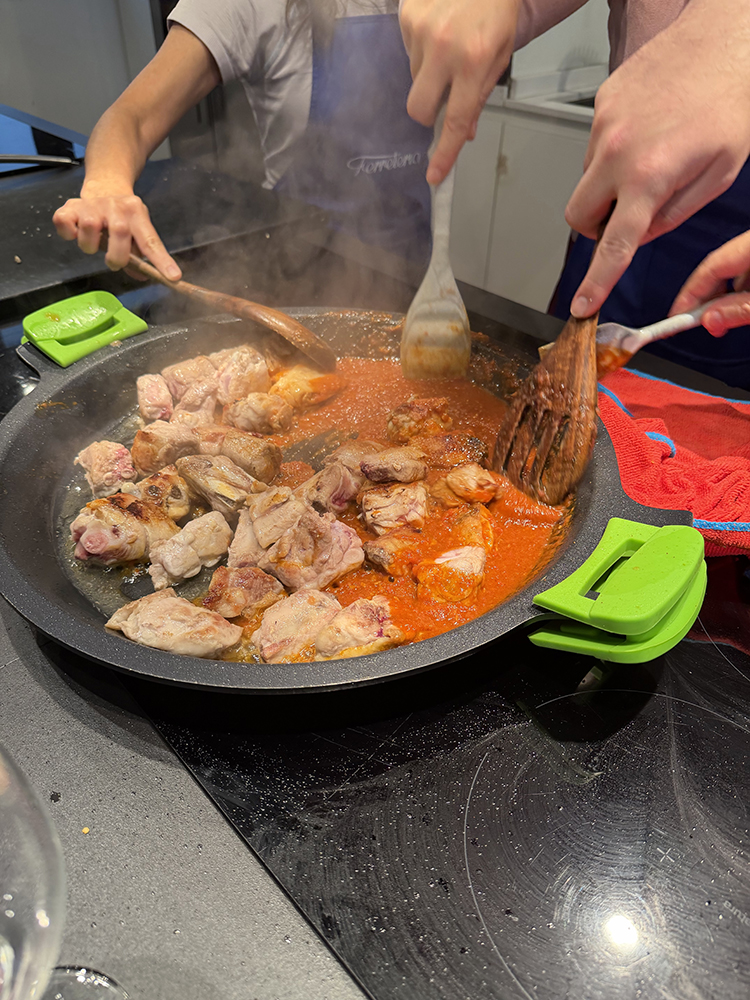
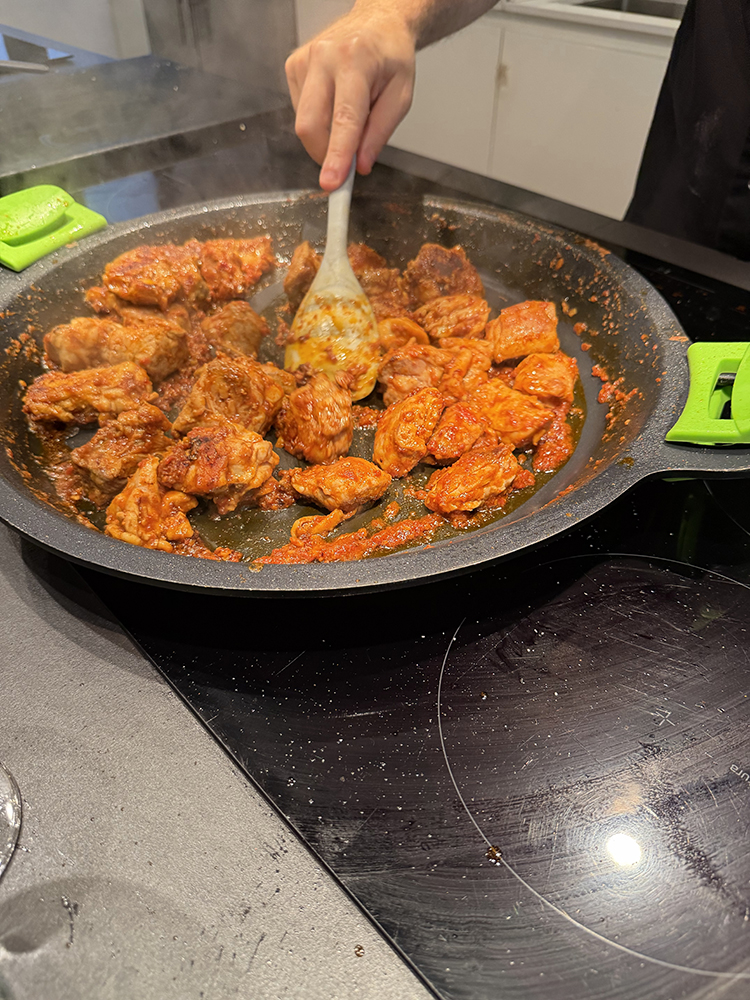
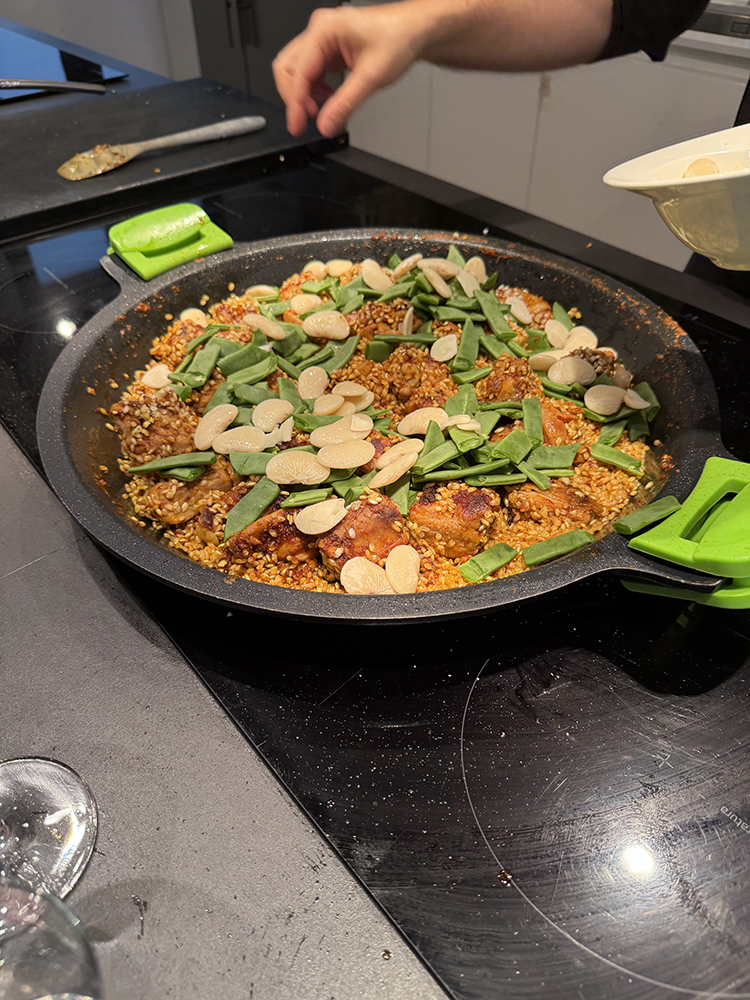
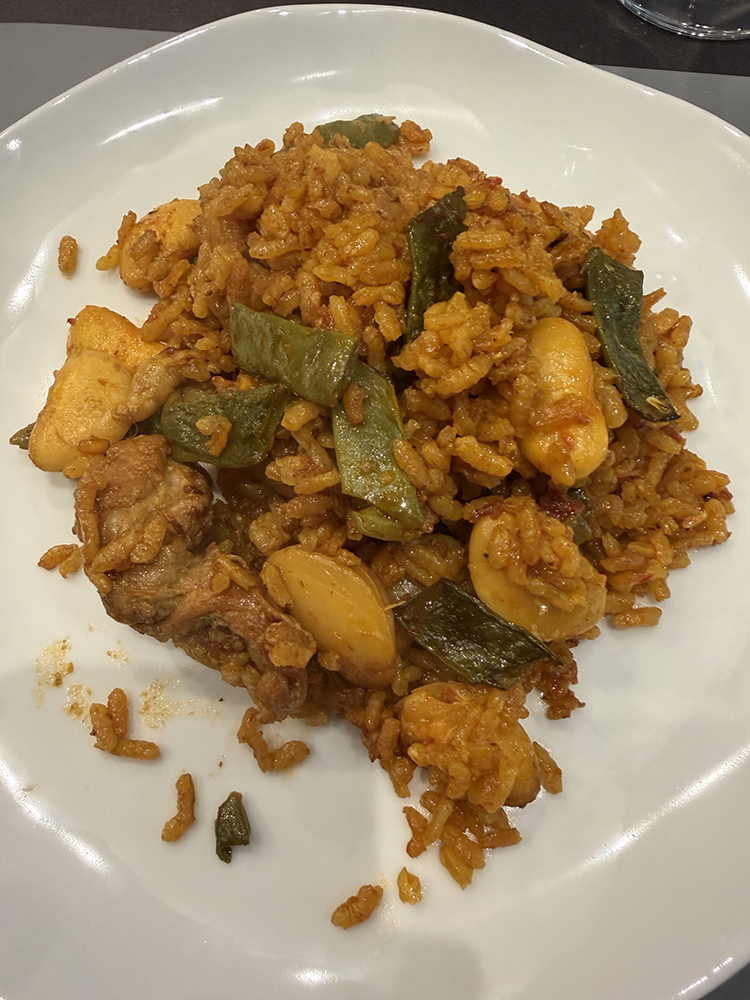
Cooking Paella
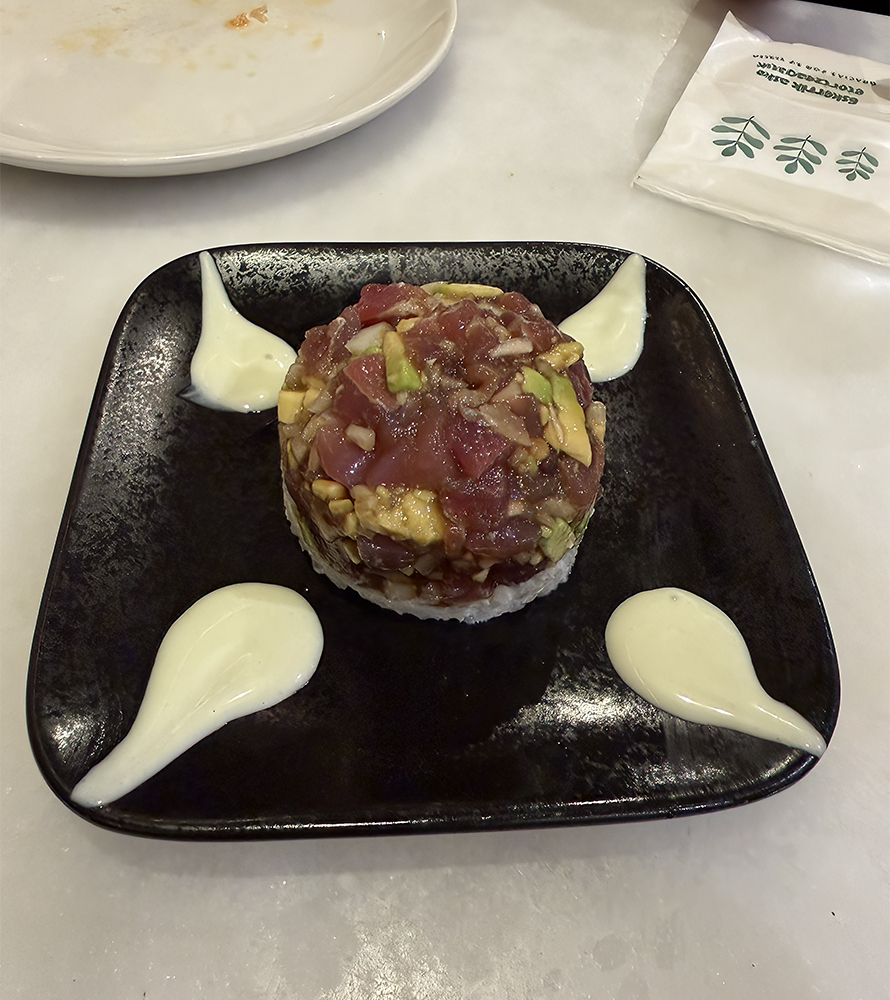
The ClassOur Chef DanielGilda PintxosCroquettesPaella
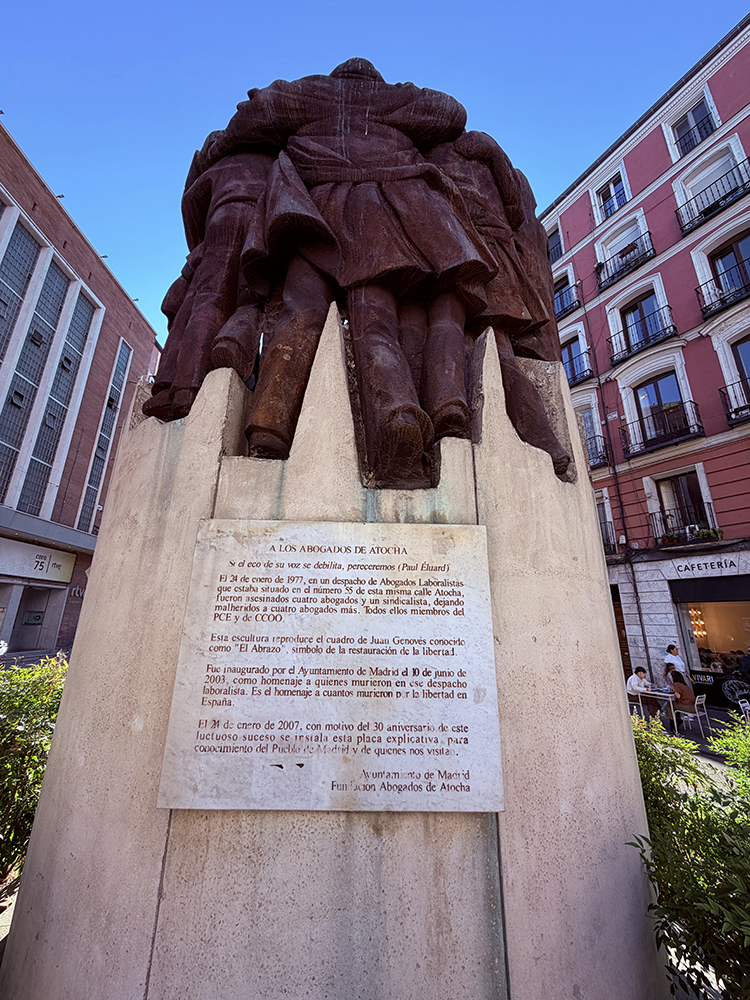
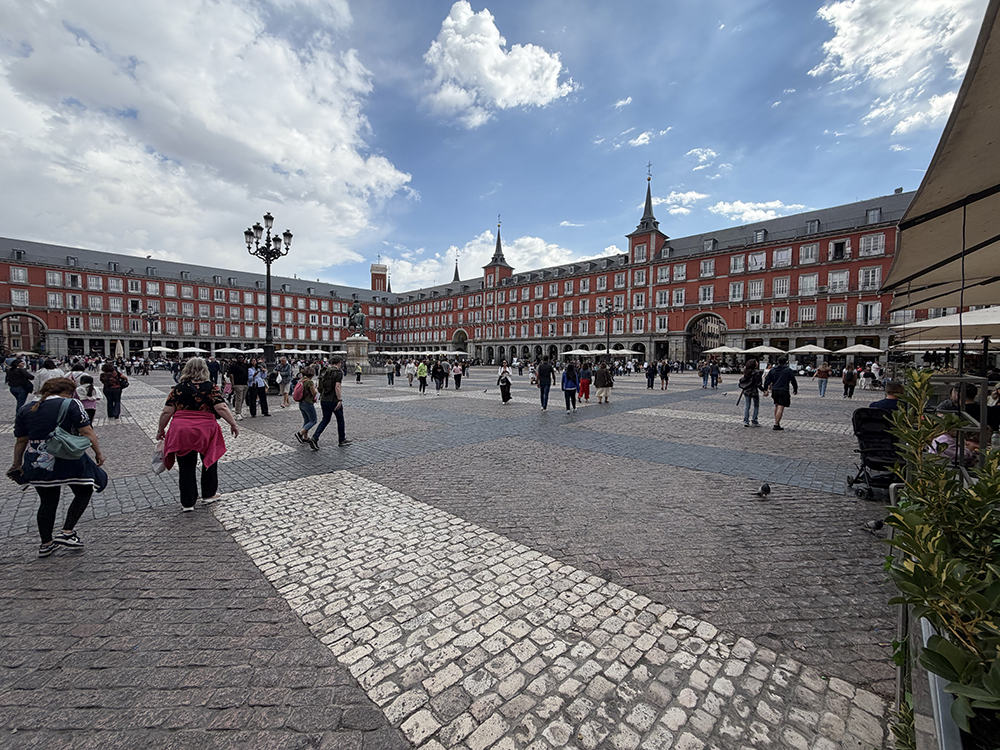
Madrid Images
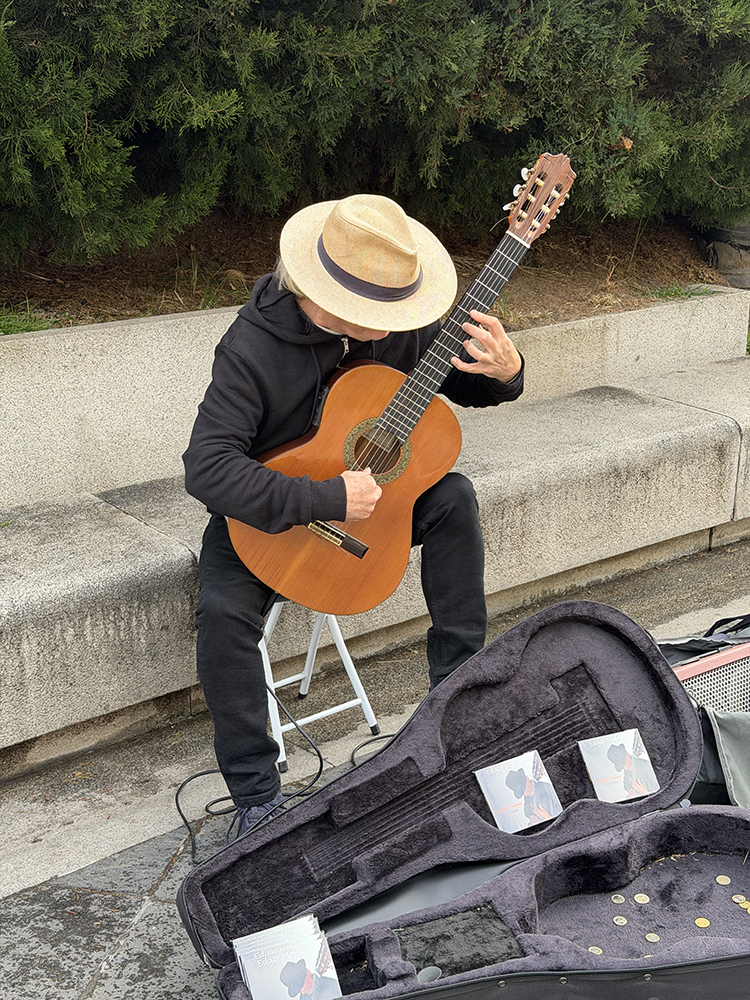
The HugHotel StaircaseLocal Tapas BarLocal Transportation
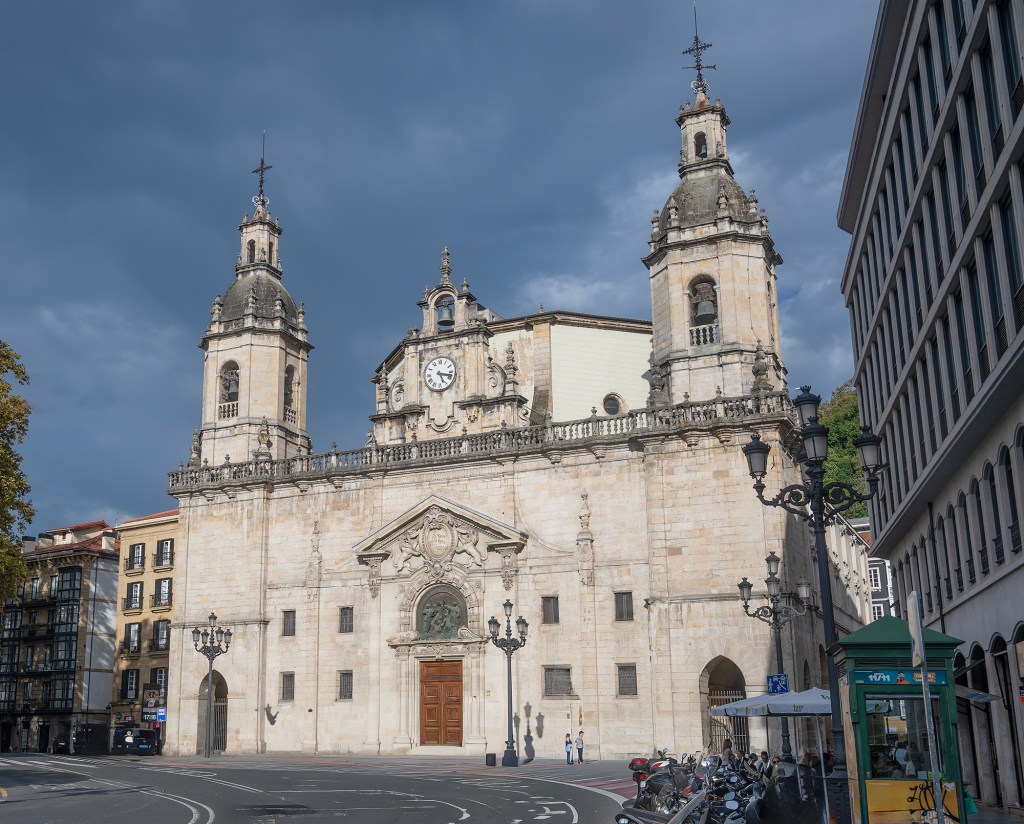
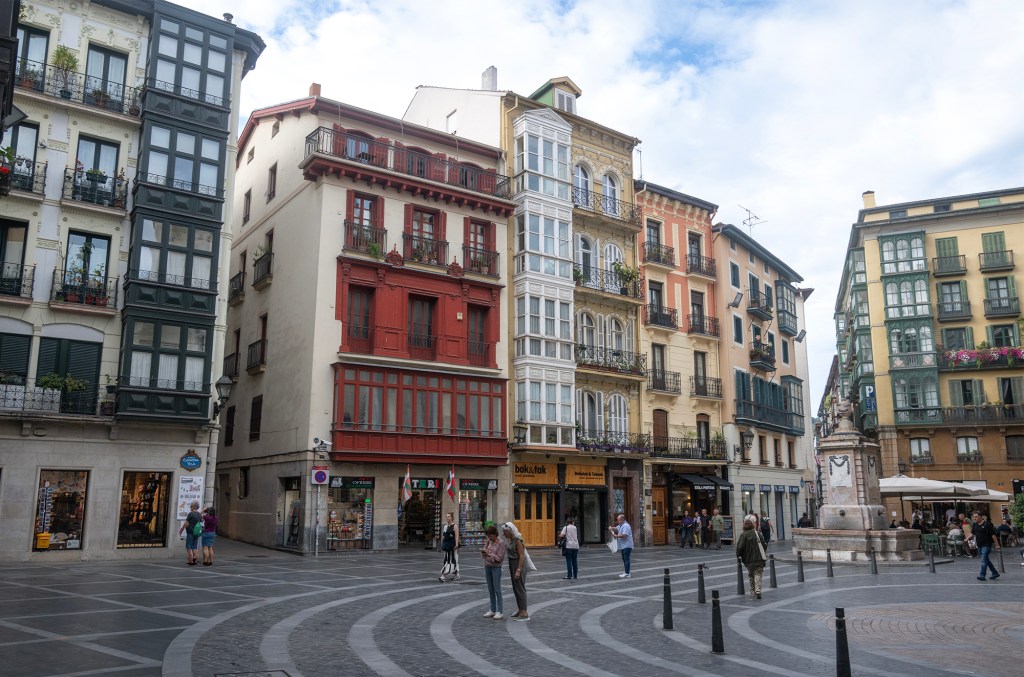
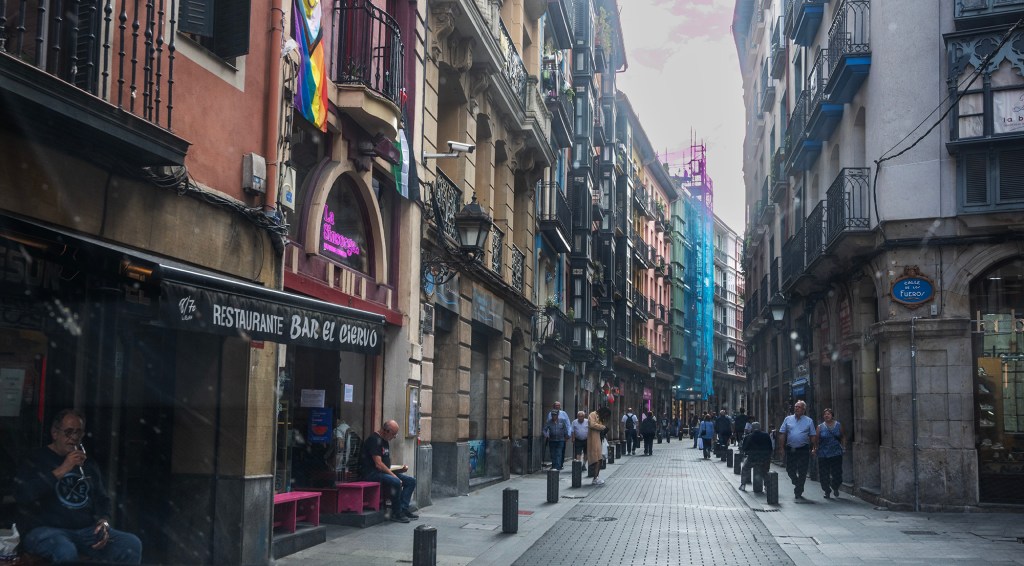
We arrived in Bilbao mid-day. Unfortunately the Guggenheim museum, world renowned, was closed that day. Bur we found a little cafe in the old town for lunch before we met our guide Xavier.
We then met our guide Xavier, who took us on a tour of the old town.
After a brief van tour along the river, sights including the Guggenheim, we headed off to San Sebastian.
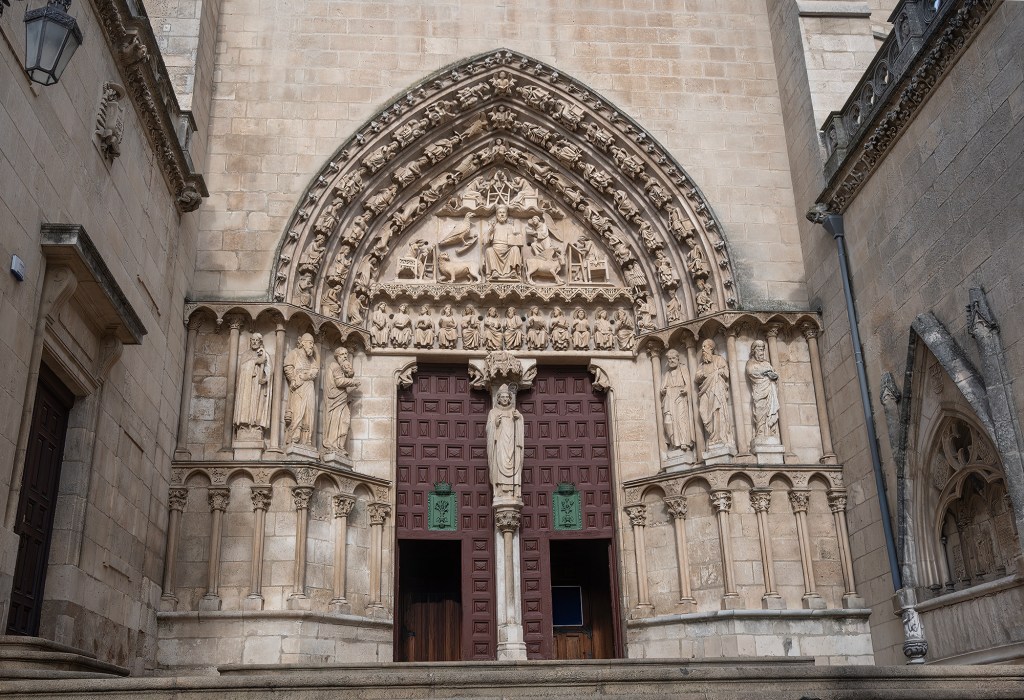
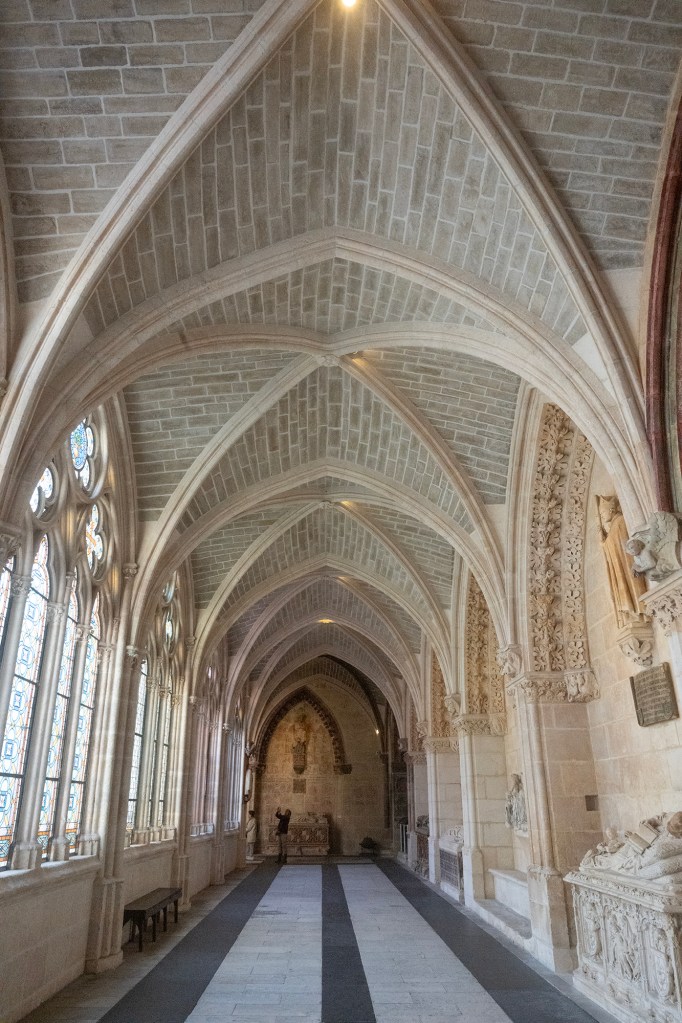
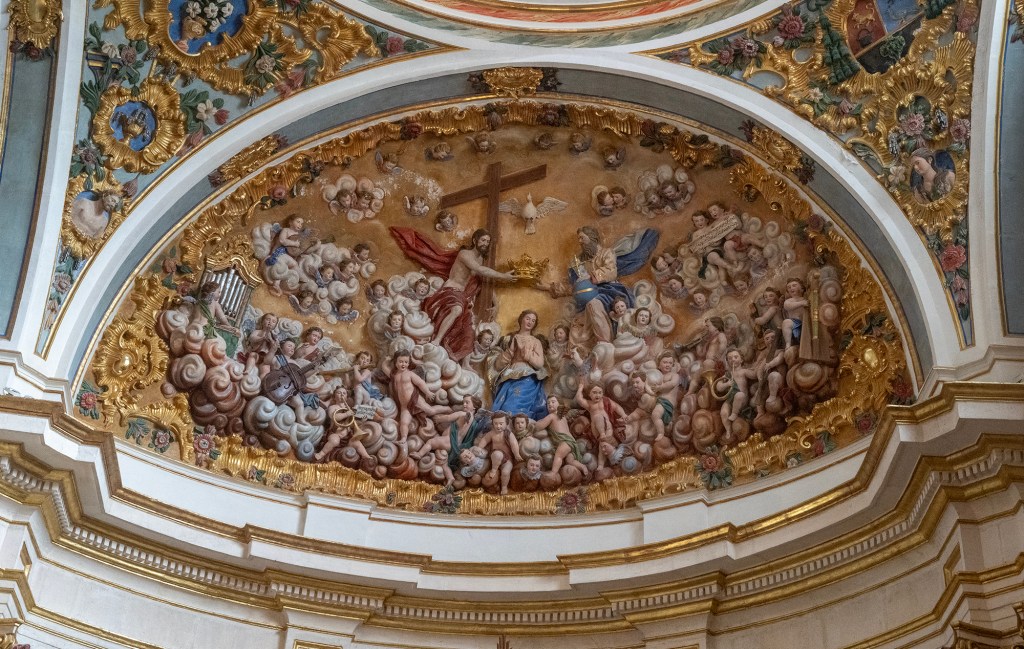
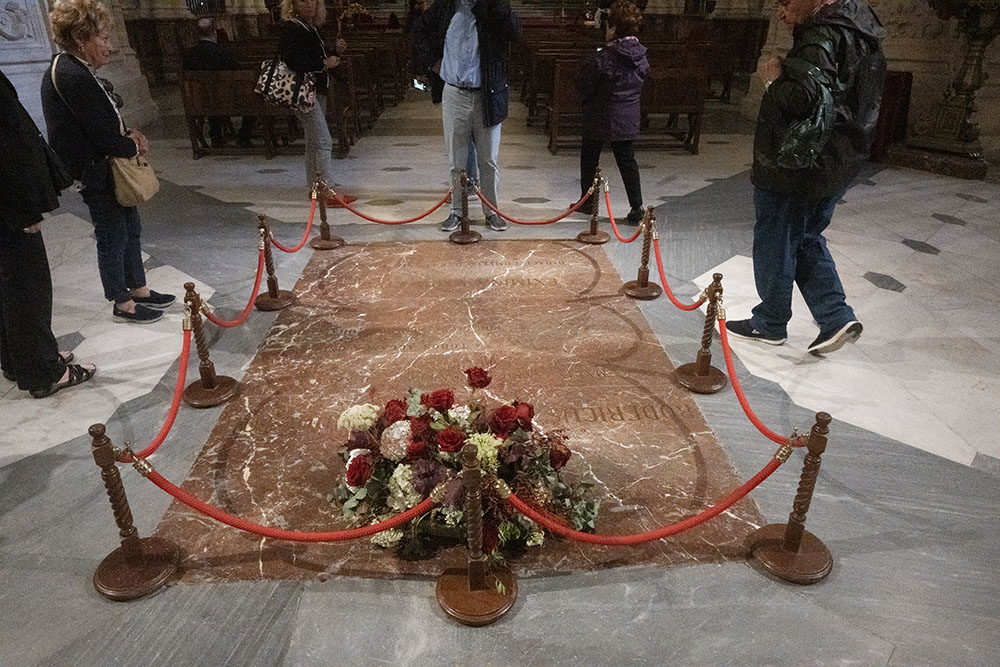
On our way from Leon to Bilbao, we made a stop in Burgos to see the cathedral. Burgos boasts one of the masterpieces of Spanish Gothic, its Cathedral, declared a World Heritage Site. The French Gothic Cathedral of St. Mary, has three main doorways which are flanked by ornamental bell towers. Inside is the Chapel of Candestable, decorated with figures of saints and the tomb of El Cid (Rodrigo Diaz de Vivar), the 11rth century military commander.
The cathedral is approached via the Arco de Santo Maria, a gateway which once pierced the old city walls and remains a plump and satisfied portal which leads from the river to the old town. The sculptures on the front represent the figures of Carlos V, El Cid and Fernan Gonzalez, the first king of Castile. The cathedral was begun in 1221.
Long ViewArco de Santo MariaCathedralTomb of El Cid
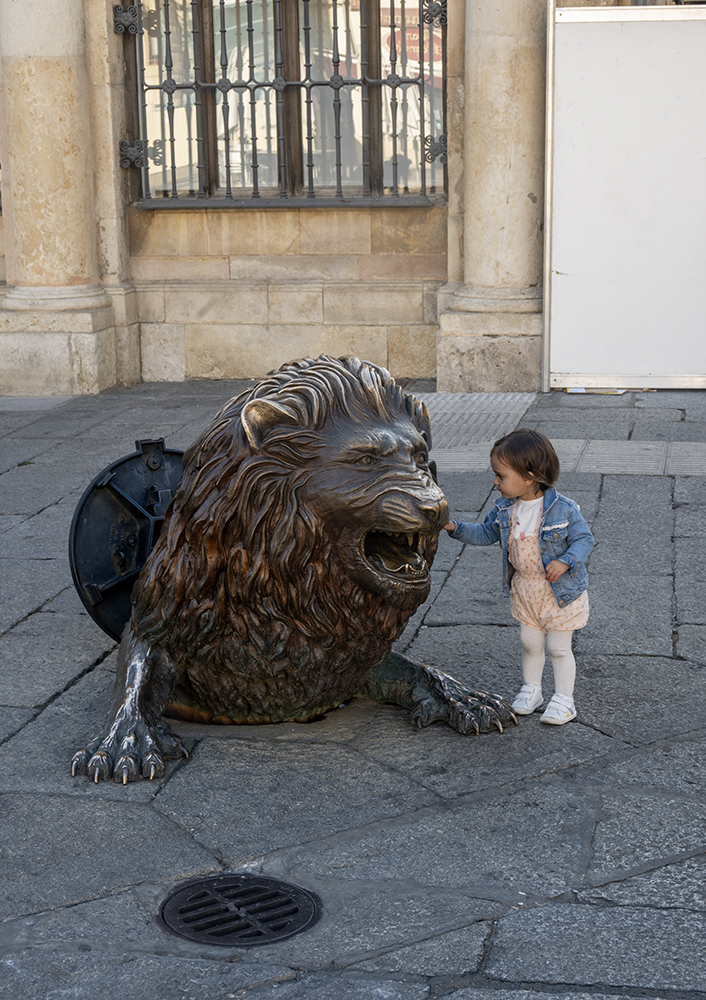
On the way across northern Spain. Next stop was Leon, the capital of Leon and Castile, and is a city with a vast cultural, historical and architectural heritage. The Roman legions conquered this are around 29 BC and called it Legio so the Celts knew who was in charge. The region was dominated by various groups for hundreds of years, and became an autonomous kingdom in 910 AD. In the middle ages power and money drained away to Madrid, but the pilgrimage route to Santiago was boosted, and fine buildings such as the cathedral were embellished. The old city center has been preserved. It has become a university town and the chief city of the region.
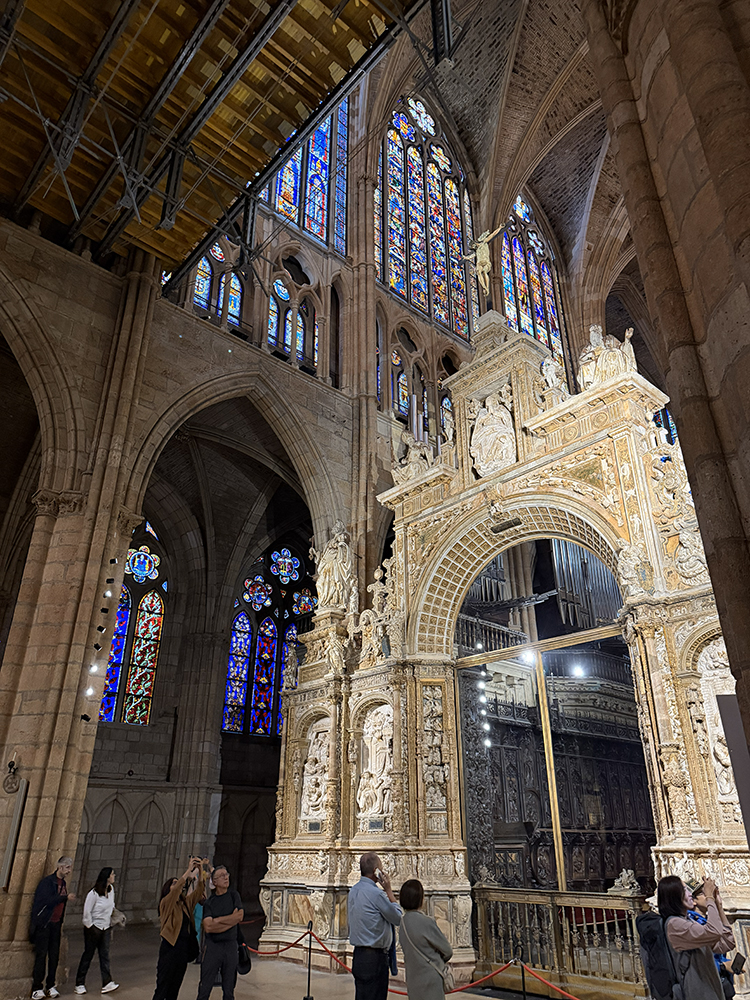
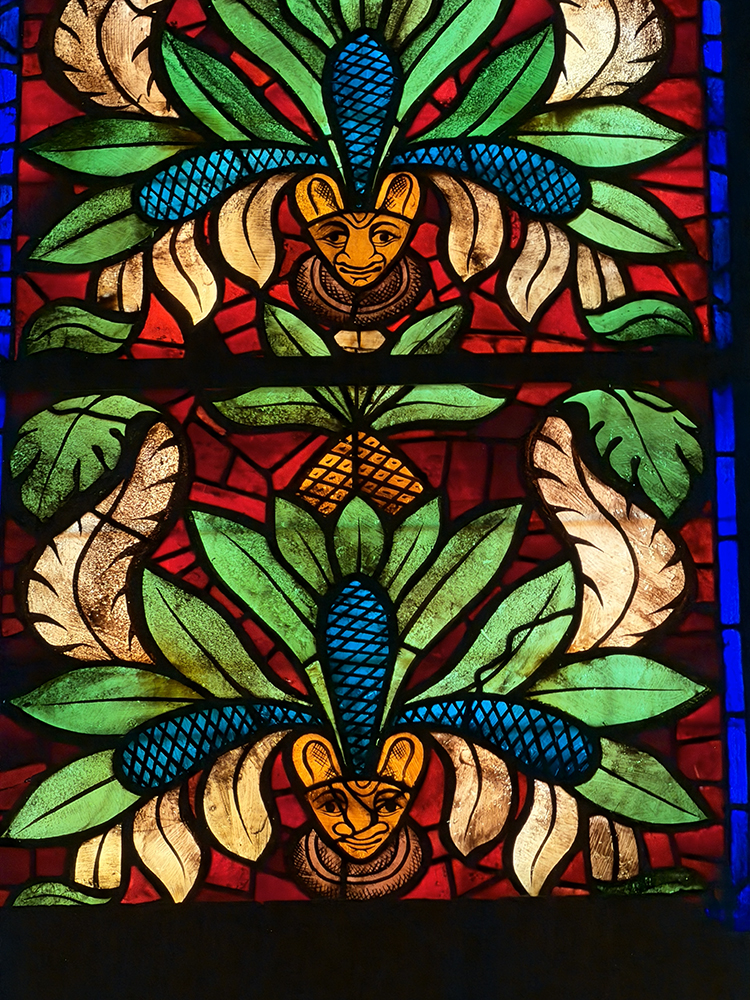
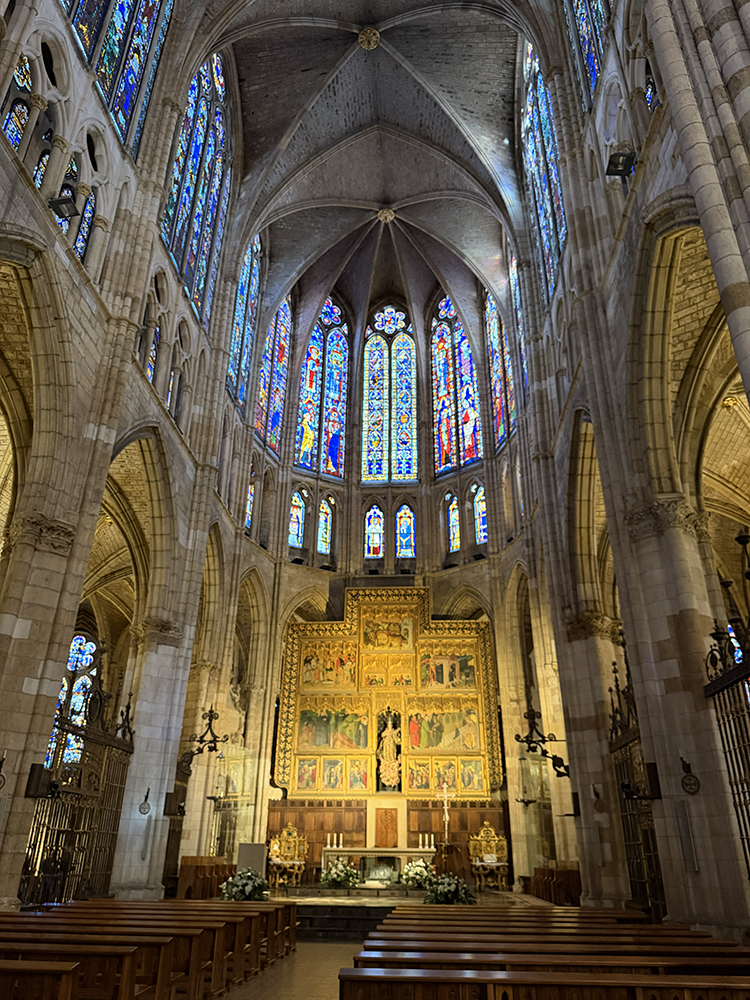
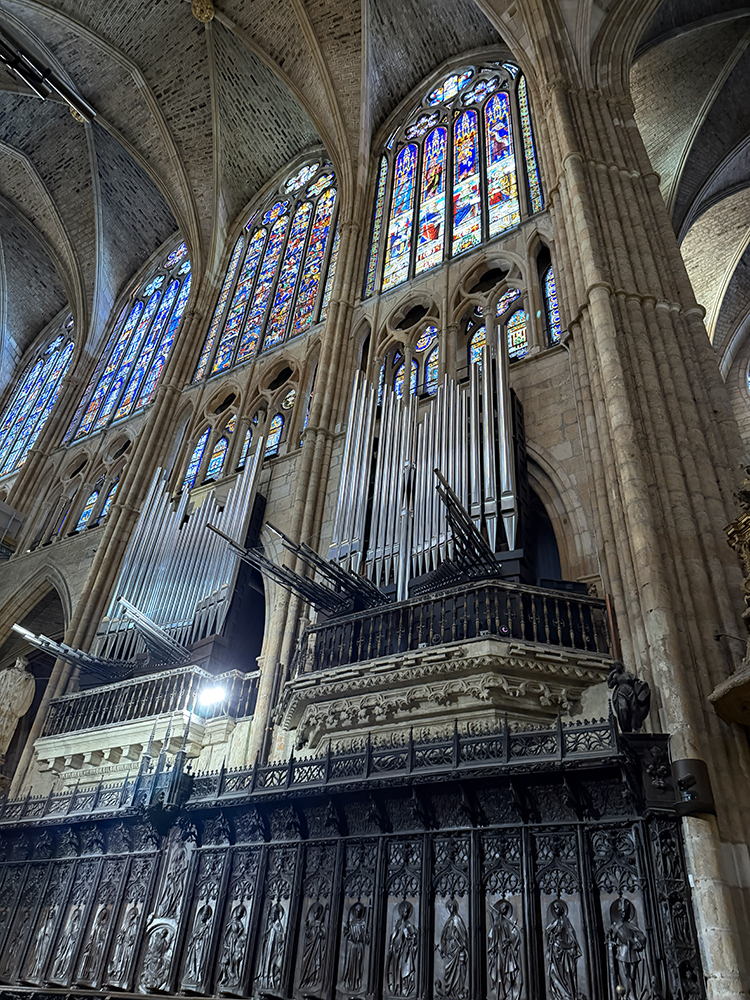
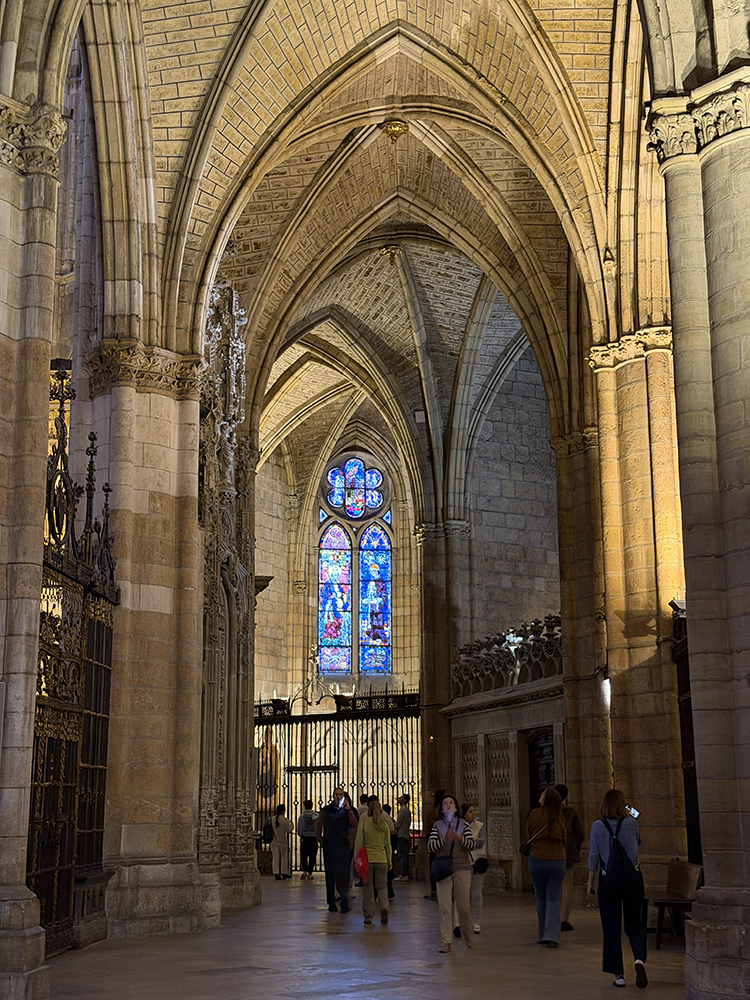
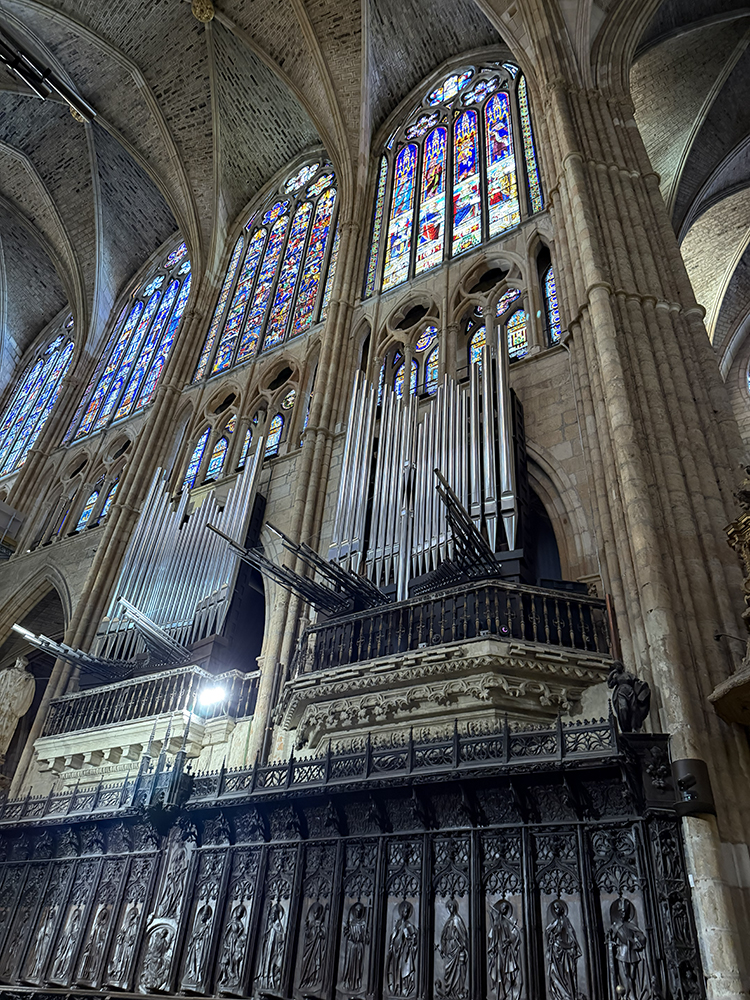
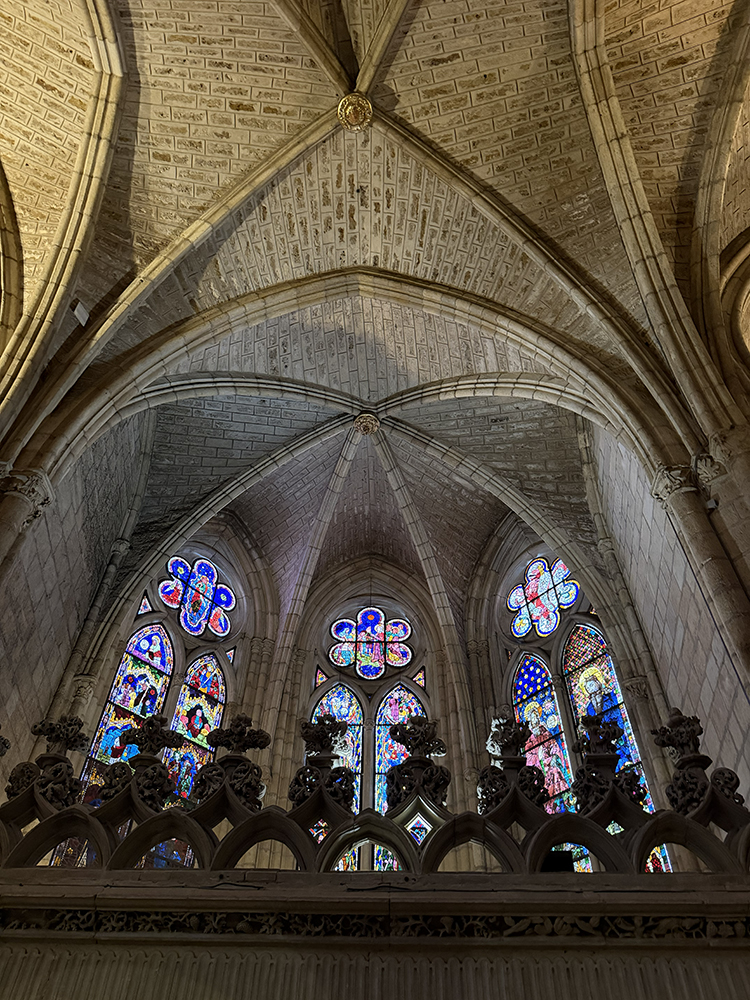
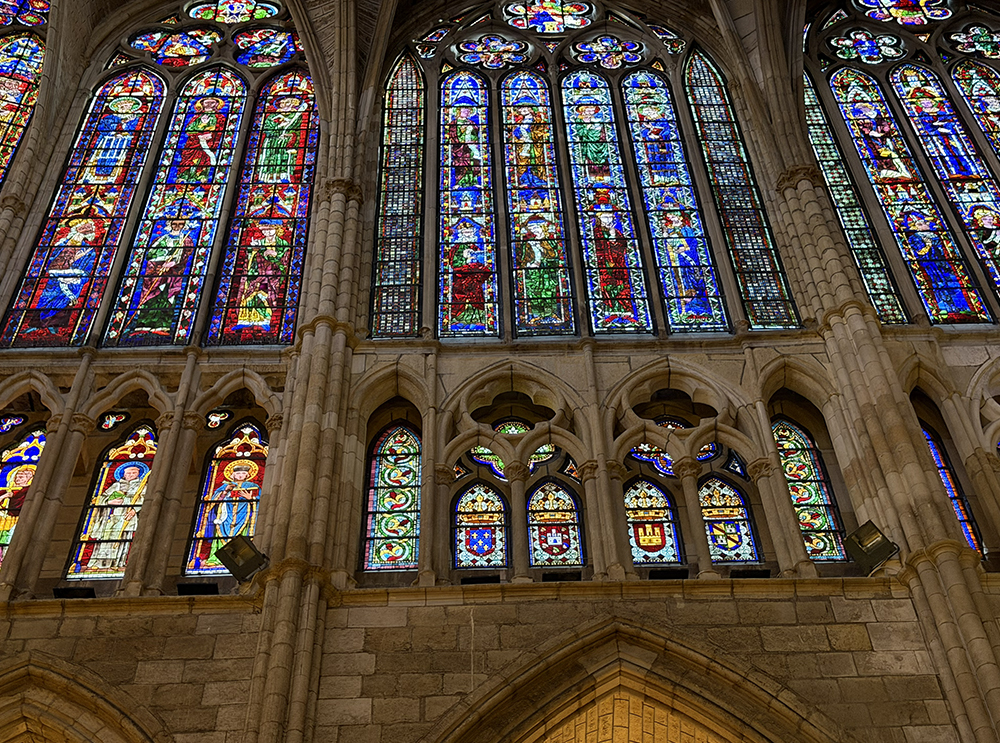
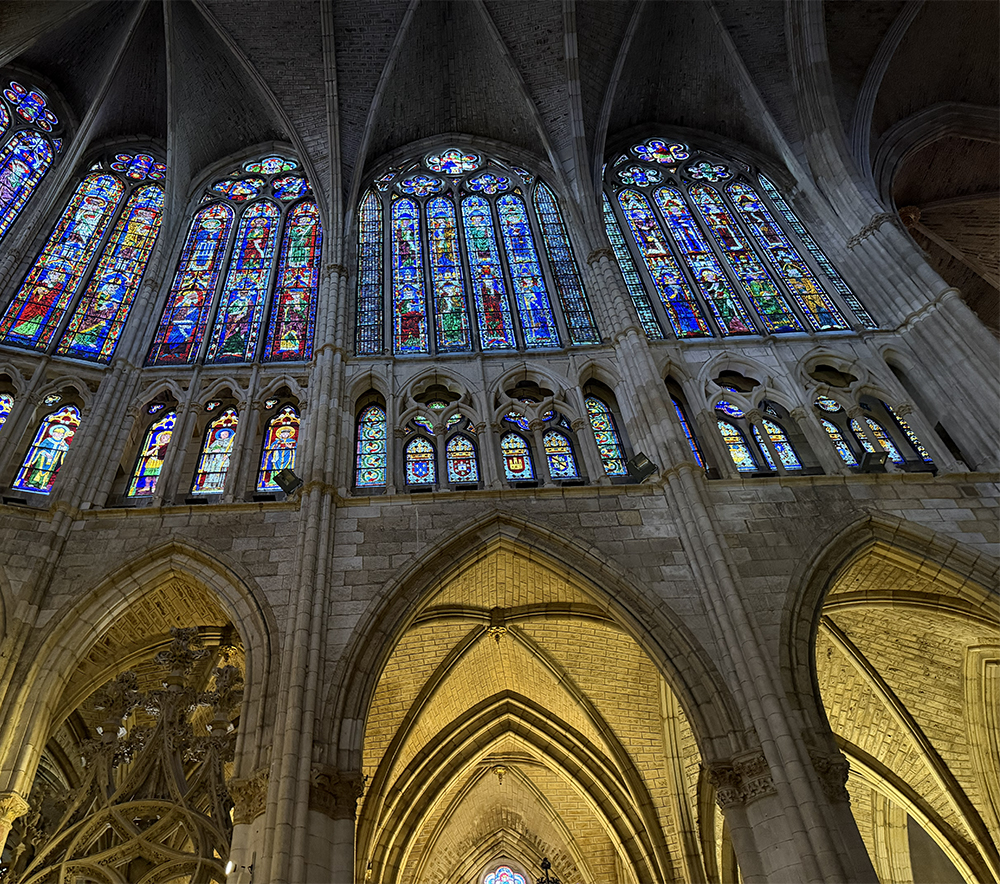
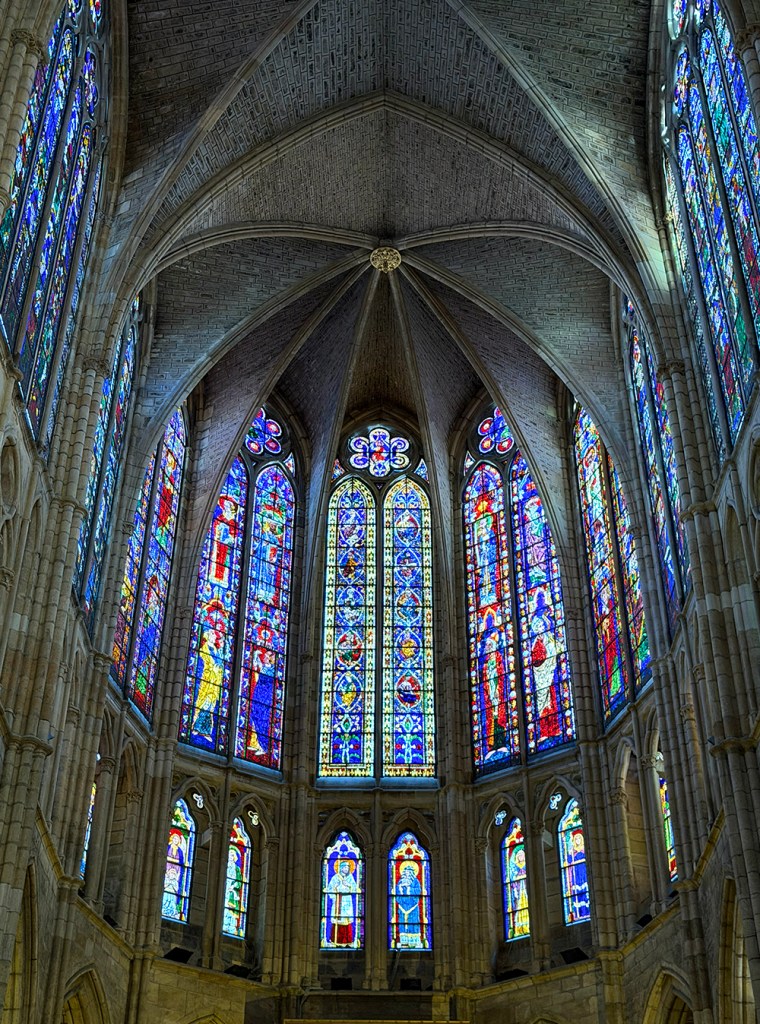
Santa Maria de Regia de Leon Cathedral is a Catholic church which was initiated in the 13th century. It is one of the greatest works of the Gothic style, with French influences. It is mostly known form taking the “dematerialization” of gothic art to the extreme, that is, the reduction of the walls to their minimum expression to be replaced by stained glass, constituting one of the largest collections of medieval stained glass in the world.
The City
The Cathedral
Dining and Lodging
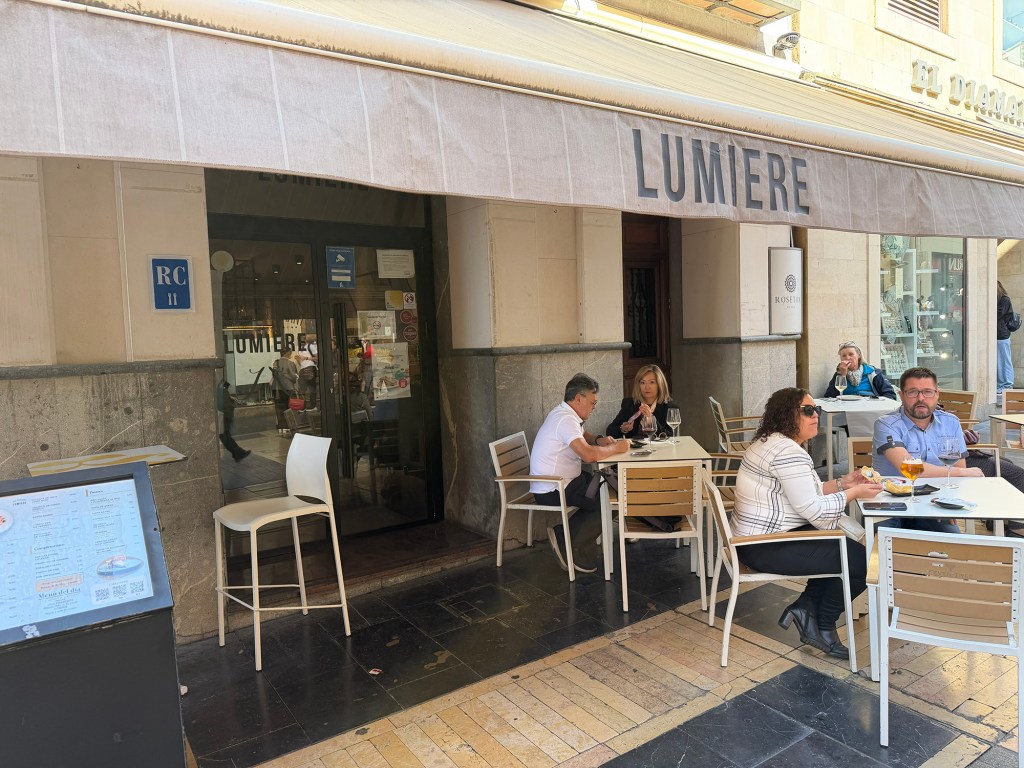
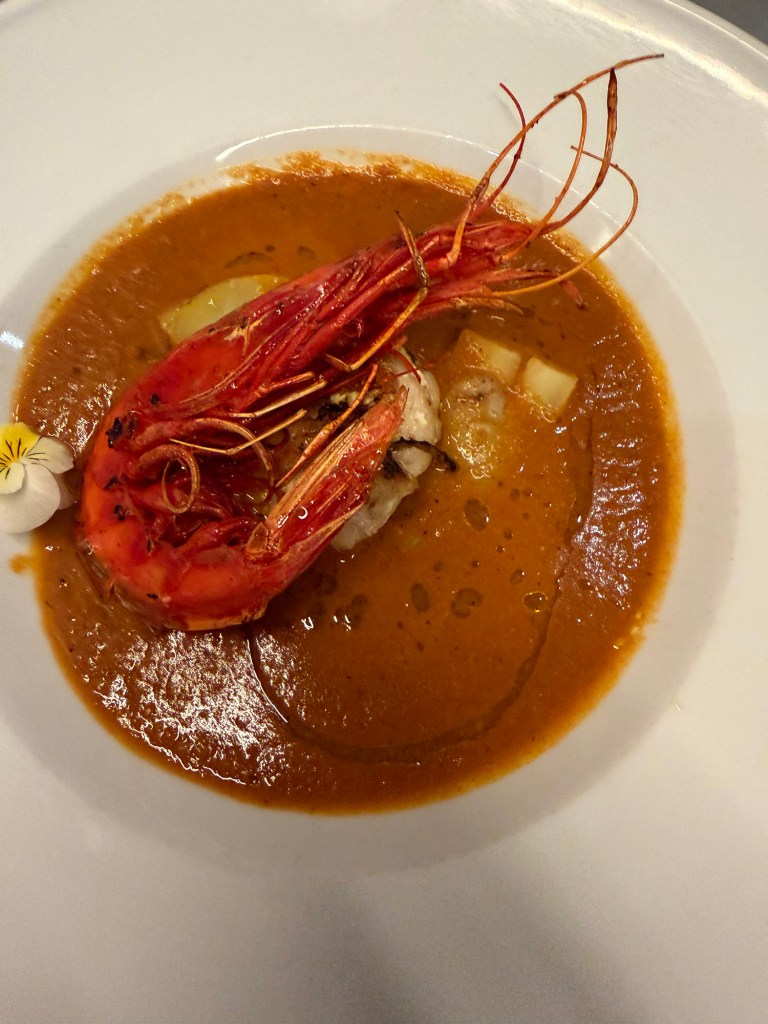
We ate at a very nice place called Lumiere, which offered a broad selection of Spanish dishes. Seafood included of course.
We spent the night at Parador de Leon/ Hostal San Marcos. This is situated in the 16th century former monastery built by Fernando (Isabel’s husband} for the order of knights who looked after pilgrims on their way to Santiago de Compostela. The building’s plateresque facade is considered a fine example of Spanish Renaissance architecture.
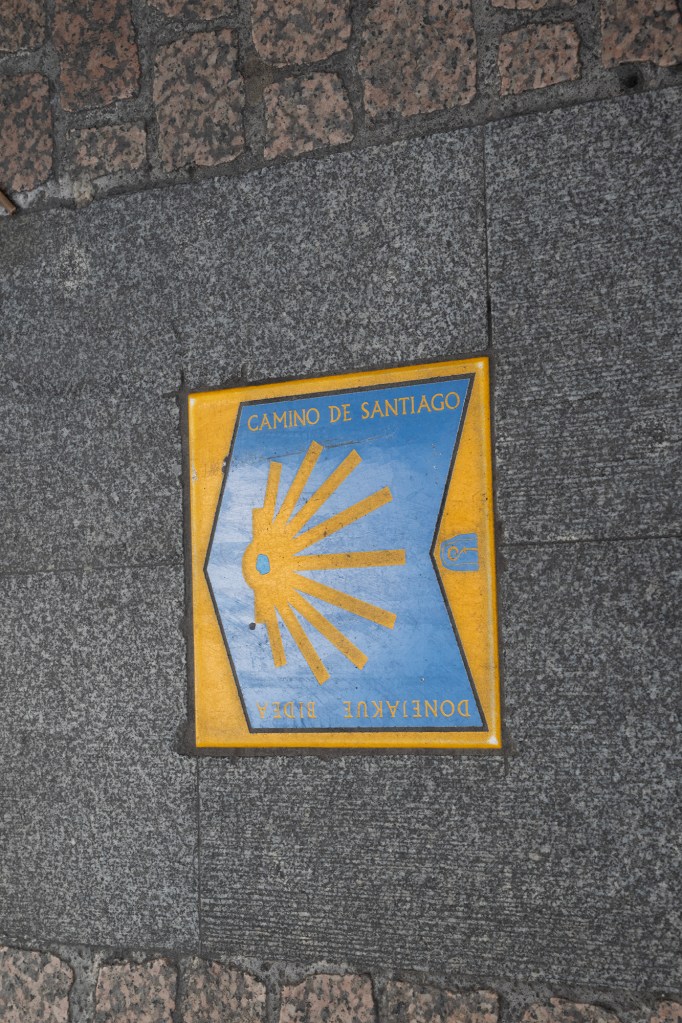
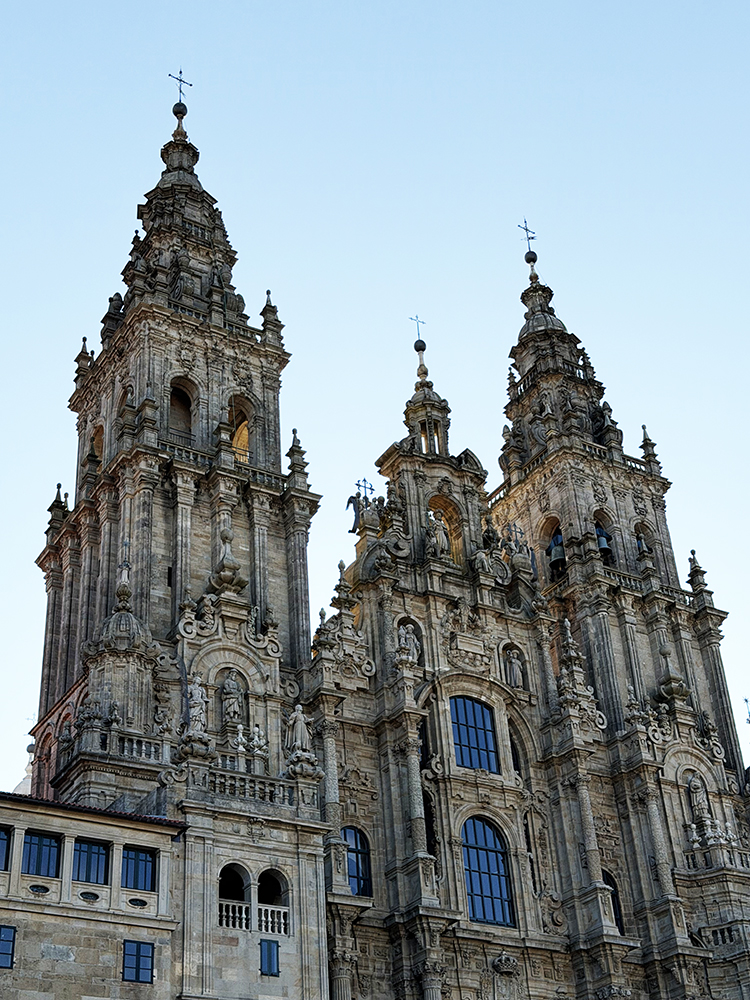
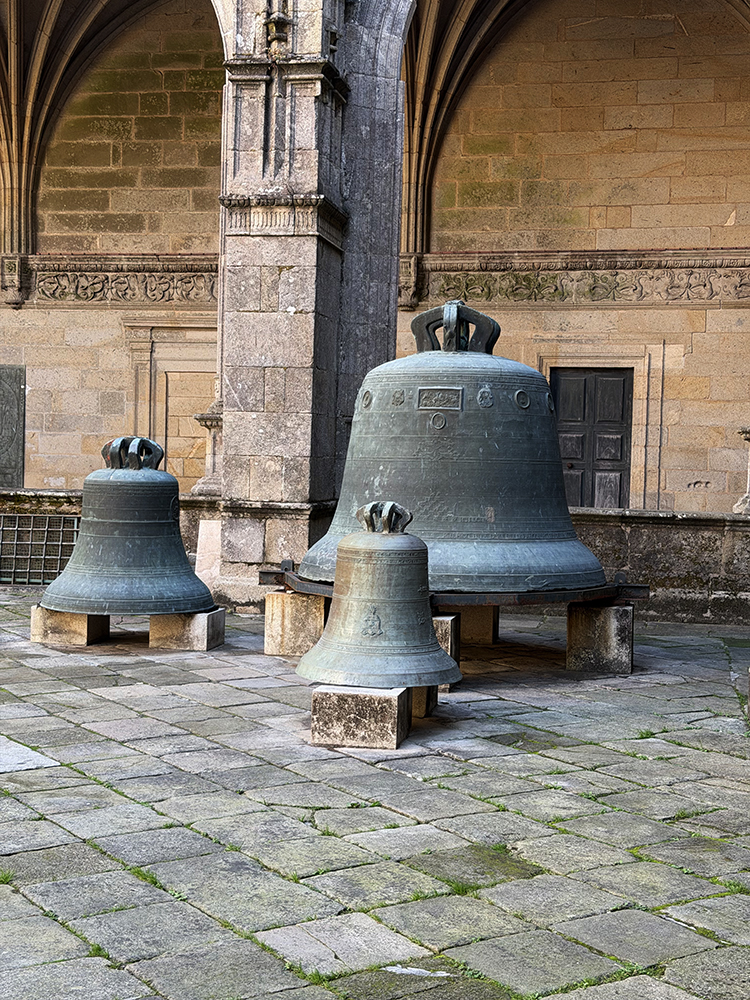
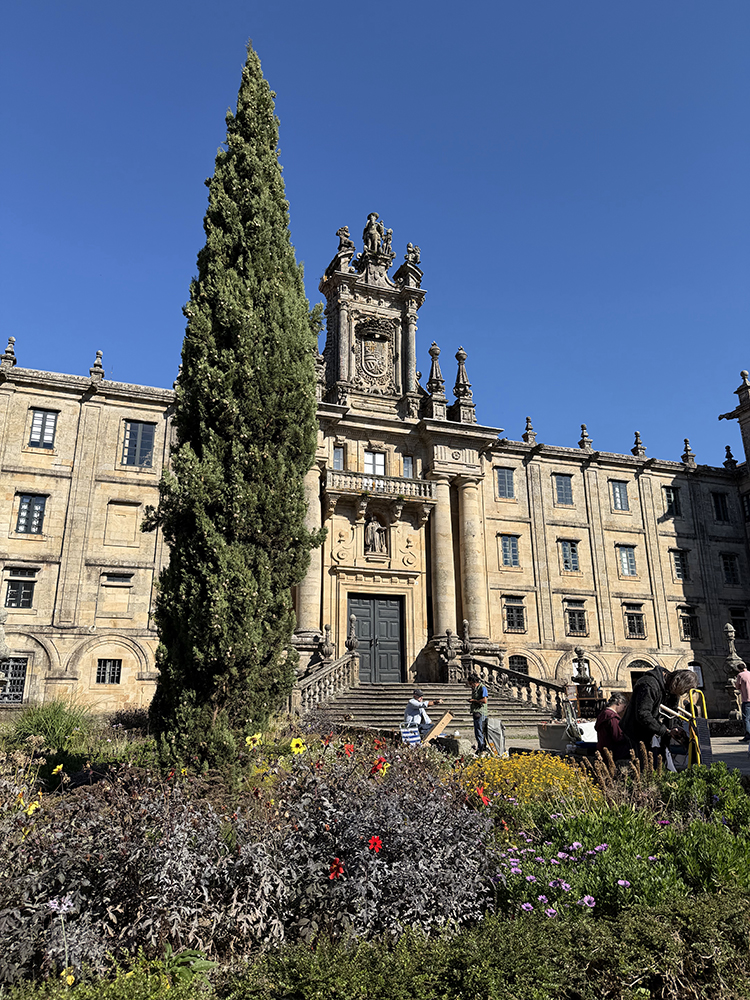
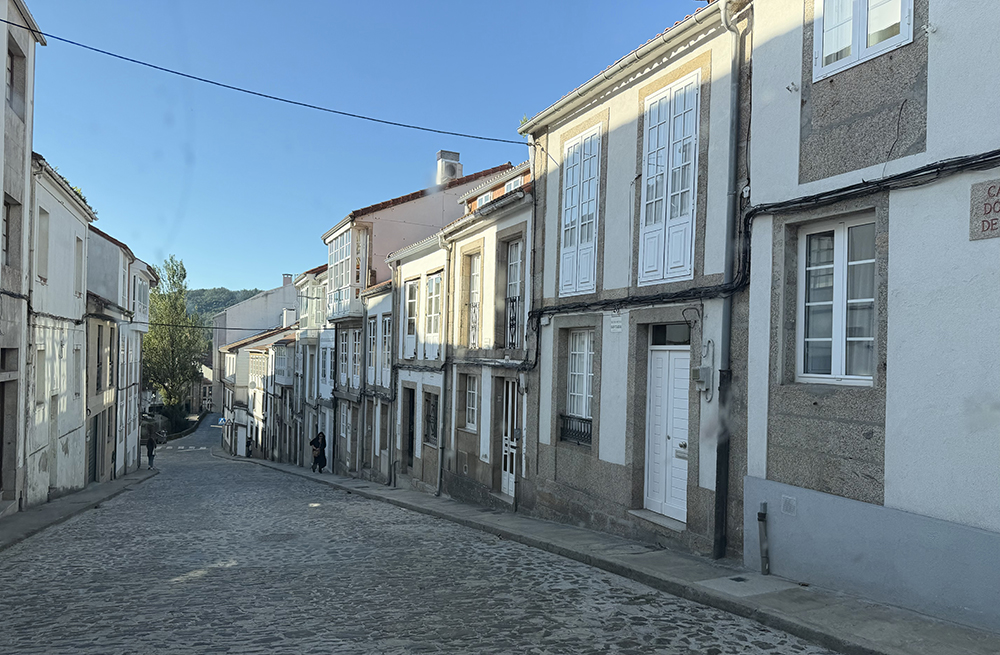
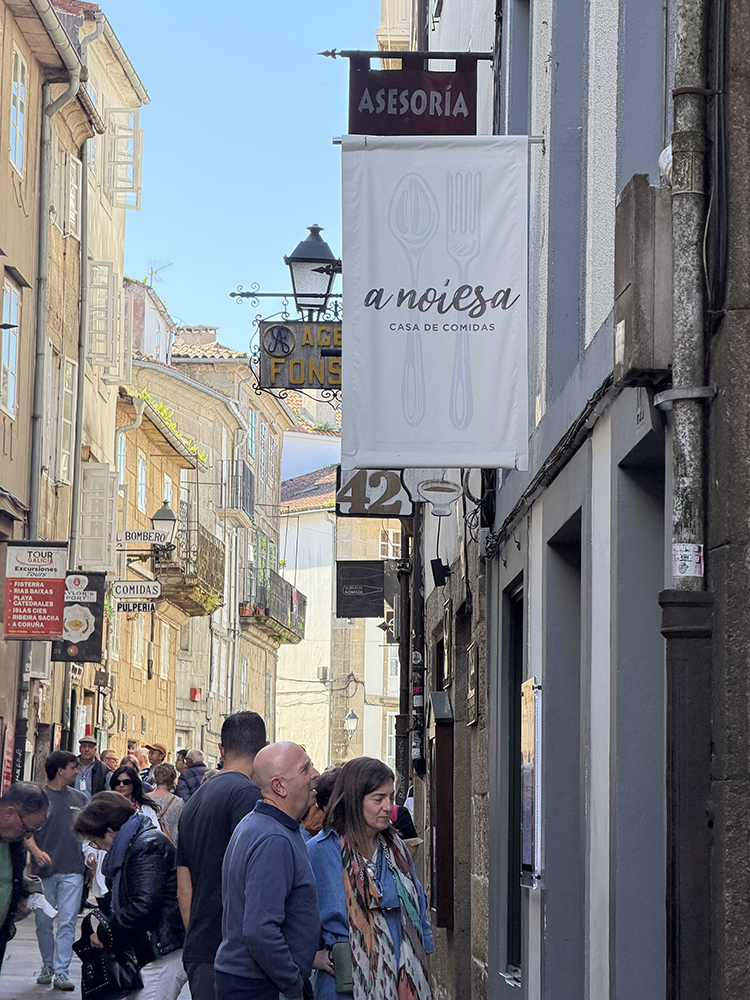
Santiago is the capital of Galicia, the northwestern part of Spain. It is the culmination of the Camino de Santiago pilgrimage, and the alleged burial site of the biblical apostle St. James. His remains reportedly lie within the Cathedral de Santiago de Compostela, consecrated in 1211. The city has a well preserved historic center lined with narrow, medieval streets, and has a rich Galician culture and cuisine.
The cathedral, constructed mainly between 19075-1122, has a Romanesque, Gothic and Baroque design. Each facade with its square constitute a large urban square.
The city is alive with trekkers, dressed in casual clothes and normally with backpacks and walking poles. We stayed in an old convent converted to a luxury hotel, the Palacio del Carmen. Dining was enjoyable at this hotel, for both dinner and breakfast, and the rooms were modern and comfortable.































































































 The Carefree Photographer