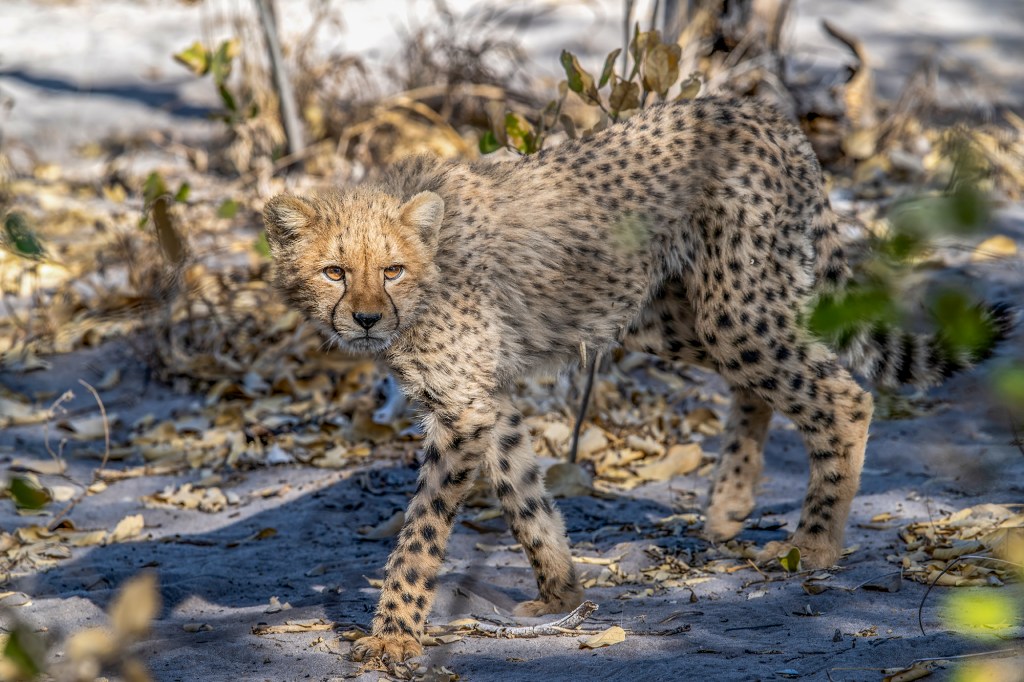
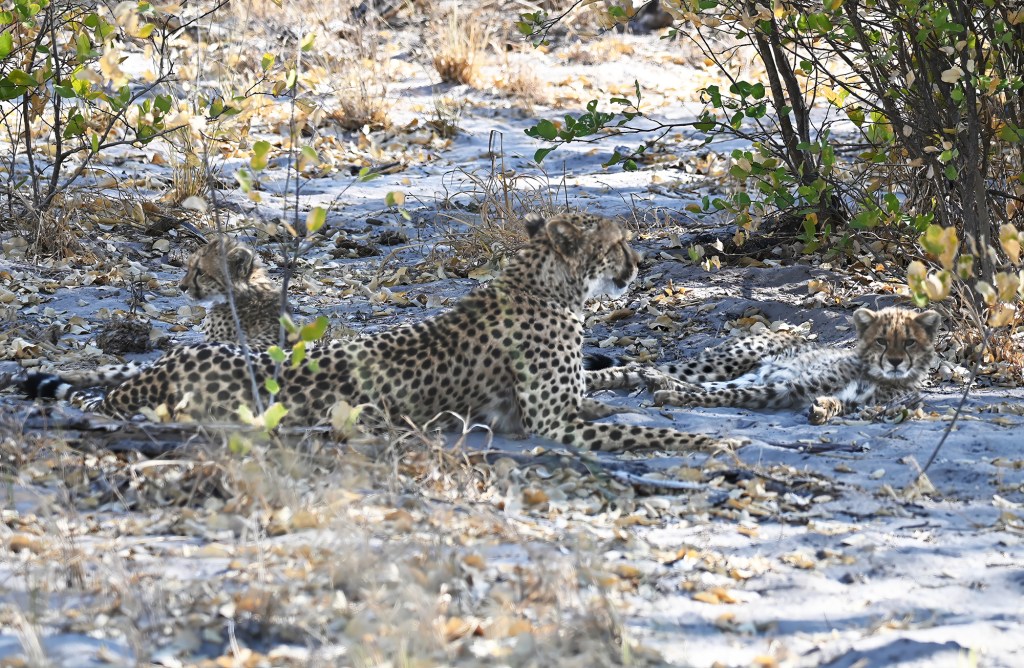
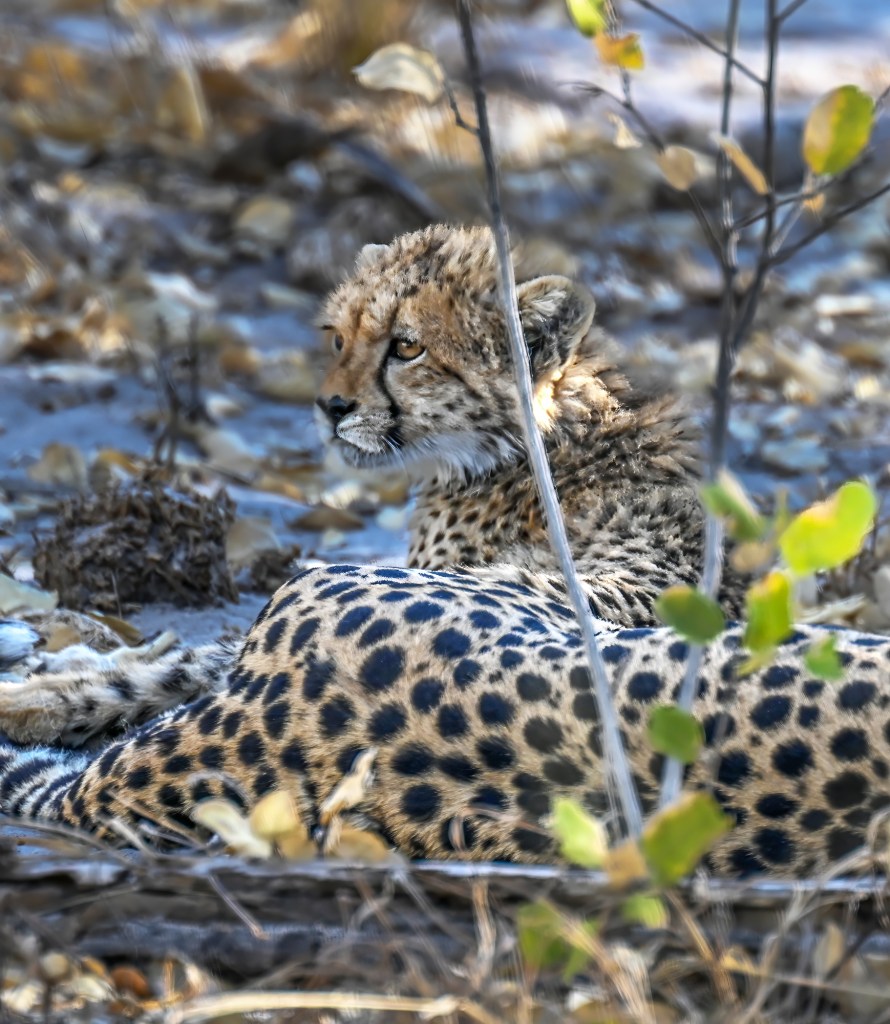
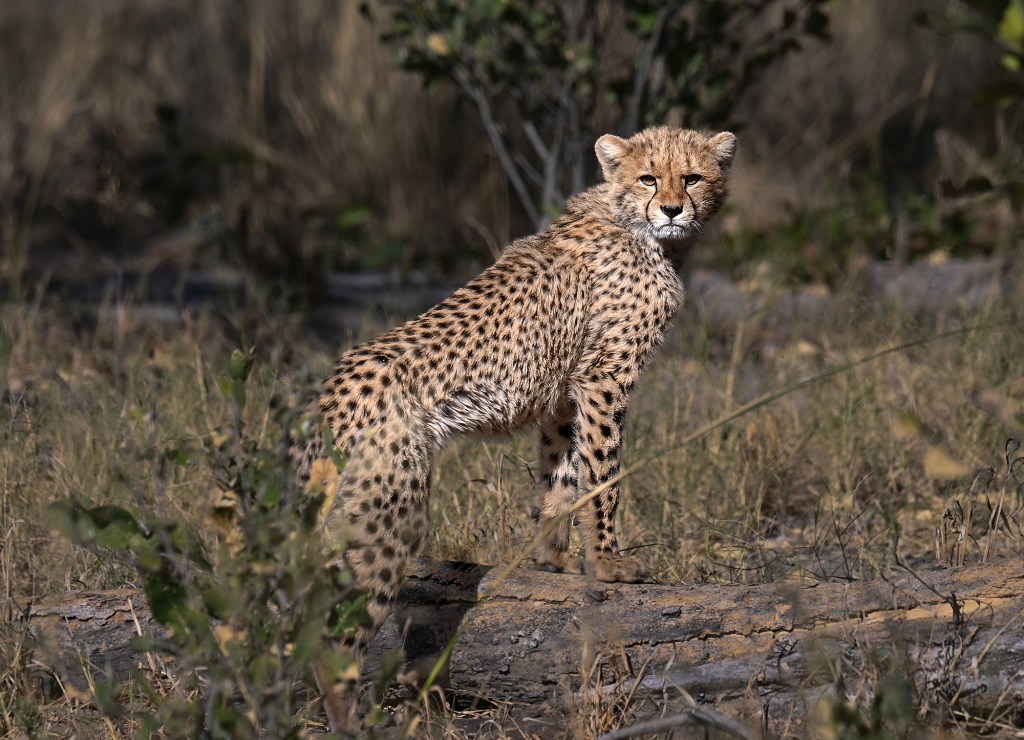
Lions

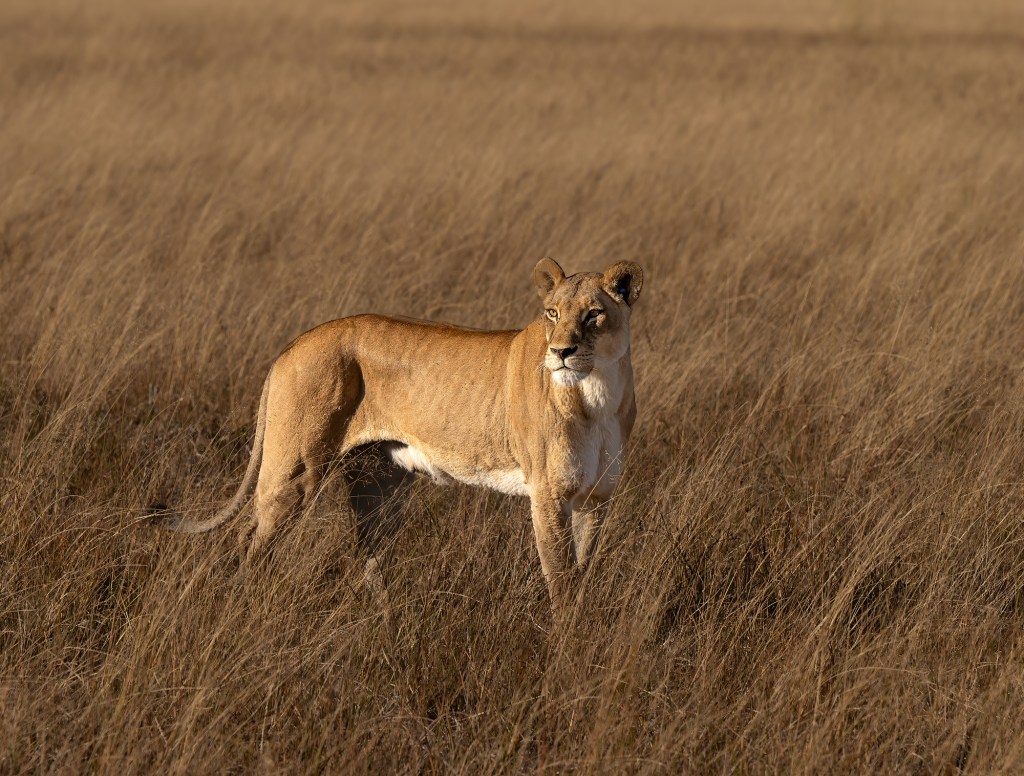
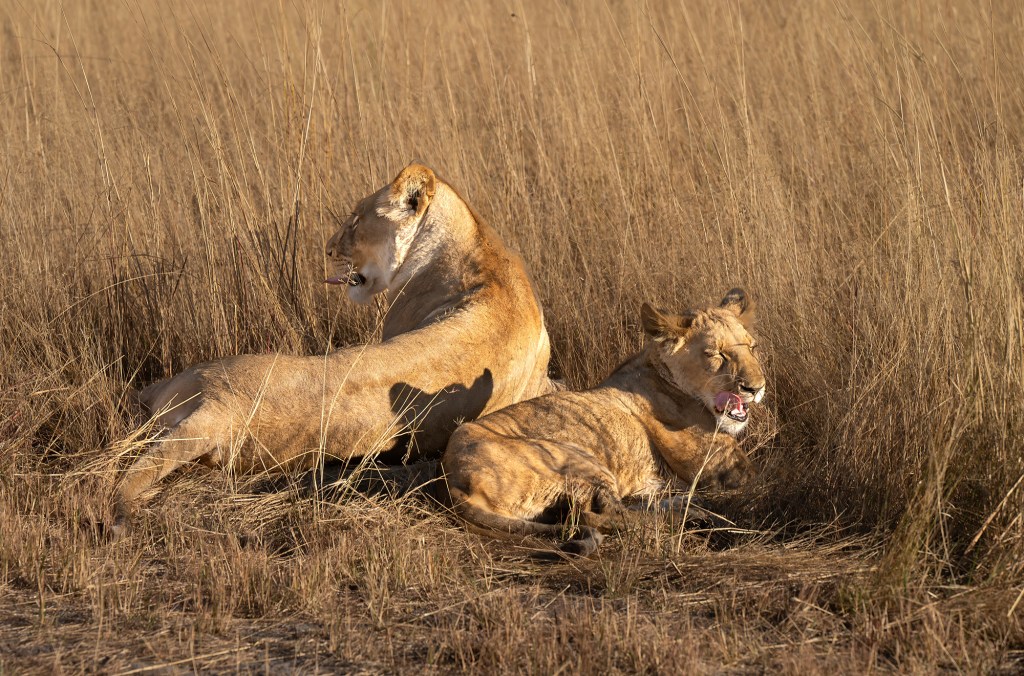
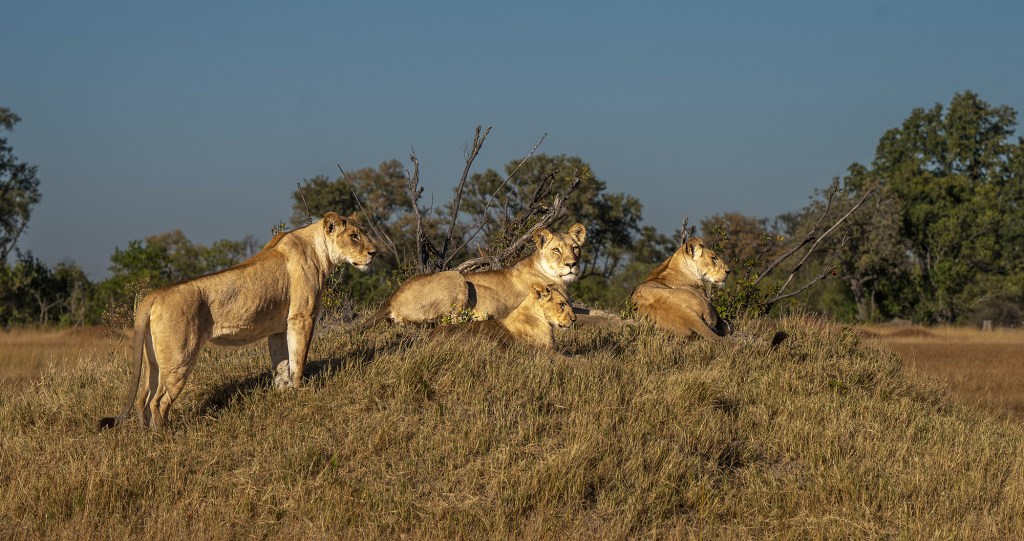
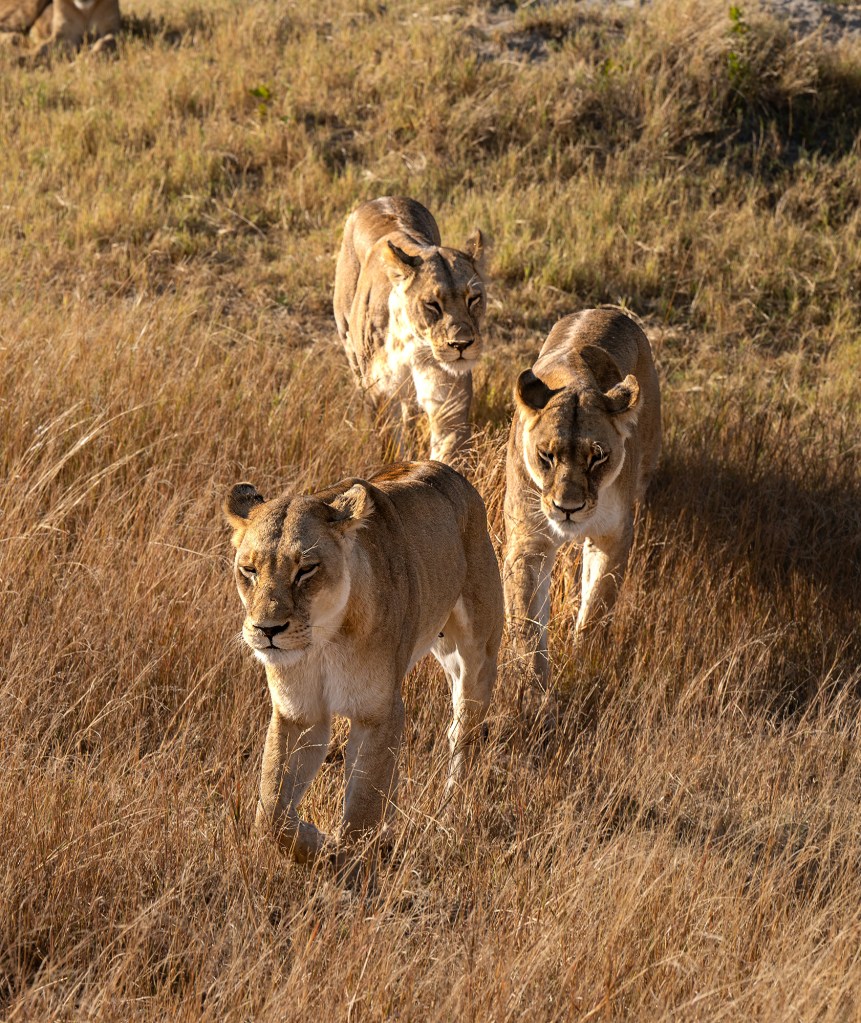
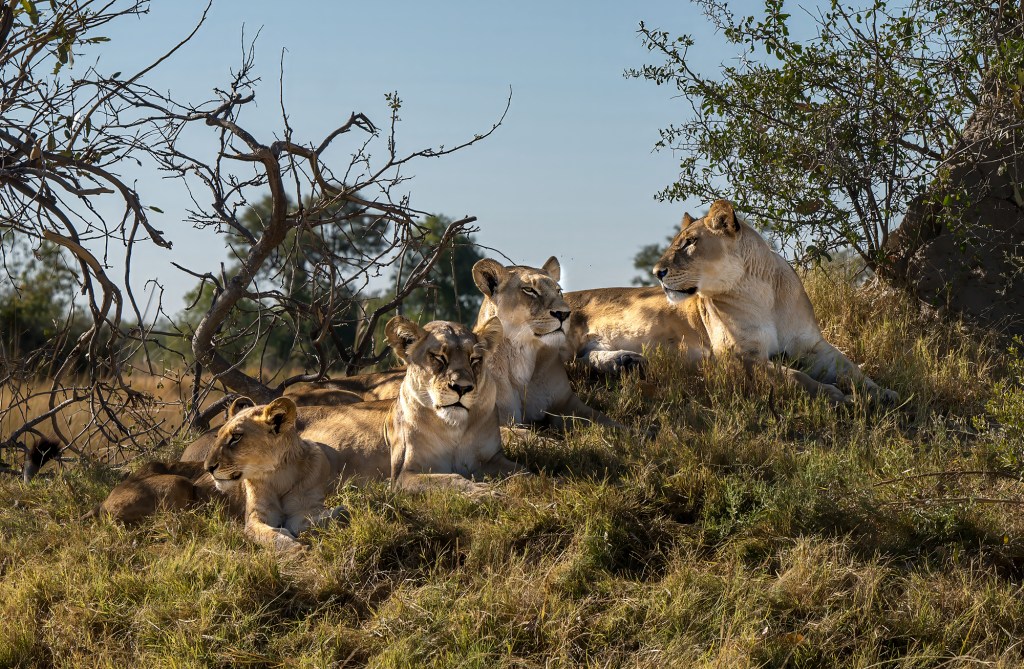
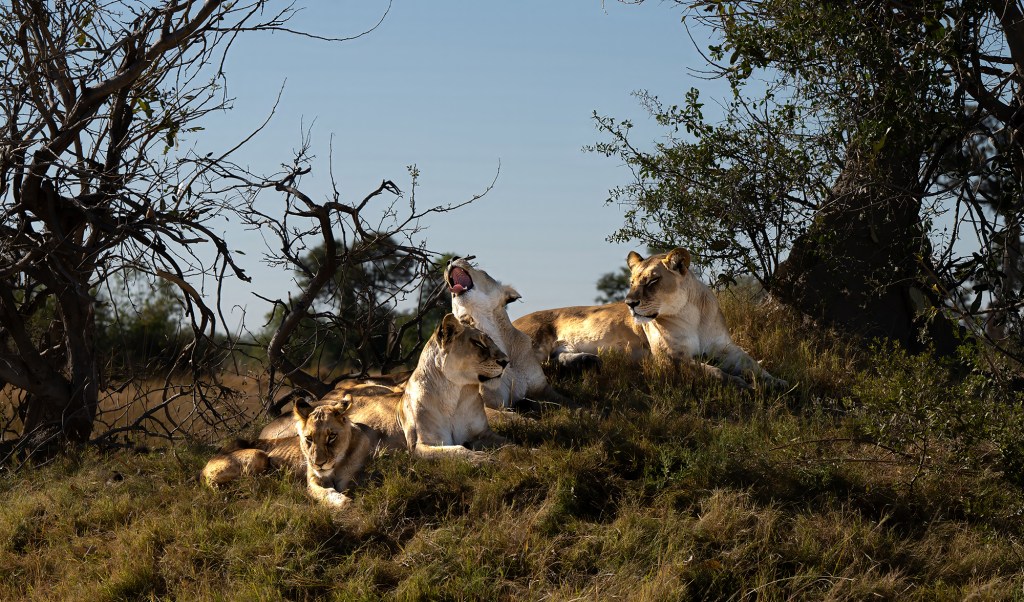
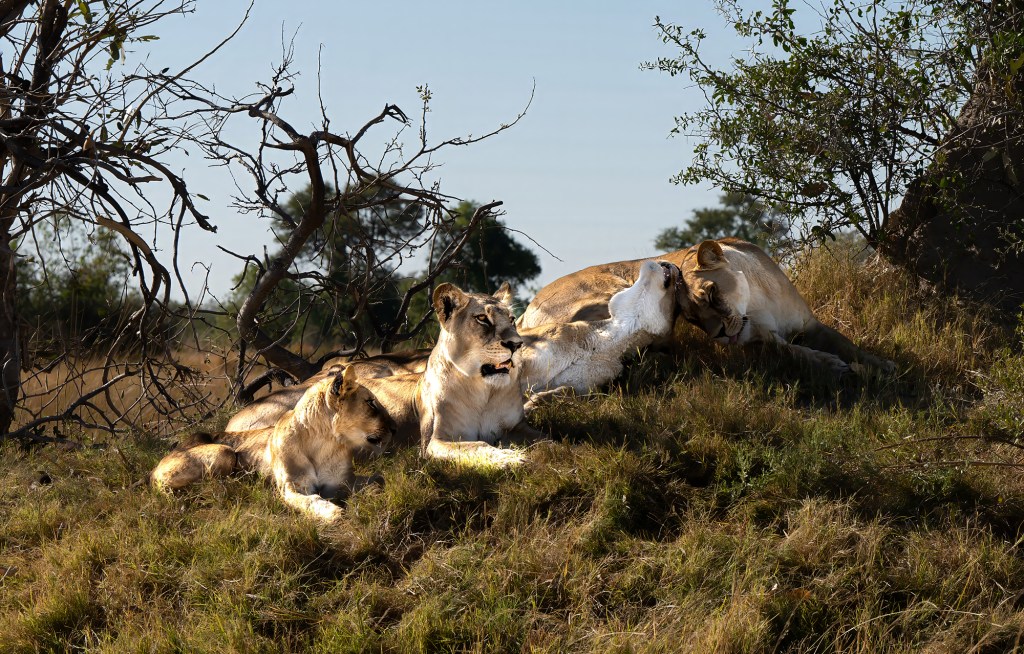
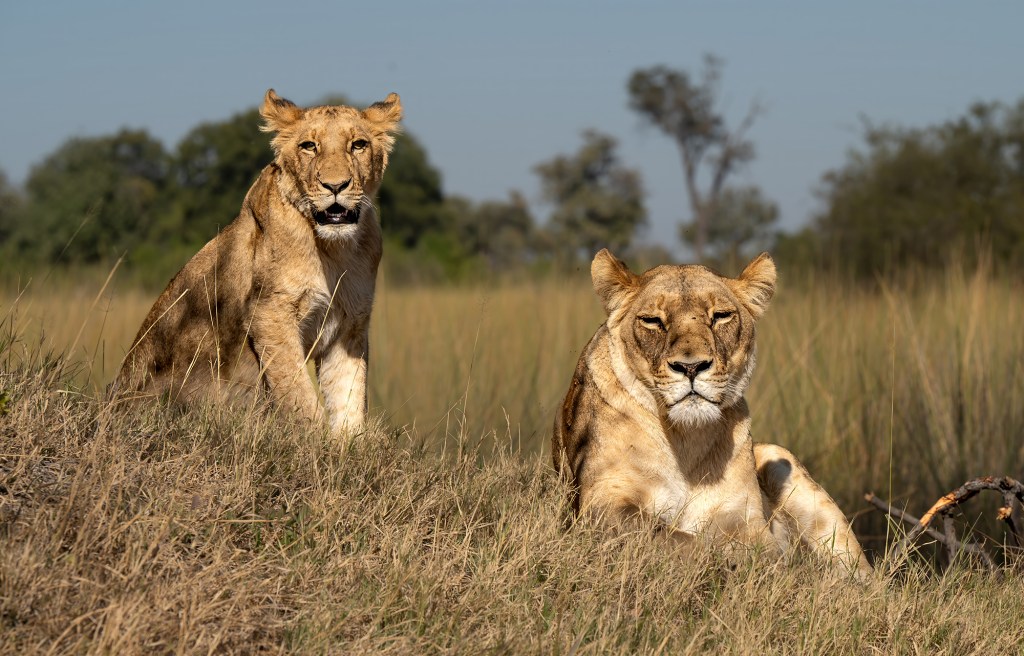
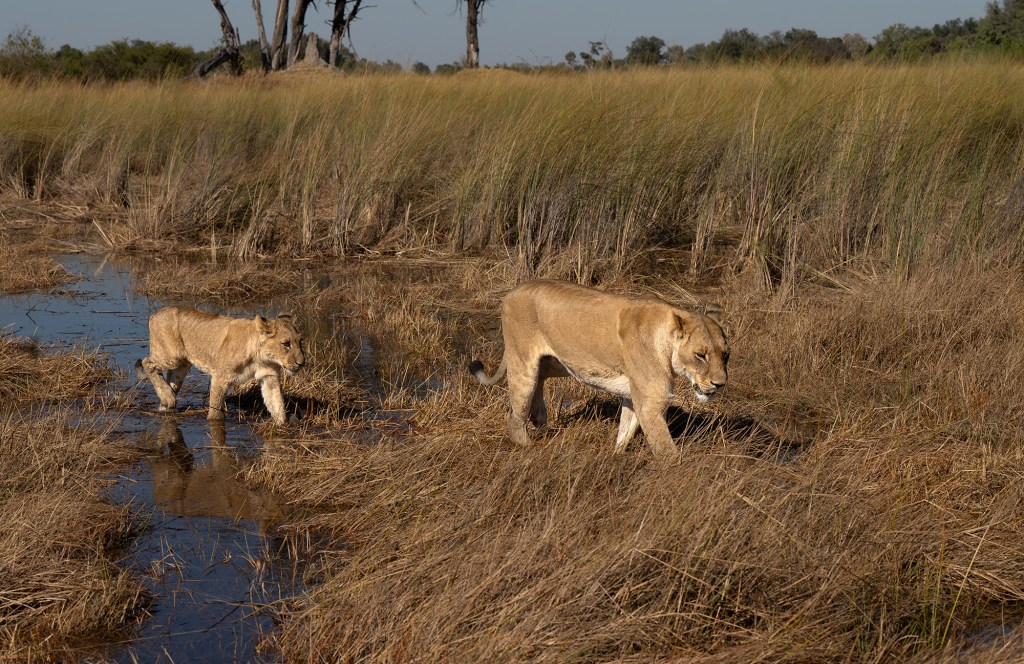
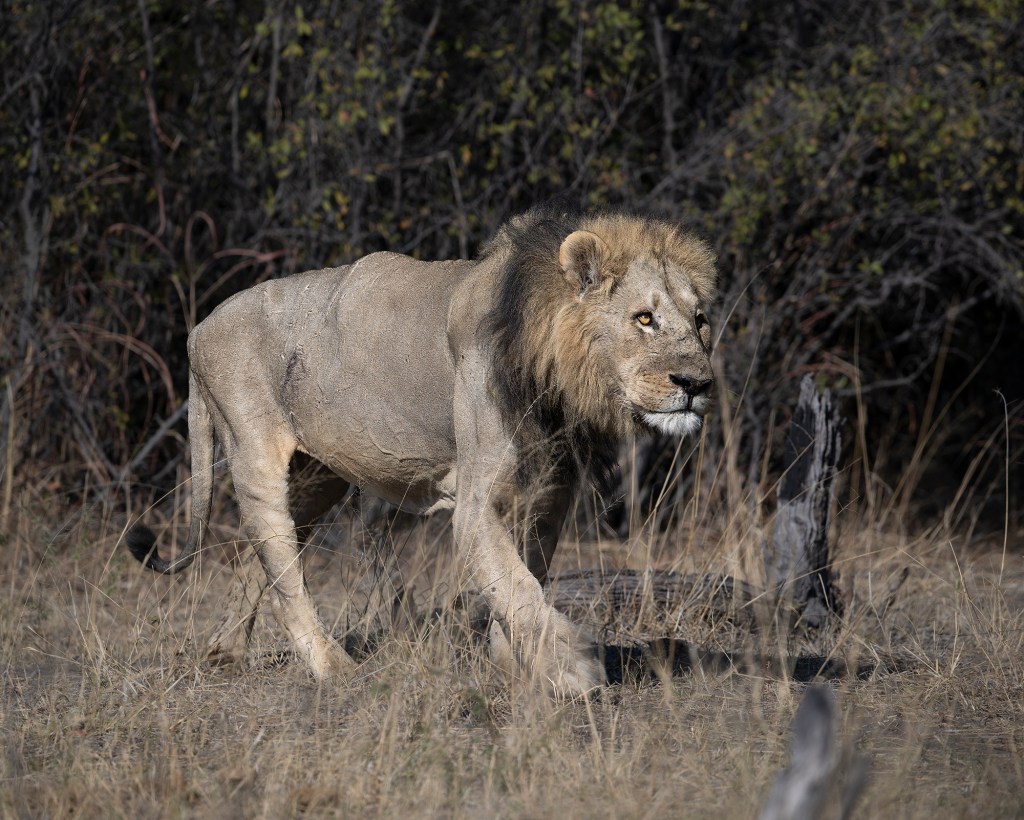
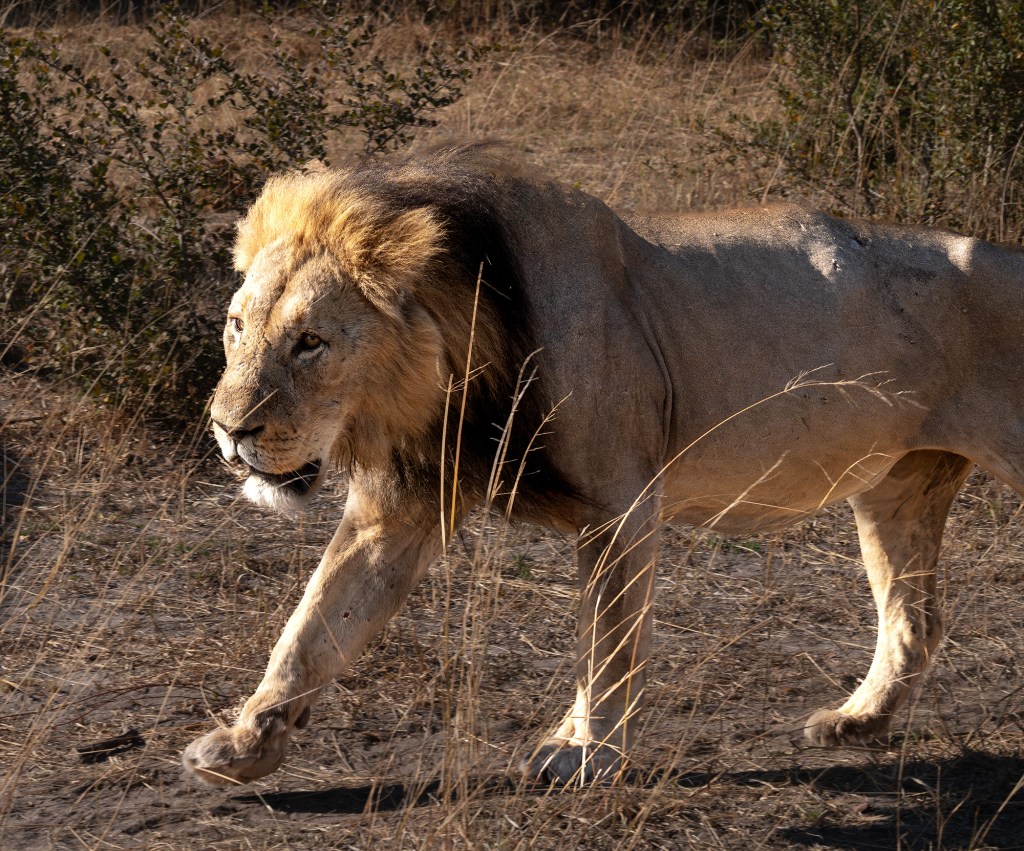
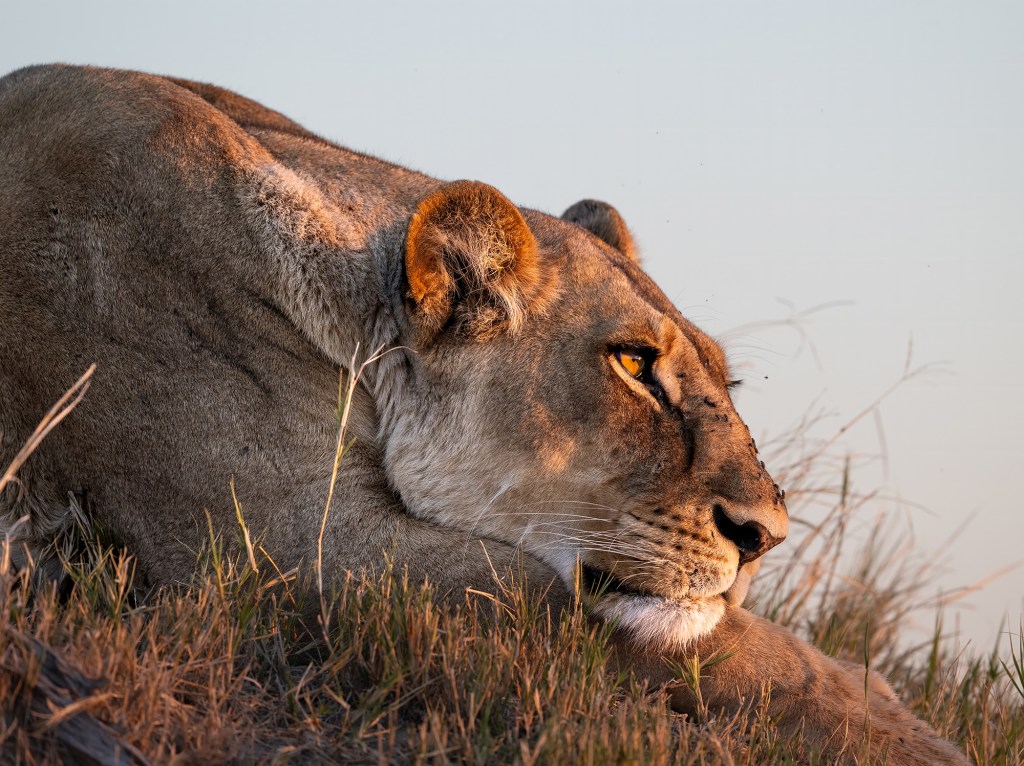
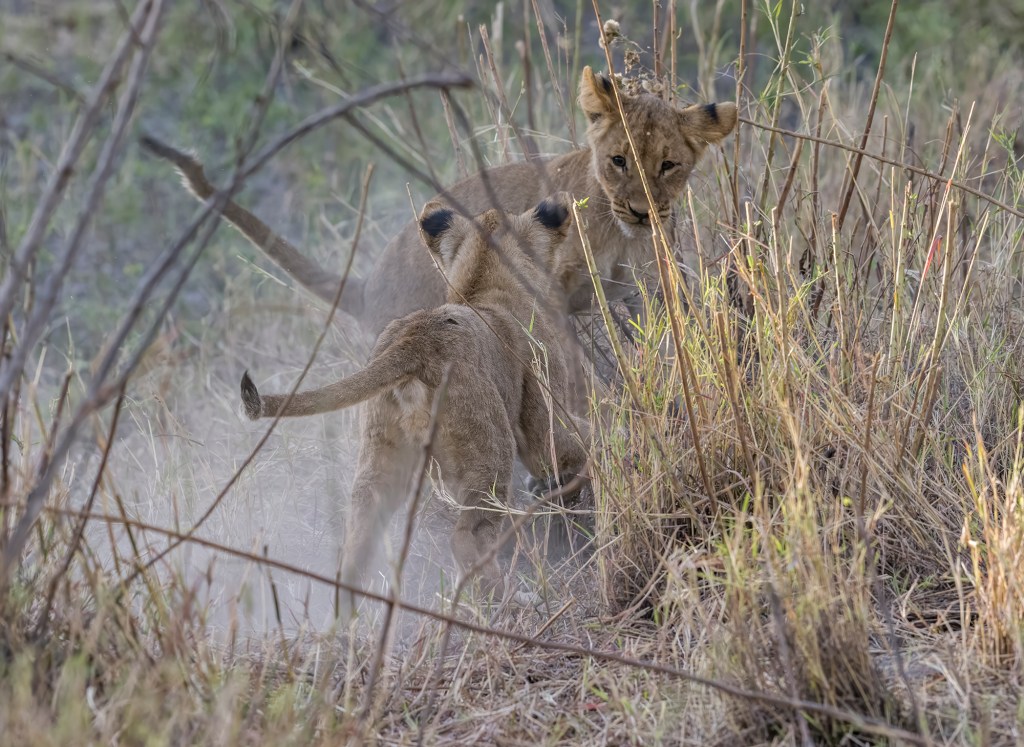
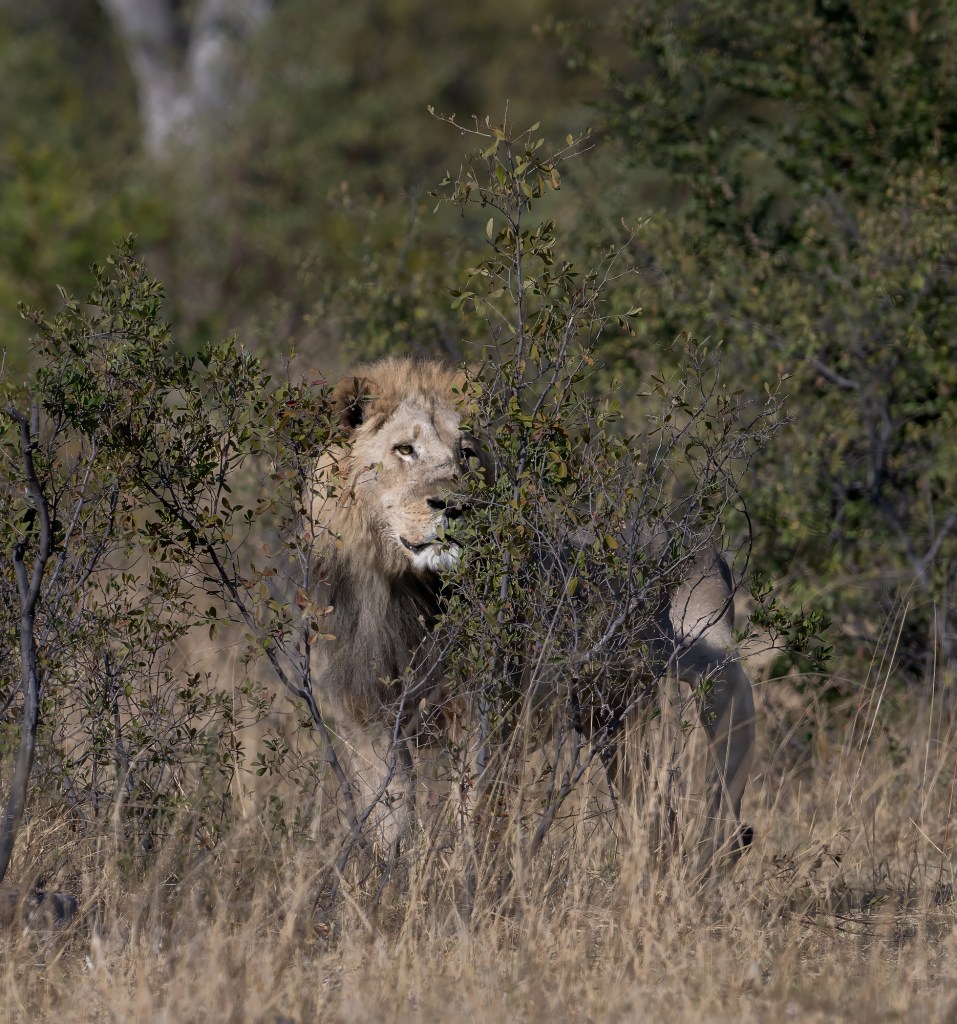
Lions are of course a major attraction to safari goers, and the safari guides love to find them on any drive. One of the interests is that lions are often found in prides. It is not uncommon to come across a group of 3-5, and often ten or more.

Lions in Africa are often called “kings of the jungle”, but do not normally dwell in jungles. Rather they reside in savannah like areas, where there are large numbers of prey including zebras, buffalo, antelope, giraffe and wildebeest. Kills are normally made via strangulation. They typically hunt in groups, and often females do most of the hunting. Male lions tend to spend their awake time patrolling their territory, and eat when their females make a kill. Lions sleep 16-20 hours a day.

Prides are groups of female, male and cubs, and can run anywhere from six to twenty animals. Males can oversee more than one pride. Females can mate at any time, often with multiple males. In fact the female can go into estrus if she senses danger for her cubs. Males joining a pride will often kill existing cubs as they are not their offspring. Some 80% of cubs do not survive to adult hood., threatened by male lions, hyenas, leopards and wild dogs. Adults live 10-14 years in the wild. Primary risk factors to adult lions are humans.

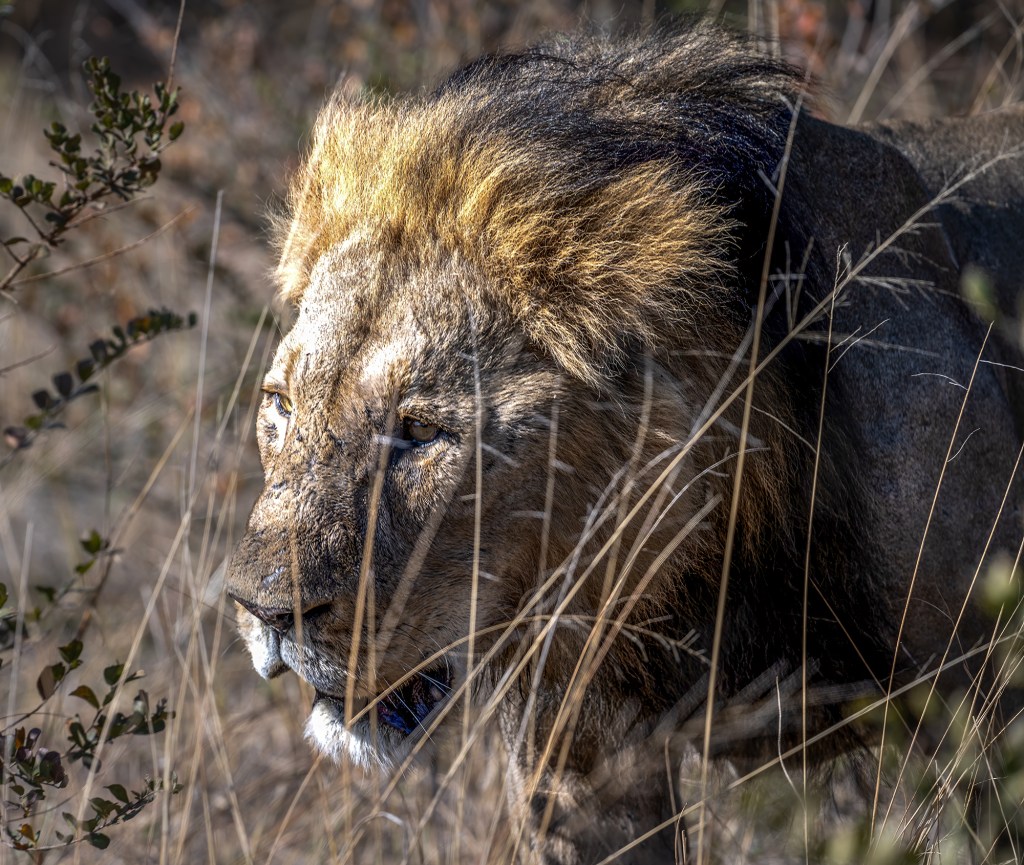
Male lions are 26-40″ high at the shoulder and 4.5-6.5′ long, and weigh 260-420 lbs. Lions are the only cat with sexual dimorphism, where the males and females look different. Males at 2-4 develop a large mane.
The historical range of African lions is today only 8% of historical figures, and are strictly sub-Saharan today. The population of African lions is estimated at 23000., down from 30000 in 2006. The largest population is estimated to be found in the Okavango Delta of Botswana.

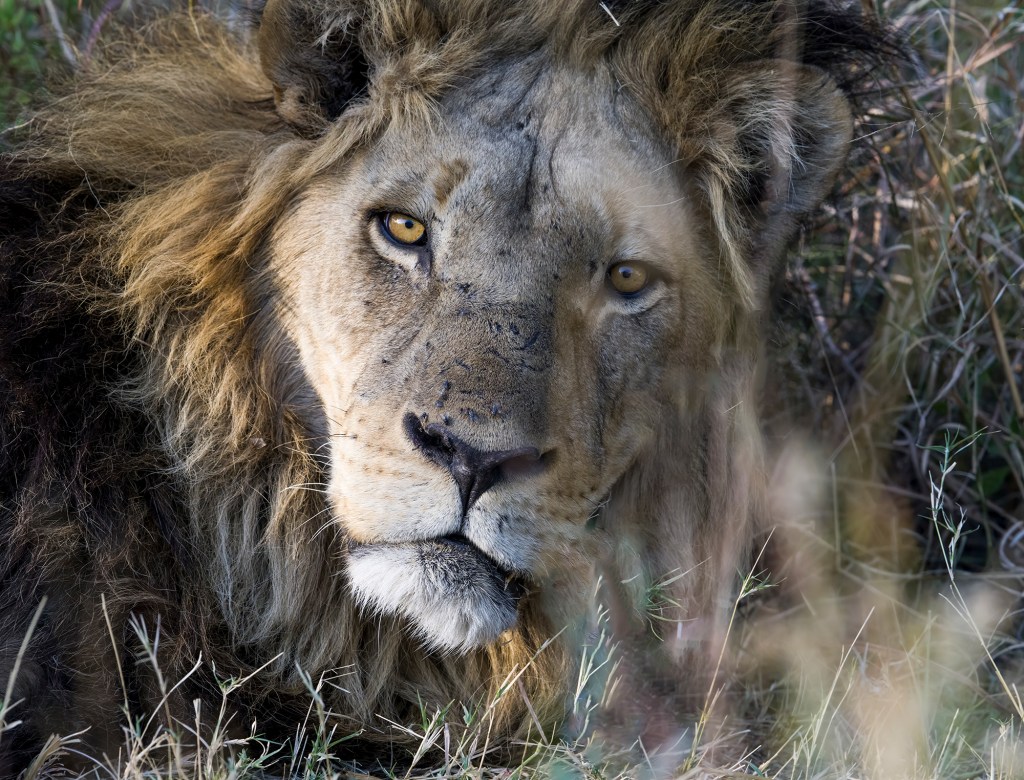
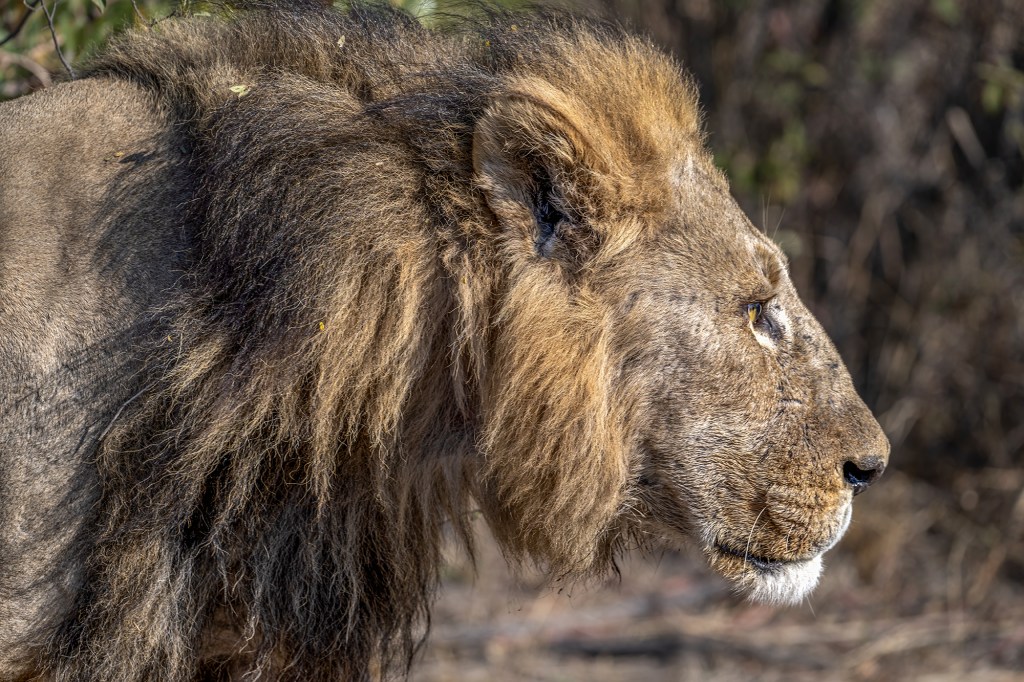
We saw fairly large numbers of lions on this trip, mainly at Four Rivers and Lagoo. One day we followed three females and a sub-adult male for 2-3 hours while they wandered, often stopping at small rises to survey the scene. We also encountered a pair of male brothers, both quite old and well-worn.

Leopards

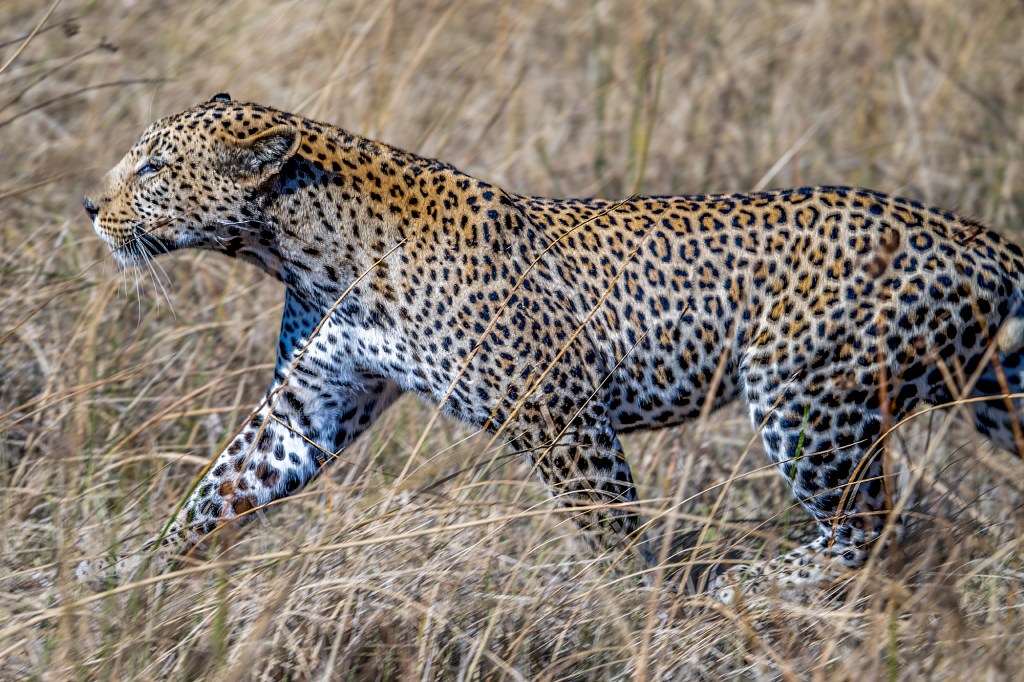
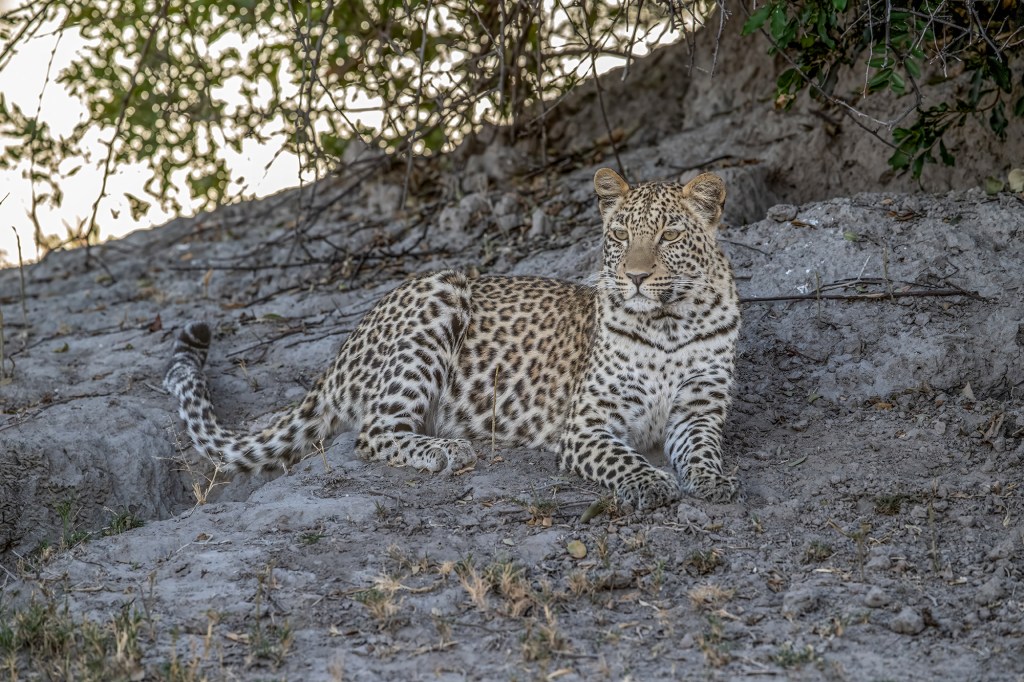
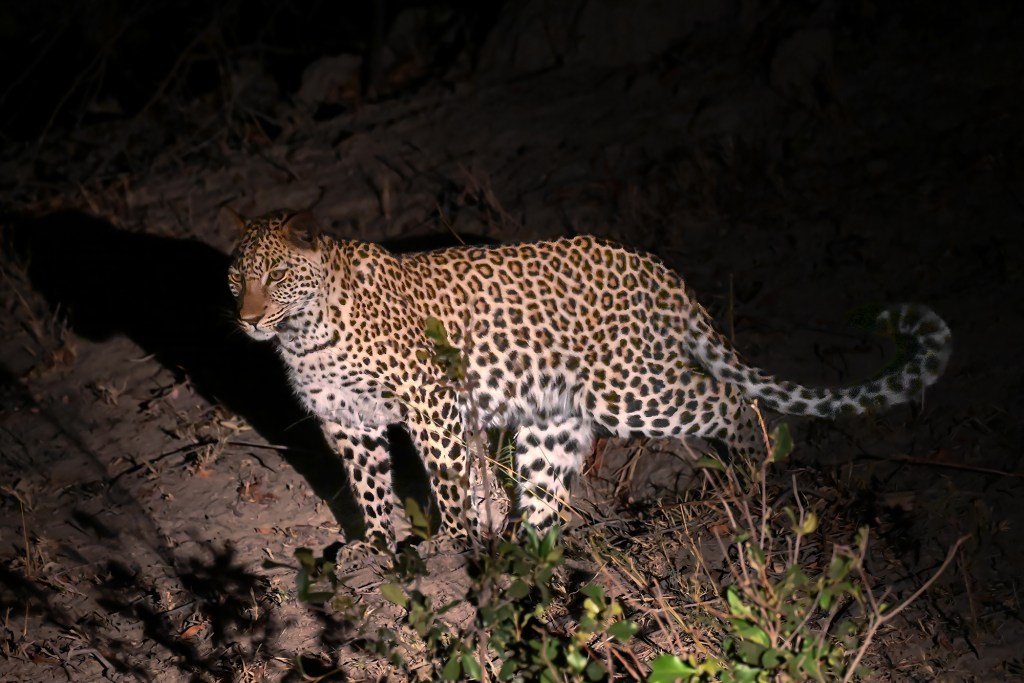
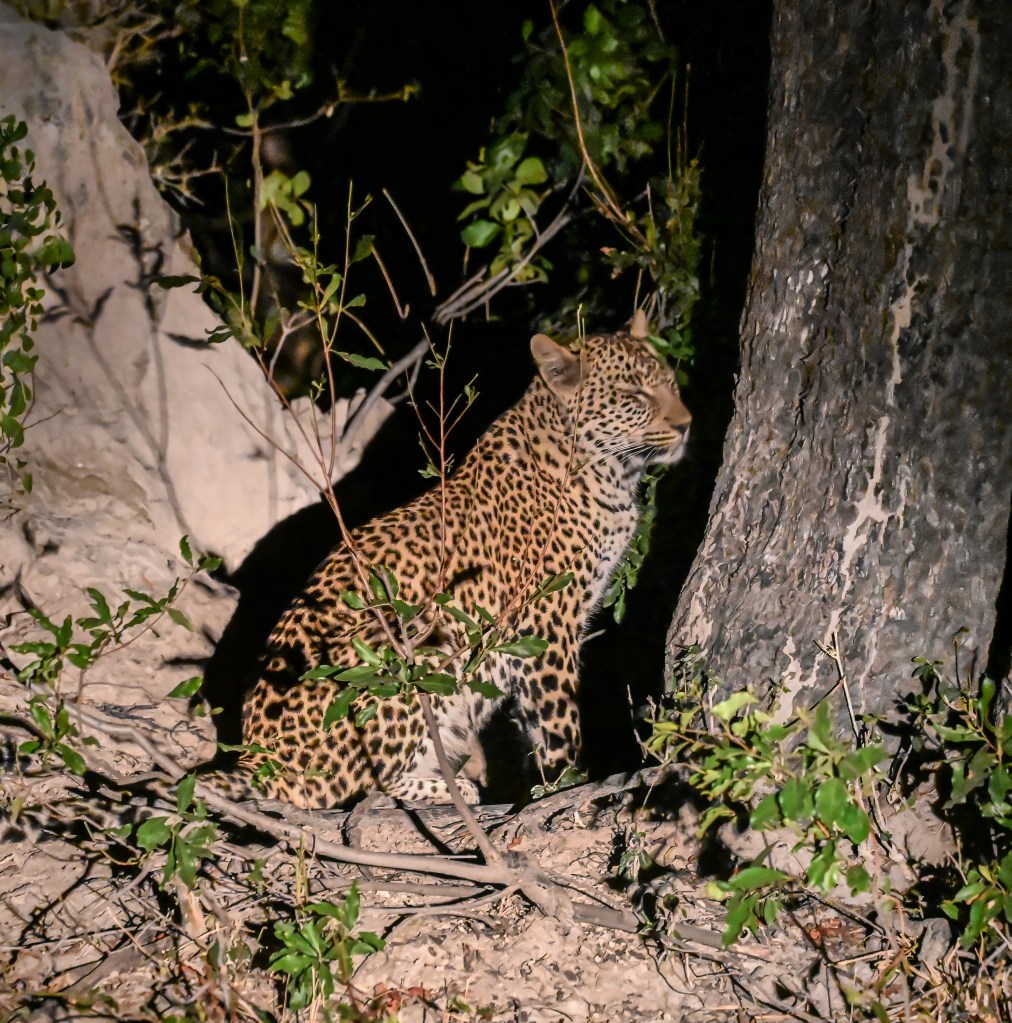
Many find this species the most desired sighting in Africa. Leopards are many times difficult to find as they tend to hunt primarily at twilight and night and are quite solitary. On this most recent trip we were fortunate to see about a dozen leopards in eight days. More than usual for sure!
Leopards are found primarily in Africa ans Asia, with eight subspecies recognized. They are adapted to a variety of habitats. They are opportunistic predators, relying on their spotted patterns for camouflage as it stalks and ambushes its prey. They are active and very strong tree climbers, often hauling their dead prey up into trees, mainly to avoid theft by lions, hyenas and other predators.
They are also territorial and can wander for many miles to mark their territory. Leopards prefer medium-sized prey which tend to concentrate in small herds in wooded areas. These include impala, bushbuck, duiker and chital. They also hunt smaller prey such as jackal, fox, genet and cheetah. Typically the animal are killed by suffocation. Average daily meat consumption for an average male has been determined as almost 8 kg. Their main enemy is the lion, responsible for more than 20% of leopard deaths at one major reserve. In fact on this trip, we saw a dead female leopard who had an impala kill in a tree. She had come down for a break, and on her return was ambushed by two male lions.

Gestation period is 90-105 days, with litters of two to four cubs common. On average 40% will not live a year. Males at maturity reach 60-70 cm in height at the shoulder and weigh 30-70 kg. Their top speed is nearing 40 mph.

Leopards occur widely in Africa, the Caucasus and Asia. In Africa they are still numerous and surviving, although there is considerable potential for human-leopard conflict due to leopards preying on livestock. In addition, expanding human populations continue to diminish available areas for wildlife. Historical ranges in Africa are only about 50% of that in 1750, and most are now in sub-Saharan areas. Leopard population estimates in the world range from 50-100,000. Botswana population is thought to be 3-5000, mostly in the Okavango Delta. They are also fairly abundant in the Indian subcontinent, with a population estimated at 12-13000. We were told on our India trip earlier this year that leopards at a preserve near Jaipur commonly hunted dogs in the urban area at night.

A Trip to Botswana

Karen and I have just returned from our ninth safari sojourn to Botswana, a “habit” we began back in 2013. We found back then that we both had a yen to go on safari in Africa. I had a taste of this back in 1995 when I spent a weekend at Mala Mala Camp in Kruger National Park. Karen’s aunt and uncle had many mementos from their time in Africa which gave her the bug.

So where should we go, we asked. Karen’s friend Dick had been on Safari six times, visiting Kenya, Tanzania, South Africa, Botswana and Namibia. He told her to go to Botswana because “that’s where the animals are!”. So we planned our first trip with the help of a young Englishman named Mark Hathaway, who lived in Maun at that time. Maun is the jumping off place for many of the numerous safari camps in Botswana, especially for the world-famous Okavango Delta.

Mark set us up with three night camp visits to Meno a Kwena in the Kalahari, Xakanaka (in Moremi) and Kwara (near Moremi) in the Delta, Lagoon in the Linyanti area and finally a two day stay on a small boat ion the Chobe River. Thia itinerary gave us a taste of the different area and we – over time – fine tuned the agenda with camps that offered a value stay in places that offered comfort but most importantly had excellent wildlife viewing.

So how does one get to Maun? A warning – the trip is long, but well worth the effort. All “roads” lead to Johannesburg (JNB). We have traveled with Delta (AUS to ATL to JNB), on British Air (AUS to LHR to JNB), and Qatar (DFW to Doha to JNB). One can also fly United direct from Newark, and various airlines via Europe. Even Turkish Air via Istanbul! So how do we decide? Simple answer – who has the cheapest business class fare at the time. Personally we like Qatar. Normally leave one day, get to JNB two days later.

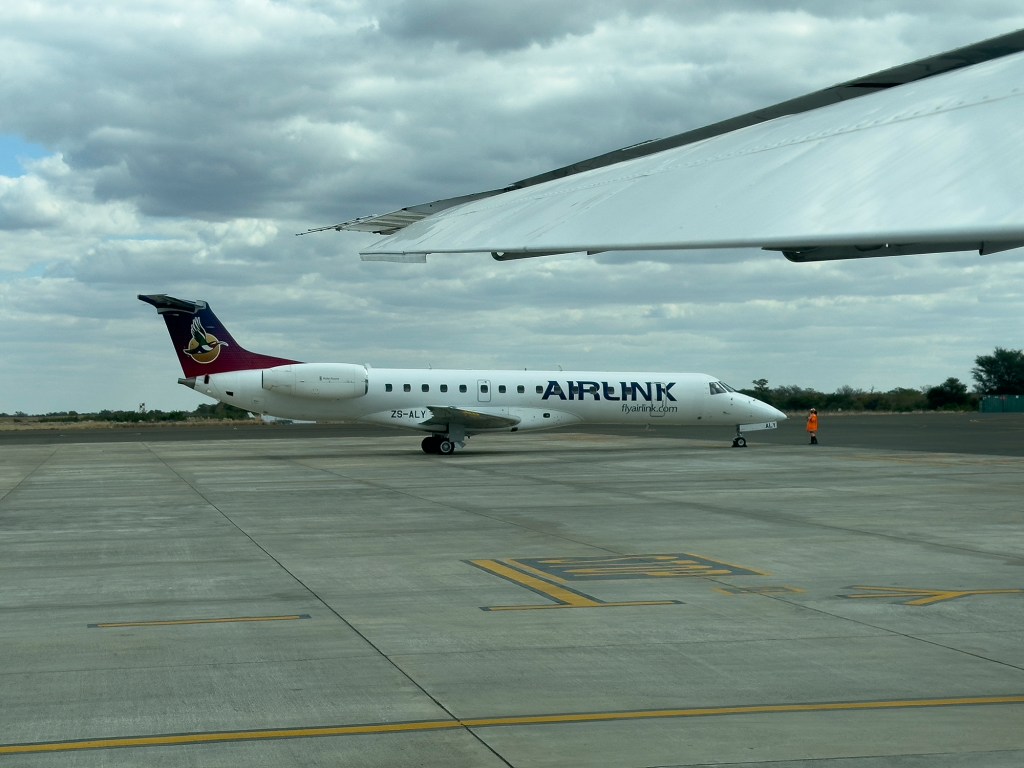
Then one has to get to Maun. That is typically on Airlink, who flies larger jets twice per day from JNB to Maun. Returns are from Maun or Kasane.

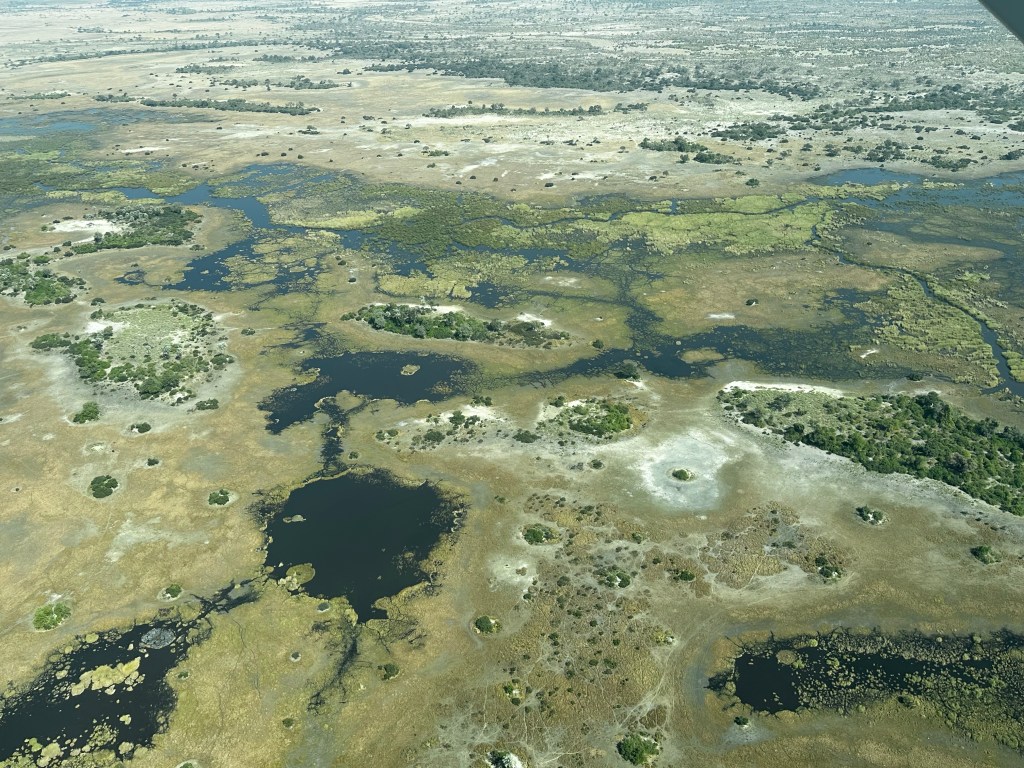
So now you are actually in Botswana, in fact in Maun. What next? Of course you have one more flight today, to your first safari camp.

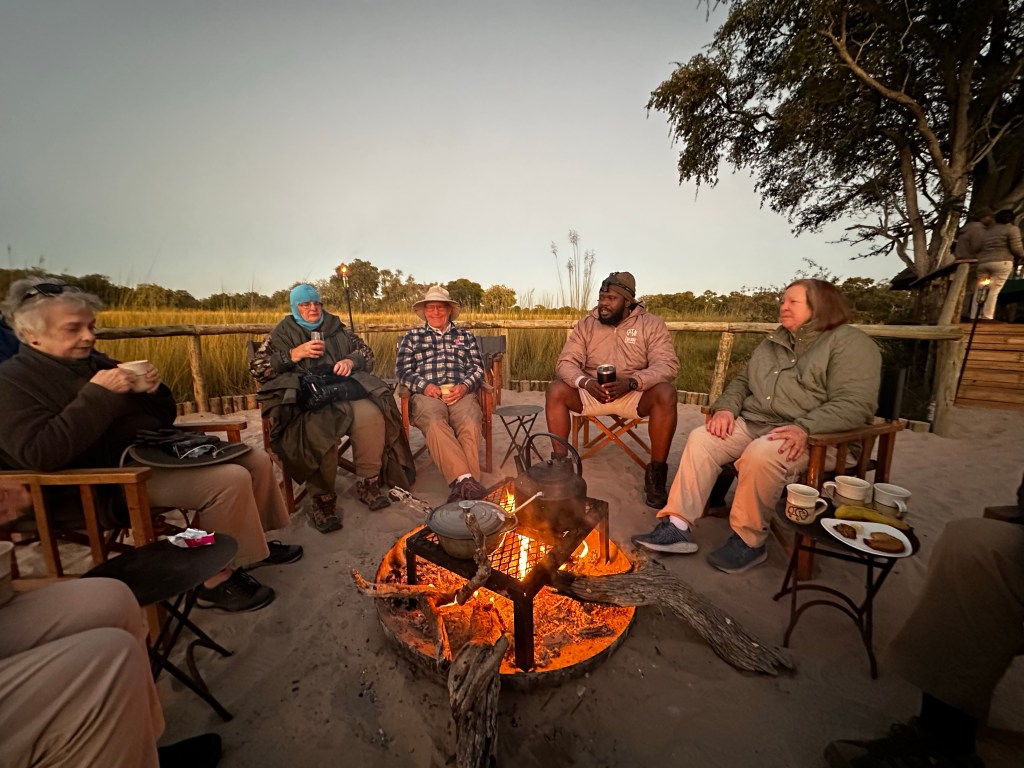
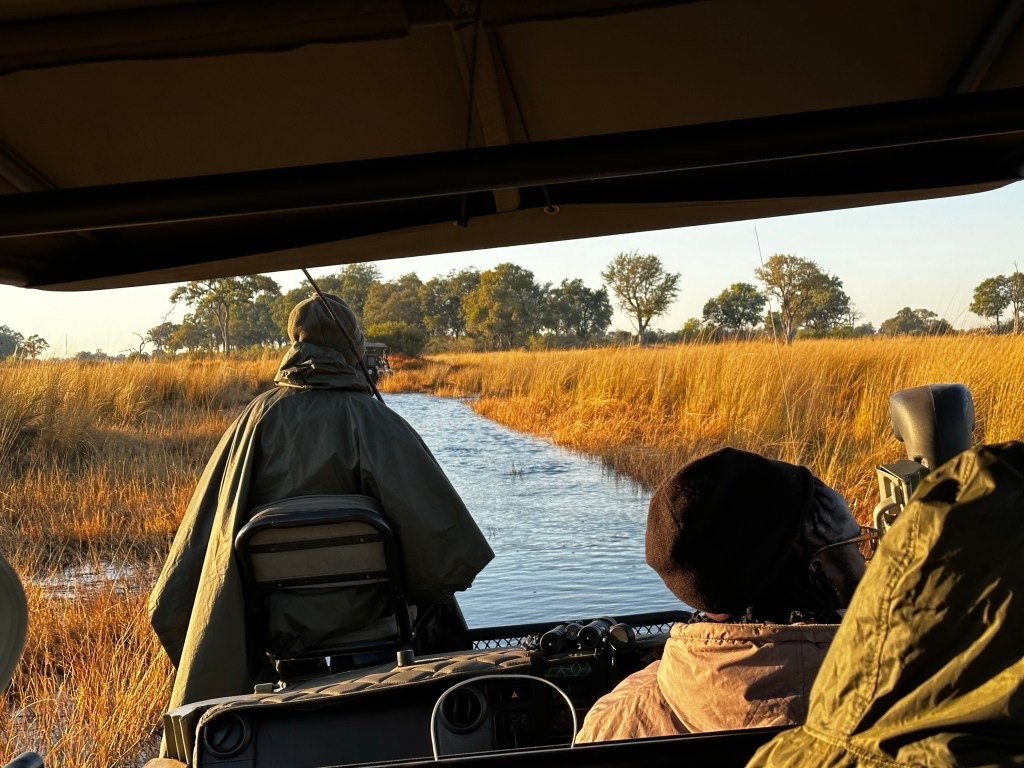
Once you arrive on a dirt runway, you are greeted by your safari guide and driven to the first camp. You are likely taken an an afternoon safari that day. Camp routines ar usually up at 6, quick breakfast around a campfire, off in the vehicle by 7, back at 11-12, brunch rest, off again at 4, back by 8, dinner then bed.

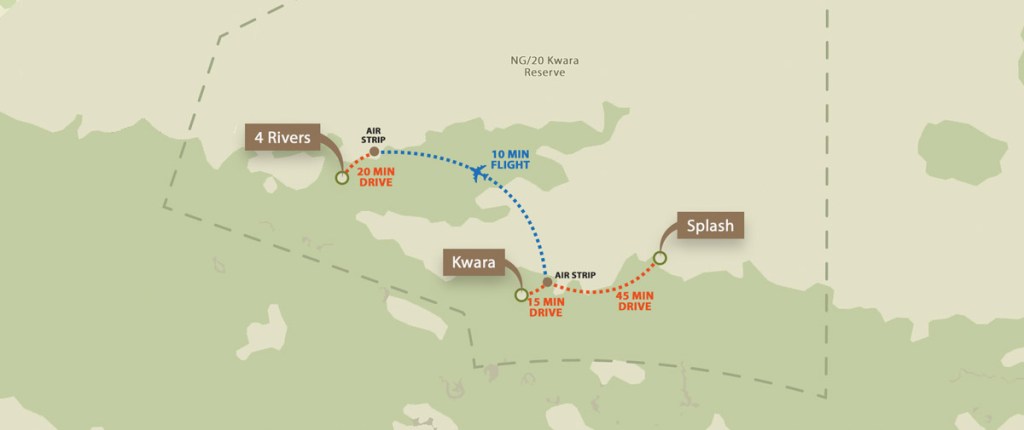
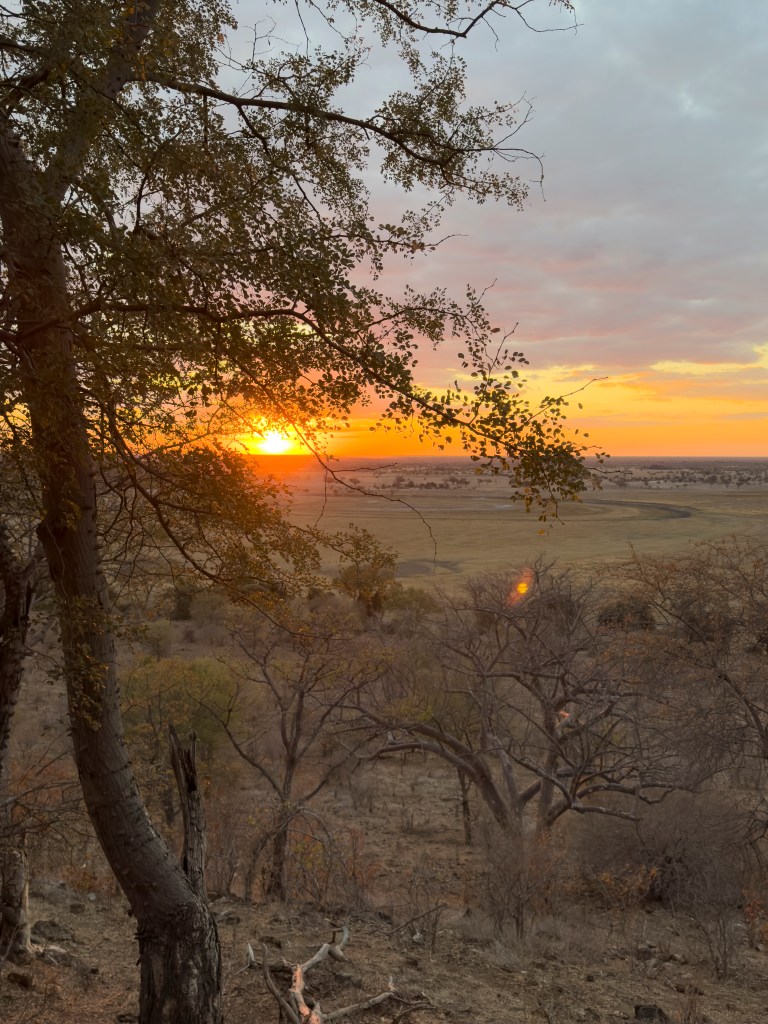
So let me show you where we went this year – and will again next June. Our first camp was Four Rivers in the Kwando Reserve adjacent to the north side of Moremi NP. This is a private reserve, allowing off road and night time driving. We love this reserve and have stayed in one of these three camps every year.

Our next stop, after a 30 minute flight, was Lagoon Camp, located in the Linyanti area, situated between the Delta and the Chobe in the Kwando Concession. This camp is a little older, situated on the Kwando River, and has wonderful game viewing.

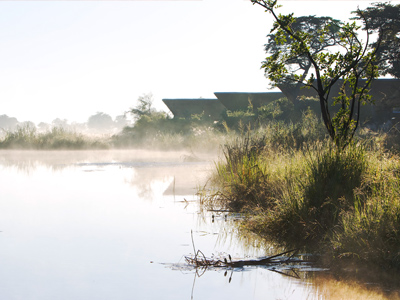
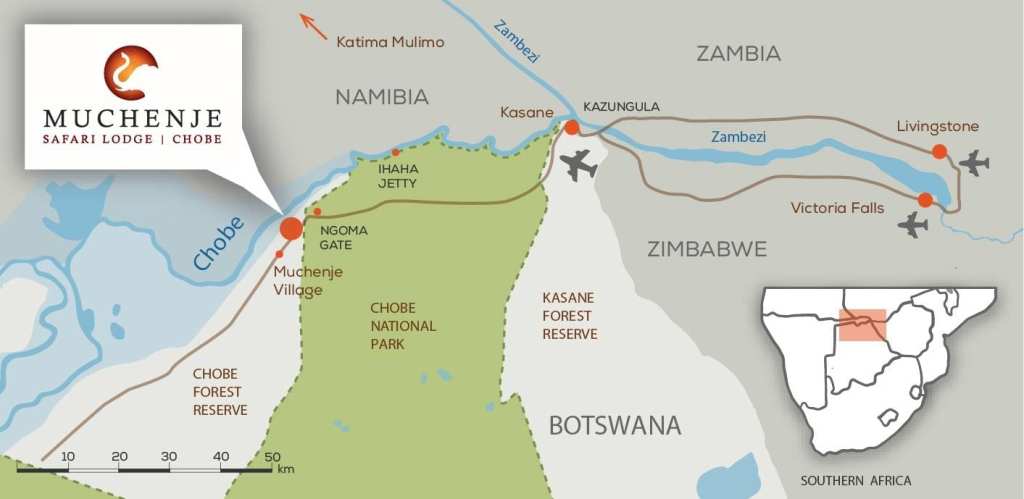
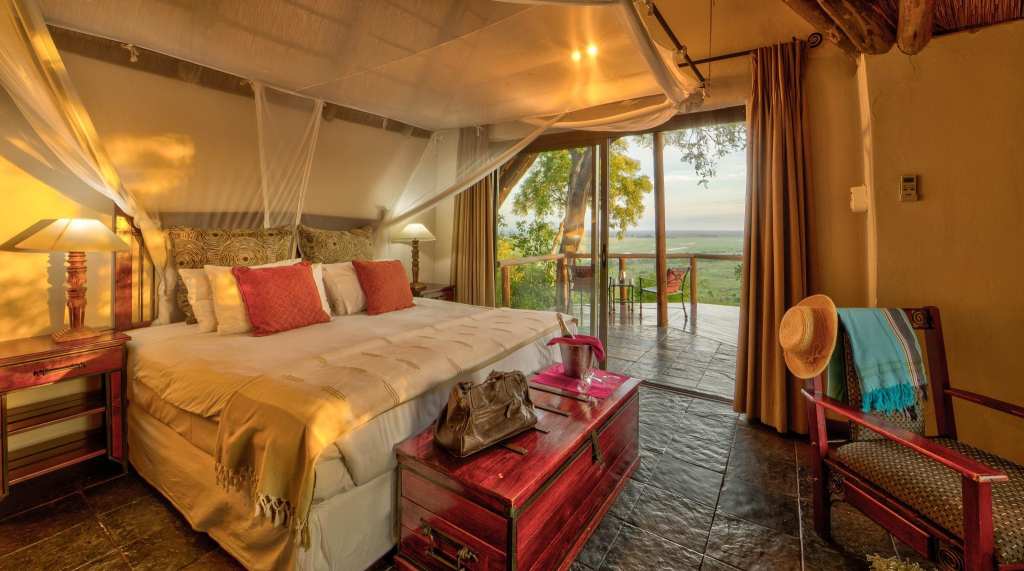
Our last stop was at Muchenje Lodge, located on the west side of Chobe National Park. We love this lodge and really enjoy a more relaxing time. We rise later, go on a long boat trip on the Chobe River and see a wide variety of game including elephants, hippos, cape buffalo, crocs, lizards and much bird life.

This is just an overview of this year’s trip. Subsequent blog posts will focus on specific wildlife species, with and overview of each and lots of images.

Longhorns

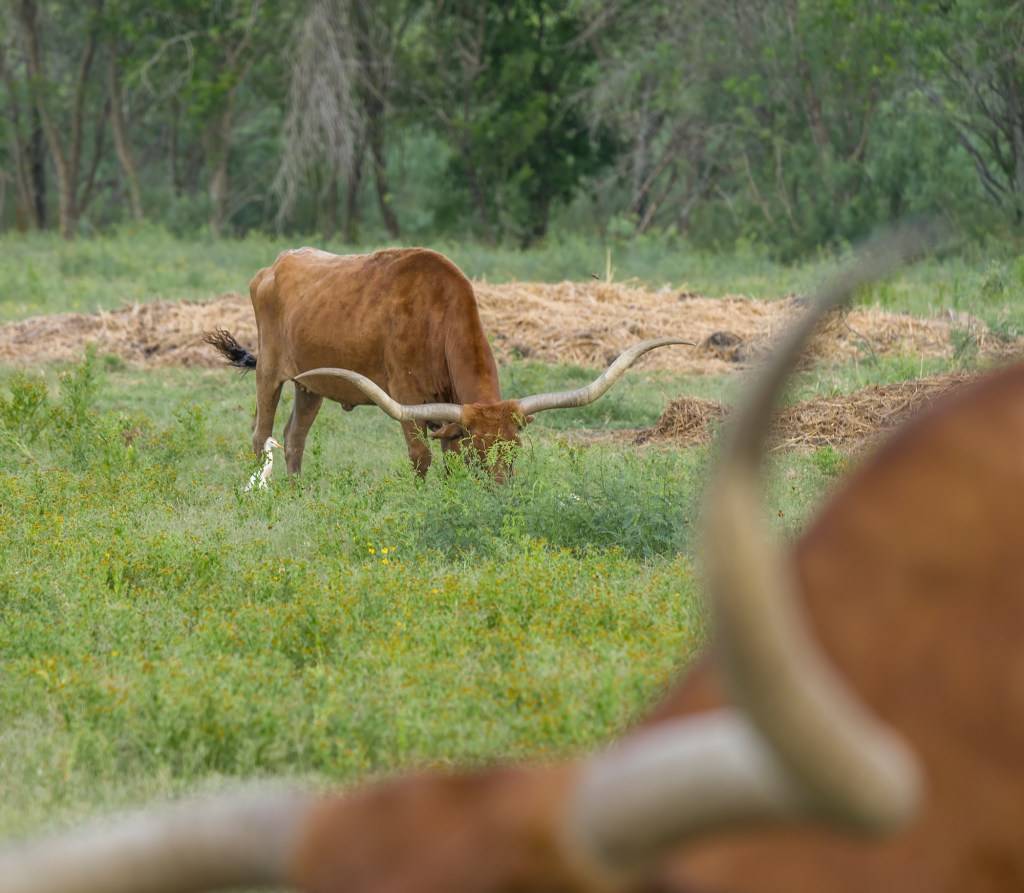
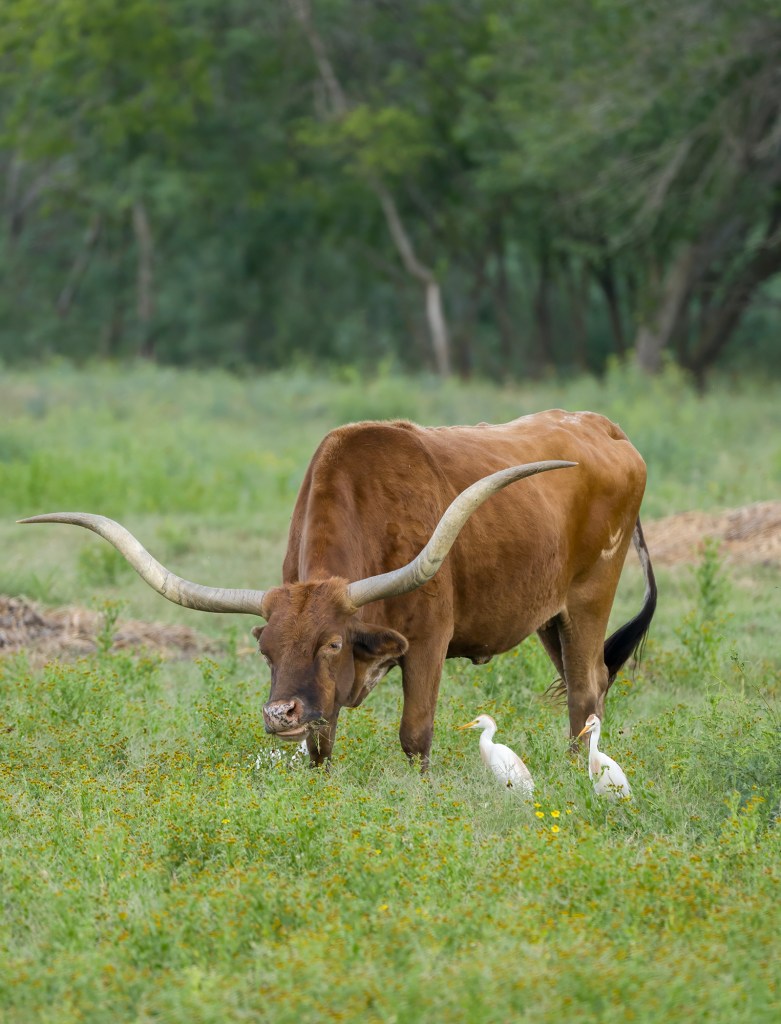
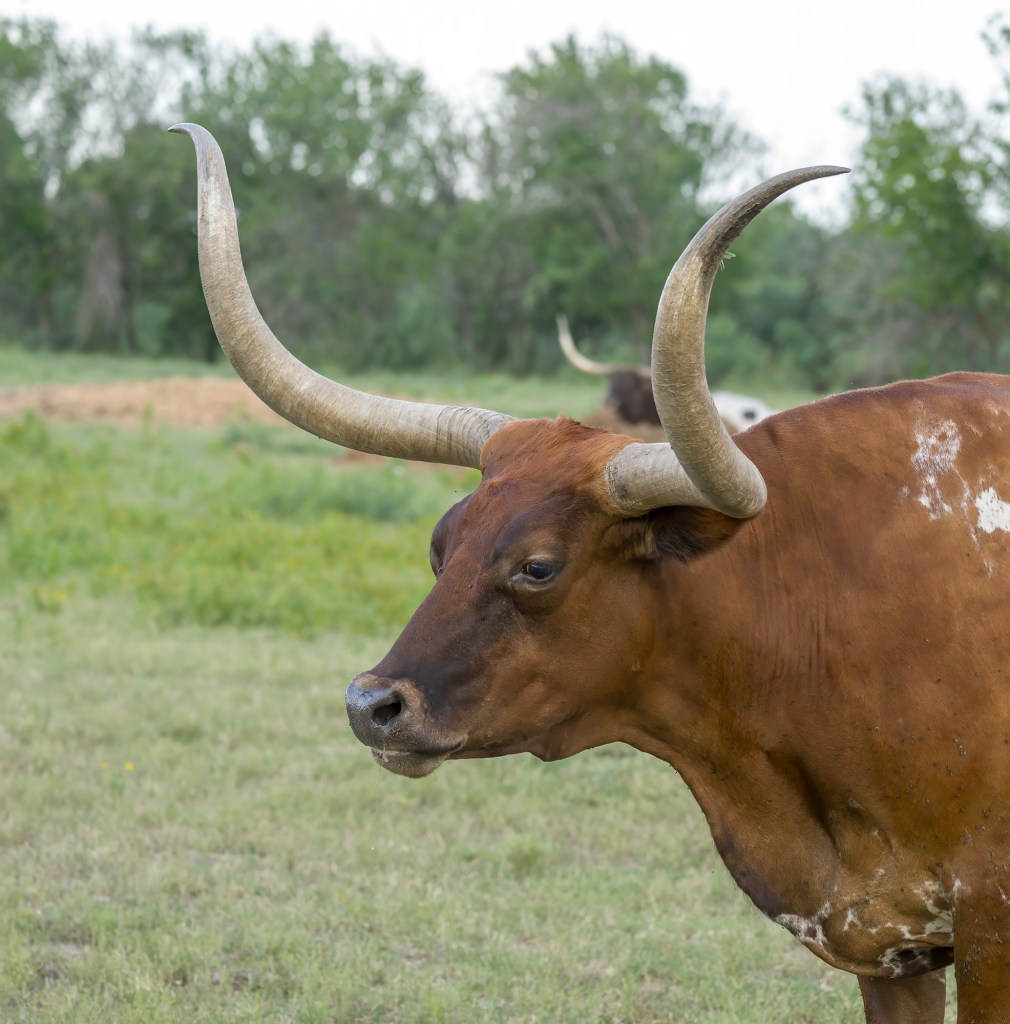
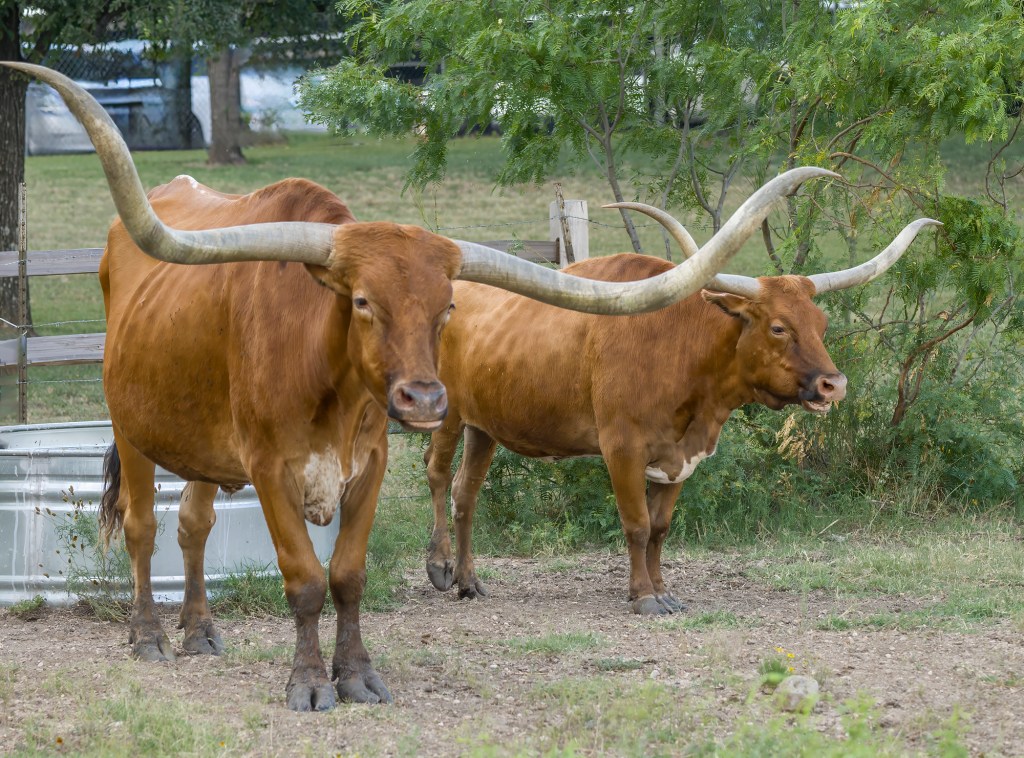
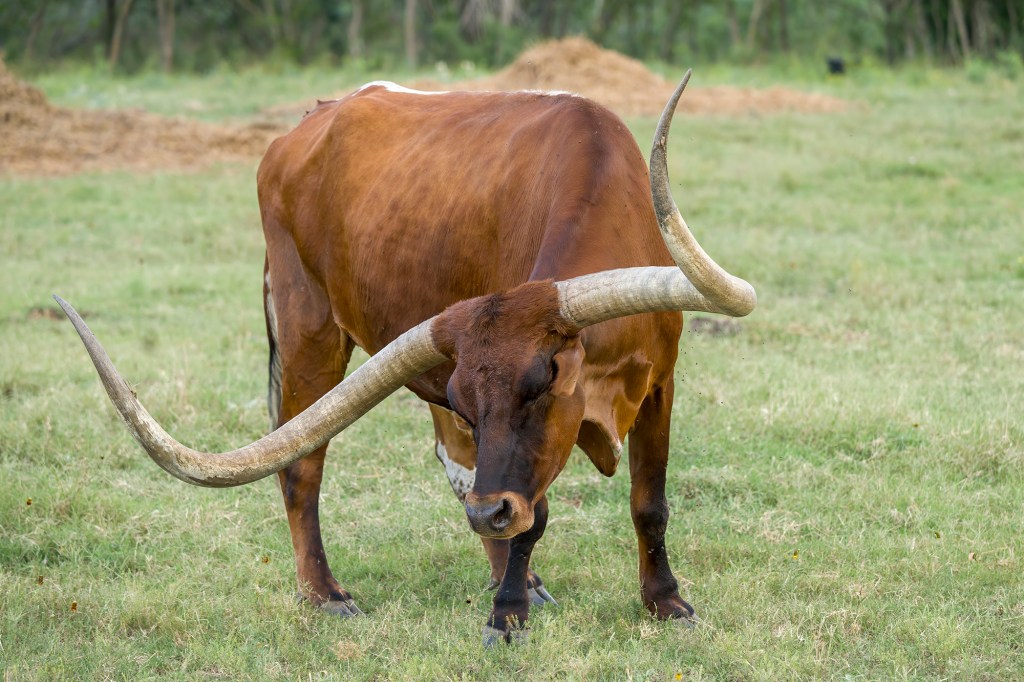
We typically park at Austin airport at Fast Park, which is adjacent to an open grazing field. The field very often has a small herd of Texas longhorn cattle, sometimes close to the fence. This was the recent case and we arrived in early evening, and were able to get a few images.

Birds and Squirrels

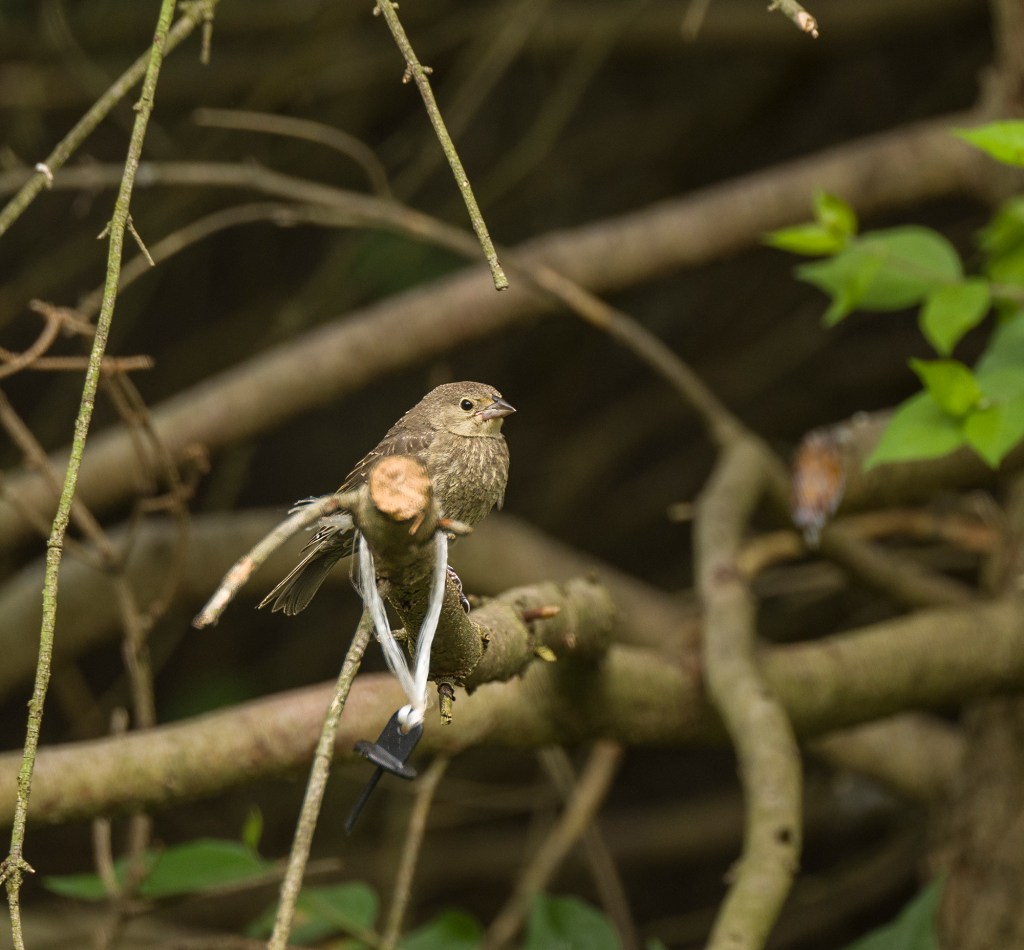
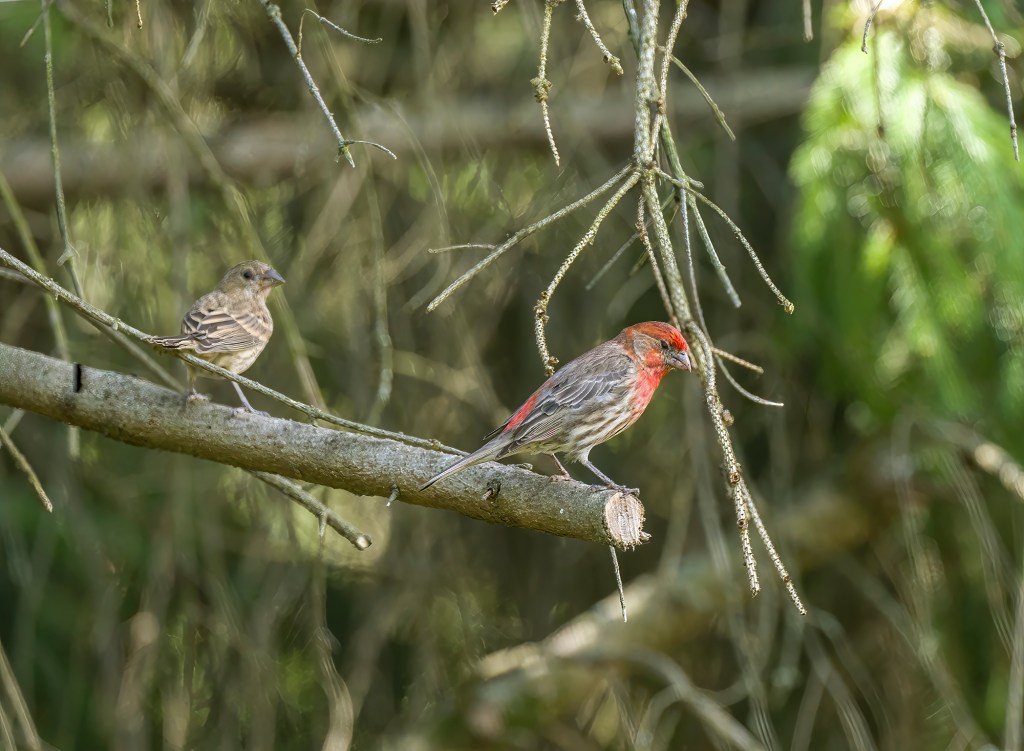
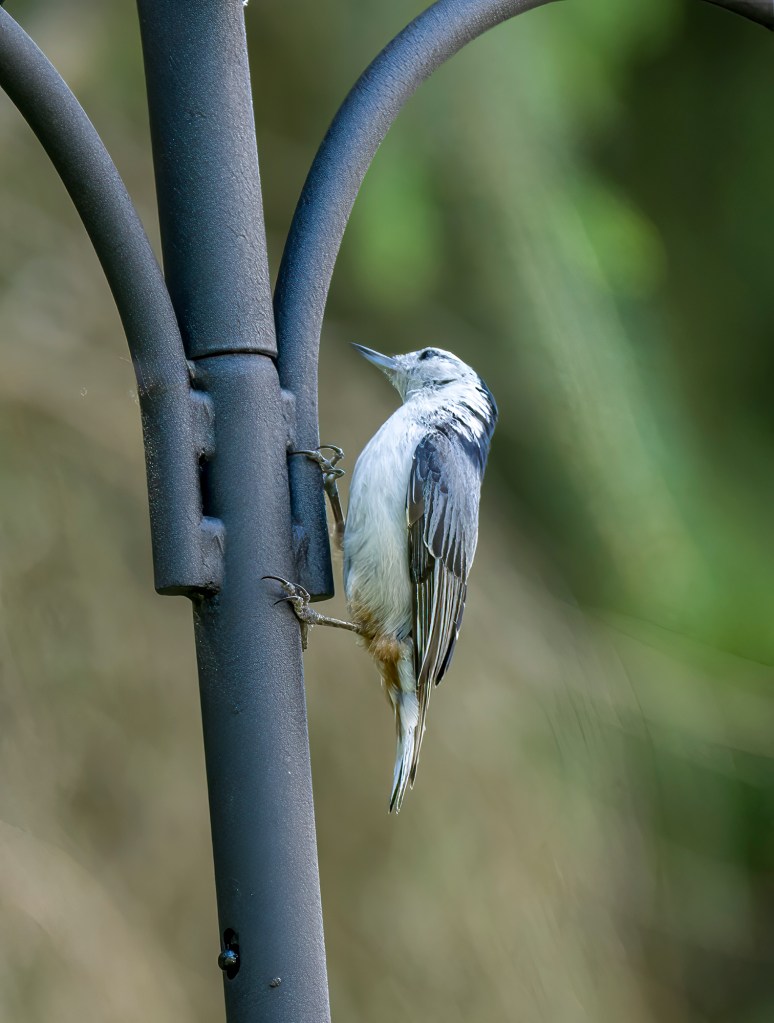
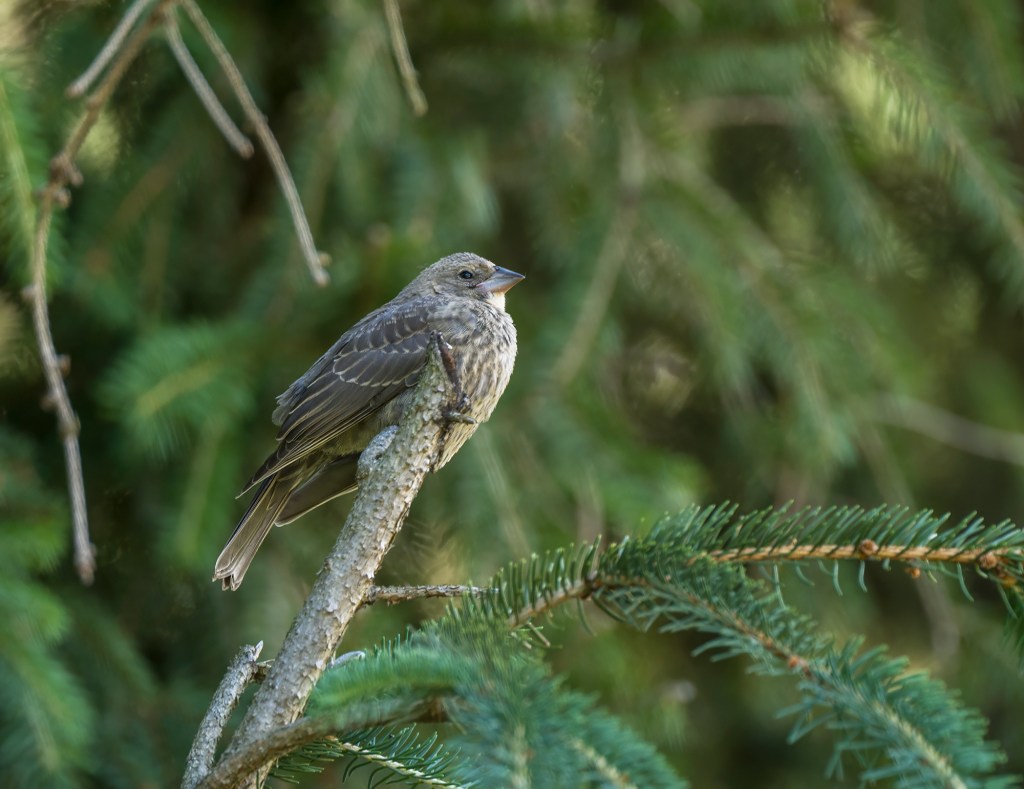
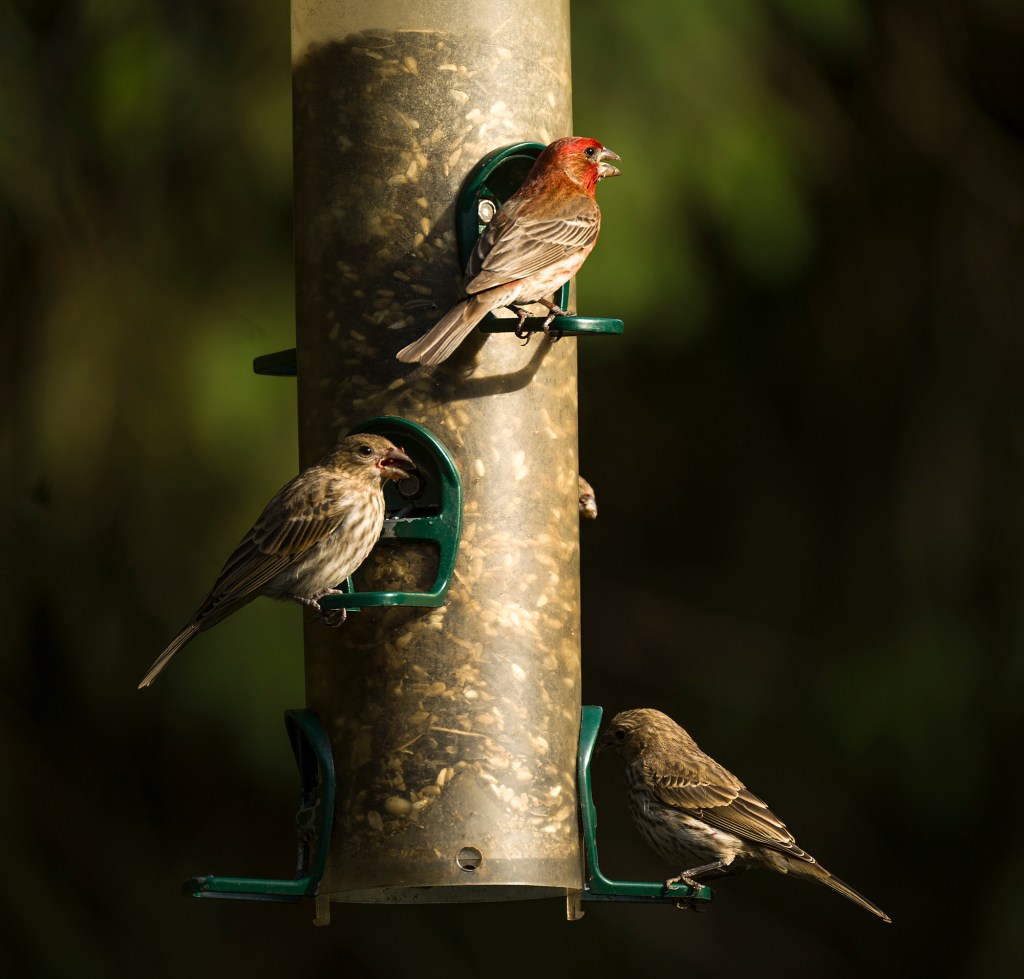
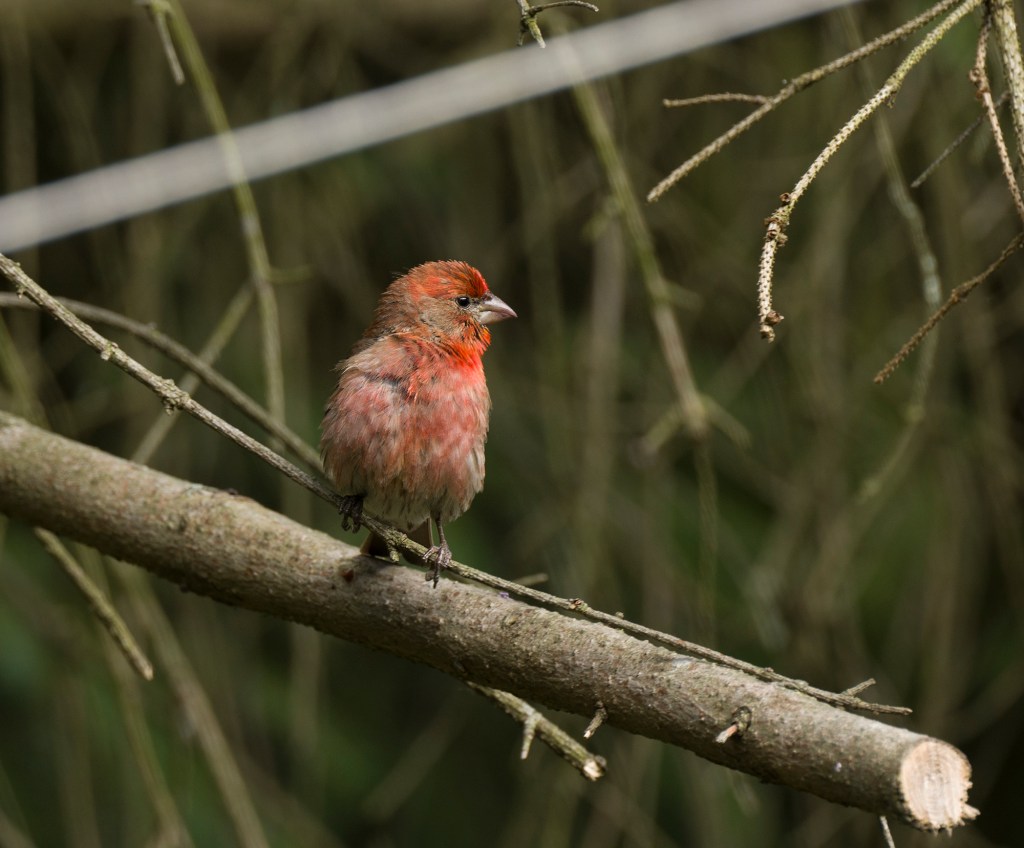
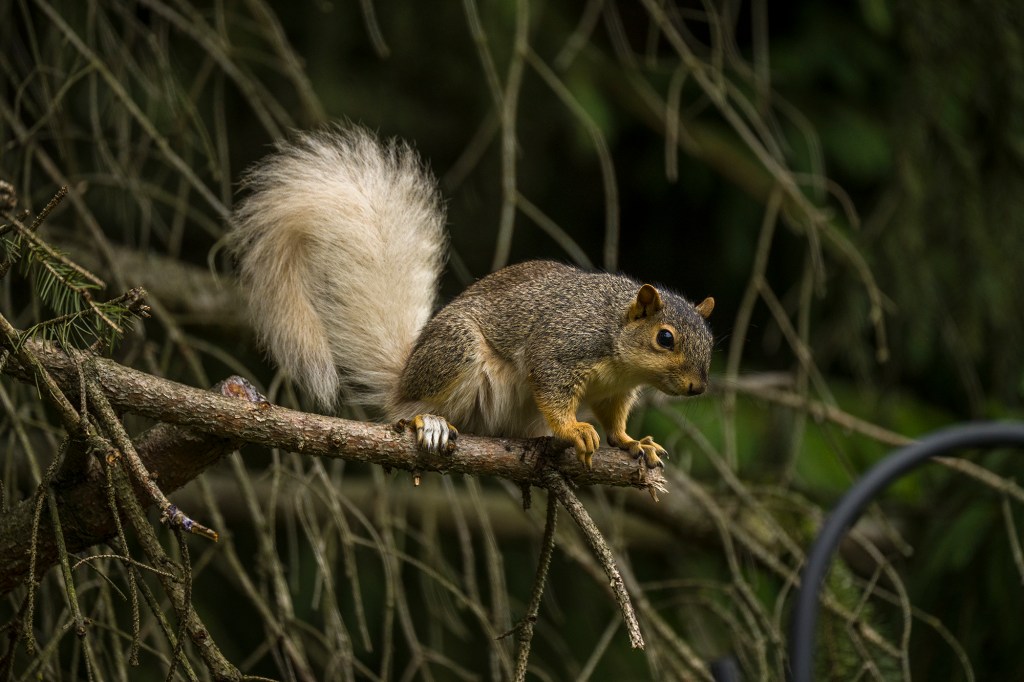
Just spent a weekend in Indiana for our grandson’s graduation. They have a lovely backyard with lots of trees, and a couple of bird feeders. So since I had my zoom lens, I took a few pictures. Here are some of them. They include a white tailed squirrel, which I had never seen before.

Brown headed cowbird
Male Finch
Young finch
Tufted Titmouse
Finch family
White-breasted Nuthatch
Carolina Chickadee
Brown-headed Cowbird
House Finches
Goldfinch
Young Finch

Nature Safari India

I would be remiss without introducing our best friend in India, that being Nature Safari India and its founder Sharad Vats. We were referred to them by friends who travel to Botswana with us; they used Sharad’s firm five years ago and were very pleased with their trip. The firm has been in the business of arranging safaris to 23 different national parks and some 20 birding areas in India. A primary focus of course is the introduction or international travelers and wildlife buffs to the amazing Bengal Tiger.

Sharad and his team arrange these trips with the help of a sizeable staff in Delhi. They are responsible for ensuring every detail of the trip is as close to perfect as possible. In our case the trip was monitored and managed by Abhishek Kumar. This staff is well complemented with a team of experienced onsite naturalists located at Kanha, Bandhavgarh, Pench and Corbett National parks and tiger reserves. Our experience with four of these individuals was outstanding!

We also had excellent guides in Agra and in Jaipur, both supplied by Nature Safari India. In addition the park guides at the leopard reserve were well qualified, and those assigned at the tiger parks to accompany us were generally helpful to our naturalists.

More detail on Sharad’s organization can be found at http://www.naturesafariindia.com. Please take some time to read through a well laid out and informative web site.

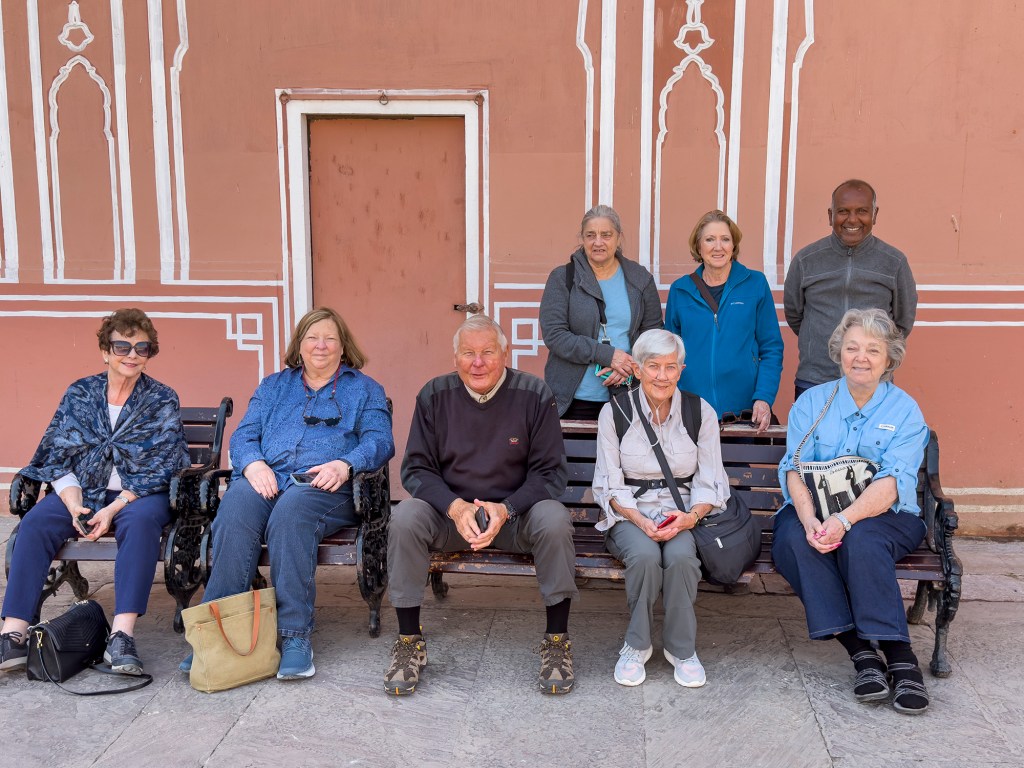
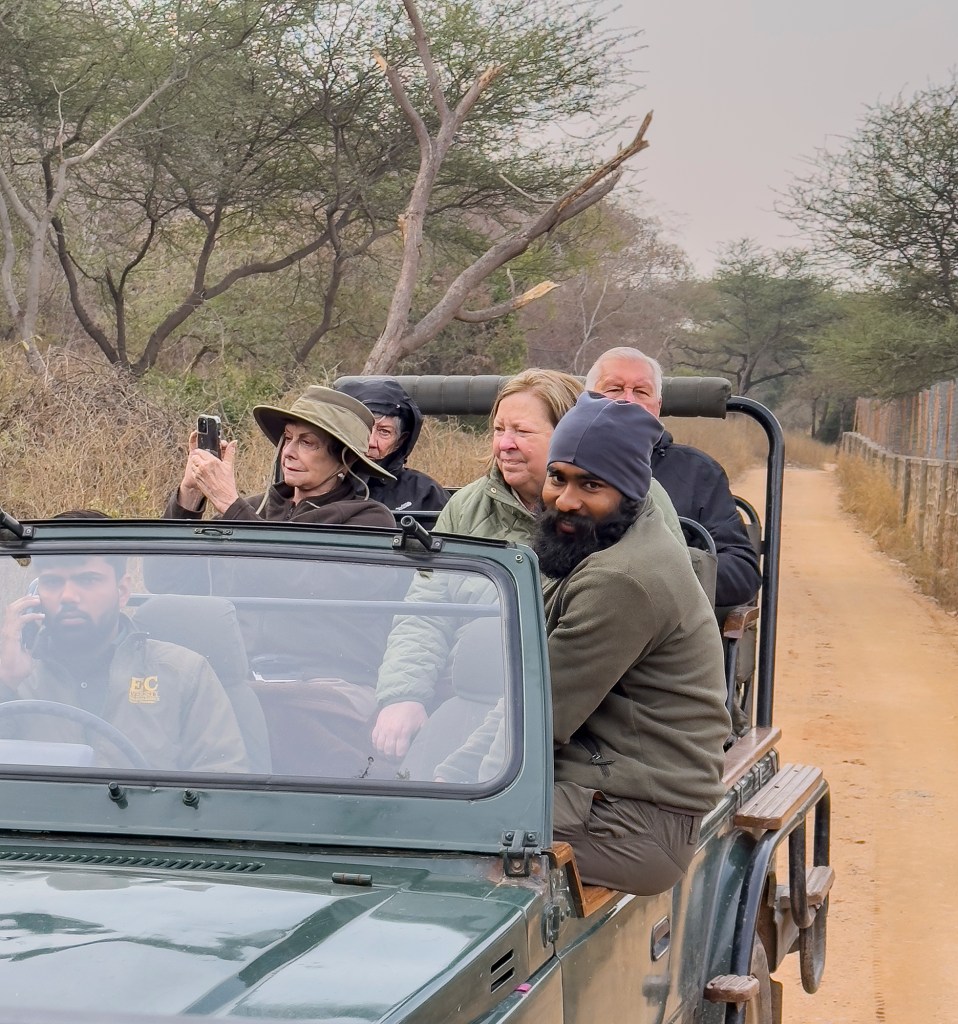
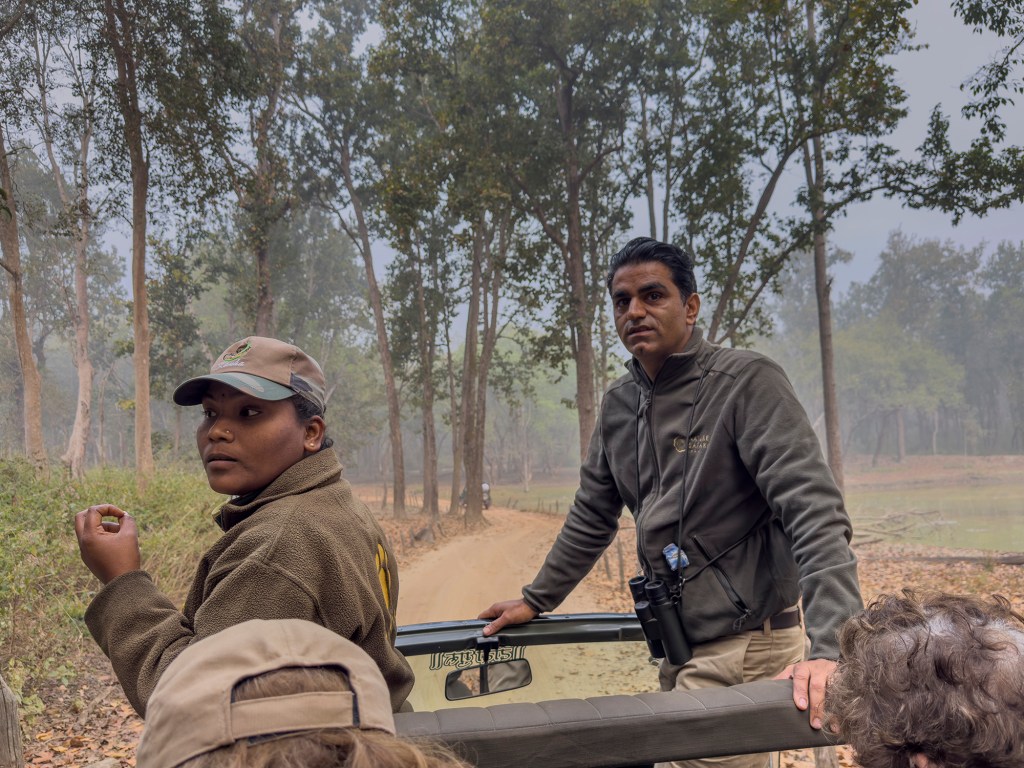
The images below include these naturalists in action, along with a few of our travel group.

Lunch in Agra
Our Agra guide Shaym
At the Taj
At the Taj
At Jaipur with our guide Rajesh
Taking a Rest
Our guide Sarob at Jhalana
Our other naturalist at Jhalana
Delhi airport with our outstanding driver Kesar
Bandhavgarh naturalist Sanjay Gupta and breakfast
Ajeet and Sanjay
Banhavgarh naturalist Ajeet Chaturvedi
Sanjay
Kanha naturalist Noren Malik and park guide
Noren and Kanha park guide
Kanha naturalist Sanjay Thakre (driver) and park guide

Kanha Tiger Reserve

As we have said, Kanha was one of the original nine designated tiger reserves because of its rich population of tigers and being one of the prime habitats for them. The park also has distinguished itself in saving the highly endangered ground Barasingha from extinction; for close to five decades it had the last worldwide population of this deer species. In recent years the barasingha (swamp deer) has been introduced in several other national parks.

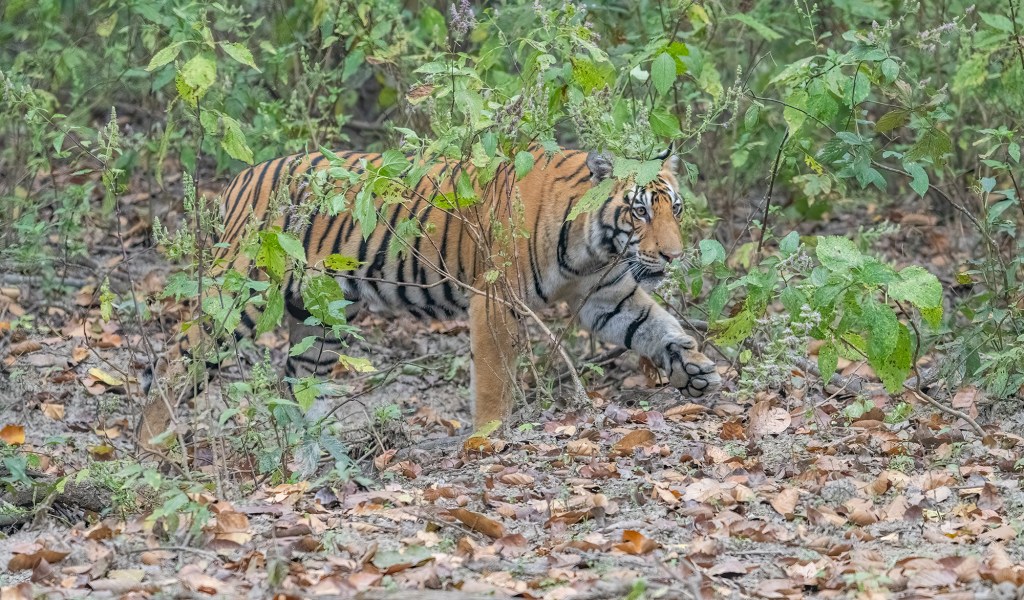
The park is also home to many other species including deer (chital or spotted deer, barasingha, sambar and blackbuck), wild boar, sloth bears, langur monkeys, leopards, gaur, wild dogs and a wide variety of bird life. We were fortunate to see most of these including a few tigers. Some images follow.

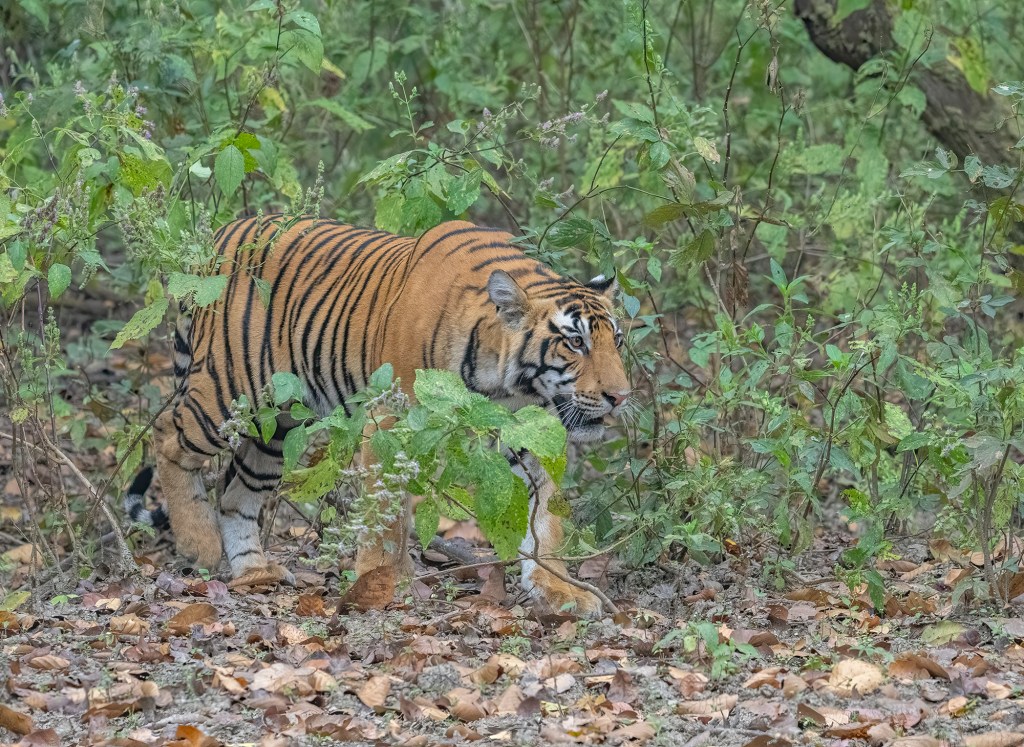
Tigers

Deer

Barasingha
Chital
Blackbuck
Sanbar

Jackals

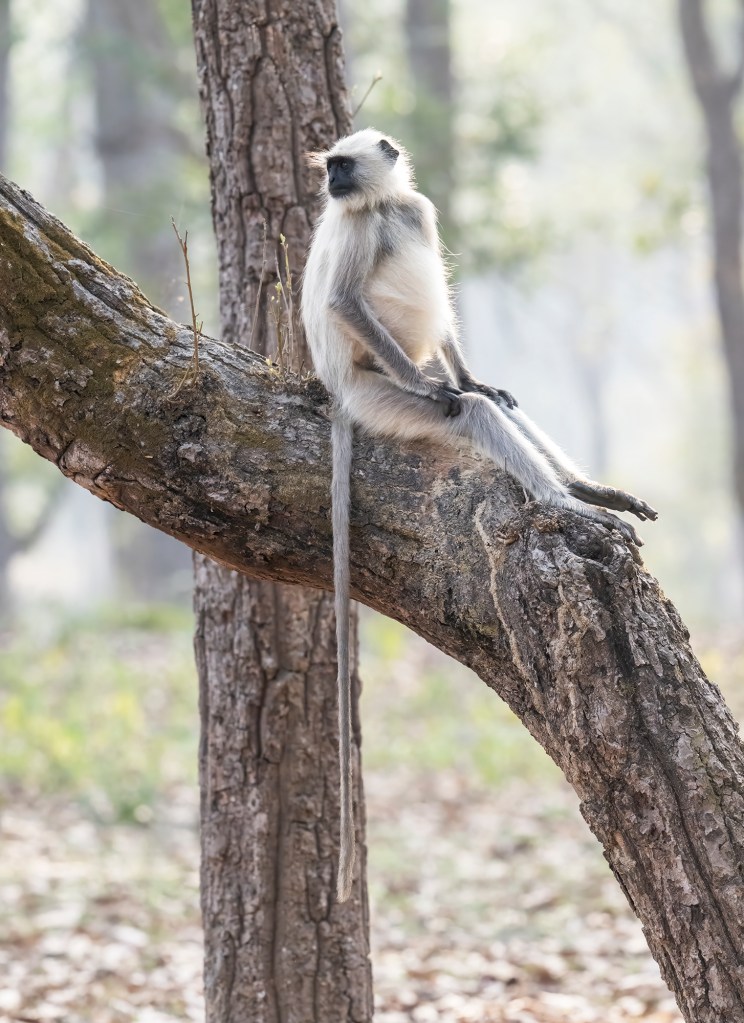
Langaur Monkeys

Birds

Pied Bushchat
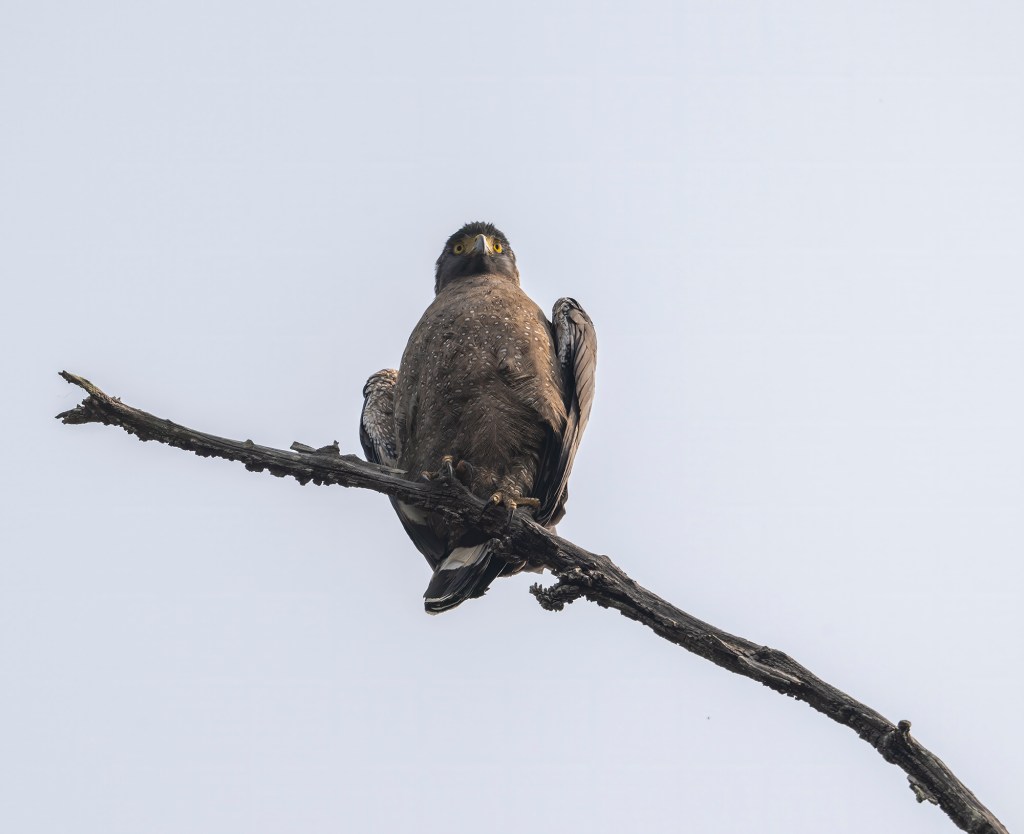
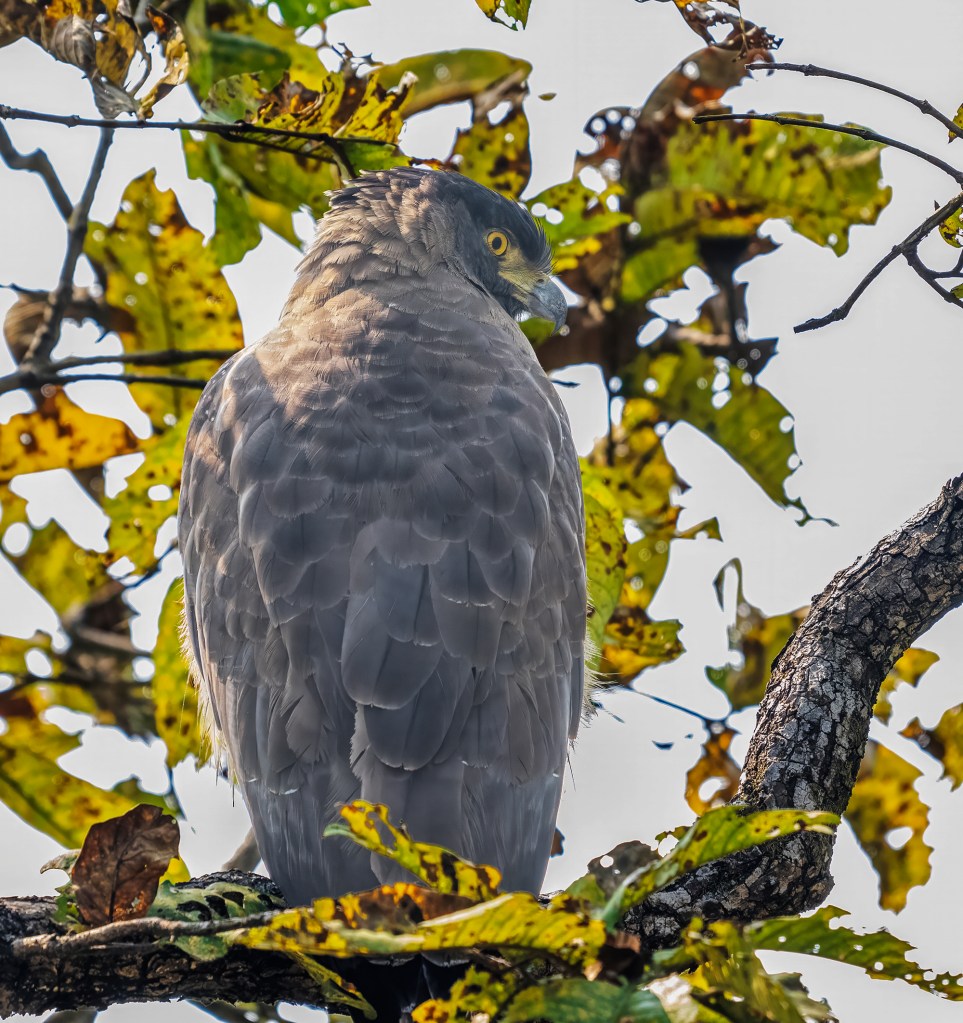
Crested serpent eagle
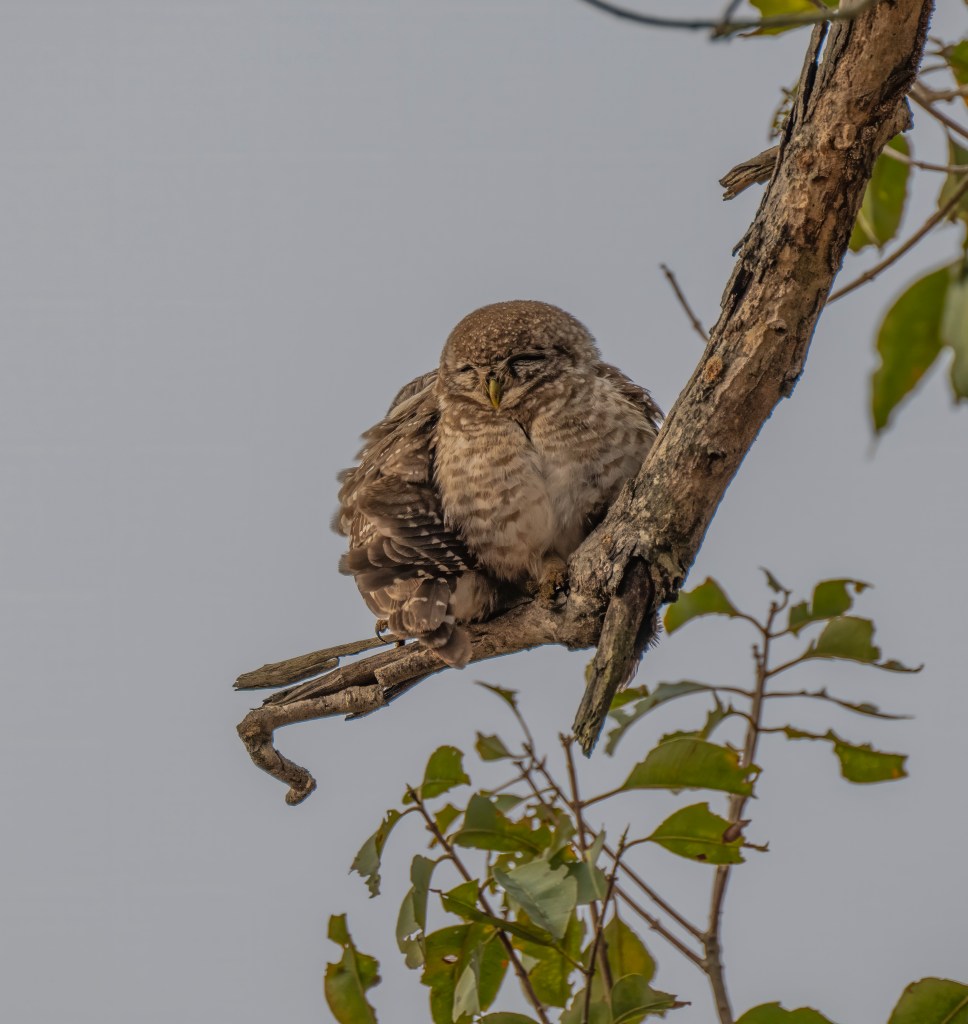
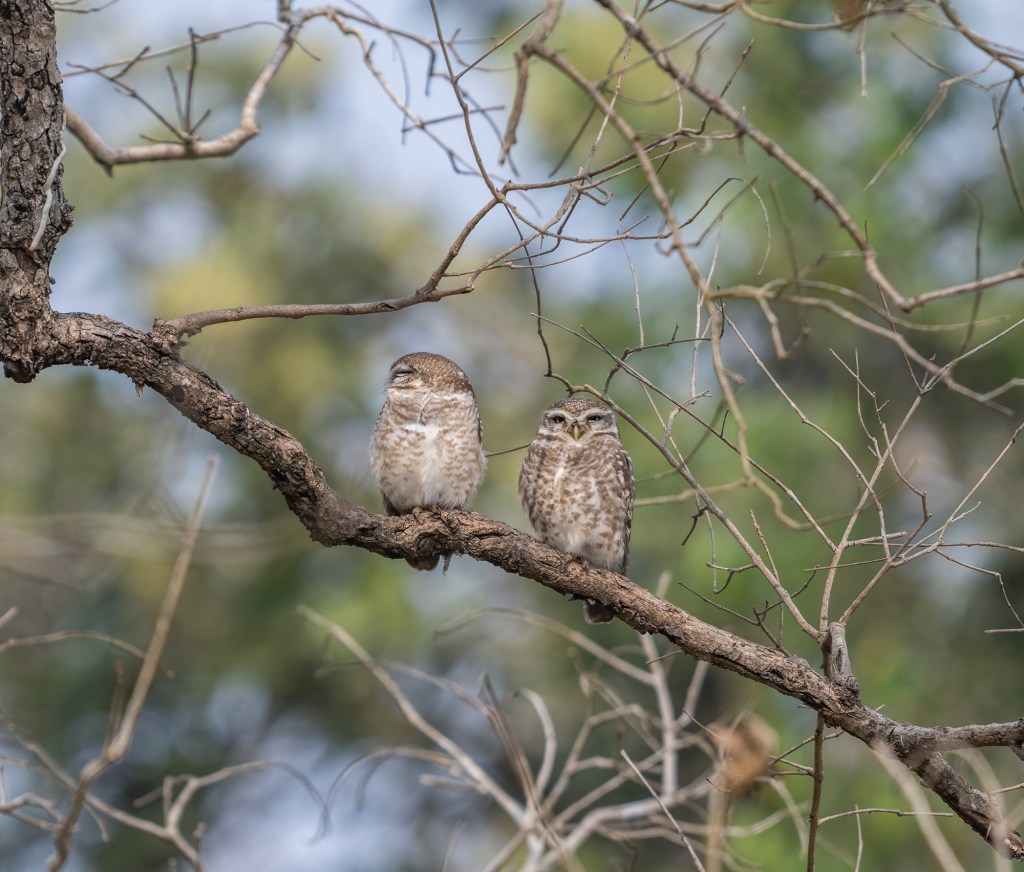
Spotted owlet

Kanha National Park

Also known as Kanha Tiger Reserve, this park is a nature’s paradise, and for the longest time has been a prime forest area for nature lovers. conservationists, tourists and anyone else enthusiastic about nature and tigers. Located in Madhya Pradesh, the park is internationally renowned for its central Indian floral and faunal attributes.

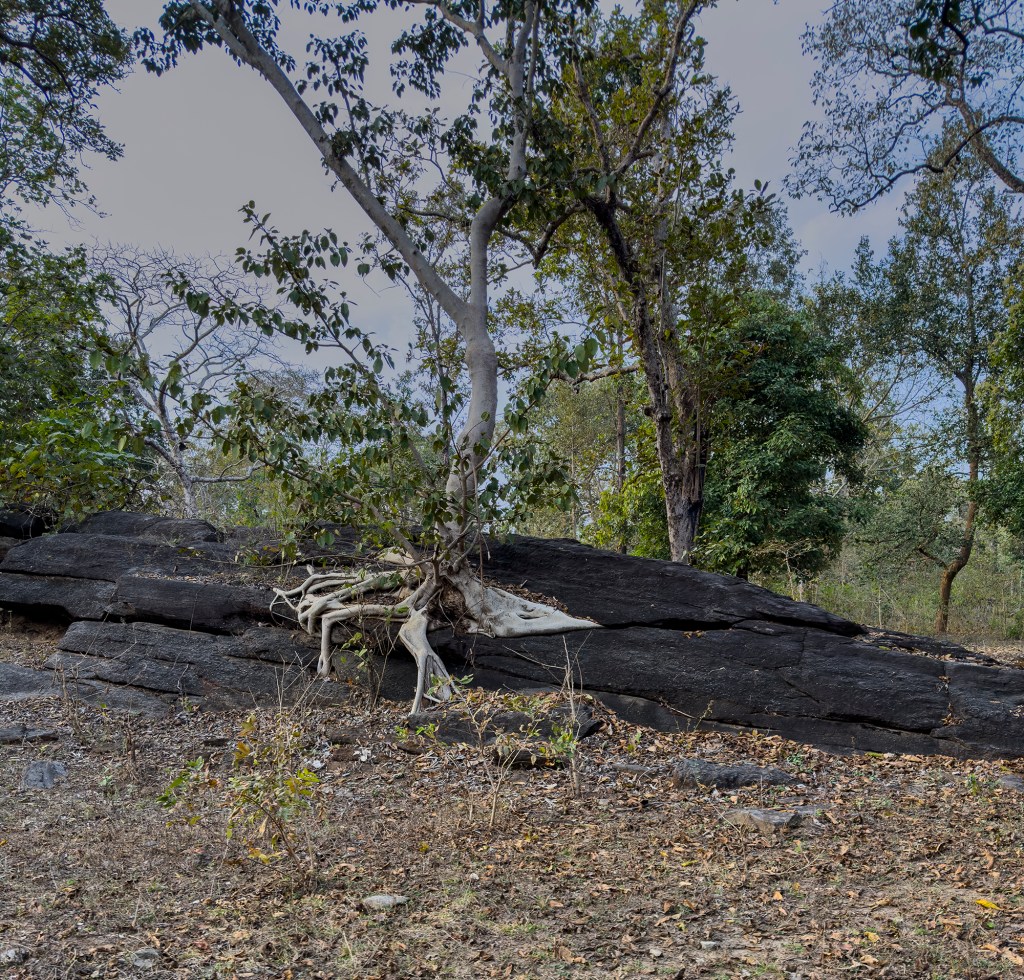
The lush green forests are composed mainly of sal trees and other mixed forest trees. Kanha is one of the oldest protected areas of India, being declared a reserve forest in 1879 and a national park in 1955. It was also among the first nine Tiger Reserves of India when project Tiger started.

The reserve has an area of 2074 sq km and is comprised of two divisions, namely the national park of 940 sq km of the critical tiger habitat, or core area, and the buffer zone of 1135 sq km.

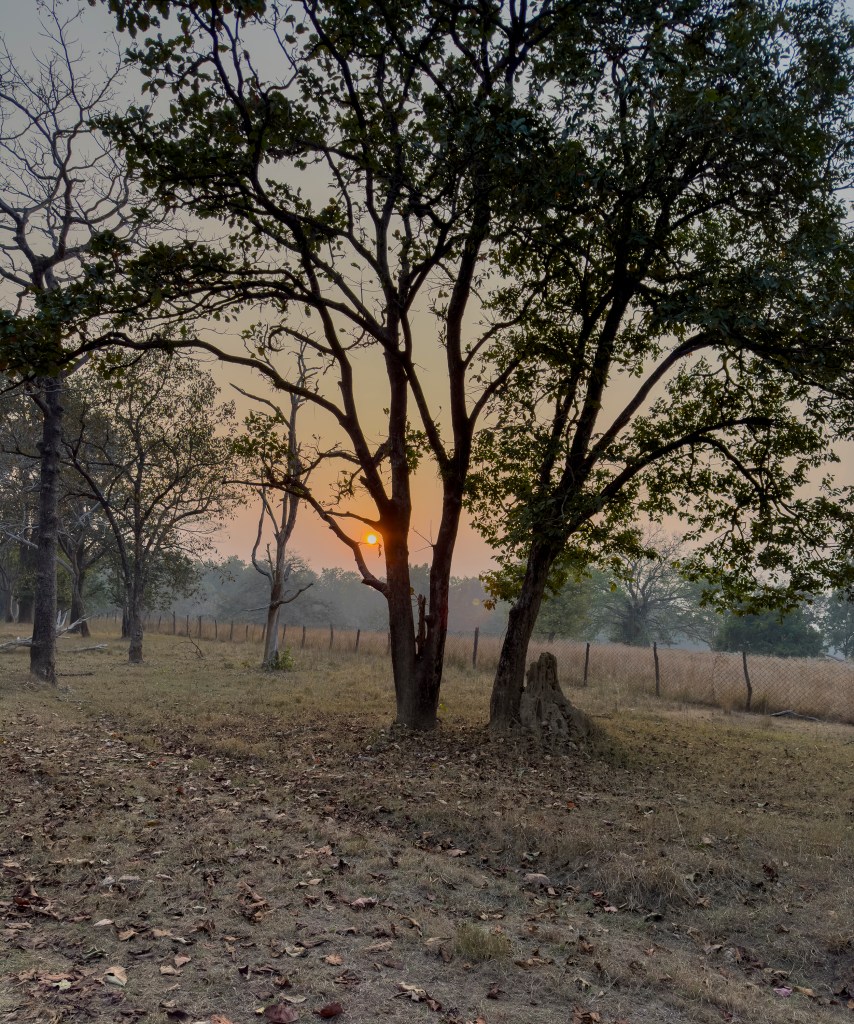
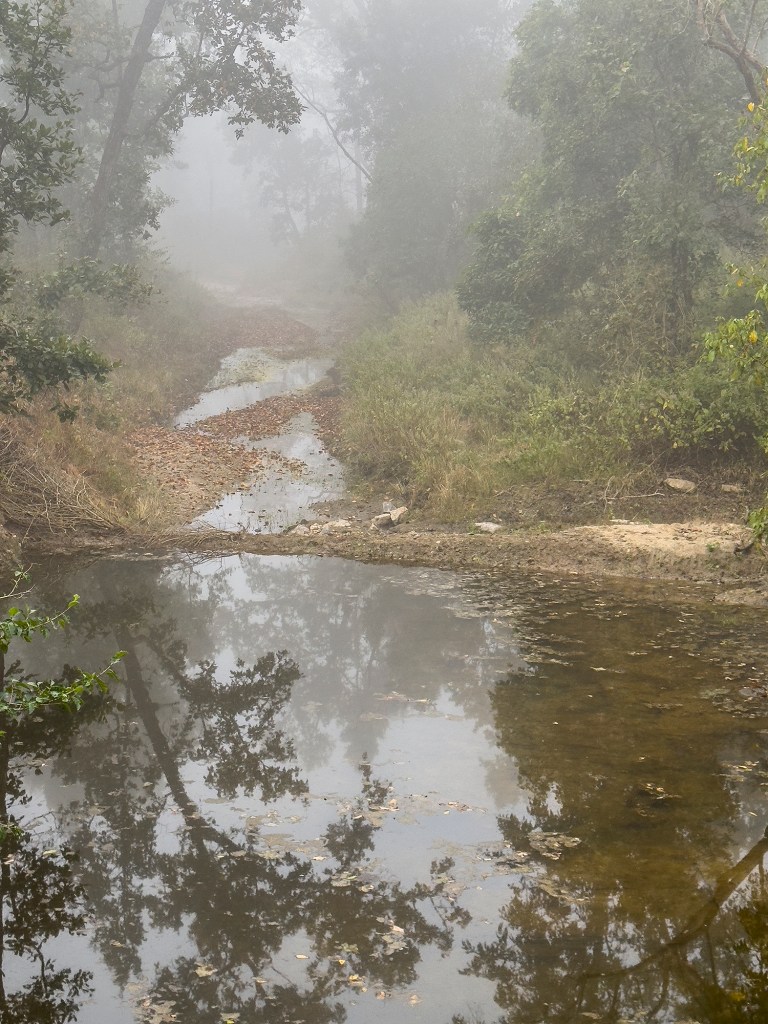
As a group we were enthralled with the park and thoroughly enjoyed just driving around the forests and grasslands for hours at a time. Most of the drive we were all snapping iPhone pictures of the scenery. A couple of days we encountered a fairly heavy mist, which made the forests even more enchanting. So let me show you a few images of the park’s environment.

Texas Wildflowers

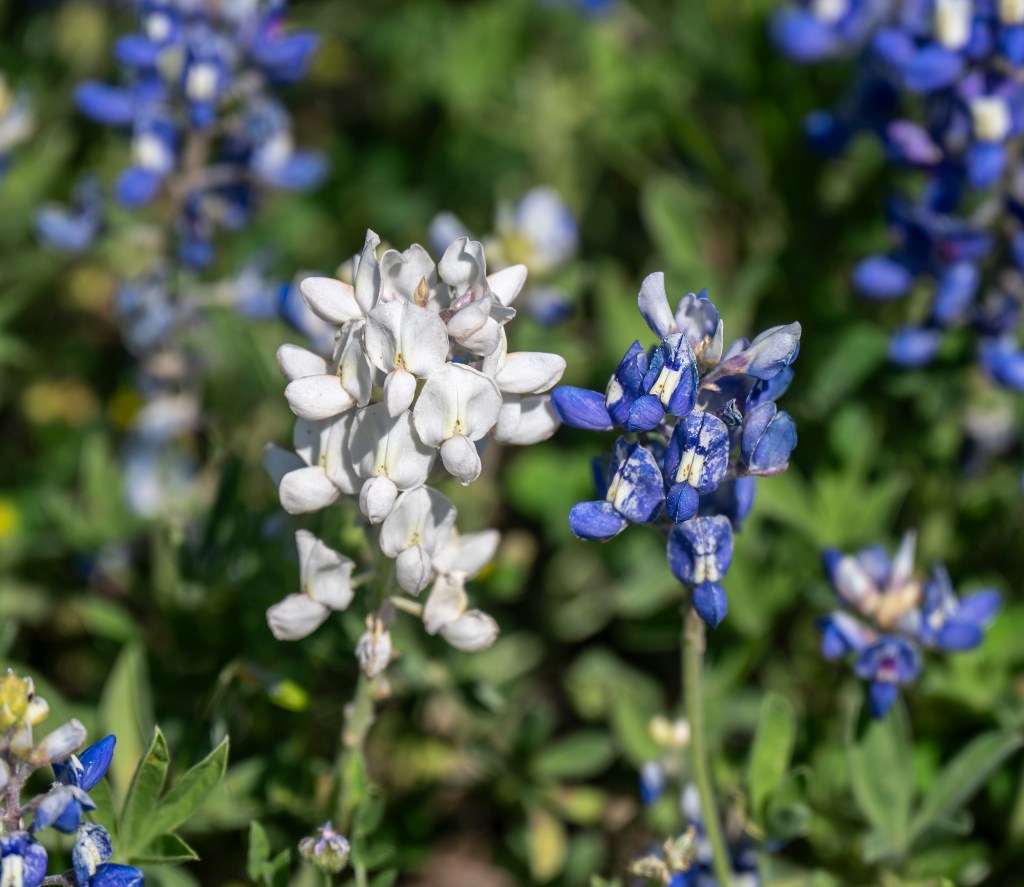
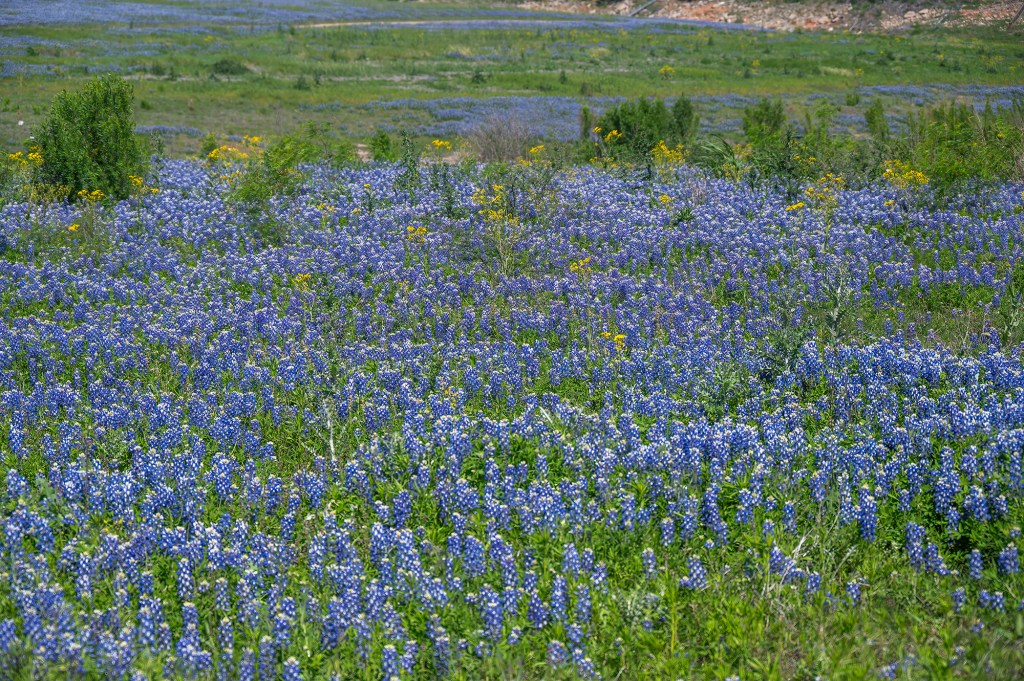
This year has been quite a good year for wildflowers, since the rains of last fall have enhanced the germination of these beautiful things. Texas is famous for the bluebonnet.. The species were named the state flower of Texas in 1901. The name comes from the petal shape, which resembles the sunbonnets worn by pioneer women in the 1800’s. The genus is Lupinus, and includes the bluebonnet and the lupine.

The highways along many parts of Texas are lined with bluebonnets and other species of wildflowers thanks to a seeding program encouraged by Lady Bird Johnson after she left the White House. The collection includes the bluebonnet, Indian paintbrush, Indian blanket (gaillardia), verbena, primrose, sunflowers, winecup, prickly poppy and many others. Here is a number of images taken this spring around the Texas Hill Country within an hour or two of our residence.

Bluebonnet
White and Blue
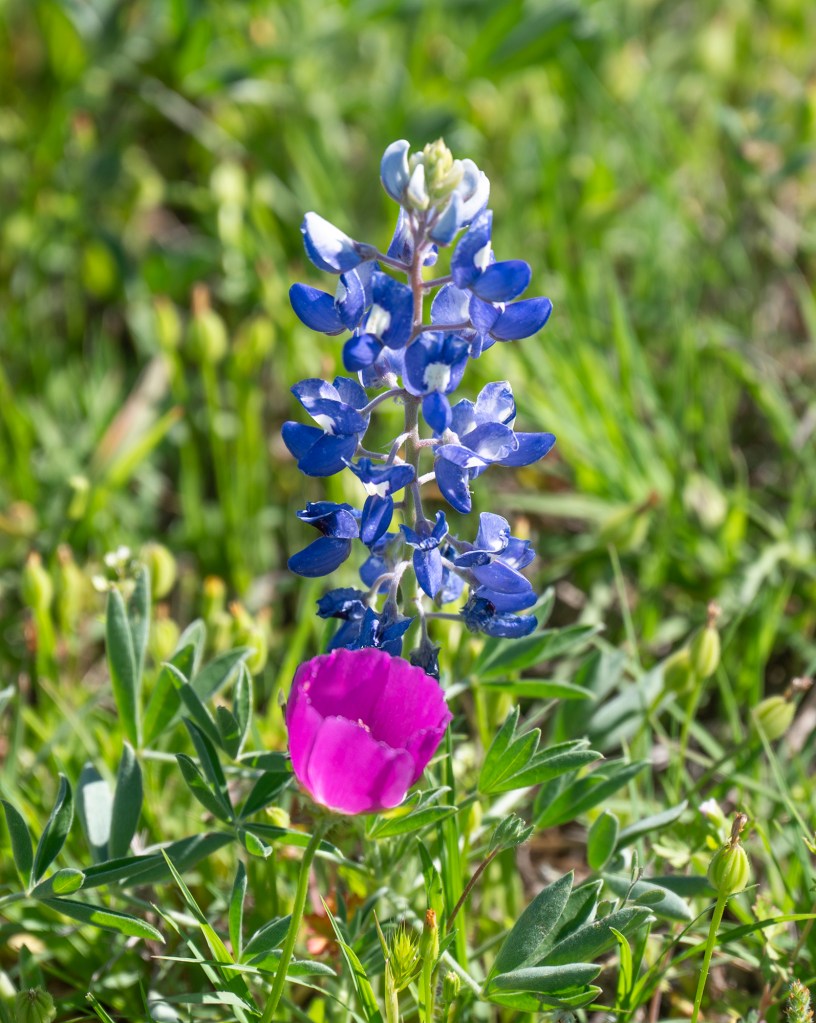
Winecup with bluebonnet
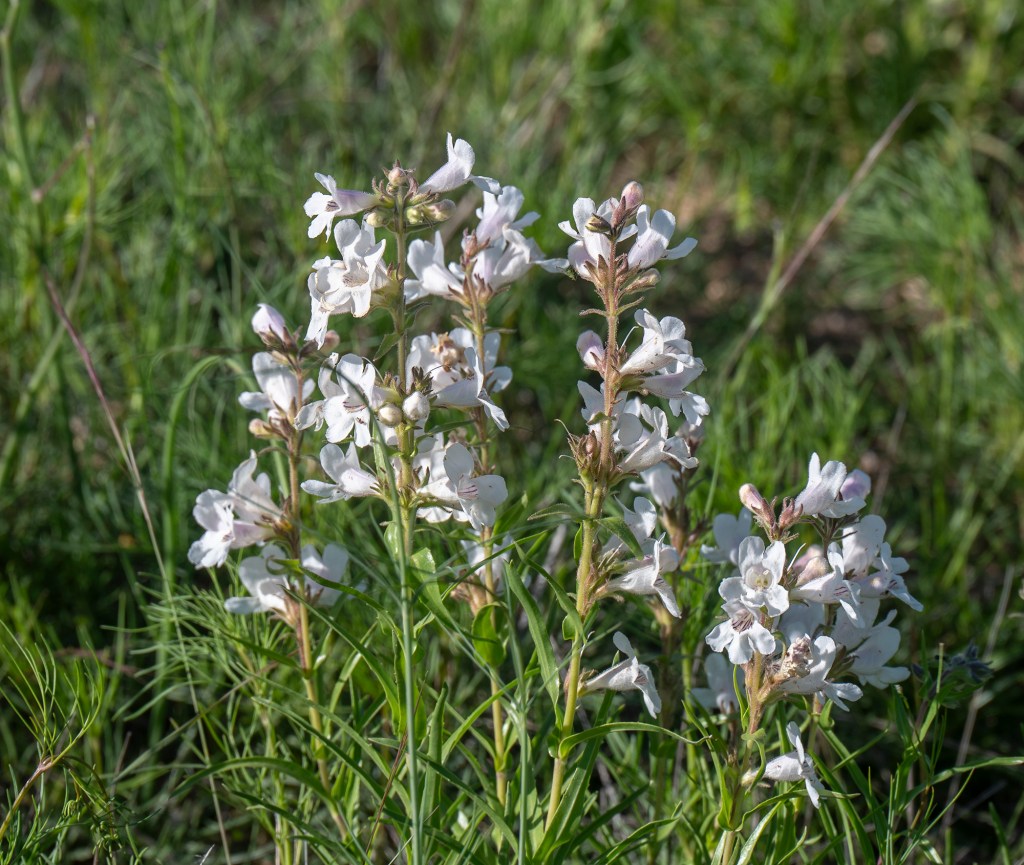
Penstemon (wild foxglove)
Indian blanket
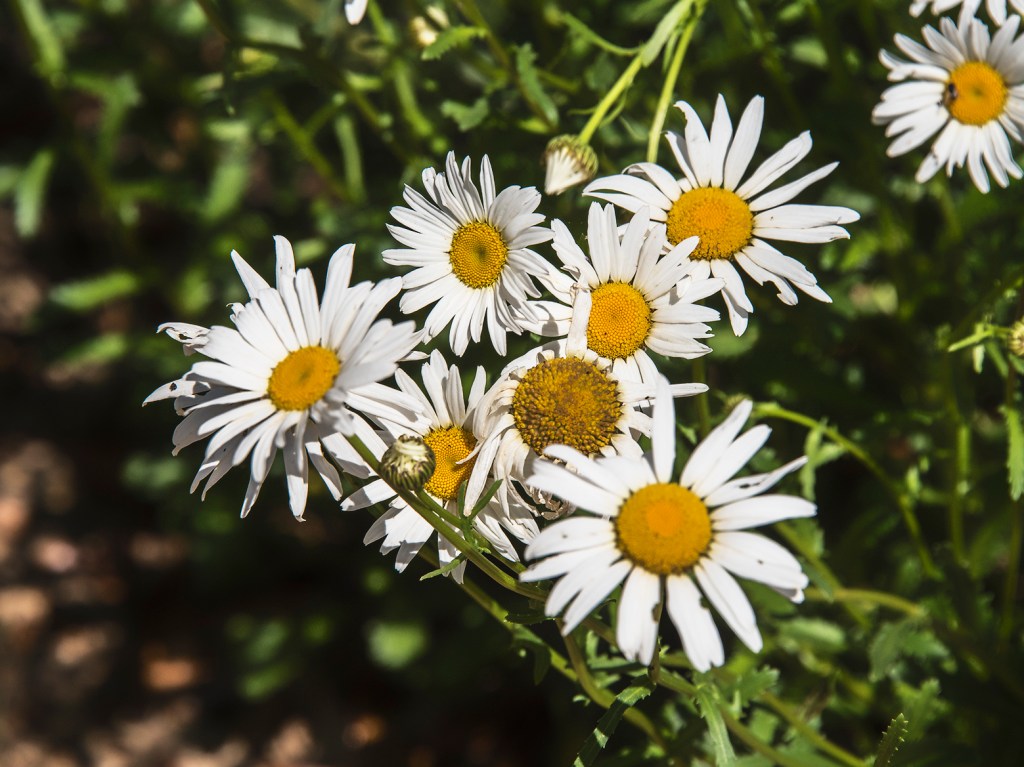
Mini Marguerite
White prickly poppy
Indian paintbrush
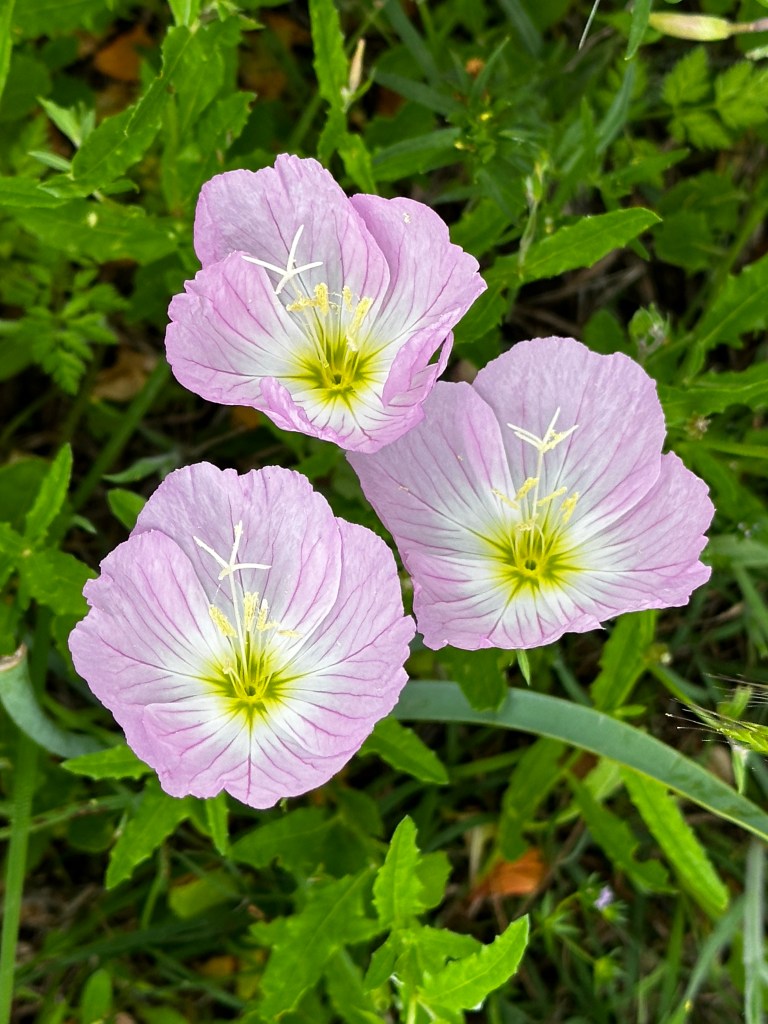
Pink evening primrose
Vervain (verbena)
Primrose
Primrose

And a collection of images showing extent of the coverage.

Bandhavgarh Fauna

The wildlife of Bandhavgarh National Park is thruly the most glittering part of the whole forest. The park is known for the various species, and best known for the preservation of the astonishing tiger species. It is home to one of the largest populations of Bengal Tigers in the world, including the elusive white tiger.

There are three core zones in the park named Tala, Khitauli and Magadhi. These zones are equally popular for tiger sightings. Bandhavgarh is also home to a wide variety of animals, including chinkaras, nilgais and bison. The wildlife collection also includes 250 species of birds and 80 species of butterflies in addition to 37 species of mammals. Nature lovers around the world adore exploring these densely forested areas every year.

Our sightings included the following.

Tigers

Deer Species

Nilgai
Blackbuck

Gaur (Indian bison)

Grey Langur Monkeys

Wild Boar

Birds

Rufous treepie
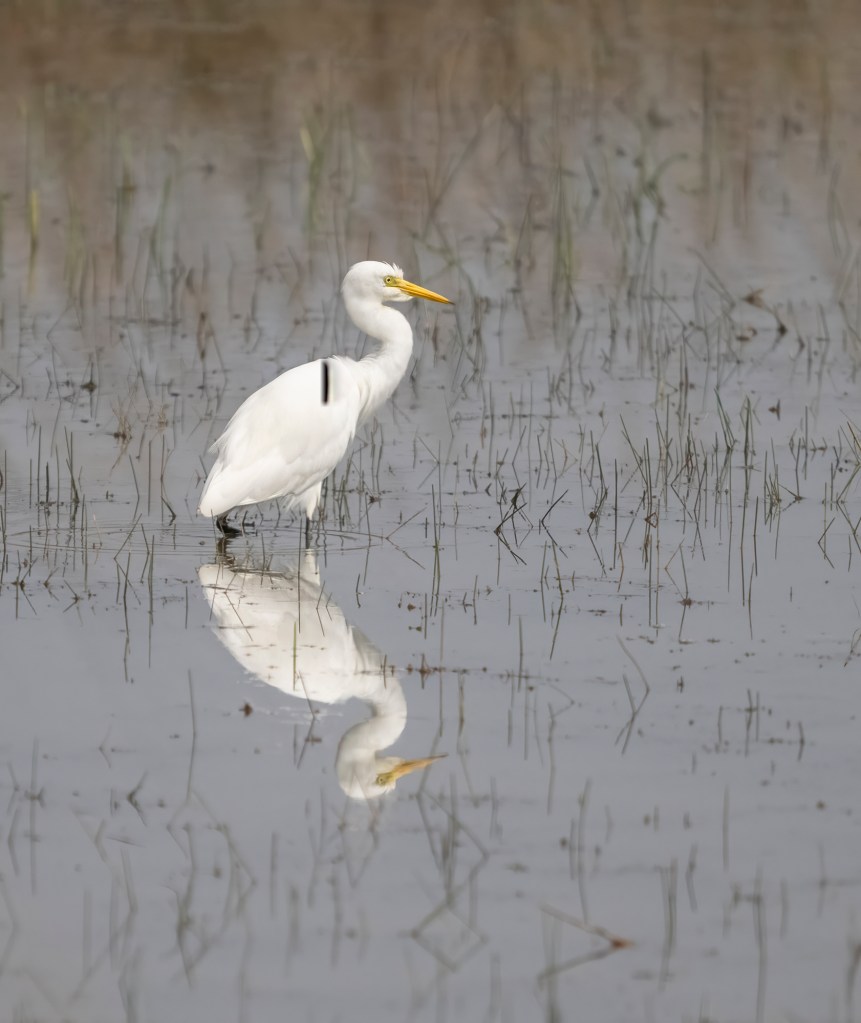
Painted stork with great egrets
Jungle babbler
Common kingfisher
Brown shrike
Indian peafowl
Greater coucal
Pied kingfisher with Indian pond heron
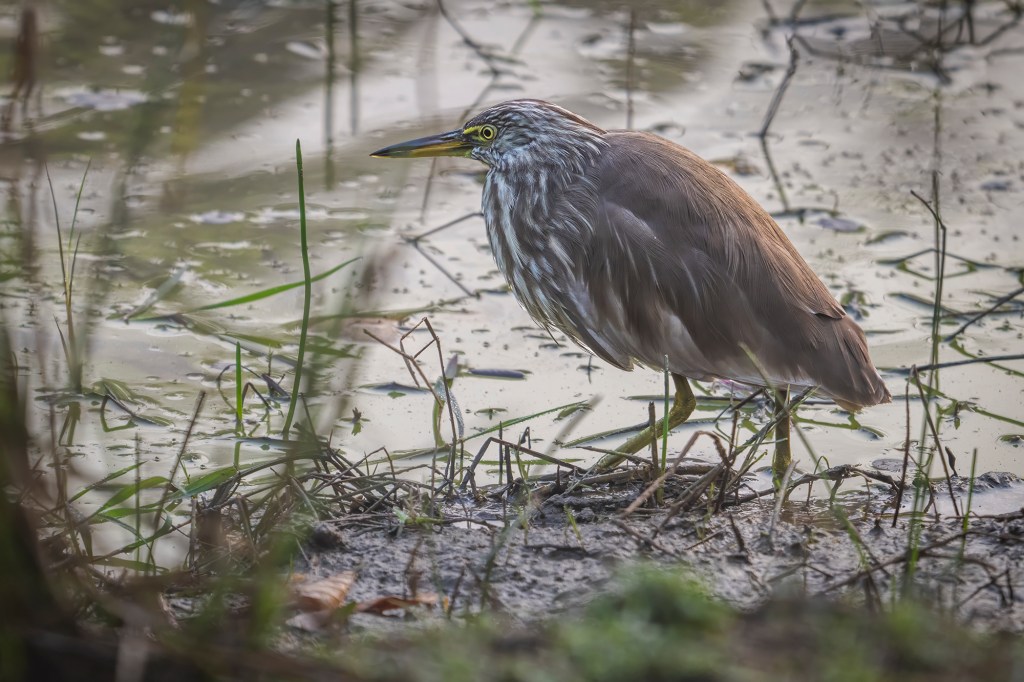
Indian pond heron
Little cormorant
Greater racket-tailed Drongo
Red junglefowl
Oriental magpie-robin
Indian vulture
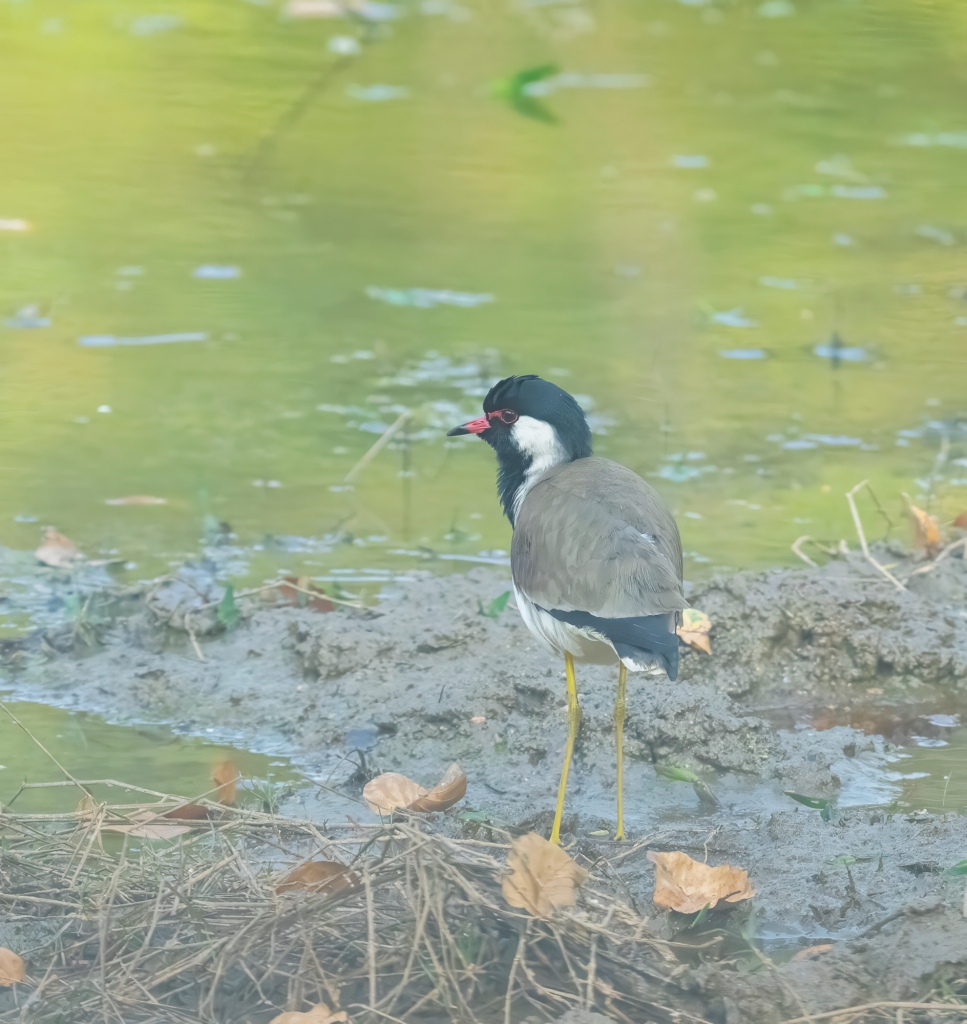
Red-wattled Lapwing
Indian roller