As we have said, Kanha was one of the original nine designated tiger reserves because of its rich population of tigers and being one of the prime habitats for them. The park also has distinguished itself in saving the highly endangered ground Barasingha from extinction; for close to five decades it had the last worldwide population of this deer species. In recent years the barasingha (swamp deer) has been introduced in several other national parks.
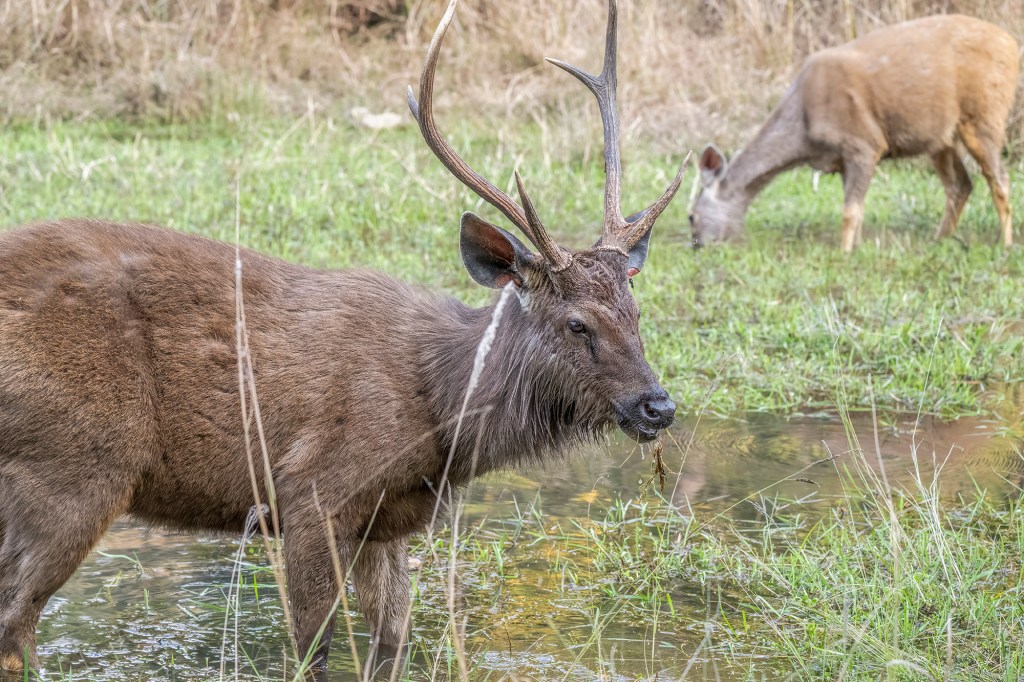
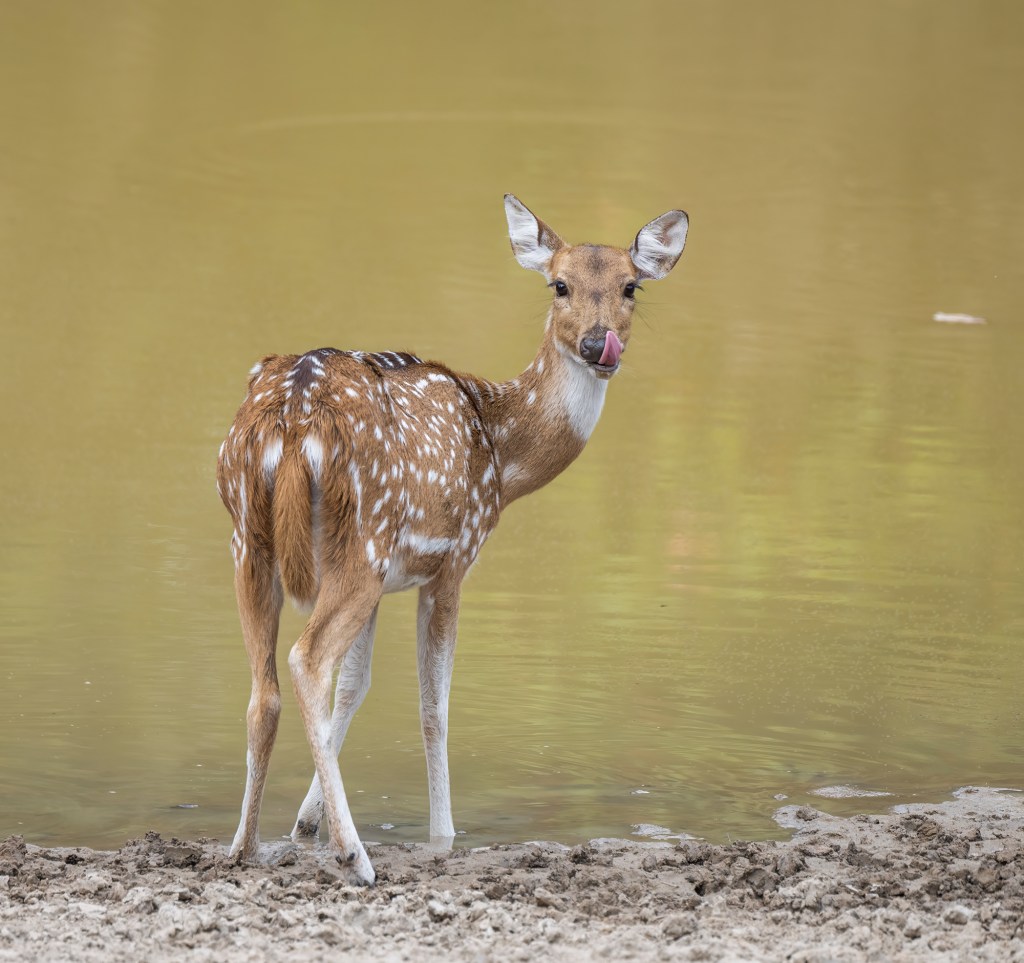
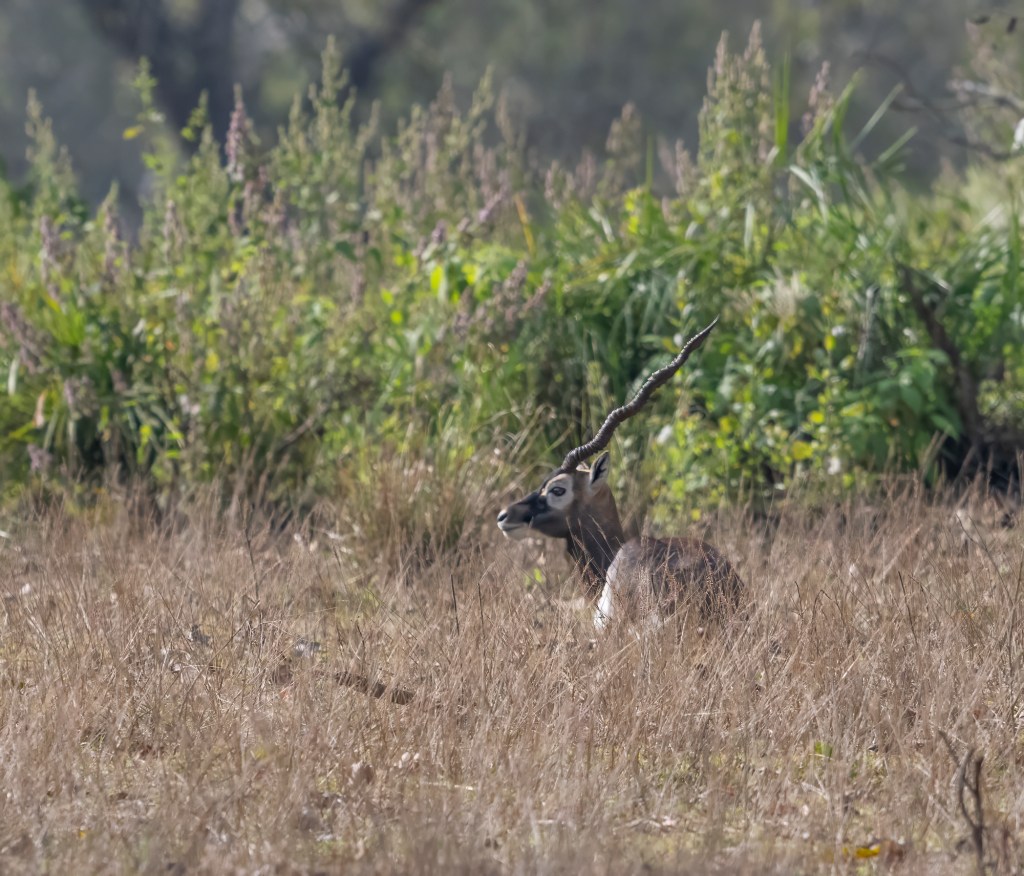
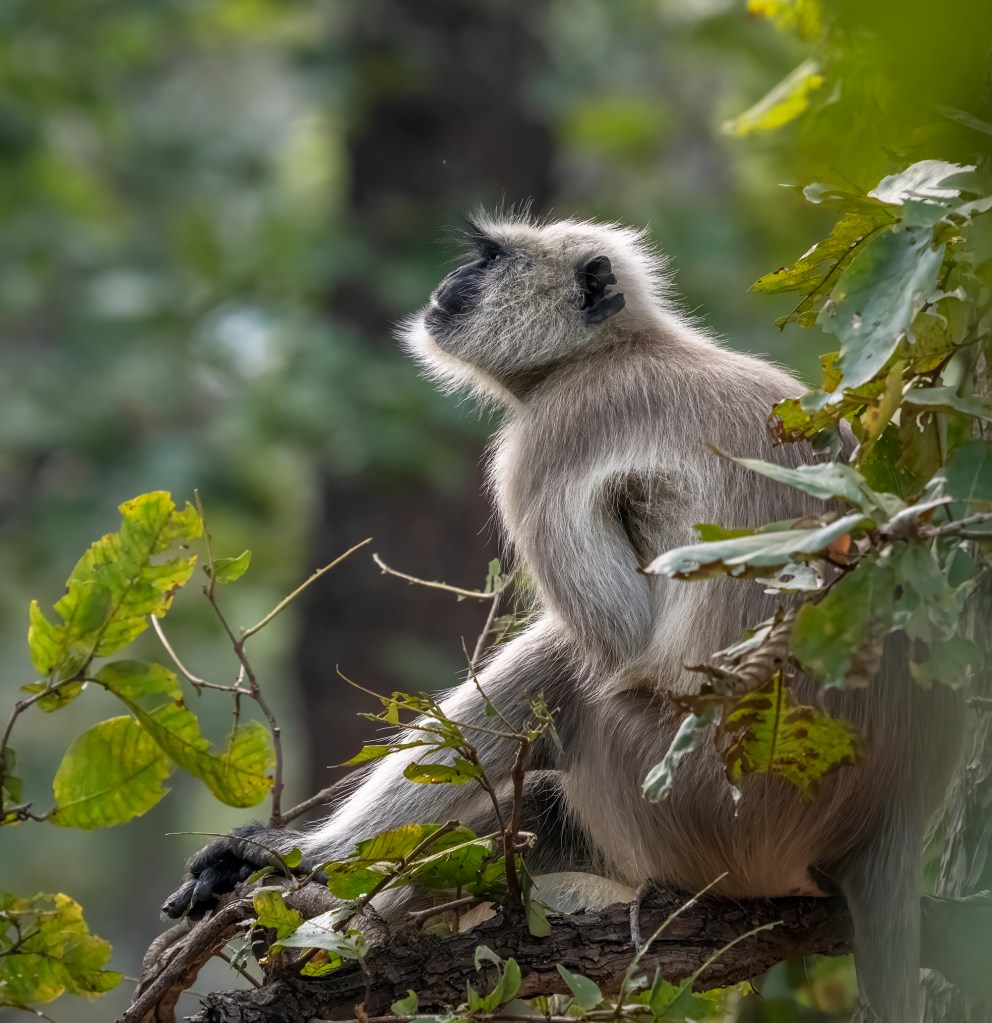
The park is also home to many other species including deer (chital or spotted deer, barasingha, sambar and blackbuck), wild boar, sloth bears, langur monkeys, leopards, gaur, wild dogs and a wide variety of bird life. We were fortunate to see most of these including a few tigers. Some images follow.
Also known as Kanha Tiger Reserve, this park is a nature’s paradise, and for the longest time has been a prime forest area for nature lovers. conservationists, tourists and anyone else enthusiastic about nature and tigers. Located in Madhya Pradesh, the park is internationally renowned for its central Indian floral and faunal attributes.
The lush green forests are composed mainly of sal trees and other mixed forest trees. Kanha is one of the oldest protected areas of India, being declared a reserve forest in 1879 and a national park in 1955. It was also among the first nine Tiger Reserves of India when project Tiger started.
The reserve has an area of 2074 sq km and is comprised of two divisions, namely the national park of 940 sq km of the critical tiger habitat, or core area, and the buffer zone of 1135 sq km.
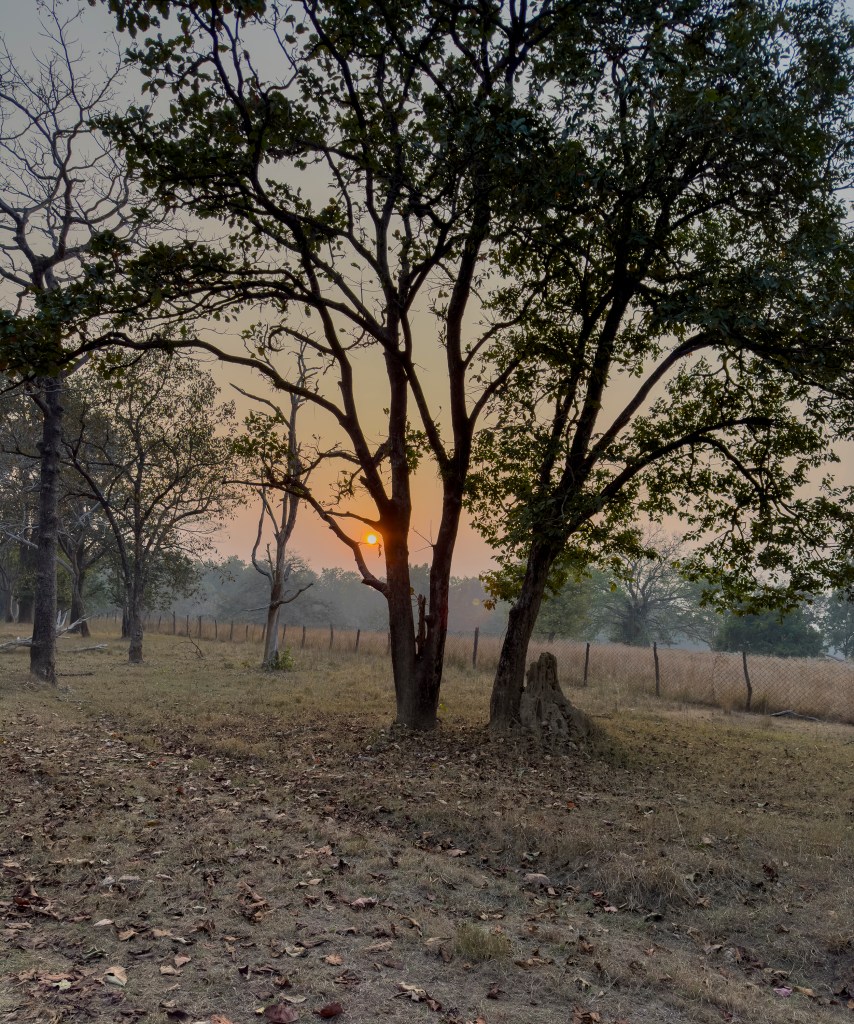
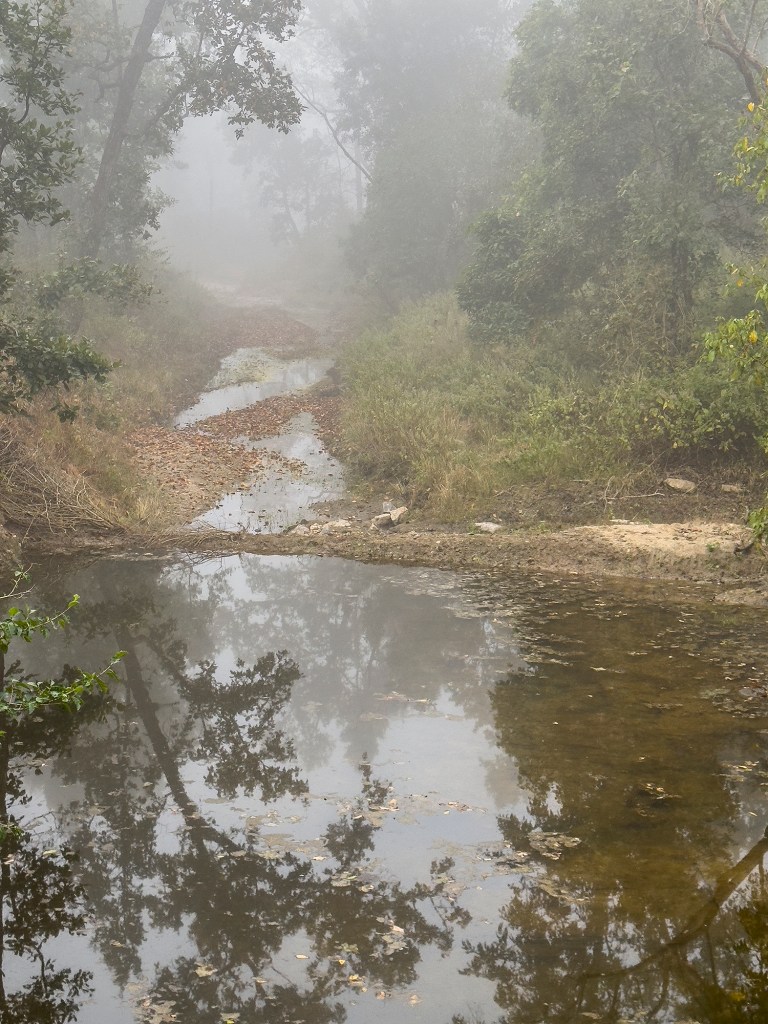
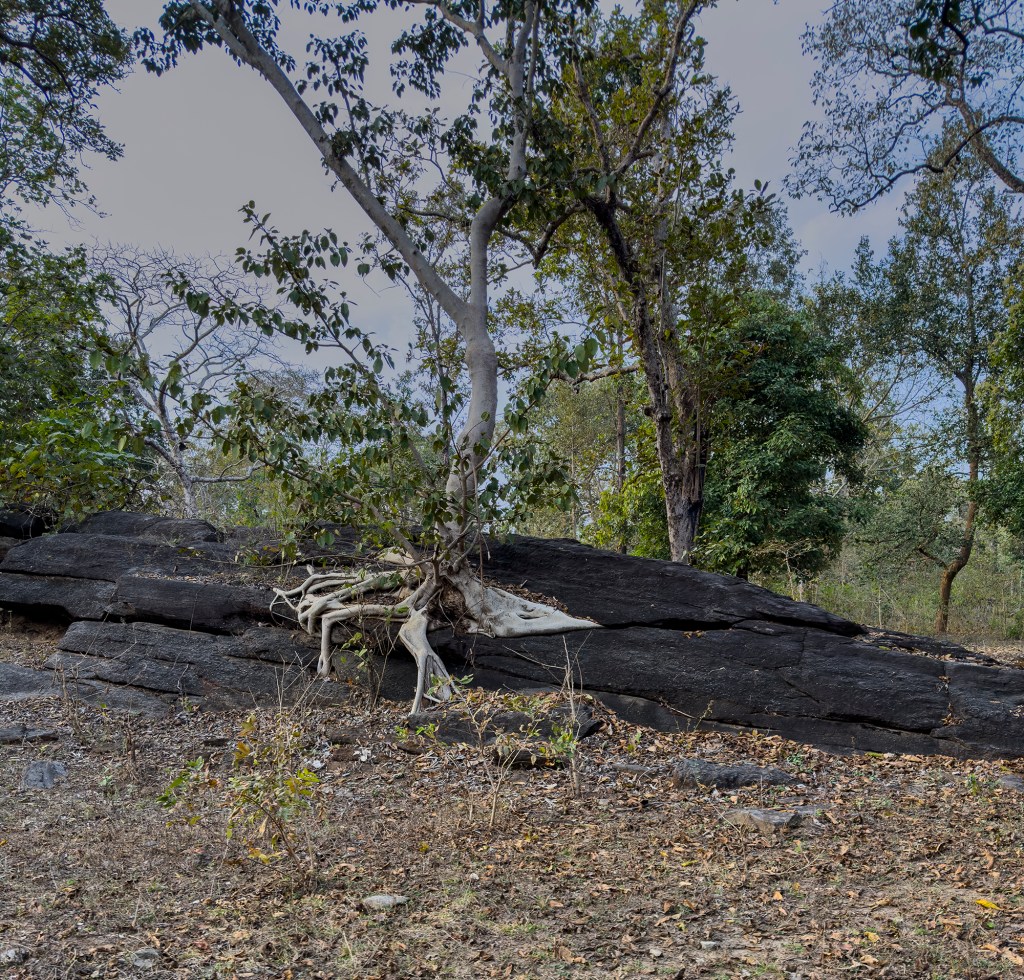
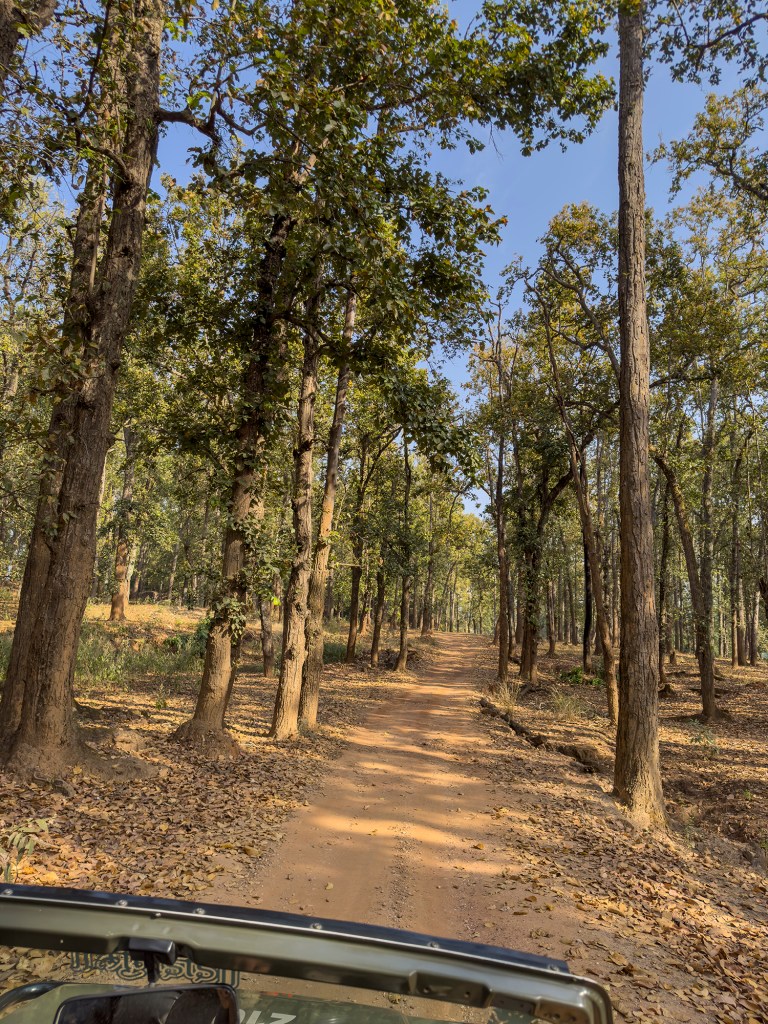
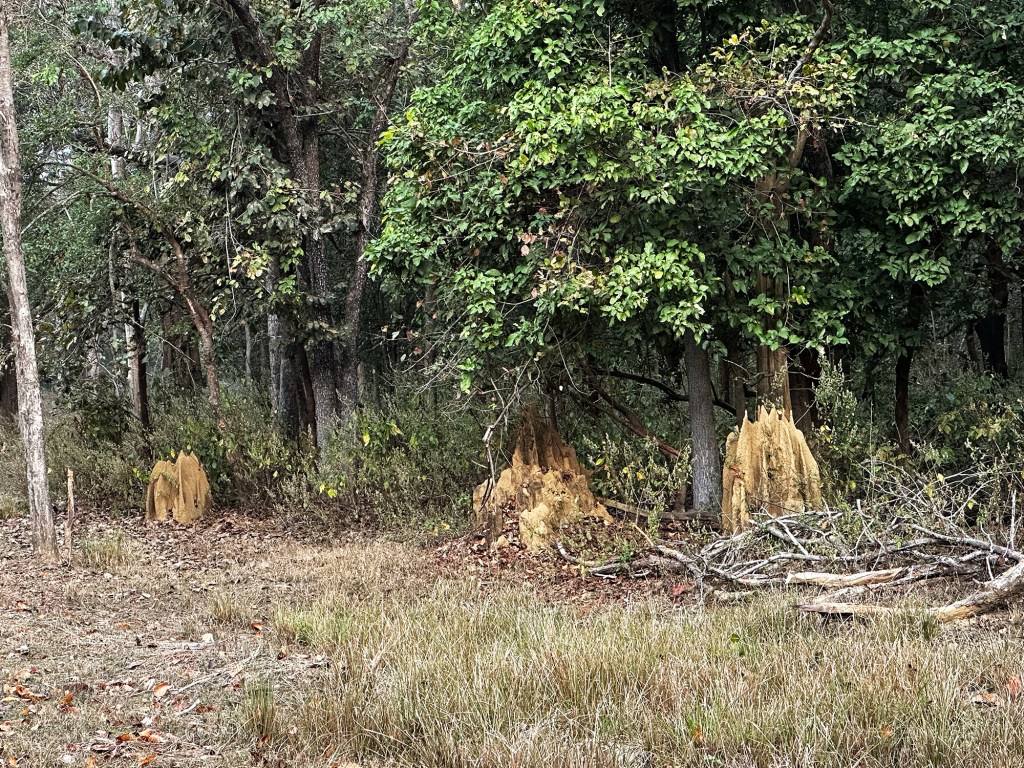
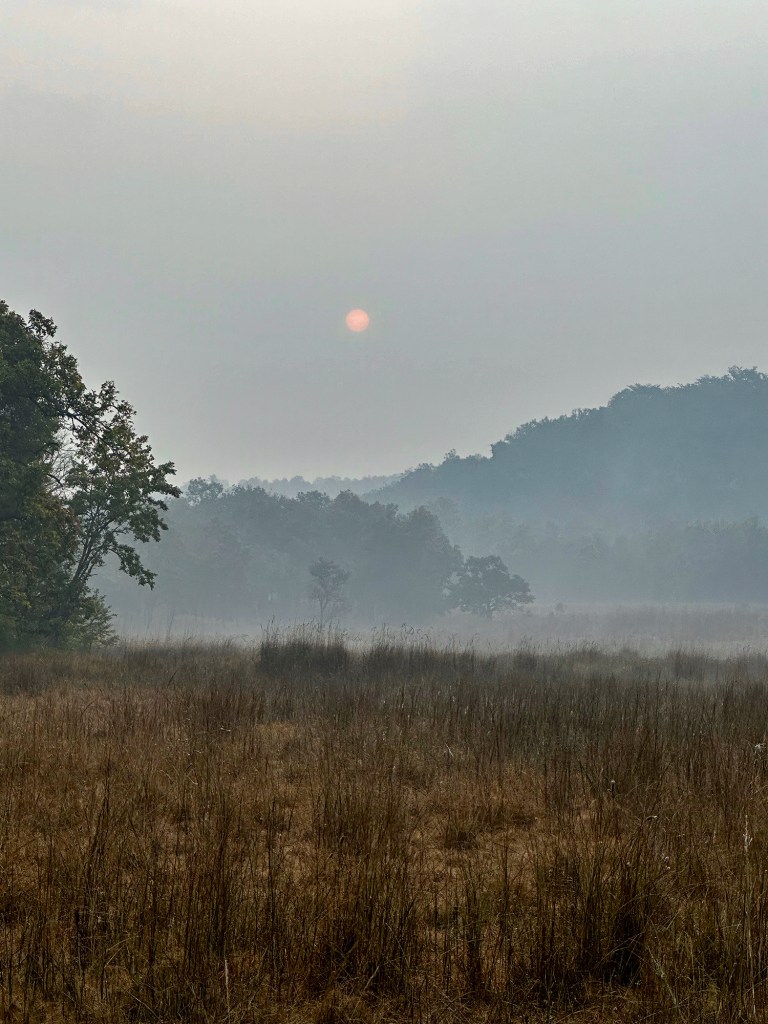
As a group we were enthralled with the park and thoroughly enjoyed just driving around the forests and grasslands for hours at a time. Most of the drive we were all snapping iPhone pictures of the scenery. A couple of days we encountered a fairly heavy mist, which made the forests even more enchanting. So let me show you a few images of the park’s environment.
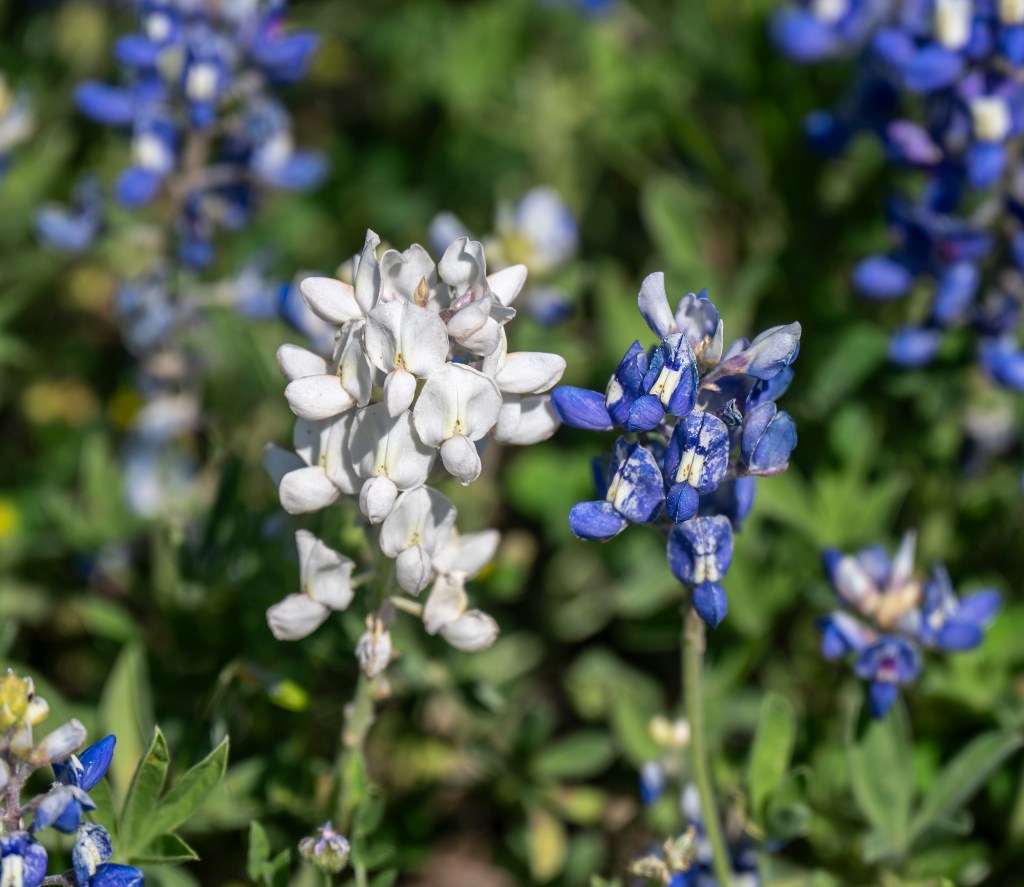
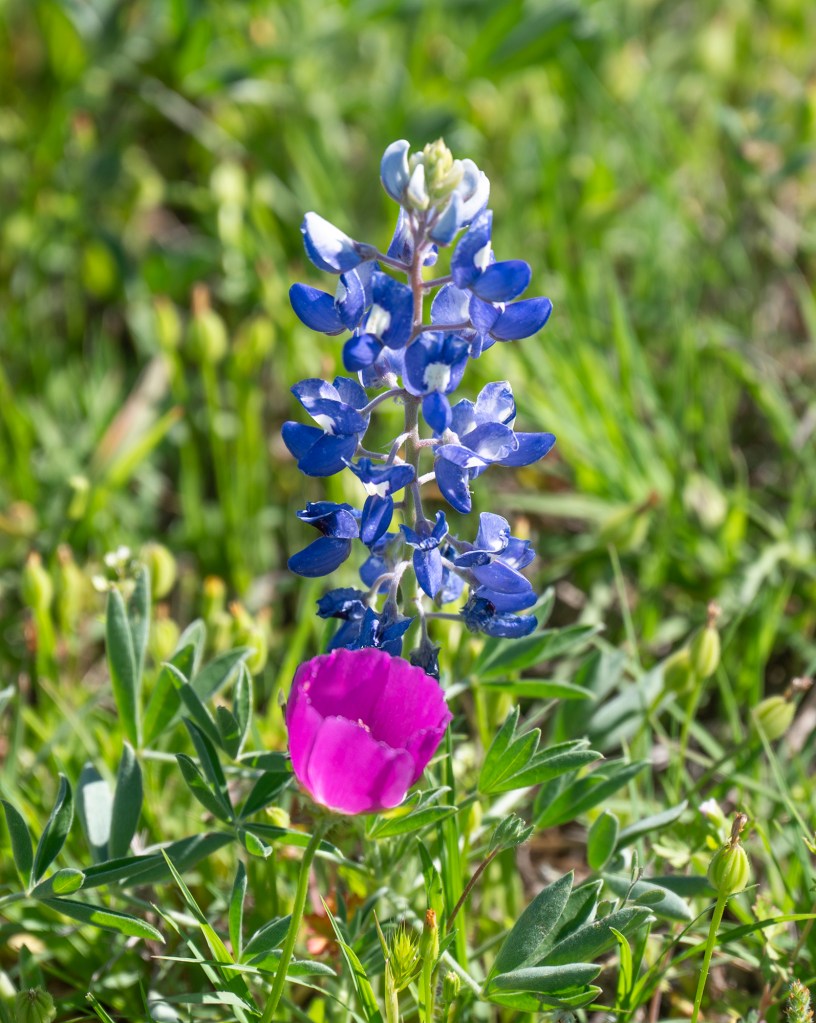
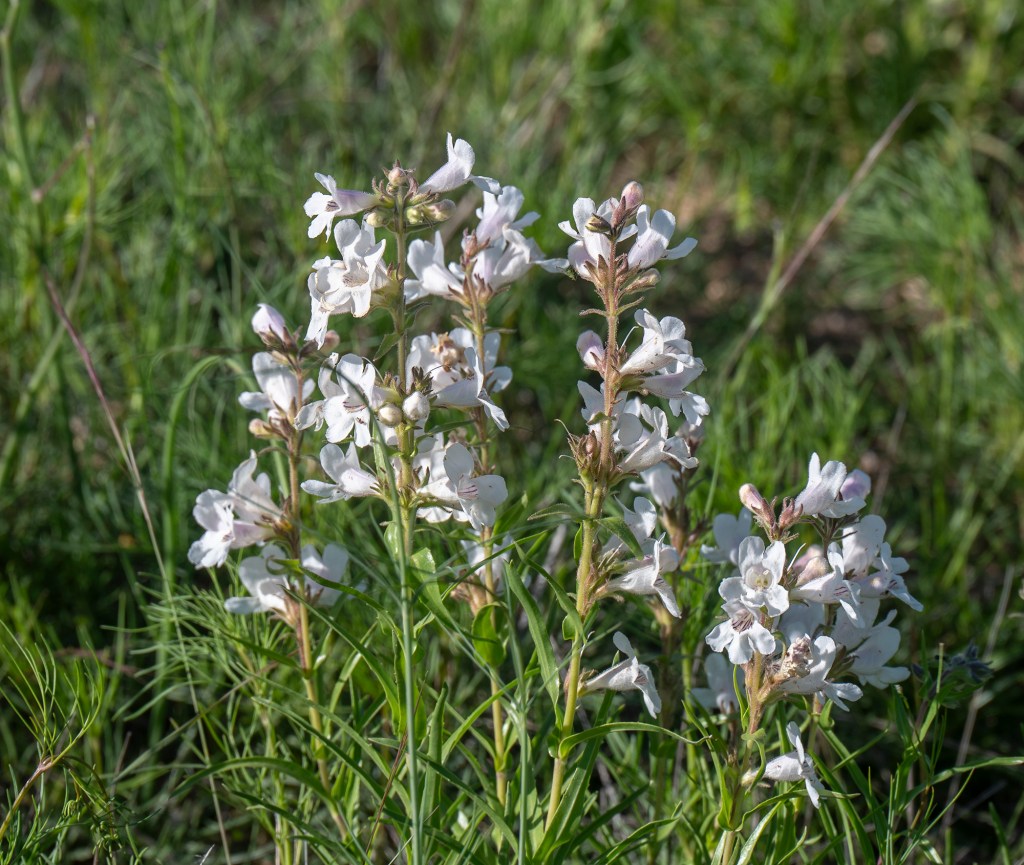
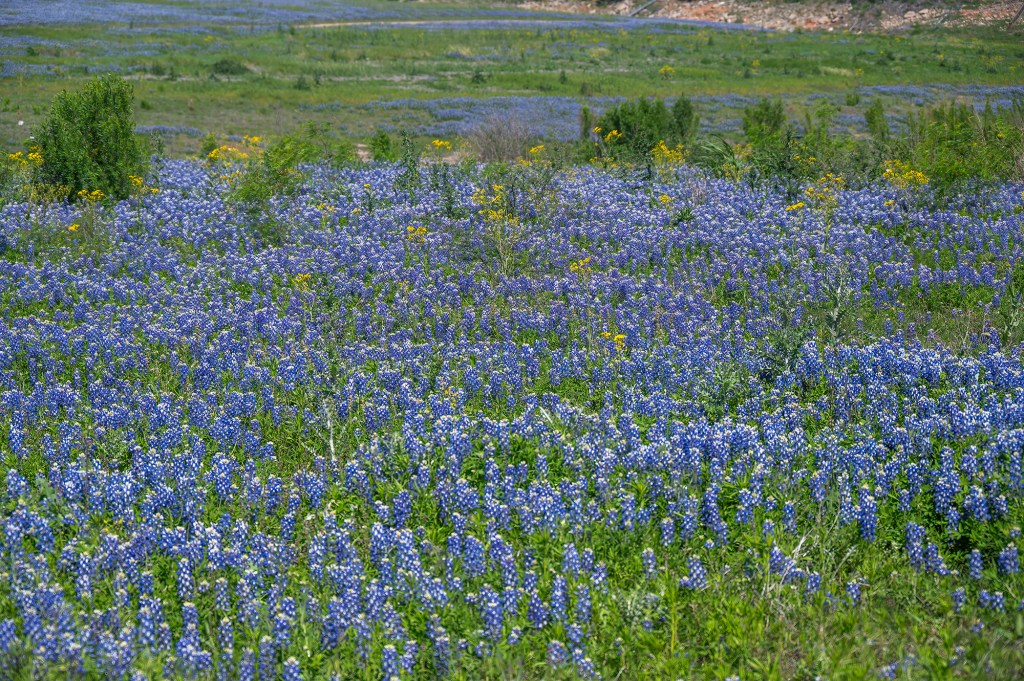
This year has been quite a good year for wildflowers, since the rains of last fall have enhanced the germination of these beautiful things. Texas is famous for the bluebonnet.. The species were named the state flower of Texas in 1901. The name comes from the petal shape, which resembles the sunbonnets worn by pioneer women in the 1800’s. The genus is Lupinus, and includes the bluebonnet and the lupine.
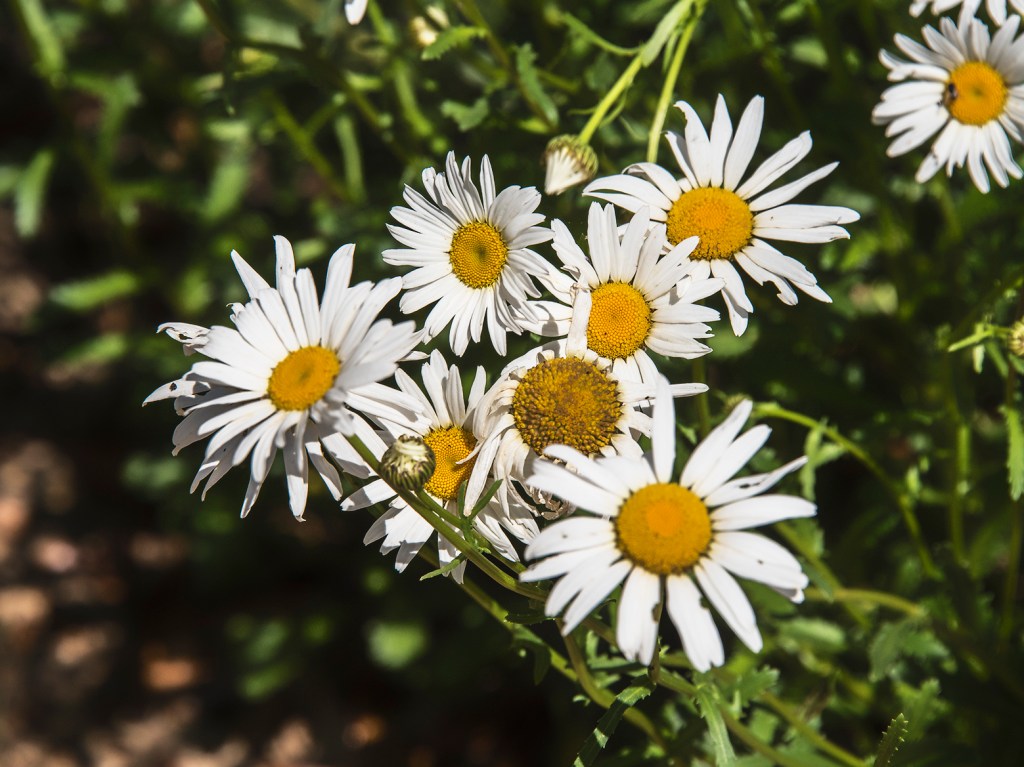
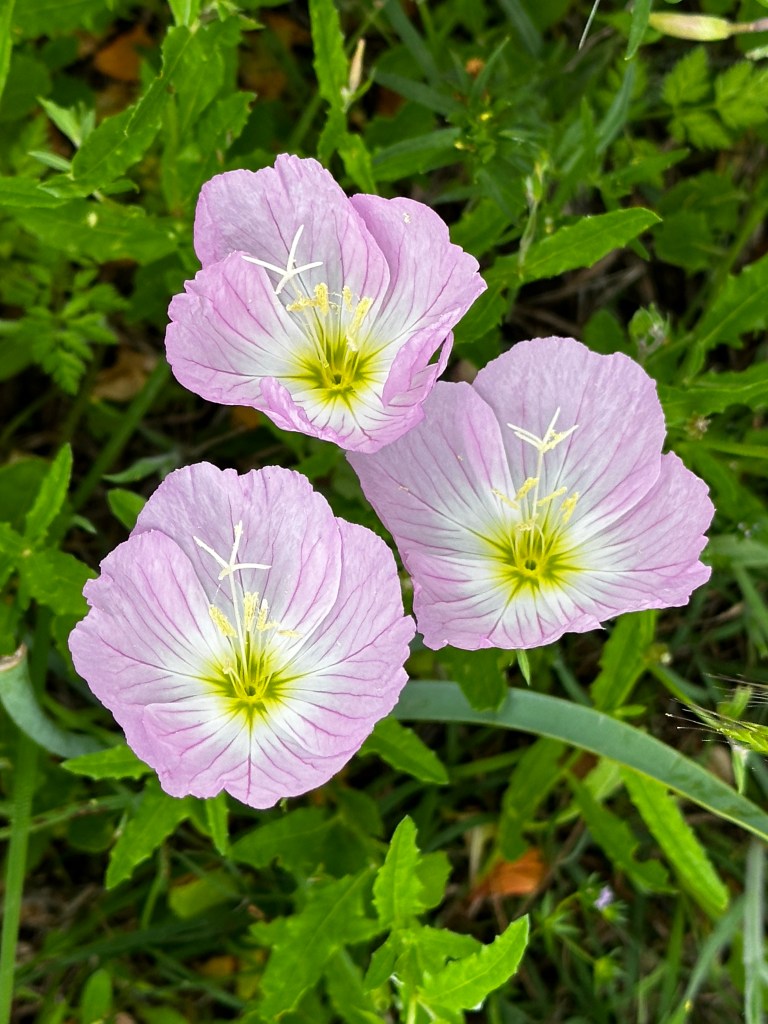
The highways along many parts of Texas are lined with bluebonnets and other species of wildflowers thanks to a seeding program encouraged by Lady Bird Johnson after she left the White House. The collection includes the bluebonnet, Indian paintbrush, Indian blanket (gaillardia), verbena, primrose, sunflowers, winecup, prickly poppy and many others. Here is a number of images taken this spring around the Texas Hill Country within an hour or two of our residence.
BluebonnetWhite and BlueWinecup with bluebonnetPenstemon (wild foxglove)Indian blanketMini MargueriteWhite prickly poppyIndian paintbrushPink evening primroseVervain (verbena)PrimrosePrimrose
And a collection of images showing extent of the coverage.
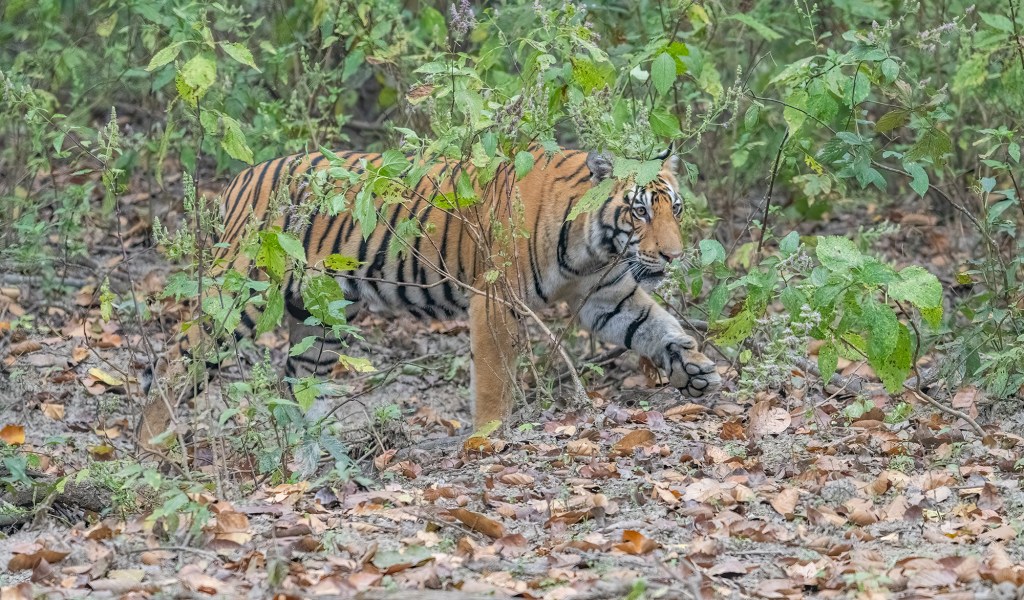
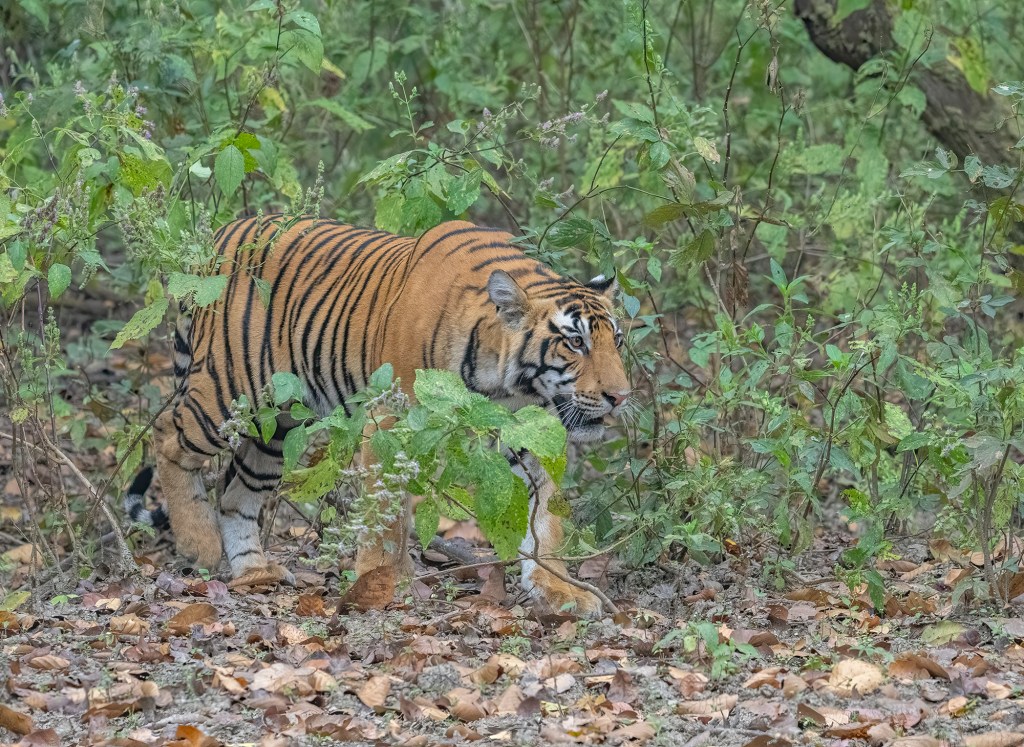
The wildlife of Bandhavgarh National Park is thruly the most glittering part of the whole forest. The park is known for the various species, and best known for the preservation of the astonishing tiger species. It is home to one of the largest populations of Bengal Tigers in the world, including the elusive white tiger.
There are three core zones in the park named Tala, Khitauli and Magadhi. These zones are equally popular for tiger sightings. Bandhavgarh is also home to a wide variety of animals, including chinkaras, nilgais and bison. The wildlife collection also includes 250 species of birds and 80 species of butterflies in addition to 37 species of mammals. Nature lovers around the world adore exploring these densely forested areas every year.
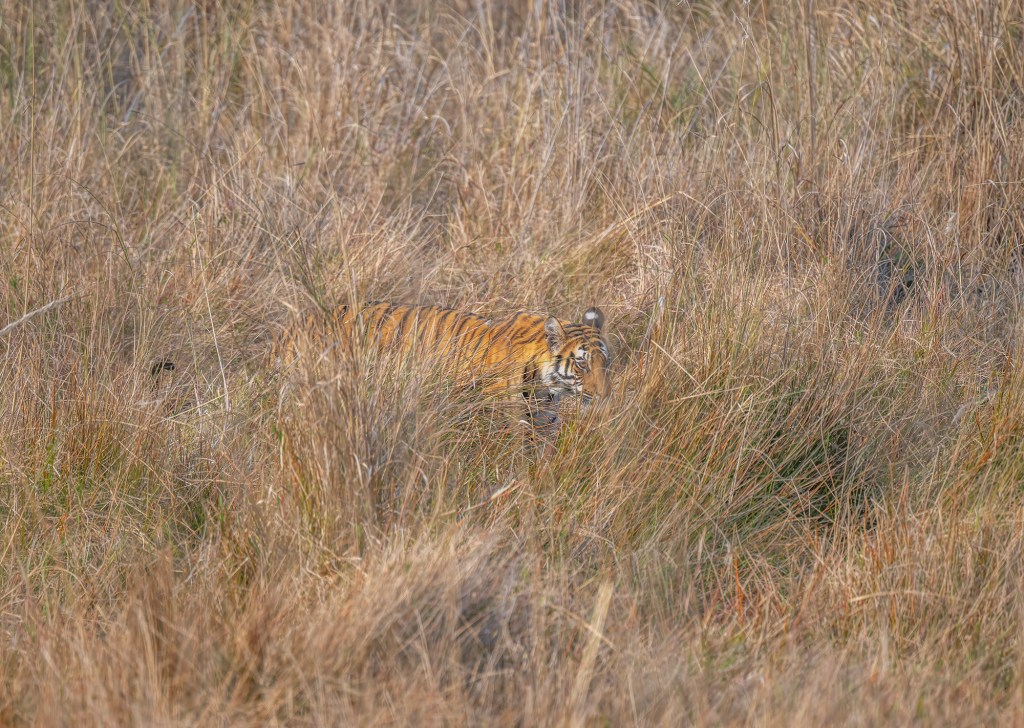
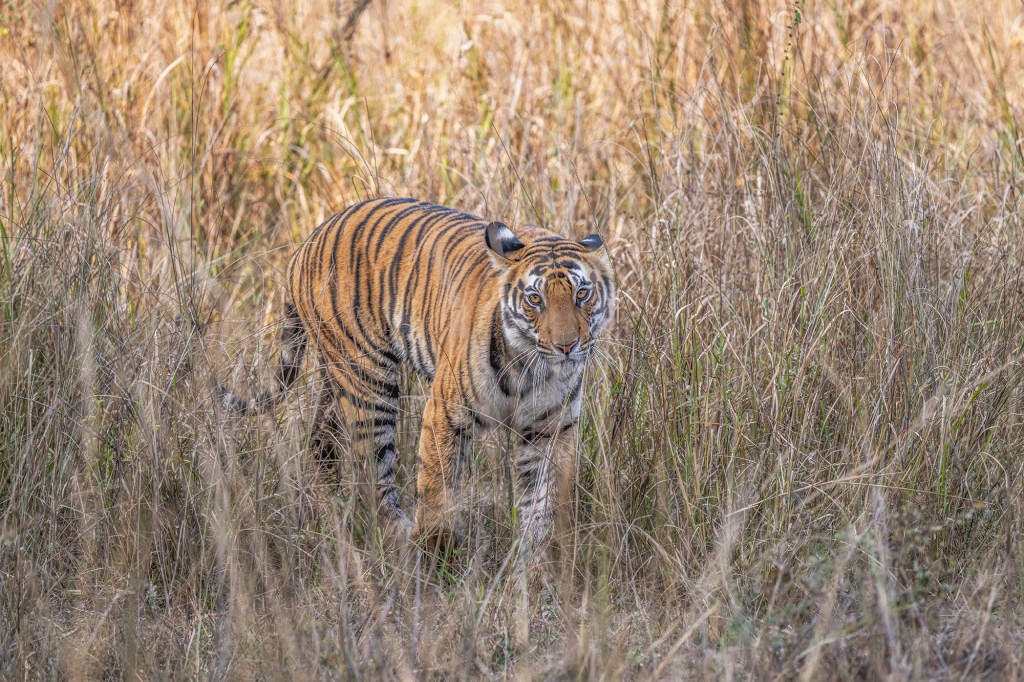
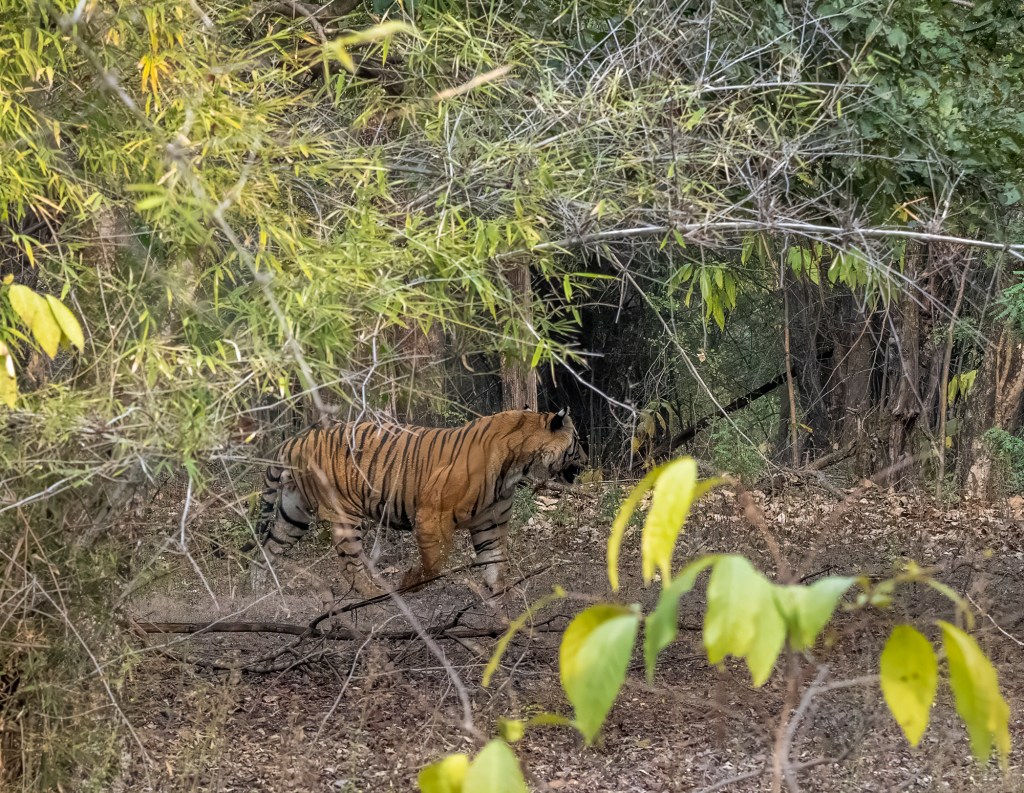
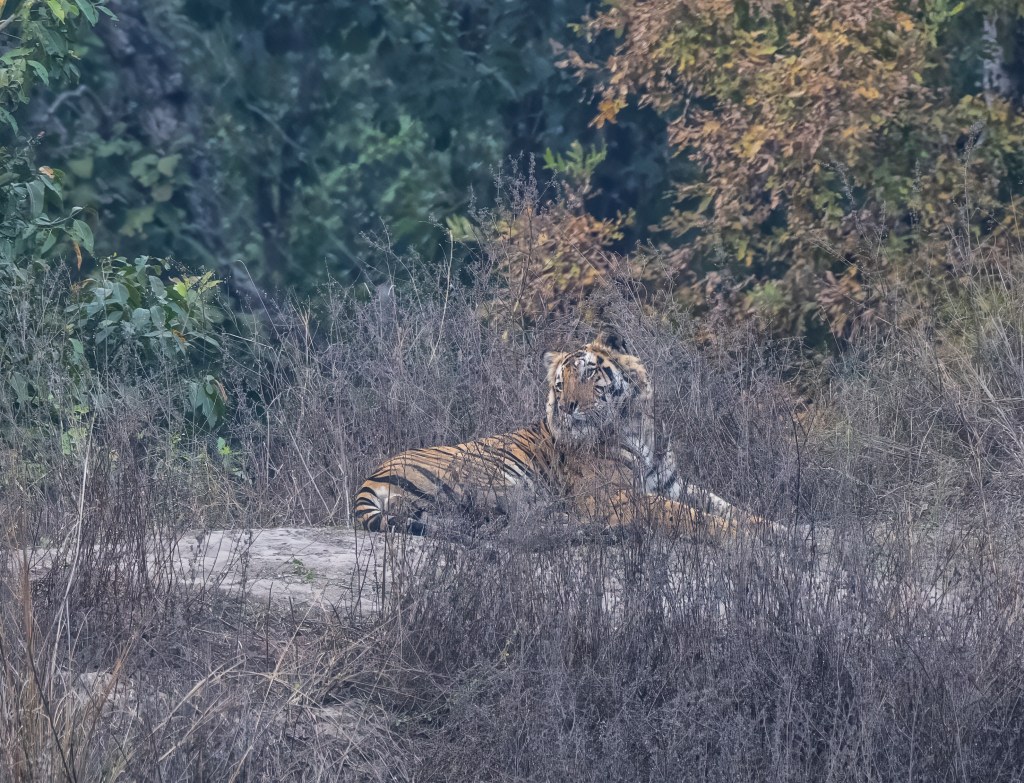
Our sightings included the following.
Tigers
Deer Species
NilgaiChital or spotted deerBlackbuck
Gaur (Indian bison)
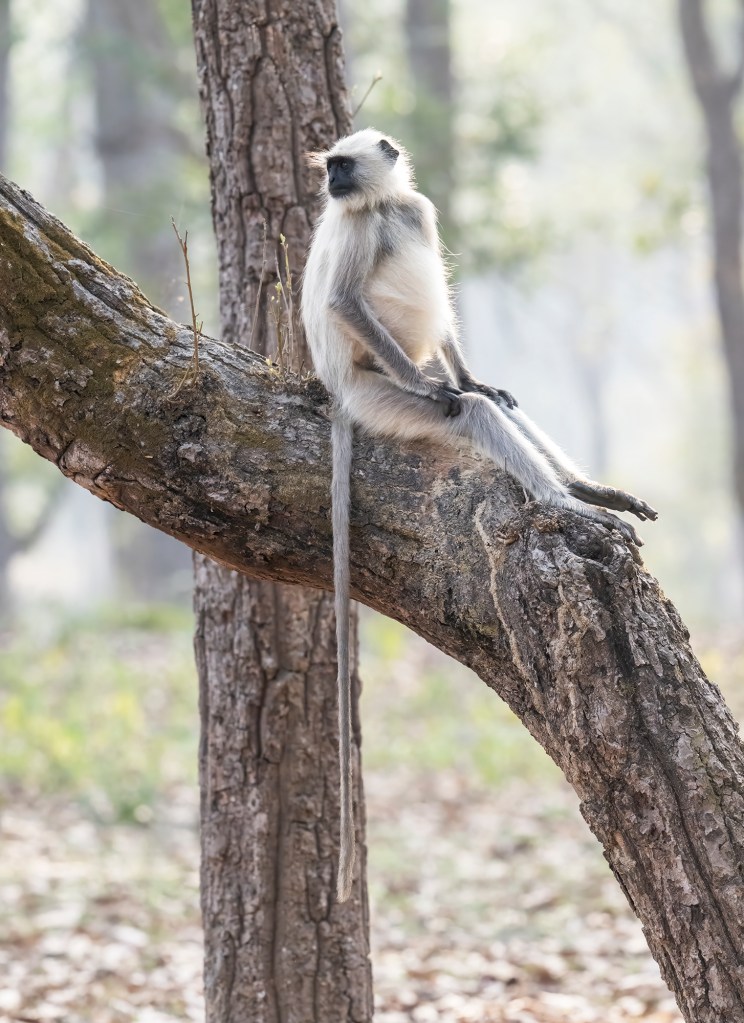
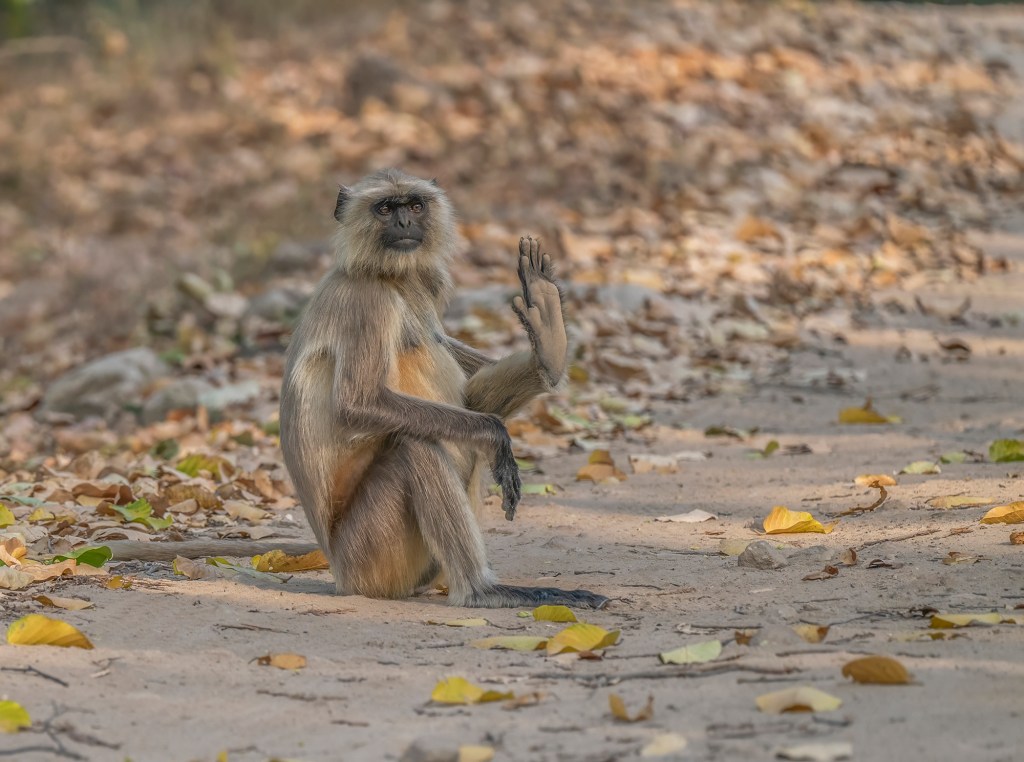
Grey LangurMonkeys
Wild Boar
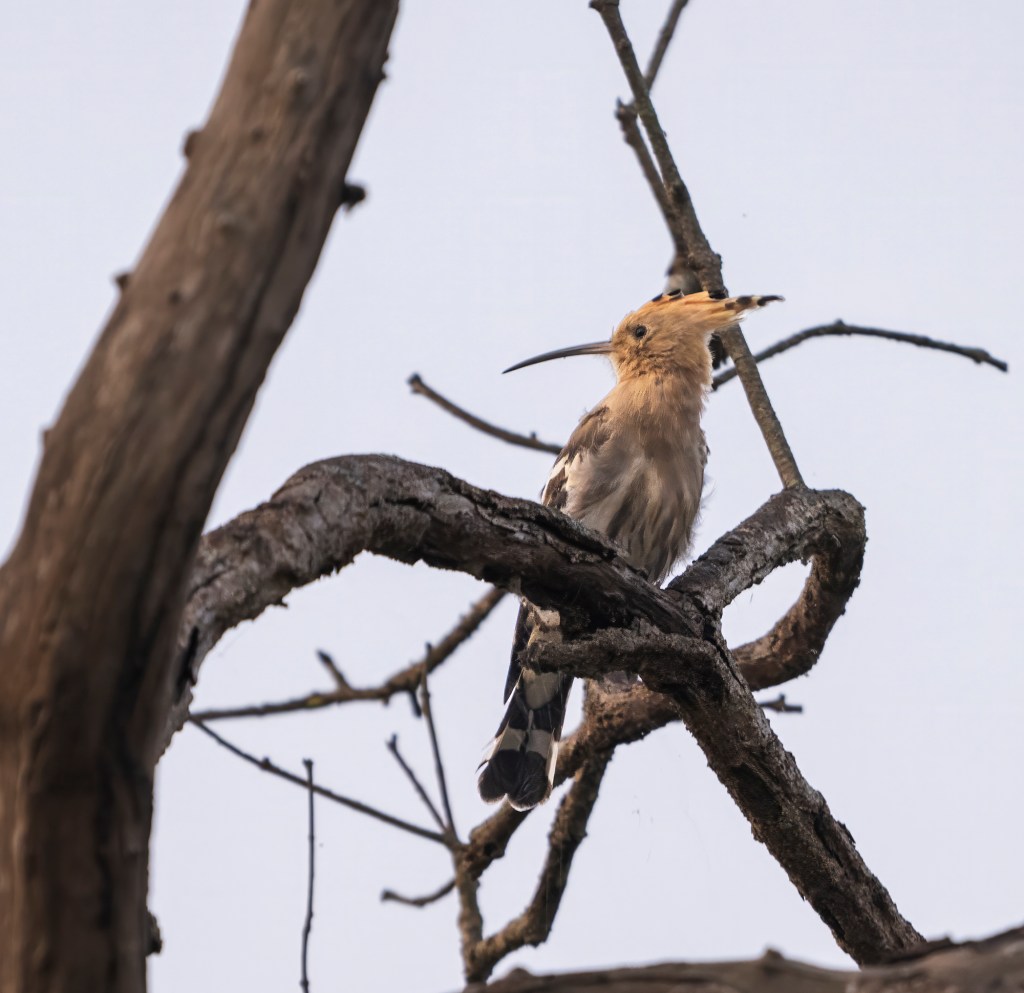
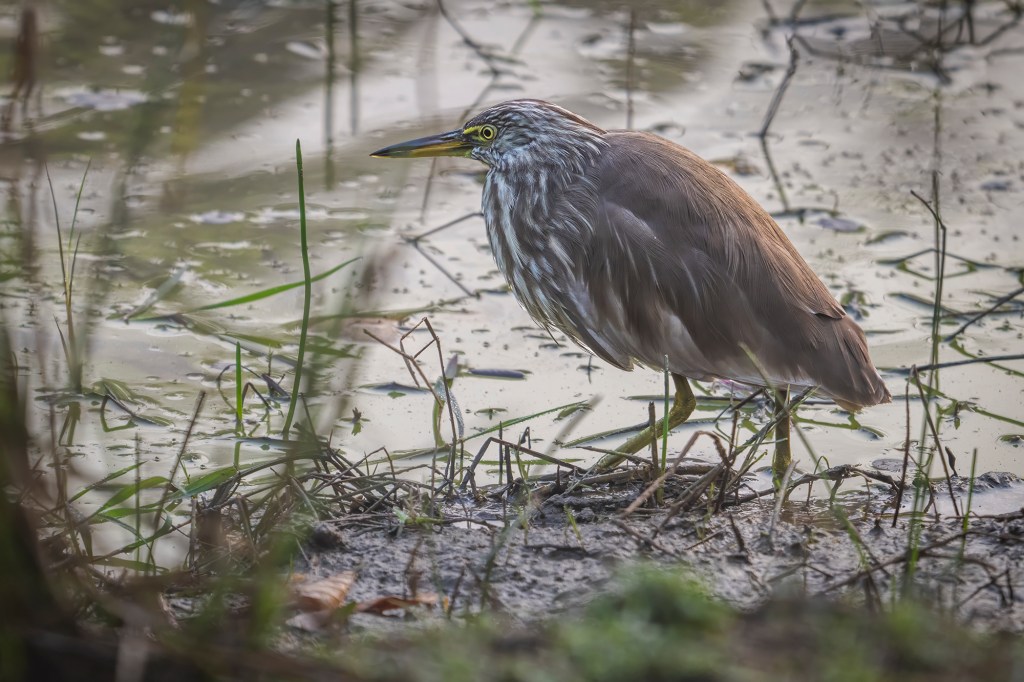
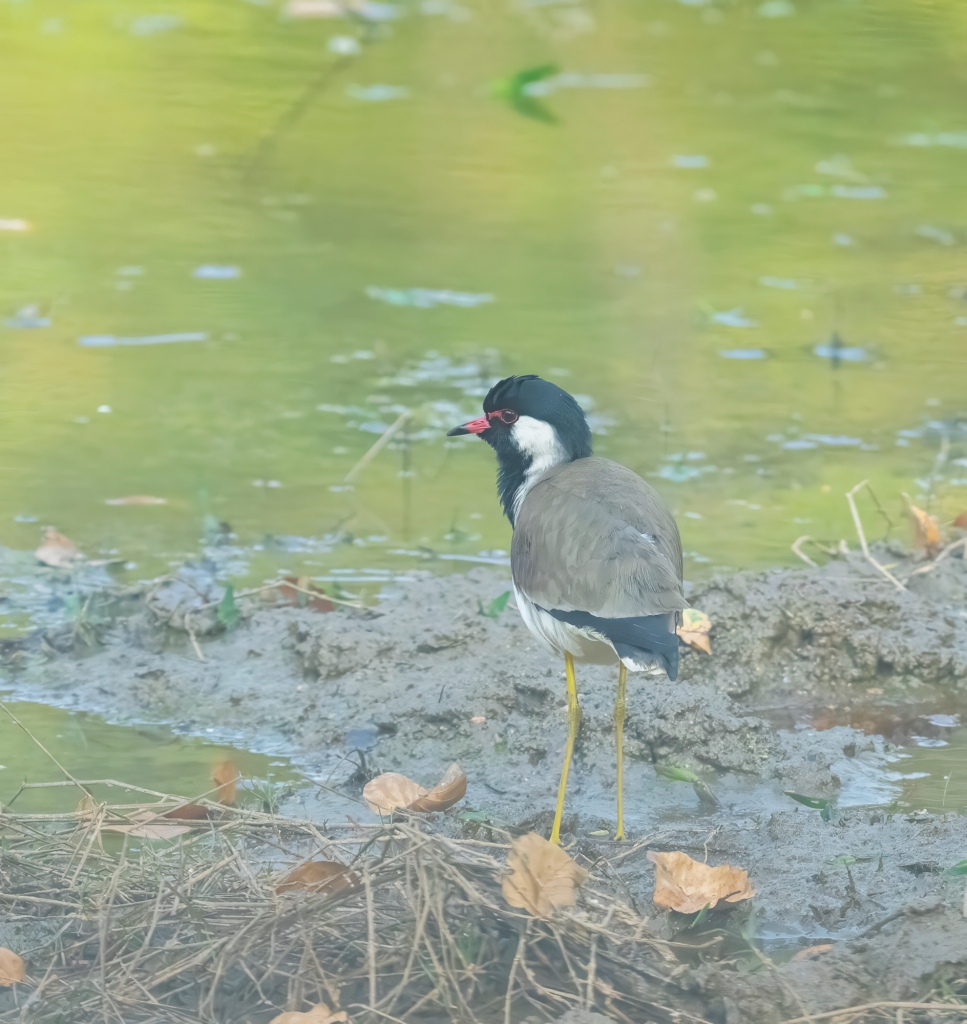
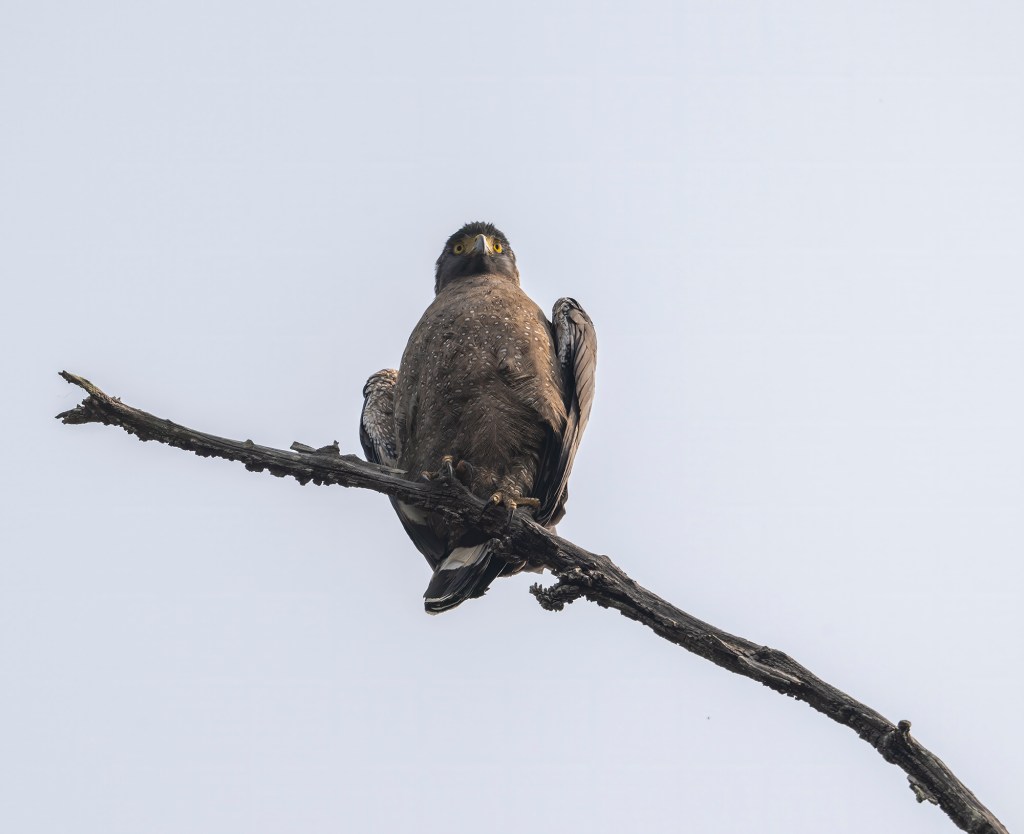
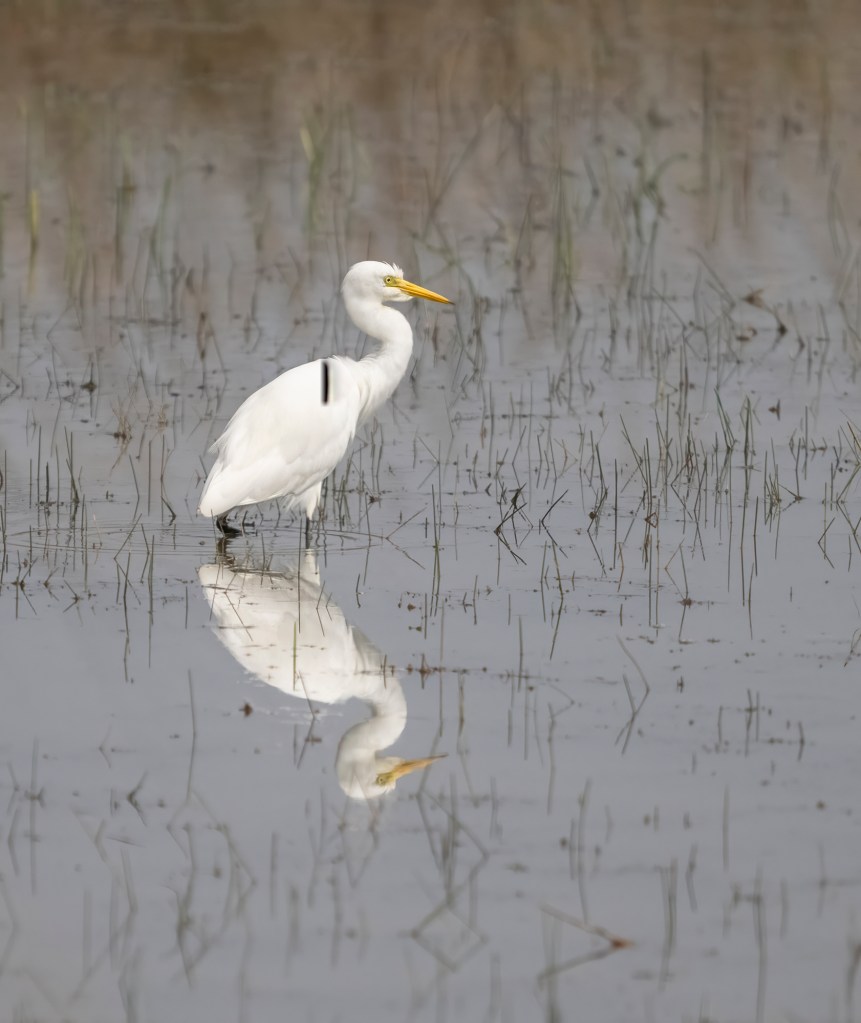
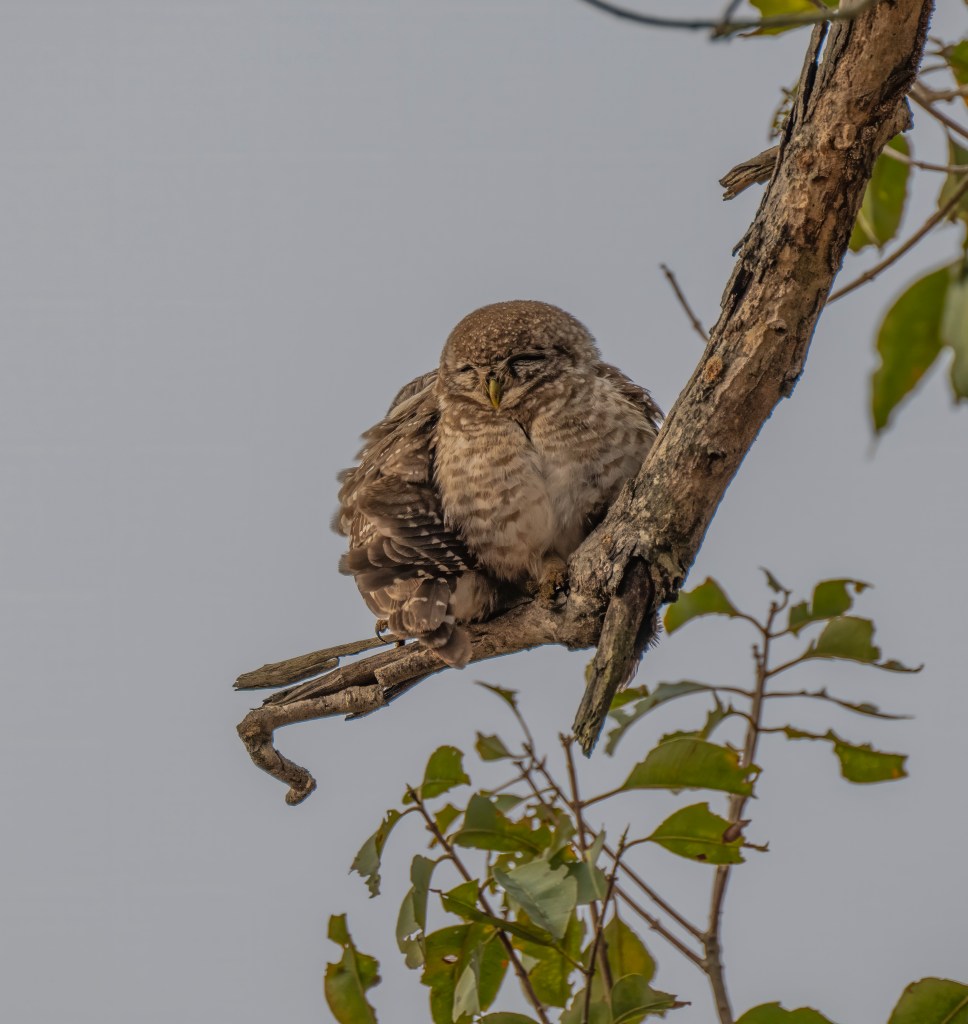
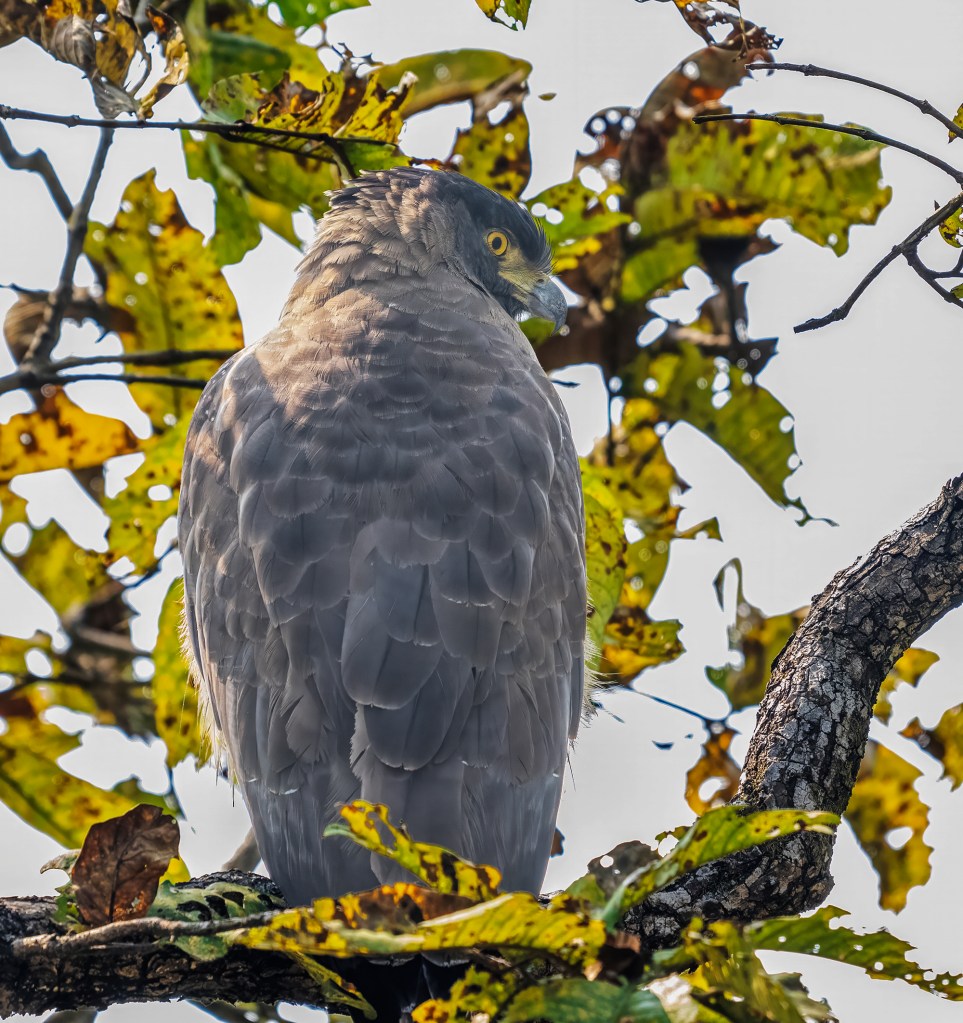
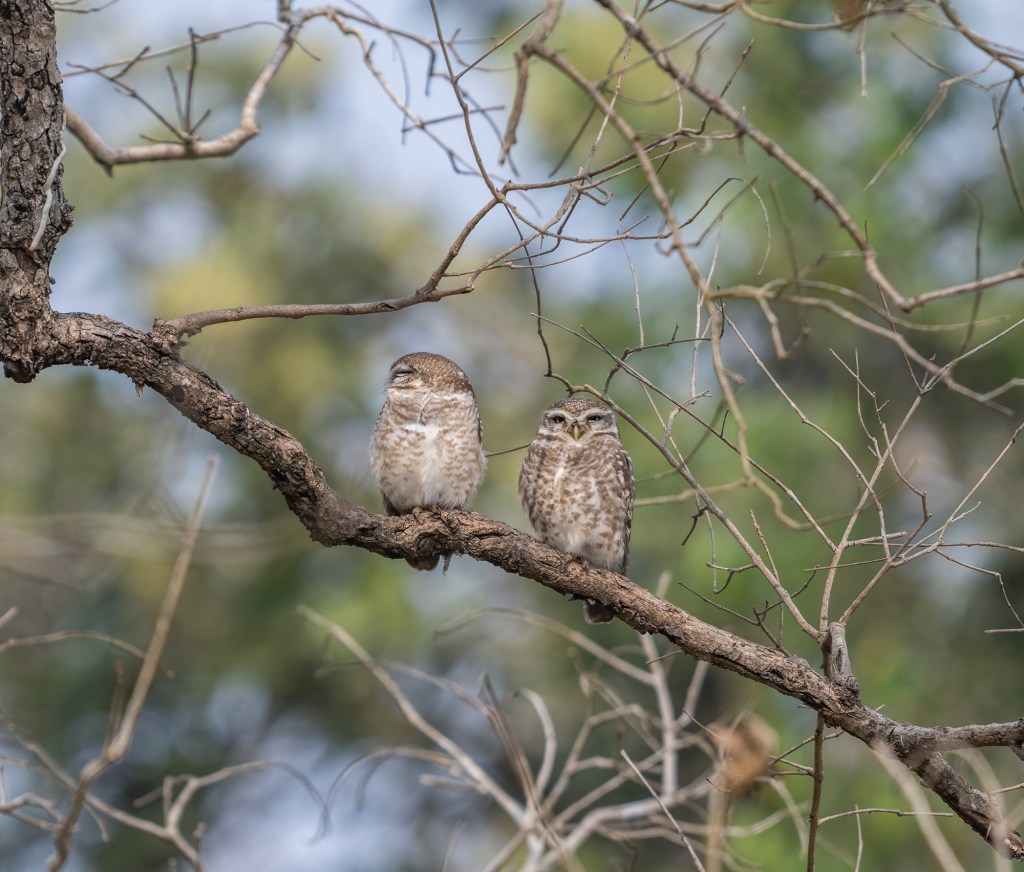
Birds
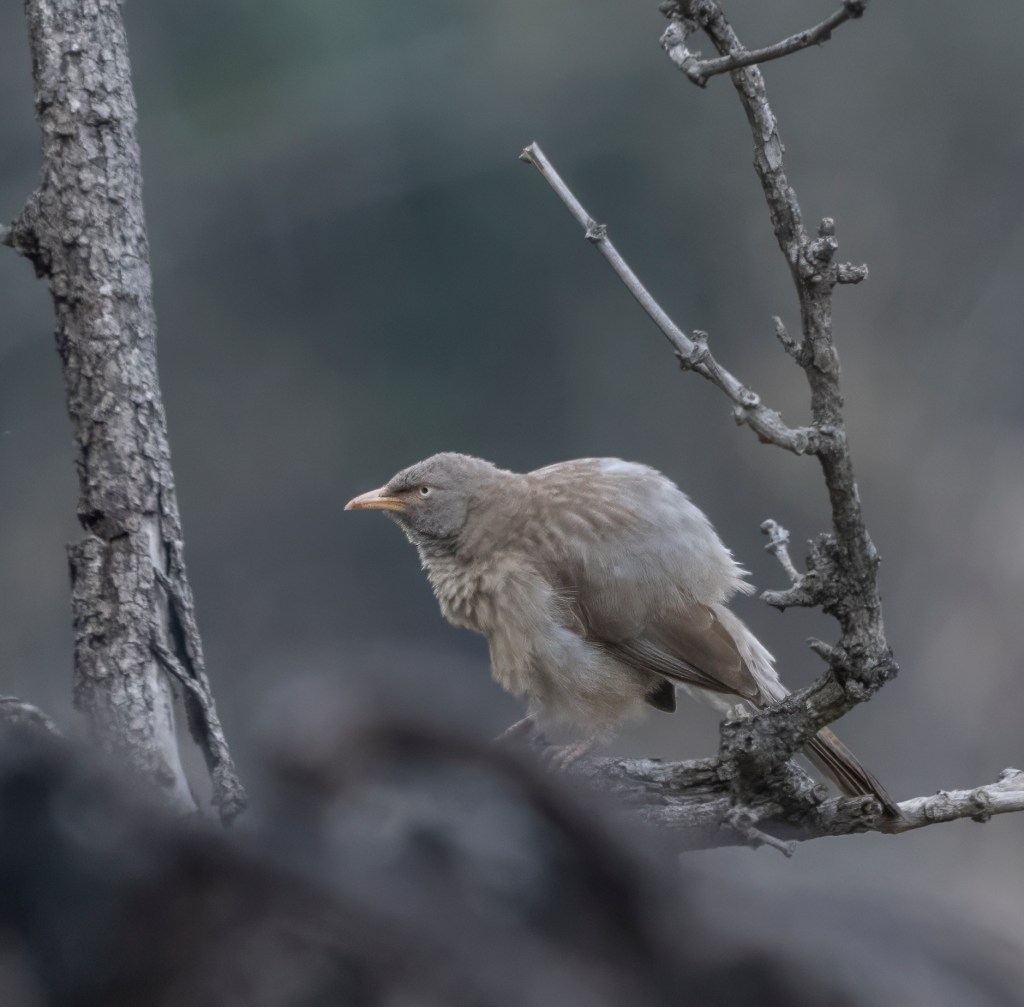
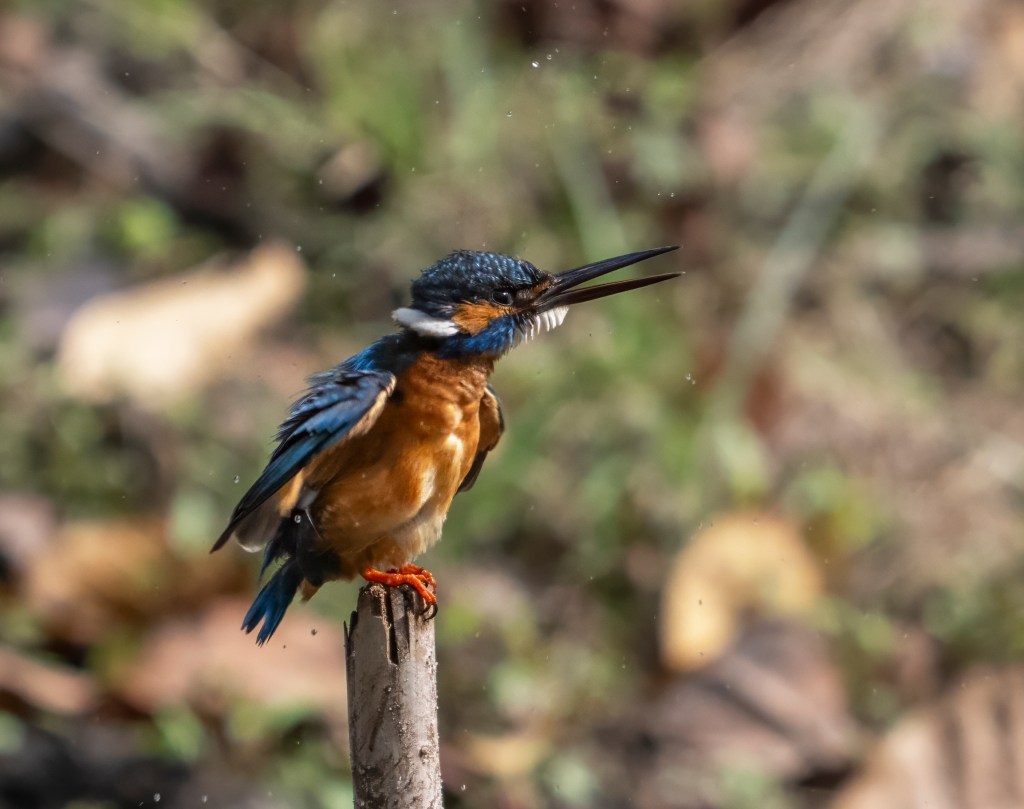
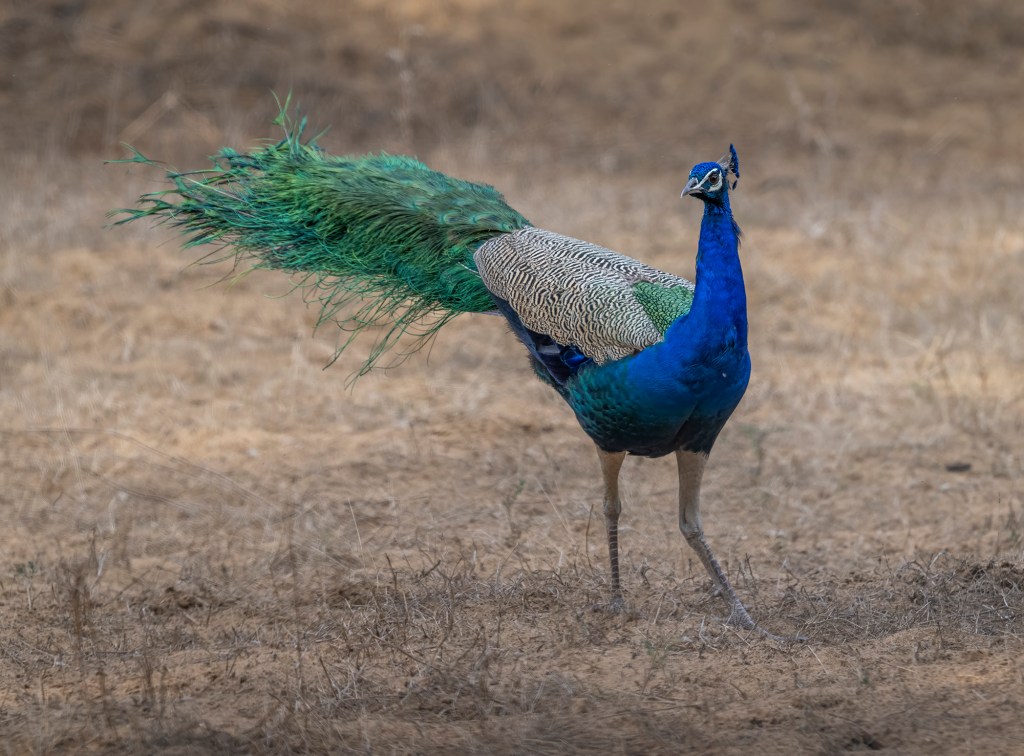
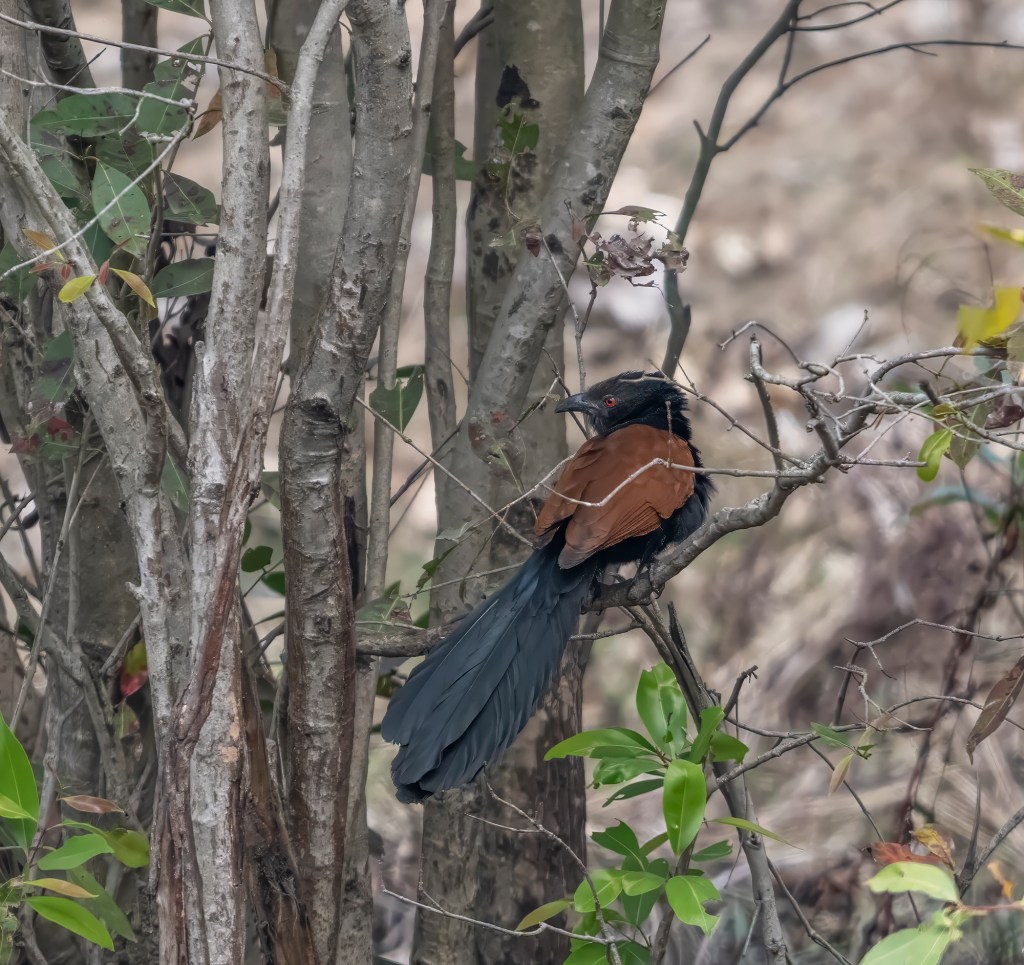
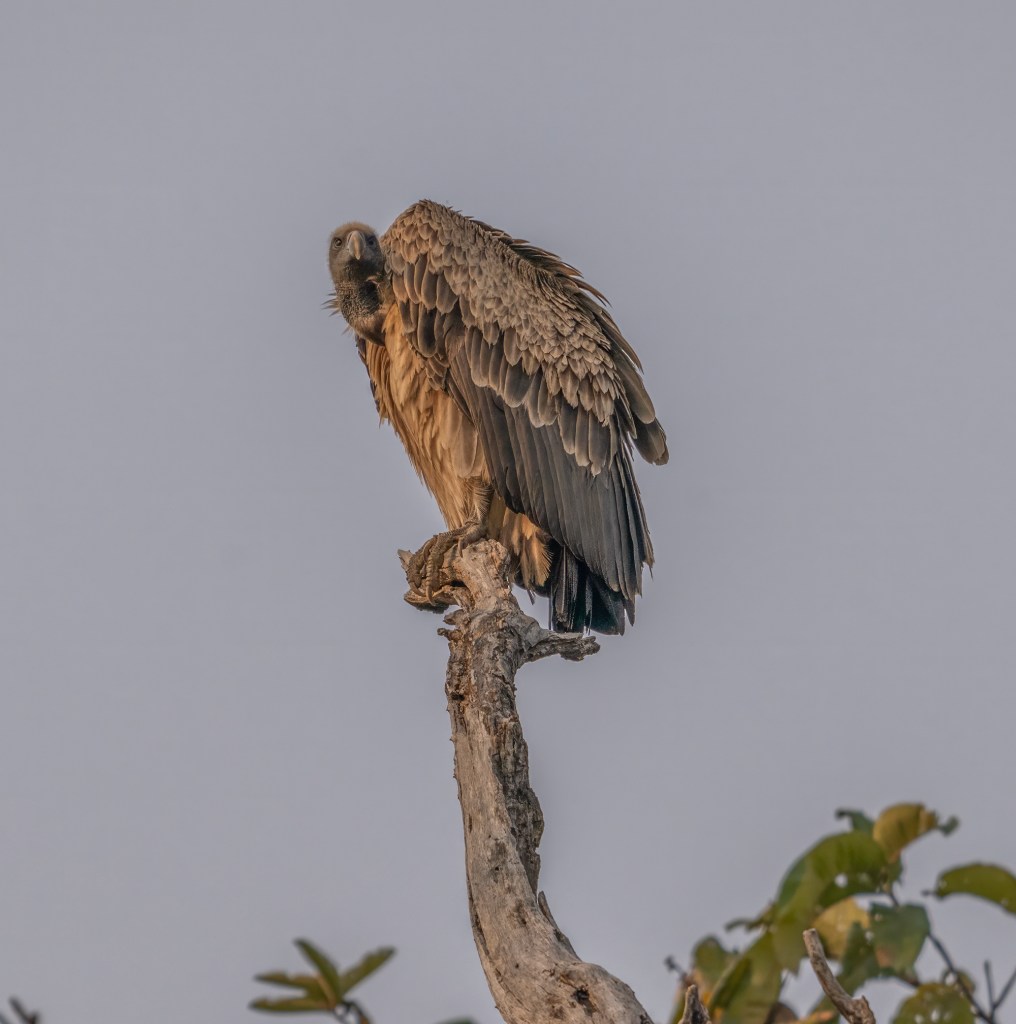
Rufous treepiePainted stork with great egretsJungle babblerCommon kingfisherBrown shrikeIndian peafowlGreater coucalPied kingfisher with Indian pond heronIndian pond heronLittle cormorantGreater racket-tailed DrongoRed junglefowlOriental magpie-robinIndian vultureRed-wattled LapwingIndian roller
The national park is named after the legendary Bandhavgarh Fort, which is situated on a hillock at the Vindhya range. Once the capital of the region, it eventually became a royal hunting reserve. Each of the maharajas set out to kill tigers, and story has it that Maharaja Singh had killed 111 tigers by 1914.
In 1968 a 105 sq km area was first designated as a national park. Poaching was controlled and small dams built to provide refuge and relief for the animals.The park was enlarged to 448 sq km in 1982, and Bandhavgarh was included in 1993 as Project Tiger expanded.
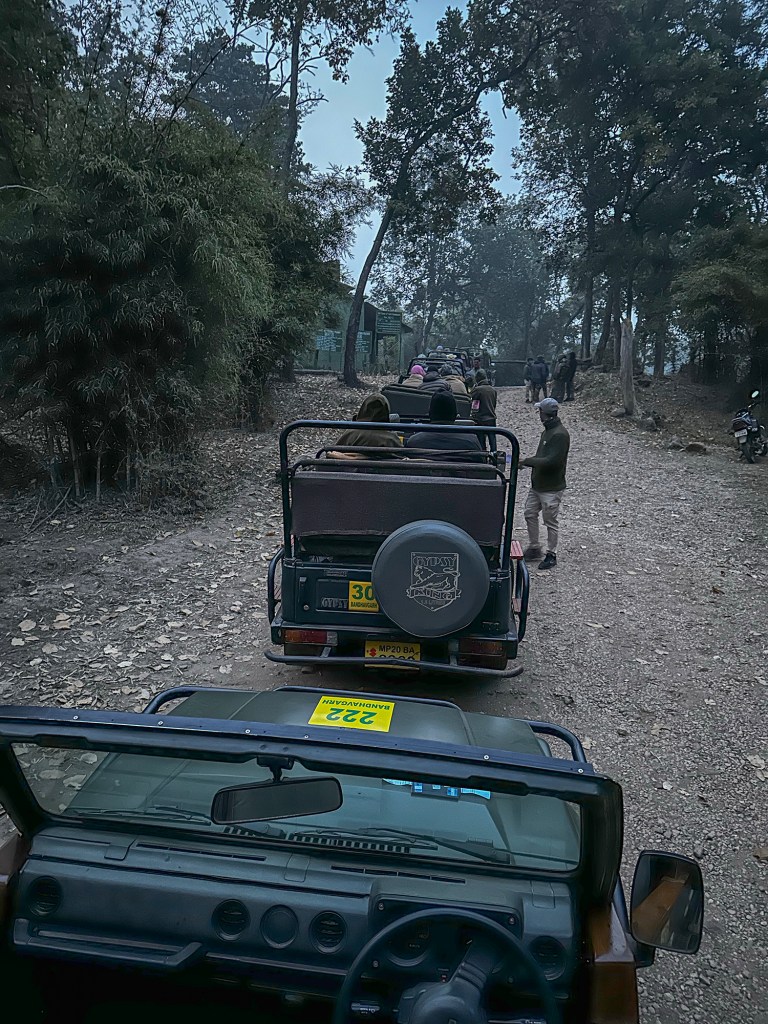
The reserve varies in elevation, with 32 hills and the fort in the center. The terrain is broken, with rocky hill ranges, running roughly east-west, interspersed with grassy swamps and forested valleys. It now consists of a core area of 624 sq km and a buffer of 537 sq km. Tourists are restricted to 105 sq km divided into four zones. Vehicles are limited in each zone to 28 at a time. The density of tigers is quite high.
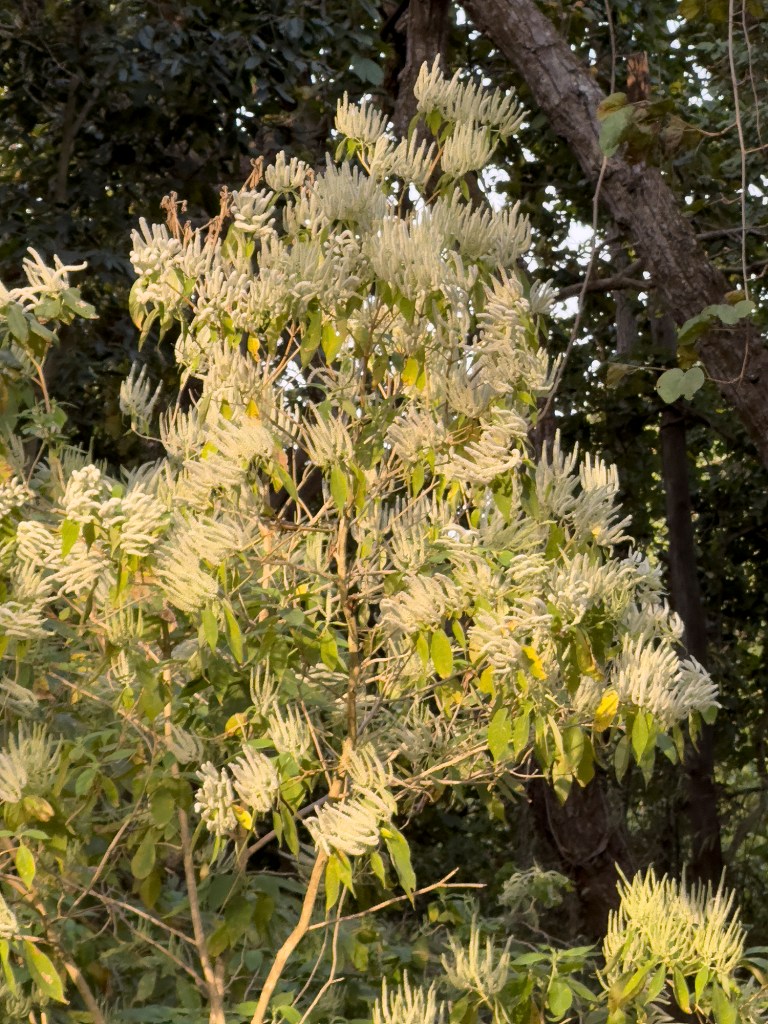
The foliage in the park is mostly of a deciduous type, and the area is quite rich in flora and fauna. The vegetation is specially filled with Sal forest in the valleys and bamboo stretches on the lower slopes. The forest also beholds the mixed species and high grasslands. Some perennial streams and rivulets flow at different crisscrossed zones of the park, creating scenic vistas.
There is a legend – p[partially true – of Lapsi Shikari, who volunteered to help kill a ferocious tiger terrorizing the local people. The tiger was killing their cattle and eventually attacking people. Lapsi used several cattle as bait, unsuccessfully. Eventually his wife offered to help, and he tied her to a tree. The tiger attacked, Lapsi shot a rain of arrows at the beast, failing to kill the tiger which proceeded to then kill his wife. Enraged, Lapsi went after the tiger with a knife; a long and fierce battle took place. Eventually Lapsi succumbed. Monuments noting their burial place are an interesting sidelight to the touring.
















































 The Carefree Photographer