Tiger Conservation

India has done a great job over the past fifty years or so in establishing national reserves for wildlife, with a special focus on tigers. I think it is worthwhile for us to understand a little of the history so I am taking the liberty of copying sections of a release by the Ministry of Environment, Forest and Climate Change, July 23, 2023.
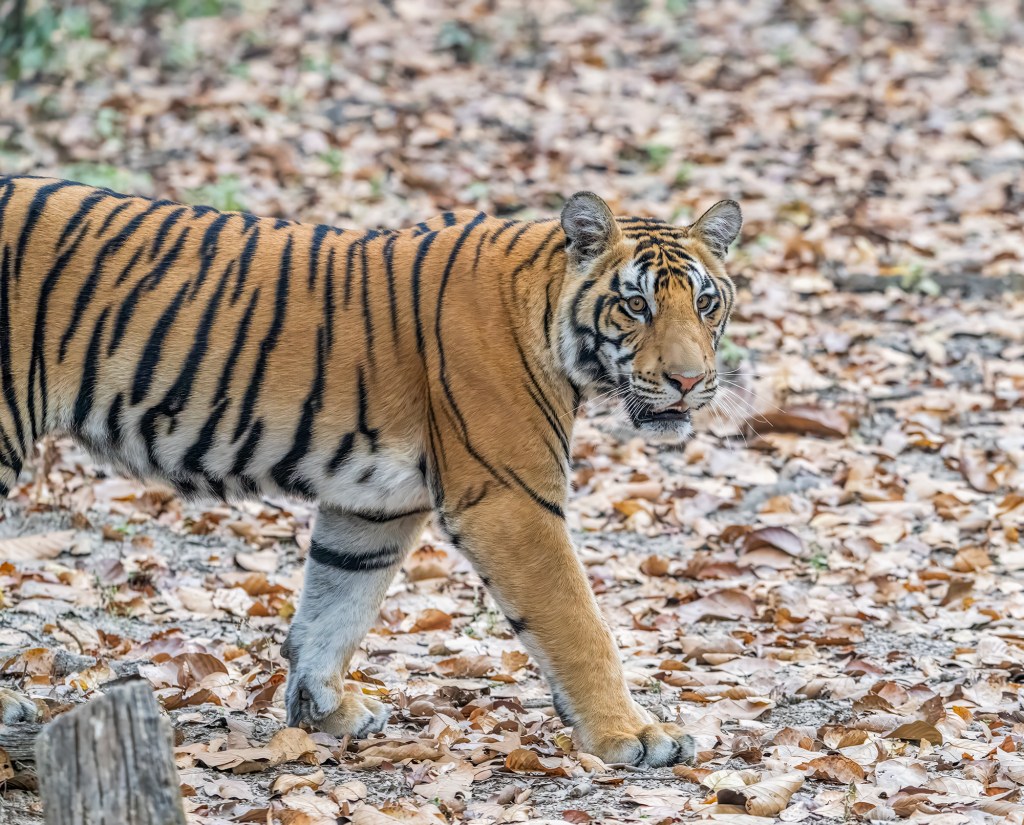
In 1973, the Government of India launched Project Tiger, an ambitious, holistic conservation project, aimed at safeguarding the nation’s tiger population and preserving biodiversity. Over the past fifty years, Project Tiger has achieved commendable success, making significant strides in tiger conservation. Initially covering nine tiger reserves spanning 18000 km2, the project has flourished into a remarkable accomplishment with 53 reserves spread across 75000 km2. India currently harbors 75% of the world’s wild tiger population.

Central India and the Shivalik Hills and Gangetic Plains witnessed a notable increase in tiger population, particularly in the states of Madhya Pradesh, Uyyarakhand and Maharashtra. The largest population of 785 is in Madhya Pradesh, wich includes Bandhavgarh and Kanha reserves. Tiger population is highest in Corbett (260), followed by Bandipur (150), Nagahole (141), and Bandhavgarh (135). Kanha has 105, Pench 77. It is estimated that the total Indian tiger population in 2022 is 3167 tigers, up from 1411 in 2006. Estimates for the beginning of the 19th century were in the 40,000 range!

Various reserves have shown remarkable growth, while others face challenges. About 35% require enhanced protective measures, habitat restoration, ungulate augmentation and subsequent tiger reintroduction. Challenges like poaching are still a threat to tiger conservation.

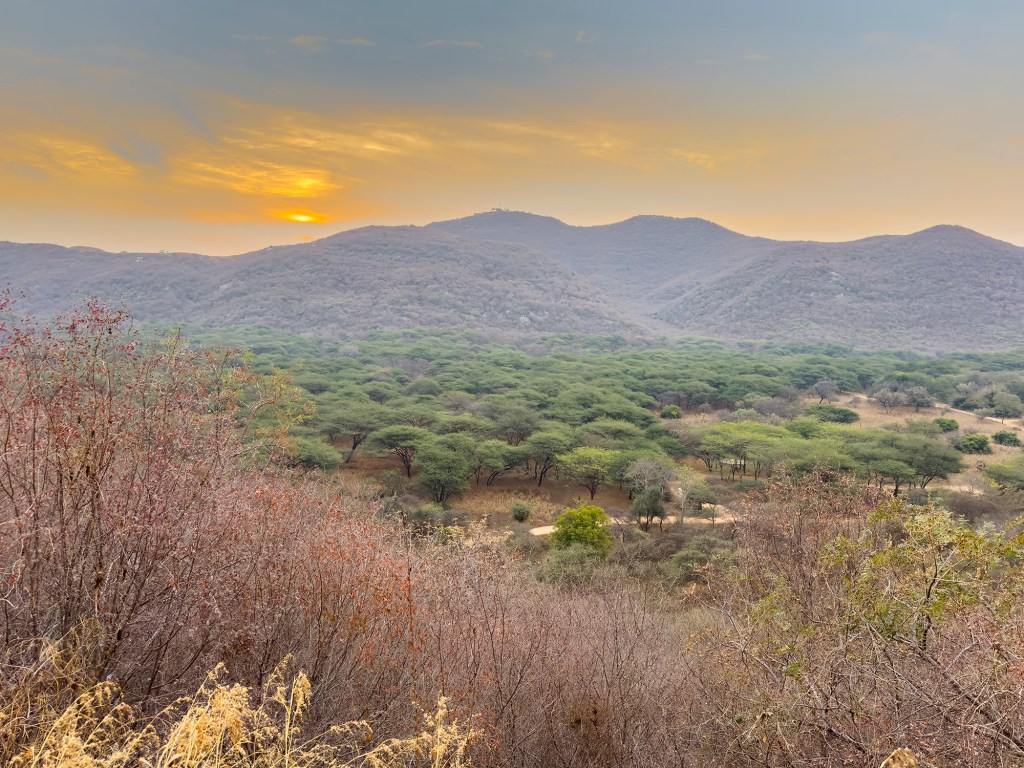
Our tour included Bandhavgarh and Kanha, both in Madhya Pradesh. Kanha was one of the original nine reserves established in 1973. Both parks are large, beautiful, heavily forested in places, open plains in others. Entrance is well controlled, although the number of vehicles allowed is 28 per each park section. So a tiger sighting is a magnet for most of them even though the walky talky communications used in Africa are not allowed in India. But cell phones often work quite well!

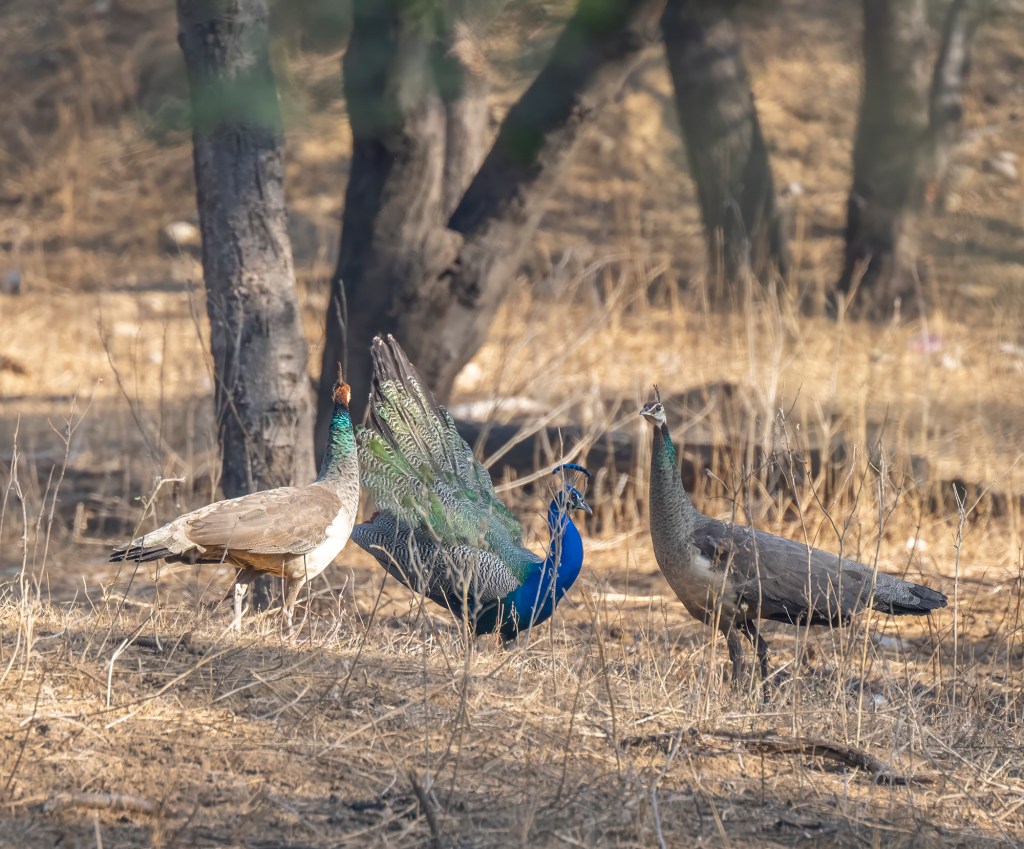
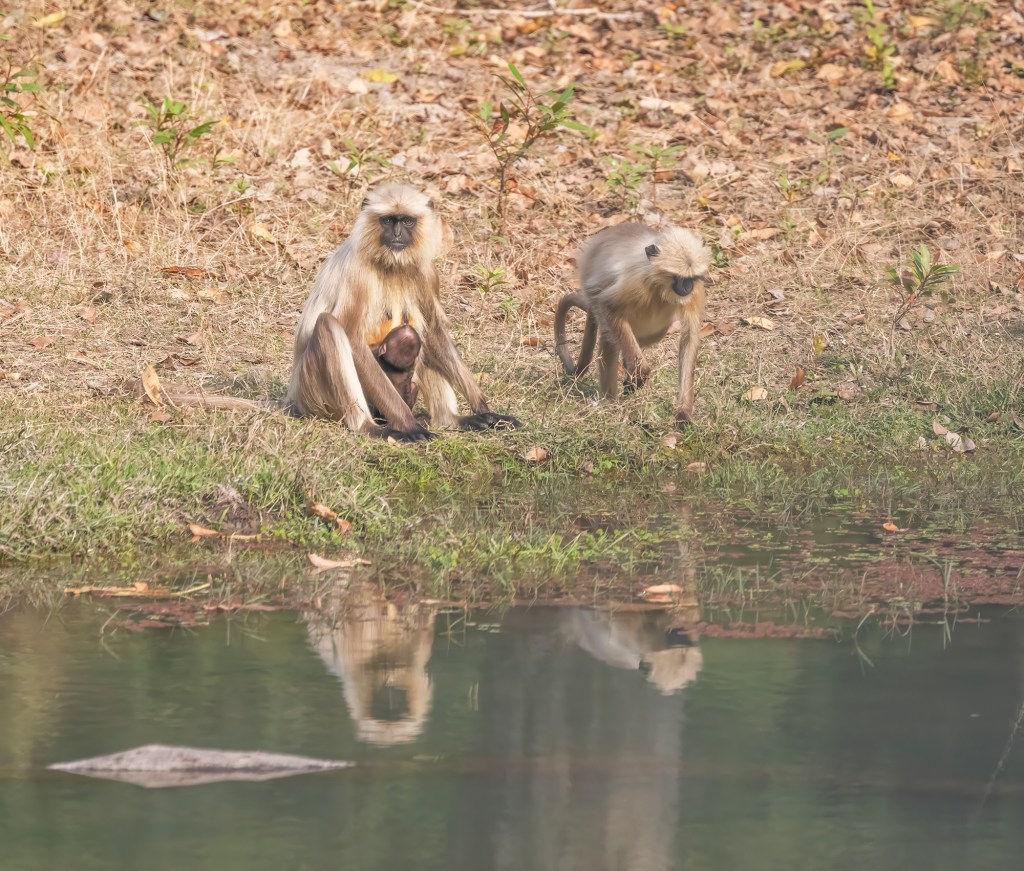
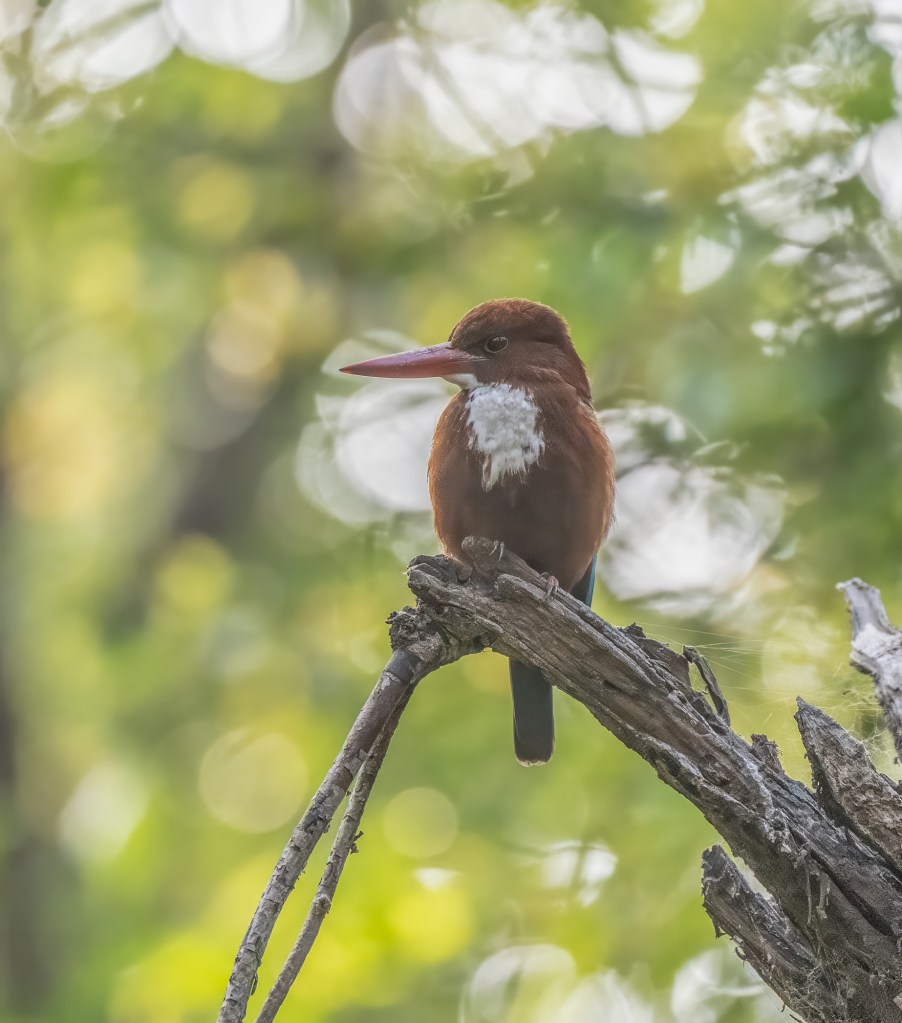
In the next blog posts I will provide fairly extensive images of the reserves so you can appreciate the beauty and diversity of these nature parks. Then I will illustrate the diversity of wildlife at each reserve.

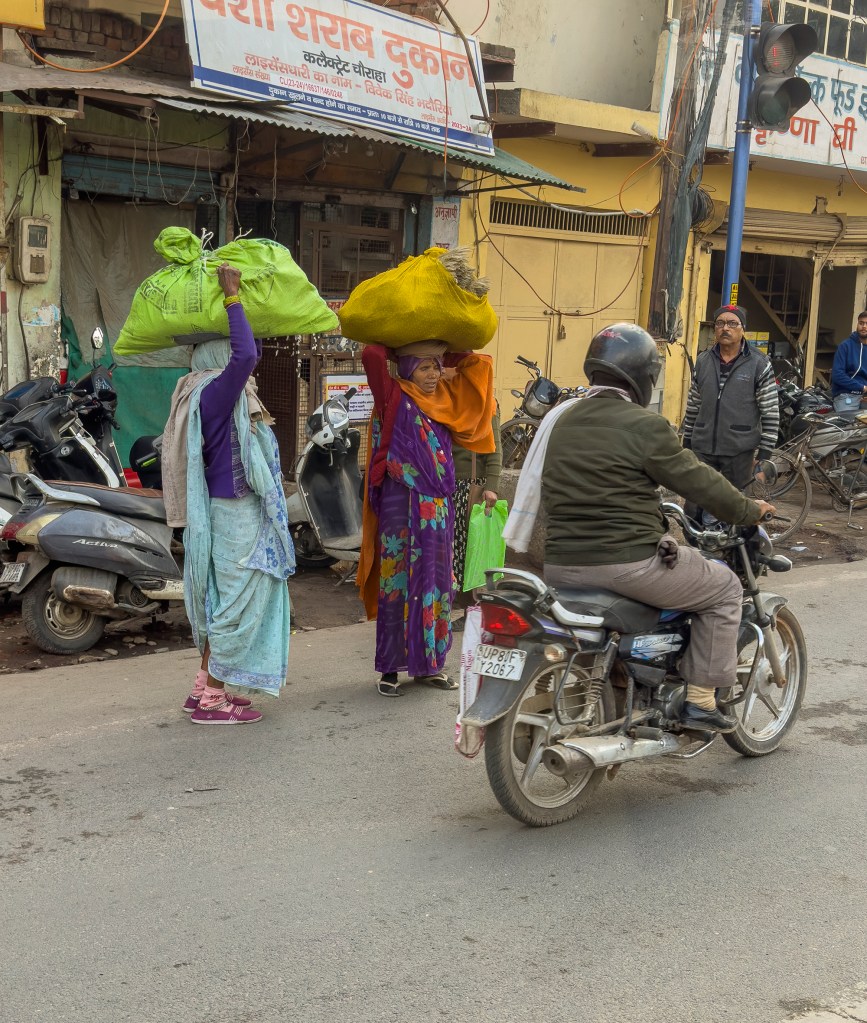
More Street Scenes

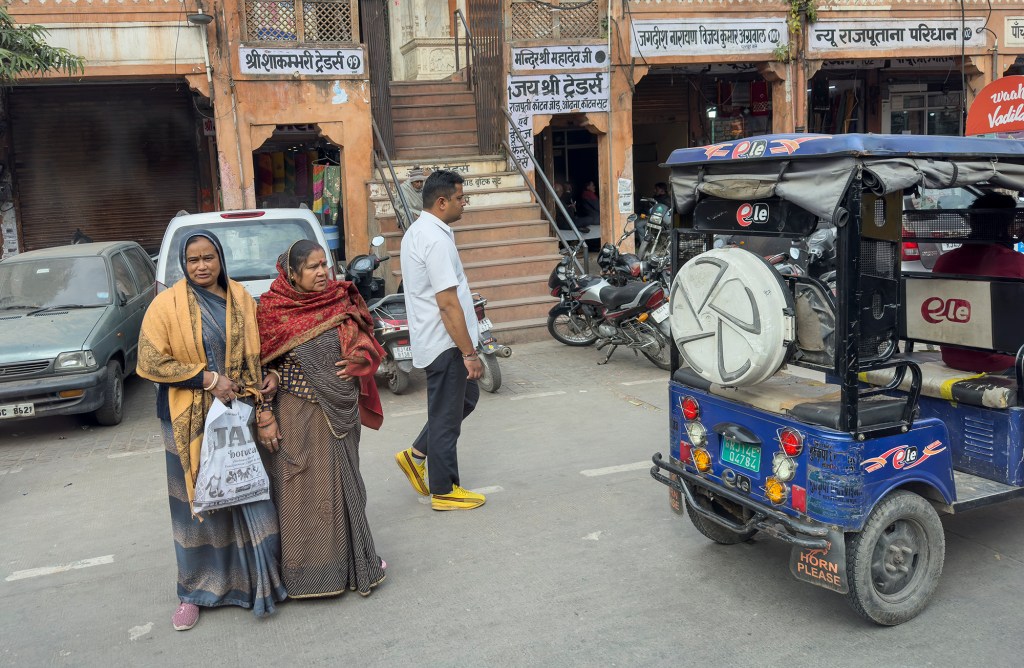
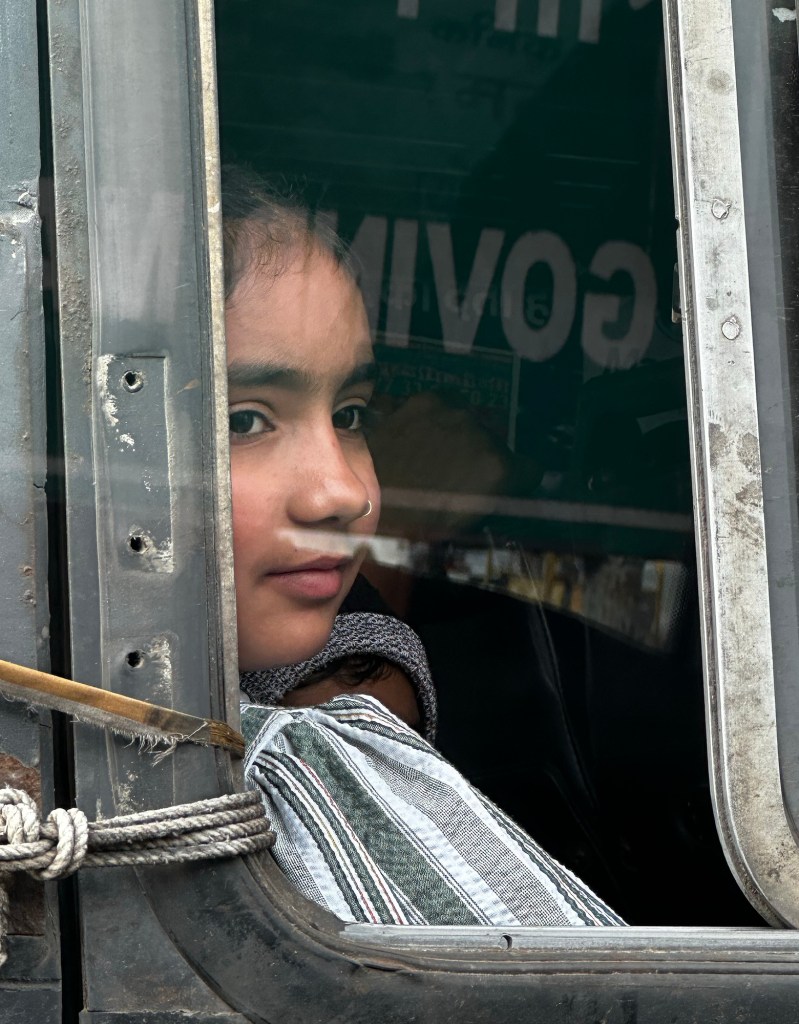
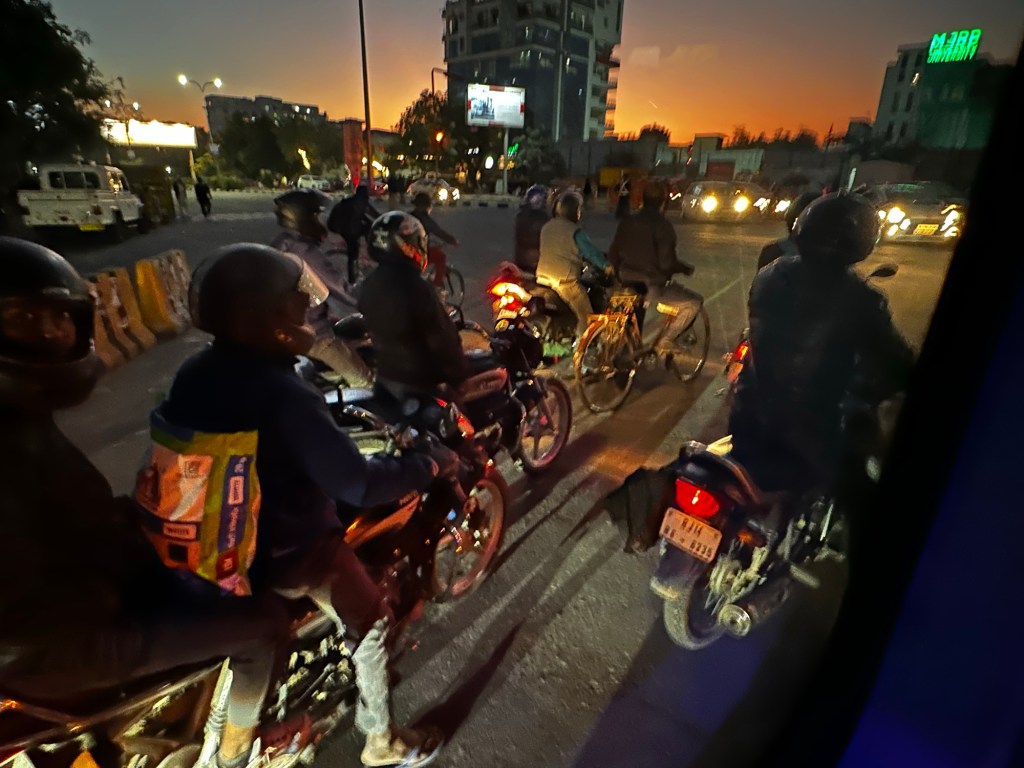
We were all fascinated with the scenes from our van as we traveled around the cities and countryside. India is highly populated, crowded in many places and bustling with all kinds of activities. The streets are full of cars and busses to be sure, but also motorbikes, bikes, tuk-tuks, people, cows, goats, dogs and whatever. Some images:
Jhalana Leopard Reserve

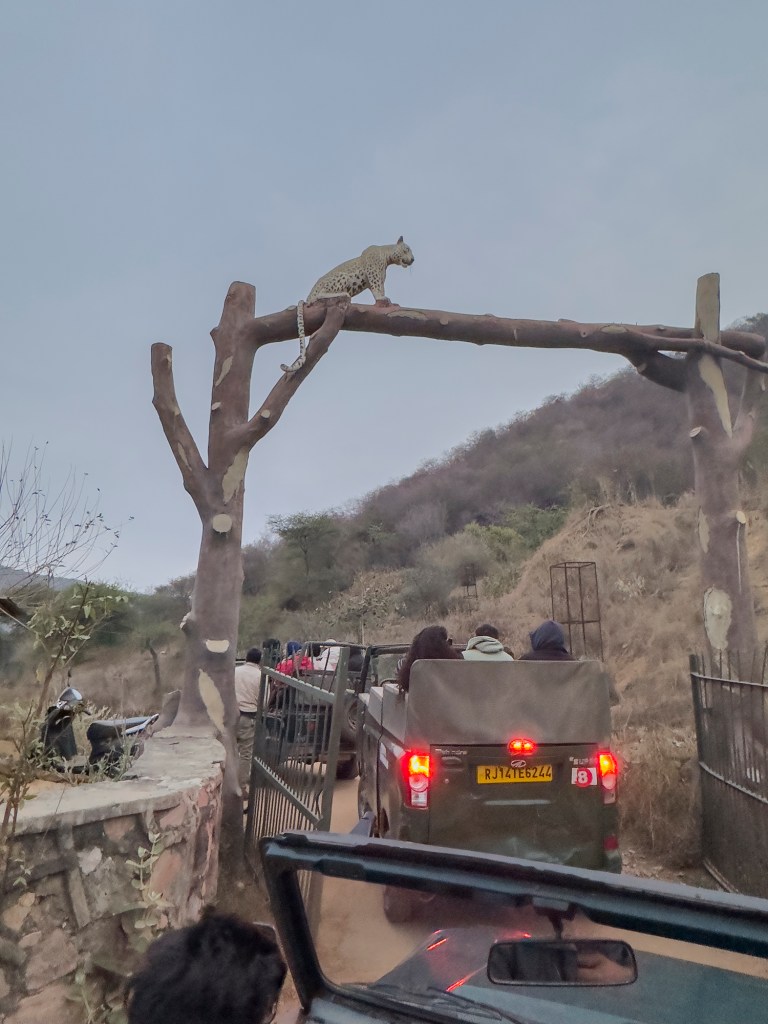
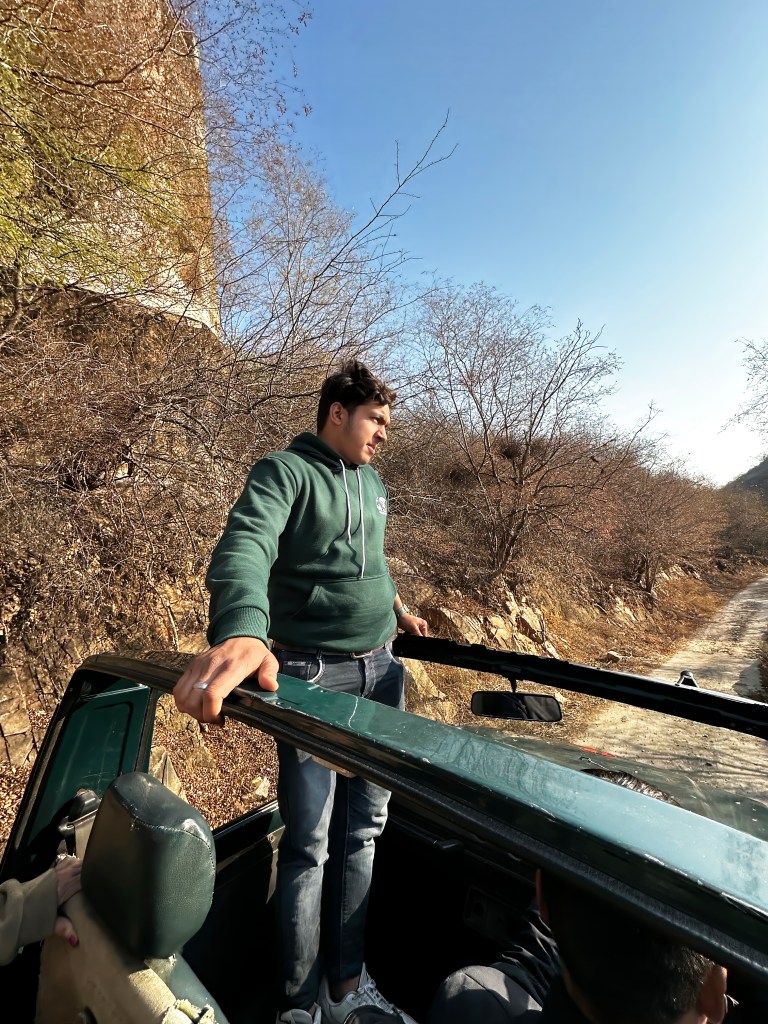
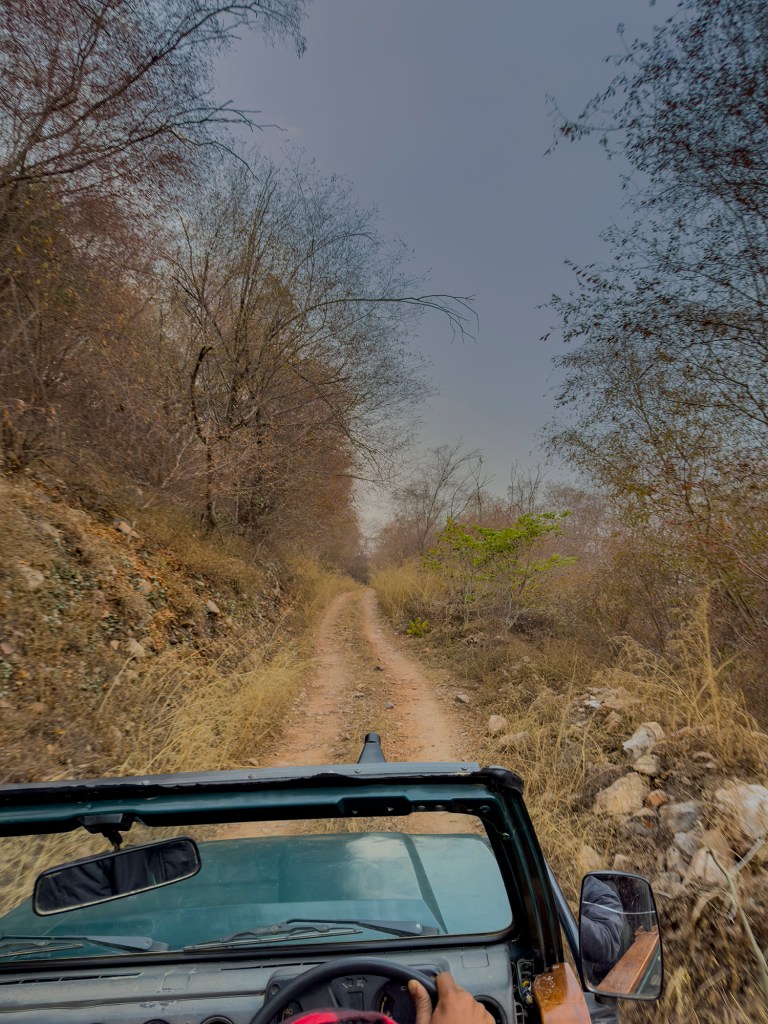
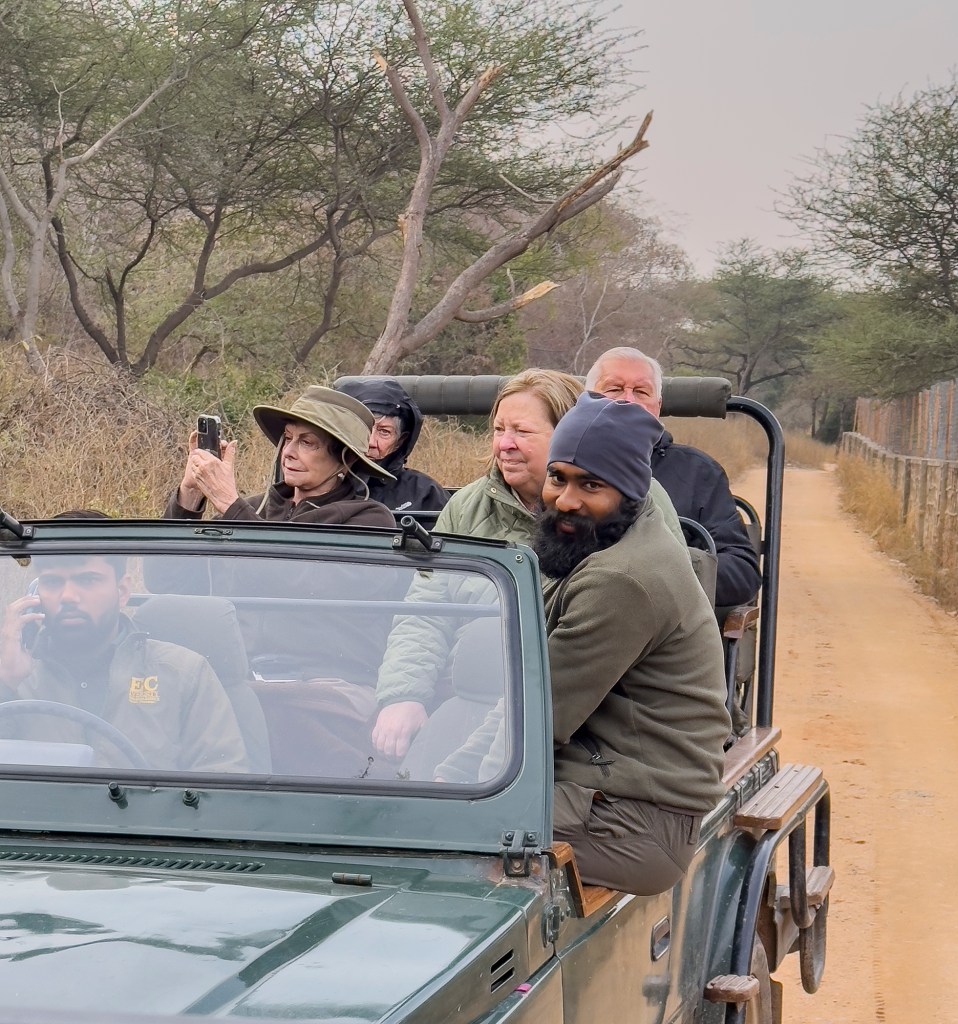
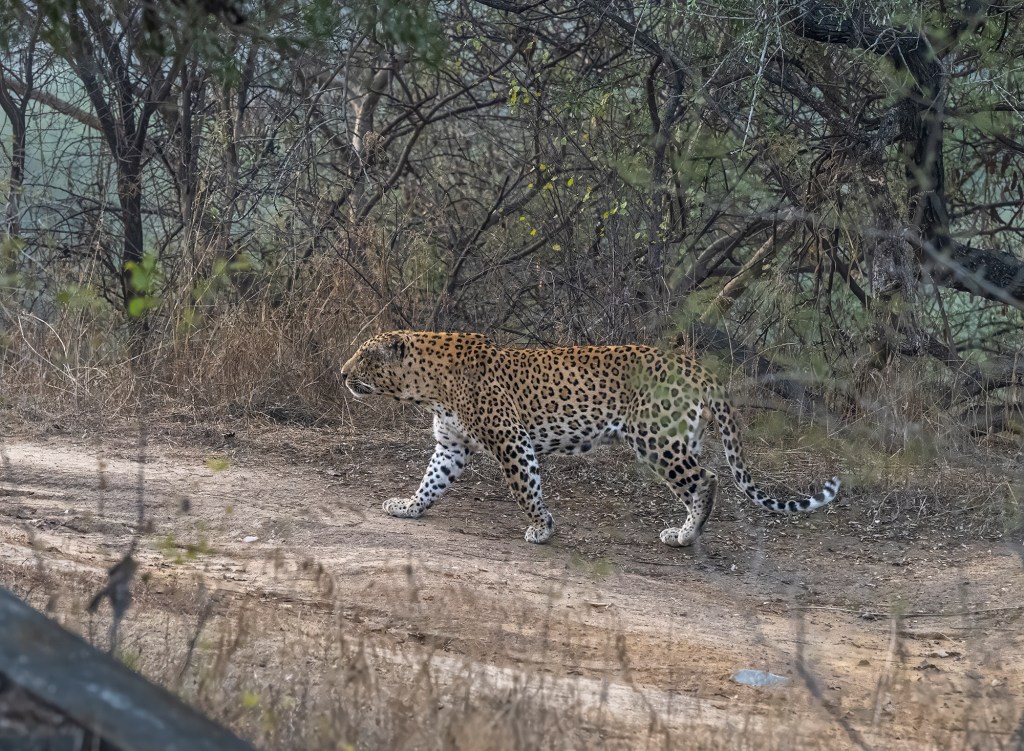
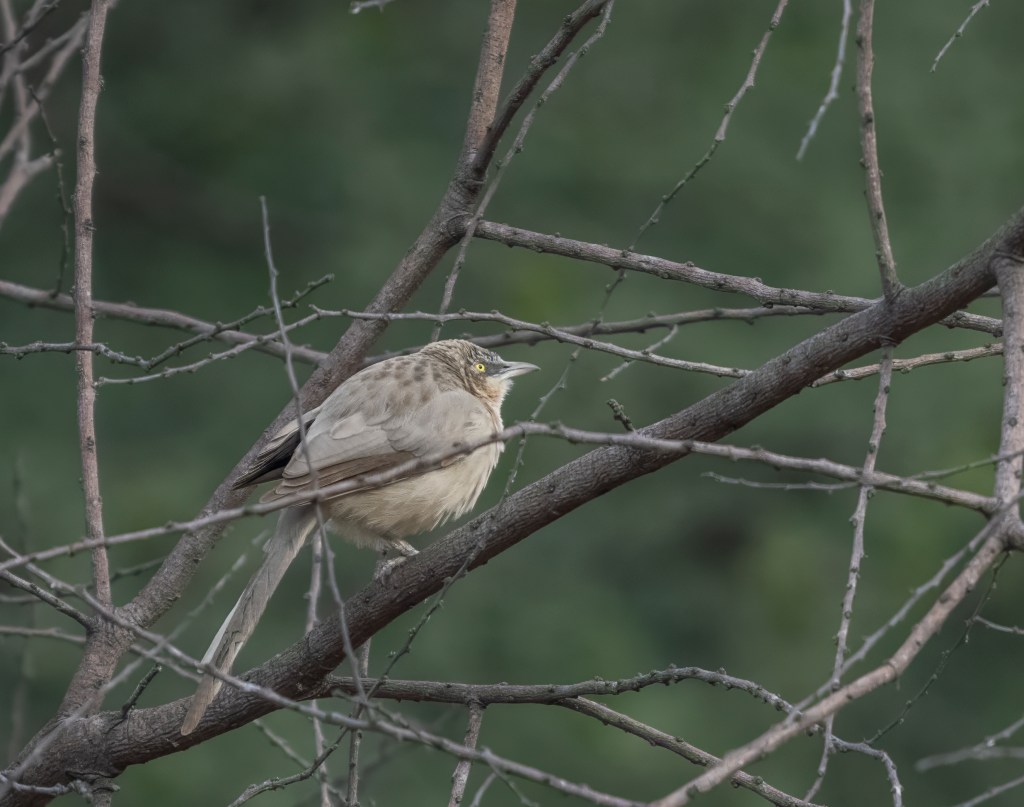
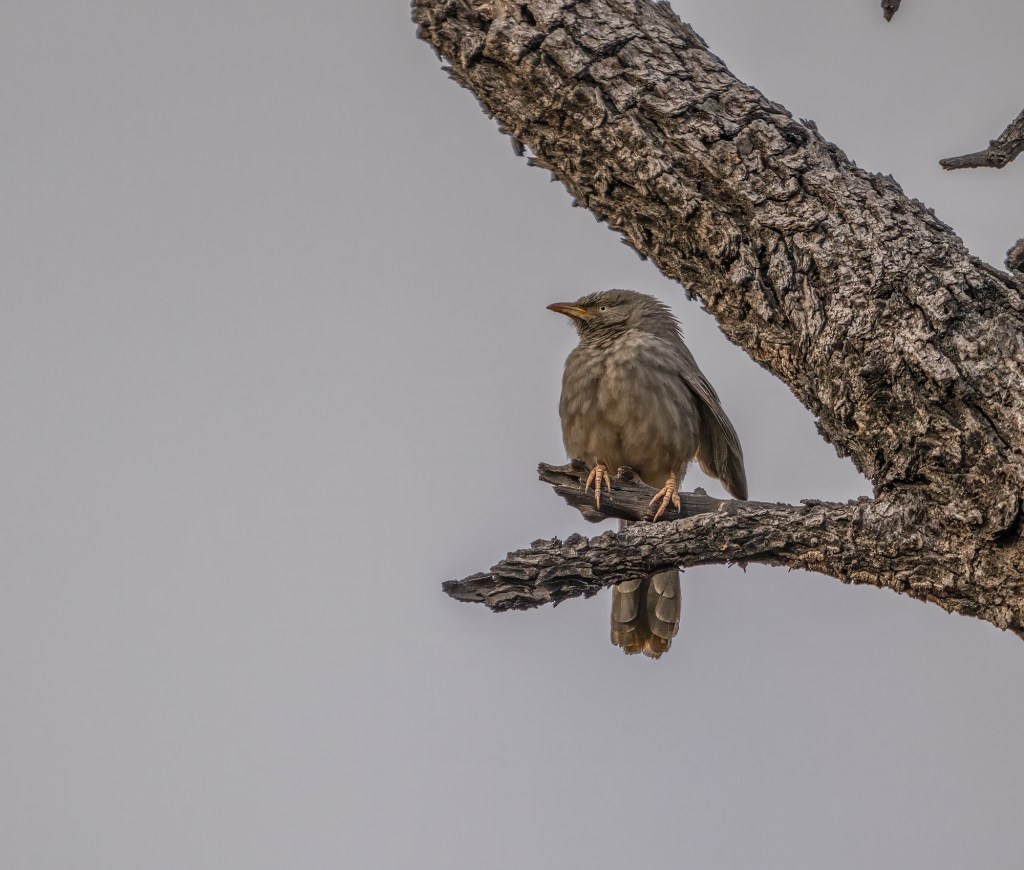
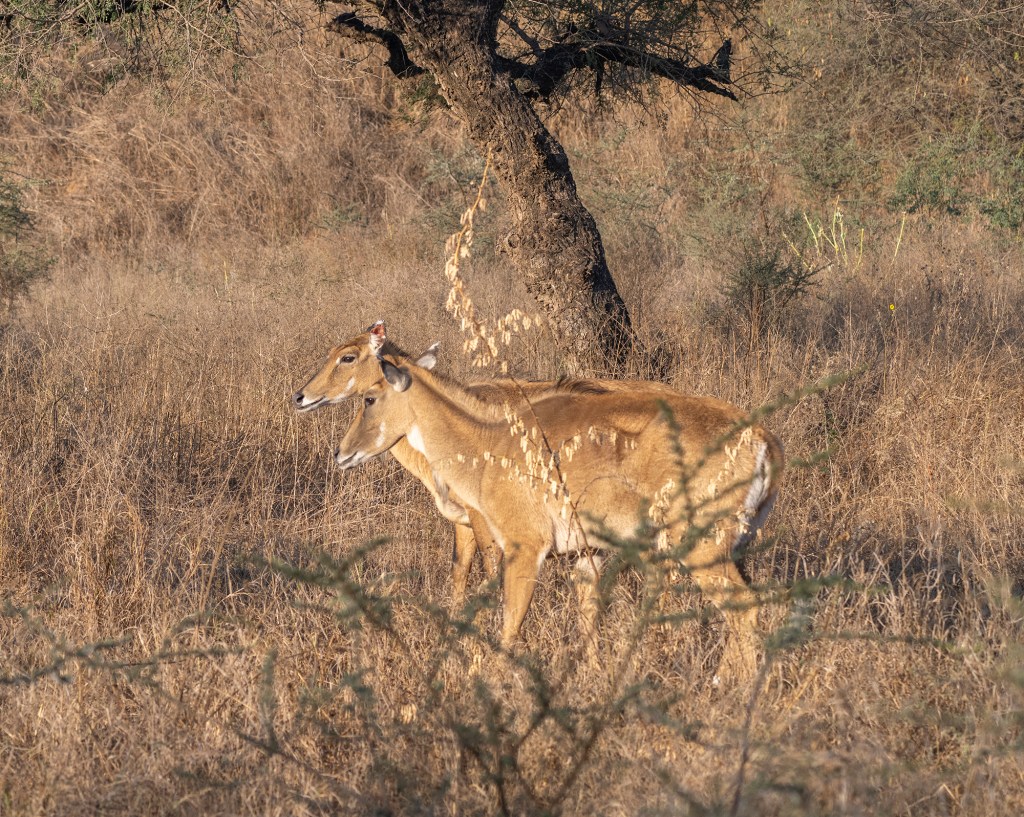
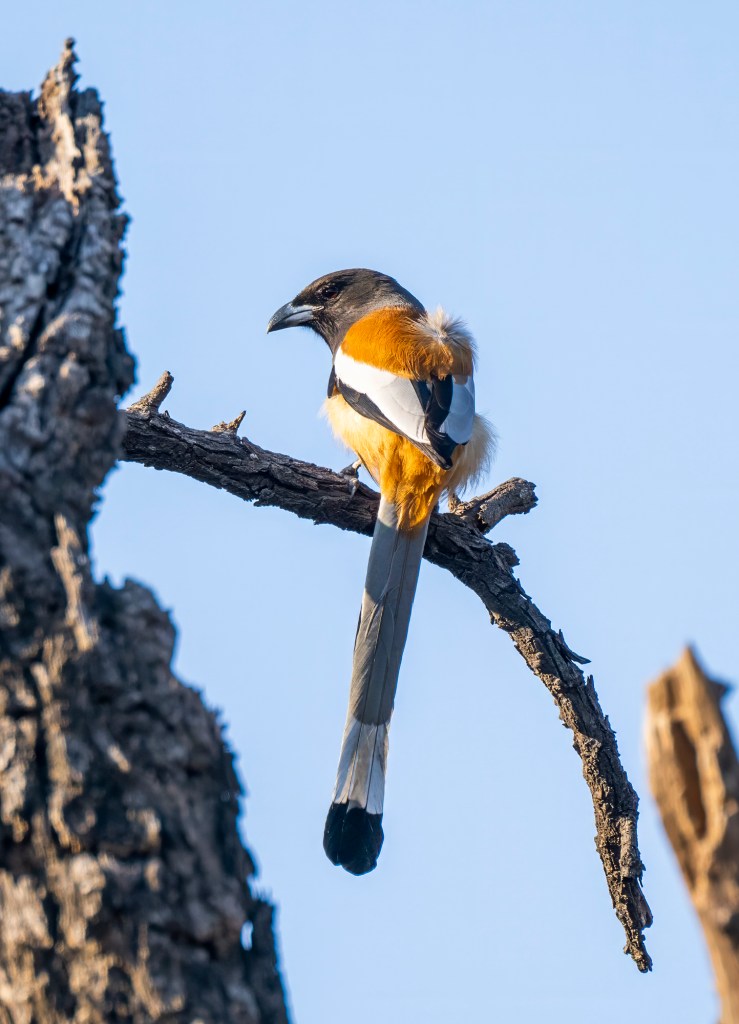
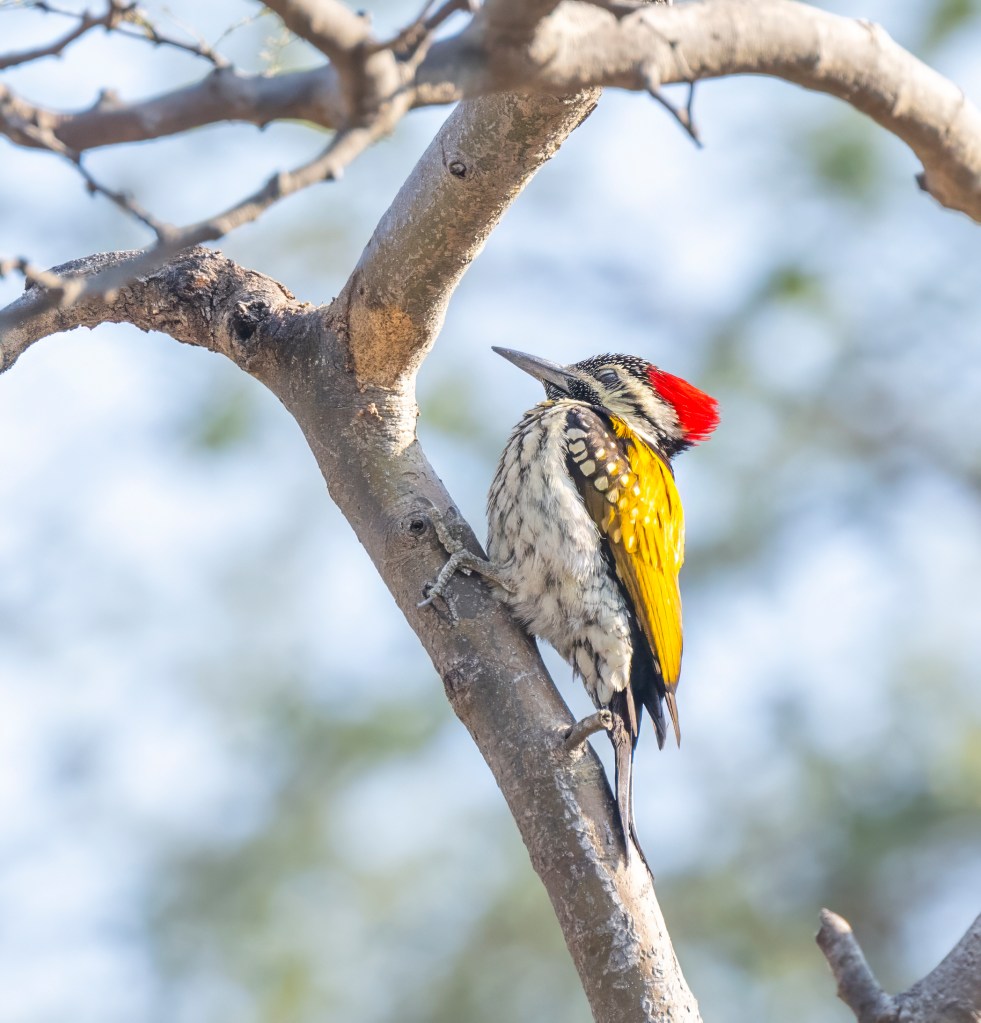
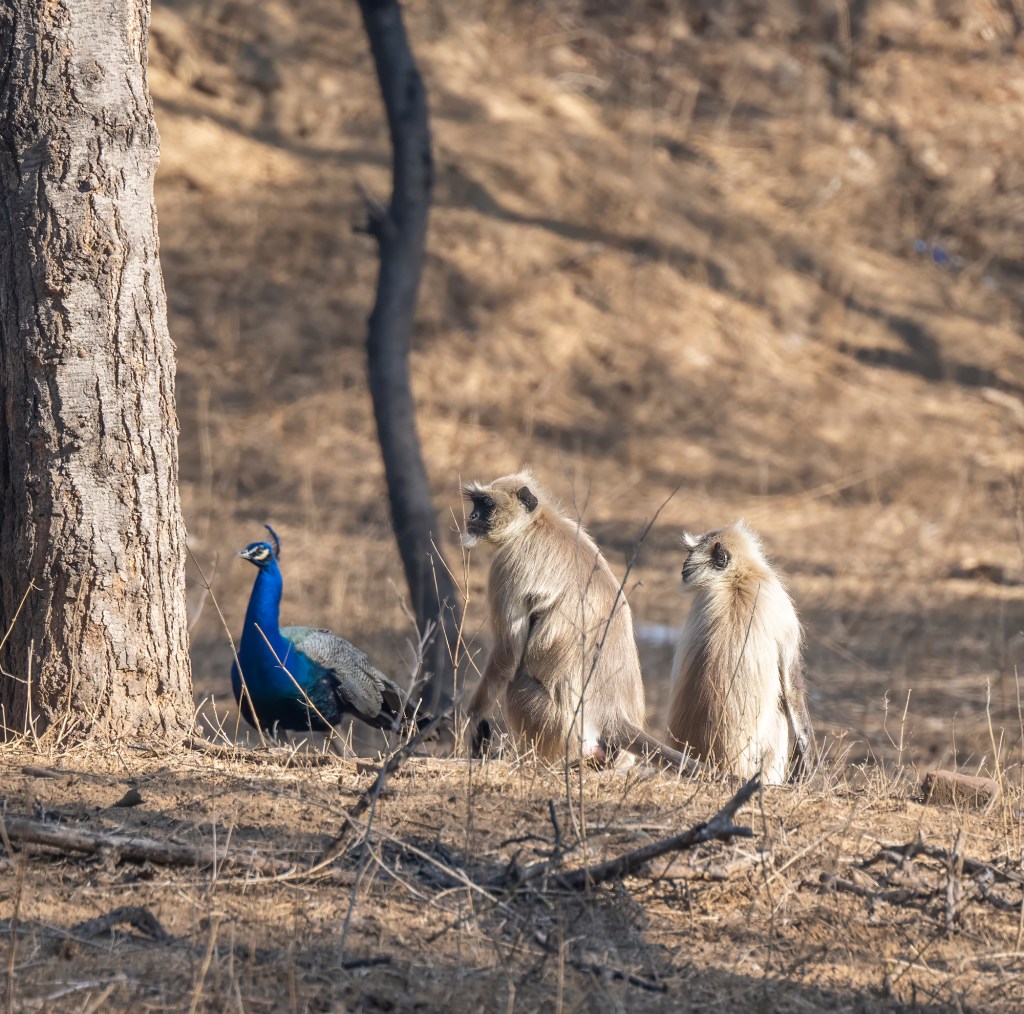
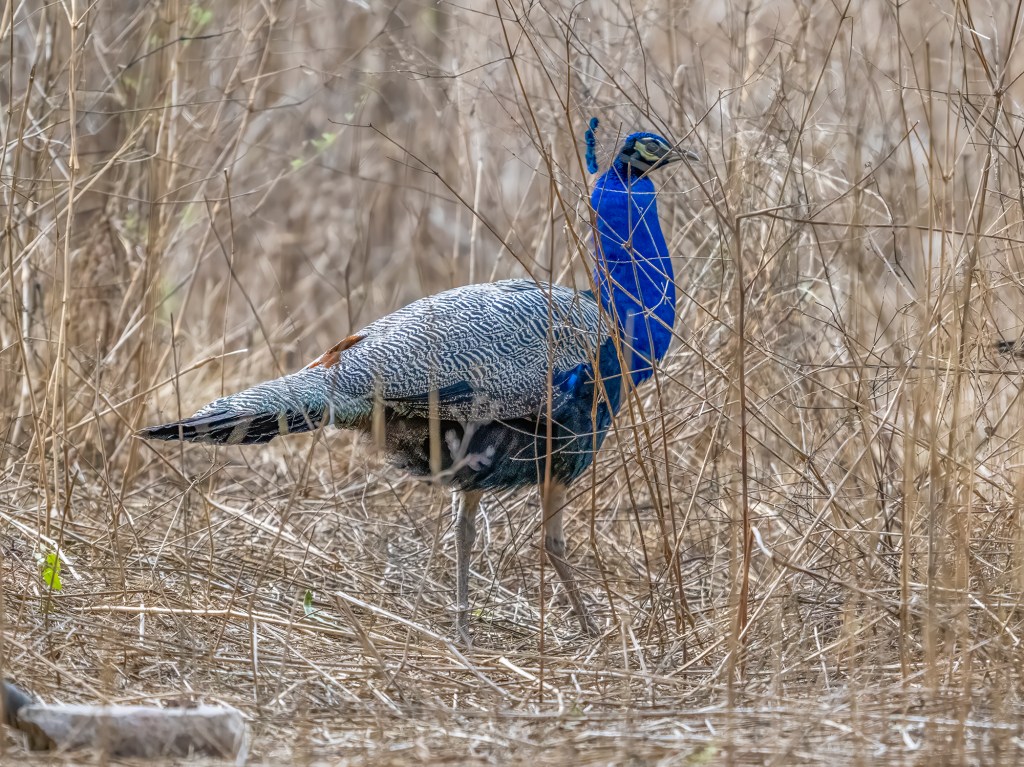
Spread in an area of 23 Sq.Km Jhalana is home to 30-35 leopards. Situated just outside Jaipur city, it opened in 2016. The leopard is the apex predator and has little competition. Once a forest reserve, Jhalana has always been home to leopards and other fauna including spotted deer, blue bulls, wild boars and loads of bird life. We spent two days touring Jhalana and an adjacent reserve Amagarh in search of the beautiful leopard, and succeeded in spotting several as well as an assortment of other fauna.
Entrance to Jhalana
Indian Hog Deer
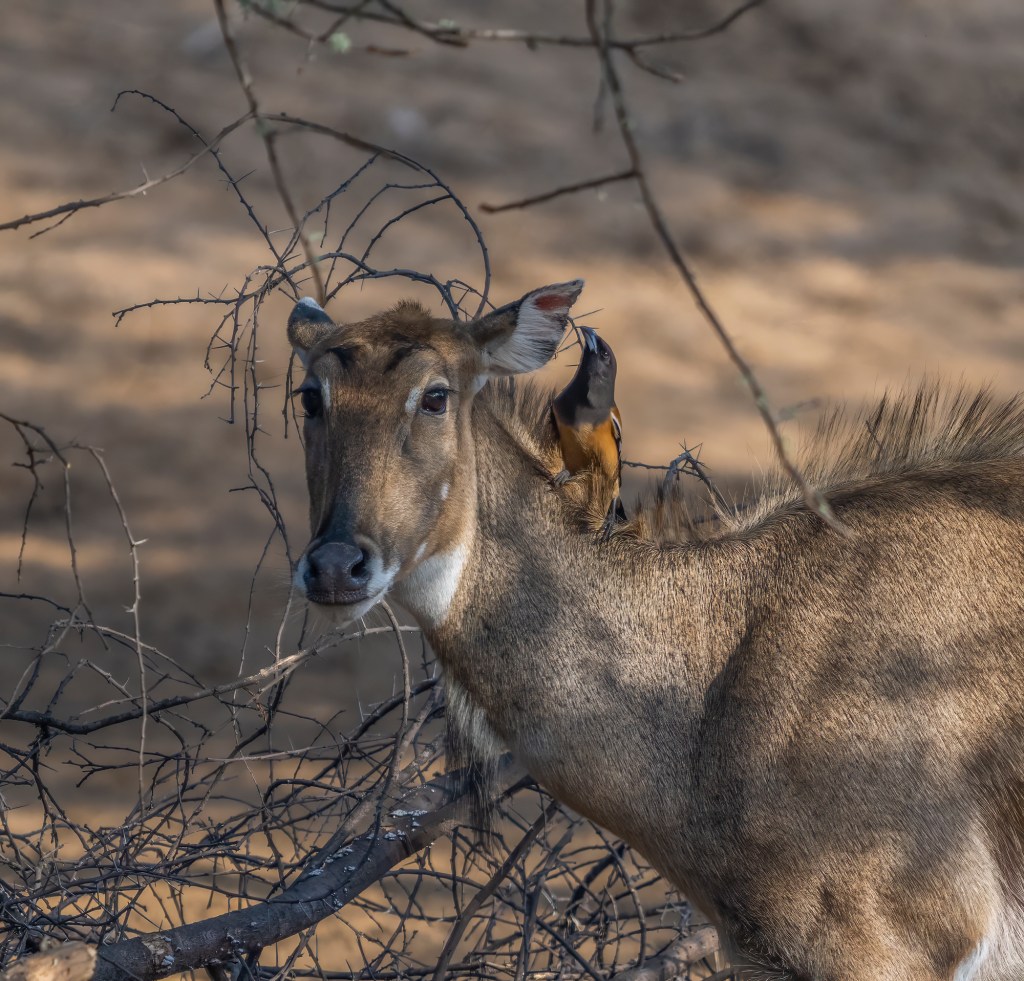
Nilgai
Jungle Nightjar

A Day in Jaipur

Jaipur is the capital and largest city of the Indian state of Rajasthan. It has a population in excess of 3 million. Jaipur is also known as the Pink City due to the dominant color scheme of its buildings in the old city. It was founded in 1727 by Sawal Jai Singh. It is one of the earliest planned cities of modern India. Jaipur is a popular tourist destination in India. The city serves as a gateway to other popular destinations, and has two World Heritage sites of Amber Fort and Jantar Mantar. We visited Jaipur principally to partake in leopard safaris at parks near the city, but we did enjoy a full day of sightseeing.

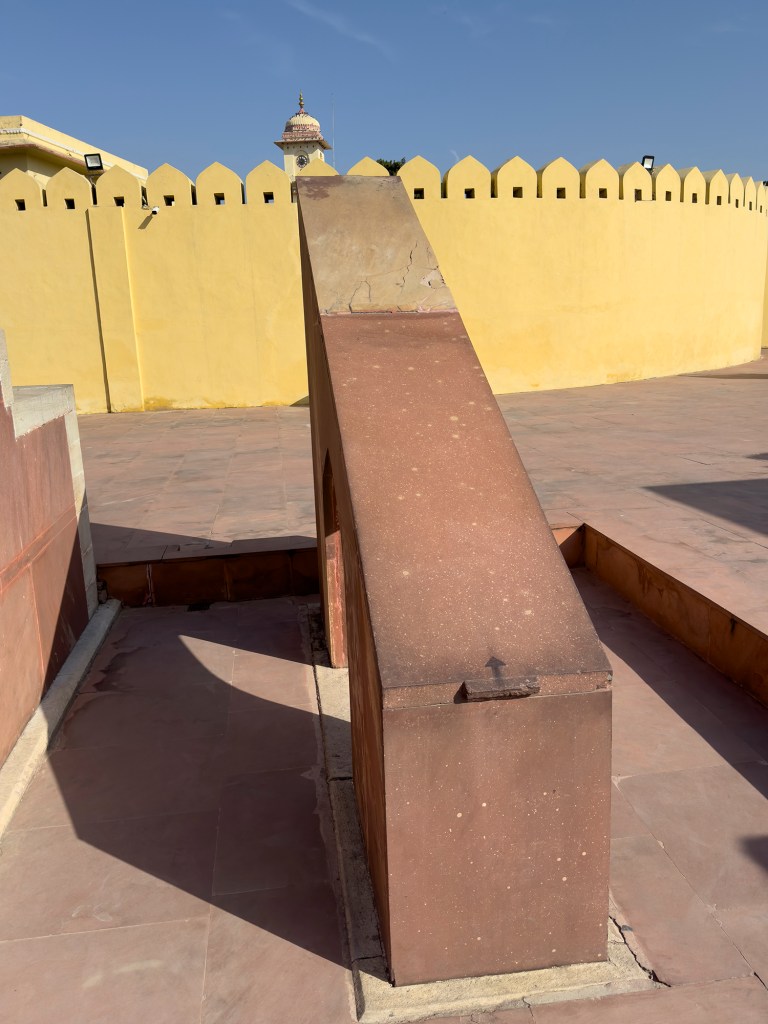
Jantar Mantar

OLYMPUS DIGITAL CAMERA

Located in the heart of Jaipur, Jantar Mantar is an astronomical observatory built by Maharaja Sawai Jai Singh between 1728-1734.Recognized as a UNESCO World Heritage site , it is the largest among the other five similar ones built in northern India. It houses large stone instruments with striking combinations of geometric forms to view celestial bodies through naked eyes. The precision and accuracy of these instruments have been very alluring to scientists and historians.

The observatory also features the world’s largest sundial which calculates local time and manages to entice the interest of tourists. The instruments are most accurate at noon.

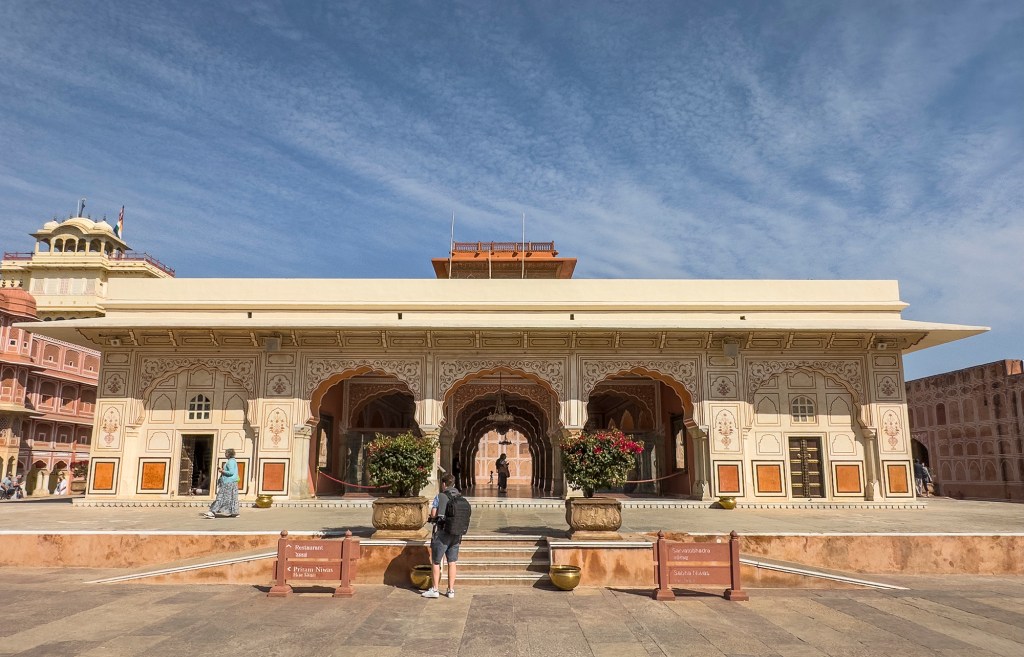
City Palace

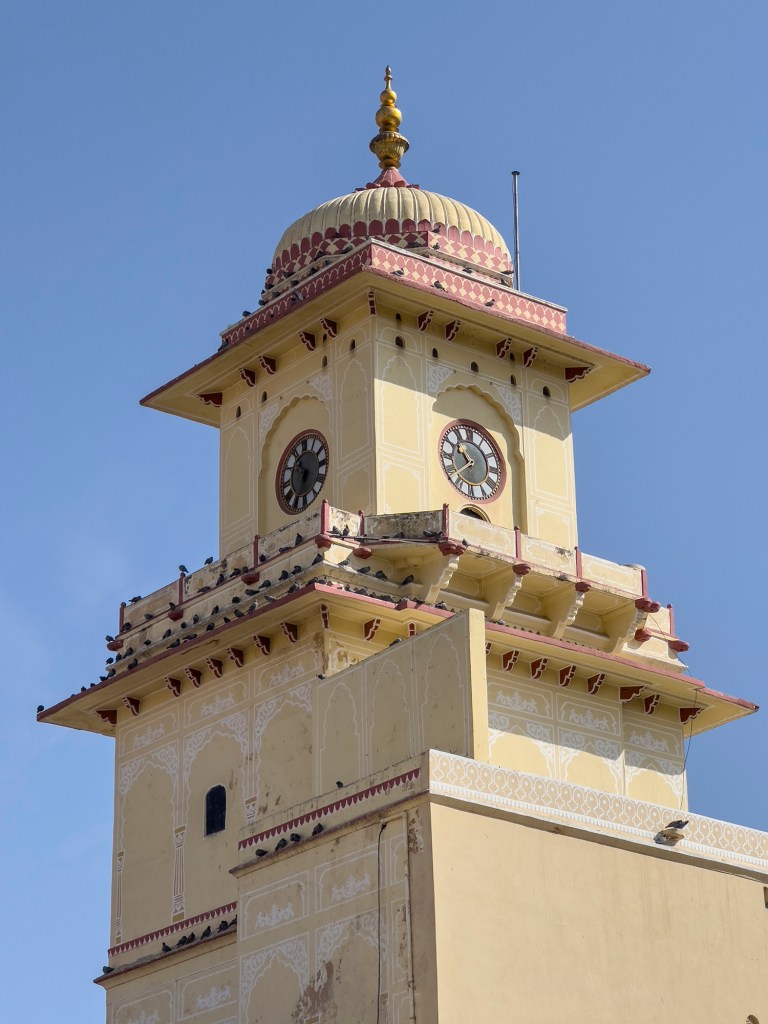
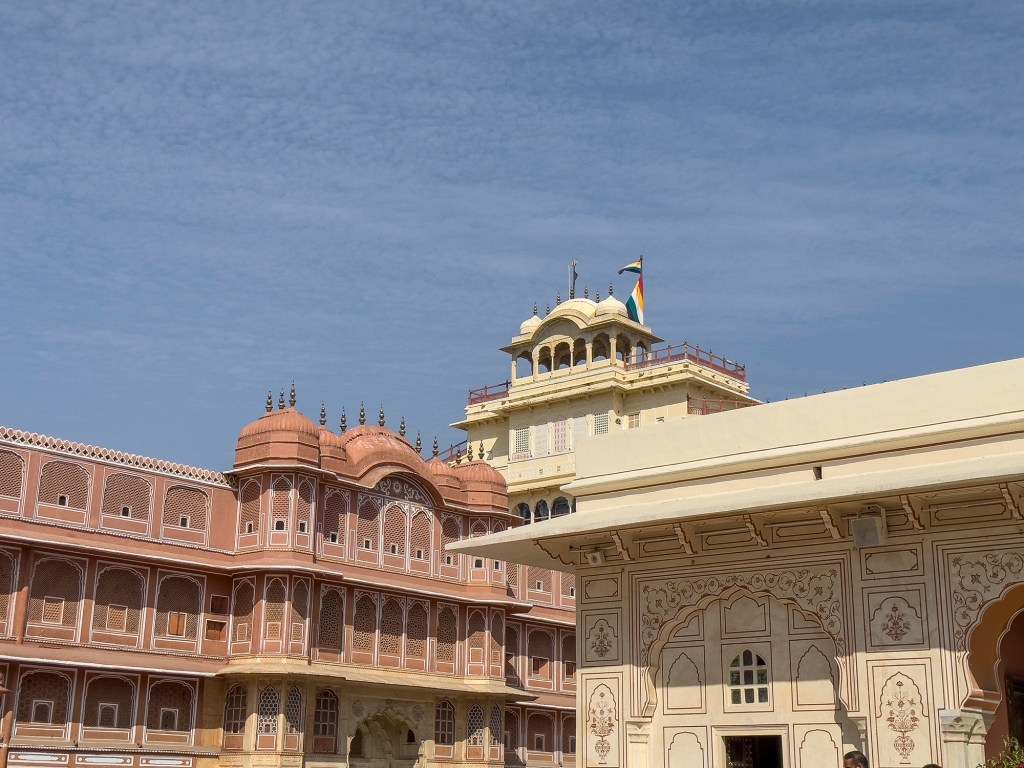
Located in the heart of the old city, the City Palace comprises magnificent courtyards, gardens, cenotaphs and royal buildings. It was conceived and built by the founder of Jaipur, Rajput King Maharaja Sawaai Jai Singh II, and expanded by subsequent rulers. The most prominent sections of the palace are Mubarak Mahal, Chandra Mahal, Maharani’s Palace. Maharaja Singh museum and Bhaggi Khana. The museum contains a unique collection of royal costumes, weaponry dating to the 15th century along with prints and embroidery.

Amber Fort

Amer or Amber Fort is located about 11 km from Jaipur and is located high on a hill overlooking Maota Lake. The palace is a great example of Rajput architecture. Constructed of red sandstone and marble, the opulent palace is laid out on four levels each with a courtyard.The palace was the residence of the Rajput Maharajas and their families. This was begun by Raja Man Singh in 1592 and completed by Mirja Raja Jai Singh.

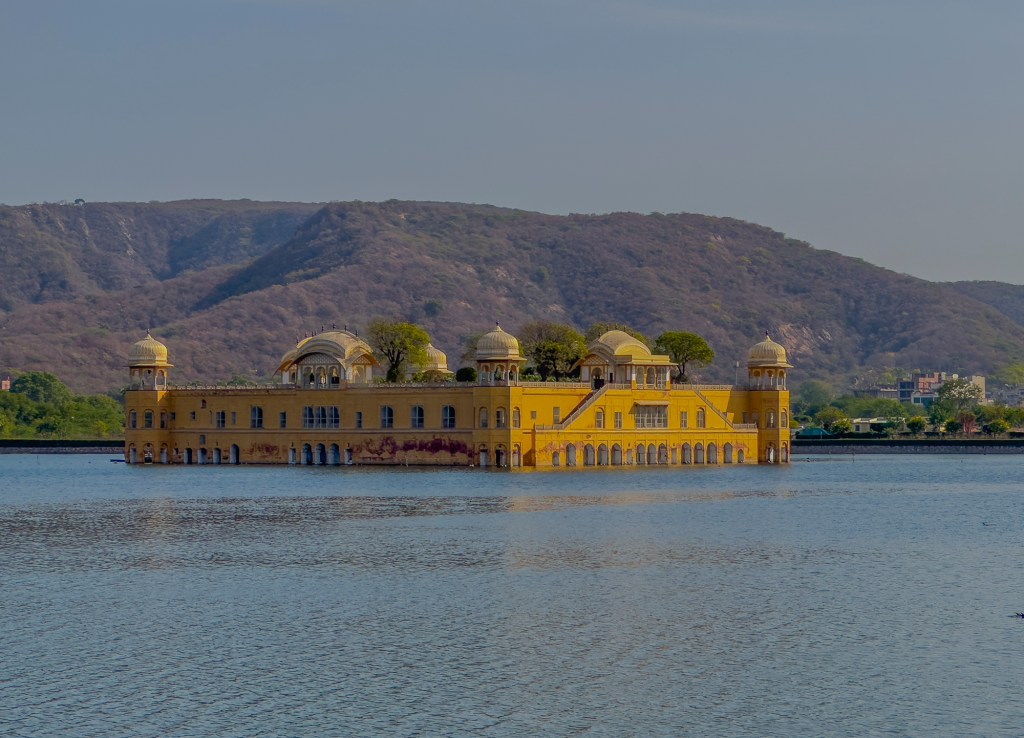
Jal Mahal

Jal Mahal was built in 1750 by Maharaja Madho Singh as a lodge and hunting retreat. It is a five story palace set in the middle of an artificial lake known as Man Sagar Lake.

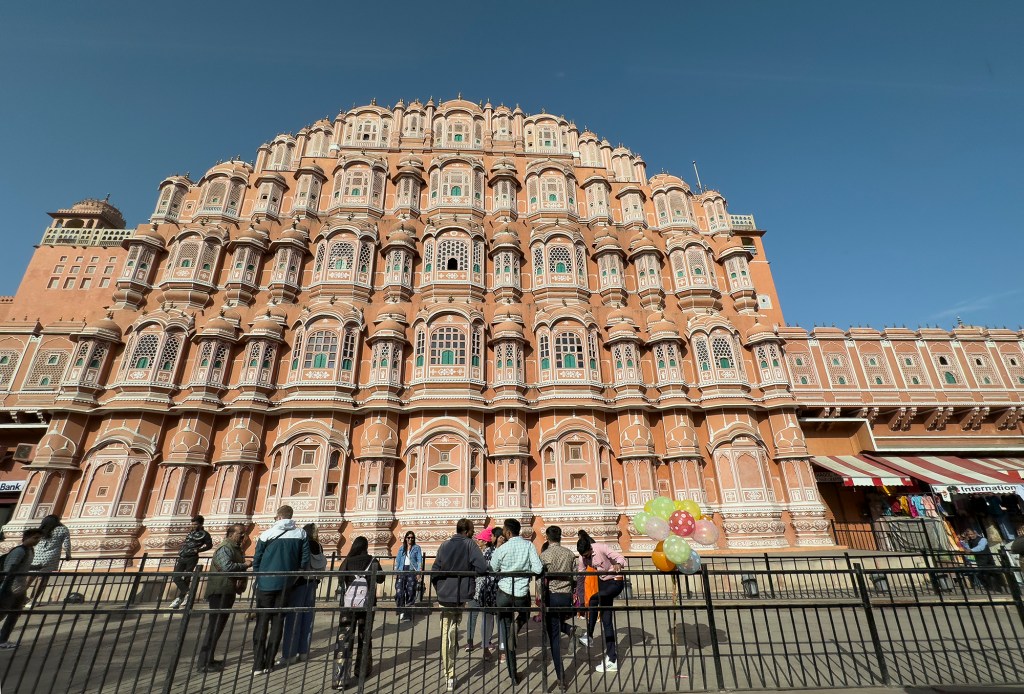
Hawa Mahal

Hawa Mahal is a 200 year old monument in the city. Famous for its unique honeycomb design and Indo-Islamic architecture, the five storeyed palace has 953 lattice windows. It was built in 1799 by Maharaja Sawai Pratap Singh as a summer palace. This is actually the back of the palace.

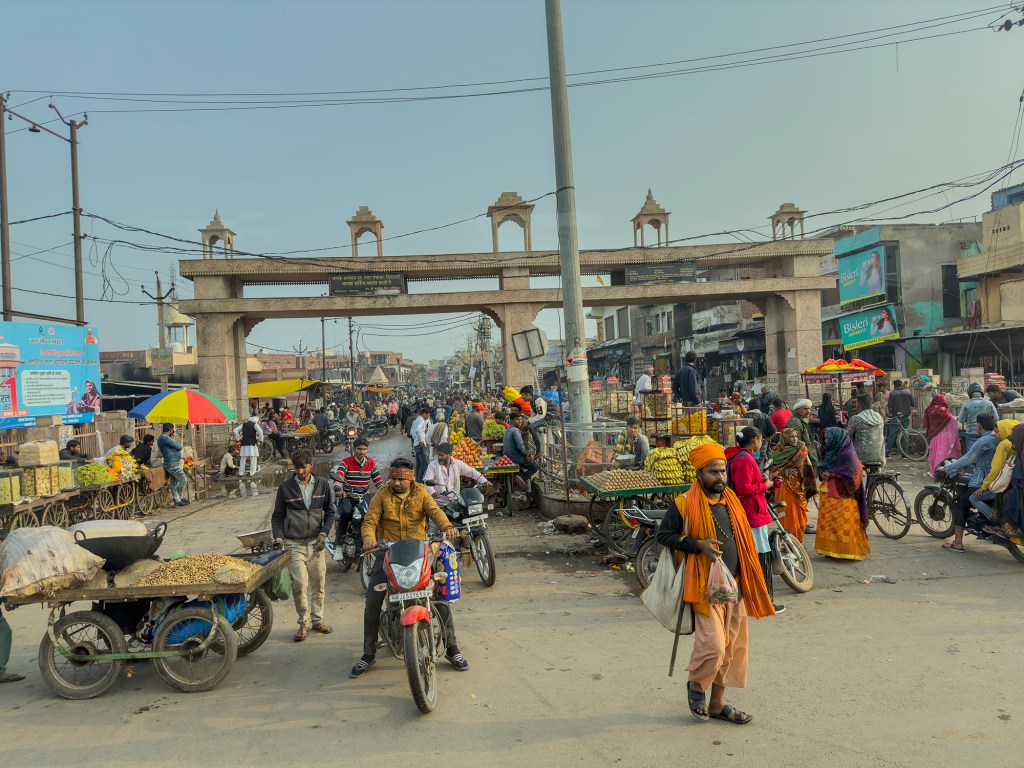
Street Scenes

Like many populated places in India, this city is a bustling beehive of activity. A few scenes:

A Journey to India

Part I: Agra

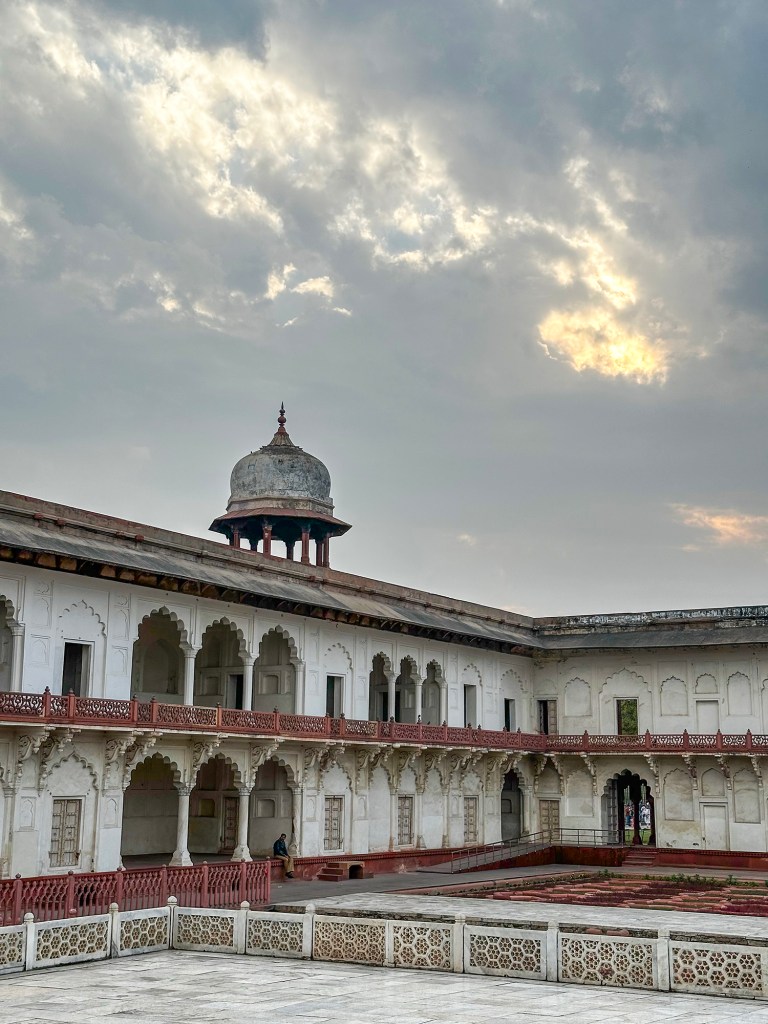
Our first full day in India started in Delhi, and began with a 4 hour drive to the city of Agra. Our guide Shayam informed us that it would likely be raining later in the day, and a sundown visit to the Taj Mahal would not be worthwhile. So after an Indian lunch in a very touristy cafe, we checked in and then visited the Agra Fort.

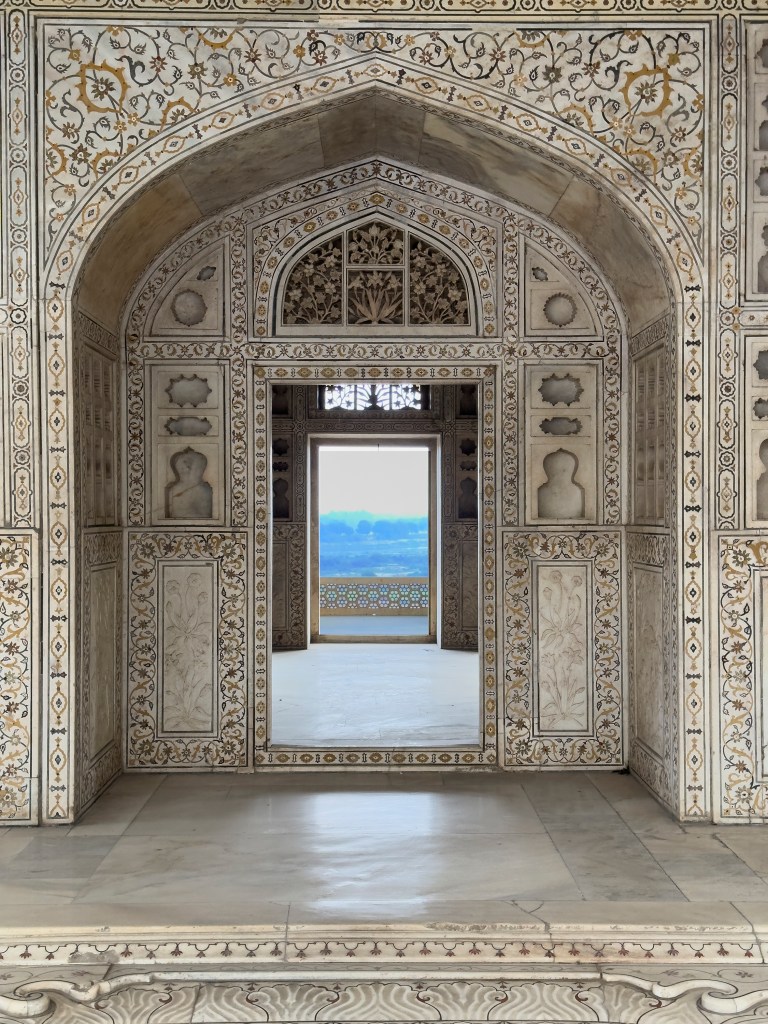
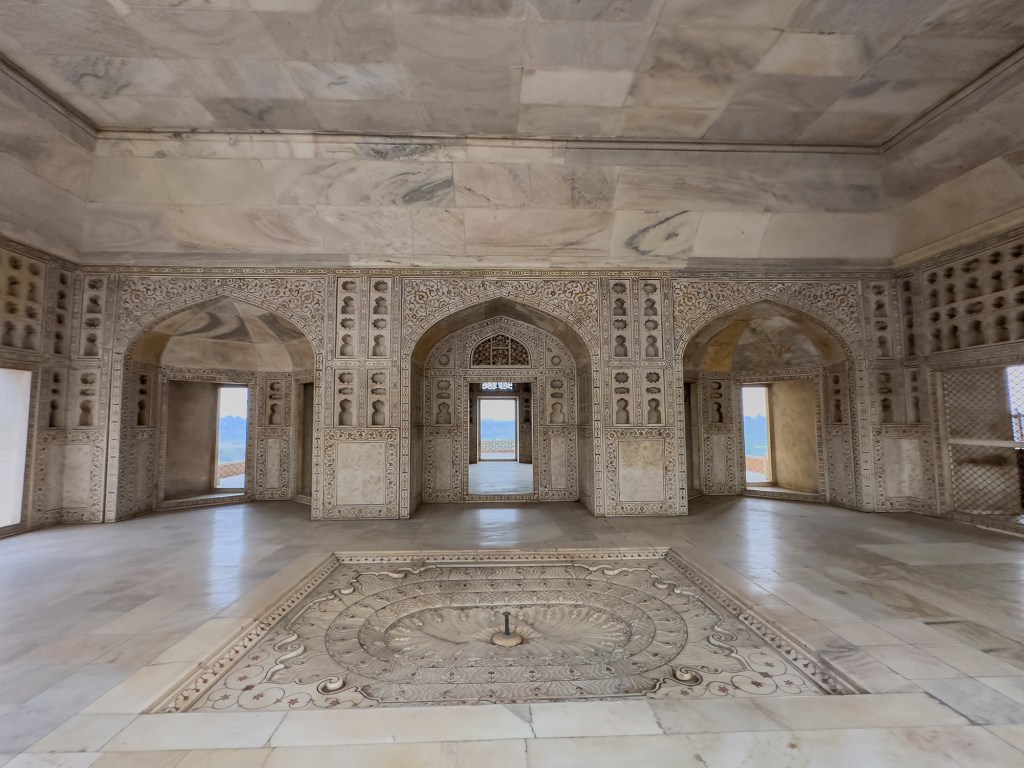
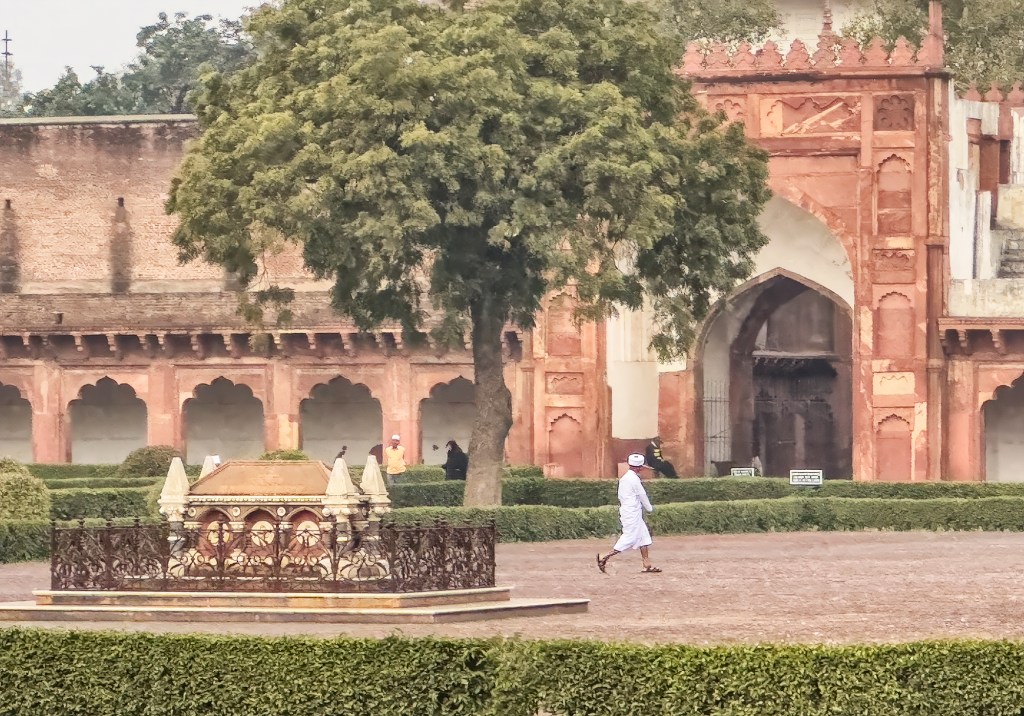
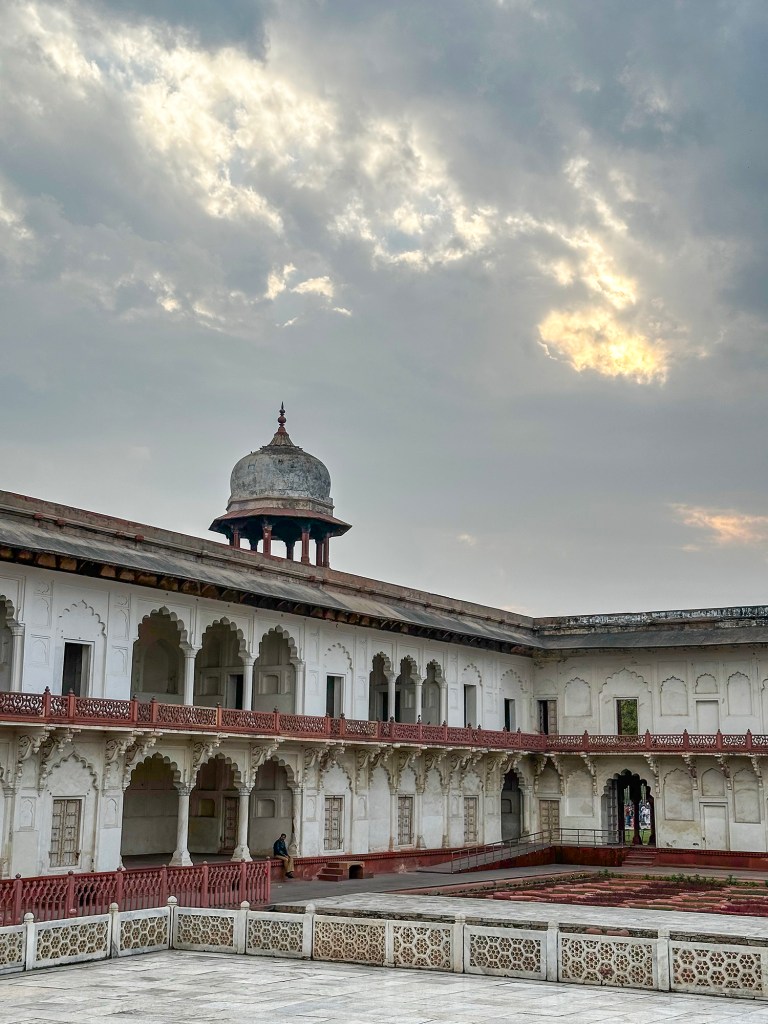
The Agra Fort is an historic fort in the city, also known as Agra’s Red Fort. Mughal emperor Humayun was crowned here. It was later renovated by emperor Akbar from 1565, completed in 1573. It served as the main residence of the rulers of the Mugdal dynasty until 1638, when the capital was shifted to Delhi.The 94 acre fort has a semicircular plan, with 70′ high walls. Double ramparts have massive circular bastions at intervals. four gates were provided on its four sides. Most notable are the Delhi Gate and the Lahore Gate.

Entry is provided at the Delhi Gate, after crossing a wooden drawbridge over the moat.

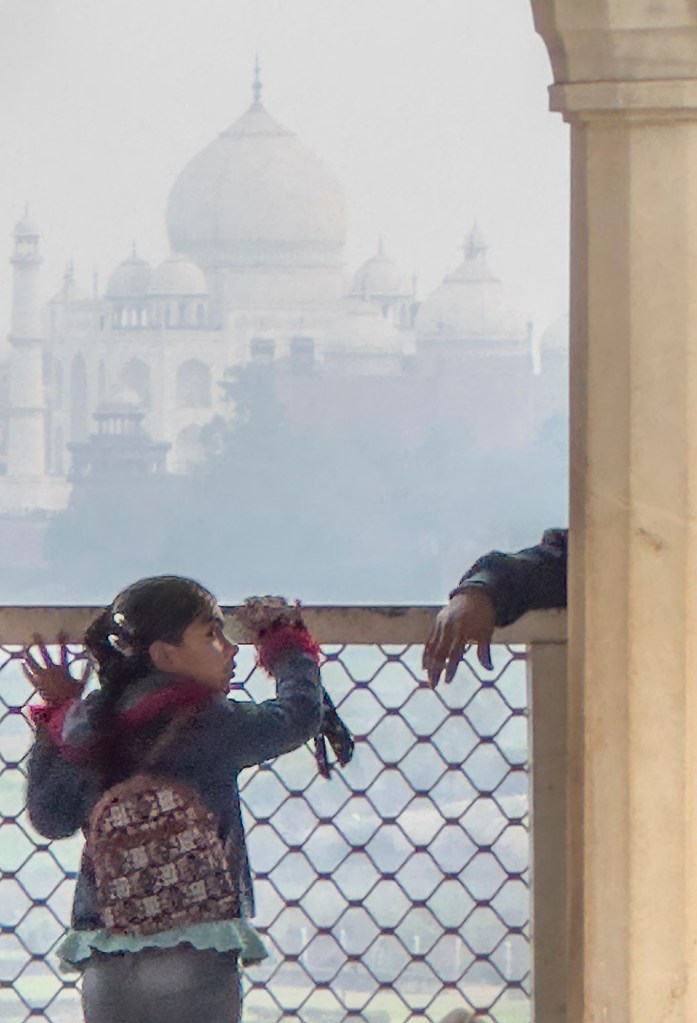
That evening we rode in Tuktuks, then walked in the rain to get our first closer=up view of the Taj from the back side and across the river.

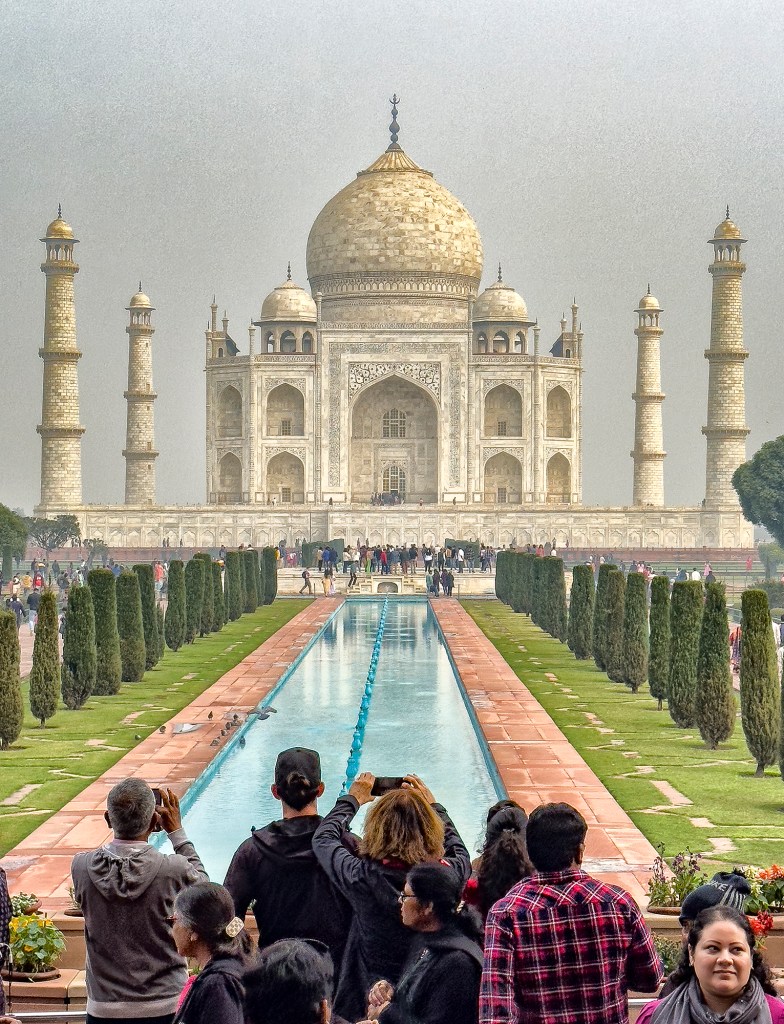
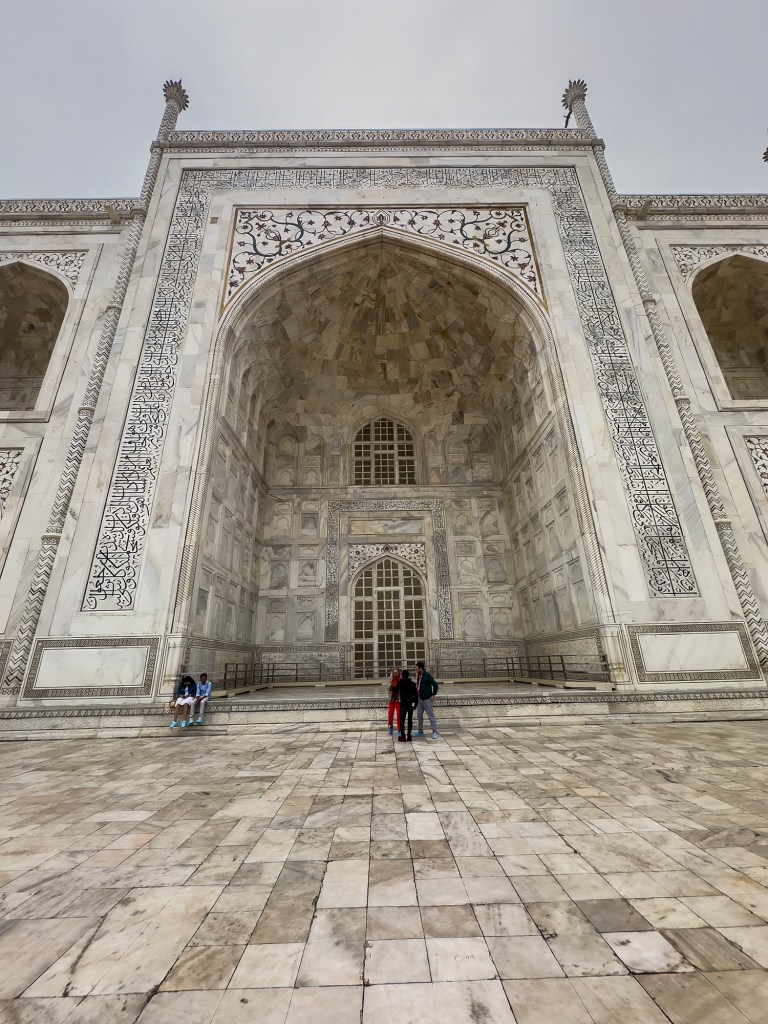
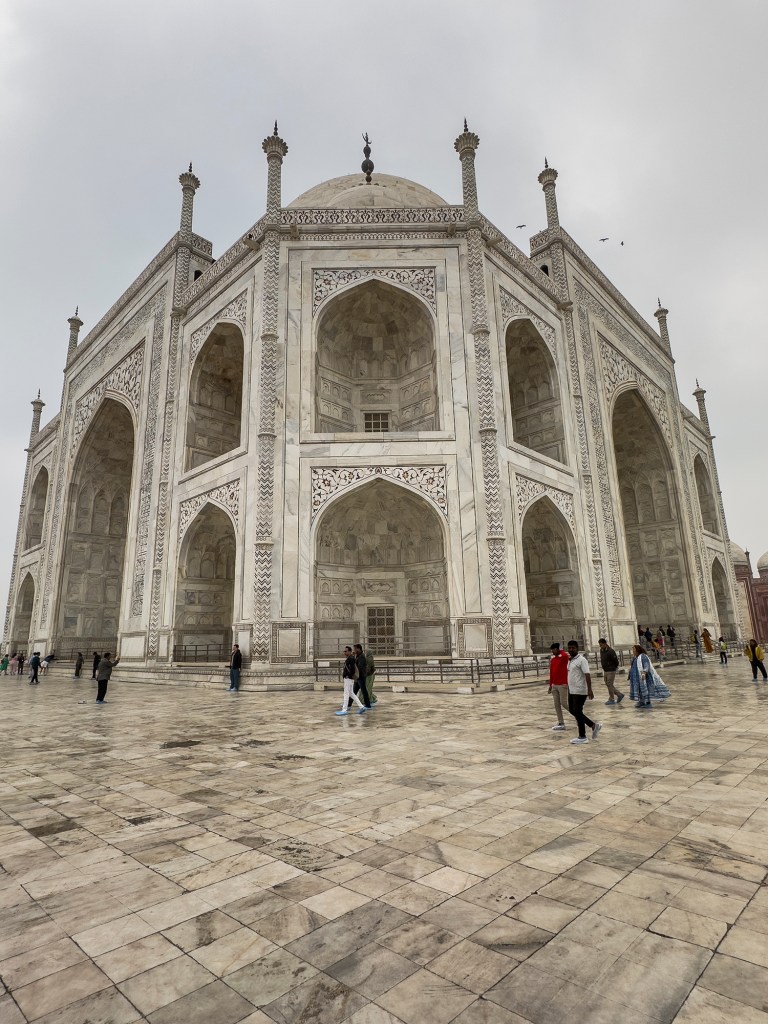
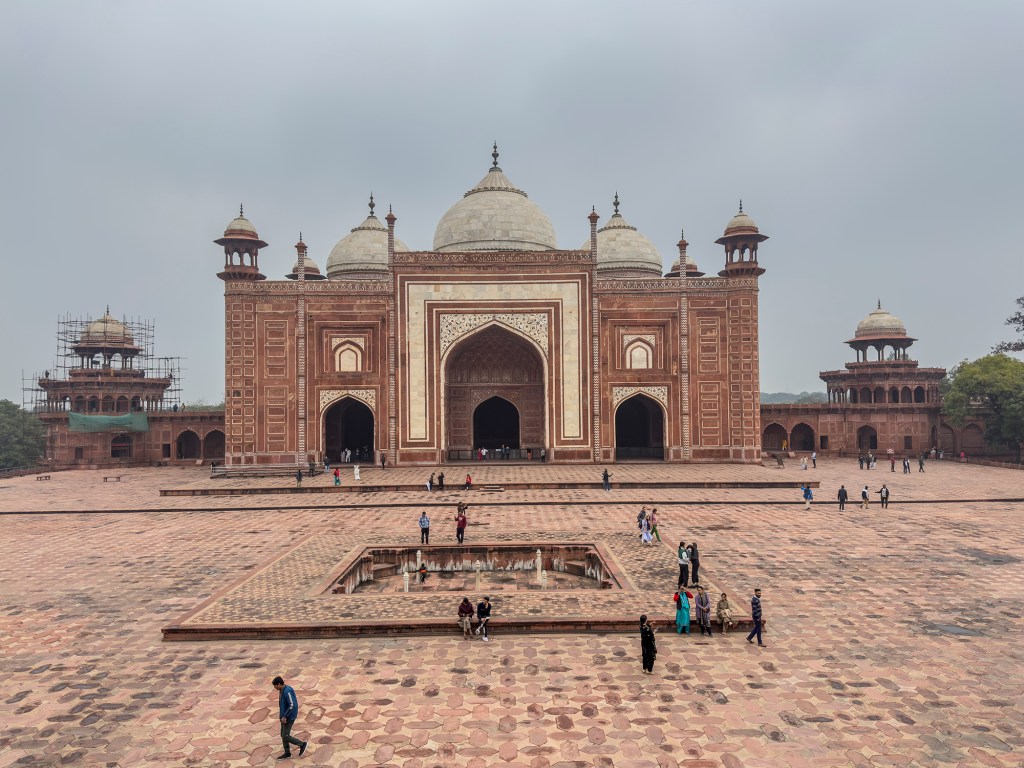
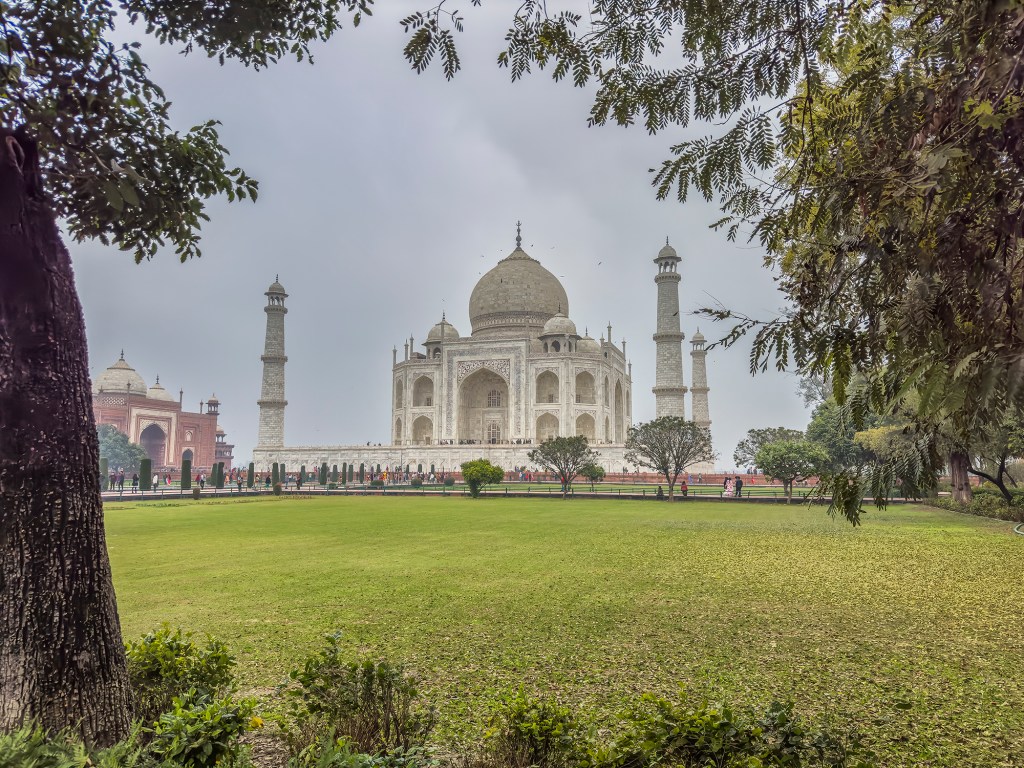
This was a preview to our extensive tour the next morning to the iconic Taj Mahal. This is an ivory white marble mausoleum on the right bank of the river Yamuna. It was commissioned in 1631 by the fifth Mughal emperor, Shah Jahan to house the tomb of his beloved wife Mumtaz Mahal; it also houses the tomb of the Shah himself. The tomb is the centerpiece of a 17-hectare complex, which includes a mosque and a guest house (never used), and is set in formal gardens bounded on three sides by a crenelated wall.

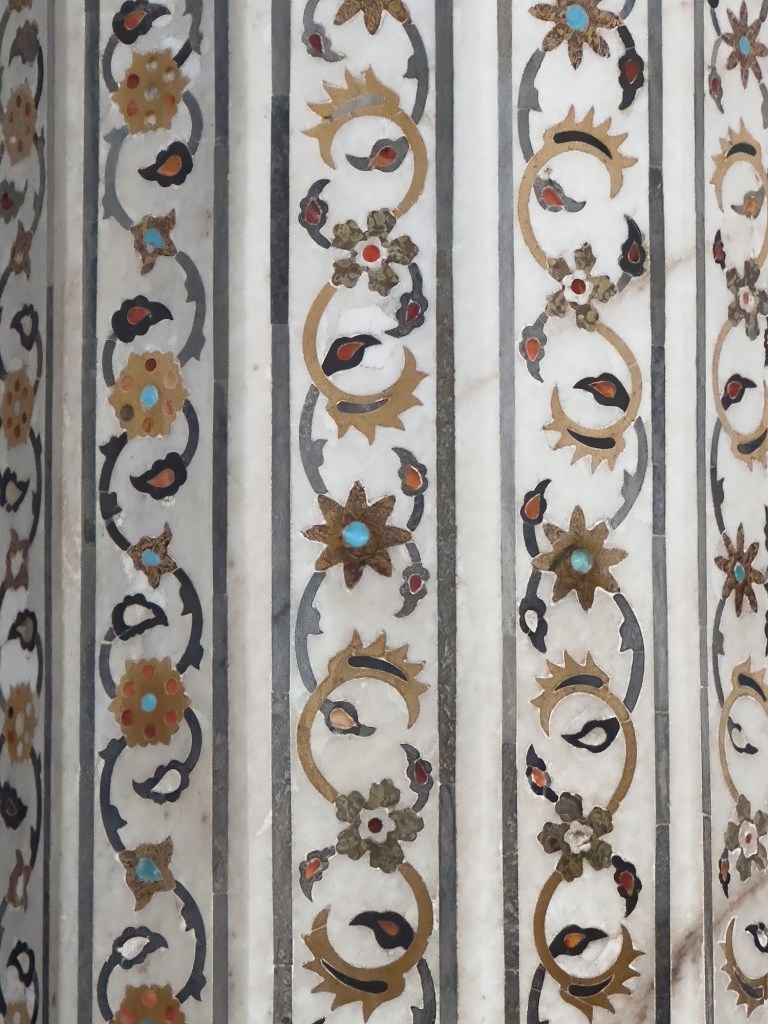
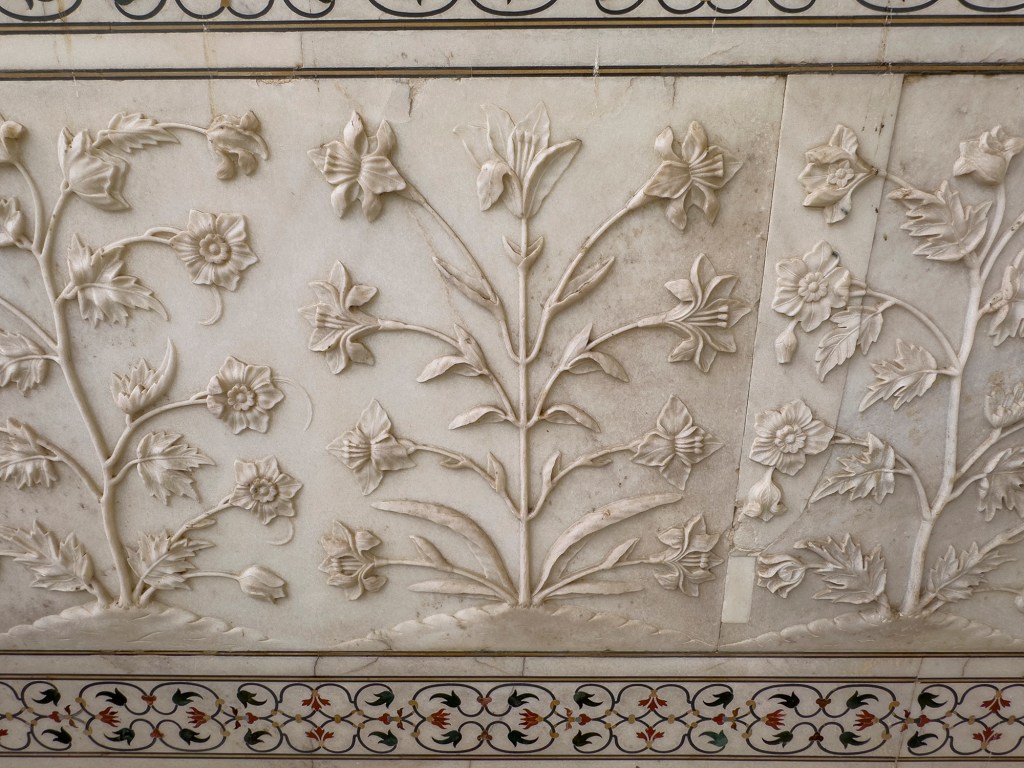
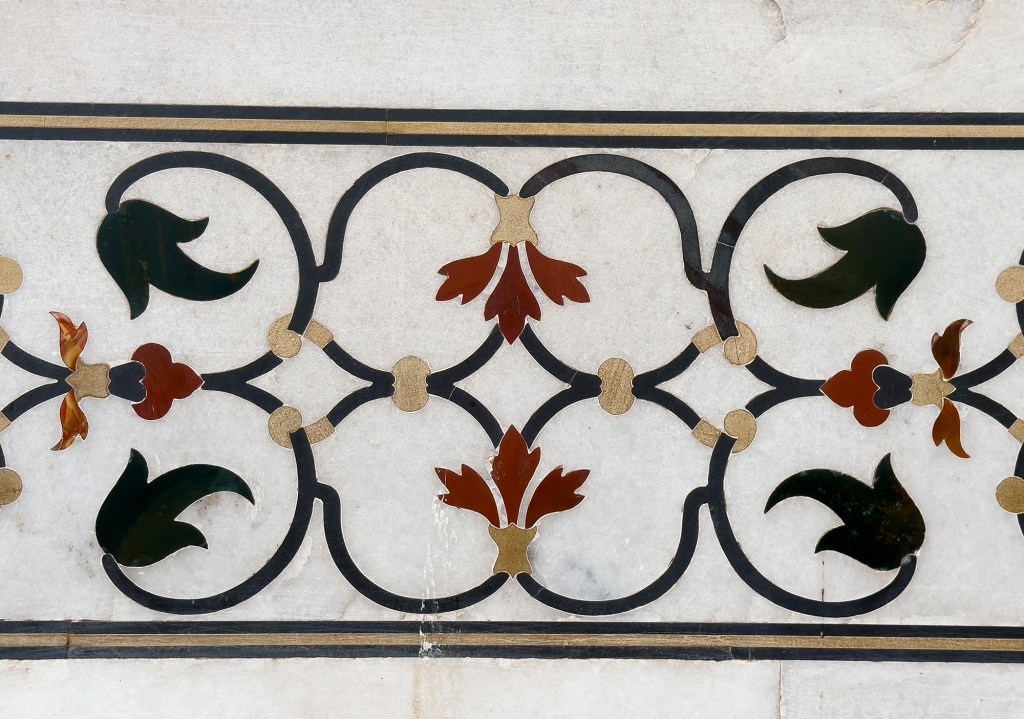
The Taj Mahal complex is believed to have been competed in 1653 at a cost estimated today at $500 million. The project employed some 20,000 artisans under the guidance of a board of architects. The Taj incorporates and expands on design traditions of indo-islamic and earlier Mughal architecture. Shah Jahan promoted the use of white marble inlaid with semi-precious stones.The tomb is the central focus of the entire complex. It is a large white marble structure standing on a square plinth and consists of a symmetrical building with an iwan (an arch-shaped doorway) topped be a large dome and finial. The o\overall details are phenomenal.

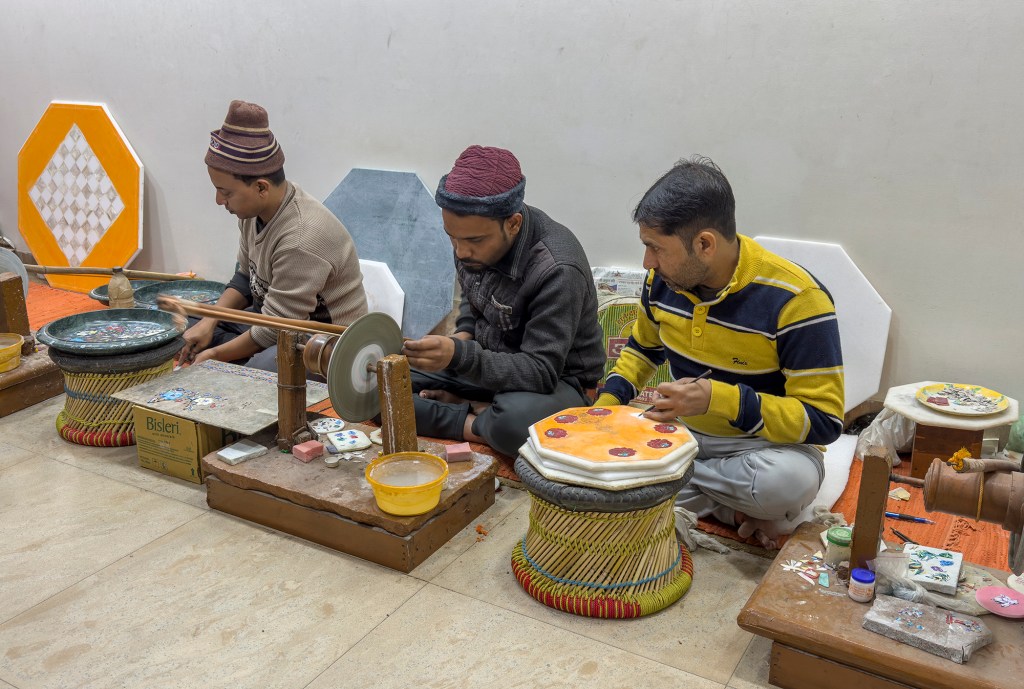
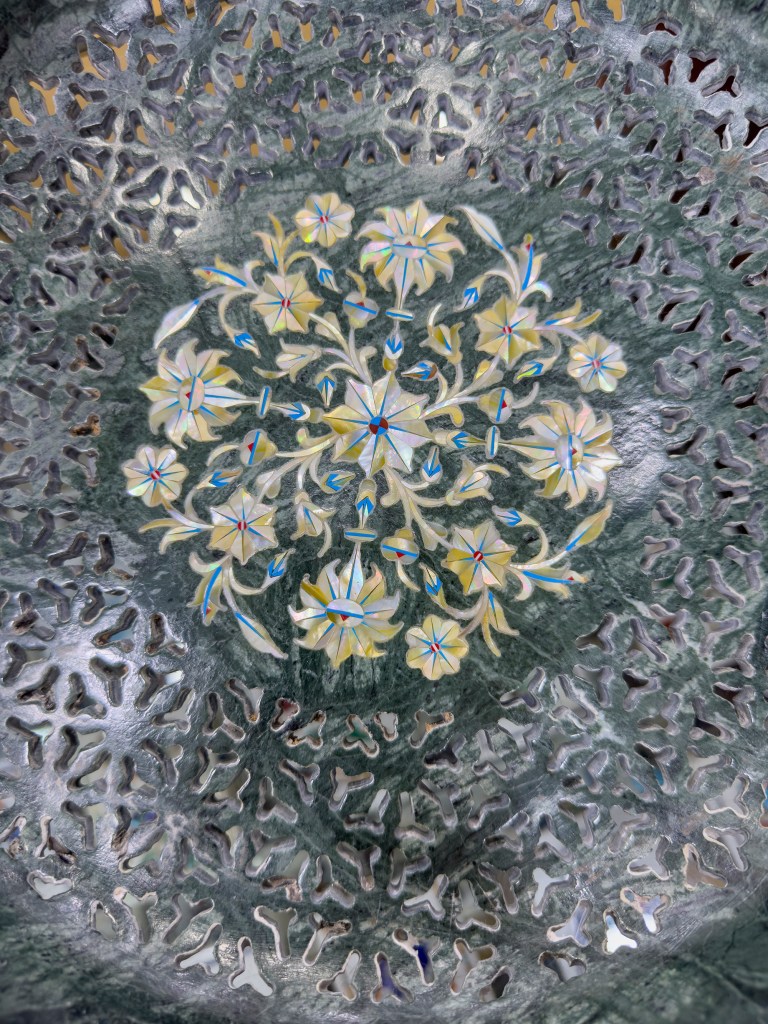
After touring the Taj, we visited a tile shop owned and managed by descendants of the family that did the inlay work at the shrine.

It is true to say that any visitor to India must visit Agra.