A Journey to India

Part I: Agra

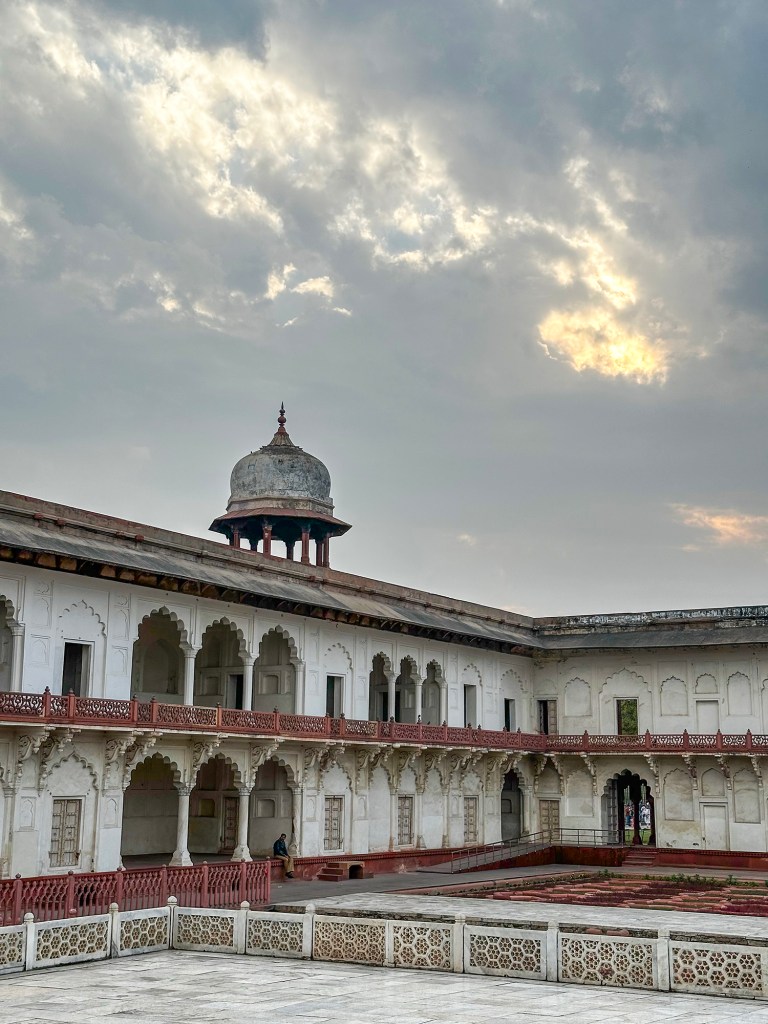
Our first full day in India started in Delhi, and began with a 4 hour drive to the city of Agra. Our guide Shayam informed us that it would likely be raining later in the day, and a sundown visit to the Taj Mahal would not be worthwhile. So after an Indian lunch in a very touristy cafe, we checked in and then visited the Agra Fort.
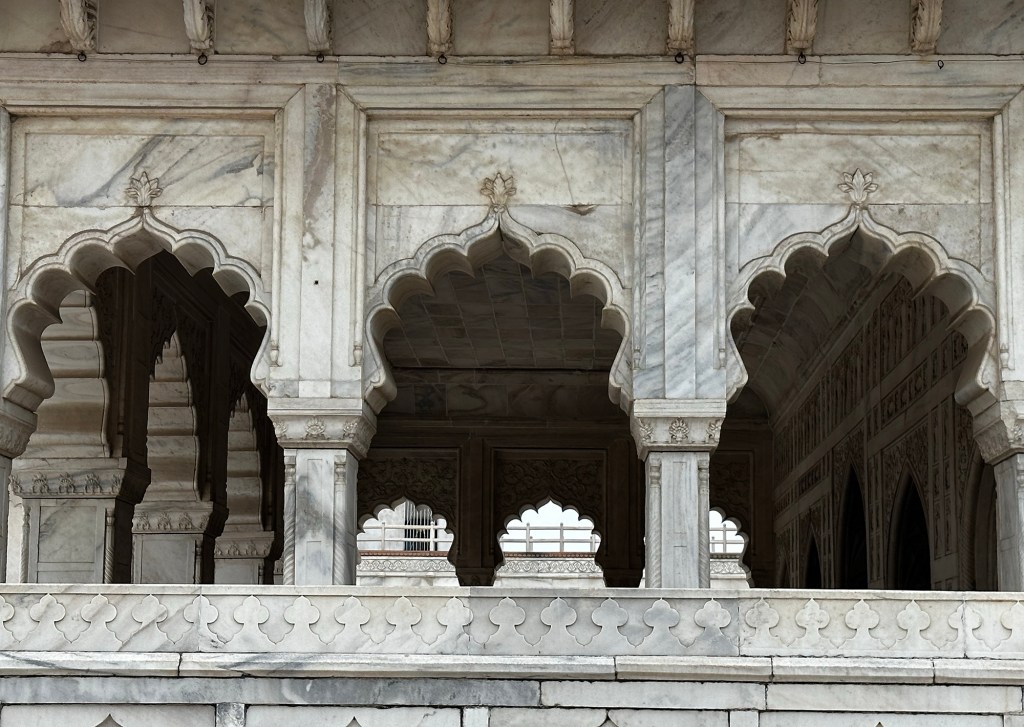
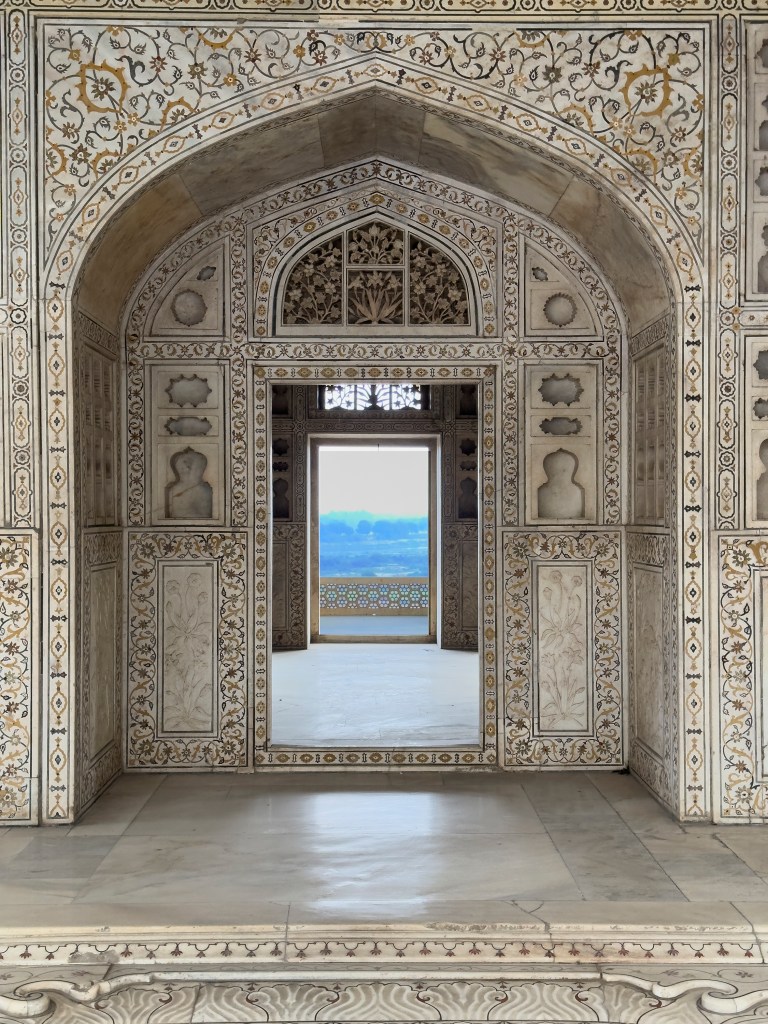
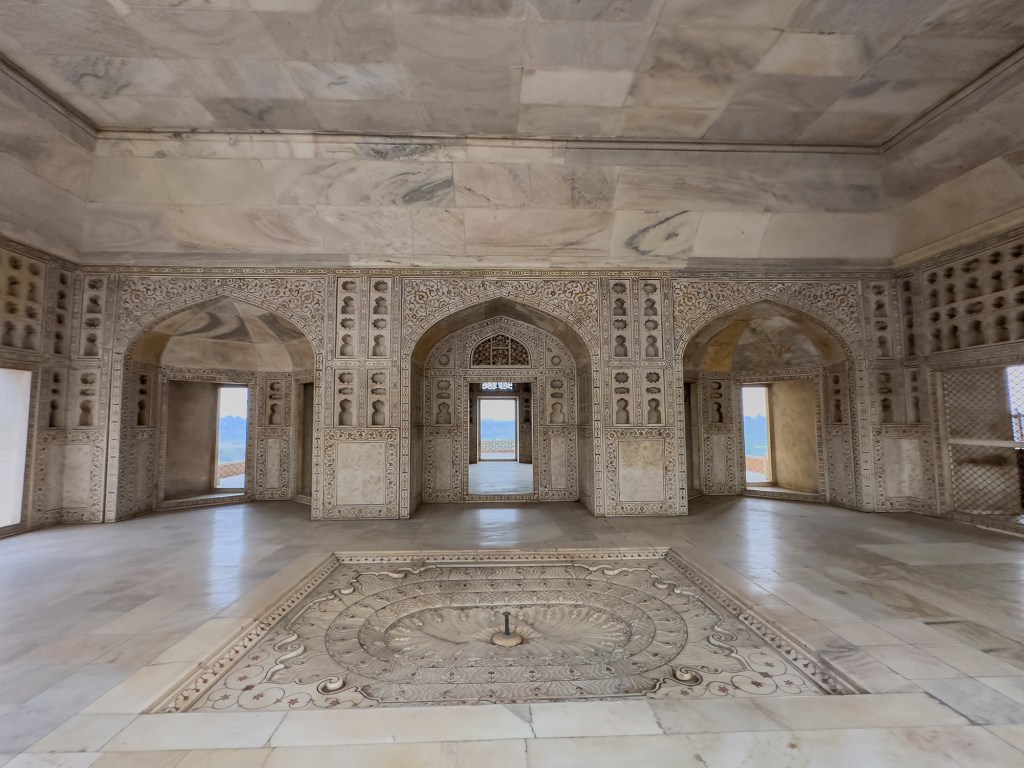
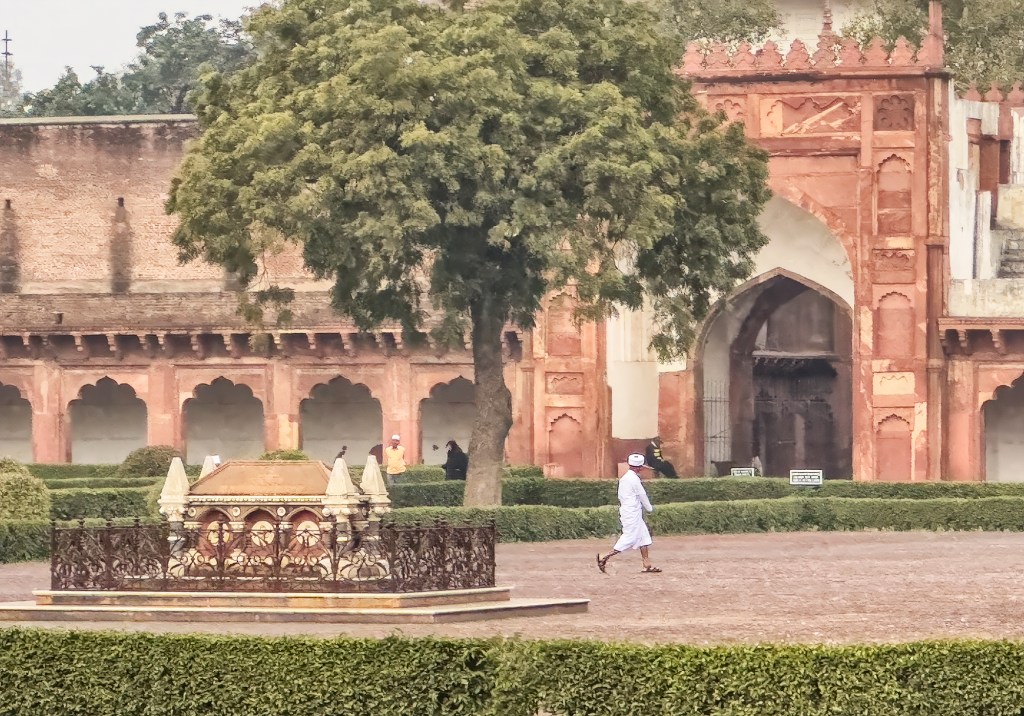
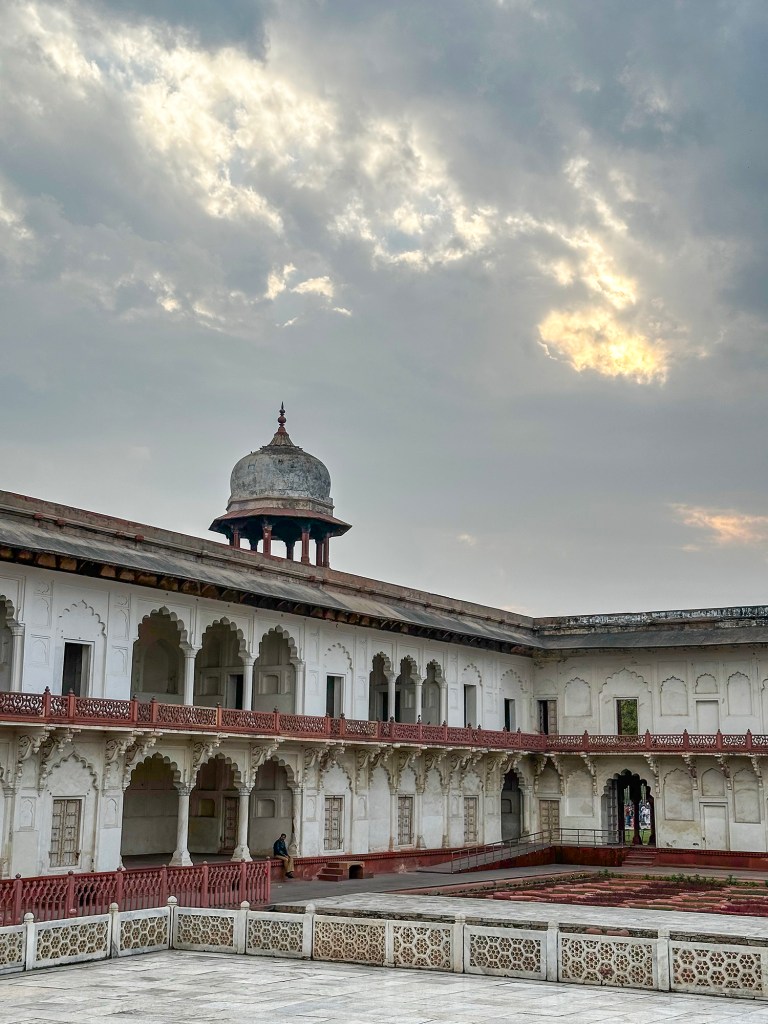
The Agra Fort is an historic fort in the city, also known as Agra’s Red Fort. Mughal emperor Humayun was crowned here. It was later renovated by emperor Akbar from 1565, completed in 1573. It served as the main residence of the rulers of the Mugdal dynasty until 1638, when the capital was shifted to Delhi.The 94 acre fort has a semicircular plan, with 70′ high walls. Double ramparts have massive circular bastions at intervals. four gates were provided on its four sides. Most notable are the Delhi Gate and the Lahore Gate.

Entry is provided at the Delhi Gate, after crossing a wooden drawbridge over the moat.

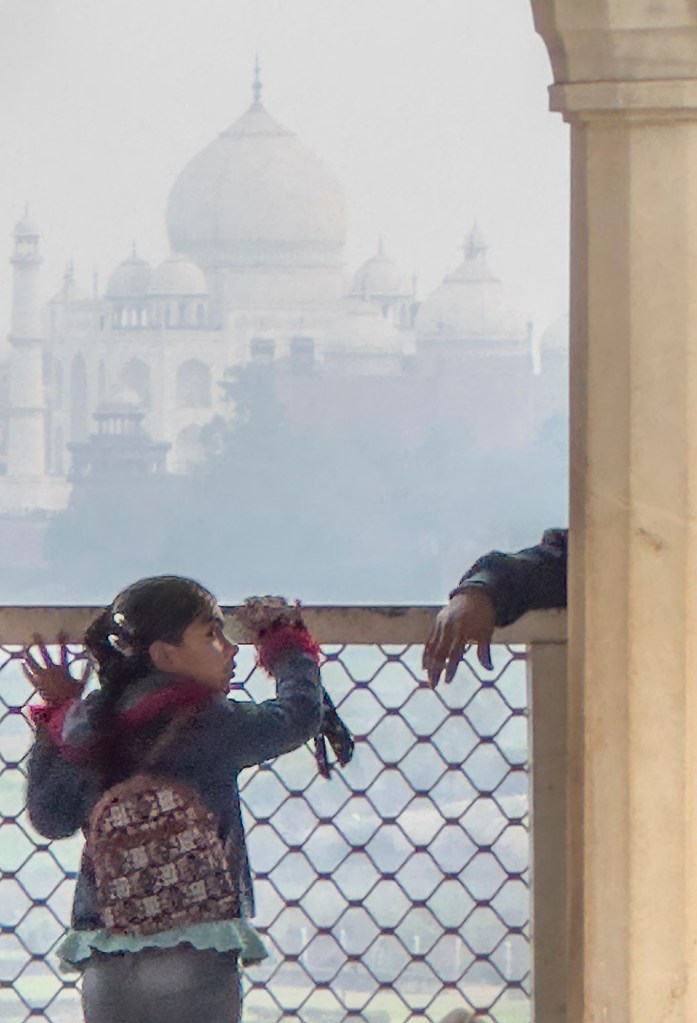
That evening we rode in Tuktuks, then walked in the rain to get our first closer=up view of the Taj from the back side and across the river.

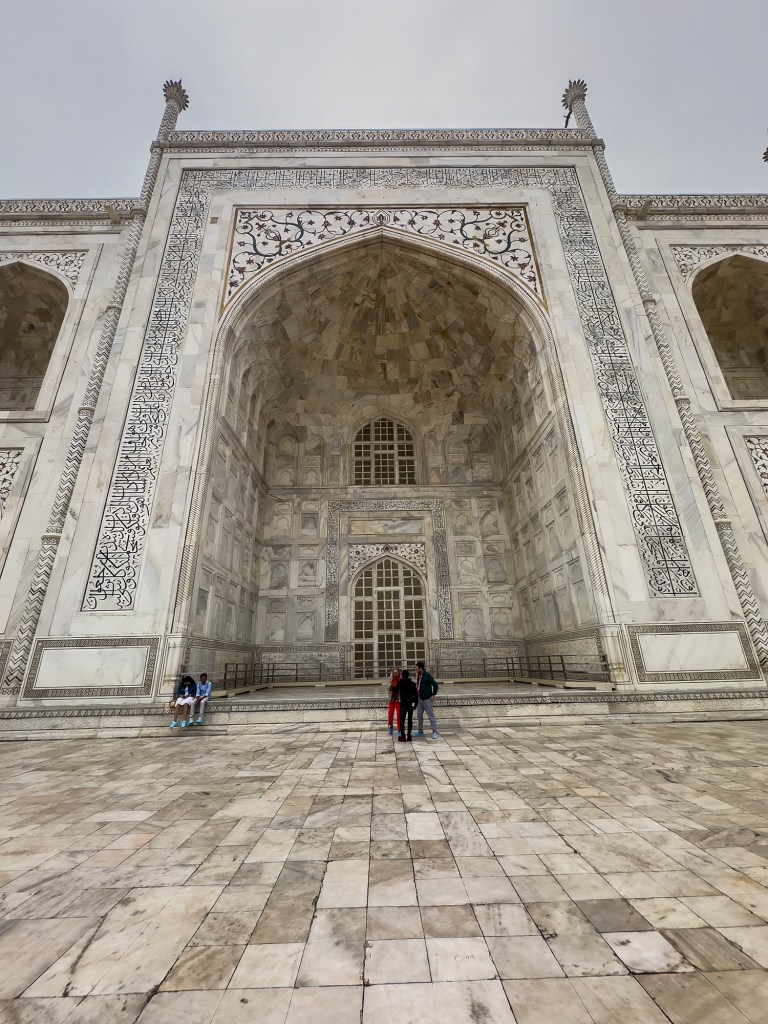
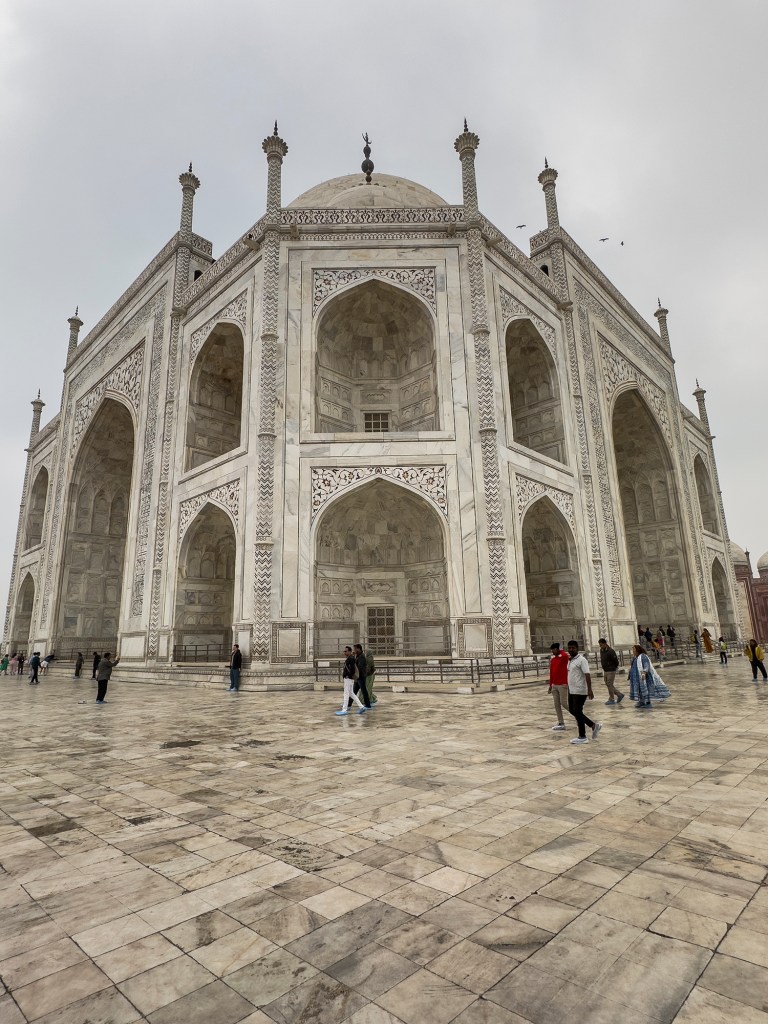
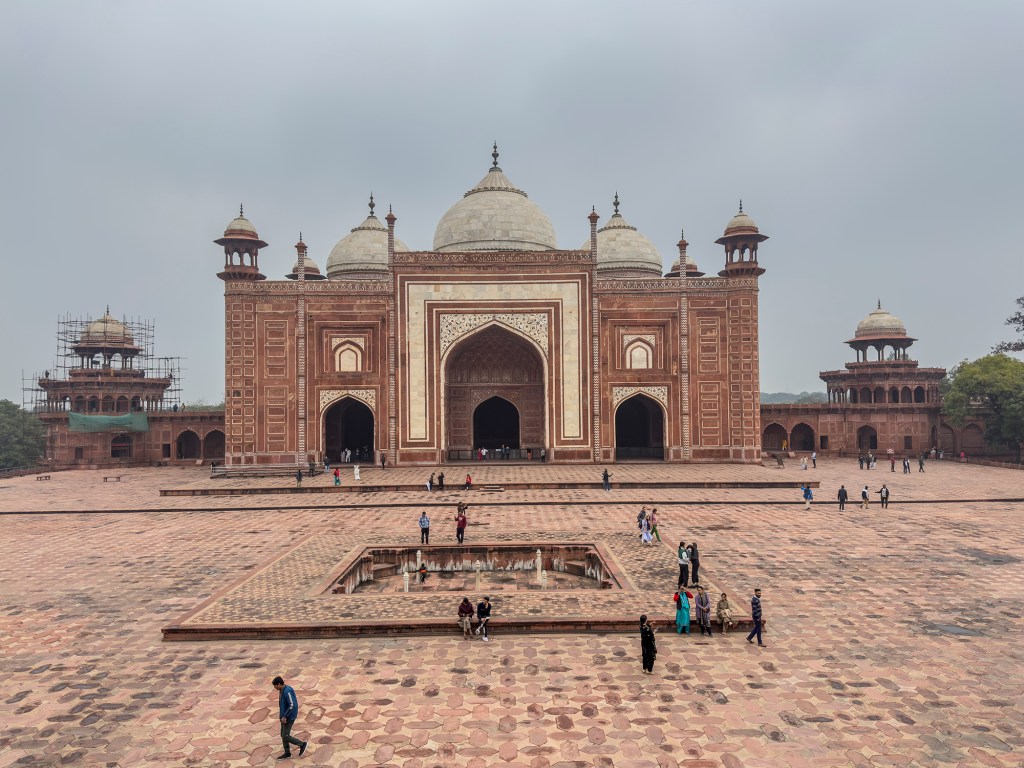
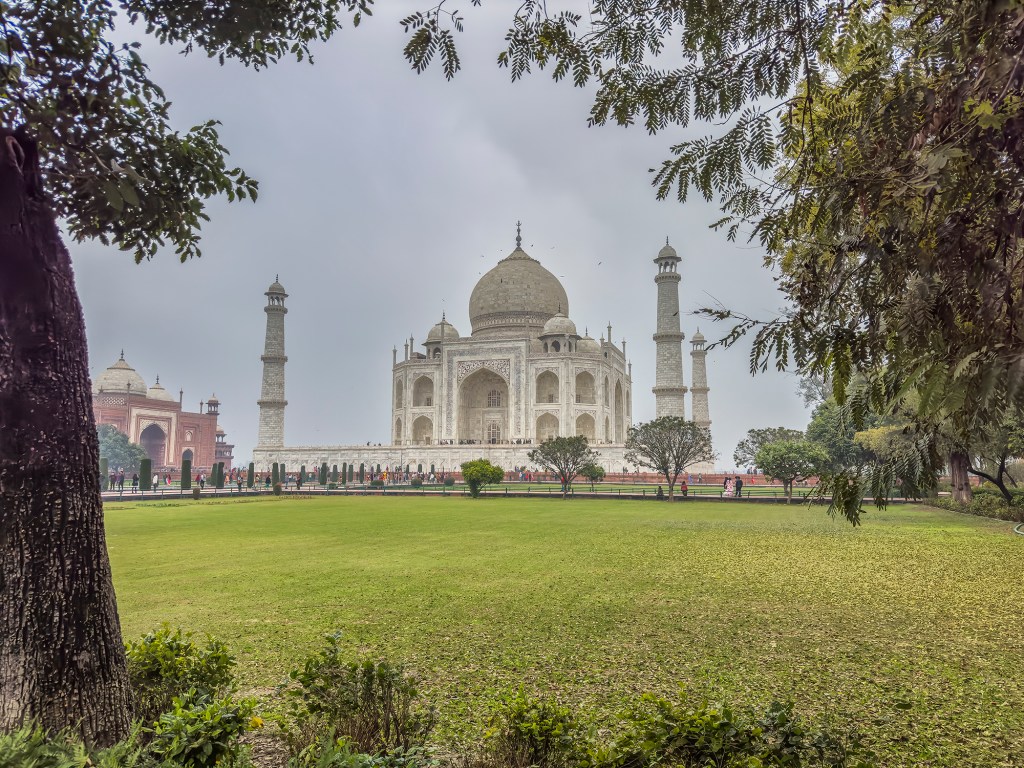
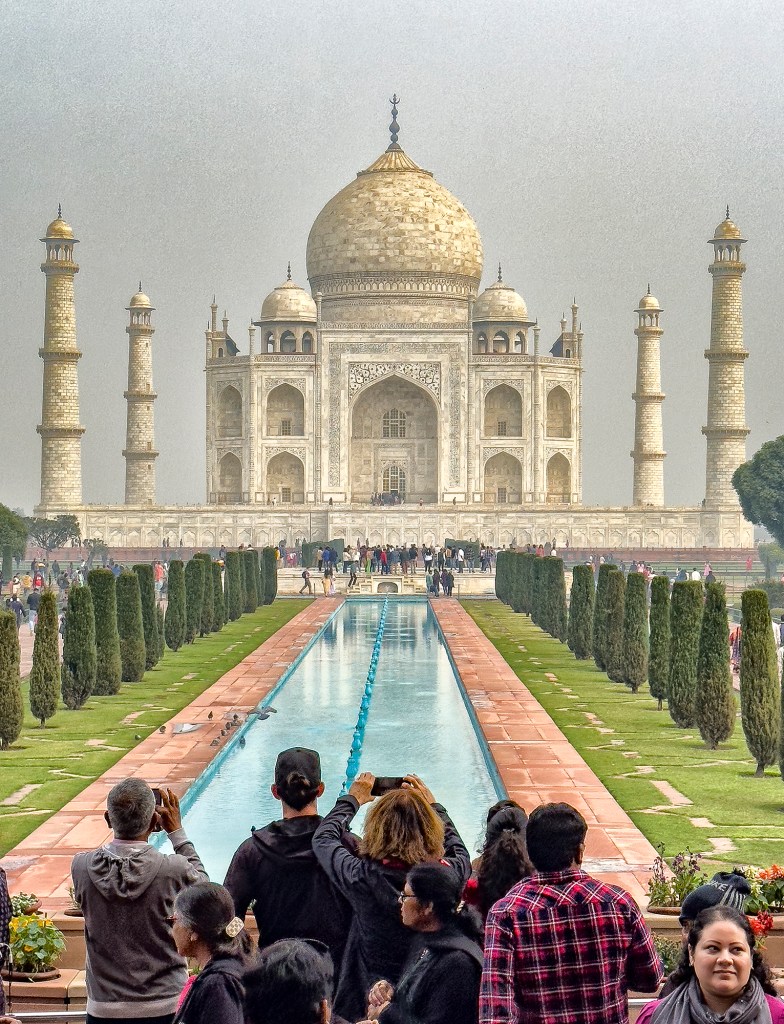
This was a preview to our extensive tour the next morning to the iconic Taj Mahal. This is an ivory white marble mausoleum on the right bank of the river Yamuna. It was commissioned in 1631 by the fifth Mughal emperor, Shah Jahan to house the tomb of his beloved wife Mumtaz Mahal; it also houses the tomb of the Shah himself. The tomb is the centerpiece of a 17-hectare complex, which includes a mosque and a guest house (never used), and is set in formal gardens bounded on three sides by a crenelated wall.

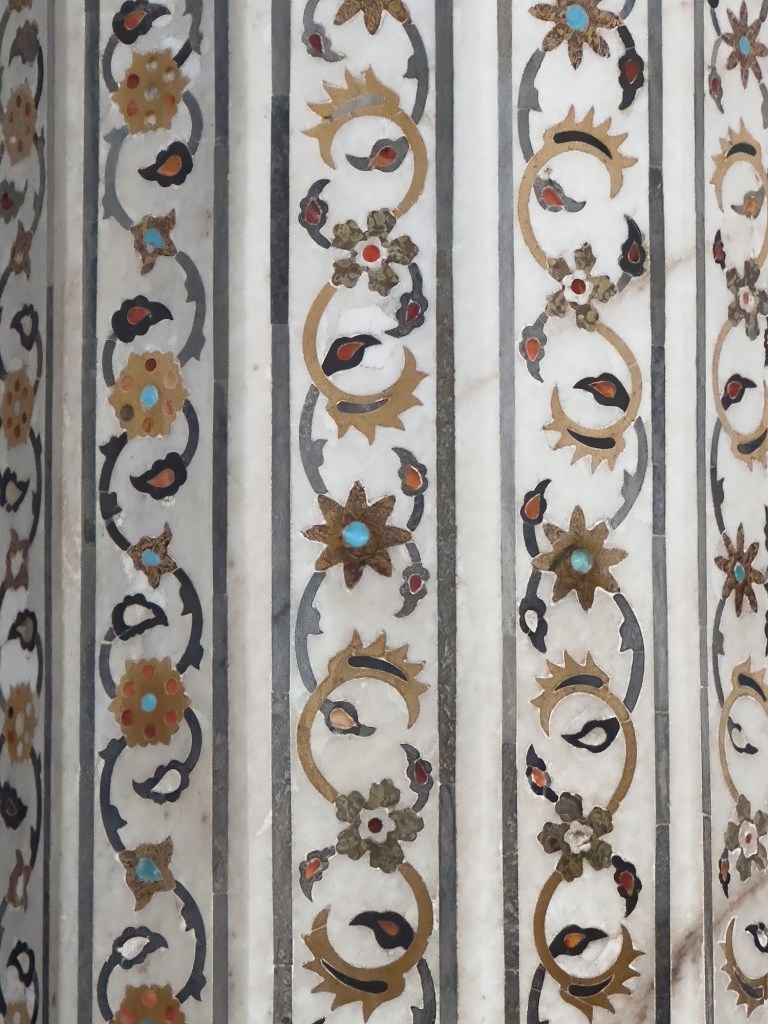
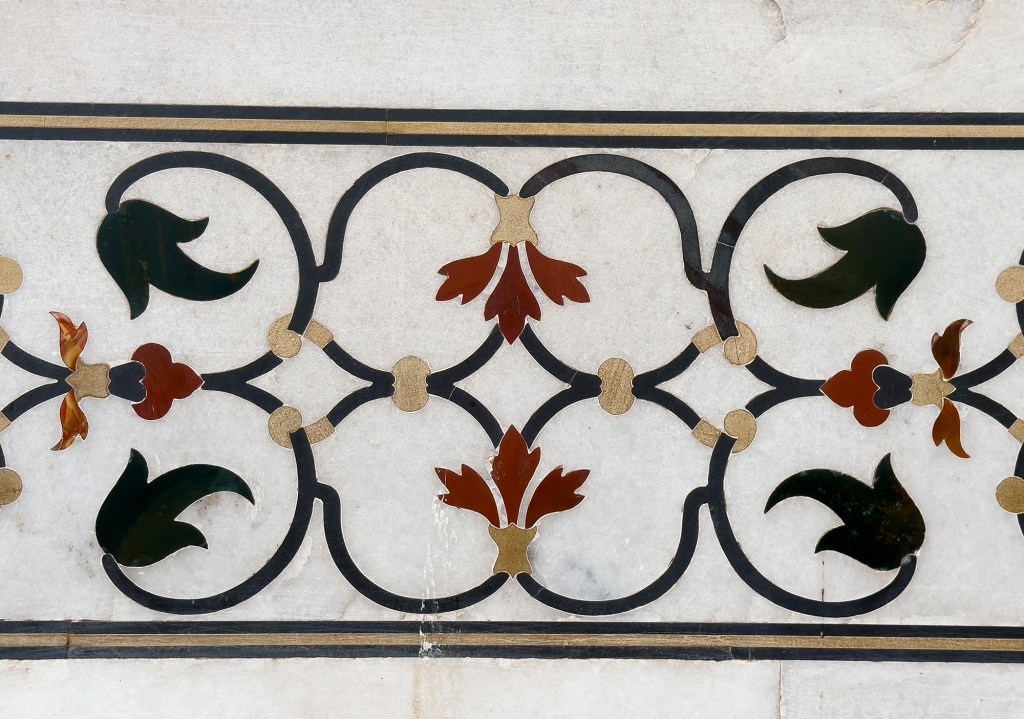
The Taj Mahal complex is believed to have been competed in 1653 at a cost estimated today at $500 million. The project employed some 20,000 artisans under the guidance of a board of architects. The Taj incorporates and expands on design traditions of indo-islamic and earlier Mughal architecture. Shah Jahan promoted the use of white marble inlaid with semi-precious stones.The tomb is the central focus of the entire complex. It is a large white marble structure standing on a square plinth and consists of a symmetrical building with an iwan (an arch-shaped doorway) topped be a large dome and finial. The o\overall details are phenomenal.
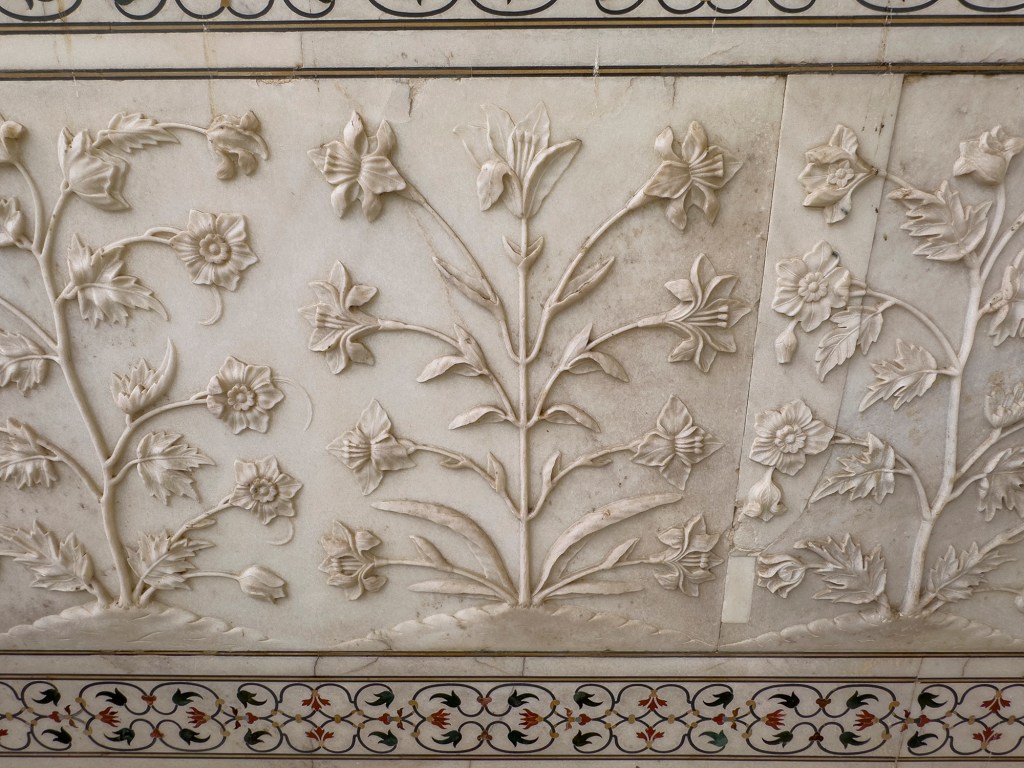
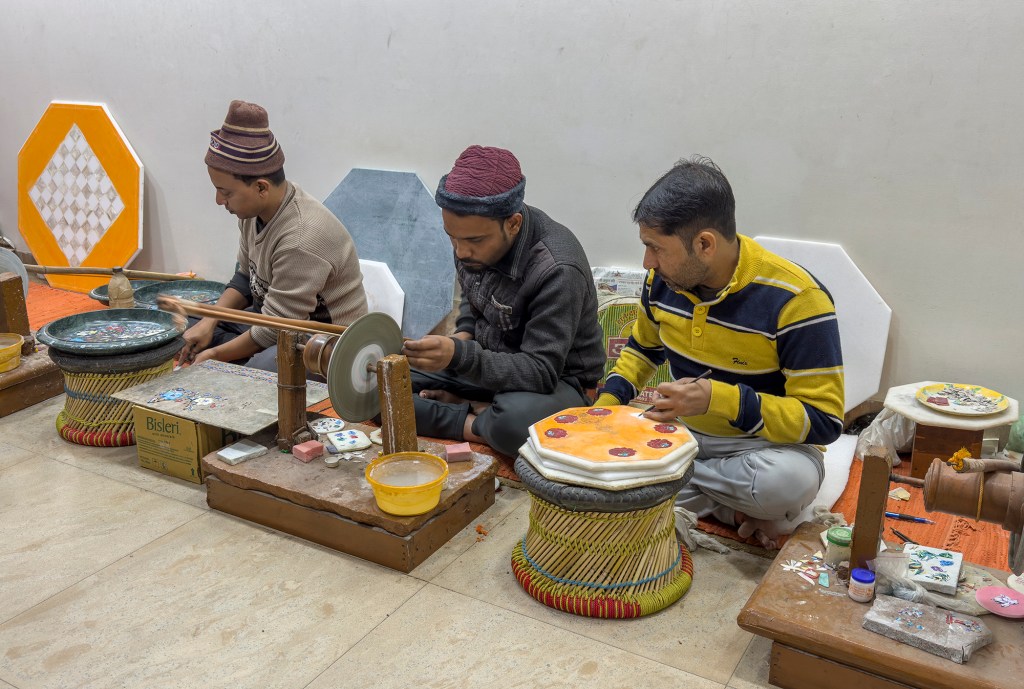
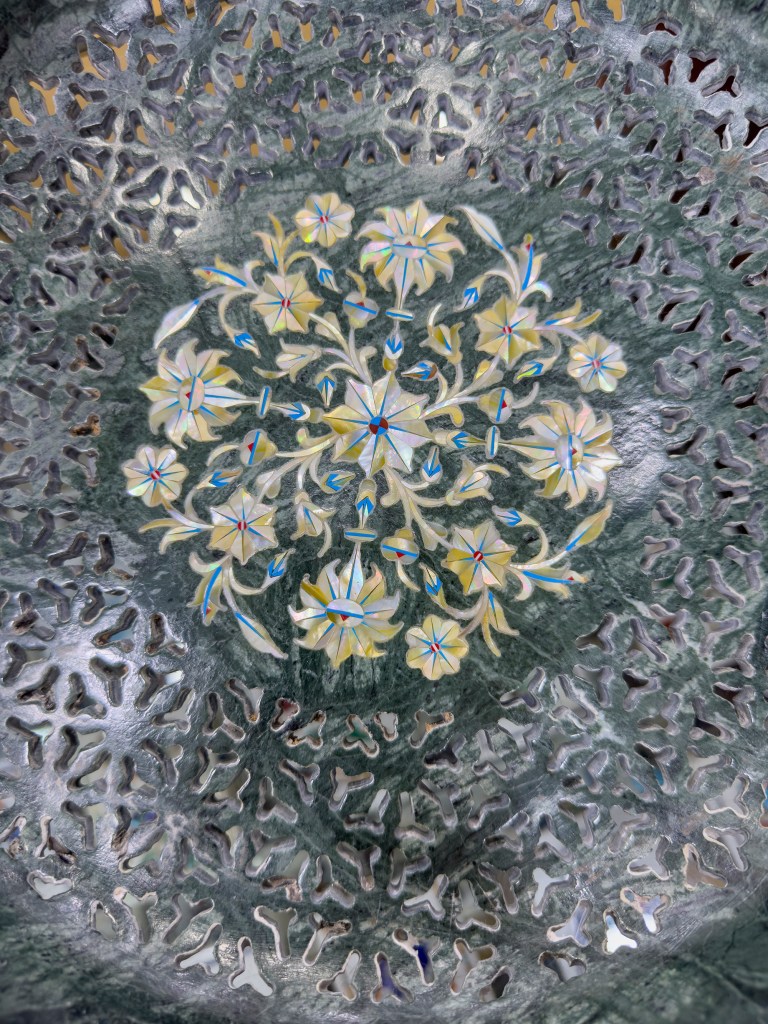
After touring the Taj, we visited a tile shop owned and managed by descendants of the family that did the inlay work at the shrine.
It is true to say that any visitor to India must visit Agra.

Leopards

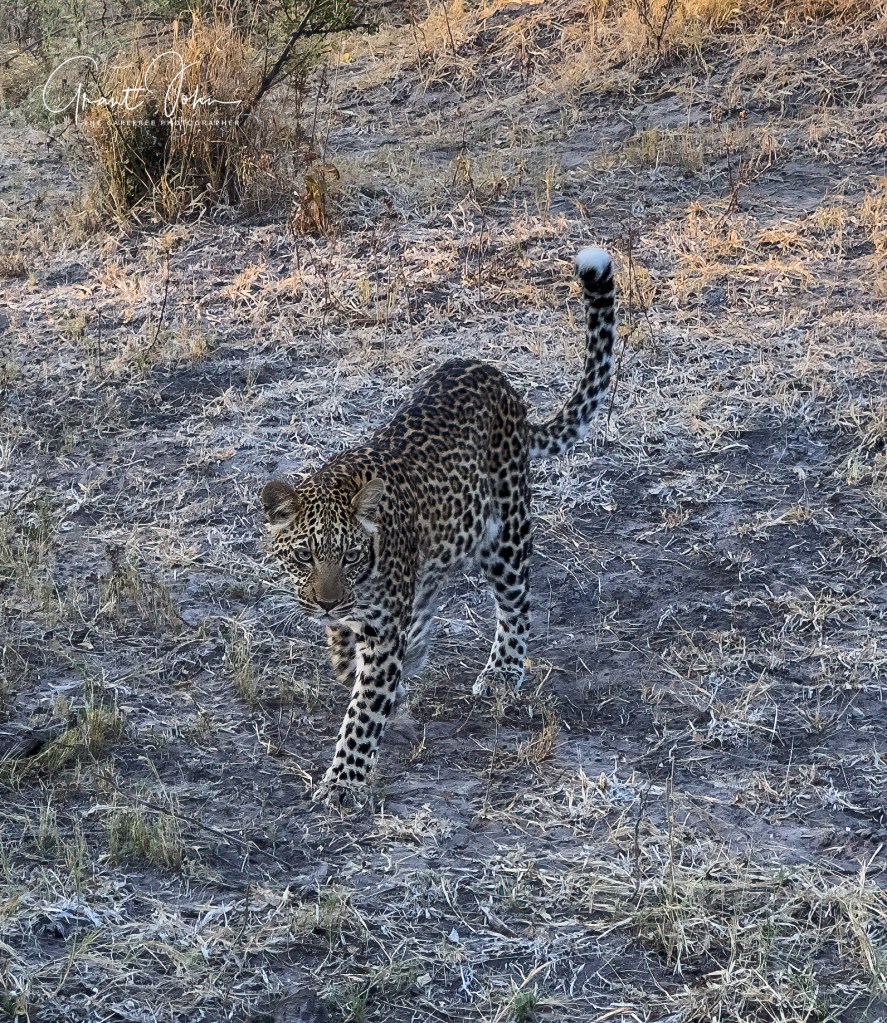
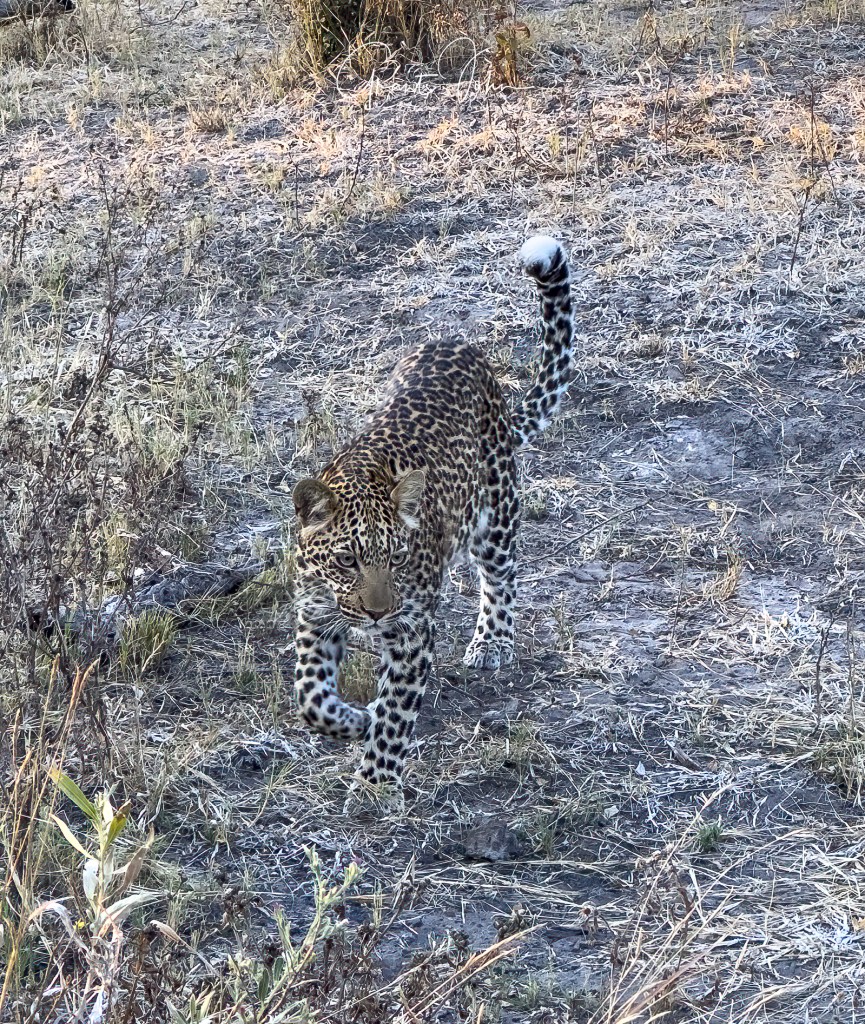
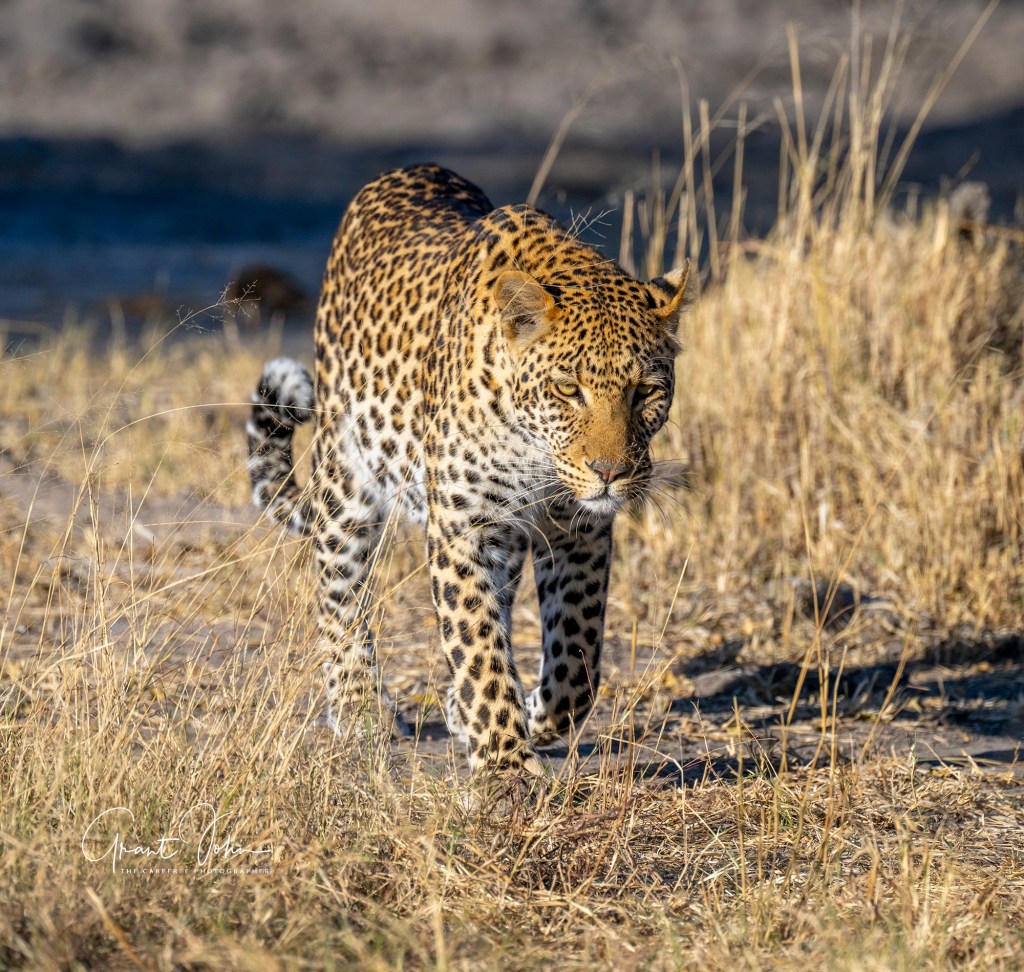
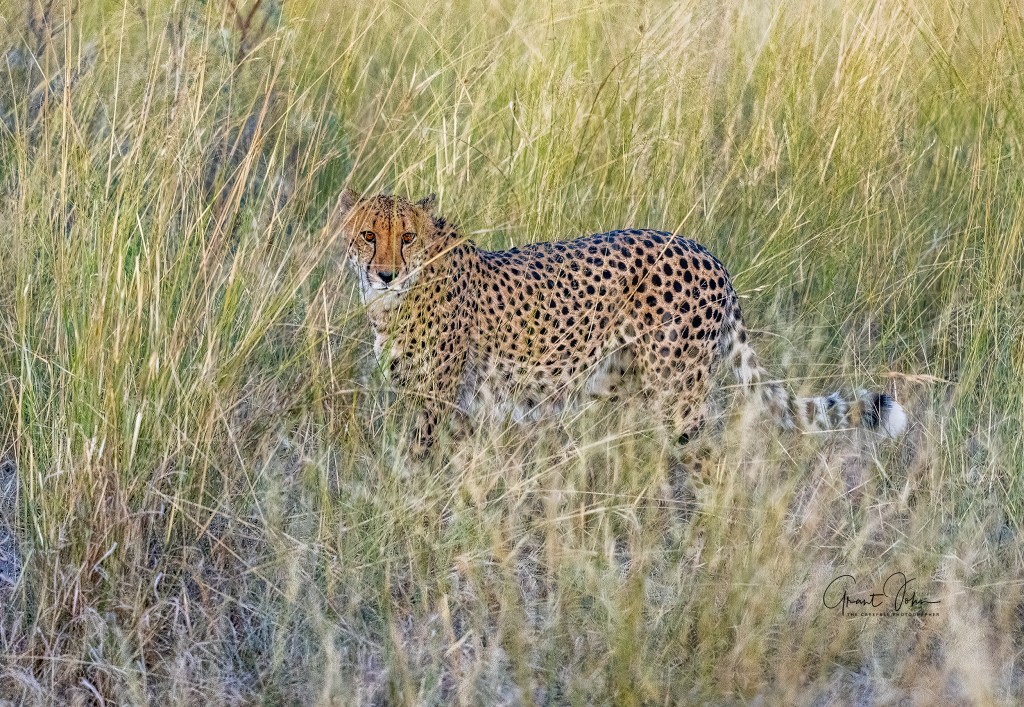
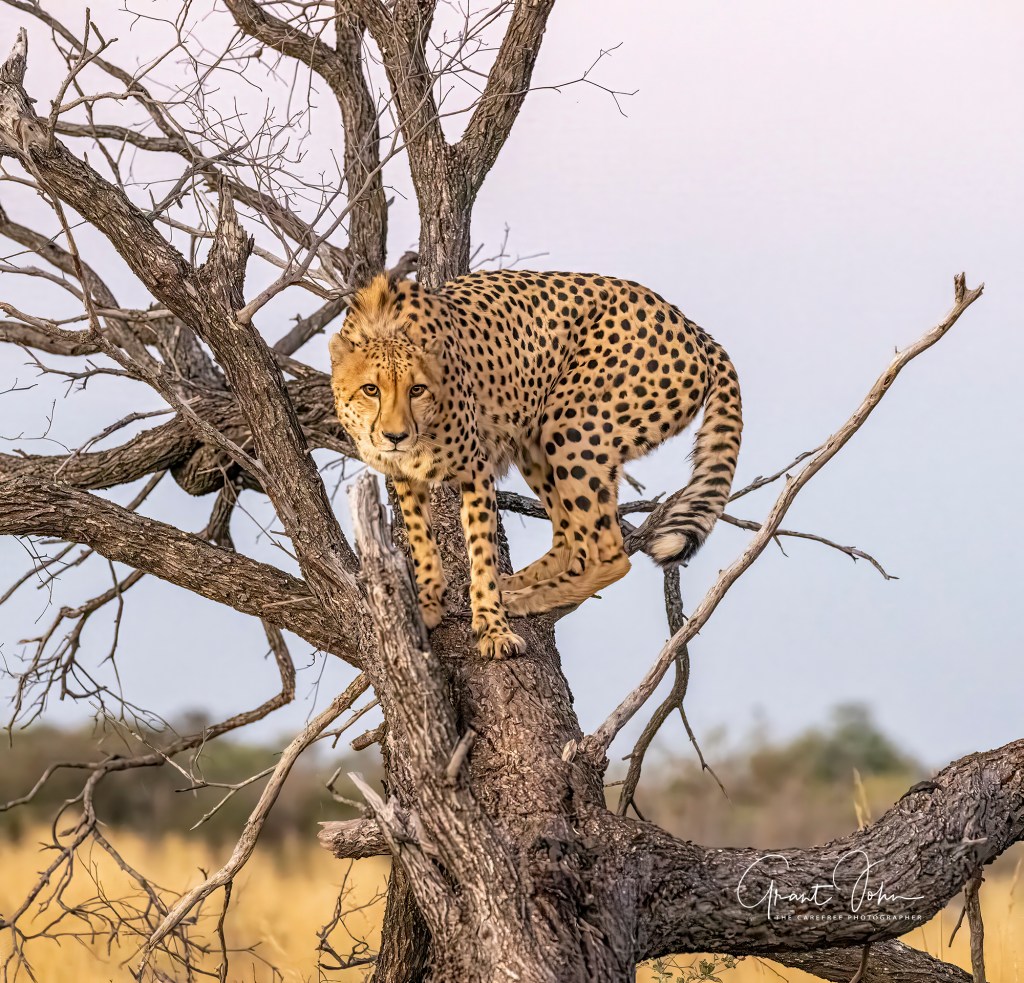
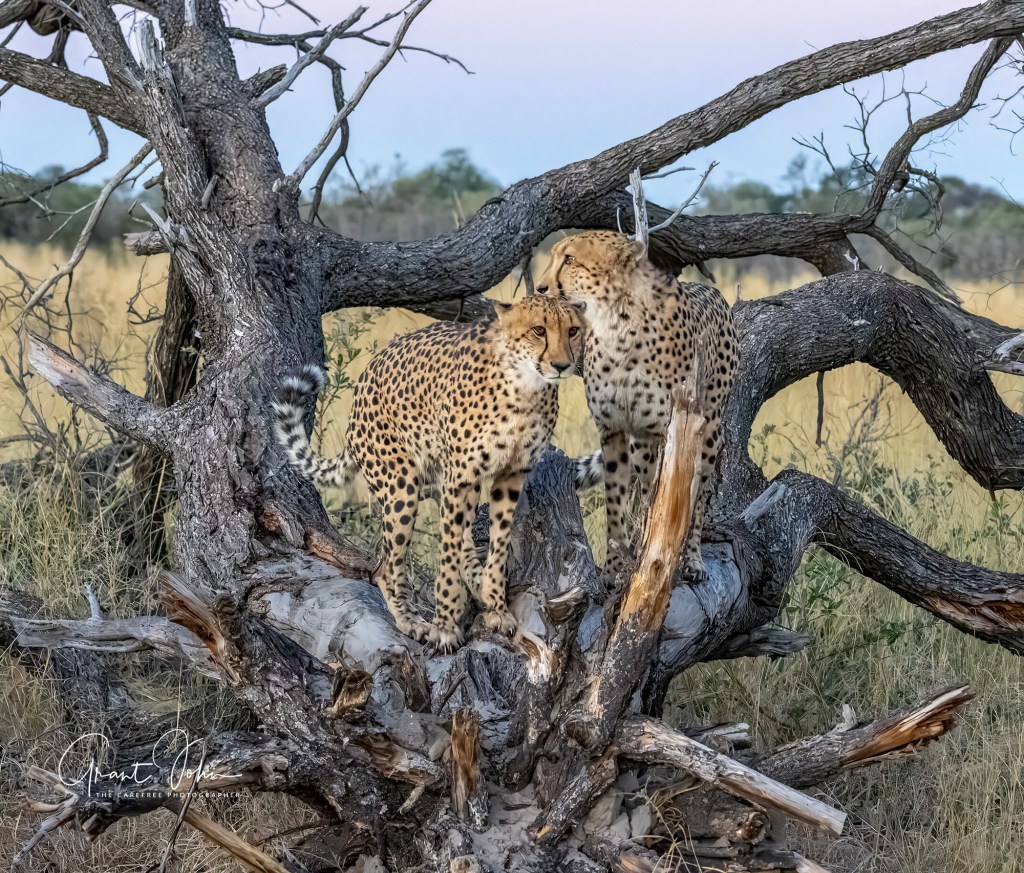
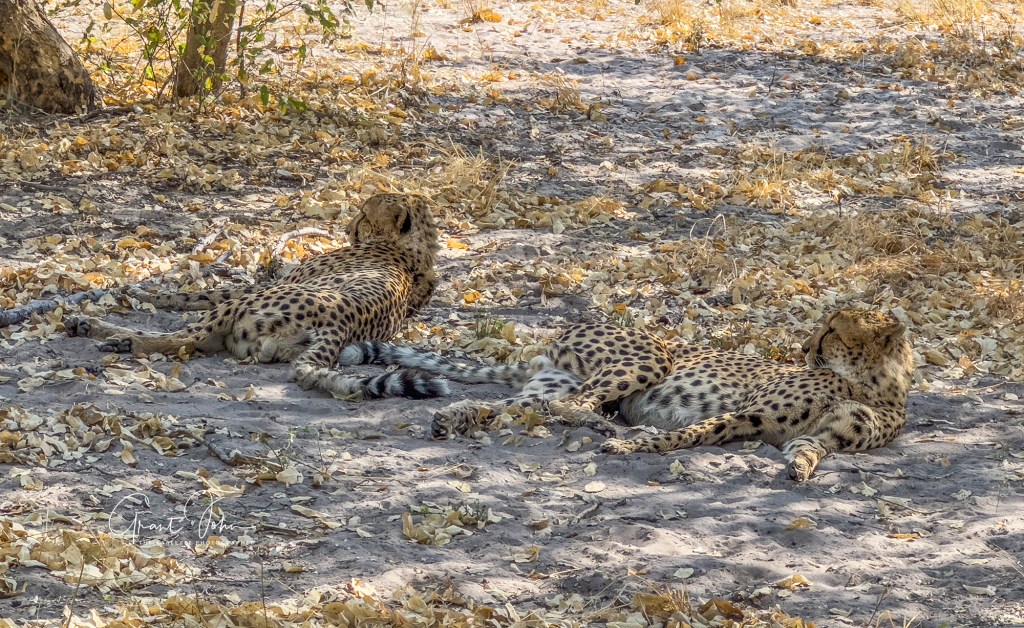
Many safari goers favor the leopard as their favorite cat, and I could be swayed in this direction. The leopard is not so easy to find. They tend to be loners, stay well hidden in the bushes or grasslands and pursue their prey very stealthily. They are very beautiful animals with outstanding eyes – the kind that say “I want to eat you next”. Our travel friends love to seek them out, and we always enjoy coming across them. Here are a few images from our last trip.
Other Sightings

Hippo Heaven
Tree Squirrel
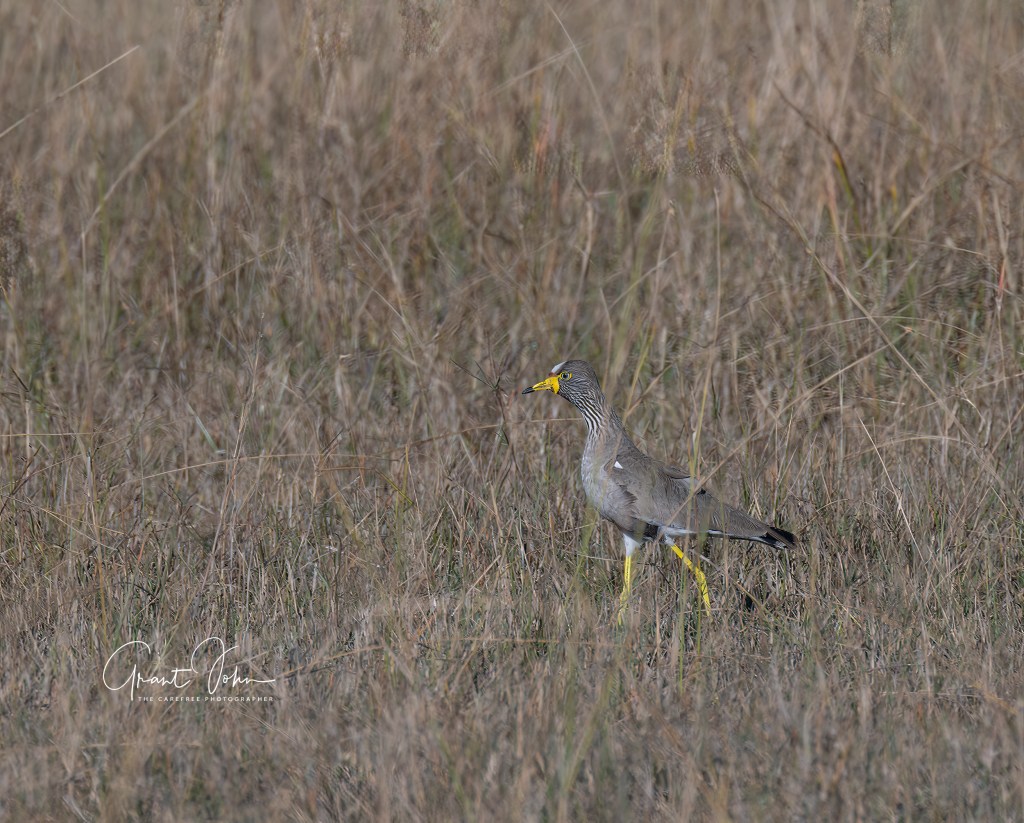
Wattled Lapwing
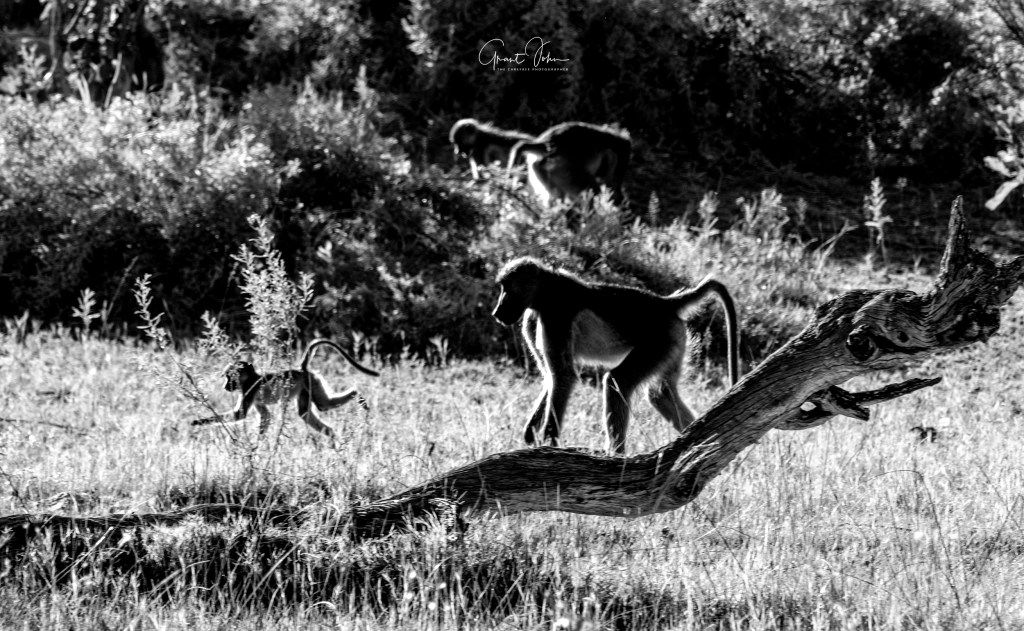
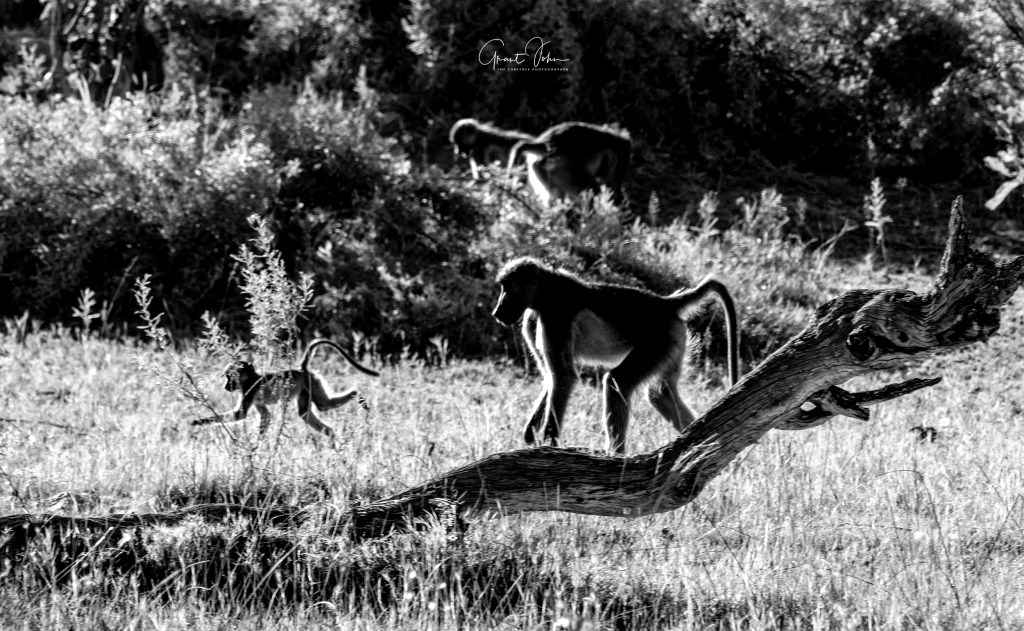
Baboons
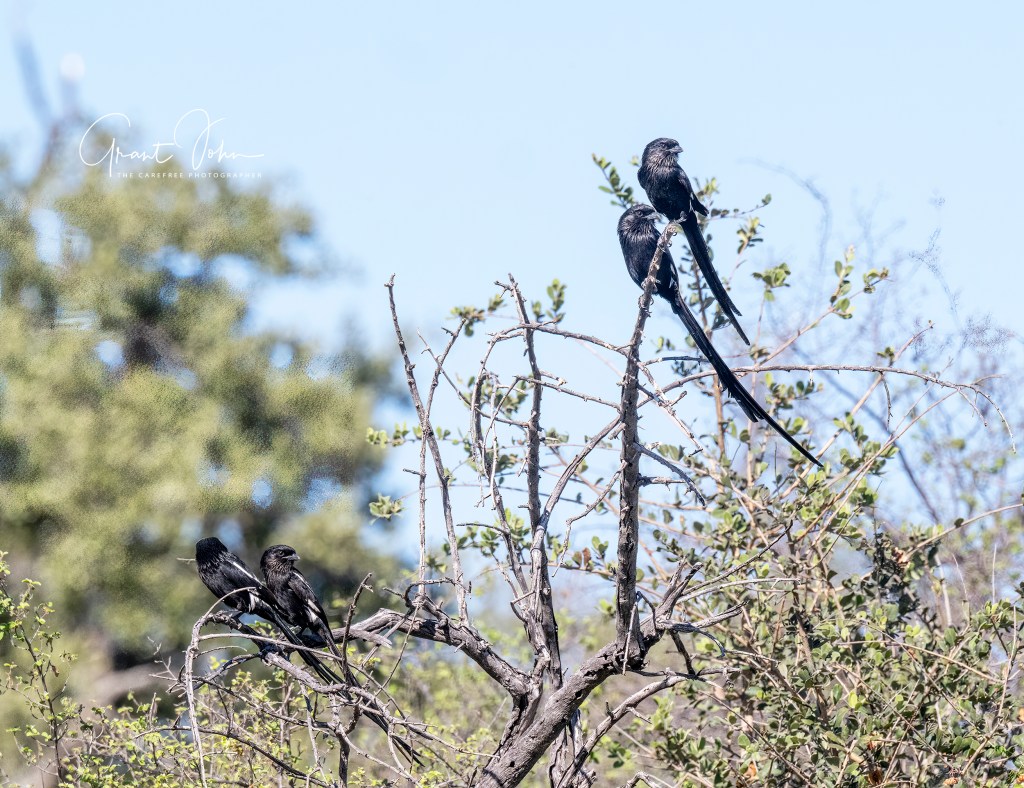
Magpie Shrikes
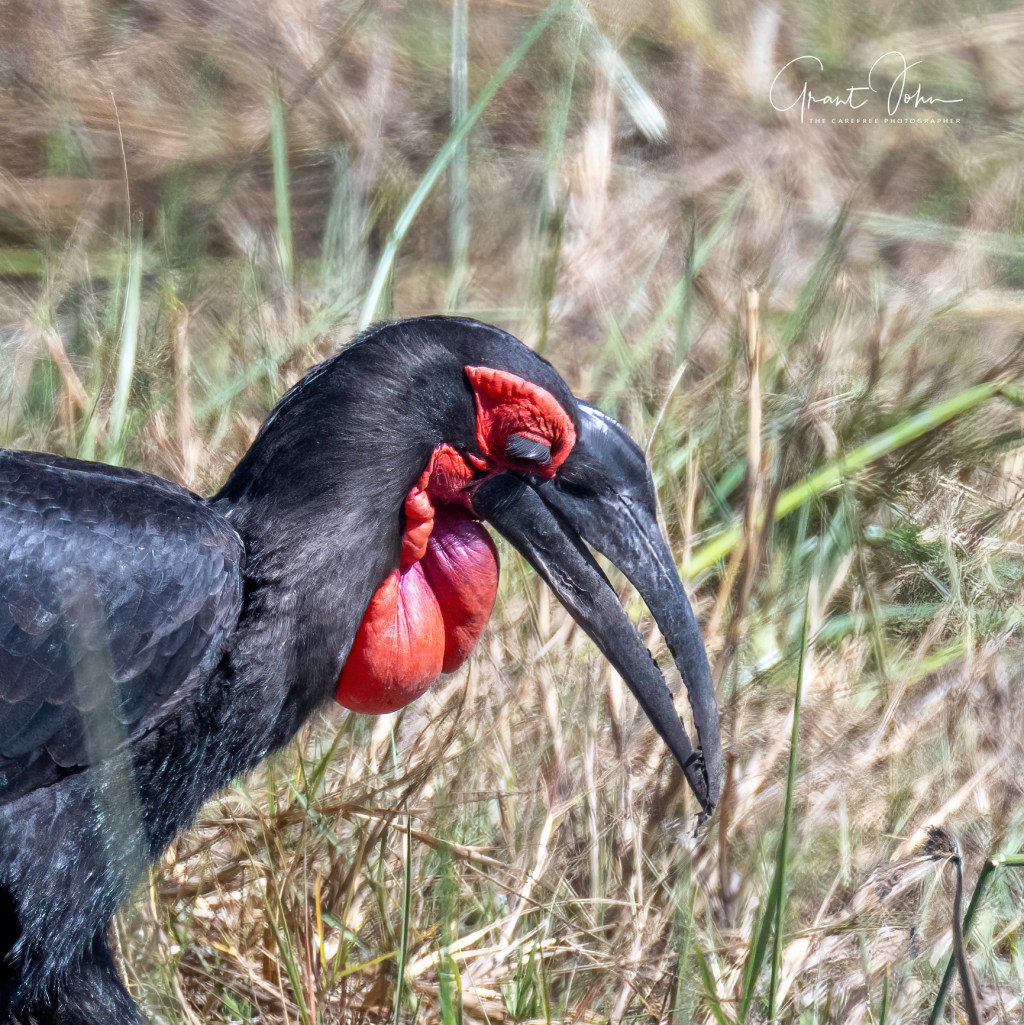
Ground Hornbill
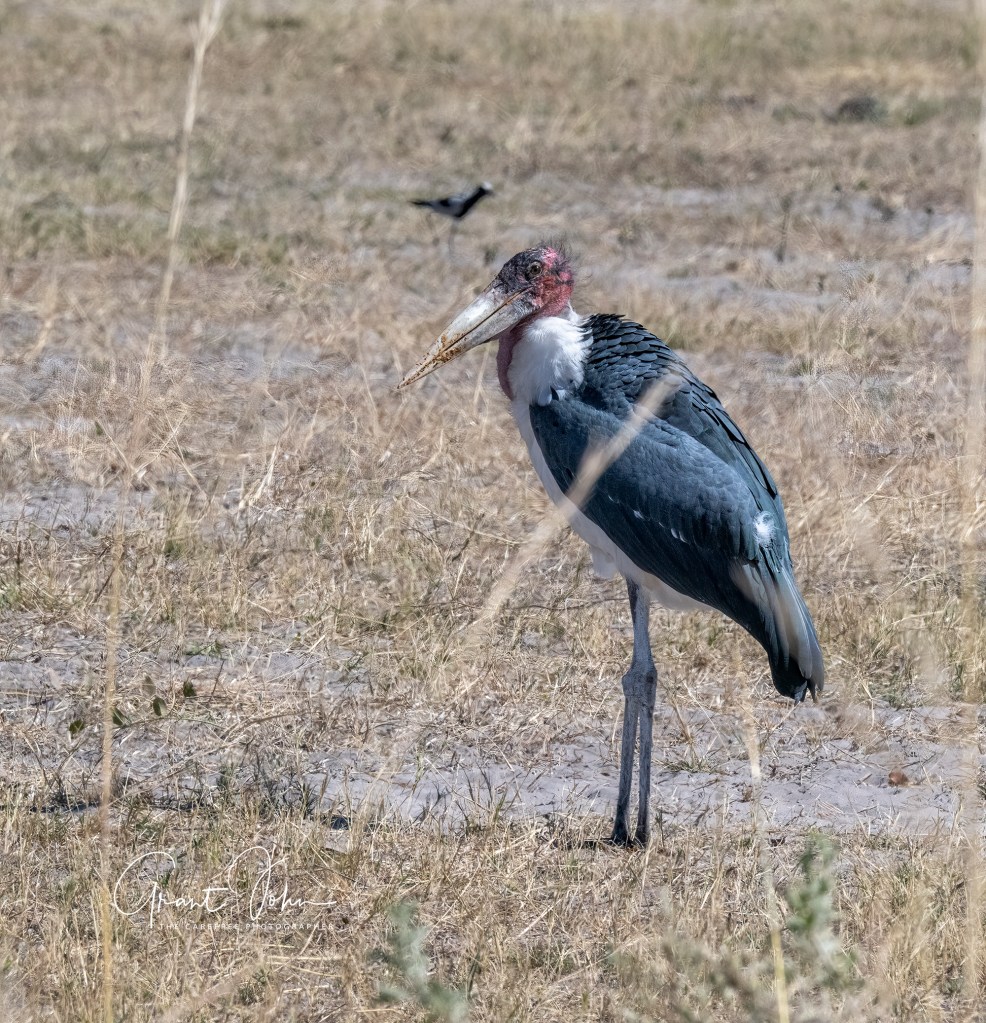
Marabou Stork
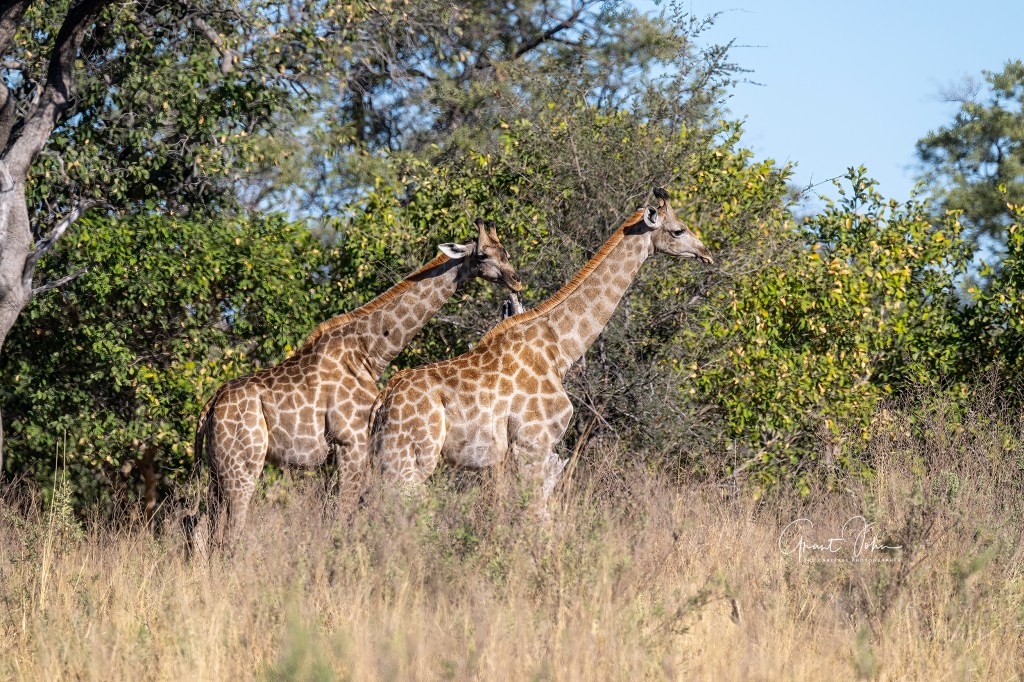
Giraffes
Hornbills
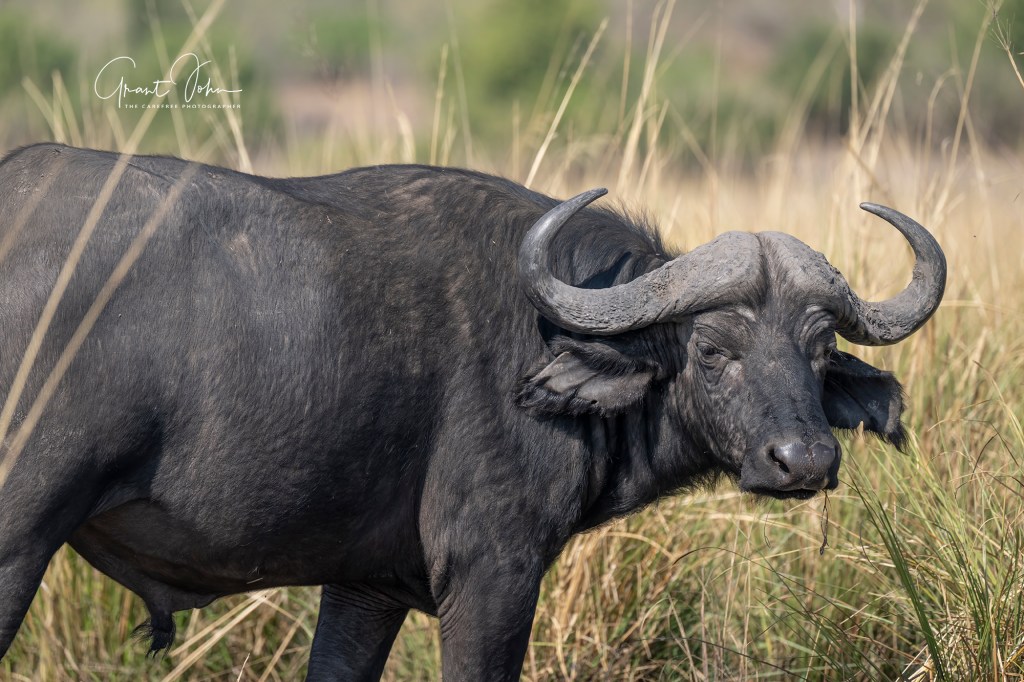
Cape Buffalo
Baboons
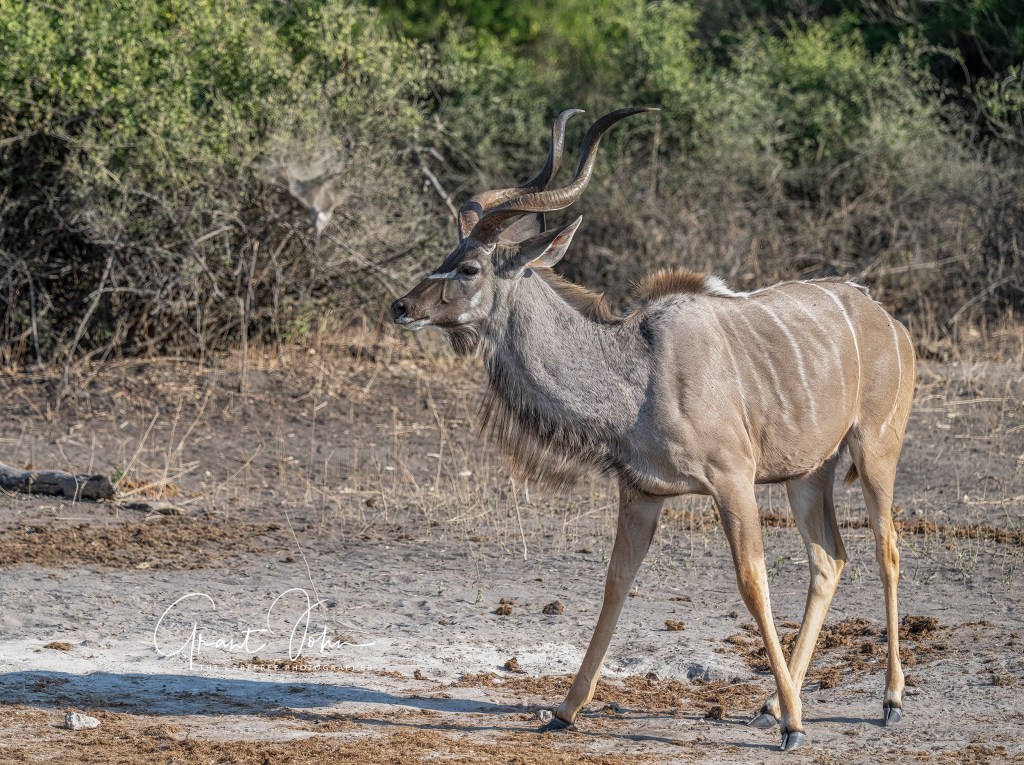
Kudu
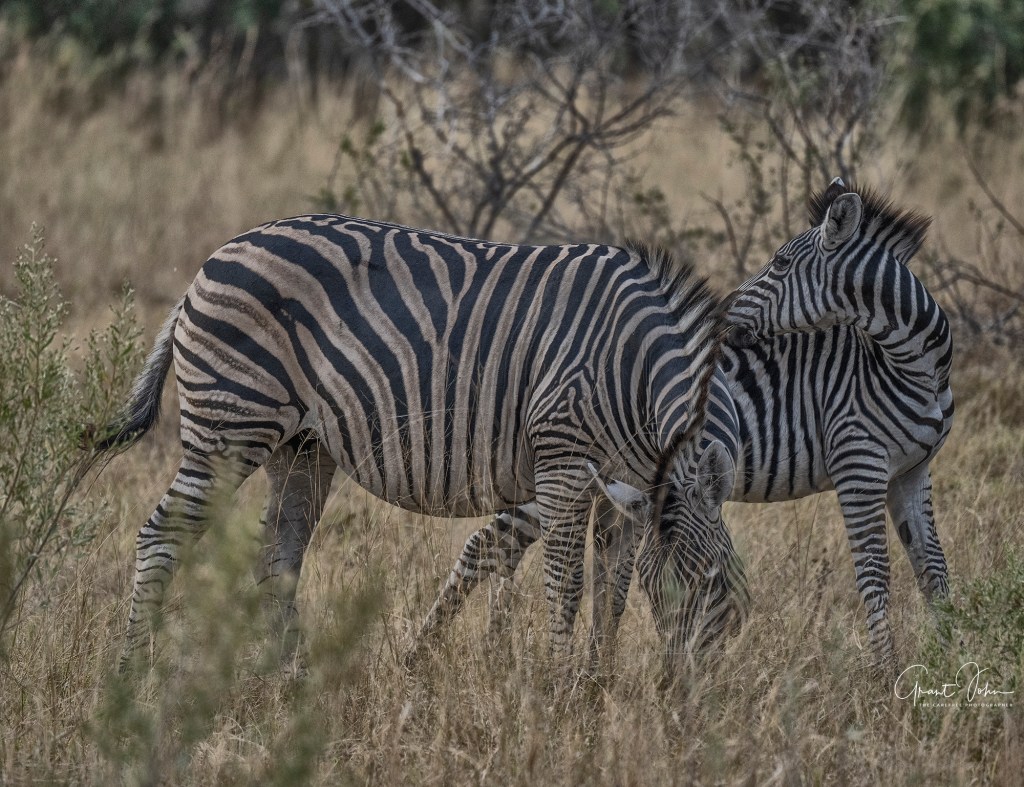
Zebras
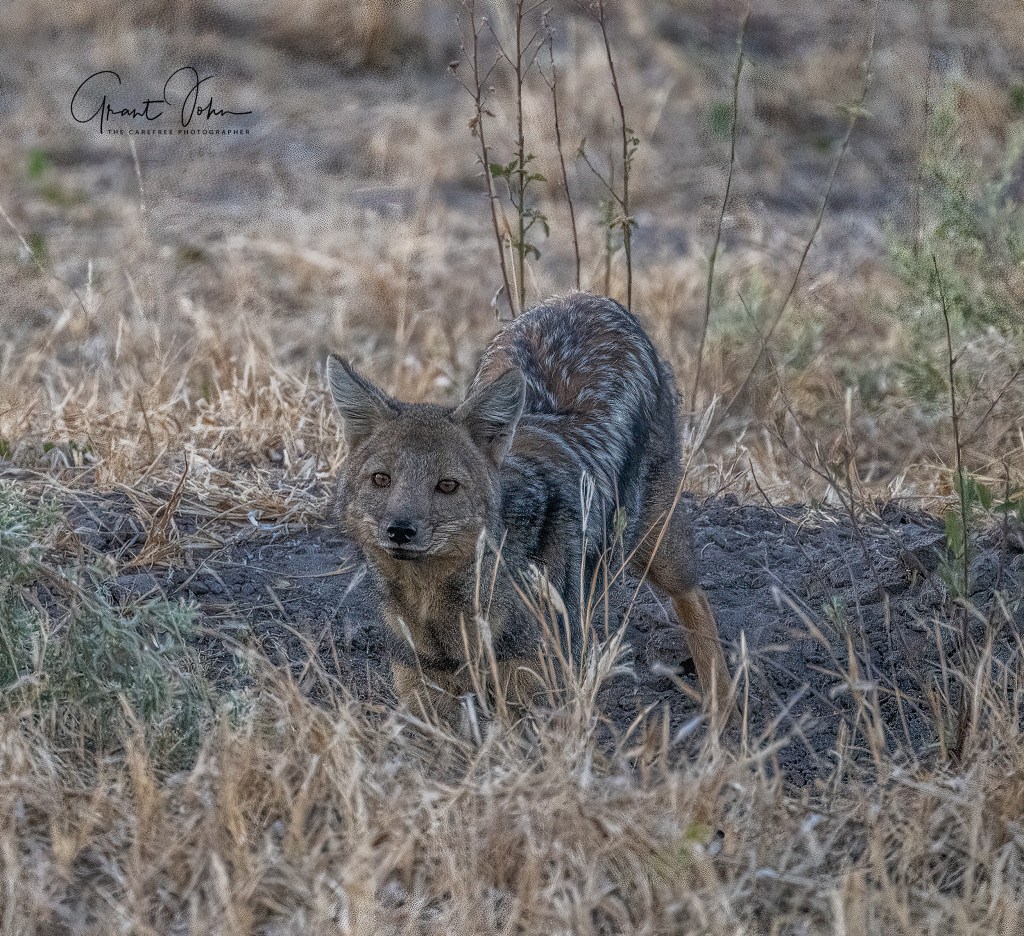
Black backed jackal
Bat eared Foxes
Tseessebe
Giraffes
Cape Buffalo
Coucal

Swimming Lions

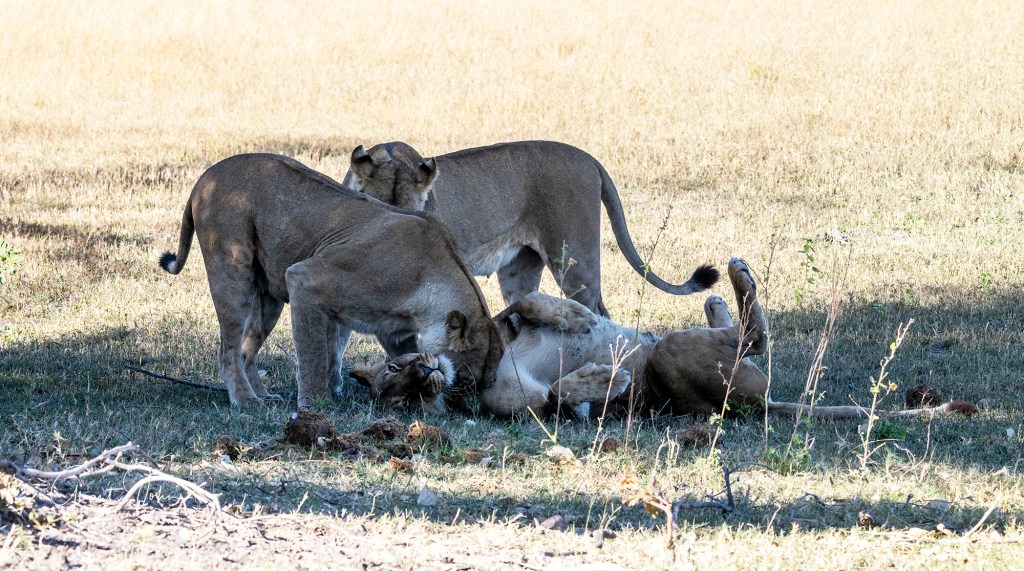
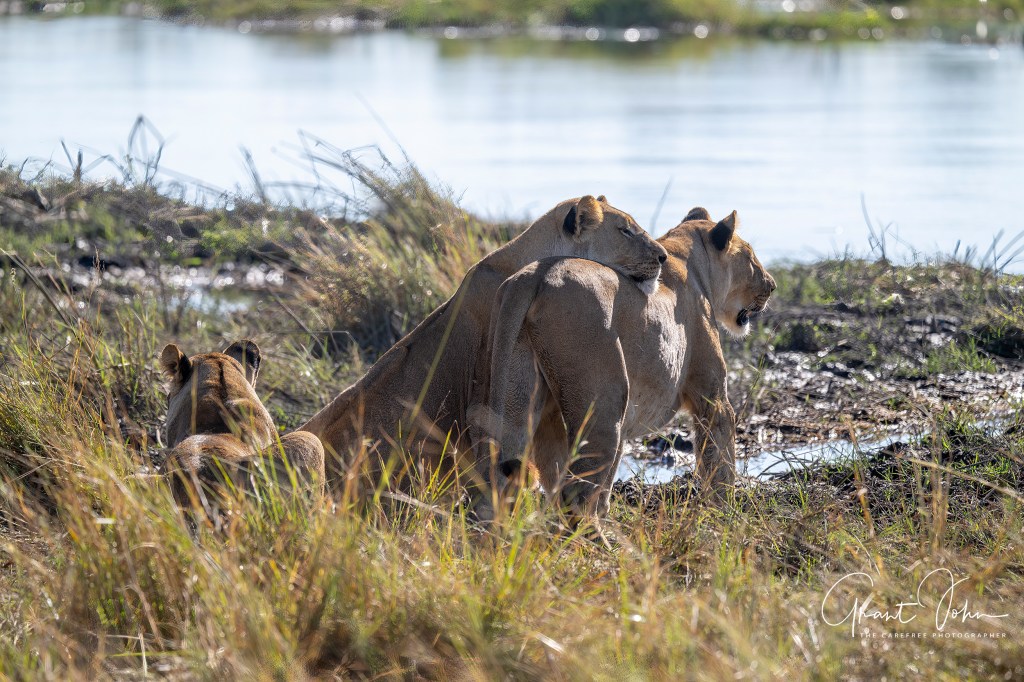
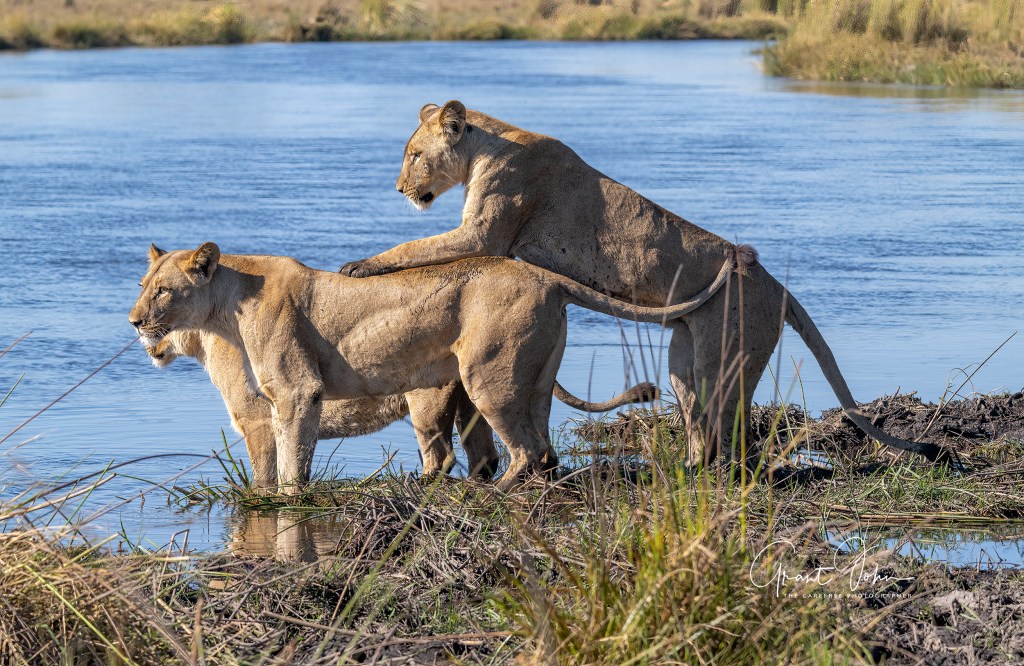
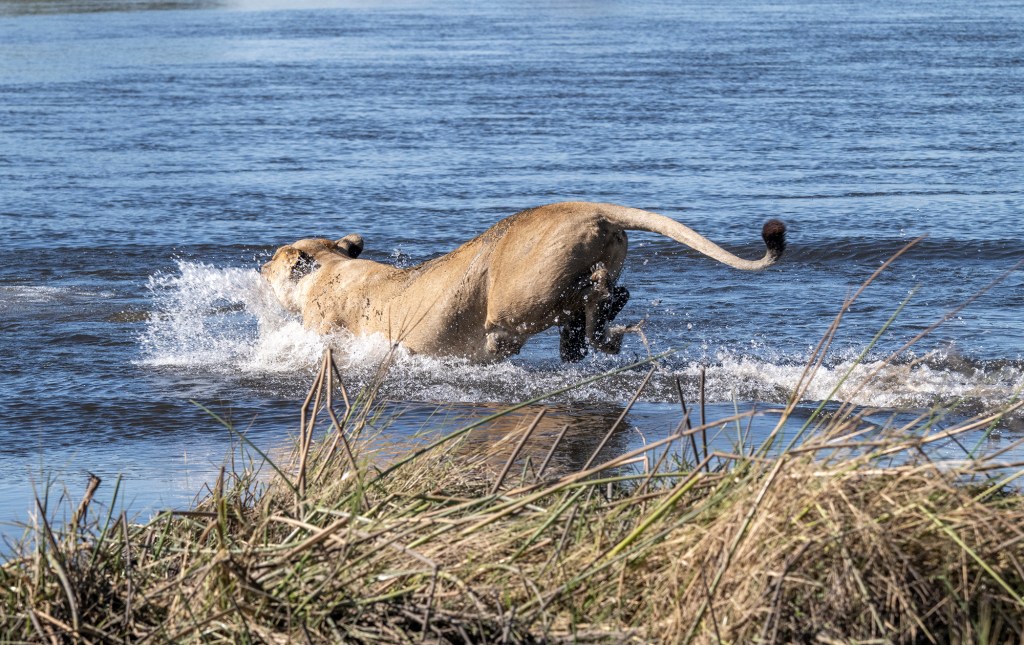
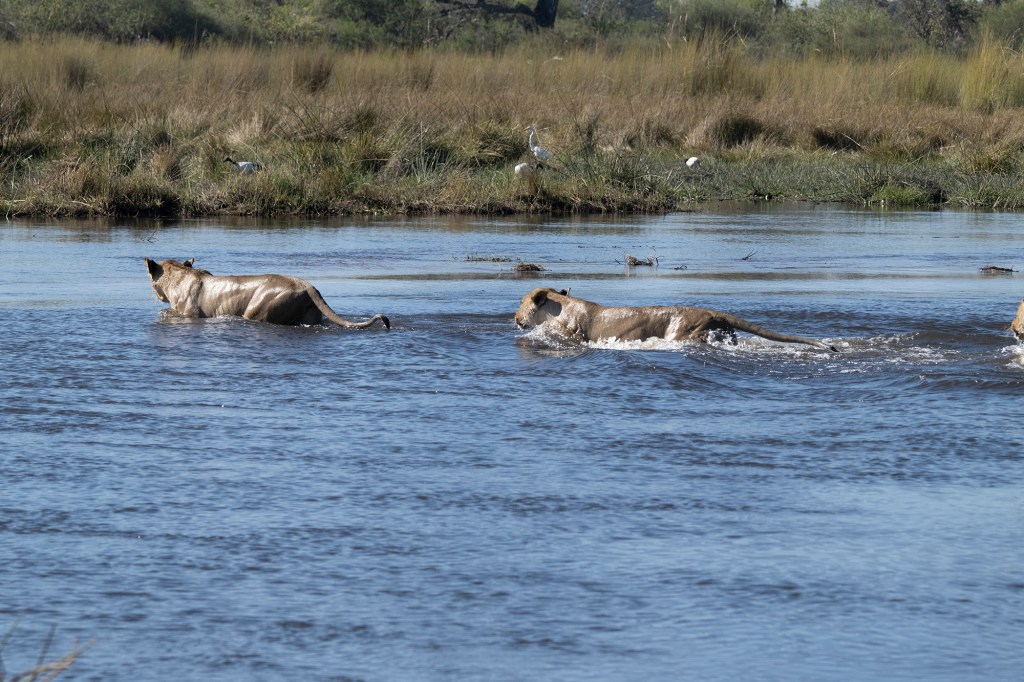
On another day at Lagoon Camp, we encountered four female lions. All were in the nursing stage. We followed them for some distance until they encountered a fairly wide stream/river. It was obvious they were going to cross; it was clear that their cubs were somewhere over there! Watching their hesitation to get wet was fascinating – they were watchful for crocs! Eventually one went and sat on the other side. It we 30-40 minutes before the other three took the plunge.

Lion Adventure

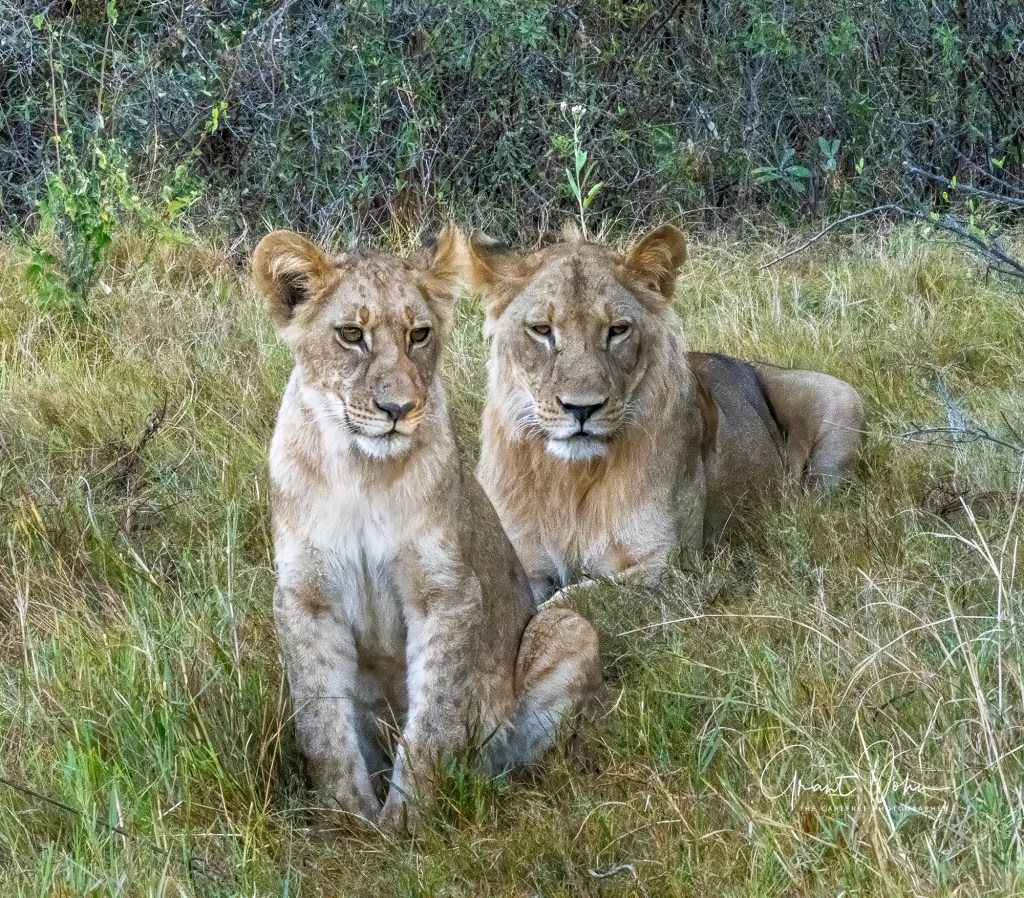
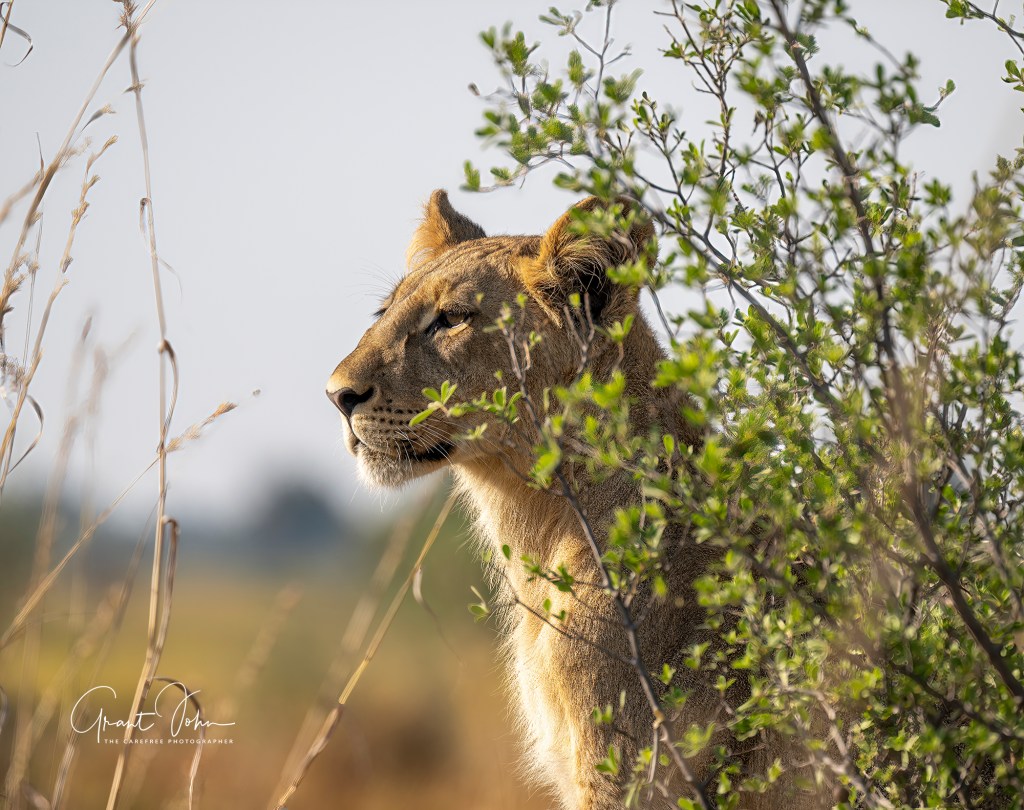
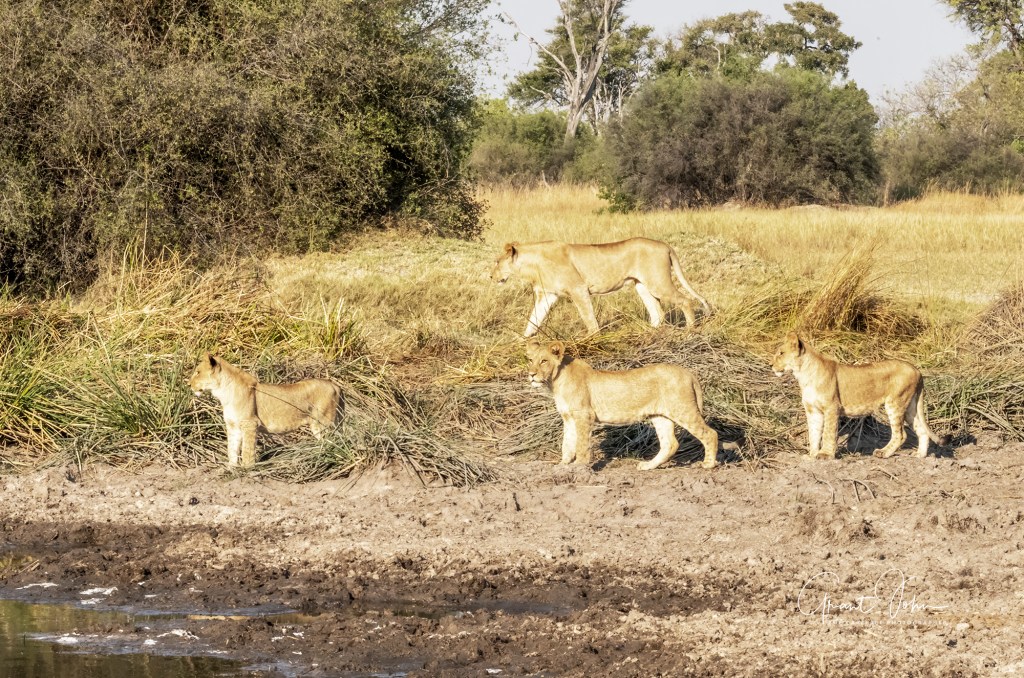
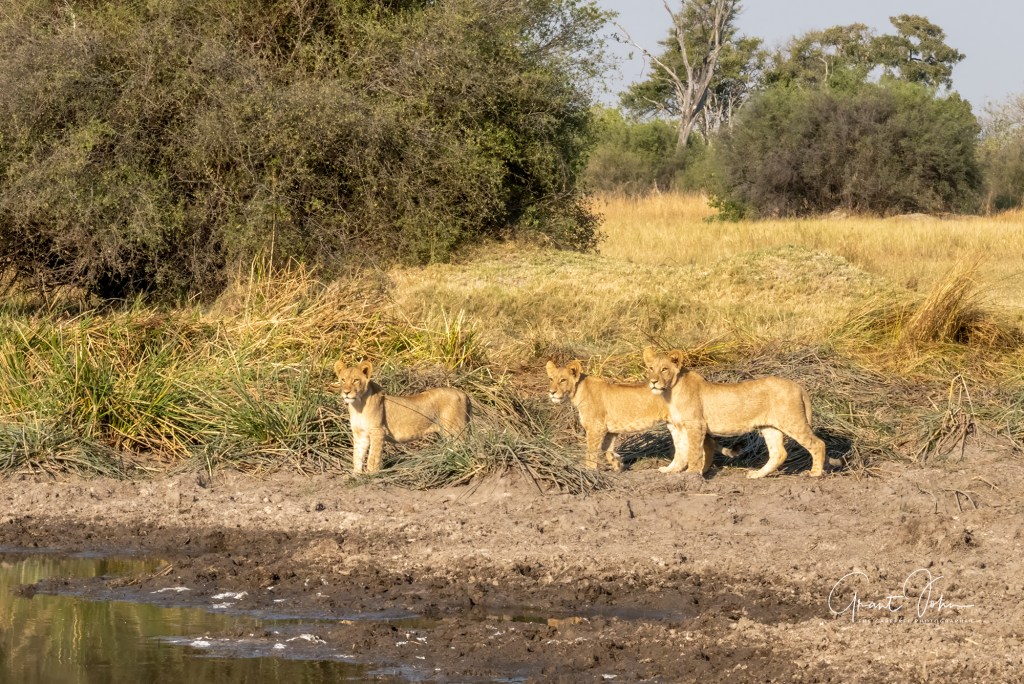
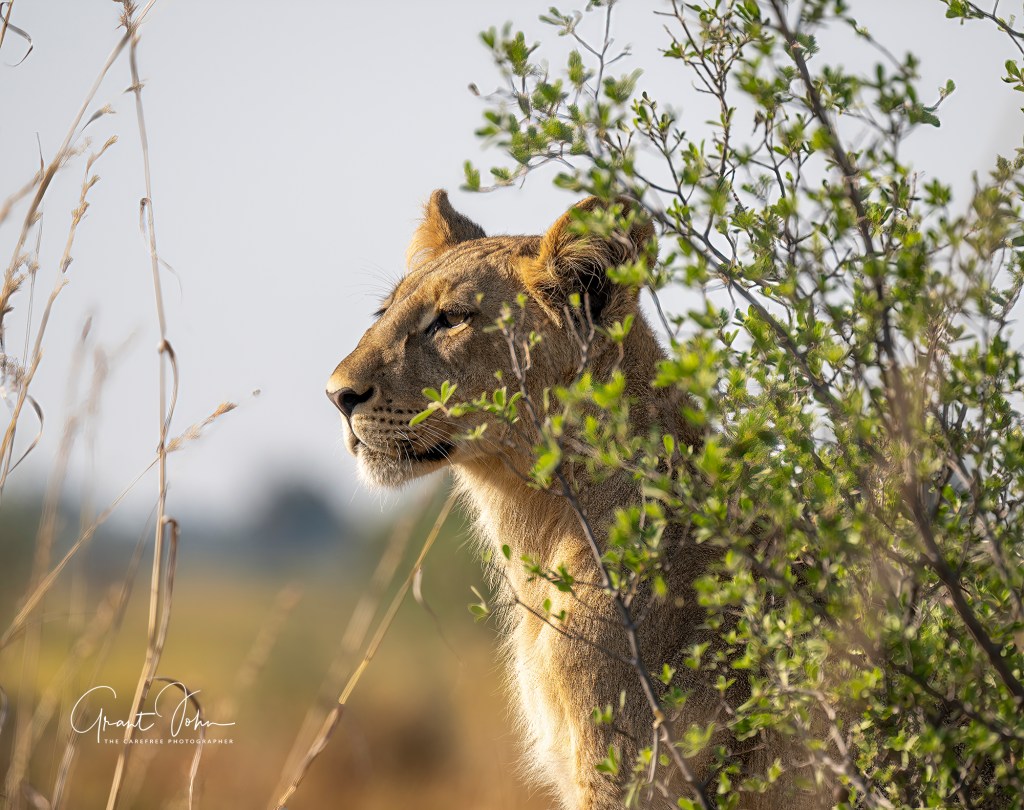
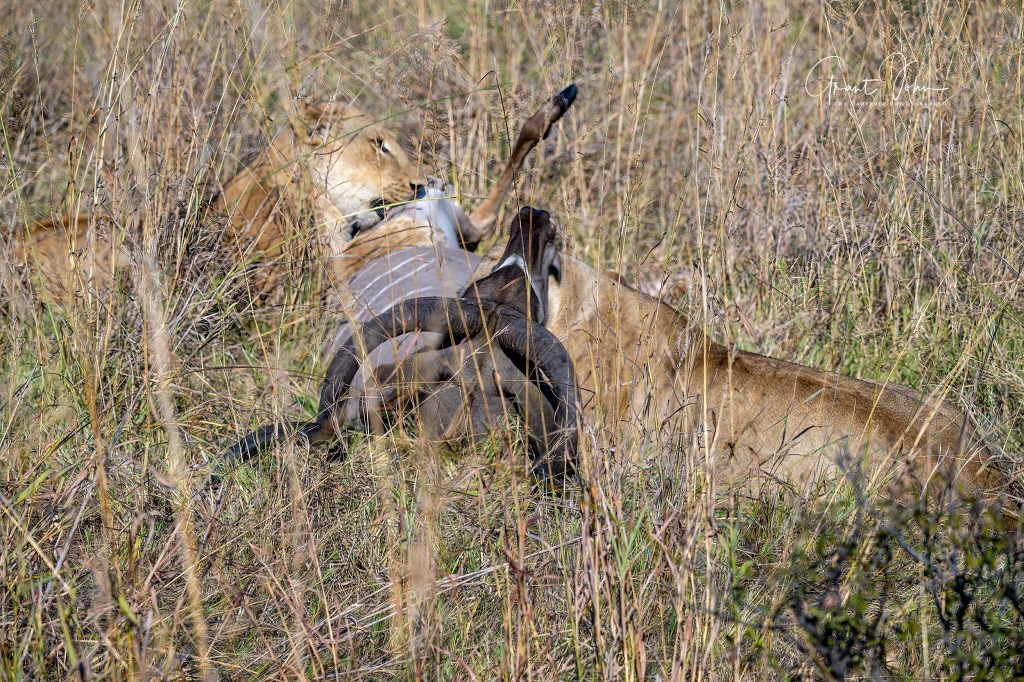
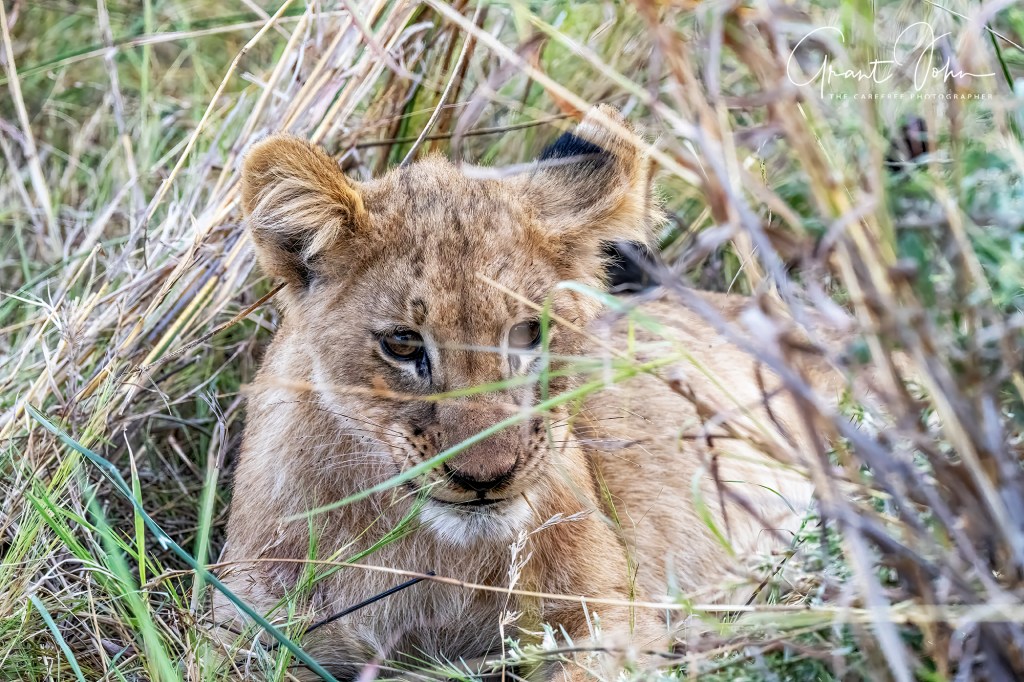
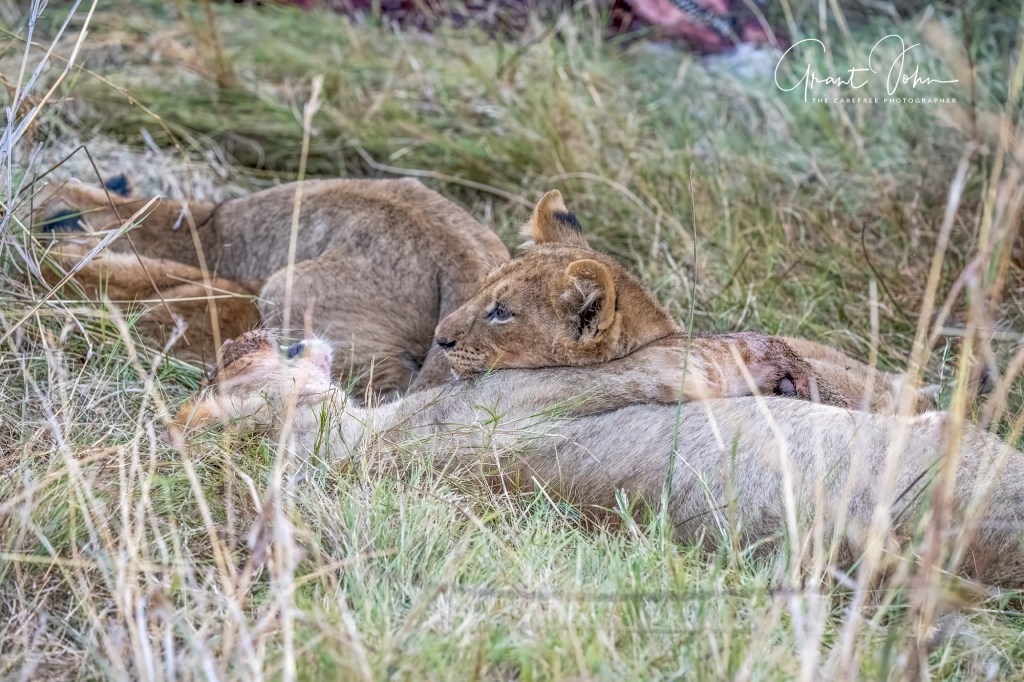
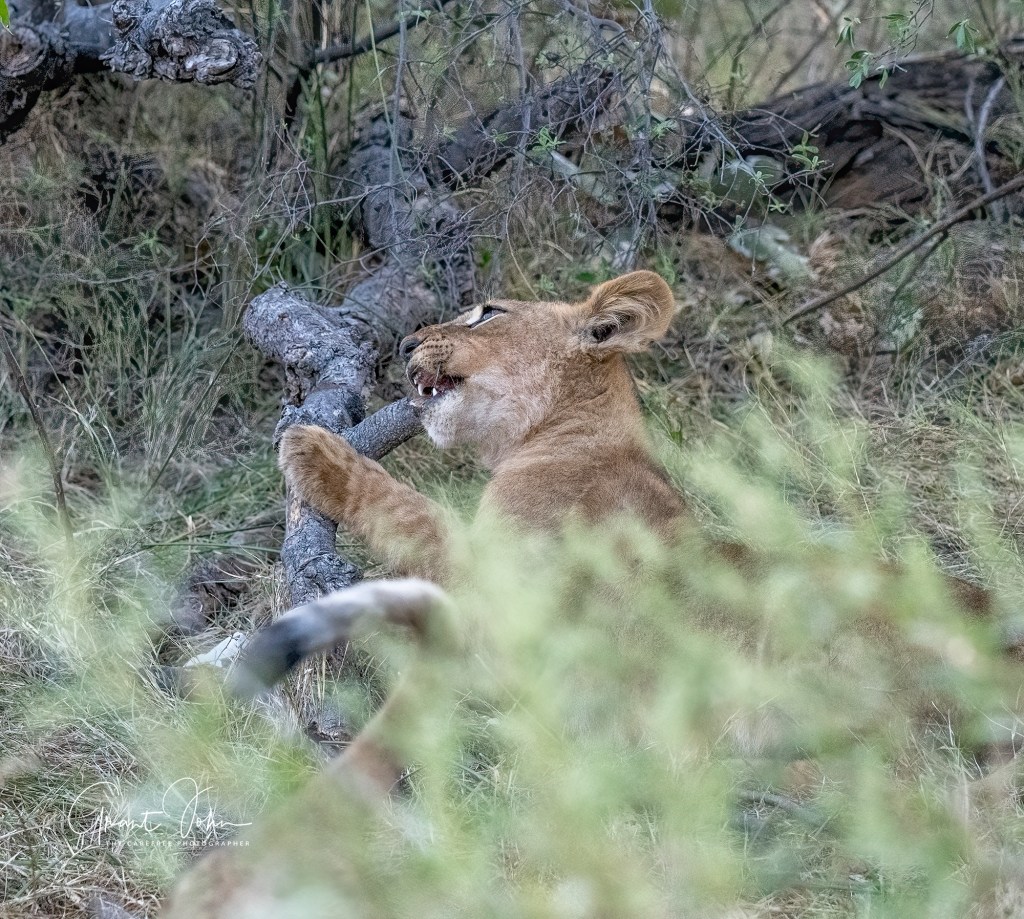
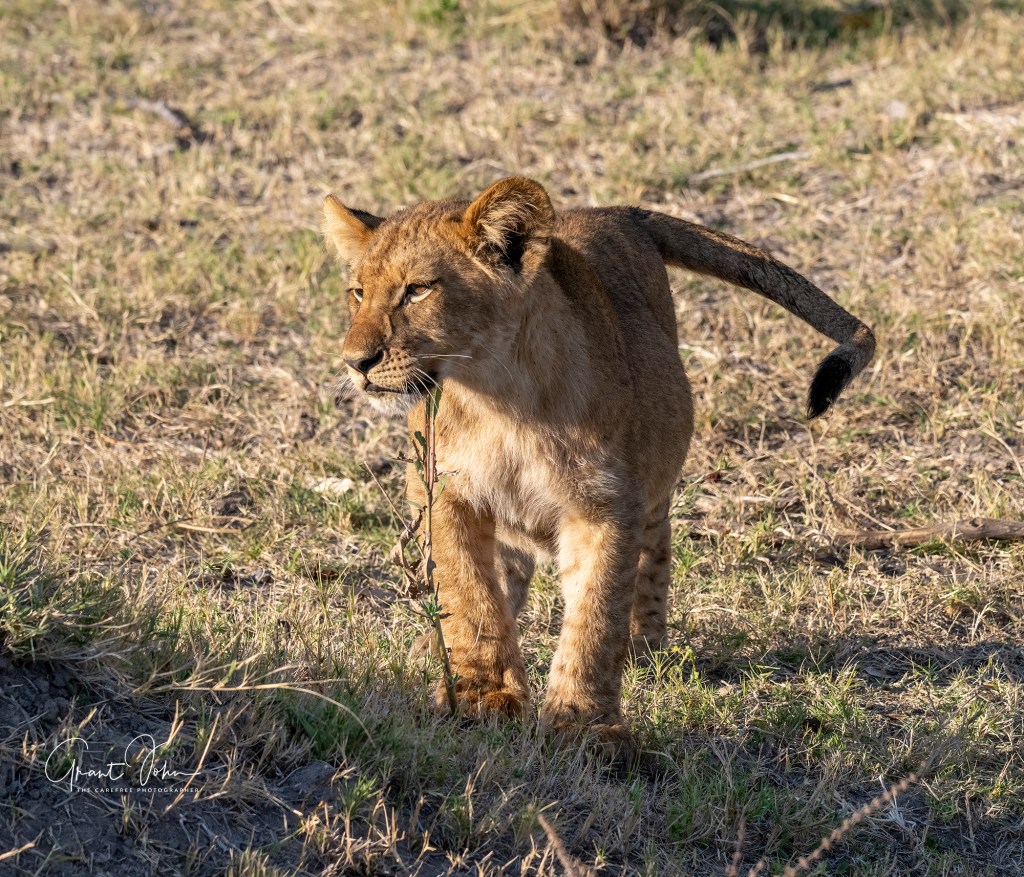
On our first safari drive of June’s visit to Botswana, we experienced several hours of a pride of lions typical morning. This pride consisted of two adult females and several cubs. The male did not show up for some time. Here are a few shots of the walk through the terrain.

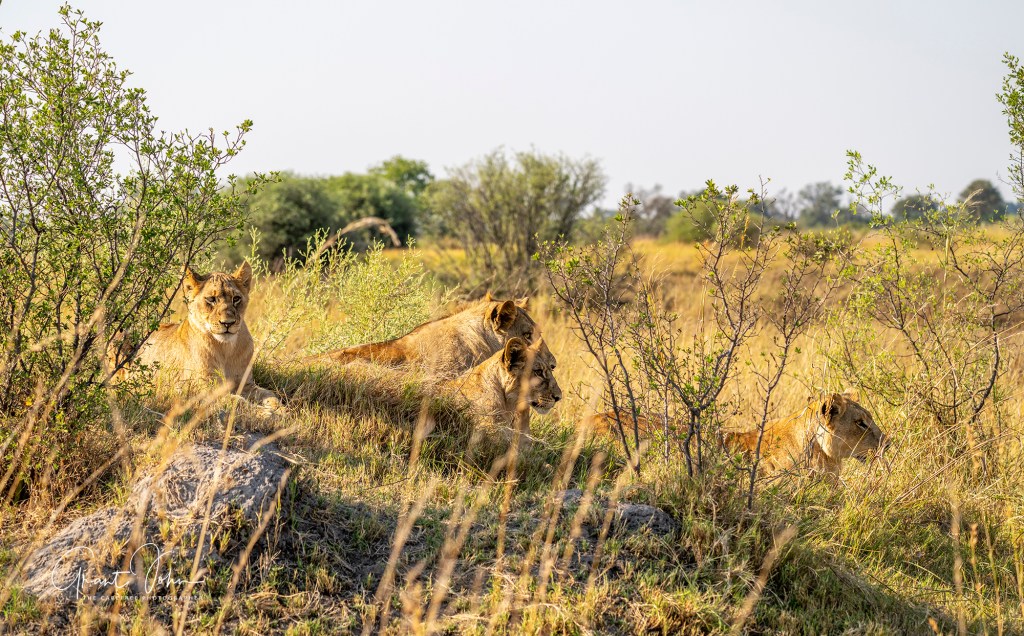
At a point they reached a hillock, and decided to rest, wait and observe.

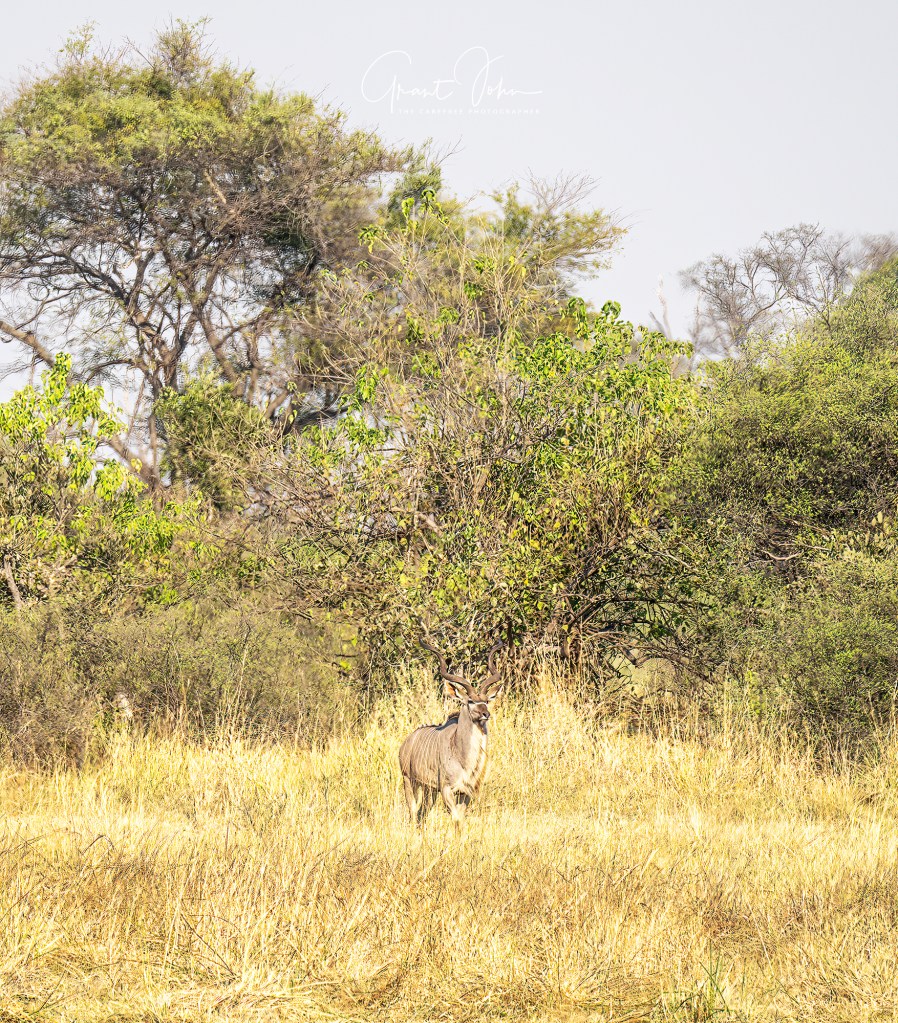
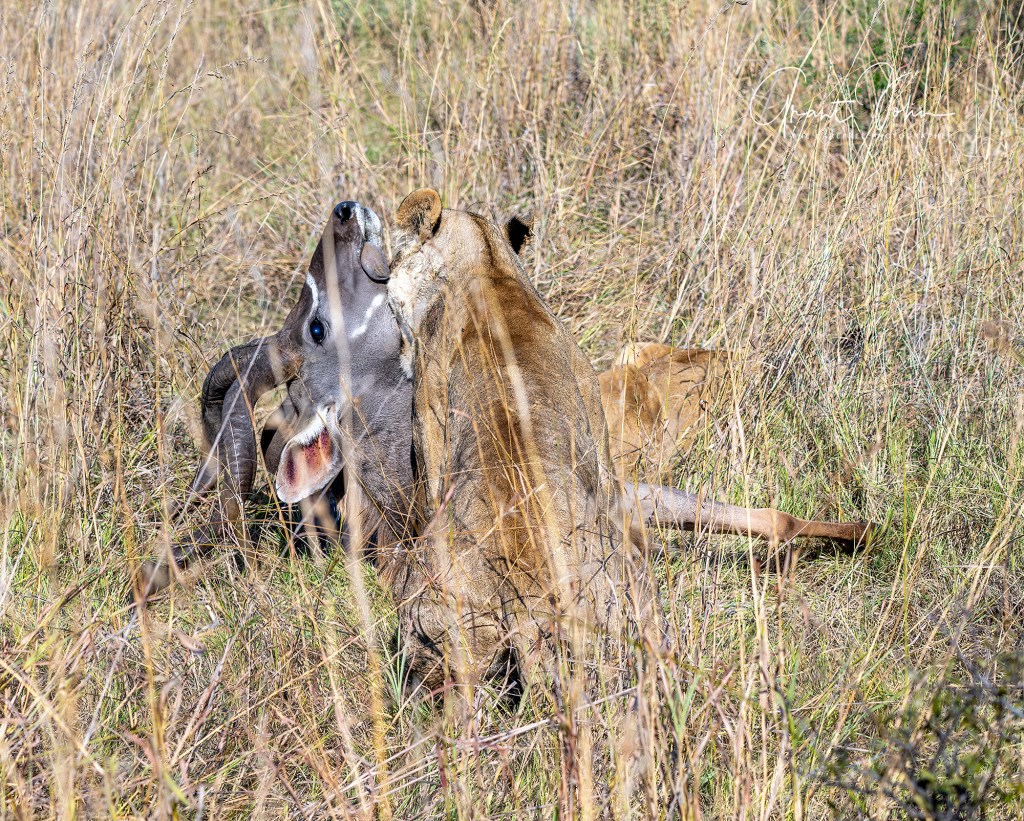
And then they sighted a large male kudu in the distance. The kudu saw or sensed the lions, turner at a right angle and ambled away.

The female lions then split. One went to the right while the other, poised, waited on the hillock. Then the females began to rum. Next:

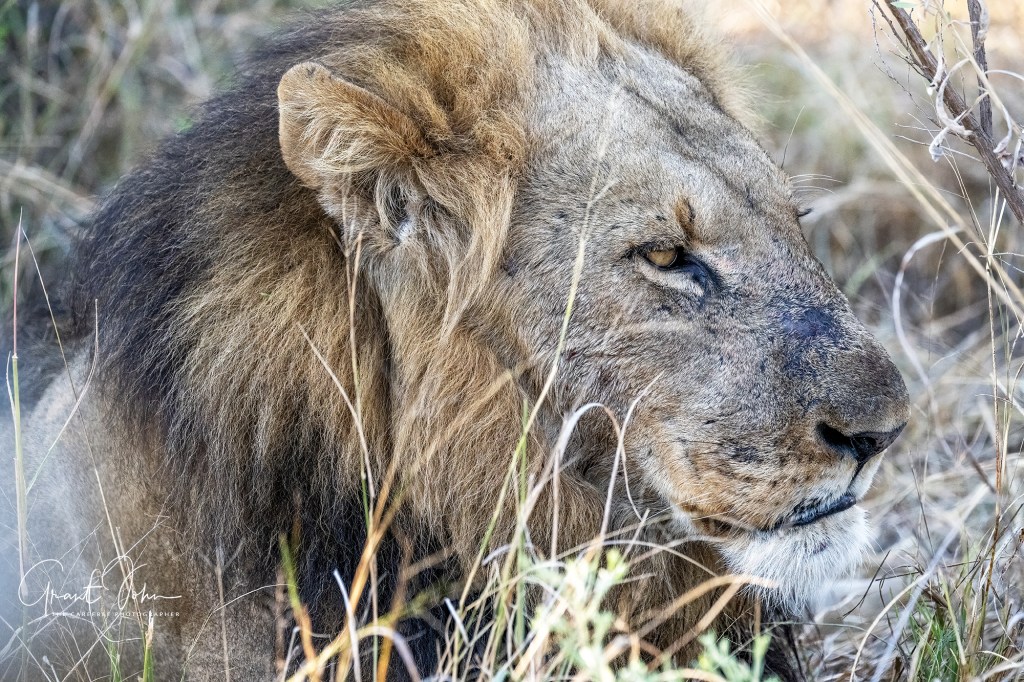
We watched for a while, it got a little gruesome so we left. The next day we returned to find full belly’s, cubs playing and the old male, who waited too long to get a meal!

Chobe Wildlife

Water Bucks
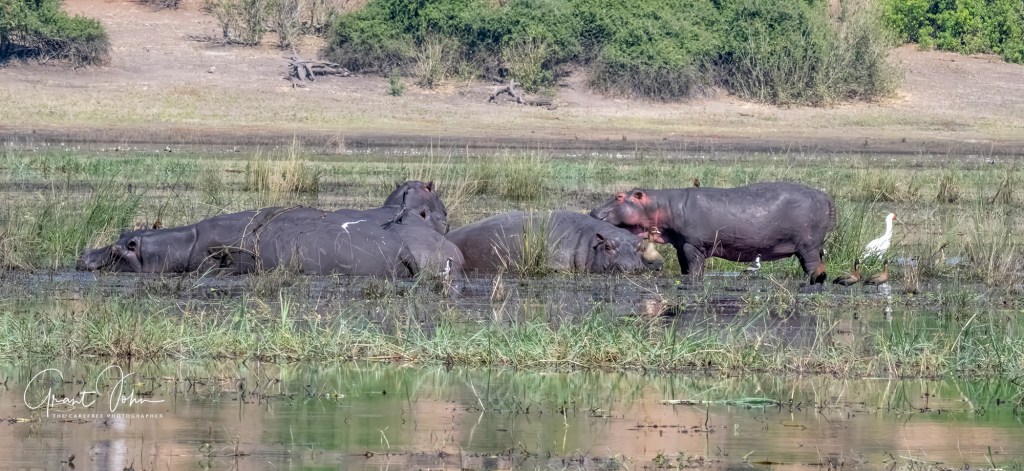
Hippos
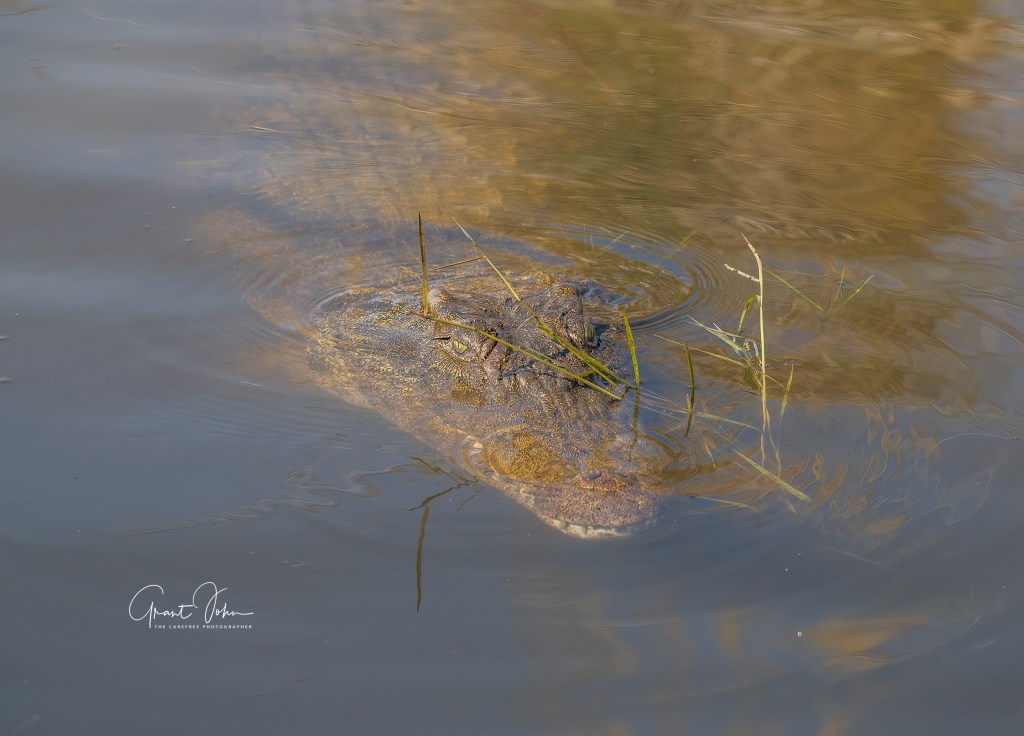
Croc
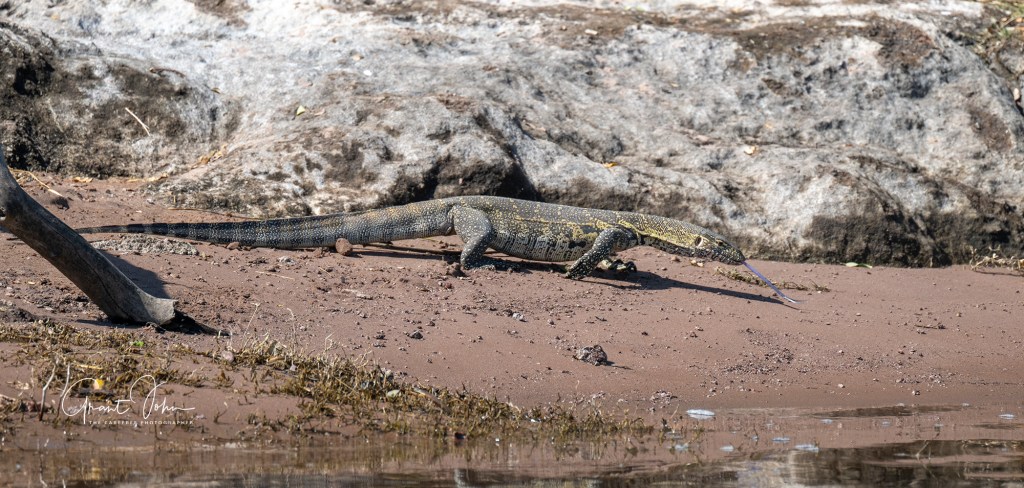
Monitor Lizard
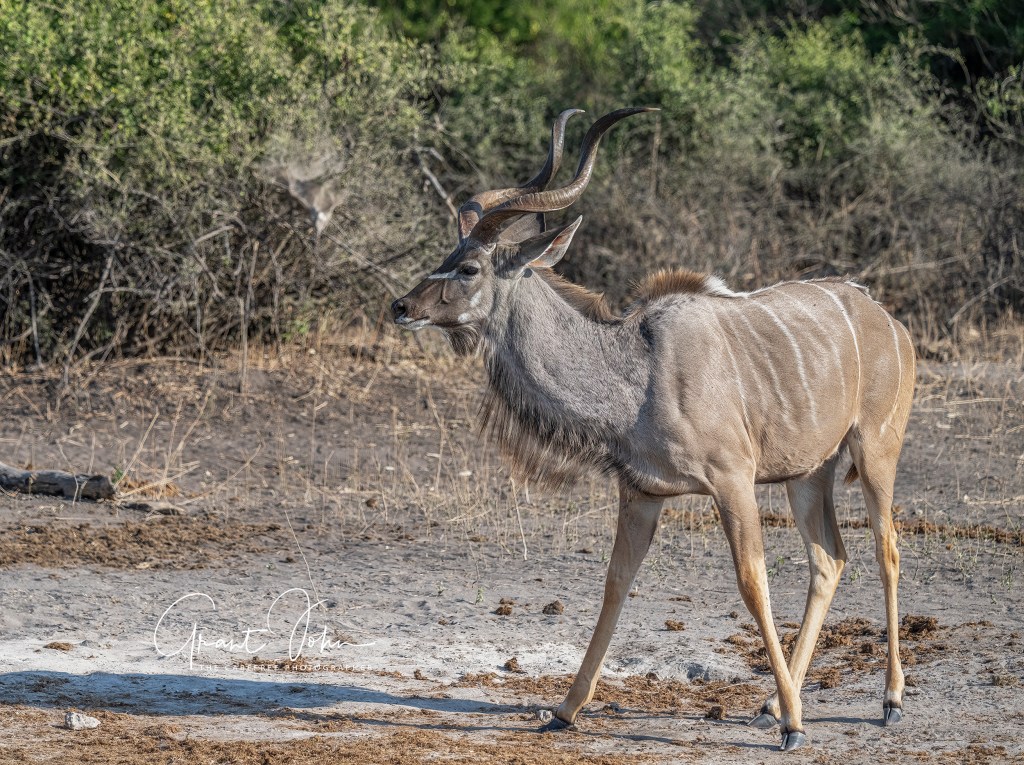
Male Kudu
Giraffe
Baboons
Zebras
Croc
Baboons
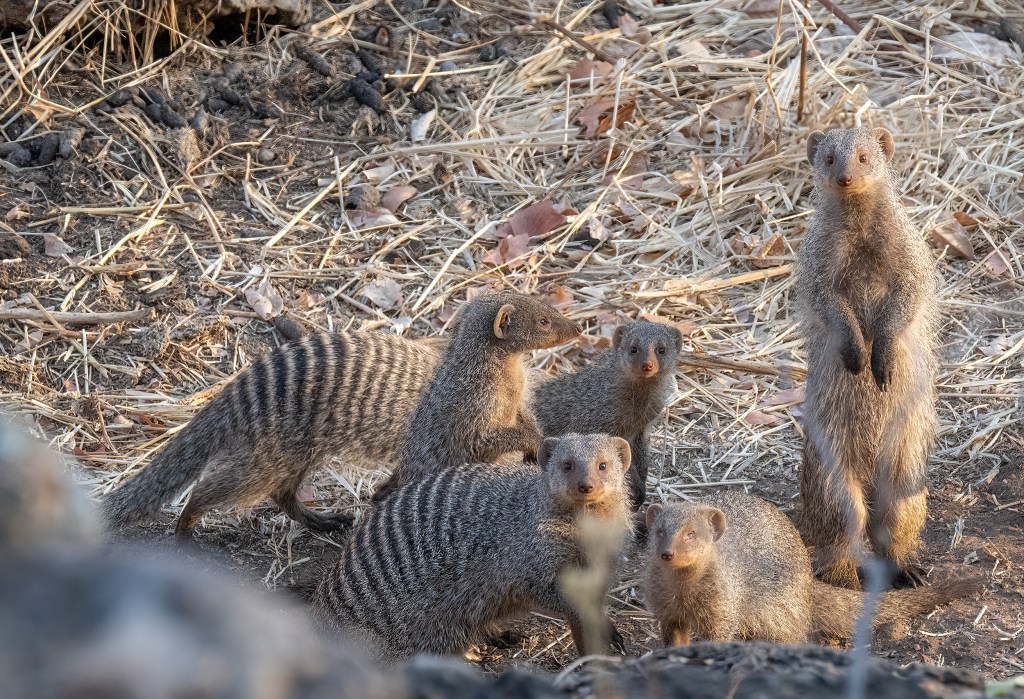
Mongoose
Kudu
Cape Buffalo

Birds of the Chobe

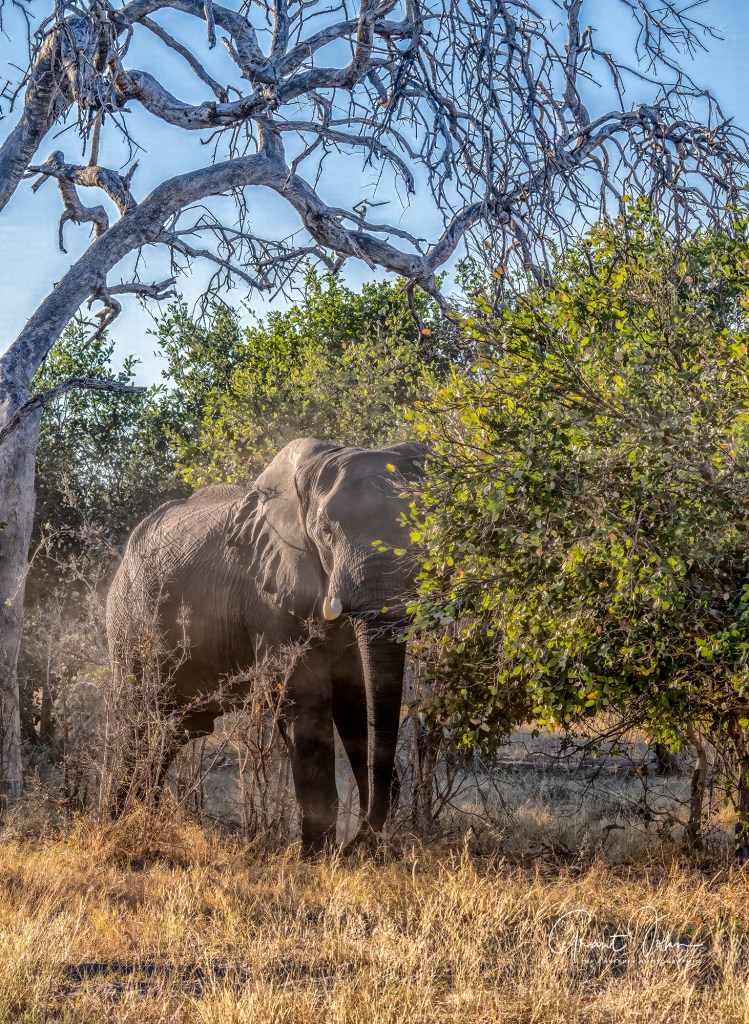
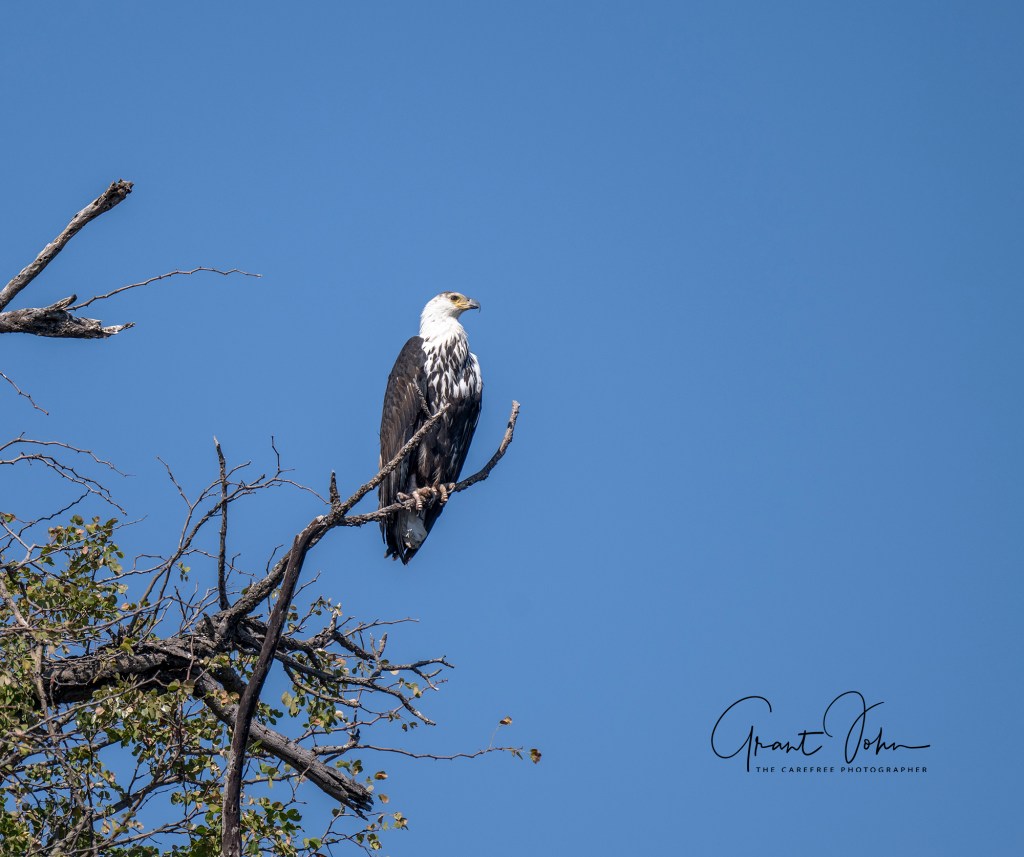
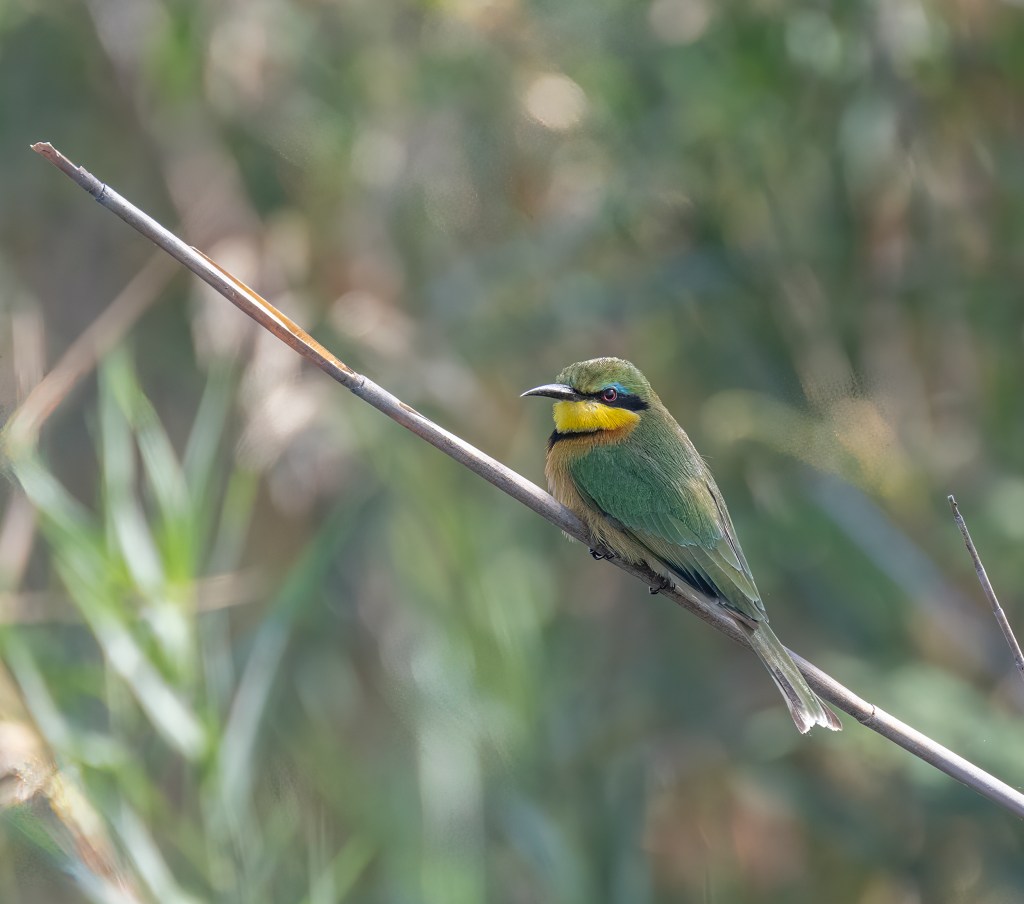
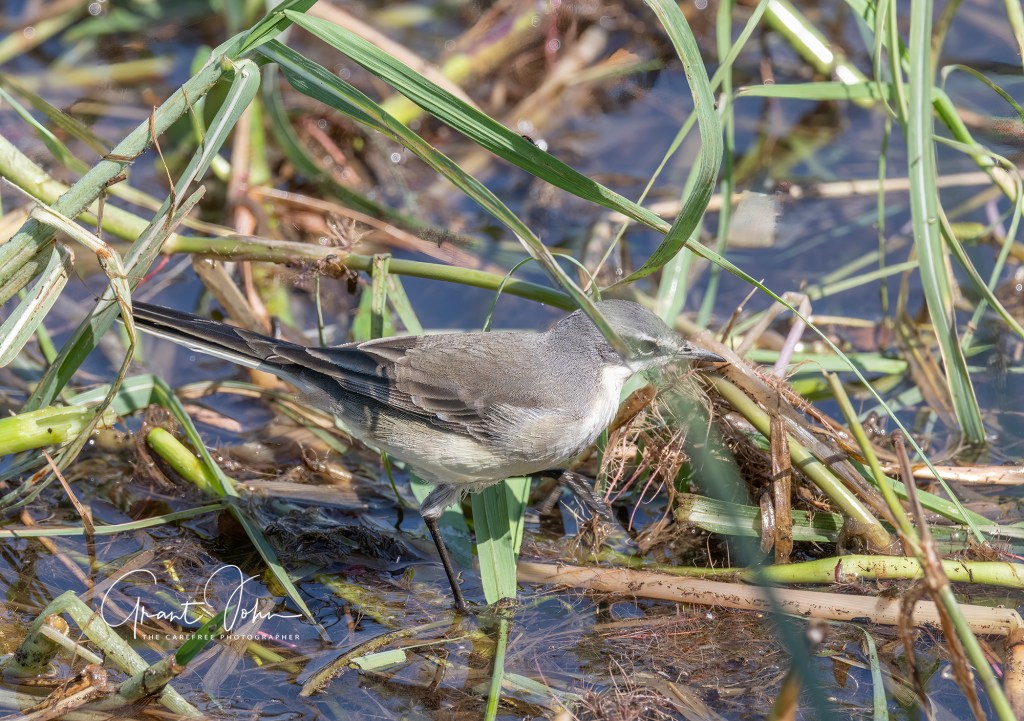
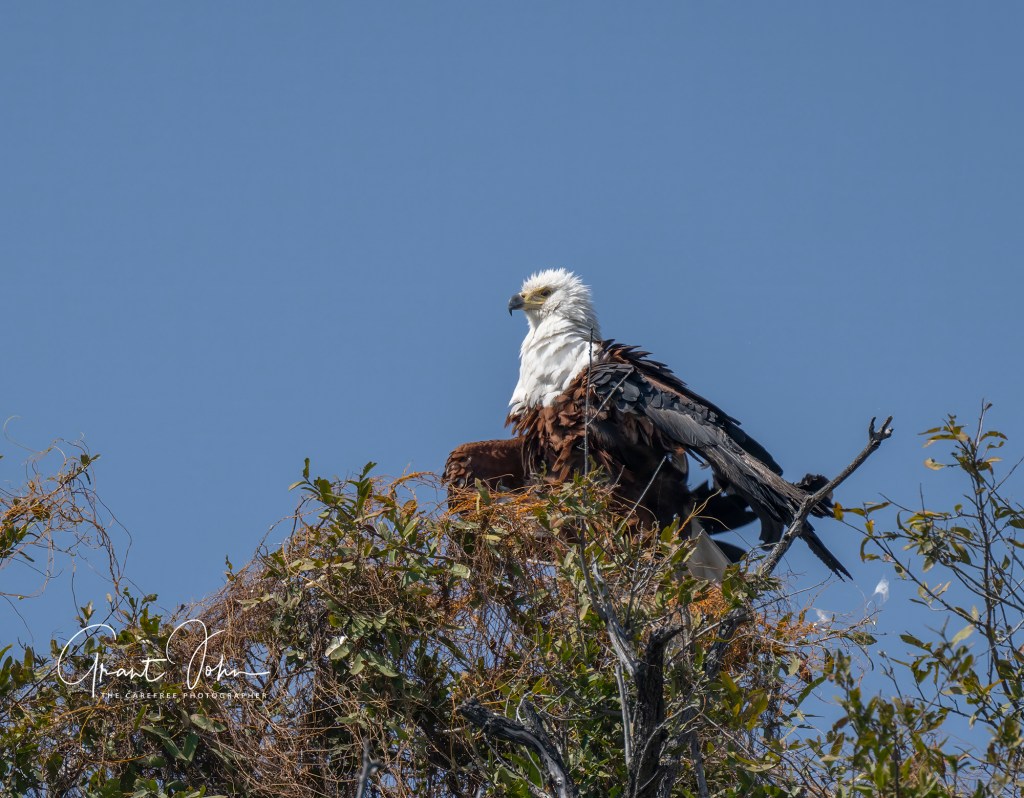
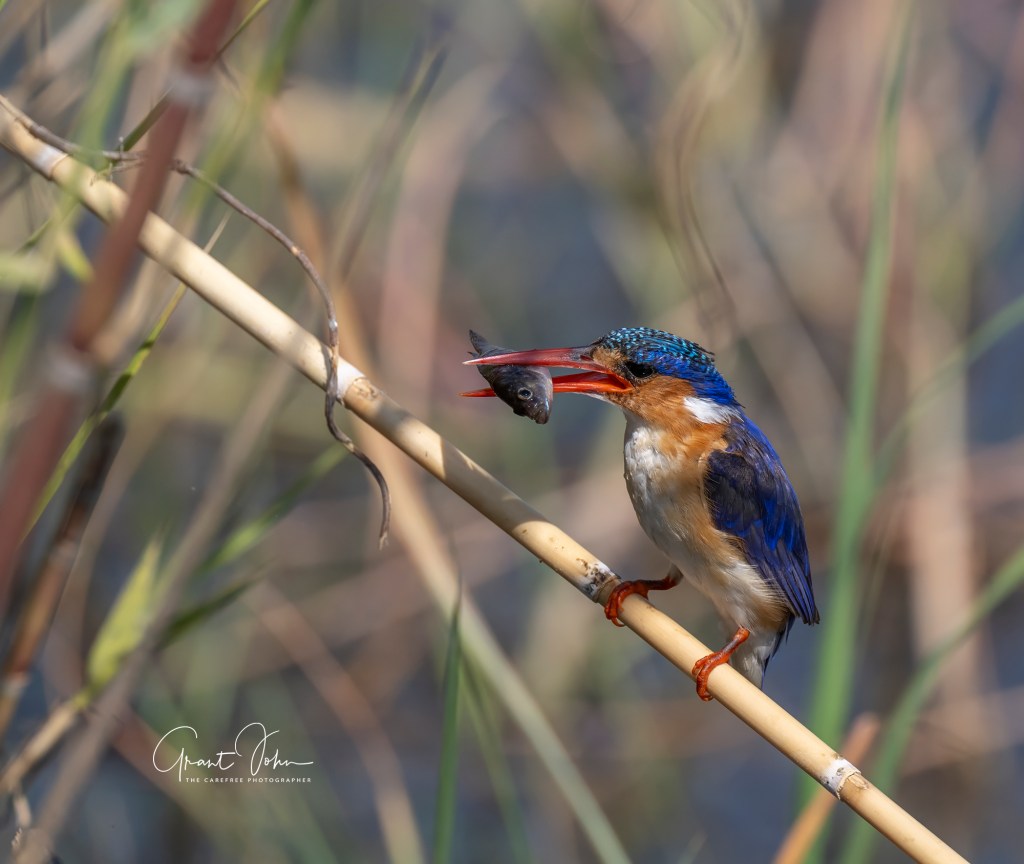
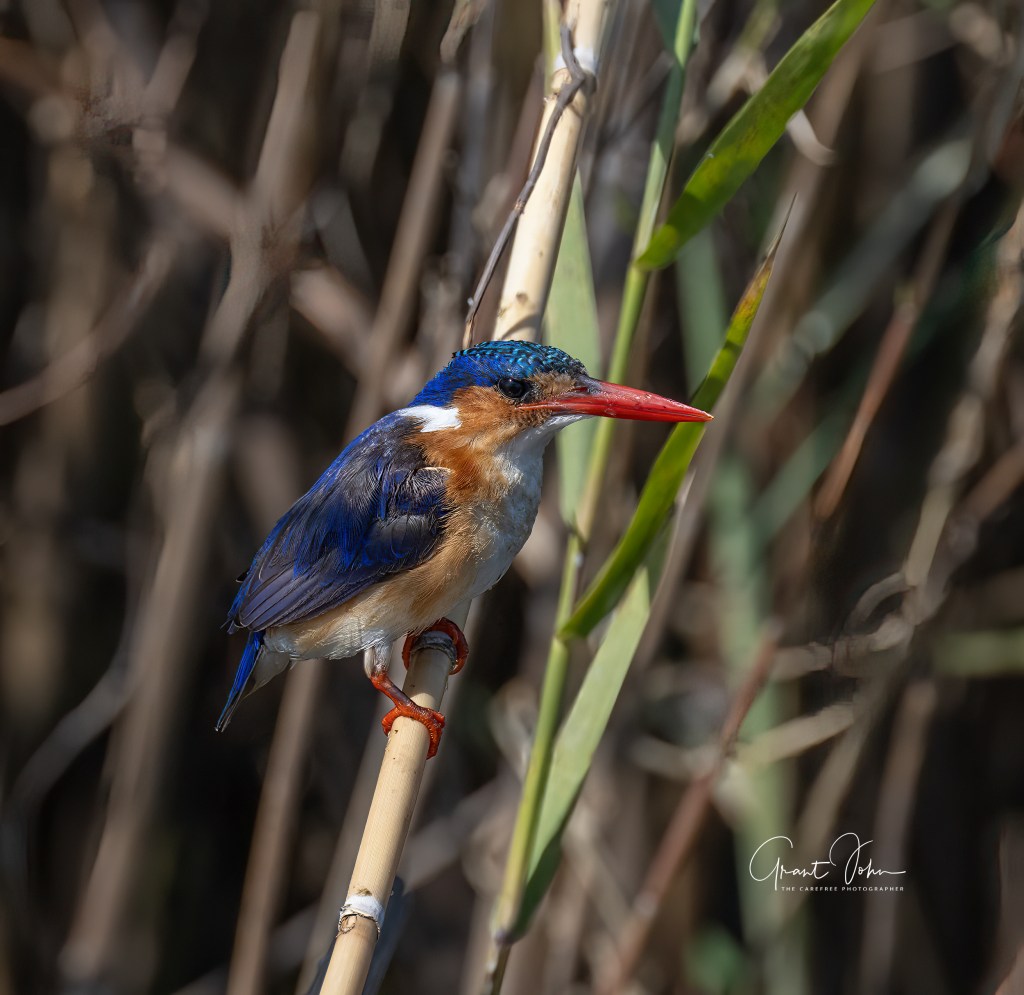
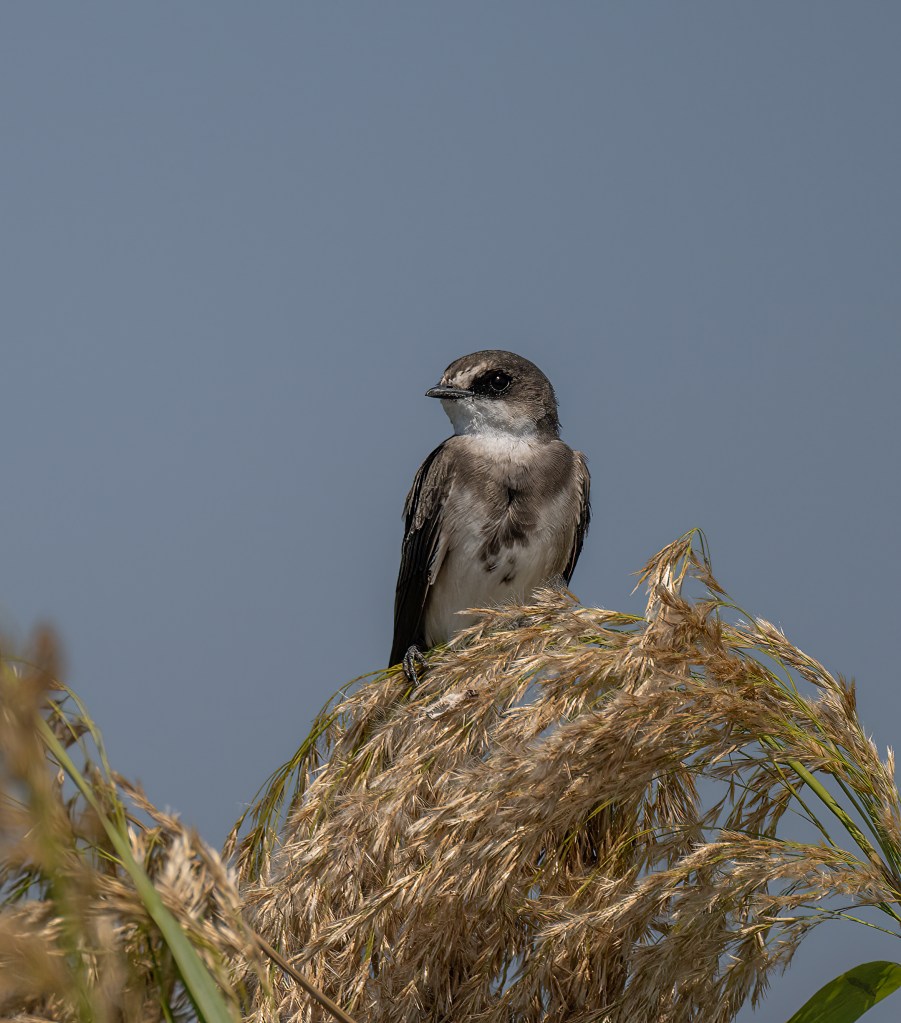
Every year when we go on safari in Botswana, we wrap up the trip with 3-4 nights in the Chobe area at Muchenje Lodge. Our normal routine there involves several hours each day on a comfortable boat cruising on the Chobe River. The abundance of wildlife is terrific, and the boat enables us to get very close to all of it including elephants, cape buffalo, hippos, lizards, crocs and so on. My personal favorites are the birds. Here are some of those wonderful creatures.

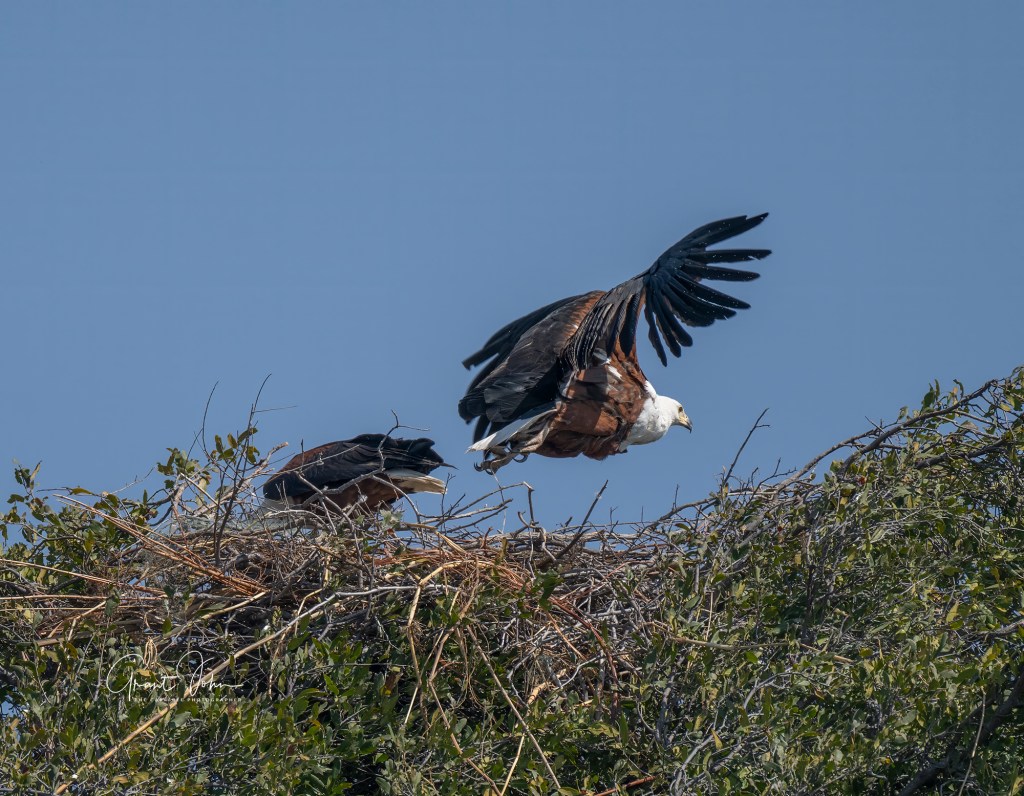
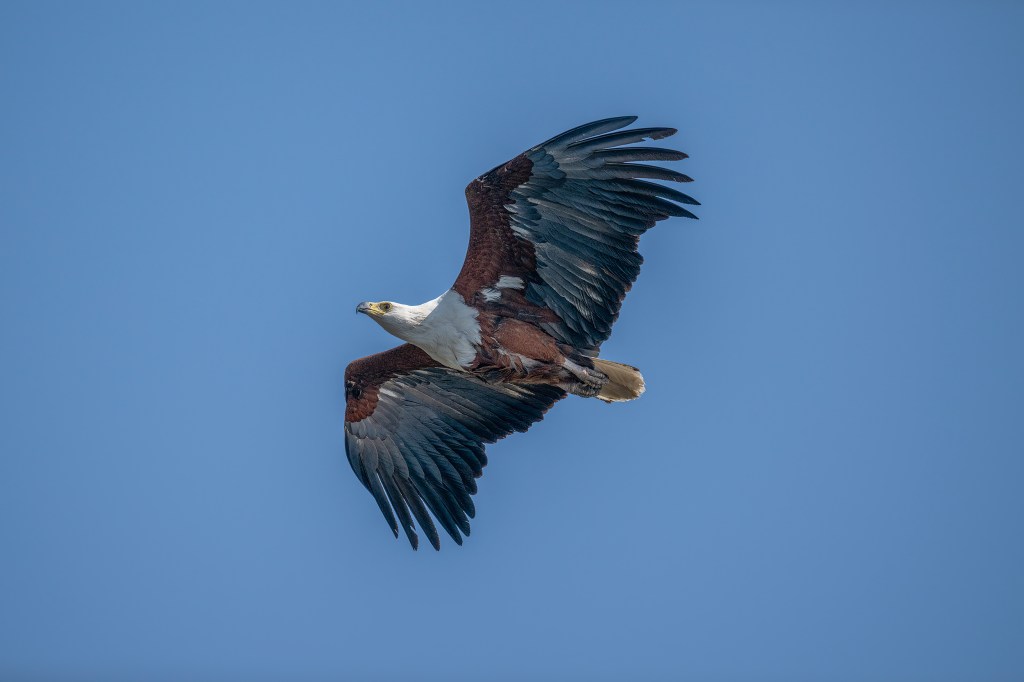
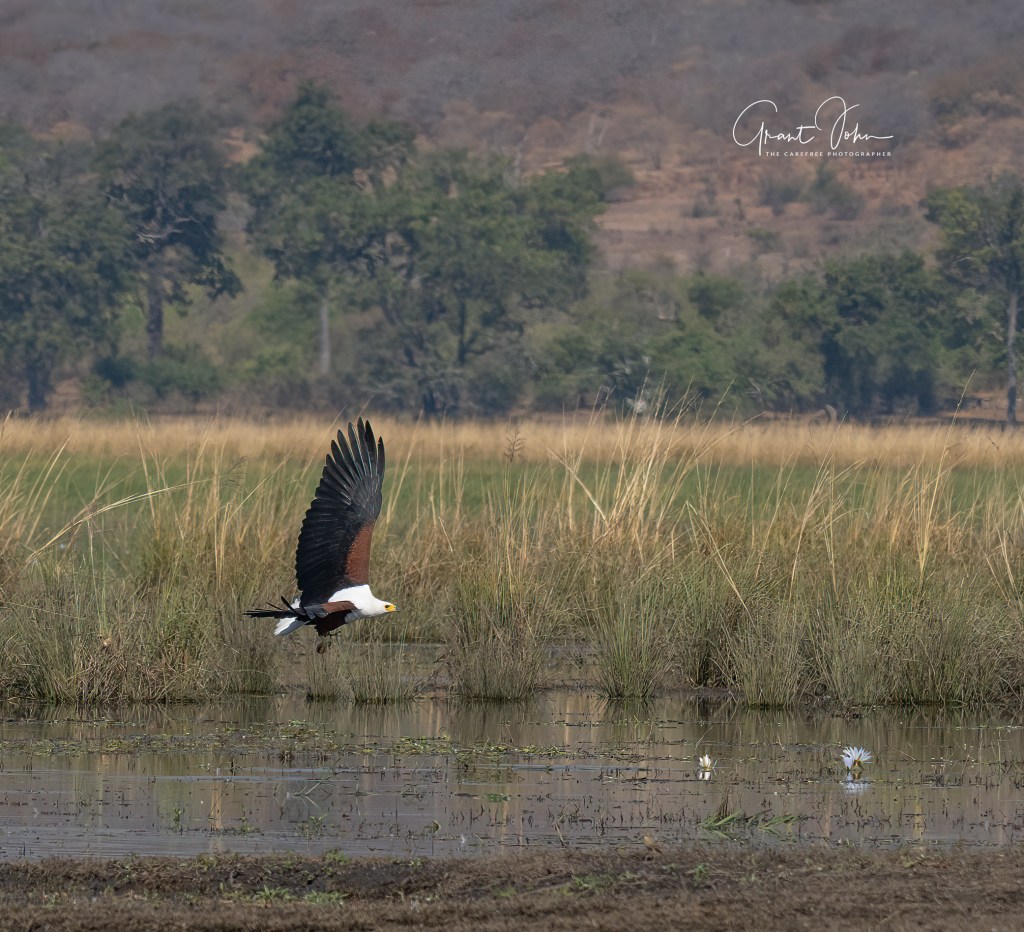
African Fish Eagle
Jacana
Squacco Heron
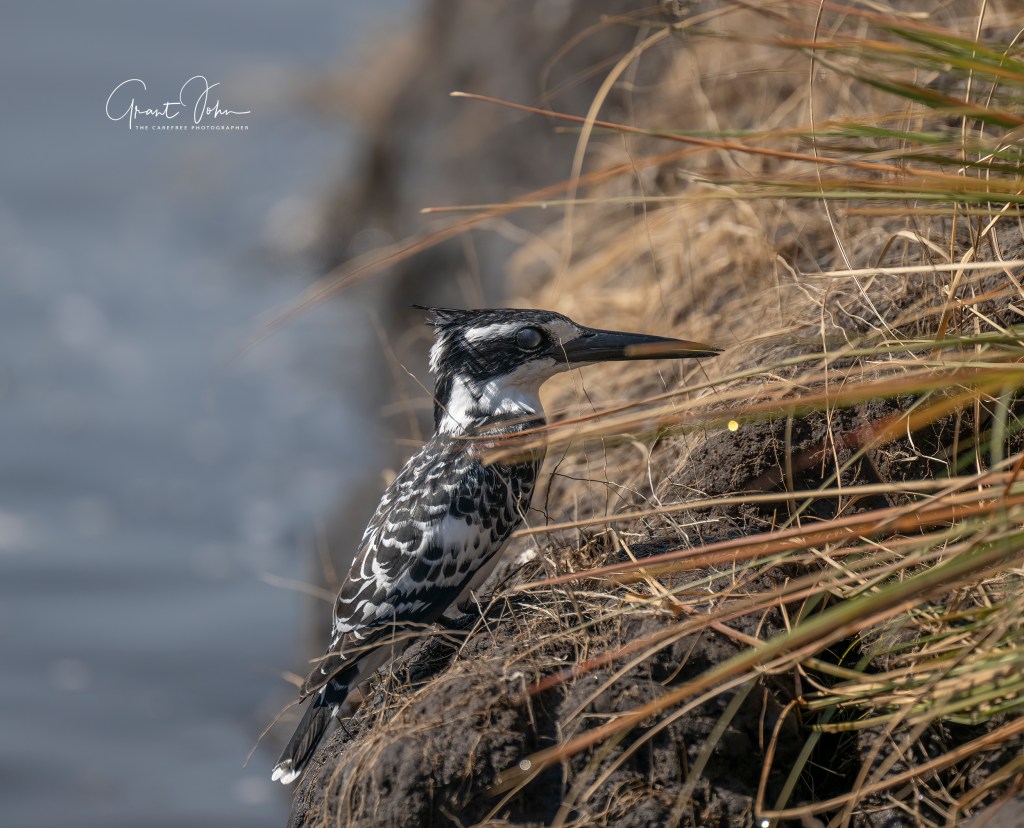
Pied Kingfisher
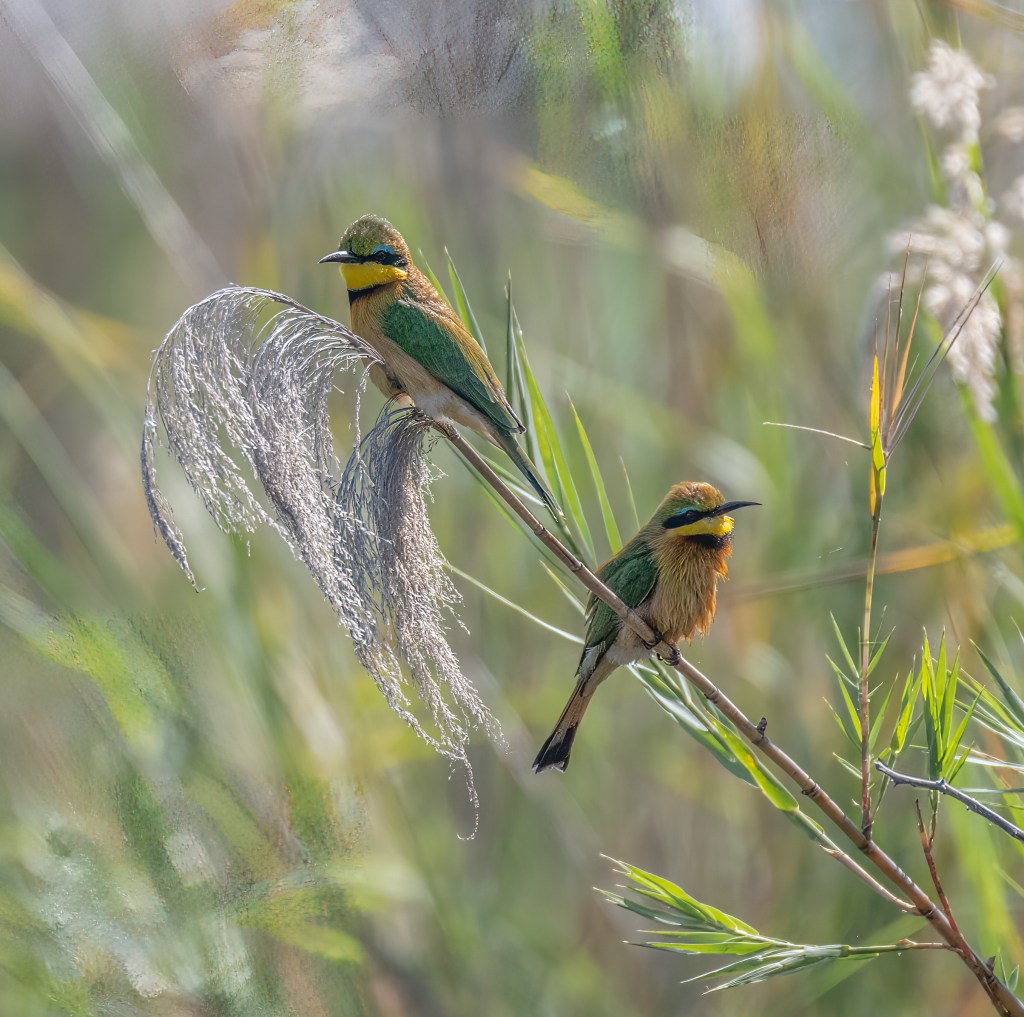
Little Bee-eater
Cape Wagtail
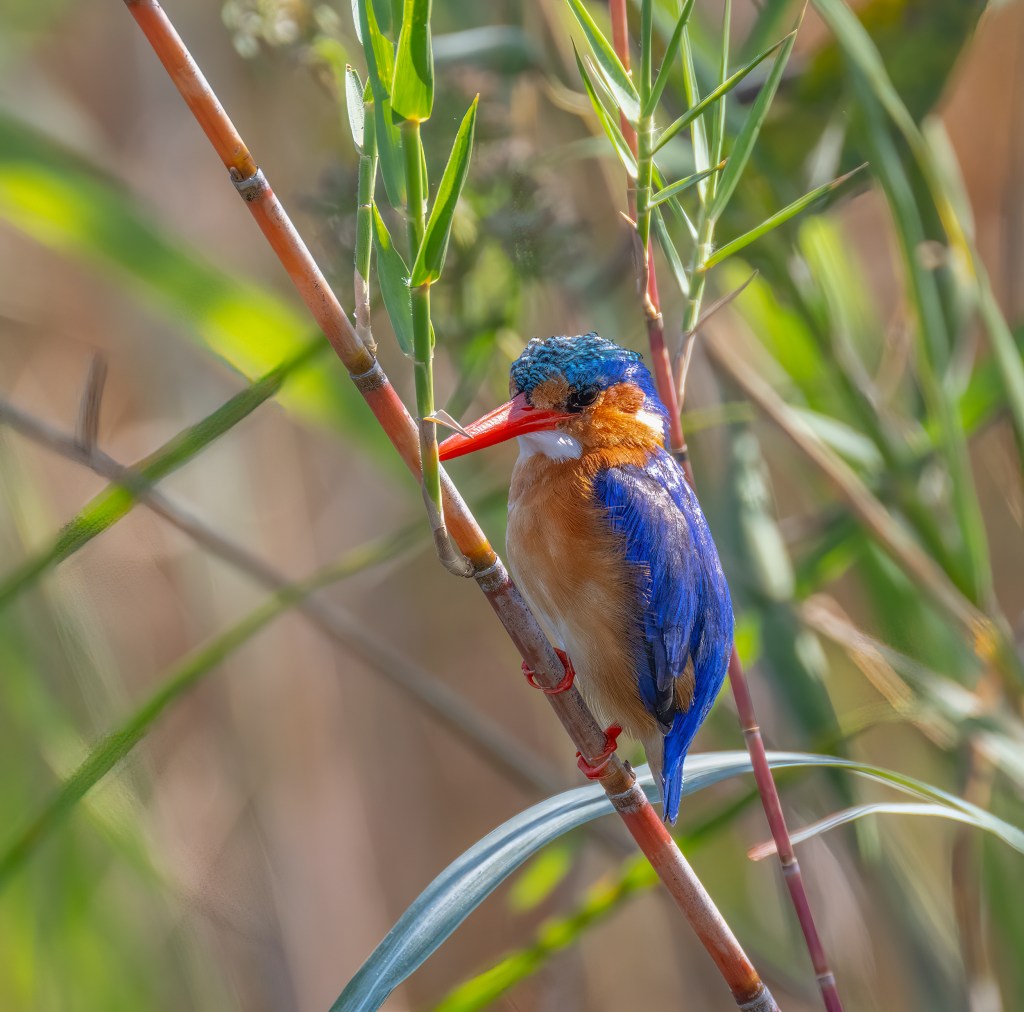
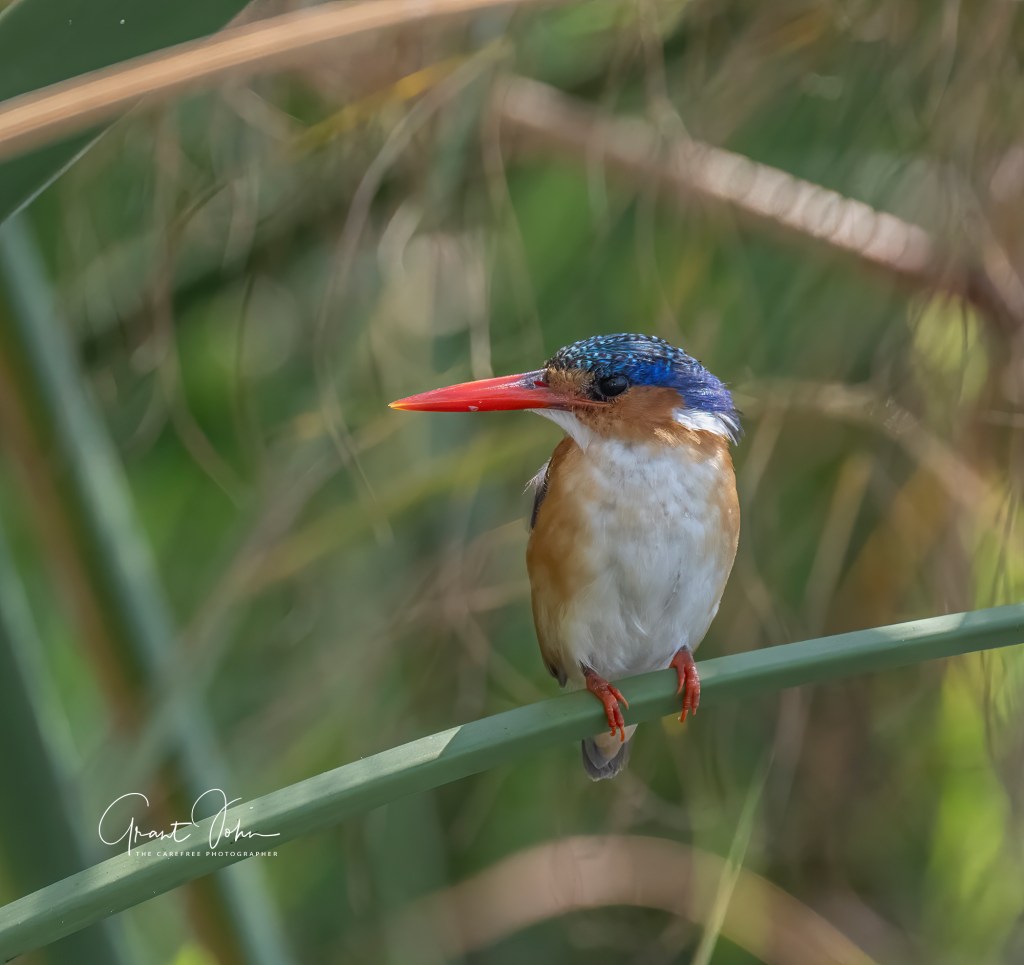
Malachite Kingfisher
Bank Swallow
African Stonechat
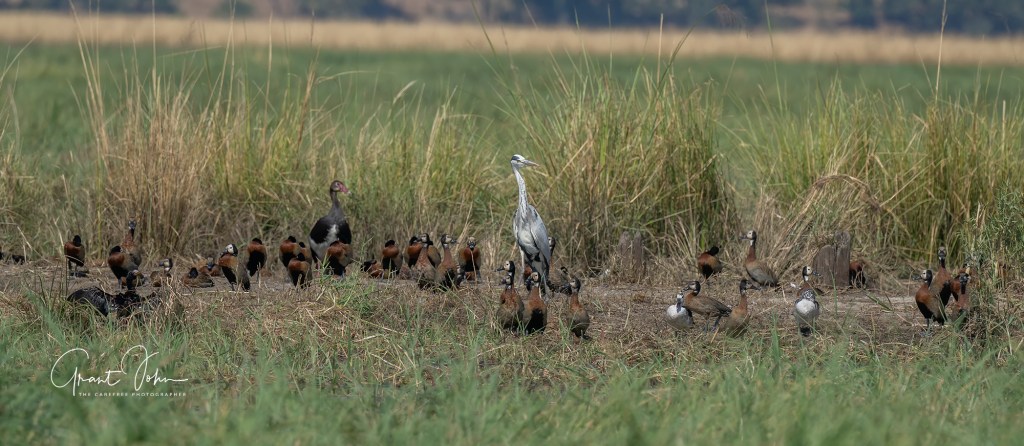
Great Blue Heron and White faced Ducks
Egyptian Geese
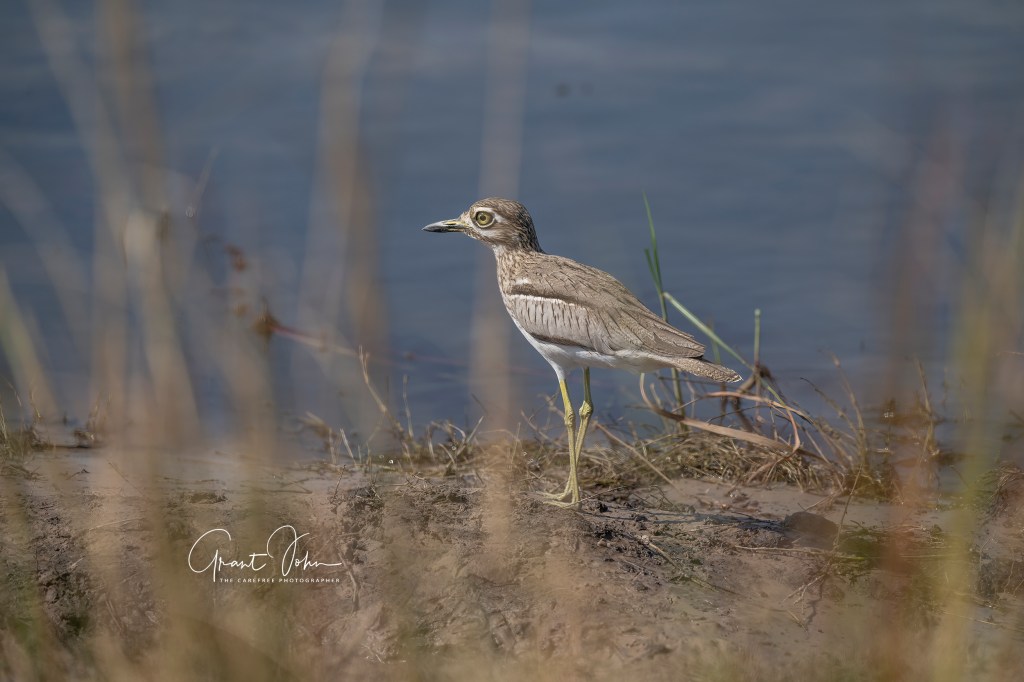
Water Thick-knee
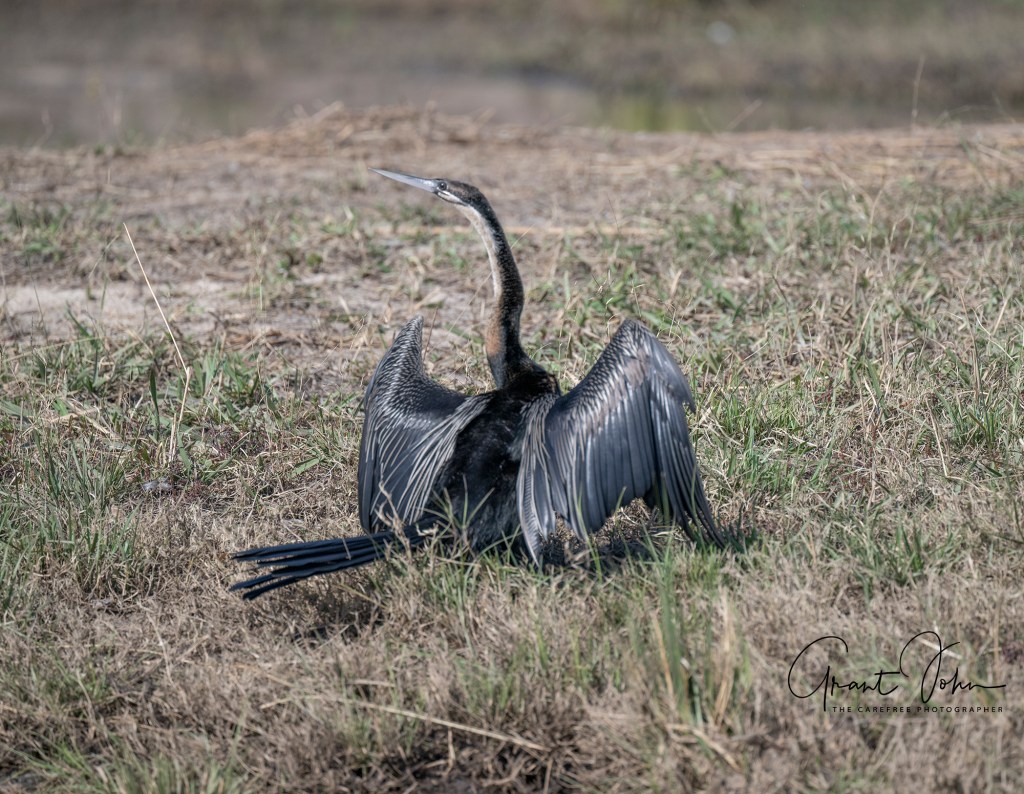
Aftrican Darter
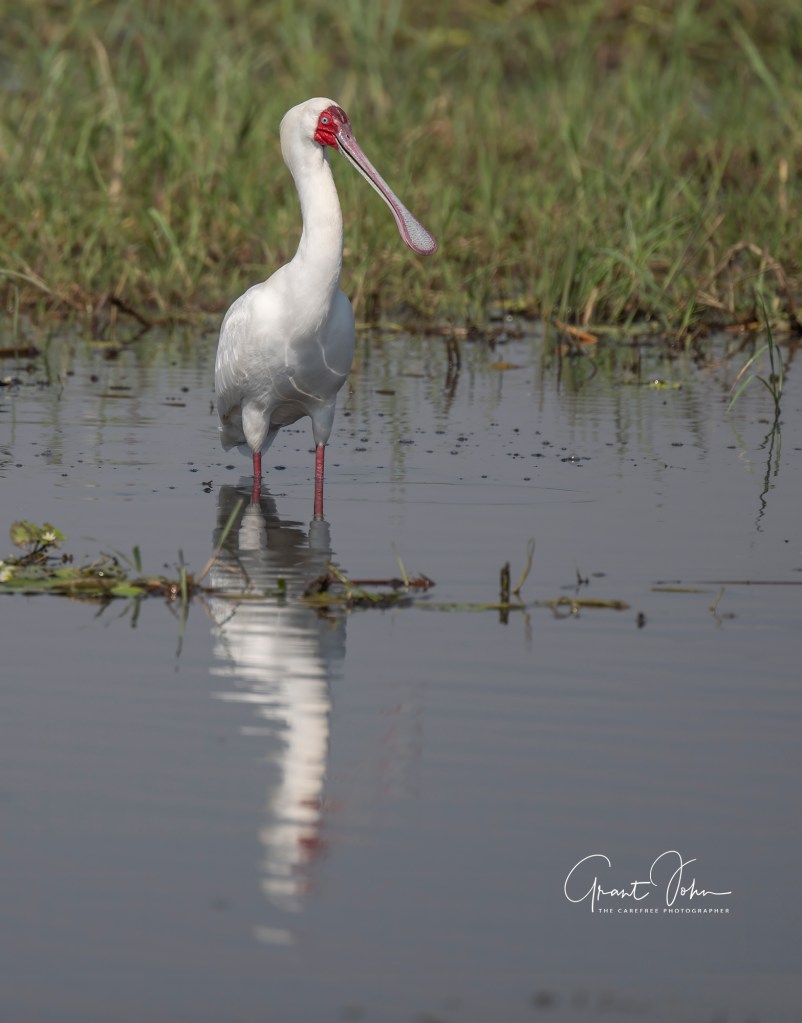
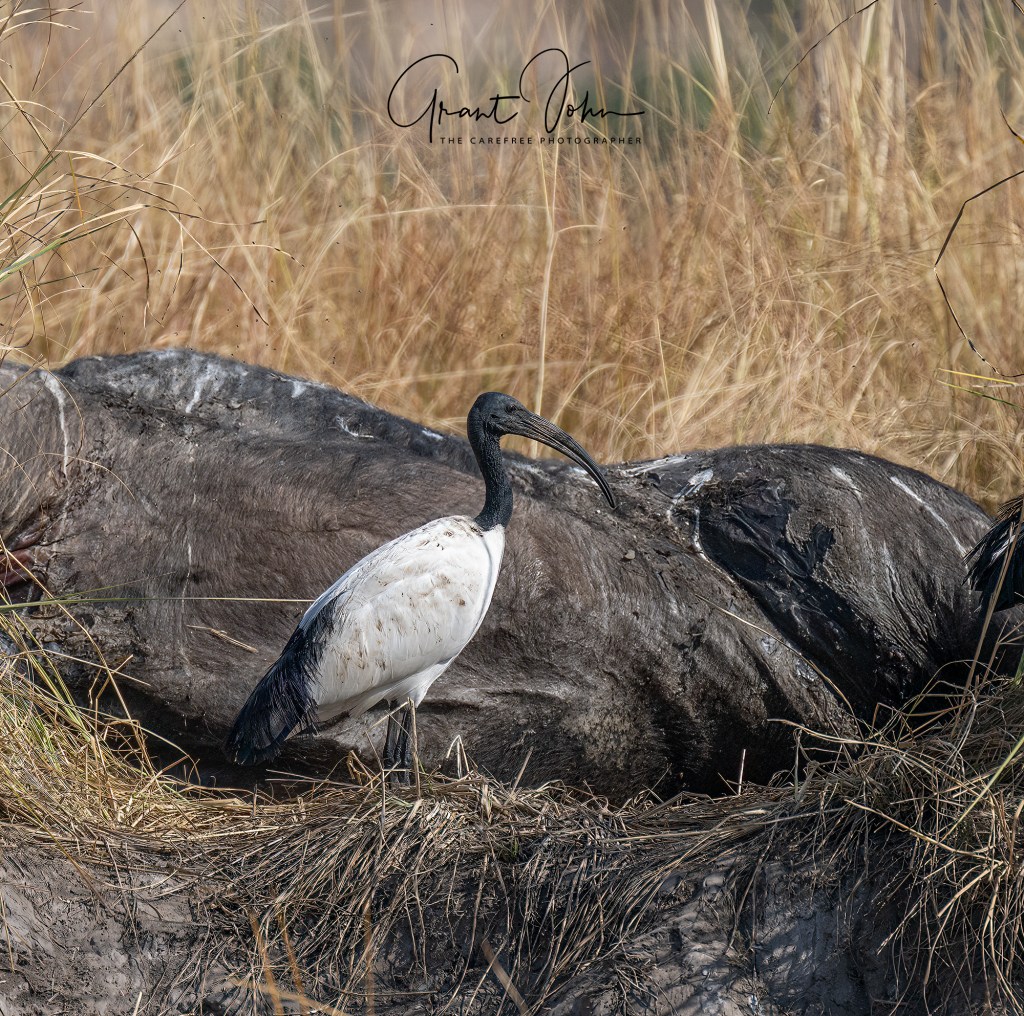
White Ibis

Santorini

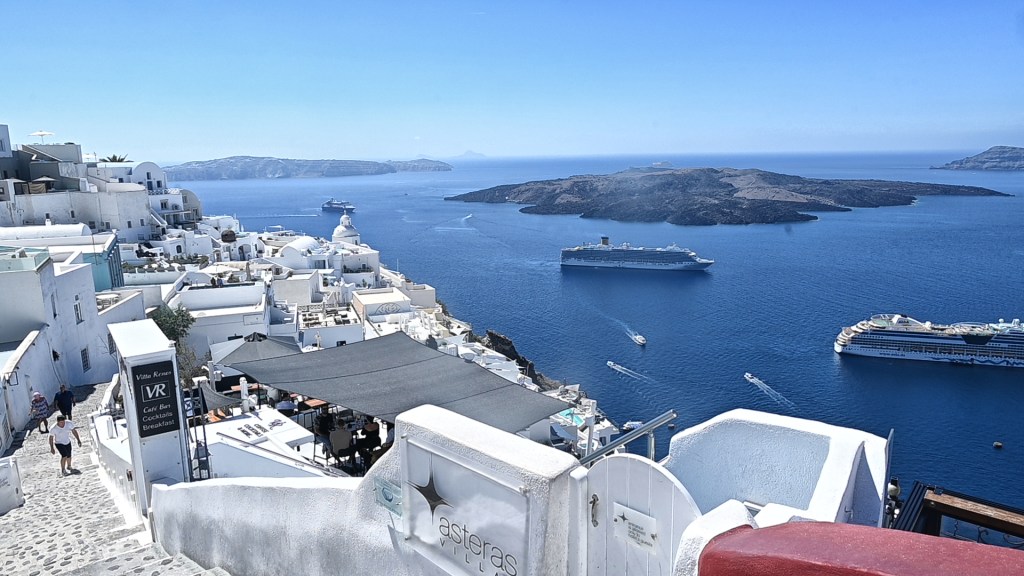
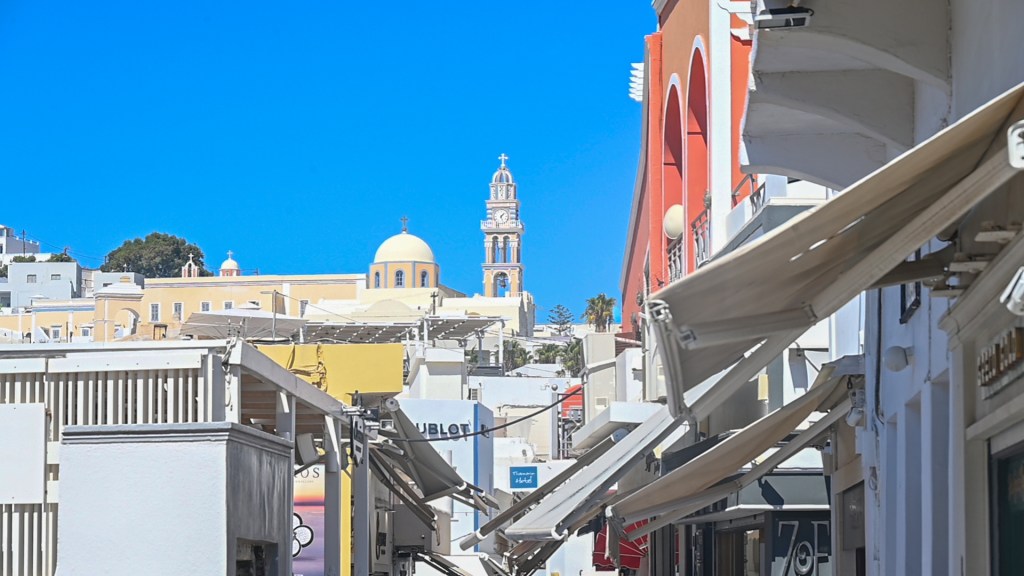
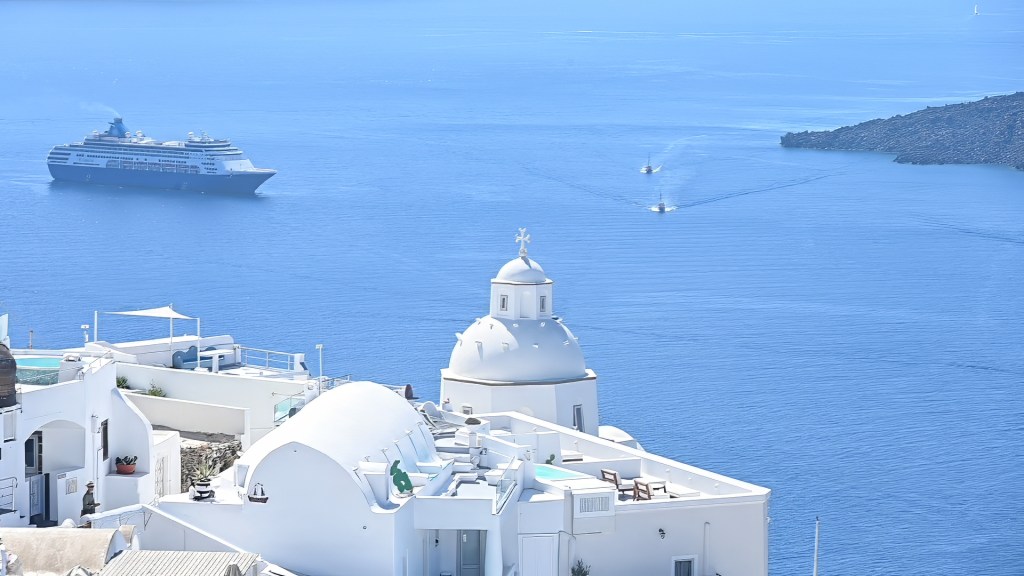
Ah yes, the most famous, popular, loved and visited Greek isle! Beautiful indeed, but we visited this island along with four large cruise ships – maybe 10,000 people! Our director rescheduled our tour to minimize conflict and crowds – helped a little.

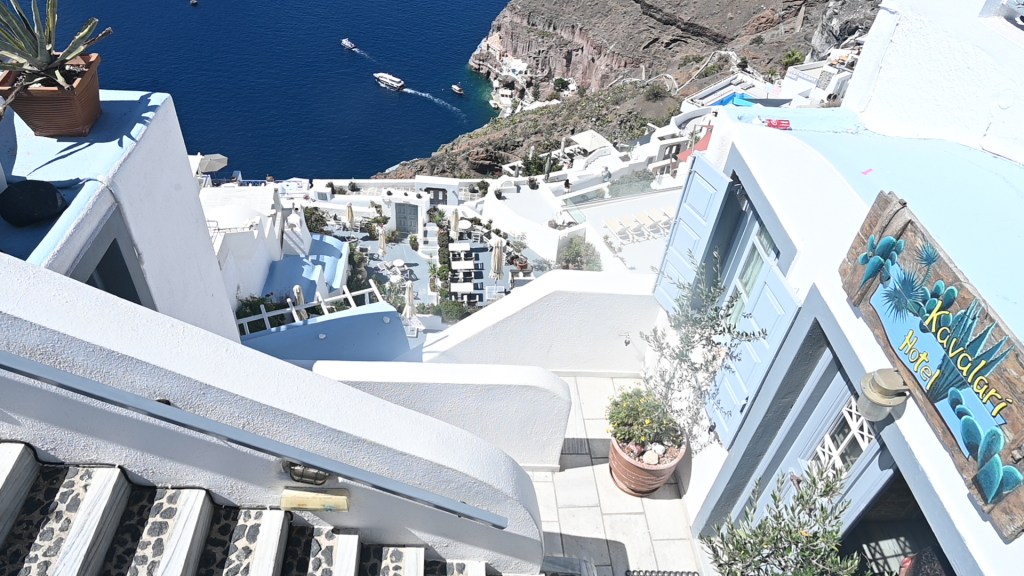
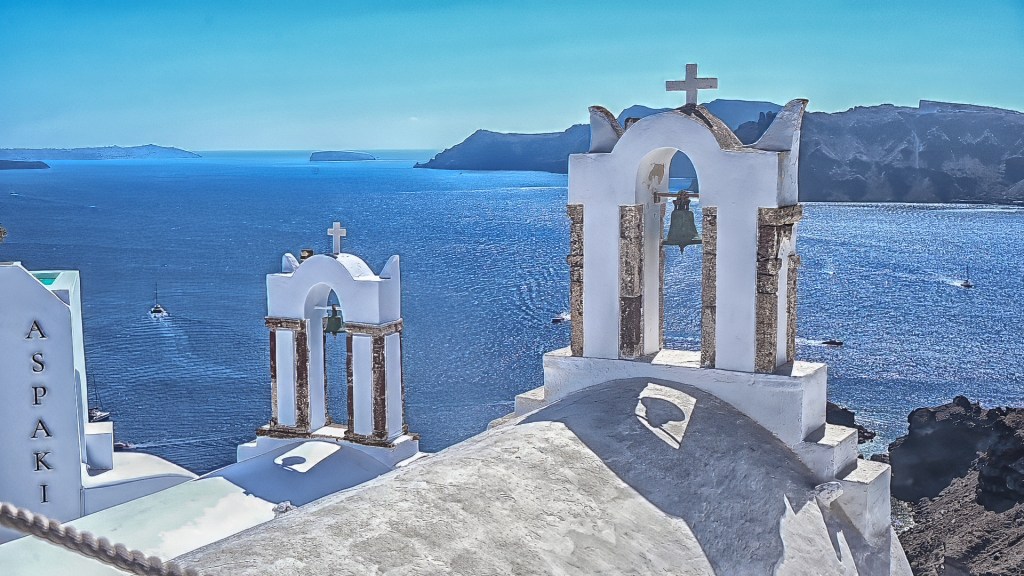
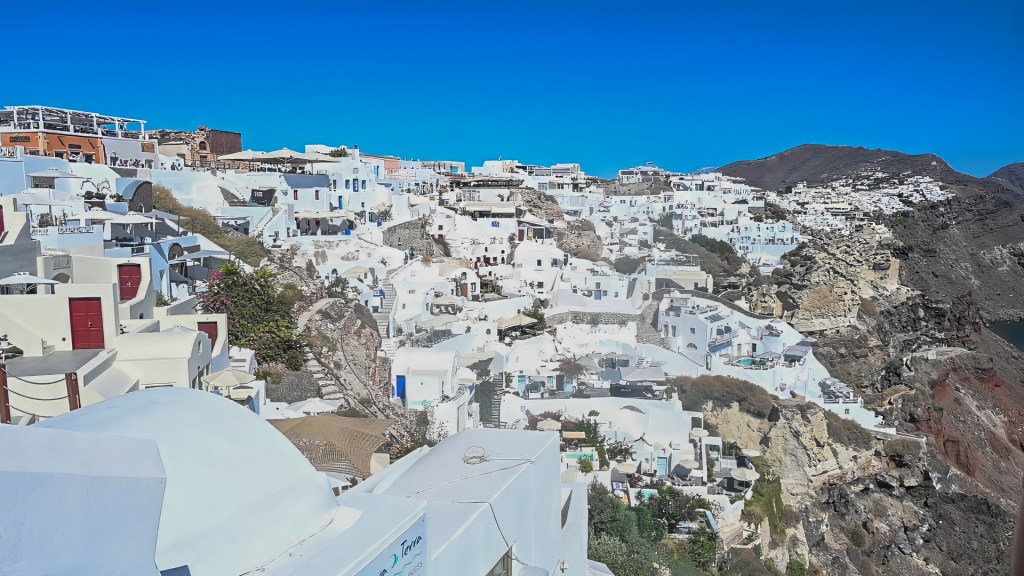
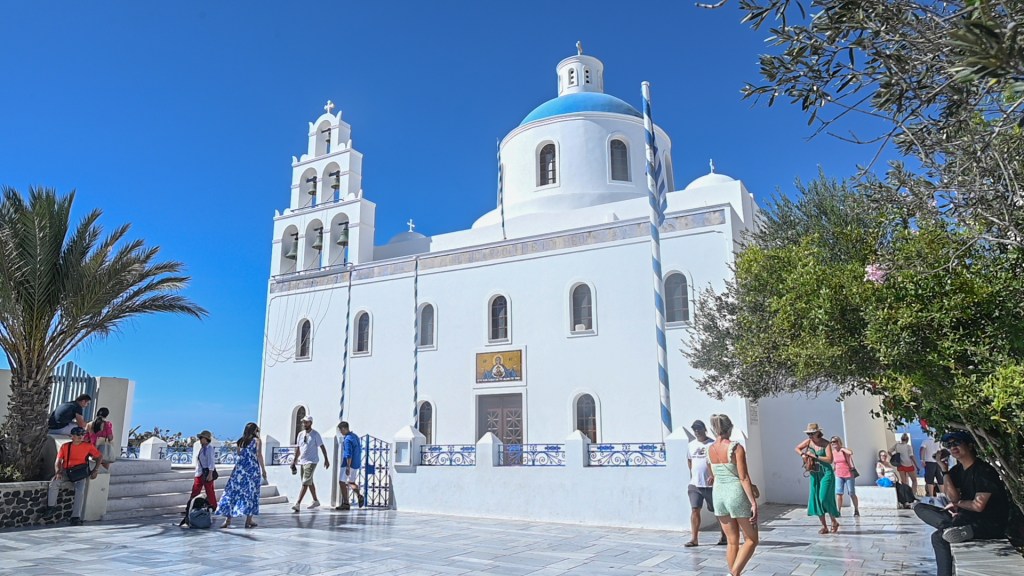
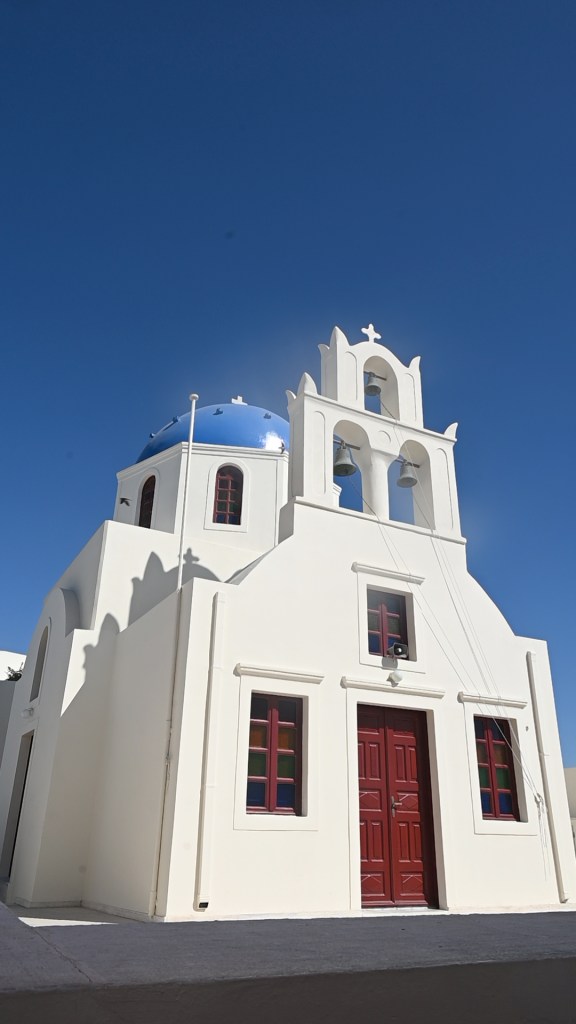
Santorini is a flooded caldera (a collapsed volcanic crater) with a long arc of cliffs rising a thousand feet above sea level. The main town is Fira, with primary services and museum. The most scenic town is Oia (EE-ah) on the northern tip, with its chalk white houses and vivid domes.

The five islands that make up the Santorini archipelago are known as Thira, also the Greek name for the main island. Santorini is named after an early Christian cathedral. These were created by volcanic activity millions of years ago. The first major eruption occurred 21000 years ago and created the caldera seen today. The “Minoan Eruption” in 1630 BC was one of the largest in human history; residents must have had early warnings sand vacated the area since no skeletal remains have been found.

Akrotiri

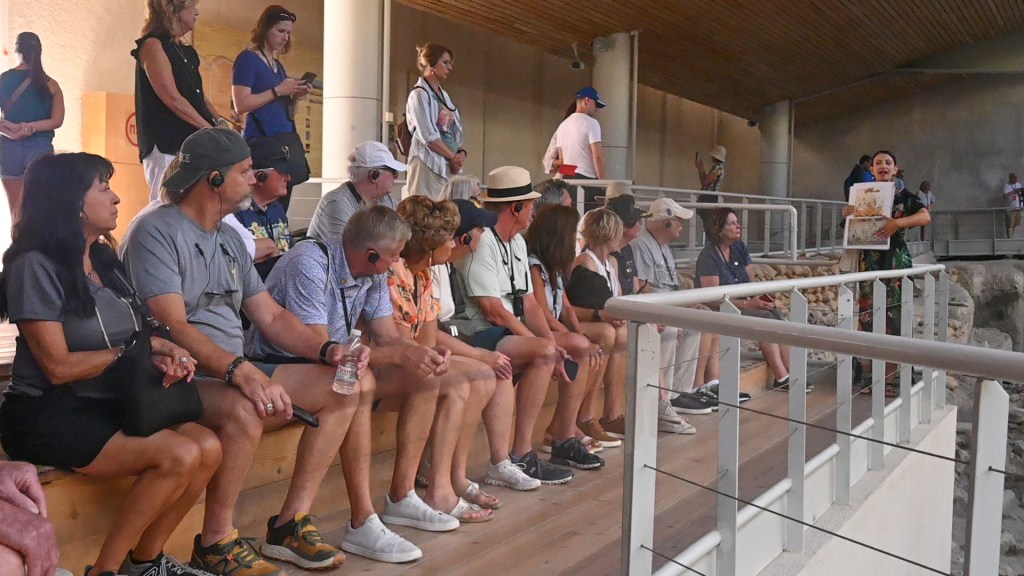
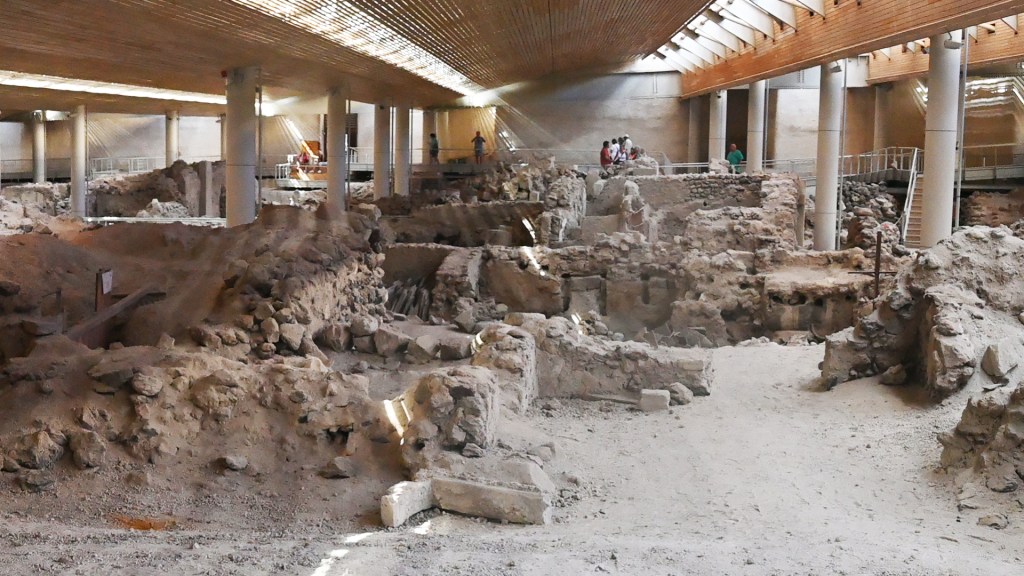
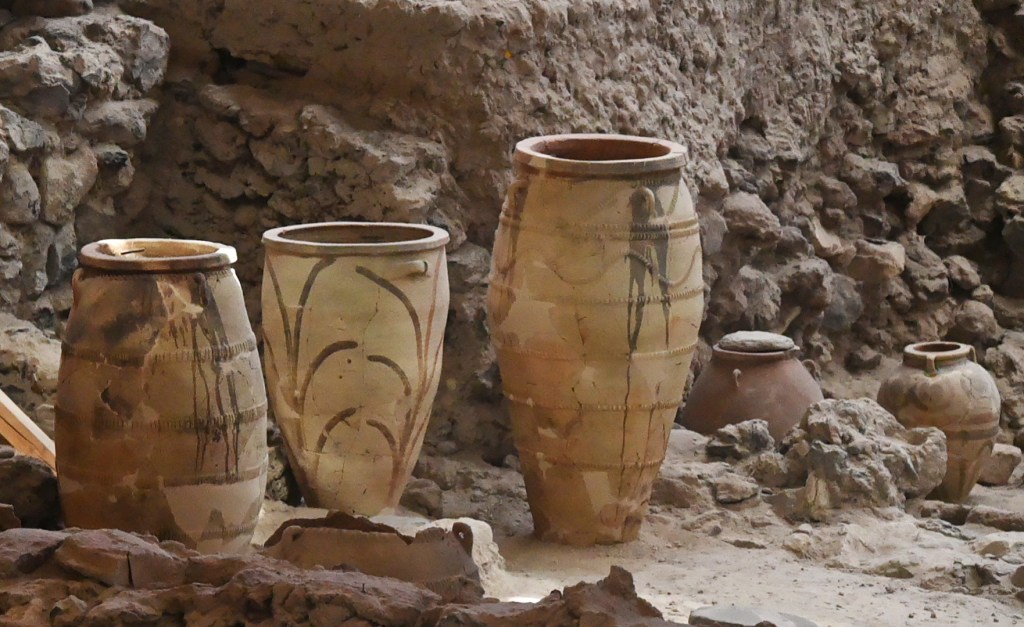
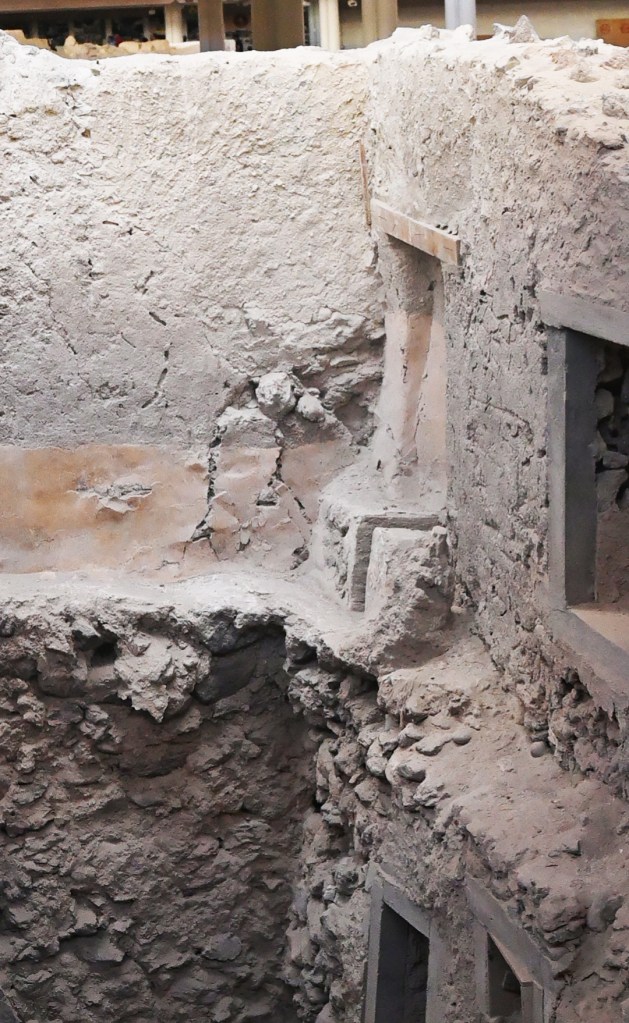
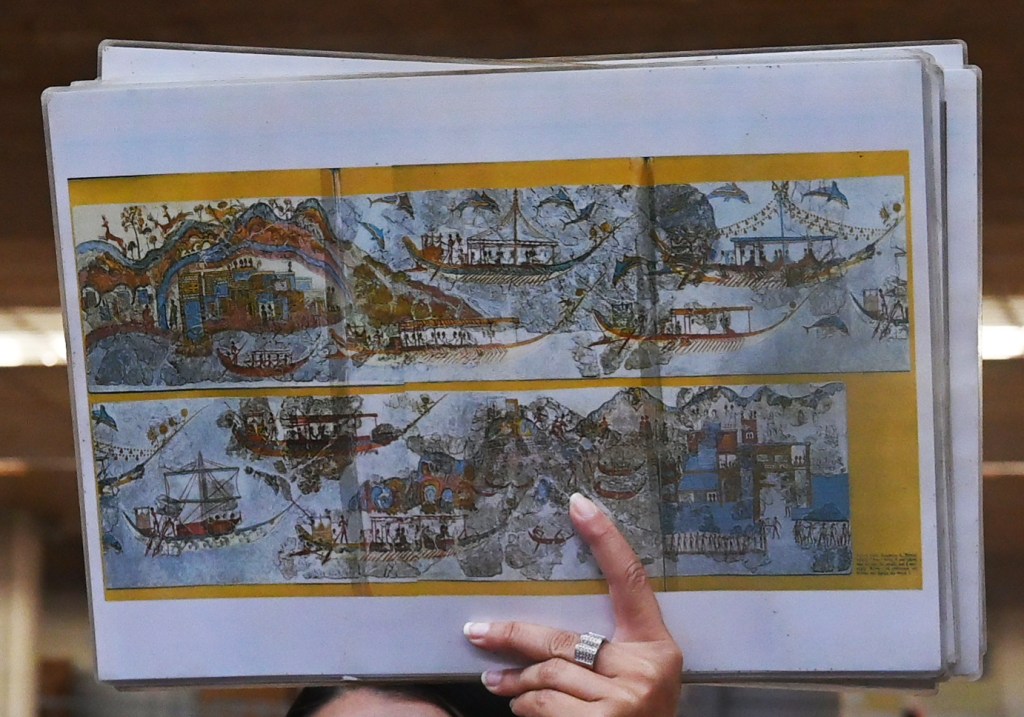
We visited The Akrotiri Archaelogical site first. These ruins were buried under ash during the Min1630 BC eruption. Excavations started in the 1860’s, although less than 10% of the site has been uncovered. This site is about 1500 years older than Pompeii!

Fira

Oia