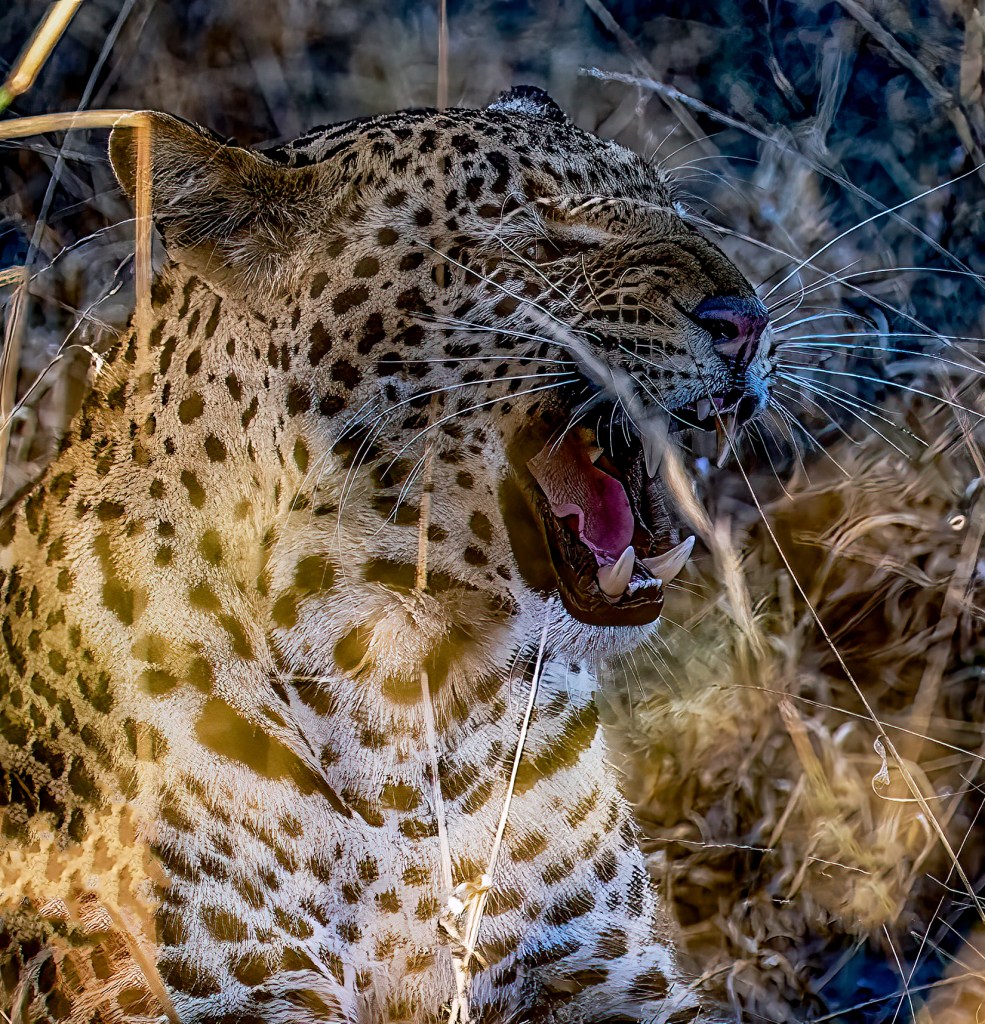
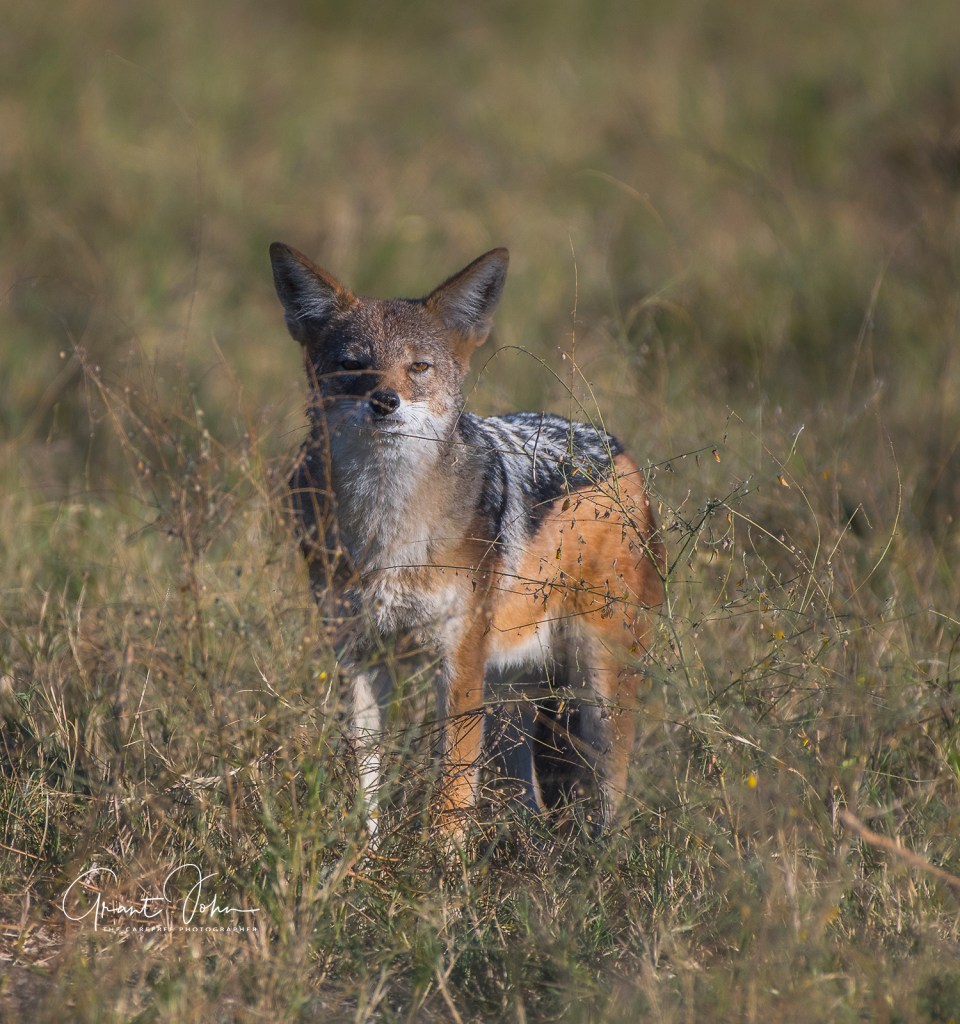
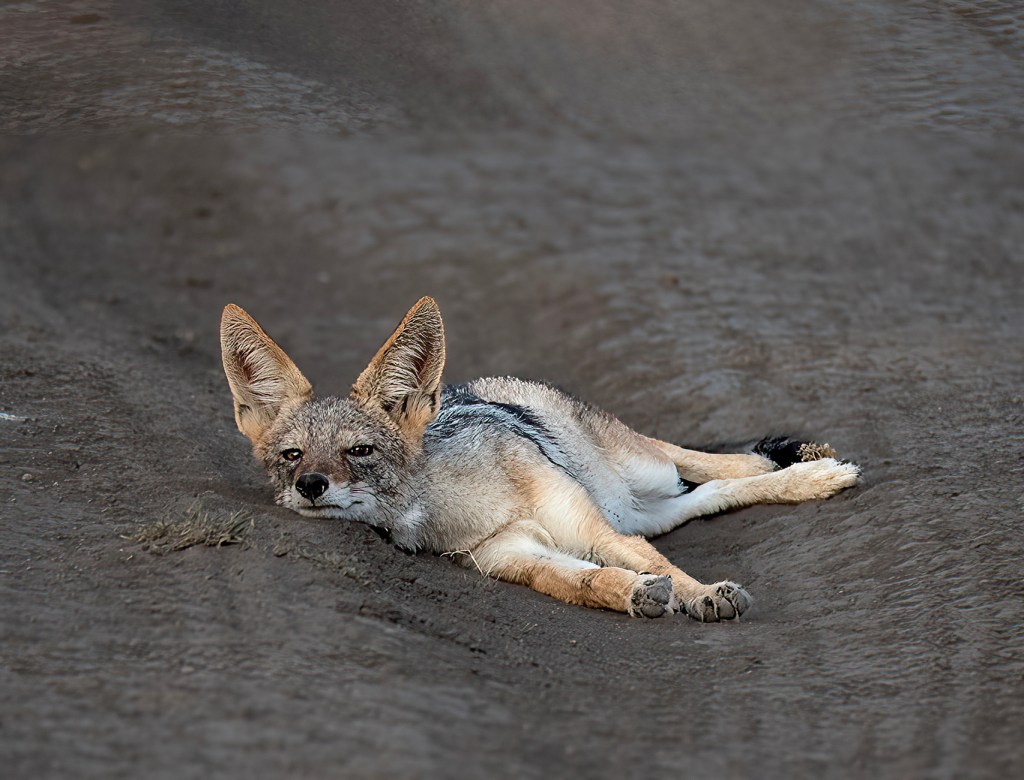
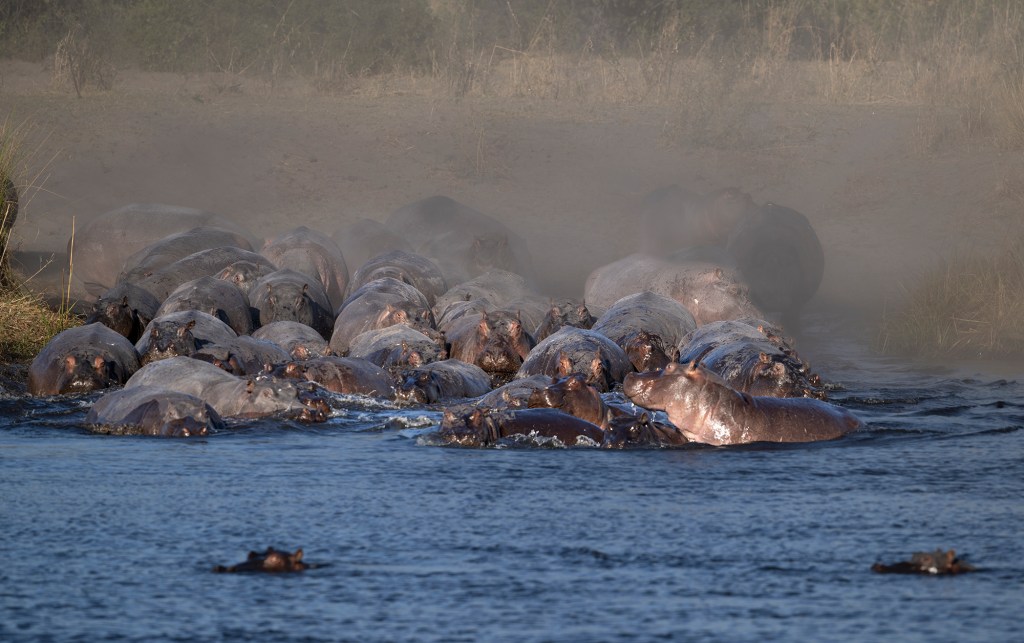
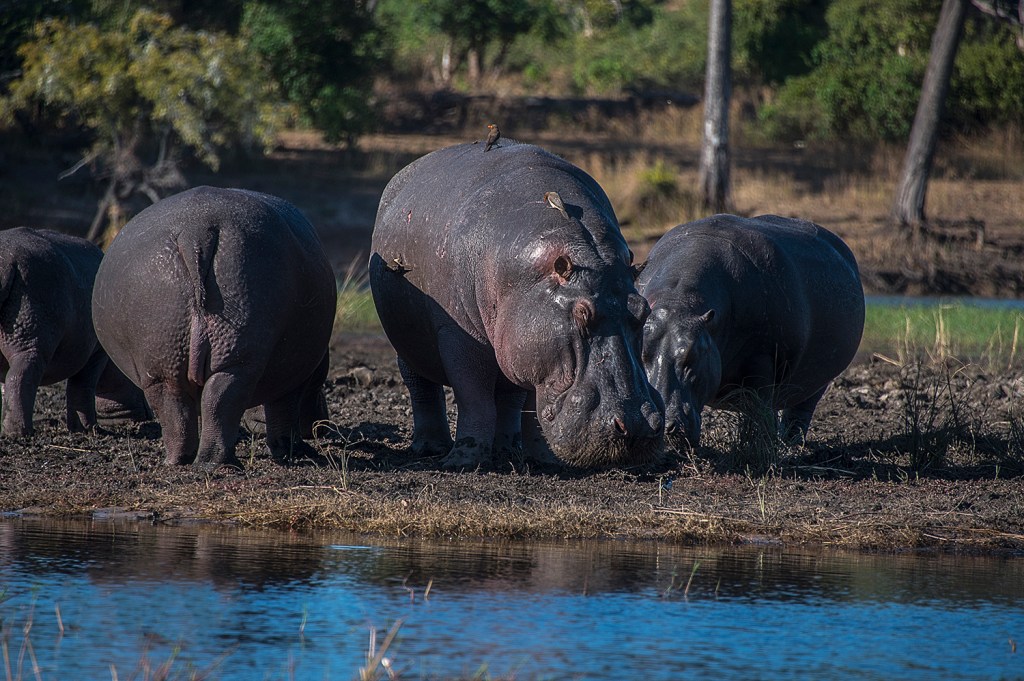
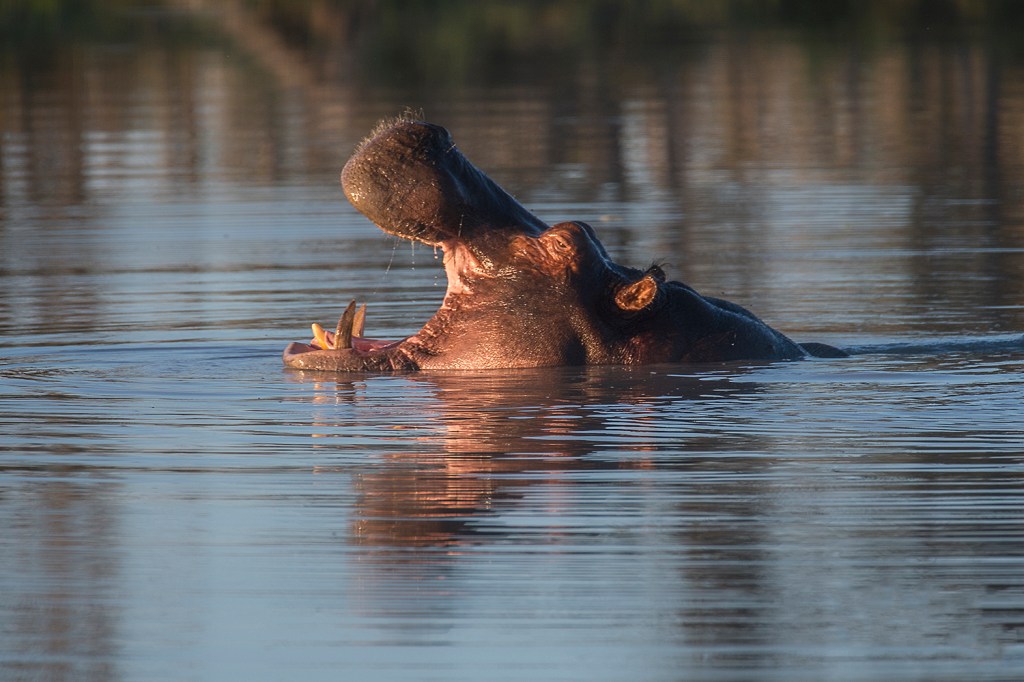
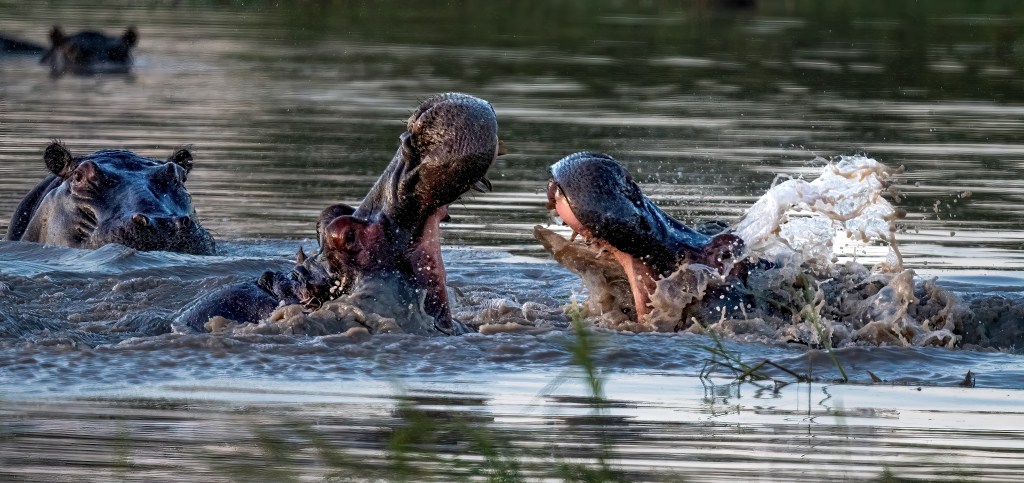
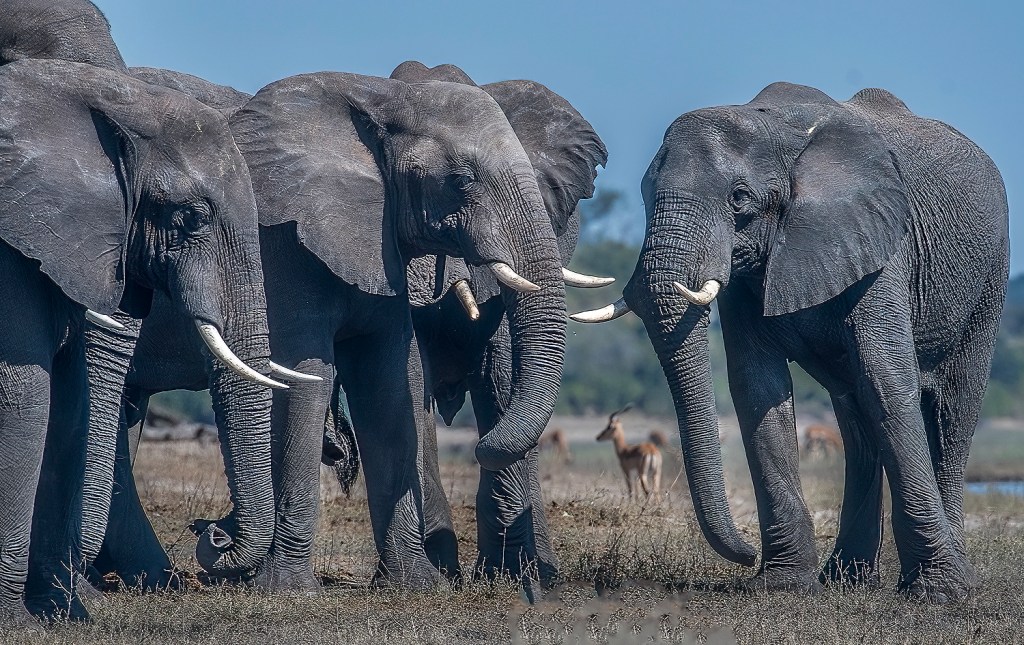
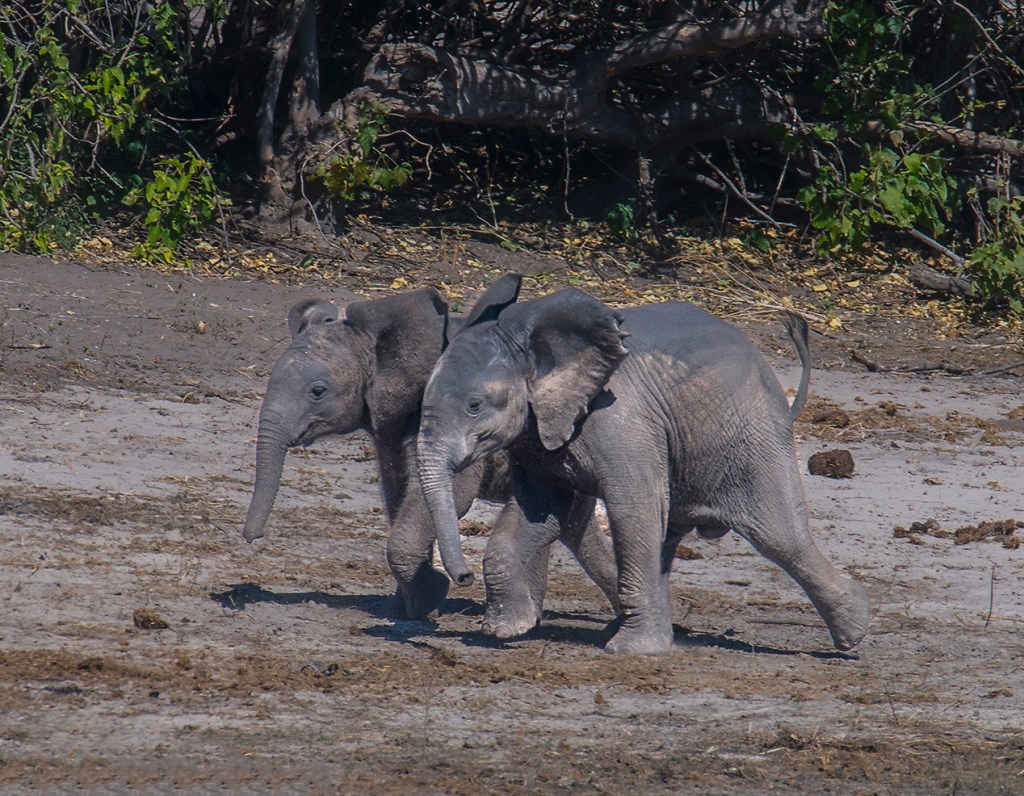
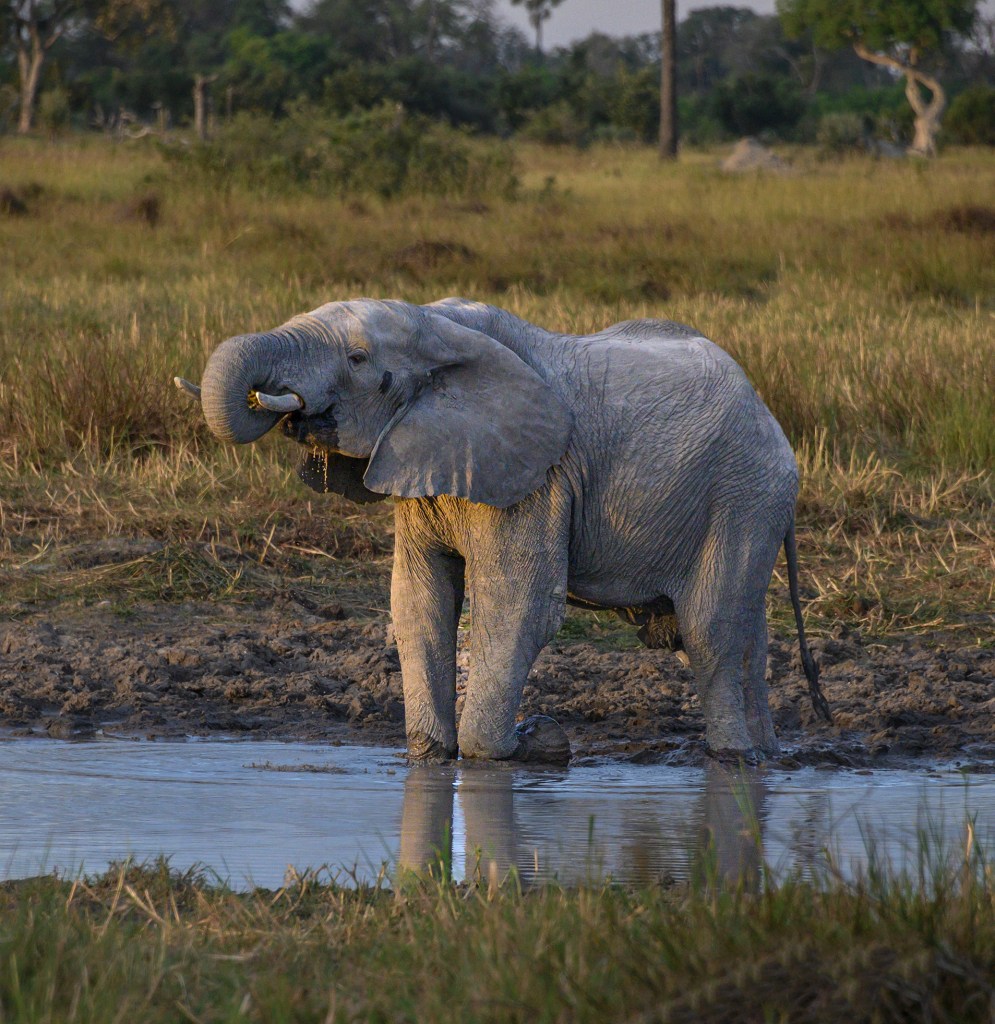
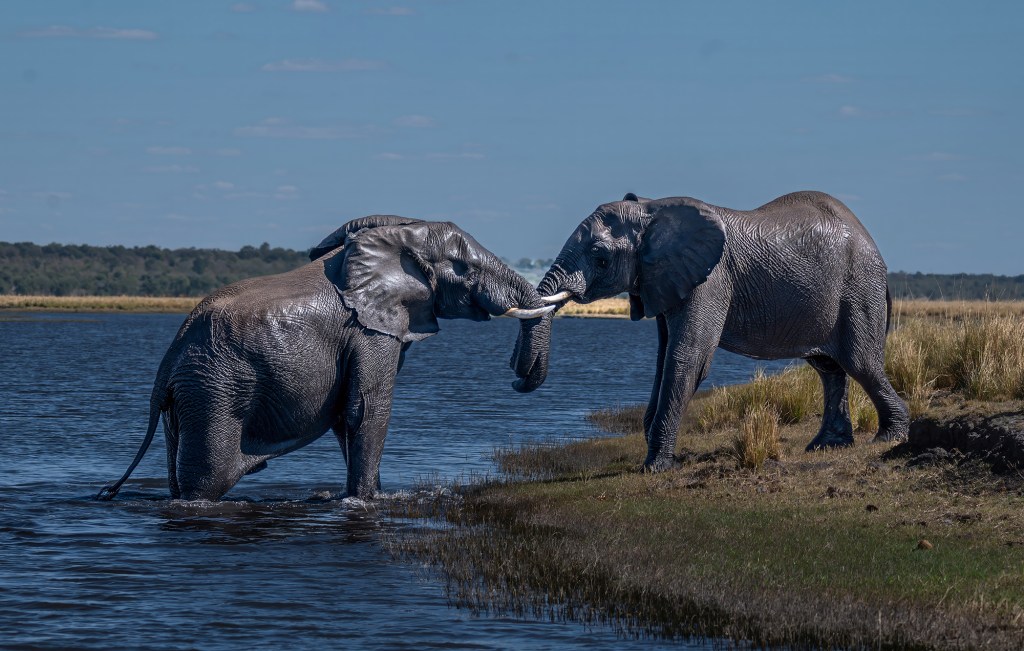
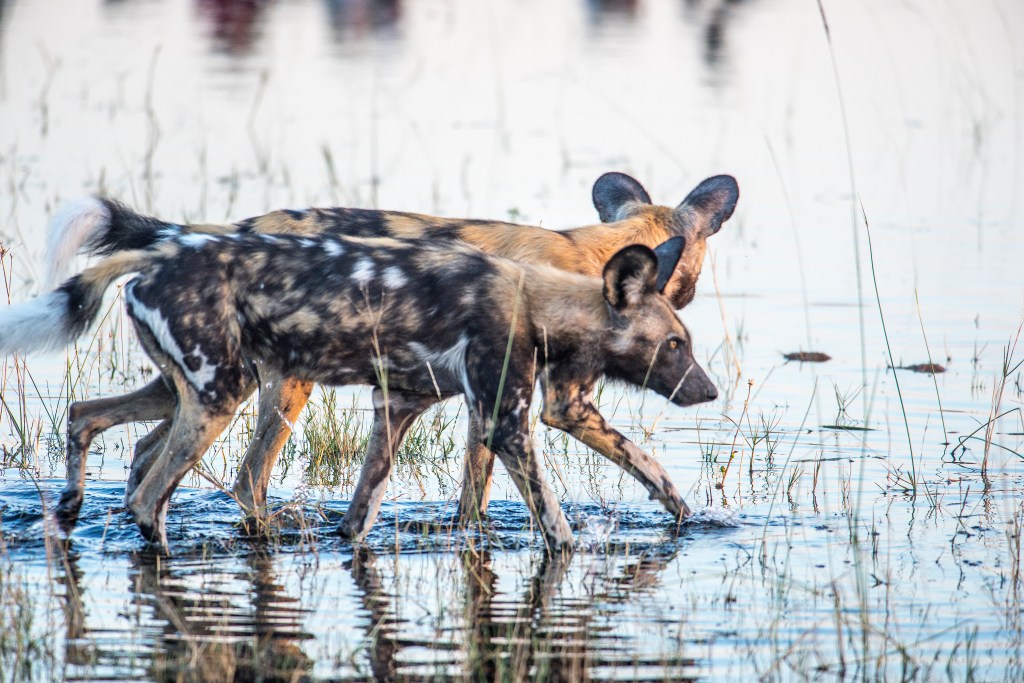
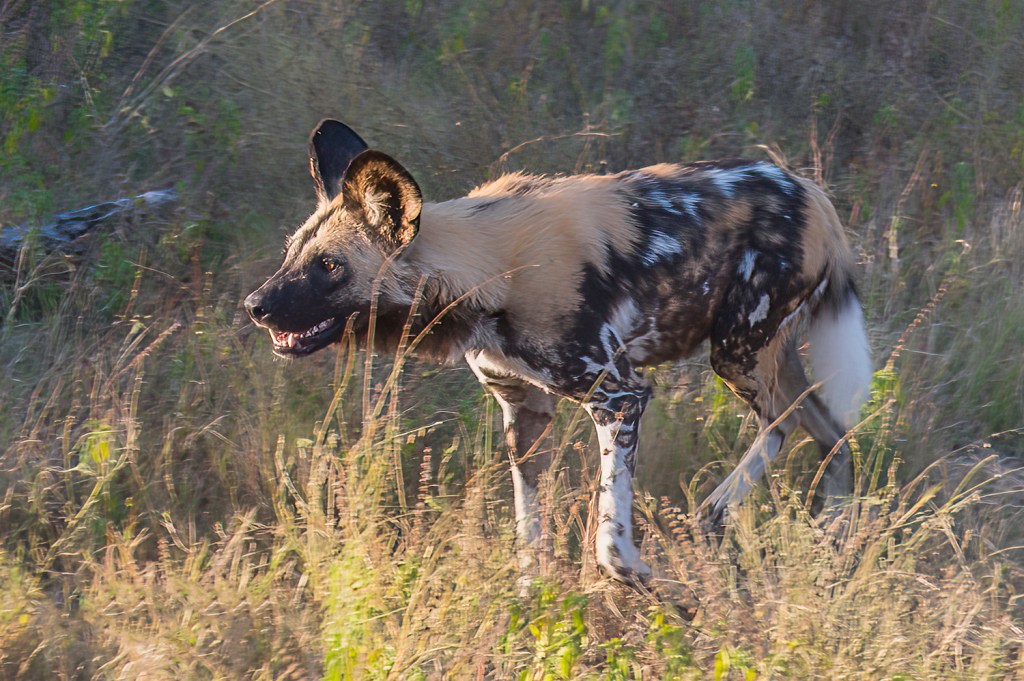
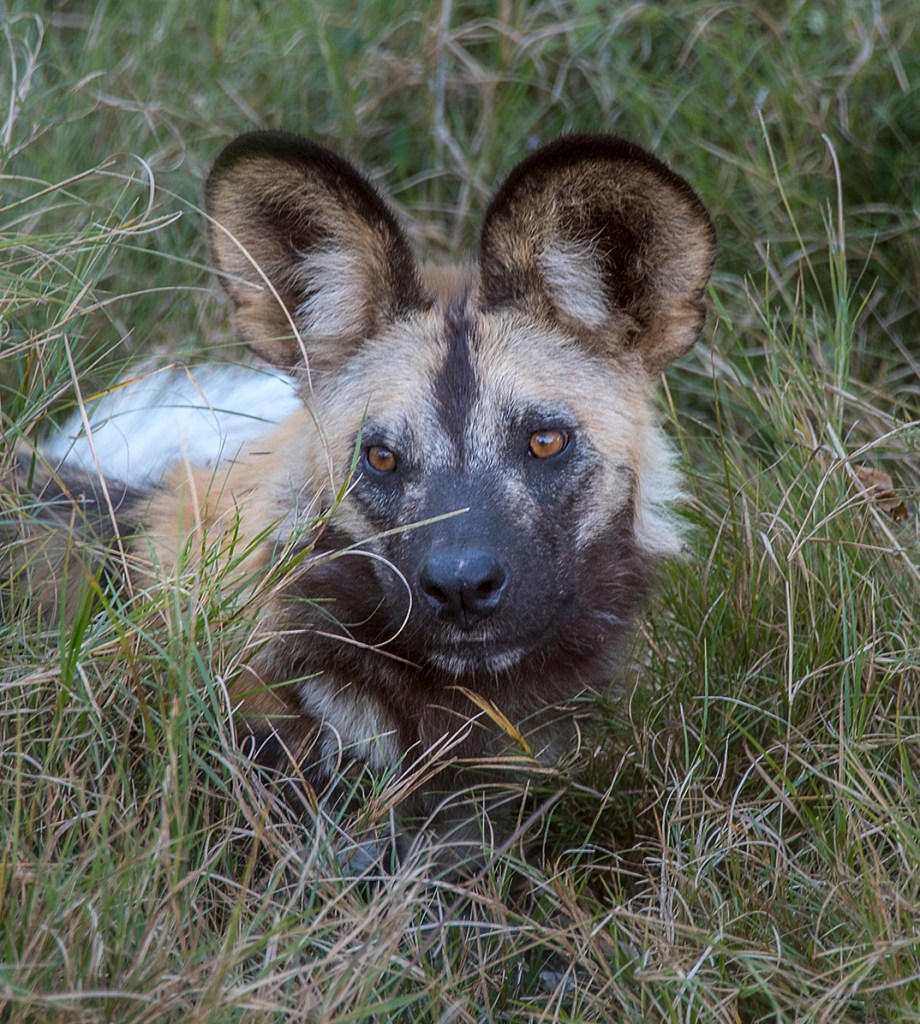
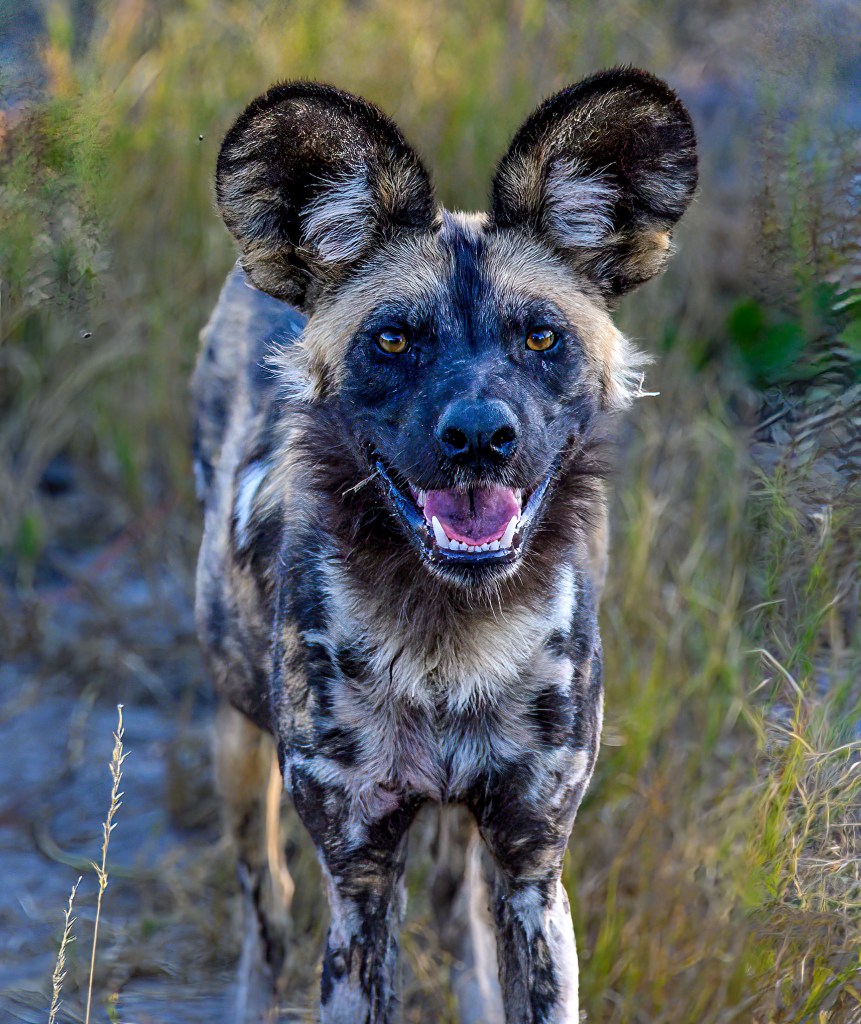
Favorite Mammals XIV Share this: Share on X (Opens in new window) X Share on Facebook (Opens in new window) Facebook Share on LinkedIn (Opens in new window) LinkedIn Share on WhatsApp (Opens in new window) WhatsApp More Print (Opens in new window) Print Email a link to a friend (Opens in new window) Email Like Loading...
Favorite Mammals XIII Share this: Share on X (Opens in new window) X Share on Facebook (Opens in new window) Facebook Share on LinkedIn (Opens in new window) LinkedIn Share on WhatsApp (Opens in new window) WhatsApp More Print (Opens in new window) Print Email a link to a friend (Opens in new window) Email Like Loading...
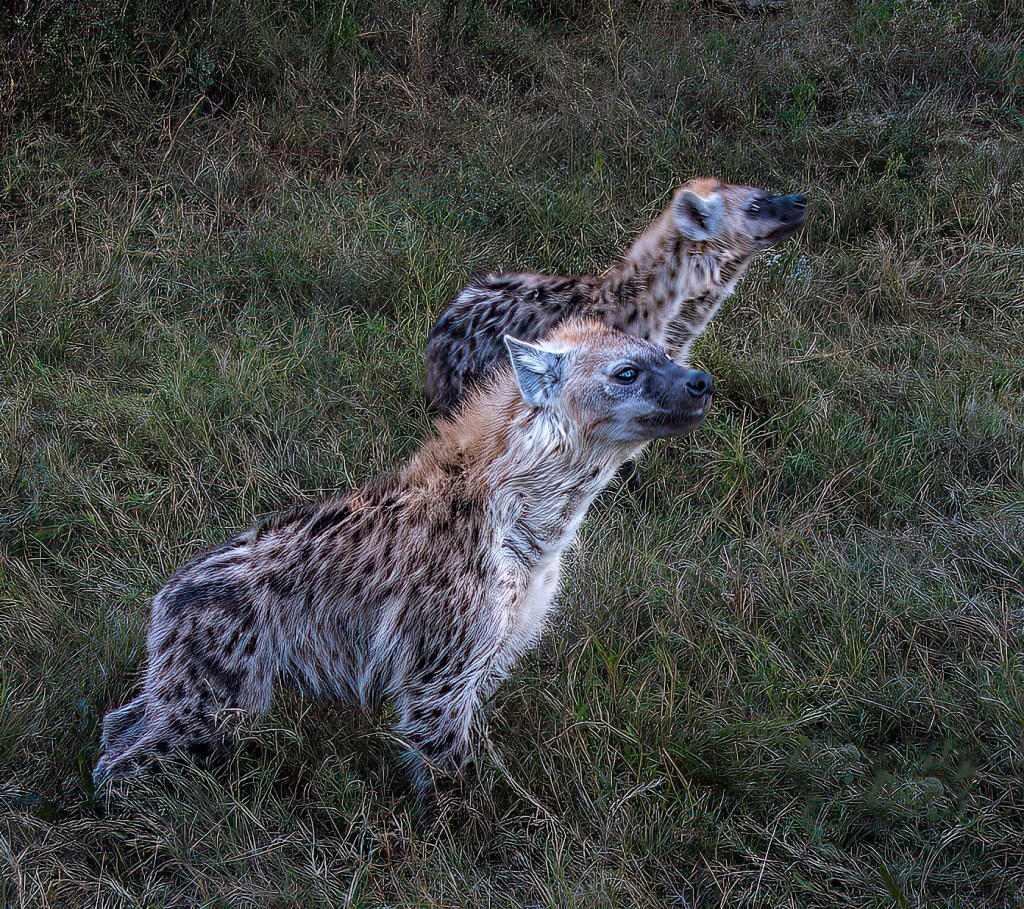
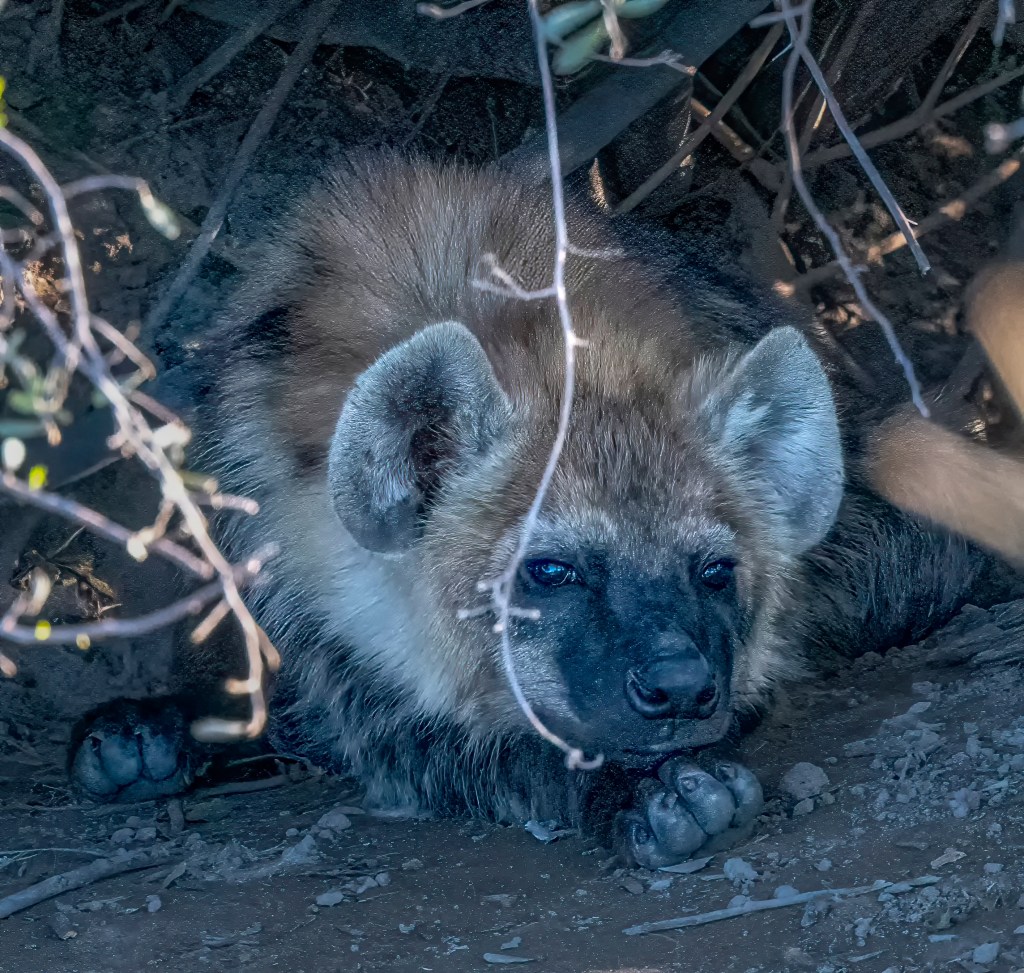
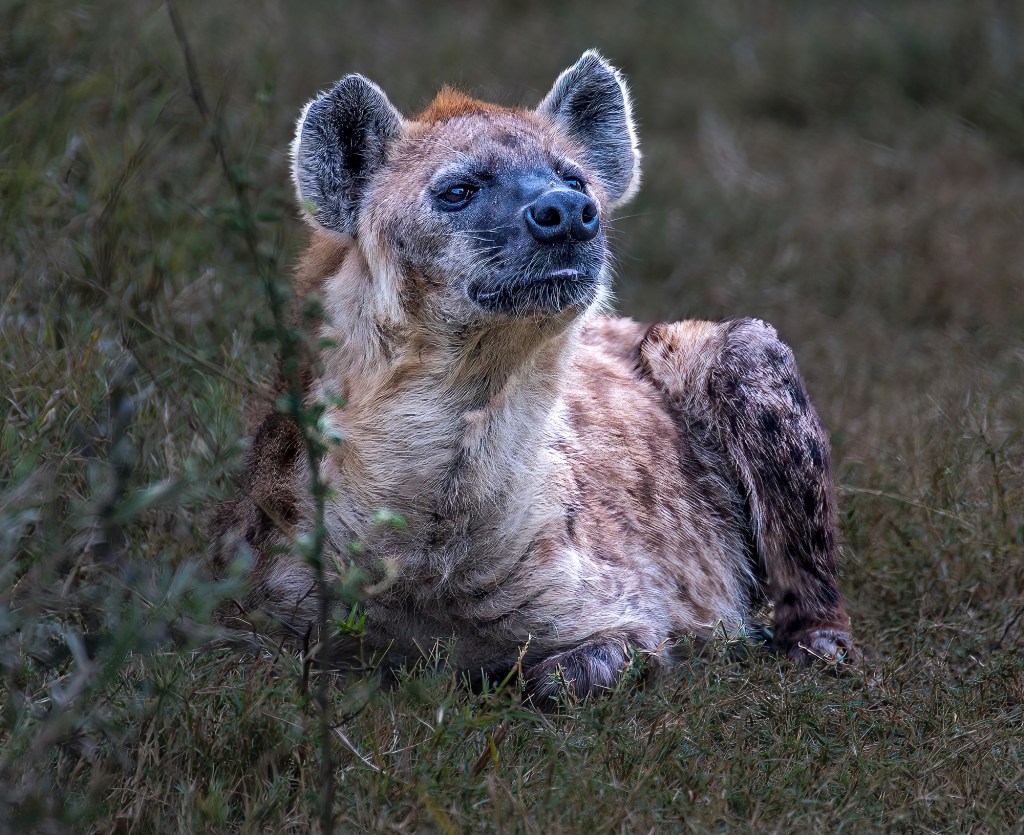
Favorite Mammals XII Hyenas Share this: Share on X (Opens in new window) X Share on Facebook (Opens in new window) Facebook Share on LinkedIn (Opens in new window) LinkedIn Share on WhatsApp (Opens in new window) WhatsApp More Print (Opens in new window) Print Email a link to a friend (Opens in new window) Email Like Loading...
Favorite mammals XI Share this: Share on X (Opens in new window) X Share on Facebook (Opens in new window) Facebook Share on LinkedIn (Opens in new window) LinkedIn Share on WhatsApp (Opens in new window) WhatsApp More Print (Opens in new window) Print Email a link to a friend (Opens in new window) Email Like Loading...
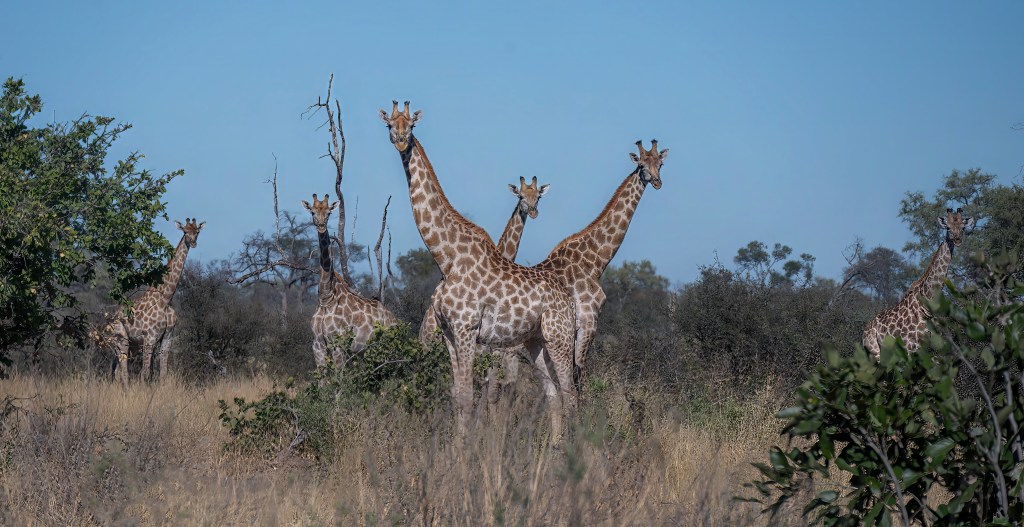
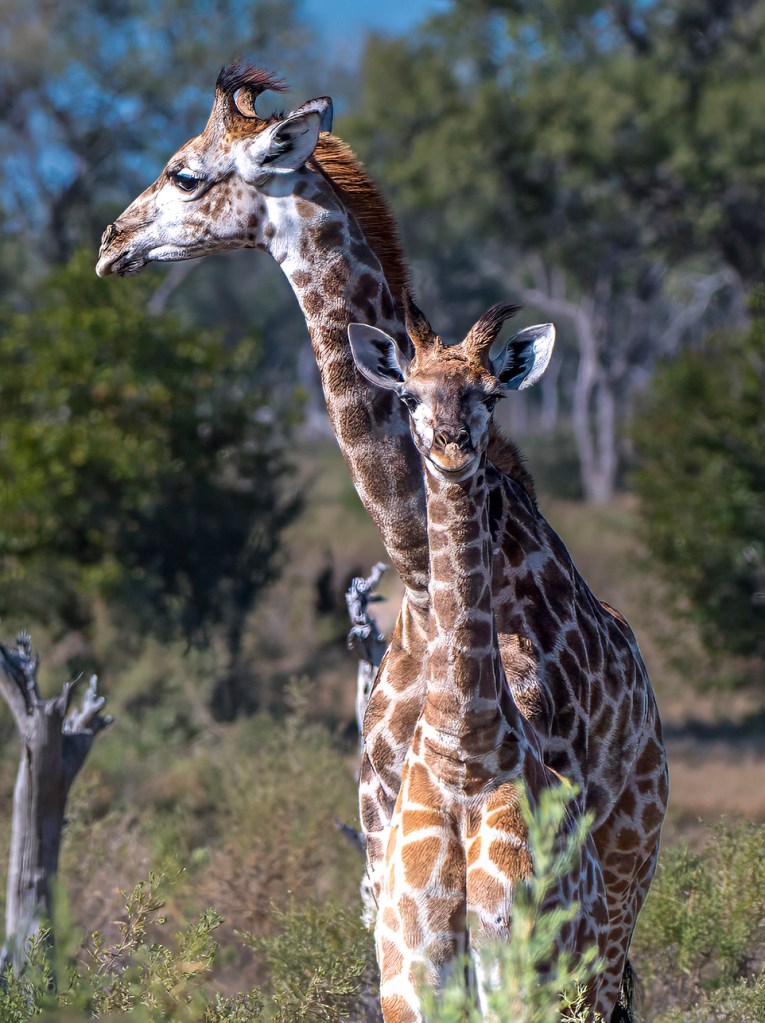
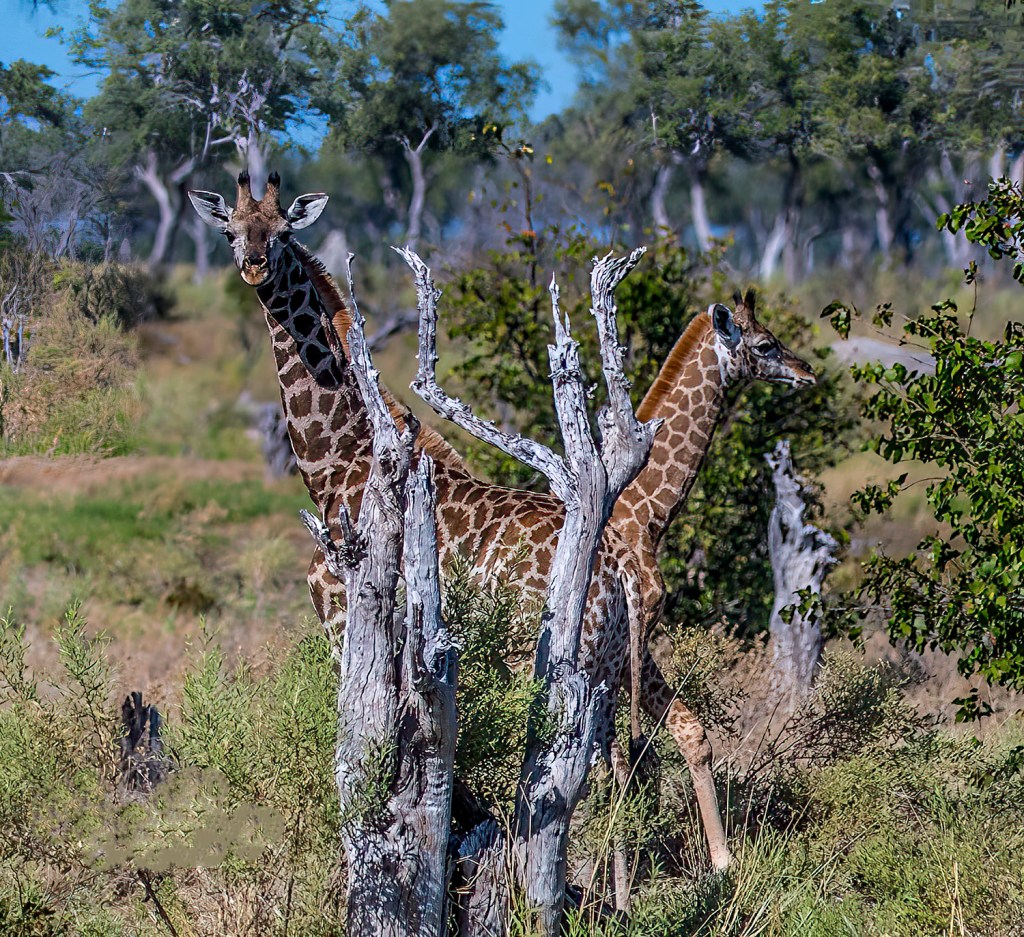
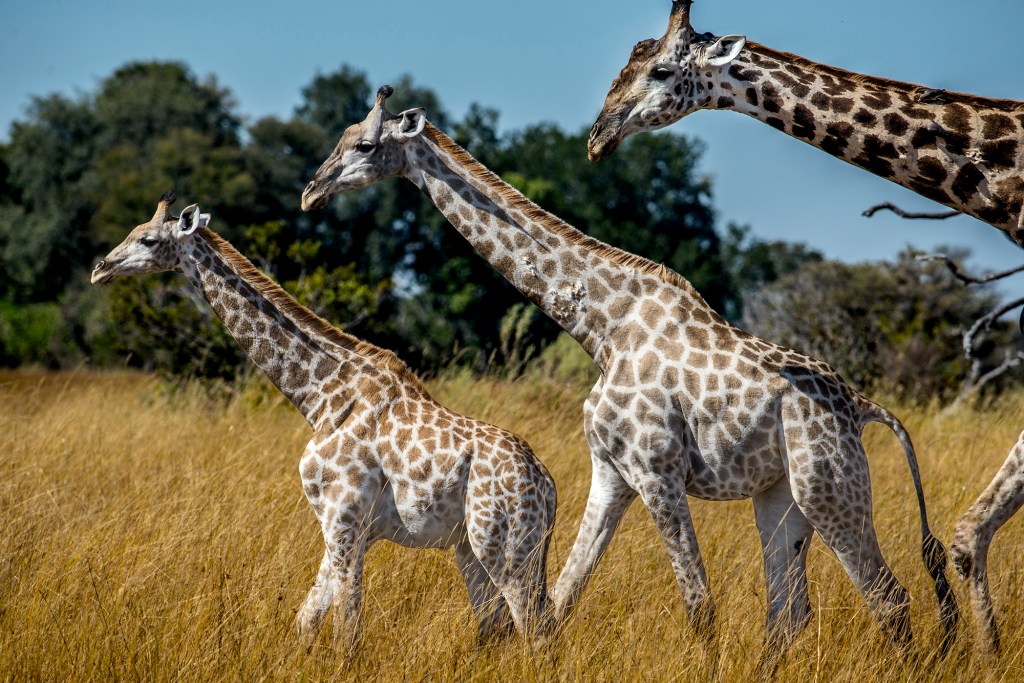
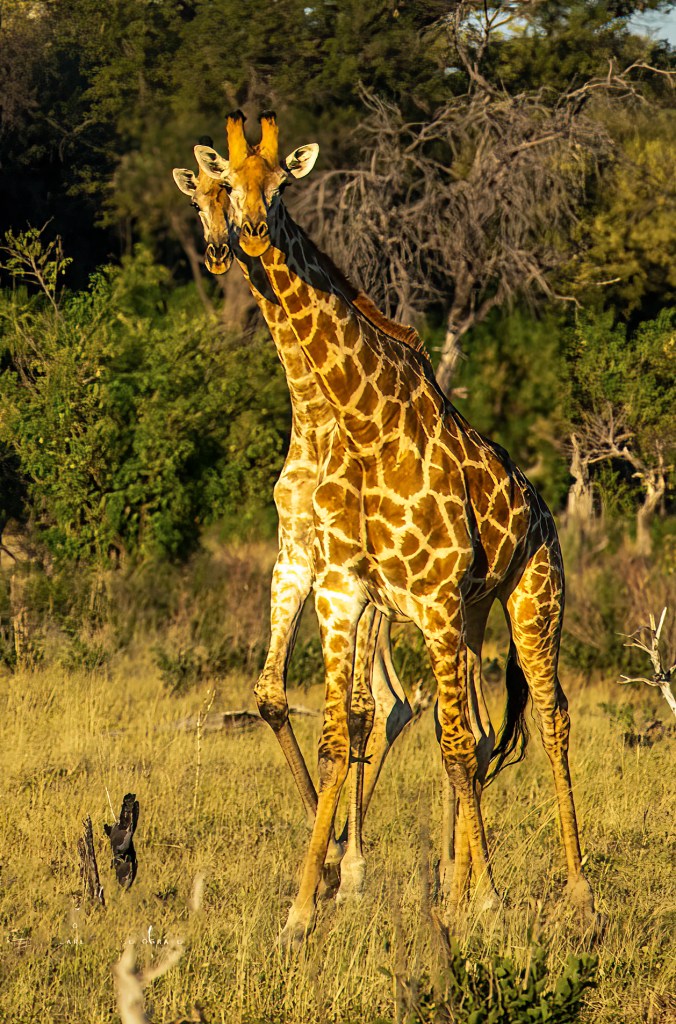
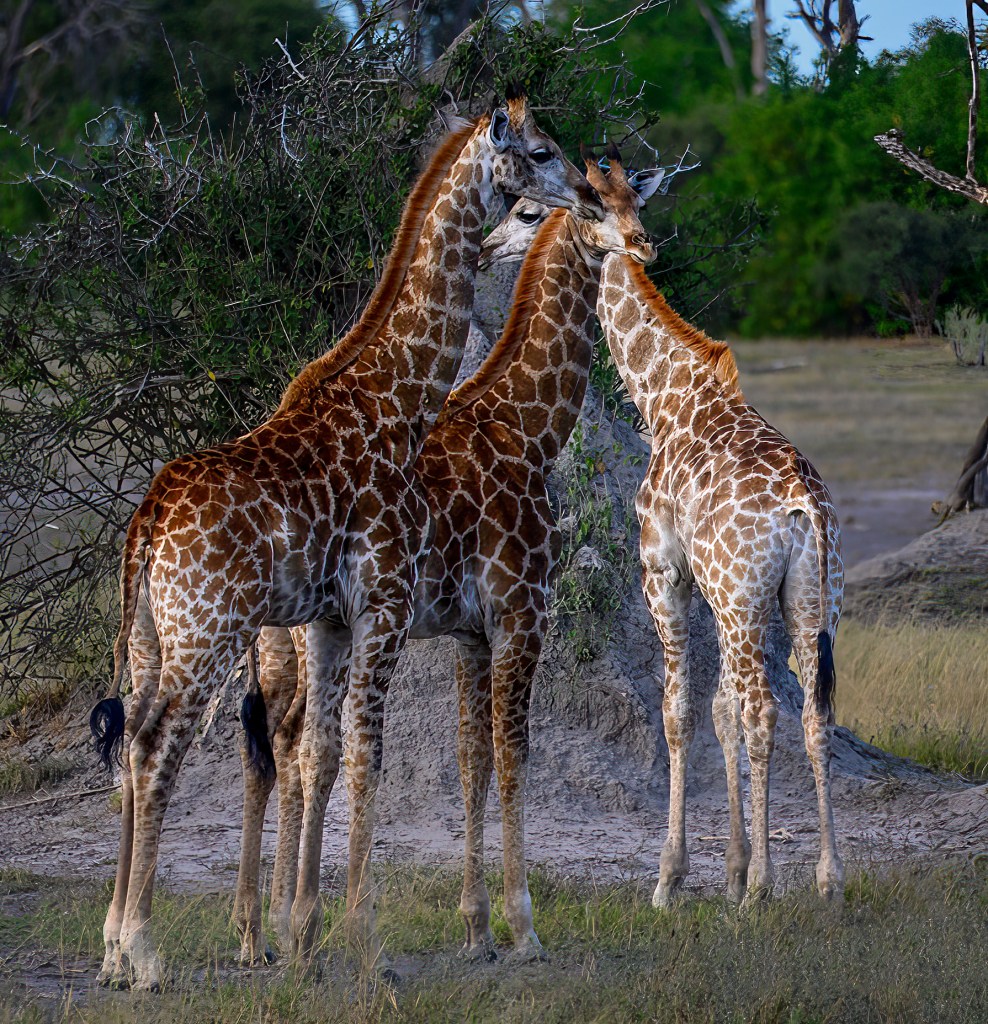
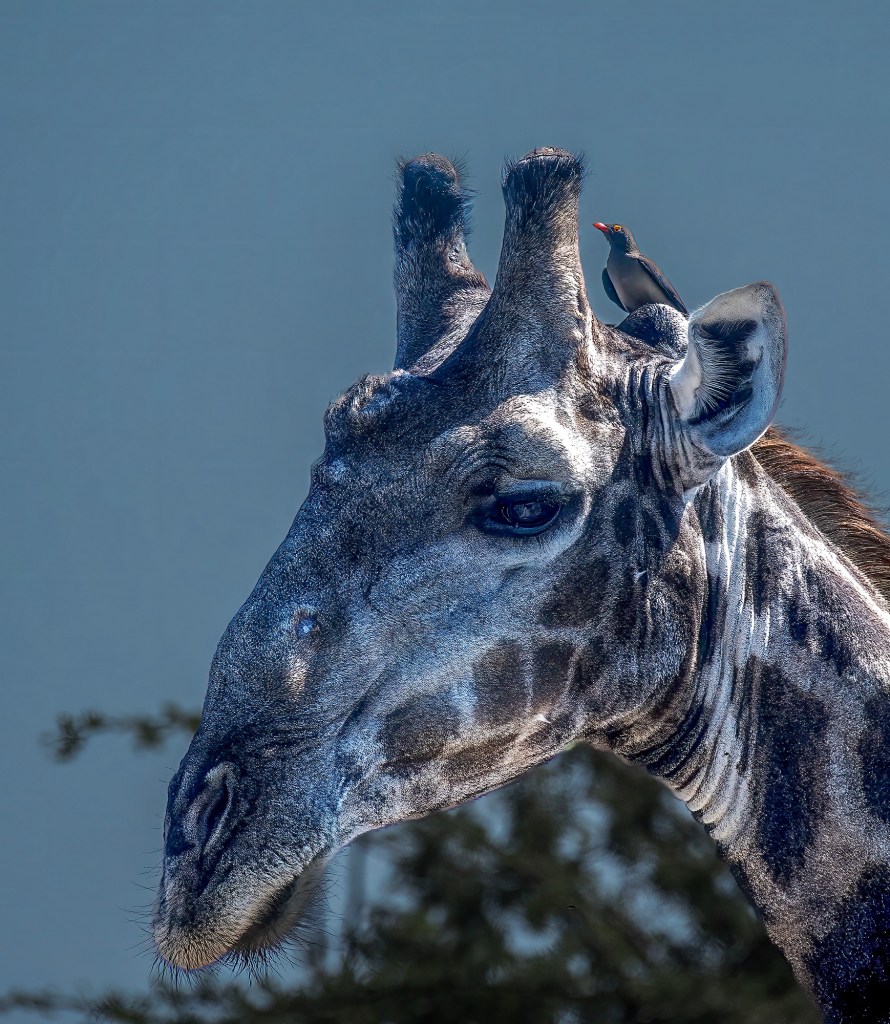
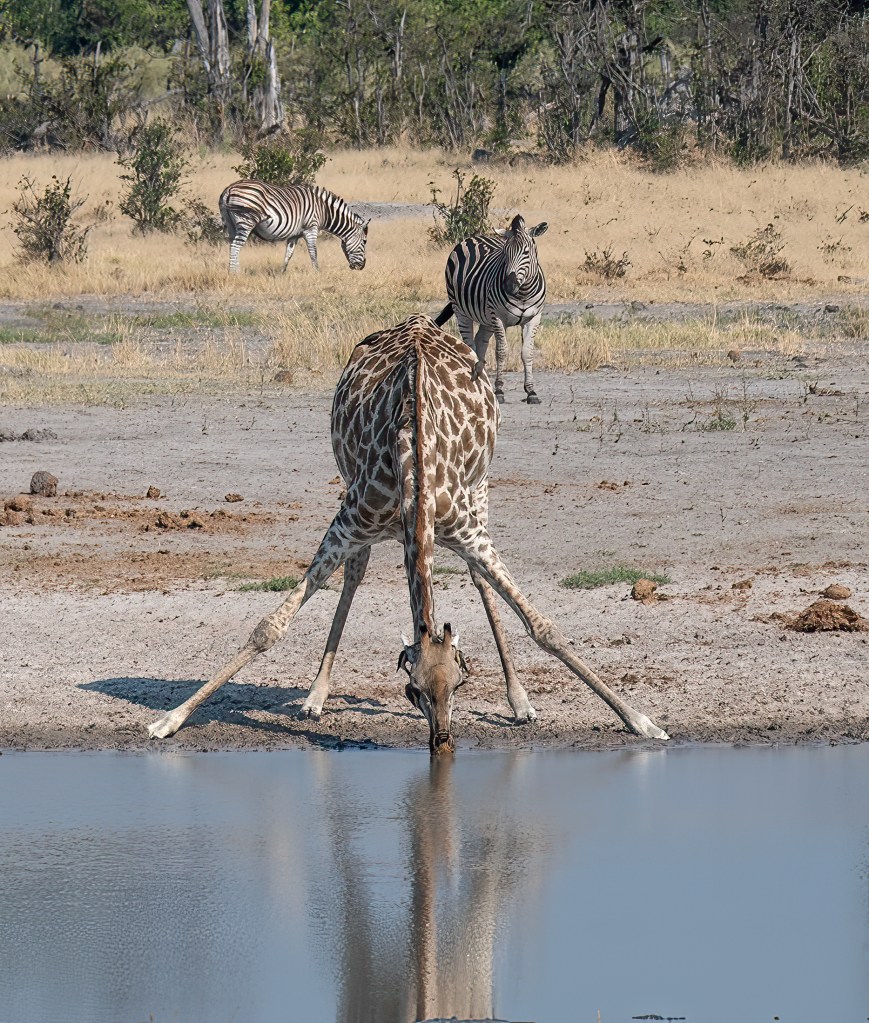
Favorite Mammals X Giraffes Share this: Share on X (Opens in new window) X Share on Facebook (Opens in new window) Facebook Share on LinkedIn (Opens in new window) LinkedIn Share on WhatsApp (Opens in new window) WhatsApp More Print (Opens in new window) Print Email a link to a friend (Opens in new window) Email Like Loading...
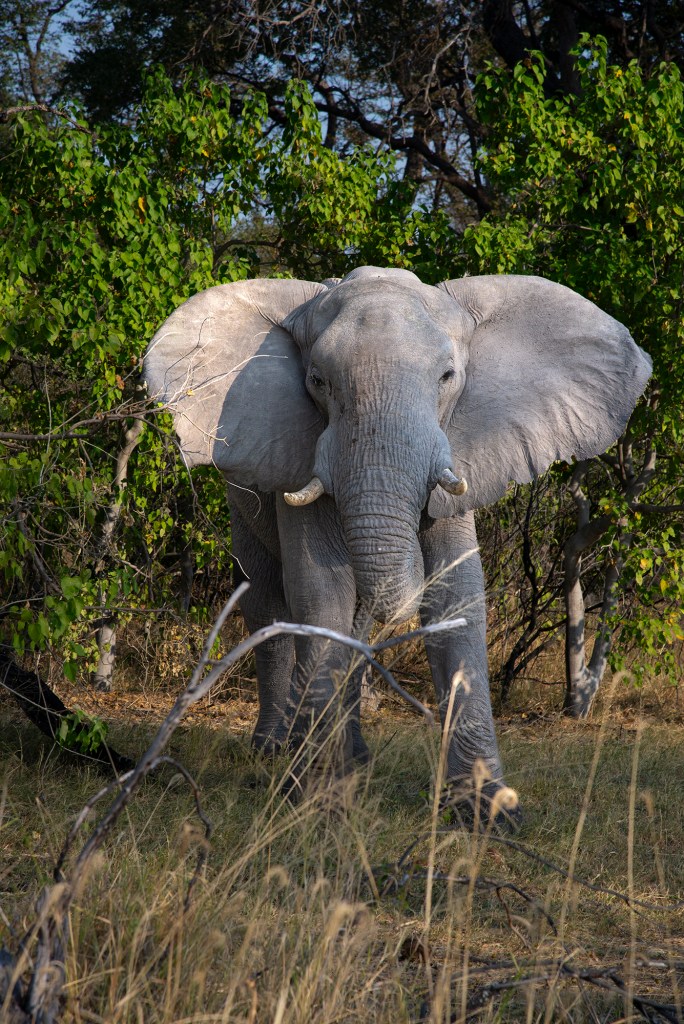
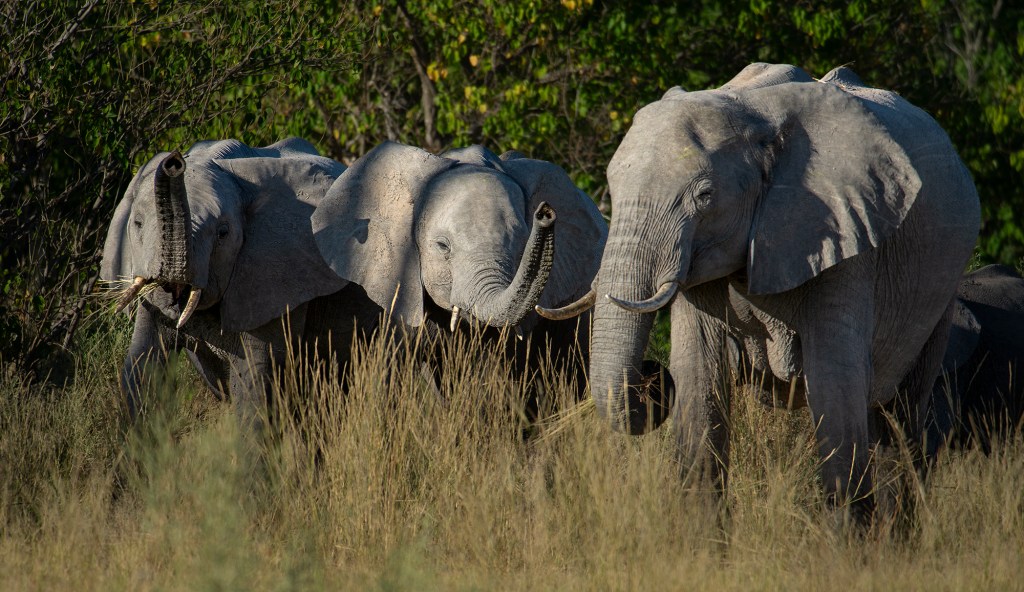
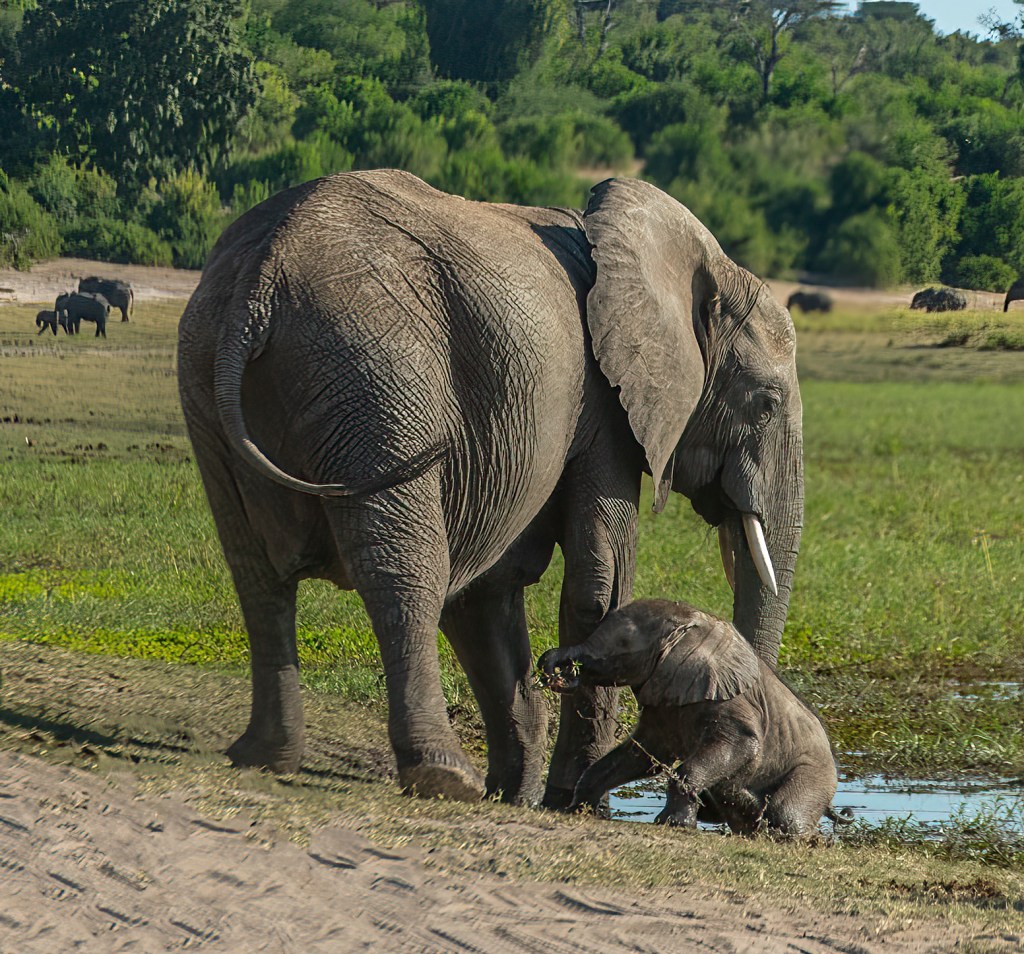
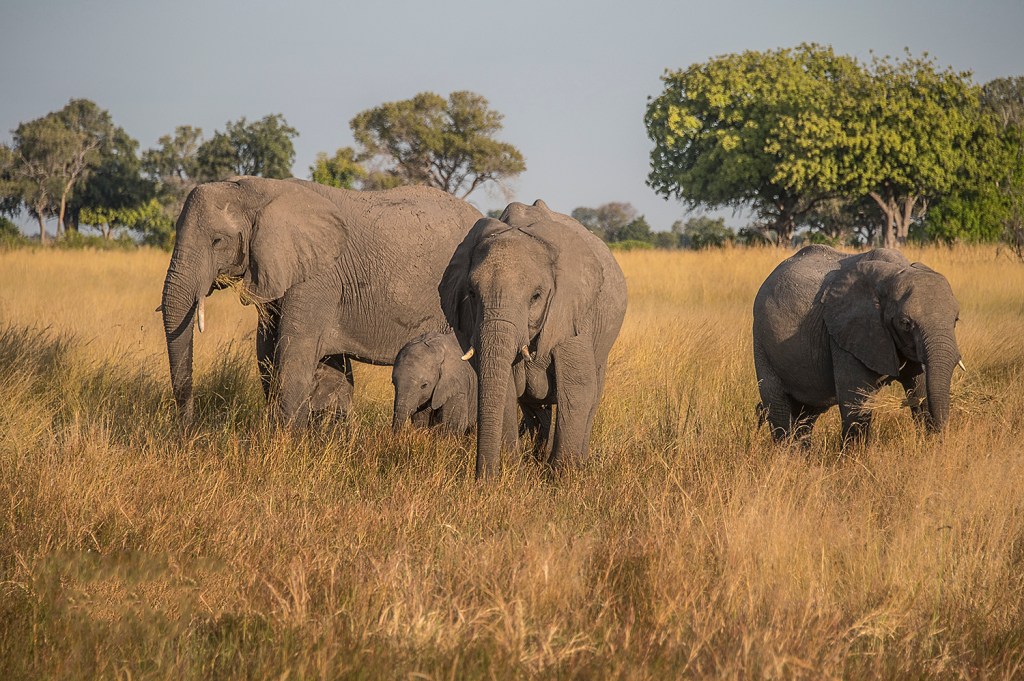
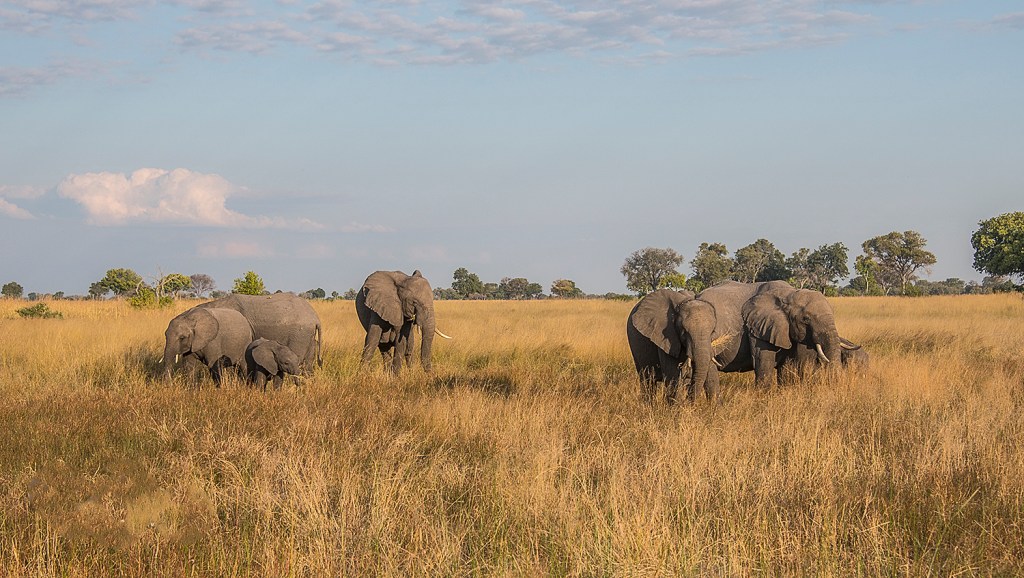
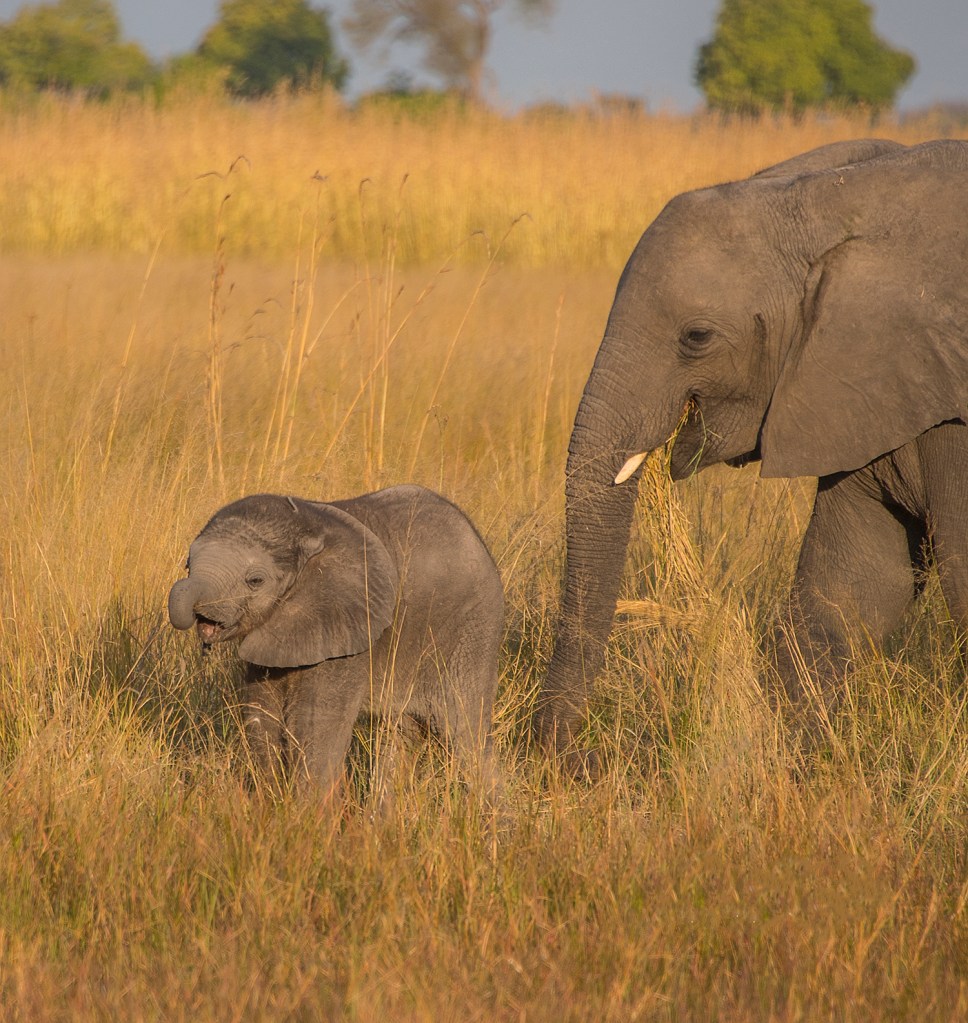
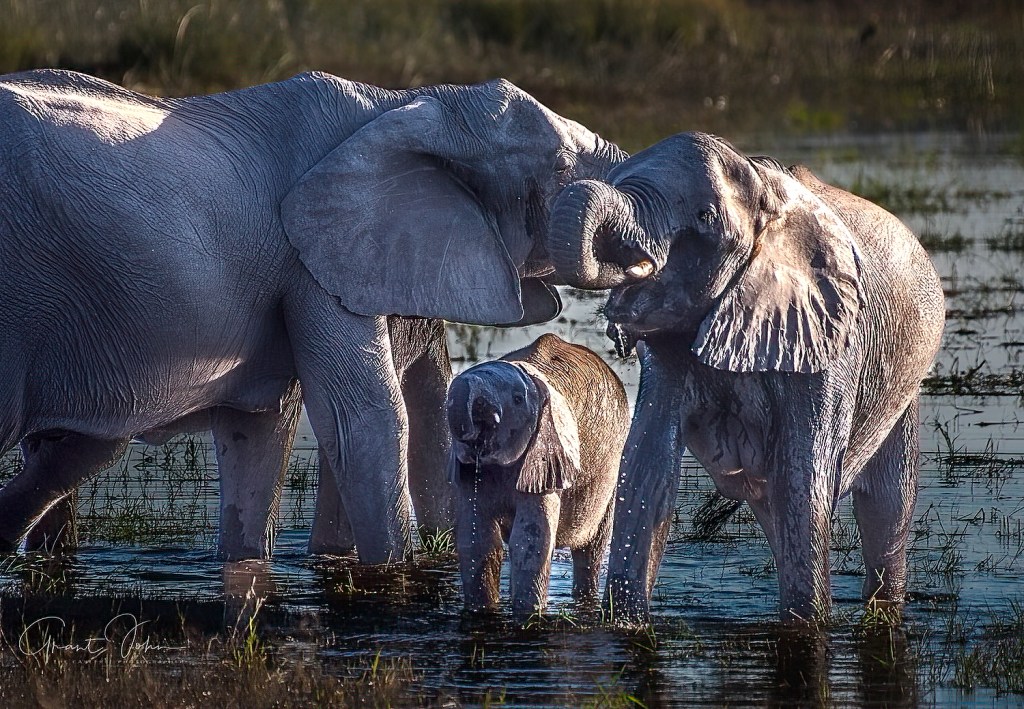
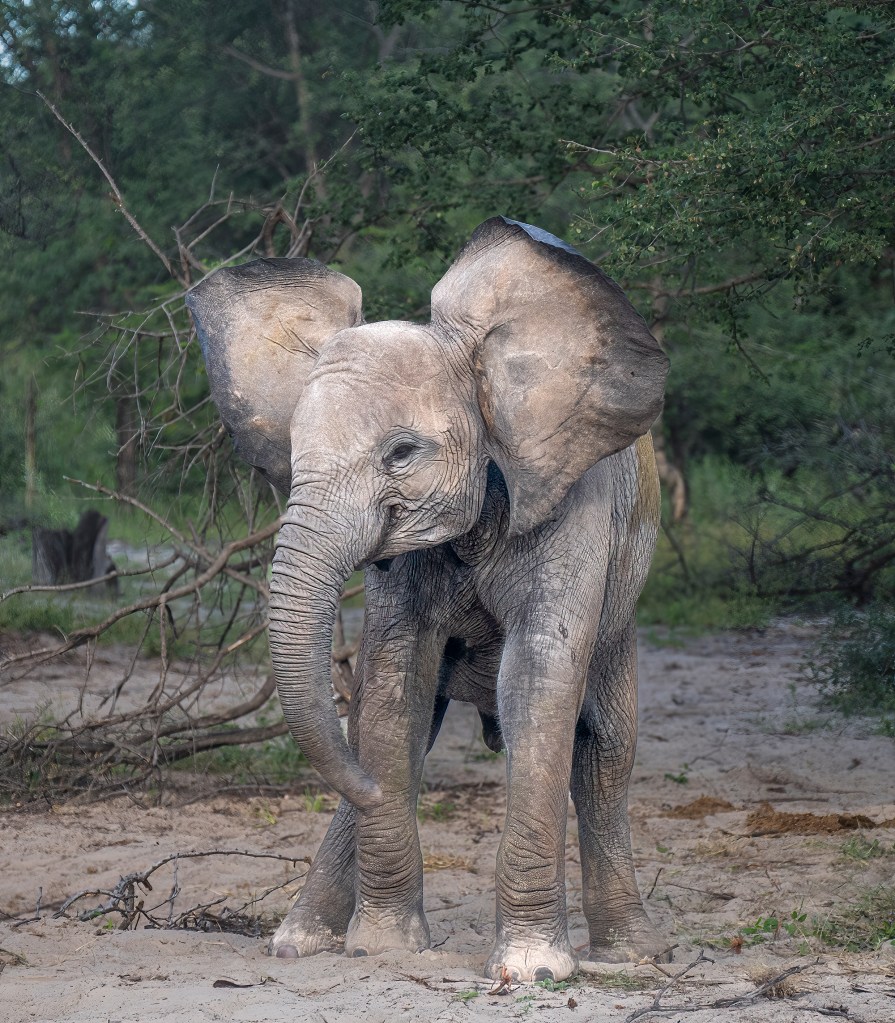
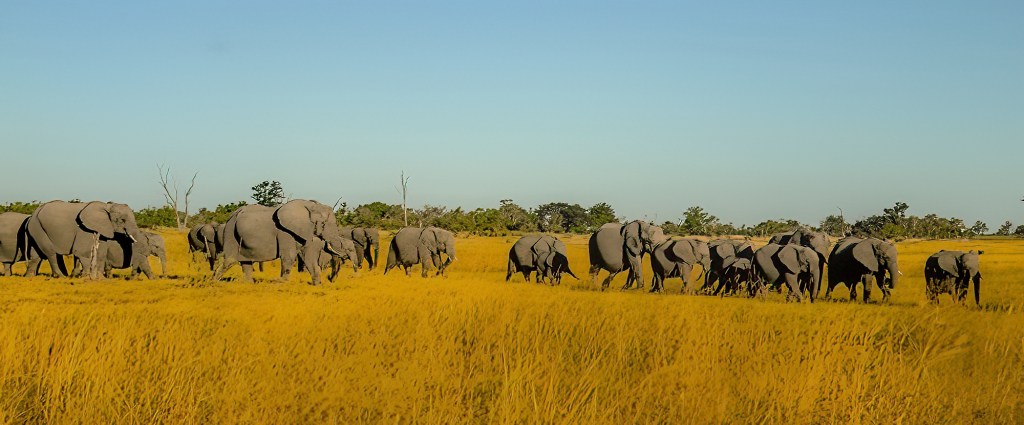
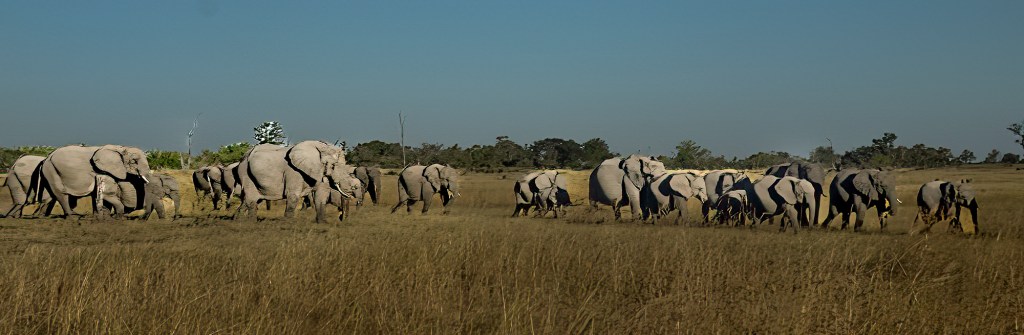
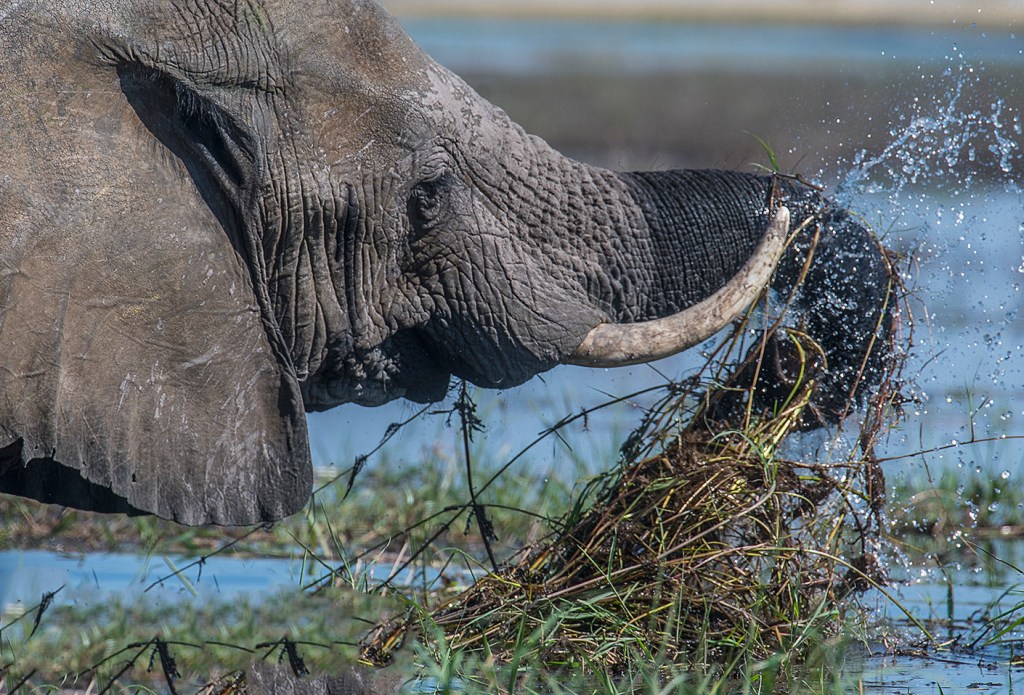
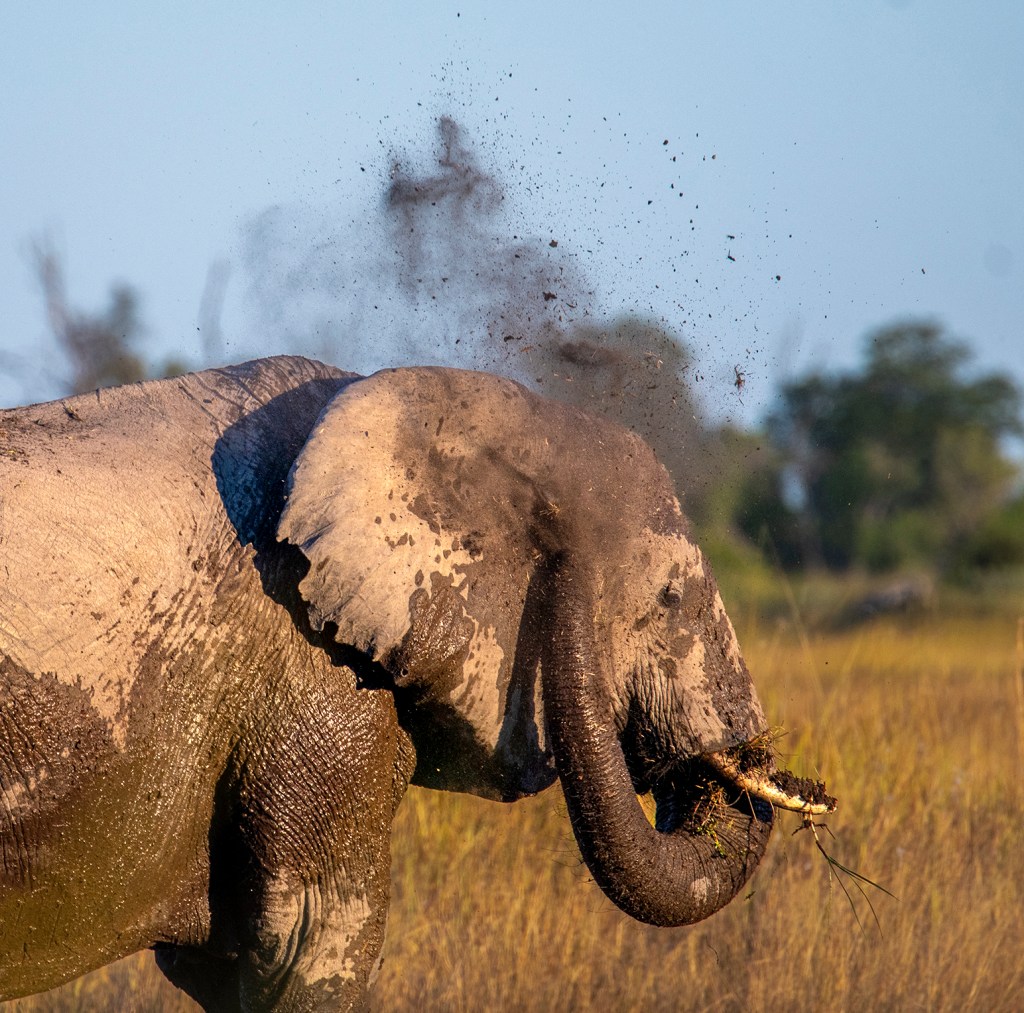
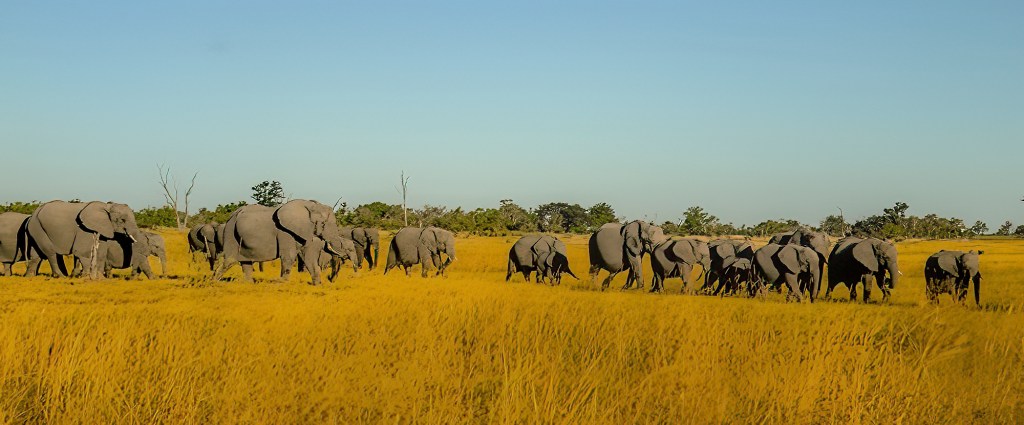
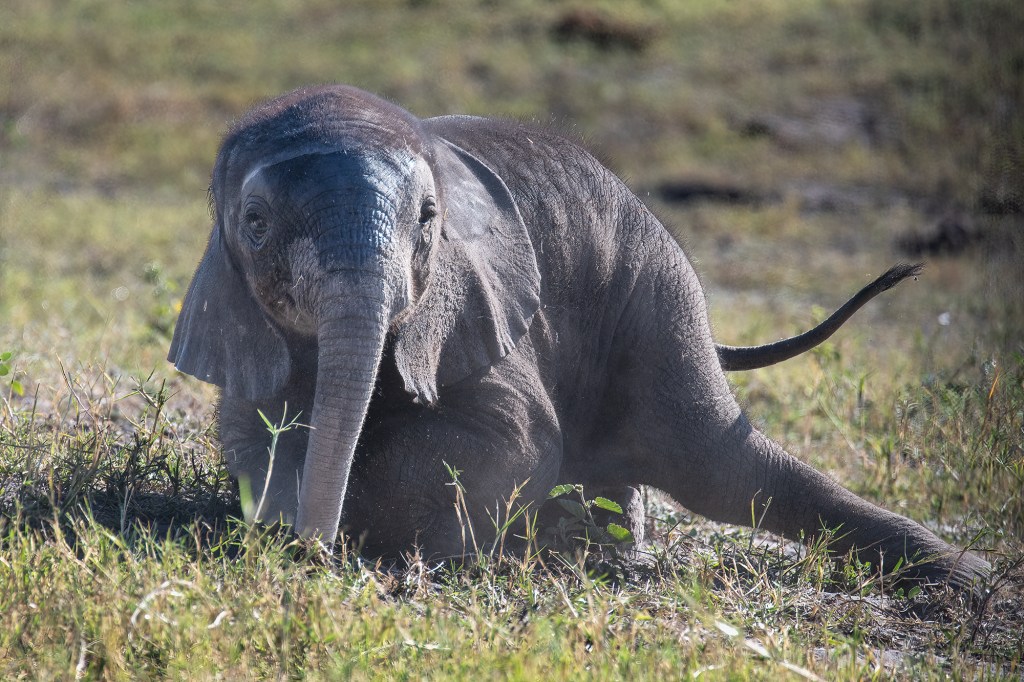
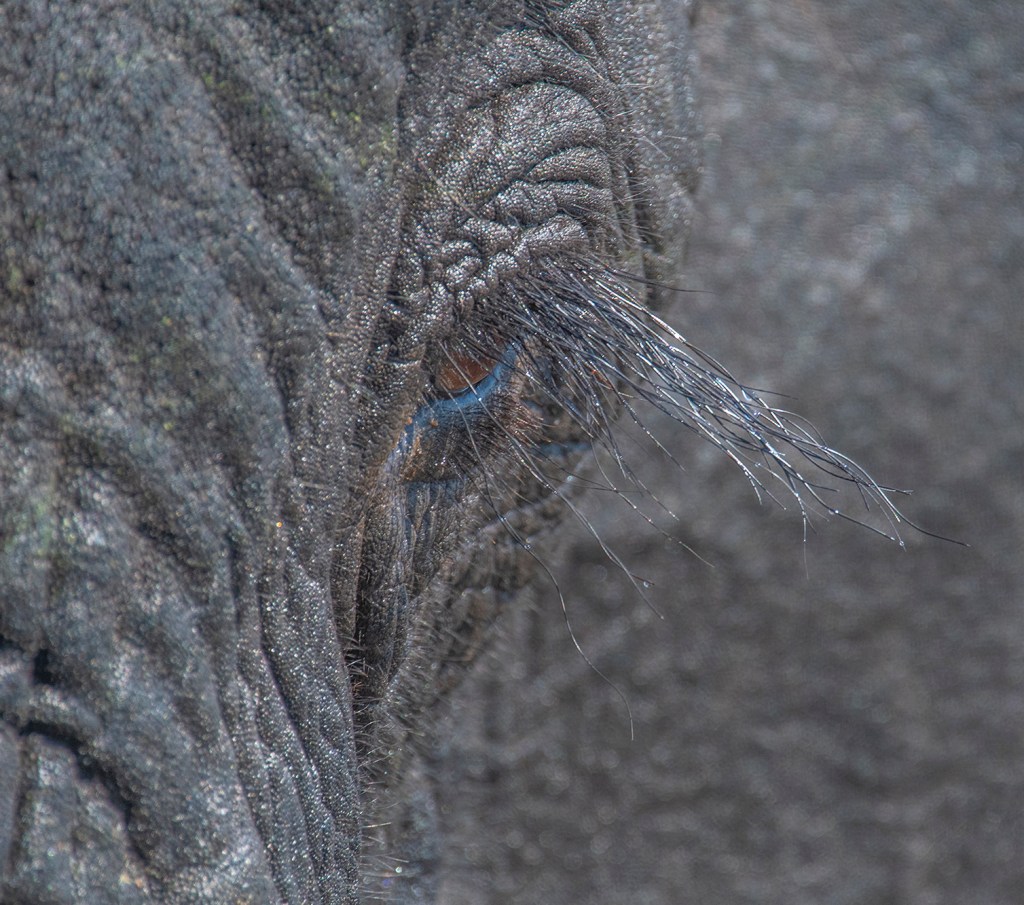
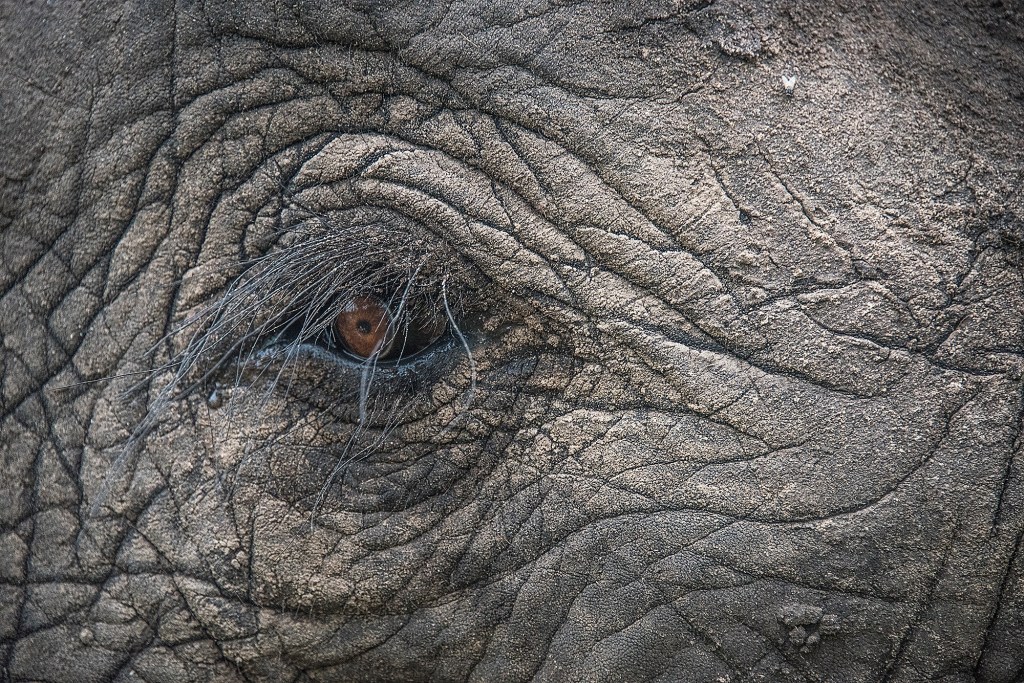
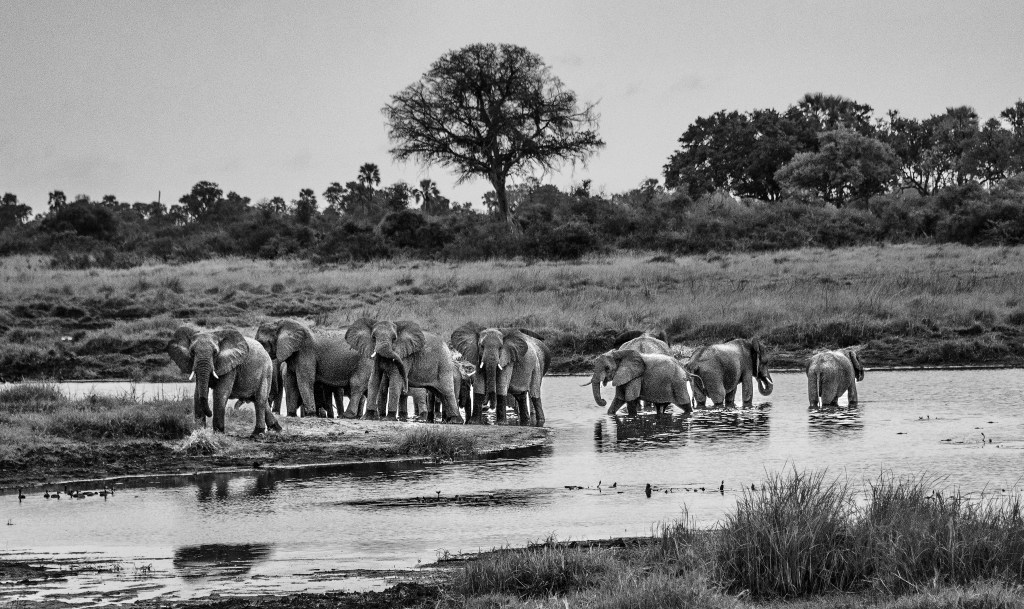
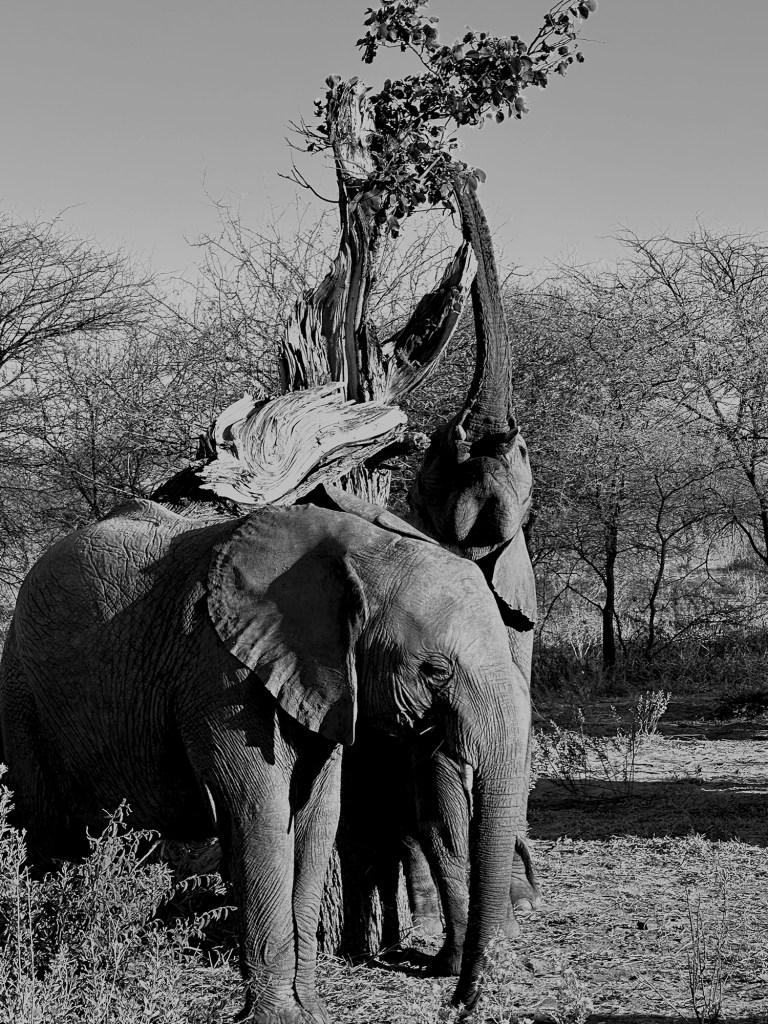
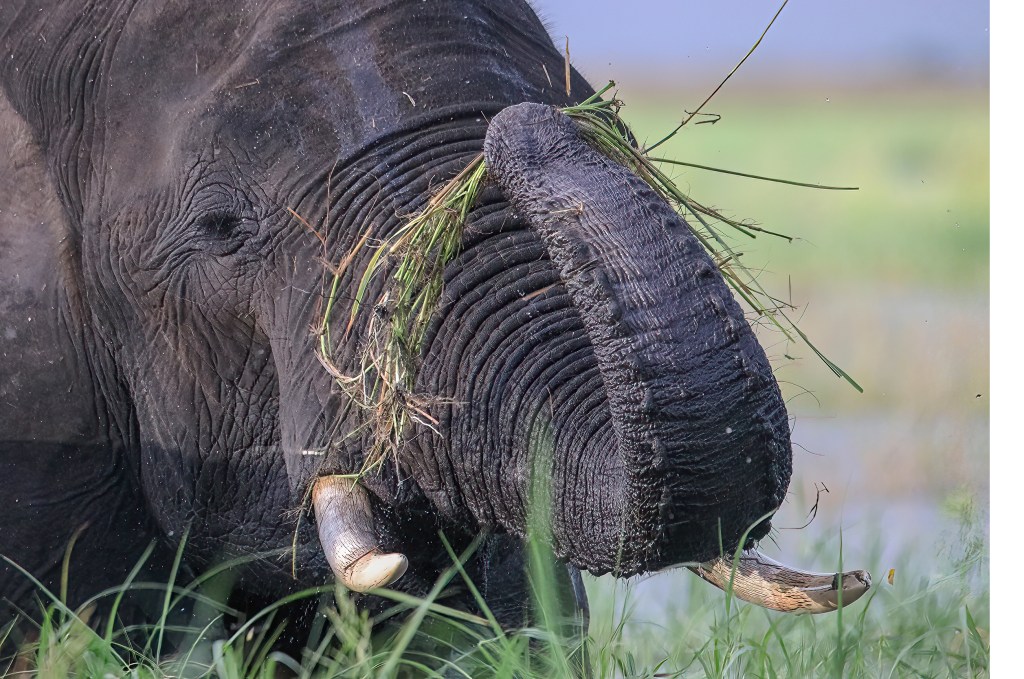
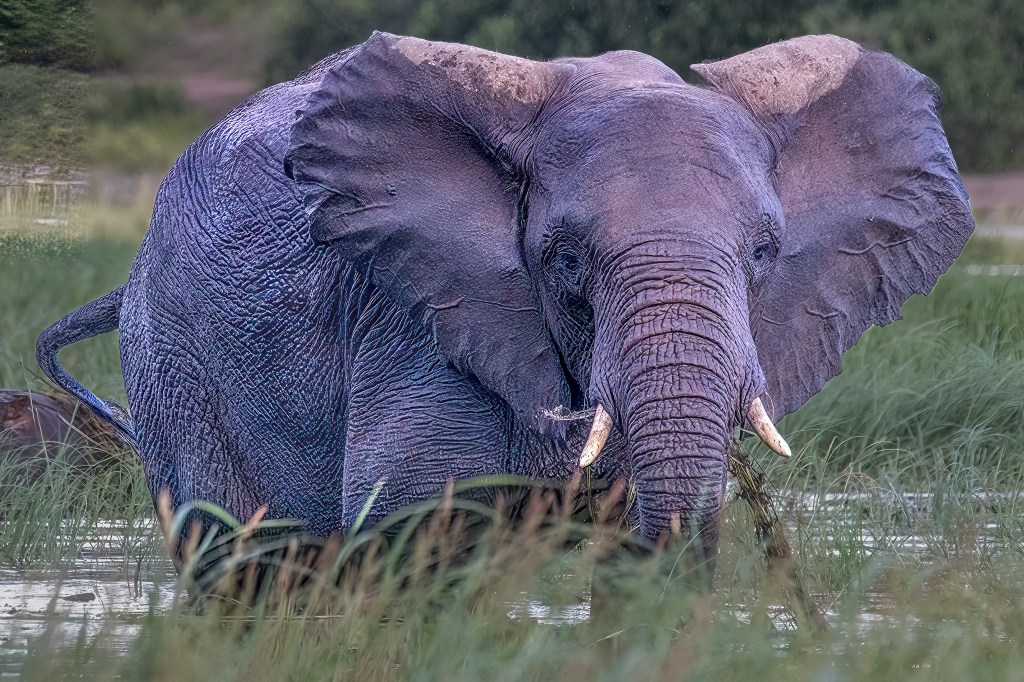
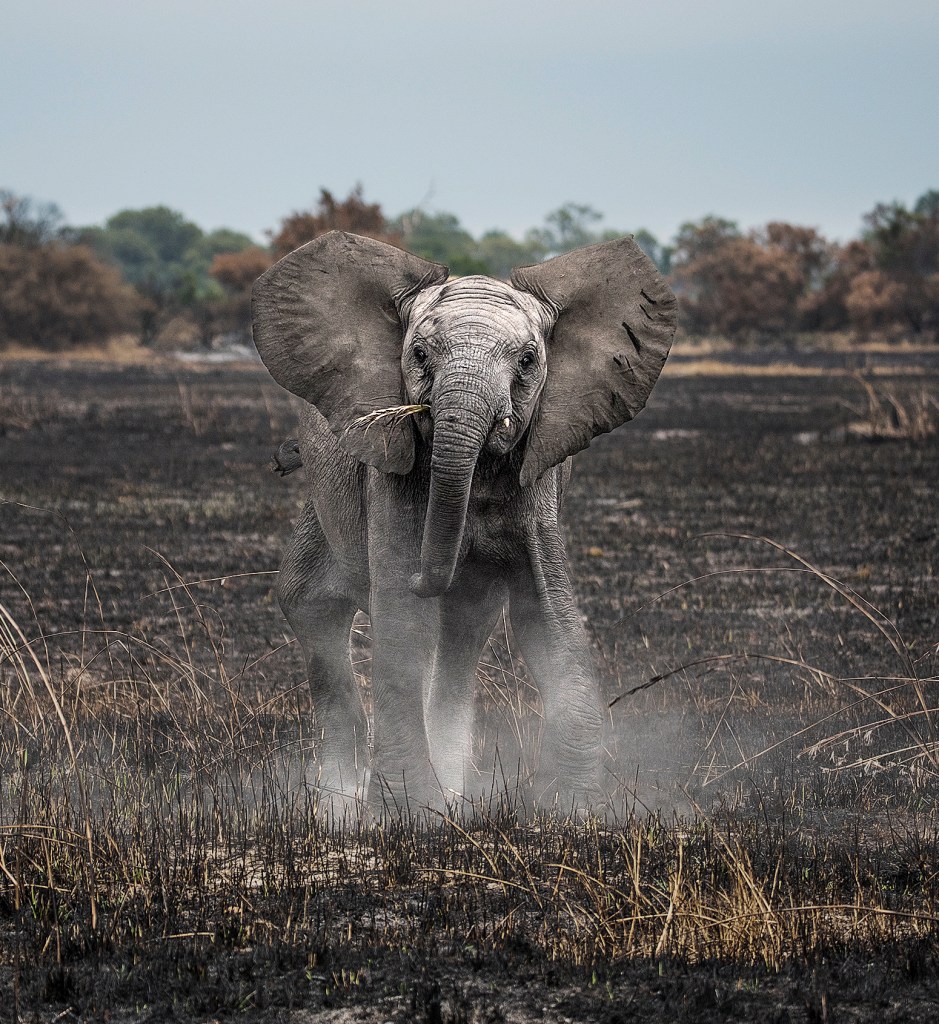
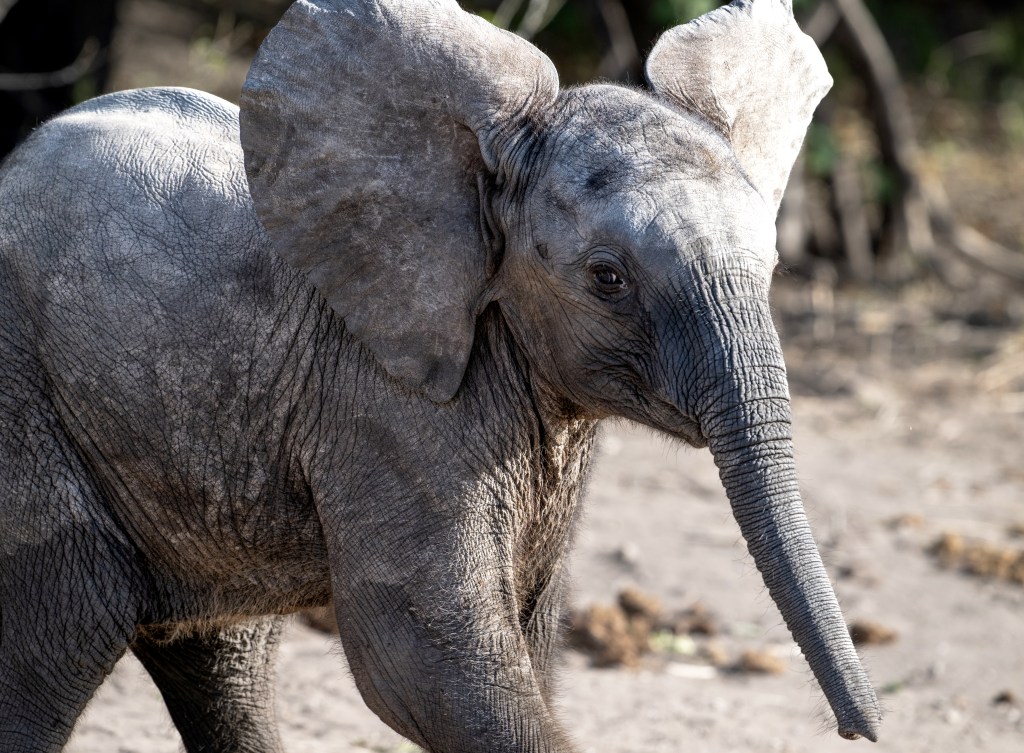
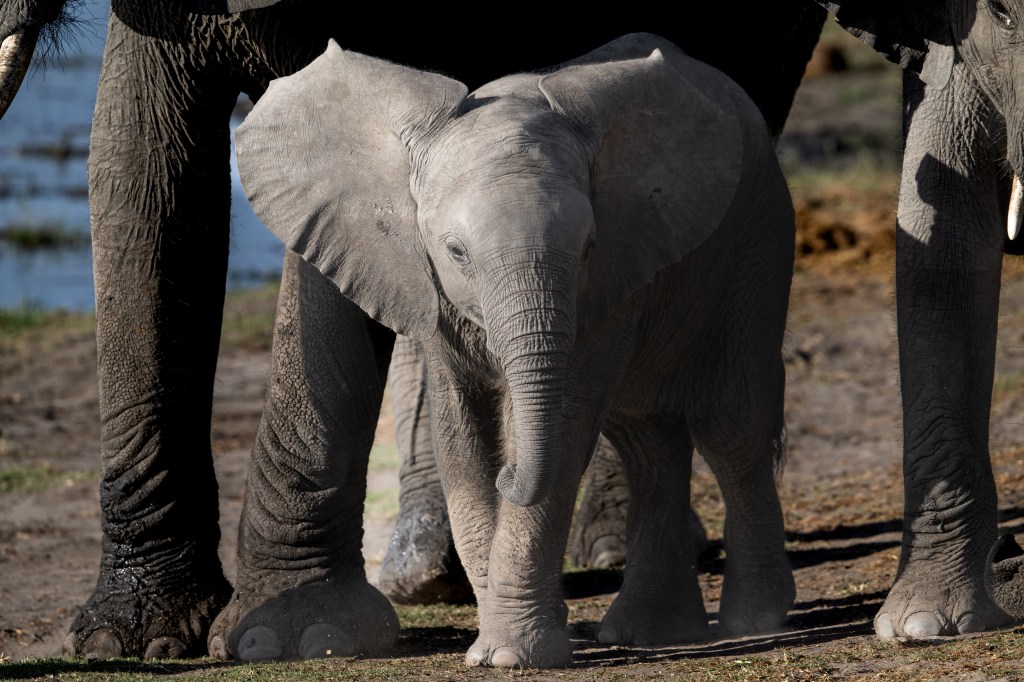
Favorite Mammals XI Elephants Share this: Share on X (Opens in new window) X Share on Facebook (Opens in new window) Facebook Share on LinkedIn (Opens in new window) LinkedIn Share on WhatsApp (Opens in new window) WhatsApp More Print (Opens in new window) Print Email a link to a friend (Opens in new window) Email Like Loading...
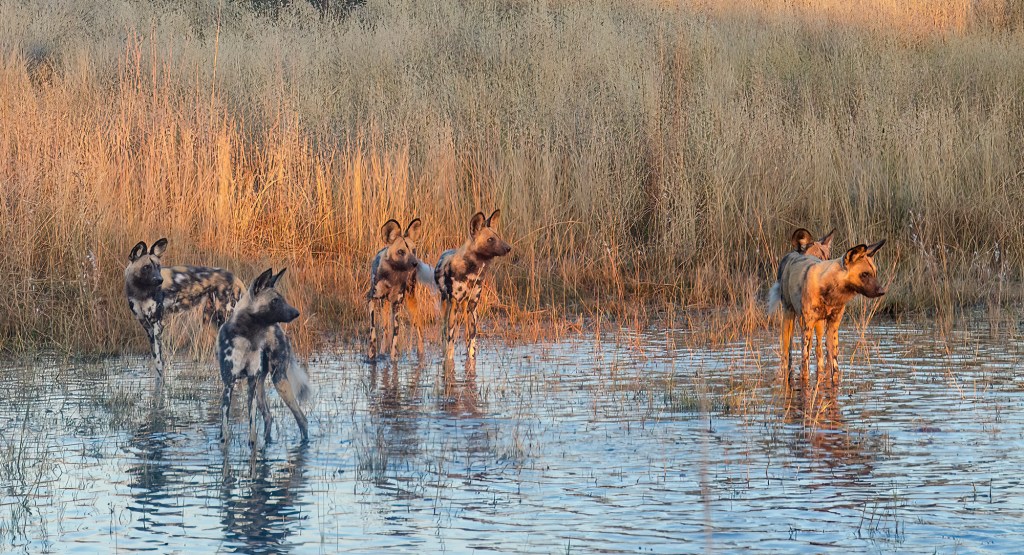
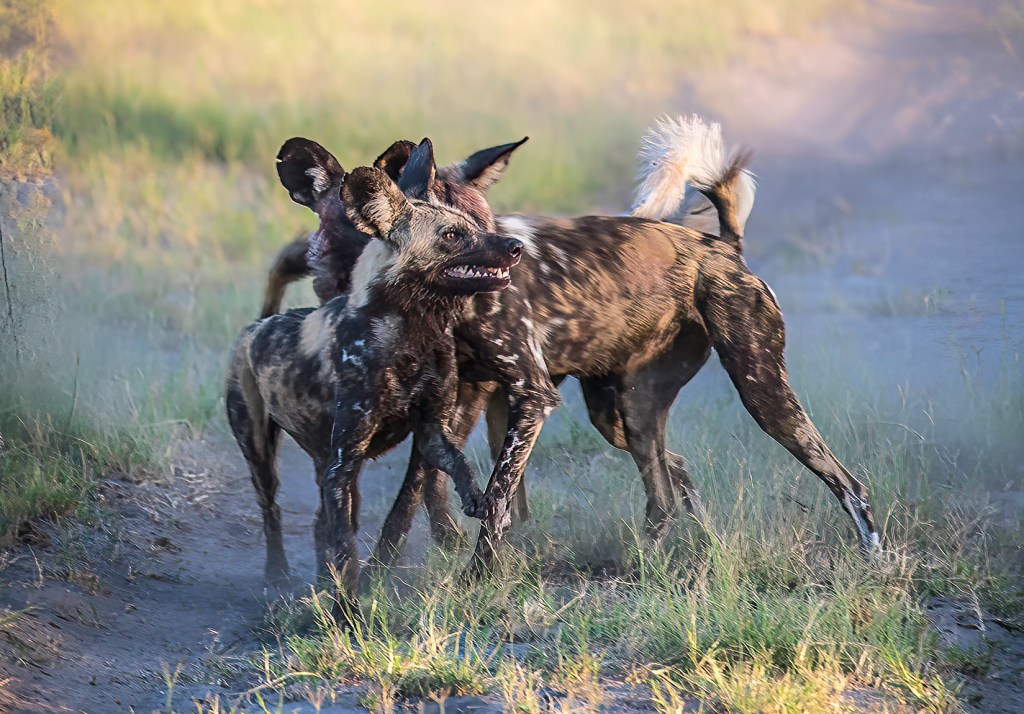
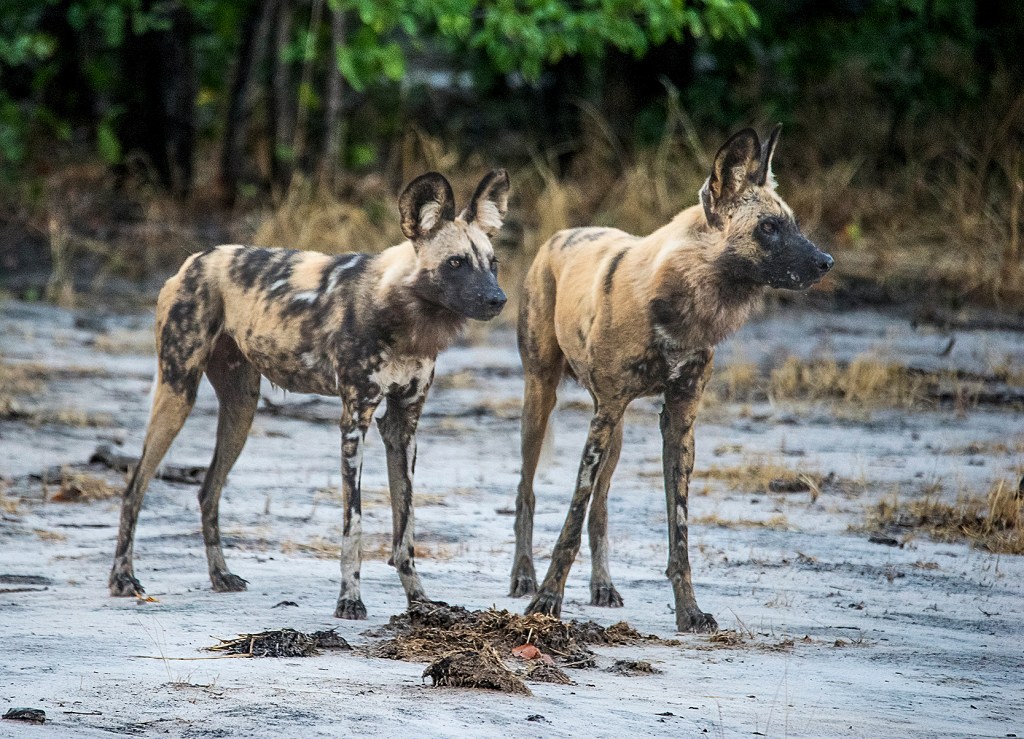
Favorite Mammals VIII Painted Dogs Share this: Share on X (Opens in new window) X Share on Facebook (Opens in new window) Facebook Share on LinkedIn (Opens in new window) LinkedIn Share on WhatsApp (Opens in new window) WhatsApp More Print (Opens in new window) Print Email a link to a friend (Opens in new window) Email Like Loading...
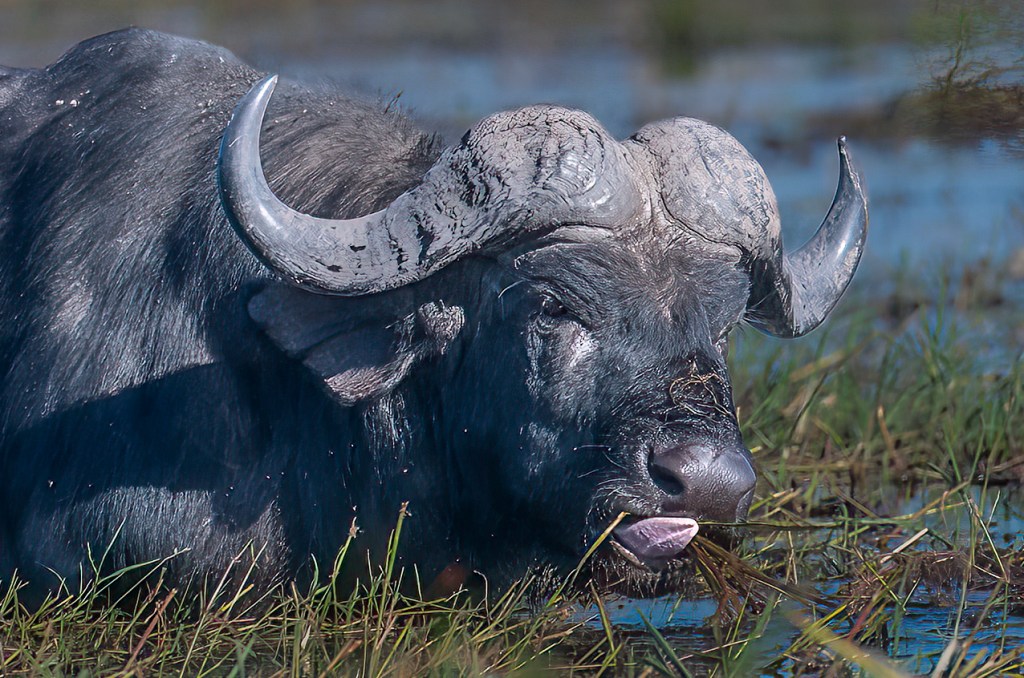
Favorite Mammals VIII Cape Buffalo Share this: Share on X (Opens in new window) X Share on Facebook (Opens in new window) Facebook Share on LinkedIn (Opens in new window) LinkedIn Share on WhatsApp (Opens in new window) WhatsApp More Print (Opens in new window) Print Email a link to a friend (Opens in new window) Email Like Loading...
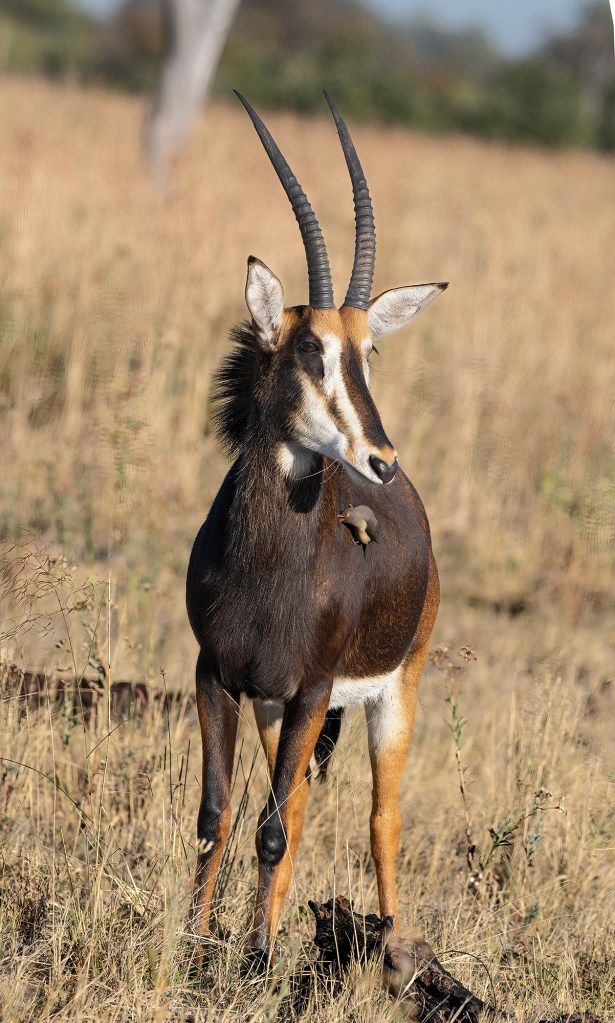
Favorite Mammals VII Antelopes Share this: Share on X (Opens in new window) X Share on Facebook (Opens in new window) Facebook Share on LinkedIn (Opens in new window) LinkedIn Share on WhatsApp (Opens in new window) WhatsApp More Print (Opens in new window) Print Email a link to a friend (Opens in new window) Email Like Loading...
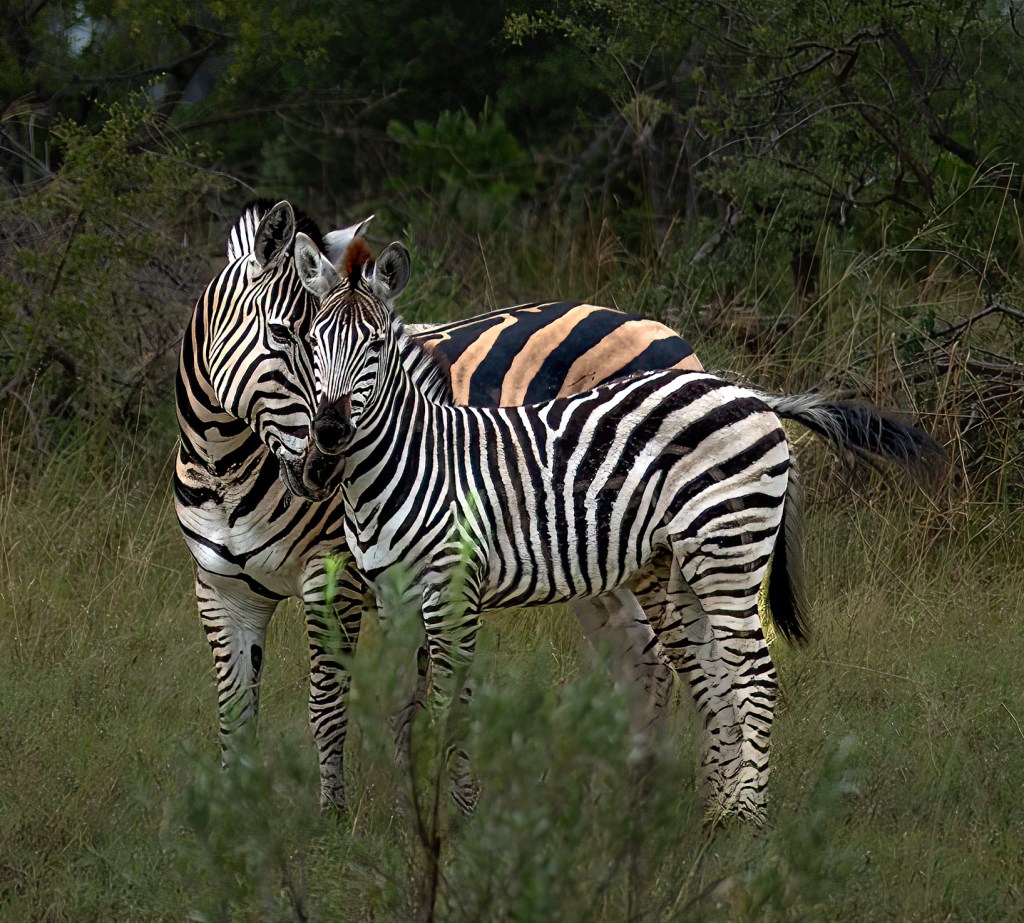
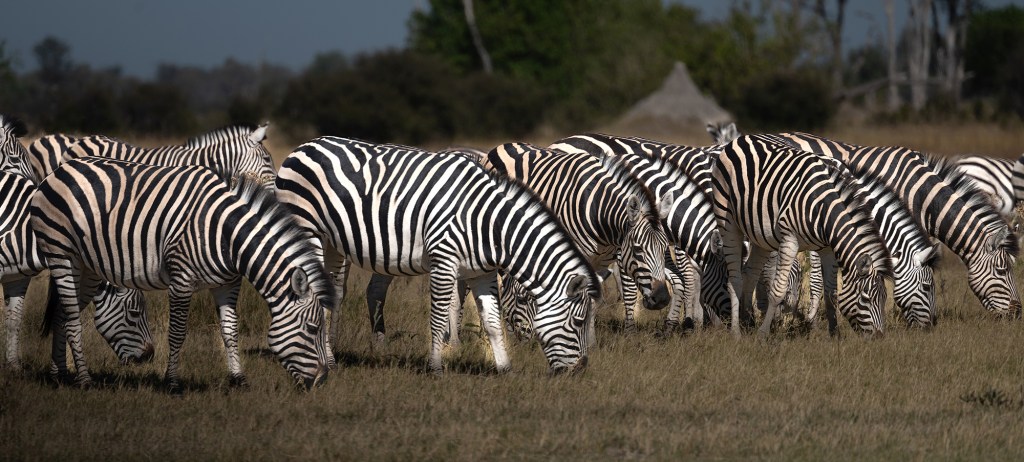
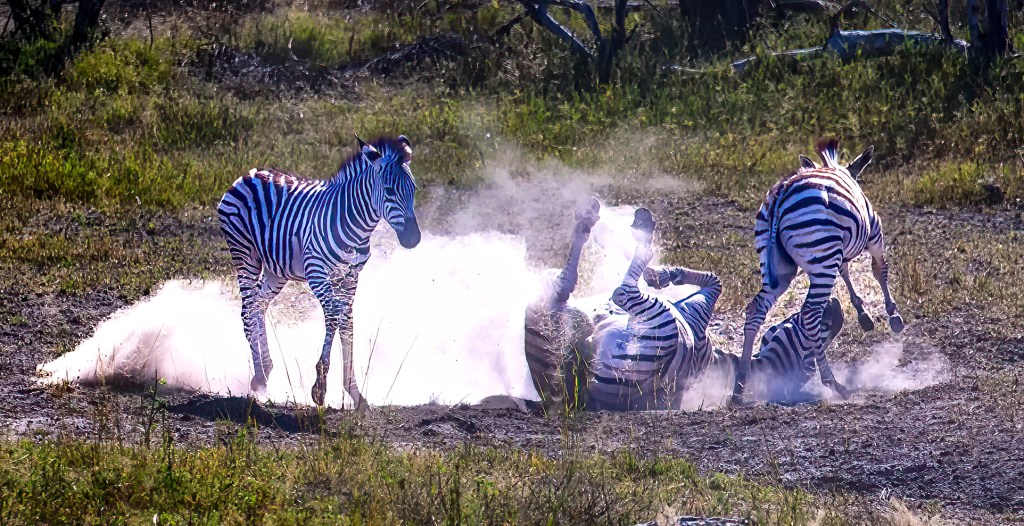
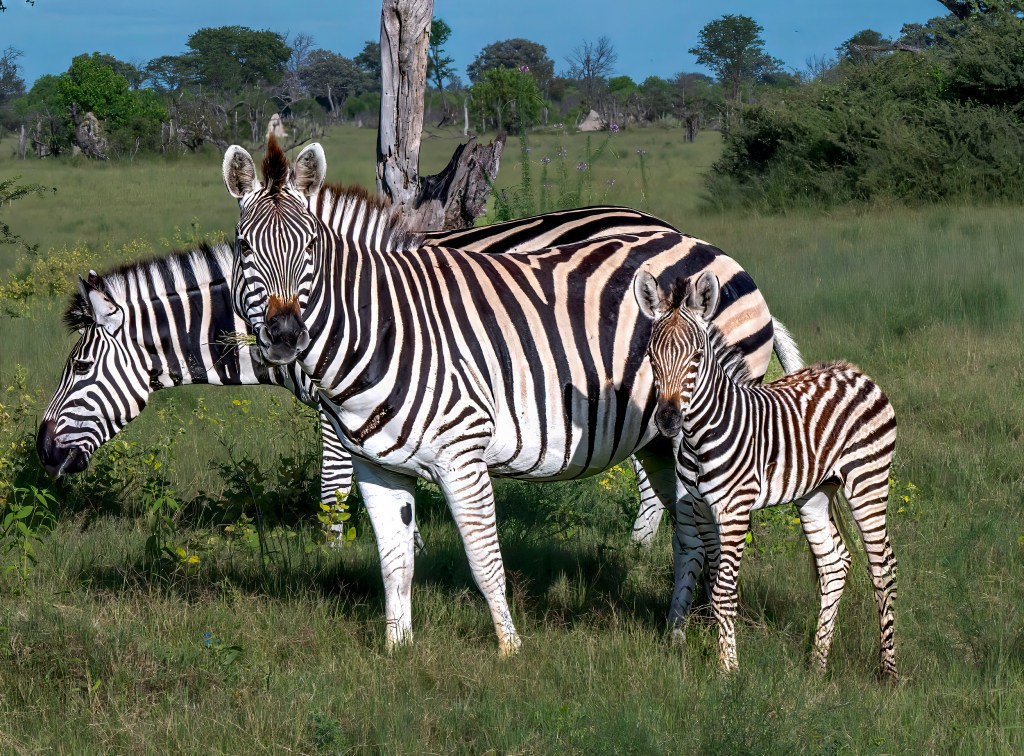
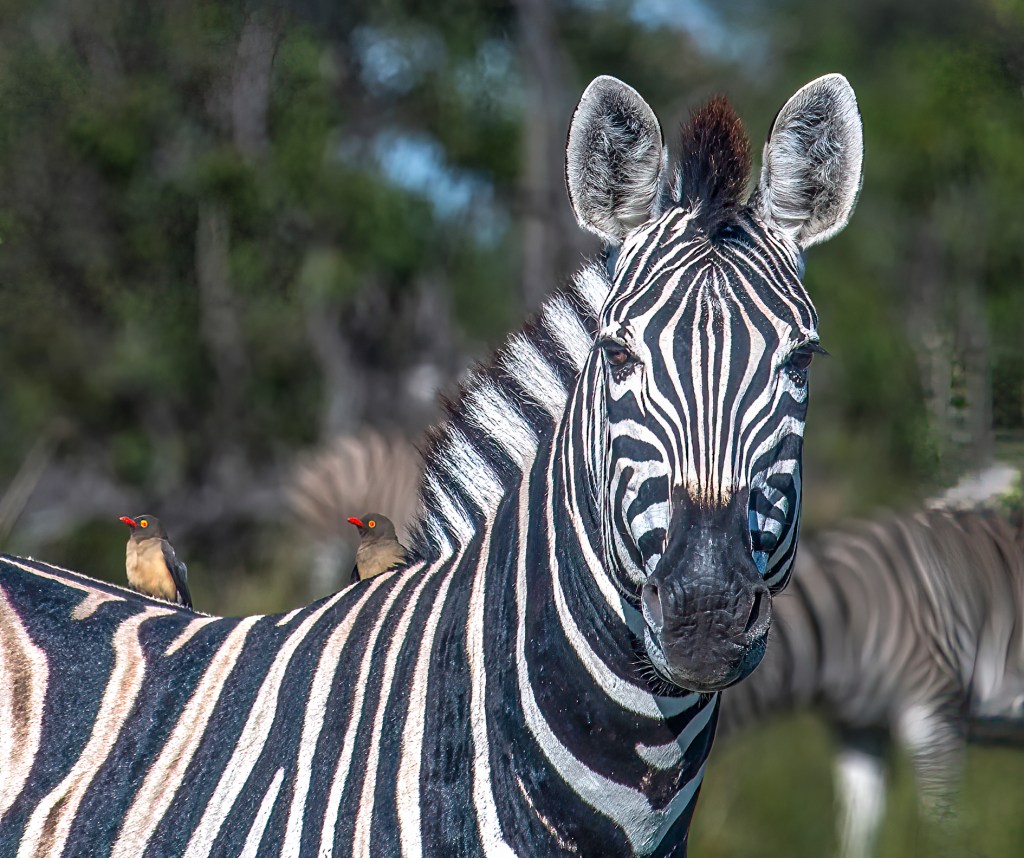
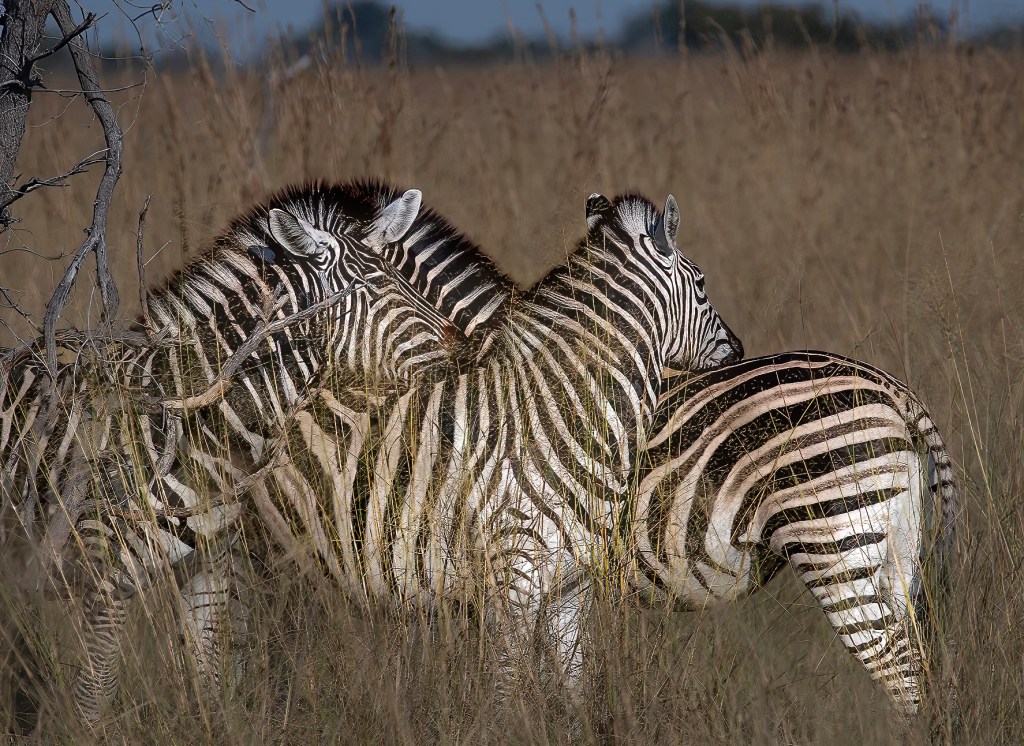
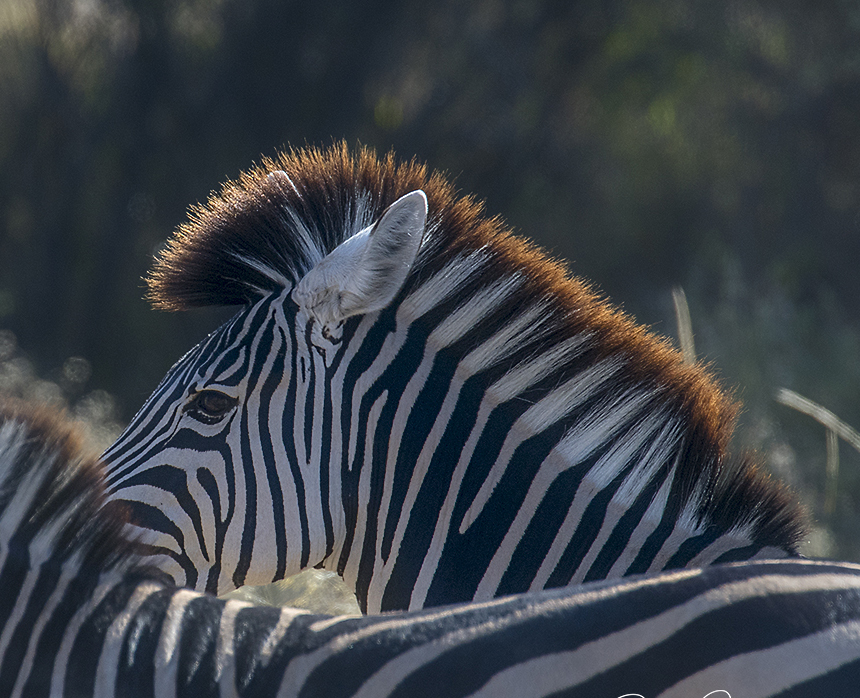
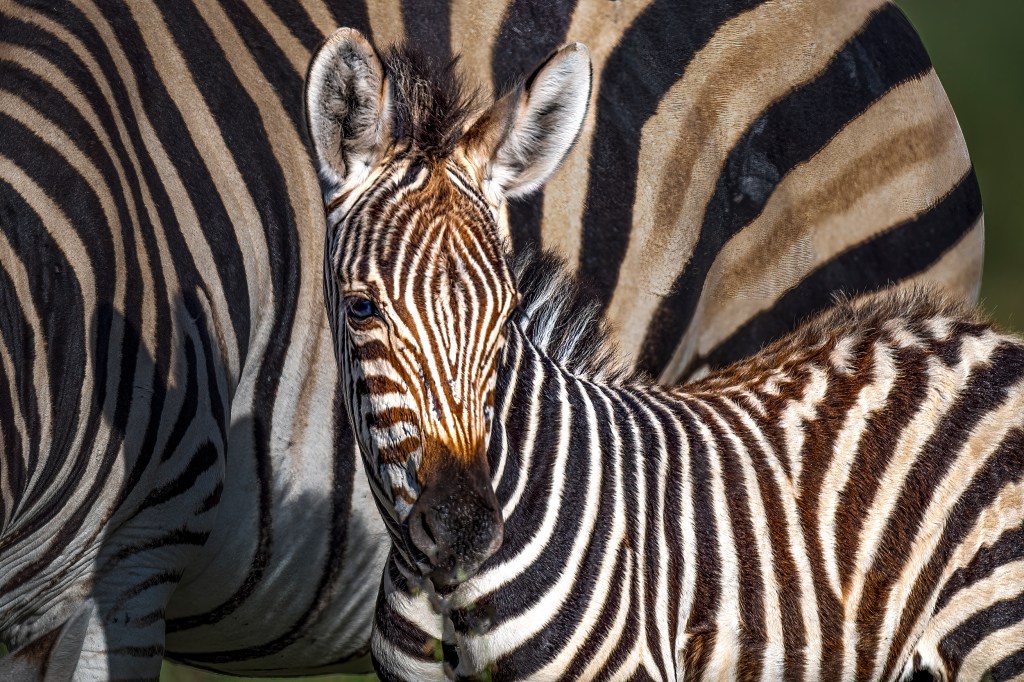
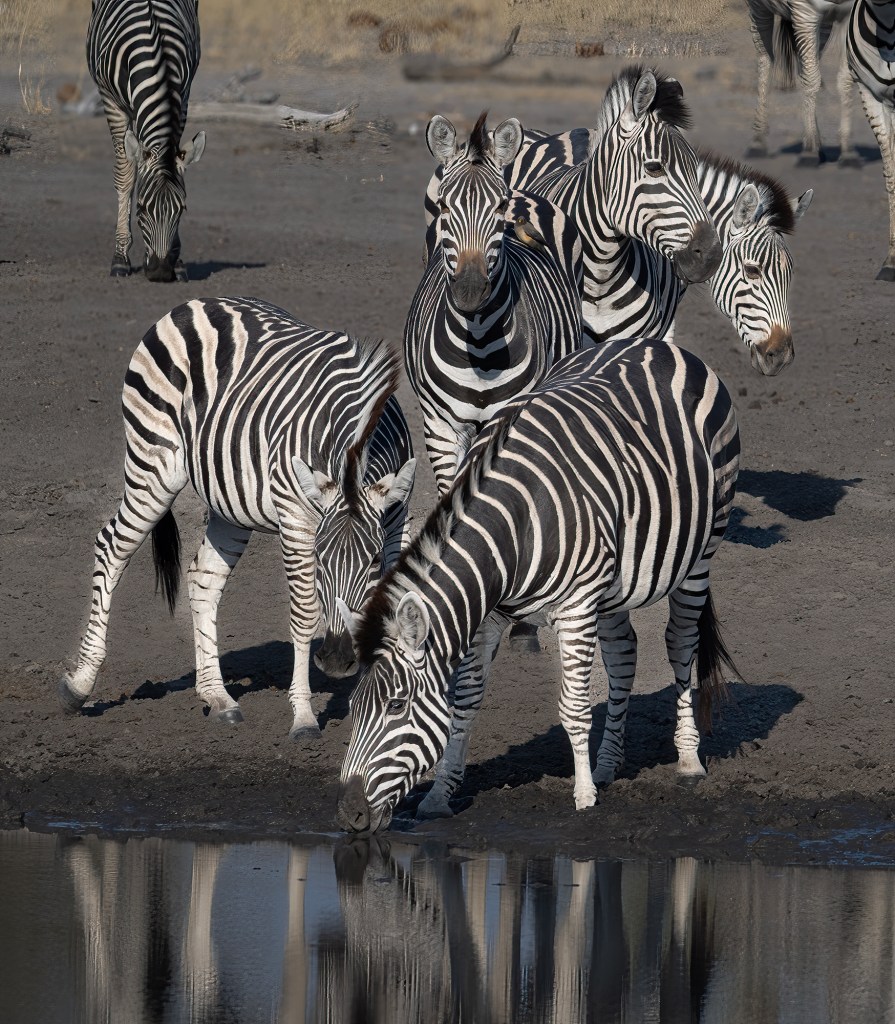
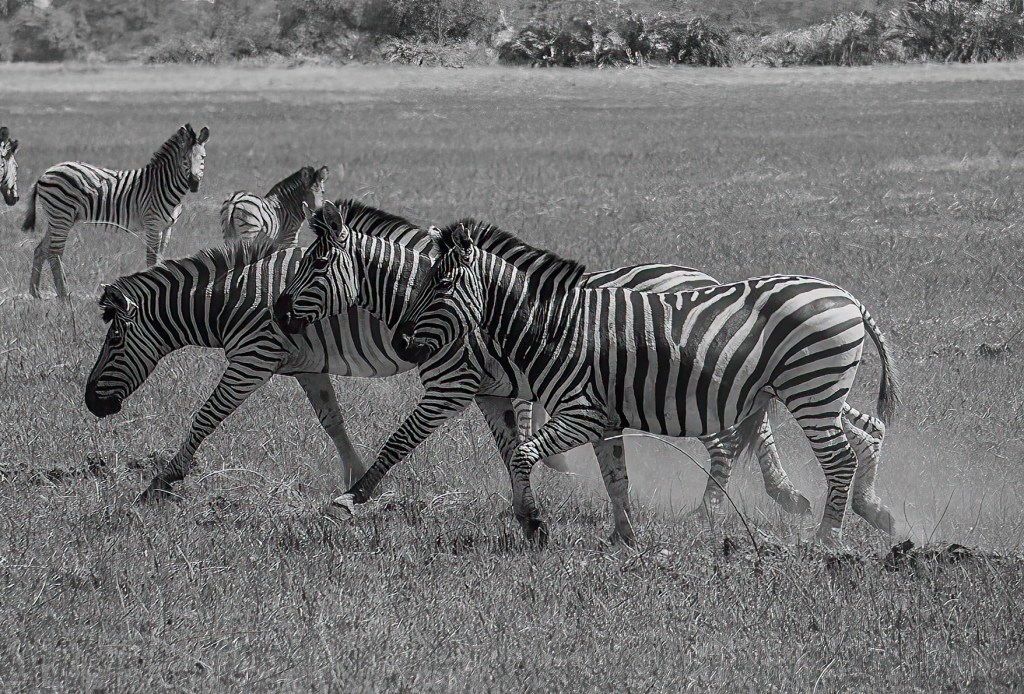
Favorite Mammals VI Zebras Share this: Share on X (Opens in new window) X Share on Facebook (Opens in new window) Facebook Share on LinkedIn (Opens in new window) LinkedIn Share on WhatsApp (Opens in new window) WhatsApp More Print (Opens in new window) Print Email a link to a friend (Opens in new window) Email Like Loading...