Athens

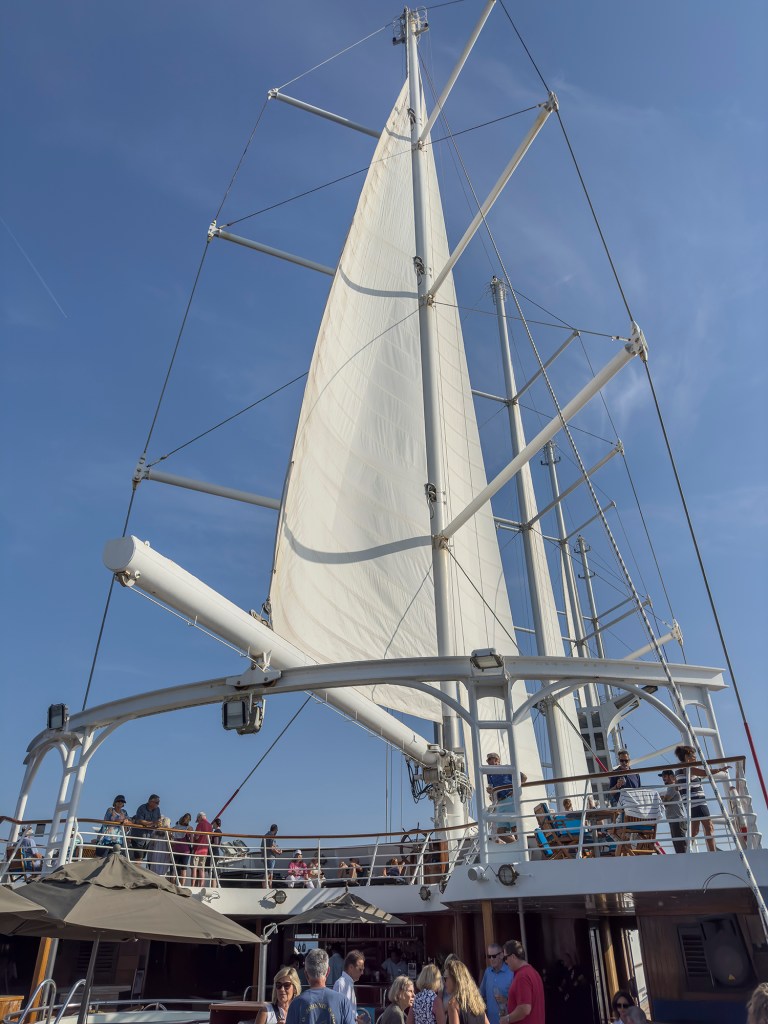
We recently returned from a brief trip to Athens followed by a week-long cruise on the Windstar through the Greek Islands, Ephesus and the Peloponnese. I will be posting reviews on this blog over the next few weeks covering the whole trip. Our trip started in the ancient city of Athens, where we got a small taste of its history. The ancient Greeks, who reached their Golden Age in Athens in the fifth century BC, have had a huge impact on western culture, science, literature and philosophy. These innovative thinkers lived in a small village at the base of the Acropolis.

Acropolis

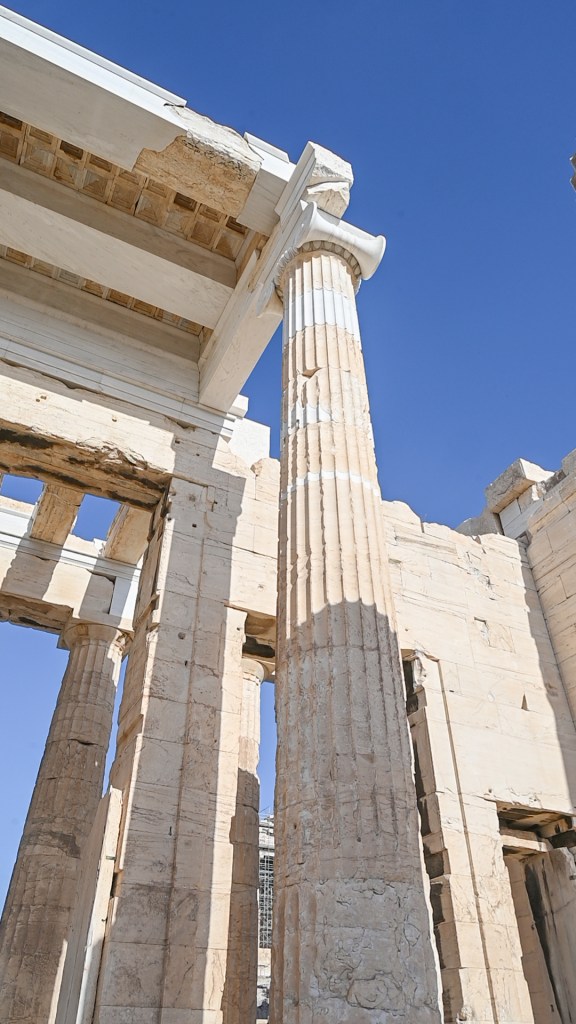
According to some the Acropolis, a limestone “mesa”, is the most important ancient site in the Western world. Occupied on and off since about 1500 BC, the complex of lavishly decorated temples dedicated to Athena was constructed in the 450-400 BC period. It was and is dominated by the Parthenon, the most famous temple on earth.

Acropolis at Night
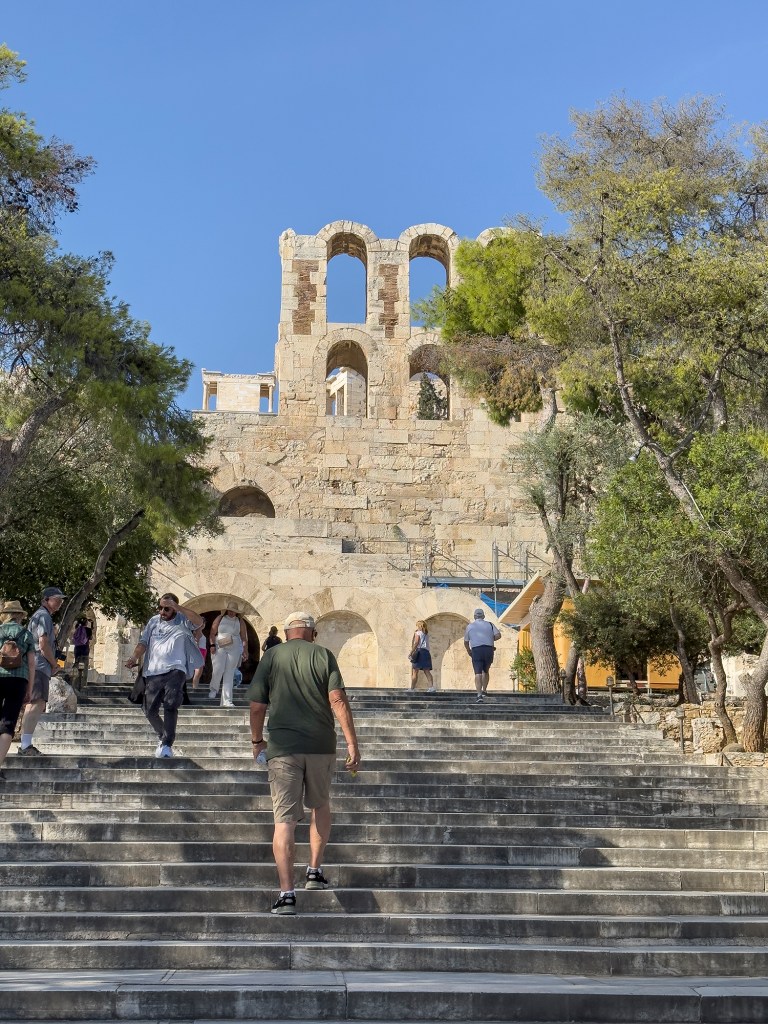
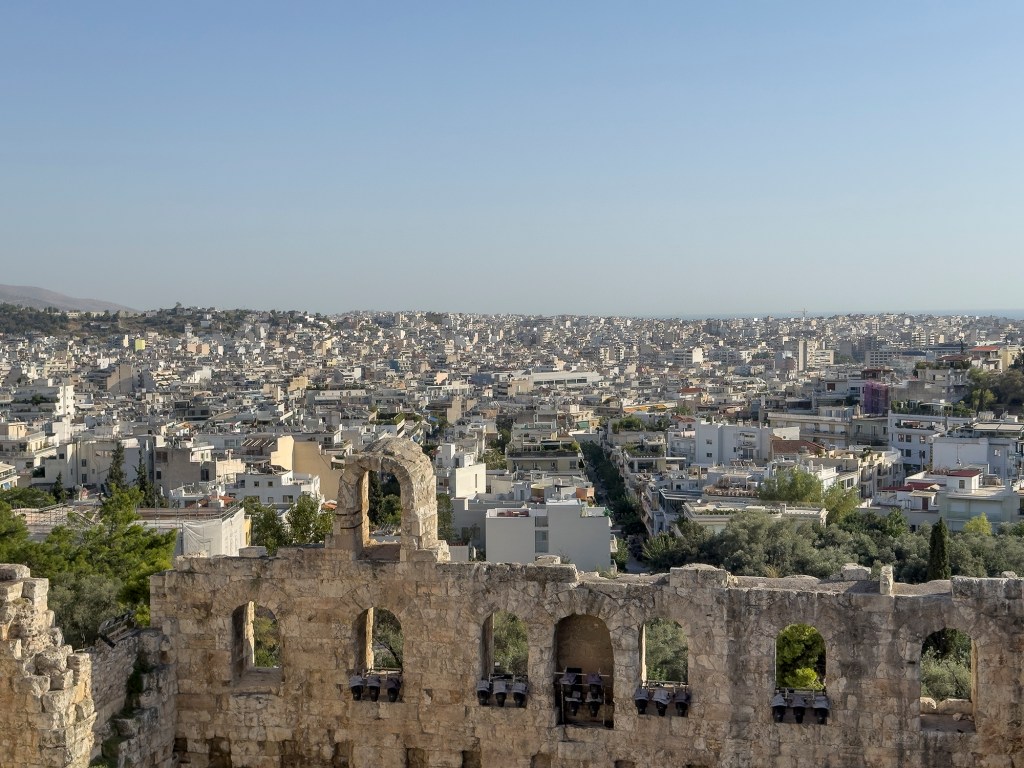
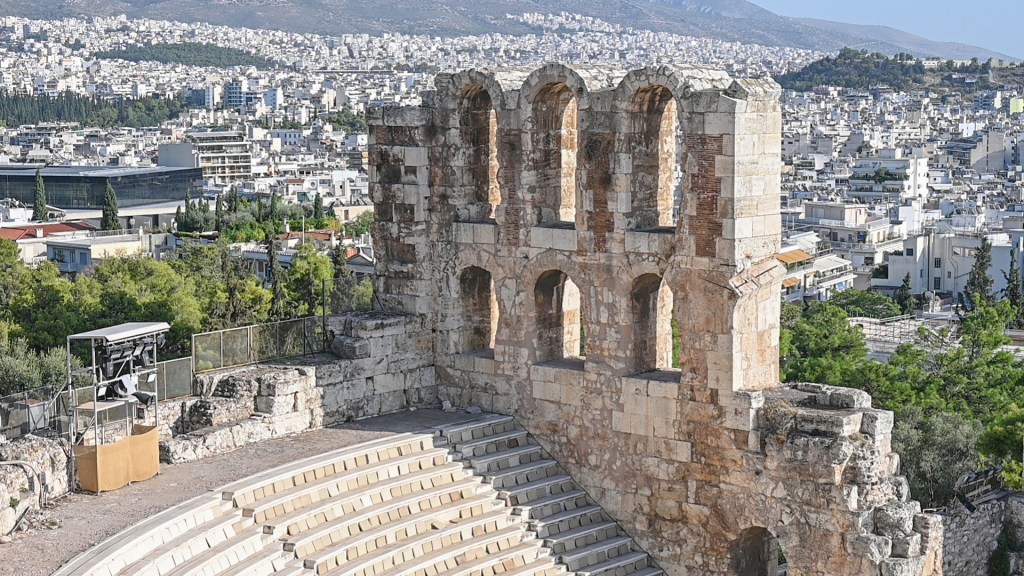
Theater of Dionysus

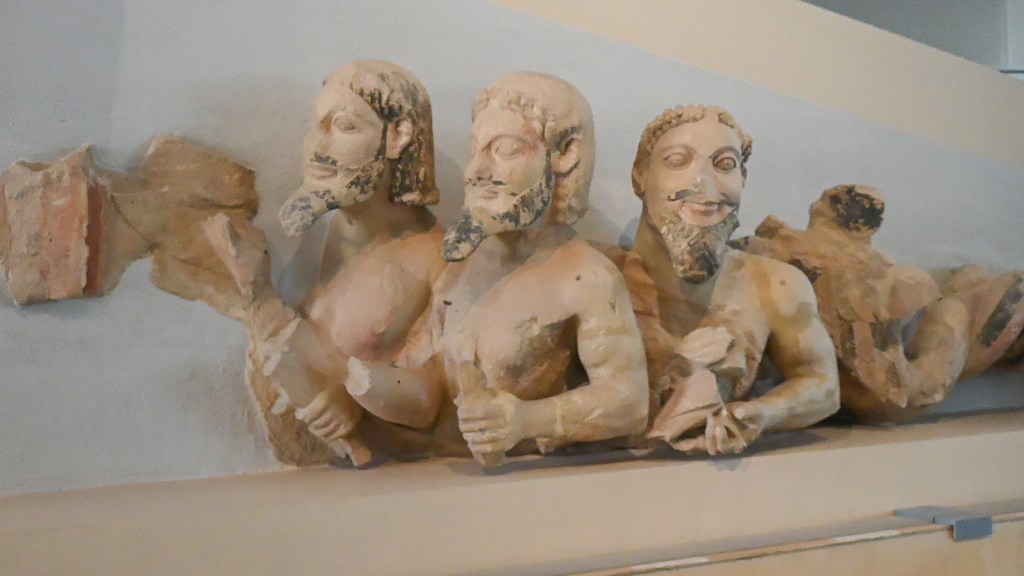
Acropolis Museum

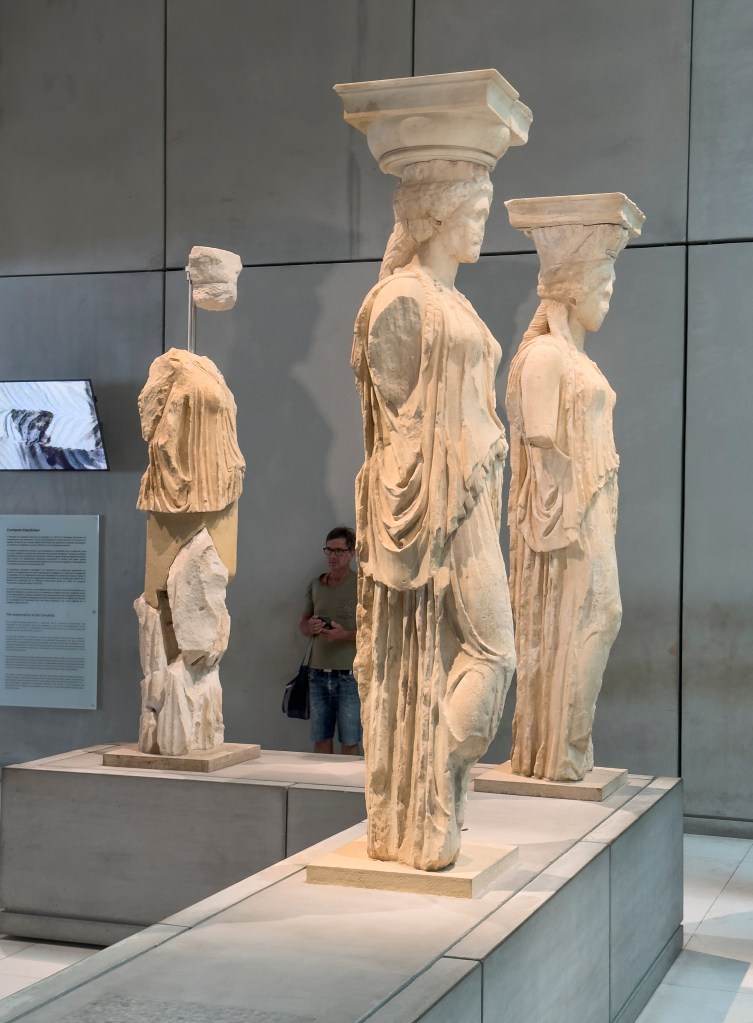
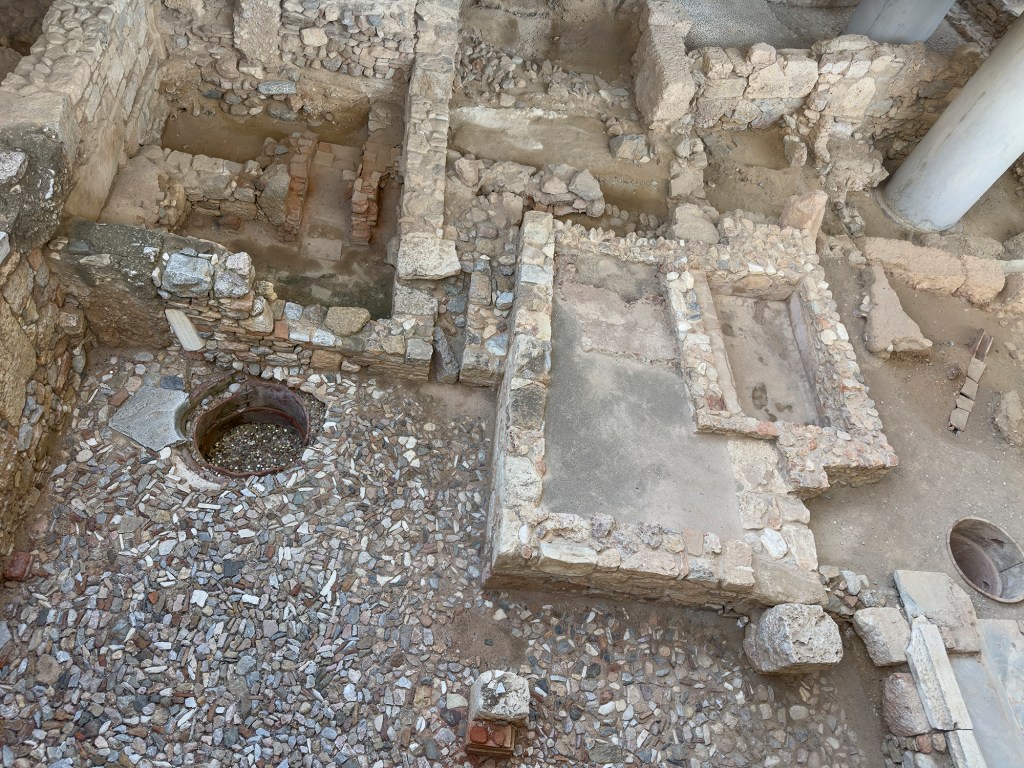
This relatively new (2009) museum is like a temple dedicated to the Acropolis. It is situated at the foot of Athen’s famous ancient hill. It contains many statues, reliefs and five of the six original Caryatids (lady-columns) that once held up the roof of the Erechtheion temple. The highlight is a life size creation of the frieze that once would around the Parthenon. The top floor mimics the Parthenon and views the actual directly.
Caryatids
Part of Frieze
Parthenon from Museum

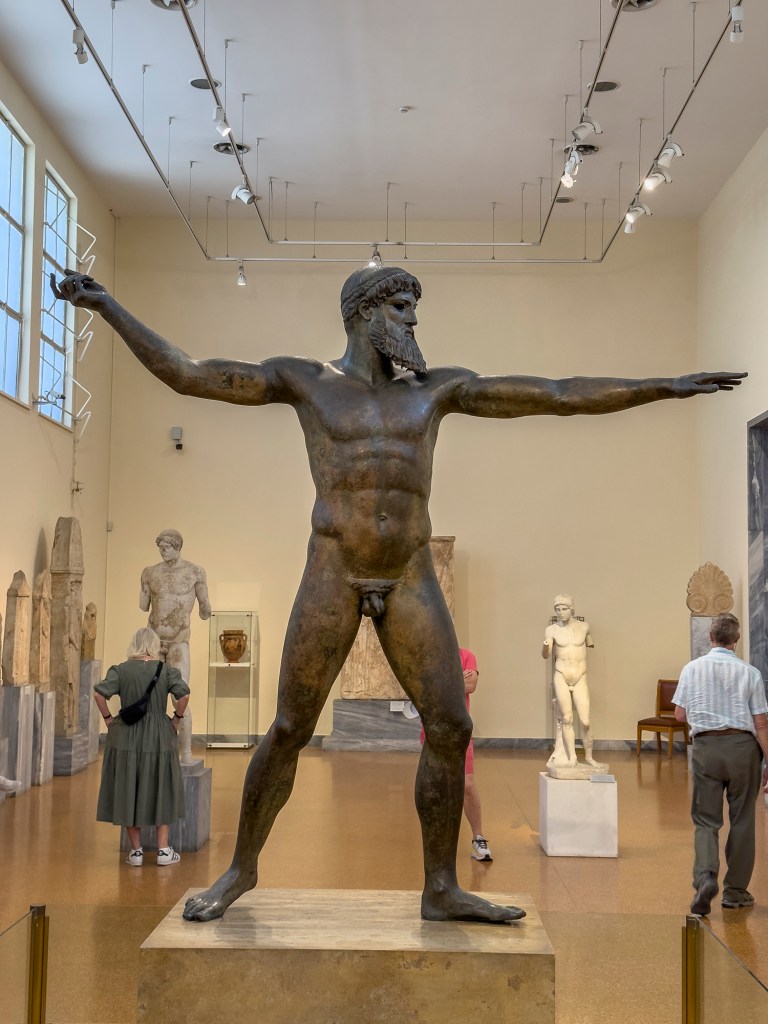
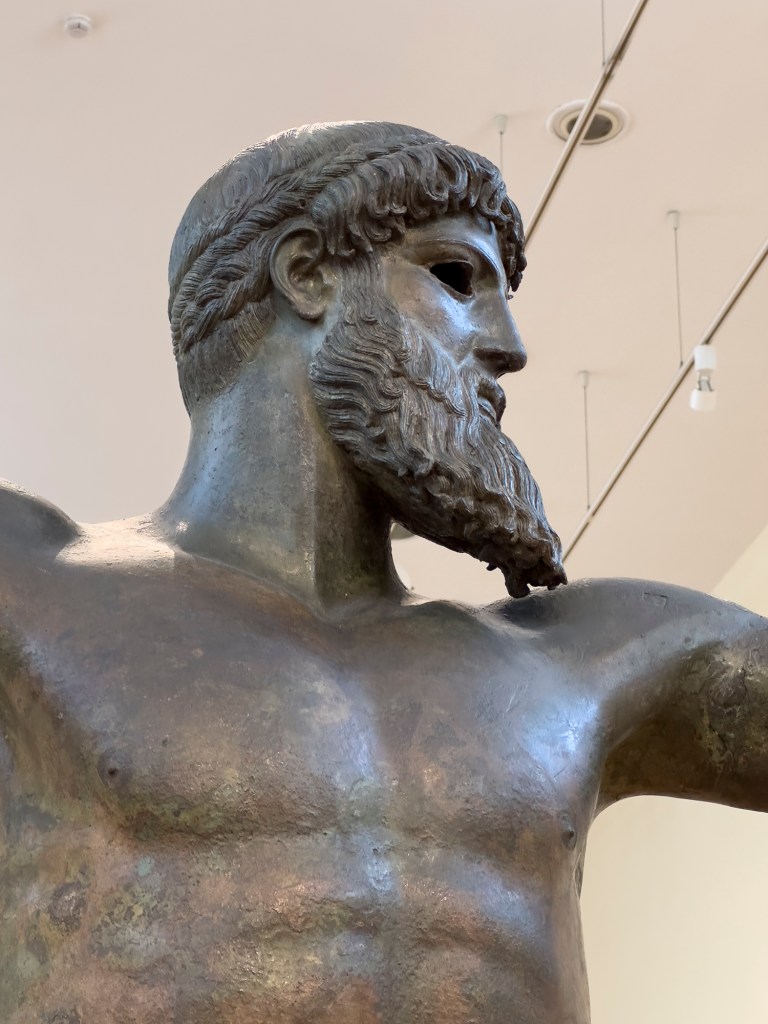
National Archaeological Museum

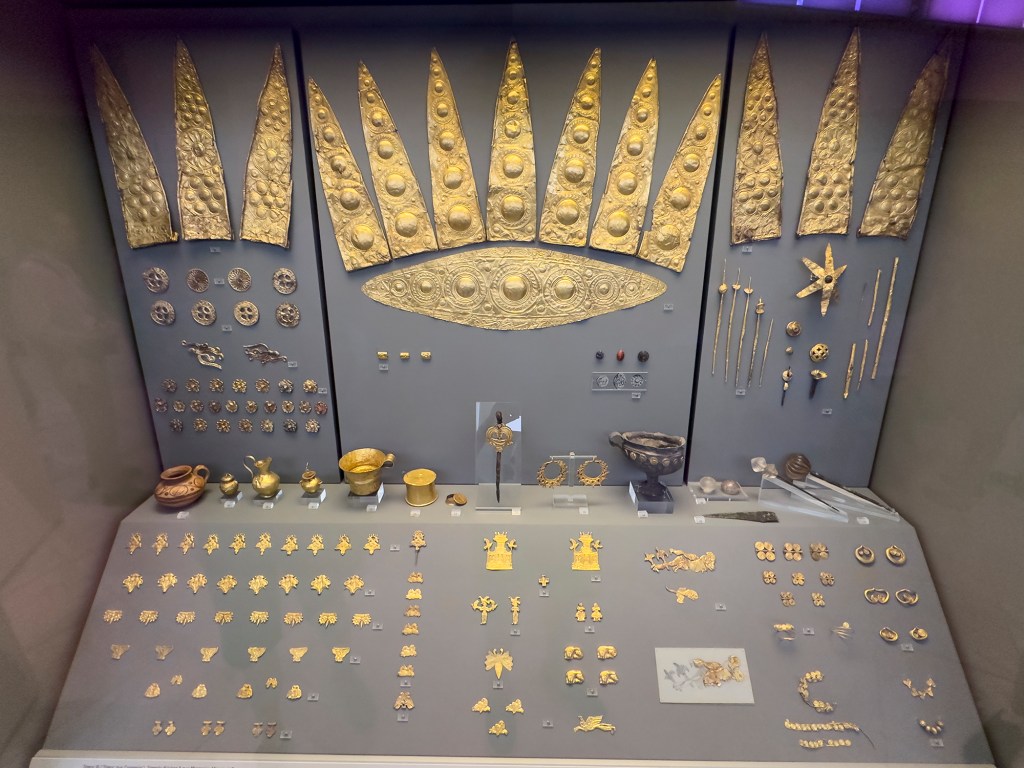
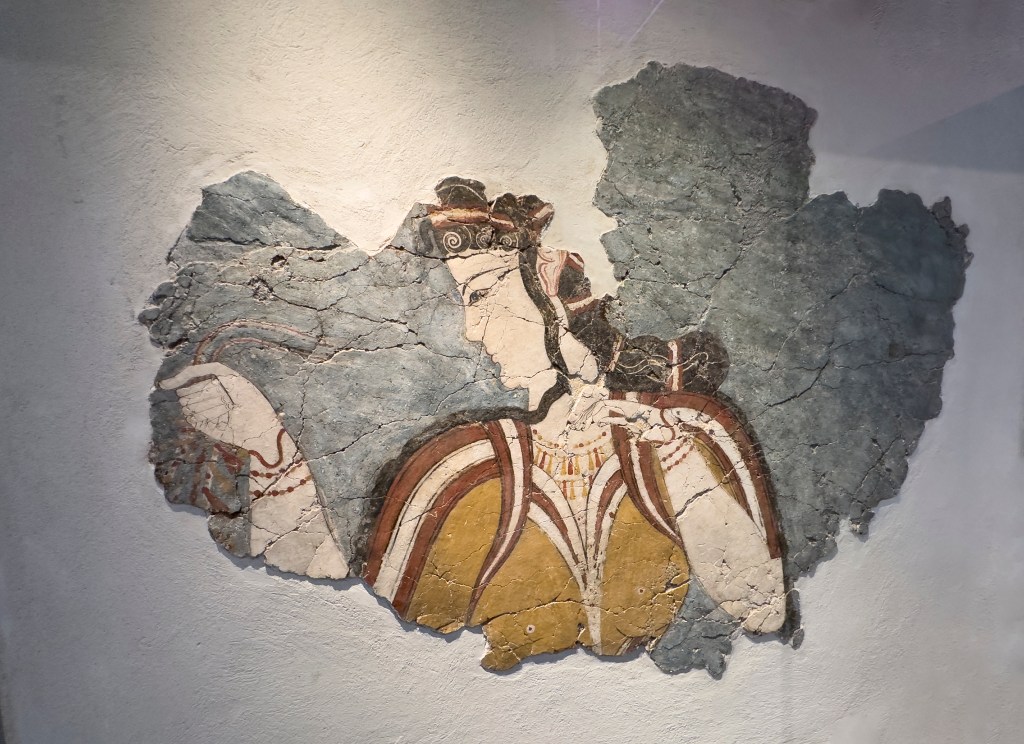
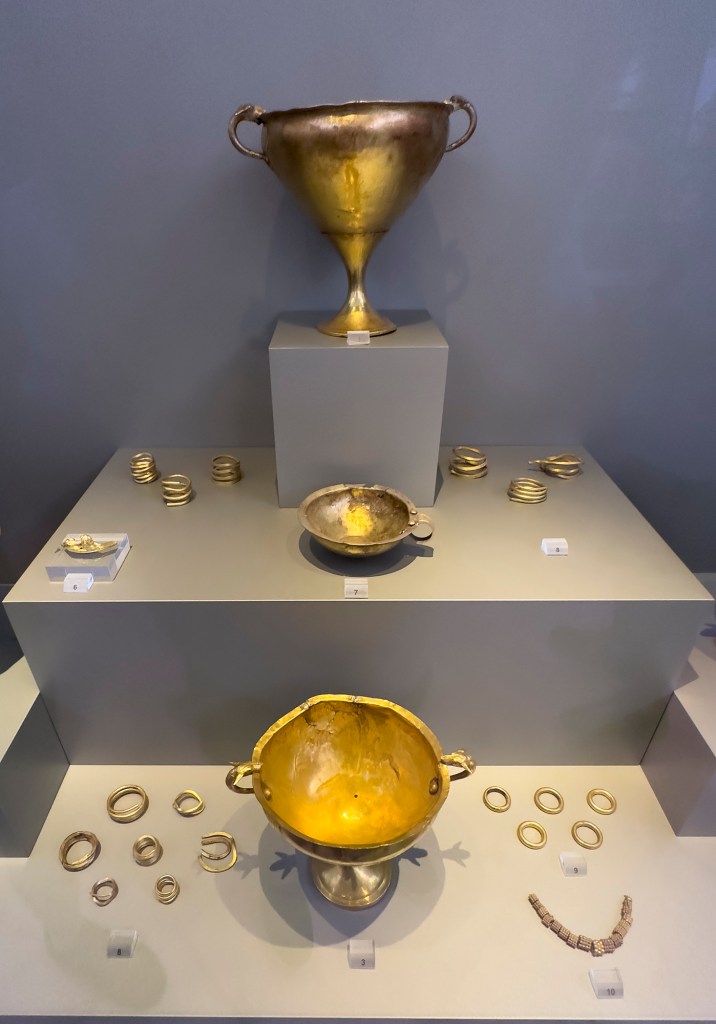
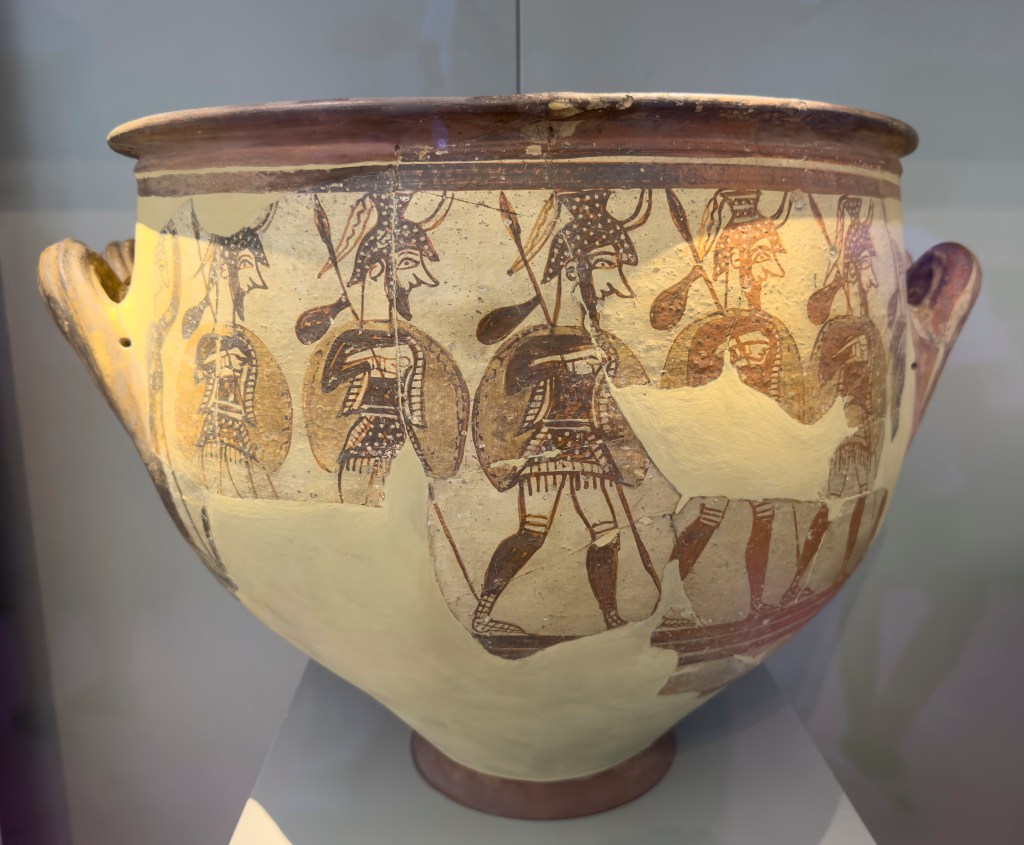
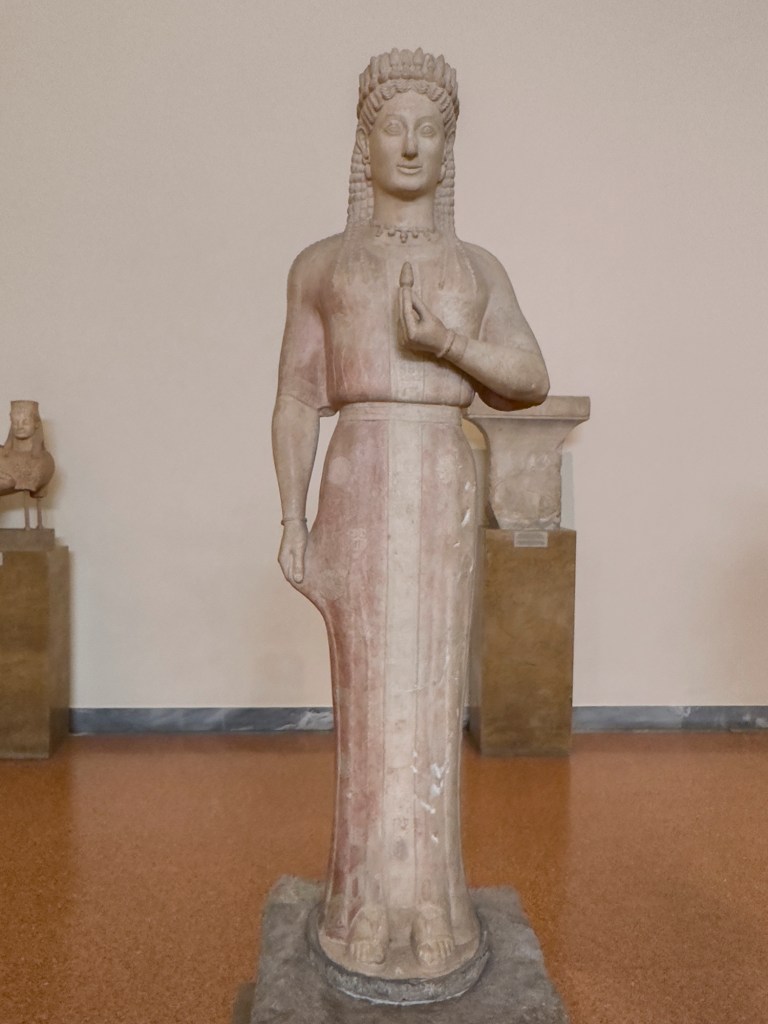
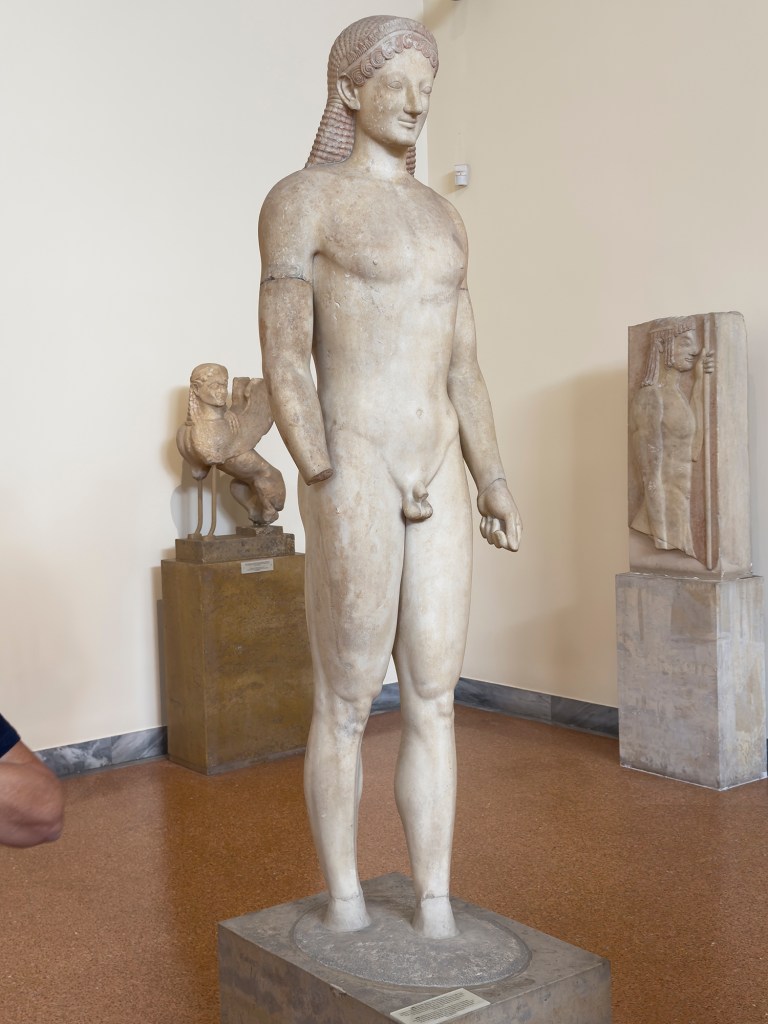
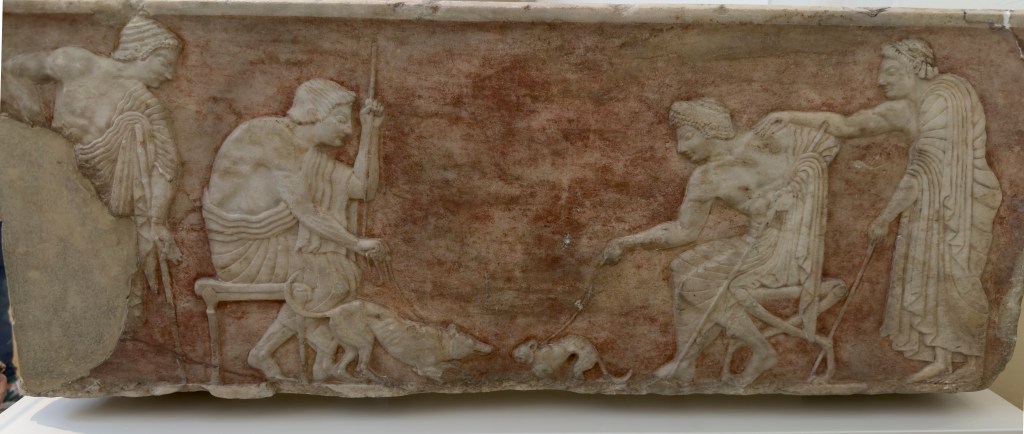
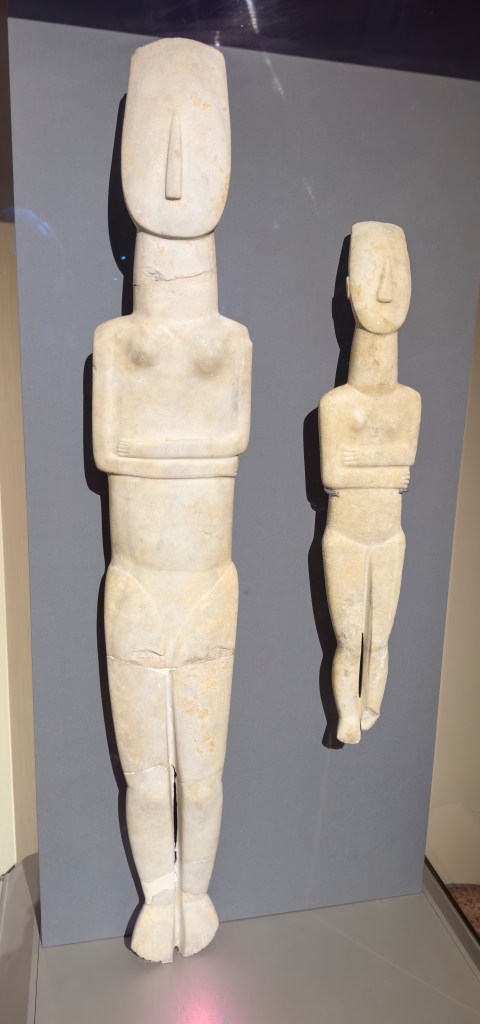
This museum is the single best place on earth to see ancient Greek artifacts. Collections date from 7000 BC to AD500. Begin with the stylized figurines from the Cycladic Islands (2800-2300 BC), on to the golden artifacts of the Mycenaeans (1600-1100 BC), to the stiff stoic kouros statues of the Archaic age. The art begins to loosen up as one proceeds, and contains an incredible number of statues, ceramics, paintings and so on.

This is a must visit while in Athens.

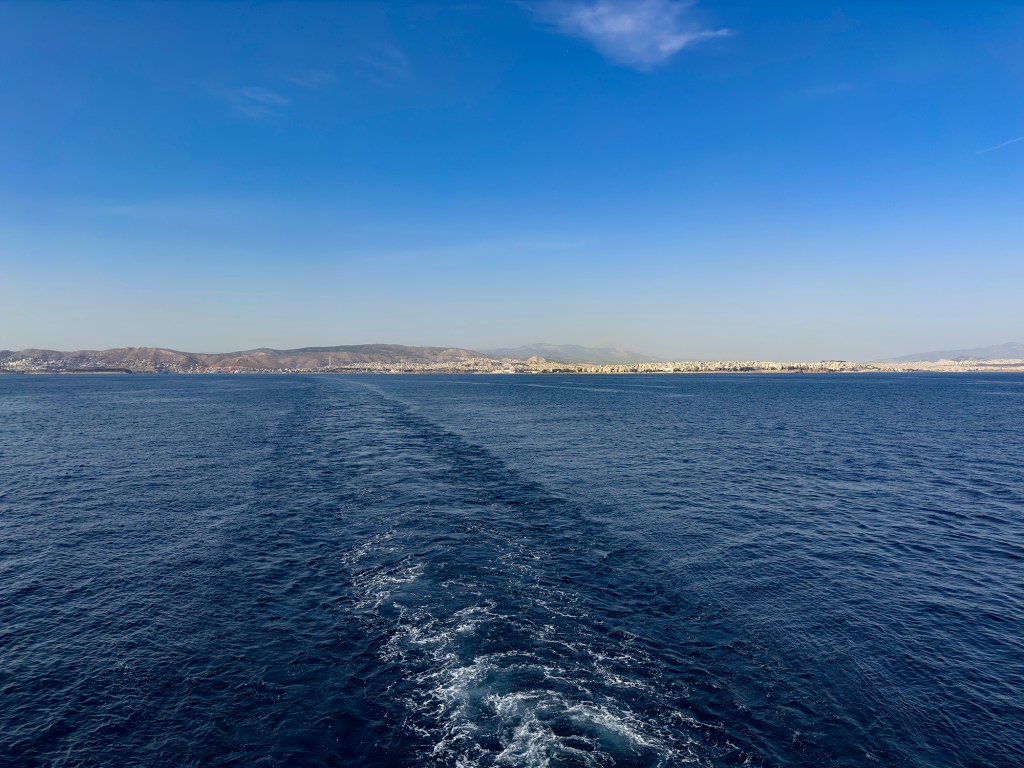
Windstar leaving Piraeus
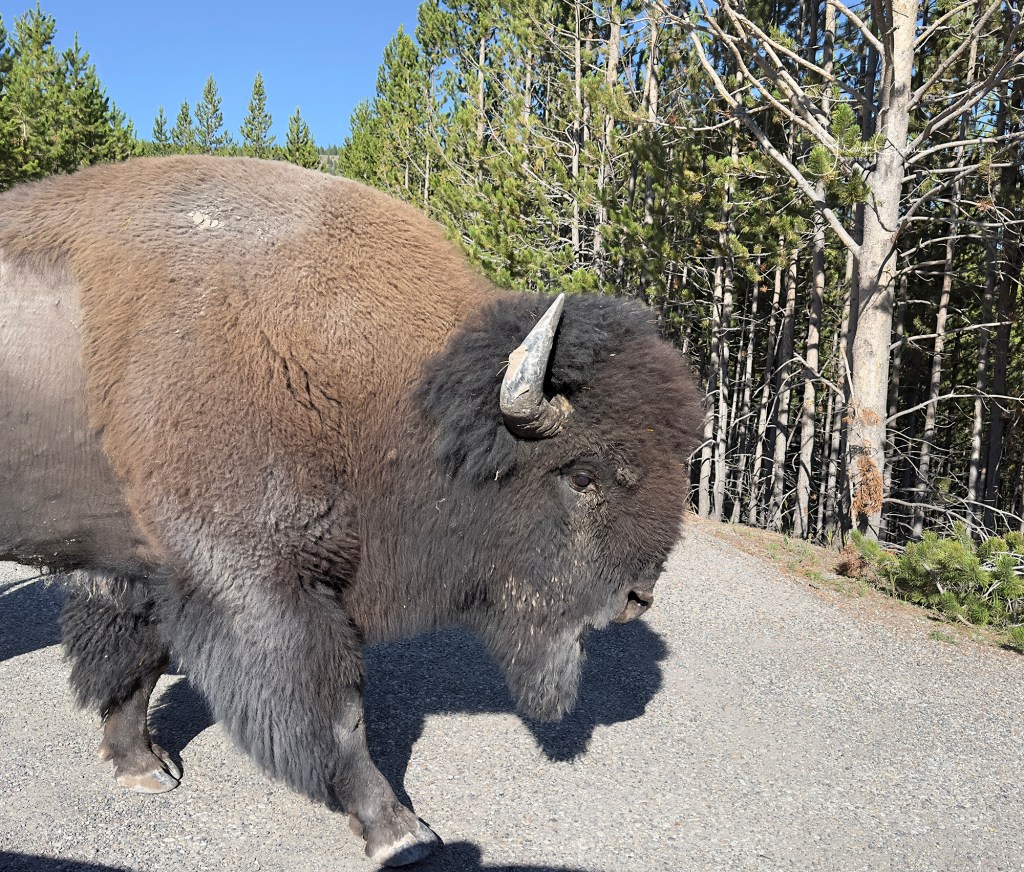
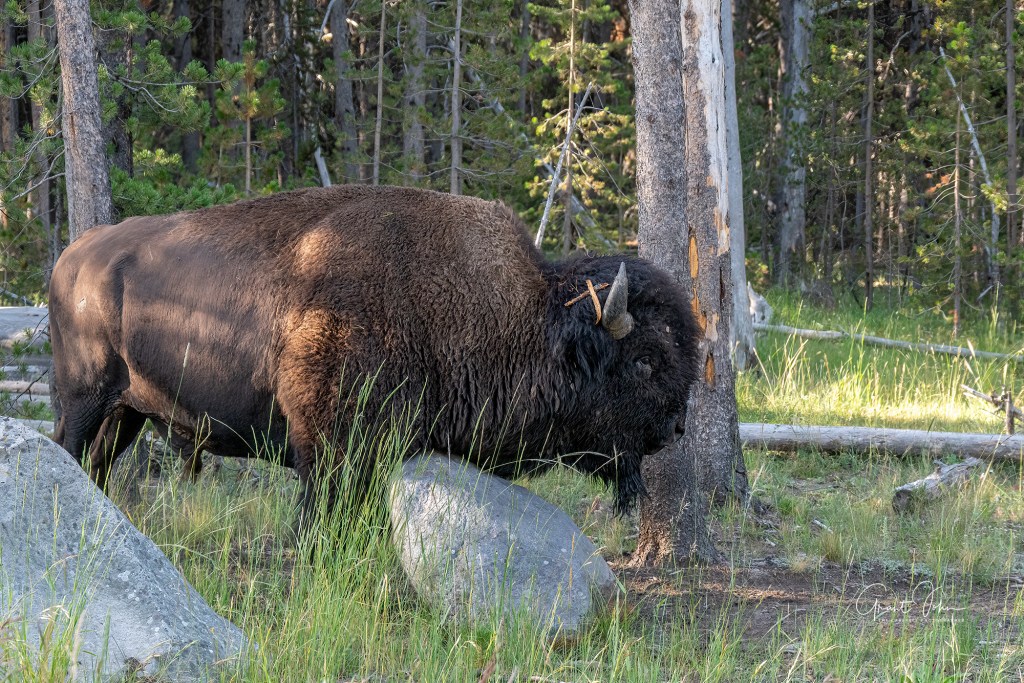
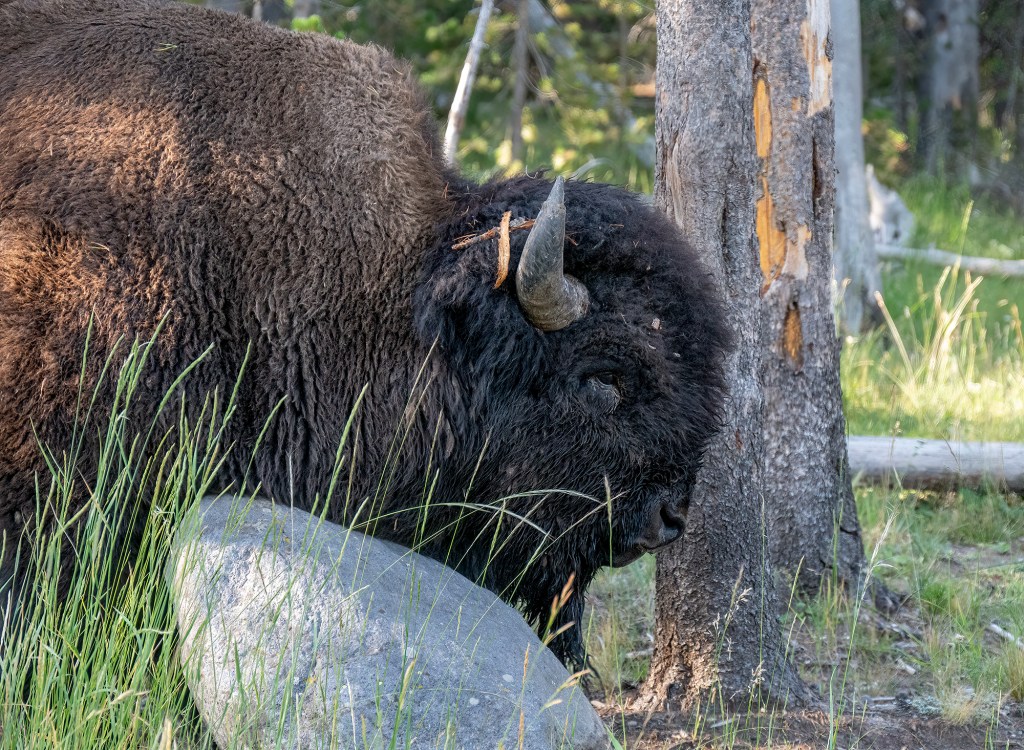
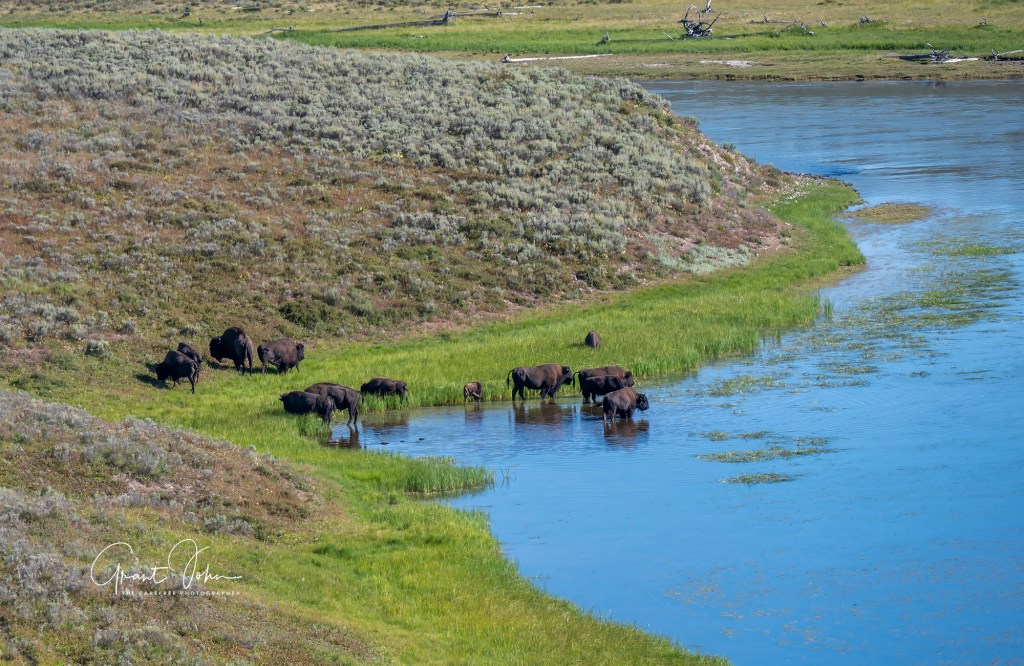
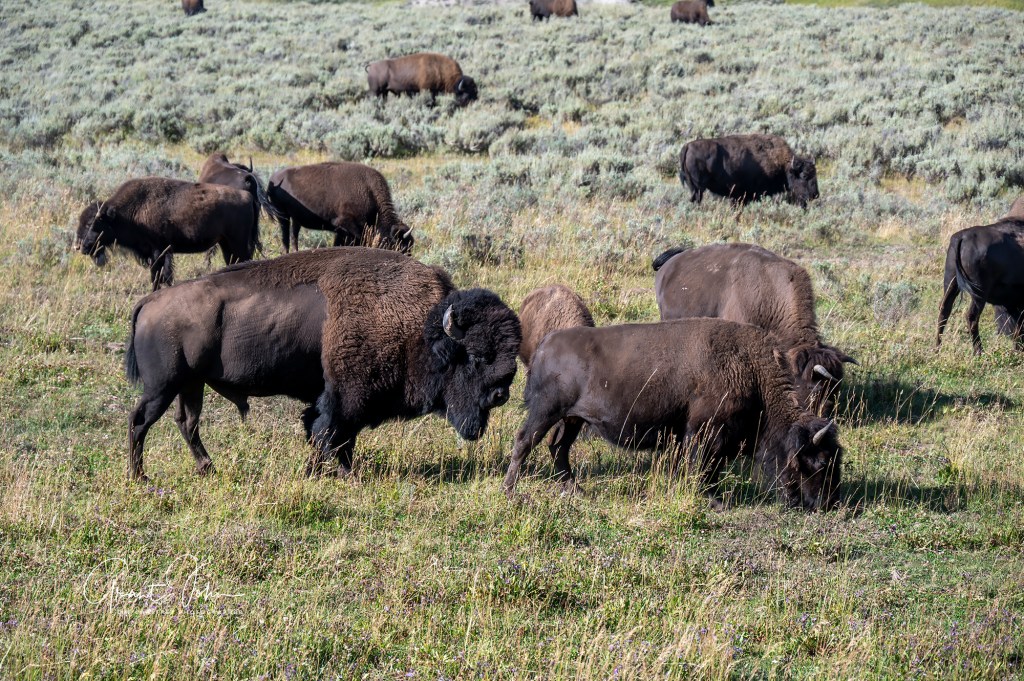
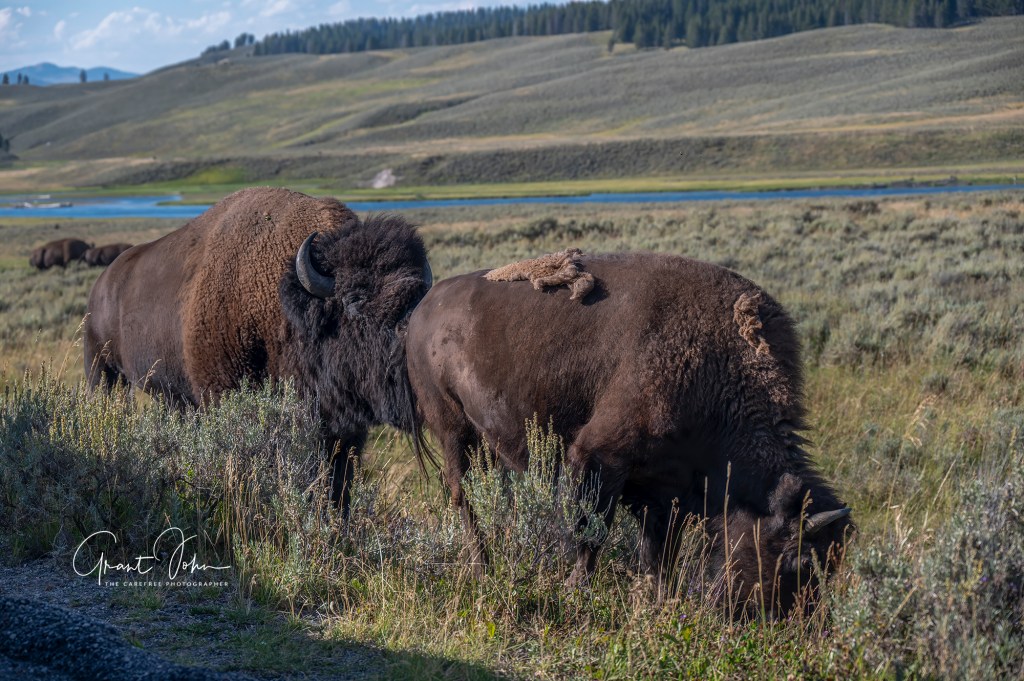
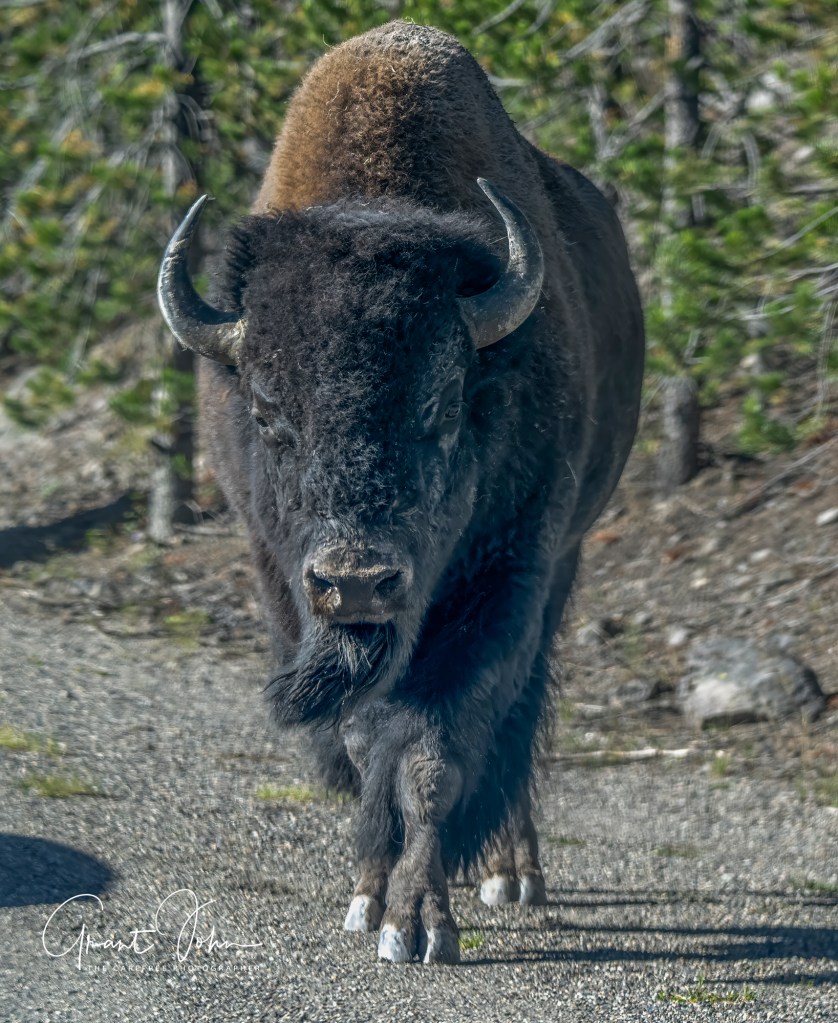
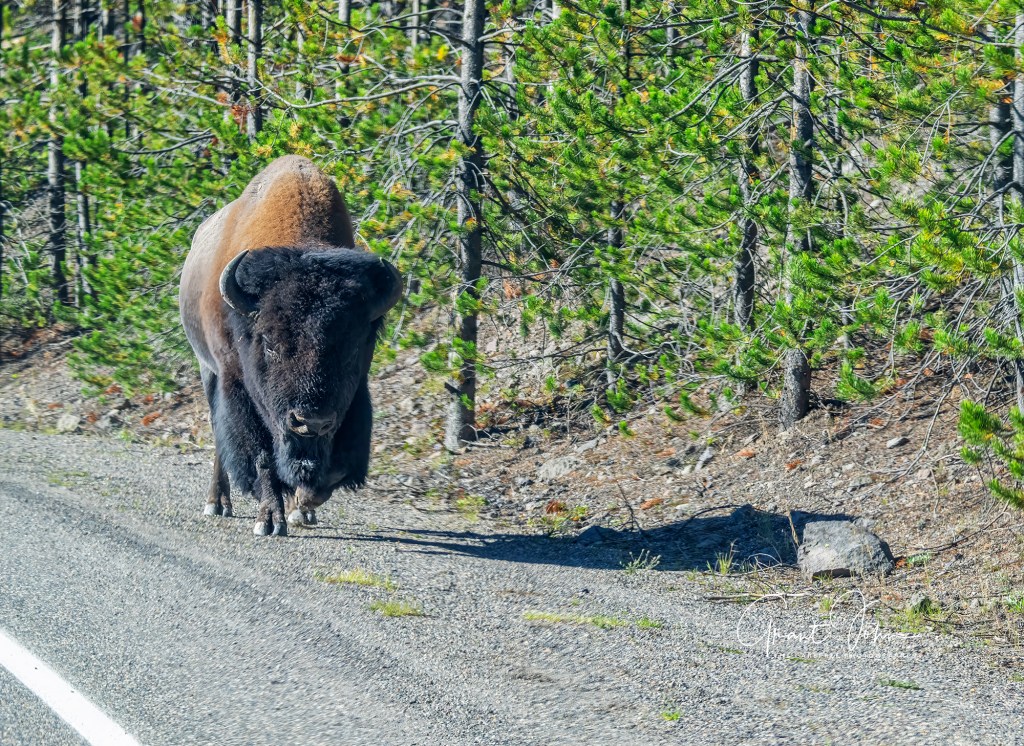
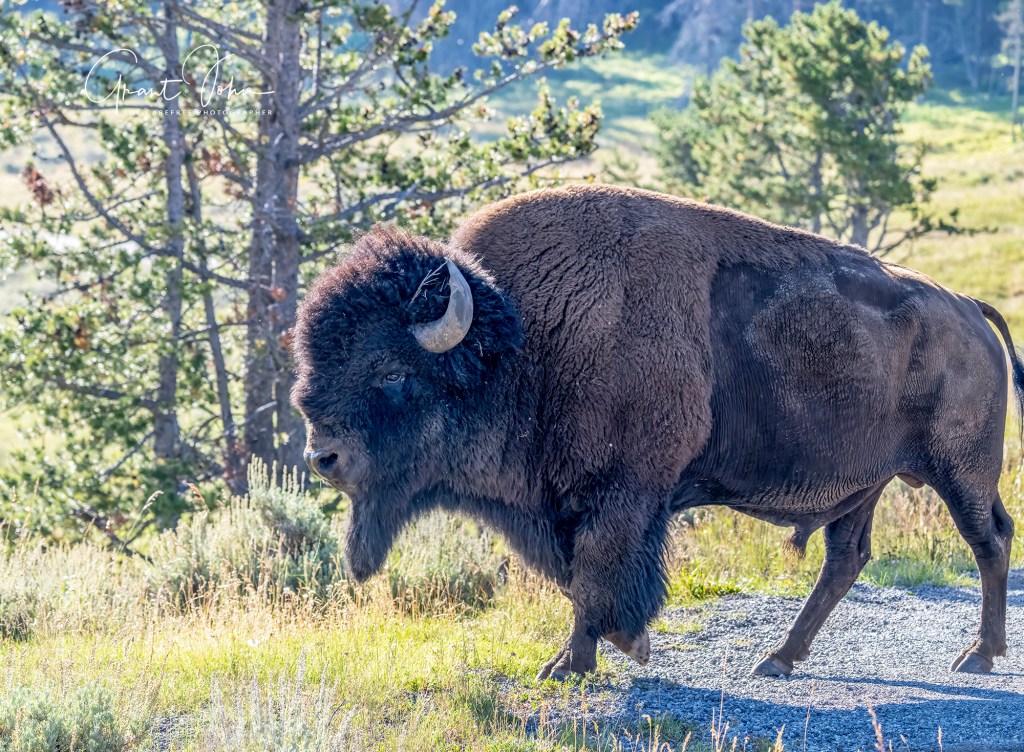
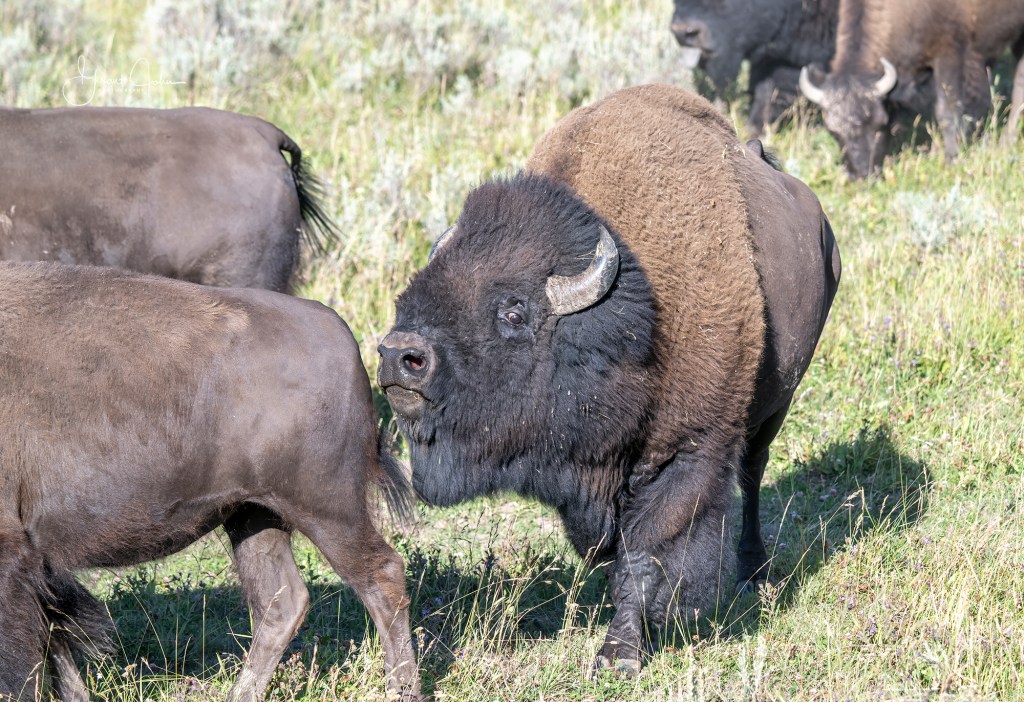
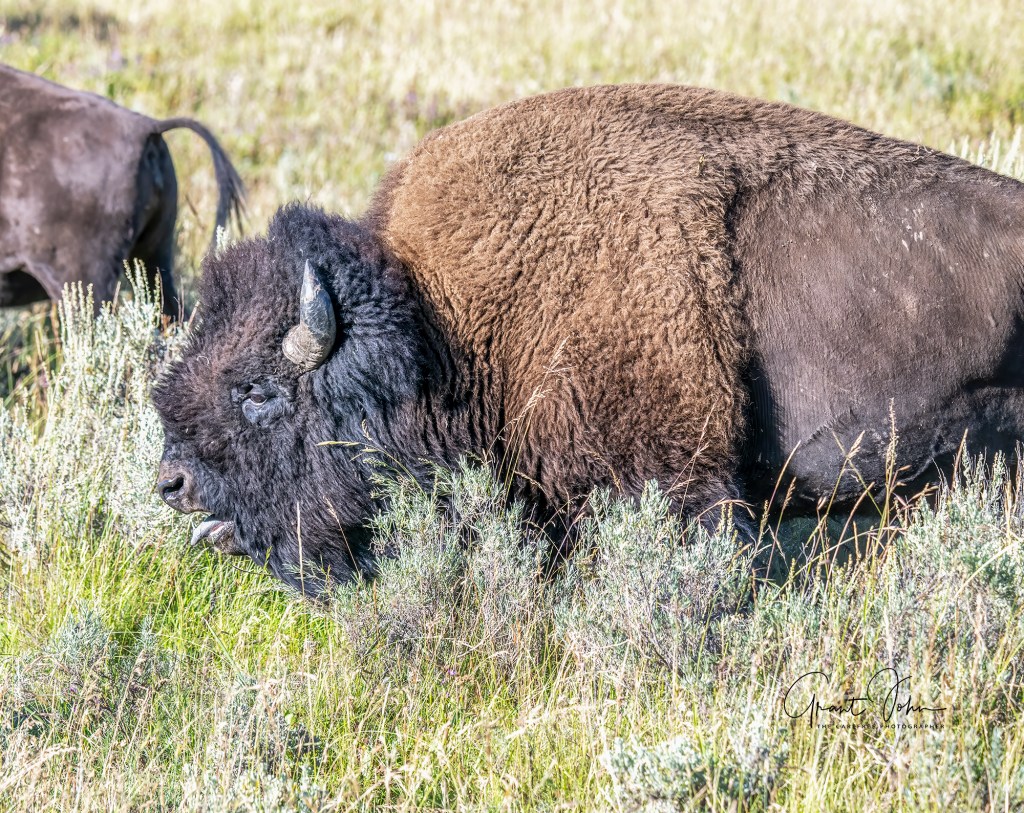
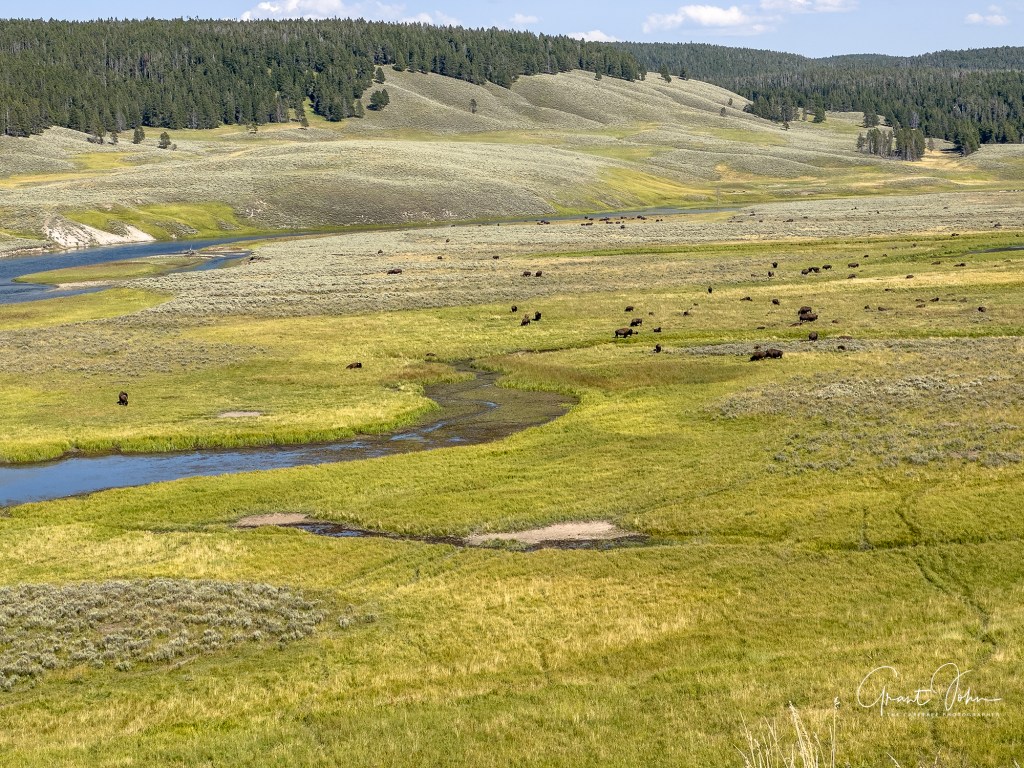
Yellowstone Wildlife

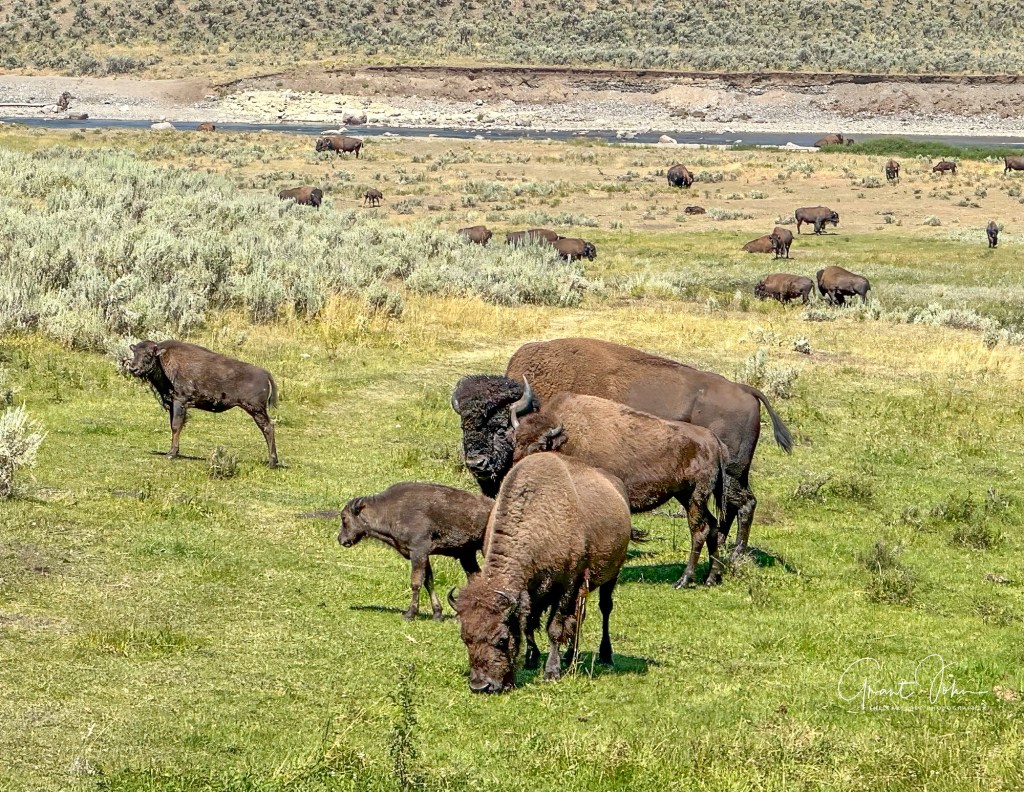
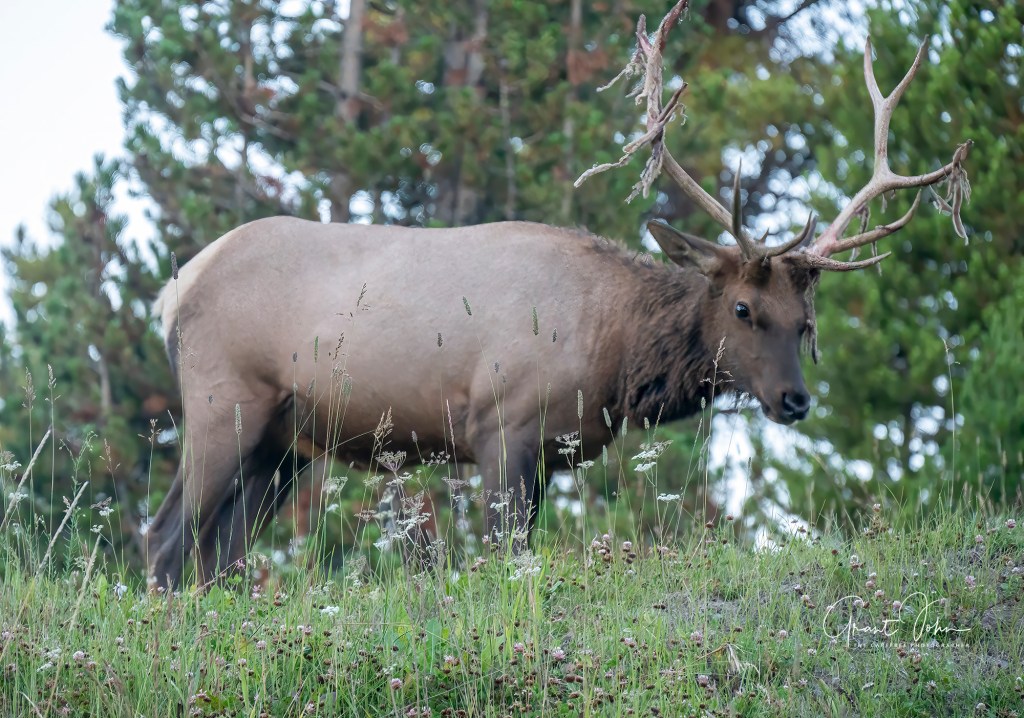
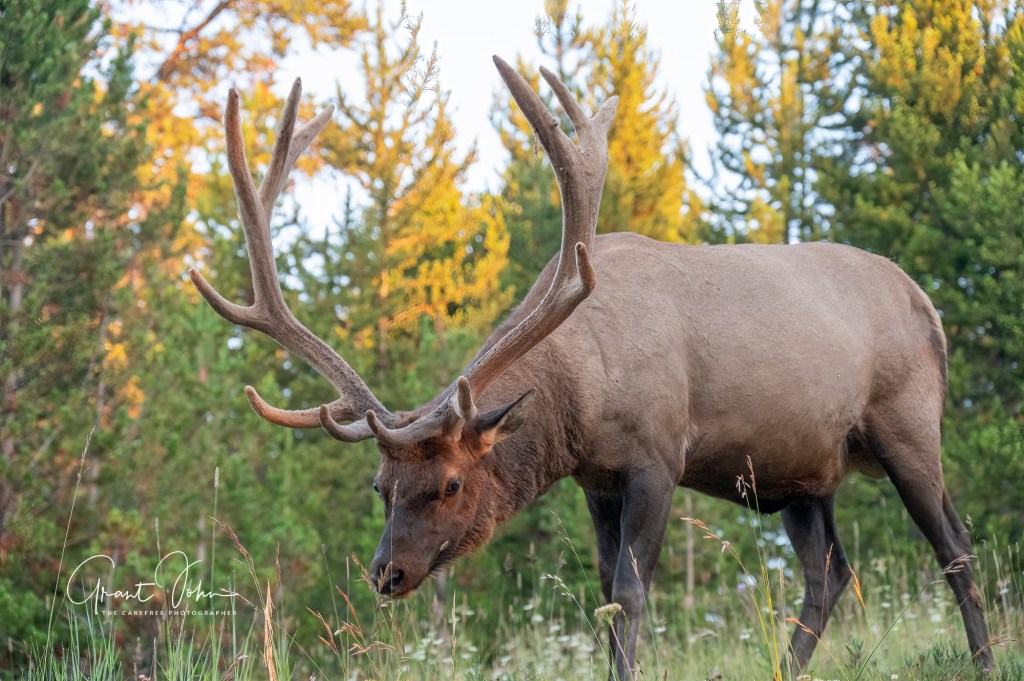
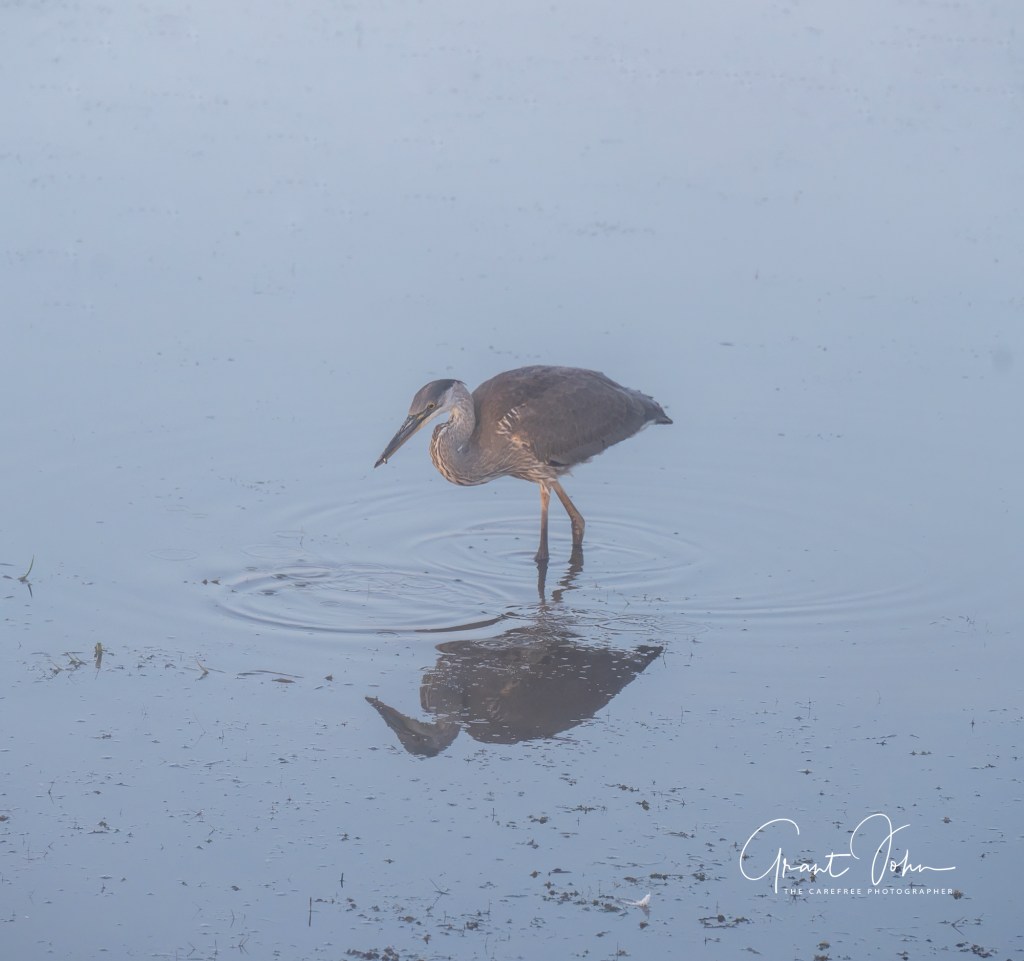
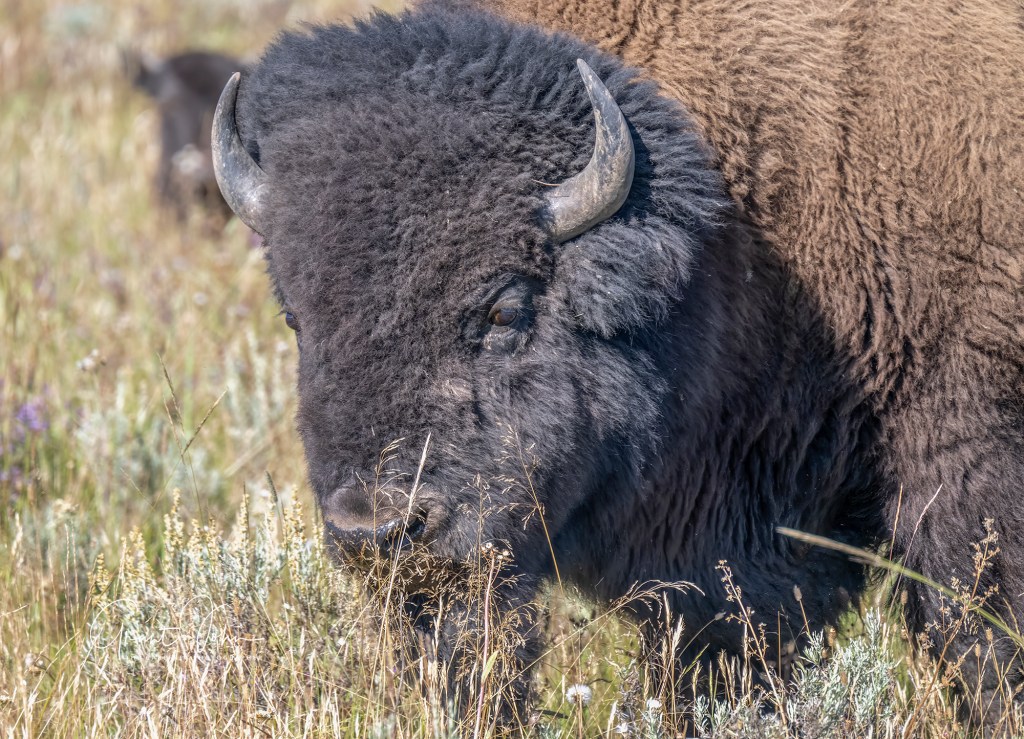
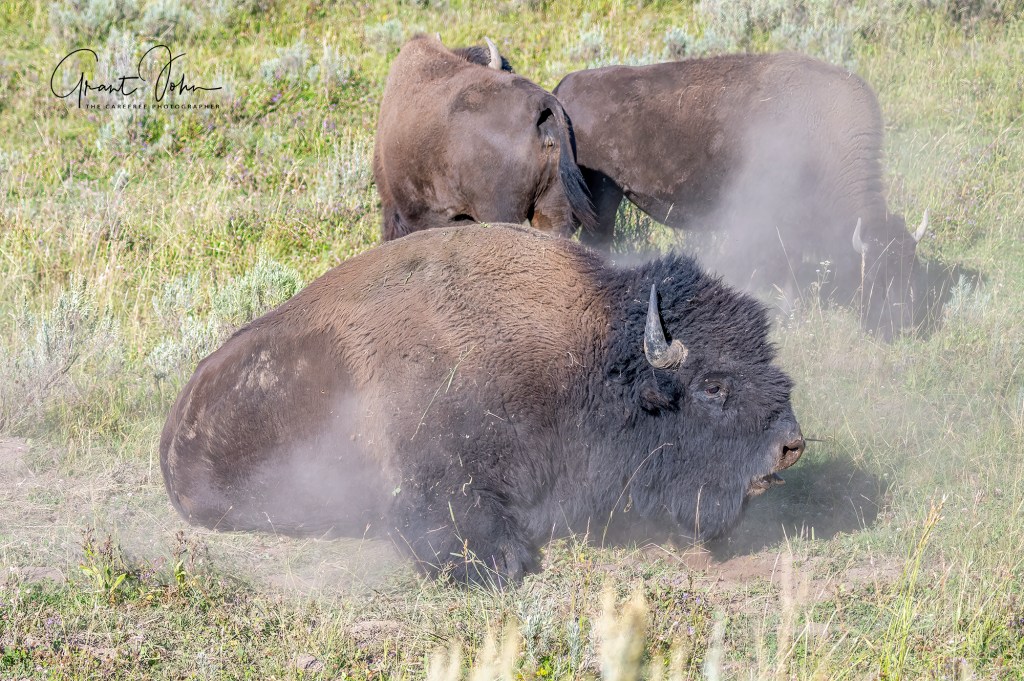
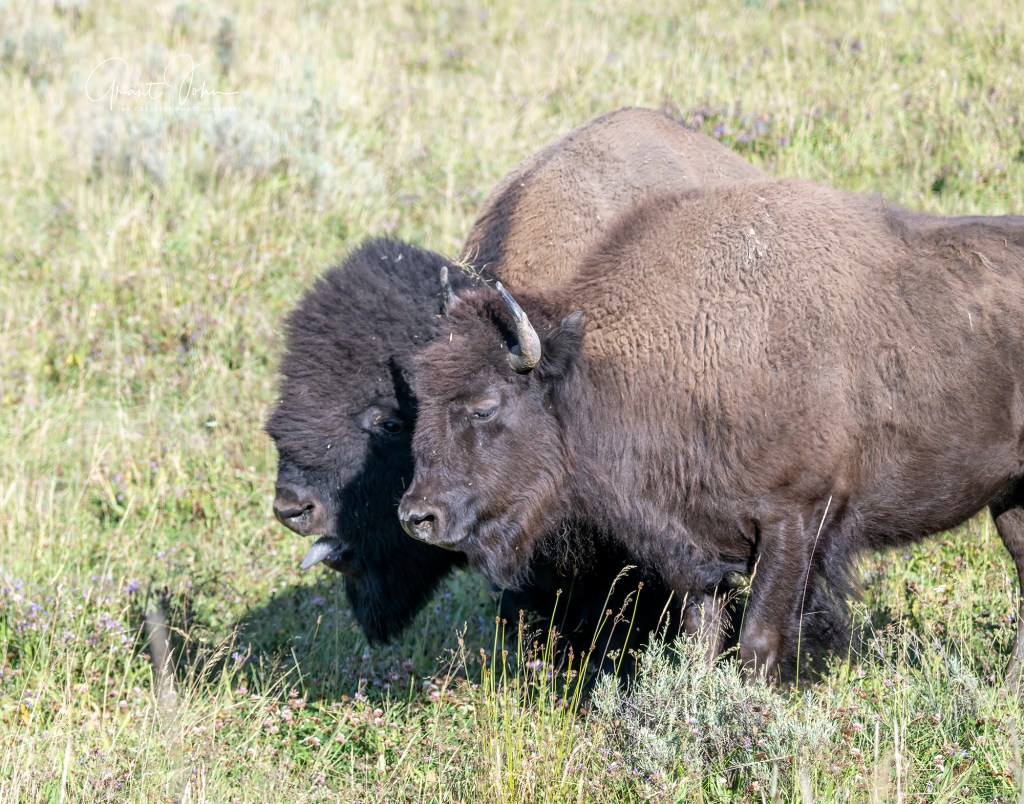
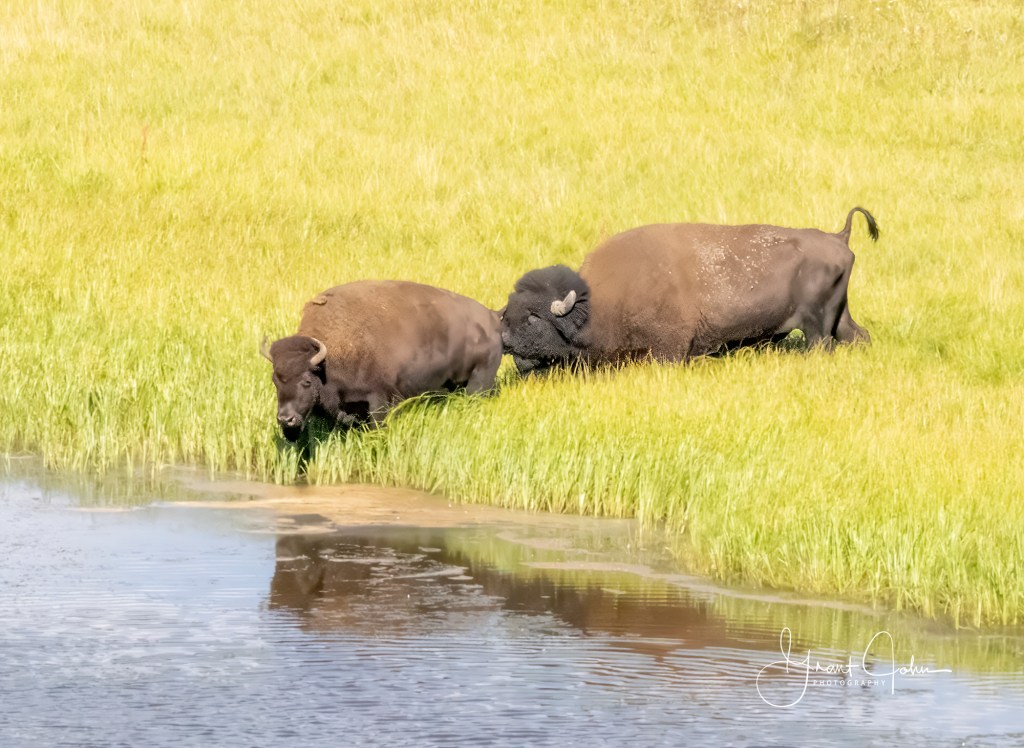
There is a wide variety of wildlife in the park. Most notable are the bison, se and also singly. There are wolves and bears, not so easy to spot. And elk, birds, small mammals and so on. Here are a few – mostly bison!

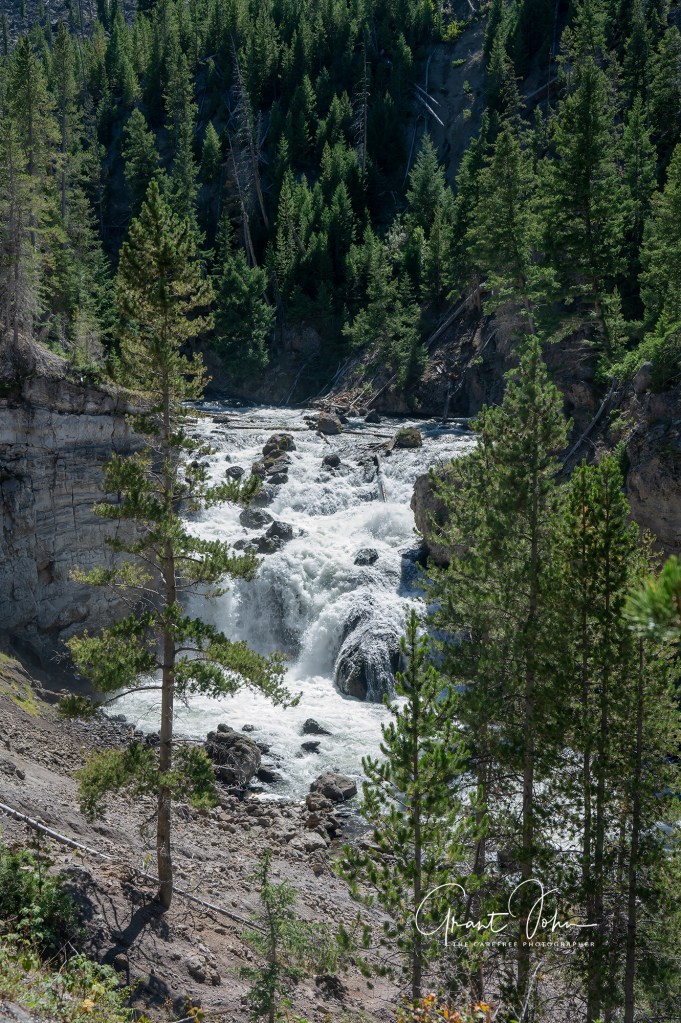
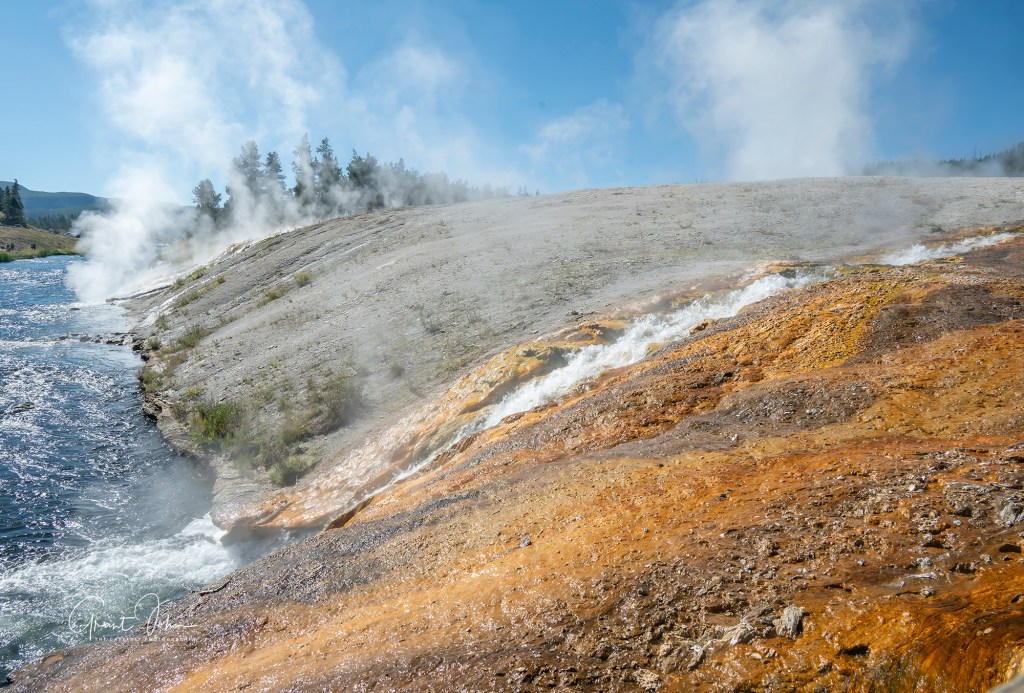
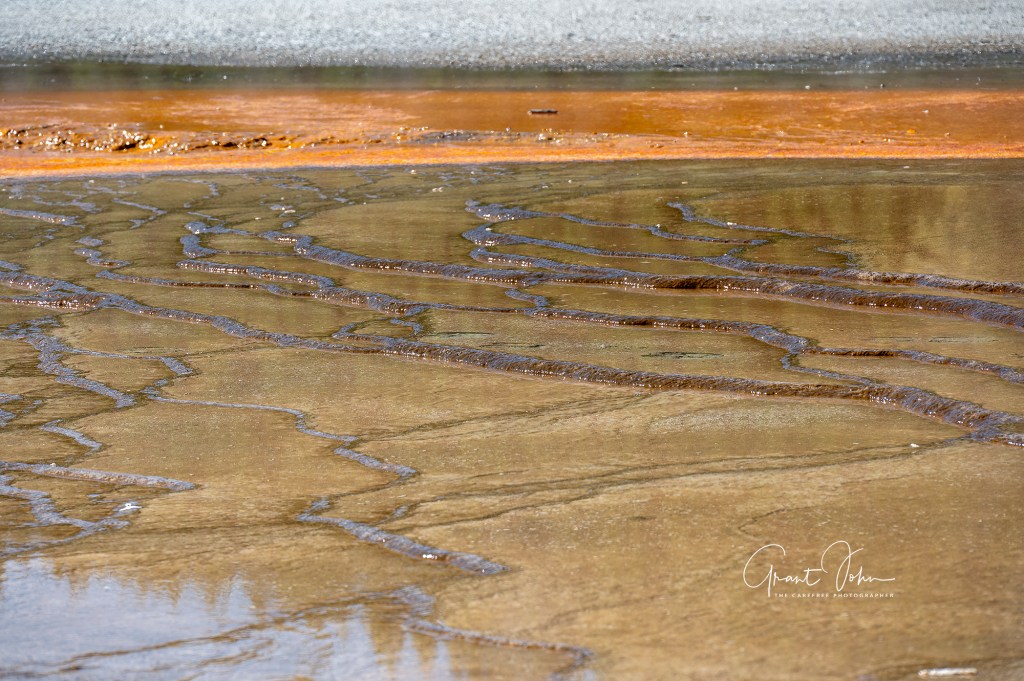
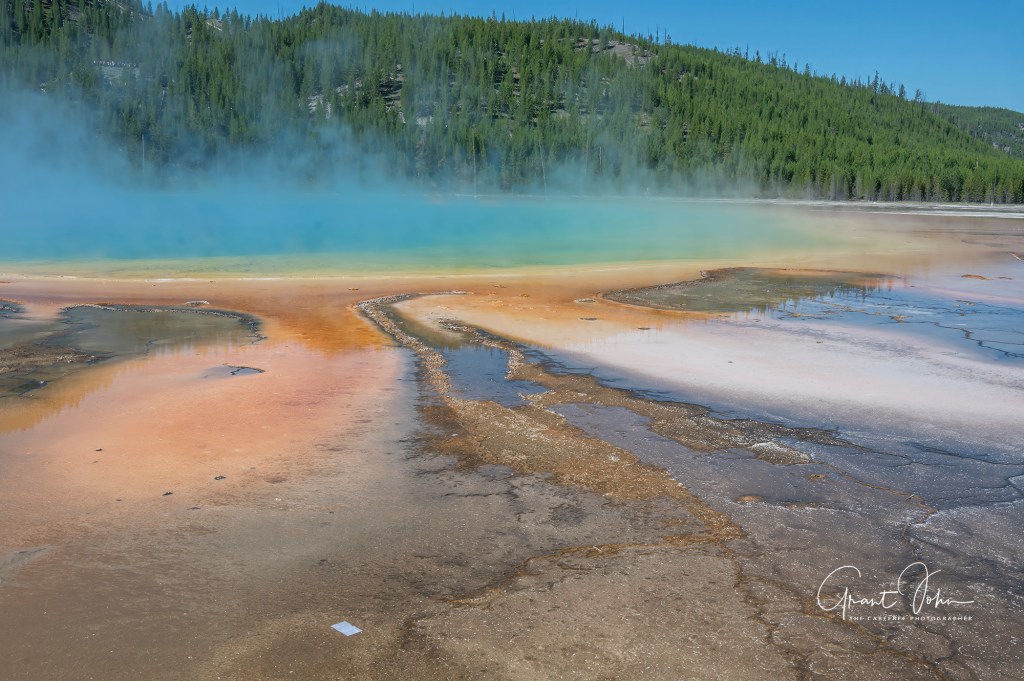
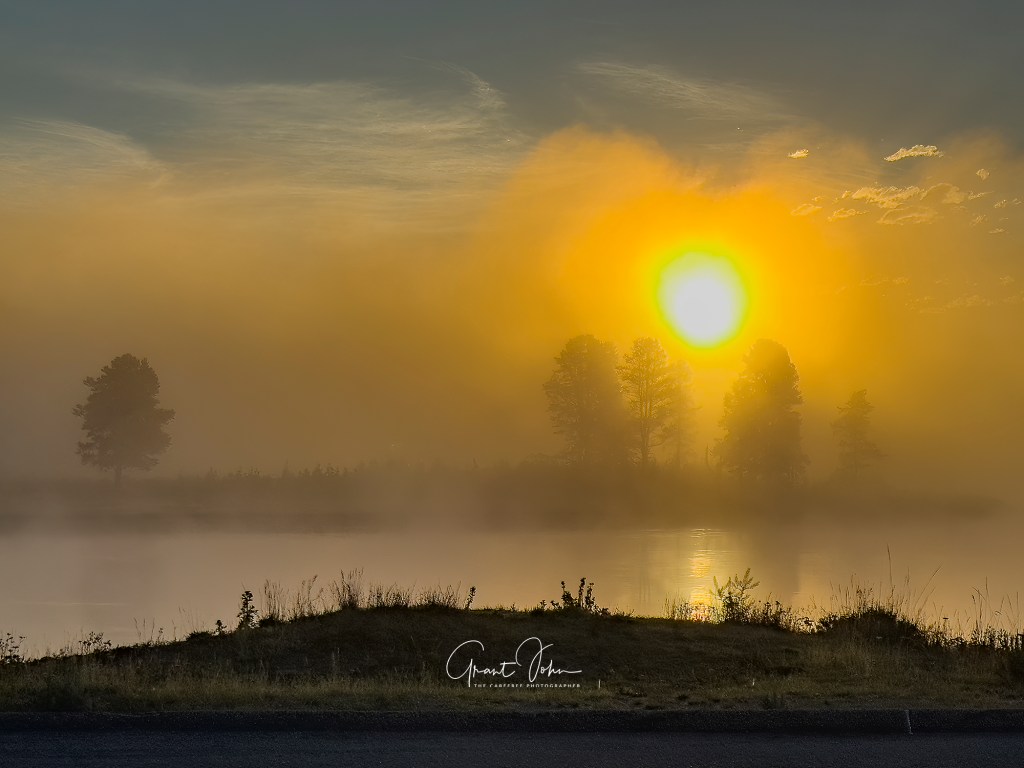
Yellowstone Scenery

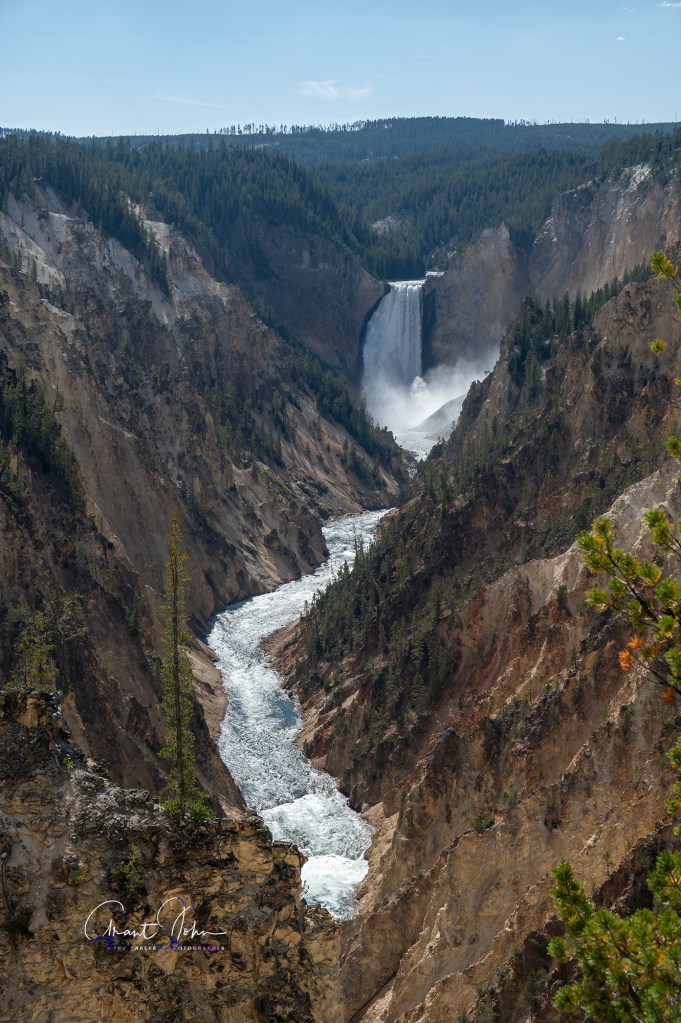
Yellowstone National Park is a gem, is huge and contains a wonderful array of terrains, landscape beauty and geothermal activity.

Grand Tetons

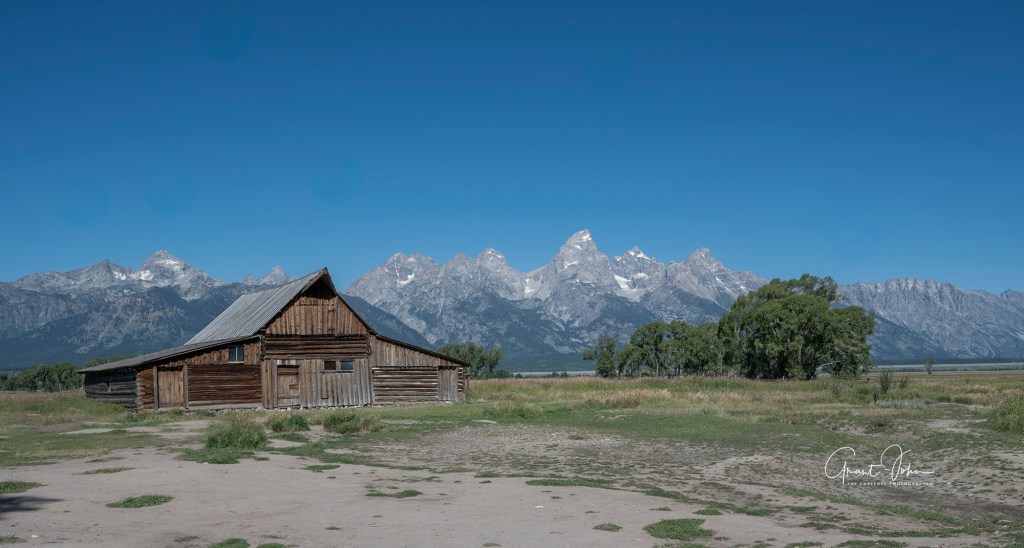
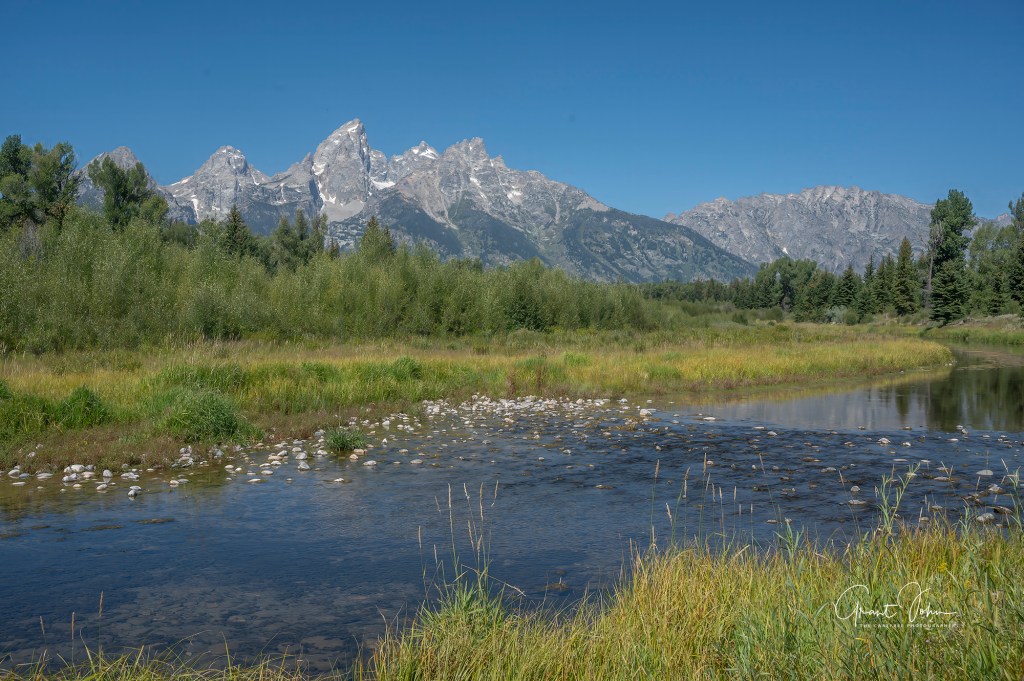
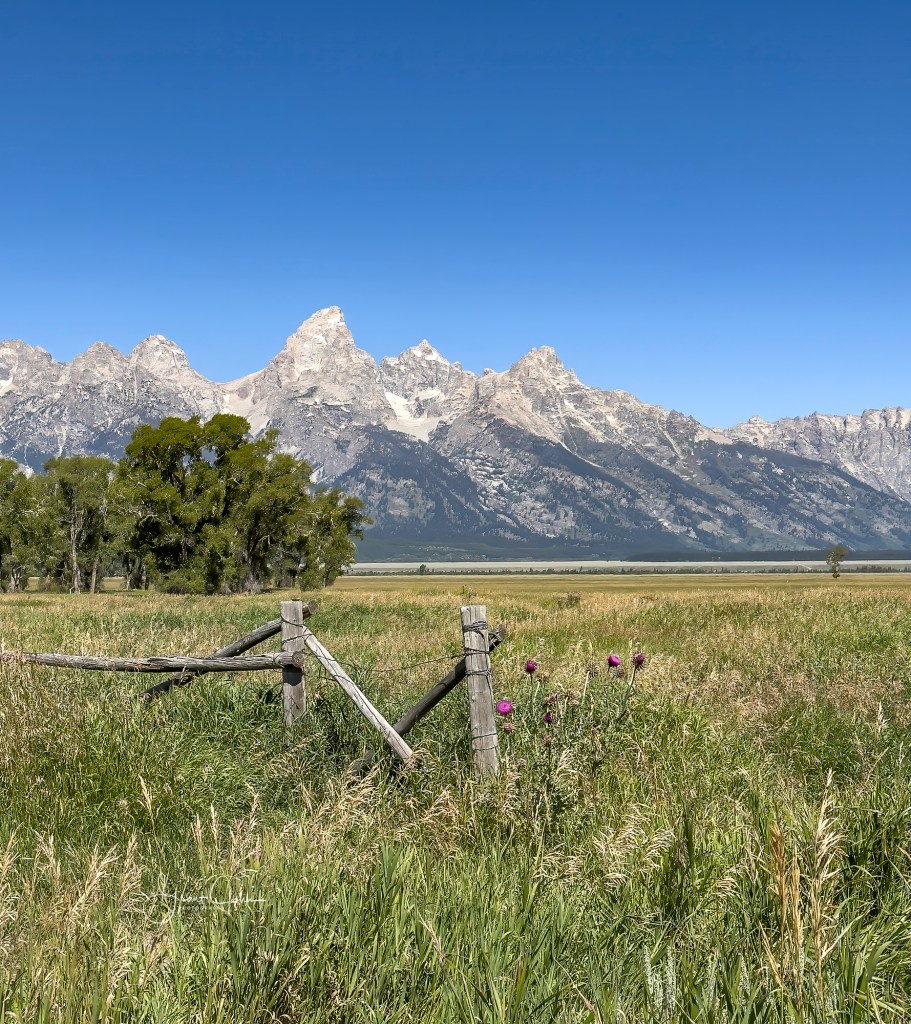
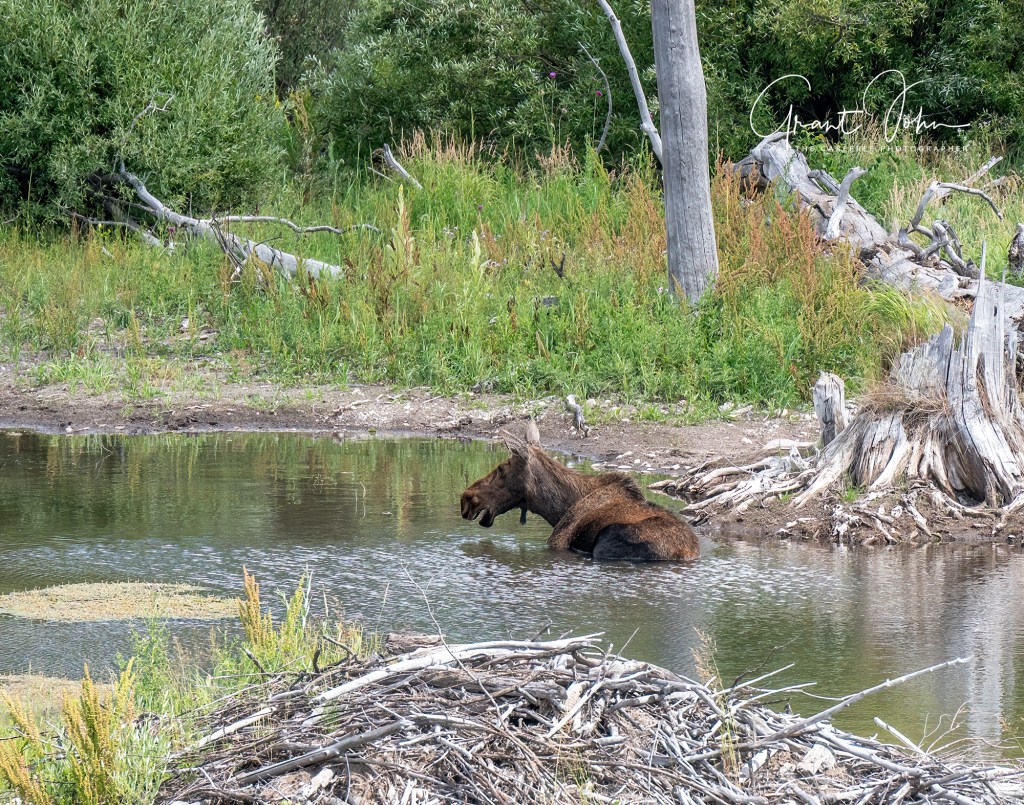
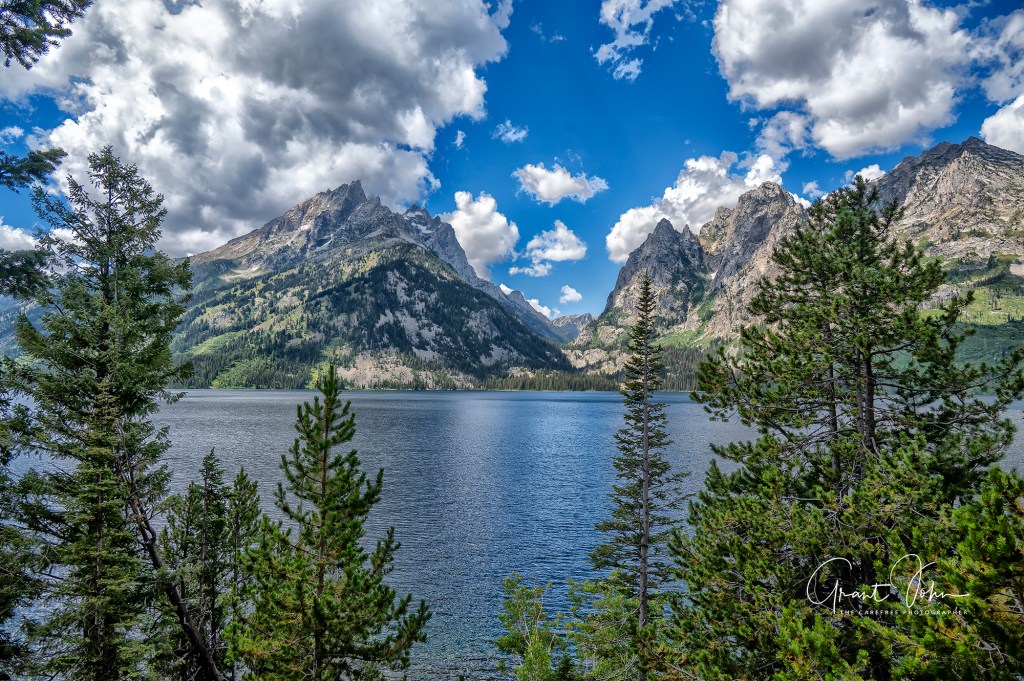
We love the area around Jackson Hole, including Grand Teton National Park and, of course, Yellowstone. Here are a few images taken in August in Grand Teton, wildlife and scenic.

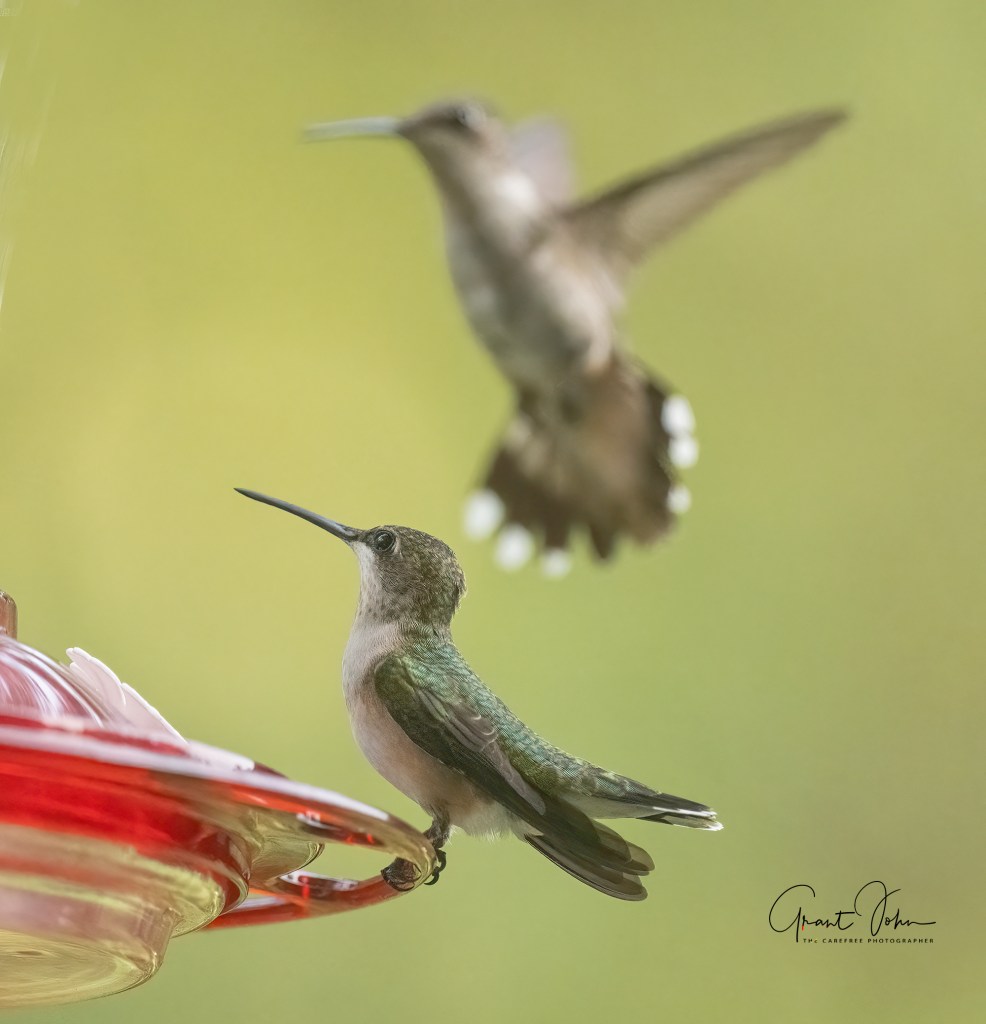
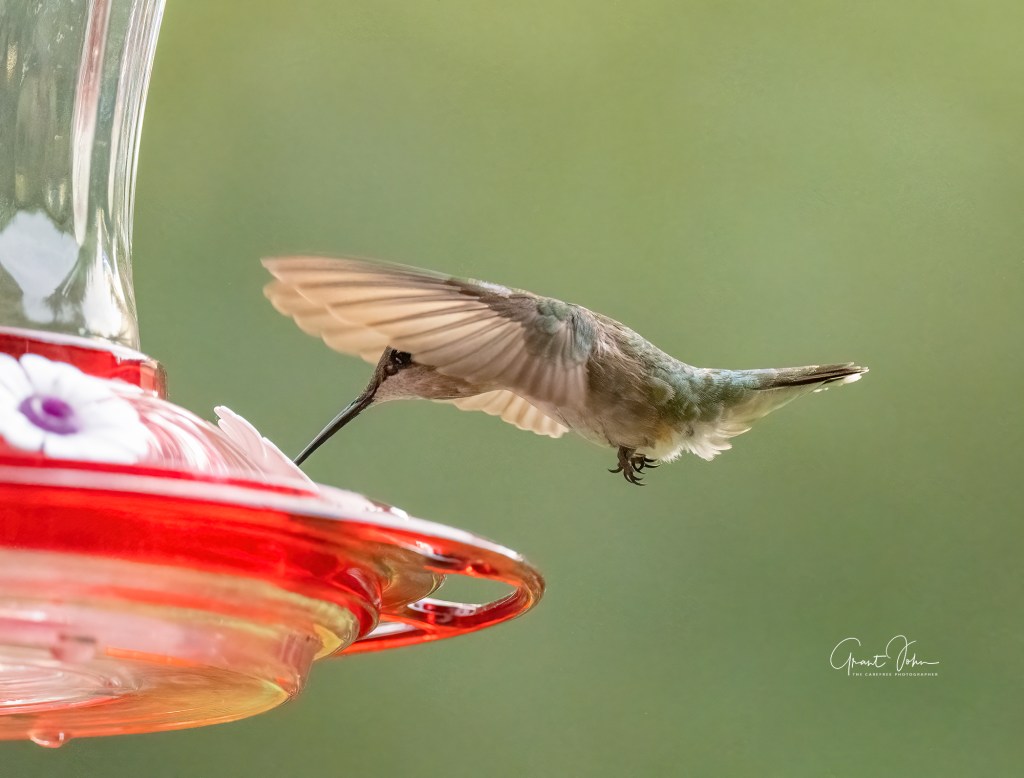
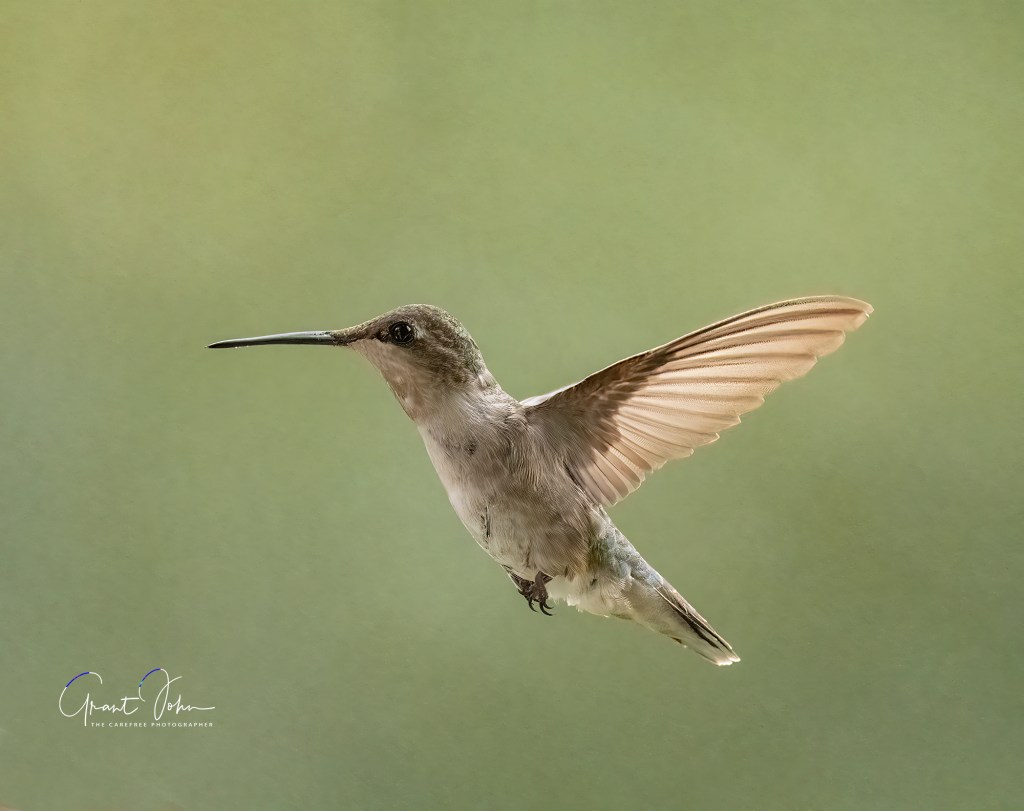
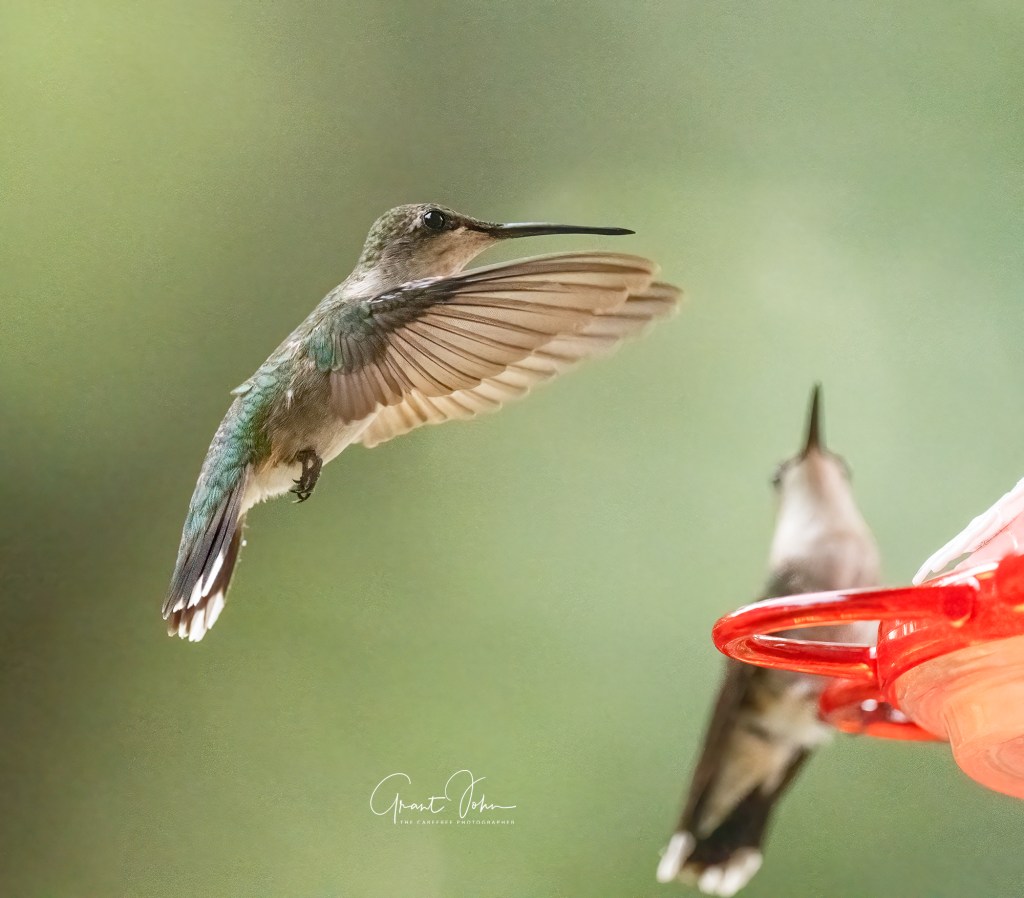
Hummers

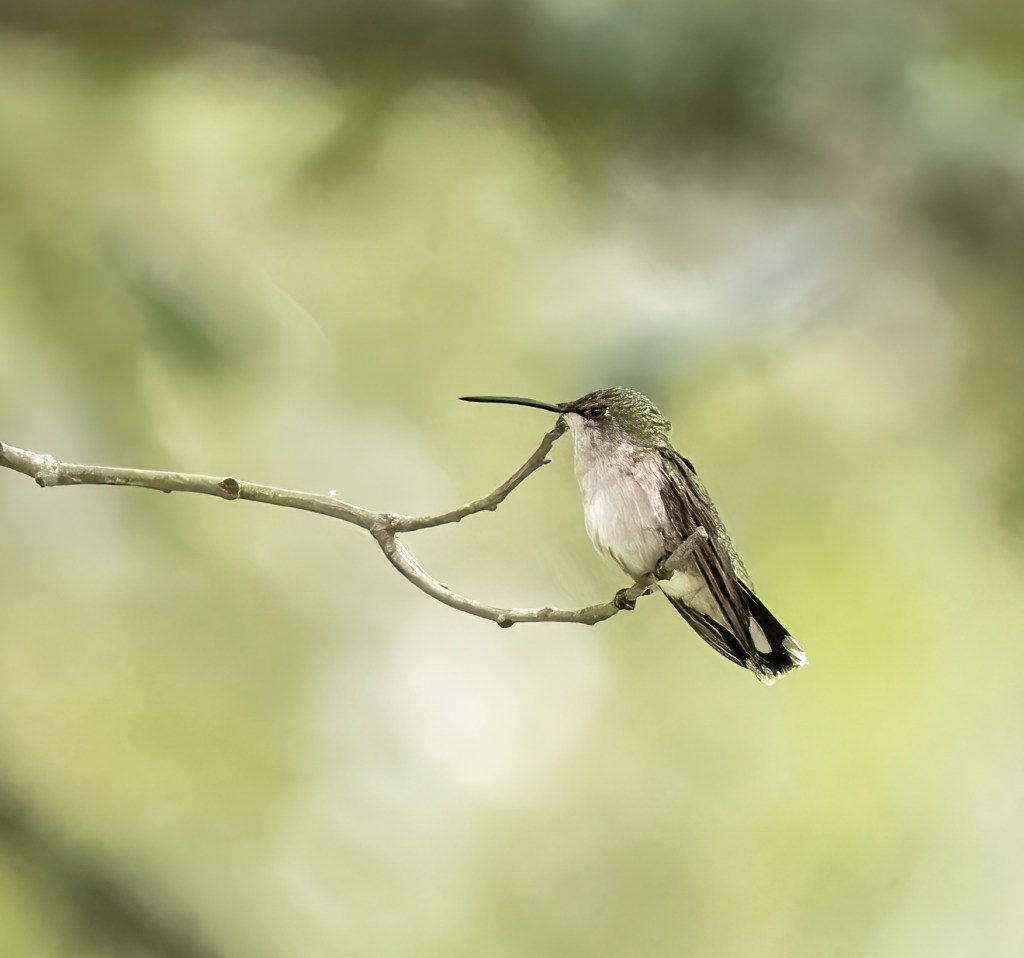
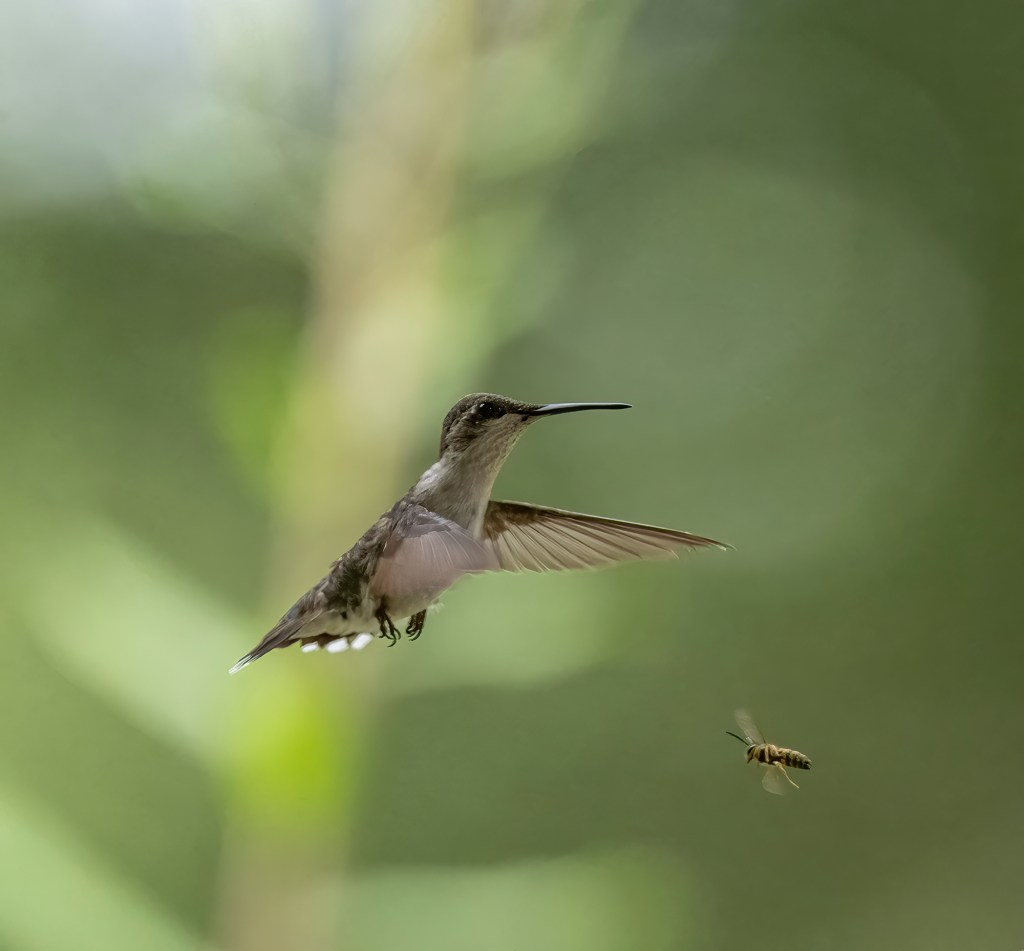
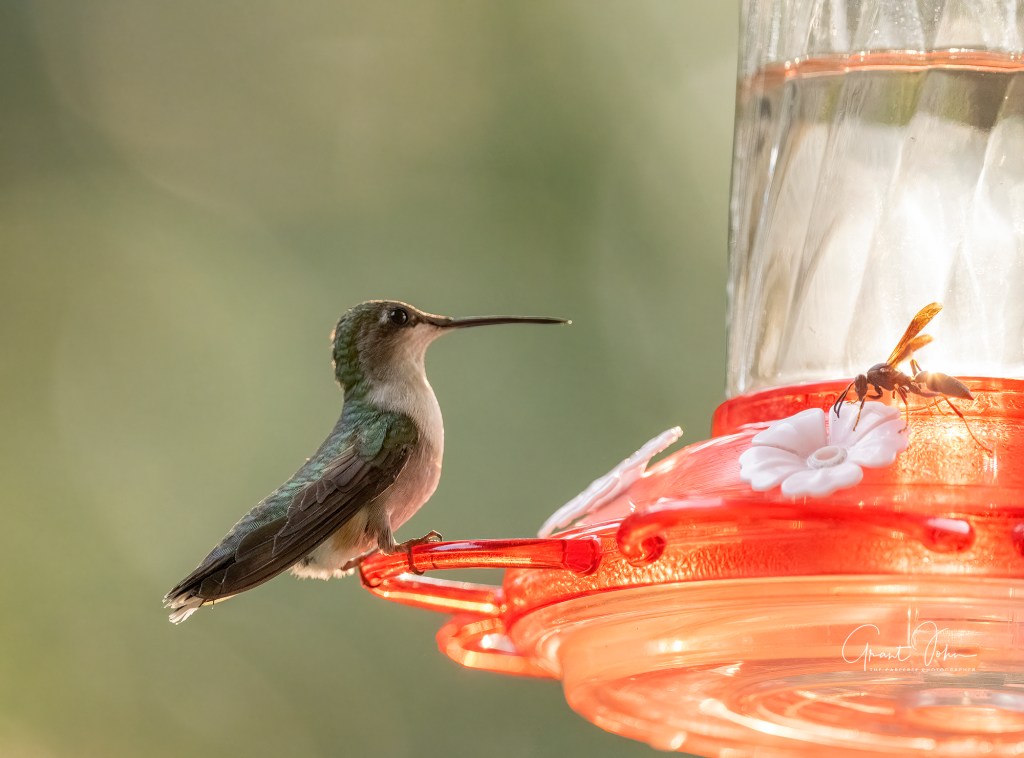
Our OD in Virginia hangs up a multitude of hummingbird feeders every year. So I sit literally for hours and take lots of images. Only a few are worth showing.

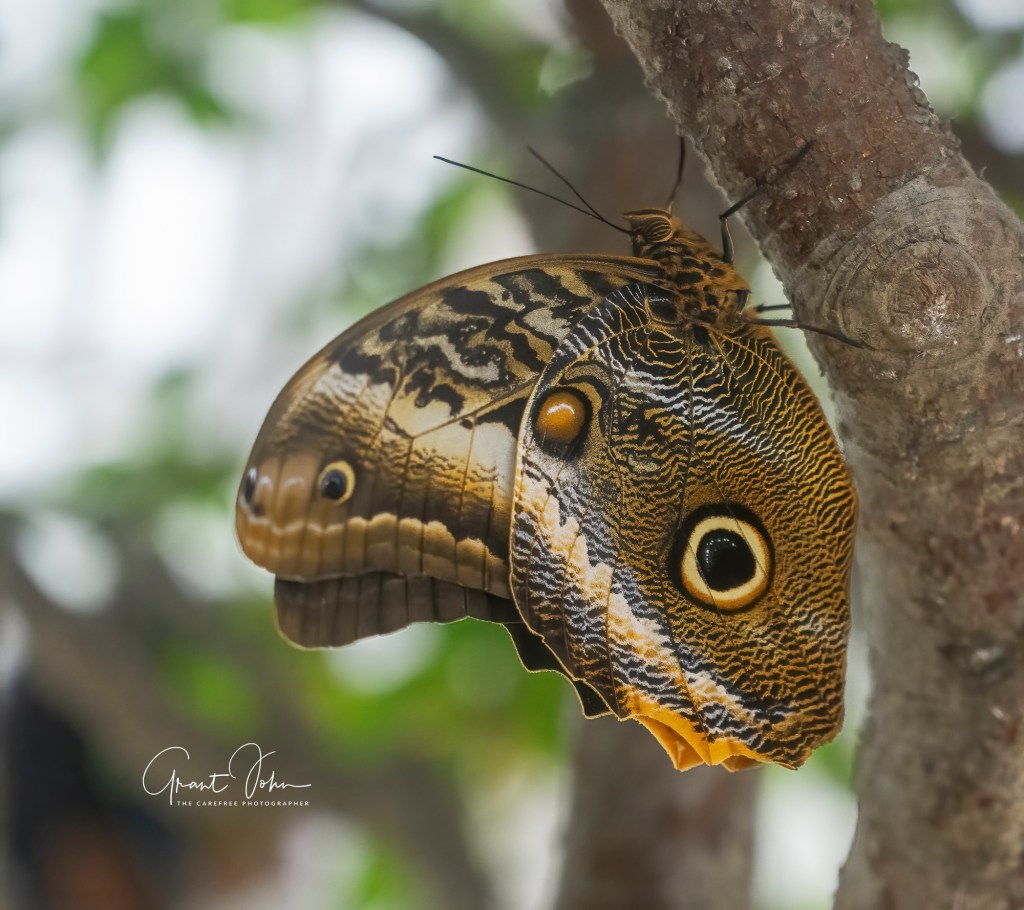
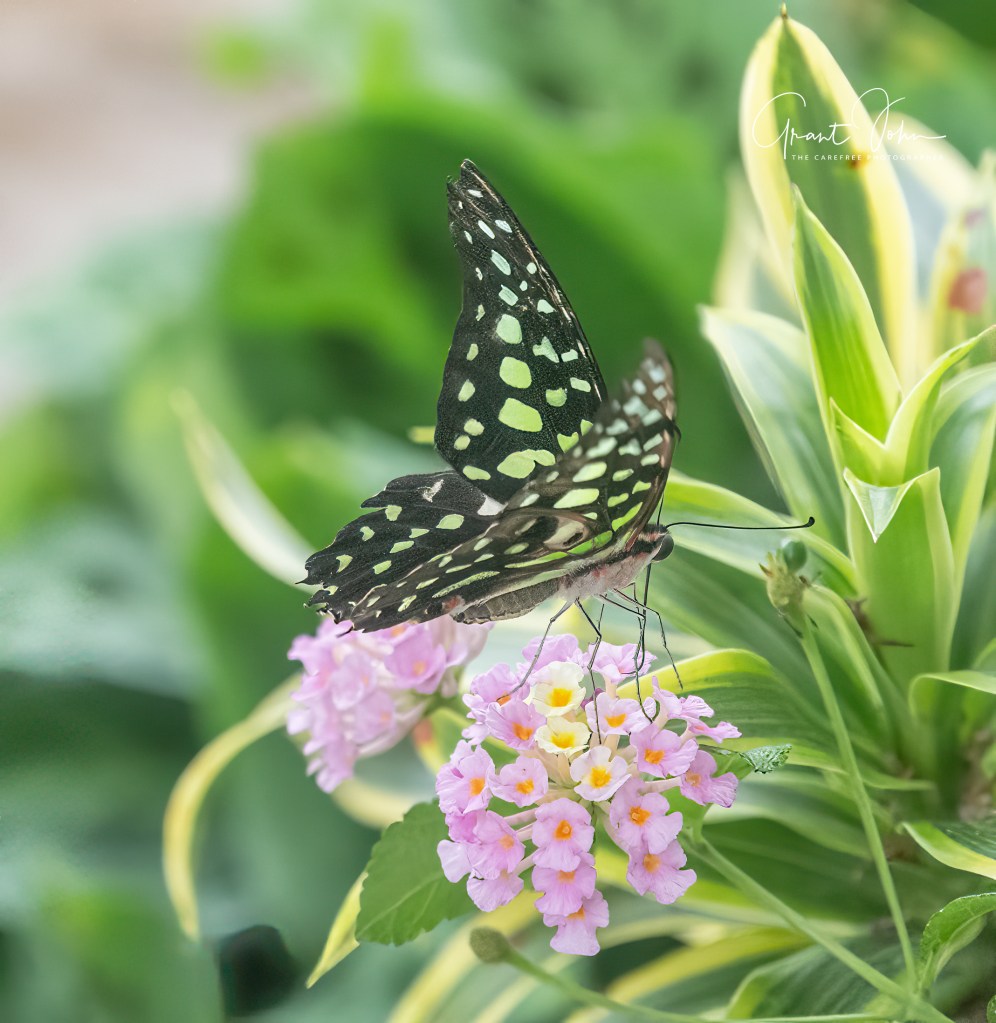
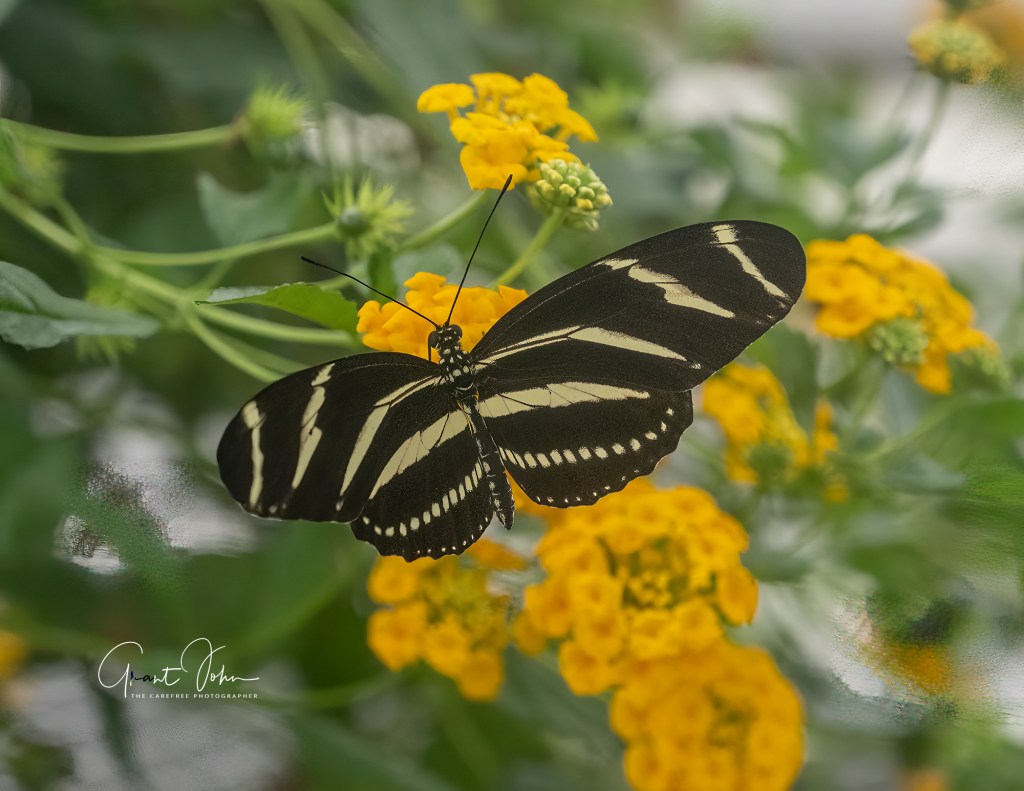
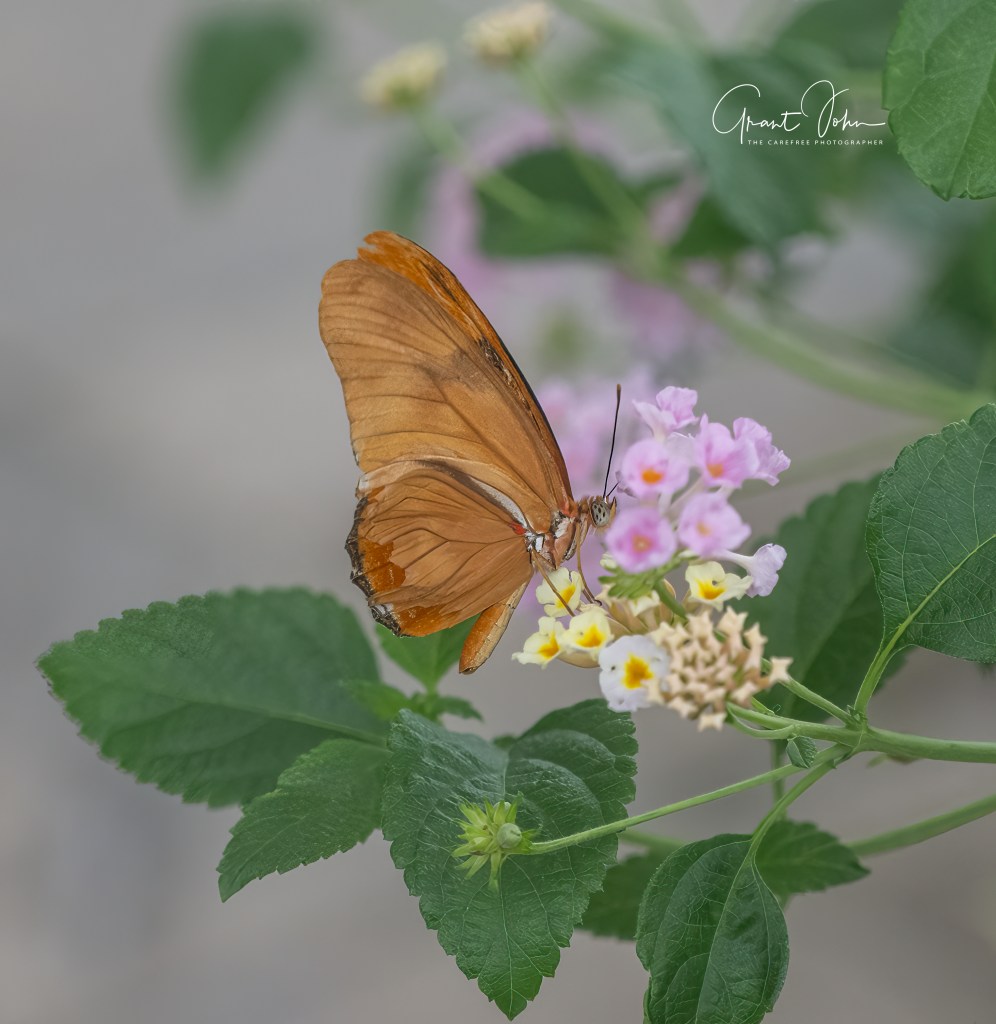
Butterflies

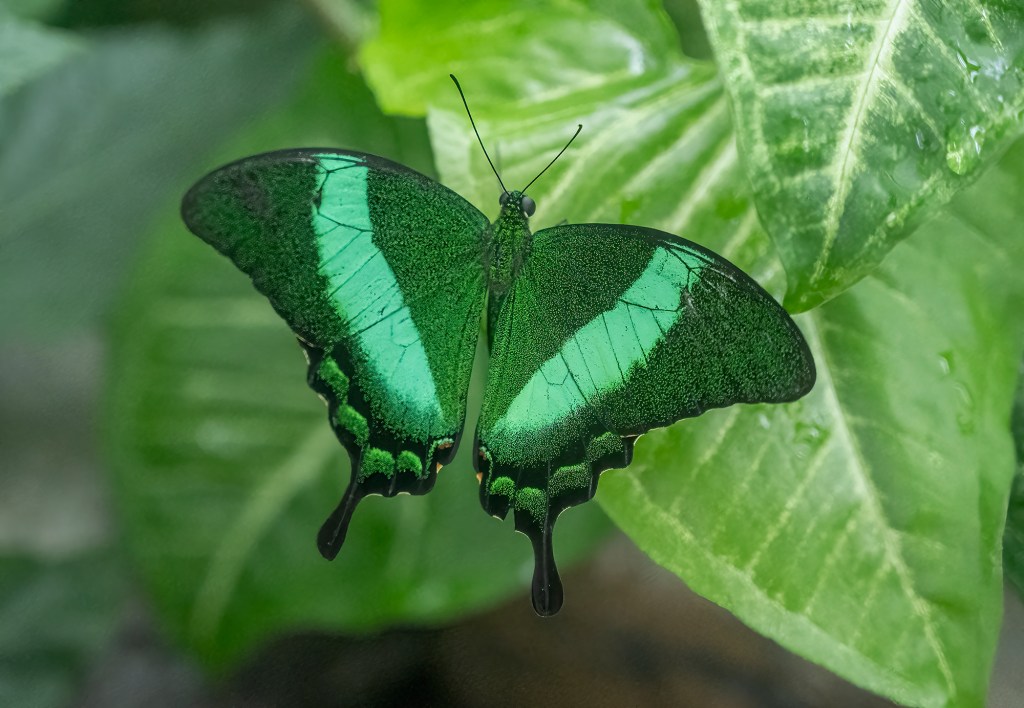
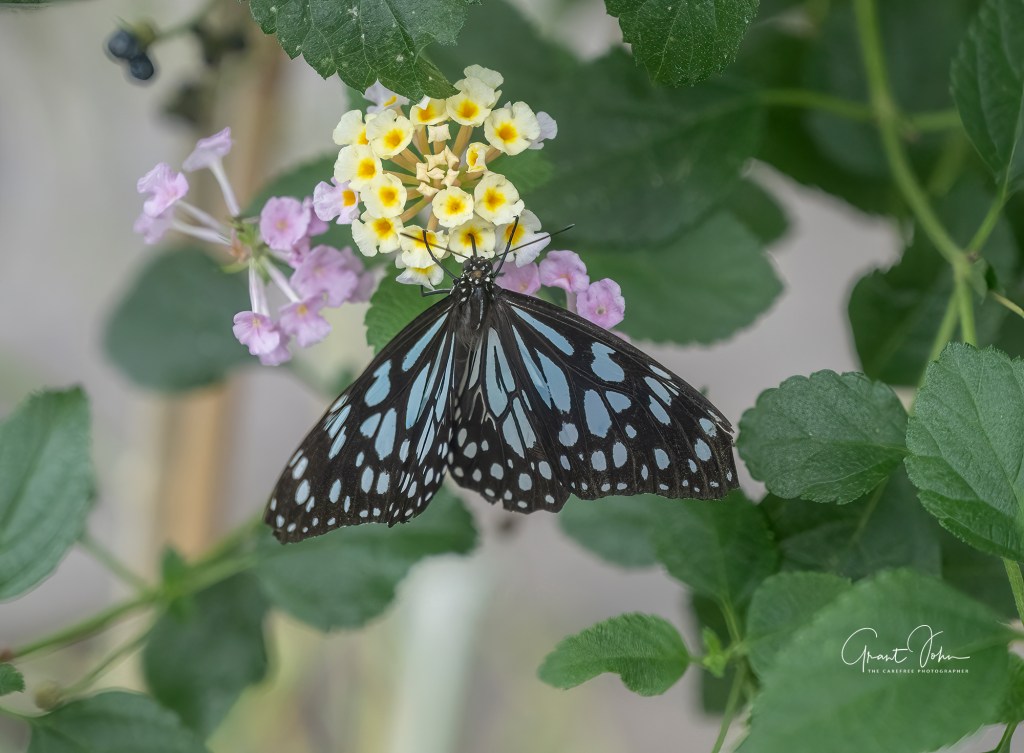
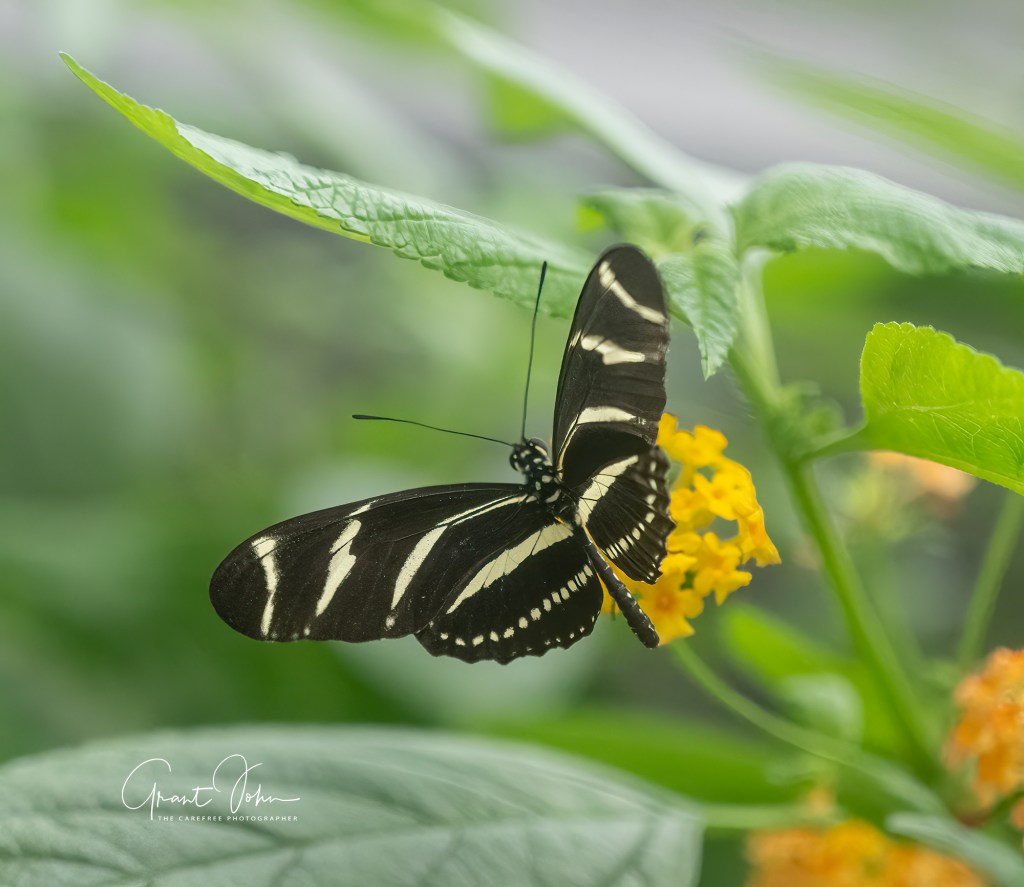
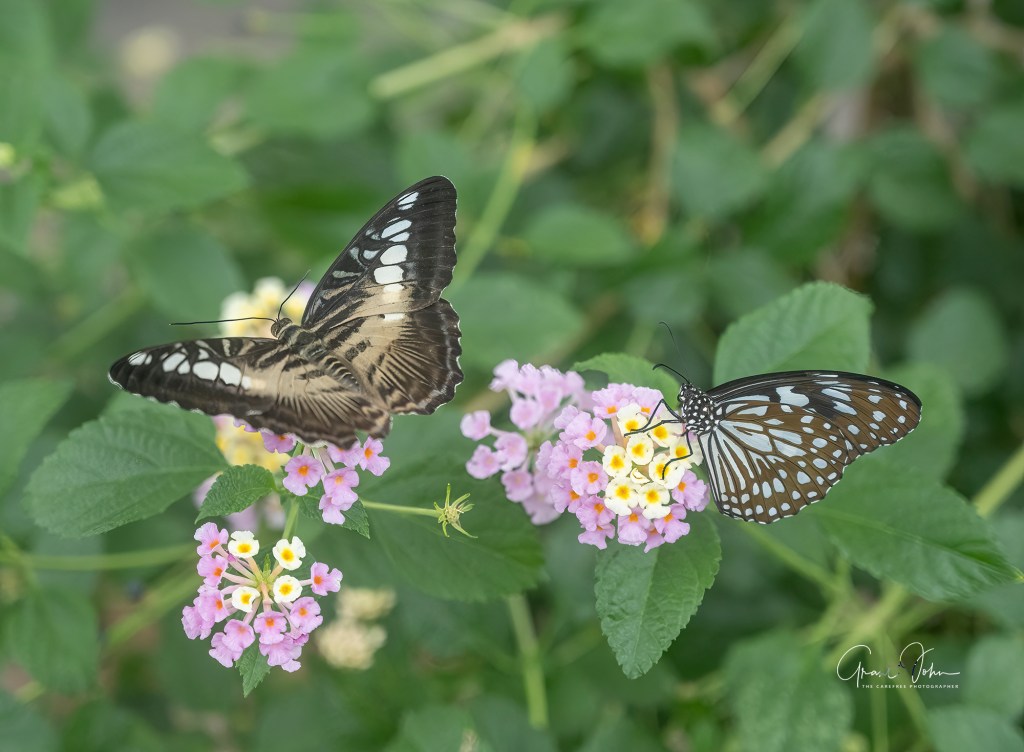
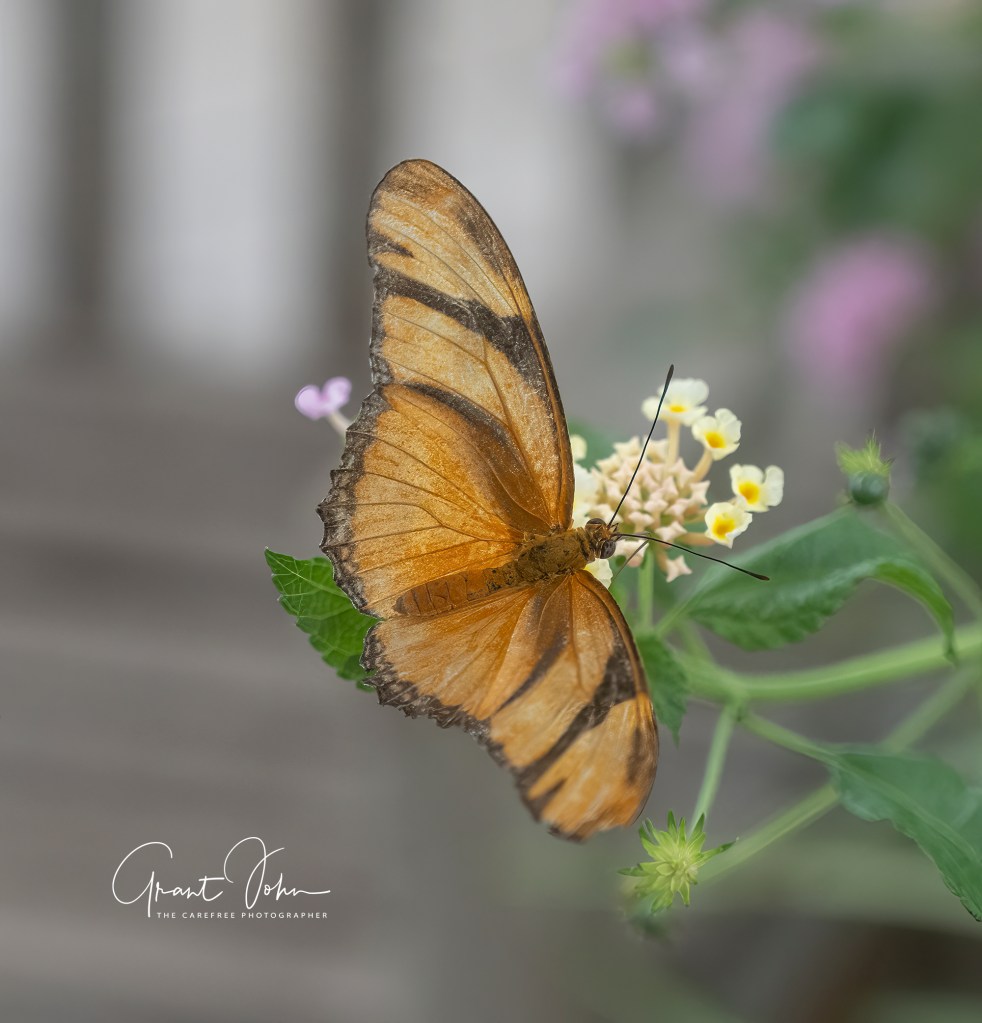
While in Virginia recently, we spent an hour at the Lewis Ginter Botanical Garden. This place has a special area for butterflies, open for several months in the late spring and summer. Great fun for the family!

A few pics:

And this:

Wolf Rescue

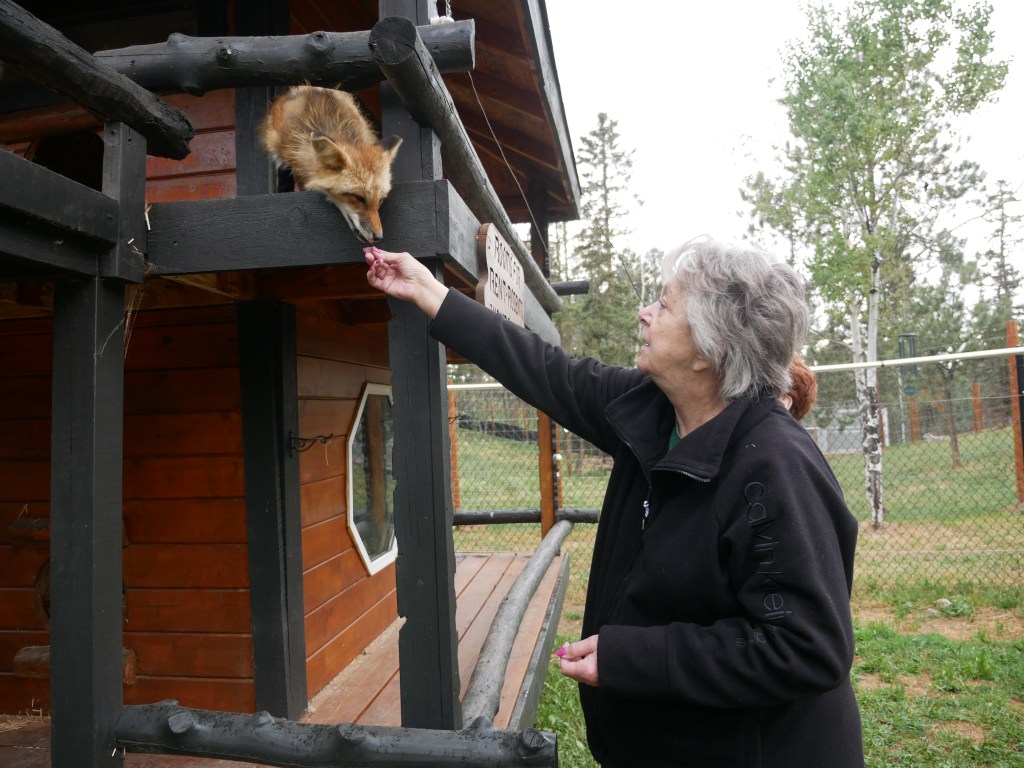
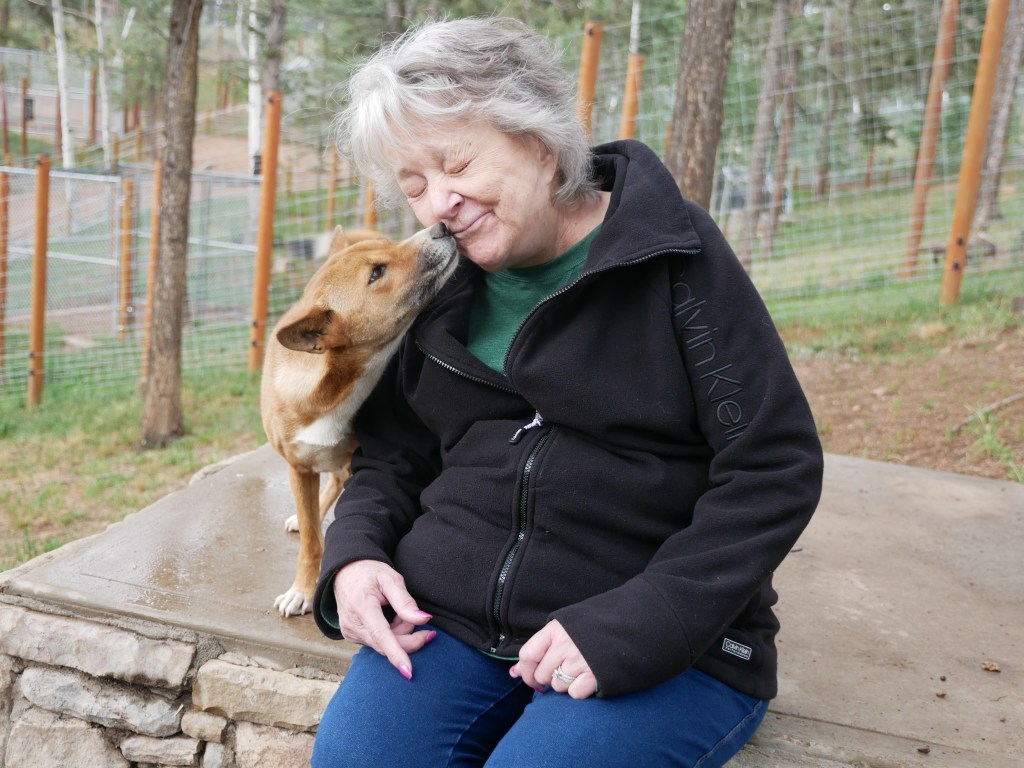
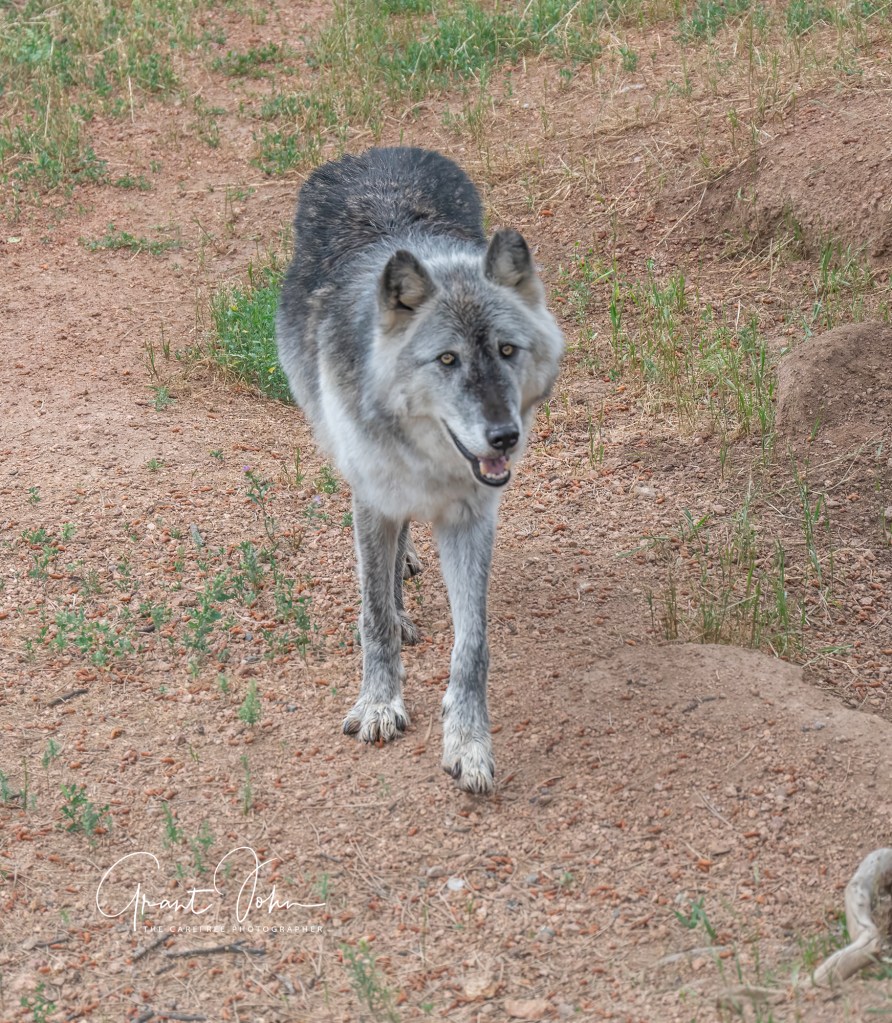
On our recent trip to Breckenridge and Yellowstone, we stopped to tour an unusual wildlife rescue center in Divide, CO. The Colorado Wold and Wildlife Rescue Center was established more than 20 years ago, and today is located on 35 rolling acres just west of the small town of Divide. Visitors and encouraged, and a number of different exposures to the wildlife are offered from feeding tours to personal interaction with foxes, singing dogs and wolves.

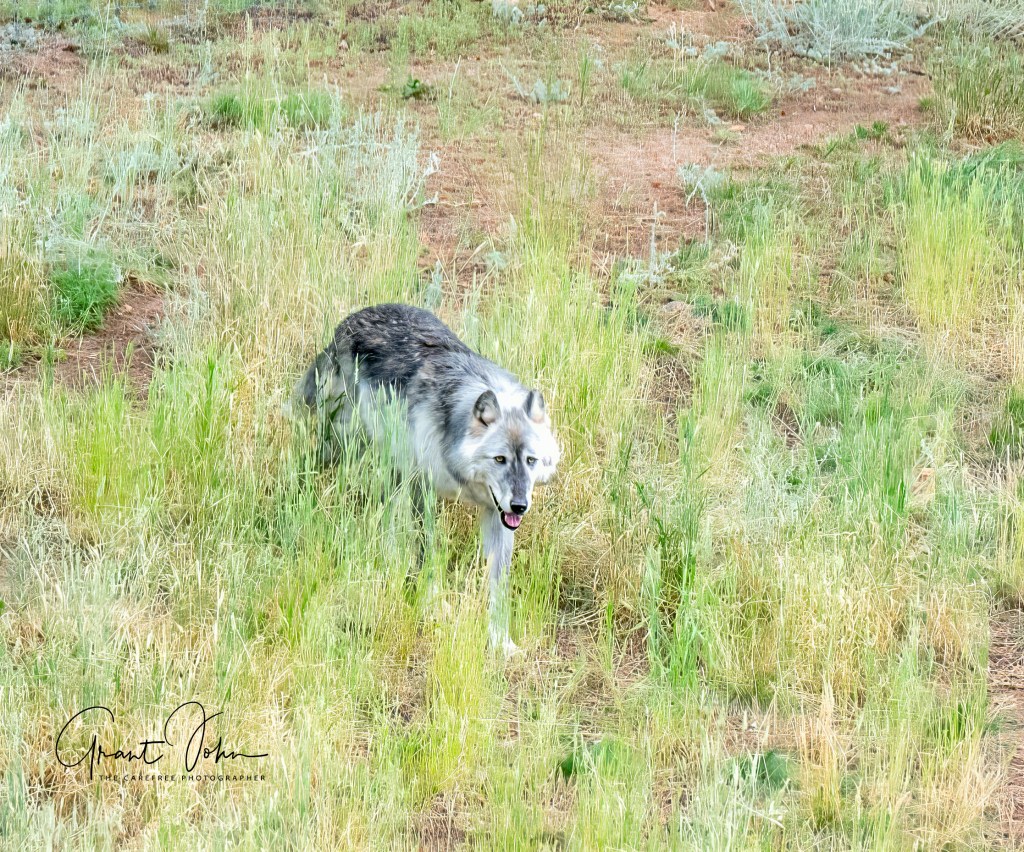
The center has a number of foxes, several coyotes, two unusual singing dogs and twenty wolves. Their mission is to educate the public through tours and programs about the importance of wolves, coyotes and foxes to our ecosystem. Also to educate the public about the importance of conservation and preservation of our wildlife.

At one time there were about 200,000 gray wolves in existence in the lower 48 states. By the 1930’s deliberate eradication activities successfully reduced this number to almost zero. The Endangered Species Act was applied to wolves in 1995, but removed in 2008. In many states wolf hunting is legal. So the risks for the wolf population remains high. I encourage everyone to watch a short film on YouTube entitled “Wolves of Yellowstone” which clearly illustrates the role of the wolf in impacting overall wildlife there.

Foxes

We were able to visit up close with two foxes named Rhett and Scarlett. Here are a few shots of our connection with these beautiful little creatures.

And the Singing Dogs Coco and Pono:

And some of the wolves:

Featherfest

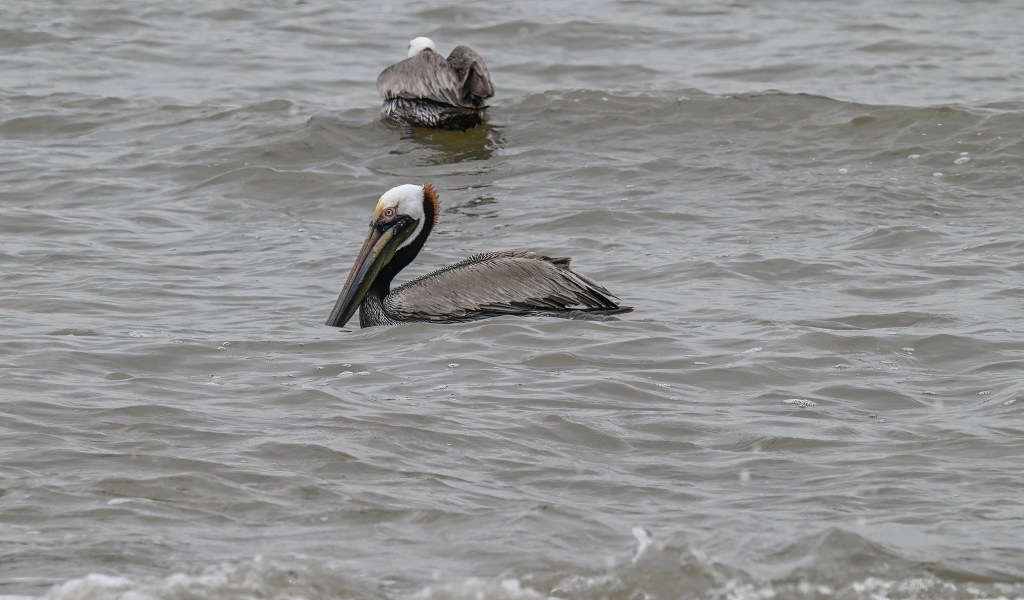
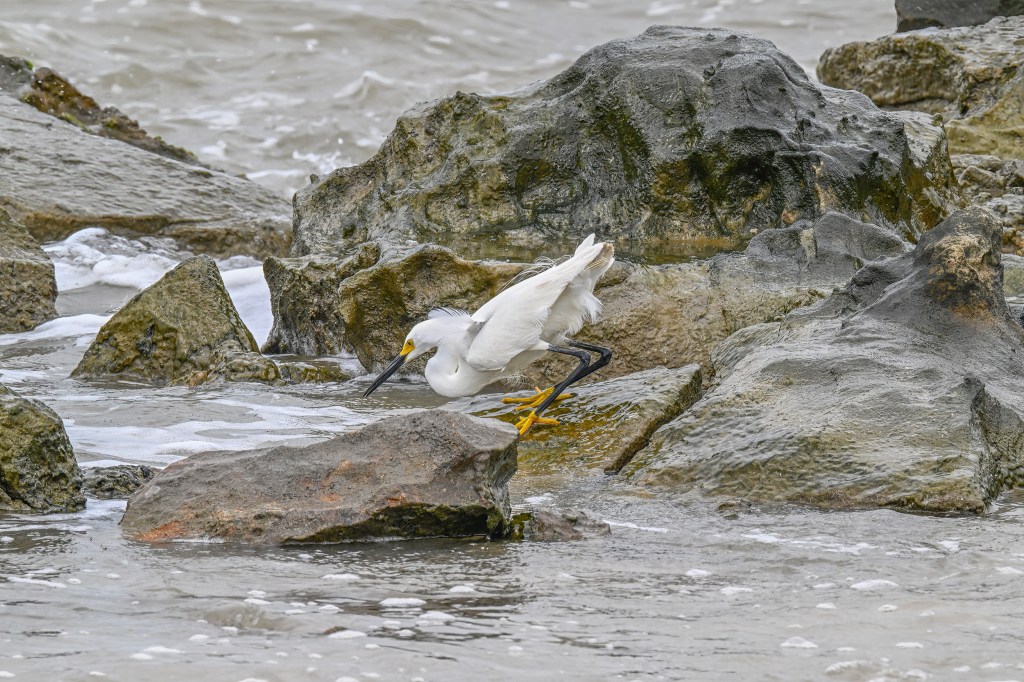
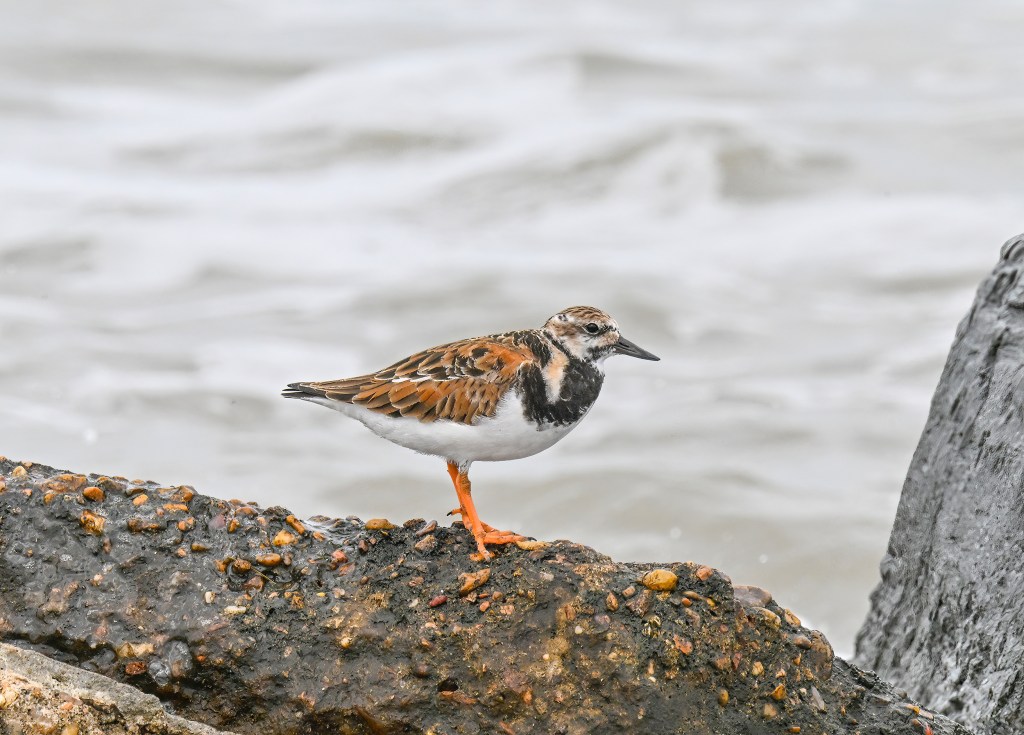
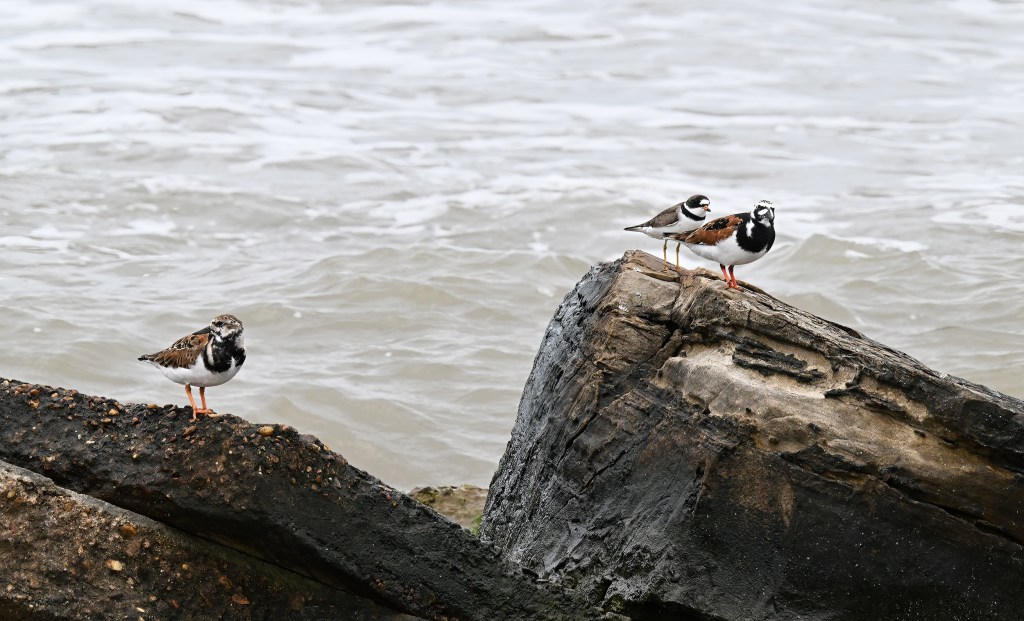
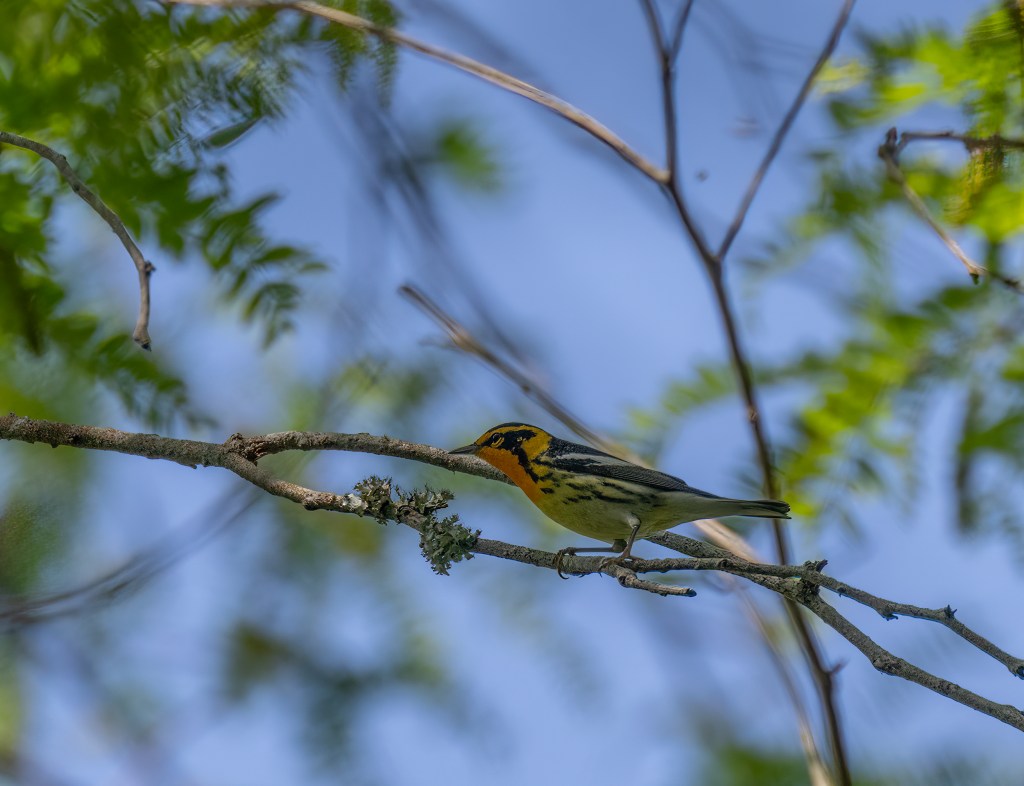
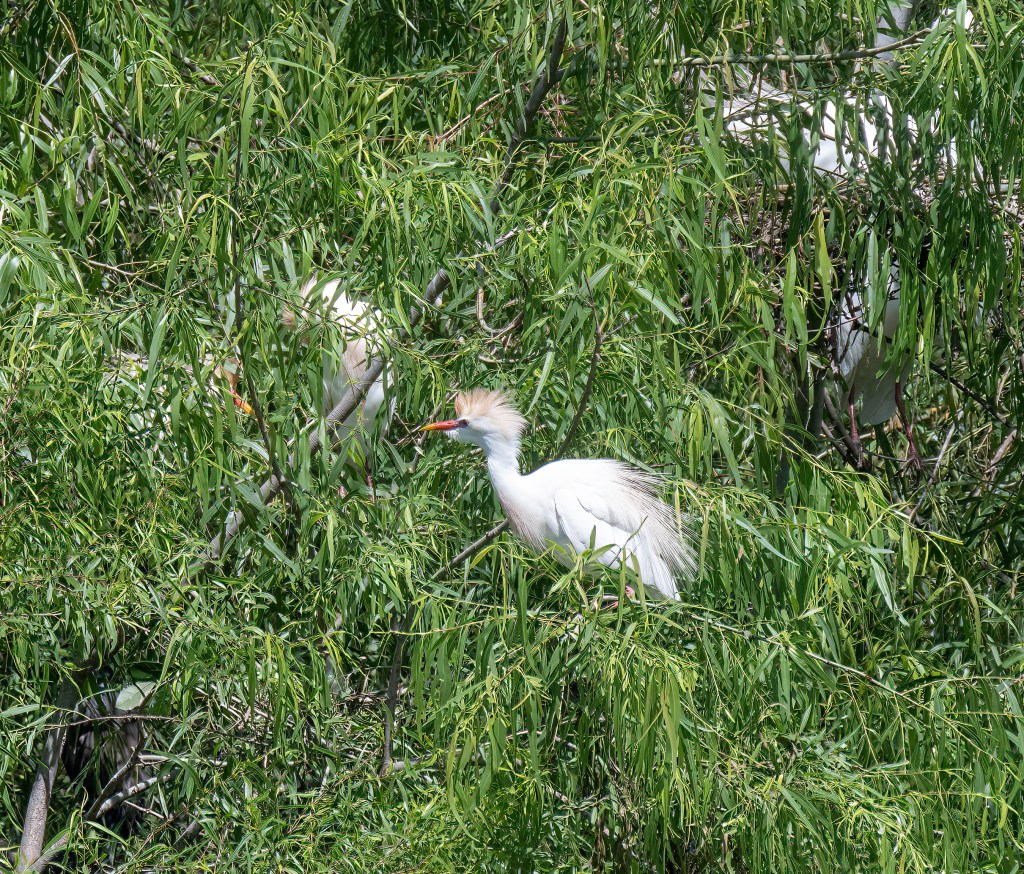
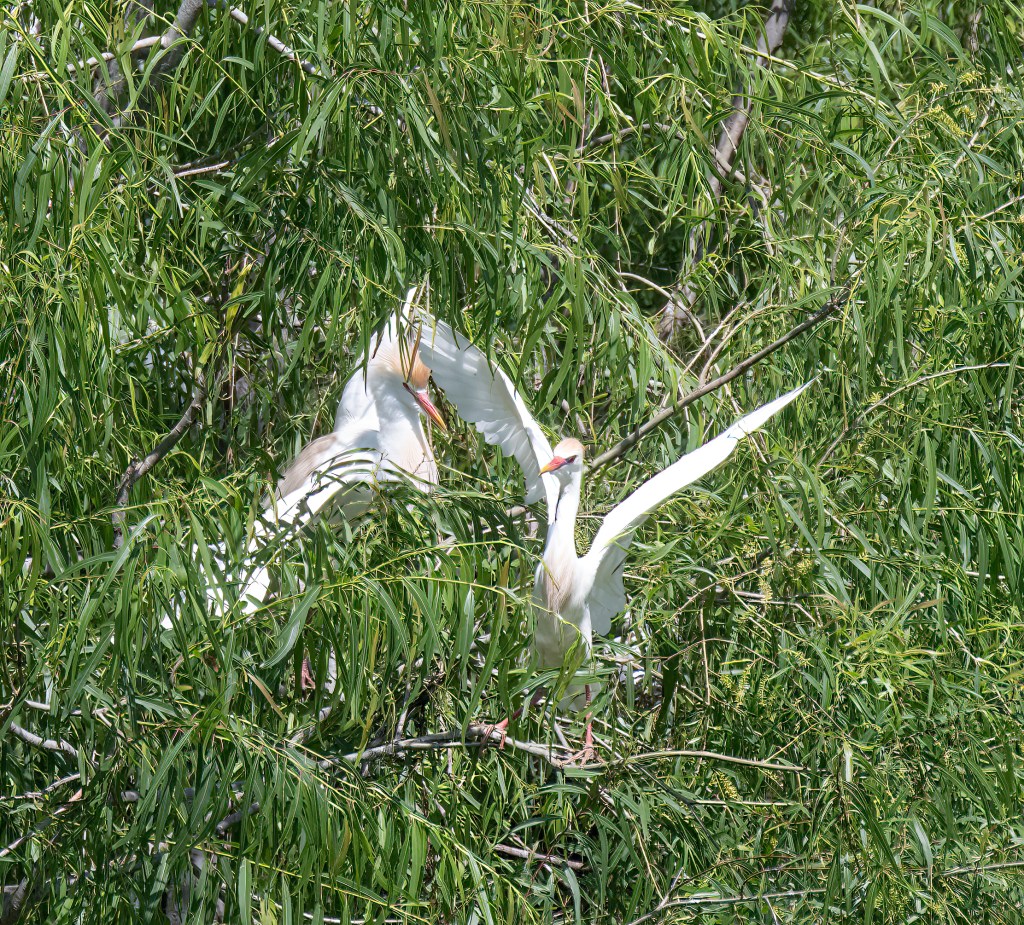
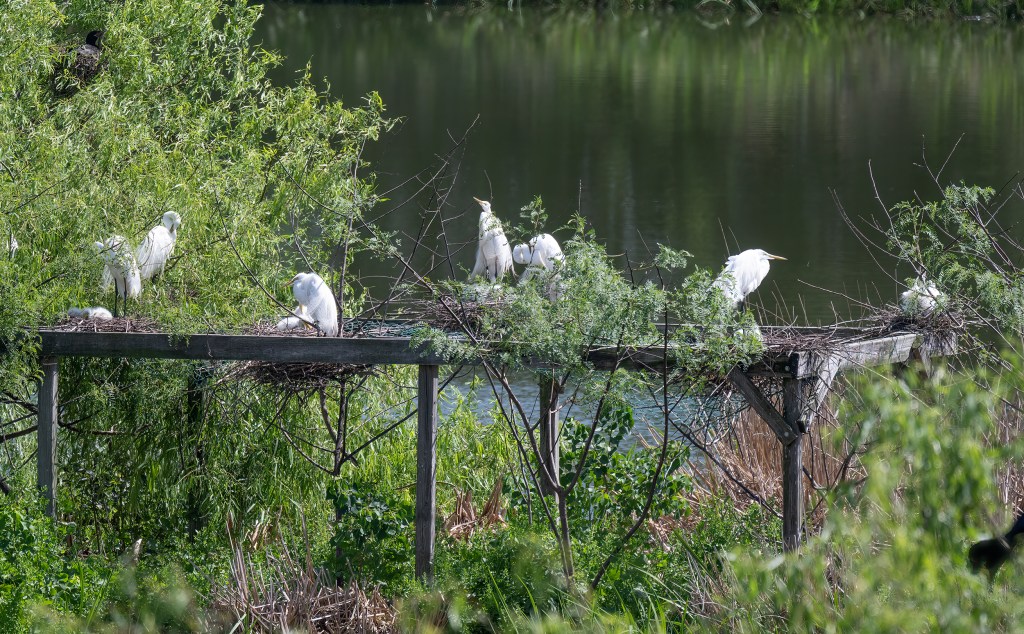
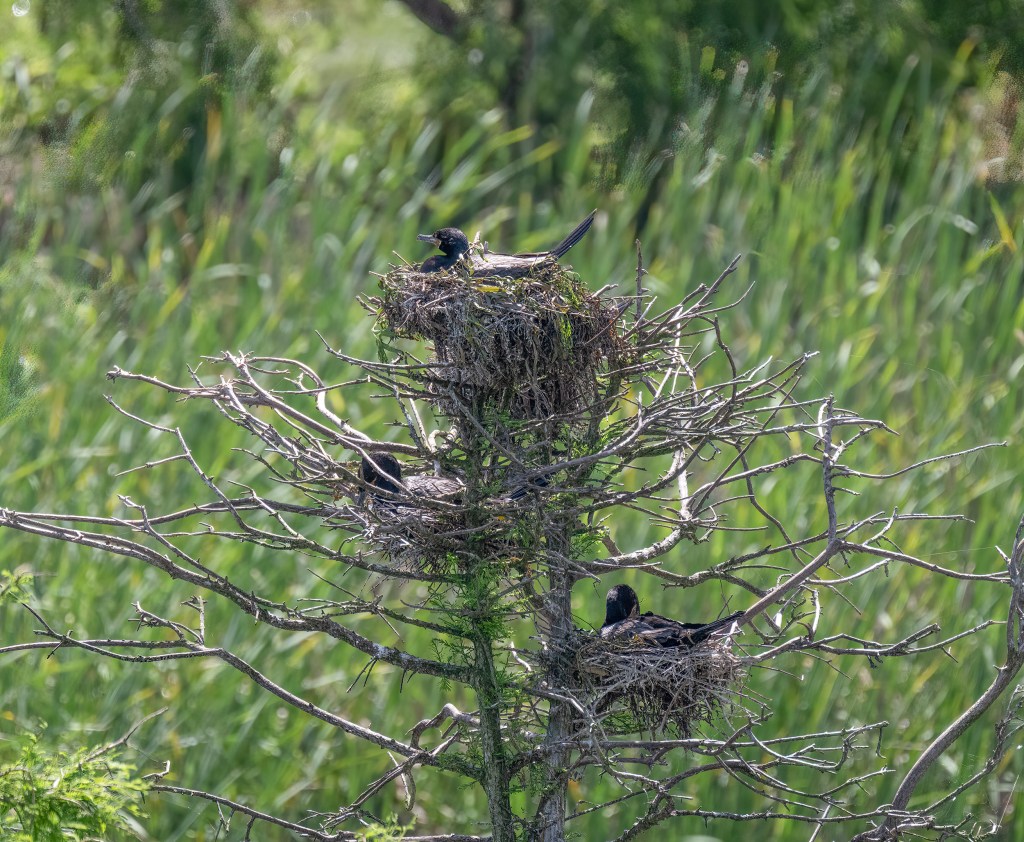
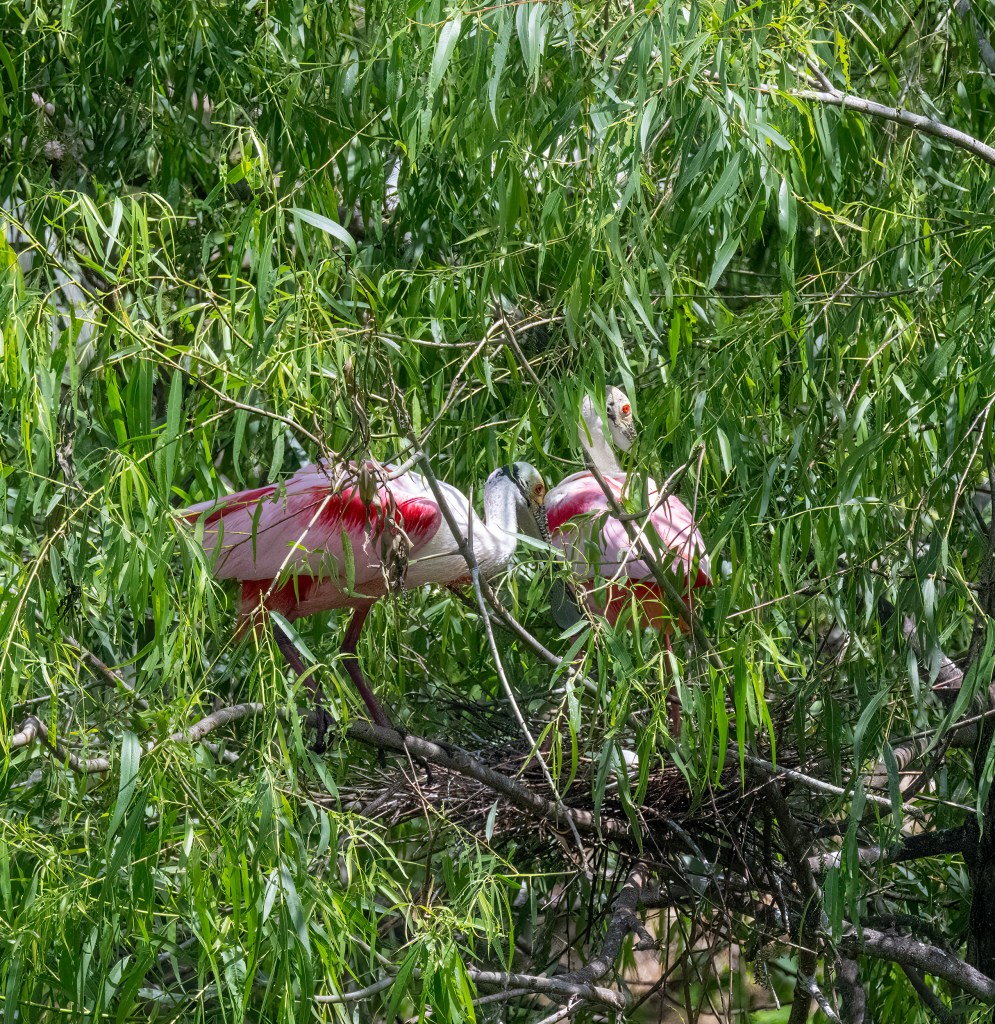
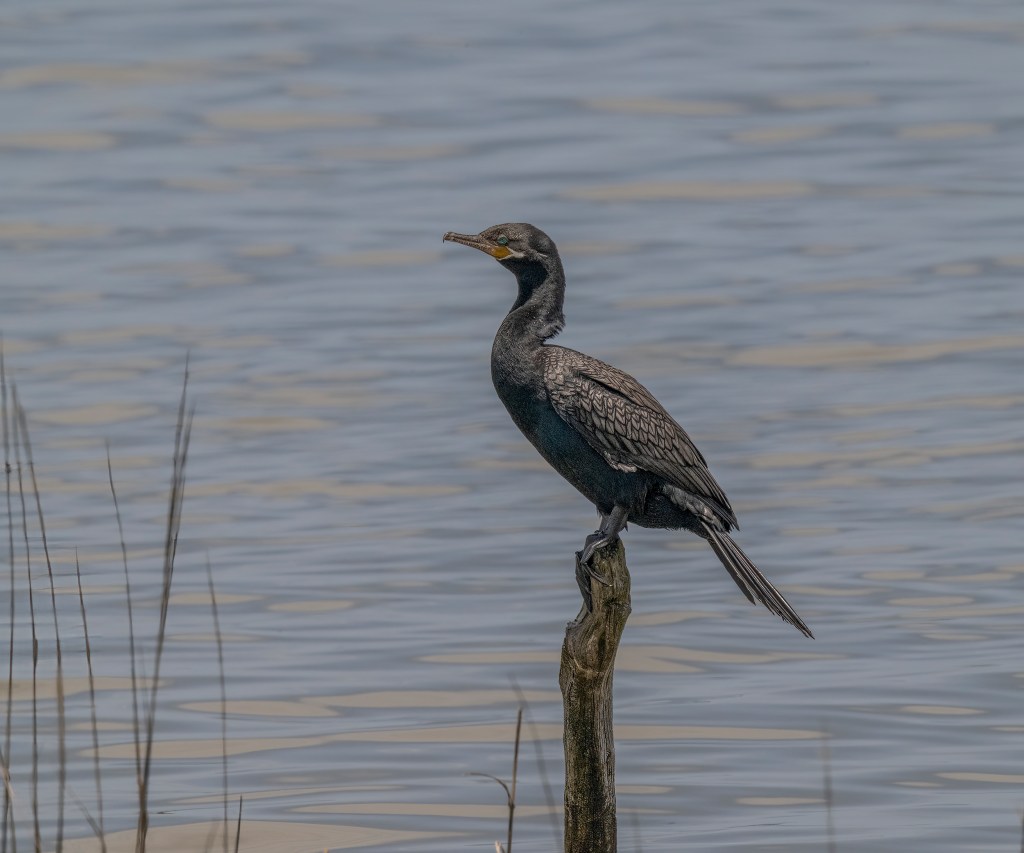
Featherfest is an annual celebration of bird migration, and is held every April in Galveston, TX. This year is the 23rd such event. Friends and I spent three full days there, and engaged ourselves in three sponsored activities. The first was an afternoon workshop on shore birds. The second was an all day trip to High Island, a well-known birding site on the upper end of the Bolivar Peninsula; we actually skipped the bus ride because of early torrential rains. The last was a morning catamaran ride to the edges of North Deer Island, a beehive of rookery activity. Here are a few highlights.
Shore Birds

Brown Pelican
Ruddy Turnstone
Snowy Egret
Ruddy Turnstones

High Island and Lower Boliver Peninsula

Tennessee Warbler
Blackburnian Warbler
Cattle Egret
Cattle Egrets
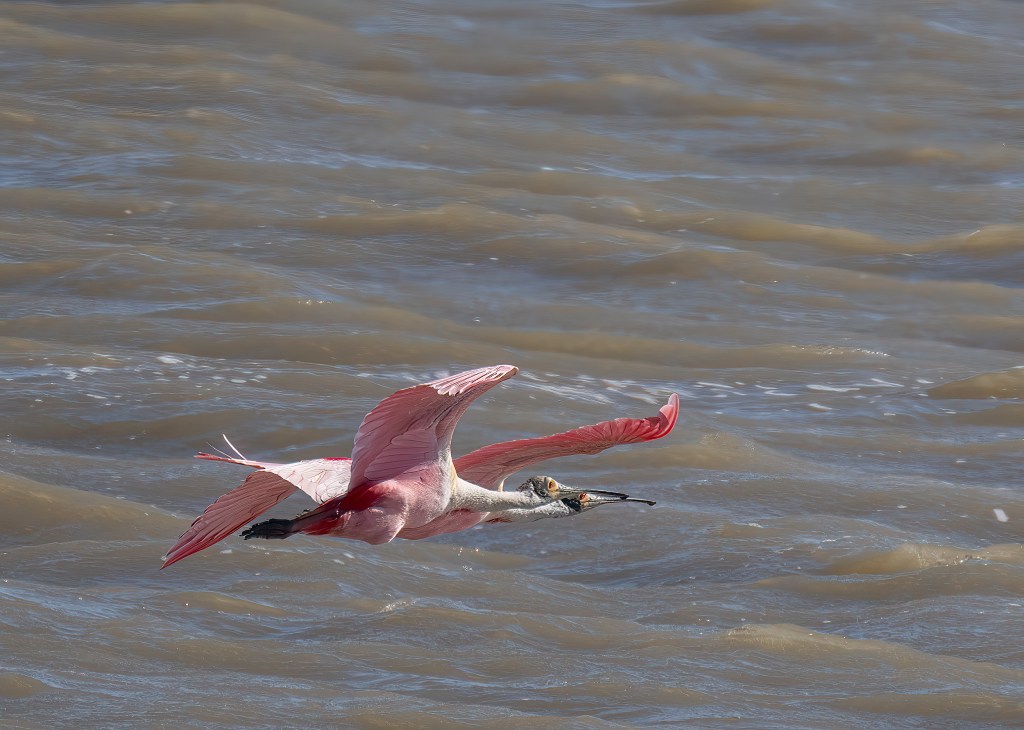
Roseate Spoonbills
Great Egrets
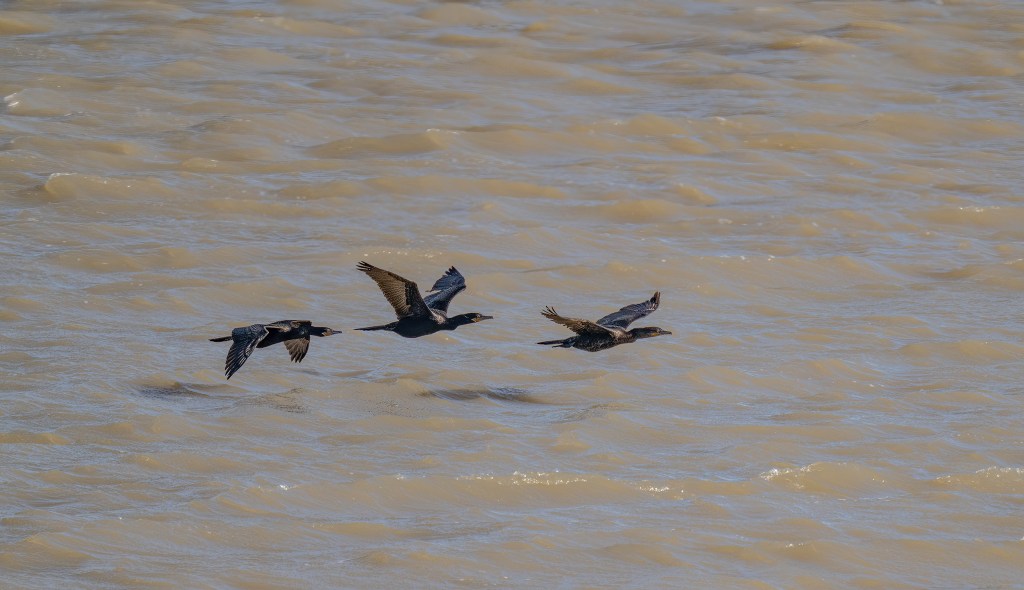
Neotropic Cormorants
Great-tailed Grackel
Great Egret with Chick
Roseate Spoonbills
Little Egret
Tricolored Heron
Neotropic Cormorant
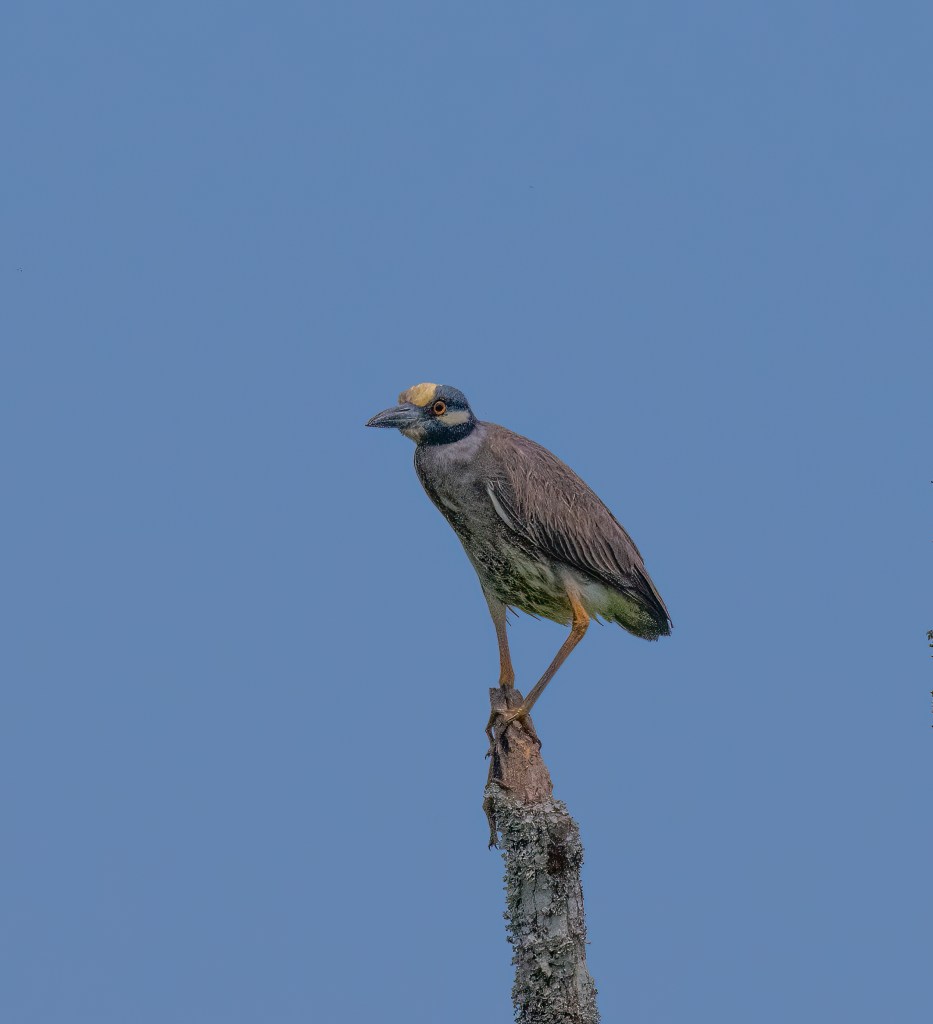
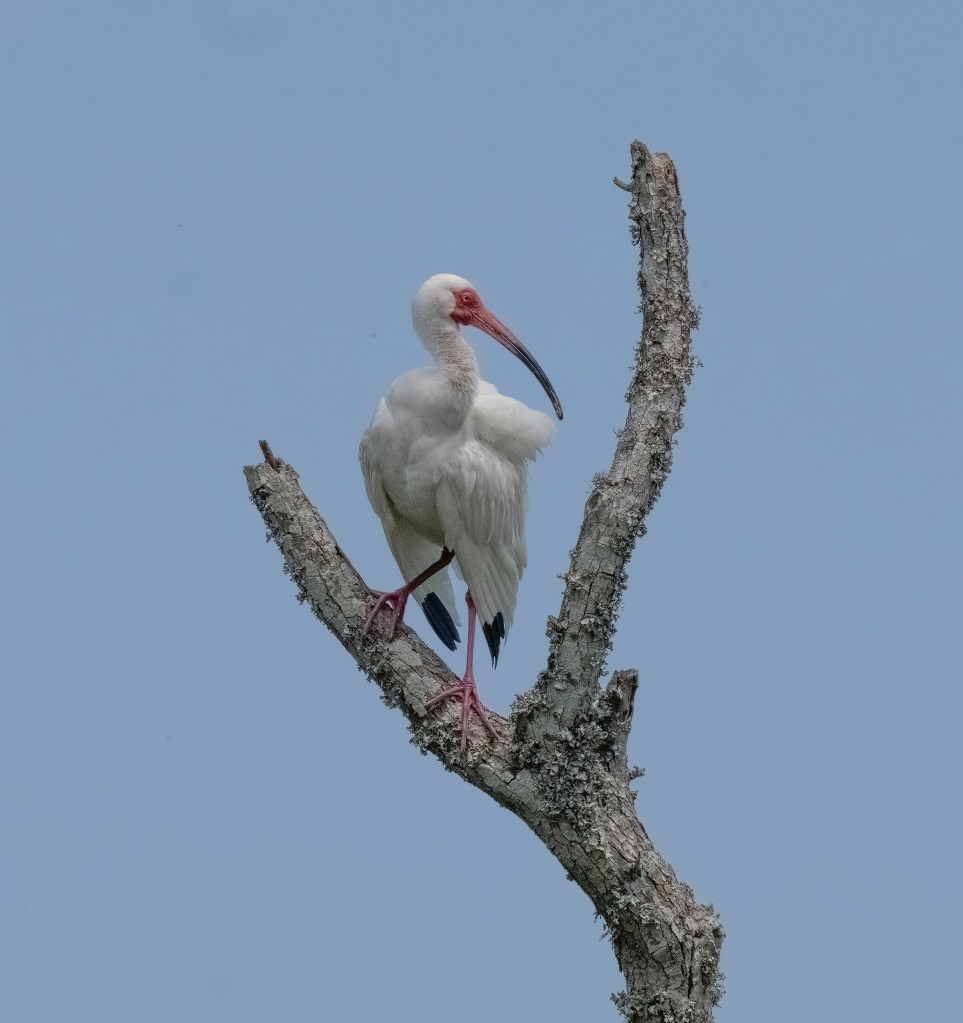
Yellow crowned Night Heron and White Ibis
Yellow-crowned Night-heron
White Ibis
Black-necked Stilt
Sanderling

North Deer Island

Roseate Spoonbills
Roseate Spoonbills
Great Blue Heron

Leopards

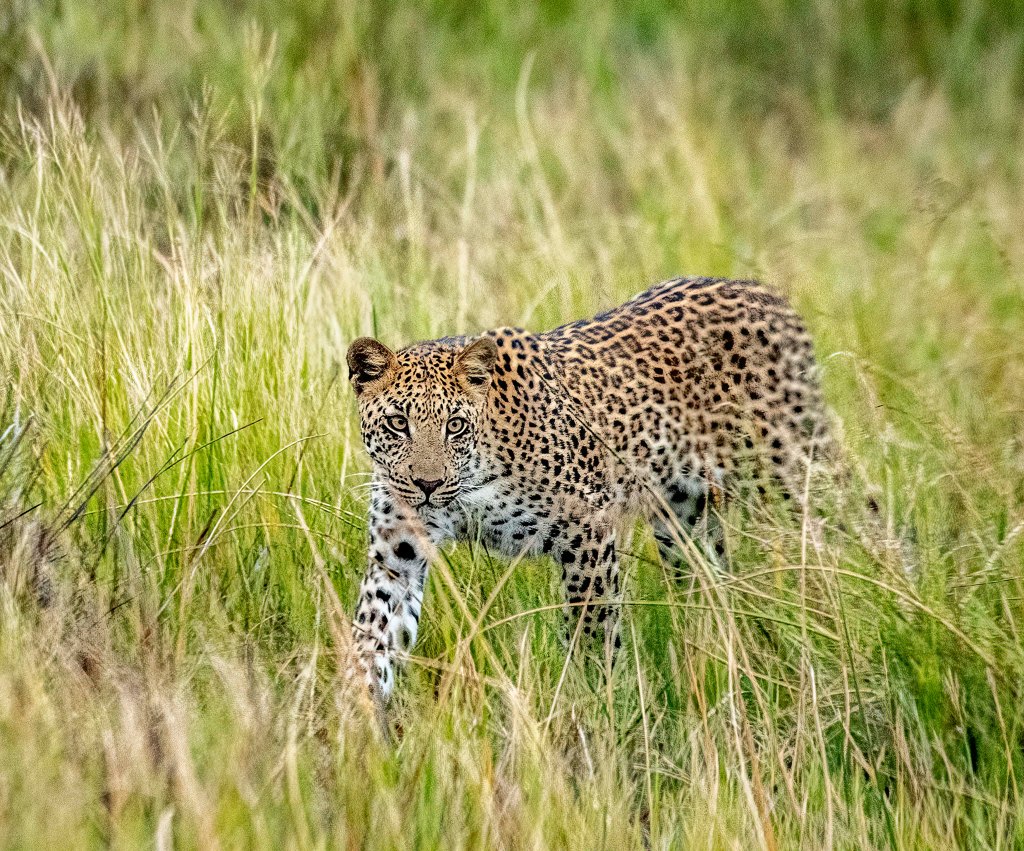
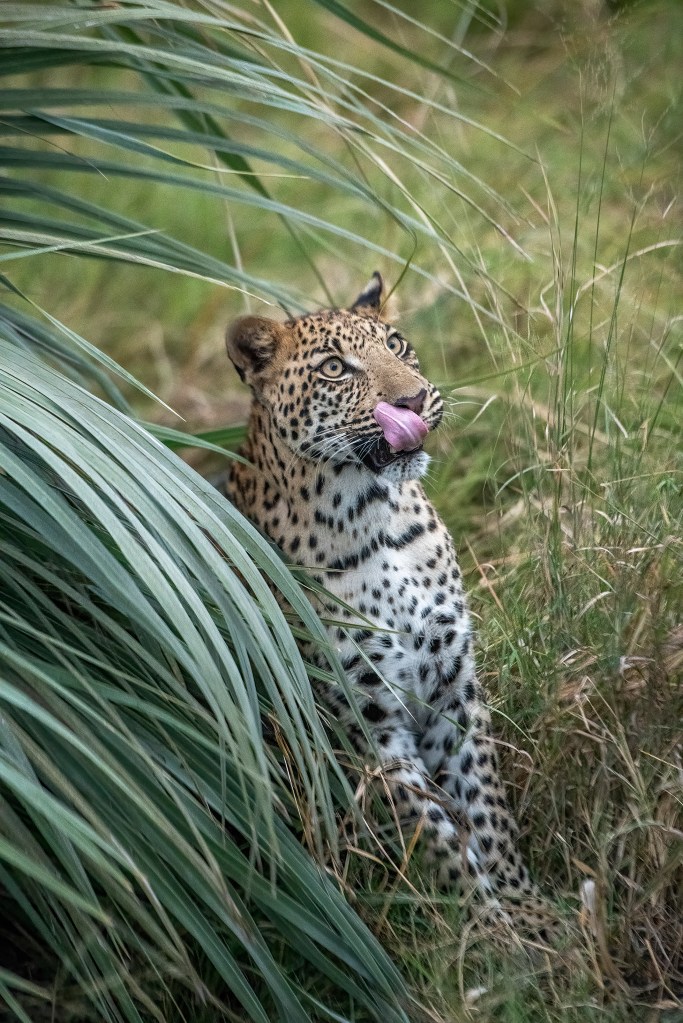
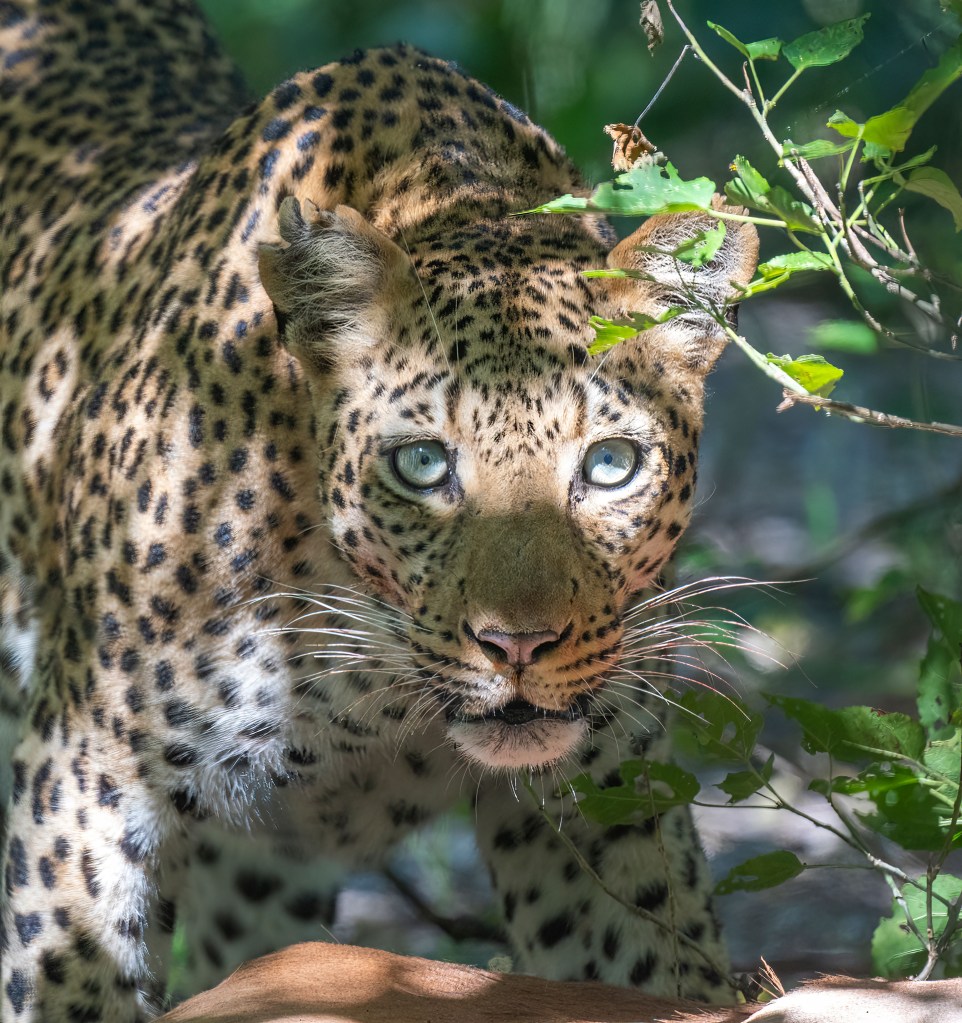
Many people love leopards. Indeed they are the most attractive big cats in Africa in many ways. Lions are always great to see, and are easy to get close to. They often will walk around the safari vehicle and pay no attention to the vehicle of its’ contents. Cheetahs are also easy to get close to, and have been known to leap onto safari vehicles in order to improve their line of sight as they seek potential prey. Leopards, on the other hand, are much stealthier and like to avoid close contact with safari vehicles. They hang out in the bushes or up in trees, and are much more difficult to locate.

We have now been to Botswana seven times, and are booked for two more trips. We have seen a number of leopards, and one small cub. We have never seen two leopards together (except for mother and cub), and have taken many safari rides with no leopard sightings. But here is a small collection of our sightings.

Birds

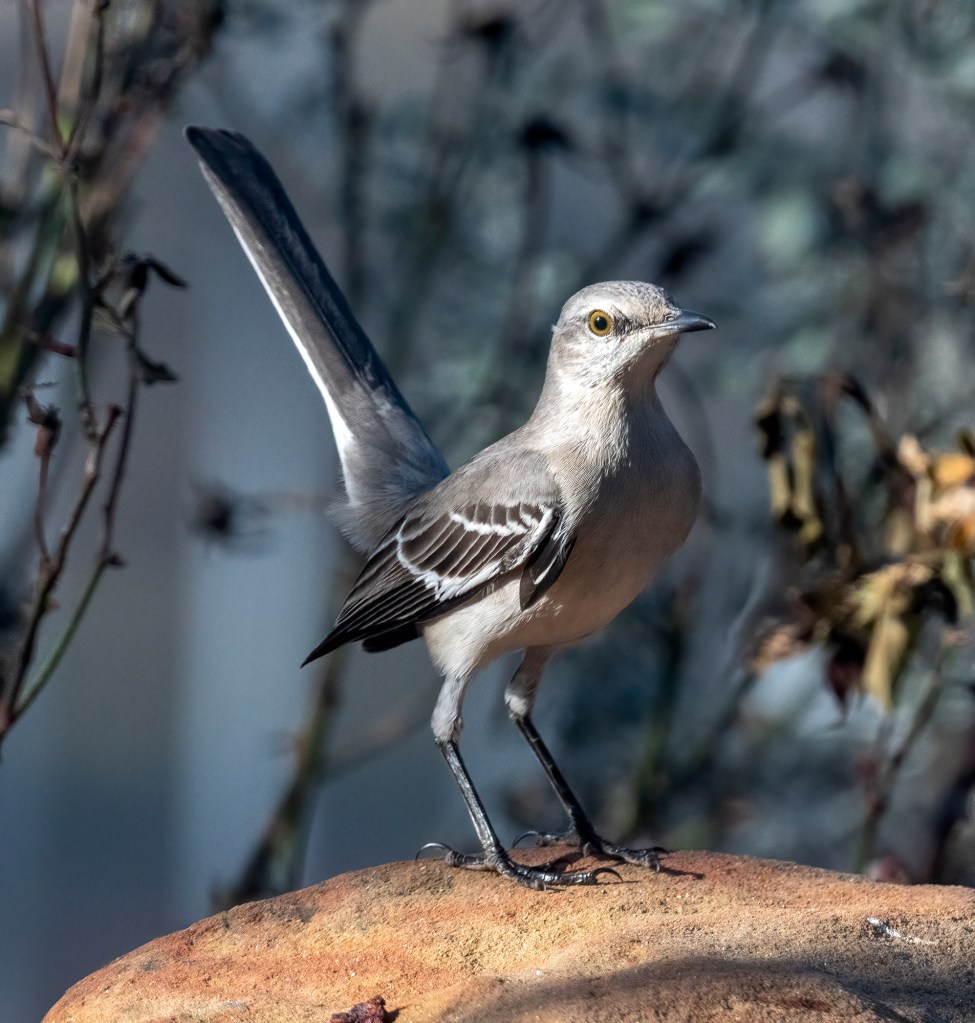
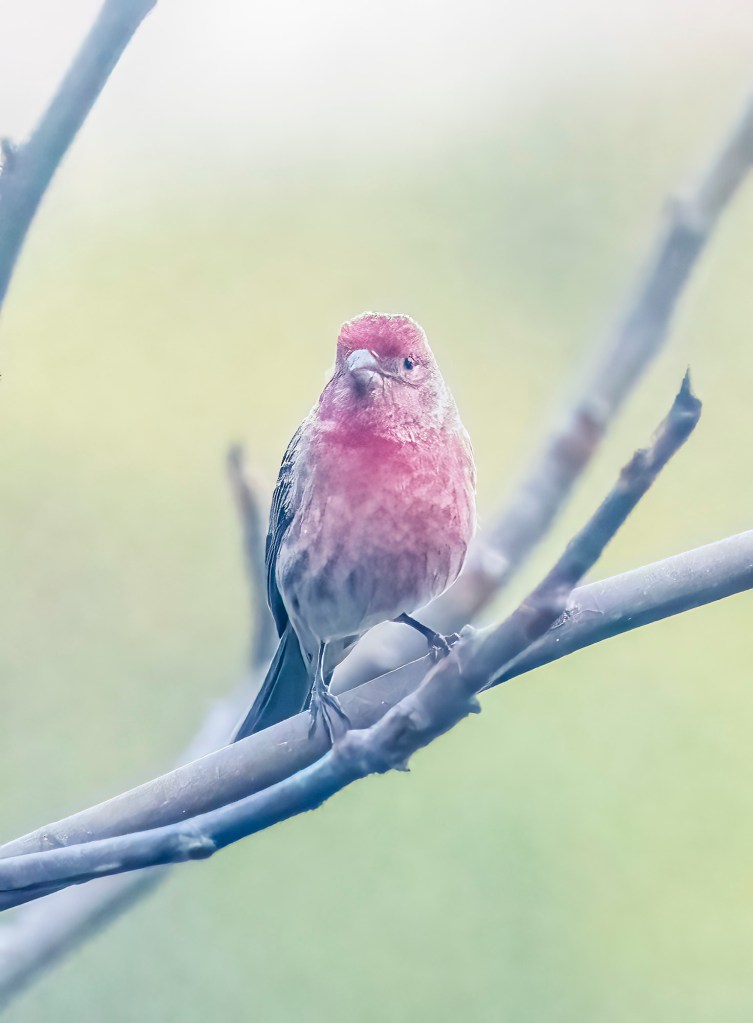
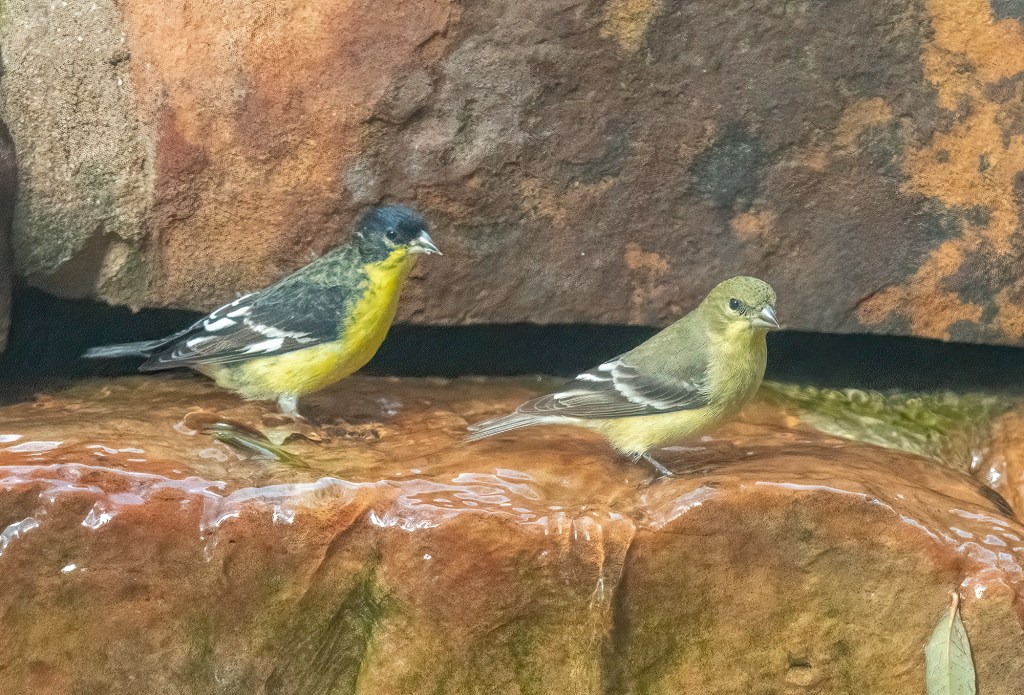
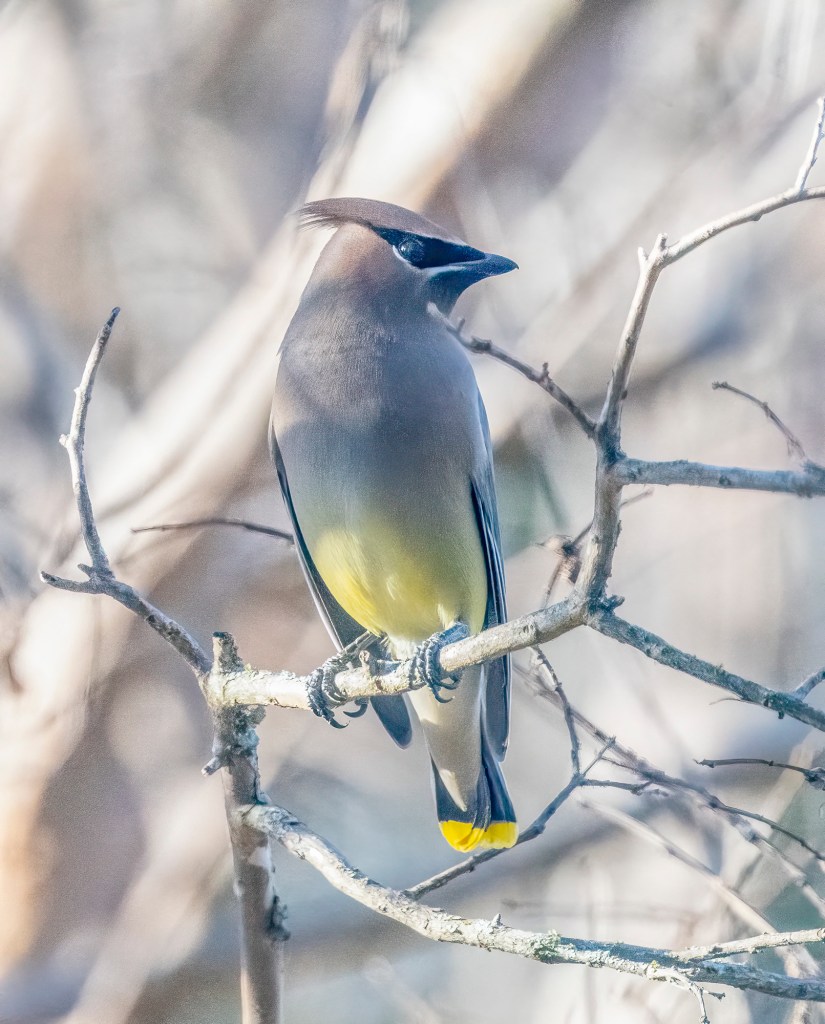
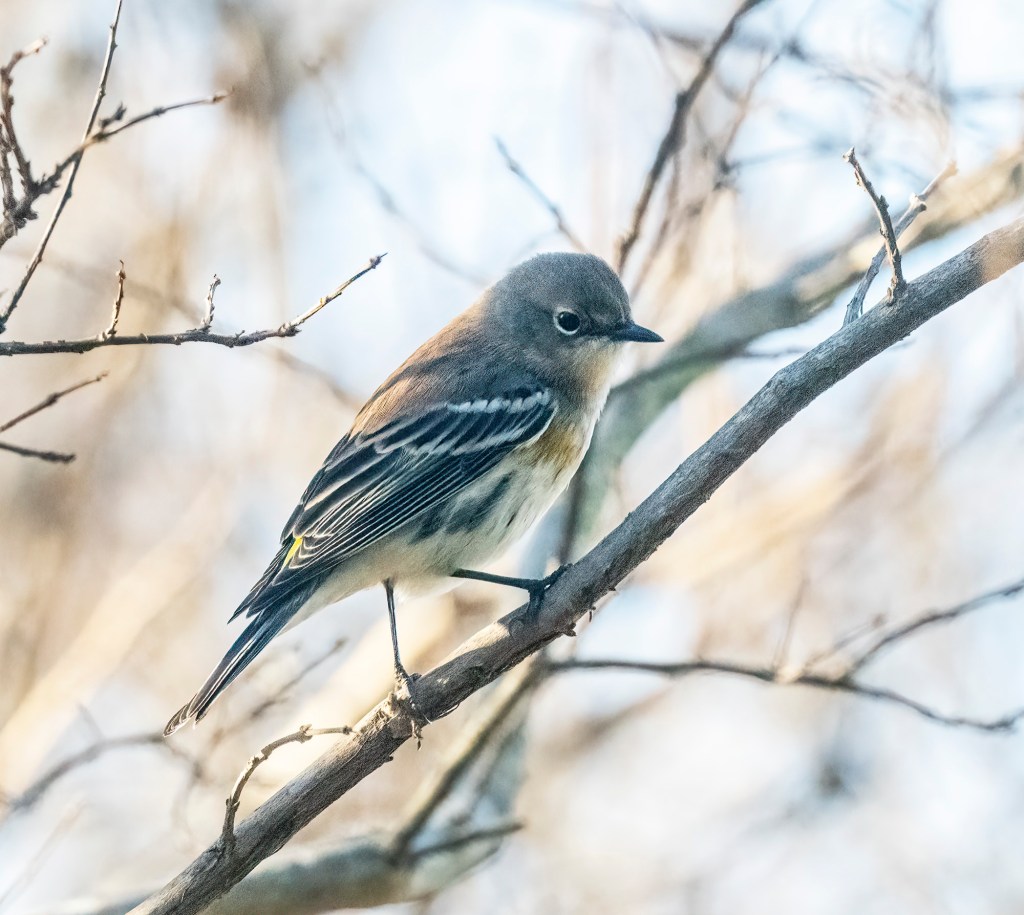
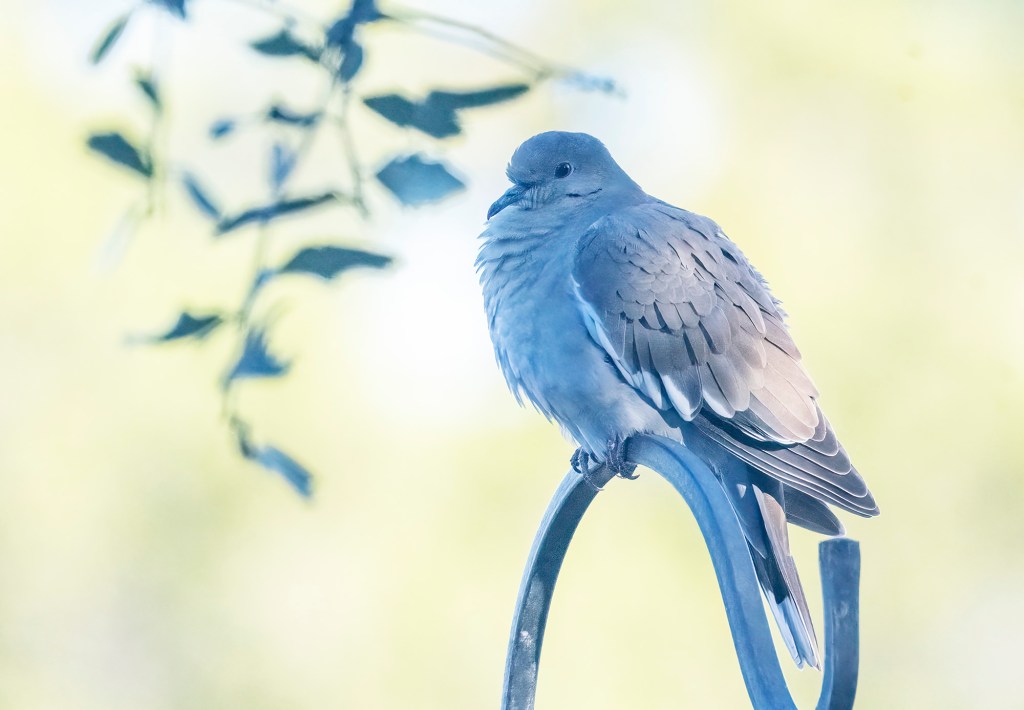
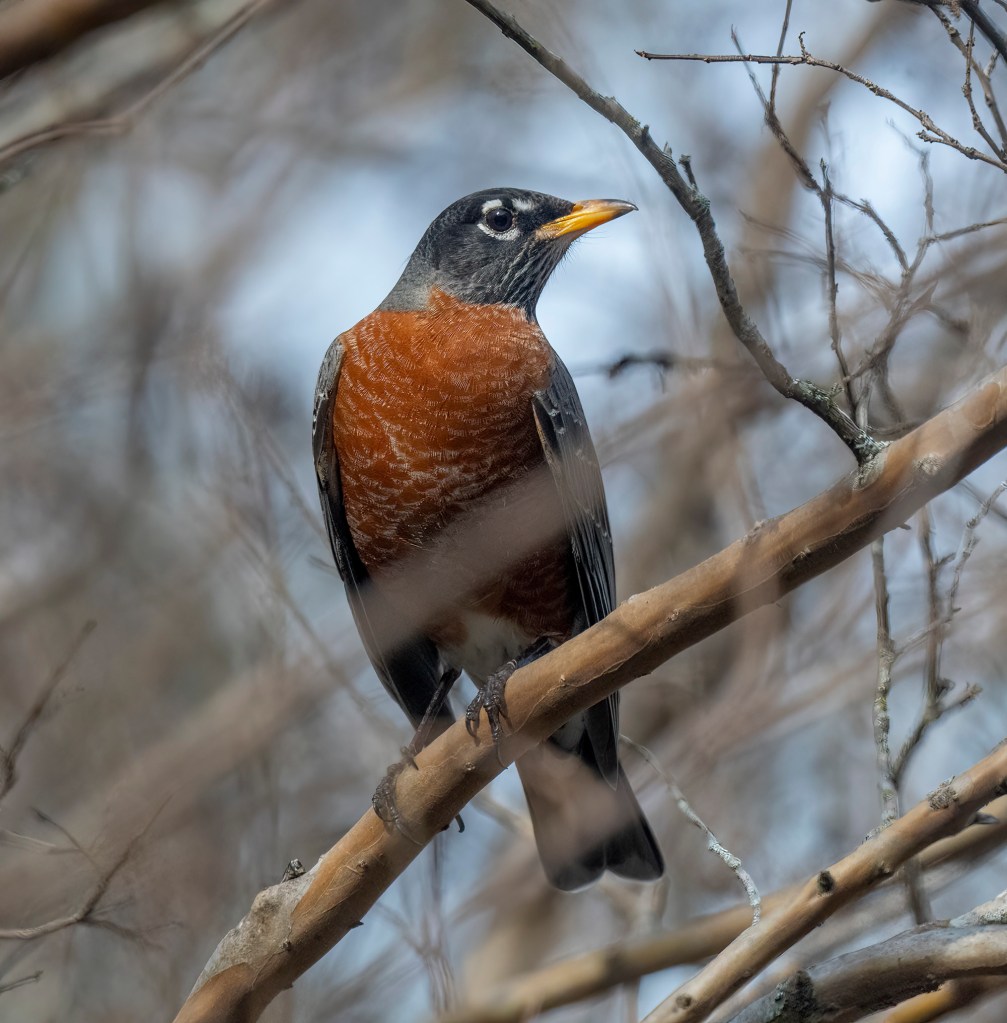
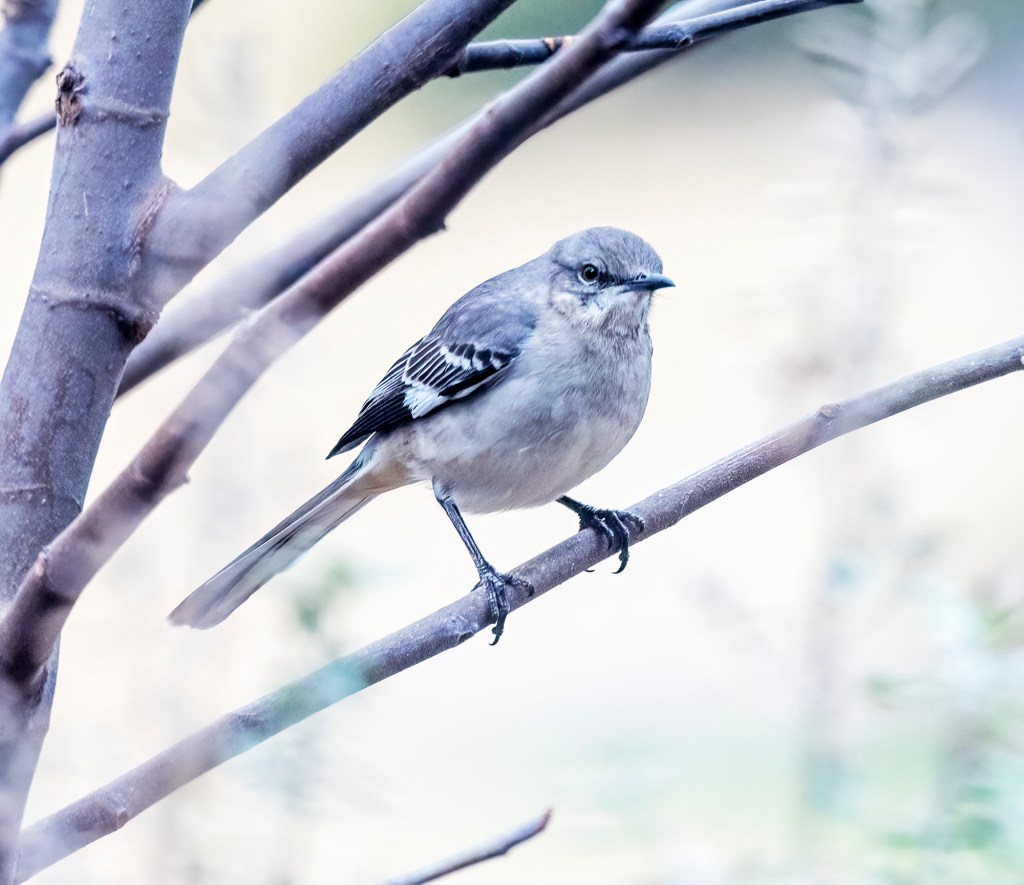
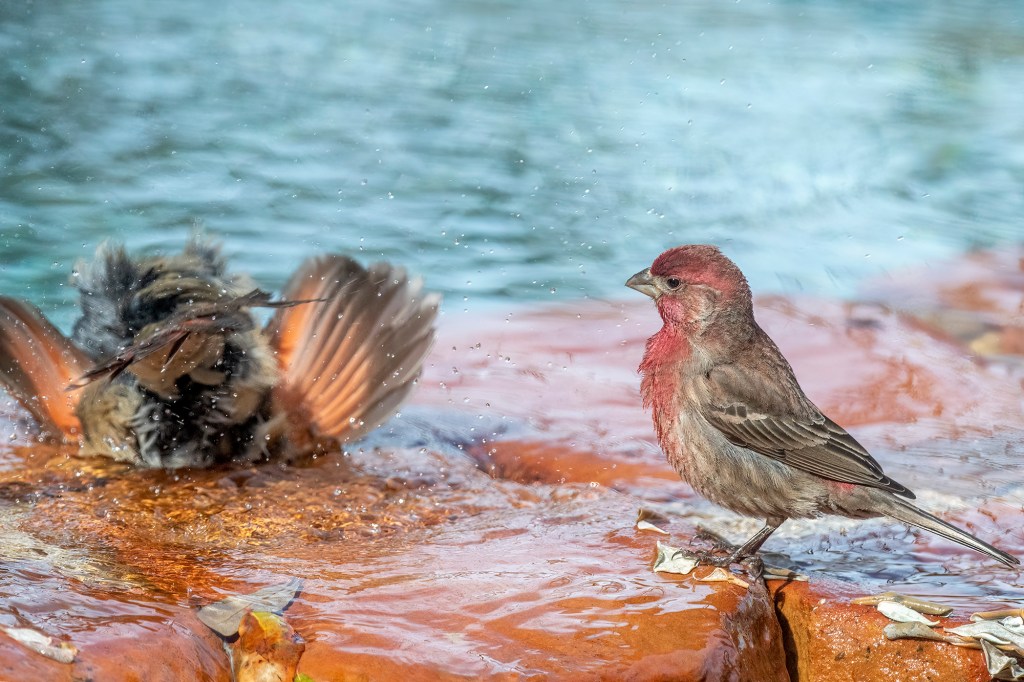
Recently we have seen loads of migrating birds in our backyard. Most notably there have been numerous cedar waxwings and robins drinking at our pool waterfall, accompanied by the usual cardinals, northern mockingbirds, wrens, house finches, sparrows, doves, goldfinches and an occasional warbler. Here are some recent images, all shot with a Nikon D500 with 500mm lens, through a back window overlooking the pool and spa.
Northern Mockingbird
House Finch
Carolina Wren
Lesser Goldfinches
Male Cardinal
Female Cardinal
Cedar Waxwing
Yellow Rumped Warbler
White-winged Dove
American Robin
Robin and Waxwing
Cedar Waxwings
Northern Mockingbird
Lesser Goldfinch
Squirrel!