







Adventures in travel and photography


On another day at Lagoon Camp, we encountered four female lions. All were in the nursing stage. We followed them for some distance until they encountered a fairly wide stream/river. It was obvious they were going to cross; it was clear that their cubs were somewhere over there! Watching their hesitation to get wet was fascinating – they were watchful for crocs! Eventually one went and sat on the other side. It we 30-40 minutes before the other three took the plunge.
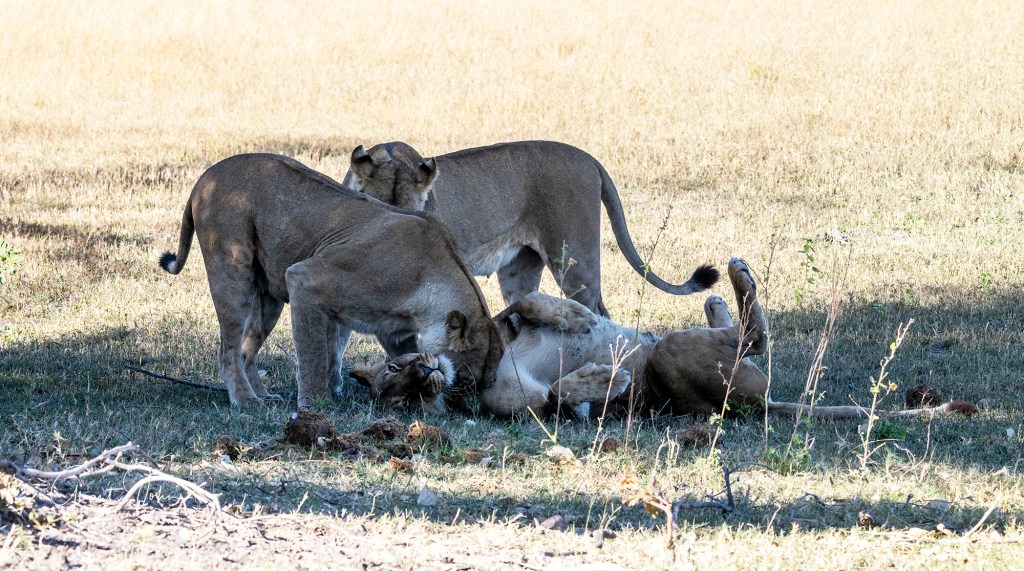


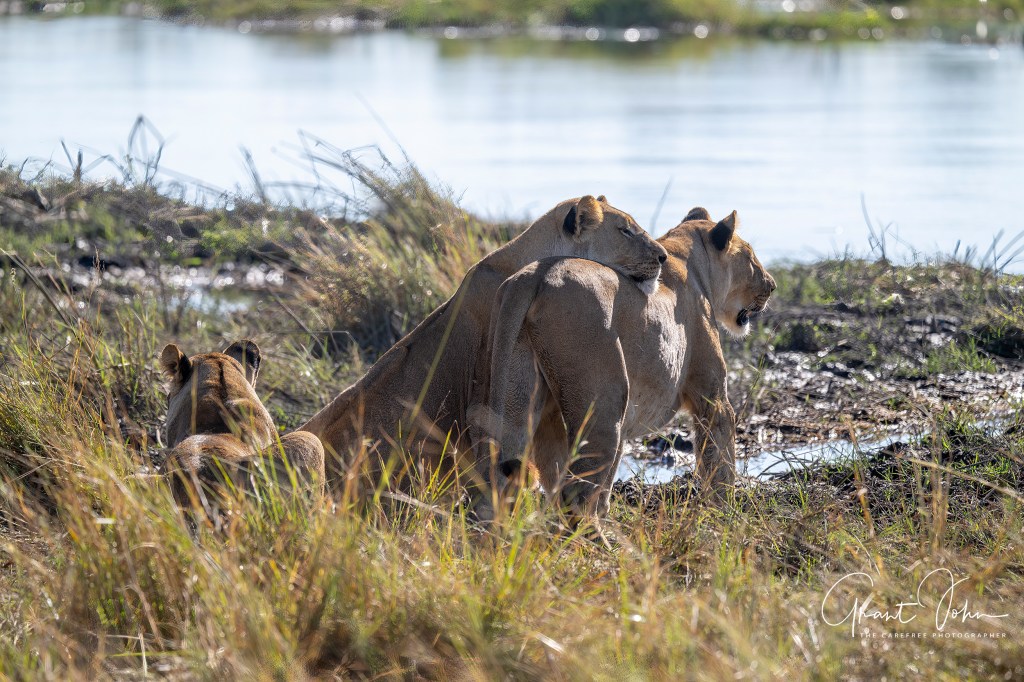
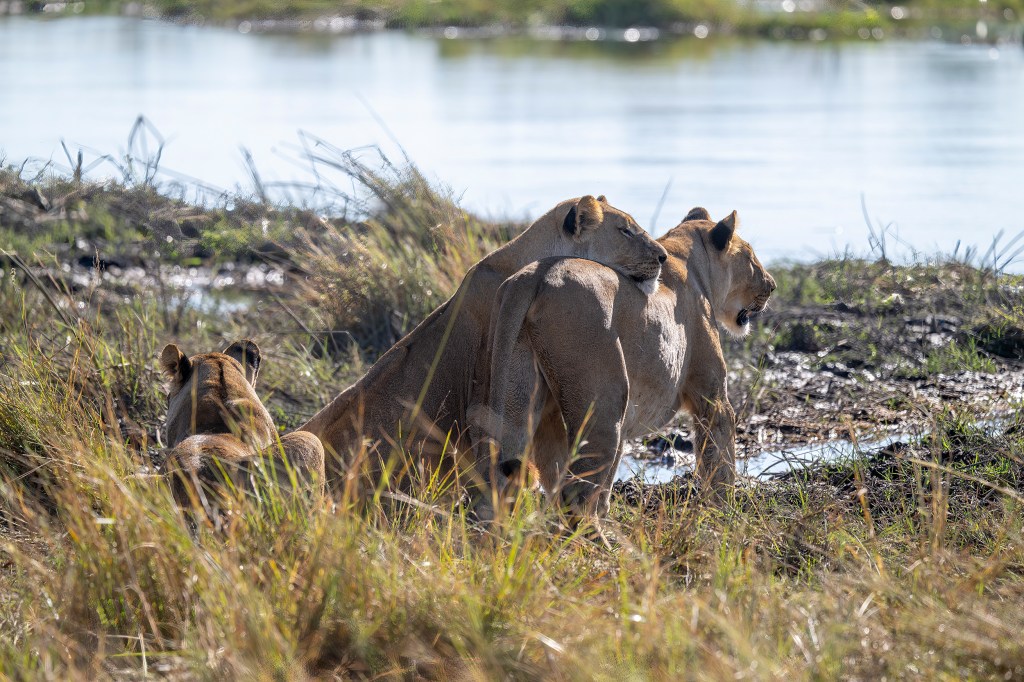


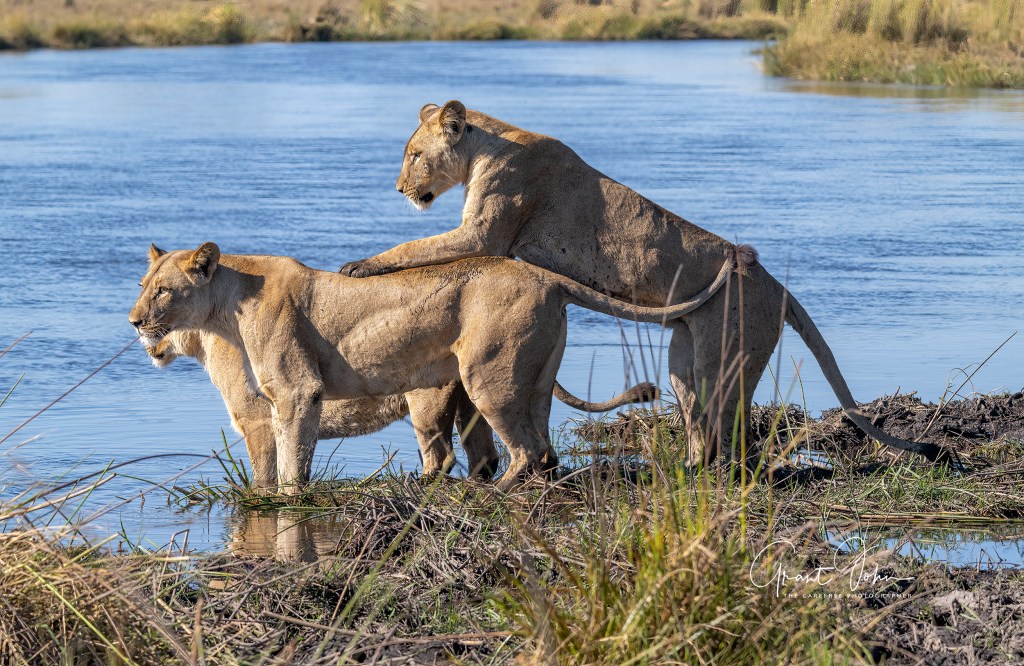
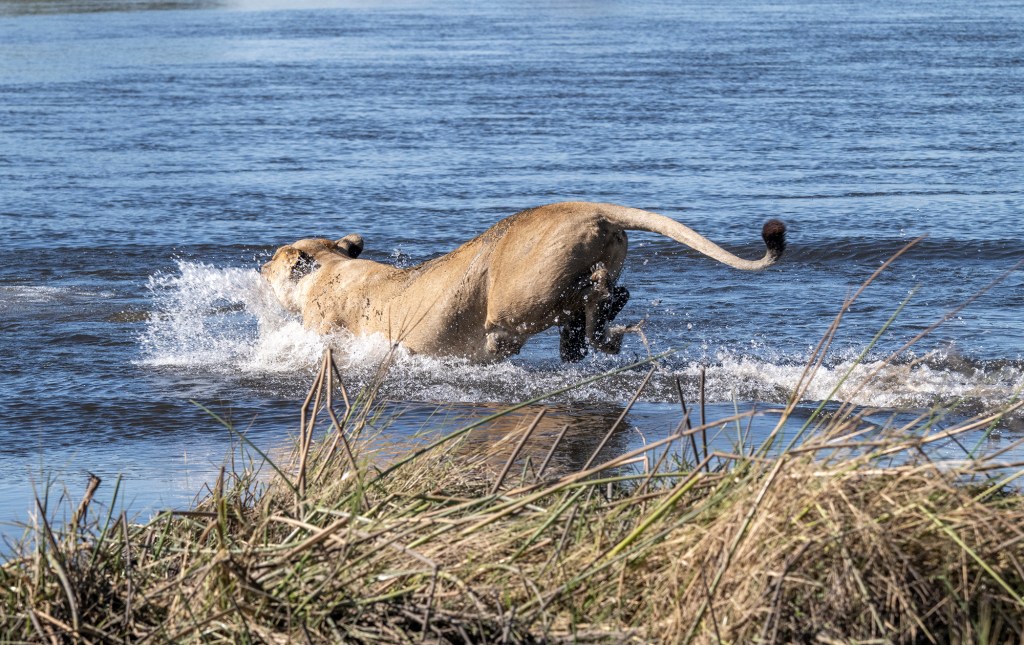
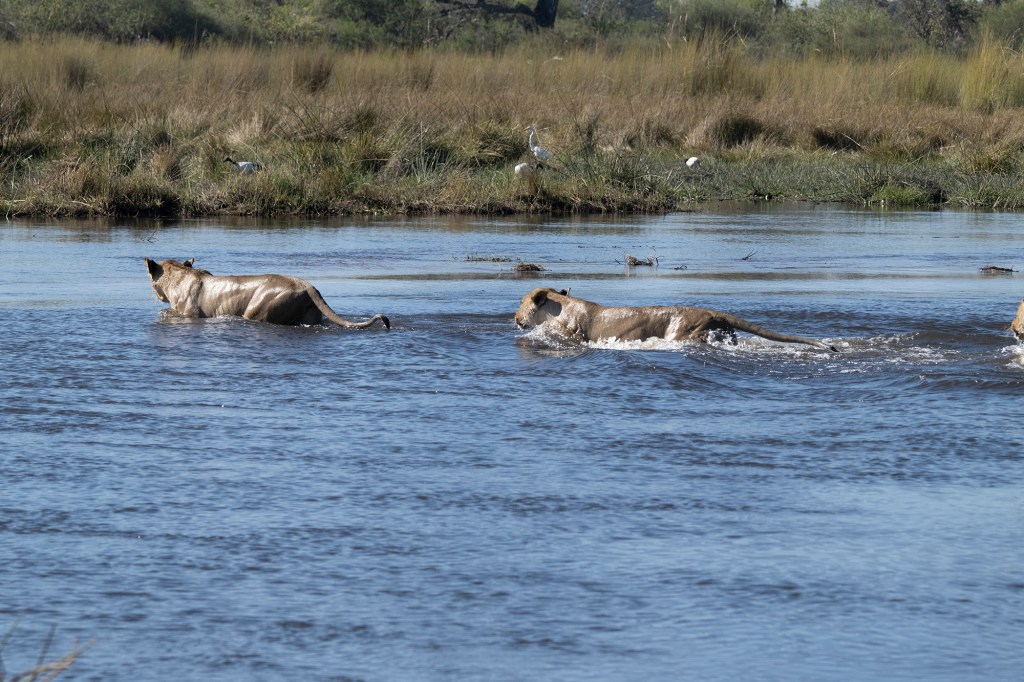

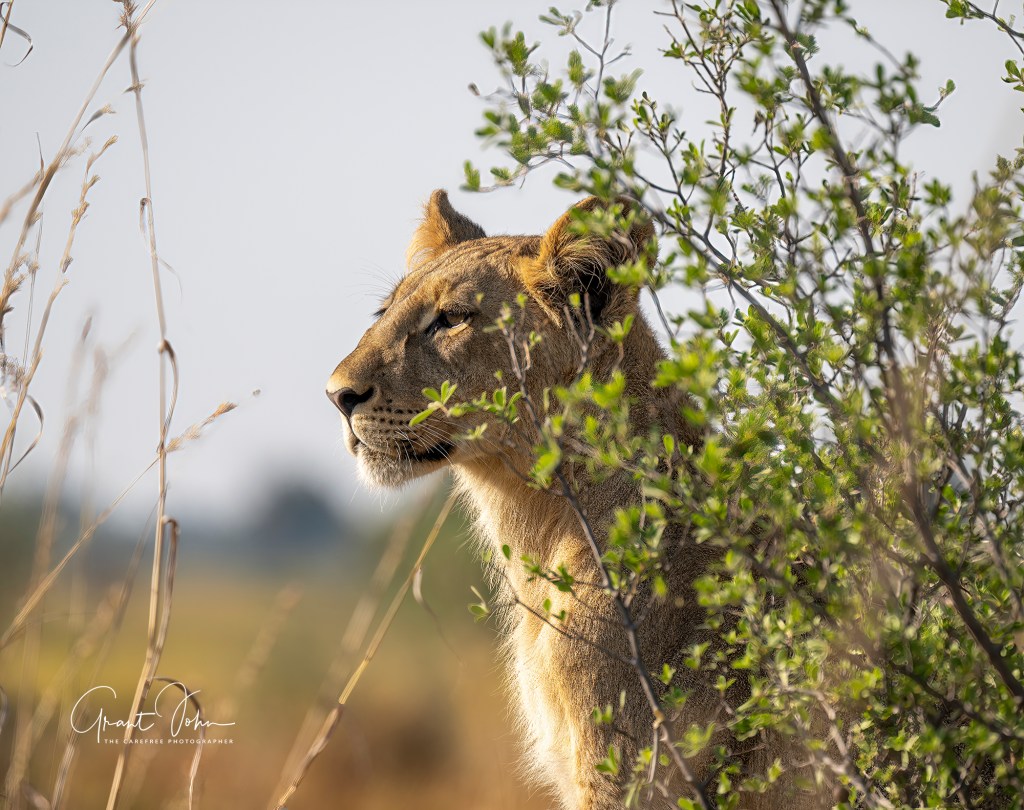
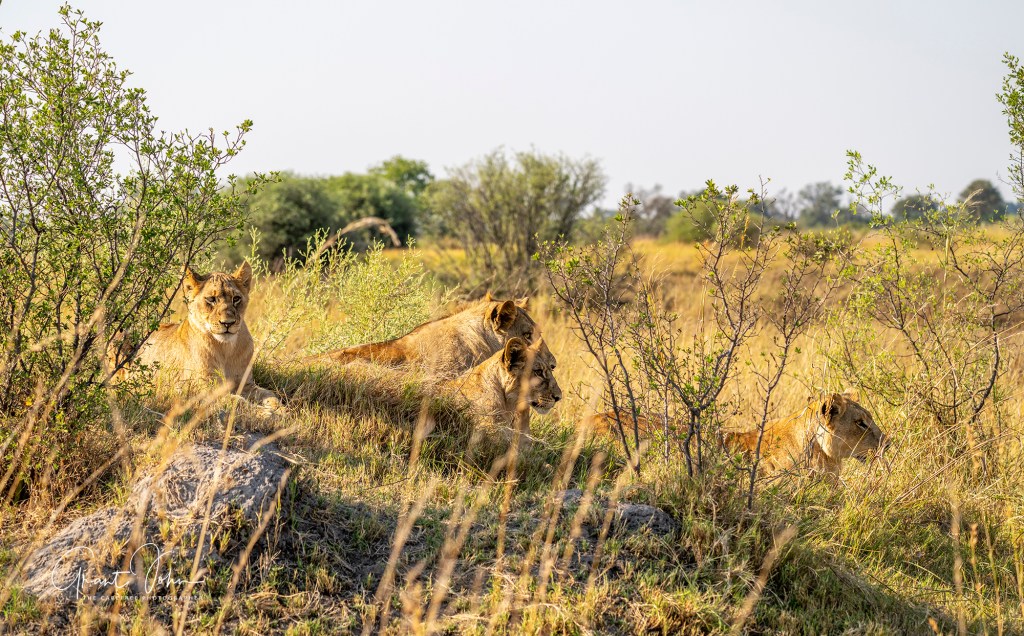
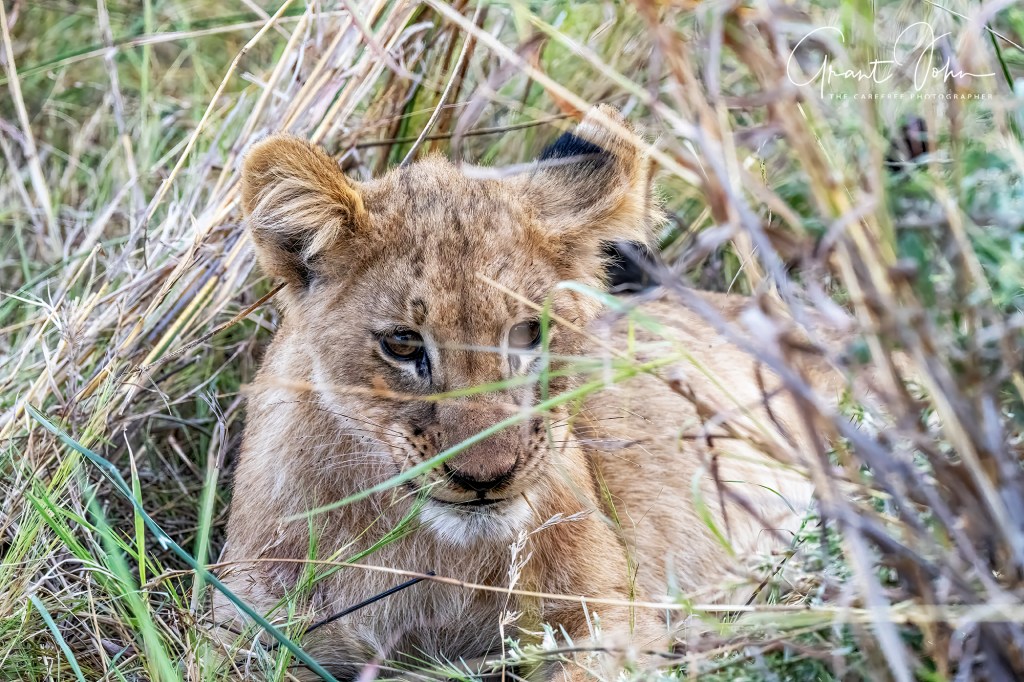
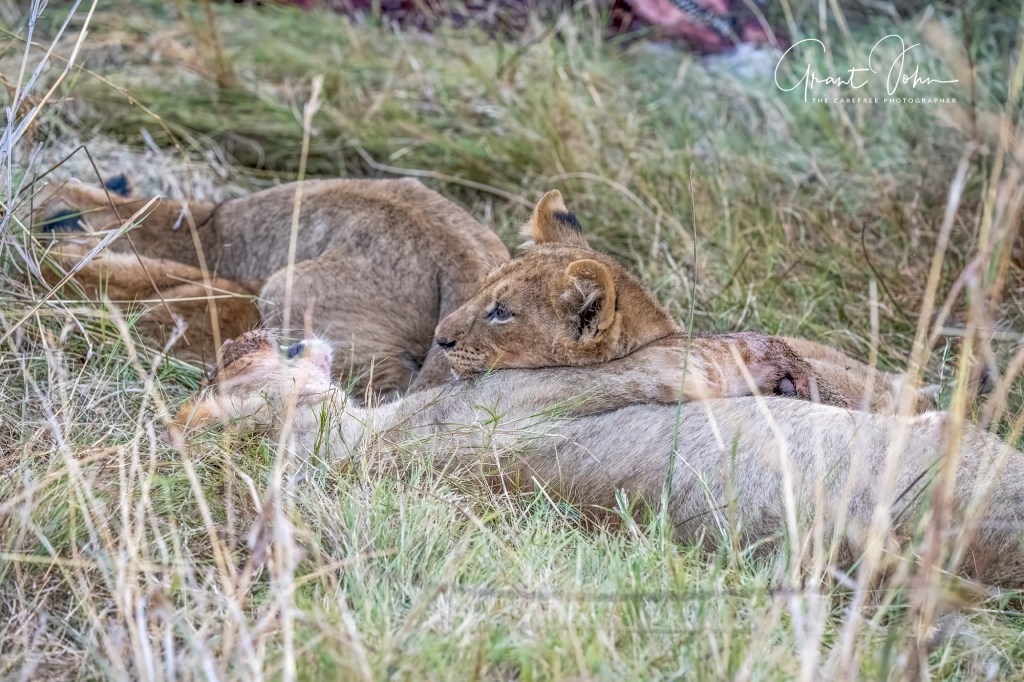
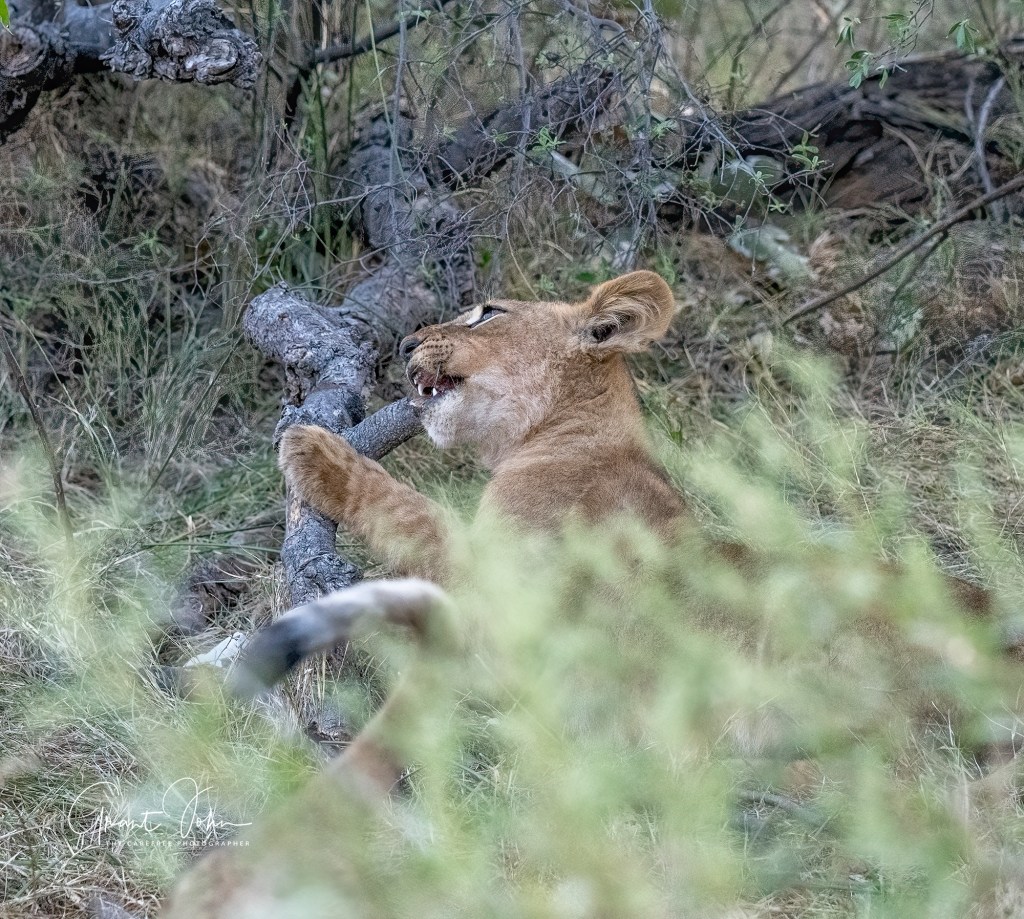
On our first safari drive of June’s visit to Botswana, we experienced several hours of a pride of lions typical morning. This pride consisted of two adult females and several cubs. The male did not show up for some time. Here are a few shots of the walk through the terrain.
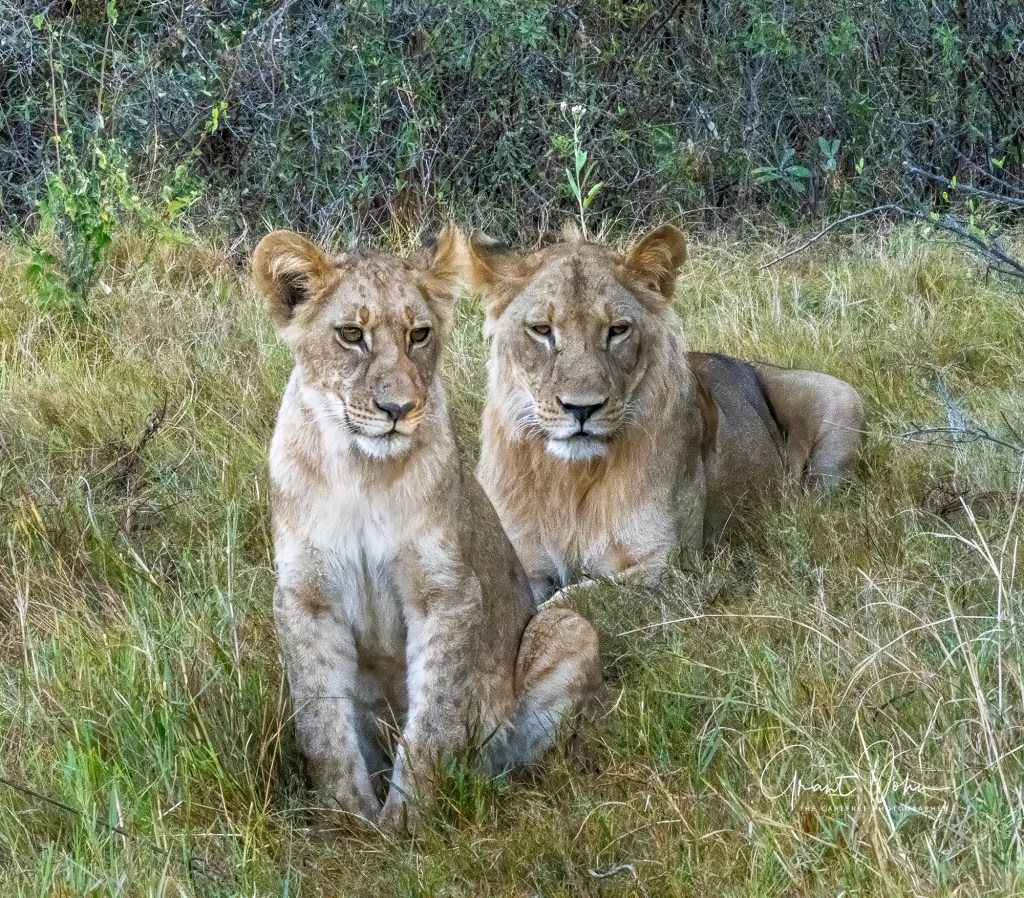

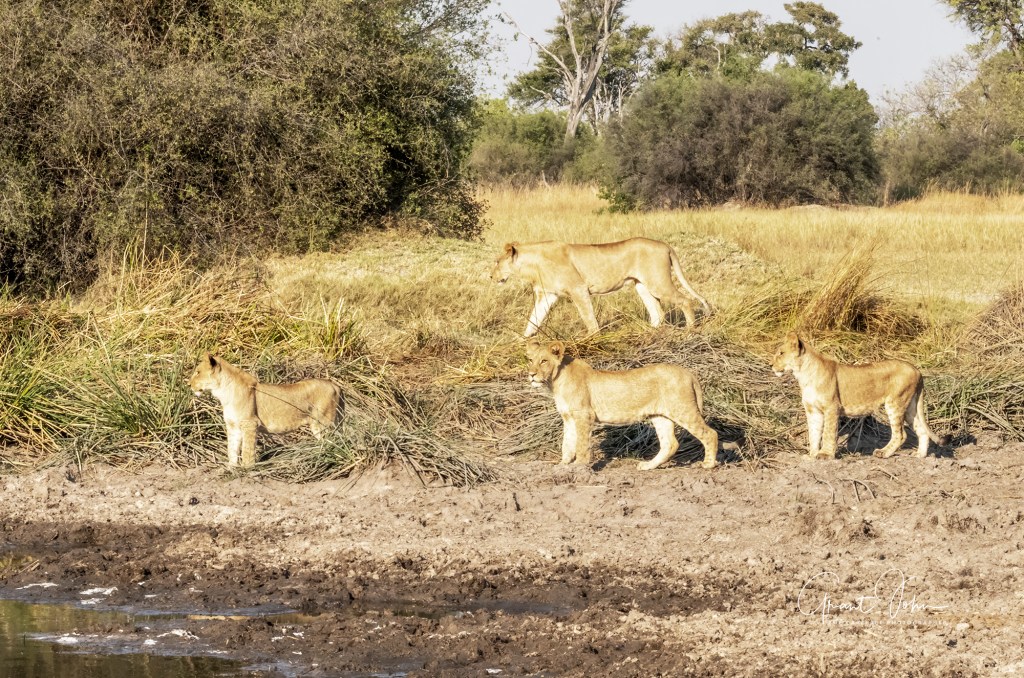
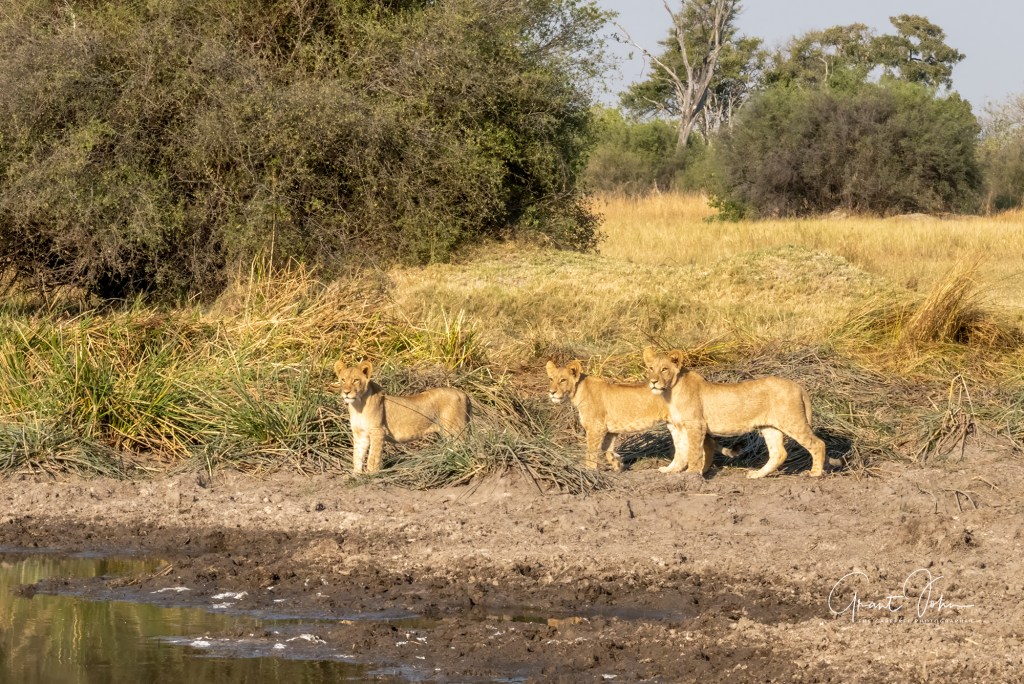
At a point they reached a hillock, and decided to rest, wait and observe.
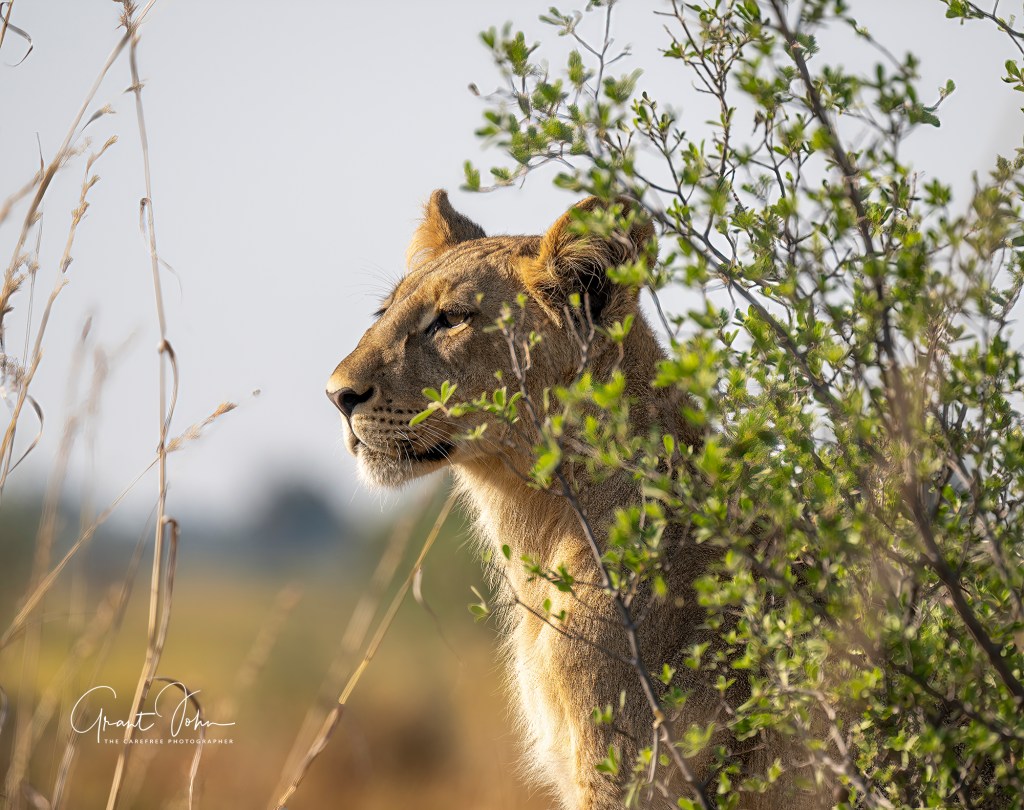
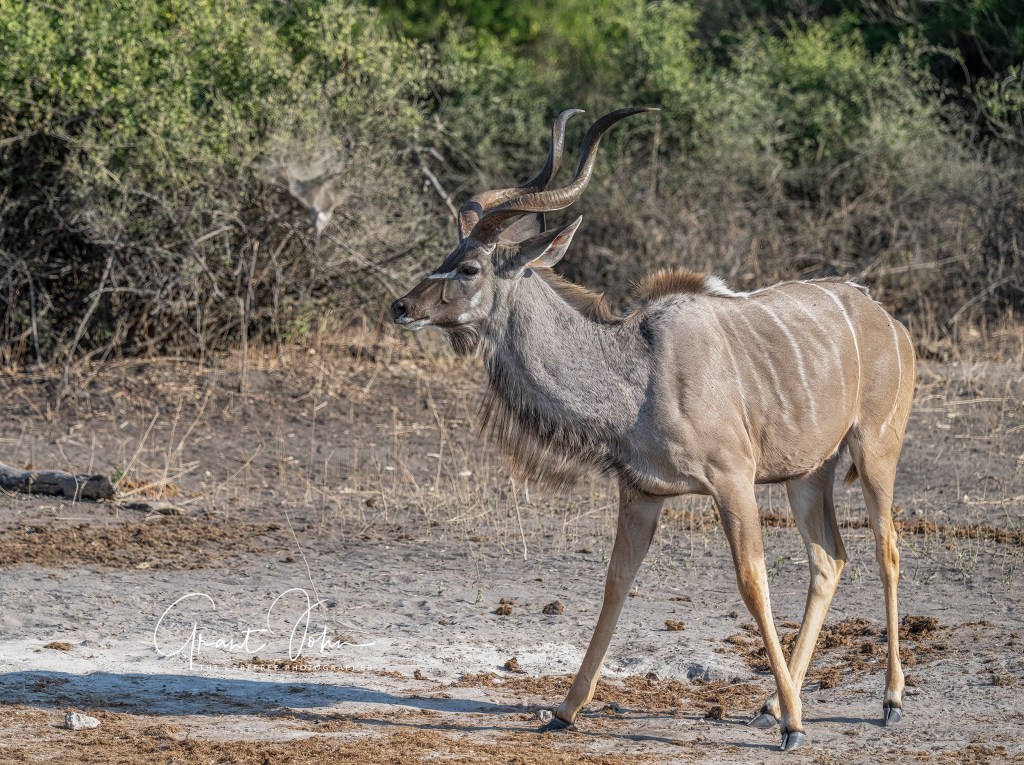
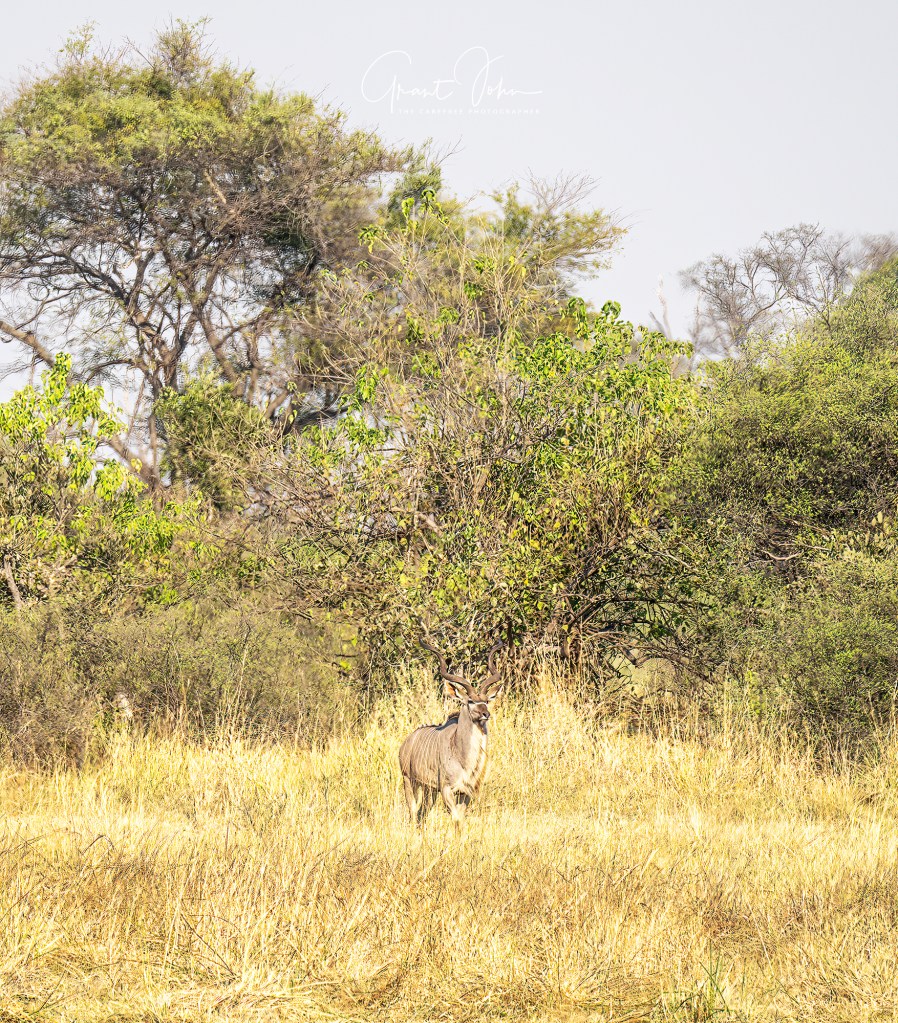
And then they sighted a large male kudu in the distance. The kudu saw or sensed the lions, turner at a right angle and ambled away.
The female lions then split. One went to the right while the other, poised, waited on the hillock. Then the females began to rum. Next:
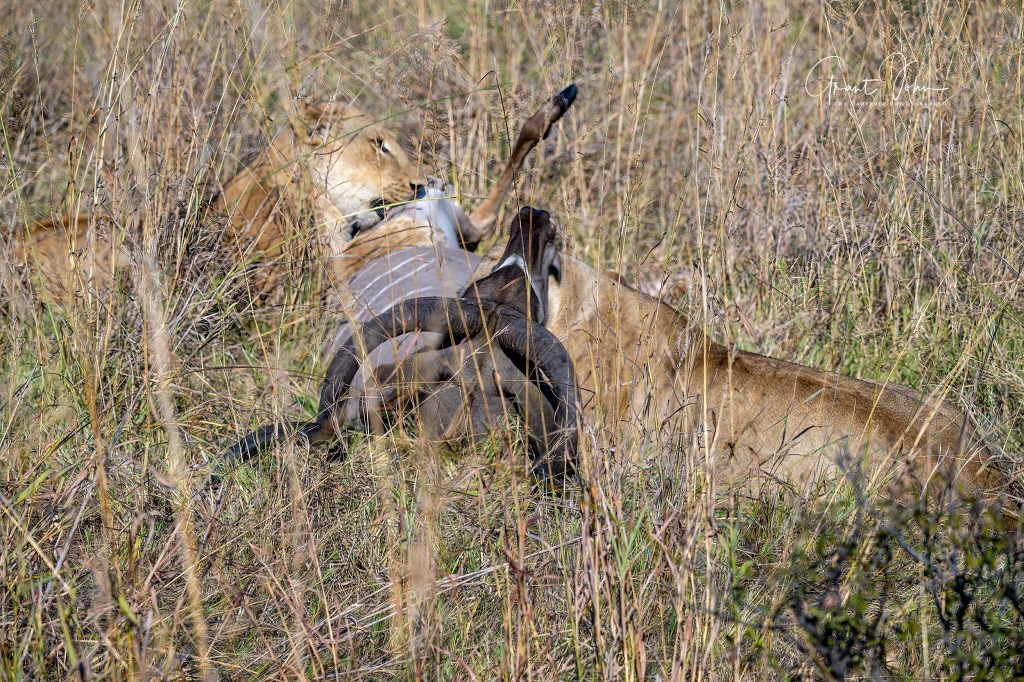
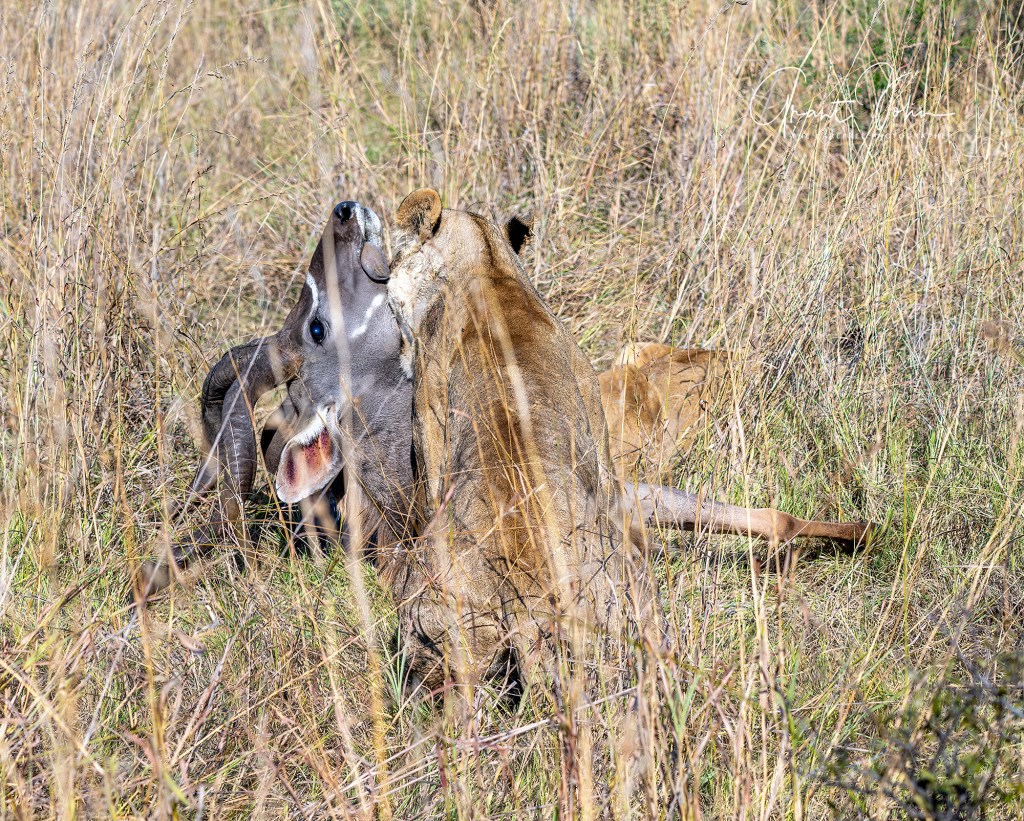

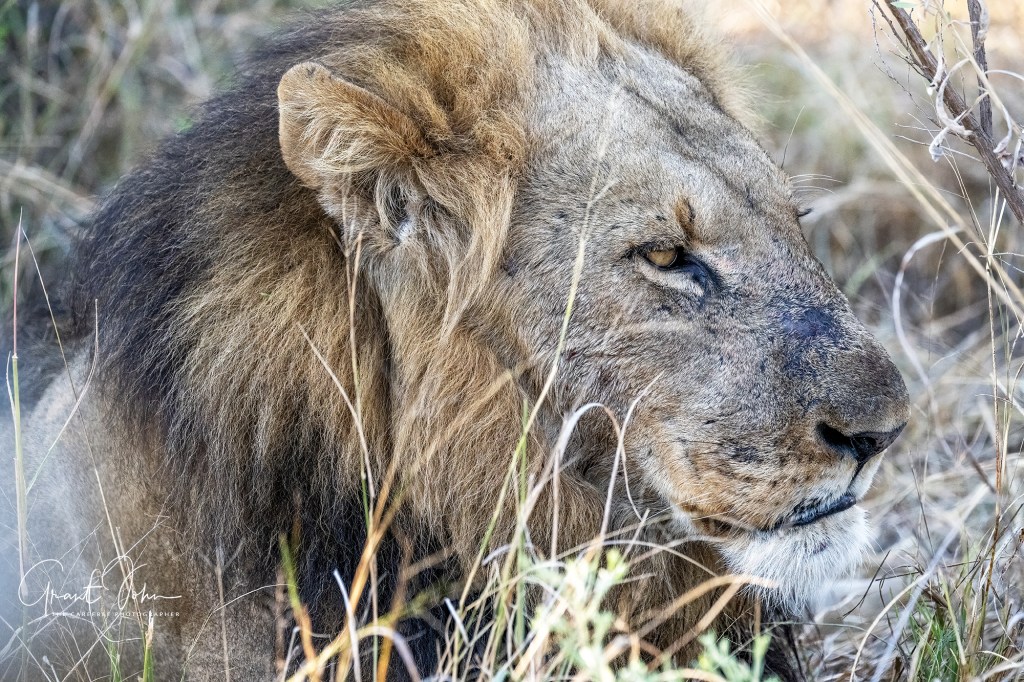
We watched for a while, it got a little gruesome so we left. The next day we returned to find full belly’s, cubs playing and the old male, who waited too long to get a meal!


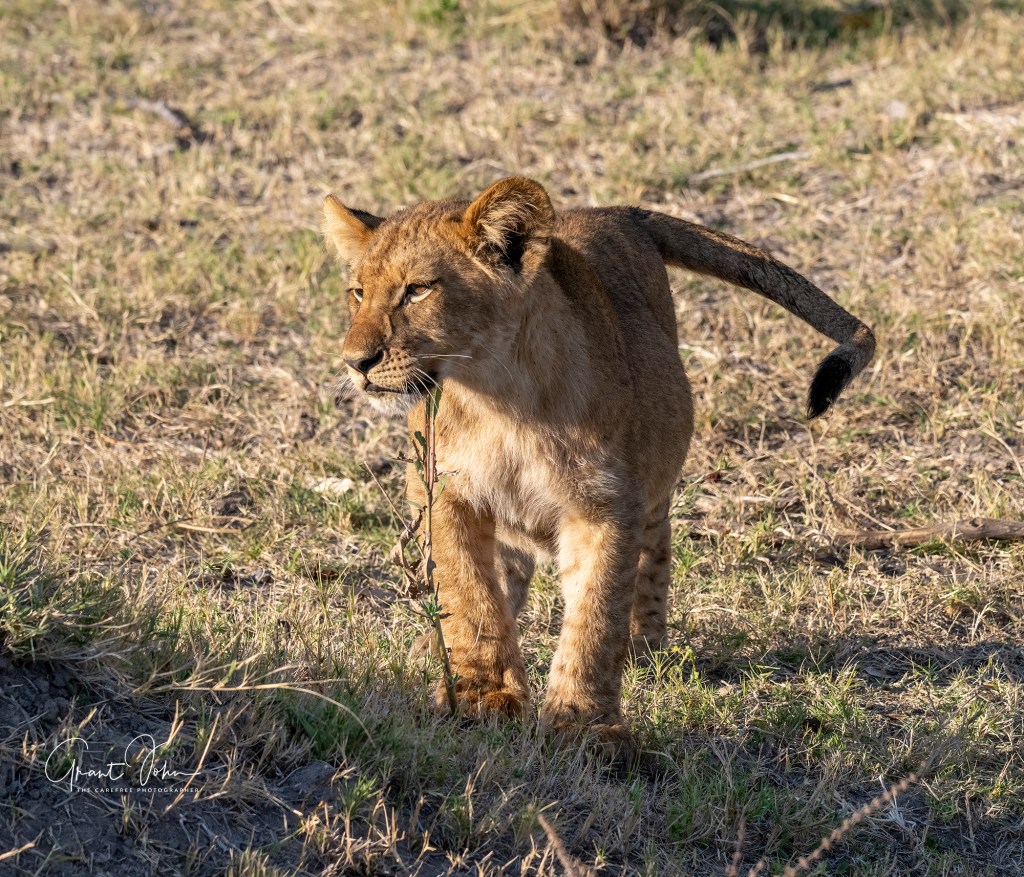


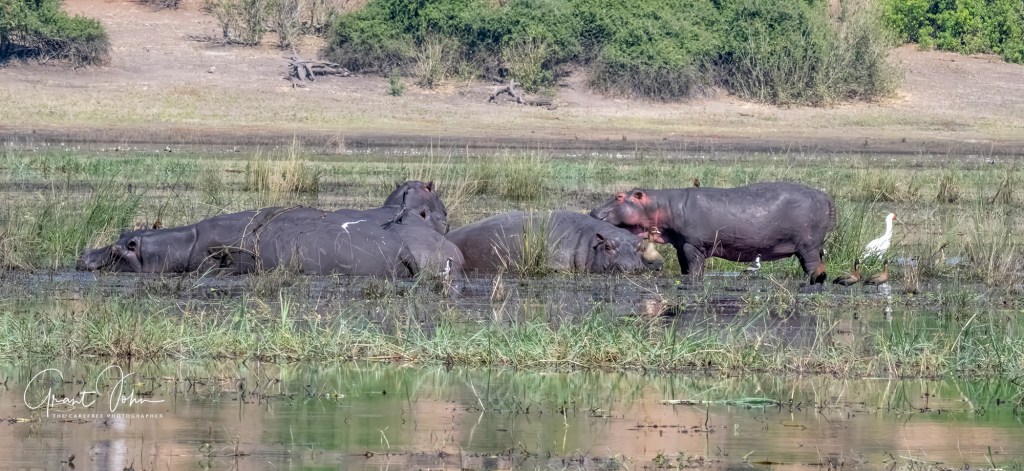

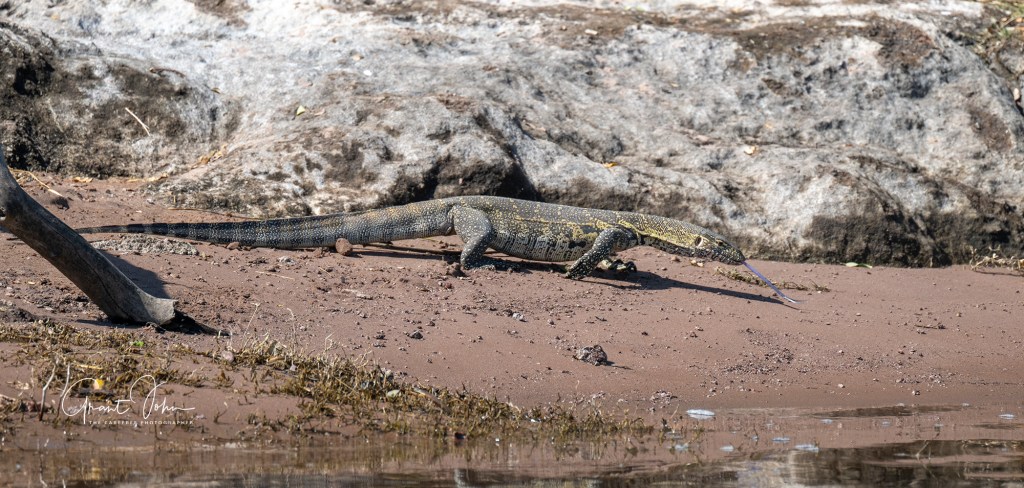


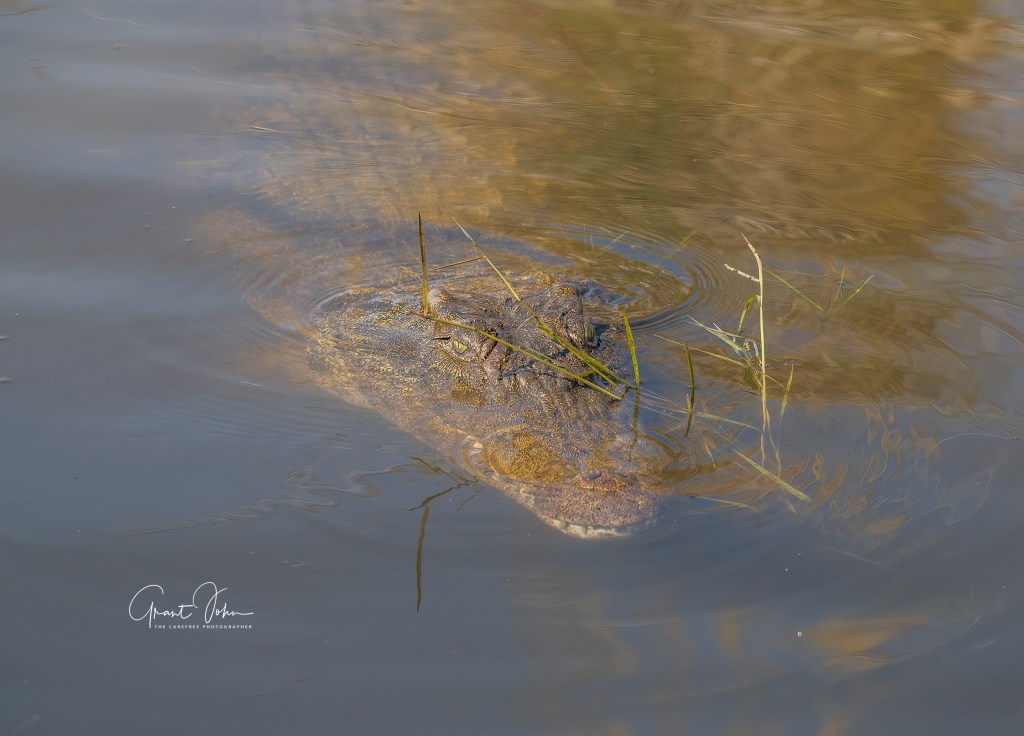
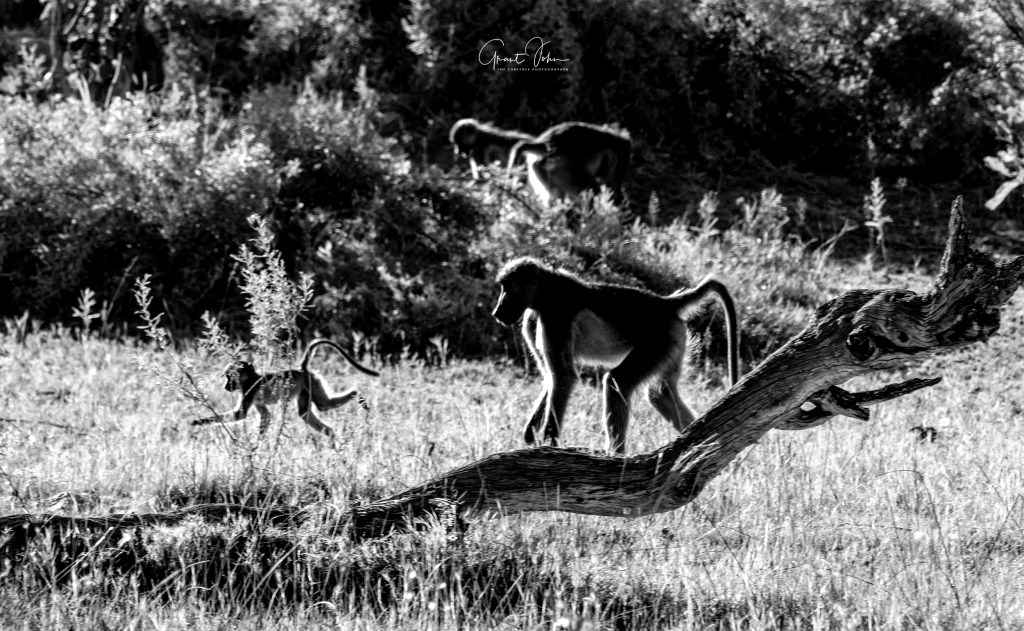
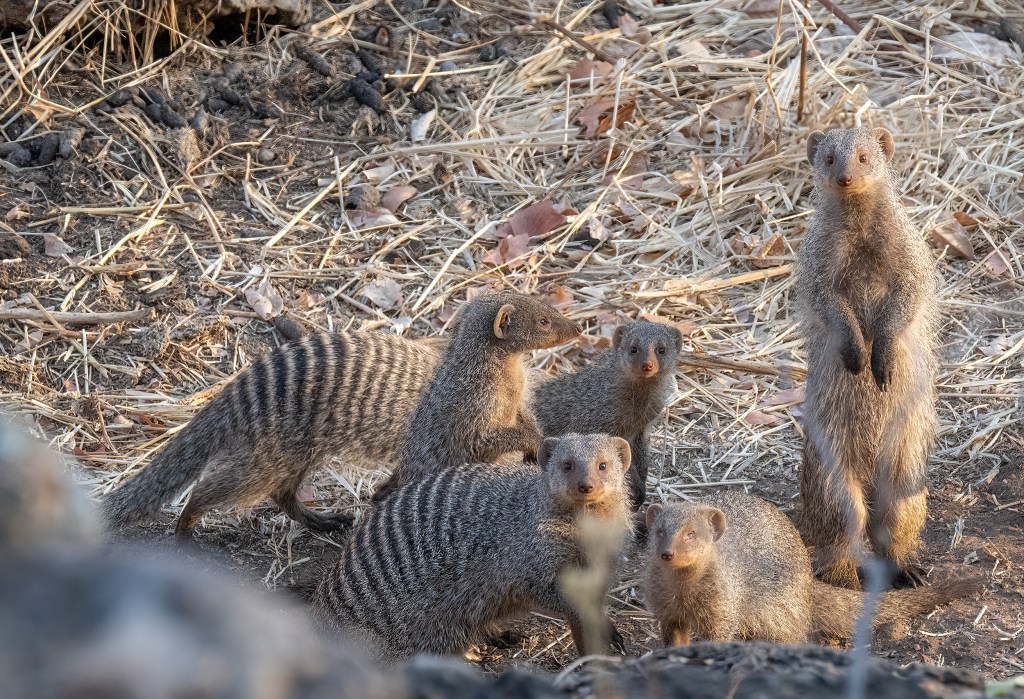
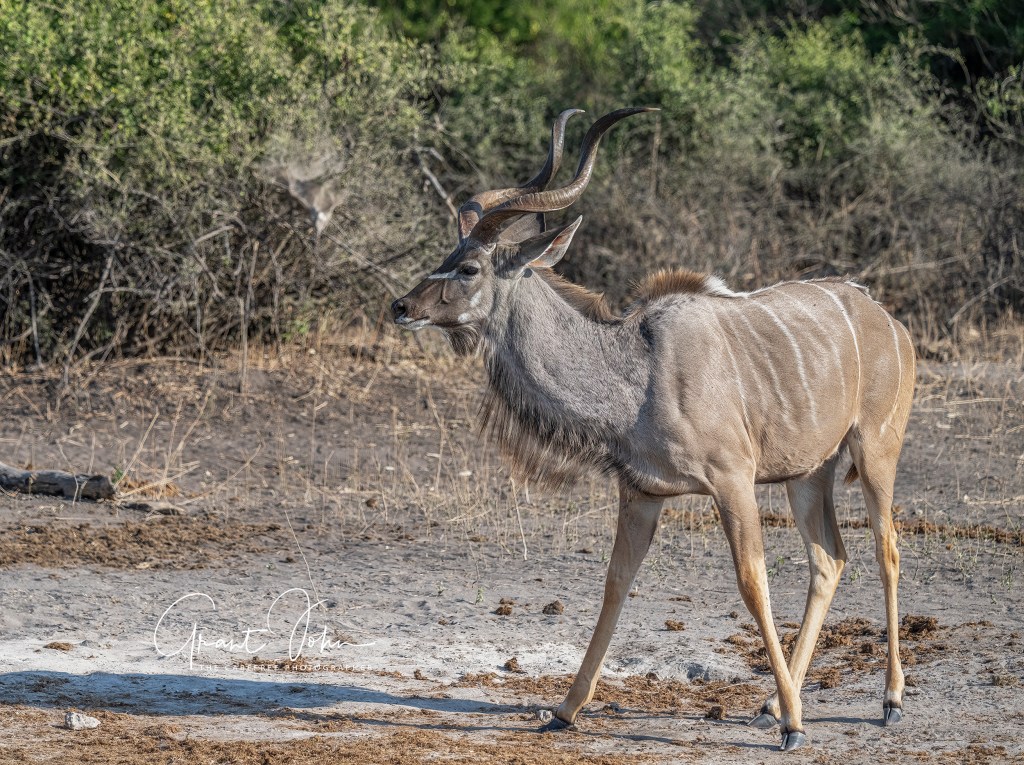
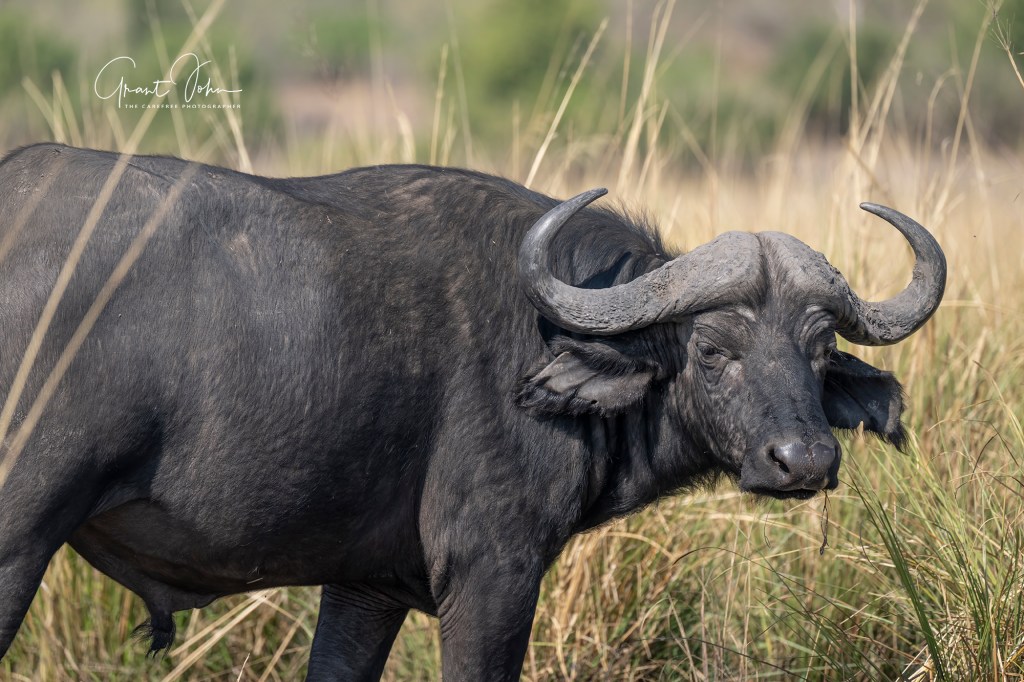

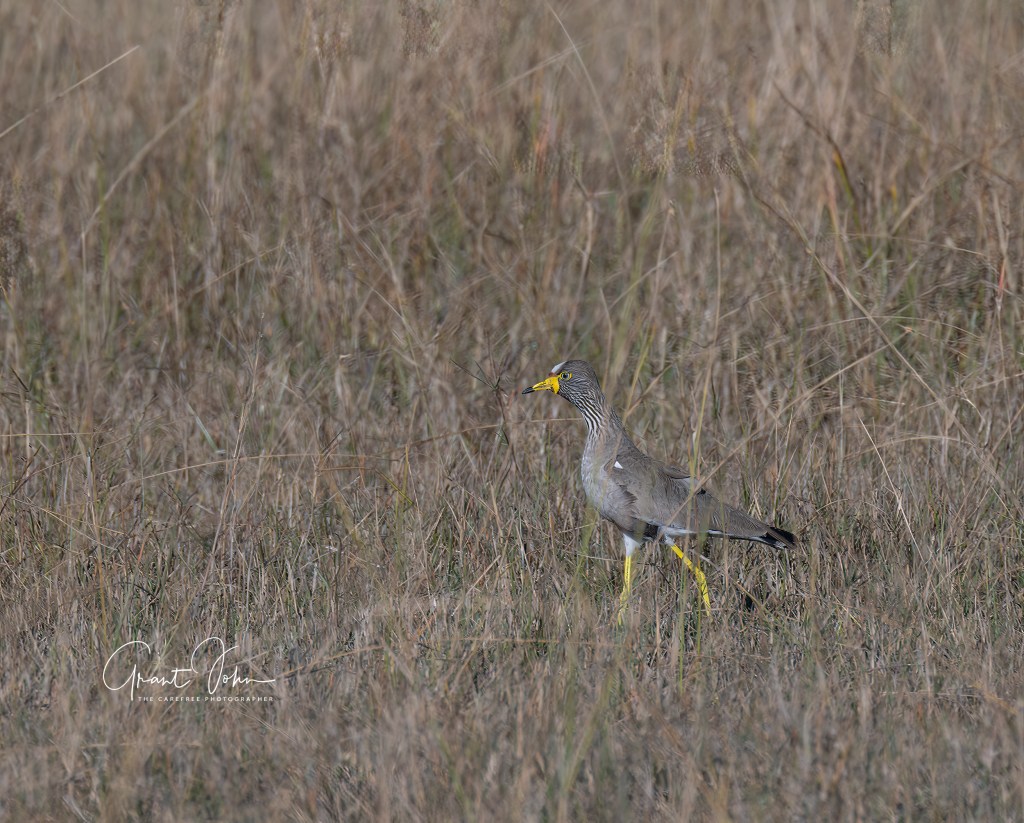
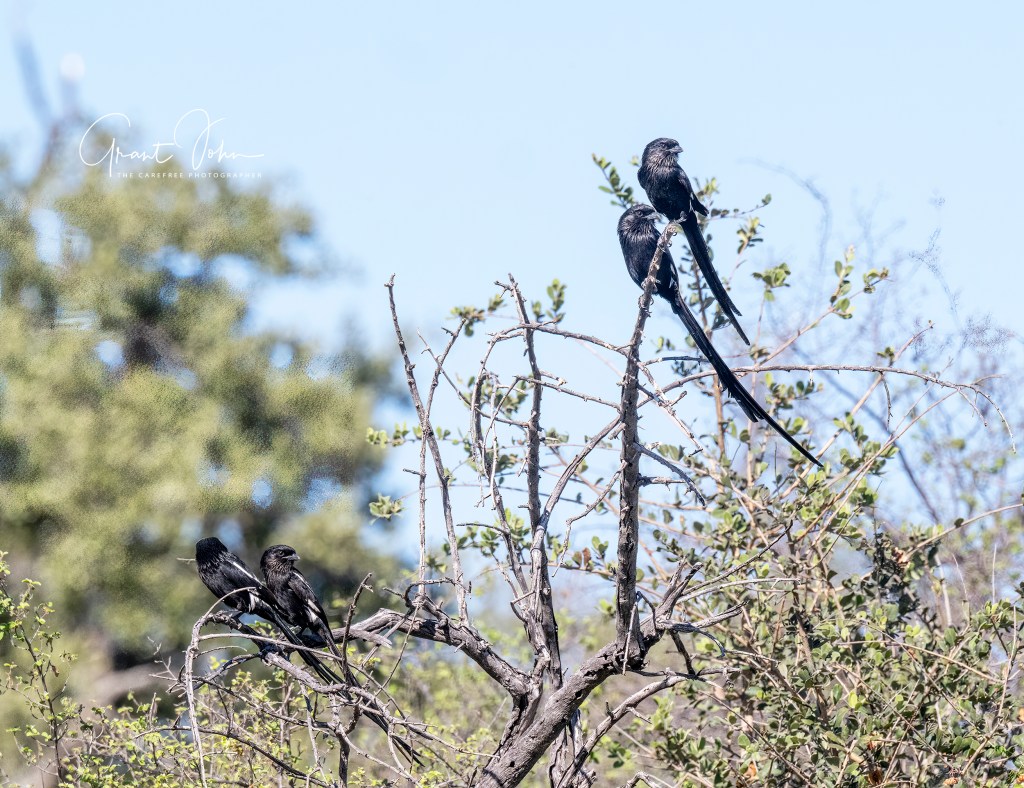
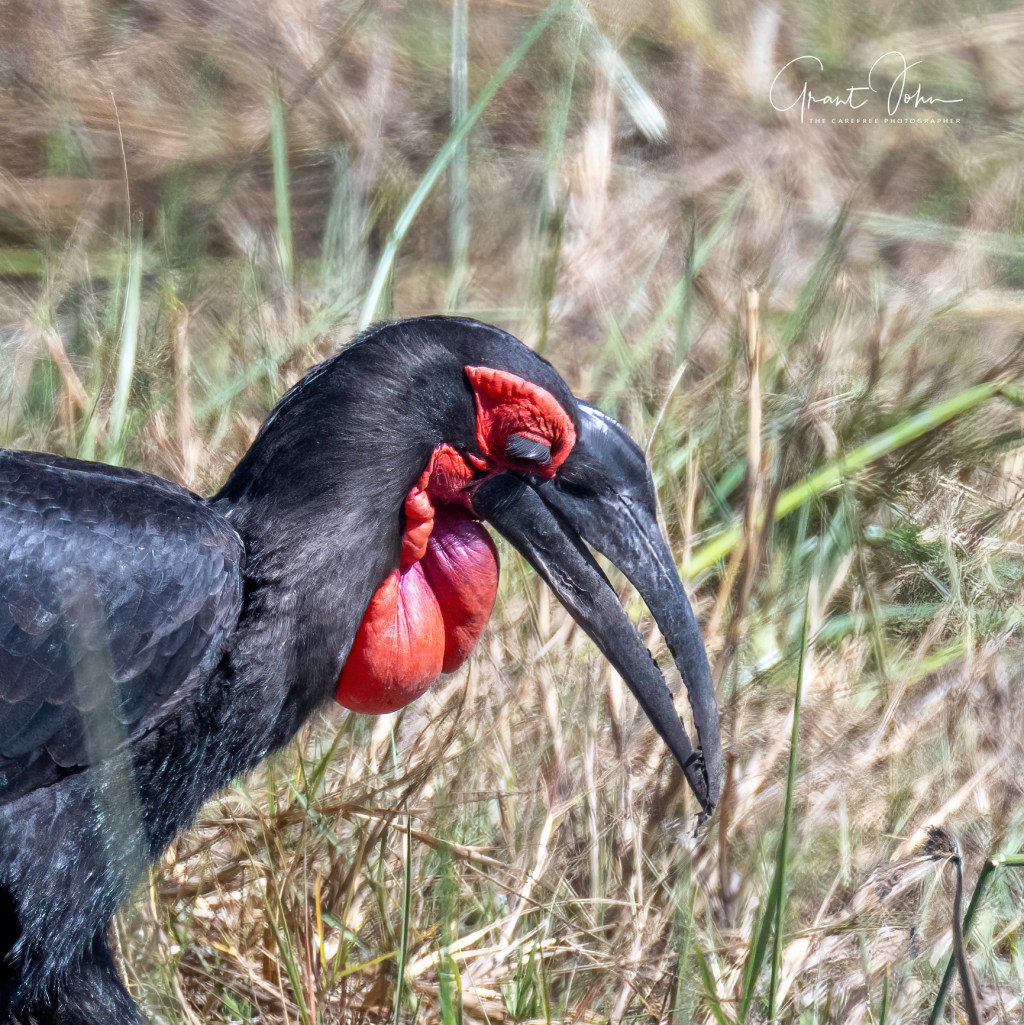
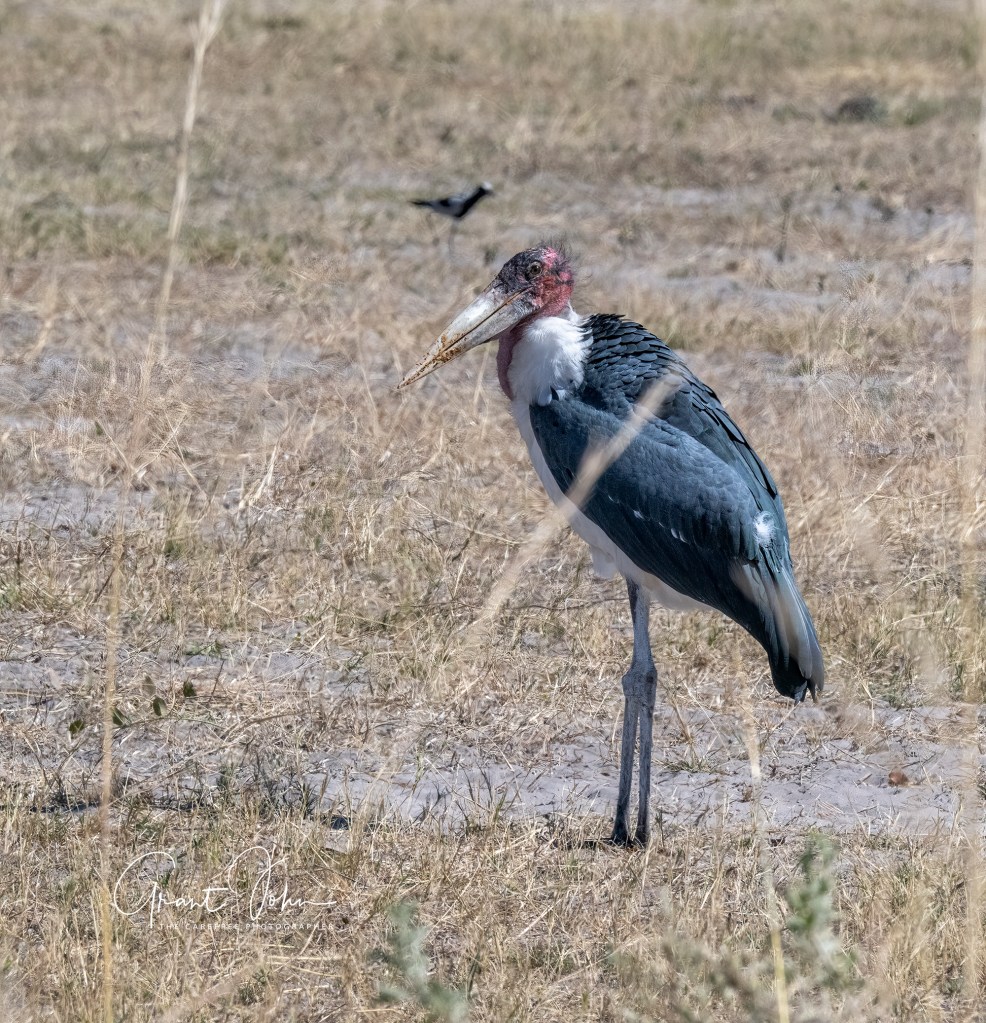
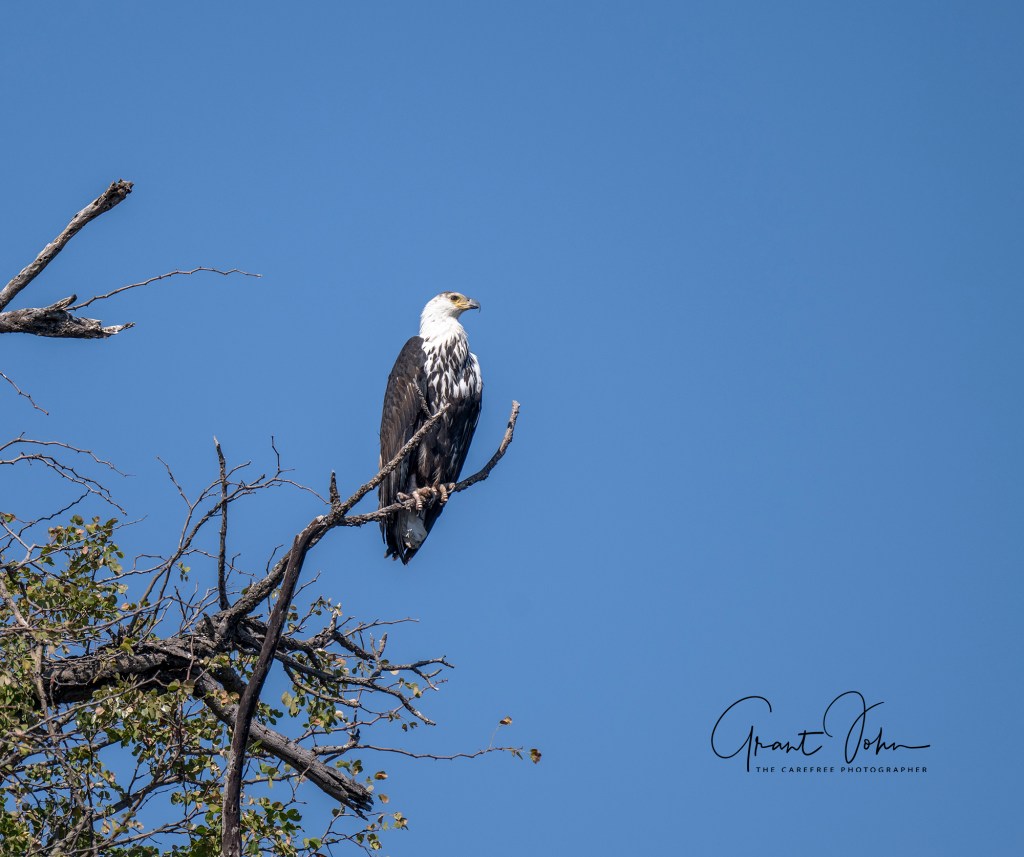
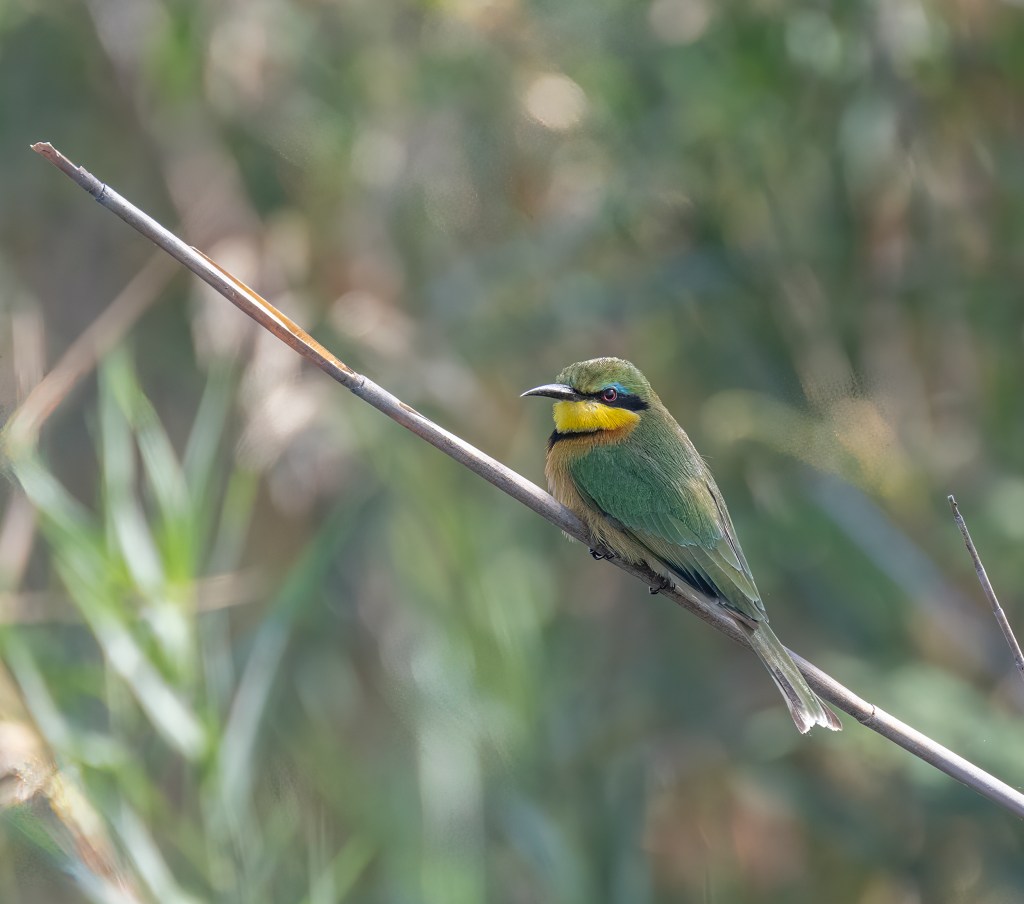
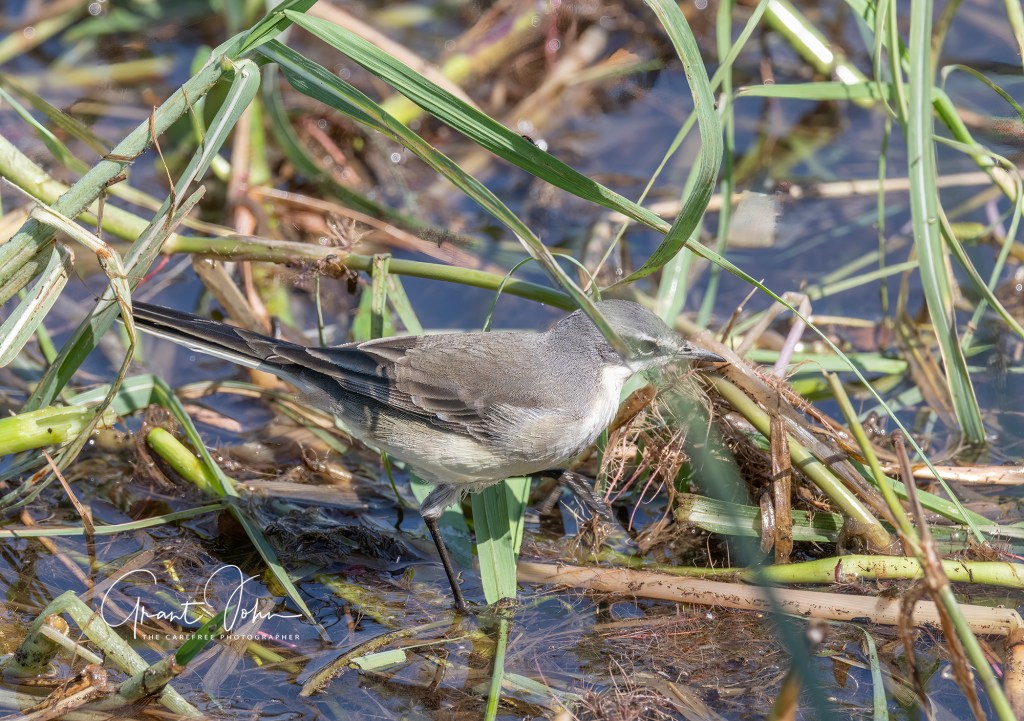
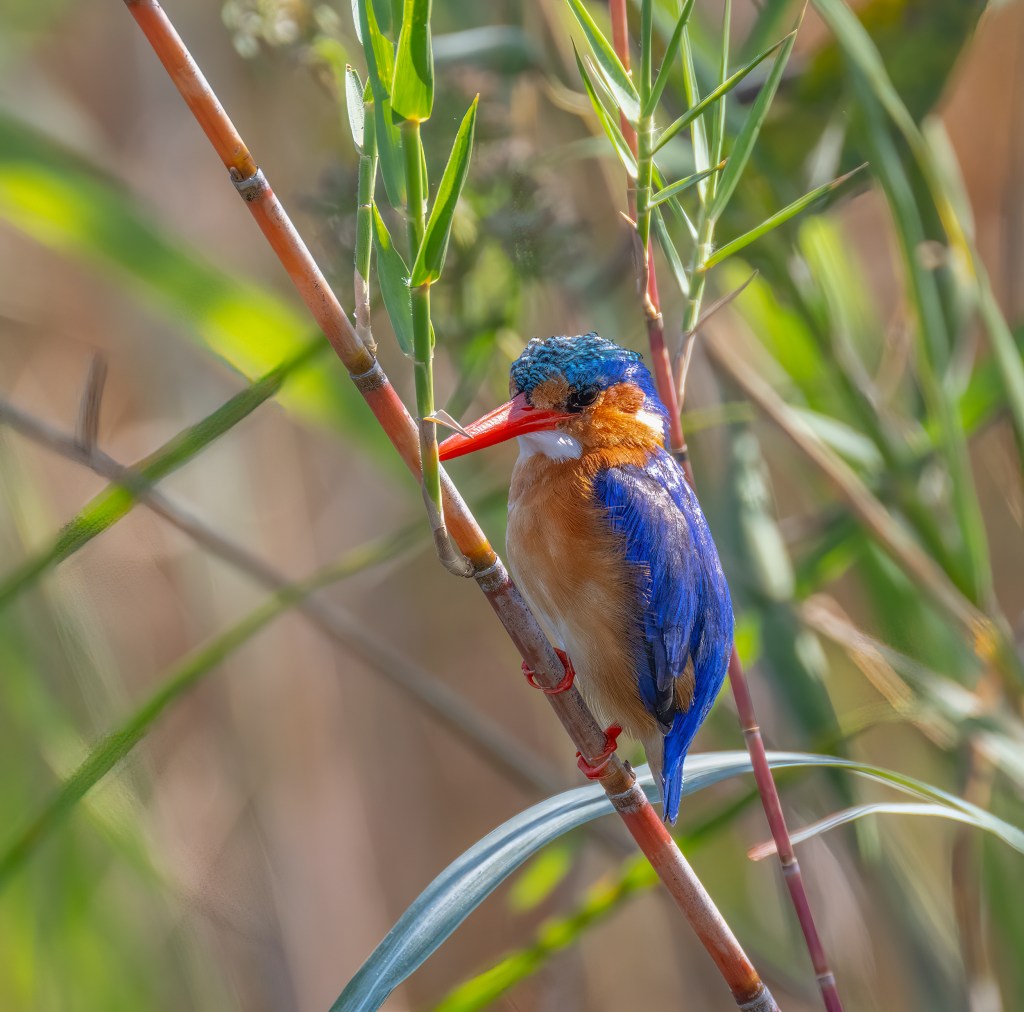
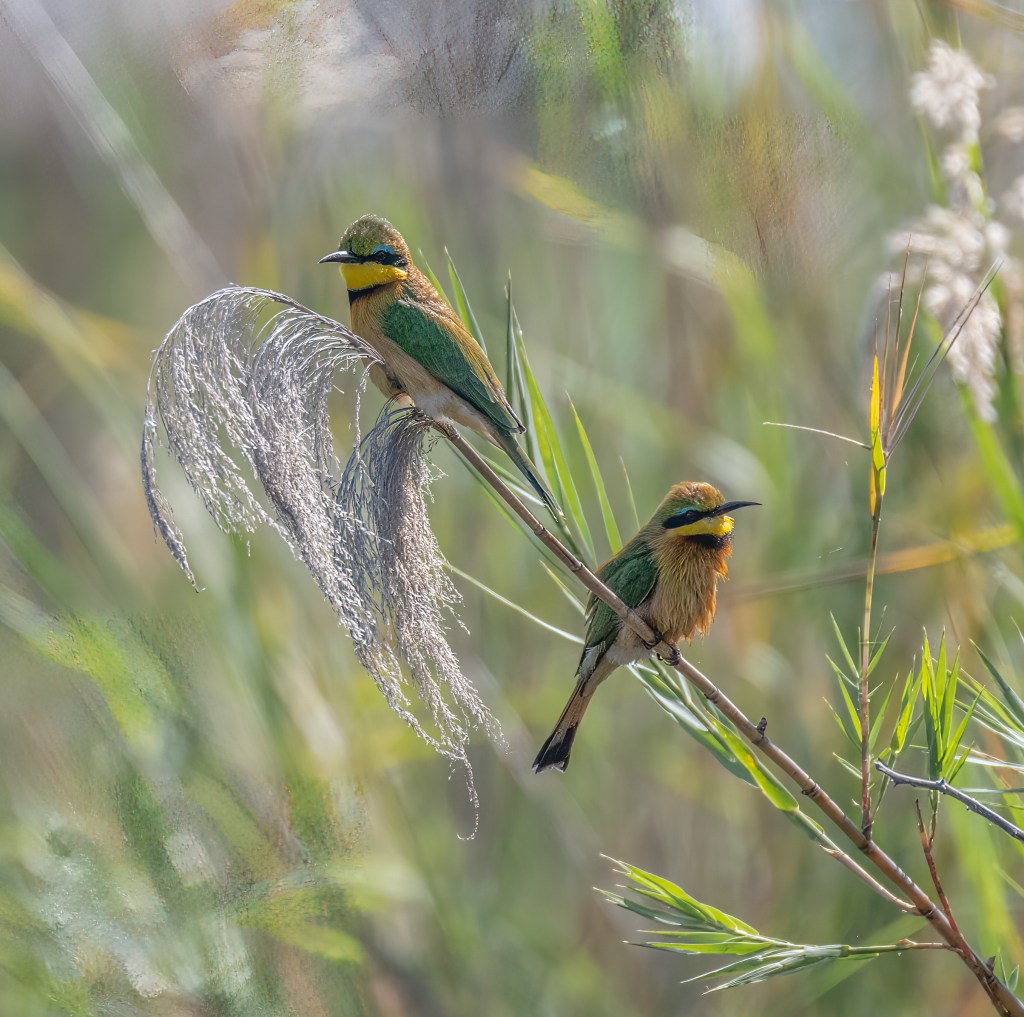
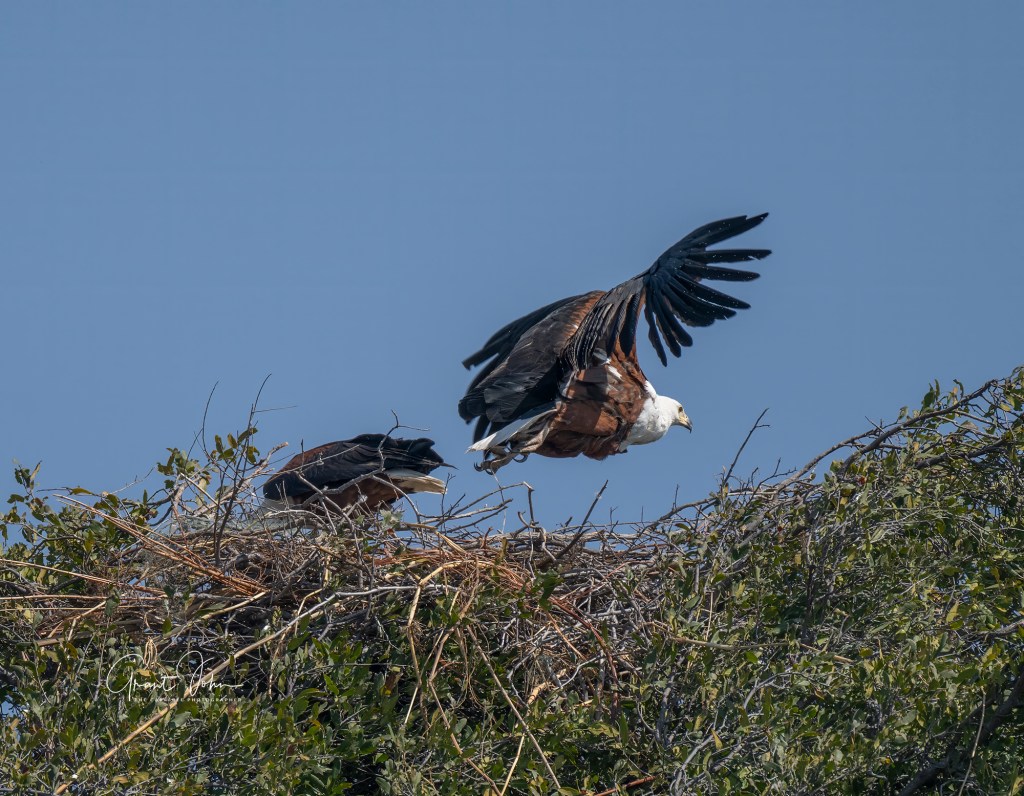
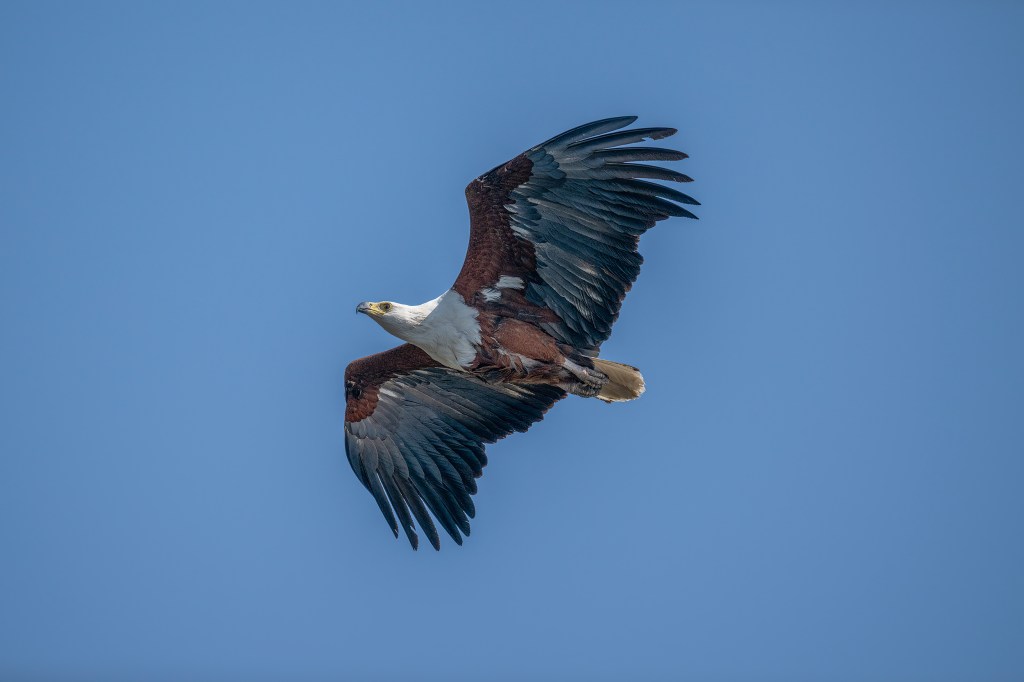
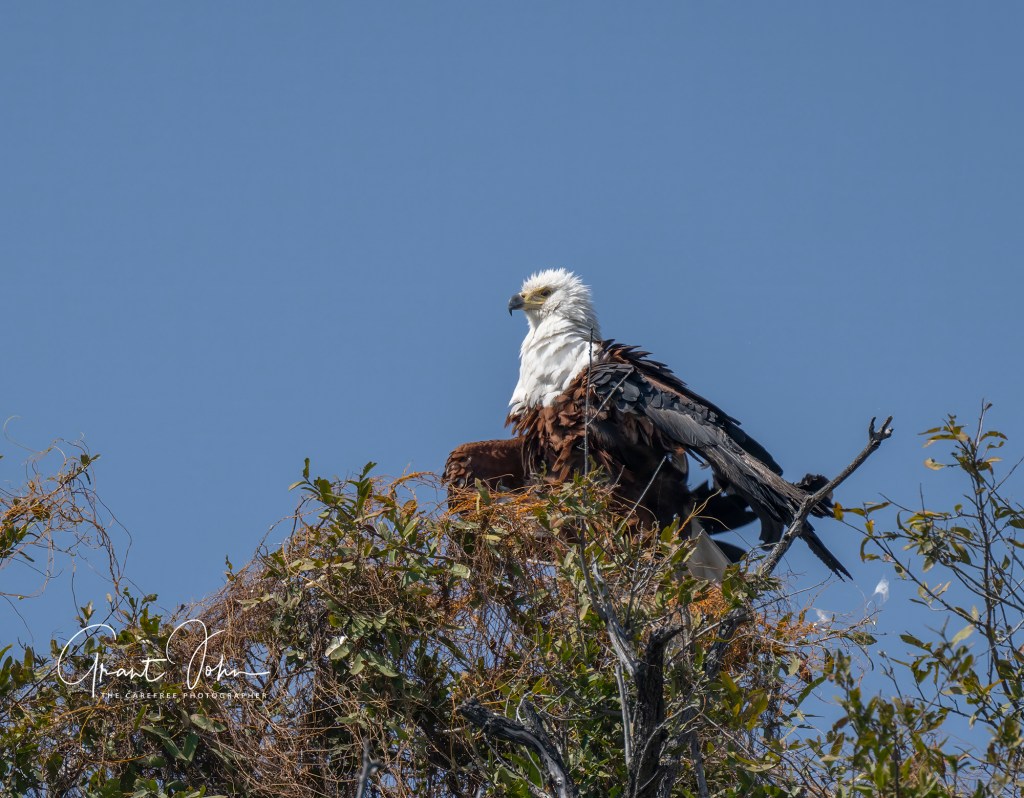
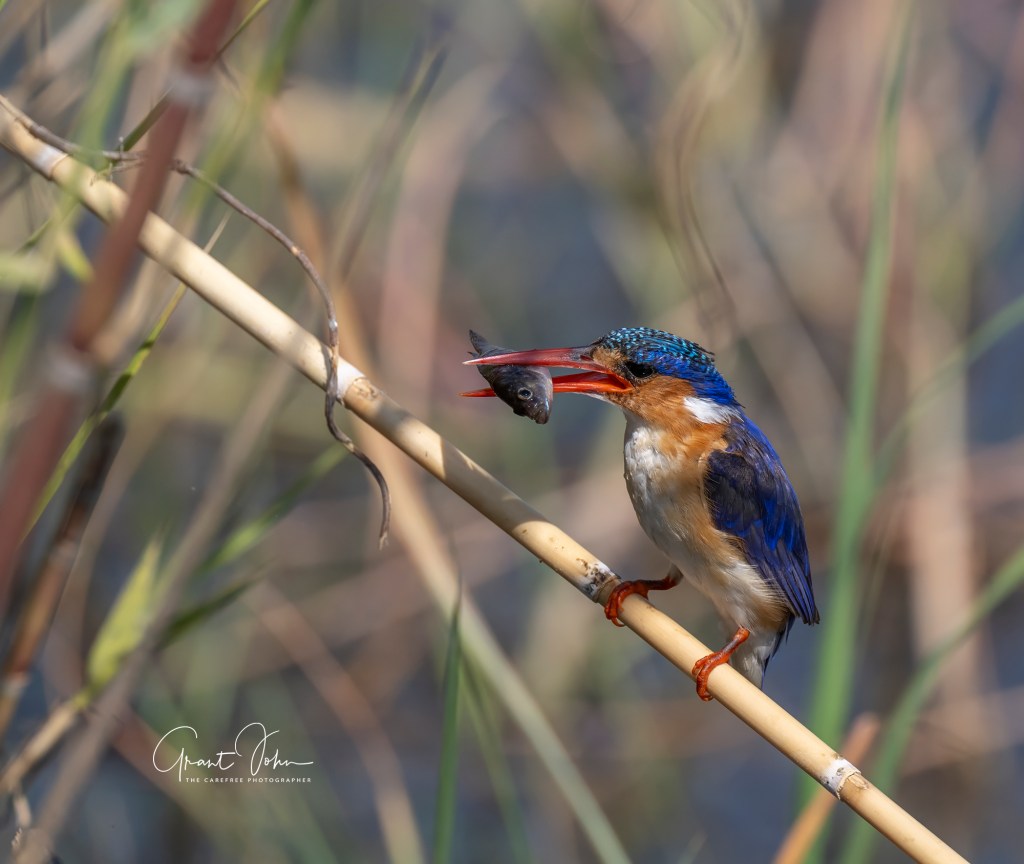
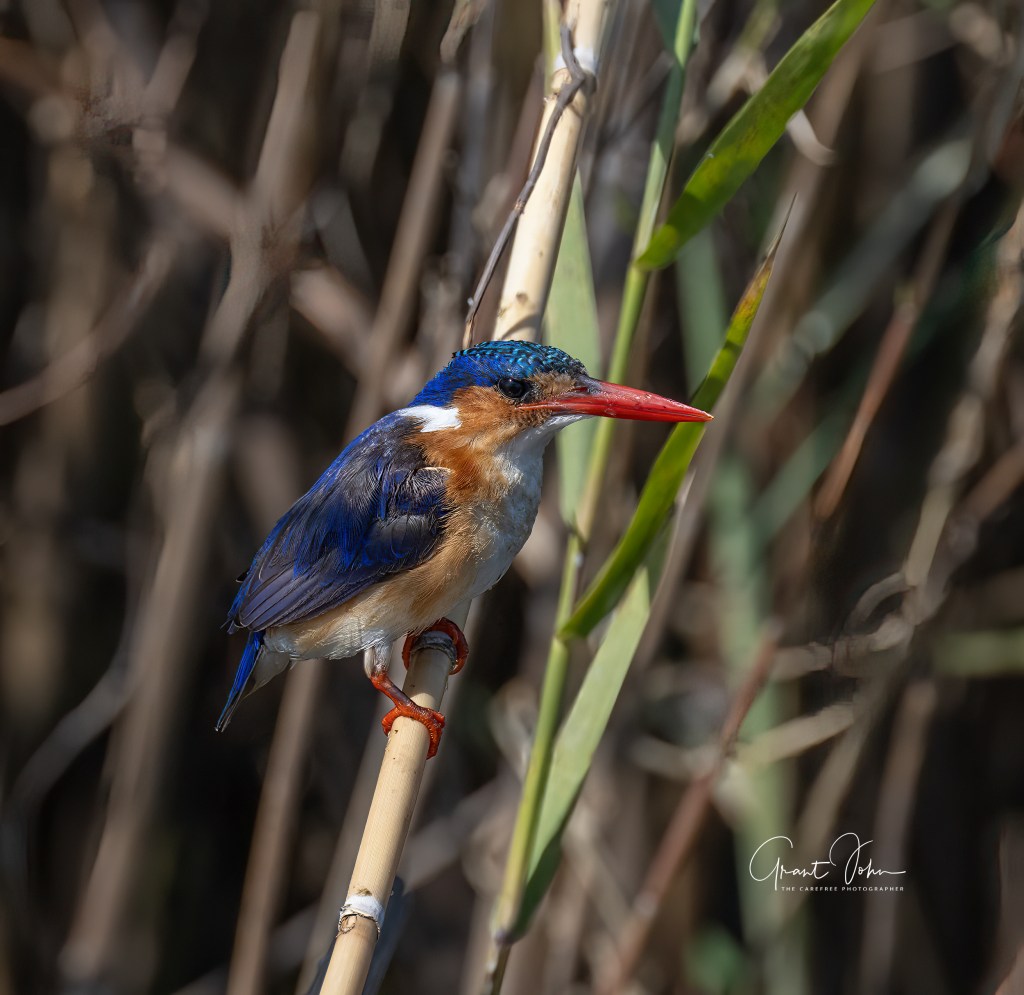
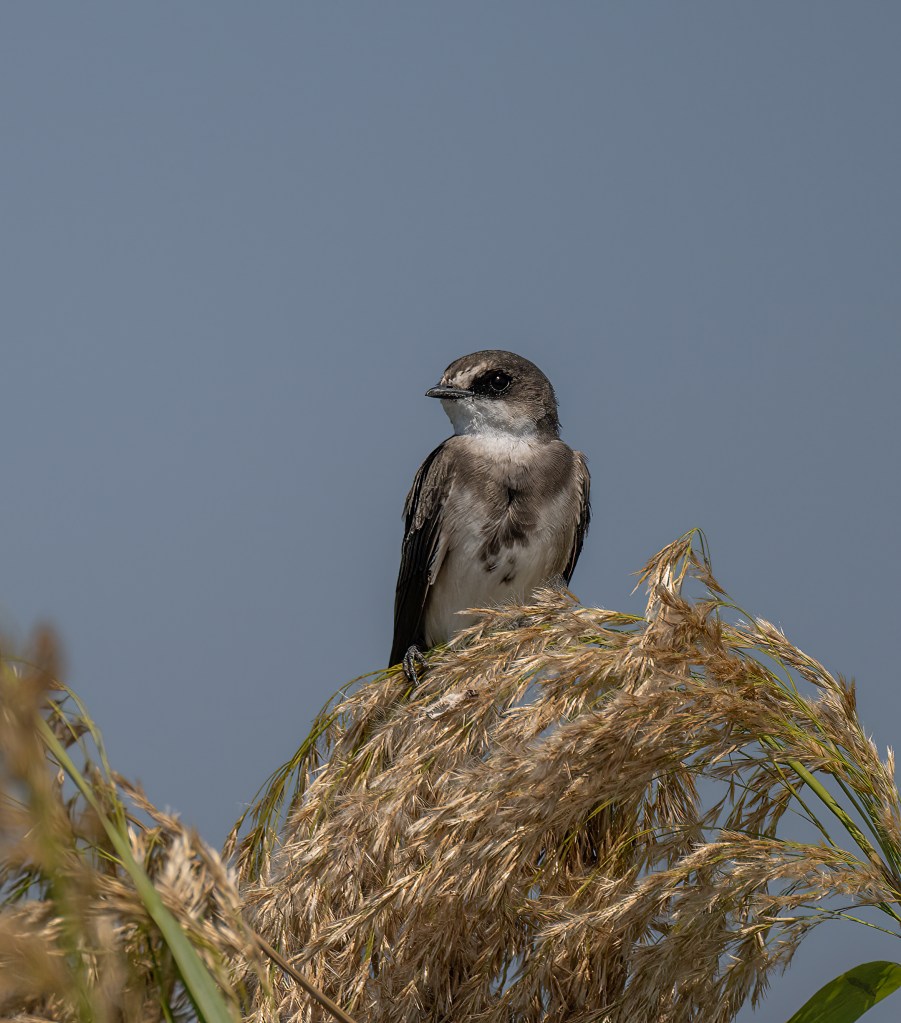
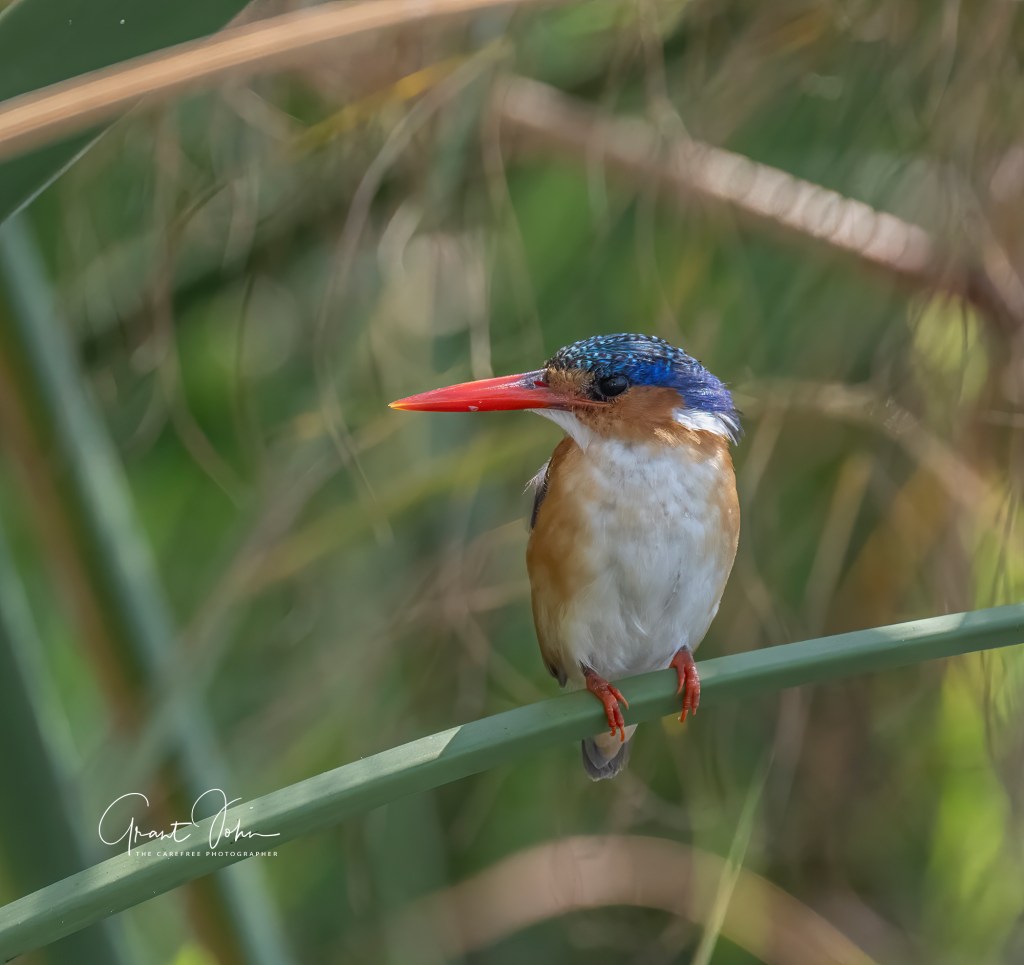
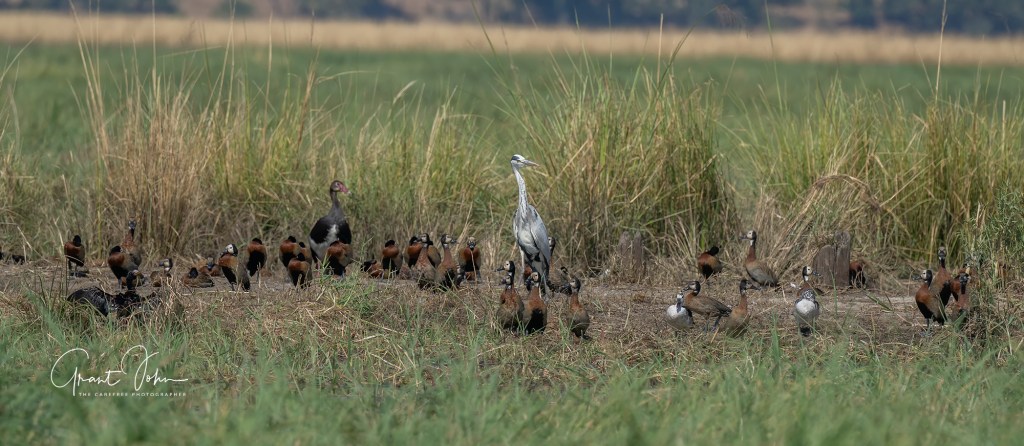
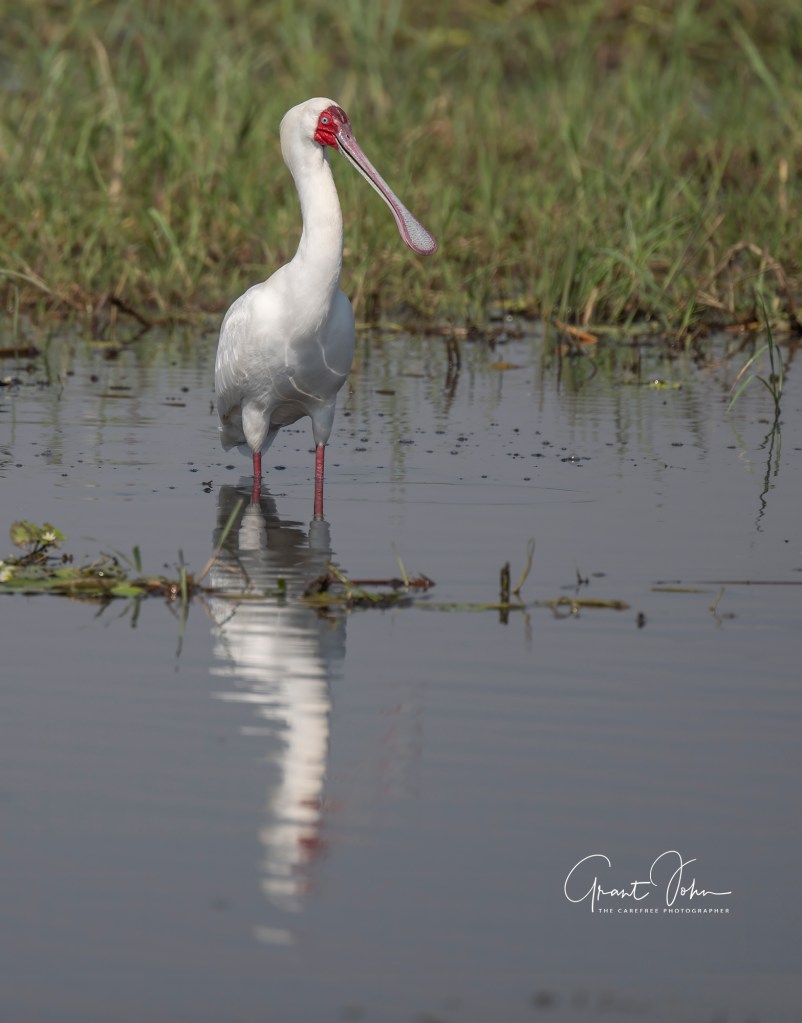
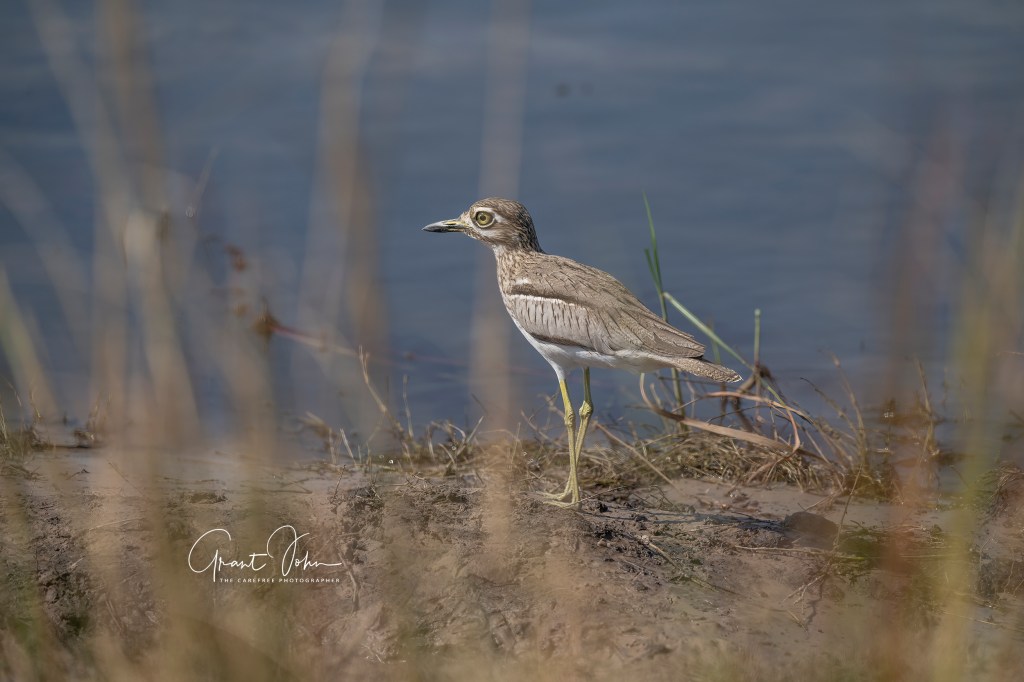
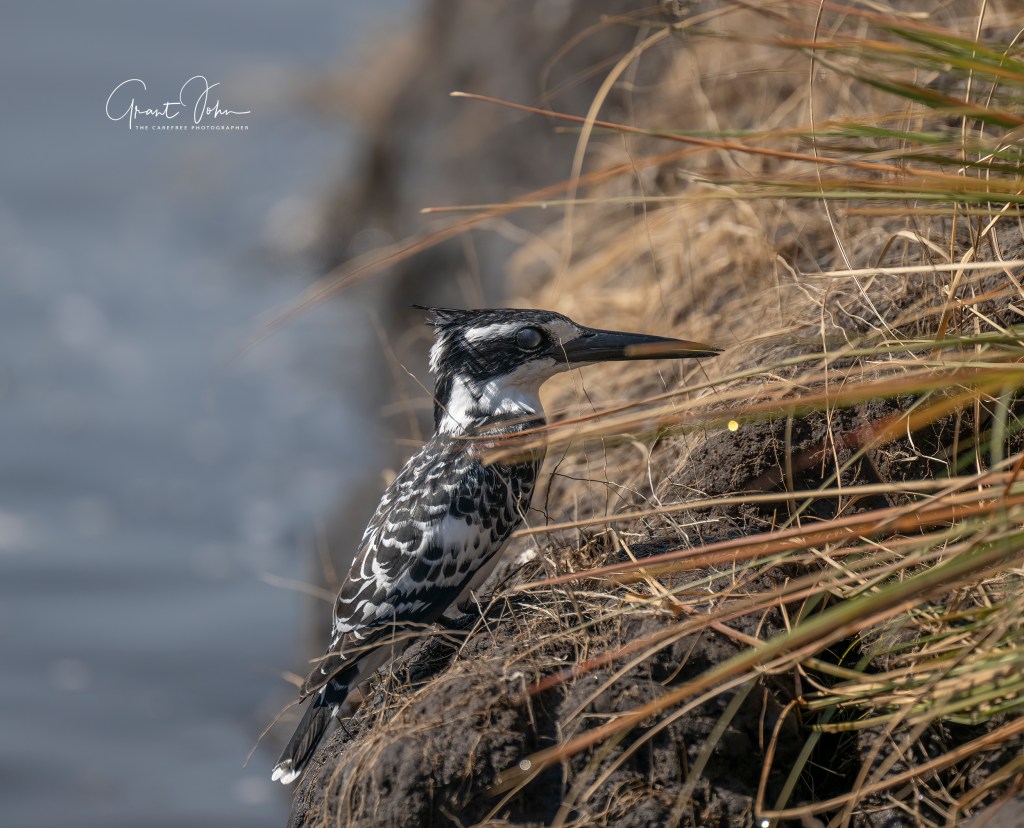
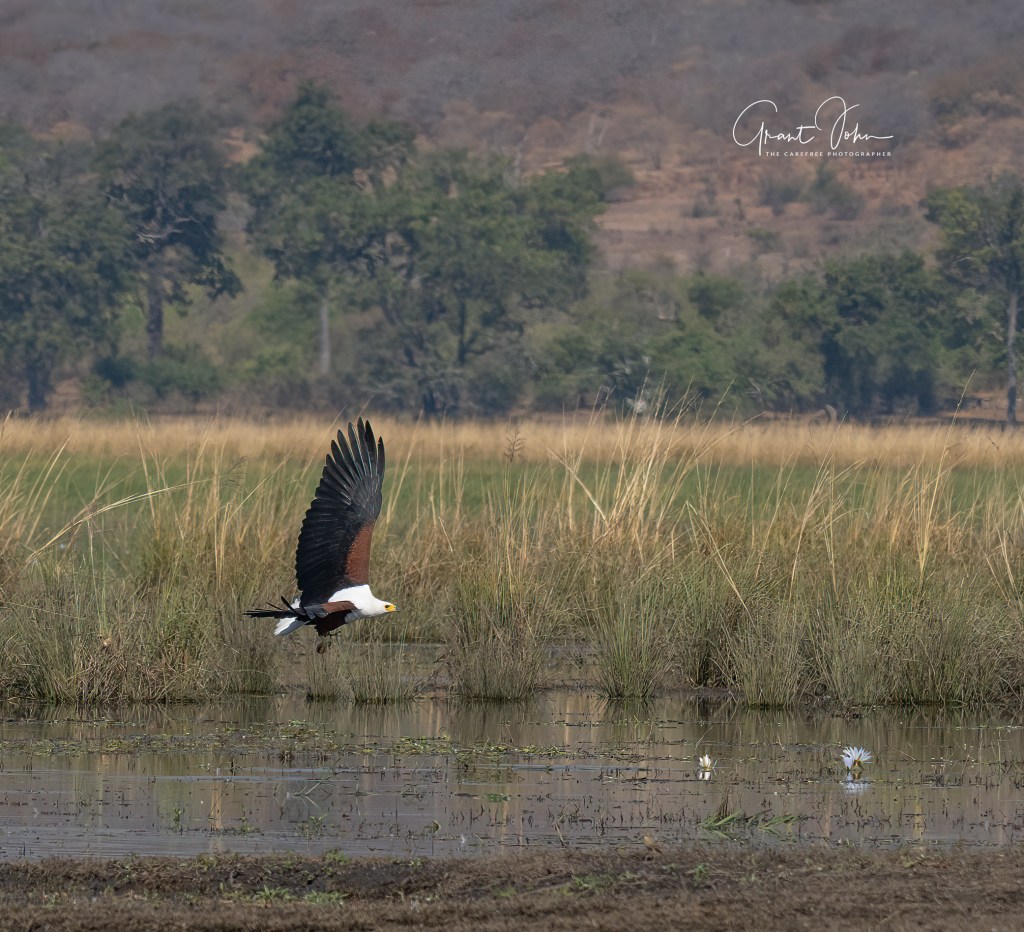
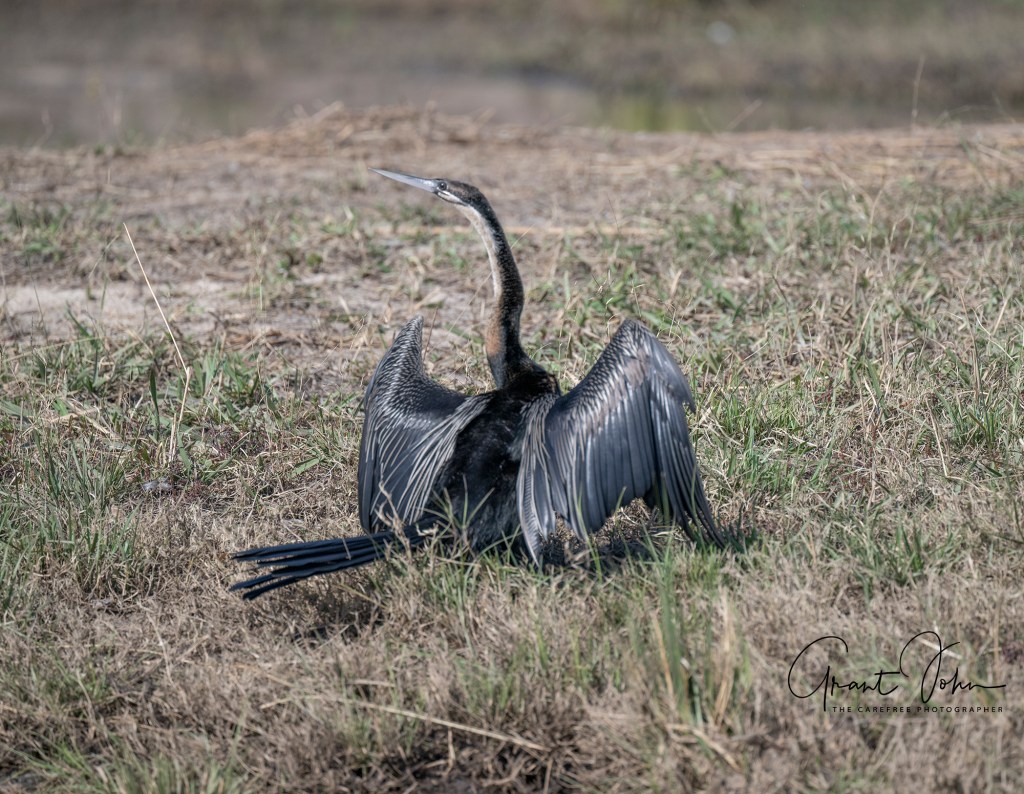
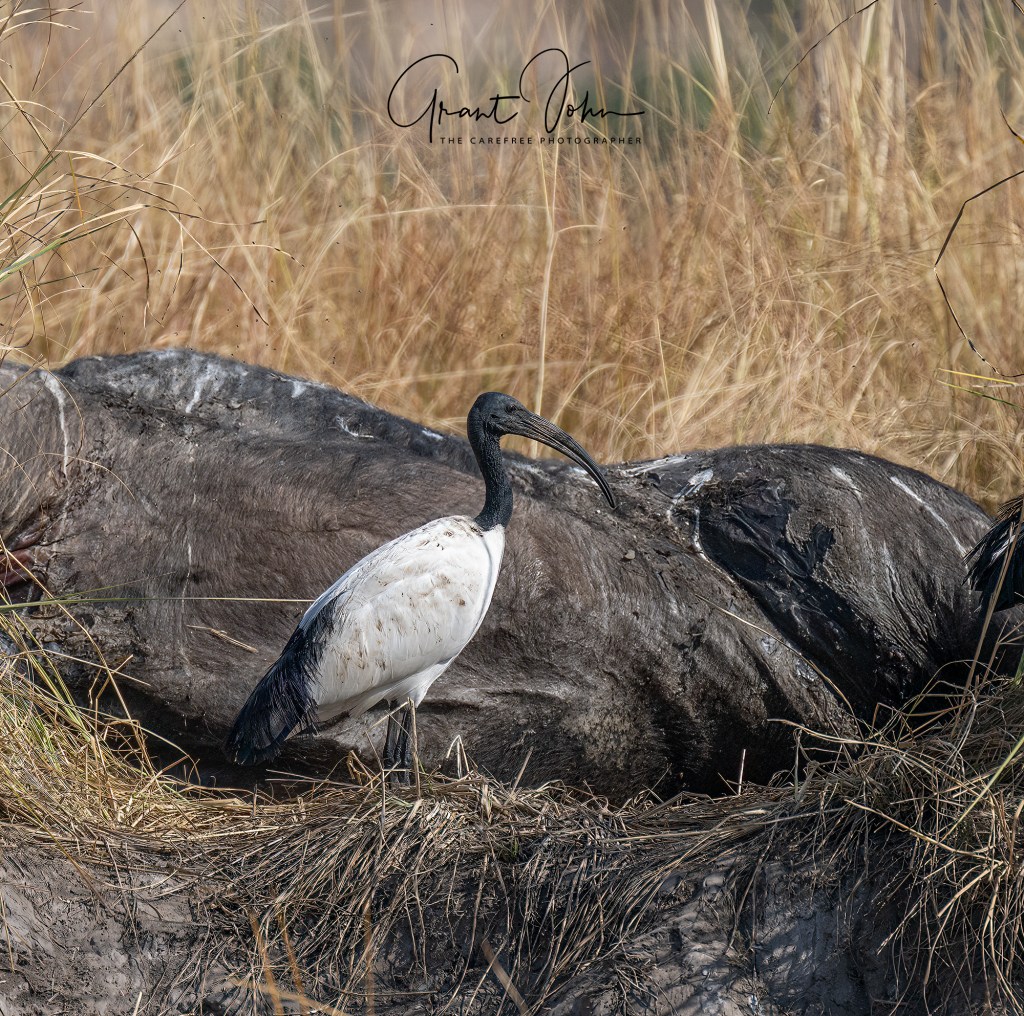
Every year when we go on safari in Botswana, we wrap up the trip with 3-4 nights in the Chobe area at Muchenje Lodge. Our normal routine there involves several hours each day on a comfortable boat cruising on the Chobe River. The abundance of wildlife is terrific, and the boat enables us to get very close to all of it including elephants, cape buffalo, hippos, lizards, crocs and so on. My personal favorites are the birds. Here are some of those wonderful creatures.












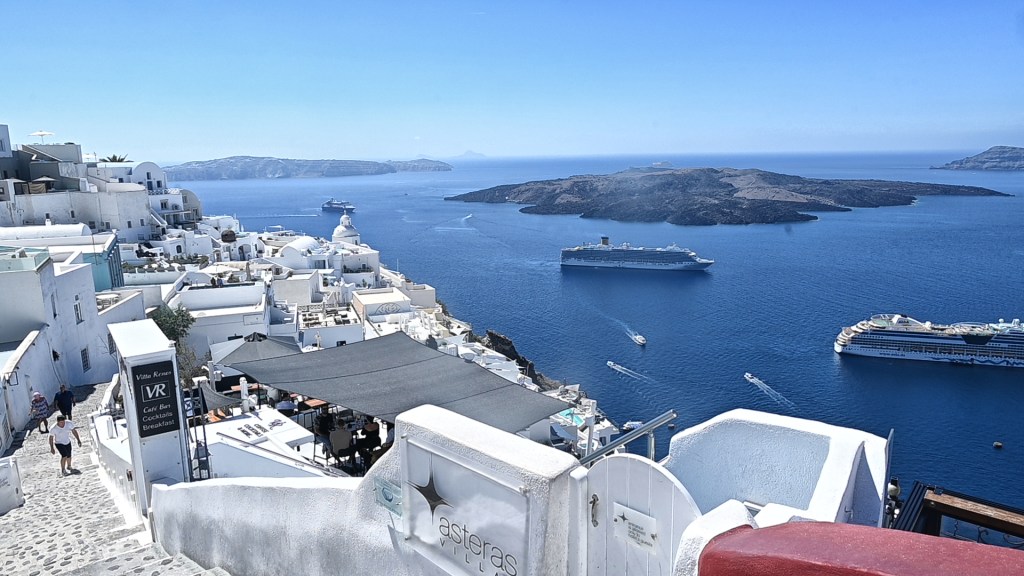
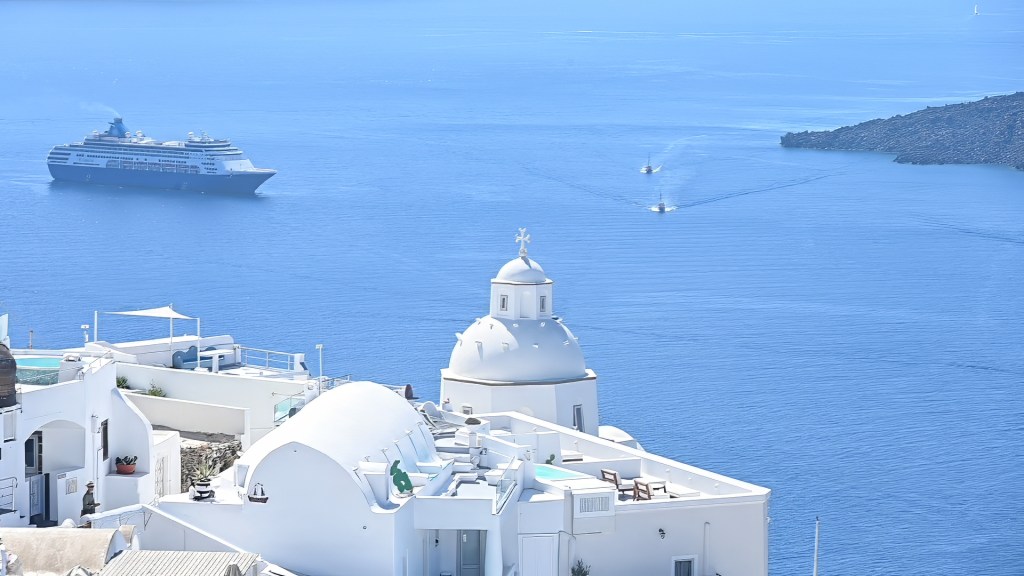
Ah yes, the most famous, popular, loved and visited Greek isle! Beautiful indeed, but we visited this island along with four large cruise ships – maybe 10,000 people! Our director rescheduled our tour to minimize conflict and crowds – helped a little.
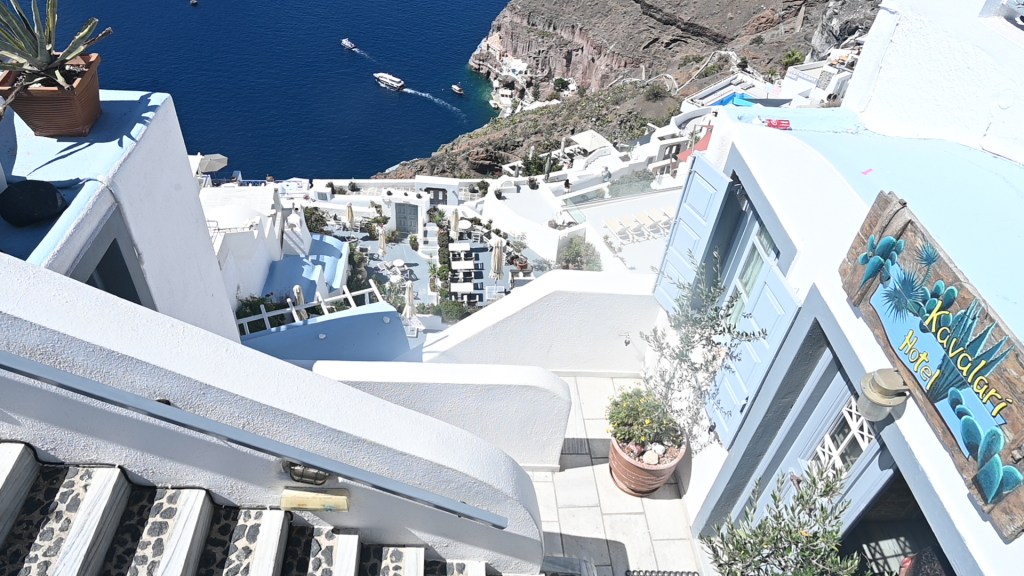
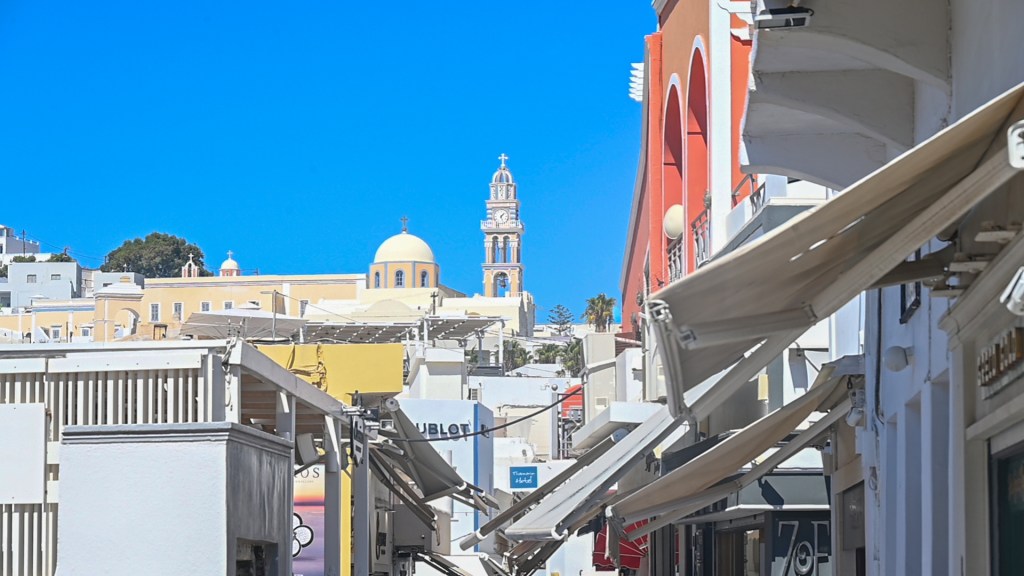
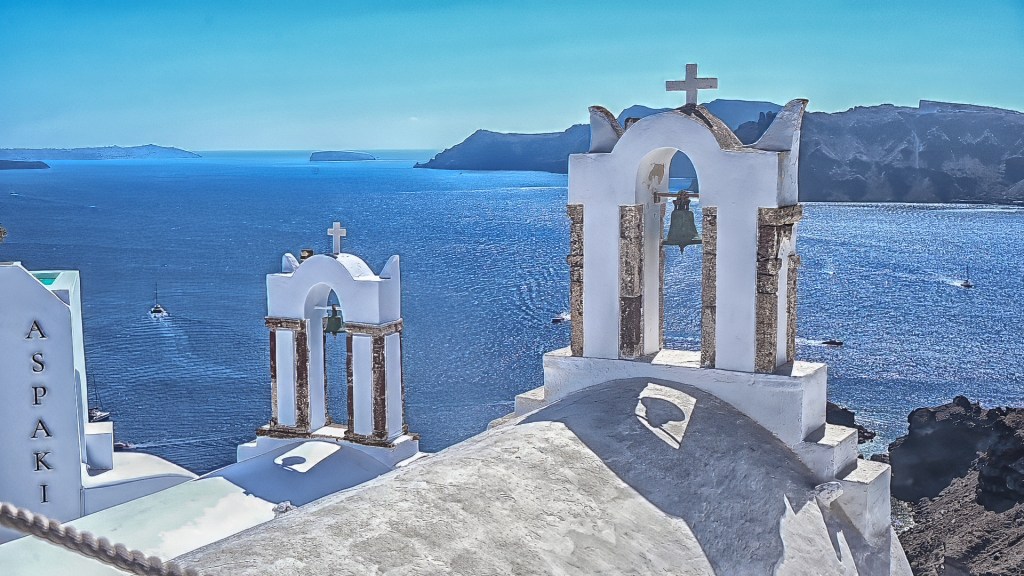
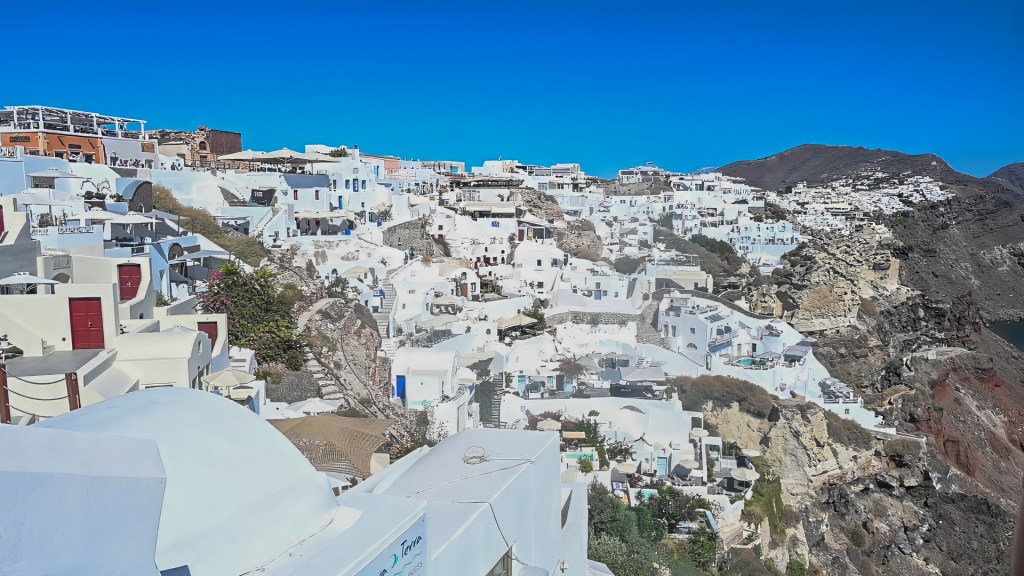
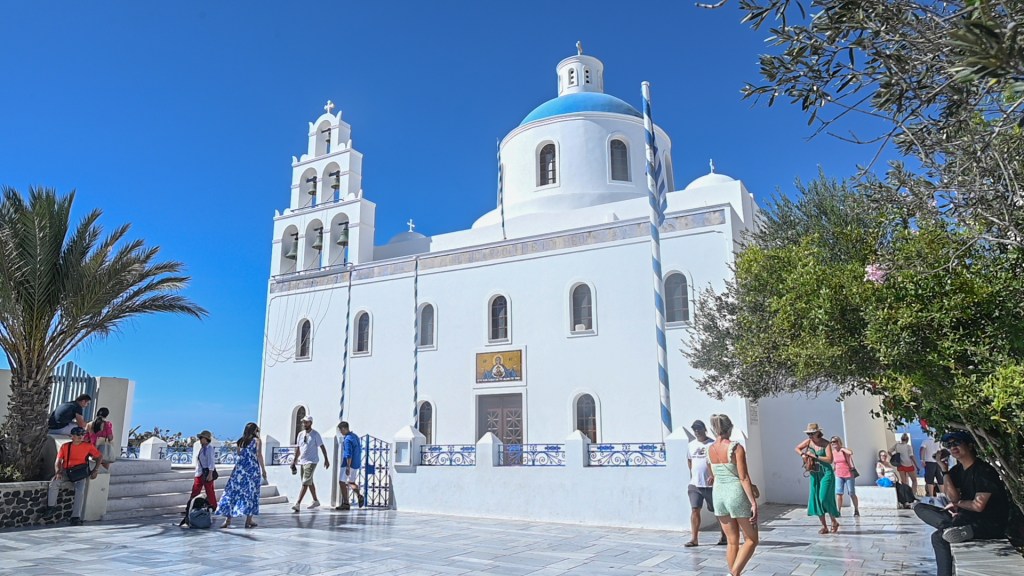
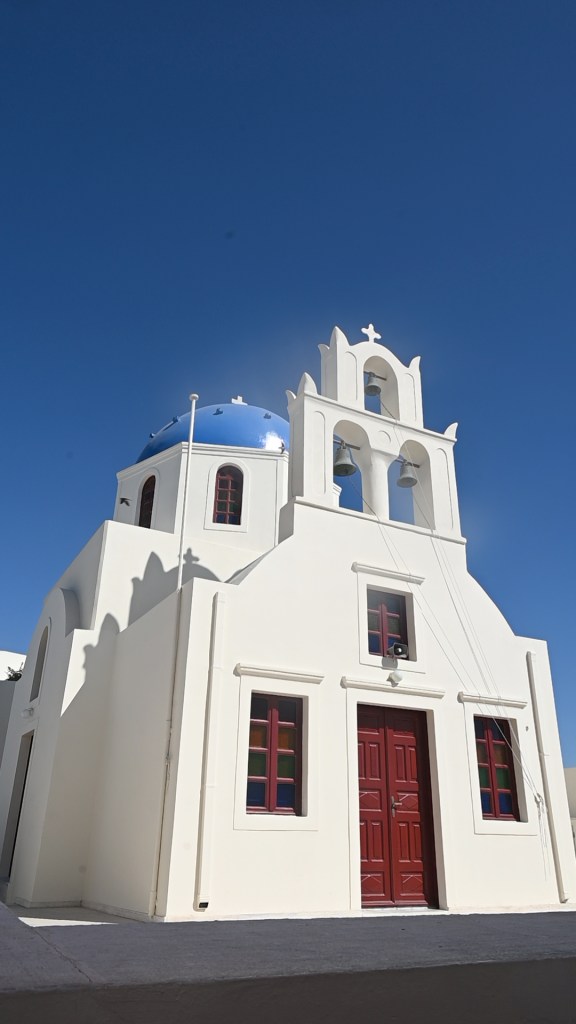
Santorini is a flooded caldera (a collapsed volcanic crater) with a long arc of cliffs rising a thousand feet above sea level. The main town is Fira, with primary services and museum. The most scenic town is Oia (EE-ah) on the northern tip, with its chalk white houses and vivid domes.
The five islands that make up the Santorini archipelago are known as Thira, also the Greek name for the main island. Santorini is named after an early Christian cathedral. These were created by volcanic activity millions of years ago. The first major eruption occurred 21000 years ago and created the caldera seen today. The “Minoan Eruption” in 1630 BC was one of the largest in human history; residents must have had early warnings sand vacated the area since no skeletal remains have been found.
Akrotiri
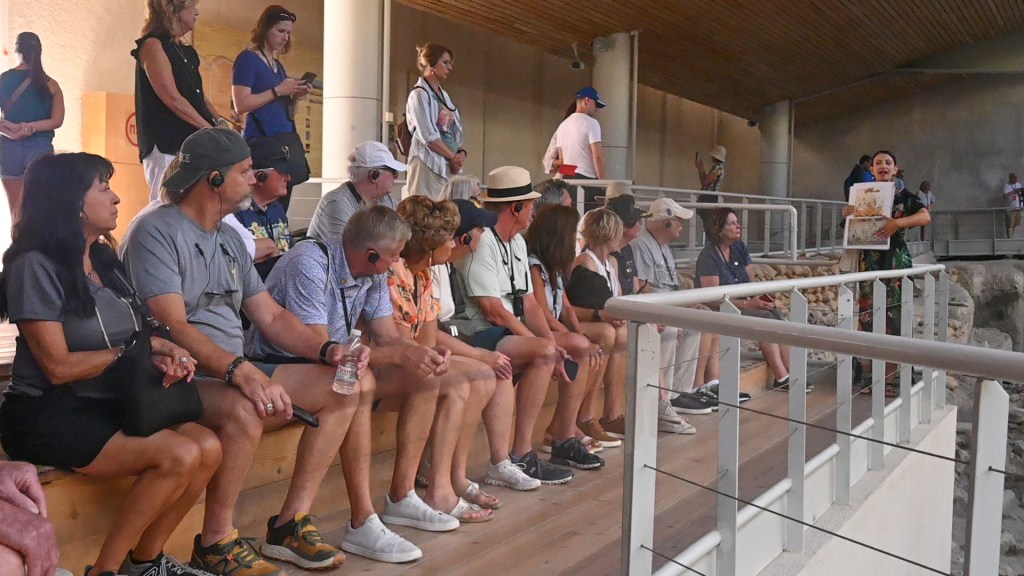
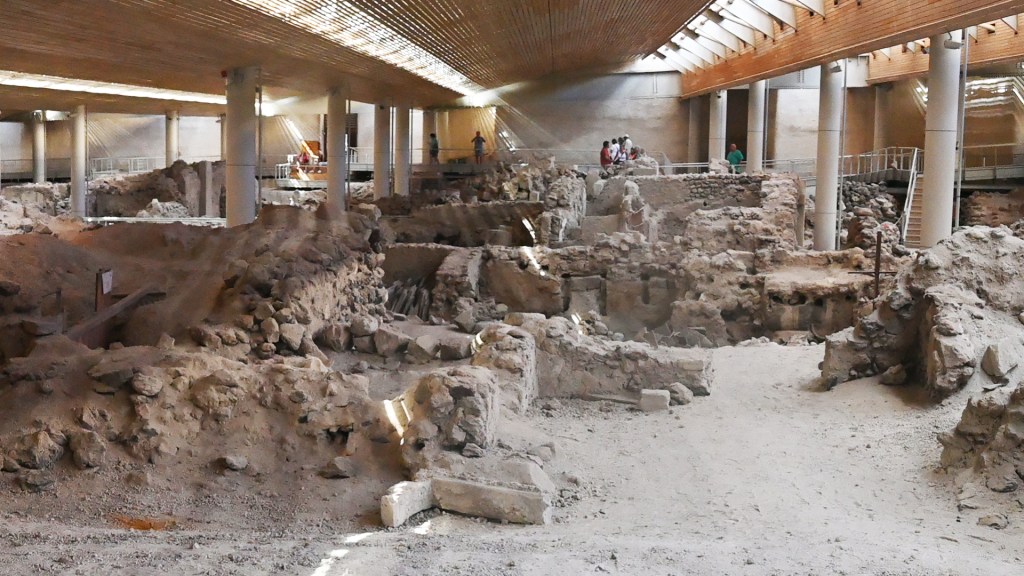
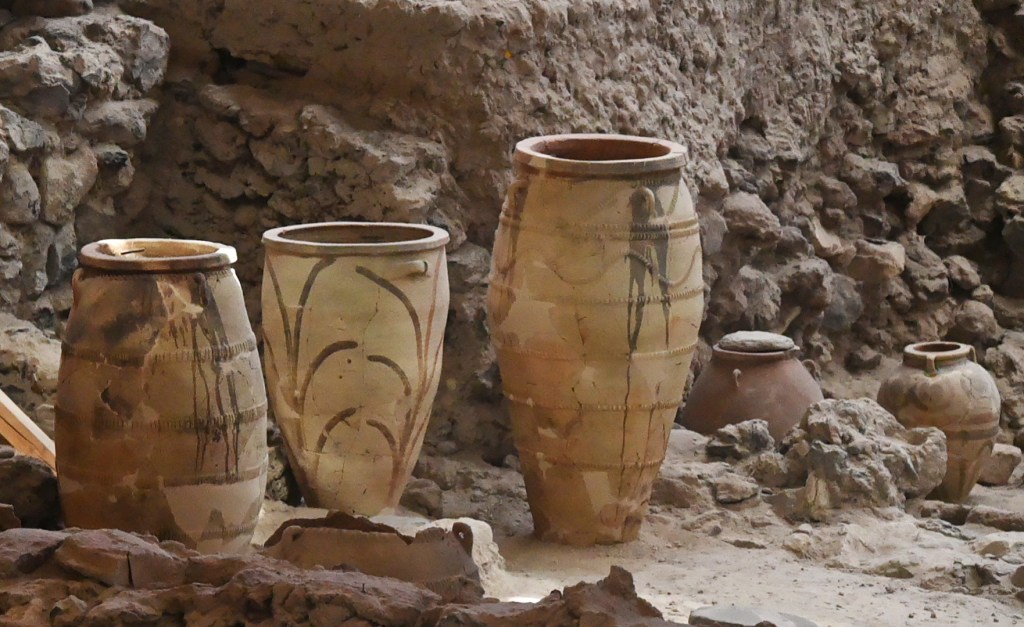
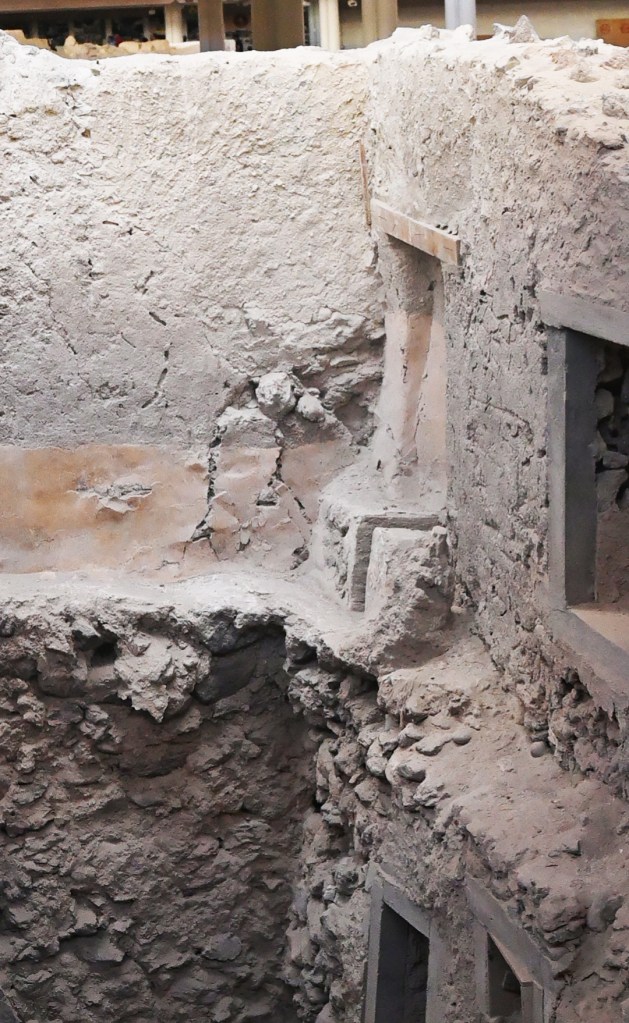
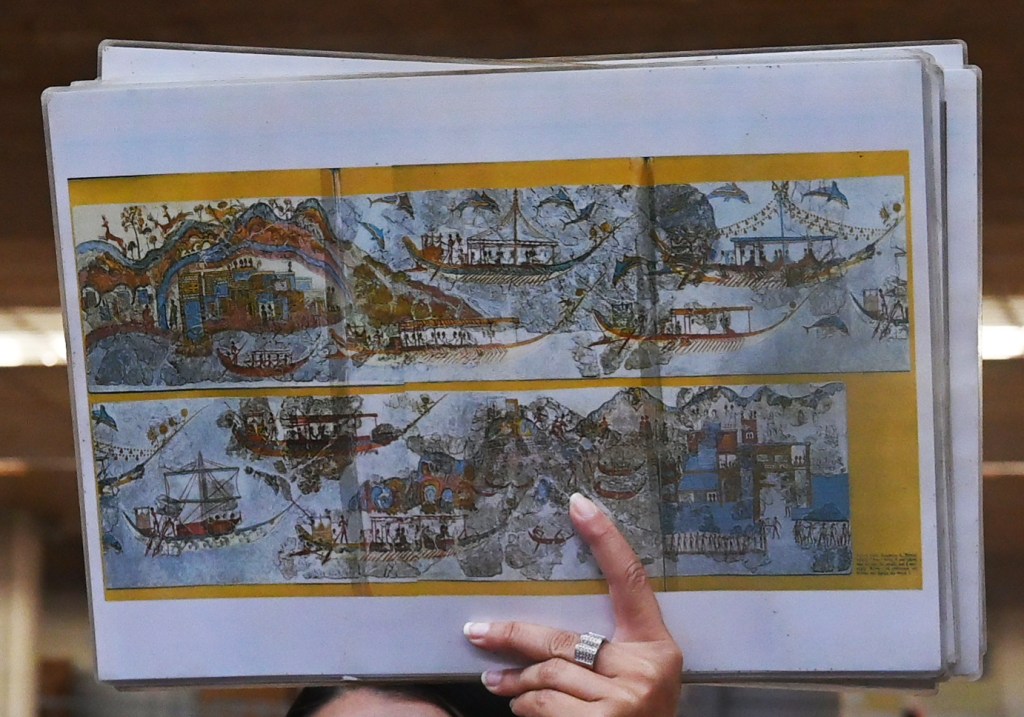
We visited The Akrotiri Archaelogical site first. These ruins were buried under ash during the Min1630 BC eruption. Excavations started in the 1860’s, although less than 10% of the site has been uncovered. This site is about 1500 years older than Pompeii!




Fira


Oia






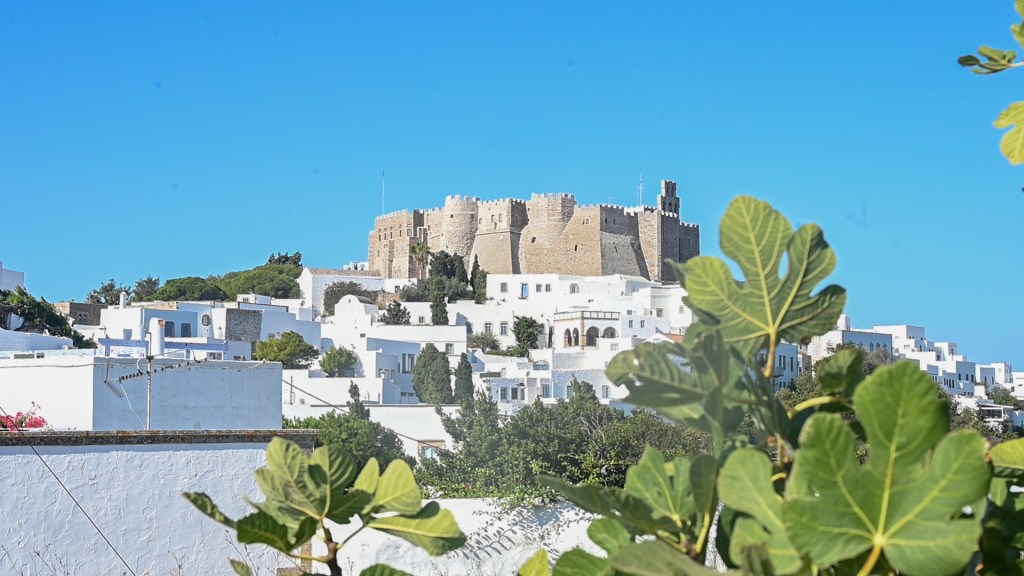
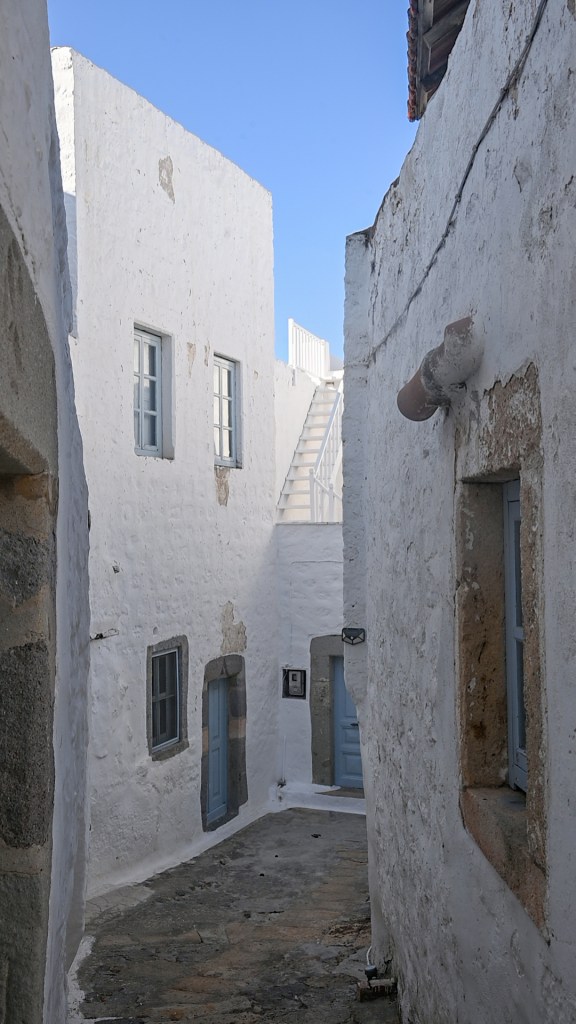
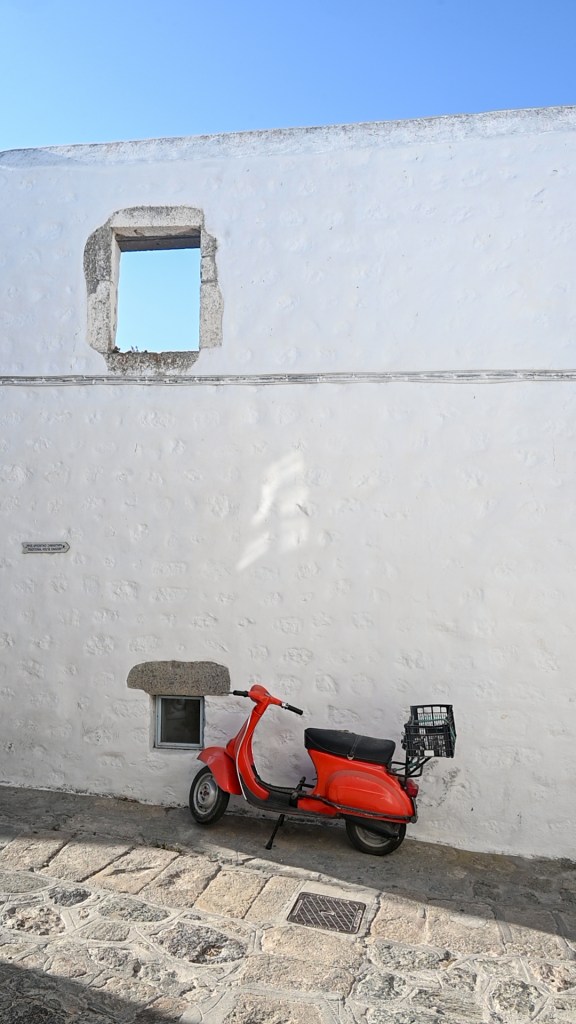
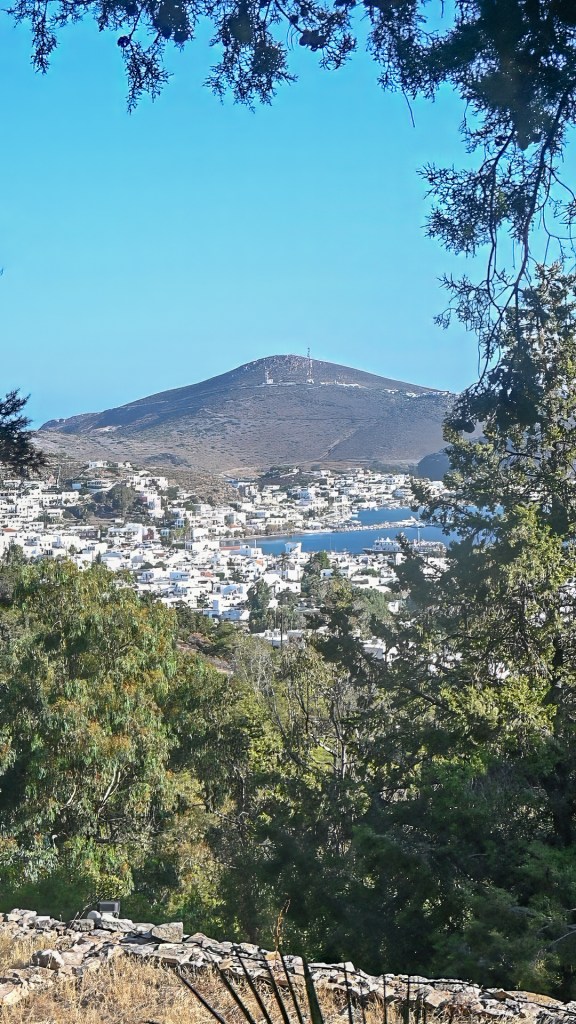
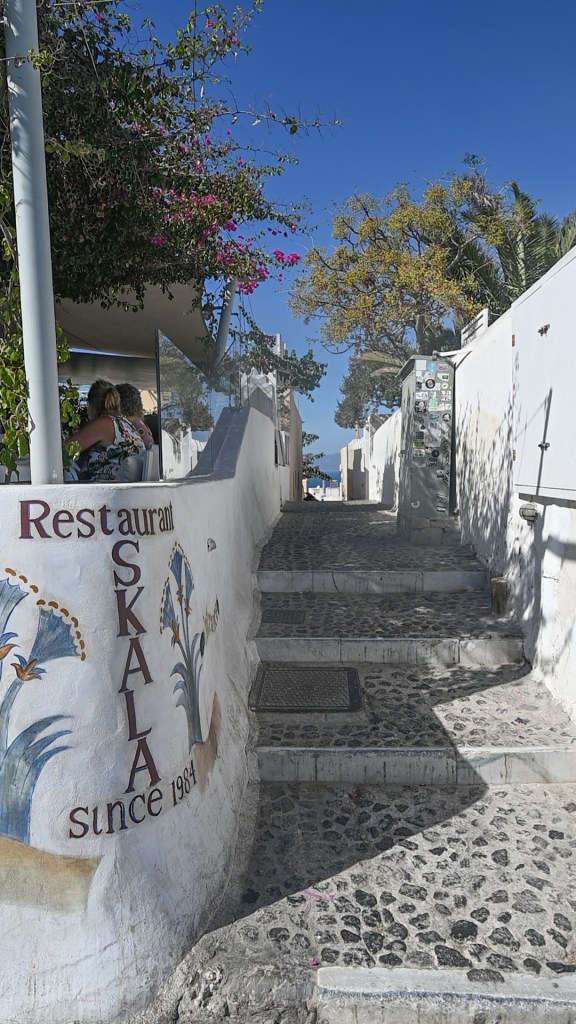
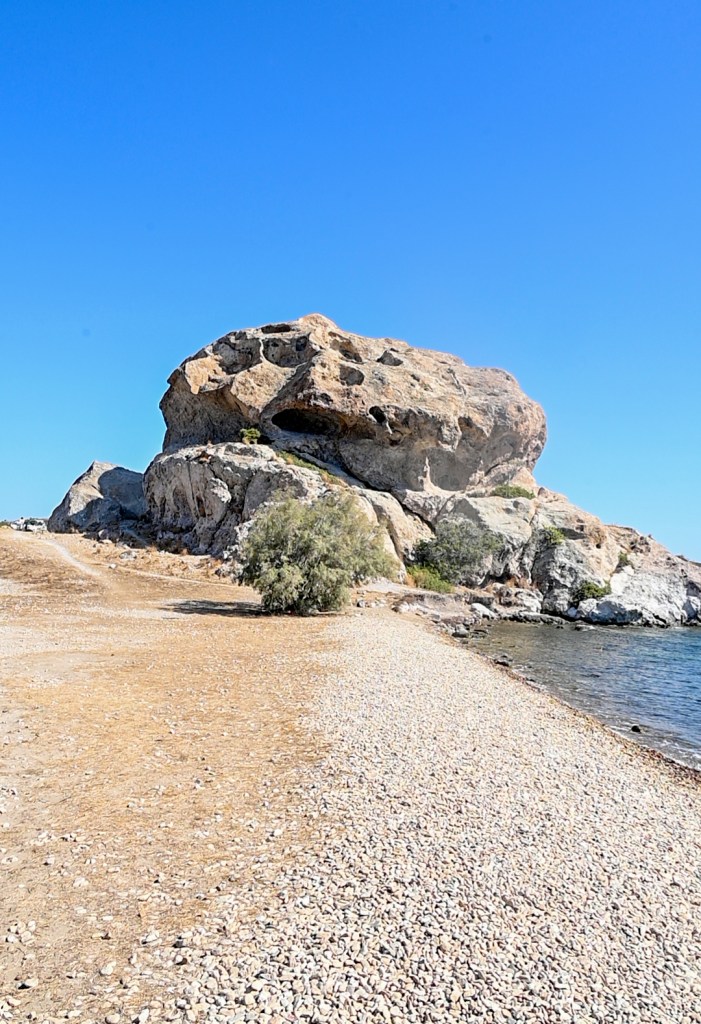
Patmos is one of the northernmost islands of the Dodecanese complex in the Aegean Sea. It is famous as the location where John of Palmos received the visions found in the Book of Revelation of the New Testament, and where the book was written. In 1999 the island’s historic center Chora, along with the Monastery of Saint John the theologian, and the Cave of the Apocalypse, were declared World Heritage sites because of their significance in Christianity. We found this to be a very pretty island with virtually no tourists! Principal towns include the port of Skala and the hilltop center of Chora.
Stroll around Chora

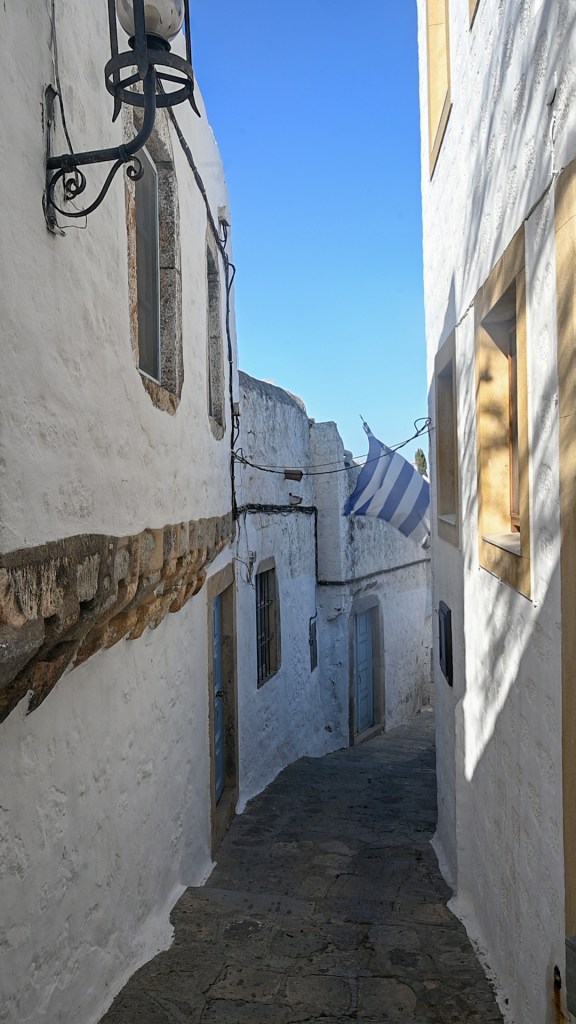

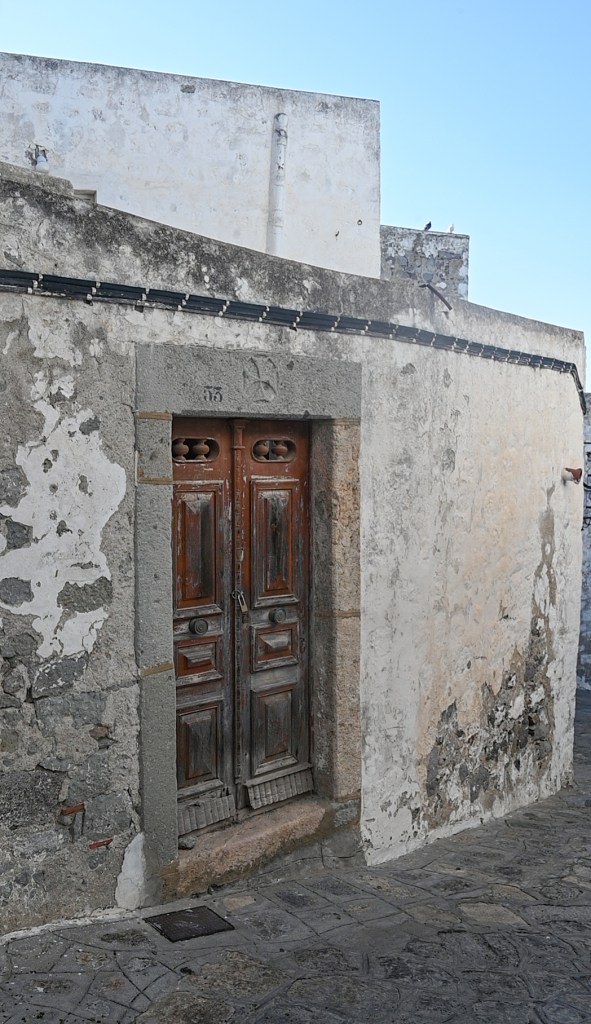
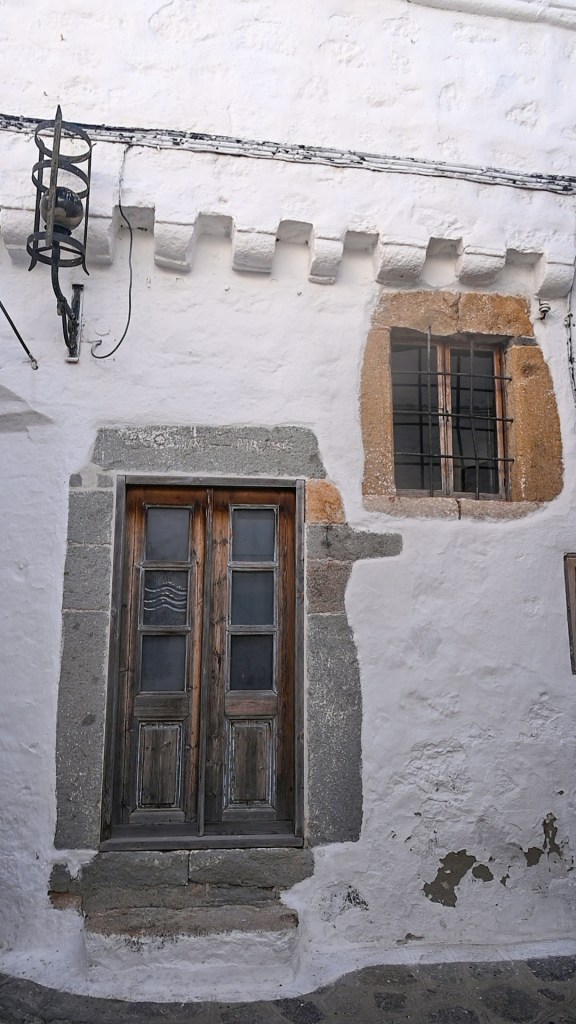
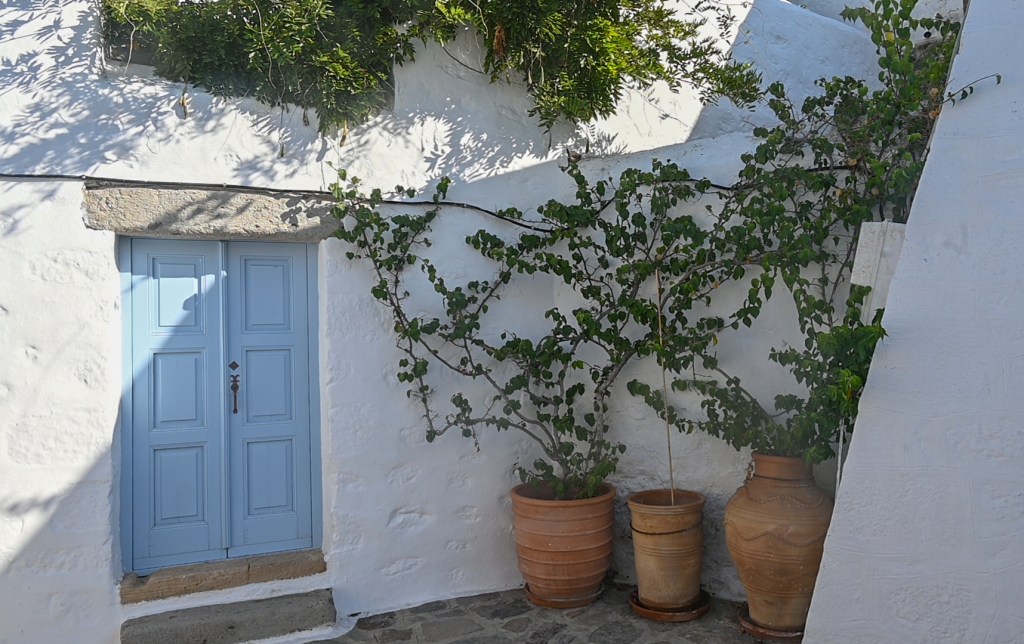

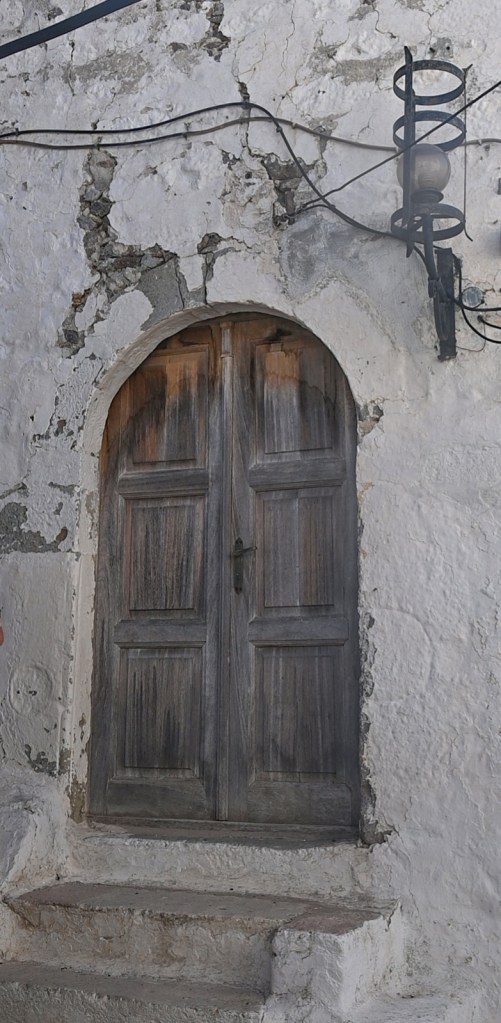

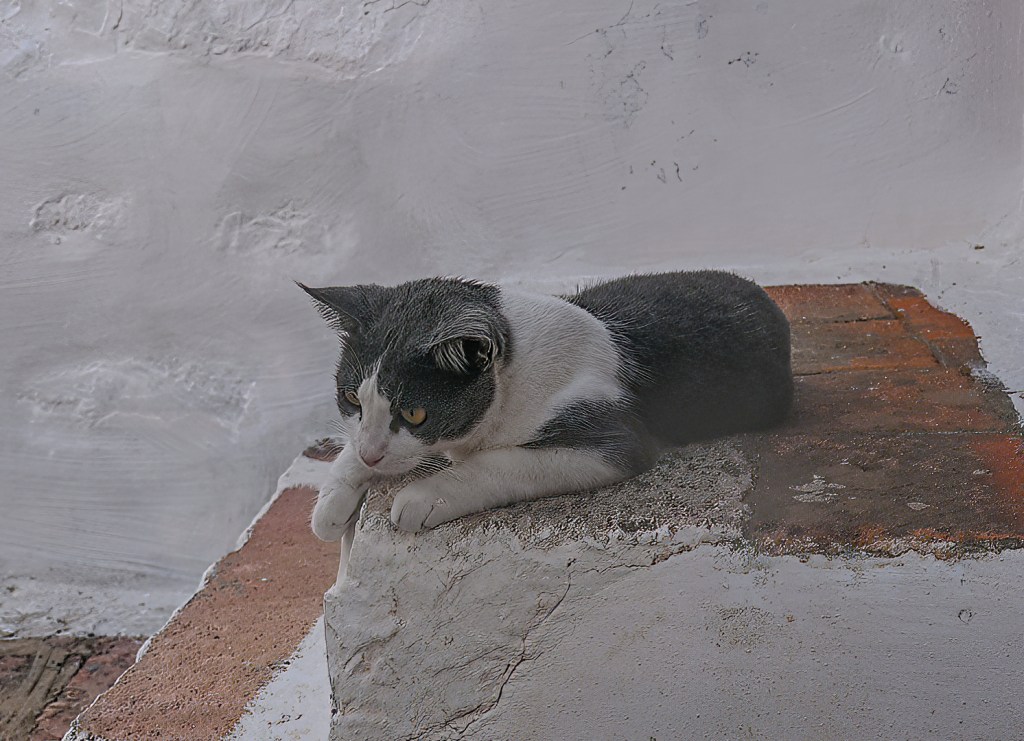


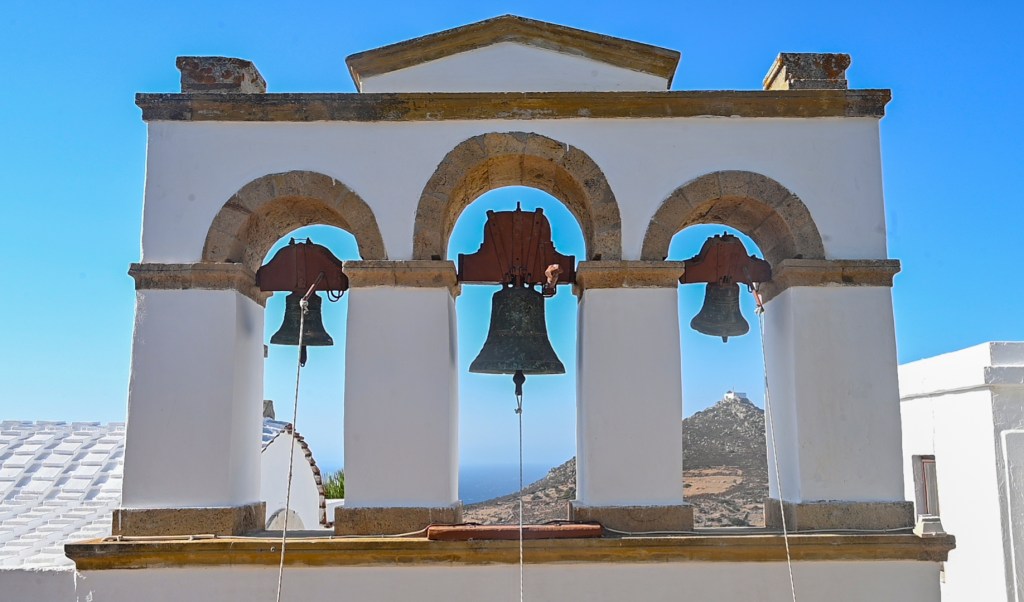

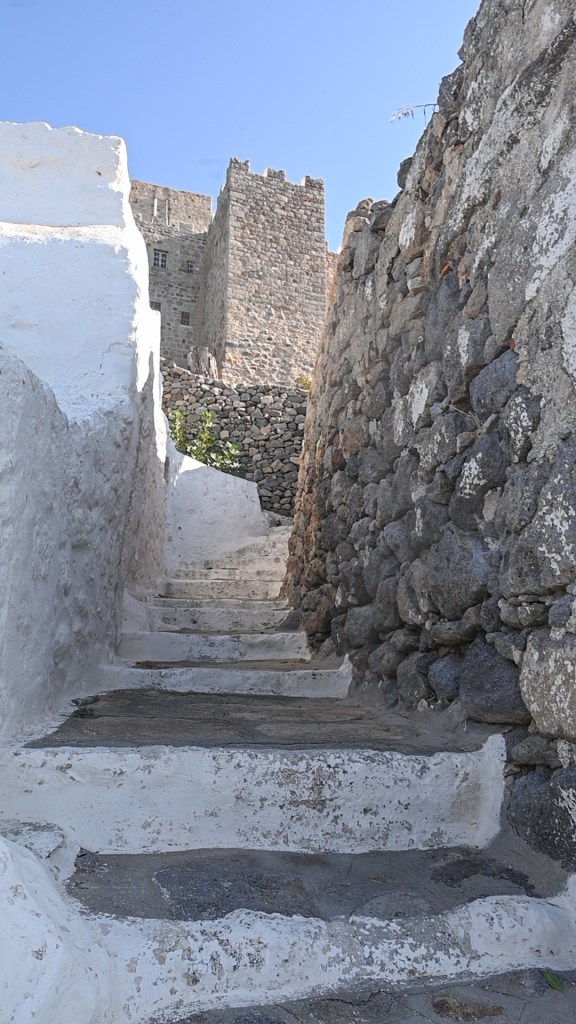
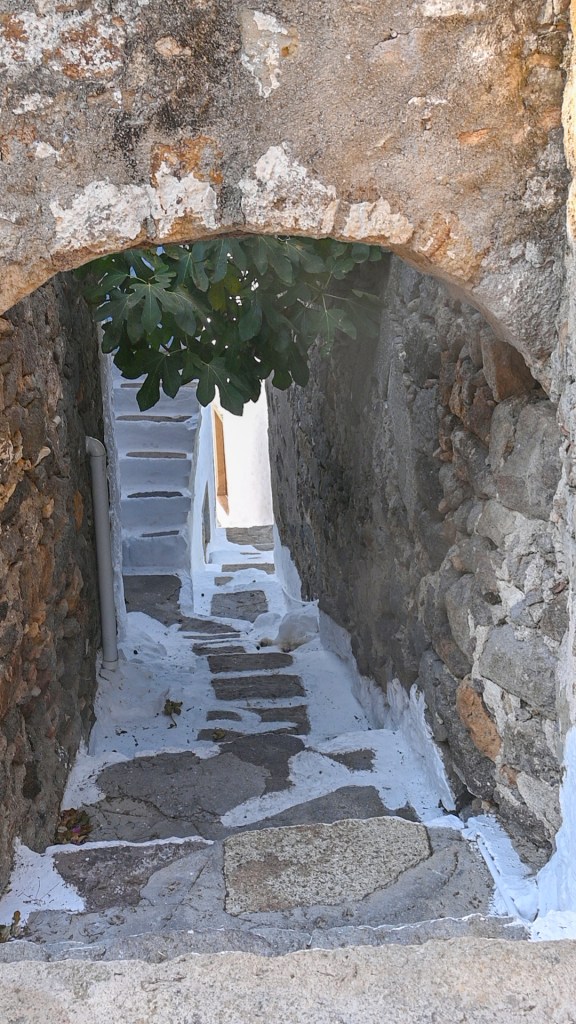


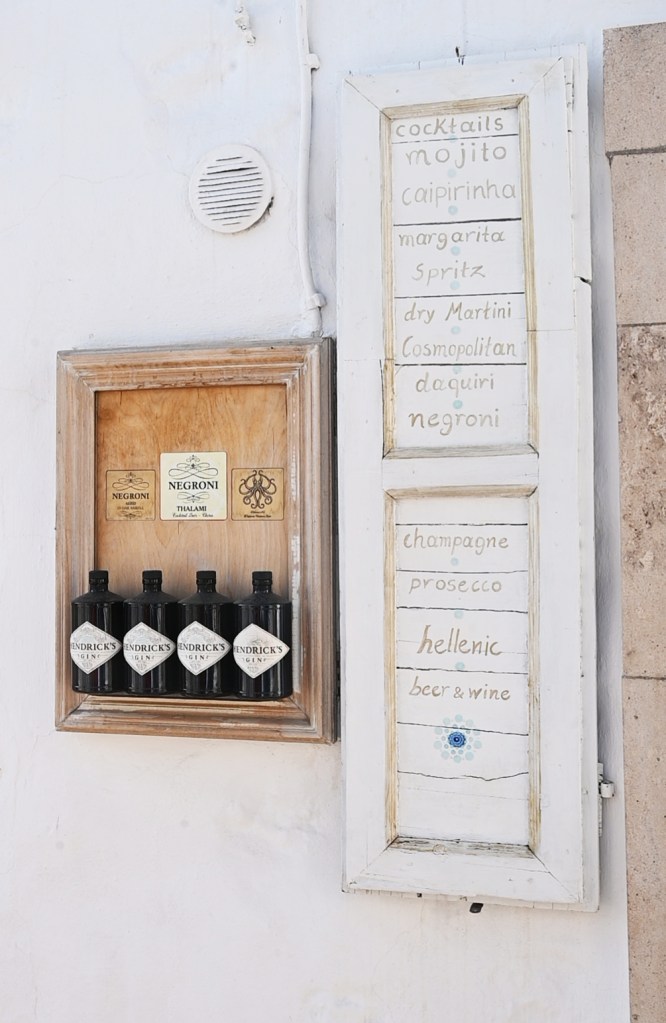
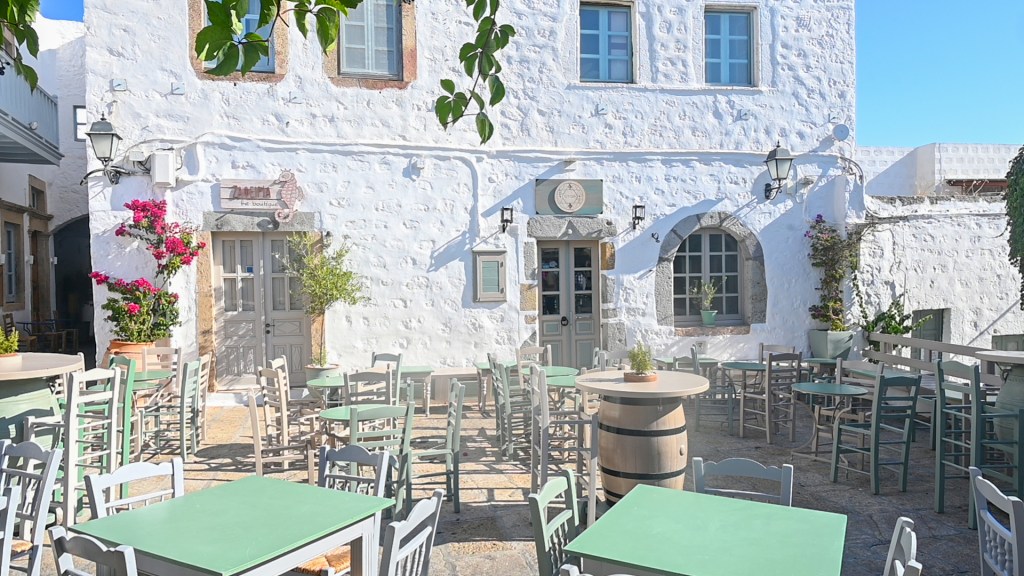
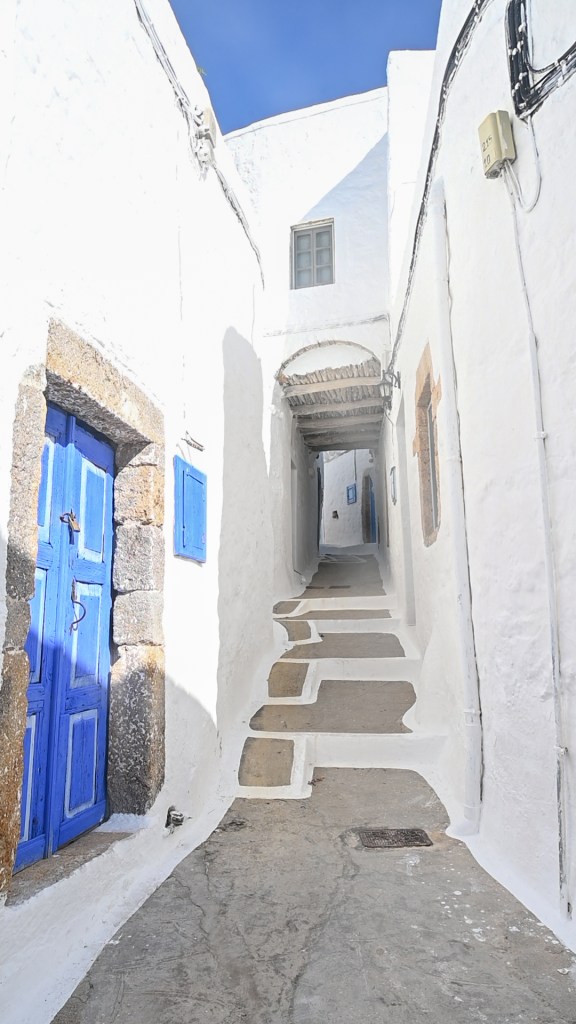

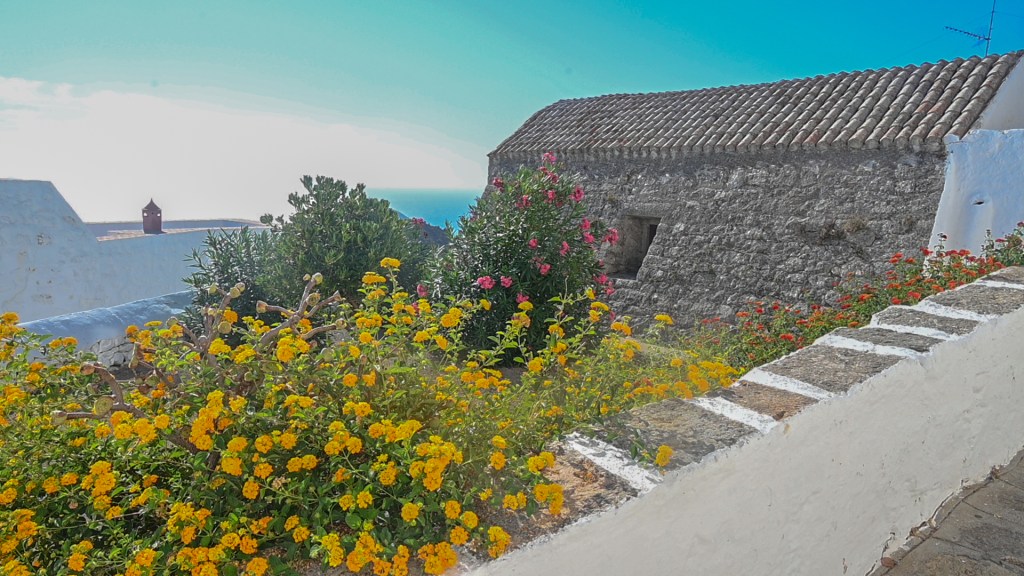


Views


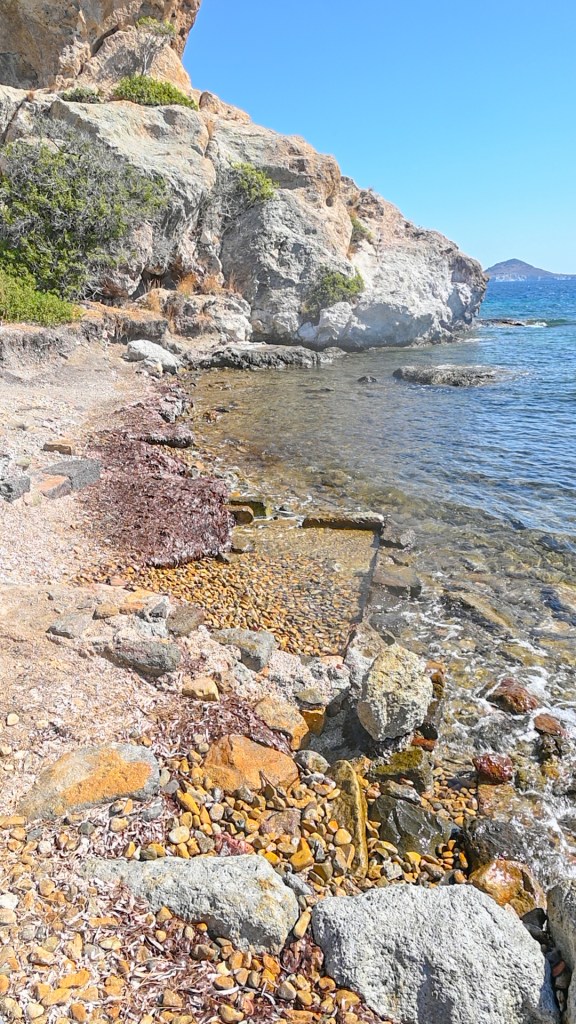


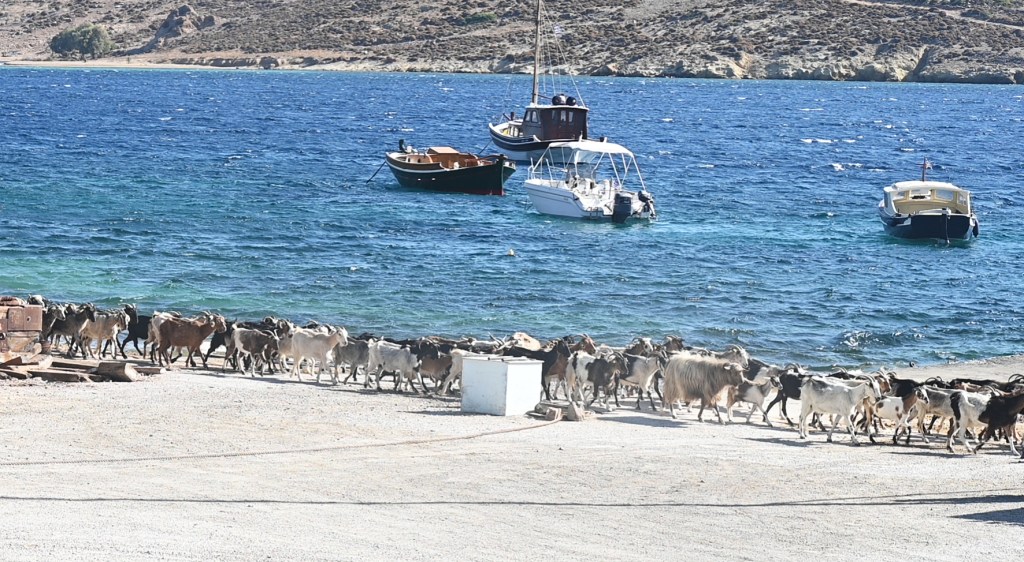


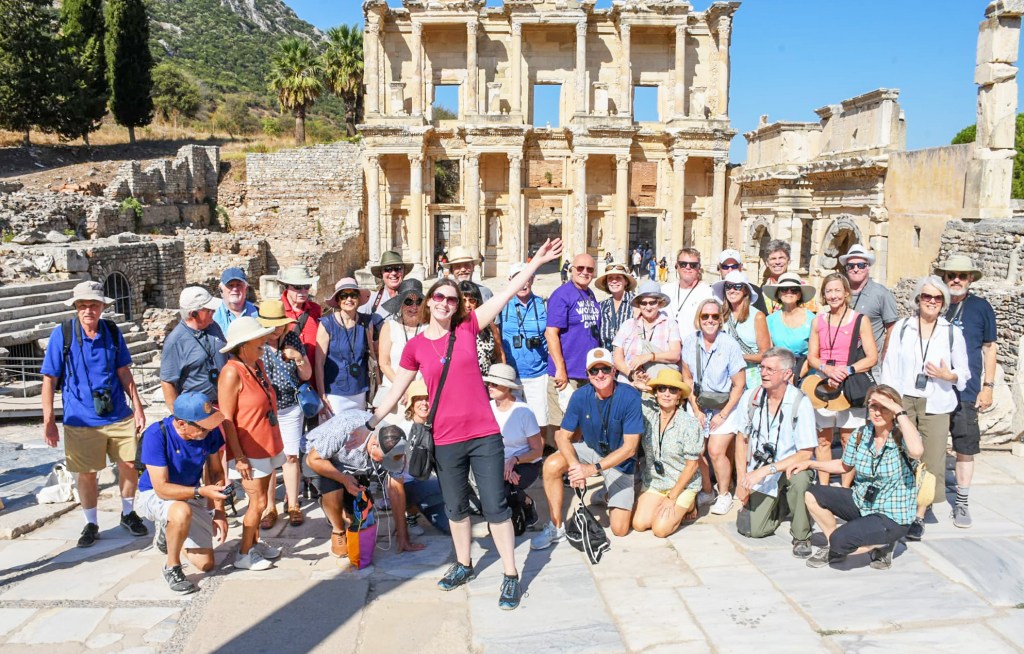
Next stop Kusadasi, Turkey, the port for those going to visit Ephesus. This is the ruins of one of the most important cities of the Roman Empire, and among the top archaeological sites anywhere. At its peak in the first and second centuries AD, Ephesus was one of the grandest cities of the ancient world (along with Alexandria, Antioch and Rome itself). At the time more than 250,000 people lived there. The city grew as a seaport and the worship center of the goddess Artemis.By 500 BC it was a bustling cultural capital on the Mediterranean.
The physical location of ancient Ephesus mover over time. The Meander River tended to shift its path, and the valley’s sandy soil constantly moved.When the sea silted up in the fourth century BC, the Ephesians relocated their city farther up the valley where the ruins now sit. It reached its peak under Emperor Augustus, who made it the Roman capital of Asia in 27 AD.
Ephesus’ prominence attracted some of the earliest followers of Christ. St. John came about 50 AD when he wrote his First Epistle to the Corinthians. It lost its position when raiding barbarians looted the city in AD 263.
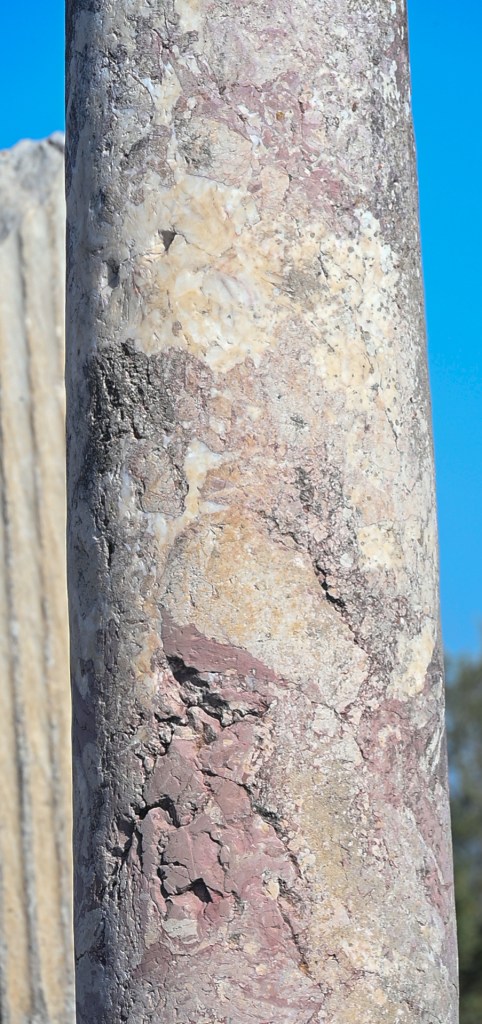
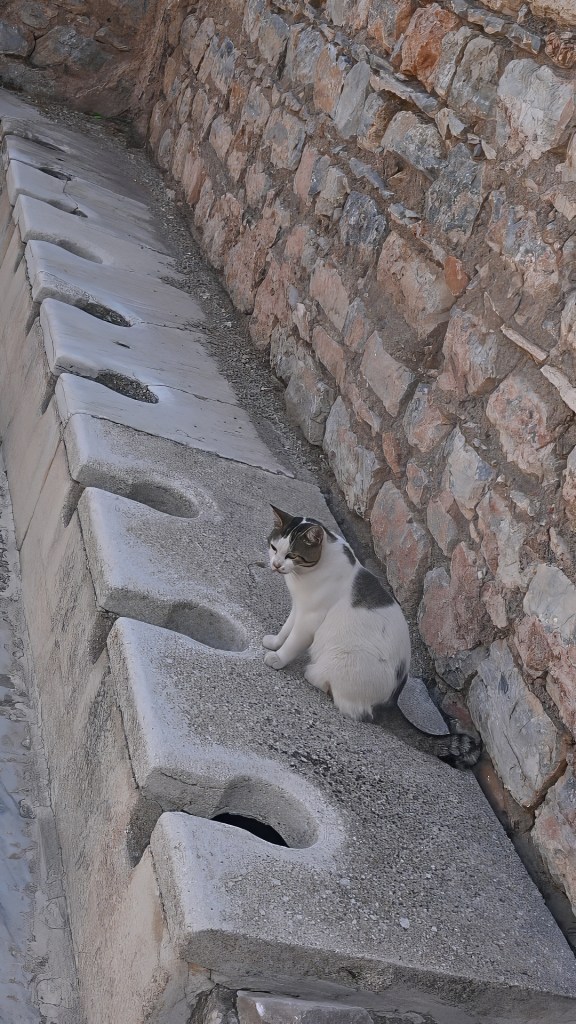
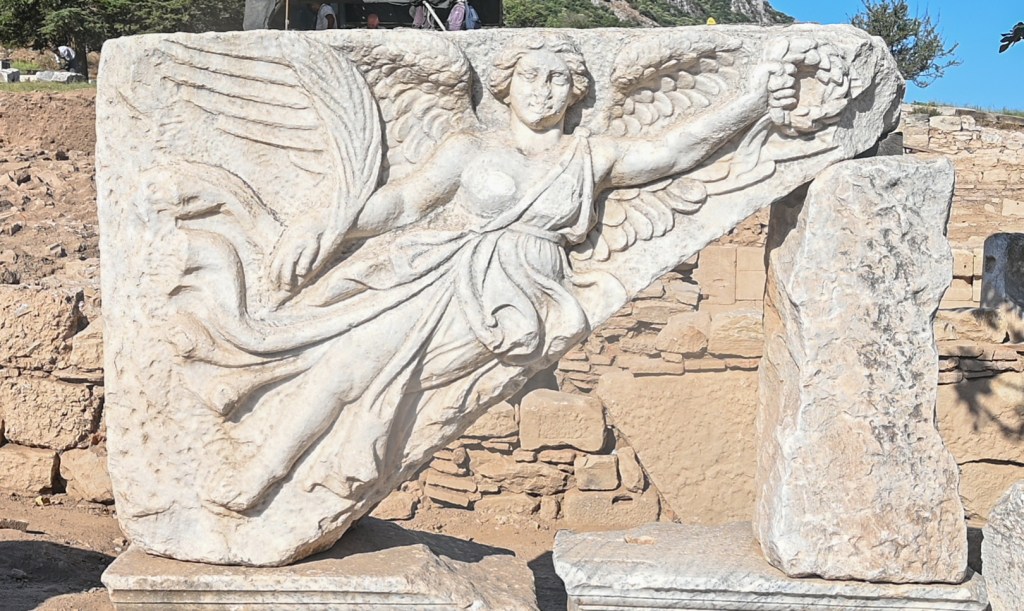
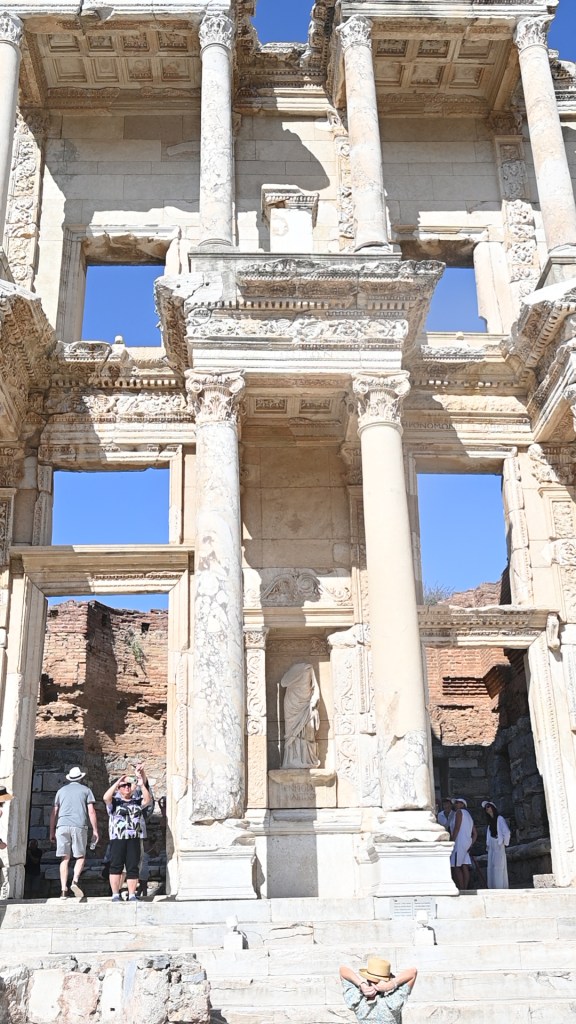
The excavated area of Ephesus basically represents the city center. Beginning at the upper gate, the tour passes through the government center, a shopping area, and a theater and nightlife district. The Curates Road connects the upper gate to the Library of Celsus.
Tour
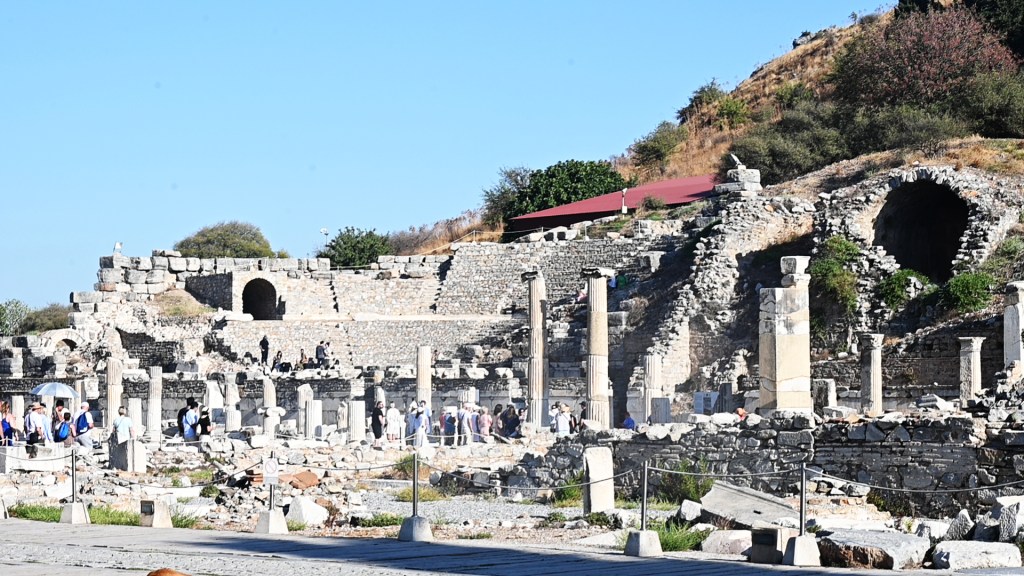


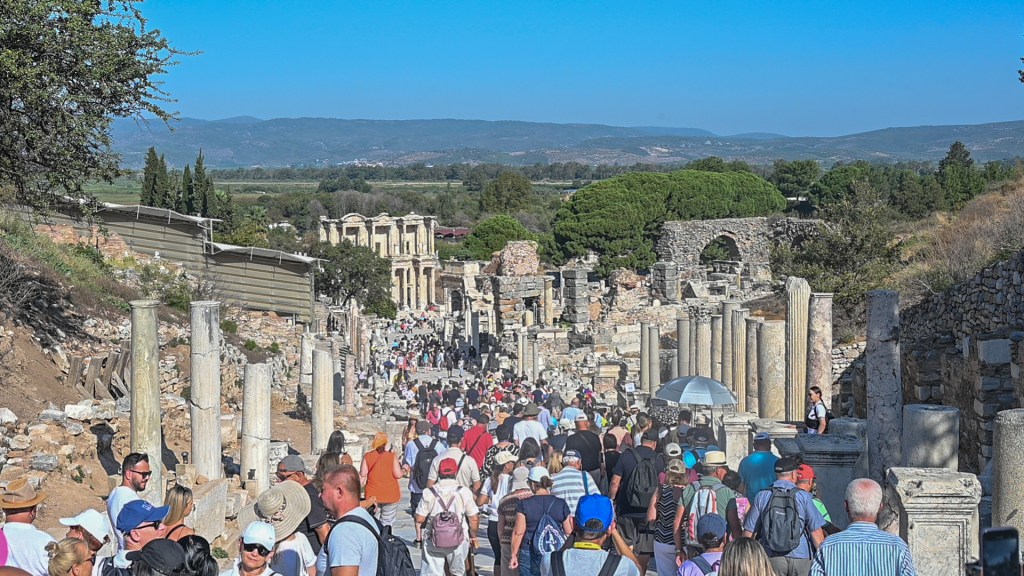





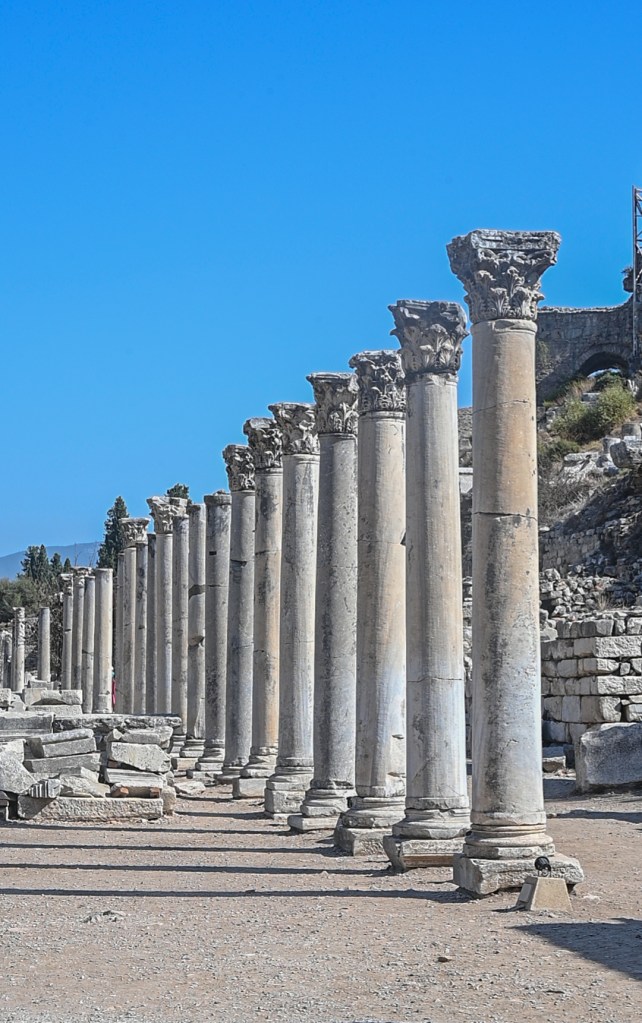

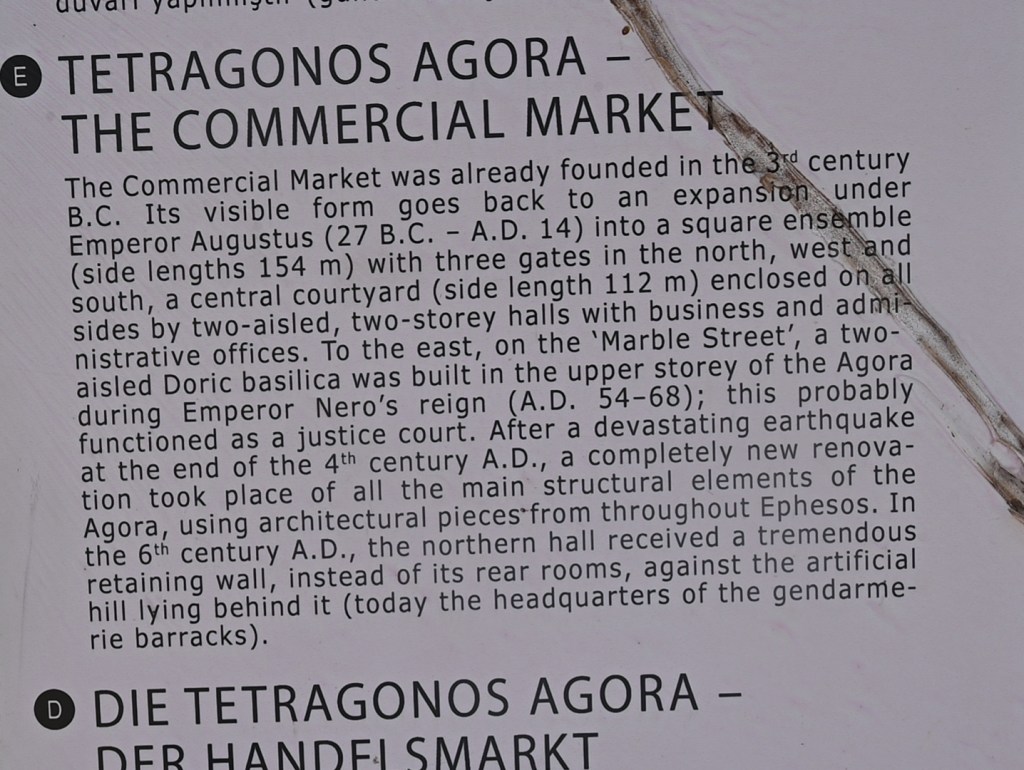


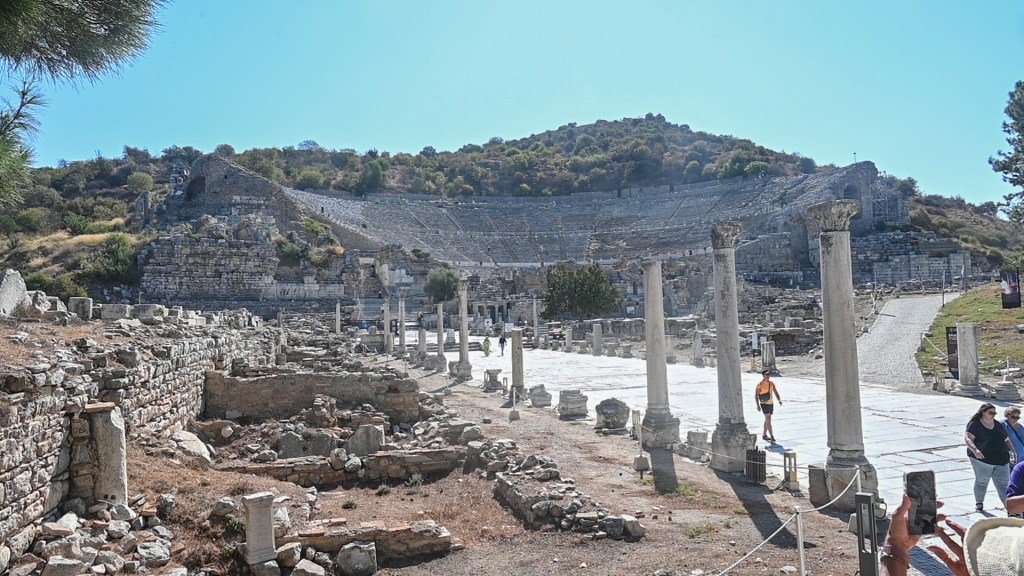

Dinner at the Library
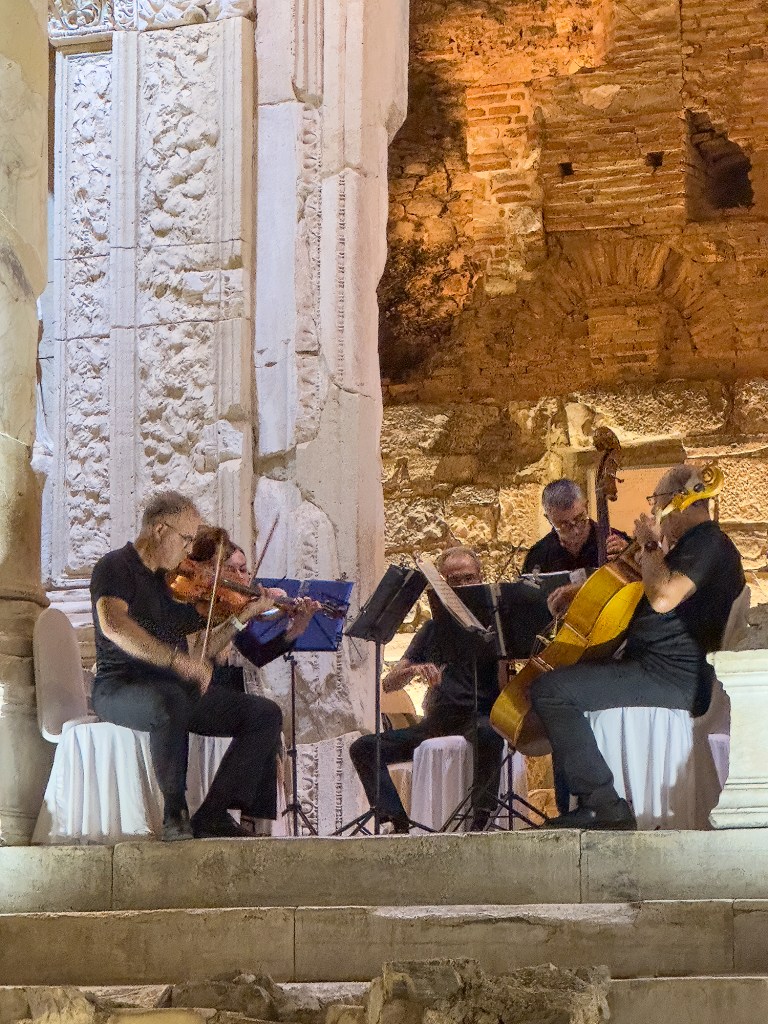
Those of us on Windstar (about 140) were privileged to enjoy an evening outside dinner with chamber music in front of the well-lit Library. The library, with 12000 volumes, was the third-largest library of the ancient world (behind Alexandria, Egypt and Pergamon).


Back to Windstar


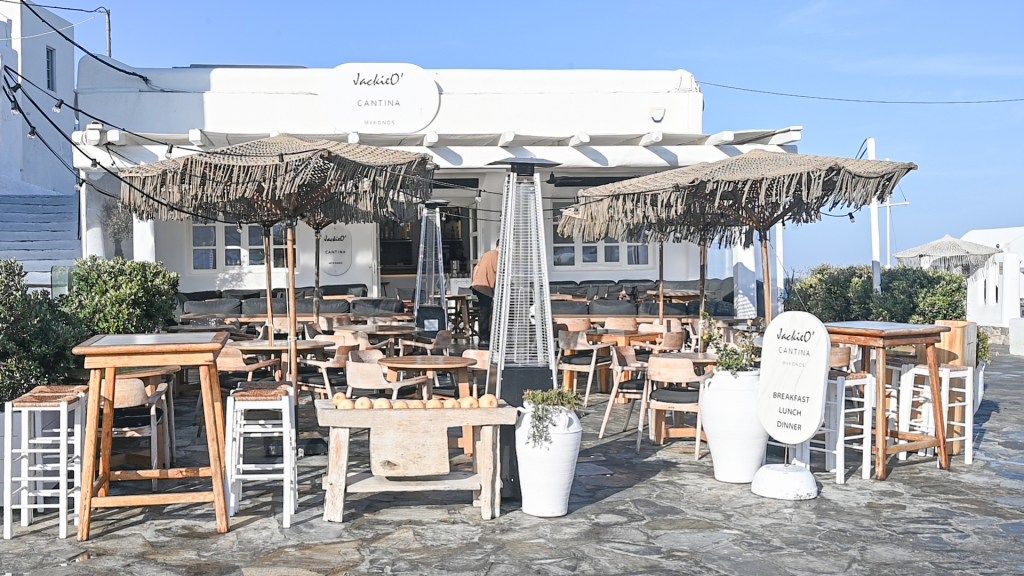
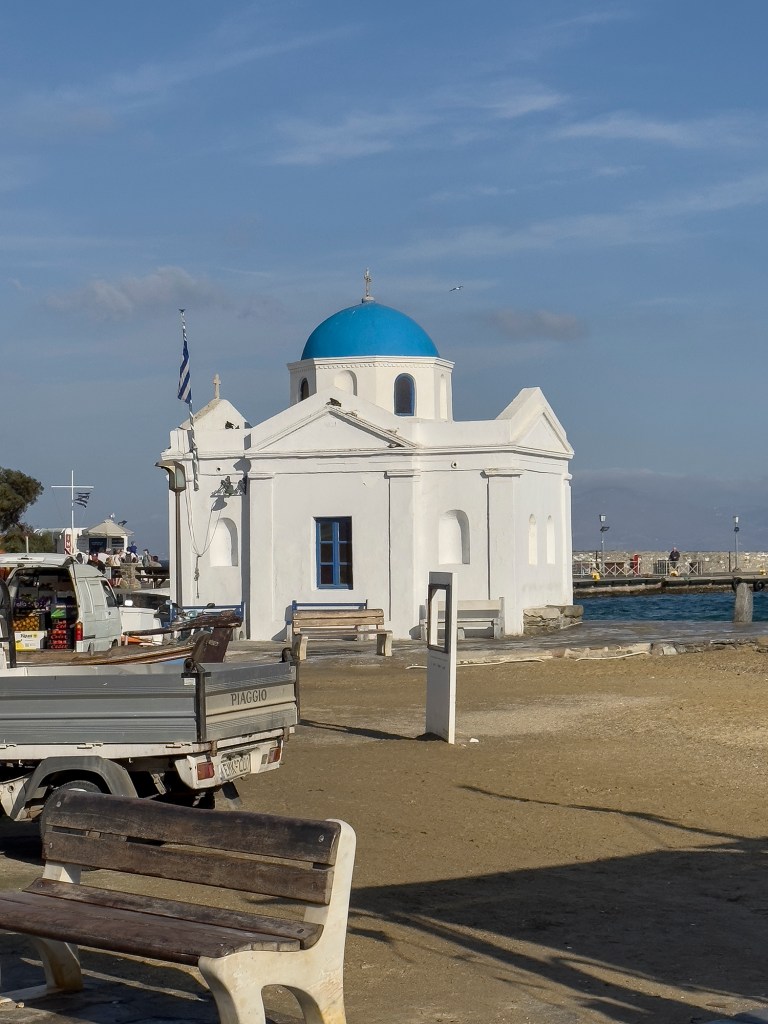
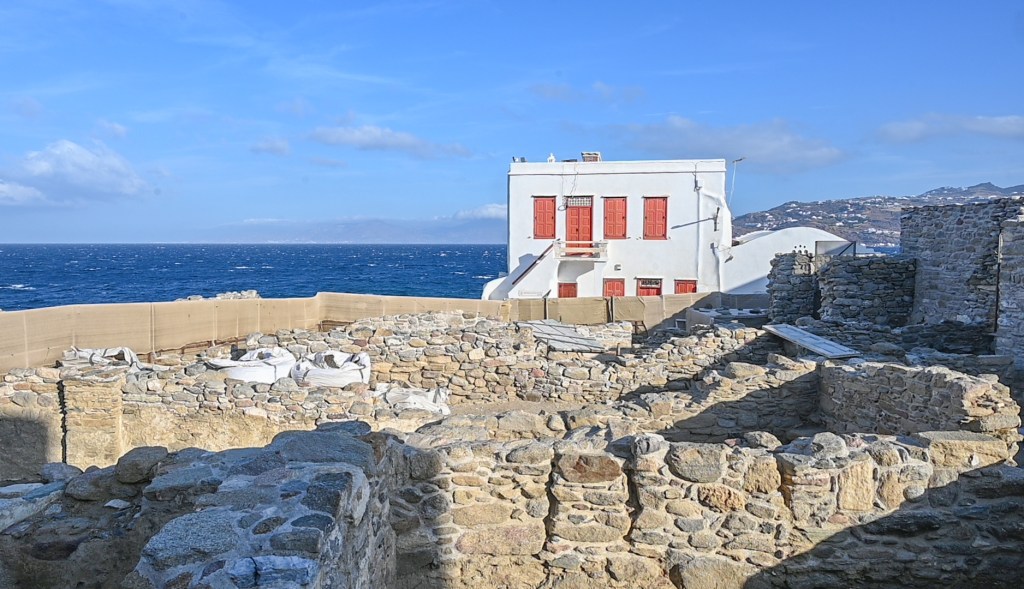
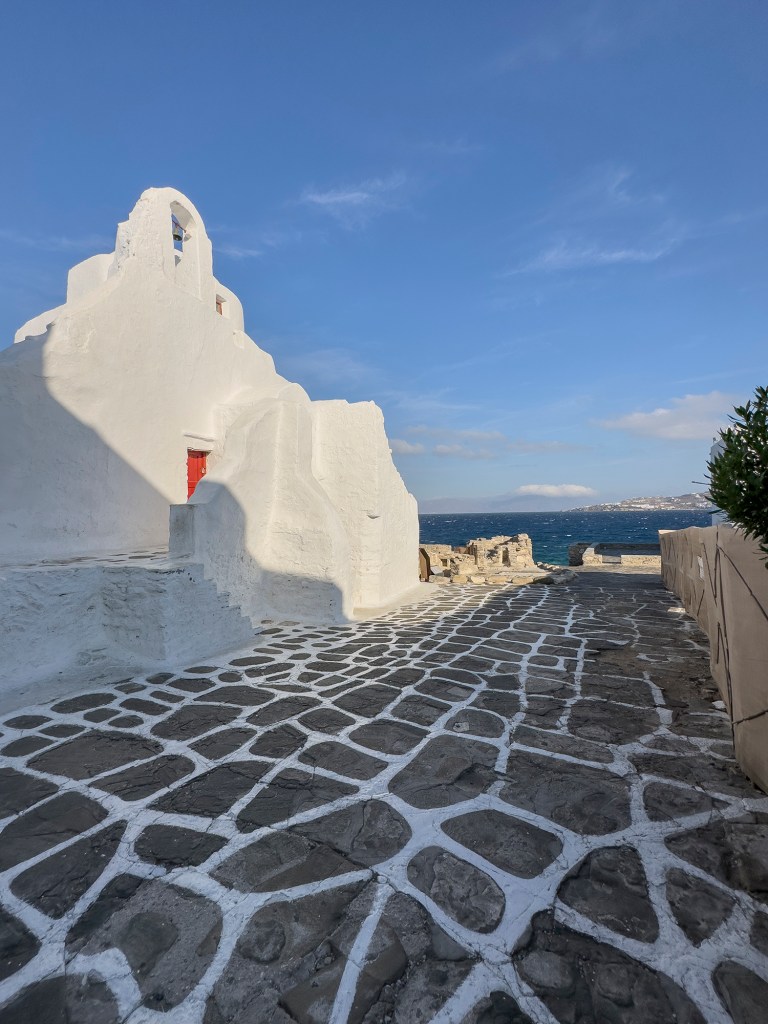
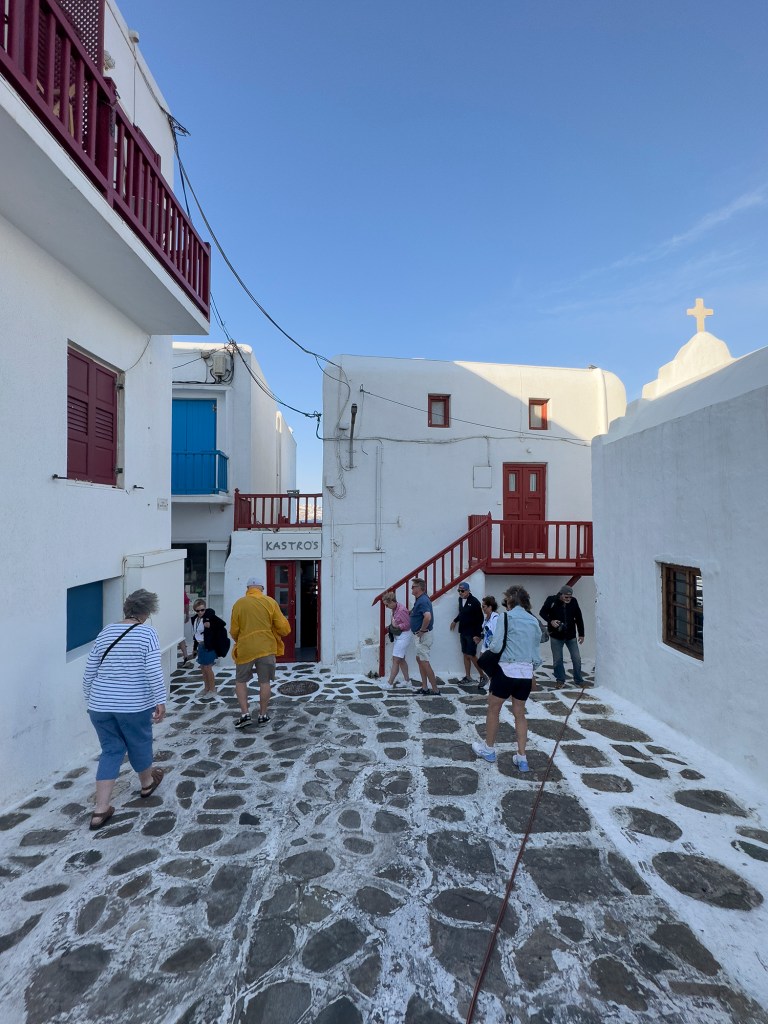
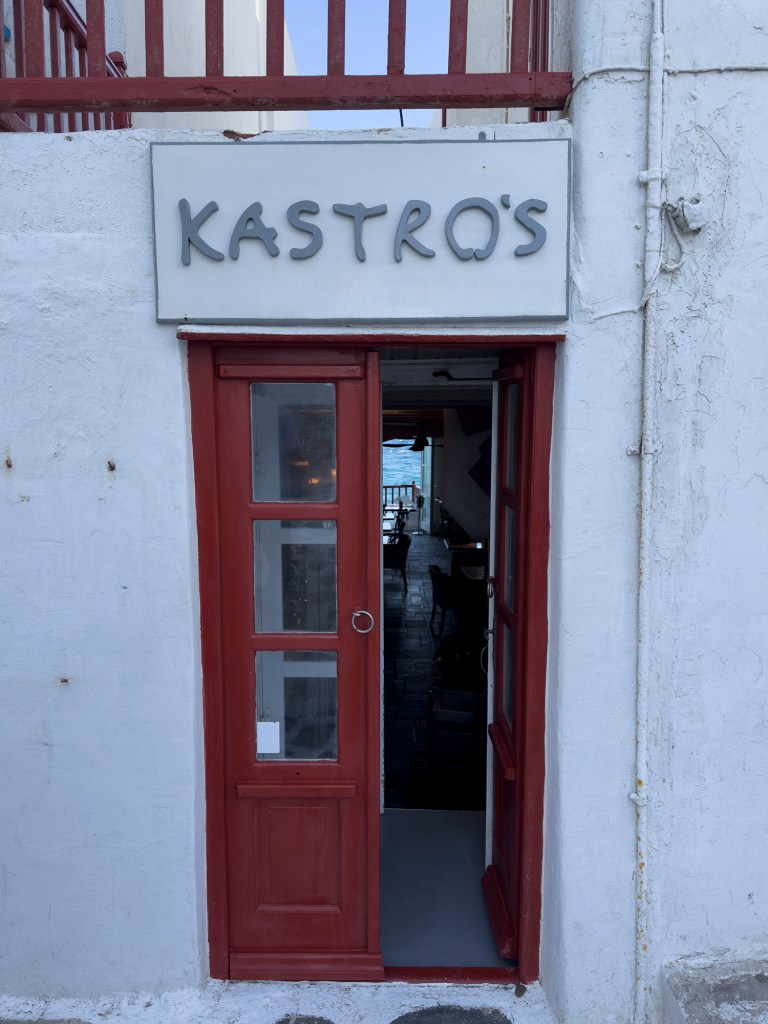
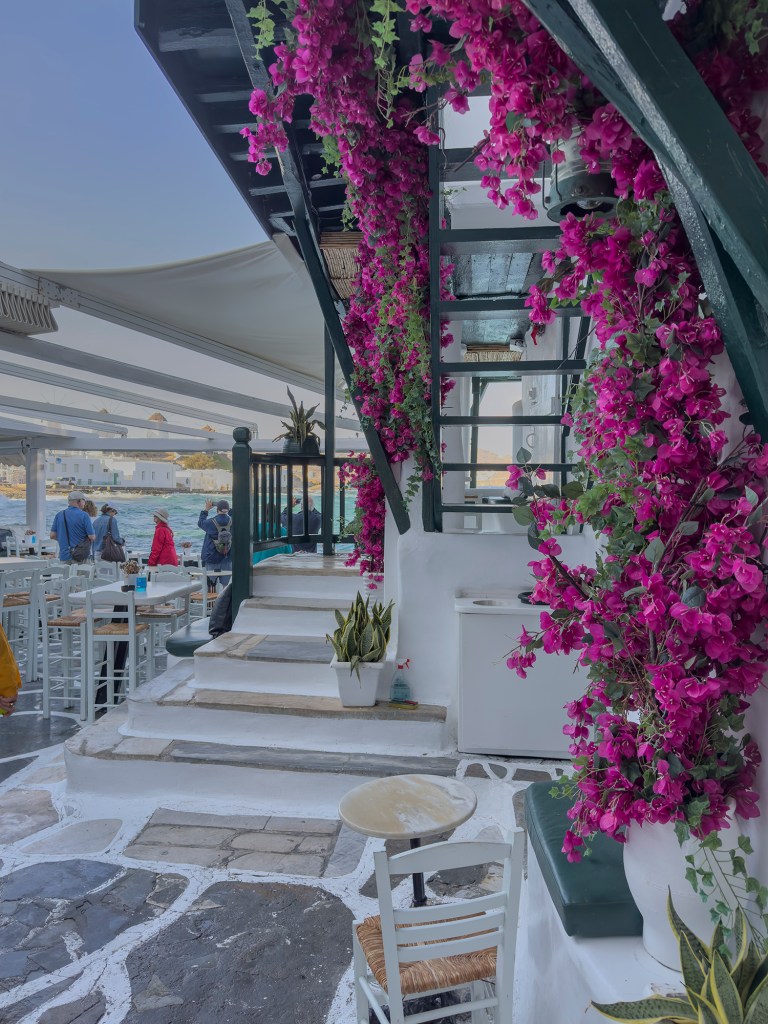
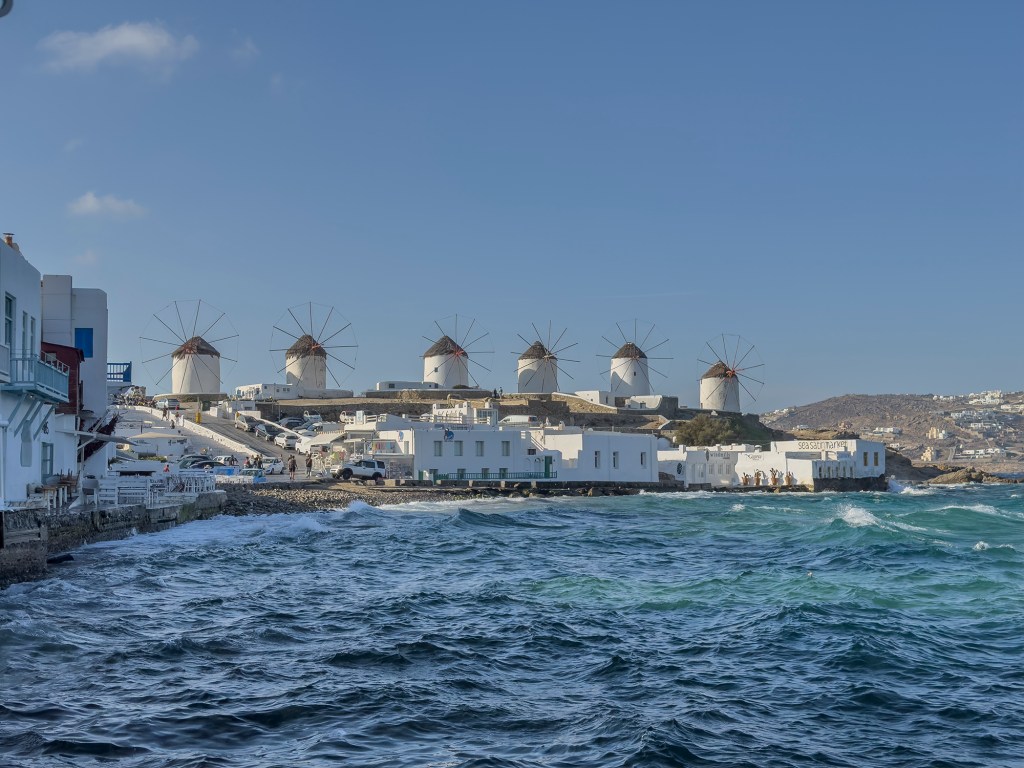
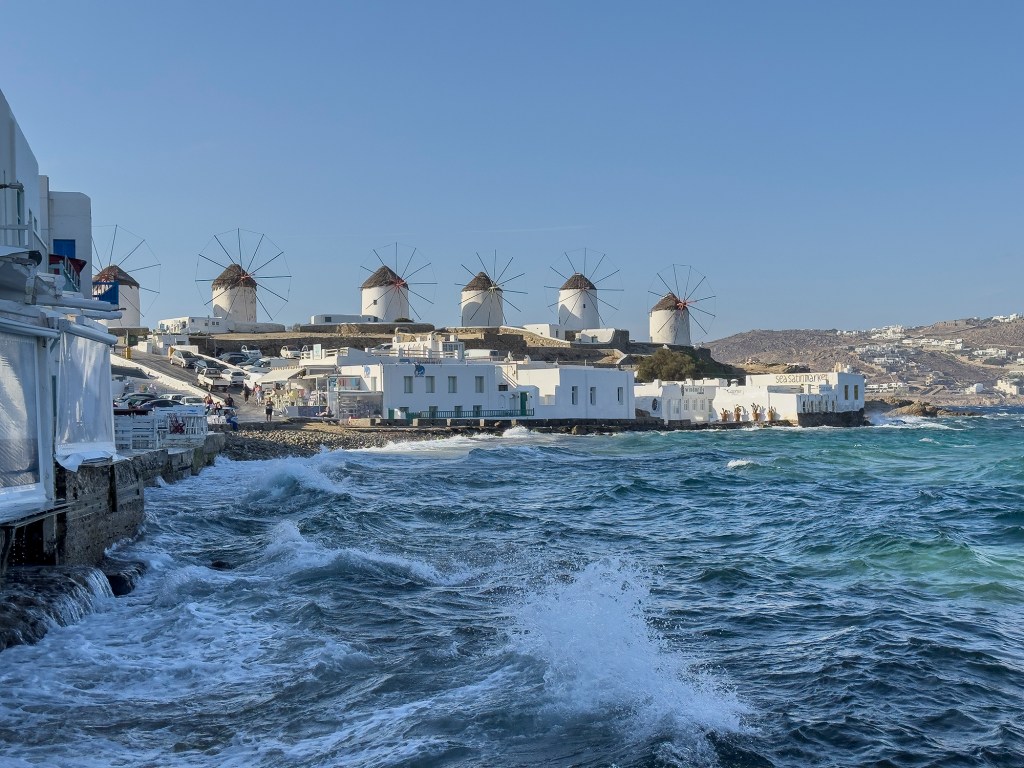
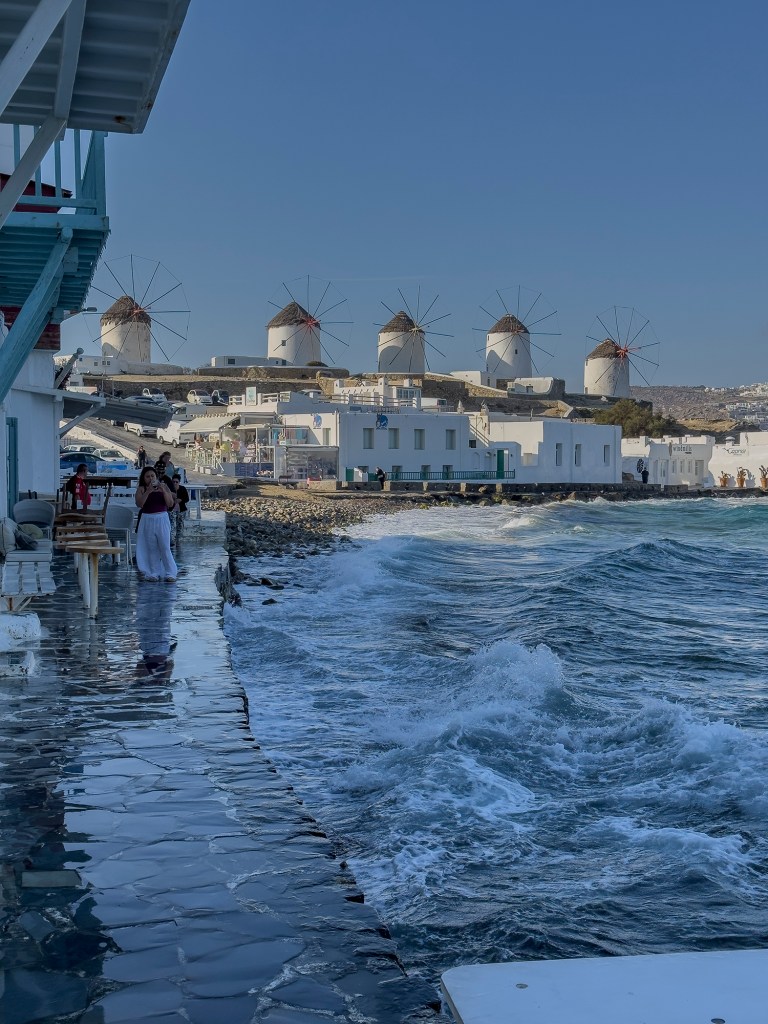
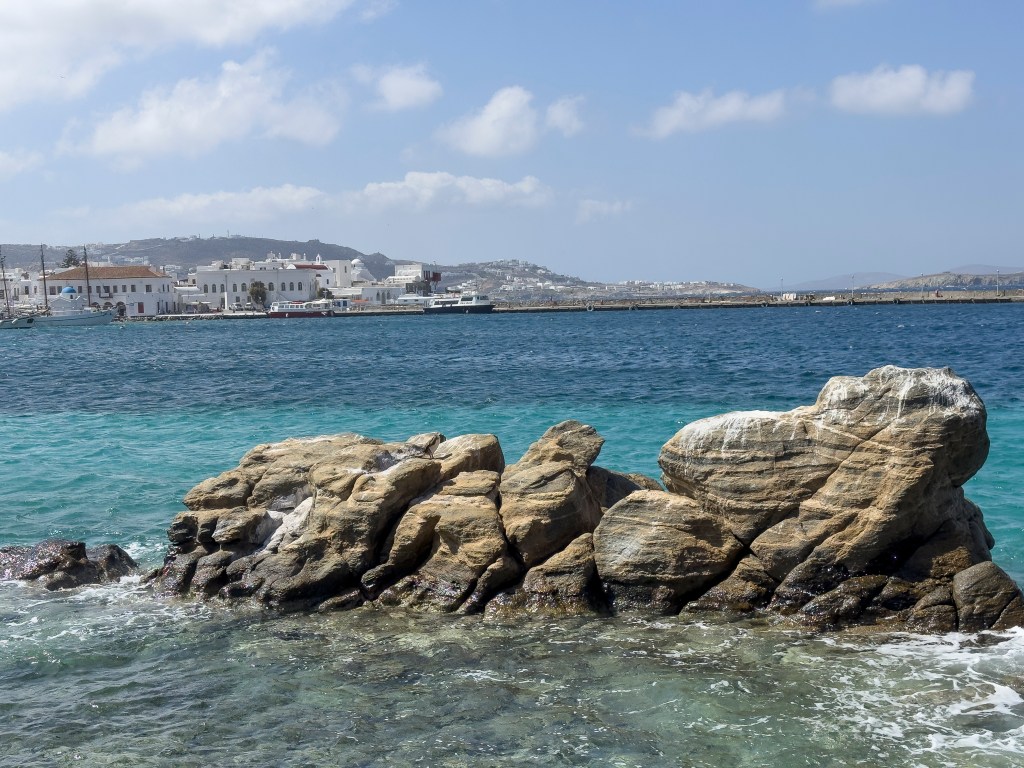
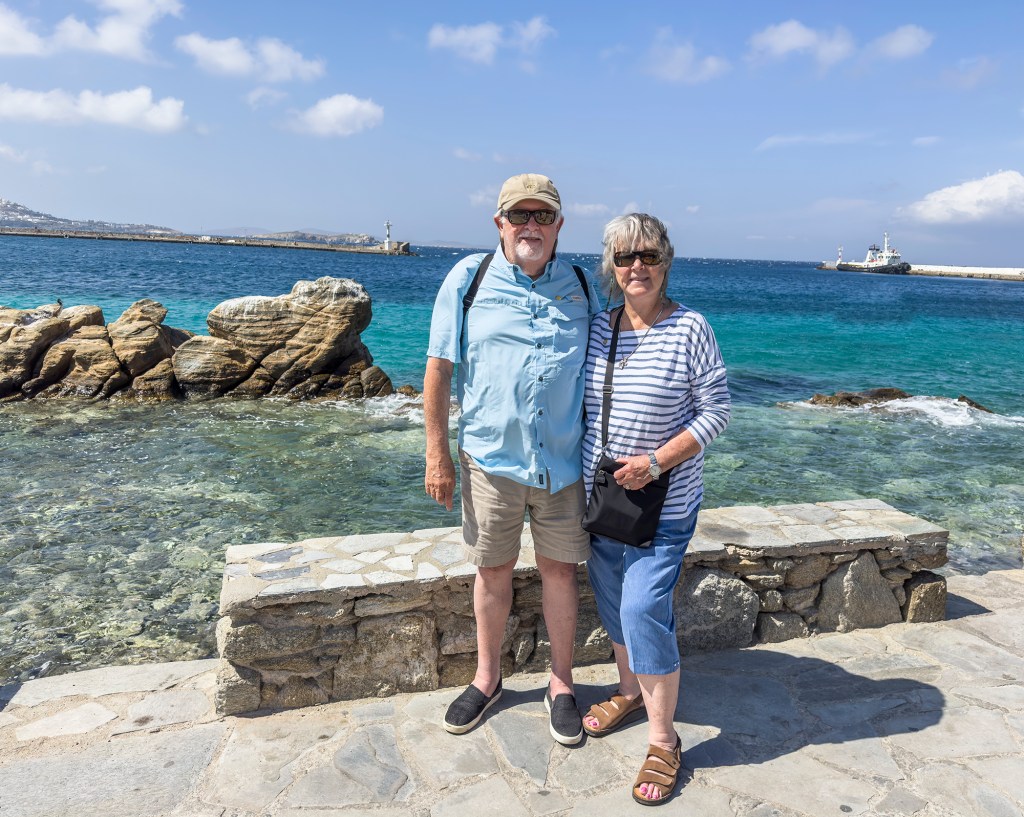
Our first stop on the cruise was the beautiful island of Mykonos. This is a “perfect” Greek Island, with a seafront village behind a sandy harbor, blinding white stucco, bright blue trim and purple bougainvillea. And on a ridge a series of five windmills overlooking an area with tightly connected buildings and narrow streets called “little Venice”. A photographer’s delight! Mykonos is in fact an expensive playground for world travelers.
Old Town Harbor


Little Venice



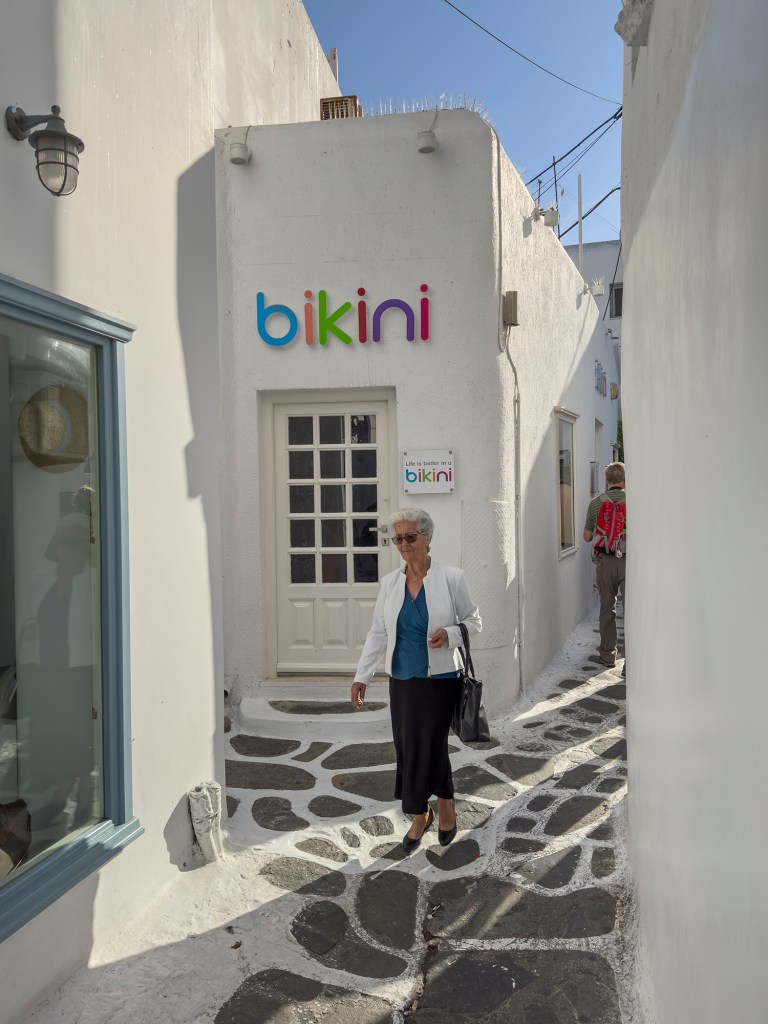
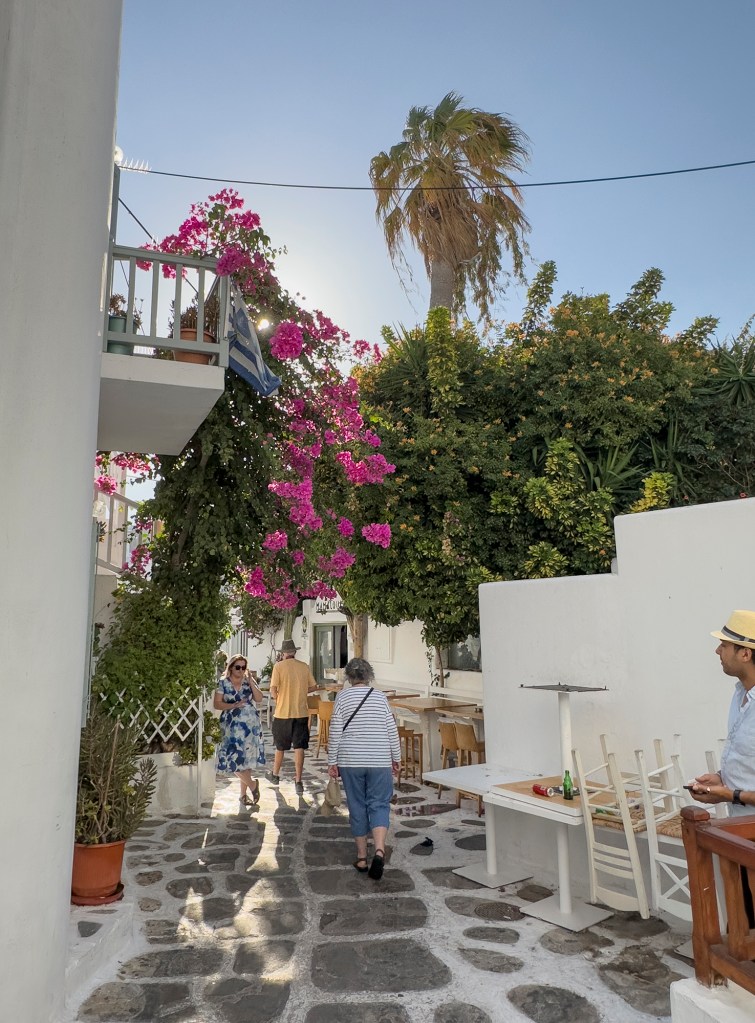


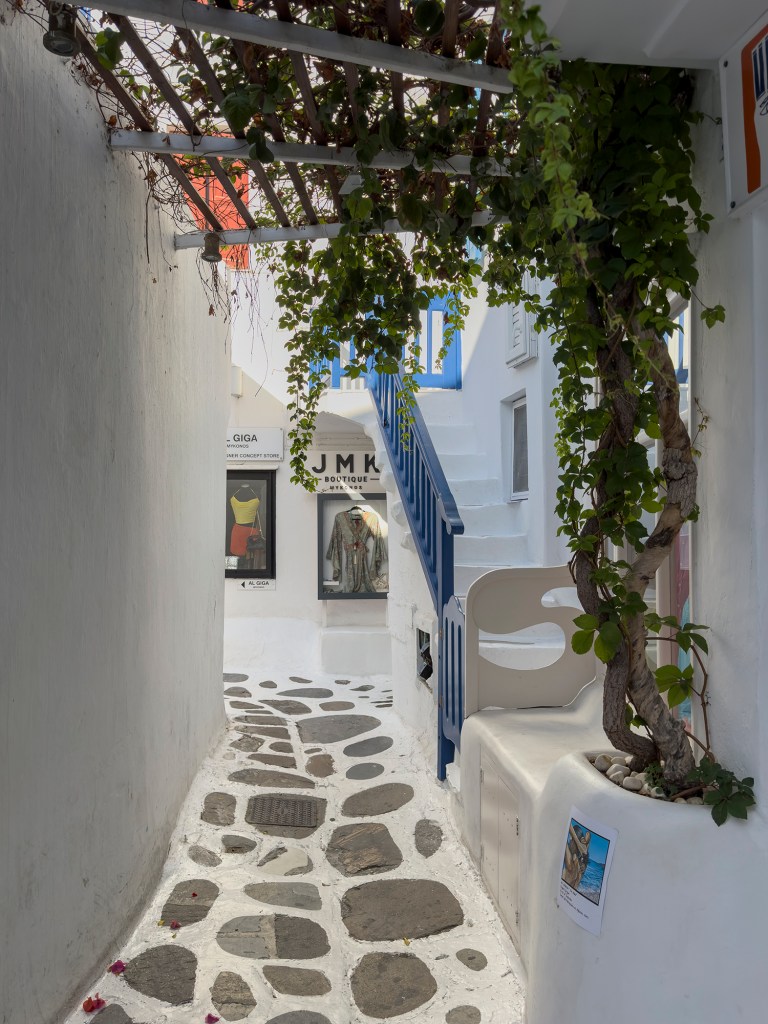
Up Island

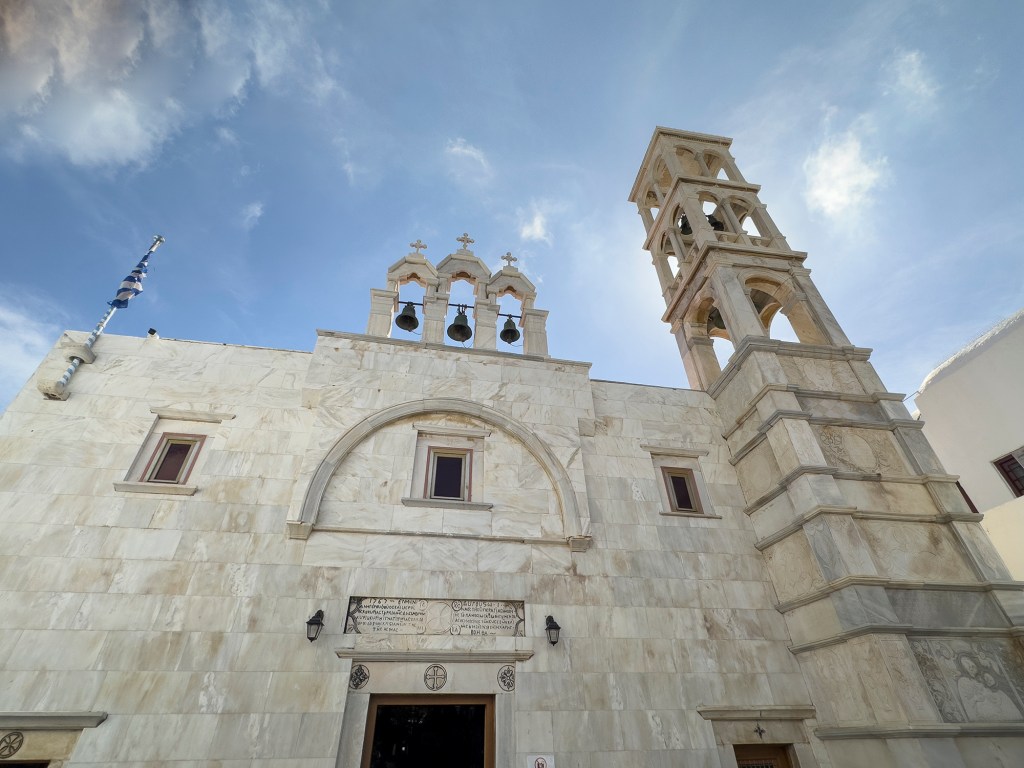


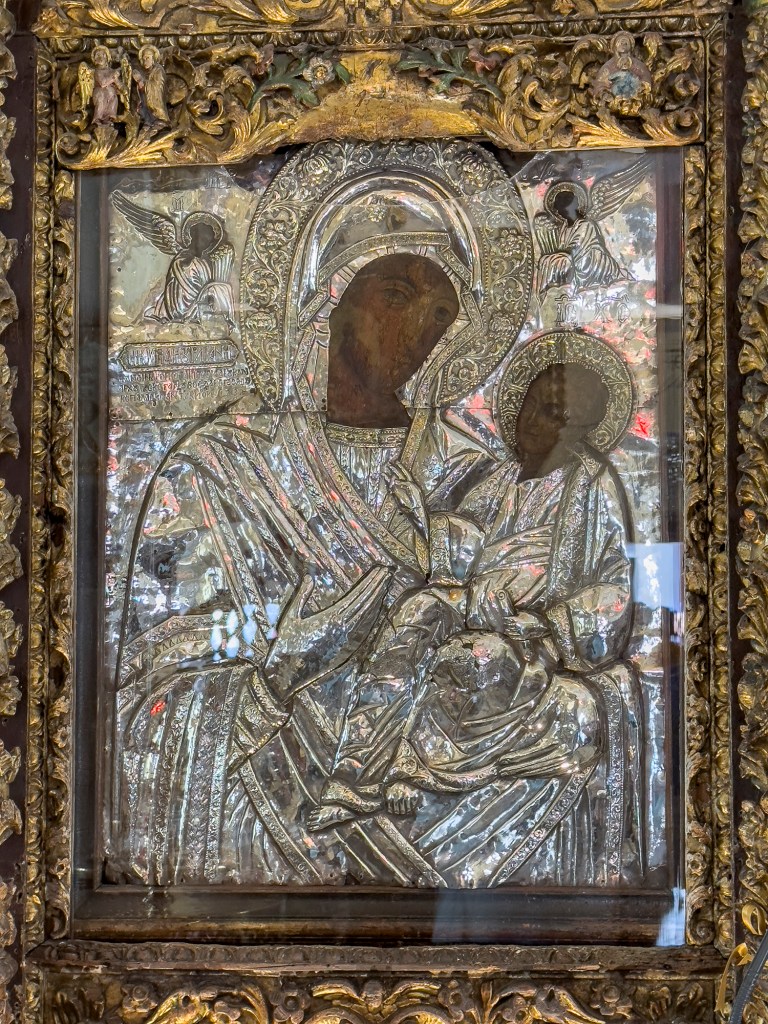
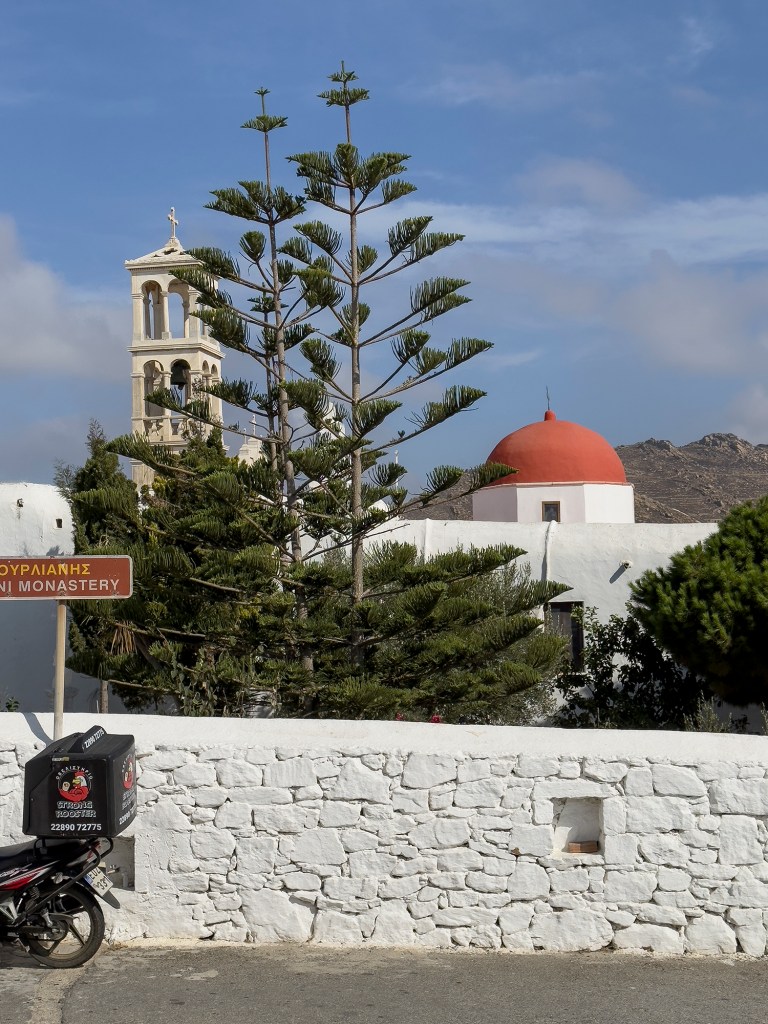
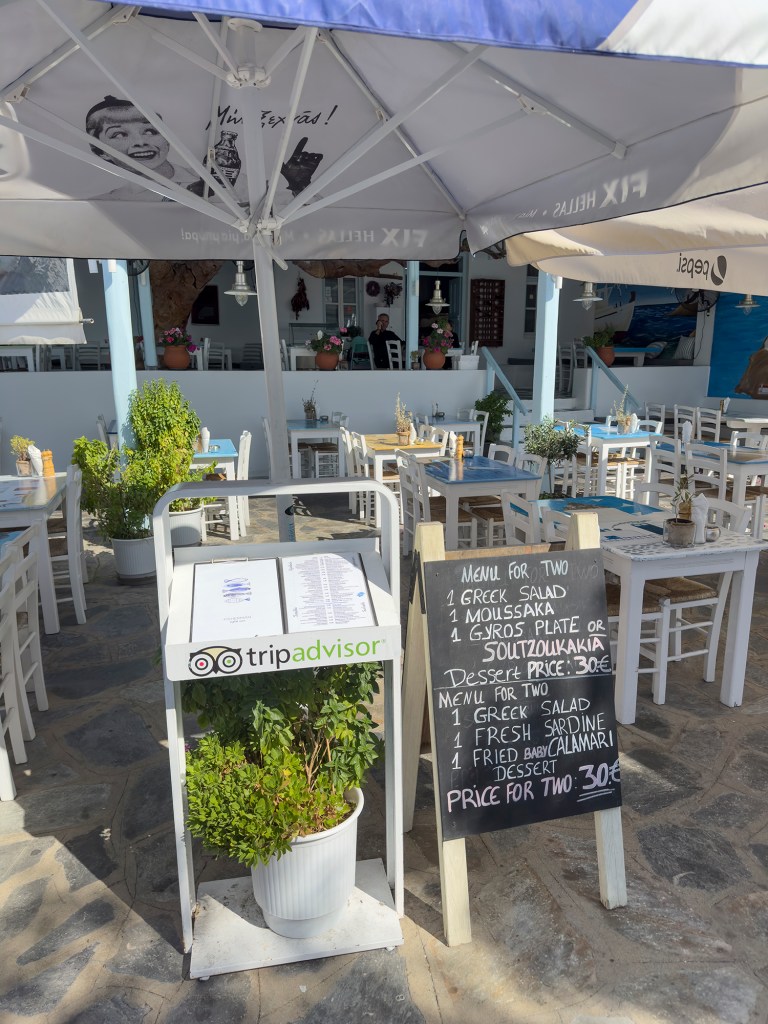

Other Images



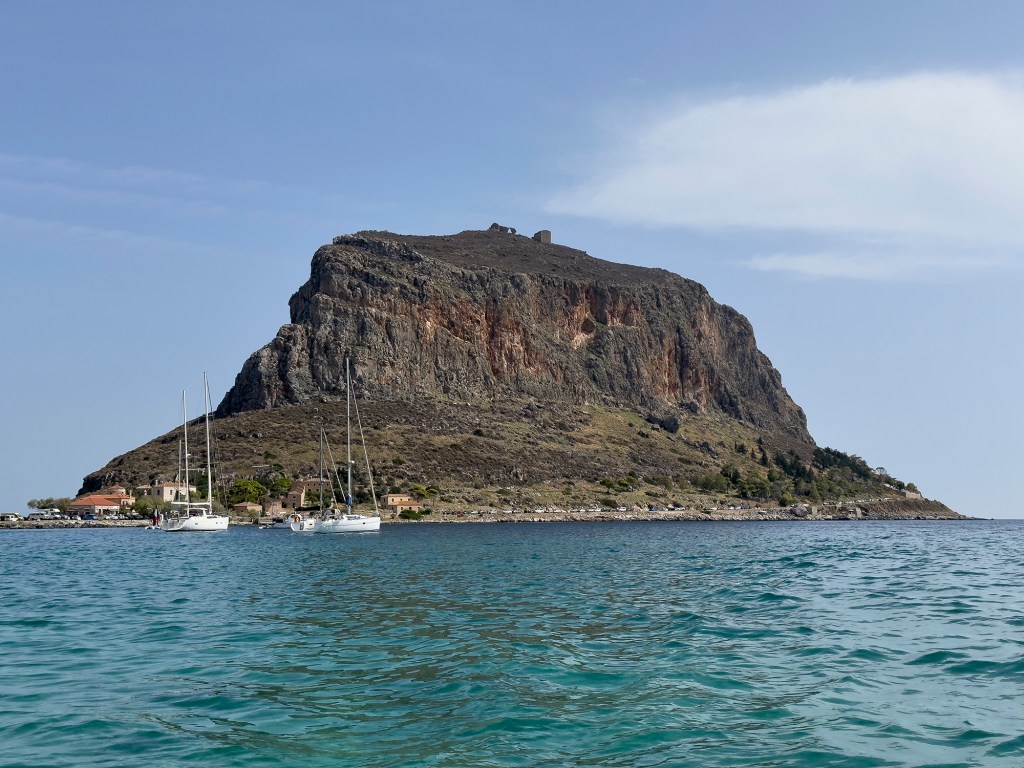
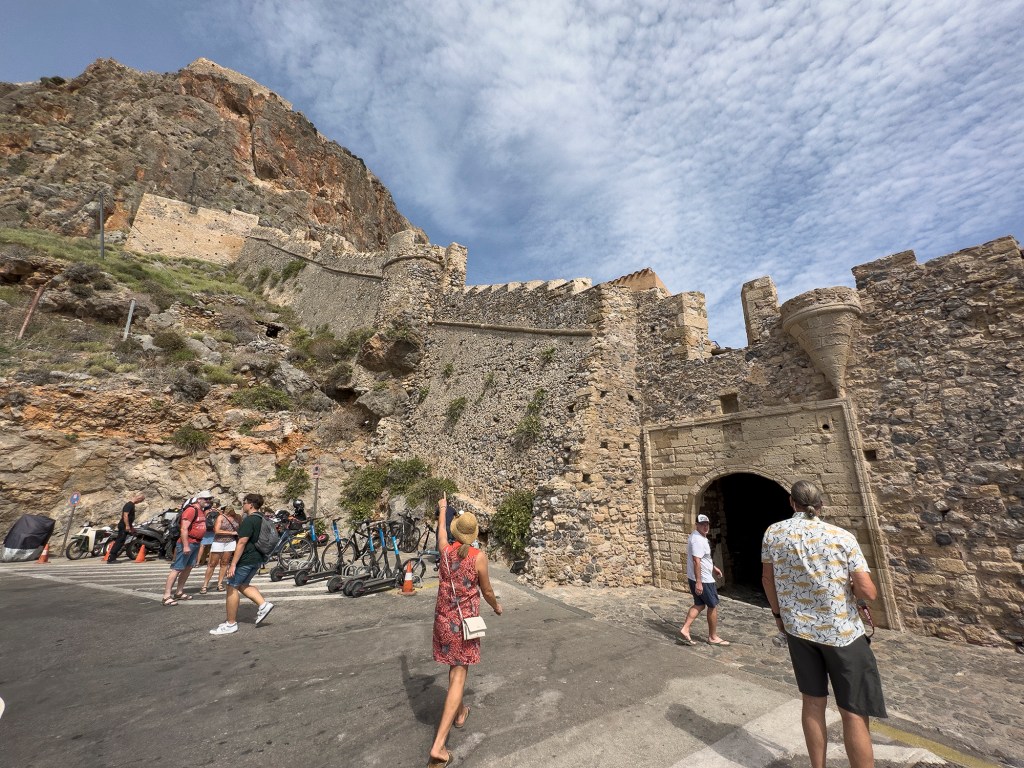
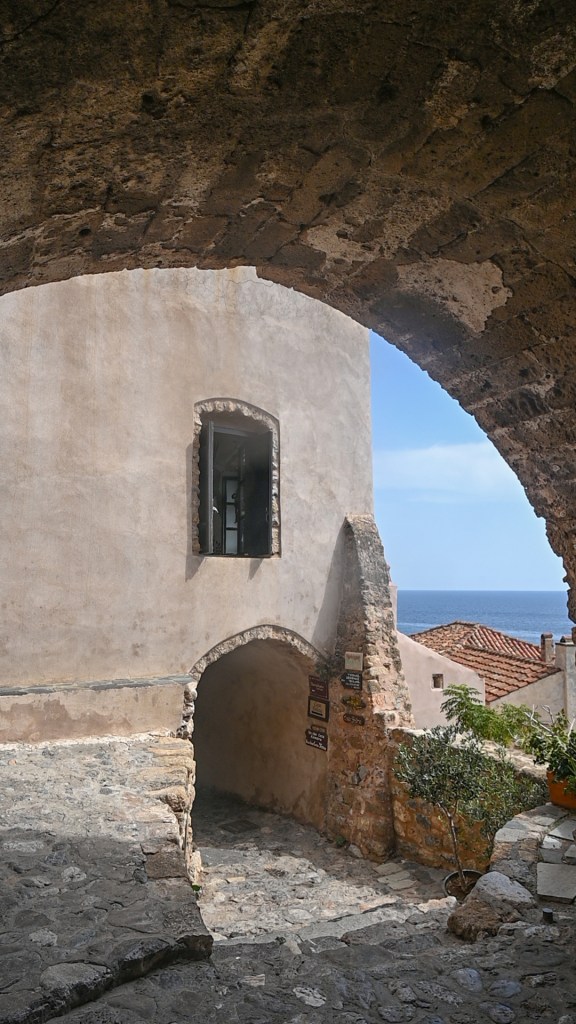
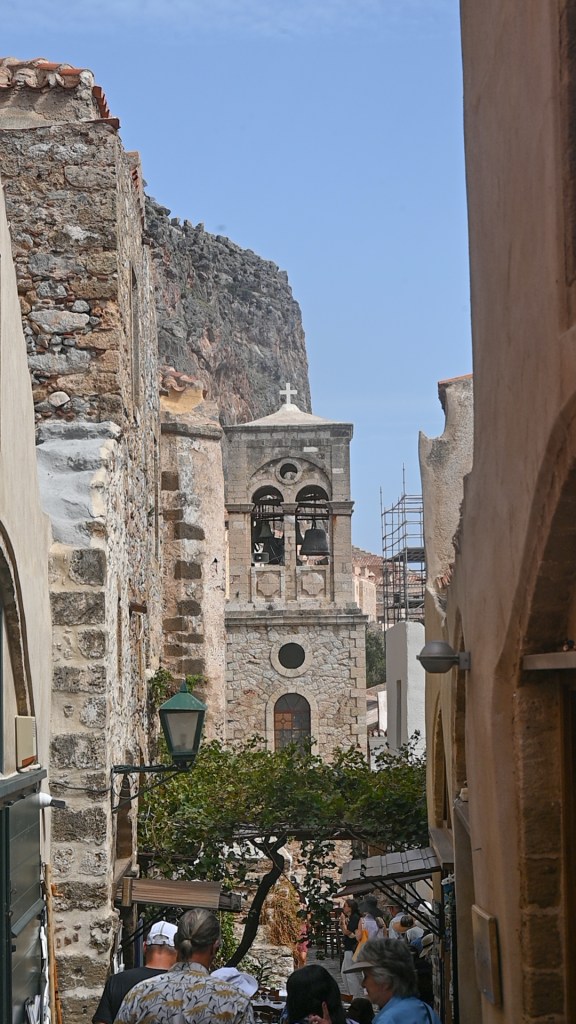
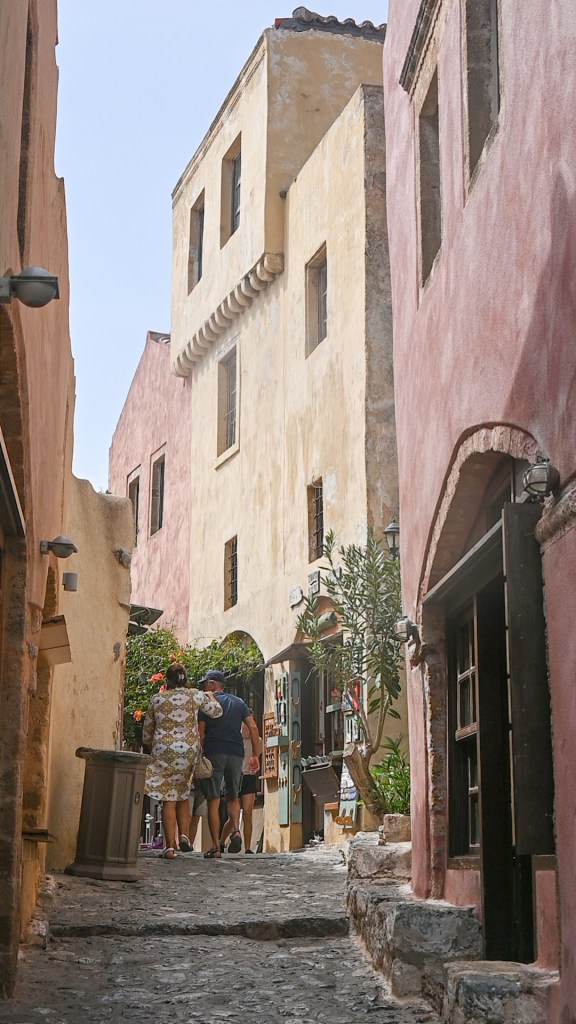
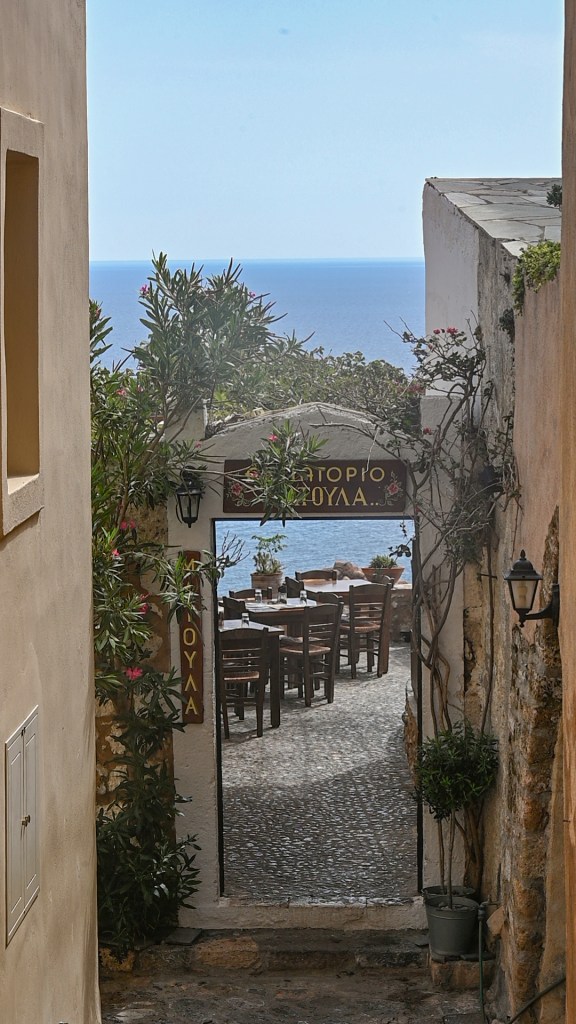
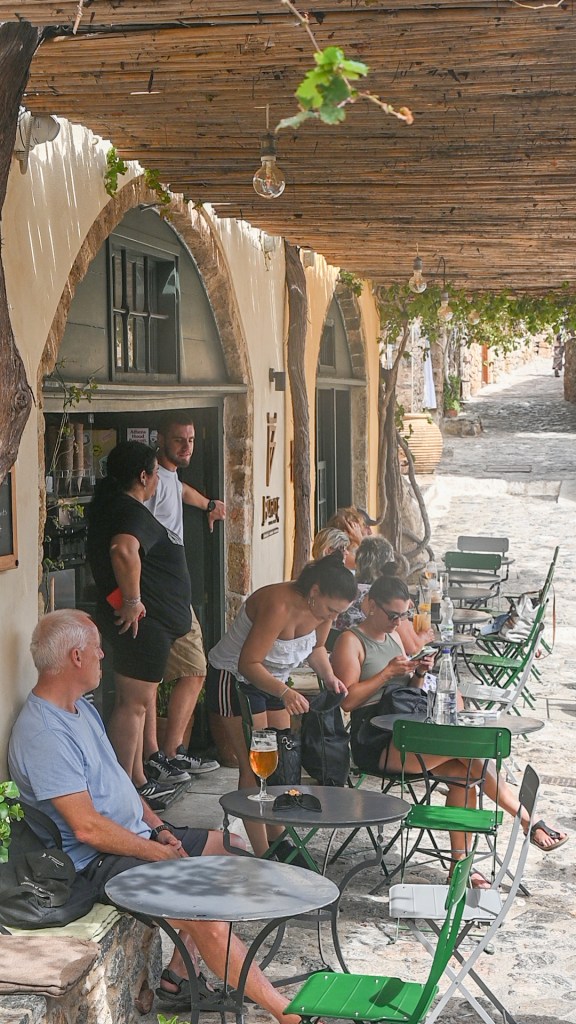
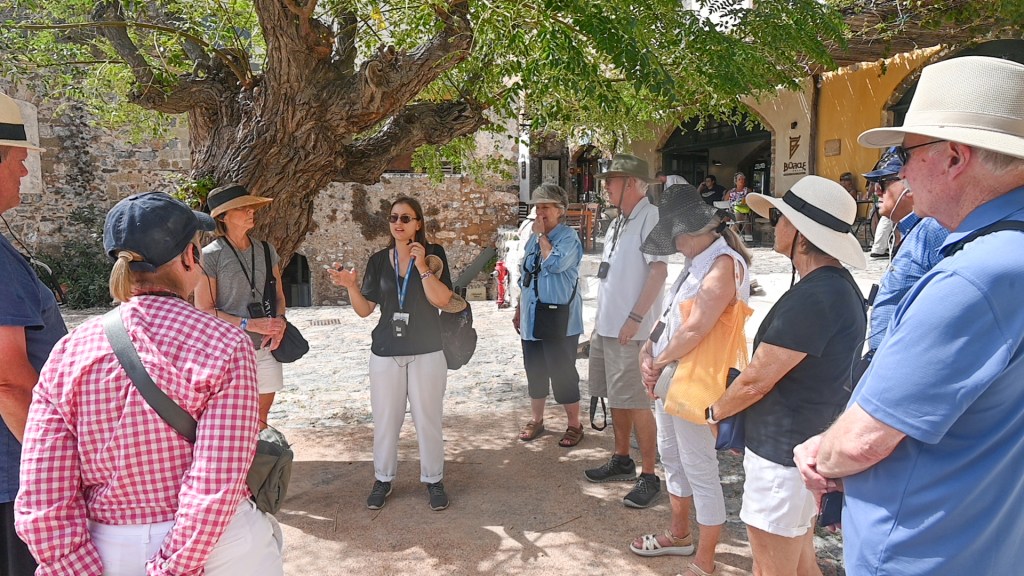
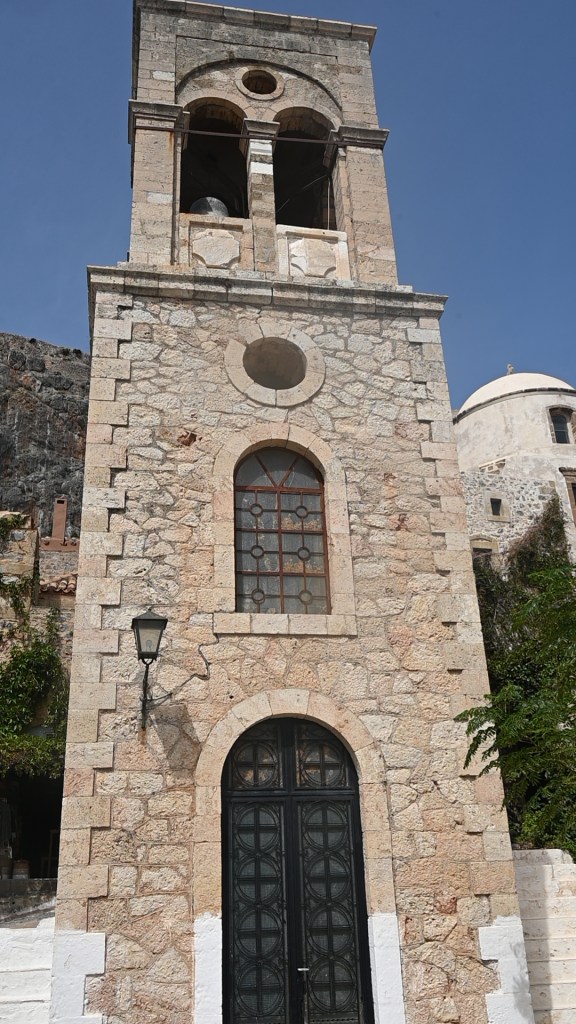
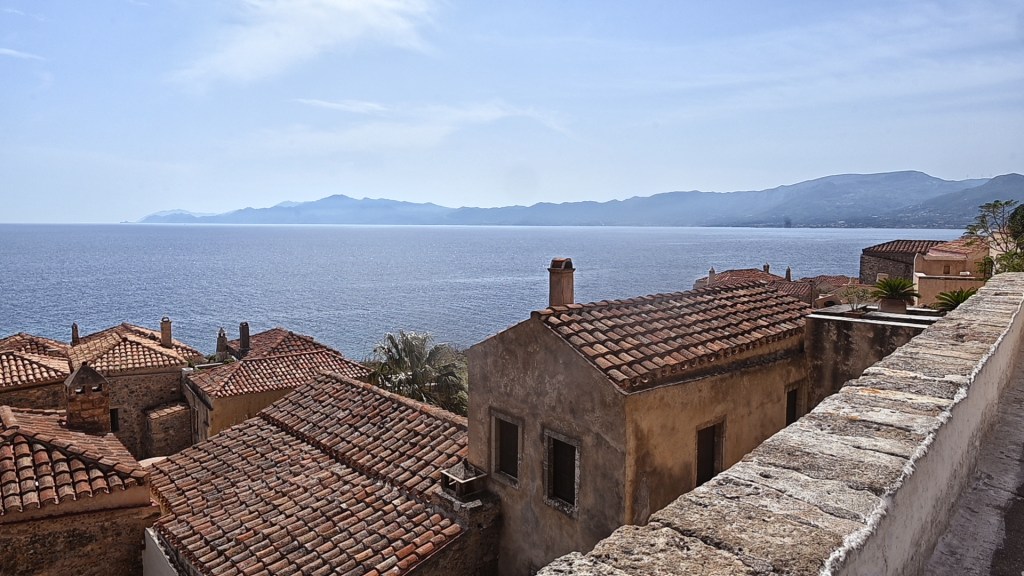
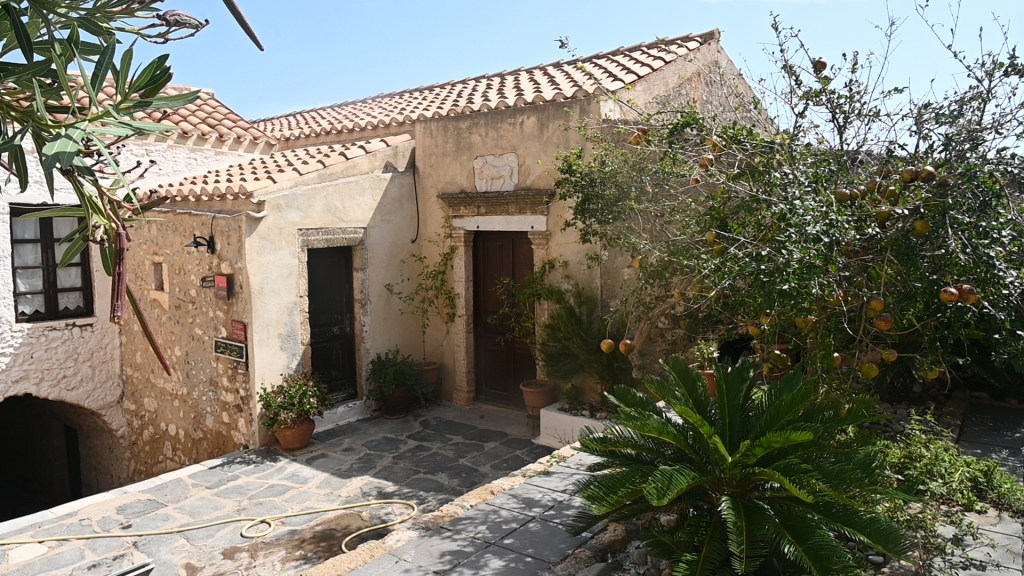
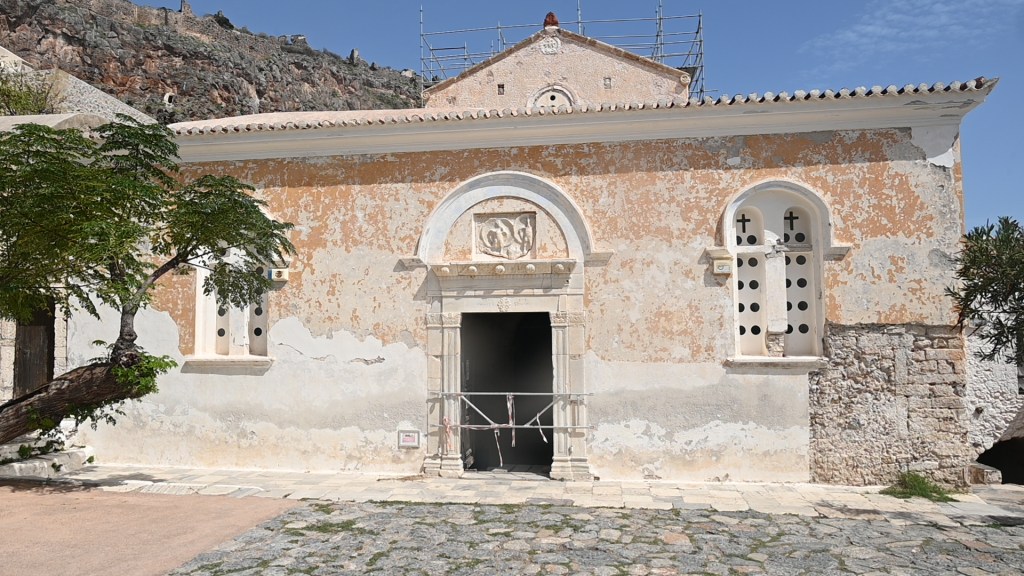
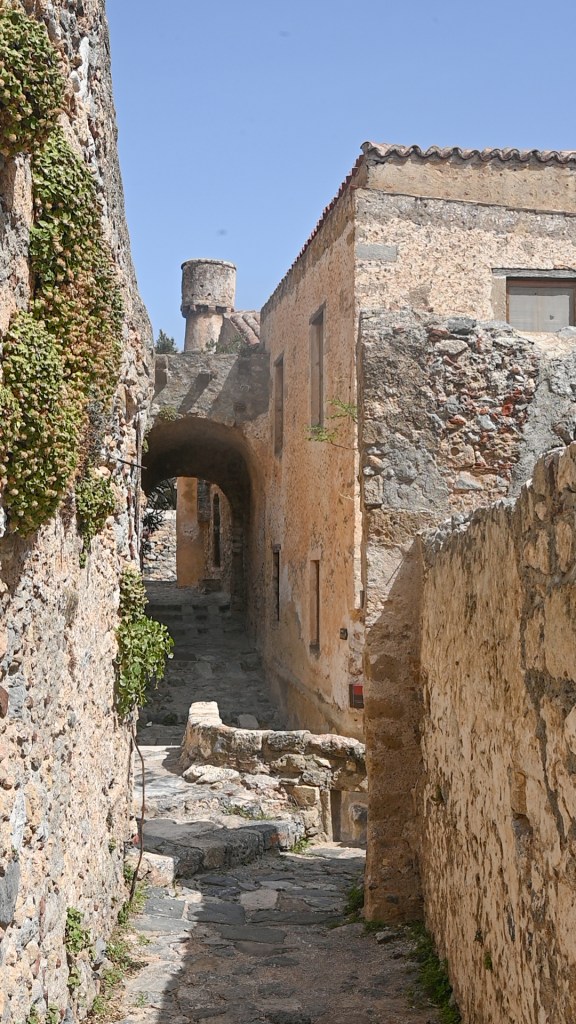
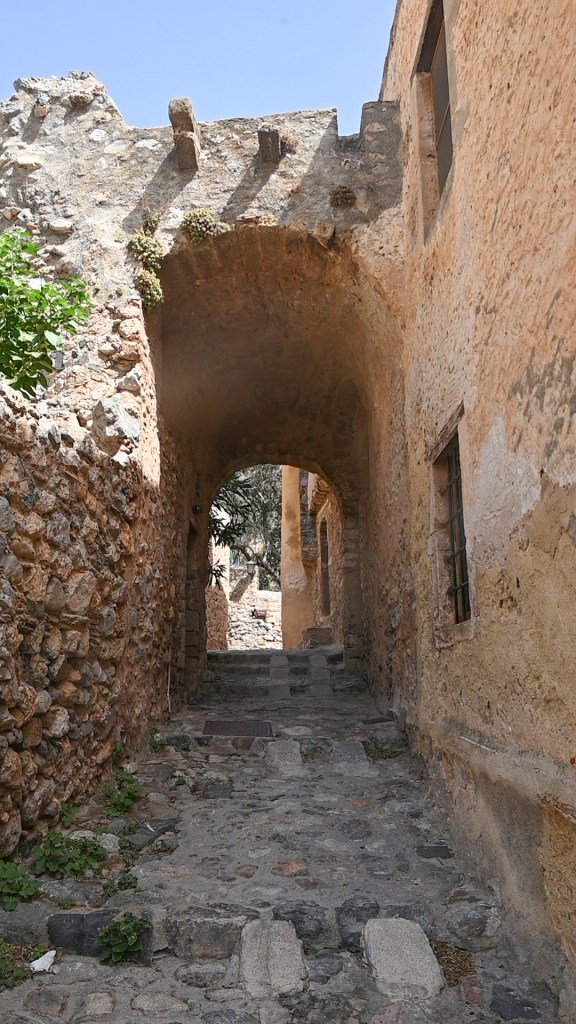
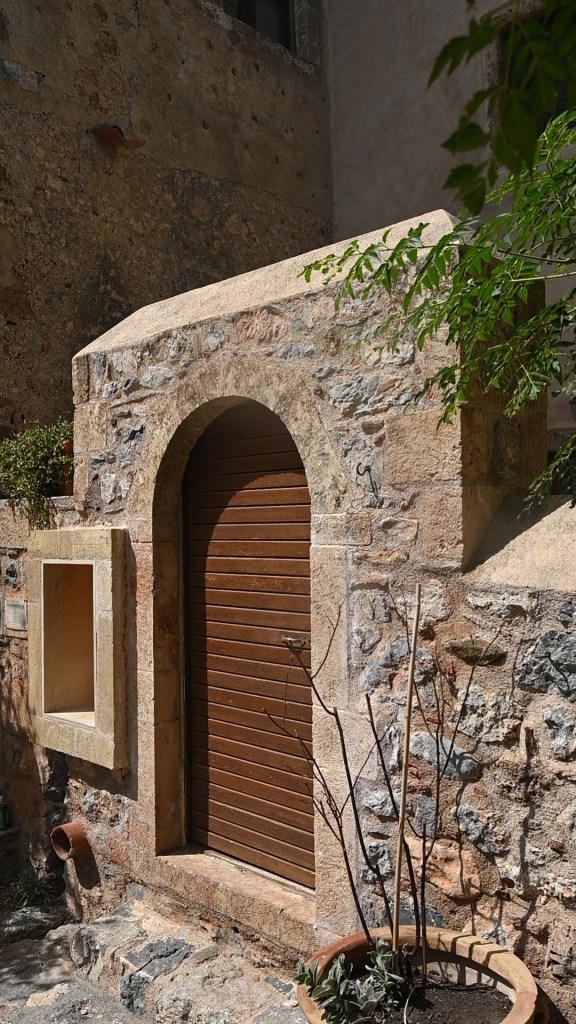
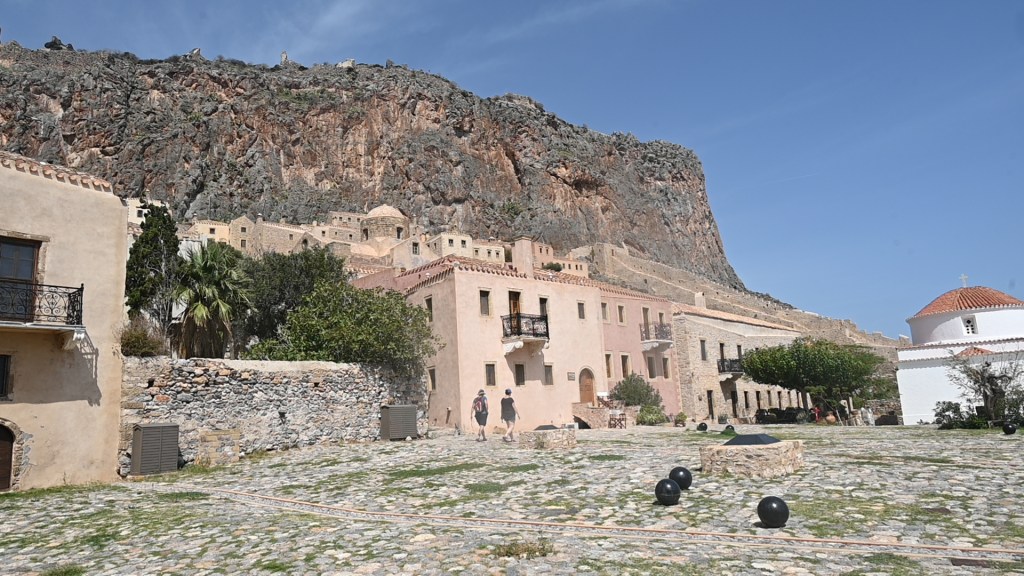
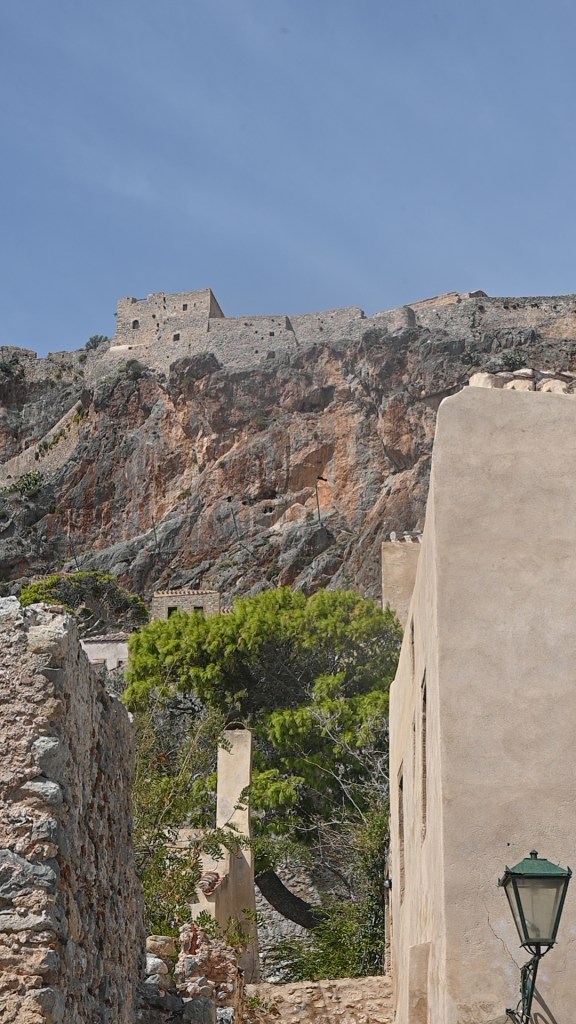
Monemvasia is a gigantic rock that juts up from the blue-green depth a few hundred yard offshore, a literal time warp to the medieval Peloponnese. Its little town hides on the seaward side of the rock, a romantic walled town. Remains of a larger town are scattered along the peak of the rock. The site dates back to the 13th century.
One arrives by tender to the town of Geyfra, and access the old town via a narrow causeway (Monemvasia means “sing;e entry”). The upper town may date to the sixth century AD by refugees fleeing Slavic raids.The settlement gradually spread down the hill, and formed a center for trade and military importance.











 The Carefree Photographer